Feeling uncertain about what to expect in your upcoming interview? We’ve got you covered! This blog highlights the most important Carbon Footprint and Emissions Management interview questions and provides actionable advice to help you stand out as the ideal candidate. Let’s pave the way for your success.
Questions Asked in Carbon Footprint and Emissions Management Interview
Q 1. Define Scope 1, Scope 2, and Scope 3 greenhouse gas emissions.
Greenhouse gas (GHG) emissions are categorized into three scopes to provide a comprehensive understanding of an organization’s impact on climate change. Think of it like concentric circles emanating from a company’s operations.
- Scope 1: Direct Emissions – These are emissions produced directly from sources owned or controlled by the company. Imagine this as the innermost circle. Examples include emissions from company-owned vehicles, on-site energy generation (like a boiler burning natural gas), and fugitive emissions from refrigerants.
- Scope 2: Indirect Emissions from Energy Consumption – This is the next circle out. These emissions result from the generation of purchased electricity, heat, or steam consumed by the company. For example, the emissions from the power plant that supplies electricity to your office building fall under Scope 2.
- Scope 3: Other Indirect Emissions – This encompasses all other indirect emissions that occur in the company’s value chain, representing the outermost circle. This is the most complex category and includes emissions from purchased goods and services, transportation and distribution, waste generated by the company, business travel, employee commuting, and even the use of sold products. It’s essentially everything else not included in Scope 1 and 2. For a clothing company, Scope 3 might include emissions from cotton farming, manufacturing processes in overseas factories, and transportation of the finished goods to stores.
Q 2. Explain the process of conducting a carbon footprint assessment.
Conducting a carbon footprint assessment involves a systematic process that aims to quantify an organization’s GHG emissions. It’s like performing a financial audit, but for the environmental impact. Here’s a breakdown of the process:
- Define the Boundaries: Clearly define the organizational scope (what parts of the business are included), the geographical boundaries, and the timeframe for the assessment. This is crucial for accurate results.
- Gather Data: Collect data on energy consumption, fuel use, waste generation, transportation activities, purchased goods and services, and other relevant emission sources. This usually involves reviewing invoices, utility bills, and working with various departments within the organization.
- Calculate Emissions: Use appropriate emission factors (e.g., grams of CO2e per kWh of electricity) and methodologies (more on this in the next question) to convert activity data into GHG emissions in tonnes of carbon dioxide equivalent (tCO2e). Many online calculators and software can help streamline this step.
- Validate and Verify: Review the calculations and data to ensure accuracy. This step often involves peer review or independent verification to enhance credibility.
- Report and Communicate: Create a clear and concise report summarizing the findings. Clearly communicate the results internally and, if desired, externally. This might involve reporting to investors, customers, or stakeholders.
- Develop a Reduction Plan: Based on the assessment, identify opportunities for emission reductions and develop a plan to achieve these reductions. This is where action plans are created to implement strategies, like switching to renewable energy or improving transportation efficiency.
Q 3. What are the key methodologies used for calculating carbon footprints (e.g., GHG Protocol)?
Several methodologies are used for calculating carbon footprints, but the most widely recognized and accepted standard is the Greenhouse Gas (GHG) Protocol. This provides comprehensive guidelines for corporate accounting and reporting of GHG emissions. Other methodologies exist, often focusing on specific sectors or aspects of emissions, but they all share some common underlying principles.
The GHG Protocol offers different standards depending on the scope of the assessment: Corporate Value Chain (Scope 1, 2, and 3) and Product Standard. It utilizes several approaches for calculation:
- Tier 1: Company-Specific Data: Uses direct measurement of emissions from sources like energy consumption and fuel use, providing the most accurate results for Scope 1 and some parts of Scope 2. Think of meticulously logging energy readings in your building.
- Tier 2: Location-Based Data: Uses default emission factors based on location and the type of energy source, offering a reasonable estimate when direct measurements aren’t available. This might involve using average emissions per kWh for your region.
- Tier 3: Sector-Based Data: Employs sector-specific emission factors when other data isn’t accessible. This is often used for some Scope 3 emissions, but introduces more uncertainty.
Other methodologies include PAS 2050 (product-specific), ISO 14064 (GHG accounting), and various industry-specific standards. The choice of methodology depends on factors like the desired level of accuracy, data availability, and the reporting framework being used.
Q 4. Describe different carbon offsetting mechanisms and their limitations.
Carbon offsetting involves investing in projects that reduce GHG emissions elsewhere to compensate for emissions that cannot be eliminated or reduced directly. Imagine it as balancing your carbon scales. Common mechanisms include:
- Renewable Energy Projects: Investing in the development of wind or solar farms.
- Forest Conservation and Reforestation: Protecting existing forests or planting new trees to absorb CO2 from the atmosphere.
- Methane Capture and Destruction: Capturing methane from landfills or agricultural operations and preventing its release into the atmosphere.
Limitations of Carbon Offsetting:
- Additionality: Ensuring the offset project would not have happened without the investment is crucial but difficult to verify.
- Permanence: Offsets should provide long-term emission reductions, but factors like forest fires or changing land use can compromise this.
- Leakage: Emission reductions in one area can be offset by increased emissions elsewhere. For example, offsetting deforestation in one region could lead to increased deforestation in another.
- Measurement and Monitoring Challenges: Accurately measuring the emission reductions from offset projects can be challenging.
- Credibility and Certification: Choosing reputable offset projects with credible certifications is essential to avoid “greenwashing.”
It’s essential to use carbon offsetting responsibly as a supplemental strategy, not a replacement for genuine emission reduction efforts.
Q 5. How do you prioritize emissions reduction projects?
Prioritizing emissions reduction projects requires a strategic approach. A common framework involves:
- Materiality Assessment: Identify the emission sources that contribute most significantly to the overall footprint. Focus on the ‘low-hanging fruit’ – those areas where reductions can be achieved most easily and cost-effectively.
- Cost-Benefit Analysis: Evaluate the cost of implementing each reduction project against the anticipated emission reductions and other potential benefits (like improved efficiency or reduced energy costs).
- Feasibility Assessment: Evaluate the technical feasibility, regulatory hurdles, and other practical constraints associated with implementing each project.
- Stakeholder Engagement: Obtain input from internal and external stakeholders to ensure buy-in and collaboration.
- Risk Assessment: Consider potential risks and uncertainties associated with each project.
- Implementation and Monitoring: Develop a detailed plan for implementation, track progress, and make necessary adjustments.
For example, switching to LED lighting might offer a high return on investment (ROI) compared to investing in a large-scale renewable energy project.
Q 6. What are the main challenges in accurately measuring and reporting Scope 3 emissions?
Accurately measuring and reporting Scope 3 emissions presents significant challenges due to their complexity and indirect nature. Key challenges include:
- Data Availability and Quality: Collecting accurate and comprehensive data from a vast network of suppliers, distributors, and customers is difficult. Data may be incomplete, inconsistent, or unavailable.
- Data Aggregation and Reconciliation: Consolidating data from multiple sources and ensuring consistency across different reporting standards can be complex and time-consuming.
- Emission Factor Uncertainty: Using appropriate emission factors for various activities throughout the value chain is crucial, but these factors can be uncertain and vary significantly.
- Boundary Definition: Determining the appropriate boundaries for Scope 3 emissions can be subjective and require careful consideration.
- Lack of Transparency and Traceability: The lack of transparency and traceability within supply chains hinders accurate measurement of emissions.
Overcoming these challenges often requires collaboration with supply chain partners, adopting standardized data collection practices, and utilizing data analytics tools to track and manage Scope 3 emissions effectively. It’s an ongoing effort that requires strong relationships and consistent effort.
Q 7. Explain the role of carbon pricing mechanisms in emissions reduction.
Carbon pricing mechanisms, like carbon taxes or emissions trading schemes (ETS), put a price on GHG emissions, incentivizing businesses and individuals to reduce their environmental impact. It’s like imposing a cost on pollution, making it more expensive to pollute.
Carbon Taxes: A direct tax on GHG emissions, providing a clear and predictable price signal. The revenue generated can be used to fund climate mitigation or adaptation initiatives.
Emissions Trading Schemes (ETS): Create a market for carbon allowances, where companies can buy or sell permits to emit a certain amount of GHGs. This mechanism incentivizes emissions reductions while allowing for flexibility in implementation.
Effectiveness: The effectiveness of carbon pricing depends on several factors, including the price level, the scope of coverage, and the presence of complementary policies. Higher prices generally lead to greater emission reductions. However, carbon pricing alone is rarely sufficient; supportive policies are necessary to drive adoption of clean technologies and promote other emission reduction initiatives.
For example, a carbon tax can make renewable energy more competitive compared to fossil fuels, thus incentivizing a shift toward cleaner energy sources. A well-designed ETS can lead to cost-effective emissions reductions across different sectors of the economy.
Q 8. How can technology be used to improve emissions management?
Technology plays a crucial role in enhancing emissions management, offering tools for data collection, analysis, and reduction strategies. Think of it as providing a powerful lens and toolkit to see and address the problem.
Monitoring and Measurement: Sensors, IoT devices, and smart meters can collect real-time data on energy consumption, emissions from various sources (e.g., vehicles, industrial processes), and other relevant parameters. This granular data allows for precise identification of emission hotspots.
Data Analytics and Modeling: Advanced analytics tools can process the vast amounts of data collected to identify trends, predict future emissions, and simulate the impact of different mitigation strategies. For example, we can use machine learning to forecast energy demand and optimize grid operations, reducing reliance on fossil fuels.
Process Optimization: Software solutions can optimize industrial processes, leading to reduced energy and material consumption. Imagine a factory using AI to fine-tune its production line, minimizing waste and emissions. This translates directly to reduced operational costs and a smaller environmental footprint.
Carbon Accounting Software: Dedicated software automates the process of calculating and reporting carbon footprints, ensuring accuracy and efficiency. These tools streamline data entry, calculations, and reporting, which is crucial for effective emissions management.
Supply Chain Management: Blockchain technology can improve transparency and traceability throughout the supply chain, allowing organizations to track emissions from raw material sourcing to product delivery. This enables targeted interventions to reduce emissions at each stage.
Q 9. What are some common barriers to implementing sustainability initiatives within organizations?
Implementing sustainability initiatives often faces hurdles stemming from financial constraints, lack of awareness, and organizational resistance. It’s like trying to turn a large ship—it takes time and effort.
Financial Barriers: The upfront costs of implementing new technologies or changing processes can be significant. This often requires securing funding or justifying ROI to stakeholders.
Lack of Awareness and Knowledge: A lack of understanding of sustainability issues, relevant regulations, and available solutions can hinder progress. Education and training are crucial to overcome this.
Resistance to Change: Employees, managers, and even the organizational culture may resist changes that disrupt established practices or require additional effort. Effective communication and demonstrating the benefits of sustainability are crucial here.
Data Limitations: Accurate data collection and analysis are critical for effective emissions management. However, this can be challenging due to incomplete or inconsistent data across different departments or systems.
Lack of Integration: Sustainability initiatives must be integrated into the core business strategy rather than treated as a separate add-on. This requires strong leadership commitment and collaboration across departments.
Q 10. Describe your experience with carbon accounting software.
I have extensive experience using various carbon accounting software packages, including [mention specific software names, e.g., ClimatePartner, Carbon Tracker]. My experience goes beyond simply using the software; I understand the underlying methodologies and the importance of data quality. I’ve been involved in the entire process from data collection and validation to report generation and verification.
My expertise includes:
- Data input and validation: Ensuring data accuracy and consistency is paramount.
- Scope 1, 2, and 3 emissions calculation: Understanding the nuances of each scope and applying appropriate methodologies.
- Report generation and analysis: Interpreting results to identify areas for improvement and designing effective reduction strategies.
- Data visualization and reporting: Creating clear and compelling visualizations to communicate findings to stakeholders.
I’m proficient in working with different reporting standards and frameworks, including GHG Protocol and the CDP (Carbon Disclosure Project).
Q 11. What are your strategies for engaging stakeholders in emissions reduction efforts?
Engaging stakeholders is vital for successful emissions reduction. Think of it as building a coalition to achieve a shared goal.
Communication: Clear and transparent communication is essential. Explain the “why” behind emissions reduction efforts, highlighting the benefits for the business (e.g., cost savings, brand reputation, regulatory compliance) and the planet.
Collaboration: Involve stakeholders early in the process to gain buy-in and foster a sense of ownership. Create cross-functional teams to address emissions reduction from various aspects of the business.
Incentivization: Implement incentive programs (e.g., rewards, recognition) to encourage participation and reward progress toward goals. This could be as simple as a company-wide competition to reduce energy use.
Training and Education: Provide training to employees on sustainability best practices and emission reduction strategies. This equips them with the knowledge and skills to contribute effectively.
Transparency and Reporting: Regularly communicate progress to stakeholders, demonstrating the impact of efforts and celebrating successes. This builds trust and encourages continued engagement.
Q 12. How do you ensure the accuracy and reliability of carbon footprint data?
Ensuring data accuracy and reliability is the cornerstone of effective carbon footprint management. It’s like building a house on a solid foundation.
Data Quality Control: Implement robust data quality control procedures, including data validation checks, error detection, and correction mechanisms.
Data Sources: Use multiple data sources to cross-validate information and reduce the risk of errors. Direct measurement is often preferred, but estimations using reliable methodologies are acceptable when direct measurements are not feasible.
Methodology Selection: Choose appropriate methodologies for calculating emissions in line with internationally recognized standards (e.g., GHG Protocol). Transparency in methodology selection is critical.
Third-Party Verification: Consider engaging a third-party verifier to validate the accuracy and reliability of the carbon footprint calculation and ensure compliance with relevant standards. This adds a level of credibility and assurance.
Regular Audits: Conduct regular audits of data collection and calculation processes to identify and address any shortcomings or potential biases.
Q 13. Explain the concept of materiality in sustainability reporting.
Materiality in sustainability reporting refers to the significance of environmental, social, and governance (ESG) issues to an organization’s business strategy and financial performance. Essentially, it highlights the issues that truly matter to the business and its stakeholders.
Identifying material issues involves:
Stakeholder Engagement: Consulting with various stakeholders (investors, customers, employees, communities) to understand their concerns and priorities regarding the organization’s environmental and social impacts.
Materiality Assessment: Conducting a structured materiality assessment to identify the ESG issues that pose the greatest risks and opportunities to the organization. This might involve scoring potential impacts based on likelihood and severity.
Impact Analysis: Analyzing the potential impact of material issues on the organization’s financial performance, reputation, and long-term sustainability. This may involve scenario planning to explore potential future outcomes.
Reporting: Clearly disclosing the identified material issues and the organization’s strategies for addressing them in its sustainability reports.
Materiality is not about reporting everything; it’s about focusing on the most significant issues that shape the organization’s future.
Q 14. What are the key performance indicators (KPIs) used to track progress on emissions reduction?
Key Performance Indicators (KPIs) are crucial for monitoring progress on emissions reduction. They provide a clear measure of success and identify areas needing further attention.
Absolute Greenhouse Gas Emissions: The total amount of GHG emissions released by the organization.
Emissions Intensity: Emissions per unit of output (e.g., tons of CO2e per unit produced). This helps track efficiency improvements.
Energy Consumption: Tracking overall energy use and the share from renewable sources.
Renewable Energy Percentage: The proportion of energy from renewable sources.
Waste Reduction: Monitoring the amount of waste generated and recycled.
Carbon Footprint Reduction Targets: Progress toward achieving specific emissions reduction goals.
Scope 1, 2, and 3 Emissions Reductions: Tracking progress on reducing emissions within each scope.
The specific KPIs used will depend on the organization’s industry, size, and sustainability goals. It’s essential to establish baseline measurements to track progress over time.
Q 15. How do you incorporate climate change risks into business decision-making?
Incorporating climate change risks into business decision-making requires a systematic approach. It’s not just about ticking a box; it’s about understanding how climate change – both physical risks (e.g., extreme weather) and transition risks (e.g., policy changes) – could impact the company’s operations, supply chain, and bottom line.
My approach involves a three-step process:
- Risk Assessment: We identify potential climate-related risks using scenario planning (e.g., exploring high-emission and low-emission pathways), stress testing financial models, and reviewing vulnerability assessments of key assets and supply chain partners. For example, a coastal manufacturing facility is highly vulnerable to sea-level rise, and a company reliant on fossil fuels faces significant transition risk.
- Valuation and Integration: We quantify the potential financial impacts of identified risks, using various methodologies such as discounted cash flow analysis. This informs strategic decisions regarding investment, insurance, resource allocation, and operational adjustments. For instance, we might prioritize investments in climate-resilient infrastructure or explore alternative supply chain options to reduce reliance on vulnerable regions.
- Monitoring and Reporting: We continuously monitor the evolving climate landscape and update our risk assessments and mitigation strategies. This ensures our plans remain relevant and effective. Regular reporting on climate-related risks is essential for transparency and accountability to stakeholders.
Ultimately, integrating climate risk into decision-making leads to more robust, resilient, and sustainable business practices.
Career Expert Tips:
- Ace those interviews! Prepare effectively by reviewing the Top 50 Most Common Interview Questions on ResumeGemini.
- Navigate your job search with confidence! Explore a wide range of Career Tips on ResumeGemini. Learn about common challenges and recommendations to overcome them.
- Craft the perfect resume! Master the Art of Resume Writing with ResumeGemini’s guide. Showcase your unique qualifications and achievements effectively.
- Don’t miss out on holiday savings! Build your dream resume with ResumeGemini’s ATS optimized templates.
Q 16. What is your experience with sustainability reporting frameworks (e.g., GRI, SASB)?
I have extensive experience with various sustainability reporting frameworks, including the Global Reporting Initiative (GRI), Sustainability Accounting Standards Board (SASB), and the Task Force on Climate-related Financial Disclosures (TCFD). My work has involved guiding organizations through the process of data collection, analysis, and report preparation according to these frameworks.
The GRI Standards are comprehensive and widely adopted, covering a broad range of environmental, social, and governance (ESG) issues. SASB focuses on material ESG factors that are financially relevant to specific industries. TCFD encourages companies to disclose climate-related financial risks and opportunities. I’ve successfully used these frameworks to provide assurance on sustainability reports and to help clients improve their ESG performance. For example, I assisted a manufacturing company to integrate GRI Standards into its annual report, resulting in enhanced transparency and stakeholder engagement.
Q 17. Explain the difference between mitigation and adaptation in the context of climate change.
Mitigation and adaptation are two key strategies for addressing climate change. They differ fundamentally in their approach:
- Mitigation focuses on reducing greenhouse gas emissions to lessen the severity of climate change. This involves transitioning to renewable energy sources, improving energy efficiency, and implementing carbon capture technologies. Think of it as preventing the problem.
- Adaptation focuses on adjusting to the effects of climate change that are already happening or are inevitable. This includes building seawalls to protect against rising sea levels, developing drought-resistant crops, and implementing early warning systems for extreme weather events. Think of it as managing the consequences.
Both mitigation and adaptation are crucial. Mitigation aims to reduce the magnitude of the problem, while adaptation helps to manage its impacts. A comprehensive climate strategy requires both approaches.
Q 18. How do you validate and verify carbon footprint data?
Validating and verifying carbon footprint data is critical to ensure accuracy and reliability. It involves a multi-step process:
- Data Collection: Accurate and complete data is the foundation. This involves gathering information from various sources, including energy bills, waste management reports, and supply chain documentation. Data quality checks are essential at this stage.
- Calculation: Using established methodologies (e.g., GHG Protocol), we calculate emissions based on collected data. This often involves using emission factors specific to the activity, location, and energy source.
- Validation: This involves checking the data’s accuracy and completeness, ensuring consistent application of methodologies, and identifying potential errors or inconsistencies. Internal reviews and independent checks are helpful.
- Verification: An independent third-party expert verifies the carbon footprint calculation, guaranteeing the data’s integrity and reliability. This provides assurance to stakeholders.
For example, using robust data management systems and following ISO 14064 standards are crucial to establishing a reliable validation and verification process.
Q 19. What are the key regulatory requirements related to greenhouse gas emissions reporting?
Regulatory requirements related to greenhouse gas emissions reporting vary significantly depending on the country, industry, and company size. However, some common requirements include:
- Emissions Reporting Schemes: Many jurisdictions have implemented emissions trading schemes (ETS) or mandatory reporting programs that require companies to report their emissions. The EU ETS is a prominent example.
- Carbon Disclosure Laws: Some regions mandate disclosure of carbon emissions data in corporate reports or sustainability reports. This is part of a larger trend of increased transparency.
- Sector-Specific Regulations: Some industries face stricter regulations, such as automotive emission standards or energy efficiency requirements. This drives innovation and technology adoption.
- Supply Chain Transparency: The focus is moving towards better traceability, particularly for high-emission industries. The growing need to identify and address emissions within supply chains is causing regulators to focus on this area.
Staying updated on relevant regulations is essential for compliance and can sometimes provide a competitive advantage by proactively engaging with upcoming regulations.
Q 20. Describe your experience with life cycle assessments (LCAs).
Life Cycle Assessments (LCAs) are a powerful tool for evaluating the environmental impacts of a product or service throughout its entire lifecycle, from raw material extraction to end-of-life disposal. My experience includes conducting LCAs for a diverse range of products and services, using various software and databases.
The LCA process generally involves the following steps:
- Goal and Scope Definition: Clearly defining the purpose of the LCA and the boundaries of the assessment (e.g., geographical region, functional unit).
- Inventory Analysis: Quantifying the inputs and outputs of energy, materials, and emissions throughout the product’s lifecycle.
- Impact Assessment: Evaluating the environmental impacts of the inventory data, using various impact categories (e.g., global warming potential, water depletion).
- Interpretation: Analyzing the results and identifying areas for improvement and potential mitigation strategies.
I’ve used LCAs to help companies identify environmental hotspots in their supply chains, optimize product designs, and develop more sustainable business practices. For example, an LCA revealed that a company’s packaging contributed significantly to its carbon footprint, leading to changes in the material used for packaging, thereby reducing their environmental impact.
Q 21. How do you identify and manage emissions hotspots within a supply chain?
Identifying and managing emissions hotspots within a supply chain is critical for effective emissions reduction. This requires a collaborative approach with suppliers.
My strategy involves:
- Supply Chain Mapping: A detailed map of the supply chain is essential to understand the sources of emissions across different tiers. This might involve collecting data from various suppliers and even their suppliers.
- Emissions Data Collection: Collecting emissions data from suppliers requires a standardized system, clear reporting guidelines, and ideally, use of a shared platform.
- Hotspot Identification: Analyzing the emissions data to pinpoint the activities and suppliers contributing most to the overall emissions. This could involve prioritization based on materiality and potential for improvement.
- Collaboration and Improvement: Working collaboratively with suppliers to identify mitigation options. This might involve investing in technology upgrades, implementing energy efficiency measures, or switching to low-carbon materials.
- Monitoring and Reporting: Regularly monitoring progress and providing feedback to suppliers on the effectiveness of their measures.
A good analogy is a detective investigating a crime. You must trace the activity back through the various stages of the supply chain to find the main sources of emissions and then work together to stop them.
Q 22. Explain the concept of circular economy and its relevance to emissions reduction.
The circular economy is a model of production and consumption that aims to minimize waste and maximize the use of resources. Instead of a linear ‘take-make-dispose’ system, it emphasizes designing out waste and pollution, keeping products and materials in use, and regenerating natural systems. Its relevance to emissions reduction is profound because it tackles the root causes of greenhouse gas emissions embedded in resource extraction, manufacturing, and waste disposal.
For example, consider the fashion industry. A linear model involves extracting raw materials, manufacturing clothes, selling them, and ultimately disposing of them in landfills. This generates significant emissions from various stages. A circular model, however, could involve using recycled materials, designing clothes for durability and repairability, implementing clothing rental programs, and developing efficient recycling systems for textile waste. This significantly reduces the need for new resource extraction and waste generation, leading to lower emissions.
- Reduced resource extraction: Using recycled materials drastically cuts down on mining, logging, and other resource-intensive processes.
- Lower energy consumption: Recycling often requires less energy than producing new materials from raw resources.
- Minimized waste: Less waste sent to landfills means a reduction in methane emissions from decomposing organic matter.
- Increased product lifespan: Designing for durability and repairability extends the life of products, reducing the need for frequent replacements.
Q 23. Describe your experience with developing and implementing an emissions reduction plan.
In my previous role at a large manufacturing company, I led the development and implementation of a comprehensive emissions reduction plan. We started with a thorough carbon footprint assessment using the GHG Protocol, identifying our significant emission sources—primarily Scope 1 (direct emissions from owned or controlled sources) and Scope 2 (indirect emissions from purchased energy). This involved meticulous data collection from various departments, including energy consumption records, fuel usage data, and waste management reports.
Based on the assessment, we prioritized emission reduction strategies. This included investing in energy-efficient equipment (e.g., replacing older machinery with high-efficiency models), switching to renewable energy sources (solar panels on our factory roofs), implementing waste reduction and recycling programs, and improving logistics to optimize transportation routes and reduce fuel consumption. We set ambitious but achievable reduction targets, incorporating them into our overall sustainability goals. We tracked our progress regularly using a dedicated emissions management software, adjusting our strategies as needed.
The success of our plan was measured against our initial baseline and monitored through regular reporting. We saw a 25% reduction in our carbon footprint within three years, significantly exceeding our initial target. This involved not only technological solutions but also significant behavioral changes across the company, facilitated by comprehensive employee training and engagement programs.
Q 24. What are some best practices for communicating sustainability performance to stakeholders?
Effective communication of sustainability performance is crucial for building trust with stakeholders. Best practices include:
- Transparency and data integrity: Use accurate and verifiable data, following established standards like the GHG Protocol. Be transparent about your methodology and any limitations.
- Storytelling: Frame your sustainability performance within a compelling narrative that resonates with your stakeholders. Showcase successes, challenges, and future aspirations.
- Visual communication: Use infographics, charts, and graphs to present complex data in an accessible and engaging manner. Visuals make data more digestible and memorable.
- Targeted messaging: Tailor your communication to the specific interests and concerns of different stakeholder groups (investors, customers, employees, communities). What resonates with an investor might not be as relevant to a customer.
- Multi-channel approach: Utilize various communication channels—sustainability reports, website, social media, presentations, and stakeholder meetings—to maximize reach and impact.
- Third-party validation: Consider obtaining independent verification of your sustainability claims from reputable organizations, enhancing the credibility of your performance.
For example, we used an interactive online dashboard to present our emissions data and progress visually to employees, fostering a sense of collective achievement. For investors, we prepared concise, data-driven reports focusing on financial implications of our sustainability initiatives.
Q 25. How do you stay updated on the latest developments in carbon footprint and emissions management?
Staying updated in the dynamic field of carbon footprint and emissions management requires a multi-faceted approach. I regularly:
- Follow reputable organizations: I actively monitor publications and reports from organizations like the CDP (formerly the Carbon Disclosure Project), the World Resources Institute (WRI), and the Greenhouse Gas Protocol.
- Attend industry conferences and webinars: These events provide valuable insights into the latest trends, technologies, and best practices from experts in the field.
- Read academic journals and industry publications: Keeping up with peer-reviewed research and industry news is vital for understanding emerging science and technological advancements.
- Network with professionals: Engaging with colleagues and experts through professional networks and online forums allows for the exchange of knowledge and experiences.
- Subscribe to newsletters and alerts: Many organizations offer regular updates on relevant policy changes, technological developments, and best practices.
This combination of formal and informal learning ensures I remain abreast of the latest developments and best practices in emissions management.
Q 26. What is your experience with carbon neutral certification programs?
I have extensive experience working with carbon neutral certification programs, specifically the PAS 2060 standard and various other recognized schemes. My experience encompasses:
- Carbon footprint quantification: Conducting comprehensive carbon footprint assessments across various sectors, using established methodologies to determine a company’s total carbon emissions.
- Offsetting strategies: Developing and implementing offsetting strategies that involve investing in verified carbon reduction projects (e.g., reforestation, renewable energy) to compensate for unavoidable emissions.
- Certification process: Navigating the intricacies of the certification process, ensuring compliance with relevant standards and requirements for certification.
- Verification audits: Preparing for and cooperating with independent verification audits to validate the accuracy and credibility of carbon neutral claims.
It’s crucial to emphasize that carbon neutrality is not merely a marketing tool but rather a rigorous process demanding precise measurement, verified reductions, and credible offsetting. I have always emphasized integrity and transparency throughout this process.
Q 27. How do you handle discrepancies in carbon footprint data from different sources?
Discrepancies in carbon footprint data are common, stemming from different methodologies, data collection procedures, and reporting scopes. Addressing these discrepancies requires a systematic approach:
- Data reconciliation: Investigate the source of the discrepancy. Compare the data collection methods, emission factors, and calculation methodologies used by different sources. Identify any inconsistencies or errors.
- Data quality assessment: Evaluate the quality and reliability of the data from each source. Consider factors such as data accuracy, completeness, and consistency.
- Methodology harmonization: If possible, harmonize the methodologies used by different sources to allow for a more direct comparison. This often involves selecting a common standard, such as the GHG Protocol.
- Sensitivity analysis: Conduct a sensitivity analysis to assess the impact of the discrepancies on the overall carbon footprint calculation. This helps determine the significance of the differences.
- Transparency and documentation: Document all data sources, methodologies, and reconciliation efforts transparently. This provides context and accountability for the final carbon footprint result.
Essentially, it’s about critically evaluating data, understanding the limitations of different methodologies, and striving for the most accurate and consistent representation of the carbon footprint possible.
Q 28. Describe a time you had to overcome a challenge related to emissions management.
One challenging situation involved securing buy-in from different departments within the company during the implementation of our emissions reduction plan. Initially, some departments viewed the initiative as an additional burden, adding to their existing workload and potentially impacting productivity. Others were skeptical of the cost-effectiveness of some proposed solutions. Overcoming this required a multi-pronged approach:
- Demonstrating value proposition: I presented a clear and compelling case highlighting the business benefits of emission reduction—improved efficiency, cost savings from energy conservation, enhanced brand reputation, and potential access to green financing.
- Collaborative approach: I engaged with different department heads, understanding their specific concerns and incorporating their input into the plan’s implementation. This collaborative approach fostered a sense of ownership and commitment.
- Pilot projects: We initiated several smaller pilot projects to demonstrate the effectiveness of specific strategies before scaling them across the entire organization. This allowed departments to see tangible results.
- Communication and training: Regular communication and training sessions were organized to build awareness and understanding of the plan’s goals and benefits. This helped dispel any misconceptions or fears about the initiative.
Through sustained communication and demonstrating clear value, we successfully secured buy-in and achieved significant progress towards our emissions reduction goals.
Key Topics to Learn for Carbon Footprint and Emissions Management Interview
- Greenhouse Gas (GHG) Accounting and Reporting: Understanding different GHG accounting standards (e.g., GHG Protocol), methodologies for calculating emissions, and reporting frameworks (e.g., CDP, GRI).
- Life Cycle Assessment (LCA): Applying LCA principles to analyze the environmental impacts of products, services, and processes throughout their entire lifecycle, from cradle to grave. Practical application includes identifying emission hotspots and opportunities for improvement.
- Emissions Reduction Strategies: Developing and implementing strategies for reducing GHG emissions across various sectors (e.g., energy efficiency, renewable energy, carbon capture, sustainable transportation).
- Carbon Offset and Compensation Mechanisms: Familiarizing yourself with different carbon offset projects, methodologies for verifying emission reductions, and the role of carbon markets in achieving climate goals.
- Climate Change Policy and Regulation: Understanding relevant national and international climate policies, regulations, and compliance requirements (e.g., carbon pricing, emission trading schemes).
- Data Analysis and Modeling: Proficiency in analyzing emissions data, using modeling tools to forecast emissions, and evaluating the effectiveness of mitigation strategies.
- Sustainability Reporting and Disclosure: Understanding the requirements for reporting on sustainability performance, including integrating carbon footprint data into corporate sustainability reports.
- Stakeholder Engagement and Communication: Effectively communicating complex environmental information to diverse stakeholders, including internal teams, investors, and the public.
- Technological Solutions for Emissions Management: Familiarity with emerging technologies and innovations aimed at reducing emissions, such as carbon capture, utilization, and storage (CCUS).
Next Steps
Mastering Carbon Footprint and Emissions Management is crucial for a successful career in a rapidly growing field committed to a sustainable future. Demonstrating your expertise through a well-crafted resume is the first step to landing your dream role. Creating an ATS-friendly resume significantly increases your chances of getting noticed by recruiters. To help you build a compelling and effective resume, we strongly encourage you to use ResumeGemini. ResumeGemini offers a powerful and intuitive platform for crafting professional resumes, and we provide examples of resumes tailored to Carbon Footprint and Emissions Management to guide you through the process.
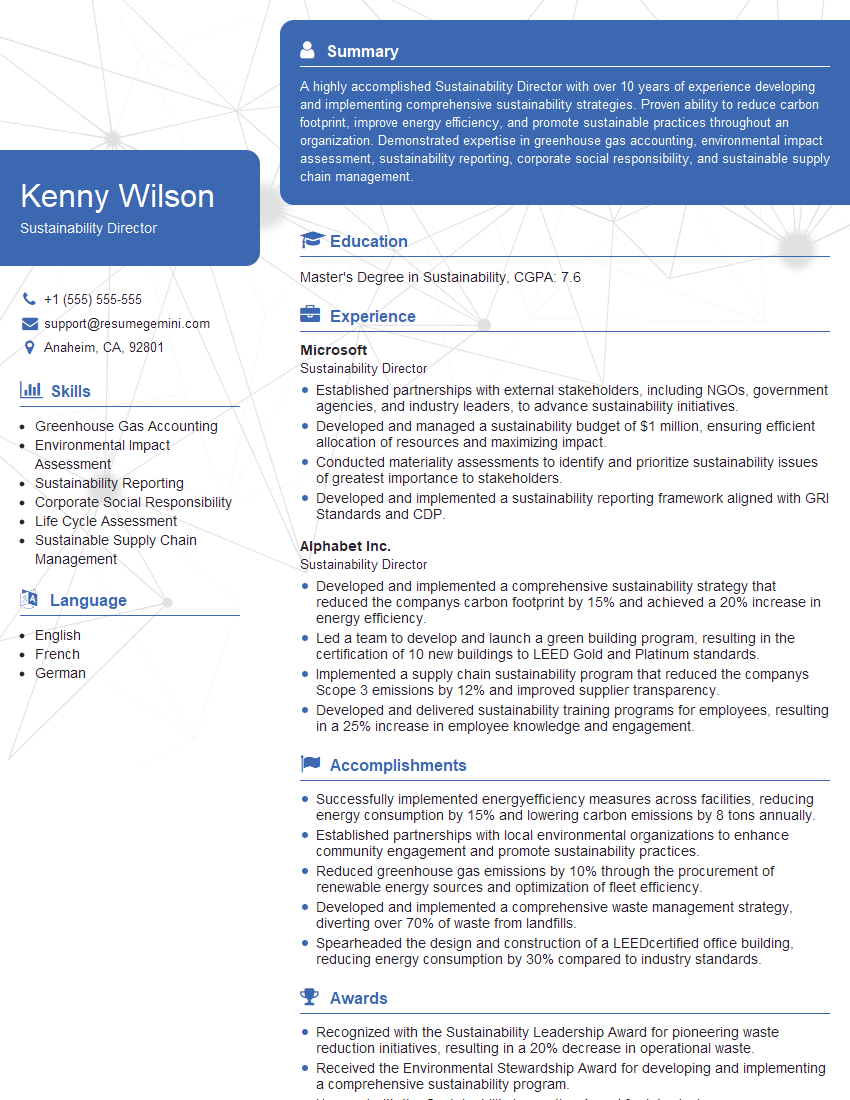
Sustainability Director Resume Sample
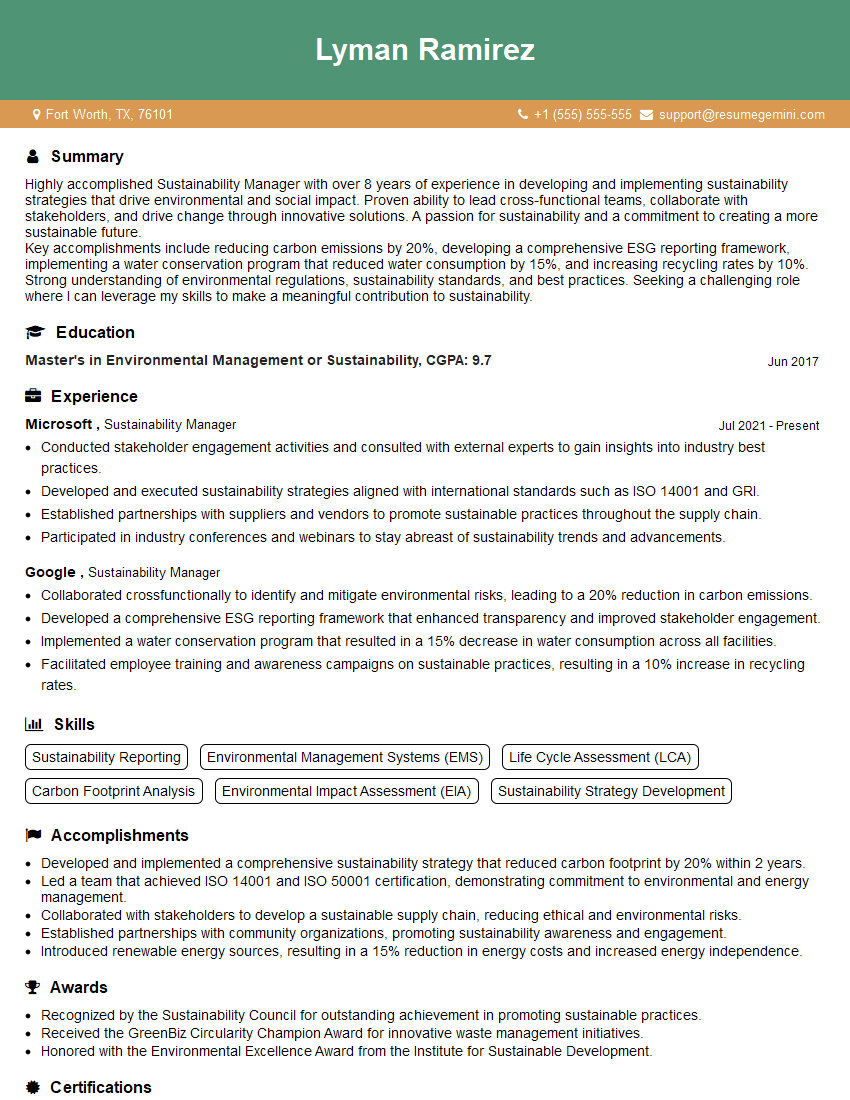
Sustainability Manager Resume Sample
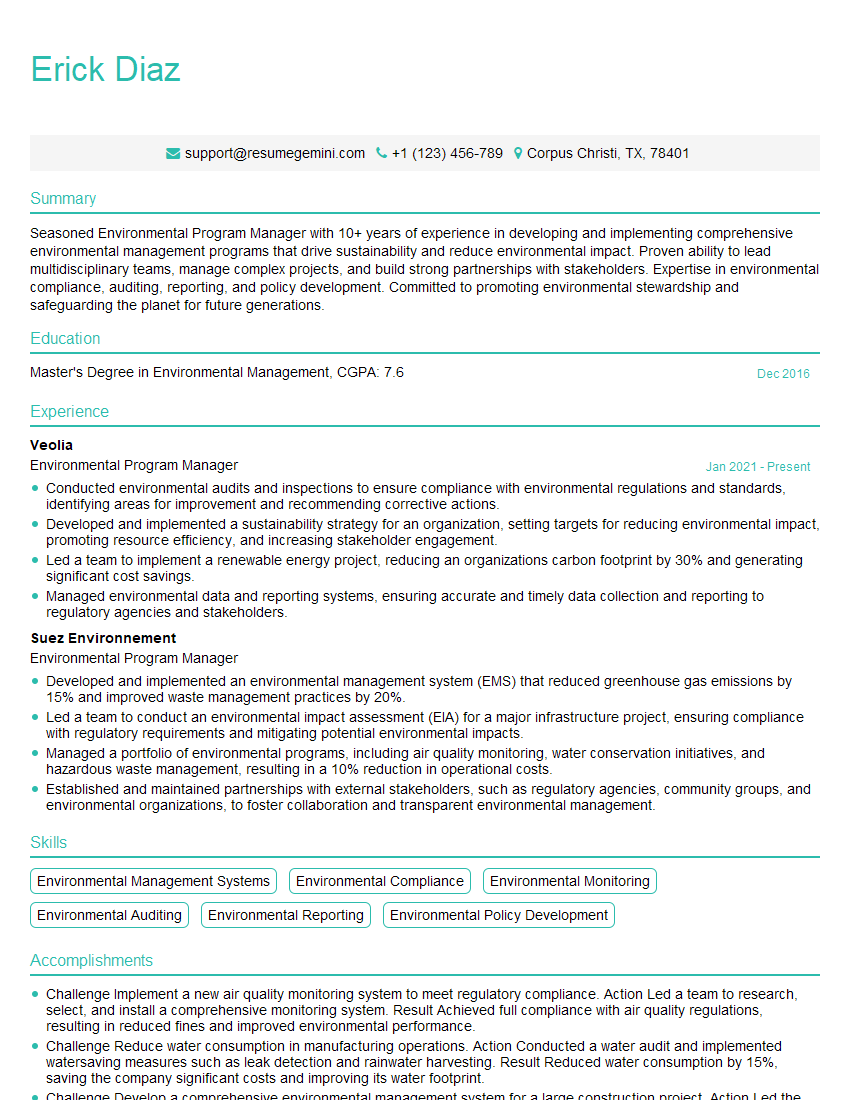
Environmental Program Manager Resume Sample
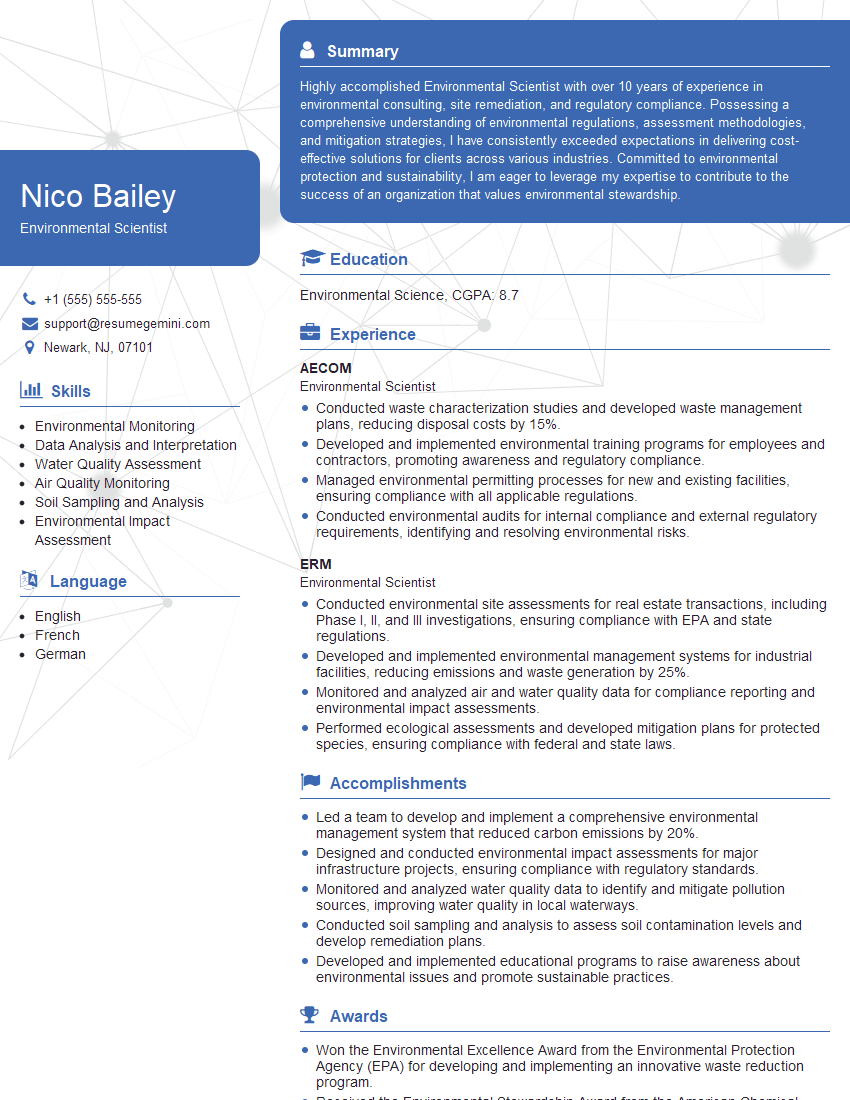
Environmental Scientist Resume Sample
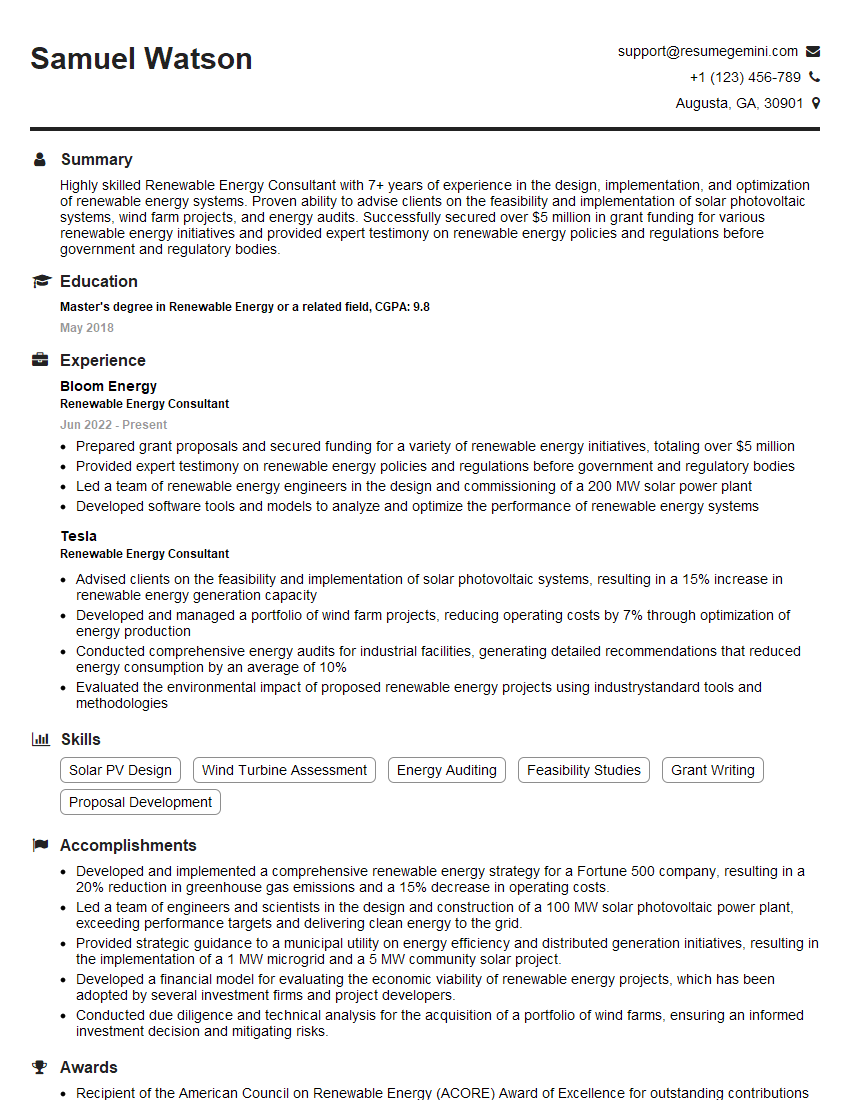
Renewable Energy Consultant Resume Sample
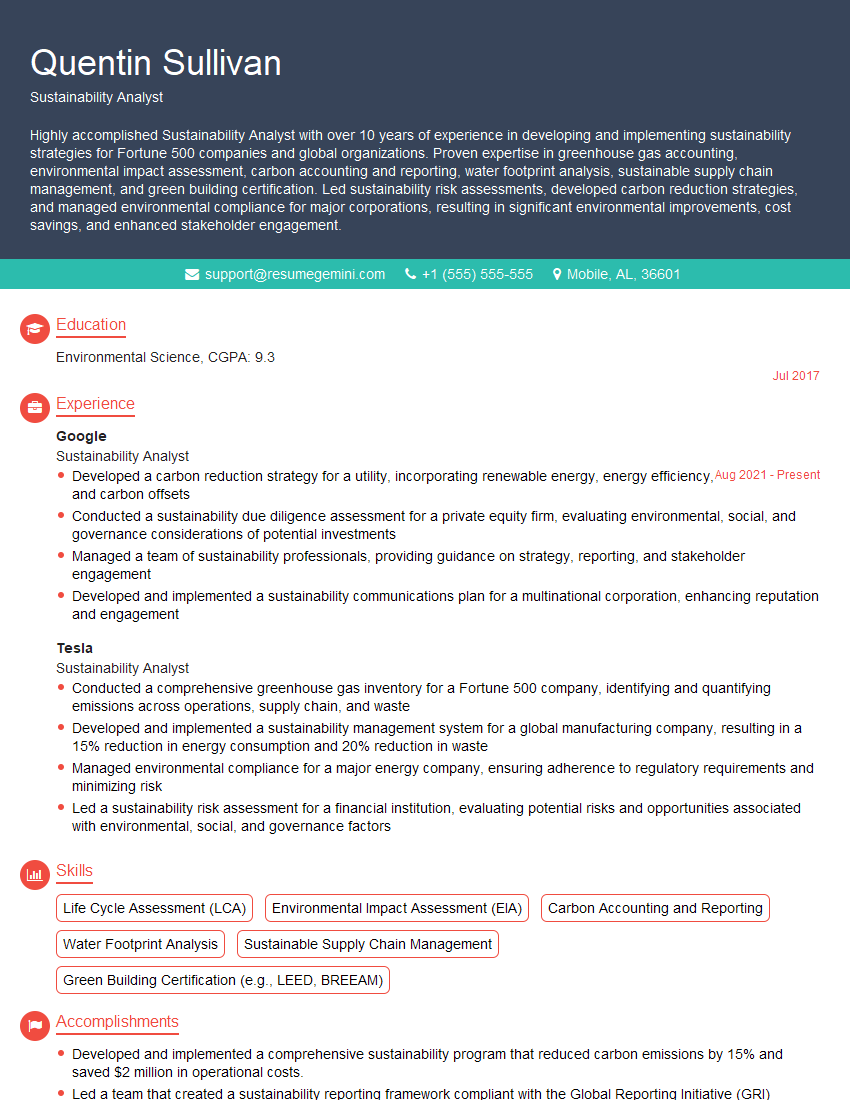
Sustainability Analyst Resume Sample

Sustainability Consultant Resume Sample
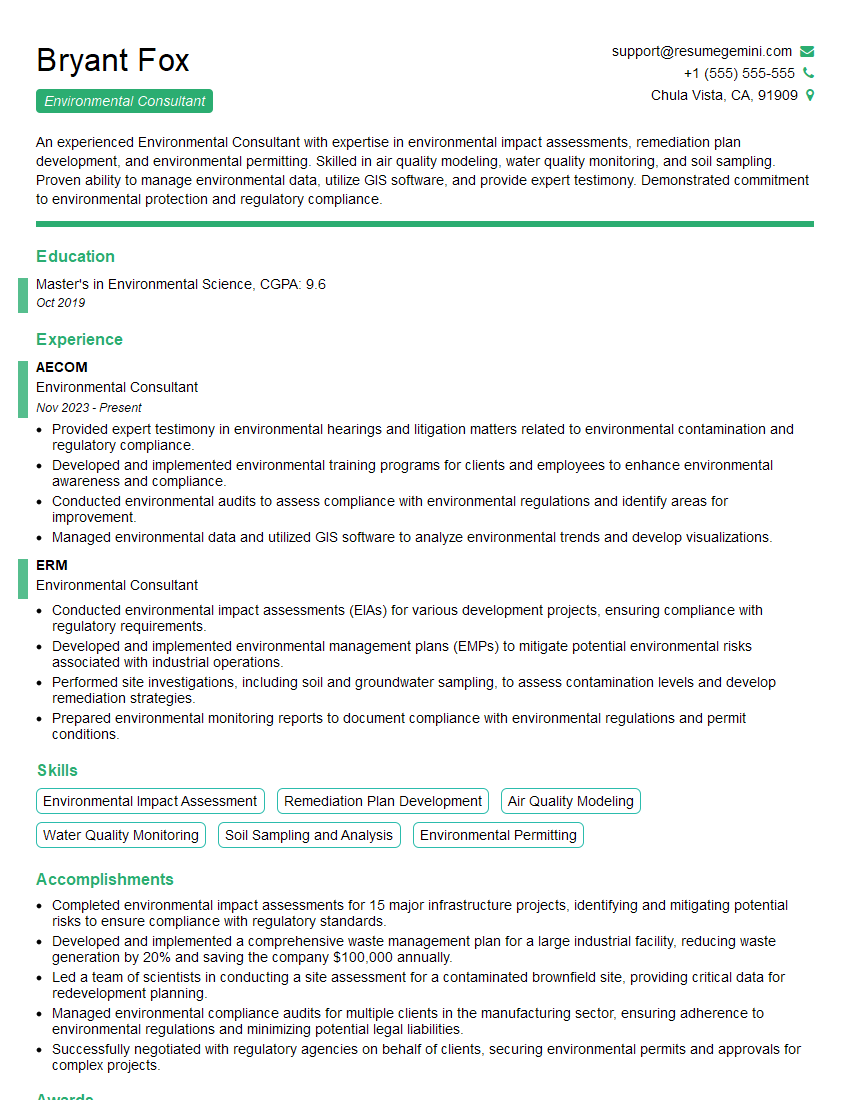
Environmental Consultant Resume Sample
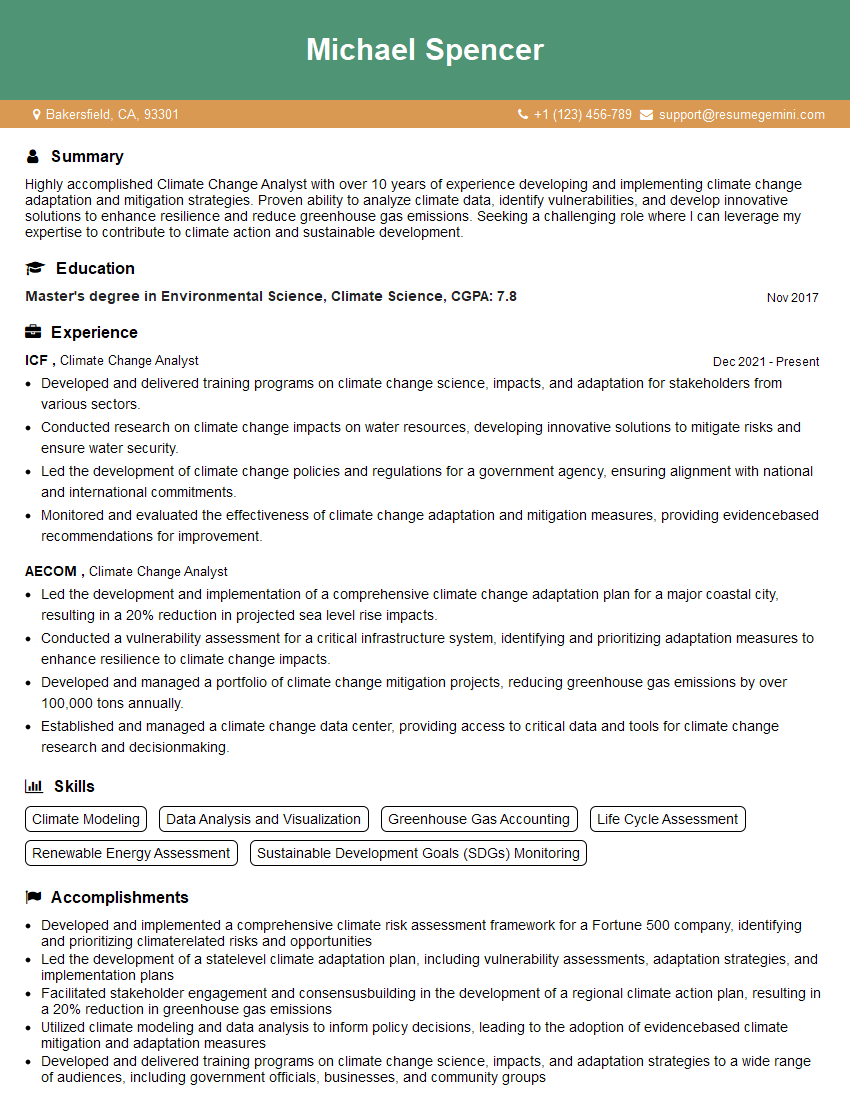
Climate Change Analyst Resume Sample
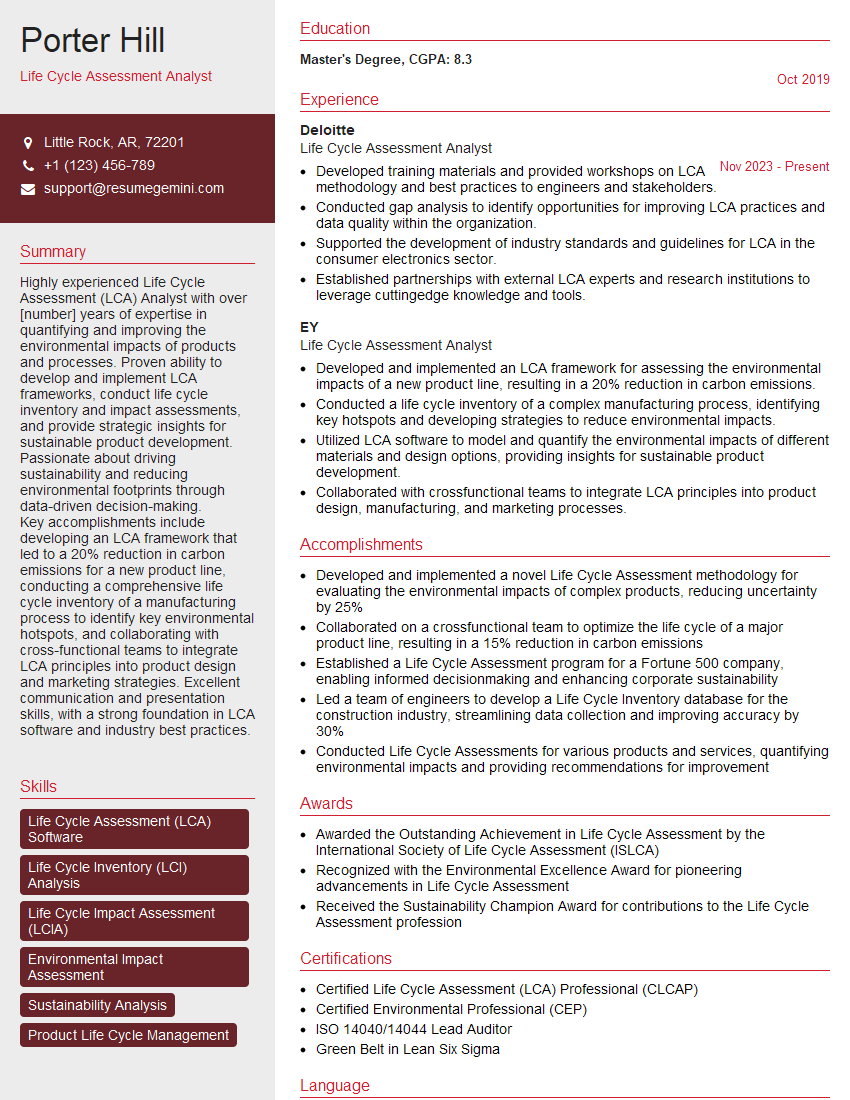
Life Cycle Assessment Analyst Resume Sample
Explore more articles
Users Rating of Our Blogs
Share Your Experience
We value your feedback! Please rate our content and share your thoughts (optional).
What Readers Say About Our Blog
Very informative content, great job.
good