Feeling uncertain about what to expect in your upcoming interview? We’ve got you covered! This blog highlights the most important FDA 21 CFR Part 100 Medical Devices interview questions and provides actionable advice to help you stand out as the ideal candidate. Let’s pave the way for your success.
Questions Asked in FDA 21 CFR Part 100 Medical Devices Interview
Q 1. Define FDA 21 CFR Part 11 and its relevance to electronic records and signatures in medical device manufacturing.
FDA 21 CFR Part 11 is a regulation that establishes the criteria for electronic records and electronic signatures (ERES) in regulated industries, including medical device manufacturing. It aims to ensure the integrity, reliability, and authenticity of electronic data. Essentially, it dictates how you should manage your digital files and approvals so they are as trustworthy as paper records. If you’re using computers to manage anything from design documents to manufacturing logs in making medical devices, Part 11 is crucial.
Its relevance to medical device manufacturing is paramount because it governs how electronic data is created, stored, retrieved, and used throughout the product lifecycle. Non-compliance can lead to significant regulatory issues, including FDA warning letters, recalls, and market restrictions. For example, if you have a computerized system for tracking device serial numbers and you don’t adhere to Part 11, you risk having your traceability processes questioned, hindering a potential recall effort.
Q 2. Explain the significance of 21 CFR Part 820, Quality System Regulation (QSR), in medical device production.
21 CFR Part 820, the Quality System Regulation (QSR), is the cornerstone of medical device manufacturing quality. It lays out the minimum requirements for a robust quality management system (QMS) to ensure that medical devices are safe and effective. Think of it as the rulebook for building a reliable and consistent manufacturing process. The FDA uses this regulation to evaluate whether your systems are capable of producing safe, high-quality medical devices. It’s not just about making the product correctly the first time, it’s about having a system in place to continuously ensure consistent quality.
In simple terms, it requires manufacturers to document and control every aspect of the production process, from design and manufacturing to distribution and post-market surveillance. Failure to meet the requirements of 21 CFR Part 820 can lead to FDA action, including warning letters, injunctions, and product recalls.
For instance, if a manufacturer doesn’t properly document its processes, they might be unable to demonstrate to the FDA that they’ve consistently met the quality requirements during production. This could compromise the safety and efficacy of their product.
Q 3. Describe the process for validating a computerized system used in medical device manufacturing according to 21 CFR Part 11.
Validating a computerized system under 21 CFR Part 11 involves a rigorous process to demonstrate that the system consistently performs as intended and produces reliable results. This process isn’t a one-time event; it’s an ongoing commitment to quality assurance. The validation process typically follows these steps:
- Requirement Specification: Define all functional and non-functional requirements for the system. This details precisely what the system should do and how it should behave. This step establishes your expectations.
- Design: Detail the system’s design, including hardware, software, and networking components. Make sure this design aligns with your requirements.
- Implementation: Develop and build the system according to the design specifications. Rigorous testing throughout this phase is essential.
- Installation Qualification (IQ): Verify that the system is installed correctly and conforms to specifications. It’s about confirming the software installation is correct and the hardware meets standards.
- Operational Qualification (OQ): Confirm that the system operates as intended under normal operating conditions. This tests how the software behaves in actual use.
- Performance Qualification (PQ): Verify that the system consistently delivers accurate and reliable results under varying conditions and loads. This tests the system’s robustness.
- Ongoing Monitoring: Continuous monitoring and periodic revalidation are necessary to ensure the system remains compliant and reliable over time.
Think of it like building a house; IQ is checking that the foundation is strong, OQ confirms the plumbing and electrical work correctly, and PQ ensures the house functions as it should under various weather conditions. All stages need thorough documentation.
Q 4. What are the key elements of a quality management system (QMS) compliant with 21 CFR Part 820?
A QMS compliant with 21 CFR Part 820 comprises several key elements, all interconnected to ensure quality throughout the entire product lifecycle. These include:
- Management Responsibility: Top management must establish and maintain the QMS.
- Quality System Procedures: Documentation of all processes and procedures is mandatory.
- Design Controls: Rigorous control of the design process to ensure product safety and effectiveness. (Elaborated further in a later question)
- Document and Records Controls: System for creating, reviewing, approving, and controlling documents and records.
- Purchasing Controls: Selection and control of suppliers and materials.
- Receiving, Identification, and Traceability: Ability to track materials and components throughout the manufacturing process.
- Production and Process Controls: Controls to ensure consistent manufacturing processes.
- Nonconforming Materials, Devices, or Processes: Handling and investigation of defects.
- Corrective and Preventive Actions (CAPA): Procedures to address and prevent recurring problems.
- Device Labeling, Packaging, and Storage: Controls over these critical aspects.
- Handling complaints: Efficient procedures to manage customer complaints.
- Internal Audits: Regular audits to assess compliance with the QMS.
- Personnel: Trained and qualified personnel are essential.
Imagine a well-oiled machine—each element plays its part, and a failure in one area can affect the whole system. This is why a robust, well-documented QMS is critical for compliance.
Q 5. How does FDA 21 CFR Part 820 address design controls in the medical device lifecycle?
21 CFR Part 820 emphasizes design controls as a crucial part of ensuring medical device safety and effectiveness. This starts from the initial concept phase and continues through to product launch and post-market surveillance. The regulation outlines specific requirements for each stage of the design process, ensuring traceability and accountability. The design control process typically includes stages such as:
- Design Input: Defining user needs, intended use, and performance requirements.
- Design Output: The resulting design specification and documentation meeting the input requirements.
- Design Review: Formal review process to assess the design’s adequacy.
- Design Verification: Ensuring the design meets the pre-defined requirements (discussed further in a following question).
- Design Validation: Verifying that the final design meets its intended use (discussed further in a following question).
- Design Transfer: Smoothly transferring the approved design to manufacturing.
- Design Changes: Procedures for managing changes to the design after its approval.
It’s a structured approach to design that’s not just about creating a functional product, but one that’s safe and reliable for its intended medical use. Poor design controls can lead to faulty or unsafe devices, putting patients at risk and causing serious regulatory problems.
Q 6. Explain the concept of Design History File (DHF) and its importance in compliance with 21 CFR Part 820.
A Design History File (DHF) is a comprehensive collection of documents that provides a complete history of the design and development of a medical device. It’s like a detailed diary tracking every aspect of a product’s life from concept to commercialization. Think of it as the single source of truth for the device’s design. It’s essential for demonstrating compliance with 21 CFR Part 820, specifically the design control requirements. The DHF typically includes:
- Design Input: The initial requirements and specifications.
- Design Output: The resulting design specifications and drawings.
- Design Reviews: Minutes and records from design review meetings.
- Design Verification and Validation Plans and Results: Documented evidence that the design meets the requirements.
- Design Transfer Records: Documentation of how the design was transferred to manufacturing.
- Design Change Control Records: A record of all design changes.
Its importance stems from its ability to demonstrate to the FDA that a rigorous and controlled process was used during design development, meeting the regulatory requirements of 21 CFR Part 820. Without a comprehensive and well-maintained DHF, it would be extremely difficult to prove compliance, potentially leading to regulatory issues.
Q 7. What are the key differences between Design Verification and Design Validation?
Design Verification and Design Validation are distinct but related activities essential for demonstrating the safety and efficacy of a medical device. Both are crucial for compliance with 21 CFR Part 820.
Design Verification confirms that the device meets its predetermined design specifications. It’s an internal check to ensure that the product was built to the blueprint. You’re essentially asking: “Did we build it right?” This is usually done through testing and analysis of the product’s components and the overall system. It focuses on the engineering and functionality of the device itself.
Design Validation, on the other hand, confirms that the final design meets its intended use. You’re asking: “Did we build the right thing?” This focuses on the application of the device and whether it performs its intended function effectively and safely under real-world conditions. It often involves clinical trials and user feedback to assess performance and safety in the target environment.
To illustrate, imagine designing a new surgical instrument. Design Verification would involve testing the strength of the material, the precision of its cutting edge, and the overall functionality of its design. Design Validation would involve surgeons using the instrument in simulated and actual surgical procedures to see if it meets their needs and ensures patient safety.
Q 8. Describe the process of conducting a risk analysis for a medical device according to FDA guidelines.
Risk analysis for medical devices, as guided by FDA regulations, is a systematic process to identify, analyze, and control potential hazards associated with the device throughout its lifecycle. It’s not just about identifying potential problems; it’s about understanding the likelihood and severity of those problems occurring and implementing controls to mitigate the risks.
The process typically follows these steps:
- Hazard Identification: This involves brainstorming potential hazards, using techniques like Failure Mode and Effects Analysis (FMEA) or Hazard Analysis and Critical Control Points (HACCP). For example, a faulty temperature sensor in a drug infusion pump could be a hazard.
- Hazard Analysis: Once hazards are identified, we analyze their severity (how bad the outcome could be), probability (how likely it is to occur), and detectability (how easily can it be detected before causing harm). This often involves assigning numerical scores to each factor to enable objective comparison.
- Risk Evaluation: This step combines severity, probability, and detectability to assess the overall risk level. A risk matrix is commonly used, visually representing the risk level based on the interplay of these factors. A high severity, high probability hazard will demand immediate attention.
- Risk Control: Based on the risk evaluation, we implement controls to reduce the risk to an acceptable level. Controls could be engineering controls (e.g., redundant sensors), administrative controls (e.g., improved training protocols), or procedural controls (e.g., enhanced quality checks).
- Risk Acceptance and Monitoring: Once controls are implemented, the residual risk is assessed. If acceptable, the risk is accepted, but continuous monitoring is crucial to ensure controls remain effective. Regular reviews of the risk analysis are essential, especially following incidents or design changes.
In practice, I’ve worked on numerous risk analysis projects, involving everything from simple devices like wound dressings to complex implantable cardiovascular devices. A thorough risk analysis is not just a regulatory requirement; it is crucial for protecting patients and maintaining the integrity of the product.
Q 9. What is a CAPA (Corrective and Preventive Action) and how is it implemented according to 21 CFR Part 820?
A Corrective and Preventive Action (CAPA) system is a crucial part of a medical device quality management system (QMS), as defined in 21 CFR Part 820. It’s a systematic process for identifying, investigating, correcting, and preventing the recurrence of nonconformances (anything that doesn’t meet pre-defined requirements) and other quality issues.
Implementation generally involves these steps:
- Identify the Nonconformity: This could be anything from a failed test, a customer complaint, an audit finding, or a deviation from established procedures. For example, a batch of catheters failing a sterility test is a major nonconformity.
- Investigate the Root Cause: This is a crucial step, often involving root cause analysis techniques like the ‘5 Whys’ or fishbone diagrams. The goal is to identify the underlying cause, not just the immediate symptom. In the catheter example, the root cause might be a faulty sterilization cycle.
- Develop and Implement Corrective Actions: These actions are immediate steps to fix the immediate problem. In the catheter example, this might involve quarantining the affected batch and disposing of it according to regulation.
- Develop and Implement Preventive Actions: These are longer-term steps to prevent similar nonconformities from occurring in the future. This could include upgrading the sterilization equipment, improving operator training, or revising the sterilization procedures.
- Verification and Validation: After implementing corrective and preventive actions, we verify their effectiveness. For instance, we might retest the sterilization equipment or conduct a follow-up audit to ensure the implemented solutions are sustainable.
- Documentation: Throughout this entire process, meticulous documentation is critical. The CAPA record should clearly outline all steps, findings, actions taken, and verification results.
Effective CAPA management is essential for continuous improvement and preventing future quality issues. In my experience, a well-managed CAPA system helps prevent recalls, protects patients, and demonstrates regulatory compliance.
Q 10. How does the FDA’s 510(k) premarket notification process relate to 21 CFR Part 820?
The FDA’s 510(k) premarket notification process and 21 CFR Part 820 are closely intertwined. While 510(k) focuses on demonstrating substantial equivalence to a legally marketed predicate device, 21 CFR Part 820 establishes the quality system regulations (QSR) that must be in place to manufacture the device. In essence, a successful 510(k) submission depends on having a compliant QMS as defined in 21 CFR Part 820.
The relationship works like this:
- 510(k) Submission: To obtain 510(k) clearance, manufacturers must demonstrate that their device is substantially equivalent to a predicate device already on the market. This involves submitting data demonstrating safety and effectiveness. But, how this data was generated, the quality system in which it was obtained are equally important.
- 21 CFR Part 820 Compliance: The FDA will scrutinize the manufacturer’s quality system to ensure that the data supporting the 510(k) submission is reliable and trustworthy. This includes verifying that the manufacturing processes, testing procedures, and documentation practices comply with the QSR. A poorly managed QMS will cast doubt on the validity of the 510(k) submission.
- Inspection Readiness: A compliant 21 CFR Part 820 QMS directly supports inspection readiness for a 510(k) cleared device. During an FDA inspection, the agency will assess the manufacturer’s compliance with both 21 CFR Part 820 and the requirements related to the device’s 510(k) submission.
Therefore, 21 CFR Part 820 is not just a separate set of regulations; it’s the foundation upon which the 510(k) process is built. A robust QMS ensures that the device is manufactured consistently and meets the quality standards necessary for market approval.
Q 11. What are the key requirements for maintaining audit trails in accordance with 21 CFR Part 11?
21 CFR Part 11 outlines the FDA’s requirements for electronic records and electronic signatures in regulated industries, including medical device manufacturing. Maintaining compliant audit trails is paramount for demonstrating data integrity and regulatory compliance.
Key requirements for audit trails include:
- Complete and Accurate Records: The audit trail must accurately reflect all actions taken on electronic records, including creation, modification, deletion, and access. This requires robust logging capabilities.
- Secure and Immutable Records: Audit trail data should be secure, preventing unauthorized alteration or deletion. This often involves using encryption, access controls, and write-once-read-many (WORM) storage.
- Attribution of Actions: The audit trail must clearly identify the user who performed each action, along with the date and time. This requires user authentication and authorization mechanisms.
- Data Integrity: The data must be reliable and complete, ensuring it accurately reflects the actions performed and doesn’t contain any inconsistencies.
- Retention Policies: The audit trail must be retained for the period mandated by the FDA and internal procedures. This often involves establishing and adhering to a detailed data retention policy.
- System Validation: The entire system used for electronic records and signatures, including the audit trail functionality, must be validated to ensure it functions as intended and meets regulatory requirements.
For example, consider a software system used for tracking device specifications. Every change to a specification should generate an audit trail entry showing the user, date, time, and the nature of the change. This allows for complete traceability and accountability.
Q 12. Explain the significance of traceability in medical device manufacturing.
Traceability in medical device manufacturing is the ability to track a device’s history and components throughout its lifecycle. It’s like creating a detailed family tree for each device, allowing you to trace its origin, components, and every step of its manufacturing process. This is crucial for several reasons:
- Recall Management: If a defect is discovered, traceability allows for efficient and targeted recalls, limiting the impact on patients and minimizing financial losses. If a faulty component is identified, you can quickly trace which devices contain it and remove them from the market.
- Quality Control: Traceability enables manufacturers to identify the root cause of defects more easily by following the chain of events in the manufacturing process. This is helpful in improving manufacturing processes and preventing similar future problems.
- Regulatory Compliance: FDA regulations require manufacturers to maintain traceability documentation to ensure they meet quality and safety standards. This is a critical part of demonstrating compliance during inspections.
- Patient Safety: Traceability helps guarantee patient safety by providing accurate information about the device’s history and components. This information is crucial in case of adverse events, allowing for thorough investigation and appropriate action.
In practice, traceability is often implemented using unique device identifiers (UDIs) and barcodes, which are scanned and tracked throughout the production process. A robust system ensures all stages of the supply chain and manufacturing process are recorded, providing a complete history of the device.
Q 13. Describe your experience with FDA inspections and observations.
I have extensive experience with FDA inspections, having participated in numerous inspections across various medical device companies. My role has typically involved preparing for inspections, providing documentation, and responding to observations.
Observations I have encountered during inspections commonly relate to:
- Incomplete or inaccurate documentation: This is frequently a major finding, emphasizing the importance of precise and complete record-keeping.
- Inadequate CAPA system: A poorly functioning CAPA system can lead to recurring quality issues and demonstrate a lack of commitment to continuous improvement.
- Insufficient training documentation: Proving that all personnel receive proper training is essential, with documented evidence showing who received what training and when.
- Lack of process validation: Thorough process validation is necessary to ensure that manufacturing processes consistently produce safe and effective devices.
- Non-compliant facilities: Maintaining a clean and well-organized facility is critical; poor housekeeping can raise concerns about quality control.
Successfully navigating FDA inspections requires meticulous attention to detail, proactive identification and correction of potential issues, and a deep understanding of 21 CFR Part 820. My experience has taught me the importance of continuous improvement and maintaining a robust quality management system.
Q 14. What are the key considerations for ensuring data integrity in a medical device manufacturing environment?
Data integrity is paramount in medical device manufacturing. It ensures that the data collected is accurate, reliable, and trustworthy. Compromised data integrity can lead to incorrect decisions, flawed products, and potential harm to patients.
Key considerations for ensuring data integrity include:
- Validation of Systems: All systems used for collecting, storing, and processing data must be validated to ensure they perform as intended and produce reliable results.
- Access Control: Strict access controls must be in place to limit access to data only to authorized personnel. This includes proper user authentication, authorization, and audit trails.
- Data Backup and Recovery: Robust data backup and recovery procedures are crucial to prevent data loss due to system failures or other unforeseen events.
- Change Control: A well-defined change control process ensures that any changes to systems or processes are carefully evaluated and validated before implementation to minimize the risk of data corruption or inconsistencies.
- Data Governance: Establishing a data governance framework provides a comprehensive approach to data management, ensuring data quality, security, and compliance.
- Regular Audits: Periodic audits should be conducted to verify data integrity and identify any potential vulnerabilities.
For instance, a faulty temperature sensor in a data logger could lead to inaccurate temperature readings during a sterilization cycle. Implementing procedures for regular calibration and validation of the temperature sensor would help to maintain data integrity. Without this commitment to data integrity, significant risks of non-compliance and patient safety may arise.
Q 15. Explain the concept of change control and its importance in maintaining compliance.
Change control is a systematic process for managing modifications to a medical device, its manufacturing process, or its quality management system (QMS). It’s crucial for maintaining compliance with FDA regulations because any change, no matter how seemingly minor, could potentially impact the safety and effectiveness of the device. Think of it like this: you wouldn’t rebuild a car’s engine without careful planning and documentation; similarly, changes to medical device design or manufacturing must be carefully managed to prevent unforeseen consequences.
A robust change control process typically involves these steps:
- Identifying the change: This could be anything from a modification to a component to a change in a manufacturing procedure.
- Assessing the impact: A thorough risk assessment is necessary to determine the potential impact on product quality, safety, and regulatory compliance. This often involves using risk management tools like Failure Mode and Effects Analysis (FMEA).
- Review and approval: The proposed change is reviewed and approved by a designated change control board, often including representatives from engineering, quality, regulatory affairs, and manufacturing.
- Implementation: The change is implemented according to a pre-approved plan, with appropriate documentation and verification activities.
- Verification and validation: Post-implementation verification ensures the change was implemented correctly and validation confirms that the change achieved its intended purpose and maintains product safety and effectiveness.
- Documentation: Meticulous documentation at each stage is critical for audit trails and regulatory inspections. This includes change requests, risk assessments, approval records, and verification/validation reports.
Failing to properly manage changes can lead to non-compliance, product recalls, and significant financial penalties. For example, an undocumented change to a manufacturing process could result in a product defect going undetected, posing a risk to patients.
Career Expert Tips:
- Ace those interviews! Prepare effectively by reviewing the Top 50 Most Common Interview Questions on ResumeGemini.
- Navigate your job search with confidence! Explore a wide range of Career Tips on ResumeGemini. Learn about common challenges and recommendations to overcome them.
- Craft the perfect resume! Master the Art of Resume Writing with ResumeGemini’s guide. Showcase your unique qualifications and achievements effectively.
- Don’t miss out on holiday savings! Build your dream resume with ResumeGemini’s ATS optimized templates.
Q 16. How do you ensure compliance with 21 CFR Part 820 during outsourcing activities?
Compliance with 21 CFR Part 820 during outsourcing is maintained by establishing and maintaining a strong quality agreement with the third-party supplier. This agreement needs to clearly define responsibilities, quality expectations, and auditing mechanisms. The agreement acts as a contractual extension of our QMS, ensuring our standards are met, even when work is performed off-site. This is particularly important considering the FDA holds the original manufacturer accountable for the quality and safety of the finished medical device, regardless of who manufactures specific components or performs particular steps in the process.
Key elements of a compliant outsourcing agreement include:
- Clearly defined scope of work: Precisely outlining the activities outsourced.
- Quality requirements: Specifying the quality standards the supplier must meet, including adherence to 21 CFR Part 820.
- Audit rights: Ensuring the ability to audit the supplier’s facilities and processes to verify compliance.
- Change control procedures: Defining how changes to the outsourced processes will be managed.
- Non-conformance management: Describing procedures for handling deviations or non-conformances.
- Data ownership and transfer: Clarifying who owns and how data is transferred between the two parties.
- Termination clause: Outlining the process for terminating the agreement if the supplier fails to meet requirements.
Regular audits and supplier performance reviews are vital to ensure ongoing compliance. We would never simply assume the outsourcing partner is meeting our standards. Proactive monitoring, using metrics such as defect rates and on-time delivery, is an integral part of our oversight.
Q 17. Explain your experience with implementing and maintaining a QMS (Quality Management System).
I have extensive experience in implementing and maintaining Quality Management Systems (QMS), most recently at [Previous Company Name]. My responsibilities included the design, implementation, and continuous improvement of a QMS compliant with 21 CFR Part 820. This involved:
- Gap analysis: Identifying the differences between the existing system and the requirements of 21 CFR Part 820.
- Documentation development: Creating and implementing comprehensive SOPs (Standard Operating Procedures) for all critical manufacturing processes, quality control procedures, and change control procedures.
- Training and education: Providing training to all relevant personnel on the QMS and 21 CFR Part 820 requirements.
- Internal audits: Conducting regular internal audits to monitor compliance and identify areas for improvement. These audits followed a detailed audit plan covering all relevant sections of 21 CFR Part 820.
- Corrective and Preventive Action (CAPA): Implementing a robust CAPA system to address non-conformances and prevent recurrence.
- Management review: Participating in regular management reviews to assess the effectiveness of the QMS and identify opportunities for improvement.
One significant accomplishment was successfully leading our company through a FDA inspection with no findings. This demonstrated the effectiveness of the QMS and the dedication of the team in maintaining compliance.
Q 18. Describe the different types of medical device classifications and their regulatory implications.
Medical devices are classified into three classes (Class I, II, and III) based on their risk to the patient. This classification dictates the level of regulatory scrutiny and controls required during the design, manufacturing, and post-market surveillance of the device.
- Class I: These are low-risk devices, requiring minimal regulatory oversight. Examples include simple bandages and examination gloves. Often, a general control approach suffices, focusing on good manufacturing practices.
- Class II: These are moderate-risk devices, requiring special controls beyond general controls. Examples include infusion pumps and powered wheelchairs. Specific standards (e.g., performance standards) must be met, and manufacturers are often required to submit Premarket Notifications (510(k)) to demonstrate substantial equivalence to a predicate device.
- Class III: These are high-risk devices that support or sustain human life, are implanted, or present a potential for unreasonable risk of illness or injury. Examples include heart valves and pacemakers. These devices require Premarket Approval (PMA) from the FDA, which involves rigorous clinical testing and evaluation to demonstrate safety and effectiveness before market entry.
The classification significantly impacts the regulatory pathway, required documentation, testing, and post-market surveillance. For example, a Class III device will undergo a far more stringent review process than a Class I device.
Q 19. What are the critical elements of a successful product recall process according to FDA regulations?
A successful medical device recall process must be swift, thorough, and compliant with FDA regulations. Key elements include:
- Immediate identification and assessment: Rapid detection of the problem, determining the root cause, and assessing the scope and severity of the risk to patients.
- Classification of the recall: Categorizing the recall into Class I, II, or III, based on the risk level. This dictates the urgency and extent of the actions needed.
- Notification of the FDA: Prompt notification of the FDA, providing detailed information about the problem, the affected products, and the proposed corrective actions.
- Notification to customers and healthcare providers: Effective communication to inform all parties involved about the recall, highlighting the risks and providing clear instructions on how to return or dispose of the affected devices.
- Recall strategy development and implementation: A well-defined plan for removing the affected devices from the market and addressing any potential patient risks.
- Verification of recall effectiveness: Confirming that all affected products have been recovered and that appropriate corrective actions have been taken.
- Post-recall surveillance: Monitoring the market to ensure that the problem has been resolved and no further issues occur.
Thorough documentation at each stage is paramount. Failure to follow these steps properly could result in serious consequences, including significant fines, legal liability, and damage to the company’s reputation.
Q 20. How do you handle deviations from established procedures in a medical device manufacturing environment?
Deviations from established procedures are addressed through a rigorous investigation and corrective action process, typically a component of a broader Corrective and Preventive Action (CAPA) system. The goal is not simply to fix the immediate problem, but to prevent recurrence.
The process typically involves:
- Immediate containment: Preventing further production of non-conforming products or completion of the process resulting in the deviation.
- Investigation: A thorough investigation to determine the root cause of the deviation. This might involve interviews, process review, and data analysis.
- Corrective action: Implementing actions to correct the immediate non-conformance.
- Preventive action: Identifying and implementing measures to prevent the deviation from happening again. This could include process improvements, operator retraining, or equipment upgrades.
- Verification: Confirming the effectiveness of the corrective and preventive actions.
- Documentation: Maintaining a complete record of the deviation, the investigation, and the corrective and preventive actions taken.
For example, if a deviation occurs during the sterilization process, we would immediately quarantine the affected batch, investigate the cause (perhaps a malfunctioning sterilizer), implement corrective actions (repairing the equipment, re-sterilizing the batch), and implement preventative actions (regular equipment maintenance and enhanced operator training).
Q 21. Describe your experience with conducting internal audits for compliance with 21 CFR Part 820.
I have extensive experience conducting internal audits for compliance with 21 CFR Part 820. My approach is always risk-based, prioritizing areas with the highest potential impact on product quality and patient safety. I work with a detailed audit checklist that covers all the critical aspects of 21 CFR Part 820, including design controls, production and process controls, quality control, and complaint handling. Each audit includes:
- Planning and scoping: Defining the scope of the audit, selecting appropriate audit criteria, and developing an audit plan.
- Document review: Reviewing relevant documentation such as SOPs, design records, and batch records to ensure compliance with established procedures.
- On-site observation: Observing processes and procedures in real-time to verify compliance.
- Interviews with personnel: Speaking with personnel to gain understanding of their roles and procedures.
- Data analysis: Analyzing production and quality data to identify trends and potential issues.
- Report generation: Documenting audit findings, including observations, non-conformances, and recommendations for improvement.
- Follow-up on corrective actions: Verifying that corrective actions have been taken to address identified non-conformances.
Internal audits play a critical role in proactively identifying and resolving potential compliance issues before they become major problems. They also help to demonstrate to the FDA our commitment to ensuring the quality and safety of our medical devices.
Q 22. Explain the role of a quality engineer in ensuring compliance with FDA regulations.
A quality engineer plays a pivotal role in ensuring a medical device company’s compliance with FDA 21 CFR Part 100 regulations. This encompasses the entire product lifecycle, from initial design and development through manufacturing, distribution, and post-market surveillance. Their responsibilities are multifaceted and crucial to patient safety and regulatory adherence.
- Design Control: Quality engineers participate in establishing and maintaining a robust design control system, ensuring devices meet pre-defined specifications and performance requirements. This involves verifying design inputs, outputs, and risk assessments, ensuring traceability throughout the entire design process.
- Manufacturing Processes: They are instrumental in designing and implementing quality control processes for manufacturing, including defining acceptance criteria, conducting inspections, and managing non-conforming materials. This involves implementing strategies to prevent defects and ensure consistent product quality.
- Quality System Regulations (QSR): They are responsible for ensuring the company’s quality management system (QMS) aligns with FDA requirements. This includes implementing, maintaining, and auditing processes related to document control, CAPA (Corrective and Preventive Actions), supplier management, and internal audits. They frequently interact with other departments like manufacturing, R&D, and regulatory affairs to ensure holistic compliance.
- Regulatory Submissions: They actively participate in preparing submissions to the FDA, such as 510(k) submissions or PMA applications, contributing data and documentation that prove the device’s safety and efficacy.
- Post-Market Surveillance: Quality engineers play a crucial role in the tracking and analysis of post-market data, including adverse events, complaints, and field corrective actions. They help develop and implement strategies to address these issues and prevent future occurrences.
For example, a quality engineer might lead a Failure Mode and Effects Analysis (FMEA) to identify potential failure points in a device’s design and implement preventative measures. Or, they might establish a robust process for handling customer complaints, ensuring timely investigation and appropriate responses.
Q 23. Describe the importance of training and competency assessment in maintaining compliance.
Training and competency assessment are paramount to maintaining regulatory compliance within the medical device industry. Without adequately trained personnel, companies risk producing faulty devices, failing to identify critical risks, and ultimately compromising patient safety. FDA regulations emphasize the need for demonstrably competent individuals at all levels within the organization.
- Documented Training Programs: Companies must establish documented training programs that cover all aspects of relevant regulations, including GMP (Good Manufacturing Practices), GDP (Good Documentation Practices), and device-specific procedures. Training should be tailored to each employee’s role and responsibilities.
- Competency Assessment: Regular competency assessments, including written tests, practical demonstrations, and observations, are necessary to verify that employees have retained and applied the knowledge gained through training. This might involve conducting practical tests on equipment calibration or reviewing employee’s handling of a complaint.
- Continuous Improvement: Training should not be a one-time event but an ongoing process that adapts to regulatory changes and emerging technologies. Regular updates and refresher training are crucial to maintain a high level of competency.
- Records Maintenance: Meticulous records of all training activities and competency assessments must be maintained to provide evidence of compliance to regulatory bodies during audits.
Imagine a scenario where a technician wasn’t properly trained on a new piece of equipment. This could lead to errors in the manufacturing process, potentially resulting in defective devices and a serious regulatory violation. Thorough training and competency assessment help prevent such incidents.
Q 24. How do you stay current with changes and updates to FDA regulations for medical devices?
Staying current with FDA regulations is an ongoing process that requires proactive engagement. The regulatory landscape is constantly evolving, requiring consistent effort to remain informed and compliant. Several strategies are crucial.
- FDA Website Monitoring: Regularly checking the FDA website for updates, new guidance documents, and proposed rule changes is fundamental. Subscribing to email alerts for specific areas of interest can also help stay informed.
- Industry Publications and Conferences: Staying abreast of industry trends and regulatory updates through reputable publications, journals, and conferences is crucial. These resources provide insights into emerging challenges and best practices.
- Professional Organizations: Participating in professional organizations like the Regulatory Affairs Professionals Society (RAPS) provides access to networking opportunities, educational resources, and updates on regulatory developments.
- Regulatory Consultants: Engaging with regulatory consultants specializing in medical devices can provide expert guidance and support in navigating complex regulatory requirements and staying updated.
- Internal Training and Updates: Establishing internal systems for disseminating information on regulatory changes within the organization is crucial to ensure all relevant personnel remain informed.
For instance, a significant change in cybersecurity guidance could necessitate immediate updates to a company’s quality management system. Staying proactive ensures continuous compliance and mitigates potential risks.
Q 25. What are the key principles of good documentation practices (GDP) in a regulated environment?
Good Documentation Practices (GDP) are fundamental to ensuring compliance in the medical device industry. They provide a reliable and auditable trail of activities and decisions related to device development, manufacturing, and distribution. Key principles include:
- Accuracy and Completeness: All documentation must be accurate, complete, and reflect the true state of events. Any discrepancies must be properly documented and justified.
- Timeliness: Documentation must be completed promptly to avoid delays in investigations or regulatory responses. Records should be created concurrently with the activity they describe.
- Legibility and Traceability: Documents must be legible and easily traceable. This might involve using unique identifiers, version control, and clear naming conventions.
- Retention: Appropriate retention policies must be in place to ensure that all necessary documents are retained for the required duration, often according to FDA guidelines or company SOPs (Standard Operating Procedures).
- Integrity: Documents must be protected from alteration, unauthorized access, or damage. This may involve controlled access systems, electronic signatures, and version control.
- Review and Approval: Many documents, particularly critical documents like manufacturing records or test results, require review and approval by authorized personnel to verify accuracy and compliance.
For example, meticulously documenting each step of a manufacturing process not only ensures that the process is consistent but also enables rapid troubleshooting in the event of a deviation. Poor documentation can lead to significant problems during audits or investigations.
Q 26. Explain your understanding of the FDA’s guidance on cybersecurity for medical devices.
The FDA’s guidance on cybersecurity for medical devices emphasizes the importance of protecting devices from unauthorized access, use, disclosure, disruption, modification, or destruction. This is a critical concern given the increasing connectivity of medical devices and the potential for cyberattacks to compromise patient safety and data integrity. Key considerations include:
- Risk Management: Companies must implement a robust risk management process to identify and mitigate cybersecurity vulnerabilities throughout the entire device lifecycle.
- Software Development Practices: Secure software development practices, such as secure coding techniques and vulnerability testing, are crucial to building resilient devices.
- Access Control: Appropriate access controls must be implemented to restrict access to sensitive data and functionality. This includes using strong passwords, multi-factor authentication, and other security measures.
- Data Security: Measures must be in place to protect sensitive patient data from unauthorized access or disclosure, complying with regulations such as HIPAA.
- Post-Market Surveillance: Continuous monitoring and updating of devices to address vulnerabilities discovered after market release is crucial. This includes incorporating security updates and patches to address known weaknesses.
A failure to address cybersecurity risks can have severe consequences, including device malfunction, data breaches, and potential harm to patients. The FDA increasingly emphasizes the importance of proactive cybersecurity measures in premarket submissions.
Q 27. Describe your experience with post-market surveillance and reporting of adverse events.
Post-market surveillance and adverse event reporting are critical components of ensuring the ongoing safety and efficacy of medical devices. My experience involves participation in all stages of this process, from establishing surveillance systems to investigating and reporting adverse events.
- Surveillance System Development: I’ve been involved in the design and implementation of post-market surveillance systems, including processes for collecting and analyzing data from various sources, such as complaints, field reports, and literature reviews.
- Adverse Event Reporting: I’ve managed the process of receiving, investigating, and reporting adverse events to the FDA, ensuring compliance with MedWatch reporting requirements and other relevant regulations. This involves conducting thorough investigations, determining causality, and preparing detailed reports.
- Data Analysis and Trend Identification: I’ve analyzed post-market surveillance data to identify trends, patterns, and potential safety issues. This may lead to the implementation of corrective and preventive actions (CAPA) to mitigate risks.
- CAPA Implementation: I’ve participated in the implementation of CAPA plans to address identified safety concerns, including design modifications, process improvements, and customer communications.
- Regulatory Reporting: I have prepared and submitted periodic reports to the FDA summarizing post-market surveillance activities and adverse event reports, providing transparency and maintaining regulatory compliance.
For instance, I was involved in a situation where post-market surveillance revealed an unexpected increase in device failures. Through a thorough investigation, we identified a manufacturing process deficiency, implemented a corrective action, and submitted a supplemental report to the FDA. This proactive approach prevented further adverse events and demonstrated our commitment to patient safety.
Key Topics to Learn for FDA 21 CFR Part 100 Medical Devices Interview
- Definitions and Scope: Understand the key terminology and the scope of FDA 21 CFR Part 100, focusing on its relevance to medical device regulations.
- Medical Device Classification: Learn how medical devices are classified (Class I, II, III) and the implications for regulatory requirements. Be prepared to discuss examples of devices in each class.
- Premarket Notification (510(k)): Understand the process, requirements, and documentation involved in submitting a 510(k) premarket notification. Consider how to approach potential challenges in this process.
- Premarket Approval (PMA): Familiarize yourself with the rigorous requirements for Premarket Approval, including clinical data and post-market surveillance.
- Quality System Regulations (QSR): Understand the core principles of the QSR, including design controls, manufacturing controls, and complaint handling. Be prepared to discuss practical applications of these principles.
- Good Manufacturing Practices (GMP): Grasp the importance of GMP in ensuring the safety and efficacy of medical devices. Know how GMP principles translate into real-world manufacturing processes.
- Adverse Event Reporting: Understand the procedures and regulations surrounding the reporting of adverse events related to medical devices.
- Labeling and Packaging Requirements: Know the specific requirements for labeling and packaging medical devices to comply with FDA regulations.
- Postmarket Surveillance: Discuss the importance of ongoing monitoring and analysis of device performance after market release.
- Problem-Solving and Root Cause Analysis: Develop your ability to approach and solve problems related to regulatory compliance using established methodologies.
Next Steps
Mastering FDA 21 CFR Part 100 is crucial for career advancement in the medical device industry. A strong understanding of these regulations demonstrates expertise and commitment to patient safety, making you a highly desirable candidate. To significantly boost your job prospects, create an ATS-friendly resume that effectively highlights your skills and experience. ResumeGemini is a trusted resource that can help you build a professional and impactful resume. They provide examples of resumes tailored to FDA 21 CFR Part 100 Medical Devices roles, giving you a head start in showcasing your qualifications effectively. Invest in your future; build a resume that gets noticed.
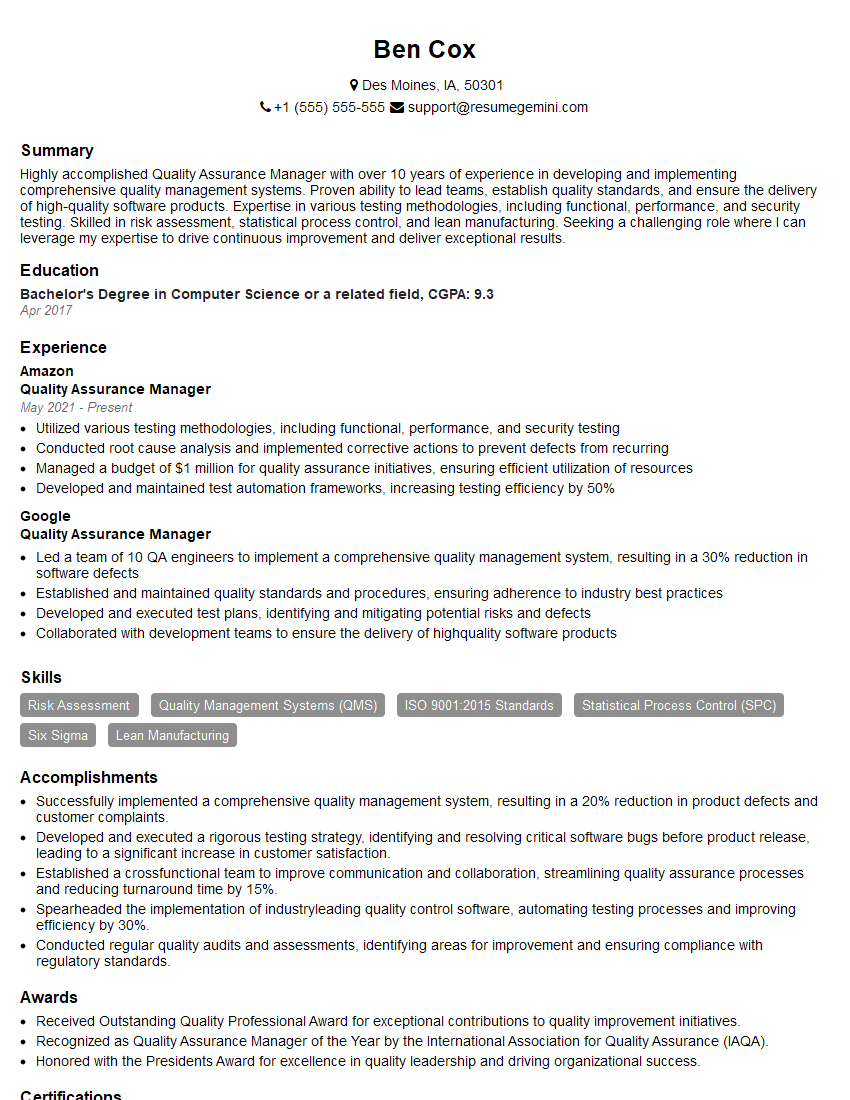
Quality Assurance Manager Resume Sample
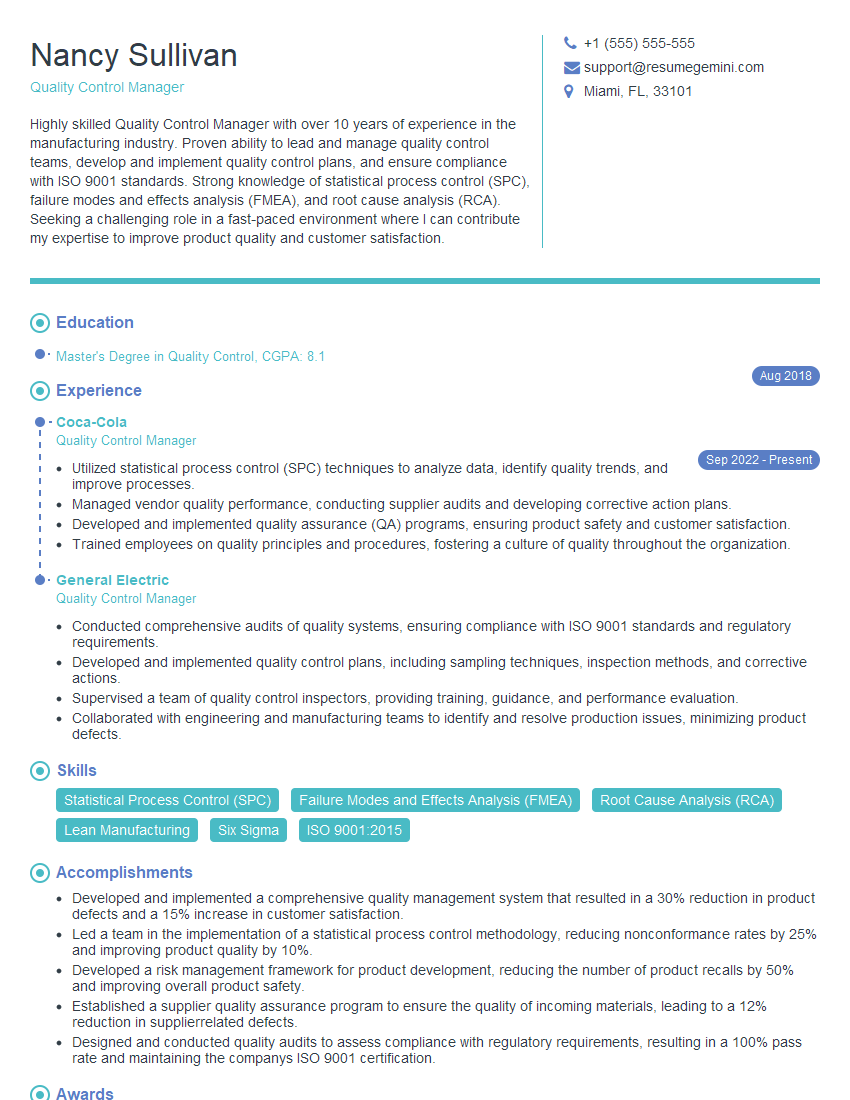
Quality Control Manager Resume Sample
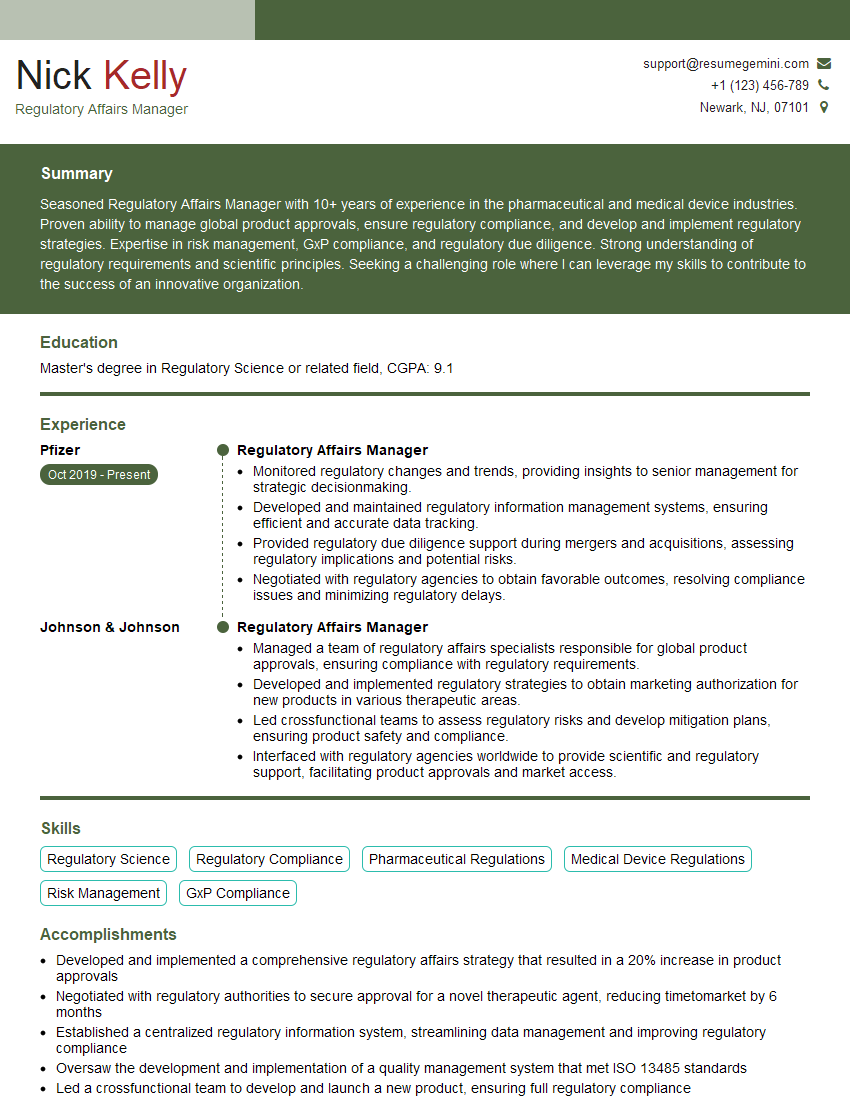
Regulatory Affairs Manager Resume Sample
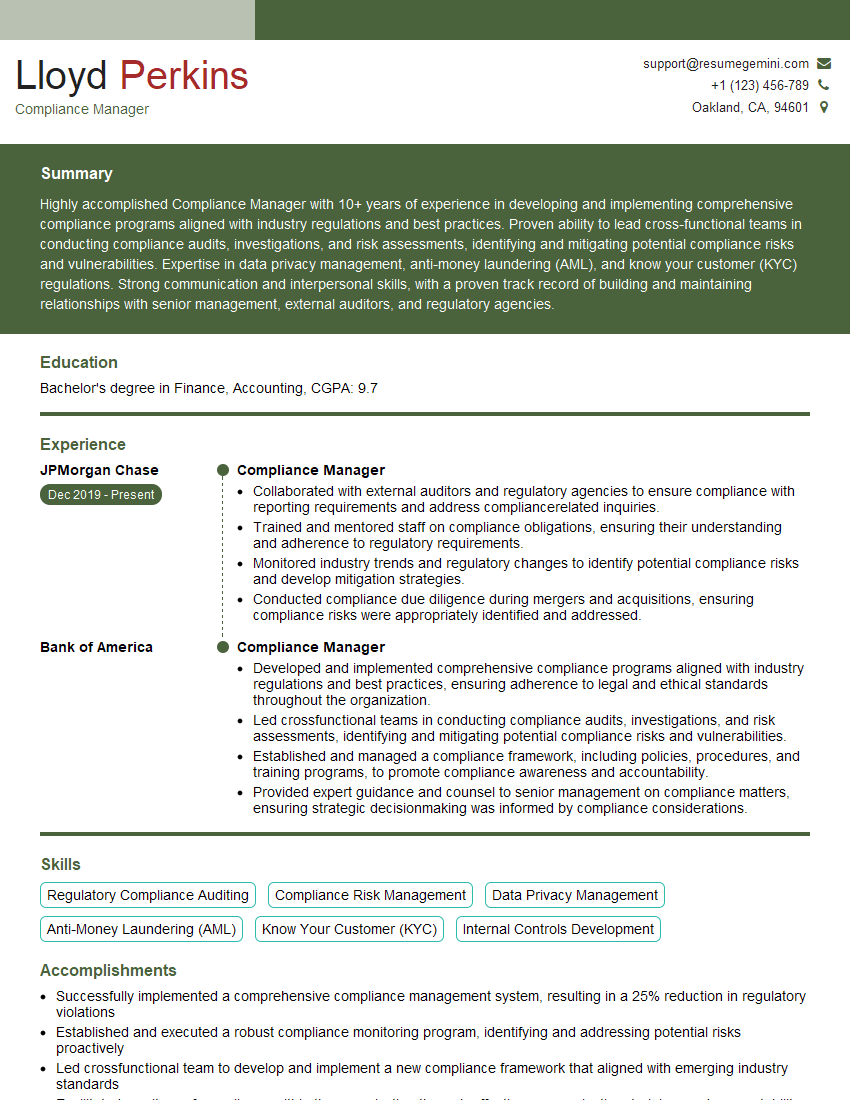
Compliance Manager Resume Sample
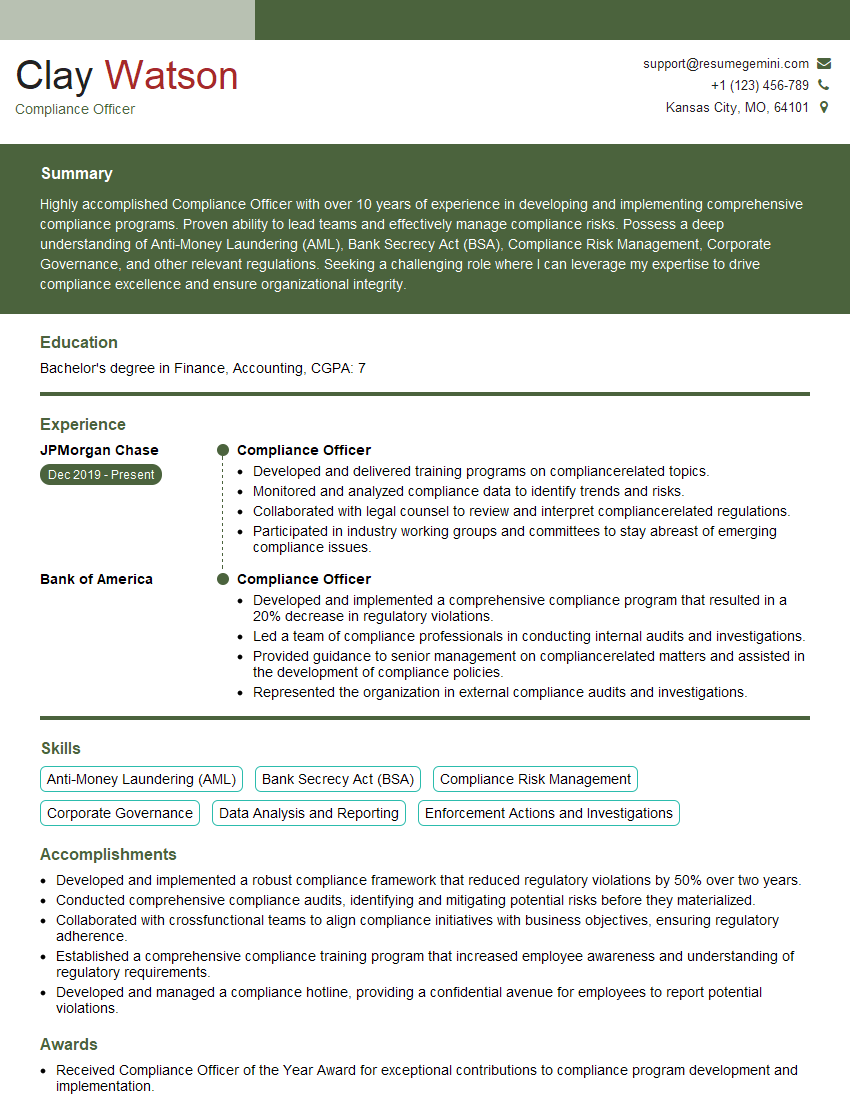
Compliance Officer Resume Sample
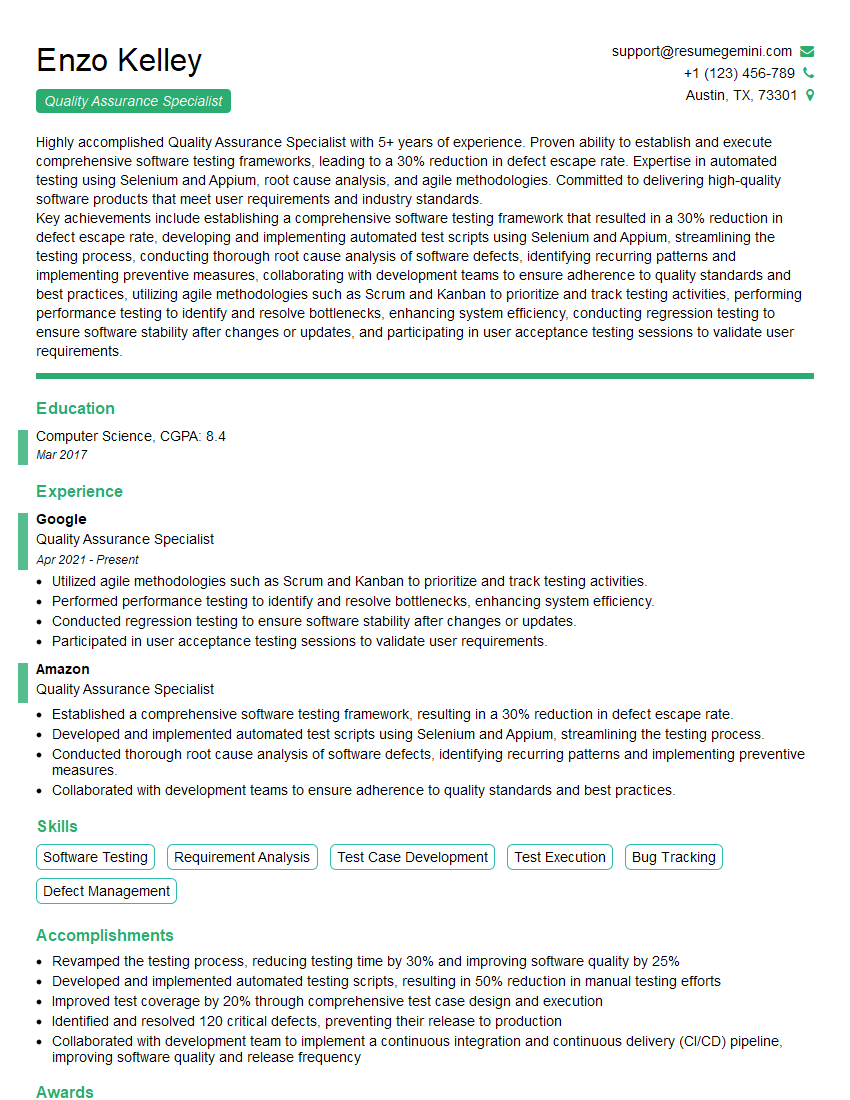
Quality Assurance Specialist Resume Sample
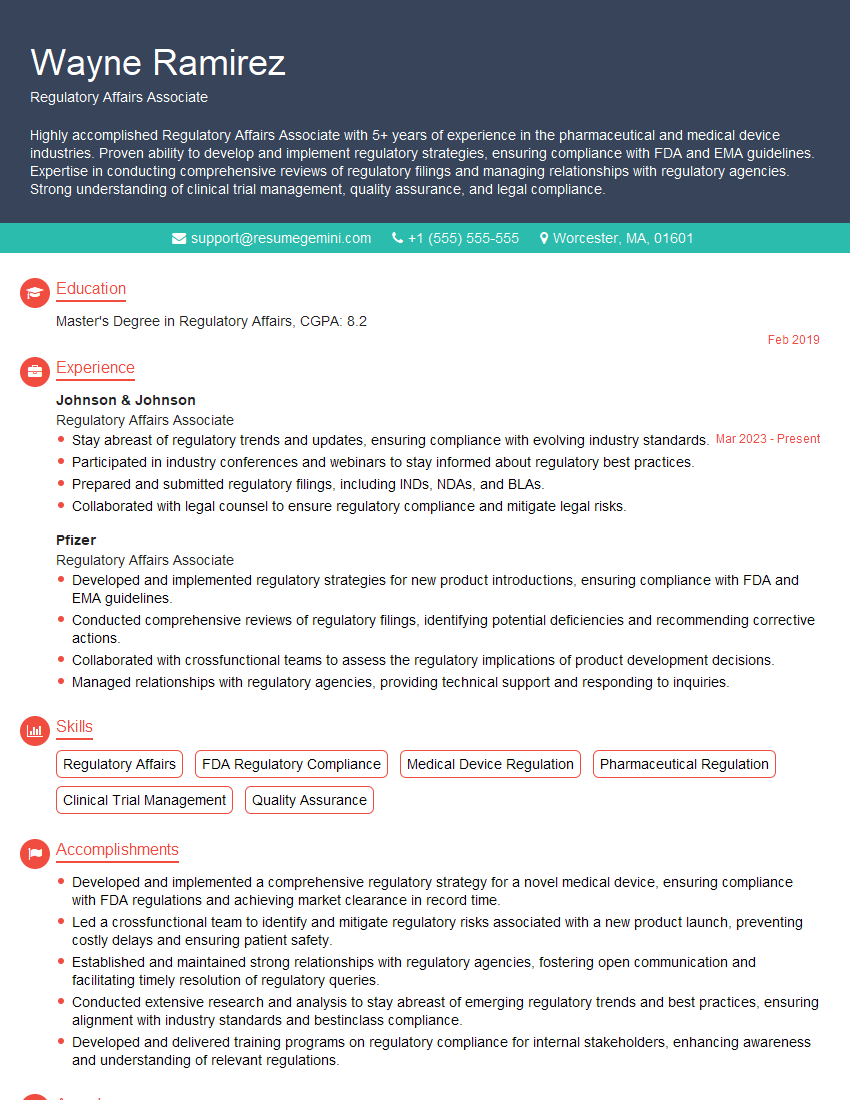
Regulatory Affairs Associate Resume Sample

Regulatory Affairs Consultant Resume Sample
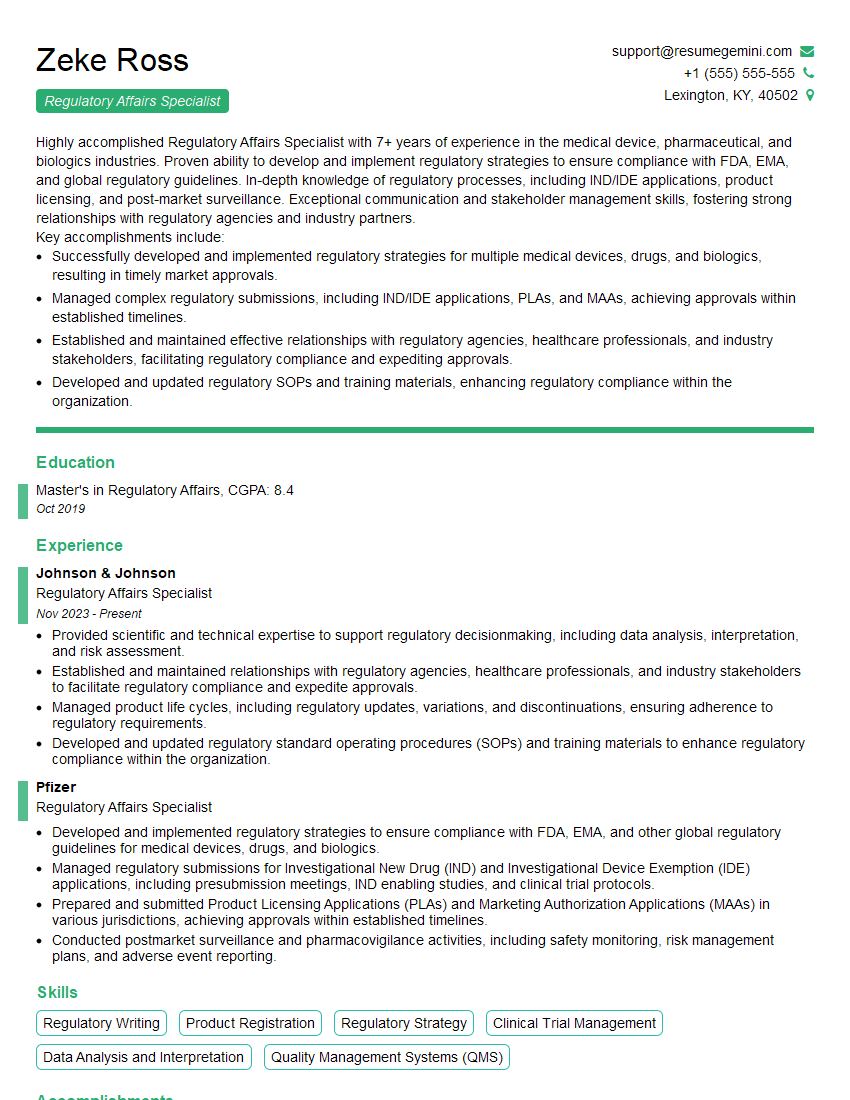
Regulatory Affairs Specialist Resume Sample
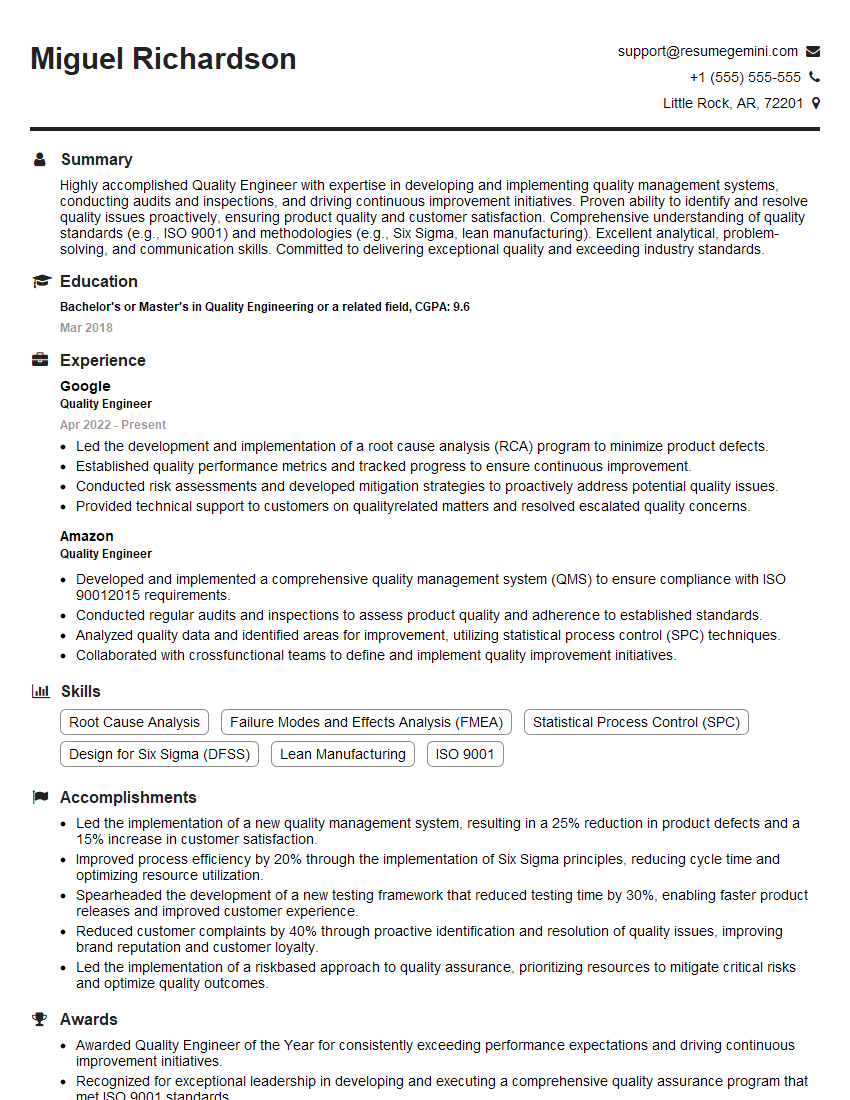
Quality Engineer Resume Sample
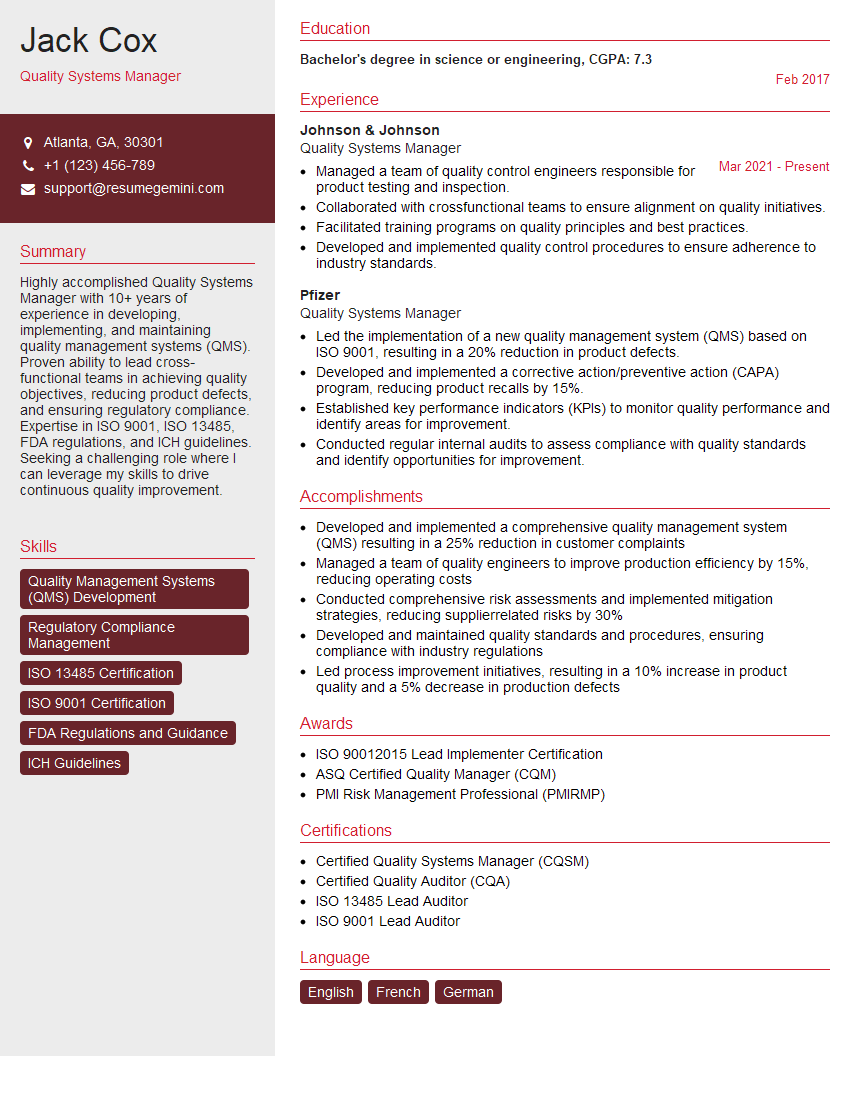
Quality Systems Manager Resume Sample
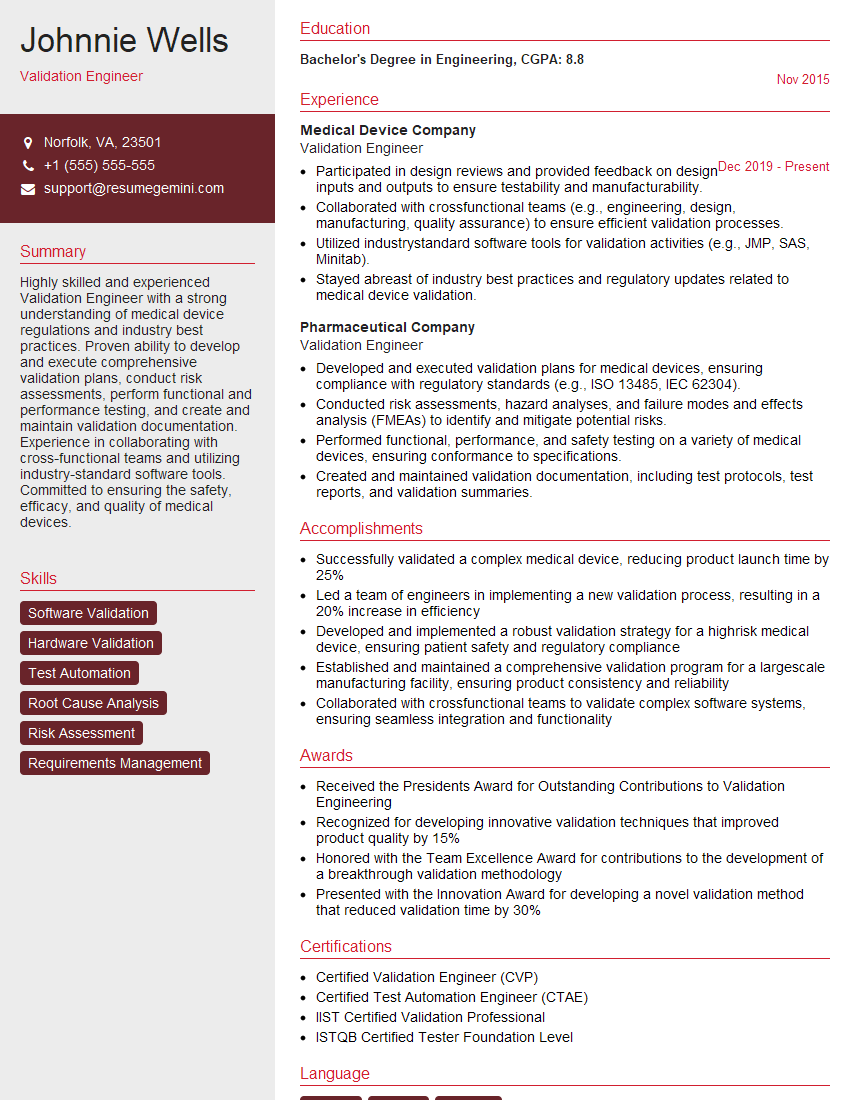
Validation Engineer Resume Sample
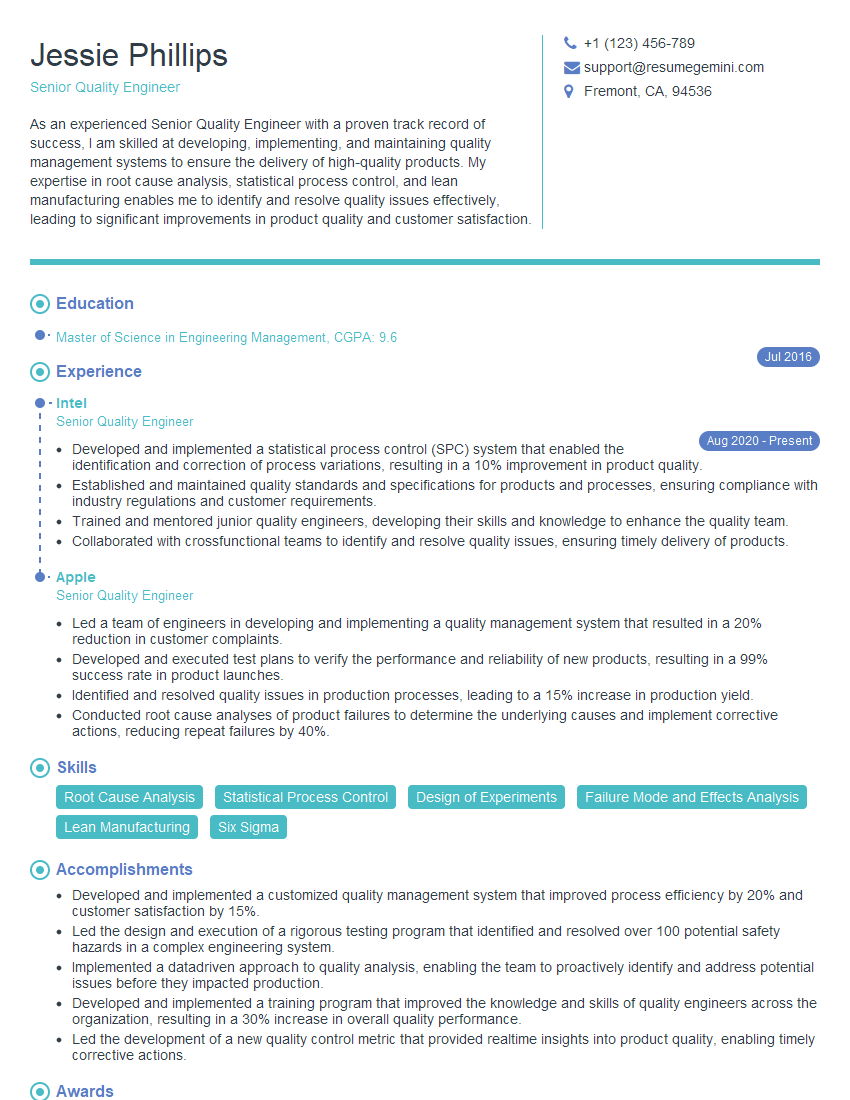
Senior Quality Engineer Resume Sample
- Quality Assurance Manager
- Quality Control Manager
- Regulatory Affairs Manager
- Compliance Manager
- Compliance Officer
- Quality Assurance Specialist
- Regulatory Affairs Associate
- Regulatory Affairs Consultant
- Regulatory Affairs Specialist
- Quality Engineer
- Quality Systems Manager
- Validation Engineer
- Senior Quality Engineer
Explore more articles
Users Rating of Our Blogs
Share Your Experience
We value your feedback! Please rate our content and share your thoughts (optional).
What Readers Say About Our Blog
Very informative content, great job.
good