The right preparation can turn an interview into an opportunity to showcase your expertise. This guide to Knowledge and ability to read and interpret technical specifications interview questions is your ultimate resource, providing key insights and tips to help you ace your responses and stand out as a top candidate.
Questions Asked in Knowledge and ability to read and interpret technical specifications Interview
Q 1. Explain your process for reviewing and understanding technical specifications.
My process for reviewing technical specifications is methodical and thorough, ensuring complete understanding before starting any work. I begin with a high-level overview, scanning the document to grasp the overall purpose, scope, and key functionalities. This initial read helps me establish a mental framework. Then, I move to a detailed review, paying close attention to each section, requirement, and constraint. I use techniques like annotation, highlighting key terms, and creating summaries in the margins to aid comprehension. This is followed by a validation phase, where I cross-reference different sections to identify potential inconsistencies or conflicts. Finally, I create a concise summary document that outlines the key aspects of the specifications, including any ambiguities or open questions that need clarification. This process helps me internalize the specifications and form a solid plan of action.
Q 2. How do you identify ambiguities or inconsistencies in technical specifications?
Identifying ambiguities and inconsistencies in technical specifications requires careful attention to detail and a critical eye. I look for contradictions between different sections, for instance, a requirement specifying a certain performance level while another section implies a different constraint. I also check for vague or unclear terminology. For example, terms like “fast” or “efficient” are subjective and require precise definition. Missing information or incomplete descriptions are also red flags, indicating potential ambiguities. I use comparison tools and matrices to visually identify inconsistencies and use checklist to ensure every aspect of the specification is considered. I actively search for any use of jargon and try to resolve every single one to make sure there is clear understanding of the requirements.
Q 3. Describe a time you had to clarify a vague or incomplete specification.
In a previous project, the specification for a mobile application vaguely described the user authentication process. It simply stated “secure authentication.” This ambiguity was problematic because it left room for various interpretations, potentially impacting security and user experience. To clarify, I initiated a series of discussions with the stakeholders, including the client, designers, and the development team. We collaboratively defined the specific authentication mechanisms to be implemented (e.g., two-factor authentication, password complexity requirements), resulting in a detailed, unambiguous specification that clearly described all authentication methods. The result was a more robust and secure application that met the client’s needs and expectations.
Q 4. How do you handle conflicting requirements within a set of specifications?
Handling conflicting requirements is a critical skill for any technical professional. When faced with conflicting specifications, my approach is systematic and collaborative. First, I meticulously document all conflicting requirements, noting the specific sections and details. Next, I prioritize the requirements based on their criticality and impact on the project goals. This often involves discussing the conflicts with stakeholders to gain a shared understanding of the priorities and potential trade-offs. Sometimes, compromise is necessary, and I strive to find solutions that satisfy as many requirements as possible without compromising the project’s overall functionality or integrity. In extreme cases, where conflicts cannot be reconciled, it might be necessary to escalate the issue to higher management to determine the best course of action.
Q 5. How familiar are you with different specification formats (e.g., UML, XML, etc.)?
I’m familiar with various specification formats, including UML (Unified Modeling Language) for visualizing system architecture and class diagrams, XML (Extensible Markup Language) for data representation and configuration, and JSON (JavaScript Object Notation) for data exchange. I also have experience working with specifications written in plain text, spreadsheets, and specialized modeling tools. My experience extends to translating between these formats, and extracting relevant information from each to compile a consolidated understanding. The choice of format depends on the context, and I adapt my approach accordingly.
Q 6. How do you ensure you’ve understood all aspects of a technical specification before beginning work?
To ensure complete understanding before starting work, I employ a multi-faceted approach. I perform thorough review as previously described, but I also conduct regular check-ins with stakeholders to clarify any remaining ambiguities and address any new requirements that have emerged. Creating a detailed plan of action based on the specifications, and documenting the steps involved further reinforces understanding. This documentation includes anticipated challenges and potential mitigation strategies, thus ensuring a proactive approach to potential hurdles.
Q 7. What tools or techniques do you use to track changes and revisions in technical specifications?
For tracking changes and revisions in technical specifications, I leverage version control systems like Git, along with collaborative platforms such as Confluence or SharePoint. These tools provide a central repository for the specifications, allowing multiple stakeholders to access, review, and contribute to the document. Furthermore, they automatically track changes, allowing easy comparison between revisions, and identifying the author and timestamp of each modification. This capability is essential for maintaining a complete audit trail and for resolving discrepancies. I also implement a robust change management process, ensuring that all changes are reviewed, approved, and documented before they are implemented.
Q 8. Explain your approach to troubleshooting problems based on technical specifications.
My approach to troubleshooting problems using technical specifications is systematic and methodical. I begin by carefully reviewing the relevant sections of the specifications to understand the intended functionality and behavior of the system. This involves identifying key parameters, constraints, and expected outputs. Then, I compare the observed behavior with the specifications, pinpointing the discrepancies. This comparison allows me to isolate the potential root cause of the problem.
For instance, if a software module is not processing data correctly, I’d first check the input validation criteria defined in the specs, then examine the data transformation steps and finally look at the output validation rules. This systematic approach helps to avoid guesswork and ensures that the solution aligns with the overall design intent. I often use a flowchart or a decision tree to visually trace the system’s logic and identify potential points of failure.
Finally, I document all troubleshooting steps, including the initial problem description, the diagnostic process, the identified root cause, and the implemented solution. This documentation is crucial for future reference and aids in preventing similar issues from recurring.
Q 9. How do you determine the priority of different requirements listed in specifications?
Prioritizing requirements in technical specifications necessitates a balanced approach considering various factors. I employ a combination of techniques, including MoSCoW analysis (Must have, Should have, Could have, Won’t have), stakeholder prioritization, and risk assessment.
MoSCoW helps categorize requirements based on their criticality to project success. ‘Must-have’ features are essential for core functionality; ‘Should-have’ features enhance usability; ‘Could-have’ features add value but are non-essential; and ‘Won’t-have’ features are postponed or eliminated.
Stakeholder prioritization involves understanding the needs and expectations of different stakeholders (e.g., clients, users, developers). This informs the weighing of different requirements’ importance.
Risk assessment helps identify potential risks associated with each requirement and prioritize those that carry higher risk. A requirement with a high probability of failure and significant impact will typically take precedence. I always document the rationale behind the prioritization decisions to maintain transparency and facilitate discussions.
Q 10. Can you describe your experience with version control systems related to technical documents?
I have extensive experience using version control systems, primarily Git, for managing technical documents. This is vital for collaborative work and maintaining a complete history of changes. Using a system like Git allows multiple people to work on the same document concurrently without overwriting each other’s changes.
My workflow involves creating branches for each significant change or update to the specifications. This ensures that the main branch (often representing the latest approved version) remains stable and doesn’t contain unfinished or potentially buggy changes. Each commit includes a clear and concise message describing the modifications made. This detailed commit history facilitates tracking, auditing and understanding the evolution of the specifications over time.
Furthermore, I utilize pull requests for reviewing and merging changes, ensuring that all updates are thoroughly examined before being integrated into the main branch. This collaborative review process improves the quality of the specifications and reduces the risk of errors.
Q 11. How do you communicate technical specifications to non-technical audiences?
Communicating technical specifications to non-technical audiences requires a clear and concise approach that avoids jargon and technical details where possible. I achieve this by translating complex concepts into simple, relatable terms.
For instance, instead of using terms like “API endpoint,” I might explain it as “the place where our system interacts with other services.” I use visuals like diagrams, flowcharts, and mockups to illustrate system behavior. Analogies and real-world examples help clarify abstract ideas.
For example, explaining a complex database schema can be made easier by comparing it to a well-organized filing cabinet. I make sure to tailor my communication style to the specific audience’s level of understanding and engage them in interactive discussions to confirm comprehension. I always focus on explaining the ‘what’ and ‘why’ behind technical decisions rather than delving deep into the ‘how’ unless specifically requested.
Q 12. How do you handle situations where technical specifications change during a project?
Changes to technical specifications during a project are inevitable. My approach involves a structured process to manage these changes effectively and minimize disruption. First, I document all changes meticulously, noting the date, author, and rationale behind the alteration.
Secondly, I assess the impact of the changes on existing work. This involves analyzing whether changes require modifications to already completed tasks, or if they introduce new requirements. A risk assessment helps determine the urgency and potential impact of the changes.
Thirdly, I communicate the changes to the relevant stakeholders, ensuring everyone is aware and understands the implications. This often involves updating project plans, timelines, and potentially budgets. Finally, I use a version control system to track and manage the revised specifications, ensuring that all team members have access to the latest version. I also ensure a clear process for approving and implementing changes, often involving a change request system and formal approvals from stakeholders.
Q 13. How do you balance speed and accuracy when reviewing technical specifications?
Balancing speed and accuracy in reviewing technical specifications requires a strategic approach. I don’t prioritize speed over accuracy, as errors can be costly and time-consuming to correct later. My approach involves a tiered review process.
Initially, I conduct a quick scan for major inconsistencies or obvious errors. This high-level overview allows for quick identification of critical issues. Then, I delve into a more detailed examination, verifying consistency, completeness, and clarity. I use checklists to ensure all aspects of the specifications are covered.
I also leverage automated tools where possible, like linters or style checkers, to highlight potential issues and ensure adherence to established standards. Finally, I prioritize the review of critical sections of the specifications – those that impact core functionalities – before moving to less critical ones. This approach optimizes the allocation of review time and ensures that the most important aspects receive the most thorough scrutiny.
Q 14. Describe your experience with using technical specifications to create test cases.
Technical specifications are the foundation for creating comprehensive and effective test cases. I use the specifications to identify all testable requirements. This involves extracting specific functionalities, inputs, expected outputs, and constraints described in the document.
For example, if a specification states that “the system shall process a maximum of 1000 transactions per second,” this translates directly into a performance test case with different transaction loads to verify if this threshold is met. I also create test cases to cover boundary conditions and edge cases, which are often implicitly defined in the specifications. For instance, what happens if the system receives more than 1000 transactions per second? The specifications might indirectly define the expected behavior, even if not explicitly stated.
I use a structured approach to test case creation, ensuring that each test case is clearly defined, including the test objective, steps to execute, expected results, and pass/fail criteria. I also prioritize test cases based on risk and criticality, using the same prioritization techniques discussed earlier. This ensures that the most important functionalities are tested thoroughly.
Q 15. What are some common pitfalls to avoid when working with technical specifications?
Working with technical specifications can be tricky. Common pitfalls include ambiguity, leading to multiple interpretations; incompleteness, where crucial details are missing; and inconsistency, where different sections contradict each other. Another frequent problem is a lack of traceability, making it difficult to understand the rationale behind specific requirements. Finally, overlooking non-functional requirements (like performance, security, or usability) can lead to a product that meets the stated needs but fails in practice.
- Example: A specification might state "the system should be fast" without defining what "fast" means in terms of response time or throughput. This ambiguity makes it impossible for developers to build a system that consistently meets the requirement.
- Example: Missing information on error handling or data security can lead to vulnerabilities and system instability.
Career Expert Tips:
- Ace those interviews! Prepare effectively by reviewing the Top 50 Most Common Interview Questions on ResumeGemini.
- Navigate your job search with confidence! Explore a wide range of Career Tips on ResumeGemini. Learn about common challenges and recommendations to overcome them.
- Craft the perfect resume! Master the Art of Resume Writing with ResumeGemini’s guide. Showcase your unique qualifications and achievements effectively.
- Don’t miss out on holiday savings! Build your dream resume with ResumeGemini’s ATS optimized templates.
Q 16. How do you identify and report errors or omissions in technical specifications?
Identifying errors or omissions involves a systematic approach. I typically start with a thorough review of the entire specification, checking for consistency, completeness, and clarity. I use checklists and templates to ensure I don’t miss anything. For instance, I might verify that all requirements have unique identifiers, are traceable to their source (e.g., user stories), and have defined acceptance criteria. I’d use a formal defect tracking system to report any identified errors or omissions, detailing their location, nature, severity, and proposed solution or clarification needed. This might involve highlighting inconsistencies using markup tools or creating a separate document listing all identified issues.
Reporting is done formally, using a bug tracking system or other designated communication channel. The report needs to be clear, concise, and well-structured, including the issue’s description, location in the specification, severity, and proposed solution or recommendation.
Q 17. How do you prioritize requirements when dealing with competing priorities within a specification?
Prioritizing requirements with competing priorities requires a structured approach. I often use a combination of techniques, including MoSCoW analysis (Must have, Should have, Could have, Won’t have) and prioritization matrices based on factors like business value, risk, and technical feasibility. For example, I might use a matrix where each requirement is scored based on these factors, allowing me to visually identify high-priority items. Stakeholder consultation is crucial; I would work with the product owner, developers, and other relevant parties to reach a consensus on the prioritization.
Example: Imagine a system where functionality A has high business value and low technical risk, while functionality B has moderate business value and high technical risk. Using a prioritization matrix, I would likely prioritize A over B, even though both are important. The MoSCoW method would help classify items into different categories based on their necessity.
Q 18. How familiar are you with different types of diagrams used in technical specifications (e.g., flowcharts, sequence diagrams)?
I’m very familiar with various diagram types used in technical specifications. Flowcharts illustrate the overall flow of a process or system; sequence diagrams show the interactions between different components or actors over time; state diagrams depict the different states of an object and the transitions between them; use case diagrams model how users interact with the system; entity-relationship diagrams show the relationships between different data entities; and UML diagrams offer a broader range of modelling capabilities for software systems.
Understanding these diagrams is crucial for interpreting specifications correctly and communicating design ideas effectively. For example, a flowchart can clarify the steps in a complex algorithm, while a sequence diagram can illustrate the communication between different services in a distributed system.
Q 19. Explain how you would approach a large and complex set of technical specifications.
Approaching a large and complex set of specifications requires a systematic and organized approach. I would start by breaking down the specification into smaller, manageable chunks. This could involve organizing requirements by functional area, subsystem, or use case. I’d create a hierarchical structure, perhaps using a mind map or work breakdown structure, to visualize the relationships between different parts of the specification. I would then focus on understanding the key functionalities and dependencies between components. I’d develop a traceability matrix to track the requirements across different design documents and implementation artifacts. Regular reviews with stakeholders would ensure alignment and address any emerging issues.
Think of it like building a large house – you don’t start with all the materials at once; you break it into stages (foundation, walls, roof, etc.) to ensure a well-organized and efficient building process.
Q 20. How do you stay up-to-date with changes in technical specifications and industry standards?
Staying current with changes in technical specifications and industry standards requires a multi-pronged approach. I regularly subscribe to industry publications and newsletters, attend conferences and workshops, and actively participate in online communities and forums. I also monitor relevant standards organizations (like IEEE, ISO, etc.) for updates to their specifications. Furthermore, I leverage online resources and knowledge bases to look for updated documentation and best practices. Continuous learning through online courses and training programs is also essential to keep my skills sharp and my knowledge base updated.
Q 21. Describe a time you had to translate technical specifications into a practical implementation.
In a previous project involving the development of a real-time data processing system, the technical specifications were quite dense and contained several ambiguities. The specifications described the overall functionality but lacked detail on specific data formats and error handling procedures. My approach was to first clarify the ambiguous aspects by engaging with the stakeholders, including system architects and data engineers. We held several clarification meetings, and I created a series of questions to pinpoint areas needing further definition. Once these ambiguities were resolved, I translated the specifications into a practical implementation by developing detailed design documents, including data flow diagrams, class diagrams, and code prototypes. This iterative process involved continuous testing and feedback to ensure the implementation accurately reflected the intended functionality, and addressed any newly discovered issues or changes.
Q 22. How do you ensure that all relevant stakeholders understand the technical specifications?
Ensuring all stakeholders understand technical specifications requires a multi-faceted approach that goes beyond simply distributing the document. It’s about effective communication and collaboration.
- Clear and Concise Language: The specifications themselves should be written in plain language, avoiding jargon whenever possible. If specialized terms are necessary, they should be clearly defined within a glossary.
- Visual Aids: Diagrams, flowcharts, and other visual representations can significantly improve comprehension, especially for complex systems. A picture is truly worth a thousand words.
- Interactive Workshops and Presentations: Hosting interactive sessions allows for real-time clarification of doubts. Presentations should break down complex sections into easily digestible chunks.
- Version Control and Distribution: Employing a version control system (like Git) ensures everyone is working from the same, up-to-date document. Using a central repository makes distribution straightforward.
- Feedback Mechanisms: Establish clear channels for stakeholders to provide feedback and ask questions. This could be through regular meetings, email threads, or issue tracking systems.
For example, when working on a project involving a new mobile app, I once created a series of short explainer videos to accompany the technical specifications, focusing on key features and functionalities. This significantly improved understanding across the design, development, and marketing teams.
Q 23. How do you use technical specifications to estimate project timelines and resources?
Technical specifications are the bedrock of accurate project estimation. They provide the detailed breakdown of tasks needed to complete the project.
- Work Breakdown Structure (WBS): I begin by creating a WBS, breaking down the project into smaller, manageable tasks based on the specifications. Each task is then assigned an estimated time and resource allocation.
- Resource Identification: The specifications help determine the types of resources needed, including personnel (developers, testers, designers), software, and hardware.
- Risk Assessment: Potential risks identified in the specifications, such as technological challenges or dependencies, are factored into the timeline and resources to account for potential delays.
- Contingency Planning: A buffer is built into the schedule to accommodate unforeseen issues or complexities not explicitly stated in the specifications.
- Prioritization: The specifications often highlight dependencies, allowing for task prioritization and efficient resource allocation. Critical path analysis is a useful technique here.
For instance, if the specifications detail the need for integration with a third-party API, I’d allocate extra time for potential integration difficulties and identify a dedicated team member with expertise in that specific API.
Q 24. How comfortable are you using different software tools to view and manage technical specifications?
I’m proficient in using various software tools for viewing and managing technical specifications. My experience includes working with document management systems like Confluence, SharePoint, and document editors such as Microsoft Word, Google Docs, and specialized tools like MadCap Flare for creating documentation.
- Confluence: Excellent for collaborative editing, version control, and commenting within a team.
- SharePoint: Robust for large-scale document management and access control.
- MadCap Flare: Ideal for generating sophisticated and structured technical documentation, especially for large projects.
- Microsoft Word/Google Docs: Familiar and widely accessible for editing and sharing.
My comfort level extends beyond simply viewing; I’m adept at using these tools to track changes, manage different versions, incorporate feedback, and ensure consistent formatting. This proficiency streamlines my workflow and contributes to accurate and accessible documentation.
Q 25. How do you handle situations where technical specifications are incomplete or outdated?
Handling incomplete or outdated technical specifications requires a proactive and systematic approach. Ignoring the problem can lead to significant project delays and cost overruns.
- Identify Gaps and Inconsistencies: Carefully review the specifications to pinpoint missing information or contradictions. Use a checklist to systematically identify gaps.
- Engage Stakeholders: Initiate communication with relevant stakeholders – engineers, designers, clients – to clarify ambiguous points and obtain missing details.
- Document Assumptions and Decisions: If information is genuinely missing, document the assumptions made to proceed, clearly indicating the areas where more clarity is needed.
- Version Control: Implement a version control system to track changes and updates to the specifications. This ensures everyone is on the same page.
- Risk Mitigation: Develop contingency plans to address potential problems arising from incomplete specifications. This might involve building in flexibility into the design or allocating extra time in the schedule.
In one project, we discovered outdated hardware specifications. By proactively engaging the client, we were able to update the specifications, preventing the purchase of obsolete components and potential project delays.
Q 26. How do you ensure the accuracy and completeness of technical specifications you are working with?
Ensuring the accuracy and completeness of technical specifications is crucial for project success. My approach involves multiple stages of verification and validation.
- Cross-referencing and Verification: I meticulously check for inconsistencies and errors by comparing different sections of the document and cross-referencing information with other relevant sources.
- Peer Review: I actively seek feedback from colleagues with expertise in related areas. A fresh pair of eyes can catch inconsistencies I might overlook.
- Proofreading and Editing: I pay close attention to detail, proofreading for grammatical errors, typos, and inconsistencies in formatting and style.
- Testing and Validation: Where applicable, I use testing and simulation to validate the specifications, ensuring they accurately reflect the desired outcomes.
- Formal Review Processes: I utilize formal review processes, including walkthroughs and inspections, to identify and address any issues before proceeding with the implementation.
For example, when working on a network design document, I used a network simulation tool to verify the proposed configuration against the specifications, identifying a potential bottleneck that was not apparent through simple review.
Q 27. Describe a situation where you had to make critical decisions based on interpretations of technical specifications.
In a previous project involving the development of an embedded system, the specifications stated a certain memory allocation for a specific module. During implementation, we discovered that the actual memory requirements were significantly higher than what was specified.
This required a critical decision: either redesign the module to fit within the specified memory constraints or request a revision of the specifications to reflect the actual needs. After careful analysis, considering the project timeline and potential impact on performance, I recommended a revision of the specifications. This decision, though initially delaying the project slightly, prevented potential stability issues and future rework down the line. The revised specifications were formally documented and approved by all stakeholders.
Q 28. How do you contribute to the improvement of technical specifications through feedback and suggestions?
I believe continuous improvement is essential for high-quality technical specifications. My contributions to this process include:
- Providing Constructive Feedback: I actively review specifications, identifying areas for clarity, consistency, and completeness, providing specific and actionable suggestions for improvement.
- Suggesting Best Practices: I incorporate best practices for writing technical specifications, promoting clear structure, consistent terminology, and comprehensive detail.
- Developing Templates and Guidelines: I assist in developing templates and style guides to ensure consistency and efficiency in creating future specifications.
- Participating in Review Meetings: I actively participate in formal review meetings to discuss improvements and ensure everyone’s concerns are addressed.
- Using Version Control Effectively: I leverage version control systems to effectively manage changes, track revisions, and maintain a clear audit trail of all modifications.
For example, I recently suggested implementing a standardized template for our technical specifications, which improved readability and reduced the time required for reviews. This streamlined the process and improved the quality of the documentation significantly.
Key Topics to Learn for Knowledge and Ability to Read and Interpret Technical Specifications Interview
- Understanding Technical Terminology: Familiarize yourself with common acronyms, abbreviations, and specialized vocabulary used in technical specifications. Practice deciphering complex terminology and understanding their implications within the context of a project.
- Diagram Interpretation: Develop the ability to interpret various diagrams such as flowcharts, block diagrams, and schematics. Practice analyzing these visual representations to understand system architecture, data flow, and component interactions.
- Identifying Requirements and Constraints: Learn to effectively extract functional and non-functional requirements from technical specifications. Practice identifying constraints like performance limitations, budget restrictions, and timelines.
- Analyzing Specifications for Feasibility: Develop critical thinking skills to assess the feasibility of the technical specifications. Consider factors like technological limitations, resource availability, and potential risks.
- Problem Solving and Application: Practice applying your understanding of technical specifications to solve hypothetical problems. This could involve identifying potential design flaws, suggesting improvements, or proposing alternative solutions.
- Effective Communication: Develop the ability to clearly communicate your understanding of technical specifications to both technical and non-technical audiences. Practice explaining complex concepts in a simple and concise manner.
- Different Specification Formats: Gain familiarity with various formats of technical specifications, such as formal documents, informal notes, and online wikis. Practice adapting your reading and interpretation skills to these different formats.
Next Steps
Mastering the ability to read and interpret technical specifications is crucial for career advancement in many technical fields. It demonstrates your ability to understand complex systems, solve problems effectively, and communicate technical information clearly. Building a strong, ATS-friendly resume is essential to showcase these skills to potential employers. To maximize your job prospects, consider using ResumeGemini, a trusted resource for creating professional and impactful resumes. Examples of resumes tailored to highlight expertise in reading and interpreting technical specifications are available within ResumeGemini to guide you.
Product Manager Resume Sample

Project Manager Resume Sample

Compliance Officer Resume Sample
Regulatory Affairs Specialist Resume Sample
Business Analyst Resume Sample

Training Specialist Resume Sample
Security Engineer Resume Sample

Data Analyst Resume Sample
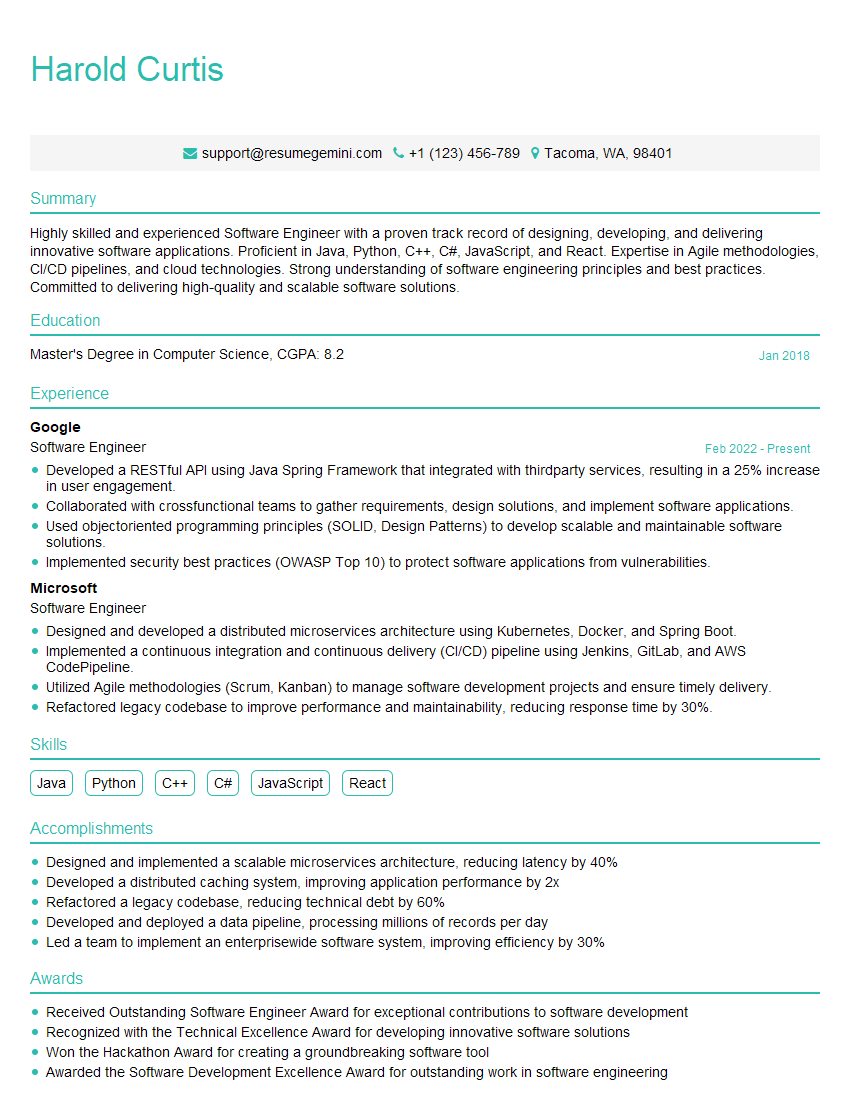
Software Engineer Resume Sample
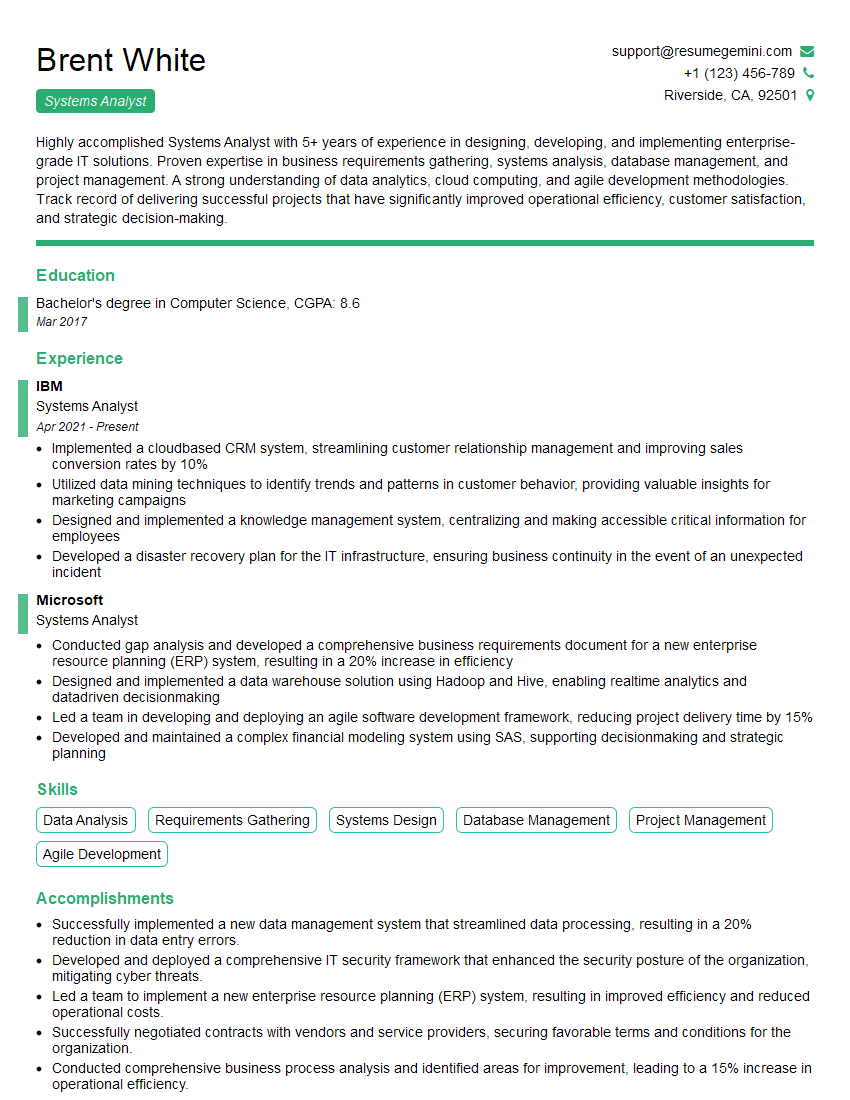
Systems Analyst Resume Sample
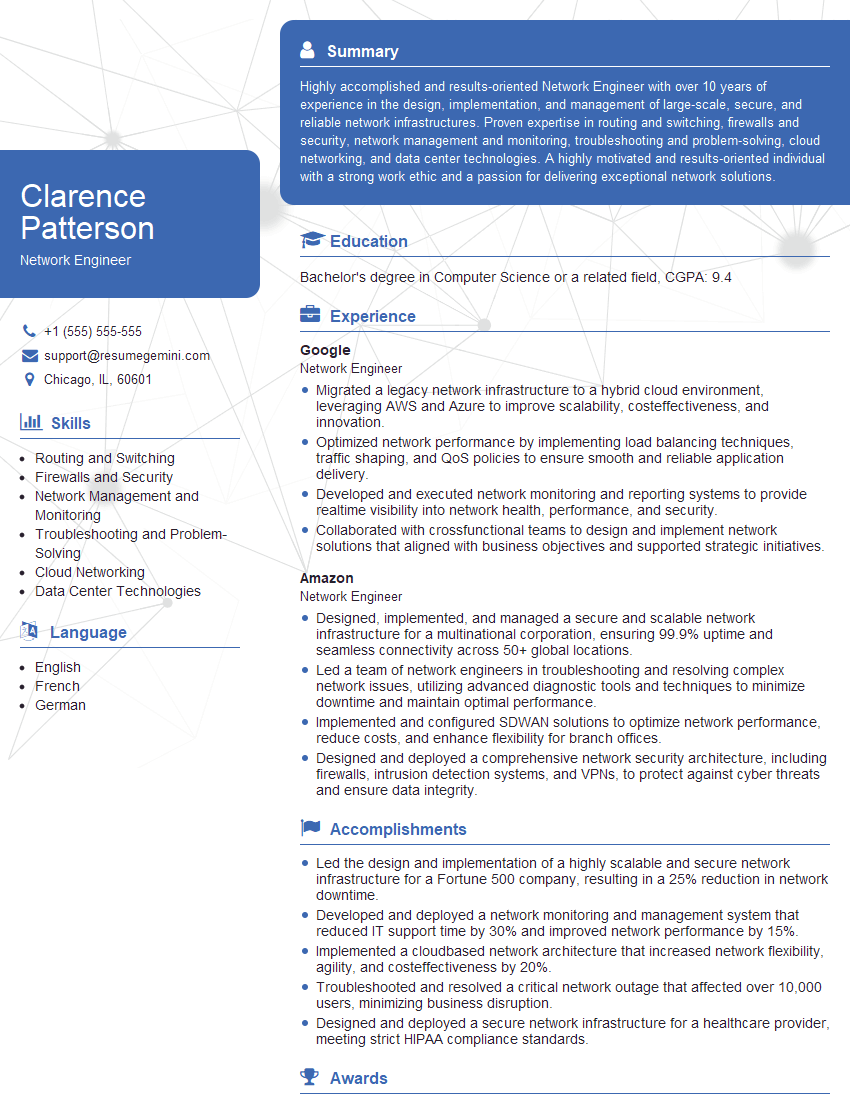
Network Engineer Resume Sample

Information Architect Resume Sample
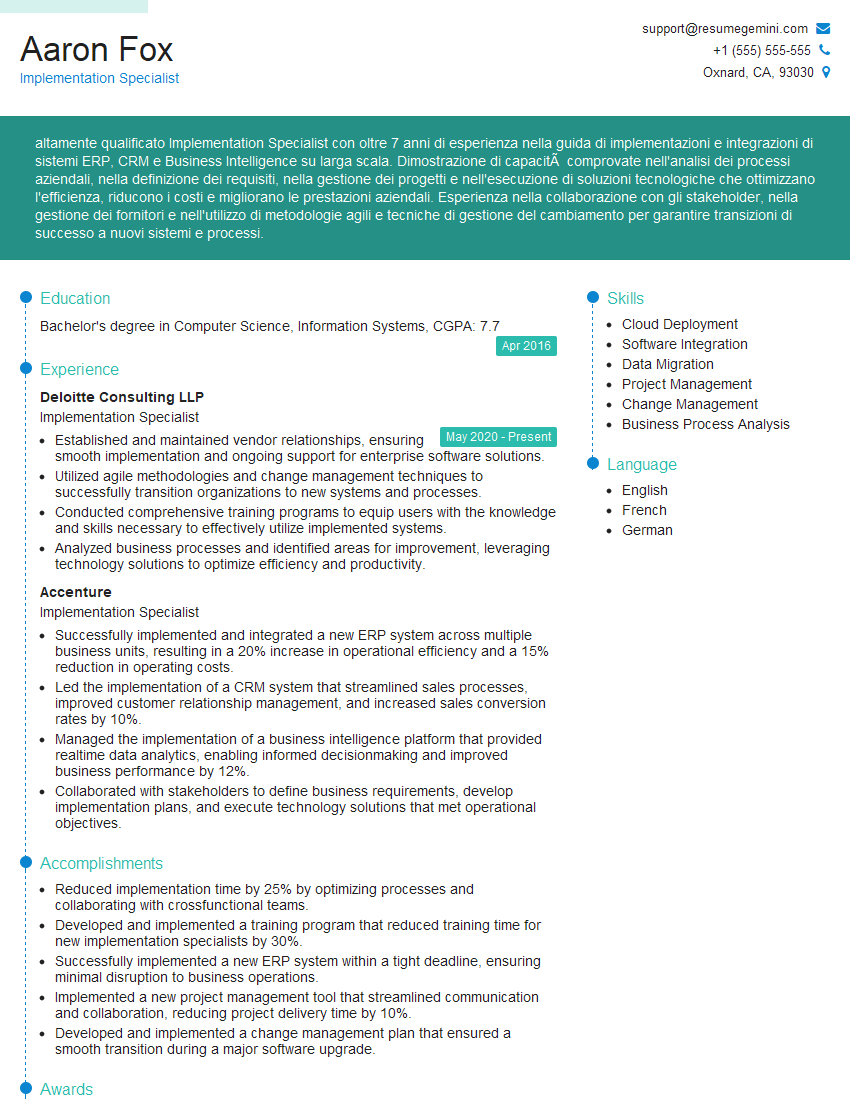
Implementation Specialist Resume Sample
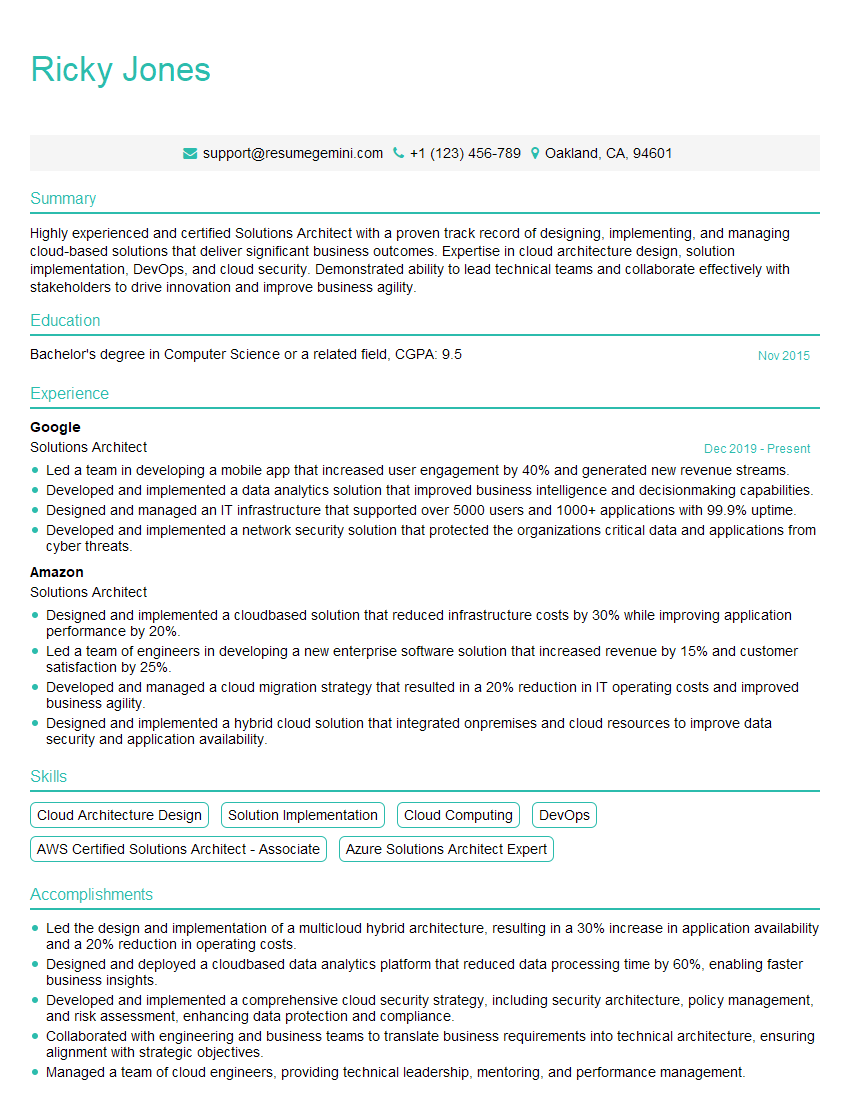
Solutions Architect Resume Sample
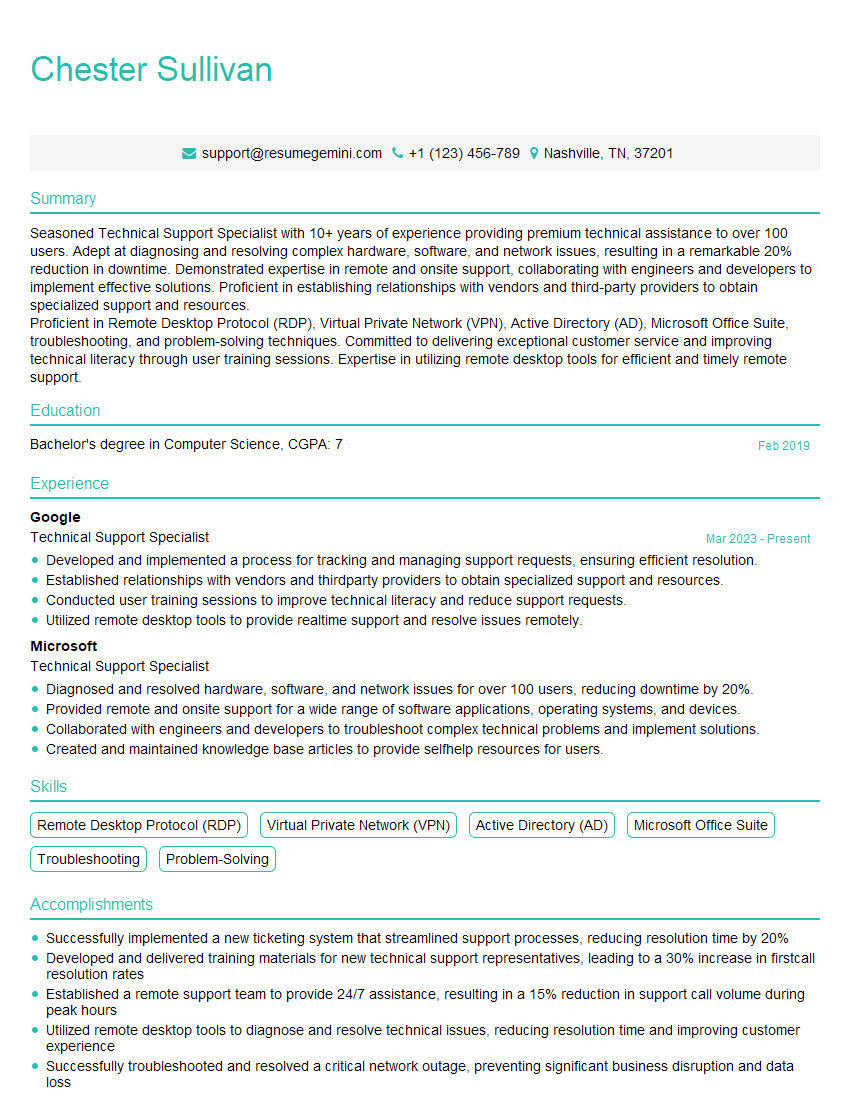
Technical Support Specialist Resume Sample
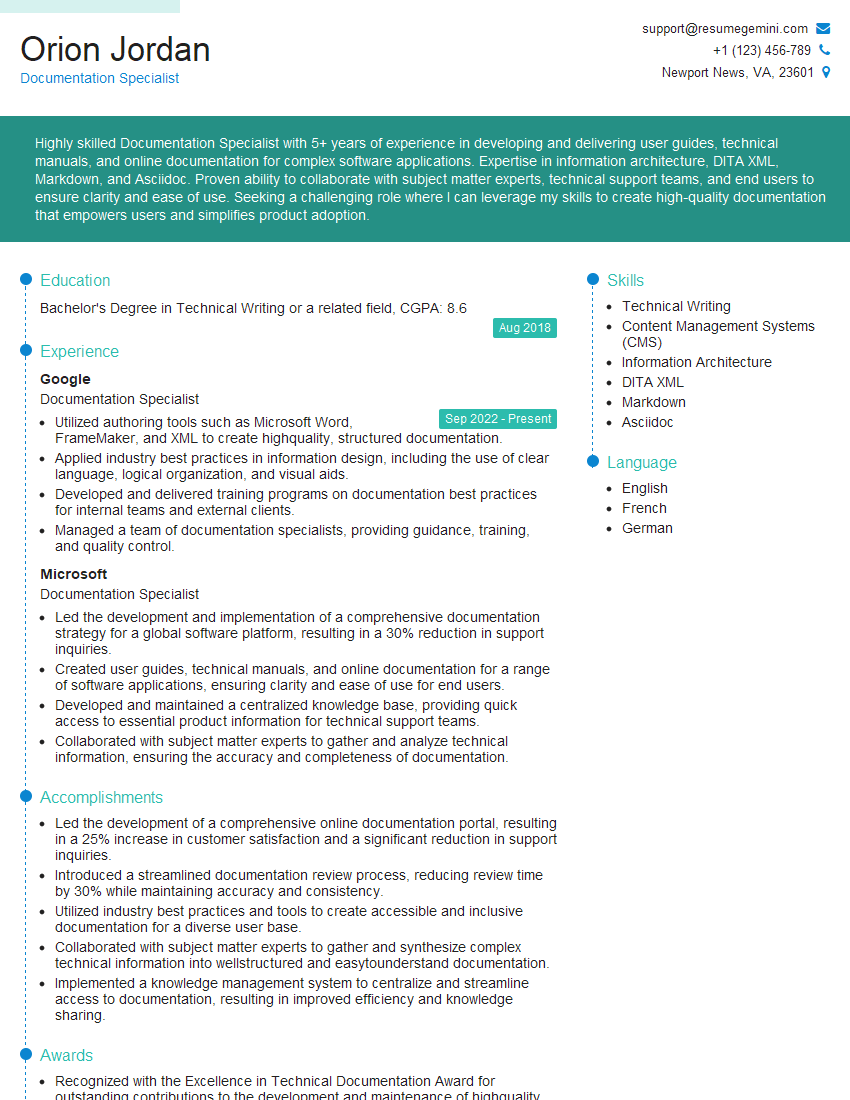
Documentation Specialist Resume Sample

Hardware Engineer Resume Sample
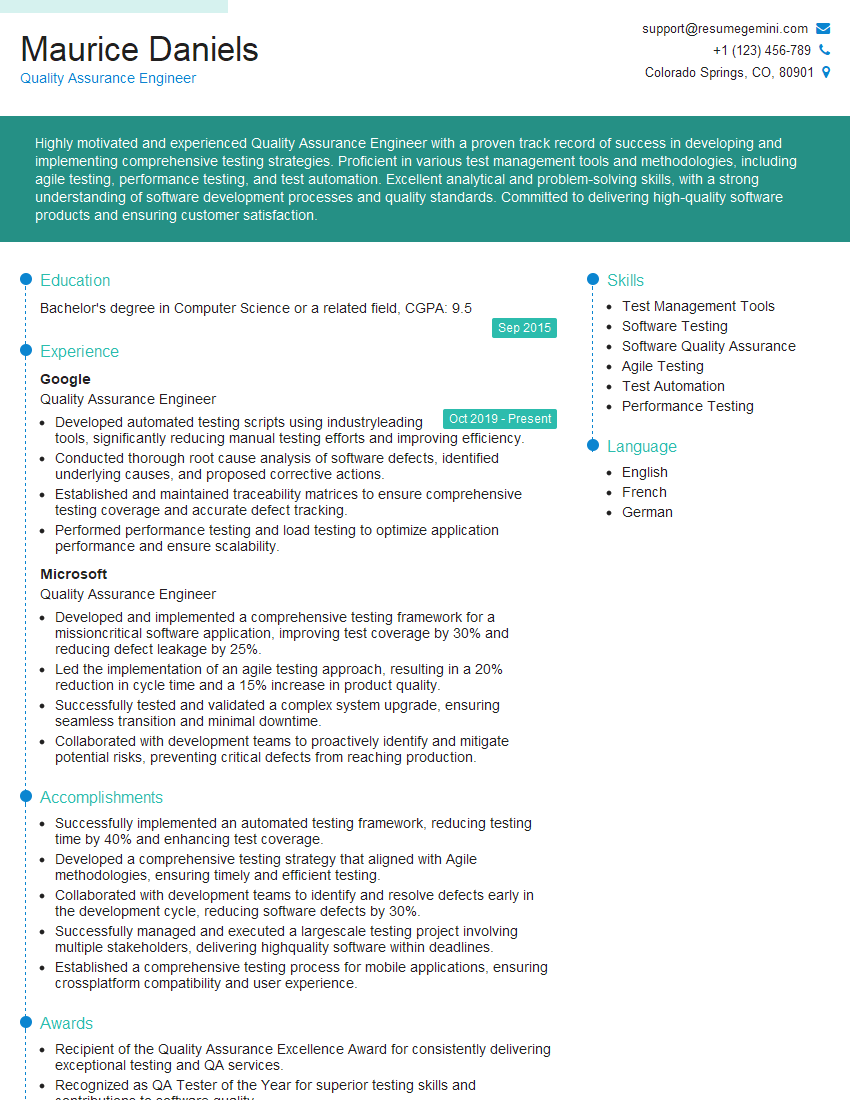
Quality Assurance Engineer Resume Sample
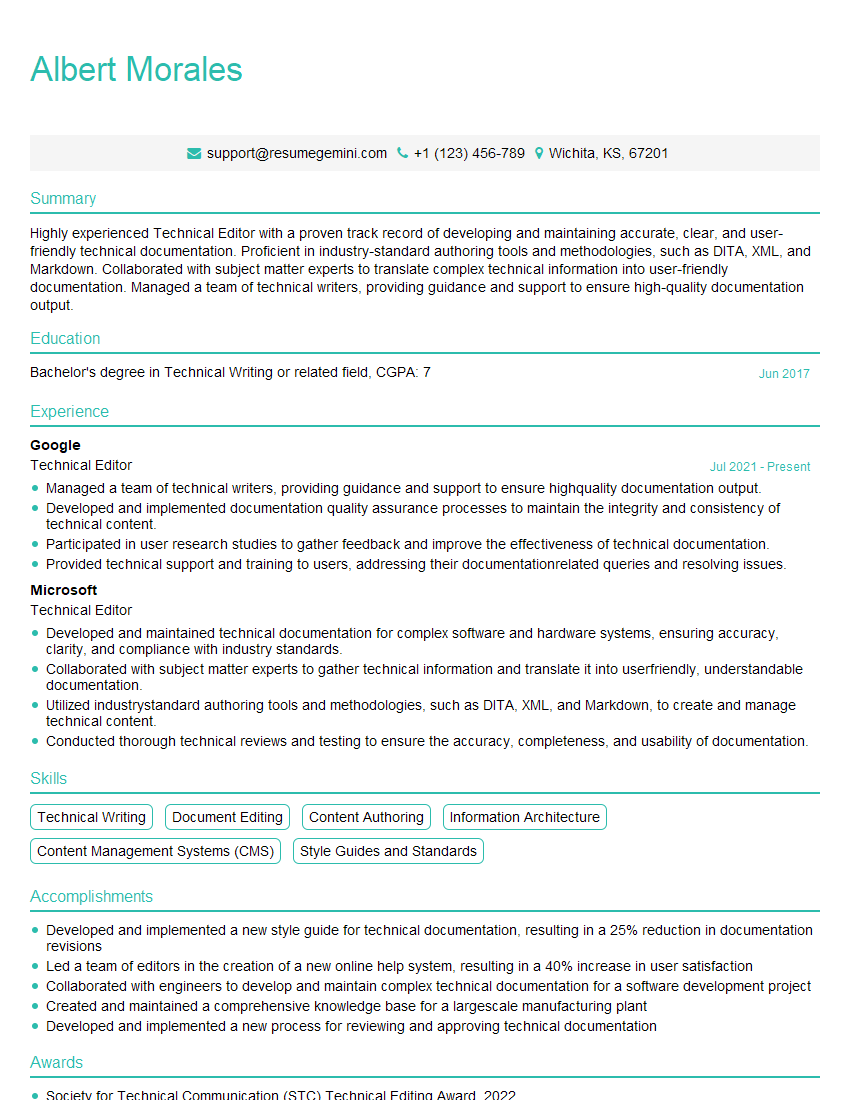
Technical Editor Resume Sample

Technical Writer Resume Sample
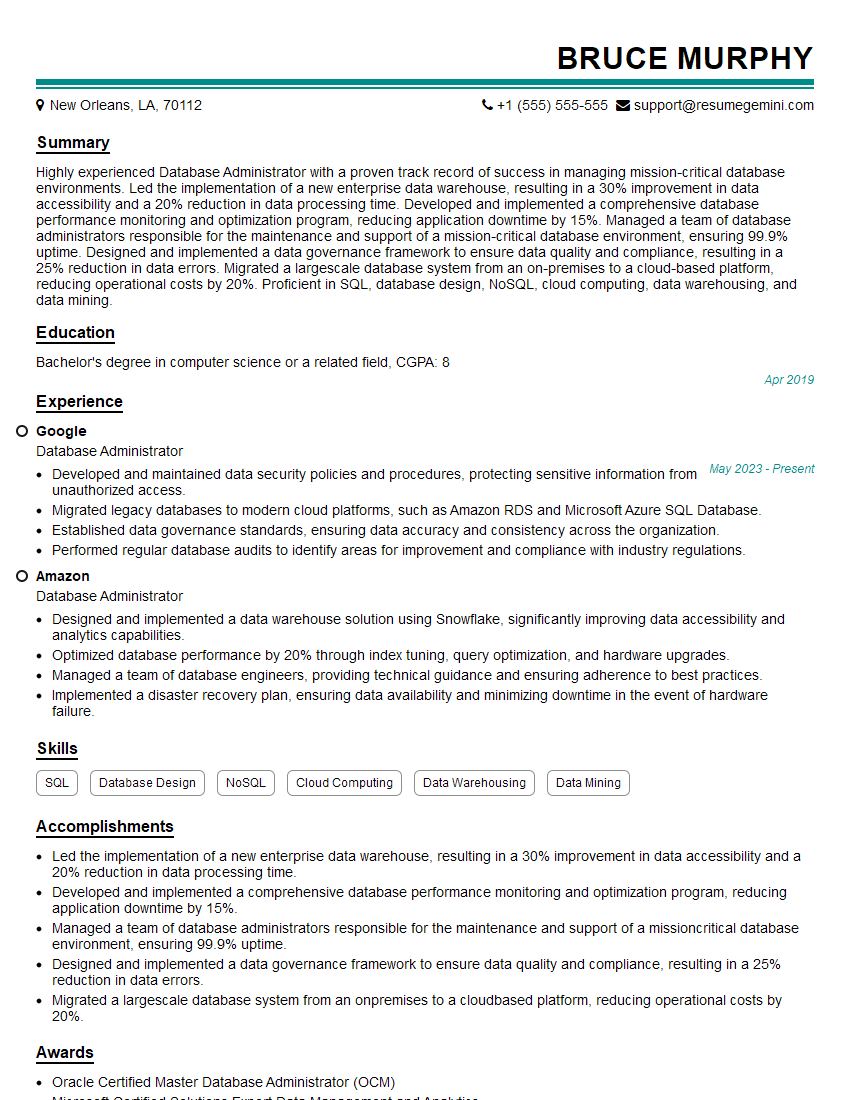
Database Administrator Resume Sample
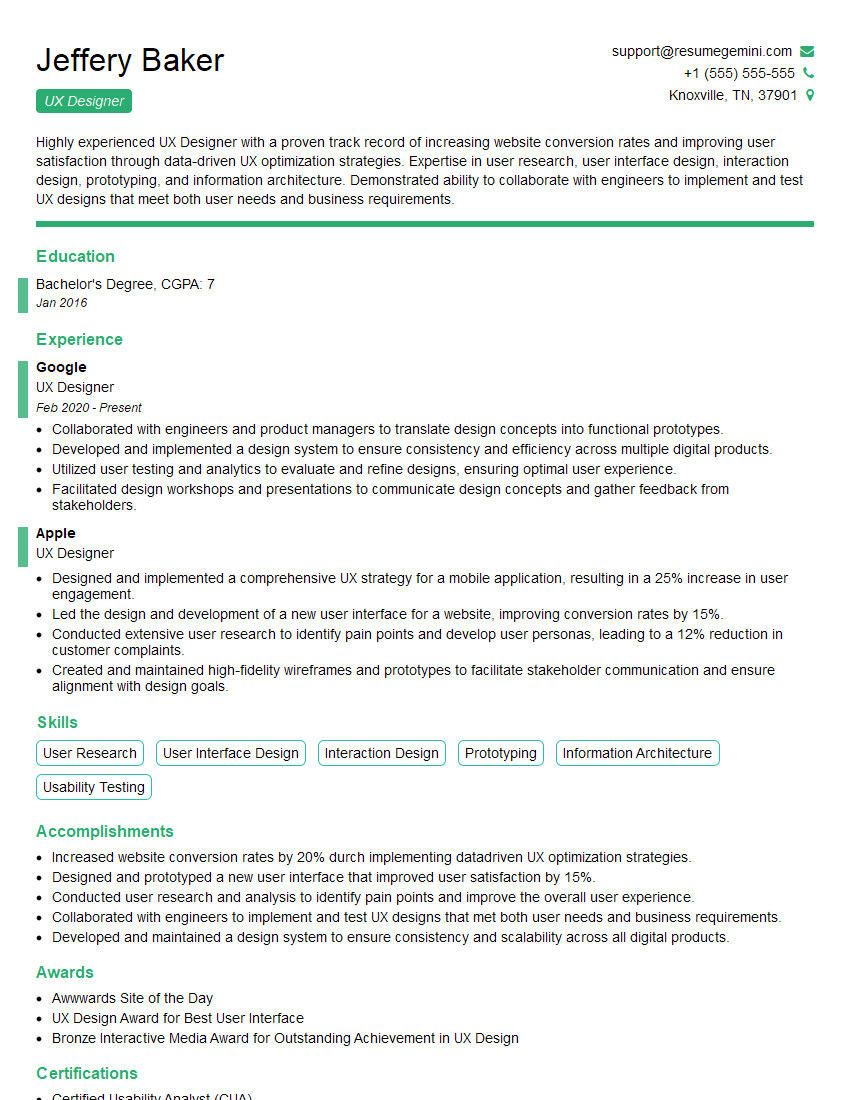
UX Designer Resume Sample
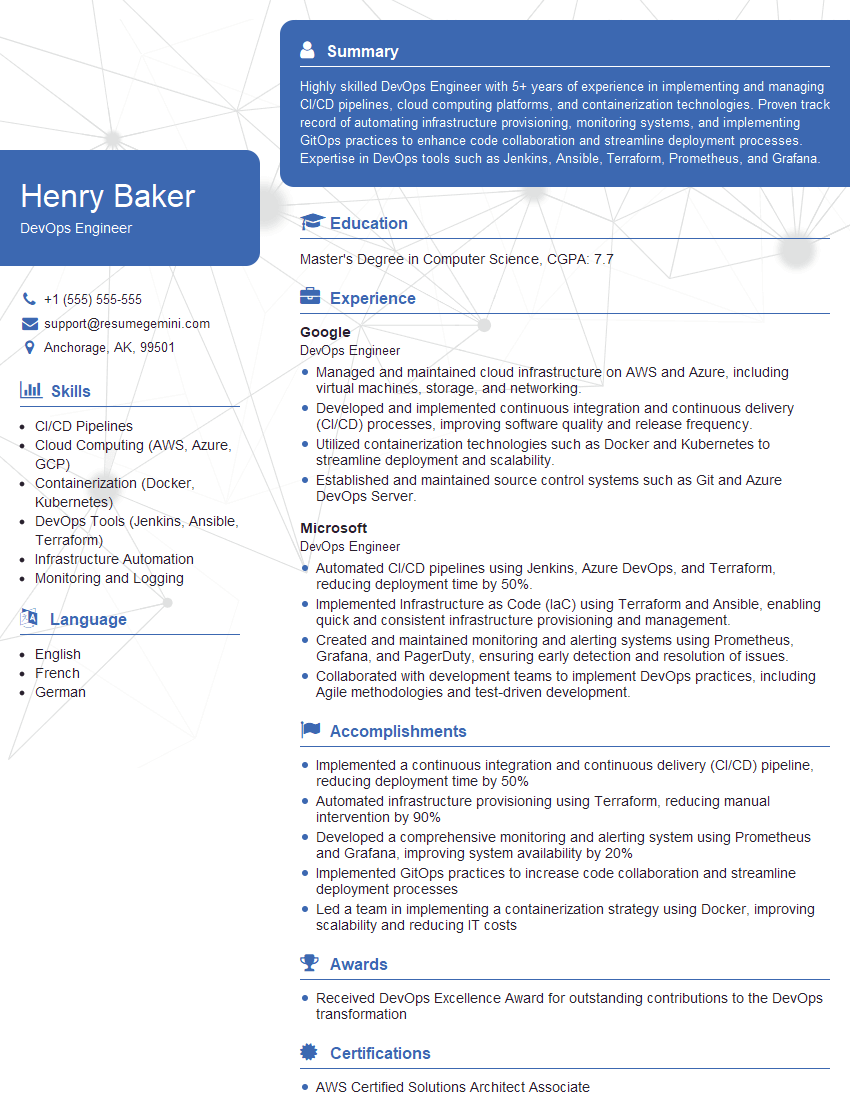
DevOps Engineer Resume Sample
- Product Manager
- Project Manager
- Compliance Officer
- Regulatory Affairs Specialist
- Business Analyst
- Training Specialist
- Security Engineer
- Data Analyst
- Software Engineer
- Systems Analyst
- Network Engineer
- Information Architect
- Implementation Specialist
- Solutions Architect
- Technical Support Specialist
- Documentation Specialist
- Hardware Engineer
- Quality Assurance Engineer
- Technical Editor
- Technical Writer
- Database Administrator
- UX Designer
- DevOps Engineer
Explore more articles
Users Rating of Our Blogs
Share Your Experience
We value your feedback! Please rate our content and share your thoughts (optional).
What Readers Say About Our Blog
Very informative content, great job.
good