Feeling uncertain about what to expect in your upcoming interview? We’ve got you covered! This blog highlights the most important Feed Mill Operations interview questions and provides actionable advice to help you stand out as the ideal candidate. Let’s pave the way for your success.
Questions Asked in Feed Mill Operations Interview
Q 1. Describe your experience with different feed milling processes (e.g., hammer milling, roller milling).
My experience encompasses both hammer milling and roller milling, two primary methods for grinding feed ingredients. Hammer milling uses rapidly rotating hammers to shatter materials, creating a relatively fine, inconsistent particle size distribution. This method is excellent for fibrous ingredients and achieving a consistent particle size is more challenging. I’ve worked extensively with hammer mills in processing corn and soybean meal, adjusting hammer speed and screen size to control the final particle size. For example, finer grinds might be necessary for young animals to maximize digestibility.
Roller milling, conversely, uses rollers to crush and grind ingredients, resulting in a more uniform particle size. It’s particularly effective with grains like wheat and barley, where preserving the endosperm is crucial for nutrient retention. In my previous role, we used roller mills for pre-conditioning grains before hammer milling, creating a more efficient and controlled grinding process. The advantage is higher quality flour for higher-nutrient feed. The difference between the two is very comparable to the difference between a blender and a food processor. The choice depends on the raw material and the desired final particle size and quality.
Q 2. Explain your understanding of feed formulation and ingredient selection.
Feed formulation is a precise science involving the careful selection and combination of ingredients to meet specific animal nutritional requirements. It’s like creating a perfectly balanced recipe, but instead of satisfying a human palate, we’re targeting optimal animal growth, health, and production. My understanding encompasses both the nutritional needs of various livestock species (poultry, swine, cattle etc.) and the properties of different feed ingredients.
Ingredient selection involves considering factors like nutrient content (protein, energy, vitamins, minerals), cost, availability, and palatability. For instance, corn is a primary energy source, while soybean meal contributes protein. We also factor in the age and physiological stage of the animal. A young chick needs a different nutrient profile than a laying hen. I use specialized software to formulate diets, incorporating data on ingredient analysis, target nutrient levels, and cost parameters, ensuring optimal nutrition while minimizing cost. The process includes careful consideration of anti-nutritional factors within certain ingredients and their management.
Q 3. How do you ensure the quality and consistency of feed products?
Ensuring quality and consistency is paramount in feed milling. We employ a multi-faceted approach, starting with rigorous incoming ingredient quality control. This includes physical inspection, analysis of nutrient content, and testing for mycotoxins and other contaminants. Throughout the milling process, we regularly monitor parameters like particle size distribution, moisture content, and mixing uniformity. We use sophisticated instruments like near-infrared (NIR) spectrometers for rapid analysis and quality control checks.
Statistical process control (SPC) charts are used to track key parameters and identify potential deviations from established standards. Regular calibration and maintenance of equipment is also crucial. For example, daily checks on the hammer mill screens guarantee consistent particle size. Finally, we conduct regular finished feed quality analysis to verify that the final product meets our specifications and labeling claims. Any deviations are investigated, and corrective actions are implemented immediately. It’s a continuous improvement process focused on providing consistent, high-quality feed.
Q 4. What are the key performance indicators (KPIs) you monitor in a feed mill?
Key Performance Indicators (KPIs) in a feed mill are critical for evaluating operational efficiency and product quality. These KPIs can be broadly categorized into production efficiency, cost effectiveness, and quality metrics.
- Production Efficiency: Tons produced per hour, production downtime, overall equipment effectiveness (OEE), and ingredient yield.
- Cost Effectiveness: Feed cost per ton, raw material inventory turnover, energy consumption, and labor costs.
- Quality Metrics: Particle size distribution, nutrient content consistency, mycotoxin levels, and customer complaints.
Regularly monitoring these KPIs allows for prompt identification of bottlenecks, inefficiencies, and quality issues. For instance, consistently high downtime on a particular machine might signal the need for maintenance or replacement. Tracking feed cost per ton helps optimize ingredient sourcing and formulate cost-effective diets without compromising nutritional value. Using a dashboard to visualize all KPIs enables quick identification of areas needing attention.
Q 5. How do you manage inventory control and raw material procurement?
Effective inventory control and raw material procurement are essential for smooth feed mill operations. We utilize an inventory management system that tracks raw material levels, monitors expiration dates, and forecasts demand based on production schedules and sales orders. This system triggers automated purchase orders when stock levels reach pre-defined thresholds, ensuring continuous supply of necessary ingredients.
Raw material procurement involves establishing strong relationships with reliable suppliers, negotiating favorable pricing contracts, and implementing quality control procedures for incoming materials. We regularly assess supplier performance based on factors such as delivery reliability, quality consistency, and price competitiveness. Regular market analysis keeps us up to date on pricing fluctuations and alternative sourcing options to mitigate risks associated with supply chain disruptions. We also maintain safety stock to mitigate temporary supply issues. This ensures smooth production, optimal costs, and reliable feed delivery to our clients.
Q 6. Describe your experience with feed safety and regulatory compliance (e.g., FDA, GMP).
Feed safety and regulatory compliance are non-negotiable aspects of our operations. We strictly adhere to Good Manufacturing Practices (GMP) guidelines and relevant regulations, such as those set by the FDA (Food and Drug Administration). This includes maintaining a clean and sanitary production environment, implementing stringent pest control measures, and adhering to rigorous labeling requirements.
Our quality control program includes regular testing for pathogens, mycotoxins, and other contaminants, both in raw materials and finished products. We maintain detailed records of all production processes, ingredient sources, and quality control tests. Employee training on food safety protocols is ongoing, and we conduct regular internal audits to ensure continuous compliance. Proactive monitoring of regulatory updates and amendments keeps us ahead of the curve, ensuring we maintain the highest standards of safety and regulatory compliance. Failure to adhere to these regulations can lead to significant penalties and reputational damage.
Q 7. Explain your troubleshooting experience with common feed mill equipment malfunctions.
Troubleshooting feed mill equipment malfunctions requires a systematic approach. My experience encompasses identifying and resolving issues across various aspects of the milling process. For example, a reduction in hammer mill output might be due to dull hammers, clogged screens, or insufficient power supply. I’d systematically investigate each possibility. Checking hammer wear patterns, clearing the screens, and verifying power supply voltage are standard troubleshooting steps.
Similarly, inconsistent mixing can result from faulty mixer blades, incorrect mixing times, or improper ingredient flow. I would examine the mixer components for wear and tear and adjust the mixing parameters to optimize the consistency. My approach involves utilizing diagnostic tools, understanding the equipment’s operational principles, and systematically checking for common causes of malfunctions. I also maintain detailed maintenance logs and repair records to prevent future issues and improve equipment reliability. Data analysis helps to identify trends, pinpoint root causes, and avoid repetition of costly mistakes.
Q 8. How do you handle production bottlenecks and downtime in a feed mill?
Production bottlenecks and downtime are the nemesis of any feed mill, directly impacting profitability and product delivery. My approach is proactive and multi-faceted, focusing on prevention and rapid response. First, I meticulously analyze historical data to identify recurring issues. For instance, if a particular grinder consistently experiences jams, we investigate the quality of incoming raw materials, the grinder’s settings, and even the operator’s technique. This data-driven approach allows for targeted preventative measures.
Secondly, we implement a robust preventive maintenance (PM) program (discussed further in the next answer). However, even with a good PM program, unexpected downtime occurs. To mitigate this, I emphasize a well-trained team that can swiftly diagnose and resolve problems. We use a standardized troubleshooting methodology, often employing a ‘5 Whys’ analysis to dig deep into the root cause of any breakdown. Finally, we maintain a well-stocked inventory of spare parts for critical equipment, minimizing repair time. For example, having readily available replacement hammer mill hammers ensures minimal downtime during a hammer replacement. Efficient communication is key; we use real-time production dashboards and alert systems to notify relevant personnel immediately about any issues, allowing for swift action.
Q 9. What is your experience with preventive maintenance programs?
Preventive maintenance is the cornerstone of efficient feed mill operation. It’s not just about fixing things when they break; it’s about preventing breakdowns altogether. My experience involves developing and implementing comprehensive PM programs that cover all aspects of the mill’s machinery, from the simplest conveyors to the complex mixing systems. This includes creating detailed schedules for routine inspections, lubrication, and component replacements based on manufacturer recommendations and usage patterns. For example, we establish a rigorous schedule for cleaning and inspecting the pellet mill dies, ensuring optimal pellet quality and preventing costly downtime.
We use computerized maintenance management systems (CMMS) to track PM activities, manage spare parts inventory, and generate reports to monitor the effectiveness of our program. This data helps us continuously improve our PM strategy. I also believe in training the operators to participate actively in daily inspections, empowering them to identify potential problems before they escalate. This creates a culture of proactive maintenance across the team. Investing in a thorough PM program is not just cost-effective but also contributes significantly to safety and overall production efficiency. Downtime is expensive, and prevention is always cheaper than cure.
Q 10. How do you manage a team in a fast-paced feed mill environment?
Managing a team in a fast-paced feed mill demands strong leadership and clear communication. It’s a high-pressure environment where efficiency and safety are paramount. My approach centers on fostering a culture of teamwork and empowerment. I believe in clear delegation of responsibilities, ensuring each team member understands their role and feels valued. I regularly hold team meetings to discuss challenges, share best practices, and celebrate successes. Open communication is essential, encouraging feedback from all levels. We use visual management tools like production dashboards to keep the team informed about progress and identify potential bottlenecks in real-time.
Safety is a top priority; we conduct regular safety training and enforce strict safety protocols. Cross-training is also crucial. It allows us to effectively manage absences and ensure operational flexibility during peak periods. Motivating a team in a demanding environment requires recognizing individual contributions and providing opportunities for professional development. For example, we might offer training on advanced equipment operation or process improvement methodologies. This investment in my team’s growth translates into increased productivity and a more engaged workforce.
Q 11. Describe your experience with process optimization and improvement initiatives.
Process optimization and improvement are ongoing pursuits in a feed mill. My experience includes leveraging various methodologies like Lean manufacturing and Six Sigma to identify and eliminate waste, reduce costs, and improve efficiency. I have successfully implemented projects that reduced energy consumption, improved product quality, and increased overall throughput. For example, by analyzing the flow of materials through the mill, we identified bottlenecks in the mixing process. We redesigned the layout, optimizing the flow of ingredients to reduce material handling time and improve the uniformity of the final product.
Data analysis is critical. We utilize SCADA (Supervisory Control and Data Acquisition) systems to monitor various parameters like equipment performance, energy usage, and production output. This data helps us pinpoint areas for improvement and measure the effectiveness of implemented changes. I am also adept at using statistical process control (SPC) to monitor quality parameters and proactively prevent deviations from the desired specifications. Continuous improvement is not just a project; it’s a culture. I encourage my team to actively participate in identifying and implementing process improvements, fostering innovation and a commitment to excellence.
Q 12. How familiar are you with different types of feed (e.g., poultry, swine, cattle)?
I possess extensive knowledge of various animal feed types, including poultry, swine, and cattle feeds. The formulation of each feed type requires careful consideration of the animal’s nutritional needs at different life stages. For example, broiler chicken feed differs significantly from layer chicken feed in terms of protein and energy content. Similarly, piglet feed requires higher levels of digestible nutrients than finisher pig feed.
My experience encompasses working with diverse ingredients, including grains (corn, soybeans, wheat), protein meals (soybean meal, fish meal), fats, vitamins, and minerals. Understanding the nutrient composition of these ingredients is critical in formulating balanced and cost-effective diets. I’m familiar with the regulatory aspects of feed formulation, including the necessary quality control checks and adherence to established standards. This knowledge allows me to ensure the feed we produce meets the specific nutritional requirements of the target animal, contributing to their health and productivity.
Q 13. Explain your understanding of feed palatability and digestibility.
Feed palatability and digestibility are crucial factors in animal nutrition and overall feed efficiency. Palatability refers to how appealing the feed is to the animal. A palatable feed encourages better feed intake, leading to improved animal growth and performance. Factors influencing palatability include taste, smell, texture, and appearance. For example, the addition of flavor enhancers or the use of finely ground ingredients can improve palatability.
Digestibility, on the other hand, refers to the extent to which the nutrients in the feed are absorbed and utilized by the animal. Highly digestible feed allows the animal to extract more nutrients from the same amount of feed, resulting in better feed efficiency and reduced feed costs. Digestibility is influenced by factors such as ingredient composition, processing methods, and particle size. For example, using enzymes to improve the digestibility of certain ingredients can enhance nutrient absorption. Understanding both palatability and digestibility is paramount to designing nutritionally optimal and cost-effective feed formulations.
Q 14. How do you ensure efficient energy consumption in a feed mill?
Efficient energy consumption is a key concern in feed mill operations, both economically and environmentally. My approach focuses on several strategies. Firstly, we regularly monitor and optimize the performance of our equipment. This includes implementing energy-efficient motors, drives, and lighting systems. We also optimize the use of steam and other energy sources within the production process. For example, we might improve insulation to reduce heat loss during the drying process.
Secondly, we adopt preventive maintenance practices to ensure all equipment operates at peak efficiency. A well-maintained mill consumes less energy than one with malfunctioning equipment. Thirdly, we implement process improvements to reduce energy-intensive steps. This might include optimizing the milling process to reduce energy consumption per ton of feed produced. Finally, we utilize data analysis to track energy consumption patterns and identify areas for improvement. This continuous monitoring and optimization allow us to achieve significant energy savings while ensuring a sustainable operation.
Q 15. What is your experience with automation and control systems in feed milling?
My experience with automation and control systems in feed milling spans over 10 years, encompassing various roles from process engineer to plant manager. I’ve worked extensively with PLC (Programmable Logic Controller) systems, SCADA (Supervisory Control and Data Acquisition) software, and various automation technologies commonly used in feed mills. This includes automated ingredient handling, weighing, mixing, and pelleting systems. For example, in my previous role, we implemented a new automated weighing system that reduced ingredient waste by 5% and improved overall production efficiency by 12%. We utilized a SCADA system that allowed real-time monitoring of the entire process, enabling proactive adjustments to optimize performance and minimize downtime. I’m proficient in troubleshooting automated systems and familiar with different brands such as Siemens, Rockwell Automation, and Schneider Electric. My expertise also extends to integrating new automation technologies into existing systems to enhance efficiency and improve data acquisition for better decision-making.
Career Expert Tips:
- Ace those interviews! Prepare effectively by reviewing the Top 50 Most Common Interview Questions on ResumeGemini.
- Navigate your job search with confidence! Explore a wide range of Career Tips on ResumeGemini. Learn about common challenges and recommendations to overcome them.
- Craft the perfect resume! Master the Art of Resume Writing with ResumeGemini’s guide. Showcase your unique qualifications and achievements effectively.
- Don’t miss out on holiday savings! Build your dream resume with ResumeGemini’s ATS optimized templates.
Q 16. How do you manage waste and environmental compliance in a feed mill?
Managing waste and ensuring environmental compliance in a feed mill is crucial. My approach involves a multi-faceted strategy. Firstly, minimizing waste starts at the design and operational level. Efficient ingredient handling and precise weighing systems are paramount. Secondly, we implement rigorous dust control measures, including dust collection systems and regular maintenance. This is vital for both worker safety and environmental protection. Thirdly, we focus on proper disposal of by-products and waste materials in accordance with all relevant environmental regulations. This involves working closely with local authorities and waste management companies. We meticulously track and document all waste streams to ensure compliance. For instance, we implemented a program to recycle process water, reducing our water consumption by 15%. We also have a comprehensive environmental management system in place, regularly audited to ensure ongoing compliance with all local and national regulations. This includes maintaining detailed records of all waste generated, and regularly reviewing our processes to identify and mitigate potential environmental impacts. We also regularly train our staff on best practices for environmental stewardship.
Q 17. Describe your experience with data analysis and reporting in a feed mill setting.
Data analysis and reporting are integral to optimizing feed mill operations. My experience involves utilizing various data analytics tools to analyze production data, ingredient costs, and quality control metrics. I’m proficient in using software such as Microsoft Excel, specialized feed mill management software, and database management systems. In a previous role, I developed a customized dashboard that provided real-time insights into key performance indicators (KPIs), such as production efficiency, ingredient usage, and overall cost per ton of feed produced. This enabled data-driven decision-making, allowing us to identify bottlenecks and areas for improvement. For instance, by analyzing production data, we identified a recurring issue with a specific piece of equipment that was causing production delays. Addressing this issue resulted in a 10% increase in overall production output. I also create regular reports for management summarizing key performance indicators and identifying trends to ensure efficient resource allocation and continuous improvement.
Q 18. How do you ensure worker safety and training in a feed mill environment?
Worker safety and training are paramount in a feed mill environment. My approach begins with a robust safety program that emphasizes risk assessment, hazard identification, and preventative measures. This includes regular safety audits, implementation of lockout/tagout procedures, and the provision of appropriate personal protective equipment (PPE). We conduct comprehensive training programs for all employees, covering topics such as hazard identification, safe equipment operation, emergency procedures, and lockout/tagout procedures. This training includes hands-on sessions and regular refresher courses. We foster a culture of safety by encouraging employees to report near misses and participate in safety committees. We also track and analyze safety data to identify trends and implement corrective actions to prevent accidents. For example, after observing an increase in minor hand injuries, we implemented a new safety training program specifically focused on safe handling of equipment, resulting in a significant reduction in reported injuries. Documentation of all training is essential and kept up-to-date.
Q 19. What is your experience with budgeting and cost control in a feed mill?
Budgeting and cost control are vital for the profitability of a feed mill. My approach involves developing detailed budgets based on historical data, market analysis, and production forecasts. This includes forecasting ingredient costs, energy consumption, labor costs, and maintenance expenses. I use various cost accounting techniques to track expenses and identify areas for potential savings. Regular monitoring of actual versus budgeted expenses is crucial for timely identification of variances. I utilize variance analysis to pinpoint the root causes of any discrepancies and take corrective action. For instance, by analyzing energy consumption data, we identified opportunities to optimize our heating and cooling systems, leading to a 7% reduction in energy costs. Furthermore, I regularly review purchasing strategies and negotiate with suppliers to secure favorable pricing on feed ingredients. Effective cost control includes regular maintenance of equipment to minimize downtime and maximize operational efficiency.
Q 20. Explain your knowledge of different types of feed ingredients and their nutritional value.
My knowledge of feed ingredients and their nutritional value is extensive. I understand the nutritional requirements of various livestock species and can formulate feed rations to meet those needs. I’m familiar with a wide range of ingredients, including cereals (corn, wheat, barley, sorghum, oats), protein sources (soybean meal, canola meal, fishmeal, meat and bone meal), energy sources (fat, oils), vitamins, and minerals. Each ingredient has specific nutritional characteristics and impacts the overall quality and cost of the final feed product. For example, corn is a primary energy source, while soybean meal is a high-quality protein source. The selection of ingredients depends on factors like availability, cost, and nutritional requirements of the target animal. Understanding the nutritional profile of each ingredient is critical to formulating balanced and cost-effective feed rations. I utilize feed formulation software to create optimal rations, taking into account the nutrient requirements and the availability and cost of ingredients.
Q 21. How do you handle customer complaints or product recalls?
Handling customer complaints or product recalls requires a systematic and transparent approach. Upon receiving a complaint, we promptly investigate the issue, gathering all relevant information and conducting thorough testing if necessary. Depending on the nature of the complaint, this may involve analyzing the feed sample, reviewing production records, and investigating potential causes. We maintain open communication with the customer throughout the investigation process, providing regular updates and demonstrating our commitment to resolving the issue. In the event of a product recall, we follow a pre-defined protocol, working closely with regulatory agencies to ensure compliance and customer safety. This involves promptly identifying and isolating the affected product, notifying customers, and implementing corrective actions to prevent future occurrences. The process is carefully documented and reviewed to identify areas for improvement. The objective is to restore customer confidence and ensure product safety.
Q 22. What is your experience with HACCP and food safety plans?
HACCP, or Hazard Analysis and Critical Control Points, is a preventative food safety system. My experience encompasses implementing and maintaining HACCP plans in feed mills, focusing on identifying and controlling biological, chemical, and physical hazards throughout the entire production process. This involves conducting hazard analyses, identifying critical control points (CCPs), establishing critical limits for each CCP, and implementing monitoring, corrective action, verification, and record-keeping procedures. For example, I’ve been directly involved in developing and updating HACCP plans for Salmonella control, focusing on ingredient sourcing, processing, and finished product storage. This includes specifying temperature control points during pelleting and ensuring thorough cleaning and sanitation protocols to minimize bacterial contamination.
Beyond HACCP, I’m experienced in developing comprehensive food safety plans that go beyond the specific requirements of HACCP. These plans incorporate Good Manufacturing Practices (GMPs) and other relevant regulatory guidelines (e.g., FDA regulations in the US) to ensure overall food safety and quality. I’ve been involved in audits and inspections, demonstrating compliance and implementing necessary improvements.
Q 23. Describe your experience with different types of feed storage and handling systems.
My experience with feed storage and handling systems includes a range of approaches, chosen based on factors like feed type, storage capacity, and budget constraints. I’ve worked with flat storage, silos (both flat-bottom and hopper-bottom), and bulk storage bins. Flat storage is suitable for smaller operations or specific feed types, allowing for easy access and visual inspection. However, it is susceptible to spoilage and pest infestation. Silos offer high-capacity storage, protecting feed from the elements and pests, with automated systems for efficient in and out flow. I have experience managing automated feed conveying systems – screw conveyors, bucket elevators, and belt conveyors – ensuring smooth material flow and minimizing losses. For example, in one facility, we transitioned from flat storage to silo storage, resulting in significant improvements in feed quality and reduction in waste due to minimized spoilage.
Beyond the physical storage, I’m proficient in implementing First-In, First-Out (FIFO) inventory management systems to minimize feed spoilage. This requires careful tracking of incoming and outgoing feed batches.
Q 24. How do you ensure the accuracy of weighing and measuring in the feed milling process?
Accurate weighing and measuring are critical for consistent feed formulation and efficient production. My approach involves a multi-layered system of checks and balances. We utilize calibrated scales and load cells at various stages – ingredient receiving, batching, and finished product weighing – ensuring accuracy to within the required tolerances. Regular calibration and maintenance of these instruments are crucial, performed according to a documented schedule. For example, each scale is calibrated at least monthly, with records maintained electronically and physically.
Beyond the equipment, I emphasize operator training and standardized operating procedures (SOPs) to minimize human error. This includes double-checking measurements, using visual aids, and implementing checklists. Data logging systems digitally record all weighing data, allowing for real-time monitoring and identification of discrepancies. Statistical Process Control (SPC) techniques are used to continuously monitor the weighing process and identify potential deviations from established norms, allowing for timely corrective actions.
Q 25. What are your experience with different types of feed mixers and their operation?
My experience includes working with various feed mixers, including horizontal paddle mixers, vertical mixers, and twin-shaft mixers. The choice of mixer depends on the ingredients, desired mixing time, and budget. Horizontal paddle mixers are cost-effective and suitable for less viscous materials, while vertical mixers are better for more challenging ingredients. Twin-shaft mixers provide intense mixing, ensuring homogeneity in the finished product – especially important for high-value feeds.
Operating these mixers effectively requires understanding their unique characteristics, including the speed of rotation, mixing time, and power requirements. Proper loading procedures minimize wear and tear on the equipment and ensure uniform mixing. I use regular inspections and maintenance to address wear and tear and minimize downtime. Routine checks on mixer components like paddles and bearings are conducted, and any required repairs or replacements are performed promptly to ensure consistent and efficient operation.
Q 26. How do you ensure the proper cleaning and sanitation of feed mill equipment?
Cleaning and sanitation are paramount to preventing cross-contamination and maintaining product quality. My approach adheres to strict protocols, leveraging appropriate cleaning agents and methods for each piece of equipment. We follow a detailed cleaning schedule, distinguishing between daily cleaning, weekly cleaning, and more extensive periodic cleaning. The process usually involves pre-rinsing, washing with detergents, rinsing again, and finally, sanitizing with approved chemicals. The cleaning and sanitation log is carefully maintained, recording the date, time, cleaning agents used, personnel involved, and any observations.
We employ a combination of manual and automated cleaning methods, using high-pressure water jets and specialized cleaning equipment for difficult-to-reach areas. Regular checks are in place to ensure the effectiveness of the cleaning and sanitation process, including microbial testing where required. For example, we regularly swab the equipment surfaces for microbiological analysis to assess the efficacy of our cleaning procedures.
Q 27. What is your experience with root cause analysis and corrective actions in a feed mill?
Root cause analysis and corrective actions are vital in a feed mill for continuous improvement and problem prevention. When issues arise, I employ systematic approaches like the ‘5 Whys’ technique and Fishbone diagrams to delve into the root cause, moving beyond superficial symptoms. For example, if there’s inconsistent pellet quality, using a Fishbone diagram will help explore potential causes, such as raw material variation, equipment malfunction, or operator error. Once the root cause is identified, corrective actions are implemented to address the problem and prevent recurrence. This often involves updating SOPs, improving equipment maintenance protocols, or enhancing employee training.
Effective corrective actions must be documented, along with the subsequent monitoring to verify their effectiveness. We use a system of preventative maintenance to address potential issues before they become major problems, which significantly reduces downtime and increases overall efficiency.
Q 28. Describe a situation where you had to resolve a significant production issue in a feed mill.
In one instance, we experienced a significant reduction in pellet durability, leading to increased breakage during transportation and handling. This resulted in substantial economic losses. Using a systematic approach, we investigated several potential causes using the 5 Whys technique, focusing on factors like ingredient quality, die condition, and the pelleting process parameters. We discovered that a batch of incoming corn was significantly drier than usual, affecting the moisture content of the final mix. This drier-than-normal corn resulted in harder pellets that were more prone to breakage.
To resolve this, we implemented several corrective actions. Firstly, we developed a more robust incoming ingredient inspection procedure, including moisture content analysis. Second, we adjusted the pelleting process parameters, including moisture and pressure, based on the real-time analysis of the ingredients. Finally, we implemented a new quality control check point, ensuring accurate moisture content before the pelleting stage. This multi-pronged approach effectively resolved the problem, demonstrating the importance of a combined approach to troubleshooting and corrective actions. This incident led to a major improvement in our quality control systems.
Key Topics to Learn for Feed Mill Operations Interview
- Raw Material Handling and Storage: Understanding the processes involved in receiving, inspecting, storing, and managing raw materials like grains, supplements, and minerals. This includes inventory management and quality control procedures.
- Feed Formulation and Mixing: Gain a thorough grasp of feed formulation principles, including nutrient requirements for different animal species and the practical application of mixing different ingredients to meet specific nutritional targets. Consider exploring different mixing technologies and their impact on feed quality.
- Production Processes and Equipment: Familiarize yourself with the various stages of feed production, from grinding and mixing to pelleting and packaging. Understand the operation and maintenance of key equipment like hammer mills, mixers, pellet mills, and dryers.
- Quality Control and Assurance: Learn about implementing and maintaining quality control measures throughout the feed production process. This includes understanding quality standards, conducting routine quality checks, and addressing quality issues.
- Safety and Hygiene: Master the importance of adhering to strict safety and hygiene protocols in a feed mill environment. This includes understanding and applying relevant safety regulations, maintaining a clean work environment, and preventing contamination.
- Process Optimization and Efficiency: Explore strategies for optimizing feed production processes to enhance efficiency, reduce waste, and minimize costs. This could involve understanding process control systems and data analysis techniques.
- Troubleshooting and Problem-Solving: Develop your problem-solving skills by considering common issues encountered in feed mill operations and exploring effective troubleshooting methods. Think about how to identify the root cause of problems and implement corrective actions.
- Regulatory Compliance: Understand the relevant regulations and standards governing feed production, such as food safety regulations and environmental regulations.
Next Steps
Mastering Feed Mill Operations opens doors to exciting career advancements, offering opportunities for specialization and leadership roles within the animal feed industry. A strong resume is your key to unlocking these opportunities. Creating an ATS-friendly resume, optimized for applicant tracking systems, is crucial to getting your application noticed. To significantly improve your resume and increase your chances of securing an interview, we recommend using ResumeGemini. ResumeGemini provides a streamlined process for crafting professional resumes, and we offer examples of resumes tailored specifically to Feed Mill Operations to help you get started.
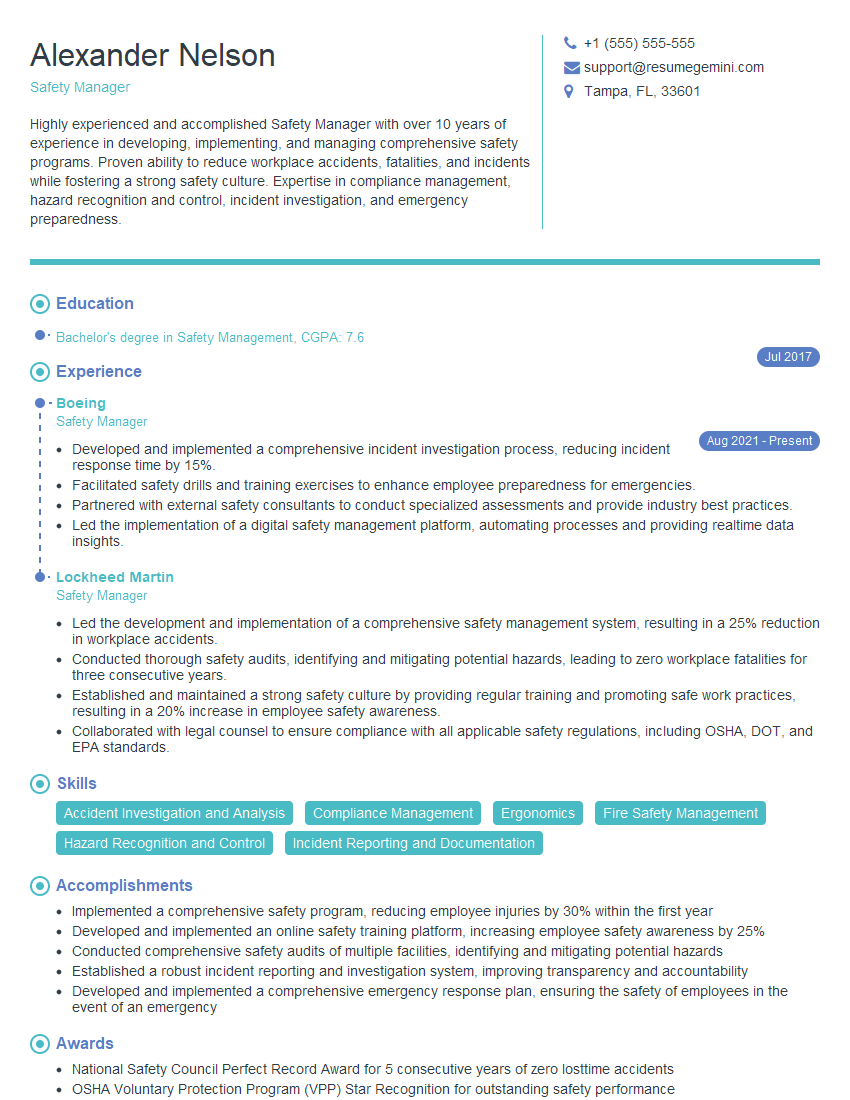
Safety Manager Resume Sample
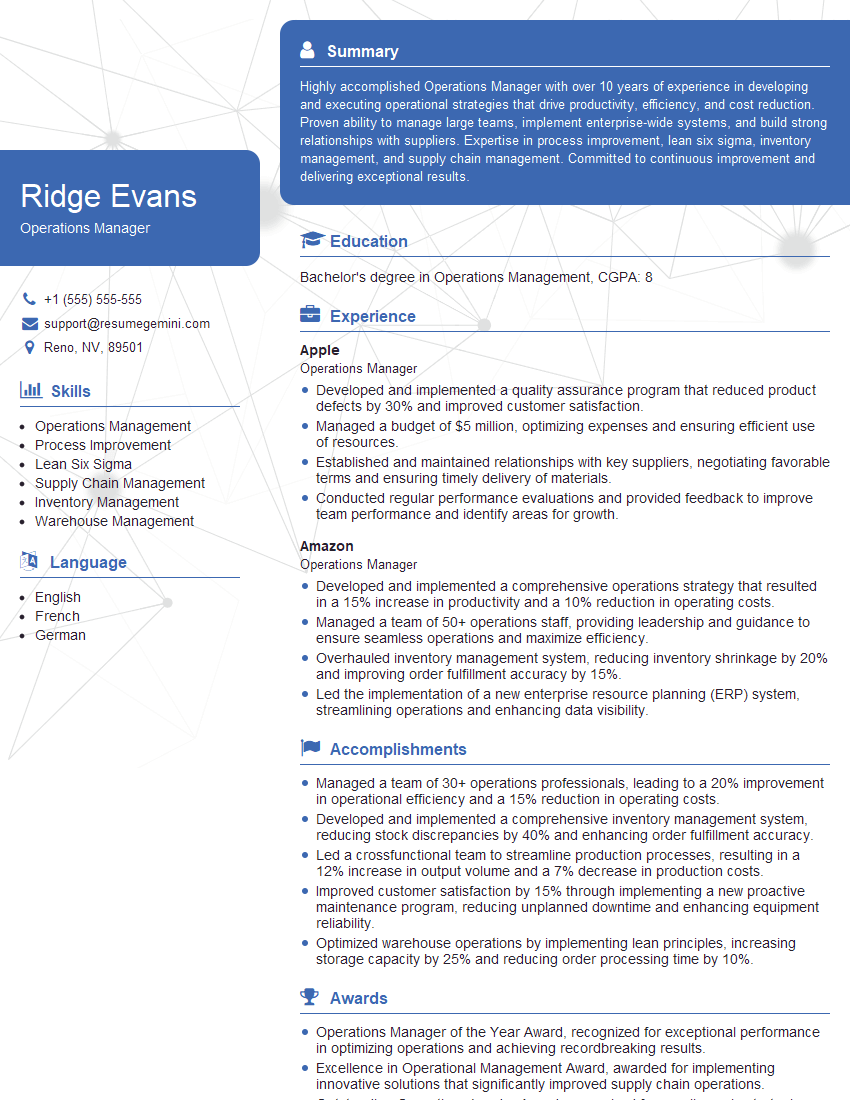
Operations Manager Resume Sample
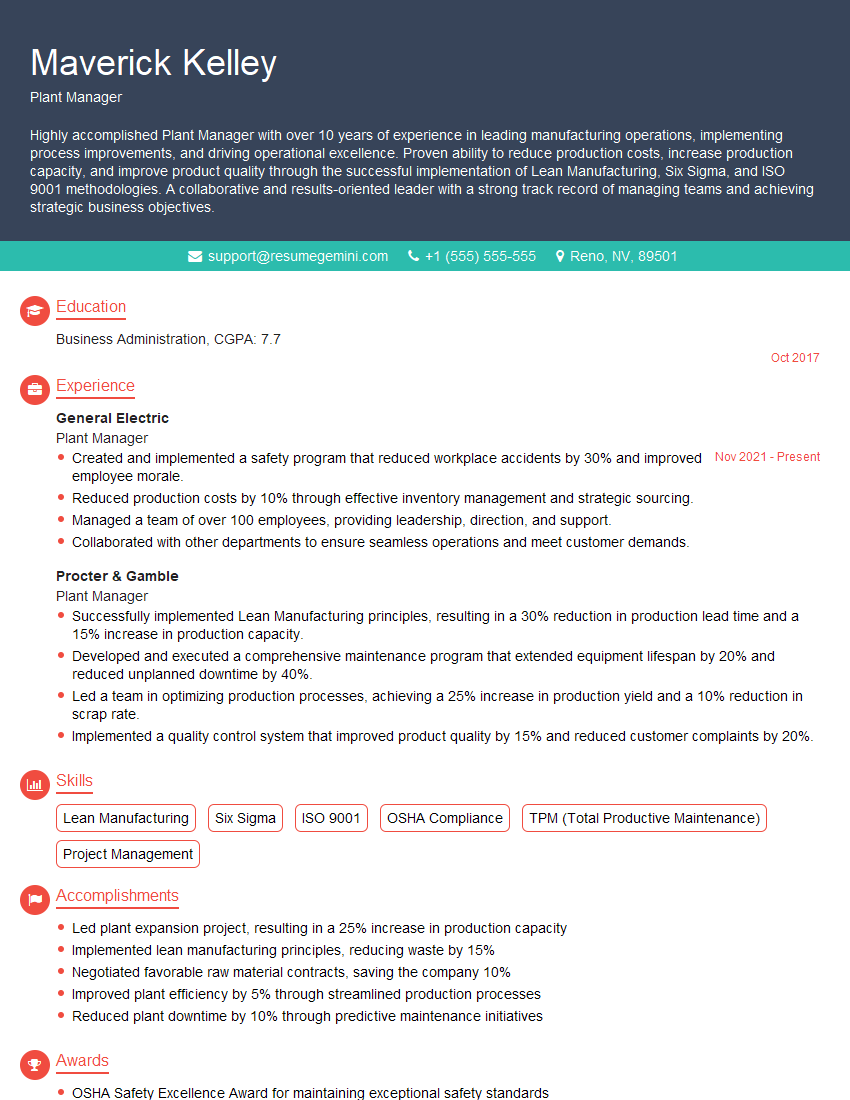
Plant Manager Resume Sample
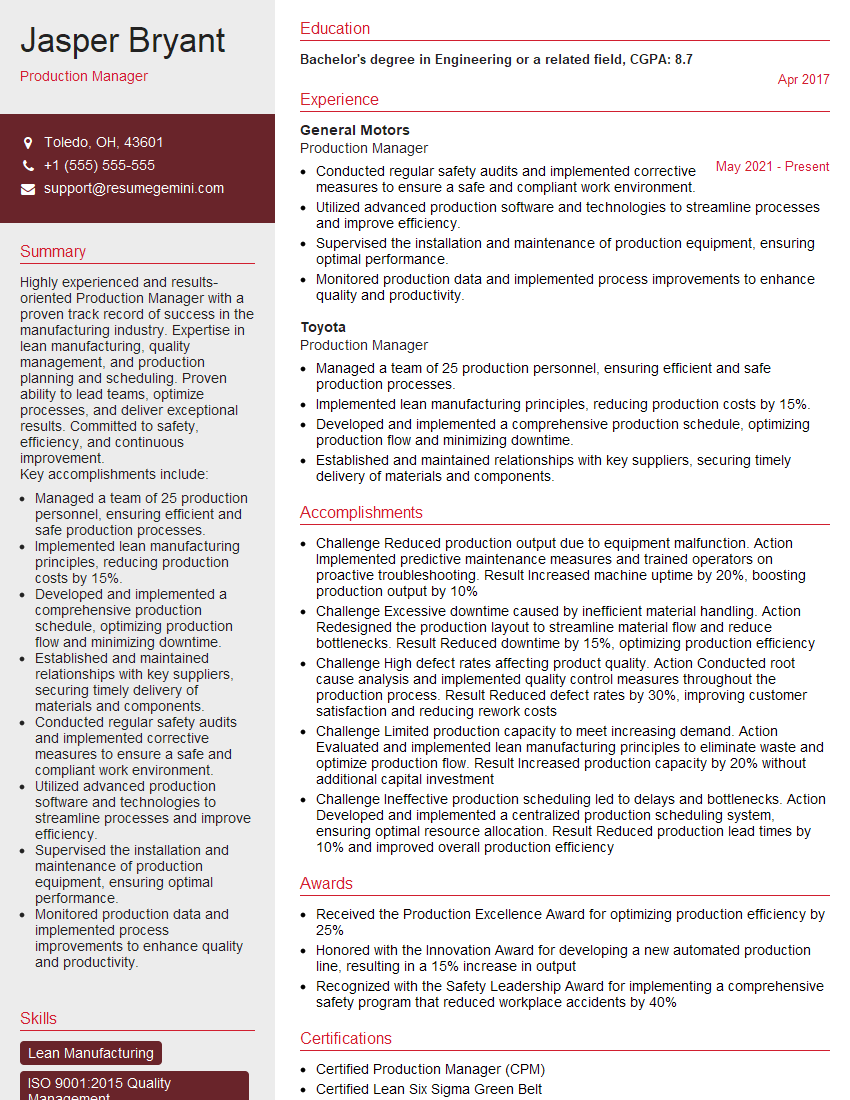
Production Manager Resume Sample
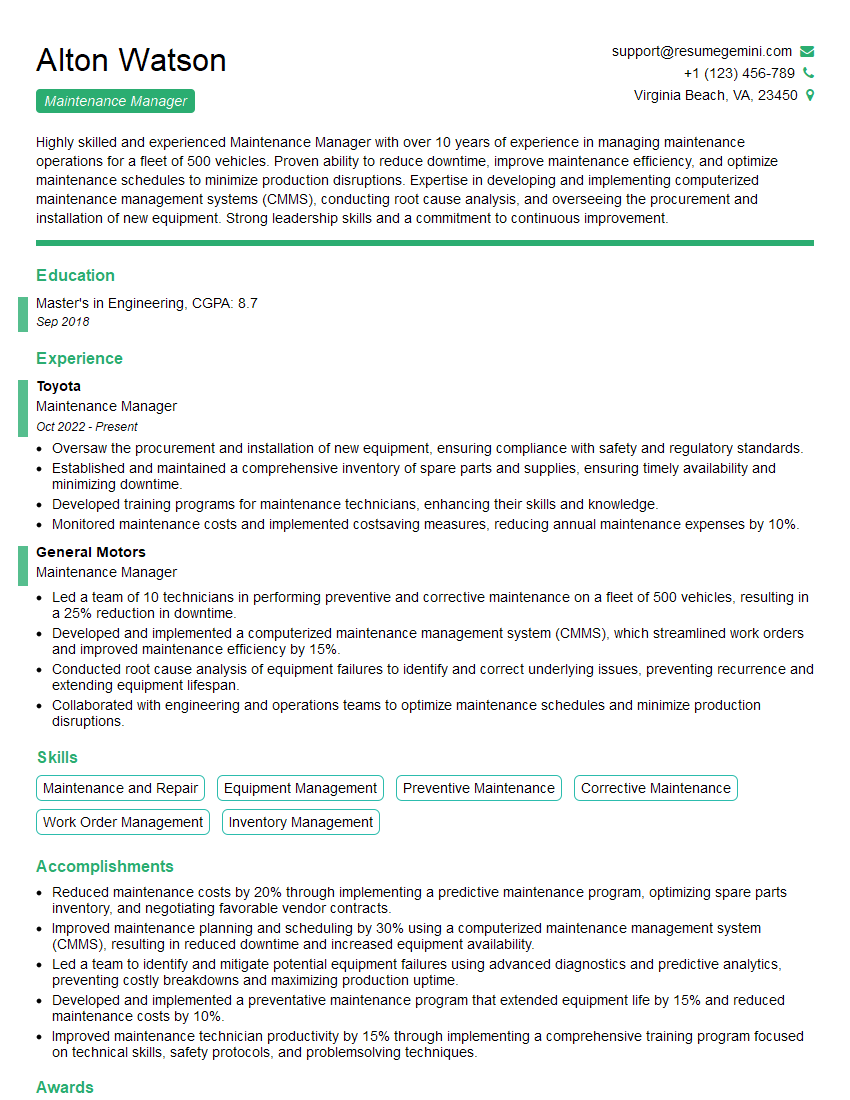
Maintenance Manager Resume Sample
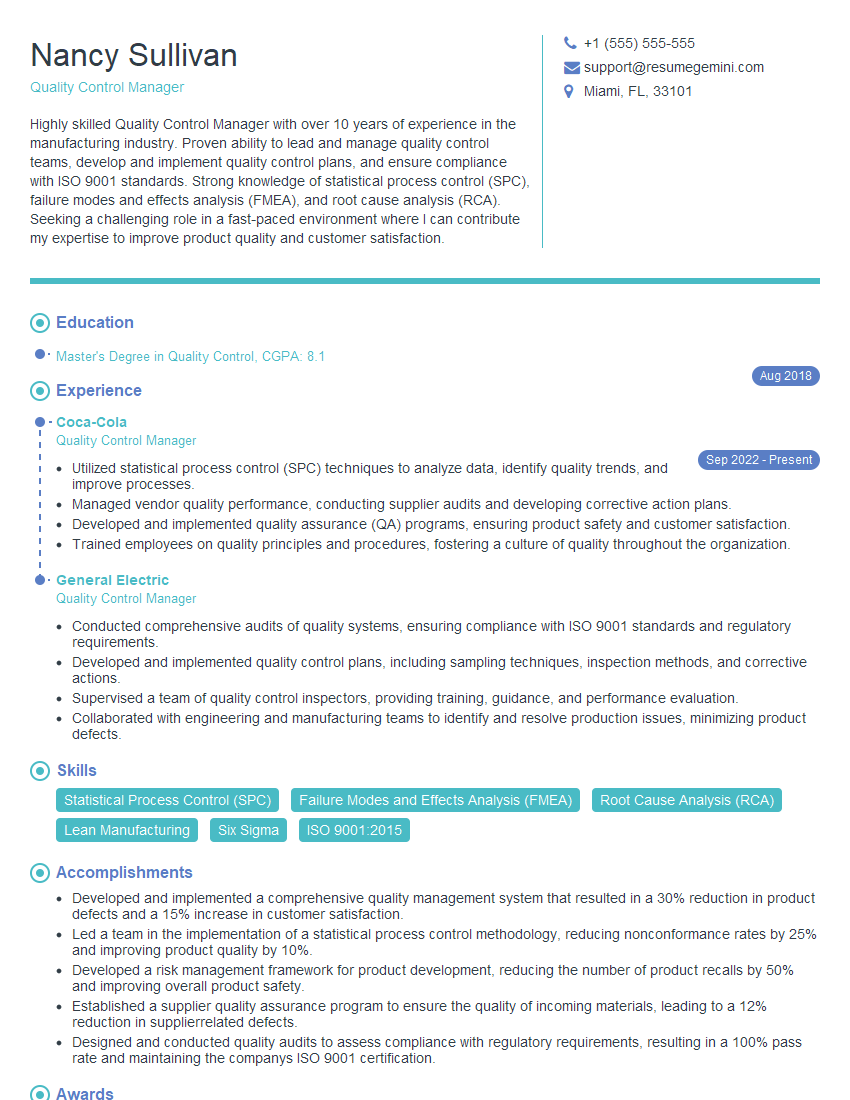
Quality Control Manager Resume Sample
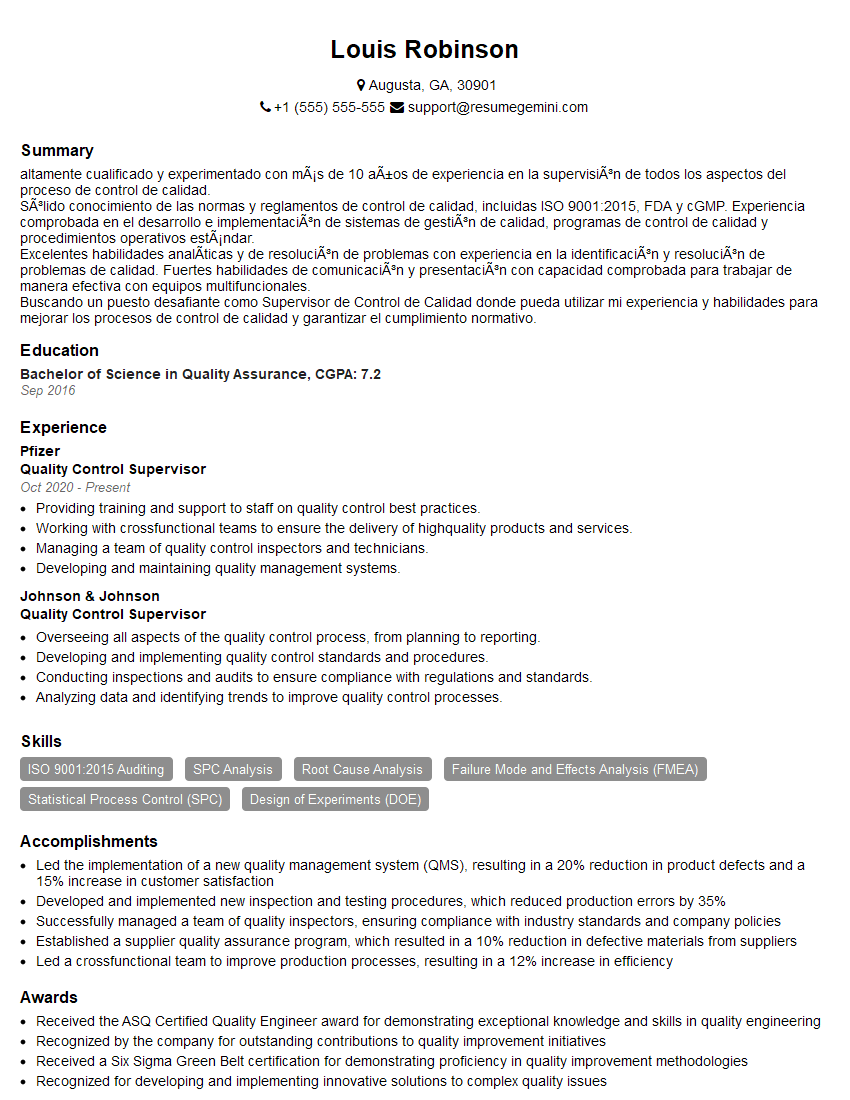
Quality Control Supervisor Resume Sample
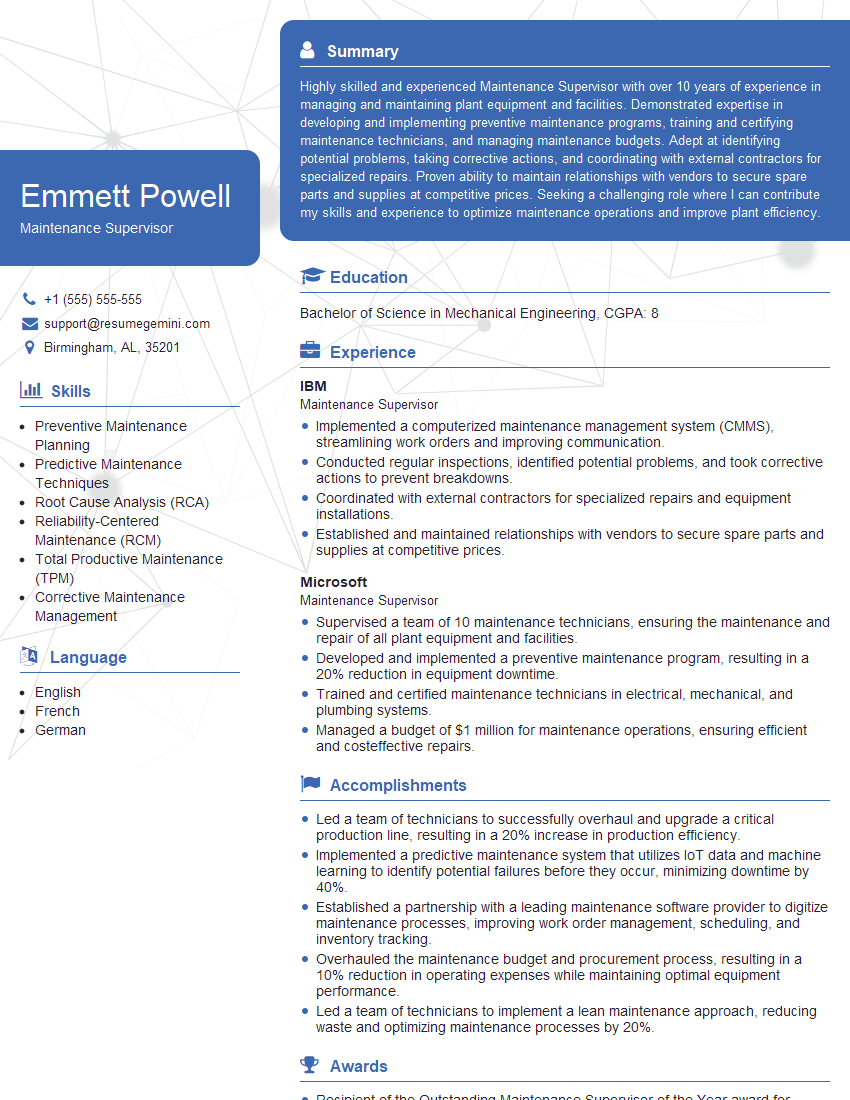
Maintenance Supervisor Resume Sample
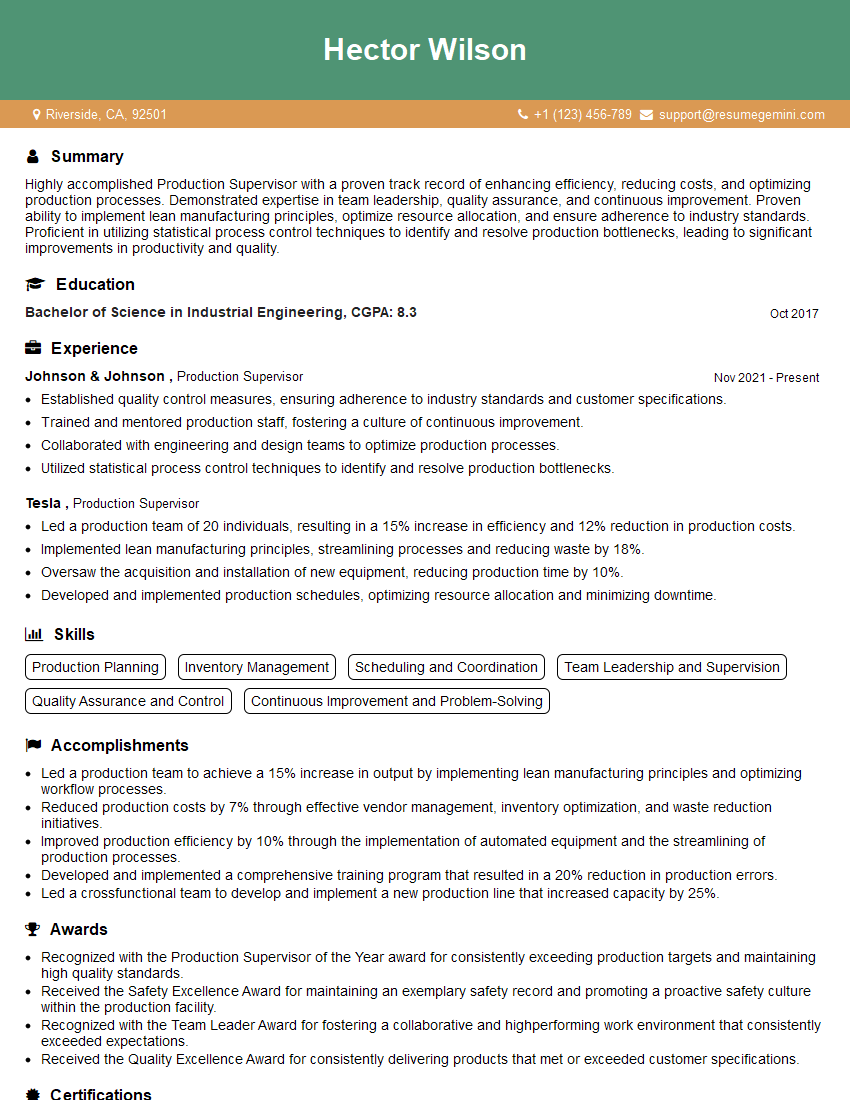
Production Supervisor Resume Sample
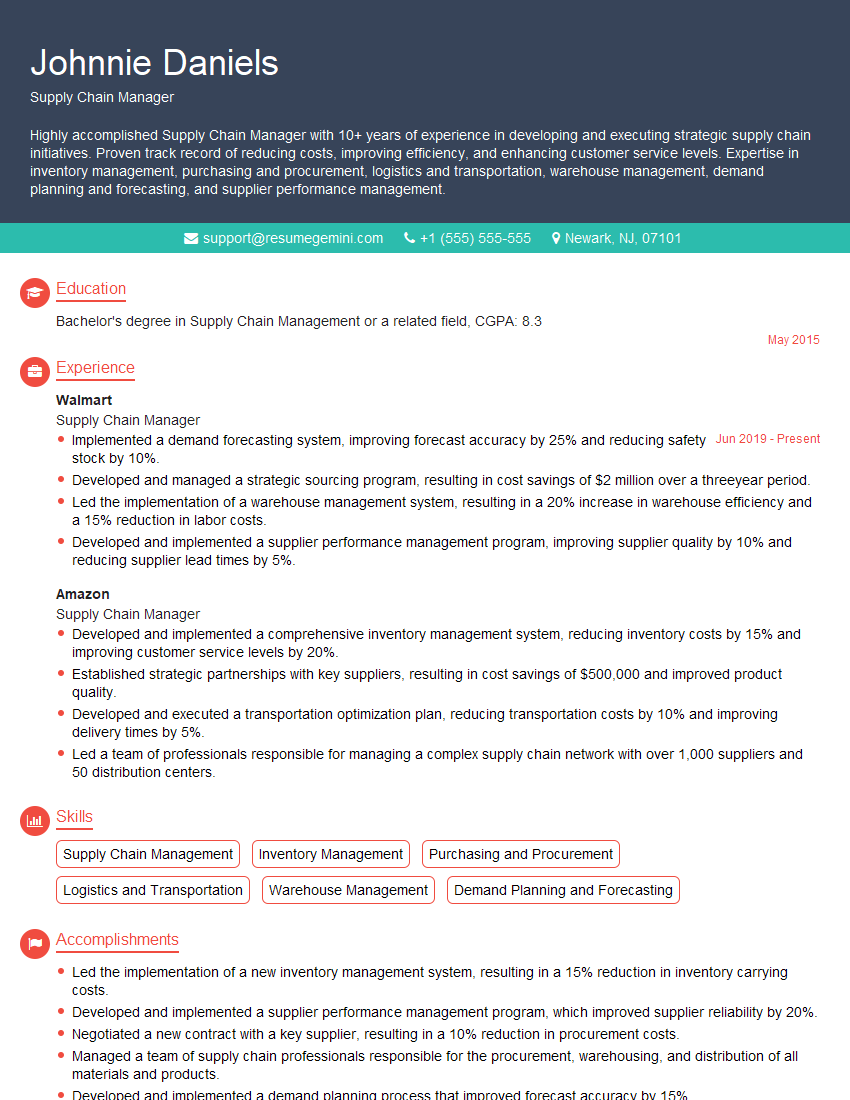
Supply Chain Manager Resume Sample
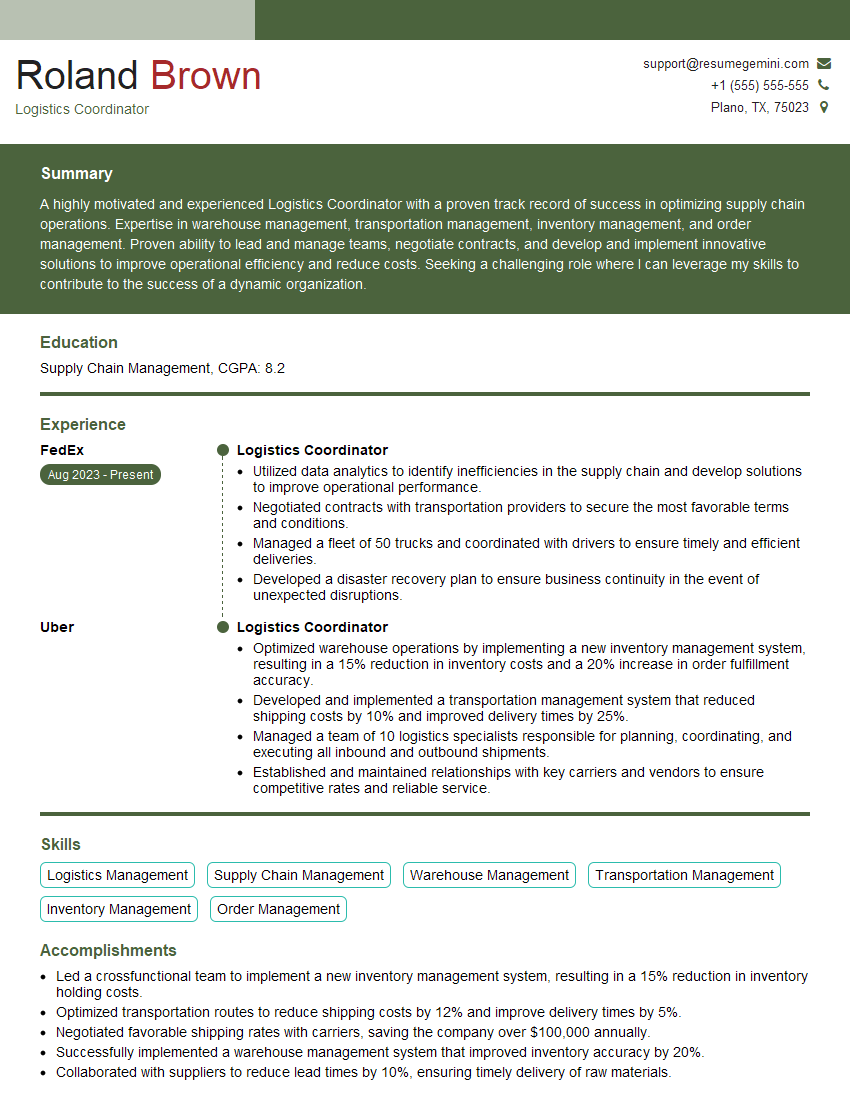
Logistics Coordinator Resume Sample
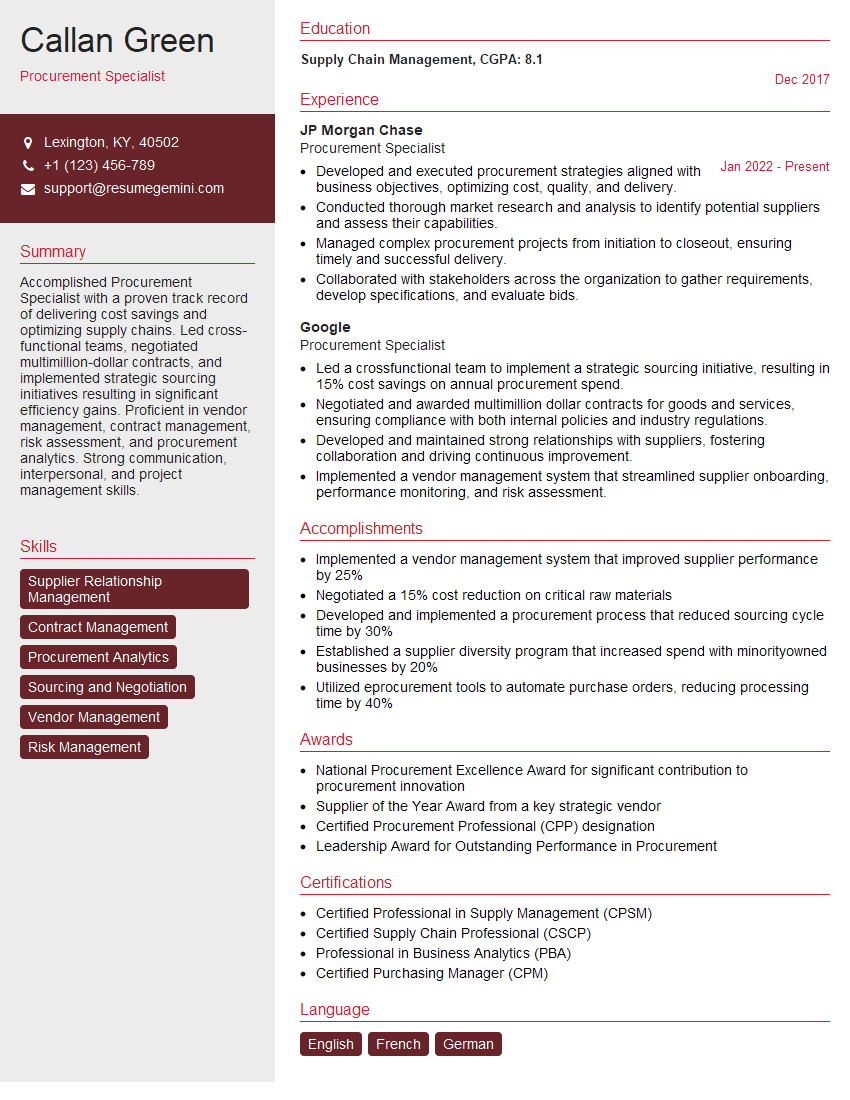
Procurement Specialist Resume Sample
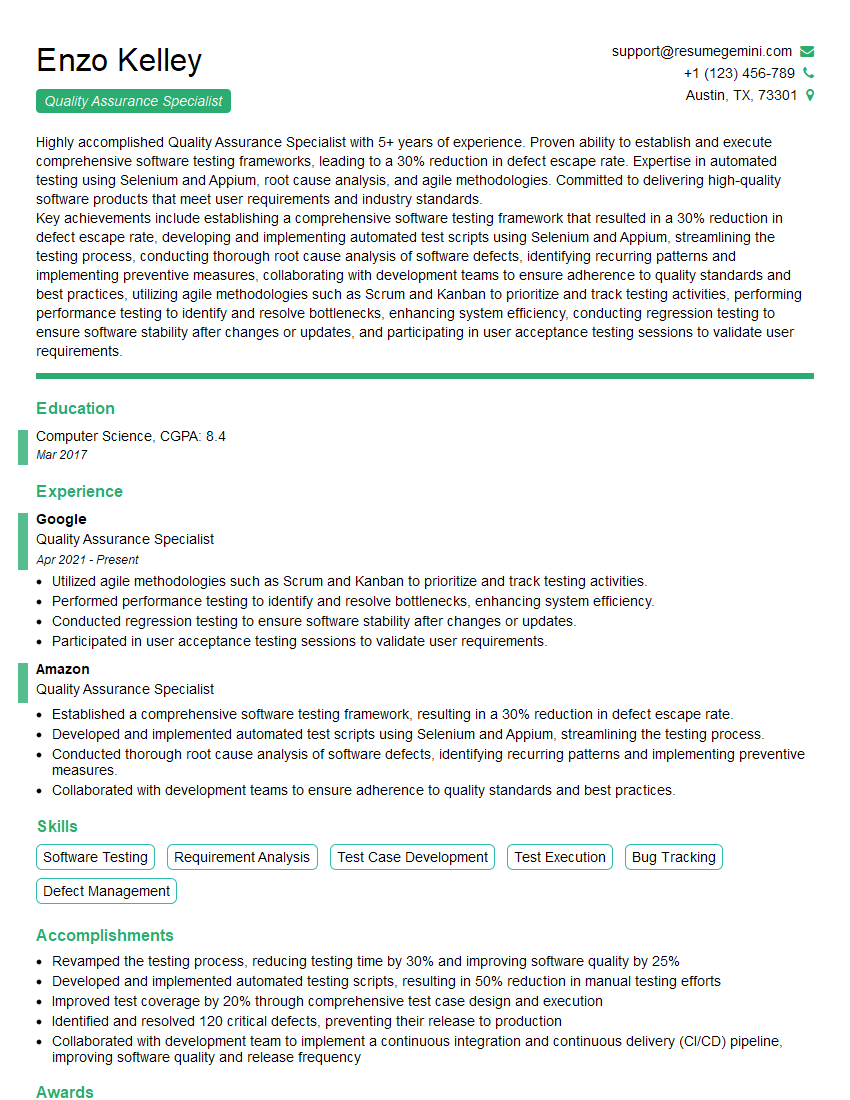
Quality Assurance Specialist Resume Sample
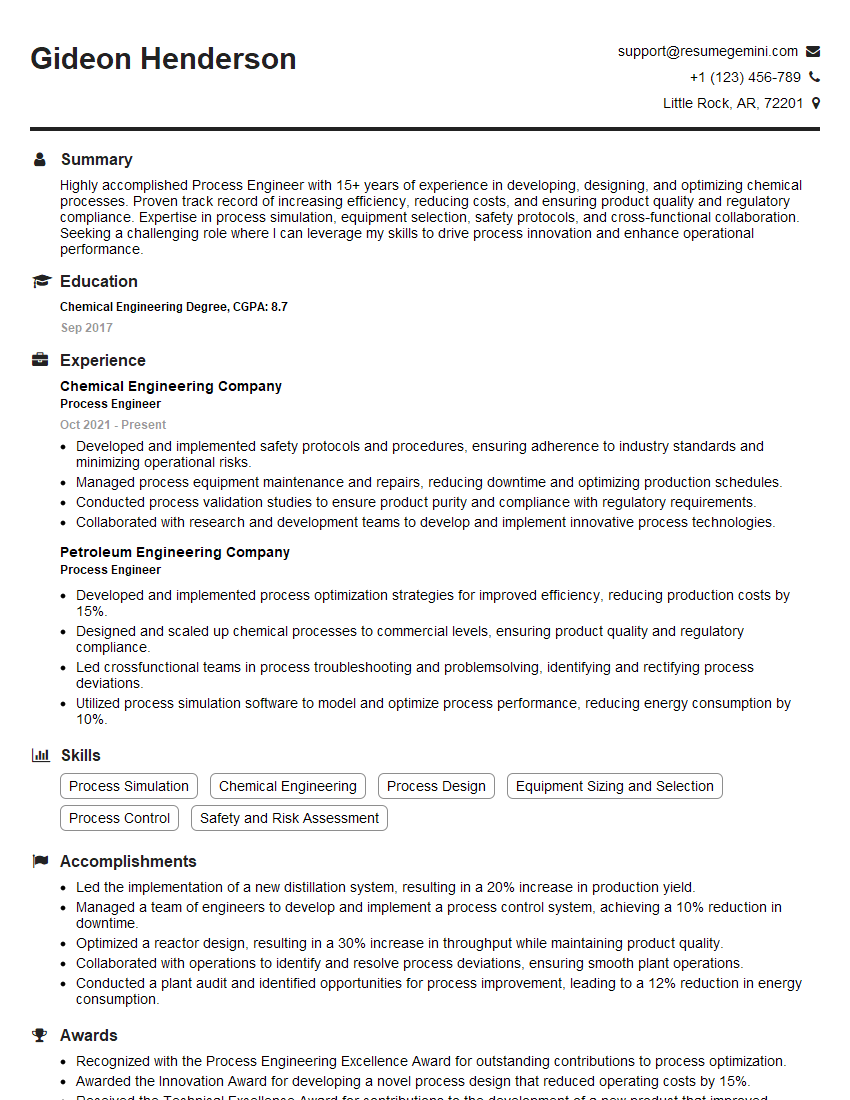
Process Engineer Resume Sample
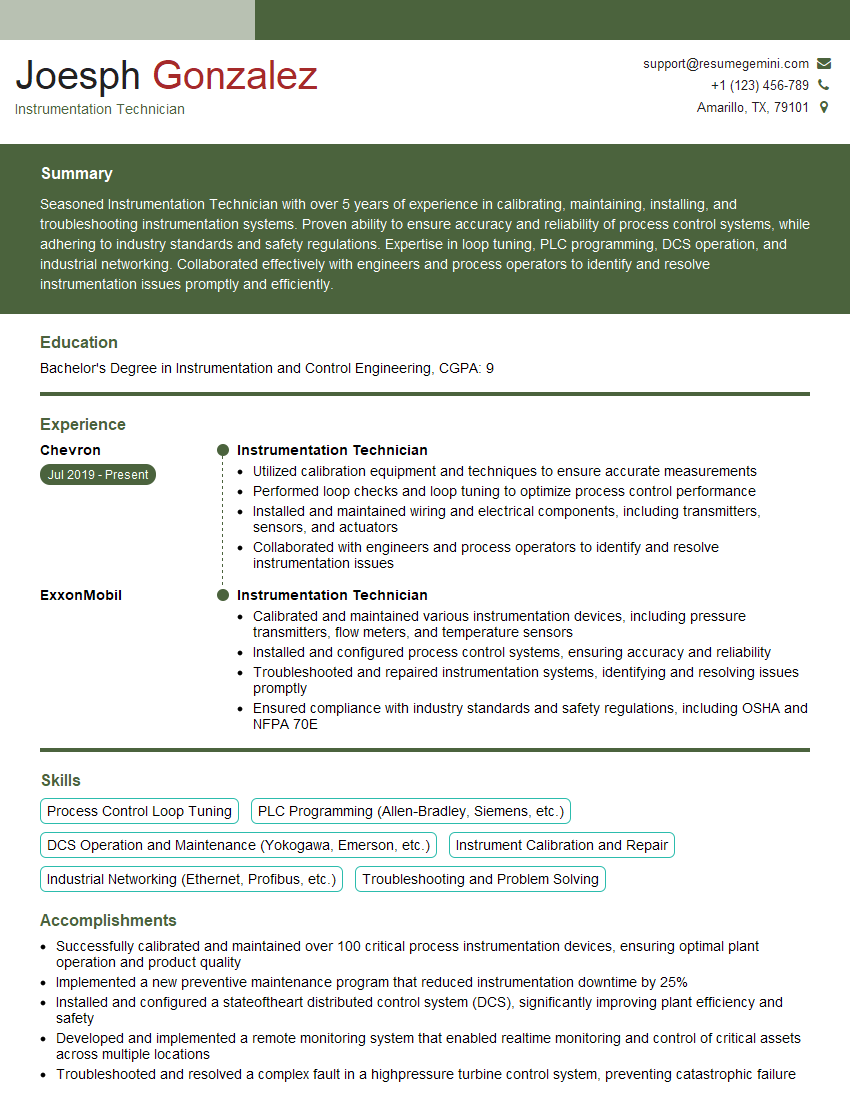
Instrumentation Technician Resume Sample
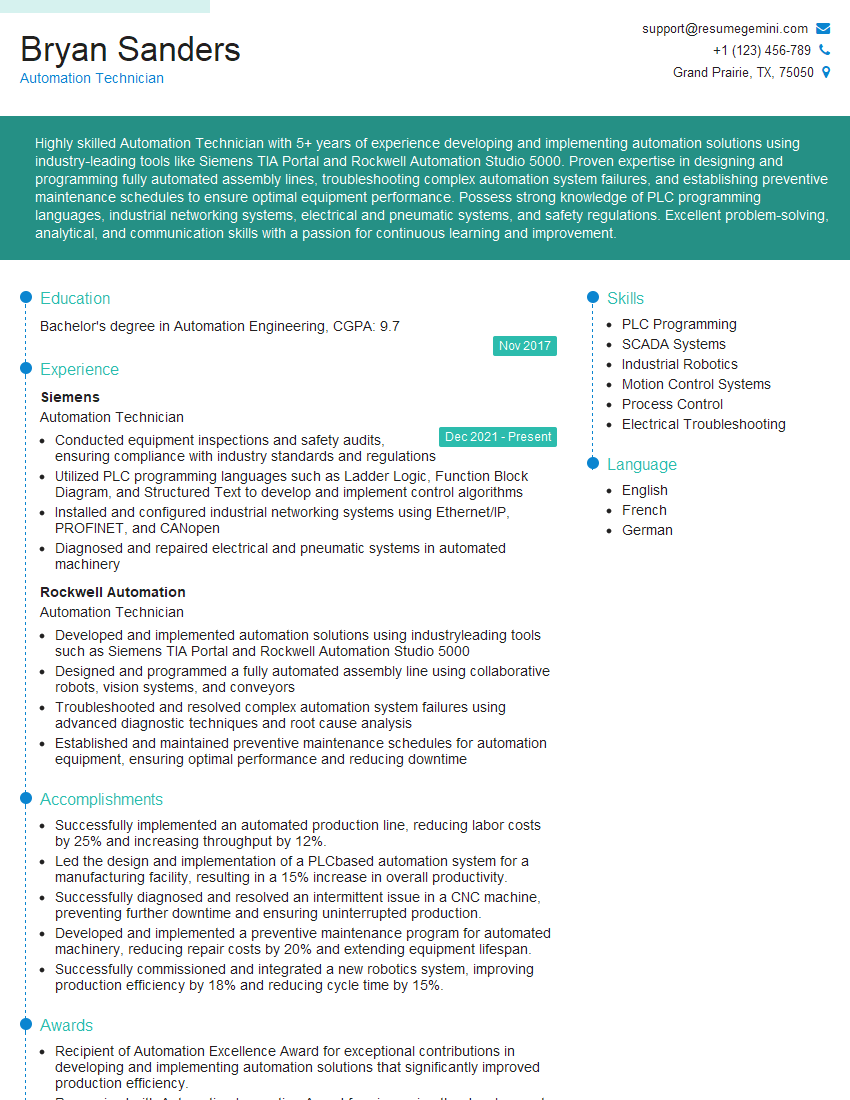
Automation Technician Resume Sample
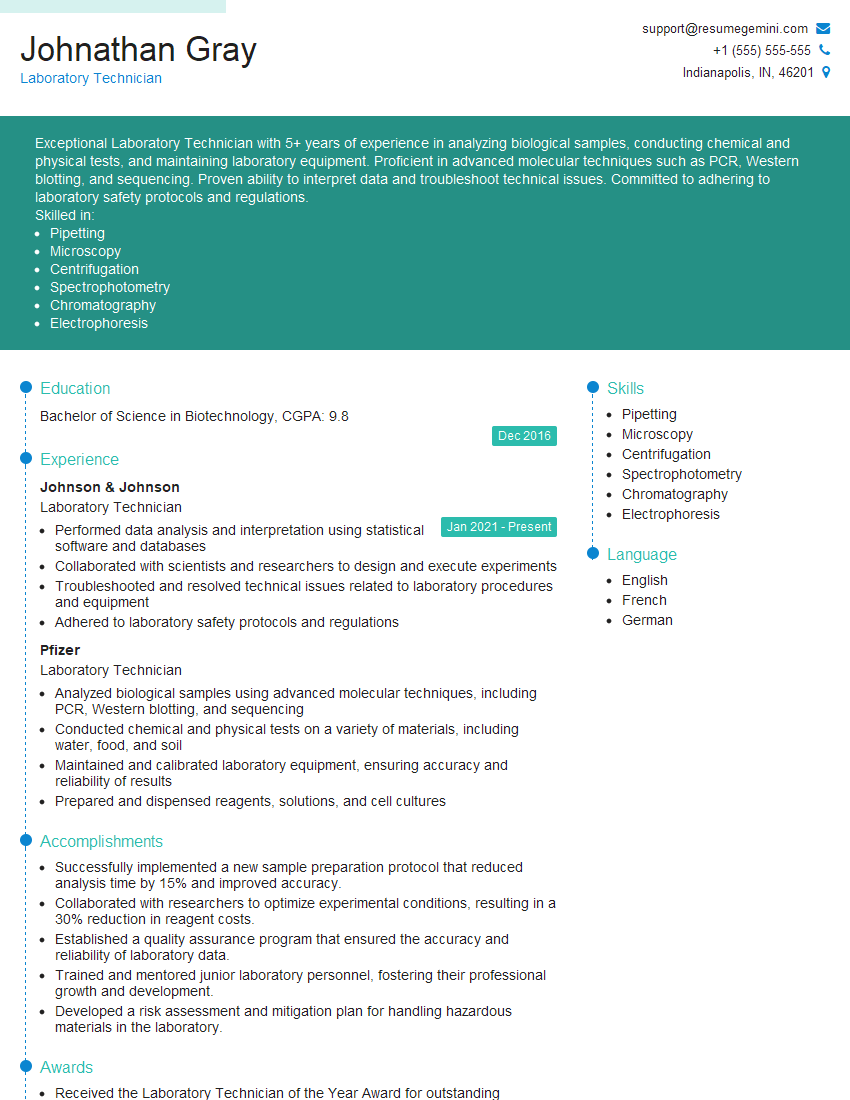
Laboratory Technician Resume Sample
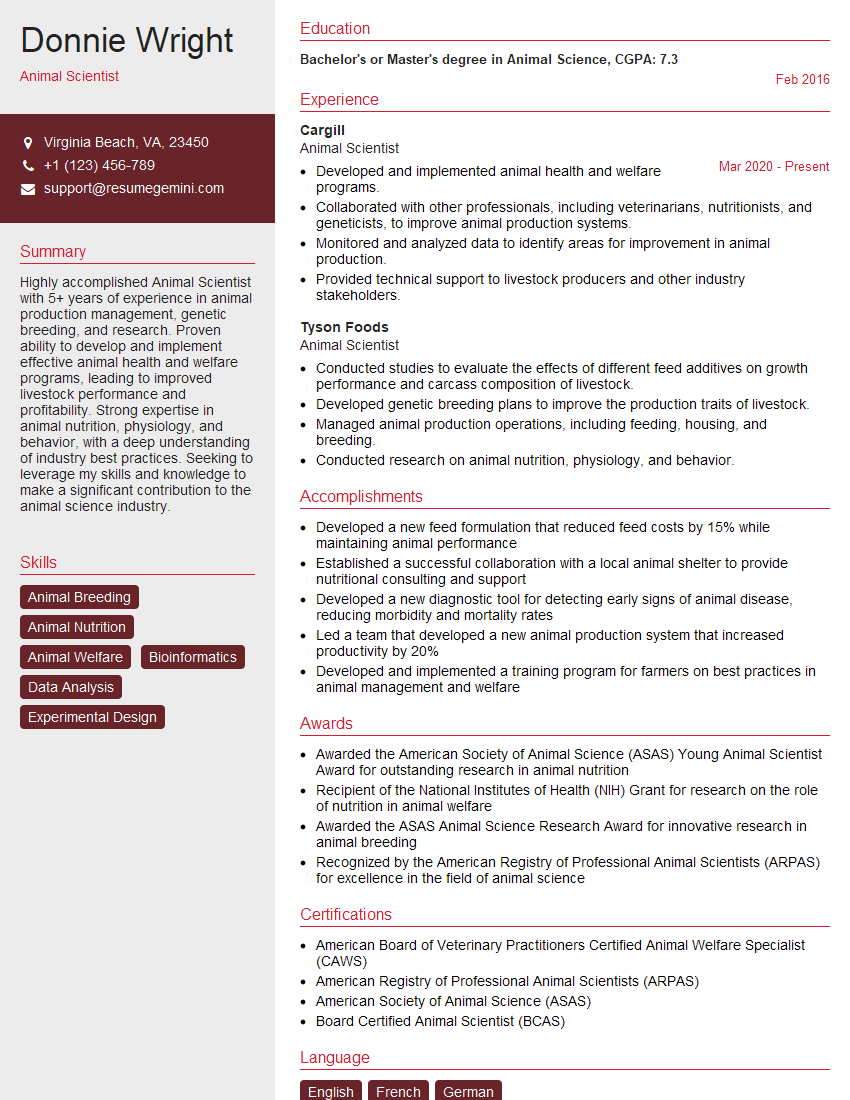
Animal Scientist Resume Sample
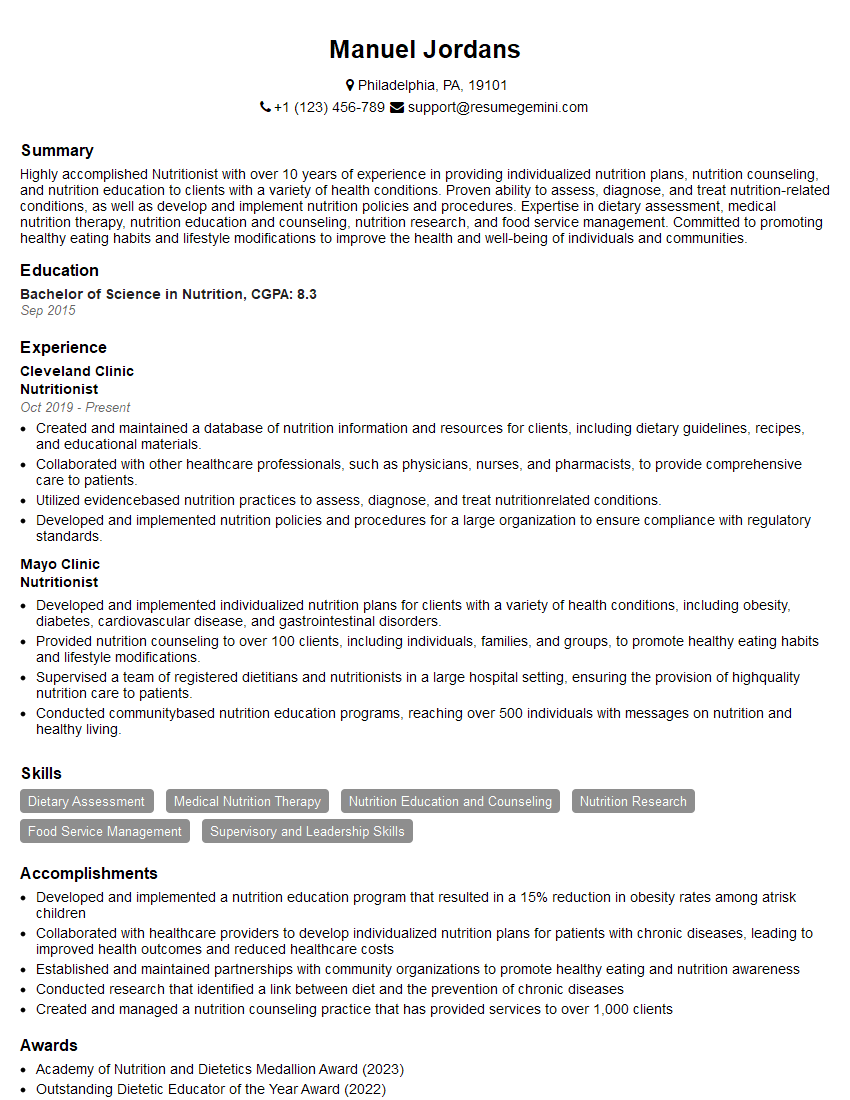
Nutritionist Resume Sample
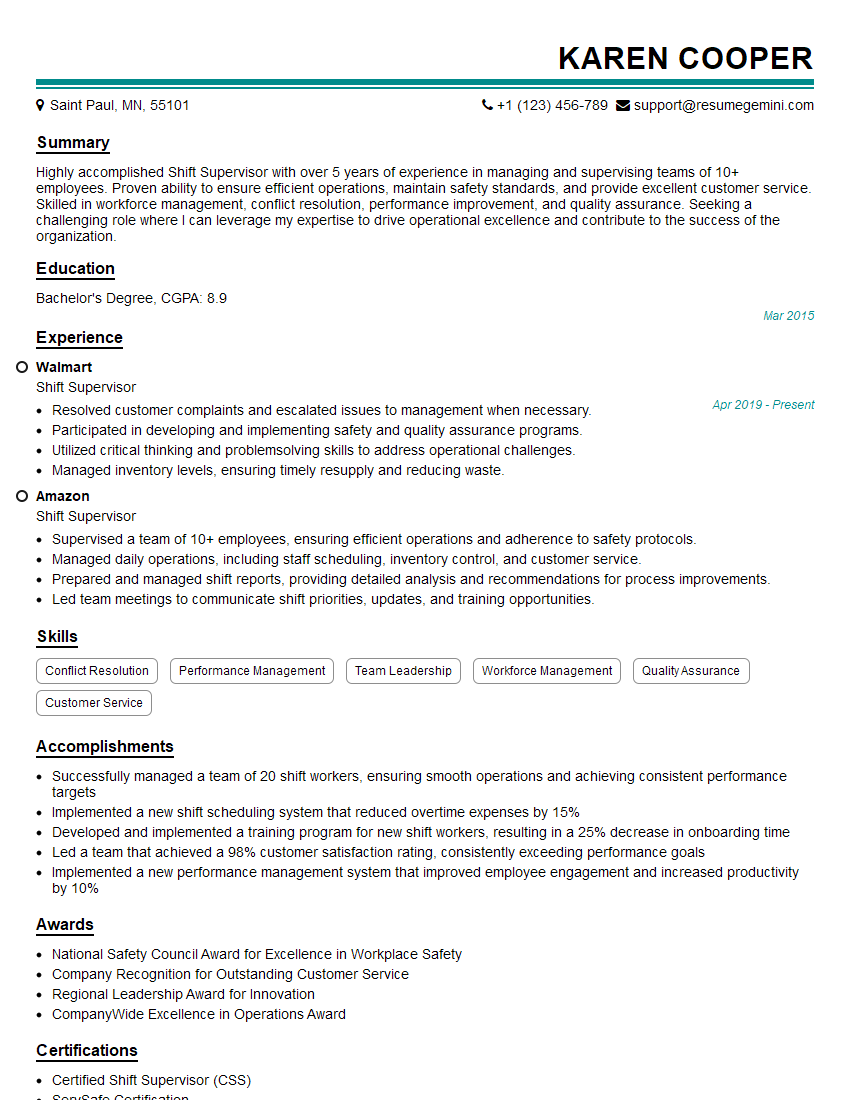
Shift Supervisor Resume Sample
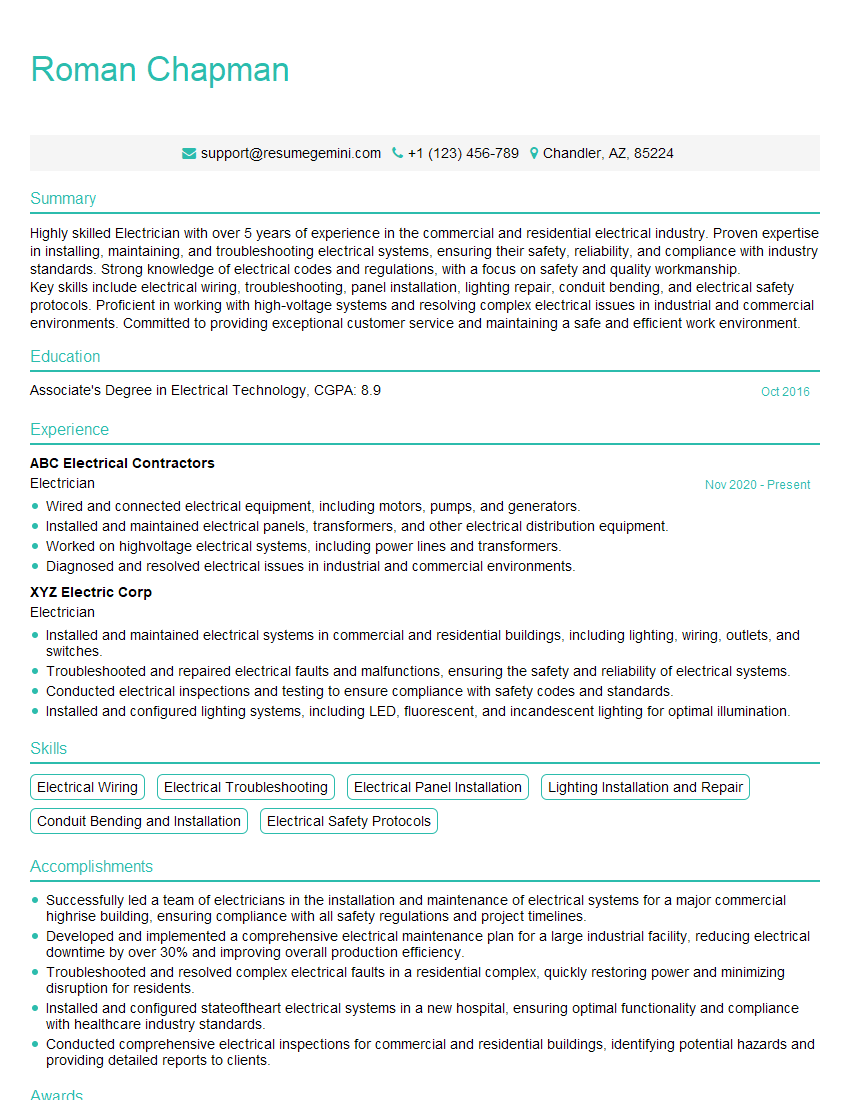
Electrician Resume Sample
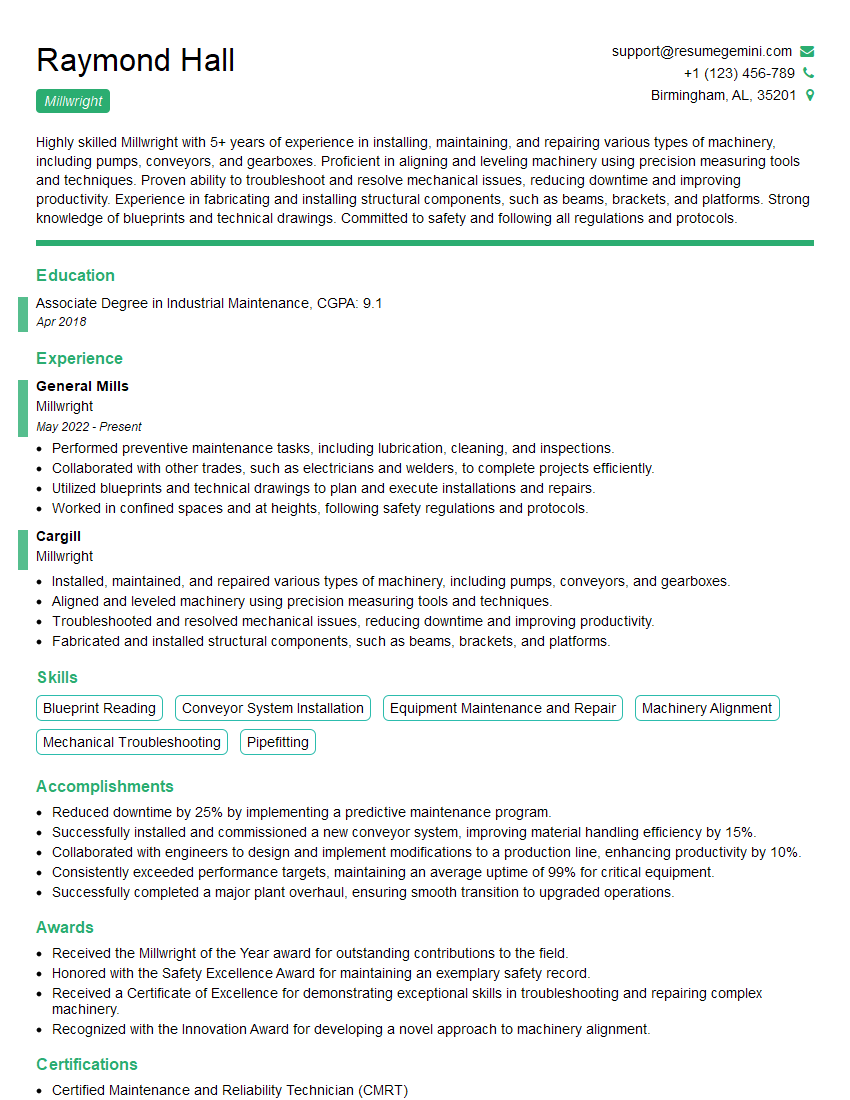
Millwright Resume Sample
- Safety Manager
- Operations Manager
- Plant Manager
- Production Manager
- Maintenance Manager
- Quality Control Manager
- Quality Control Supervisor
- Maintenance Supervisor
- Production Supervisor
- Supply Chain Manager
- Logistics Coordinator
- Procurement Specialist
- Quality Assurance Specialist
- Process Engineer
- Instrumentation Technician
- Automation Technician
- Laboratory Technician
- Animal Scientist
- Nutritionist
- Shift Supervisor
- Electrician
- Millwright
Explore more articles
Users Rating of Our Blogs
Share Your Experience
We value your feedback! Please rate our content and share your thoughts (optional).
What Readers Say About Our Blog
Very informative content, great job.
good