Cracking a skill-specific interview, like one for Feeding and Nutrition Management, requires understanding the nuances of the role. In this blog, we present the questions you’re most likely to encounter, along with insights into how to answer them effectively. Let’s ensure you’re ready to make a strong impression.
Questions Asked in Feeding and Nutrition Management Interview
Q 1. Explain the difference between macronutrients and micronutrients.
Macronutrients and micronutrients are both essential components of a healthy diet, but they differ significantly in the amounts needed and their roles in the body. Macronutrients are the energy-providing nutrients that we need in relatively large quantities: carbohydrates, proteins, and fats. They provide the calories that fuel our bodies. Micronutrients, on the other hand, are vitamins and minerals needed in smaller amounts but are crucial for various bodily functions, such as enzyme activity and immune function. Think of it like this: macronutrients are the bricks and mortar of a house, providing the bulk of the structure, while micronutrients are the electrical wiring, plumbing, and finishing touches that make the house function properly.
Q 2. Describe the role of carbohydrates, proteins, and fats in the diet.
Carbohydrates are the body’s primary source of energy. They are broken down into glucose, which fuels our cells. Sources include grains, fruits, vegetables, and legumes. Proteins are the building blocks of our bodies, essential for growth, repair, and maintenance of tissues. They are composed of amino acids, some of which are essential and must be obtained from our diet. Good sources include meat, poultry, fish, beans, lentils, and dairy products. Fats provide energy, insulation, and protect vital organs. They also play a role in hormone production and the absorption of certain vitamins. Healthy fats are found in avocados, nuts, seeds, and olive oil. It’s important to consume a balanced mix of these macronutrients for optimal health. A diet too high in carbohydrates, for example, could lead to weight gain, while a diet lacking in protein could impair muscle growth and repair.
Q 3. What are the Dietary Guidelines for Americans?
The Dietary Guidelines for Americans provide science-based advice on making healthy food choices to promote health and reduce the risk of chronic diseases. They emphasize consuming a variety of nutrient-dense foods, limiting added sugars, saturated fats, and sodium, and maintaining a healthy weight. These guidelines are updated periodically by the U.S. Department of Agriculture and the U.S. Department of Health and Human Services. They are a valuable resource for individuals, healthcare professionals, and policymakers. For example, the guidelines often recommend focusing on fruits and vegetables, whole grains, lean proteins, and healthy fats. They also provide guidance on physical activity and other lifestyle choices that support healthy eating.
Q 4. How do you assess a patient’s nutritional status?
Assessing a patient’s nutritional status involves a comprehensive approach using various methods. It begins with a thorough dietary history, taking into account their usual food intake, patterns, and any limitations. Then, we use clinical examination to look for any physical signs of malnutrition, like dry skin or hair loss. Anthropometric measurements, such as height, weight, body mass index (BMI), and waist circumference, help assess body composition. Finally, biochemical data, through blood or urine tests, measures levels of nutrients in the body. This multi-faceted approach ensures a complete picture of the patient’s nutritional health and allows for a more accurate diagnosis and treatment plan.
For instance, if a patient presents with fatigue and low iron levels in their blood test, combined with a dietary history showing low iron intake, a diagnosis of iron-deficiency anemia is likely.
Q 5. Explain different methods of nutritional assessment (e.g., anthropometric measurements, biochemical data, clinical examination).
Anthropometric measurements involve taking physical measurements like height, weight, BMI, waist circumference, and skin-fold thickness to assess body composition and identify potential malnutrition. Biochemical data utilizes blood and urine tests to assess nutrient levels, such as serum albumin (protein), hemoglobin (iron), and vitamin levels. These tests can reveal deficiencies or excesses of specific nutrients. Clinical examination involves a physical assessment looking for signs of malnutrition, such as dry skin, brittle hair, edema (swelling), or muscle wasting. Together, these methods provide a more complete picture of the patient’s nutritional status. For example, a low BMI coupled with low serum albumin levels could indicate protein-energy malnutrition.
Q 6. What are the common nutritional deficiencies and their consequences?
Common nutritional deficiencies include: Iron deficiency leading to anemia (fatigue, weakness); Vitamin D deficiency increasing the risk of bone fractures; Vitamin B12 deficiency causing nerve damage; Iodine deficiency resulting in goiter and hypothyroidism; and Zinc deficiency impacting growth and immune function. The consequences can range from mild fatigue to severe health problems, even death in some cases. For example, prolonged iron deficiency can lead to serious anemia, requiring blood transfusions. Early detection and intervention are crucial in preventing serious complications.
Q 7. How do you develop a personalized nutrition plan?
Developing a personalized nutrition plan is a collaborative process starting with a thorough assessment of the individual’s nutritional status, health conditions, preferences, and lifestyle. It involves setting realistic and achievable goals, taking into account their current dietary habits, and making gradual, sustainable changes. The plan should be tailored to their specific needs and preferences, ensuring adequate intake of all essential nutrients. Regular monitoring and adjustments are necessary to ensure the plan’s effectiveness. For example, a plan for a patient with diabetes would focus on carbohydrate control and blood sugar monitoring, whereas a plan for a pregnant woman would prioritize adequate intake of folic acid and iron.
Q 8. Describe your experience with medical nutrition therapy.
Medical nutrition therapy (MNT) is a cornerstone of my practice. It involves using nutritional interventions to treat and prevent disease. My experience spans diverse populations, from managing diabetes and heart disease to addressing malnutrition in hospitalized patients and optimizing athletic performance. For example, I recently worked with a patient with type 2 diabetes struggling with poor blood sugar control. Through MNT, we developed a personalized meal plan emphasizing whole grains, lean protein, and controlled carbohydrate intake. This involved not only creating a diet plan but also educating the patient on portion sizes, food labels, and the glycemic index. We also discussed lifestyle modifications, such as increasing physical activity. The results were significant: the patient experienced improved blood sugar levels and a reduction in medication requirements. Another example is optimizing nutrition for cancer patients undergoing chemotherapy, where I carefully select foods to alleviate side effects like nausea and maintain optimal nutritional status during treatment.
Q 9. Explain your understanding of enteral and parenteral nutrition.
Enteral nutrition (EN) and parenteral nutrition (PN) are both methods of providing nutritional support when oral intake is insufficient or impossible. EN delivers nutrients directly into the gastrointestinal tract via a tube, such as a nasogastric (NG) tube or a percutaneous endoscopic gastrostomy (PEG) tube. This is preferred whenever possible as it preserves gut function. PN, on the other hand, bypasses the GI tract and delivers nutrients directly into the bloodstream via an intravenous line. It’s typically reserved for patients with severe gastrointestinal issues or those who cannot tolerate EN. Think of it this way: EN is like feeding through the ‘natural route,’ while PN is a more direct, intravenous ‘delivery service’ of nutrients.
Choosing between EN and PN depends on factors like the patient’s gastrointestinal function, the severity of their condition, and the expected duration of nutritional support. For instance, a patient recovering from surgery with temporary difficulty swallowing might benefit from short-term EN via an NG tube, while a patient with severe inflammatory bowel disease might require long-term PN until their gut heals.
Q 10. How do you counsel patients on dietary changes?
Counseling patients on dietary changes requires a patient-centered approach that acknowledges individual preferences, cultural backgrounds, and lifestyle limitations. I begin by actively listening to their concerns and understanding their current dietary habits. Then, I collaboratively develop a realistic and sustainable plan, using motivational interviewing techniques to encourage adherence. I avoid imposing strict rules, focusing instead on gradual, achievable changes. For instance, instead of completely eliminating sugary drinks, we might start by reducing their consumption to one per day, then gradually phasing them out over time. I also emphasize the positive aspects of dietary changes, highlighting how improved nutrition contributes to overall well-being. Visual aids, such as sample meal plans and food pyramids, help illustrate concepts and make the information more accessible. Regular follow-up appointments and opportunities for open communication allow for adjustments and ongoing support.
Q 11. How do you manage food allergies and intolerances?
Managing food allergies and intolerances requires meticulous attention to detail. I begin with a thorough assessment of the patient’s history, including the specific allergen or intolerance, the severity of their reactions, and any avoidance strategies already in place. I collaborate with allergists or immunologists when needed, to confirm diagnoses and establish appropriate management plans. For example, a patient with a peanut allergy will receive comprehensive education on avoiding peanuts in all forms, recognizing cross-contamination risks, and managing emergency situations. I help them identify suitable substitutes for foods containing the allergen and create a detailed meal plan that’s both safe and nutritious. For intolerances, like lactose intolerance, I work with the patient to modify their diet to minimize symptoms, focusing on strategies to reduce discomfort while still maintaining a balanced nutrient intake. This often involves incorporating alternatives like lactose-free dairy products or enzyme supplements.
Q 12. Discuss your experience with different feeding methods (e.g., NG tube, PEG tube).
My experience with different feeding methods includes extensive work with NG tubes, PEG tubes, and other enteral access devices. NG tubes are typically used for short-term feeding, while PEG tubes provide a more long-term solution. The selection of a feeding method depends on factors like the patient’s clinical condition, the anticipated duration of nutritional support, and the presence of any anatomical barriers. For example, a patient recovering from a stroke with temporary dysphagia might receive nutrition via an NG tube until their swallowing ability improves. A patient with a chronic condition requiring long-term nutritional support might benefit from a PEG tube. I am proficient in the insertion and maintenance of these tubes and in managing potential complications such as tube blockage, dislodgement, or infection. I also emphasize patient education to promote self-care and ensure safe and effective use of the feeding system. The patient is taught about proper tube care, formula preparation, and the identification of signs of complications. Proper hygiene and aseptic techniques are paramount to prevent infections.
Q 13. What is your approach to managing weight loss/weight gain in patients?
Managing weight loss and weight gain requires a holistic approach that considers individual factors such as metabolic rate, activity levels, and underlying medical conditions. For weight loss, I work with patients to develop personalized plans that combine a balanced diet with regular exercise. This may involve adjusting caloric intake, focusing on nutrient-dense foods, and incorporating behavioral strategies like mindful eating. For weight gain, I focus on increasing caloric intake with nutrient-rich foods and strategies like eating more frequently throughout the day. I emphasize the importance of strength training to build muscle mass and increase metabolism. In cases of significant weight loss or gain, underlying medical conditions are investigated. For example, unexplained weight loss may indicate a serious illness like cancer or hyperthyroidism, requiring immediate medical attention. Similarly, rapid weight gain could be associated with fluid retention or hormonal imbalances.
Q 14. How do you handle patient non-compliance with dietary recommendations?
Patient non-compliance with dietary recommendations is a common challenge. I address this by first understanding the reasons for non-compliance. It’s crucial to engage the patient in open dialogue, and avoid judgment. This can help pinpoint barriers such as financial limitations, lack of support, or personal preferences. For example, a patient may find a recommended diet too expensive or too inconvenient. I then collaboratively revise the dietary plan to make it more realistic and sustainable. This might involve substituting expensive ingredients with more affordable options, adjusting meal times to fit the patient’s schedule, or tailoring the diet to accommodate their cultural preferences. Moreover, I employ motivational interviewing techniques to empower patients and help them identify their own intrinsic motivation for following the plan. Regular follow-up, providing ongoing support, and celebrating small successes along the way are crucial to long-term success.
Q 15. Explain the importance of hydration in nutrition.
Hydration is absolutely crucial for optimal nutrition and overall health. Think of water as the vehicle that transports nutrients throughout the body. Without adequate hydration, nutrient absorption is compromised, and waste products can build up, hindering bodily functions.
- Nutrient Absorption: Water is essential for dissolving and transporting nutrients from the digestive tract into the bloodstream. Dehydration can lead to reduced nutrient uptake, impacting energy levels and overall health.
- Waste Removal: Our kidneys rely on water to flush out toxins and waste products. Insufficient water intake can strain the kidneys and contribute to various health problems.
- Body Temperature Regulation: Water plays a vital role in maintaining a stable body temperature, especially during physical activity. Dehydration can lead to overheating and heatstroke.
- Organ Function: All bodily organs depend on adequate hydration for optimal function. Dehydration can impair cognitive function, reduce physical performance, and increase the risk of constipation.
For example, a patient with inadequate hydration might experience fatigue, headaches, and constipation, even if their nutritional intake is otherwise sufficient. Monitoring urine color (pale yellow is ideal) and encouraging frequent fluid intake are key strategies for ensuring adequate hydration.
Career Expert Tips:
- Ace those interviews! Prepare effectively by reviewing the Top 50 Most Common Interview Questions on ResumeGemini.
- Navigate your job search with confidence! Explore a wide range of Career Tips on ResumeGemini. Learn about common challenges and recommendations to overcome them.
- Craft the perfect resume! Master the Art of Resume Writing with ResumeGemini’s guide. Showcase your unique qualifications and achievements effectively.
- Don’t miss out on holiday savings! Build your dream resume with ResumeGemini’s ATS optimized templates.
Q 16. How do you calculate caloric needs for patients?
Calculating caloric needs for patients is a complex process, requiring consideration of several factors. We typically use equations such as the Mifflin-St Jeor equation, which is considered more accurate than older methods like the Harris-Benedict equation. These equations take into account factors such as age, sex, weight, and height, to provide a baseline estimate of resting metabolic rate (RMR).
However, the RMR is just the starting point. We must then adjust this value based on the patient’s activity level. This is typically categorized as sedentary, lightly active, moderately active, very active, or extra active. A multiplier is then applied to the RMR to account for activity expenditure.
Finally, we also need to consider any additional energy requirements related to the patient’s medical condition. For example, patients recovering from surgery or battling an illness may have increased caloric needs. This often involves consulting with the medical team to ensure accurate assessment of the patient’s condition and needs.
Example: Let’s say we’re calculating the caloric needs for a 40-year-old, 70kg male, 1.75m tall, who is moderately active. Using the Mifflin-St Jeor equation, we might calculate his RMR to be approximately 1700 kcal. If we use a 1.55 activity multiplier for moderately active individuals, the total daily energy expenditure (TDEE) would be approximately 2635 kcal.
Remember, this is just an estimate. Individual needs can vary significantly, and regular monitoring and adjustment are essential for optimal nutrition management.
Q 17. Discuss your knowledge of food safety and sanitation practices.
Food safety and sanitation are paramount in any food service setting. My approach is rooted in the principles of HACCP (Hazard Analysis and Critical Control Points), a systematic preventive approach to food safety.
- Personal Hygiene: This includes handwashing, proper use of gloves, and avoiding cross-contamination by keeping raw and cooked foods separate.
- Temperature Control: Maintaining proper temperatures throughout the food handling process is crucial to prevent bacterial growth. This includes proper refrigeration, cooking to safe internal temperatures, and rapid cooling of prepared foods.
- Food Storage: Proper storage practices are essential. This involves FIFO (First In, First Out) rotation of stock, appropriate packaging, and protection from pests.
- Cleaning and Sanitization: Regular cleaning and sanitizing of all food contact surfaces is crucial. This includes equipment, utensils, and work surfaces. Proper use of cleaning and sanitizing agents is essential.
- Pest Control: Implementing effective pest control measures is necessary to prevent contamination.
I always follow the guidelines set by relevant health authorities, like the FDA and local regulatory bodies. Regularly scheduled staff training reinforces these procedures, ensuring everyone is aware of their role in maintaining food safety.
Q 18. How do you ensure compliance with regulations regarding food handling and storage?
Compliance with food handling and storage regulations is non-negotiable. I ensure compliance through a multifaceted approach.
- Regular Audits: I conduct internal audits to ensure our practices align with all relevant regulations.
- Documentation: Thorough record-keeping is essential. This includes temperature logs, staff training records, and supplier certifications.
- Staff Training: Regular training sessions ensure staff are updated on best practices and regulatory changes. We use a combination of on-the-job training and formal courses.
- Supplier Relationships: We work closely with our suppliers to ensure they meet safety standards. We review their certifications and audit their facilities when necessary.
- Proactive Monitoring: We actively monitor for any potential hazards and implement corrective actions immediately.
By staying updated on regulations, maintaining robust documentation, and ensuring thorough staff training, we actively minimize risks and maintain compliance.
Q 19. How do you manage food costs and budgetary constraints in a food service setting?
Managing food costs effectively while maintaining quality is a constant challenge. I utilize several strategies:
- Menu Engineering: Analyzing menu profitability to identify high-profit, low-cost items and adjusting the menu accordingly.
- Smart Purchasing: Negotiating with suppliers, exploring bulk discounts, and utilizing seasonal produce to lower costs.
- Inventory Control: Implementing a robust inventory system to minimize waste and spoilage.
- Portion Control: Ensuring consistent portion sizes to prevent over-serving and reduce costs.
- Waste Reduction: Developing strategies to reduce food waste, such as composting and utilizing leftovers creatively.
Regular cost analysis and menu evaluation allow for data-driven decisions to optimize profitability without sacrificing quality. For example, switching to a slightly less expensive but equally nutritious alternative can significantly impact costs over time.
Q 20. What is your experience with menu planning and development?
Menu planning and development are integral to providing nutritious and appealing meals. My approach involves a collaborative process that considers various factors.
- Nutritional Needs: I tailor menus to meet the specific nutritional needs of the population being served, considering factors like age, dietary restrictions, and health conditions.
- Cultural Preferences: I incorporate cultural preferences and dietary habits into the menu to enhance acceptability and satisfaction.
- Cost-Effectiveness: I balance nutritional requirements with budgetary constraints, exploring cost-effective alternatives without compromising quality.
- Variety and Appeal: I ensure variety in both cuisine and preparation methods to maintain interest and appeal.
- Seasonality: I incorporate seasonal ingredients whenever possible, providing fresher produce at lower costs and promoting local sourcing.
For example, I’ve developed menus for long-term care facilities that incorporate culturally appropriate dishes while meeting specific dietary restrictions, such as low sodium or diabetic-friendly options.
Q 21. Describe your experience with nutrition education programs.
I have extensive experience designing and implementing nutrition education programs. My approach is interactive and engaging, targeting diverse learning styles.
- Needs Assessment: I begin by conducting a needs assessment to determine the knowledge gaps and learning styles of the target audience.
- Program Development: I develop tailored programs using a variety of methods, including interactive workshops, cooking demonstrations, and handouts.
- Evaluation: I employ various methods to assess the effectiveness of the program, including pre- and post-tests, surveys, and behavioral changes.
- Collaboration: I collaborate with other healthcare professionals to create comprehensive programs.
- Technology Integration: I incorporate technology, such as websites and apps, to enhance learning and accessibility.
For instance, I’ve developed a successful weight management program for adults incorporating interactive cooking classes and support groups. The program used a combination of nutrition education, physical activity guidance, and behavior modification techniques. Post-program evaluations revealed significant improvements in participants’ knowledge, attitudes, and weight management behaviors.
Q 22. What are your strategies for communicating effectively with healthcare team members?
Effective communication within a healthcare team is crucial for optimal patient care. My strategy hinges on clear, concise, and respectful communication, utilizing various methods tailored to the audience and context.
- Active Listening: I prioritize actively listening to understand perspectives, concerns, and questions from colleagues, ensuring everyone feels heard and valued.
- Regular Updates: I provide timely updates on patient progress, nutritional needs, and any changes in the care plan through concise reports and direct communication. For example, if a patient’s dietary needs change due to a medication interaction, I’ll immediately inform the physician and nursing staff.
- Collaborative Meetings: I actively participate in multidisciplinary team meetings, contributing my expertise and fostering collaborative decision-making. For instance, I might collaborate with a physical therapist to develop a meal plan that supports a patient’s mobility goals.
- Clear Documentation: Meticulous documentation of patient’s dietary intake, progress, and any challenges encountered is essential for transparency and continuity of care.
- Professional Demeanor: Maintaining a professional and respectful attitude while conveying information effectively is paramount.
Q 23. How do you stay updated with the latest research and developments in nutrition?
Staying current in the rapidly evolving field of nutrition requires a multi-pronged approach. I actively engage with multiple resources to ensure I’m always informed about the latest research and developments.
- Professional Journals: I regularly read peer-reviewed journals such as the American Journal of Clinical Nutrition and the Journal of the Academy of Nutrition and Dietetics to stay abreast of the latest scientific findings.
- Professional Organizations: Active membership in organizations like the Academy of Nutrition and Dietetics provides access to webinars, conferences, and continuing education opportunities.
- Online Resources: Reliable online databases like PubMed and Google Scholar are invaluable for accessing research articles and staying updated on new developments.
- Continuing Education: I actively participate in continuing education courses and workshops to maintain my professional license and expand my knowledge base.
- Networking: Attending conferences and engaging with other nutrition professionals through networking allows for the exchange of ideas and learning from experts in the field.
Q 24. How do you adapt nutrition plans to accommodate cultural preferences and dietary restrictions?
Cultural sensitivity and respect for individual dietary restrictions are paramount in creating effective nutrition plans. I approach this by actively engaging patients and understanding their preferences and needs.
- Patient Interviews: Detailed interviews explore dietary habits, food preferences, cultural practices, and any religious or ethical restrictions.
- Cultural Resources: I utilize culturally appropriate resources and consult with experts familiar with specific dietary customs to tailor recommendations.
- Food Preferences: I work collaboratively with patients to modify meal plans, incorporating familiar and culturally acceptable foods whenever possible while still meeting nutritional goals. For example, I might substitute traditional ingredients with healthier alternatives that maintain the familiar taste and cultural appeal.
- Dietary Restrictions: I carefully consider allergies, intolerances, and any prescribed dietary restrictions, ensuring the plan is safe and effective. For example, a vegetarian patient’s meal plan must carefully ensure they obtain adequate protein and iron sources.
- Flexibility: Recognizing that preferences and circumstances can change, I am prepared to adapt the nutrition plan as needed throughout the patient’s care.
Q 25. Describe your experience with nutrition software or technology.
I have extensive experience using various nutrition software and technology, which significantly enhances efficiency and accuracy in my work.
- Electronic Health Records (EHR): I am proficient in utilizing EHR systems to access patient data, document care, and communicate with healthcare team members. This ensures consistency and accessibility of patient information.
- Nutrition Analysis Software: I am skilled in using software like Nutritics or ESHA Research to analyze dietary intake, create personalized meal plans, and monitor patient progress. This software facilitates the precise calculation of macronutrients, micronutrients and ensures the plans meet the specific needs of the patients.
- Dietary Management Software: Experience with patient portals and dietary management platforms helps streamline communication and enables patients to actively participate in managing their nutrition goals. For instance, I might use a platform to provide patients with education materials or track their food intake.
Q 26. How do you handle challenging patient situations or interpersonal conflicts?
Handling challenging patient situations and interpersonal conflicts requires a calm, empathetic, and professional approach. My strategy focuses on addressing the issue directly while respecting the involved parties.
- Active Listening & Empathy: I begin by actively listening to understand the perspectives of all involved, showing empathy and validating their feelings.
- Clear Communication: I clearly articulate concerns and expectations, fostering open and honest dialogue.
- Collaborative Problem Solving: I work collaboratively with patients, families, and colleagues to find mutually acceptable solutions, focusing on common goals of patient well-being.
- Mediation if Needed: In complex situations, I seek assistance from supervisors or other healthcare professionals who can mediate and facilitate conflict resolution.
- Documentation: Thoroughly documenting the situation, interactions, and resolutions ensures clarity and maintains a record of events.
Q 27. What are your strengths and weaknesses as a Feeding and Nutrition Management professional?
My strengths lie in my strong communication and interpersonal skills, my dedication to evidence-based practice, and my ability to adapt to diverse patient needs.
- Strengths: Excellent communication, empathy, problem-solving skills, attention to detail, meticulous documentation, proactive approach to patient care, extensive knowledge of nutrition science and dietetics.
However, like everyone, I have areas for continuous improvement.
- Weaknesses: While I manage my time effectively, I sometimes find it challenging to delegate tasks efficiently, a skill I’m actively working on. I am also striving to further refine my proficiency in specific software applications related to nutrition data analysis.
Q 28. Where do you see yourself in 5 years in this field?
In five years, I envision myself as a highly respected and sought-after Feeding and Nutrition Management professional, continuing to contribute significantly to patient care and the advancement of the field.
- Advanced Studies: I plan to pursue advanced certifications or a graduate degree to further expand my expertise and leadership capabilities.
- Leadership Roles: I hope to take on leadership roles within my organization, mentoring junior colleagues and contributing to the development of innovative nutrition programs.
- Research & Publication: I aim to actively contribute to research initiatives within the field, potentially publishing my findings in peer-reviewed journals.
- Community Engagement: I intend to expand my involvement in community outreach programs promoting health and nutrition education.
Key Topics to Learn for Feeding and Nutrition Management Interview
- Nutritional Assessment and Planning: Understanding different assessment methods (anthropometric, biochemical, clinical), developing individualized nutrition care plans, and adapting plans based on patient needs and responses.
- Dietary Guidelines and Recommendations: Familiarity with national and international dietary guidelines, including understanding macronutrient and micronutrient requirements, and applying this knowledge to various populations (e.g., children, adults, elderly, specific disease states).
- Menu Planning and Production: Developing cost-effective and nutritionally balanced menus, managing food safety and sanitation practices, and understanding inventory control and food service management principles.
- Medical Nutrition Therapy (MNT): Applying nutritional principles to manage specific disease conditions (e.g., diabetes, cardiovascular disease, renal disease). This includes understanding therapeutic diets and their implications.
- Community Nutrition Programs: Knowledge of different community nutrition programs and initiatives, including their goals, target populations, and evaluation methods.
- Food Service Systems and Operations: Understanding the different types of food service systems (e.g., centralized, decentralized), operational efficiency, quality control, and staff management within a food service setting.
- Regulations and Compliance: Familiarity with relevant regulations and guidelines related to food safety, sanitation, and nutrition labeling.
- Ethical Considerations: Understanding ethical considerations in nutrition practice, including patient confidentiality and informed consent.
- Technology and Data Analysis in Nutrition: Proficiency in using nutrition software and databases, and interpreting nutritional data for effective decision-making.
- Problem-Solving and Critical Thinking: Demonstrating the ability to analyze nutritional challenges, propose effective solutions, and adapt strategies based on evolving circumstances.
Next Steps
Mastering Feeding and Nutrition Management opens doors to rewarding careers with significant impact on individuals and communities. To maximize your job prospects, crafting a strong, ATS-friendly resume is crucial. ResumeGemini is a trusted resource to help you build a professional and impactful resume that highlights your skills and experience. They offer examples of resumes tailored to the Feeding and Nutrition Management field, ensuring your application stands out.
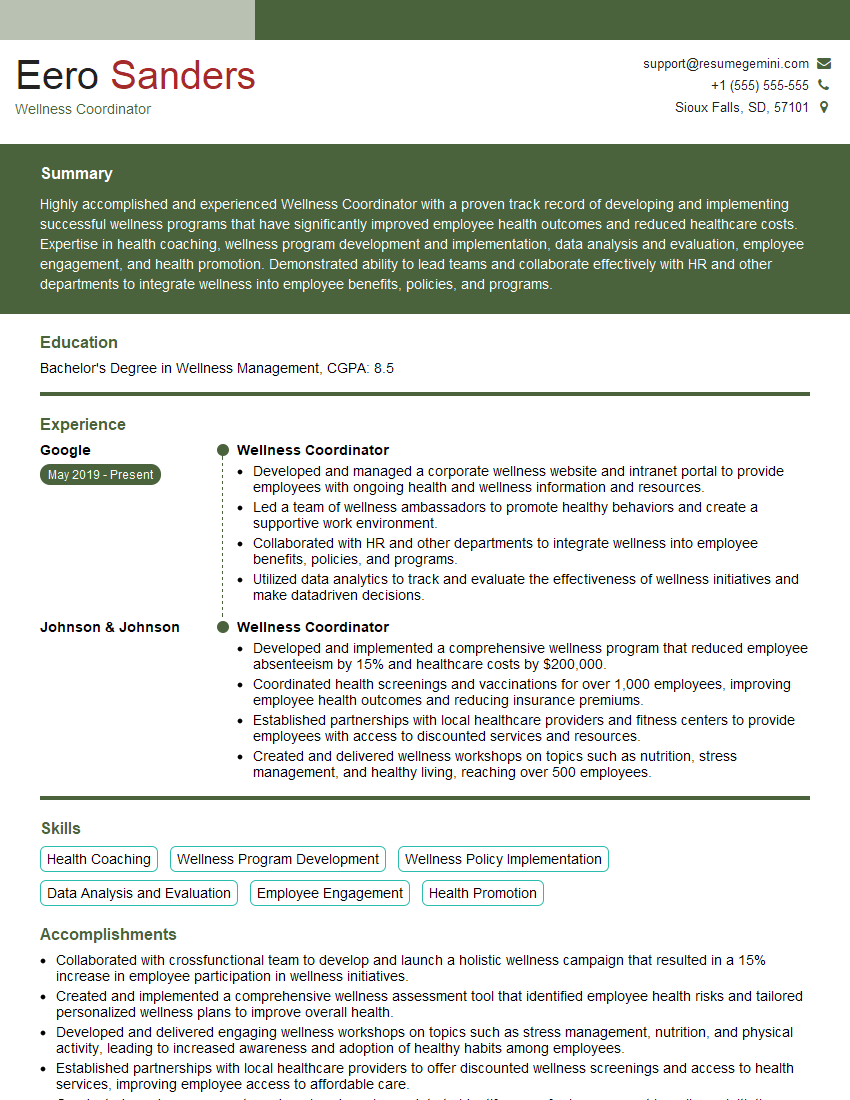
Wellness Coordinator Resume Sample
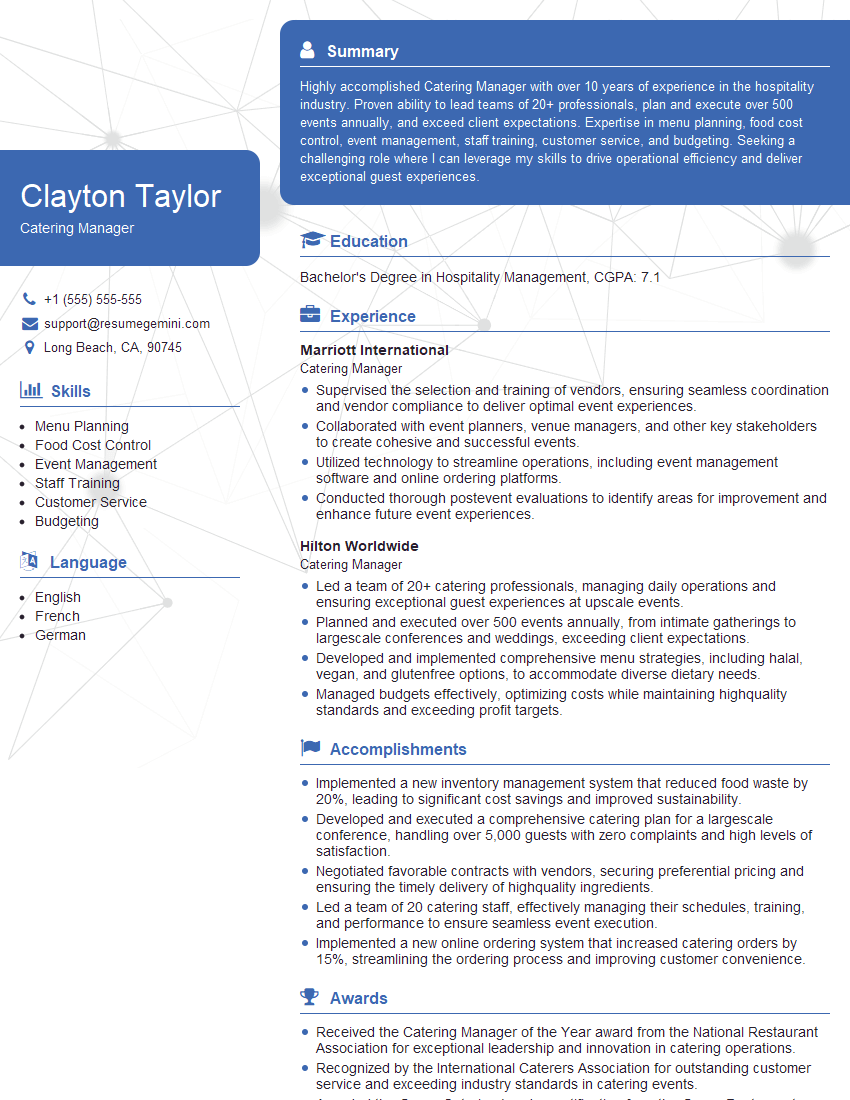
Catering Manager Resume Sample
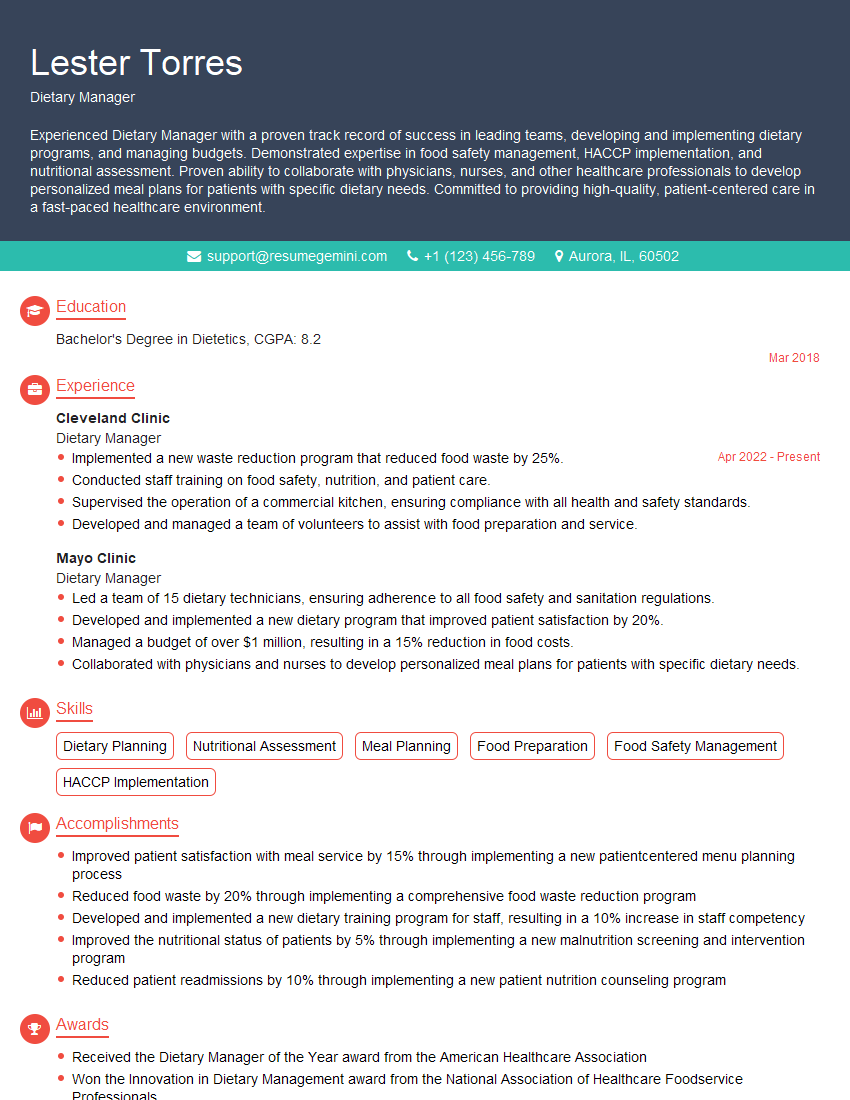
Dietary Manager Resume Sample
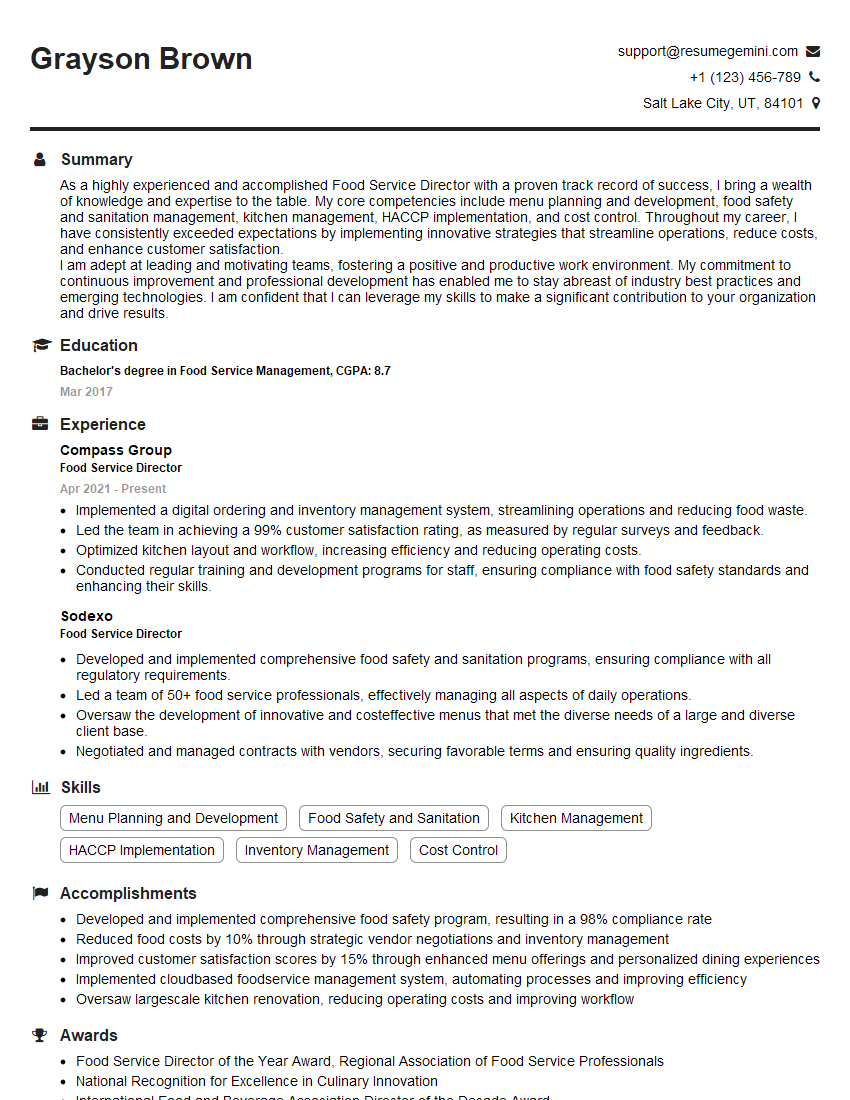
Food Service Director Resume Sample
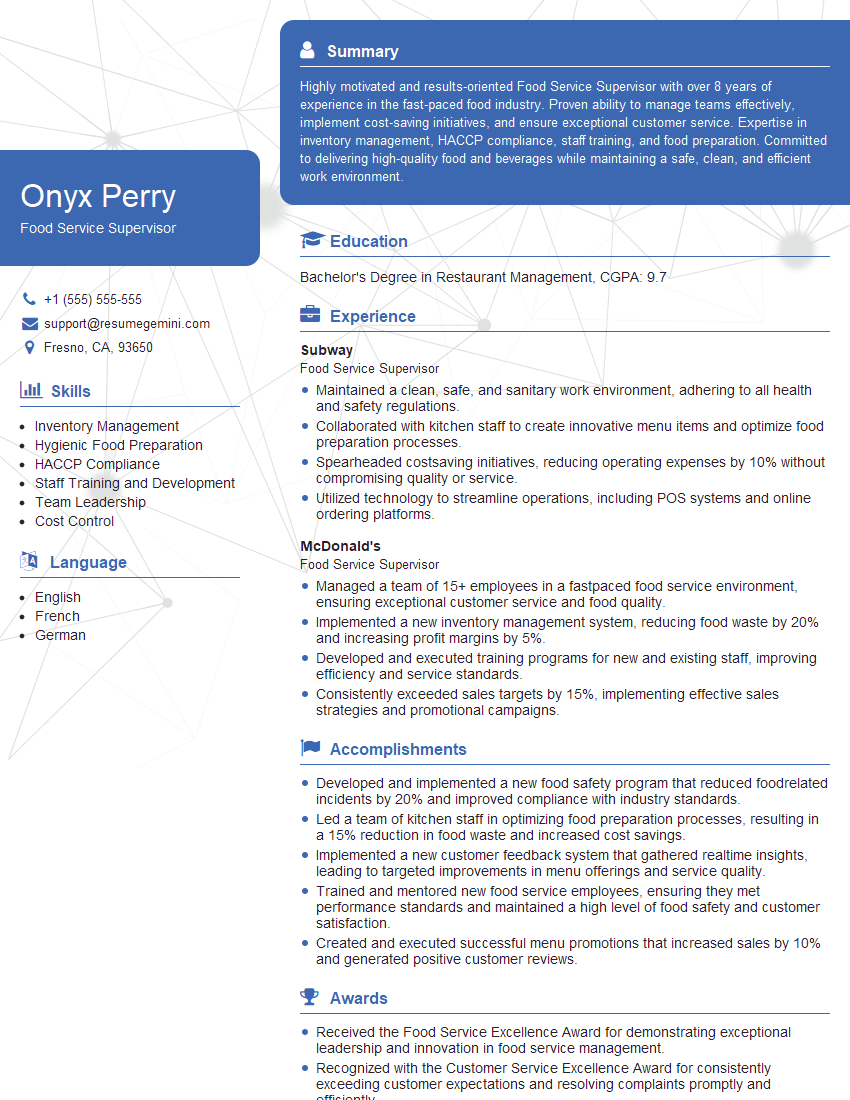
Food Service Supervisor Resume Sample
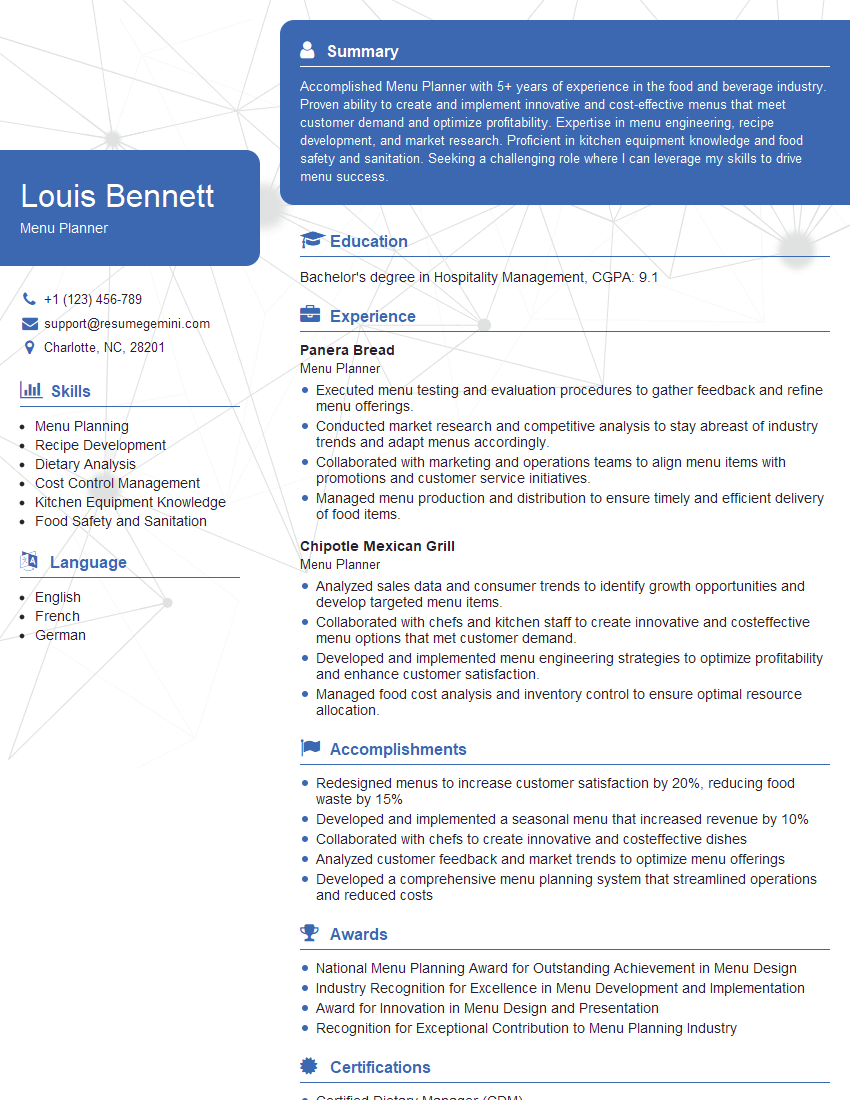
Menu Planner Resume Sample
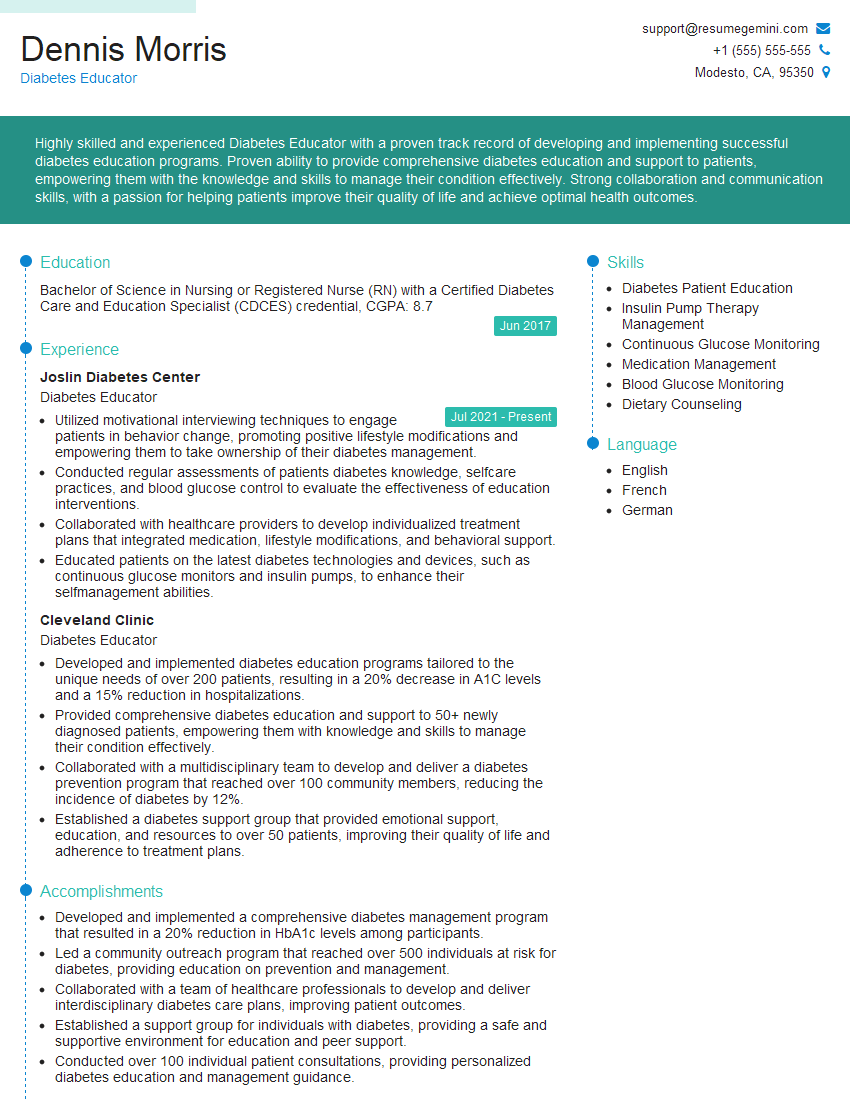
Diabetes Educator Resume Sample
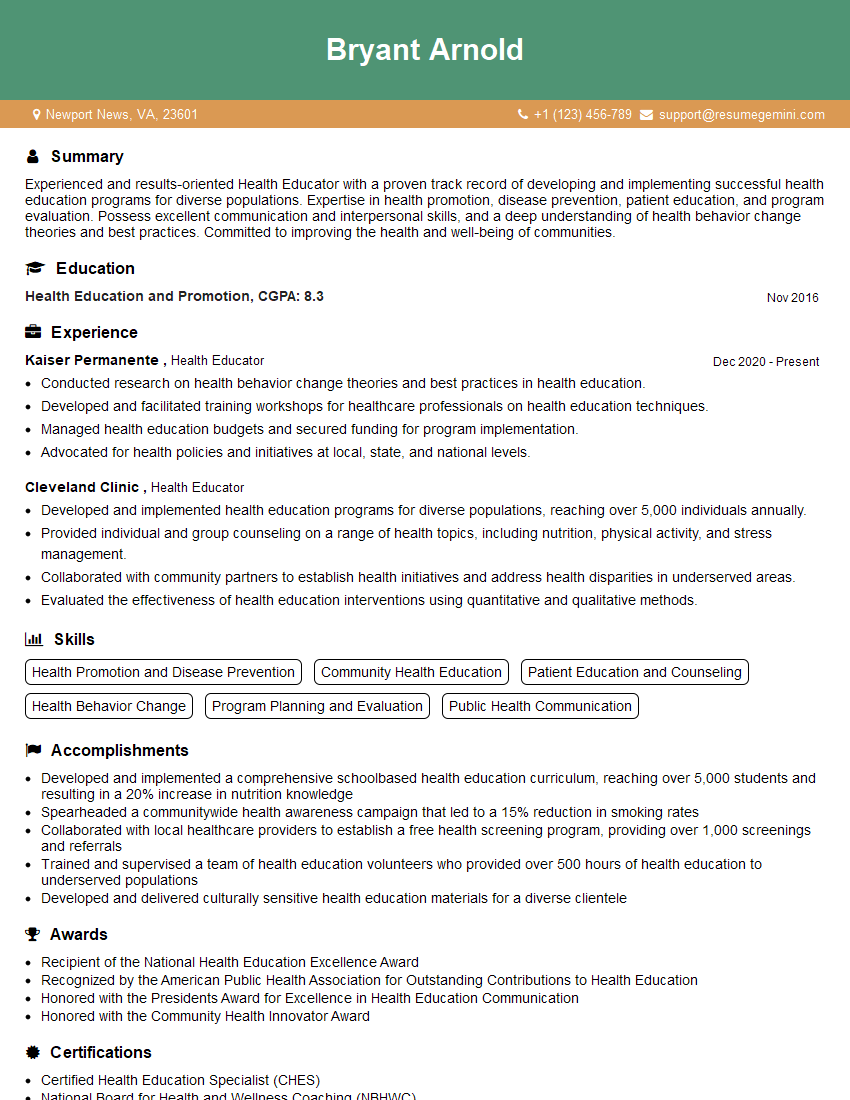
Health Educator Resume Sample
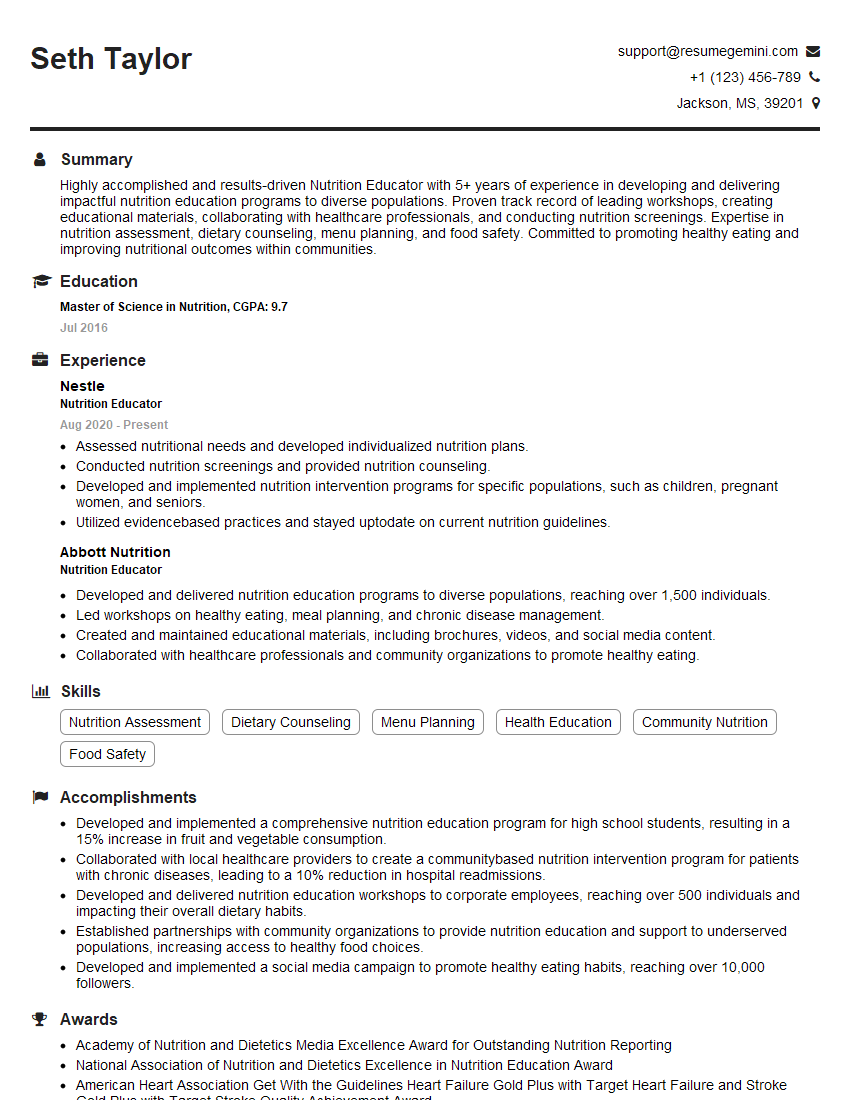
Nutrition Educator Resume Sample
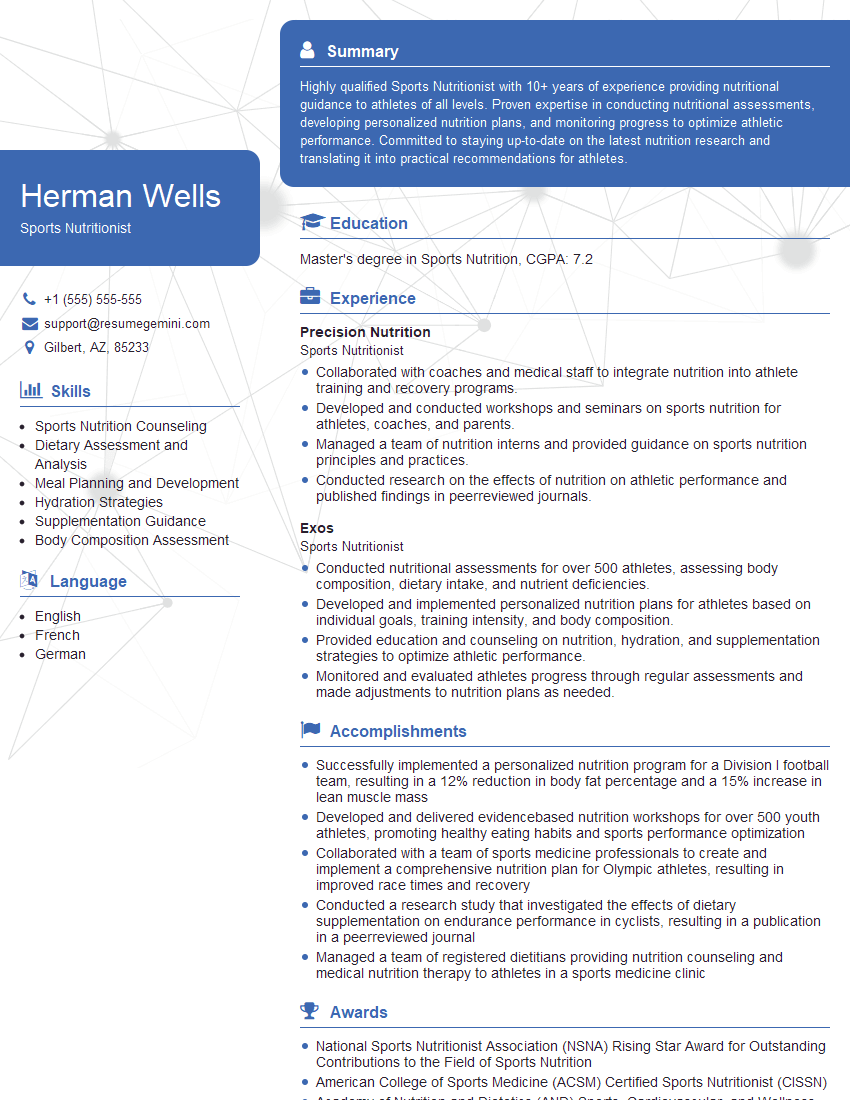
Sports Nutritionist Resume Sample
Explore more articles
Users Rating of Our Blogs
Share Your Experience
We value your feedback! Please rate our content and share your thoughts (optional).
What Readers Say About Our Blog
Very informative content, great job.
good