Interviews are more than just a Q&A session—they’re a chance to prove your worth. This blog dives into essential Fencing and Water System Maintenance interview questions and expert tips to help you align your answers with what hiring managers are looking for. Start preparing to shine!
Questions Asked in Fencing and Water System Maintenance Interview
Q 1. Describe your experience with different types of fencing materials (e.g., wood, vinyl, chain link).
My experience encompasses a wide range of fencing materials, each with its own strengths and weaknesses. Wood fencing, for instance, offers a classic, aesthetically pleasing look but requires regular maintenance like staining and sealing to prevent rot and insect damage. I’ve worked extensively with various wood types, from cedar, known for its natural resistance, to pressure-treated pine, a more budget-friendly option. Vinyl fencing is a low-maintenance alternative, resistant to rot, insects, and fading. However, it can be more expensive upfront and may not withstand significant impacts as well as wood. Finally, chain link fencing is the most durable and cost-effective option for containing pets or providing security, though it’s less aesthetically appealing. I’ve installed chain link fences of various heights and gauges, adapting my techniques to suit different terrain and client needs. Each material demands different installation techniques and tools, which I’ve mastered over years of experience.
Q 2. Explain the process of installing a post and rail fence.
Installing a post and rail fence is a process that requires precision and attention to detail. It starts with careful site preparation, including surveying the land to determine the fence line and ensuring the ground is level. Next, we dig post holes, typically at least 3 feet deep, using a post hole digger, ensuring proper spacing between posts based on the rail length and the desired fence height. Concrete is then mixed and poured into each hole, carefully setting each post plumb (perfectly vertical) using a level. Once the concrete sets, typically a day or two, we attach the rails, usually using galvanized lag screws or bolts. The rails are carefully spaced and aligned to create a visually appealing and structurally sound fence. The final step involves adding any necessary bracing or gates. For uneven terrain, we often adjust post depth to ensure a level rail line. A well-installed post and rail fence is both beautiful and durable, lasting for many years with minimal maintenance.
Q 3. How do you troubleshoot common fence problems, such as sagging or damaged posts?
Troubleshooting fence problems requires a systematic approach. Sagging, for instance, often indicates issues with post stability, possibly due to settling or insufficient concrete. I’d inspect the posts for movement and check the concrete around their bases. If the posts are loose, I might need to re-secure them by adding more concrete or using post anchors. Damaged posts might need replacement, involving careful removal of the old post and installation of a new one following the same procedure as initial installation. For damaged rails or pickets, the solution depends on the extent of the damage; minor repairs may involve tightening screws or replacing individual sections, while more substantial damage might require replacing entire sections. I always prioritize safety; if significant damage or structural instability is identified, I will recommend a complete fence inspection to ensure structural integrity.
Q 4. What safety precautions do you take when working with fencing equipment?
Safety is paramount when working with fencing equipment. I always wear appropriate safety gear, including safety glasses, work gloves, and steel-toed boots to protect against potential injuries from flying debris, sharp objects, or heavy equipment. When using power tools, such as post hole diggers or saws, I ensure they are in good working order and I follow the manufacturer’s safety instructions carefully. I also take precautions when working near power lines, ensuring adequate clearance and contacting utility companies as needed. I maintain a clean and organized work area, removing any debris or tripping hazards to prevent accidents. Proper lifting techniques are crucial when handling heavy materials like fence posts or concrete, avoiding strains or injuries. For working at heights, I employ appropriate safety measures like scaffolding or harnesses to minimize fall risks. Safety is not just a precaution but an integral part of my professional ethic.
Q 5. Describe your experience with different types of water systems (e.g., well, municipal).
My experience with water systems includes both well and municipal systems. Well systems present unique challenges, requiring knowledge of pump maintenance, water pressure regulation, and water quality testing. I’ve worked with various pump types, from submersible pumps to jet pumps, understanding their functionalities and troubleshooting their malfunctions. Municipal water systems, while generally simpler to maintain, have their own set of concerns, including understanding water meter readings, identifying leaks in the household plumbing, and adhering to local water regulations. I’ve successfully repaired and maintained systems in a variety of settings, from rural properties with private wells to suburban homes connected to municipal water supplies. This diverse experience gives me a holistic understanding of water system functionalities and maintenance needs.
Q 6. Explain the process of maintaining a residential water system.
Maintaining a residential water system involves regular inspection and preventative measures. For well systems, this includes regular pump inspections, checking water pressure, and monitoring water levels. Annual water quality testing is crucial to identify potential contaminants. For municipal systems, regular checks for leaks are essential. This involves visually inspecting pipes and fixtures for signs of leaks and monitoring water meter readings for unusual fluctuations. Maintaining proper water pressure is key; if the pressure is too low or too high, it can indicate a problem with the system that needs attention. Regularly flushing out sediment from water heaters and cleaning aerators on faucets helps prevent mineral buildup and maintain efficient water flow. A well-maintained water system ensures clean, reliable water supply and prevents costly repairs down the line.
Q 7. How do you troubleshoot common water system problems, such as low water pressure or leaks?
Troubleshooting water system problems begins with identifying the symptom. Low water pressure can result from several factors, including a malfunctioning pump (for well systems), leaks in the plumbing, or mineral buildup restricting water flow. I systematically check each component, starting with the water source (pump or municipal connection) and progressively working my way through the plumbing system. Leaks can be detected through visual inspection, listening for unusual sounds, or using leak detection tools. Once the source of the problem is identified, the solution will be tailored accordingly; this could involve replacing a faulty pump, repairing a leaking pipe, or clearing mineral deposits. I always emphasize preventive maintenance, as it helps to identify and address minor issues before they escalate into major problems, saving time, money, and stress.
Q 8. What safety precautions do you take when working with water system equipment?
Safety is paramount when working with water system equipment. Before even touching a tool, I always conduct a thorough site assessment, identifying potential hazards like exposed wiring, uneven terrain, or nearby traffic. I then utilize appropriate Personal Protective Equipment (PPE), including safety glasses, gloves, steel-toe boots, and hearing protection, depending on the task. When working with pressurized systems, I ensure that the system is depressurized before starting any maintenance or repair. This involves carefully shutting off valves and relieving pressure according to manufacturer instructions. I also follow lockout/tagout procedures to prevent accidental activation of equipment. For instance, if working on a pump, I’d lock out the power supply to guarantee no unexpected start-up. I frequently check for leaks and potential hazards throughout the process. Finally, I’m always mindful of the potential for electrical shock when working near water and electrical equipment and prioritize working in well-lit areas to improve visibility and reduce accidents.
Q 9. What are the different types of pipe materials used in water systems?
Water systems utilize a variety of pipe materials, each with its own advantages and disadvantages. Common types include:
- Copper: Durable, corrosion-resistant, and long-lasting, but can be expensive.
- PVC (Polyvinyl Chloride): Lightweight, affordable, and corrosion-resistant, but less durable than copper and susceptible to UV damage.
- CPVC (Chlorinated Polyvinyl Chloride): Similar to PVC but with higher temperature resistance, making it suitable for hot water systems.
- PEX (Cross-linked Polyethylene): Flexible, easy to install, and resistant to freezing, a popular choice for residential applications.
- Galvanized Steel: Strong and durable but prone to corrosion over time, particularly in acidic water. Its use is declining due to environmental concerns.
- Cast Iron: Historically used for larger diameter mains but gradually being replaced by more modern materials due to its weight and susceptibility to corrosion.
The choice of material depends on factors such as budget, water quality, pressure requirements, and the intended lifespan of the system. For example, I’d likely recommend PEX for a new residential system due to its ease of installation and freeze resistance, while copper might be preferable for a commercial application where longevity is a major factor.
Q 10. How do you identify and repair a burst pipe?
Locating and repairing a burst pipe requires a systematic approach. First, I identify the location of the burst by checking for signs like wet spots, dripping water, or unusual sounds. Listening carefully is crucial—a hissing sound often accompanies a burst pipe under pressure. Once located, I isolate the affected section by shutting off the appropriate valves to prevent further water loss. This is a critical step to avoid exacerbating the damage and minimizing flooding. The repair method depends on the type of pipe and the severity of the burst. For minor leaks in PVC or PEX, I might use a repair clamp or coupling. For major bursts, the damaged section may need to be cut out and replaced with a new piece of pipe, ensuring a secure and watertight connection using appropriate fittings. For buried pipes, excavation is usually required, and potentially the services of a plumber specializing in excavating and pipe repair. Safety is paramount during this process—all safety measures described above must be implemented.
Q 11. What are the common causes of water contamination and how can they be prevented?
Water contamination can stem from various sources, including:
- Surface runoff: Rainwater carrying pollutants like pesticides and fertilizers into water bodies.
- Sewage leaks: Contamination from malfunctioning sewer lines.
- Industrial discharge: Release of chemicals and toxins from factories.
- Agricultural activities: Use of pesticides and fertilizers.
- Leaking underground storage tanks: Release of petroleum products or other hazardous substances.
Prevention involves implementing strategies like proper waste disposal, regular inspection of sewer lines and water infrastructure, strict regulations on industrial discharge, responsible agricultural practices, and careful monitoring of underground storage tanks. For example, regular testing of water quality and proactive maintenance of water treatment plants are key to prevent contamination. A robust water quality monitoring program can identify potential contamination early on, allowing for swift intervention and mitigation.
Q 12. Explain the process of backflow prevention.
Backflow prevention is critical to avoid contamination of potable (drinking) water. Backflow occurs when water flows backward into the potable water supply, potentially introducing contaminants. This can happen due to a pressure drop in the main water line. This is prevented using specialized devices like:
- Backflow preventers: These devices use various mechanisms, like check valves or double check valves, to prevent reverse water flow.
- Reduced pressure zone (RPZ) backflow preventers: These are more sophisticated devices that create an air gap, effectively preventing backflow.
The type of backflow preventer used depends on the risk level. High-risk areas, such as near sewage lines or industrial facilities, require more robust RPZ devices. Regular inspection and testing of backflow preventers are essential to ensure their effectiveness and compliance with relevant codes. A properly functioning backflow preventer is a critical component in maintaining the safety and integrity of a potable water supply.
Q 13. What is your experience with water treatment methods?
My experience encompasses several water treatment methods, including:
- Chlorination: A common method to disinfect water, killing harmful bacteria and viruses.
- Filtration: Removal of suspended solids and other impurities through various filter media (sand, gravel, activated carbon).
- UV disinfection: Utilizing ultraviolet light to inactivate microorganisms.
- Reverse osmosis: A membrane filtration process that removes dissolved salts and other impurities.
I’ve worked on projects involving the design, installation, and maintenance of water treatment systems for both residential and commercial settings. For example, I assisted in the design of a UV disinfection system for a small community’s water supply, ensuring effective microbial inactivation while optimizing energy efficiency. Understanding the specific water quality and the desired level of treatment are key to selecting the appropriate methods. For instance, in an area with high levels of iron, a filtration system incorporating an iron removal media would be necessary.
Q 14. Describe your experience with irrigation system design and installation.
My irrigation system experience covers the entire process, from initial design to final installation and ongoing maintenance. I’ve worked on both residential and commercial projects, designing systems to optimize water usage and ensure efficient coverage of the landscape. This includes the selection of appropriate sprinklers, pumps, and controllers based on factors like plant type, soil conditions, and water pressure. I leverage design software to create detailed plans, including pipe layouts, sprinkler placement, and valve locations. This ensures accurate calculation of water flow and minimizes the risk of overwatering or under-watering specific zones. My installation work includes trenching, pipe laying, sprinkler head installation, and the connection to a water source. Post-installation, I conduct thorough testing and adjustments to ensure proper functionality and even water distribution. Regular maintenance is critical, including flushing lines to remove debris and checking for leaks or malfunctioning components to maintain the system’s efficiency.
Q 15. How do you calculate water pressure and flow rates?
Calculating water pressure and flow rate involves understanding the relationship between pressure, flow, and pipe diameter. Pressure is measured in PSI (pounds per square inch) and represents the force exerted by the water. Flow rate, typically measured in gallons per minute (GPM) or liters per second (L/s), indicates the volume of water passing a point in a given time.
Several methods exist for calculating these values. For example, using Bernoulli’s equation in a simplified form, we can relate pressure, velocity (related to flow rate), and elevation changes within a pipe. However, in practice, we often rely on measurement tools rather than complex calculations. Pressure gauges directly measure pressure at various points in the system, while flow meters (such as magnetic flow meters or turbine meters) precisely determine the flow rate.
For instance, imagine a garden hose. The pressure at the tap influences the flow rate out of the nozzle. If the pressure is high, the water shoots out forcefully (high flow rate). If the pressure is low, the water trickles out (low flow rate). Furthermore, restricting the nozzle reduces the flow rate even with constant pressure. We use this understanding of pressure and flow rate to design efficient and effective irrigation systems, ensuring the right amount of water reaches the plants.
Career Expert Tips:
- Ace those interviews! Prepare effectively by reviewing the Top 50 Most Common Interview Questions on ResumeGemini.
- Navigate your job search with confidence! Explore a wide range of Career Tips on ResumeGemini. Learn about common challenges and recommendations to overcome them.
- Craft the perfect resume! Master the Art of Resume Writing with ResumeGemini’s guide. Showcase your unique qualifications and achievements effectively.
- Don’t miss out on holiday savings! Build your dream resume with ResumeGemini’s ATS optimized templates.
Q 16. What are some common irrigation system problems and how do you fix them?
Common irrigation system problems often stem from leaks, clogged emitters or sprinklers, low water pressure, or malfunctioning valves.
- Leaks: These can be pinpointed using a pressure test. Simply isolate sections of the system, pressurize them, and observe pressure drops over time. Leaks usually manifest as consistently wet spots in the soil, or a noticeable drop in pressure. Repair involves replacing damaged pipes or fittings.
- Clogged Emitters/Sprinklers: Low water flow from a specific area often points to this. Clogged emitters and sprinkler heads are cleaned by flushing them with water or, in more severe cases, replacing them.
- Low Water Pressure: This may be due to pump malfunction, restrictions in the pipes, or insufficient water supply. Checking the pump, flushing the lines, and inspecting the water source are crucial troubleshooting steps.
- Malfunctioning Valves: Valves that won’t open or close properly can disrupt water flow. Sometimes they simply need lubrication; other times, replacement is necessary.
When diagnosing problems, start with the simplest solutions. Always check the pump and water source first, then move toward more complex components like pipes and valves. Systematically isolating sections aids in pinpointing the exact location of the fault.
Q 17. What are the different types of pumps used in water systems?
Various types of pumps cater to different water system needs. The selection depends on factors such as flow rate requirements, pressure needs, water source characteristics, and budget. Here are some common examples:
- Centrifugal Pumps: These are the most common type used for irrigation and general water distribution. They use a rotating impeller to increase the velocity of the water, resulting in increased pressure.
- Submersible Pumps: Located underwater, these pumps are ideal for drawing water from wells or deep tanks. They are quieter and require less maintenance than above-ground pumps.
- Diaphragm Pumps: These use a flexible diaphragm to pump water, making them suitable for handling thicker fluids and slurries. They’re less common in irrigation but might be used for specific applications involving chemicals or slightly contaminated water.
- Positive Displacement Pumps: These pumps move a fixed volume of water with each stroke, offering highly consistent flow rates. This type is less common in large-scale irrigation but might be used for high-pressure specialized applications.
The choice of pump impacts the efficiency and cost-effectiveness of the entire water system. Understanding the specific needs and constraints of a project is key to selecting the appropriate pump.
Q 18. How do you maintain a water pump?
Regular pump maintenance significantly extends its lifespan and efficiency. A proactive approach is key. Here’s a routine maintenance schedule:
- Regular Inspections: Check for leaks, corrosion, and unusual noises. Look for any signs of wear and tear on belts, couplings, and other components.
- Lubrication: Depending on the pump type (e.g., bearings, seals), appropriate lubrication is vital to reduce friction and prevent premature failure. Follow manufacturer recommendations.
- Cleaning: Clean the pump suction screen regularly to remove debris that could impede water flow. For submersible pumps, ensure the surrounding water is free of sediment.
- Prime the Pump: If the pump is self-priming, ensure there is sufficient water in the suction line before starting. For non-self-priming pumps, priming is essential before operation.
- Pressure Checks: Regularly check the inlet and outlet pressure to ensure it’s operating within the specified parameters.
Neglecting maintenance leads to reduced efficiency, costly repairs, and potential pump failure. A well-maintained pump ensures reliable water delivery, saving money and time in the long run. For example, in a large irrigation system, a malfunctioning pump could impact crop yield and profitability.
Q 19. What is your experience with water meters?
I have extensive experience with various types of water meters, including both mechanical and electronic versions. This includes installing, maintaining, and reading meters of different sizes and technologies. My experience spans both residential and commercial applications. I’m familiar with troubleshooting common meter problems such as malfunctioning sensors or leaking seals.
I’ve worked with both positive displacement meters (which accurately measure each unit of water passing through them) and velocity meters (which measure the speed of water to infer volume). My experience also includes understanding the different communication protocols employed by modern smart meters, allowing for remote monitoring and data analysis.
Q 20. How do you interpret water meter readings?
Interpreting water meter readings is straightforward, though the specifics depend on the meter’s type. Mechanical meters typically display the total volume of water consumed, often in cubic feet (cu ft) or gallons. Electronic meters usually have digital displays, showing either cumulative consumption or instantaneous flow rates.
To interpret a mechanical meter, one typically identifies the numbers on the dials, reading from left to right. Each dial represents a different order of magnitude (e.g., thousands, hundreds, tens, etc.). Electronic meters directly display the data, simplifying the process. The difference in readings between two points in time represents the water used during that period.
For example, a meter reading showing ‘12345’ gallons, followed by a subsequent reading of ‘12355’ gallons, indicates a water consumption of 10 gallons during the intervening period. Careful observation and attention to the units of measurement are crucial for accurate interpretation.
Q 21. Explain your experience with different types of water filtration systems.
My experience encompasses various water filtration systems designed for different applications and water quality needs. These range from simple sediment filters to advanced multi-stage systems.
- Sediment Filters: These are the most basic, removing particles like sand, silt, and rust. They use a physical barrier like a screen or membrane.
- Carbon Filters: These absorb chlorine, organic compounds, and other impurities, improving taste and odor. Granular activated carbon (GAC) is a common type.
- Reverse Osmosis (RO) Systems: These use a semipermeable membrane to remove dissolved solids, salts, and many other contaminants, producing high-quality purified water. They are highly effective but can be slower and require more maintenance.
- Ultraviolet (UV) Sterilization Systems: These use ultraviolet light to kill bacteria and viruses, enhancing water safety. They are often integrated with other filtration methods.
Choosing the right system depends on the water source quality, the desired level of purification, and the application. For instance, a simple sediment filter might suffice for a well with minimal sediment, whereas an RO system might be necessary for removing high levels of dissolved solids from municipal water. I assess the water quality, the needs of the end user, and budget constraints to determine the best solution.
Q 22. Describe your experience with water quality testing.
Water quality testing is crucial for ensuring the safety and efficiency of any water system. My experience encompasses a wide range of testing methods, from basic pH and chlorine level checks to more complex analyses involving bacterial counts and heavy metal detection. I’m proficient in using testing kits, meters, and interpreting laboratory results. For instance, I once identified a significant increase in iron content in a client’s well water, leading to a successful remediation strategy involving a specialized filter system. This involved not only the testing itself but also understanding the implications of the results and recommending appropriate solutions.
I’m also experienced in interpreting the results of water quality tests and using that information to diagnose and resolve problems. This includes understanding the different parameters that are tested for and what their significance is. For example, high levels of nitrates can indicate contamination from agricultural runoff, while high levels of coliform bacteria indicate fecal contamination. Knowing how to interpret these tests is critical for ensuring that the water is safe for human consumption or other intended uses.
Q 23. What are some common water quality issues and how are they addressed?
Common water quality issues include high levels of chlorine, sediment, hardness (minerals like calcium and magnesium), iron, and bacterial contamination. Addressing these requires a multi-pronged approach.
- High Chlorine: This can be addressed by using a dechlorination filter or allowing the water to sit in an open container for a period of time to allow the chlorine to dissipate. It’s important to note that while chlorine is used for disinfection, excessive levels can impact taste and be harmful.
- Sediment: Sediment filters, often involving various grades of filtration media, effectively remove suspended particles. Regular backwashing or replacement of filter cartridges is key.
- Hardness: Water softeners using ion exchange resins are commonly employed to reduce hardness, improving appliance lifespan and reducing soap scum buildup.
- Iron: Iron removal systems, often involving oxidation and filtration, are used to remove iron from the water. The type of system required depends on the form of iron present (dissolved or particulate).
- Bacterial Contamination: This requires disinfection using chlorine, UV sterilization, or other appropriate methods. It’s crucial to identify the source of contamination to prevent recurrence.
The selection of the best solution depends on factors such as the severity of the issue, the budget, and the intended use of the water.
Q 24. What safety regulations must be followed when working with water systems?
Safety regulations when working with water systems are paramount. They vary by location but generally include:
- OSHA (Occupational Safety and Health Administration) standards: These cover personal protective equipment (PPE) like gloves, eye protection, and safety footwear, especially when handling chemicals or working in confined spaces.
- Local plumbing codes: These dictate proper installation, maintenance, and repair procedures to ensure system integrity and prevent leaks or contamination.
- Water treatment regulations: These regulate the handling and disposal of chemicals used in water treatment processes, preventing environmental contamination. Proper labeling, storage, and spill response protocols are crucial.
- Confined space entry procedures: If working in wells, tanks, or other confined spaces, specific procedures must be followed to prevent asphyxiation and other hazards.
Failure to adhere to these regulations can result in serious injury, environmental damage, and legal consequences. Safe work practices are non-negotiable in my work.
Q 25. How do you handle emergency situations involving water systems?
Emergency situations involving water systems require swift and decisive action. My approach involves:
- Assessing the situation: Immediately identify the nature and extent of the problem (e.g., a burst pipe, significant leak, water contamination).
- Shutting off the water supply: Isolate the affected area to prevent further damage or contamination. This often involves locating and turning off the appropriate valves.
- Contacting relevant authorities: Depending on the severity, this might include emergency services, the water utility company, or environmental protection agencies.
- Implementing temporary repairs: If safe to do so, initiate temporary repairs to minimize damage until permanent repairs can be made. This might involve using clamps, patches, or other emergency materials.
- Documenting the incident: Keep detailed records of the event, including photographs, observations, and actions taken. This is crucial for insurance purposes and to improve future response measures.
A recent example involved a burst main line. I quickly isolated the affected area, contacted the water utility, and implemented temporary repairs using a specialized clamp. This prevented further damage and minimized disruption.
Q 26. Explain your experience with various types of gate hardware and installation.
My experience with gate hardware encompasses a wide variety of materials and designs. I’m proficient in installing and repairing different types of gates, from simple swing gates to complex sliding gates. This includes familiarity with various hardware components such as hinges, latches, rollers, and automatic openers.
- Hinges: I’ve worked with various types of hinges, including self-closing hinges, heavy-duty hinges for large gates, and decorative hinges. The selection depends on gate weight, frequency of use, and aesthetic considerations.
- Latches and Locks: I’m experienced with various locking mechanisms, from simple latches to more secure deadbolt locks and keyed entry systems. Security and ease of use are key factors in selection.
- Rollers and Sliding Gate Hardware: For sliding gates, I’m proficient in installing and maintaining roller systems, ensuring smooth and safe operation. This involves selecting appropriate rollers based on gate weight and ground conditions.
- Automatic Gate Openers: I’ve installed and repaired various automatic gate openers, including both hydraulic and electric models. Safety features and compliance with relevant regulations are crucial in this aspect.
I understand the importance of proper alignment and tension adjustments to ensure smooth and long-lasting operation of all gate hardware.
Q 27. What is your experience with repairing or replacing damaged fence sections?
Repairing or replacing damaged fence sections requires careful assessment of the damage and selection of appropriate materials and techniques. My experience includes working with various fence materials, including wood, vinyl, chain link, and wrought iron.
- Wood Fences: Repairs often involve replacing damaged boards, posts, or rails. I’m proficient in using tools such as saws, drills, and post hole diggers to complete these repairs efficiently. Proper sealing and staining is necessary to prolong the life of the wood.
- Vinyl Fences: Vinyl fences are usually repaired by replacing damaged sections. This often involves careful cutting and joining of the replacement pieces, ensuring a seamless appearance. Specialized adhesives and sealants may be used.
- Chain Link Fences: Repairs may involve replacing damaged mesh, posts, or tension wires. Proper tensioning is essential for the longevity and structural integrity of chain link fences.
- Wrought Iron Fences: Repairs for wrought iron fences often involve welding or bolting broken sections back together. This requires specialized skills and tools. Proper surface treatment, like painting, is crucial for rust prevention.
I always prioritize structural integrity and safety in fence repairs, ensuring the repaired section meets the same standards as the original construction.
Q 28. Describe your experience using different types of power tools related to fencing and water systems
My experience with power tools is extensive and includes a range of equipment used in both fencing and water systems projects.
- Fencing: I routinely use post hole diggers (gas-powered and electric), chain saws, circular saws, drills, impact drivers, and grinders. Safety precautions, including proper use of PPE, are always followed.
- Water Systems: I utilize pipe cutters, threaders, welding equipment (for PVC and metal pipes), and various pumps. Working with water systems often requires understanding the properties of different pipe materials and selecting the appropriate tools and techniques for cutting, joining, and repairing them.
For example, in a recent project, I used a specialized PVC pipe welder to repair a leak in a main water line. The use of this tool ensured a strong and lasting repair. I’m also comfortable using less powerful hand tools, knowing when and where their use is appropriate.
Maintaining these power tools is crucial. Regular inspections, cleaning, and sharpening/replacement of cutting blades are essential to ensure safety and efficiency.
Key Topics to Learn for Fencing and Water System Maintenance Interview
- Fencing Materials & Construction: Understanding various fence types (wood, vinyl, chain link, etc.), their strengths, weaknesses, and appropriate installation techniques. Practical application: Diagnosing fence damage and proposing repair solutions.
- Water System Components: Familiarity with pumps, pipes, valves, filters, pressure tanks, and other essential components. Practical application: Troubleshooting common water system issues like low pressure or leaks.
- Safety Procedures: Understanding and adhering to safety protocols related to working with power tools, chemicals, and potentially hazardous water conditions. Practical application: Explaining your safety procedures when handling specific tasks.
- Preventive Maintenance: Developing and implementing effective preventative maintenance schedules for both fencing and water systems. Practical application: Describing a preventative maintenance plan you’ve developed or implemented.
- Troubleshooting & Repair: Diagnosing and resolving common problems in both fencing and water systems. Practical application: Explaining your step-by-step approach to identifying and fixing a malfunctioning water pump.
- Regulatory Compliance: Awareness of relevant building codes, safety regulations, and permits related to fencing and water system installations and repairs. Practical application: Explaining how you ensure compliance with local regulations.
- Budgeting & Cost Estimation: Accurately estimating materials and labor costs for fencing and water system projects. Practical application: Providing a realistic cost estimate for a given project.
- Customer Service & Communication: Effectively communicating with clients, addressing concerns, and providing excellent customer service. Practical application: Describing a challenging customer interaction and how you successfully resolved it.
Next Steps
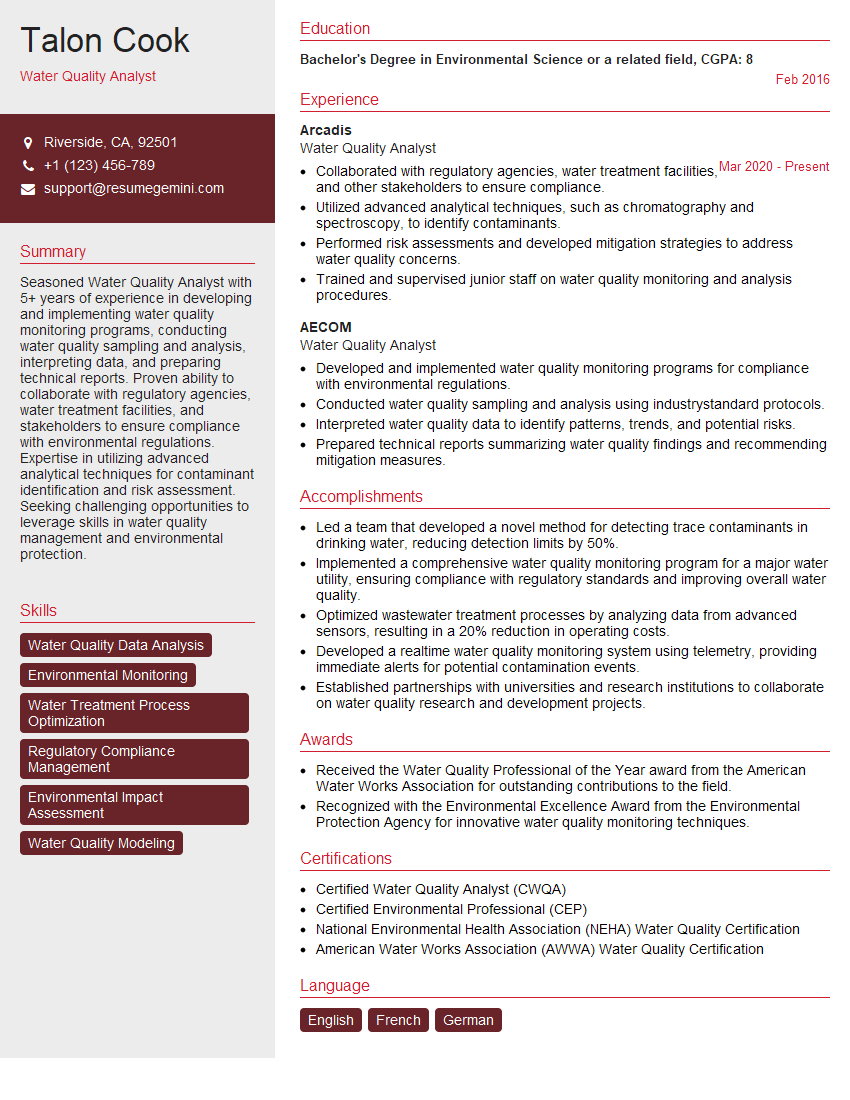
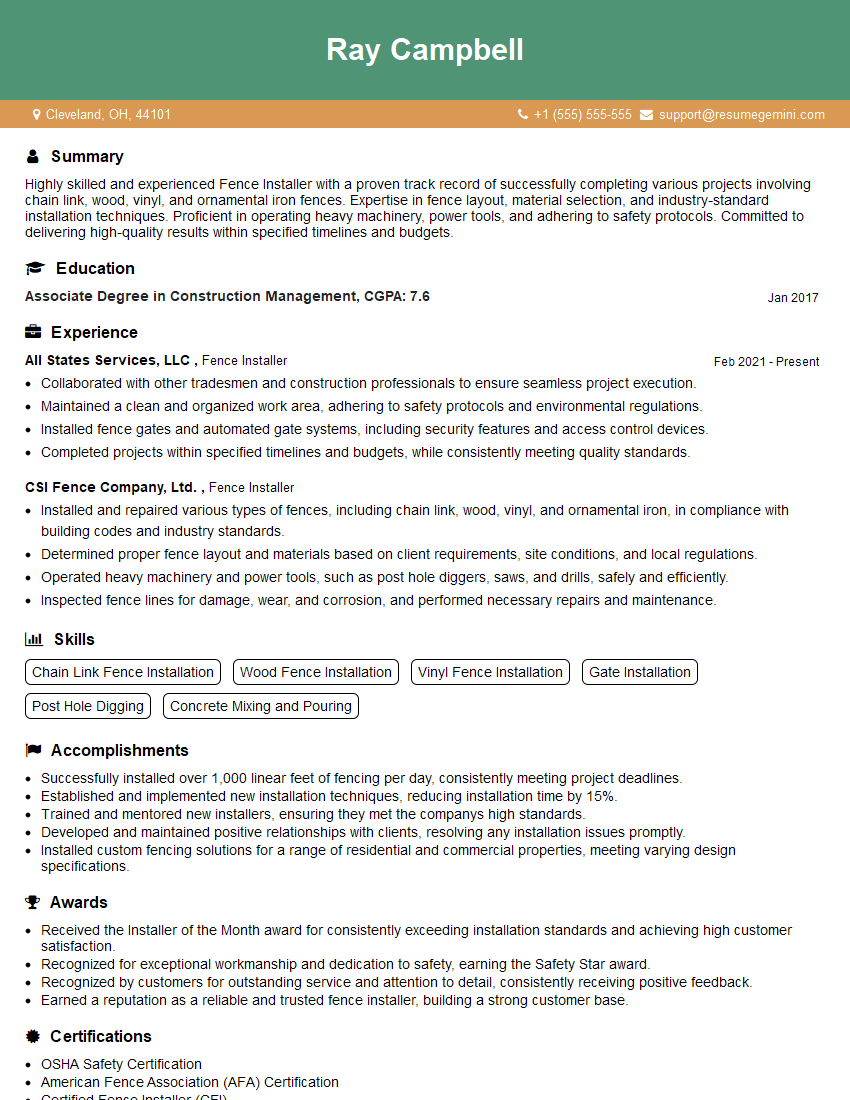
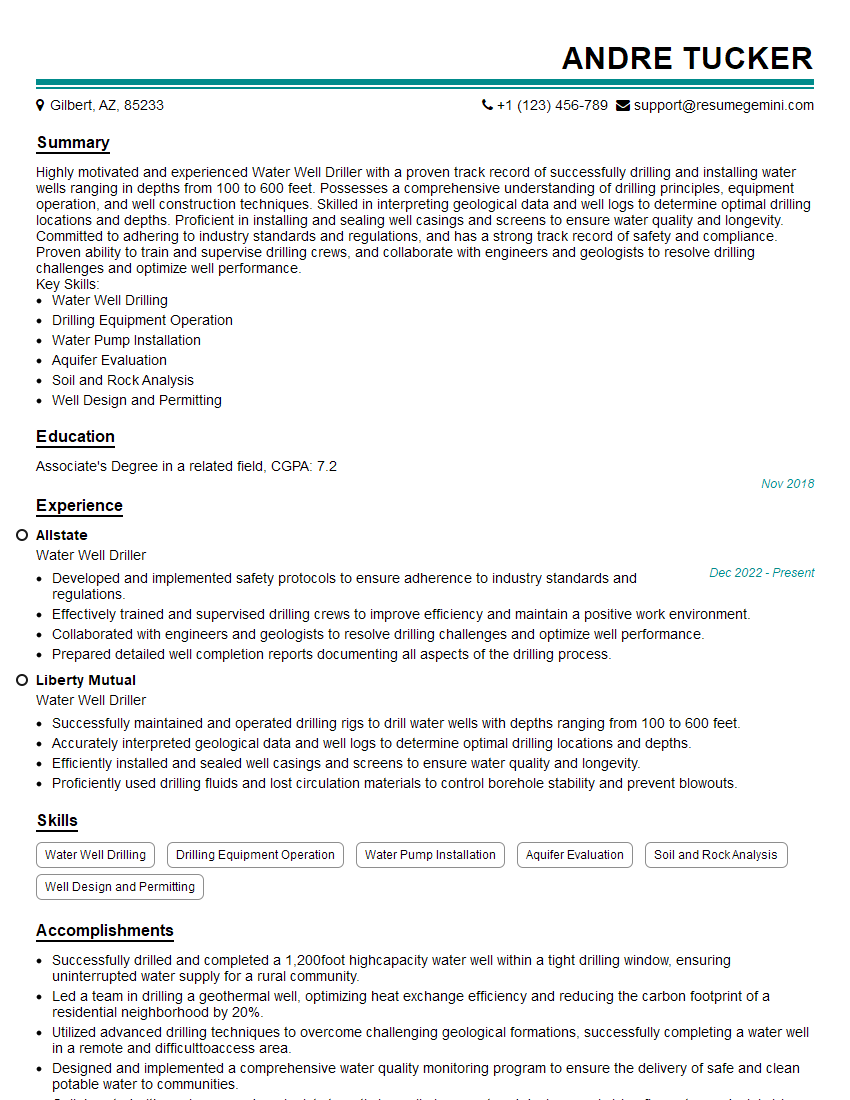
Mastering Fencing and Water System Maintenance opens doors to a rewarding career with diverse opportunities for growth and specialization. To maximize your job prospects, it’s crucial to present your skills effectively. An ATS-friendly resume is key to getting your application noticed by recruiters. ResumeGemini is a trusted resource that can help you build a professional and impactful resume. We provide examples of resumes tailored to Fencing and Water System Maintenance to guide you. Invest in crafting a compelling resume – it’s your first impression and a critical step in landing your dream job.
Explore more articles
Users Rating of Our Blogs
Share Your Experience
We value your feedback! Please rate our content and share your thoughts (optional).
What Readers Say About Our Blog
Very informative content, great job.
good