Preparation is the key to success in any interview. In this post, we’ll explore crucial Fertilizer and Pesticide Application interview questions and equip you with strategies to craft impactful answers. Whether you’re a beginner or a pro, these tips will elevate your preparation.
Questions Asked in Fertilizer and Pesticide Application Interview
Q 1. Explain the different methods of fertilizer application.
Fertilizer application methods vary depending on the type of fertilizer, crop, and field conditions. The goal is always to deliver the nutrients efficiently and effectively to the plant’s root zone. Here are some common methods:
- Broadcast Application: This involves spreading fertilizer evenly over the entire field surface. It’s suitable for granular fertilizers and is often done using spreaders that are calibrated to ensure uniform distribution. Think of it like sprinkling salt evenly on a large table. This method is cost-effective but can lead to nutrient loss through runoff or volatilization.
- Band Application: Fertilizer is placed in narrow bands, typically near the crop rows. This is more precise than broadcasting, reducing fertilizer waste and maximizing nutrient availability to the plants. This is analogous to placing fertilizer directly where the roots are.
- Starter Fertilizers: These are small amounts of fertilizer placed near the seed during planting. This provides the seedling with immediate access to nutrients for establishment and early growth. Imagine giving a newborn baby the best possible start.
- In-Furrow Application: Fertilizer is applied directly into the furrow during planting. This method places nutrients close to the seed and is highly efficient but requires specialized planting equipment. Think of it as a nutrient-rich cradle for the seed.
- Topdressing: Fertilizer is applied to the soil surface after the crop has emerged. This is useful for providing additional nutrients during periods of high growth. This is like giving your plants a vitamin boost during their teenage years.
- Foliar Application: Nutrients are sprayed directly onto the leaves of the plants. This is a fast-acting method used for correcting nutrient deficiencies or supplying micronutrients. Imagine giving your plants a quick IV.
- Fertigation: Nutrients are dissolved in irrigation water and applied to the plants through an irrigation system. This is a very efficient method, particularly for water-soluble fertilizers. Think of it as watering and feeding your plants simultaneously.
Q 2. Describe the factors influencing the choice of pesticide application method.
Selecting the right pesticide application method depends on several crucial factors. The wrong choice can lead to poor pest control, environmental damage, or health risks. Key factors include:
- Target Pest: Different pests require different application methods. Flying insects might necessitate aerial spraying, while soilborne pests need soil application. A systemic insecticide could reach pests hiding within the plant, but a contact insecticide only works upon direct contact.
- Crop Type and Growth Stage: Sensitive crops might require targeted application methods to avoid damage, whereas larger plants might tolerate broader application methods. For example, you wouldn’t want to spray a pesticide directly on a delicate flower.
- Environmental Conditions: Wind, rain, and temperature influence the effectiveness and safety of pesticide application. High winds can drift the pesticide, and heavy rain can wash it away before it can act. Temperature can affect the pesticide’s effectiveness and degradation.
- Pest Population Density: High pest pressure might justify a broad-spectrum approach, while low pest pressure might warrant a targeted, more environmentally friendly method.
- Equipment Availability and Cost: The availability and cost of application equipment influence the method chosen. Aerial spraying requires specialized equipment and expertise, while ground application is often more accessible.
- Toxicity and Persistence of Pesticide: Highly toxic or persistent pesticides need careful application to minimize environmental impact and risk to human health. This needs to be managed carefully.
Choosing a method involves careful consideration of these inter-related factors to optimize pest control while minimizing negative consequences.
Q 3. What are the safety precautions for handling and applying pesticides?
Safety is paramount when handling and applying pesticides. Improper handling can lead to serious health consequences for applicators and the environment. Always follow these precautions:
- Read the Label Carefully: Before handling any pesticide, read the label thoroughly. Understand the active ingredient, safety precautions, application instructions, and emergency procedures.
- Personal Protective Equipment (PPE): Always wear appropriate PPE, including gloves, eye protection, a respirator, and protective clothing, as specified on the label. This is non-negotiable.
- Proper Mixing and Application Techniques: Mix pesticides according to label instructions. Use calibrated equipment to ensure accurate application rates. Avoid spraying when wind is high to reduce drift.
- Environmental Protection: Protect water bodies and other sensitive areas from pesticide drift or runoff. Follow local regulations regarding pesticide application.
- Disposal of Containers: Dispose of pesticide containers properly according to label instructions and local regulations. Never reuse them for other purposes.
- Emergency Response: Know what to do in case of accidental exposure or spill. Keep emergency contact information readily available.
- Storage and Handling: Store pesticides securely in a locked cabinet, away from children, pets, and food. Follow proper handling techniques to prevent spills and accidents. Pesticides should never be stored within the house.
Remember: Prevention is key! Adhering to these guidelines significantly reduces risks associated with pesticide handling and application.
Q 4. How do you calibrate application equipment for accurate fertilizer distribution?
Calibrating application equipment is crucial for accurate fertilizer distribution. Inconsistent application leads to uneven growth, reduced yields, and wasted fertilizer. Here’s a step-by-step guide:
- Determine the application rate: This is usually determined based on soil tests and crop needs (often expressed in lbs/acre or kg/ha).
- Measure the swath width: This is the width of the area covered by the applicator in a single pass (e.g., a spreader’s width in feet or meters).
- Measure the distance traveled: Mark a measured distance (e.g., 50 feet or 10 meters). Ideally the ground should be reasonably flat.
- Collect and weigh the fertilizer: Apply fertilizer over the measured distance, then collect and carefully weigh the amount of fertilizer used.
- Calculate the application rate: Using the collected data, calculate the amount of fertilizer applied per unit area (e.g., per acre or hectare). Adjust the settings on the applicator to match the desired rate.
- Repeat the process: Repeat steps 3-5 until the actual application rate closely matches the desired rate.
For example, if you applied 10 lbs of fertilizer over 50 feet and your swath width is 10 feet (0.5 acre total), your application rate is calculated as: (10 lbs / 0.5 acre) = 20 lbs/acre.
Regular calibration is essential, especially after maintenance or changes in operating conditions.
Q 5. Explain the concept of Integrated Pest Management (IPM).
Integrated Pest Management (IPM) is a sustainable approach to pest control that focuses on minimizing pesticide use while maximizing effectiveness. It emphasizes a holistic approach, integrating various methods to manage pests economically and responsibly. Think of it as a multi-pronged strategy.
Key components of IPM include:
- Monitoring and identification: Regularly scouting fields to identify pests and assess their populations. This allows for timely intervention, reducing the need for broad-spectrum pesticides.
- Economic threshold: Determining the pest population level at which control measures are economically justified. This prevents unnecessary treatment.
- Prevention: Employing cultural practices (e.g., crop rotation, resistant varieties, proper sanitation) that reduce pest pressure before they become a problem. This focuses on prevention rather than cure.
- Biological control: Using natural enemies (e.g., predatory insects, beneficial nematodes) to control pests. This leverages nature’s own pest control mechanisms.
- Mechanical control: Using physical methods (e.g., traps, handpicking) to reduce pest populations. This is a targeted and low-impact approach.
- Chemical control: Using pesticides only as a last resort and only when other methods are insufficient. When used, the goal is to employ the least toxic and most targeted method available.
IPM requires careful planning, observation, and a willingness to adapt strategies based on field conditions. The goal is not to eliminate all pests, but to maintain pest populations below the economic threshold.
Q 6. What are the common types of pesticides used in agriculture?
Pesticides are classified based on their target pests and chemical composition. Common types include:
- Insecticides: Target insects, and are further subdivided into contact, systemic, and stomach poisons depending on how they affect the insects. Examples include organophosphates, pyrethroids, and neonicotinoids.
- Herbicides: Target weeds, and are classified based on their mode of action (e.g., pre-emergent, post-emergent, systemic). Examples include glyphosate, atrazine, and 2,4-D.
- Fungicides: Target fungi, and are categorized based on their chemical structure or mode of action. Examples include strobilurins, triazoles, and benzimidazoles.
- Nematicides: Target nematodes (microscopic worms). Examples include fumigants and non-fumigant nematicides.
- Rodentides: Target rodents. Examples include anticoagulants and zinc phosphide.
Each pesticide type has specific applications and safety considerations. The choice depends on the target pest, environmental conditions, and crop sensitivity. Always consult the label for proper usage.
Q 7. How do you determine the appropriate rate of fertilizer application for a specific crop?
Determining the appropriate fertilizer rate for a specific crop involves several steps, and relies heavily on accurate soil testing and an understanding of the crop’s nutrient requirements. Simply put, you need to give the plant exactly what it needs.
- Soil Testing: A soil test is the cornerstone of fertilizer recommendations. It analyzes the existing levels of macronutrients (nitrogen, phosphorus, potassium) and micronutrients in the soil. The results provide a baseline for determining how much fertilizer is needed.
- Crop Nutrient Requirements: Different crops have different nutrient demands, which vary depending on their growth stage and yield potential. This information is usually available in extension publications, agricultural handbooks, or from university research.
- Yield Goals: The desired yield of the crop influences the fertilizer rate. Higher yields typically require more nutrients.
- Nutrient Removal by Previous Crops: The nutrients removed by previous crops affect the available nutrients in the soil and can influence fertilizer recommendations.
- Manure or Organic Matter Contributions: If using manure or organic matter, their nutrient content must be accounted for to prevent over-fertilization.
- Soil Type and Texture: Soil properties influence nutrient availability. Sandy soils tend to have lower nutrient retention than clay soils.
- Environmental Factors: Factors such as rainfall, temperature, and irrigation practices can impact nutrient uptake and may influence the need to adjust fertilizer application rates.
By carefully analyzing these factors, a precise fertilizer recommendation can be developed, leading to optimal crop growth and yield while minimizing environmental impact and fertilizer waste.
Q 8. Describe the process of selecting the right pesticide for a specific pest.
Selecting the right pesticide involves a multi-step process that prioritizes safety and effectiveness. It’s like choosing the right tool for a specific job – you wouldn’t use a hammer to screw in a screw!
- Identify the pest: Accurate identification is crucial. This often involves visual inspection, potentially using traps or other monitoring methods to confirm the pest’s presence and life stage. Misidentification can lead to ineffective treatment.
- Research effective pesticides: Consult resources like university extension services, government databases (e.g., EPA’s pesticide database), or reputable industry guides. These resources provide information on pesticide efficacy against specific pests, along with application rates and safety precautions.
- Consider the environment: The target pest’s habitat, the surrounding ecosystem, and potential non-target effects (impact on beneficial insects, wildlife, or water sources) are vital considerations. For example, a broad-spectrum pesticide might be effective but could harm pollinators.
- Evaluate the pesticide’s properties: Key characteristics include toxicity to humans and other organisms, persistence in the environment, and mode of action (how it affects the pest). Choose a pesticide with the lowest risk profile that is still effective.
- Check legal compliance: Ensure the chosen pesticide is registered for use on the target crop or in the specific location, adhering to all label instructions and local regulations.
For example, if you are dealing with aphids on roses, you might choose a less toxic insecticide like insecticidal soap or neem oil, which are gentler on beneficial insects. However, for a more severe infestation of a destructive pest, a targeted chemical control might be necessary.
Q 9. What are the potential environmental impacts of pesticide application?
Pesticide application carries several potential environmental impacts, many of which are long-term and cumulative. Think of it like littering – a single piece of trash might seem insignificant, but collectively, it causes serious problems.
- Water contamination: Runoff from treated fields can contaminate surface and groundwater, harming aquatic life and potentially entering drinking water supplies. This is especially true for persistent pesticides.
- Soil contamination: Pesticides can accumulate in the soil, impacting soil organisms (like earthworms) essential for soil health. This can reduce soil fertility and increase the risk of erosion.
- Air pollution: Pesticide drift (unintentional movement of pesticides in the air) can contaminate surrounding areas, impacting non-target organisms. This includes human exposure through inhalation.
- Impact on non-target organisms: Pesticides can harm beneficial insects, such as pollinators (bees, butterflies) and natural predators (ladybugs), disrupting the ecological balance. This can lead to increased pest populations in the long run.
- Biodiversity loss: The combined effects of water, soil, and air contamination, along with direct impacts on non-target organisms, contribute to biodiversity loss.
Q 10. How do you mitigate the risks of pesticide drift?
Mitigating pesticide drift requires a multi-pronged approach, focusing on both application techniques and environmental conditions. Imagine trying to water a plant without getting your clothes wet – precision is key!
- Proper nozzle selection: Using nozzles designed to minimize drift, such as low-drift air-induction nozzles, is critical. These nozzles produce larger droplets that are less likely to be carried by the wind.
- Optimal application timing: Avoid spraying when wind speeds are high or when inversions (temperature inversions) are present, as these conditions can increase drift significantly. Early mornings or late evenings, when winds are typically calmer, are often preferred.
- Buffer zones: Establishing buffer zones around sensitive areas (like waterways or residential areas) prevents pesticide drift from impacting non-target environments.
- Proper equipment calibration: Ensuring application equipment is properly calibrated ensures the correct application rate, reducing the likelihood of excessive pesticide use and drift. An improperly calibrated sprayer can lead to uneven coverage and potential drift.
- Weather monitoring: Regularly checking weather forecasts before and during application is crucial for making informed decisions and adjusting spray plans to minimize drift risks.
Q 11. Explain the importance of maintaining application equipment.
Maintaining application equipment is paramount for both safety and efficacy. A well-maintained sprayer is like a finely tuned instrument – it produces accurate results, but neglect leads to poor performance and potential harm.
- Regular cleaning: Thoroughly clean the equipment after each use to prevent contamination between applications. Different pesticides require specific cleaning protocols.
- Calibration checks: Regular calibration ensures accurate application rates, avoiding under- or over-application. Calibration should be checked before each use.
- Nozzle inspection: Inspect nozzles for wear and tear, replacing worn or damaged ones. Worn nozzles can lead to uneven spray patterns and increased drift.
- Leak checks: Regularly check for leaks in hoses, fittings, and tanks to prevent spills and environmental contamination.
- Preventative maintenance: Follow the manufacturer’s recommendations for preventative maintenance, including lubrication, belt adjustments, and filter replacements.
Failure to maintain equipment can lead to inaccurate application, increased drift, equipment failure during critical periods, and potential environmental damage.
Q 12. Describe your experience with GPS-guided application technology.
My experience with GPS-guided application technology has been transformative. It’s like having a highly accurate autopilot for your sprayer, significantly improving efficiency and reducing environmental impact.
I’ve used GPS systems for variable-rate application (VRA), which allows for precise application of fertilizers and pesticides based on site-specific needs. This means applying more where it’s needed and less where it’s not, minimizing waste and reducing environmental impact. This technology also allows for precise record-keeping, essential for compliance and optimization. For instance, we can precisely document application areas, rates, and timings which assists in evaluating the efficacy of our approach. I’ve found that GPS guidance improves operational efficiency by minimizing overlap, reducing application time and fuel consumption, and improving overall application accuracy.
Q 13. What are the regulations governing pesticide application in your region?
Pesticide application is heavily regulated in my region [replace with your region]. These regulations are designed to protect human health and the environment. It’s like a strict recipe – following the instructions ensures a safe and effective outcome. Regulations vary, so precise details would need to reflect the specific region.
Regulations commonly address:
- Pesticide registration and licensing: Only registered pesticides can be used, and applicators often require licensing or certification demonstrating their knowledge and competency.
- Application methods and rates: Specific guidelines often dictate application methods (e.g., aerial vs. ground application), timing (e.g., avoiding sensitive periods for pollinators), and application rates.
- Worker protection standards: Regulations mandate the use of personal protective equipment (PPE) and safe handling practices to protect applicators from pesticide exposure.
- Environmental protection measures: Regulations aim to minimize pesticide drift, runoff, and other environmental impacts, often including buffer zones and restrictions around sensitive areas.
- Record-keeping requirements: Detailed records of pesticide applications, including date, location, pesticide used, and application rate, must usually be maintained for compliance.
Q 14. How do you handle pesticide spills or emergencies?
Handling pesticide spills or emergencies requires prompt and decisive action. It’s like a fire drill – preparedness is key to a successful response.
- Immediate containment: The first priority is to contain the spill, preventing further spread. This might involve using absorbent materials (like spill pads) to soak up the spilled pesticide.
- Personal protection: Always wear appropriate PPE (gloves, respirators, protective clothing) when handling spilled pesticides to prevent exposure.
- Emergency notification: Immediately notify the appropriate authorities (e.g., local emergency services, environmental protection agency) as per the established emergency response plan.
- Cleanup procedures: Follow the manufacturer’s guidelines for cleaning up the spill and disposing of contaminated materials. This often involves specific disposal procedures for both the pesticide and the absorbent materials.
- Post-spill assessment: Once the spill is cleaned up, assess the potential environmental impact, and take appropriate steps to mitigate any harm.
Having a detailed emergency response plan, regular training for personnel, and readily available cleanup supplies are crucial for effective spill management.
Q 15. Explain your understanding of pesticide resistance.
Pesticide resistance occurs when a pest population evolves the ability to survive exposure to a pesticide that was previously effective. It’s a significant challenge in agriculture because it renders pesticides useless, leading to increased pest damage, reduced crop yields, and higher costs for farmers. Think of it like an arms race: we develop a new pesticide (weapon), and the pests adapt (develop armor) to withstand it.
This adaptation happens through natural selection. Pests with genes conferring resistance survive pesticide application, reproduce, and pass on those resistant genes to their offspring. Over time, the entire population becomes resistant.
Several factors contribute to the development of resistance, including overuse of the same pesticide, inadequate application techniques, and the lack of integrated pest management strategies. For example, continuously using the same insecticide on a cotton crop will inevitably lead to resistant bollworm populations.
Managing resistance requires a multi-pronged approach: rotating different classes of pesticides with different modes of action, integrating cultural and biological control methods (like crop rotation or beneficial insects), and using pesticides only when necessary and at the recommended dose.
Career Expert Tips:
- Ace those interviews! Prepare effectively by reviewing the Top 50 Most Common Interview Questions on ResumeGemini.
- Navigate your job search with confidence! Explore a wide range of Career Tips on ResumeGemini. Learn about common challenges and recommendations to overcome them.
- Craft the perfect resume! Master the Art of Resume Writing with ResumeGemini’s guide. Showcase your unique qualifications and achievements effectively.
- Don’t miss out on holiday savings! Build your dream resume with ResumeGemini’s ATS optimized templates.
Q 16. How do you monitor the effectiveness of fertilizer and pesticide applications?
Monitoring the effectiveness of fertilizer and pesticide applications is crucial for optimizing crop production and protecting the environment. It involves a combination of pre- and post-application assessments.
- Pre-application: Soil testing to determine nutrient levels and pest populations is essential. This allows for targeted application, reducing waste and environmental impact. We also assess weather conditions – rain soon after application can wash away nutrients or pesticides.
- Post-application: We visually inspect the crop for signs of pest damage or nutrient deficiencies. For example, if a fertilizer application aims to increase corn yield, we look for healthier, greener plants and monitor yield at harvest. We also conduct tissue analysis to assess nutrient uptake. With pesticides, we regularly monitor pest populations using traps or visual counts. If pest pressure remains high, we re-evaluate our strategy.
Data logging and record-keeping are fundamental for tracking effectiveness over time. This information helps us refine application techniques, select appropriate products, and optimize future strategies. For example, tracking the effectiveness of different pesticide rotations can identify which approaches are most successful in delaying resistance.
Q 17. What are the different types of fertilizer available?
Fertilizers are broadly classified into several types based on their nutrient content and composition.
- Inorganic Fertilizers: These are manufactured synthetically and contain specific ratios of nitrogen (N), phosphorus (P), and potassium (K), often represented as NPK ratios (e.g., 10-10-10). They provide readily available nutrients to plants. Examples include ammonium nitrate, urea, and potassium chloride.
- Organic Fertilizers: These are derived from natural sources like animal manure, compost, and plant residues. They offer a slower release of nutrients and improve soil structure and health. Examples include cow manure, chicken litter, and peat moss.
- Slow-Release Fertilizers: These fertilizers release nutrients gradually over time, reducing nutrient leaching and environmental impact. They are often coated or encapsulated to control release rates. Examples include polymer-coated urea and sulfur-coated urea.
- Biofertilizers: These are living microorganisms (bacteria or fungi) that enhance nutrient availability in the soil. For example, Rhizobium bacteria fix atmospheric nitrogen, reducing the need for synthetic nitrogen fertilizers.
The choice of fertilizer depends on various factors including crop requirements, soil type, nutrient levels, and environmental considerations.
Q 18. Describe your experience with soil testing and its role in fertilizer recommendations.
Soil testing is a critical step in developing site-specific fertilizer recommendations. It provides a snapshot of the soil’s nutrient content, pH, and other properties, guiding informed decisions about fertilizer needs. I have extensive experience in collecting, preparing, and interpreting soil samples.
The process involves collecting representative soil samples from different areas of the field. These samples are then sent to a certified lab for analysis. The lab report provides details on the levels of essential nutrients (N, P, K, etc.), soil pH, organic matter content, and potentially other parameters. I use this data, along with information on the target crop’s nutrient requirements and expected yields, to determine the appropriate type and amount of fertilizer needed.
For example, a soil test might reveal low levels of phosphorus and potassium in a corn field. Based on this, I would recommend applying a phosphorus-potassium blend fertilizer to supplement these nutrients and optimize corn growth and yield.
Soil testing is not a one-time event. Regular testing (ideally, annually or every few years) helps track changes in soil nutrient levels and adjust fertilizer strategies accordingly, promoting sustainable soil health and efficient nutrient management.
Q 19. How do you interpret pesticide labels and safety data sheets?
Interpreting pesticide labels and safety data sheets (SDS) is paramount for safe and effective pesticide use. Pesticide labels are legal documents containing critical information, including active ingredients, application rates, pre-harvest intervals, safety precautions, and environmental hazards.
I carefully review the label before each application to ensure I’m using the product correctly and safely. I pay particular attention to the following:
- Active ingredient(s): Understanding the active ingredient(s) helps in selecting appropriate products and avoiding unnecessary pesticide use.
- Application rate and method: Following the recommended application rate and method is essential for efficacy and minimizing environmental impact.
- Pre-harvest interval (PHI): The PHI specifies the time period between application and harvest, ensuring the crop is safe for consumption.
- Safety precautions: This section outlines personal protective equipment (PPE) needed, handling instructions, and first aid measures in case of accidental exposure. This includes information on potential health hazards such as eye irritation, skin irritation, or respiratory problems.
SDS provide more detailed information on the chemical composition, hazards, and handling procedures of pesticides. They complement the label information and provide a more comprehensive understanding of the product’s risks and safety measures.
Q 20. What is your experience with variable rate technology for fertilizer application?
Variable rate technology (VRT) for fertilizer application allows for precise application of nutrients based on the varying needs across a field. This is a significant advancement over uniform application, leading to improved efficiency, reduced costs, and minimized environmental impact.
My experience with VRT involves utilizing GPS-guided applicators equipped with sensors and software to create variable rate maps. These maps are generated using data from soil testing, yield monitors, or remote sensing techniques, identifying areas with different nutrient requirements. The applicator then adjusts the fertilizer application rate accordingly, applying more nutrients to areas with higher needs and less to areas that are already well-supplied.
For example, a field might have areas with higher nutrient deficiencies due to soil variability or past cropping patterns. VRT enables applying higher fertilizer rates to these areas, maximizing crop yields while minimizing fertilizer waste in areas that don’t require as much.
VRT requires specialized equipment and expertise in data analysis and application management, but the benefits – including reduced fertilizer costs, improved environmental stewardship, and increased profitability – are substantial.
Q 21. Explain your knowledge of different herbicide modes of action.
Herbicides, used to control unwanted plants (weeds), work through various modes of action. Understanding these modes is crucial for effective weed management and preventing herbicide resistance.
- Photosynthesis Inhibitors: These herbicides interfere with the plant’s ability to photosynthesize, leading to plant death. Examples include triazines and uracils.
- Amino Acid Biosynthesis Inhibitors: These herbicides disrupt the synthesis of essential amino acids, affecting plant growth and development. Examples include glyphosate and glufosinate.
- Cell Membrane Disruptors: These herbicides damage the cell membranes of plants, leading to cell leakage and death. Examples include dinitroanilines and imidazolinones.
- Lipid Biosynthesis Inhibitors: These herbicides interfere with the synthesis of lipids, crucial components of plant cell membranes. Examples include acetolactate synthase (ALS) inhibitors.
- Hormone Mimics (Auxins): These herbicides mimic plant hormones, causing uncontrolled plant growth and ultimately death. Examples include 2,4-D and dicamba.
Different weeds have different levels of sensitivity to various modes of action. By rotating herbicides with different modes of action, we can delay or prevent the development of herbicide resistance in weed populations. For instance, relying solely on glyphosate will eventually lead to glyphosate-resistant weeds. Using a strategy that alternates glyphosate with other herbicides with different modes of action is a more sustainable approach to weed control.
Q 22. How do you address concerns about pesticide residues in food products?
Addressing concerns about pesticide residues in food products requires a multi-pronged approach focusing on prevention, monitoring, and regulation. The goal is to ensure consumer safety while maintaining effective pest control.
- Pre-harvest Strategies: This involves selecting pesticides with shorter pre-harvest intervals (PHIs) – the time between application and harvest – and adhering strictly to label instructions regarding application rates and timing. Integrated Pest Management (IPM) strategies, which emphasize prevention and minimizing pesticide use, are crucial. For example, using biological controls like beneficial insects can significantly reduce reliance on chemical pesticides.
- Monitoring and Residue Testing: Regular monitoring of pesticide residues in produce through rigorous testing programs is vital. Government agencies and independent labs conduct these tests to ensure levels remain below established Maximum Residue Limits (MRLs). This data helps identify potential issues and guide regulatory actions.
- Good Agricultural Practices (GAPs): Implementing GAPs ensures proper handling and storage of pesticides, preventing contamination during application and post-harvest. This includes proper equipment cleaning and disposal of pesticide containers.
- Consumer Education: Educating consumers about pesticide use and safe food handling practices reduces anxieties and promotes informed decision-making. Clear labeling and readily available information about pesticide residues can significantly increase transparency and trust.
In my experience, proactive adherence to all these strategies has consistently resulted in producing safe, high-quality food products while minimizing environmental impact.
Q 23. What is your experience with record-keeping and documentation related to pesticide application?
Record-keeping and documentation are fundamental to responsible pesticide application. Thorough documentation protects both the applicator and the environment. My experience involves maintaining detailed records encompassing every aspect of pesticide use, from purchase and storage to application and disposal.
- Detailed Application Records: Each application is meticulously documented, including the date, time, location, pesticide used (including brand name, active ingredient, and formulation), application rate, method of application (e.g., ground, aerial), weather conditions, and the target pest. I also note the acreage treated and any safety precautions taken.
- Calibration and Equipment Maintenance Logs: Regular calibration of application equipment (e.g., sprayers) ensures accurate pesticide application and prevents drift. Maintenance logs track repairs, cleaning, and preventative measures.
- Training and Certification Records: Documentation of pesticide applicator training and certification demonstrates compliance with regulations and shows ongoing professional development.
- Pesticide Inventory Management: A detailed inventory tracking system helps manage pesticide stock levels, preventing wastage and ensuring compliance with storage regulations.
These records are essential for auditing, regulatory compliance, and in case of any incidents or disputes. I utilize both paper-based and digital record-keeping systems, ensuring data security and easy accessibility.
Q 24. How do you ensure compliance with worker safety regulations during pesticide application?
Worker safety during pesticide application is paramount. My approach combines strict adherence to regulations with proactive safety measures.
- Personal Protective Equipment (PPE): Providing and enforcing the use of appropriate PPE, such as respirators, gloves, protective clothing, and eyewear, is crucial. The specific PPE depends on the pesticide’s toxicity and application method.
- Pre-application Training: Workers receive thorough training on pesticide safety, including handling, mixing, application techniques, and emergency procedures. This training covers recognizing symptoms of pesticide exposure and responding accordingly.
- Restricted Entry Intervals (REIs): Strict adherence to REIs – the time period after application during which workers are prohibited from entering the treated area – protects worker health. I ensure workers understand and comply with these intervals.
- Emergency Response Plan: A detailed emergency response plan is developed and communicated to all workers, outlining procedures for dealing with accidental exposure or spills. This includes access to emergency contact information and first aid supplies.
- Regular Safety Meetings: Regular safety meetings reinforce safety protocols and address worker concerns, promoting a culture of safety awareness.
My commitment to worker safety transcends simple compliance; it’s a core value that guides all my application practices. I believe a healthy and informed workforce is crucial for successful and responsible pesticide application.
Q 25. Describe your experience with aerial application of pesticides or fertilizers.
I possess extensive experience in aerial application of pesticides and fertilizers, primarily involving helicopters and fixed-wing aircraft. This method is particularly efficient for large-scale operations, especially in challenging terrains.
- Flight Planning and Coordination: Careful flight planning is crucial to ensure safe and effective application. This involves considering factors such as wind speed and direction, temperature, and terrain. Coordination with air traffic control and ground crews is essential.
- Aircraft Calibration and Maintenance: Regular calibration of the aircraft’s application equipment is crucial for accurate and uniform distribution. Meticulous maintenance ensures optimal performance and minimizes potential mechanical failures during flight.
- Weather Monitoring: Weather conditions significantly influence aerial application. Real-time monitoring of weather patterns is essential to ensure safe and effective application. Adverse weather conditions necessitate postponement of application.
- Environmental Considerations: Aerial application requires careful consideration of environmental impacts, particularly to minimize pesticide drift. Appropriate nozzle selection and application techniques are crucial in this regard.
For example, in a recent project involving aerial application of a fungicide to a large vineyard, careful flight planning and real-time weather monitoring enabled us to complete the application efficiently and minimize drift onto adjacent properties. Accurate calibration of the aircraft’s application system ensured uniform coverage and optimal efficacy of the fungicide.
Q 26. What strategies do you employ to minimize pesticide use while maintaining effective pest control?
Minimizing pesticide use while maintaining effective pest control is a central principle of Integrated Pest Management (IPM). IPM employs a combination of strategies to reduce reliance on chemical pesticides.
- Pest Monitoring and Identification: Accurate identification of pests and monitoring their population levels are crucial for targeted interventions. This avoids unnecessary pesticide application.
- Cultural Practices: Modifying agricultural practices to create an unfavorable environment for pests can greatly reduce their populations. Examples include crop rotation, proper sanitation, and optimizing planting densities.
- Biological Controls: Introducing natural enemies of pests, such as beneficial insects or nematodes, provides a sustainable approach to pest control. This can significantly reduce or eliminate the need for chemical pesticides.
- Mechanical and Physical Controls: Techniques such as trapping, hand-picking, or using physical barriers can effectively manage pest populations in specific situations.
- Strategic Pesticide Use: When chemical pesticides are necessary, using them strategically, at the right time and in the right amount, minimizes environmental impact while ensuring efficacy. This involves selecting products with low toxicity and short persistence.
In a recent project involving managing aphids on a vegetable farm, we implemented an IPM strategy that combined monitoring aphid populations with the introduction of ladybugs (a natural predator of aphids). This reduced the reliance on chemical insecticides by over 70%, while maintaining effective aphid control.
Q 27. How do you adapt your application techniques based on weather conditions?
Weather conditions significantly influence pesticide and fertilizer application effectiveness and safety. Adapting application techniques based on weather is crucial for optimal results and environmental protection.
- Wind Speed and Direction: High winds can lead to pesticide drift, causing off-target deposition and potential environmental damage. Application should be avoided during high winds. Wind direction should be considered to minimize drift towards sensitive areas.
- Temperature: Extreme temperatures can affect pesticide efficacy and potentially harm plants. Applying pesticides during periods of moderate temperatures ensures optimal performance.
- Rainfall: Rainfall soon after application can wash away pesticides, reducing their effectiveness. Application should be scheduled to avoid imminent rain.
- Humidity: High humidity can affect pesticide efficacy and increase the risk of plant diseases. This should be considered when planning applications.
- Fog and Dew: Fog and dew can interfere with proper pesticide deposition and reduce efficacy. Application should ideally be done when these conditions are absent.
For instance, if wind speeds are excessive, I would postpone application until conditions improve, or use alternative application methods like ground application instead of aerial to minimize drift. Similarly, I’d avoid applying pesticides when rain is imminent.
Q 28. Explain your understanding of the impact of fertilizer on soil health.
Fertilizers play a vital role in plant nutrition and soil health, but their impact can be complex and depends on factors like type, application method, and soil conditions.
- Nutrient Supply: Fertilizers provide essential nutrients like nitrogen, phosphorus, and potassium, promoting plant growth and yield. However, excessive fertilization can lead to nutrient imbalances and environmental problems.
- Soil Structure: Proper fertilization can improve soil structure by enhancing microbial activity and organic matter content. This improves water infiltration and aeration.
- Soil pH: Fertilizers can influence soil pH, potentially making it more acidic or alkaline depending on the fertilizer type. Regular soil testing is essential to monitor and adjust pH levels to the optimal range for specific crops.
- Microbial Activity: Fertilizers can affect the diversity and activity of soil microorganisms. Organic fertilizers generally promote beneficial microbial activity, while excessive use of synthetic fertilizers can disrupt the microbial balance.
- Water Quality: Runoff from excessive fertilization can contaminate water sources with nutrients, leading to eutrophication (excessive algae growth) and harming aquatic life.
Sustainable fertilization practices, such as soil testing to determine nutrient needs, using appropriate fertilizer types and application rates, and incorporating organic matter, are crucial for maintaining soil health and preventing environmental damage. Applying fertilizers strategically, considering factors like soil type, crop requirements, and weather, ensures that plants receive the necessary nutrients without causing harm to the soil or the environment.
Key Topics to Learn for Fertilizer and Pesticide Application Interview
- Understanding Fertilizer Types and Nutrients: Learn the differences between various fertilizer types (e.g., NPK ratios, organic vs. inorganic), their nutrient composition, and how they impact plant growth. Consider the practical implications of choosing the right fertilizer for specific crops and soil conditions.
- Pesticide Classification and Modes of Action: Familiarize yourself with different pesticide categories (insecticides, herbicides, fungicides), their mechanisms of action, and their target pests or diseases. Practice applying this knowledge to real-world scenarios, such as selecting appropriate pesticides for specific pest infestations.
- Application Techniques and Equipment: Master the principles of various application methods (e.g., broadcasting, banding, foliar spraying) and the operation of different application equipment (sprayers, spreaders). Understand factors influencing application accuracy and efficiency, such as nozzle selection, calibration, and weather conditions.
- Calibration and Measurement: Develop a strong understanding of accurate equipment calibration techniques to ensure precise application rates. Practice calculating application rates based on area, volume, and concentration. This is crucial for both efficiency and environmental responsibility.
- Safety and Environmental Regulations: Thoroughly review relevant safety regulations and environmental protection measures related to fertilizer and pesticide handling, storage, and application. Be prepared to discuss responsible practices to minimize environmental impact and ensure worker safety.
- Integrated Pest Management (IPM): Understand the principles of IPM and its application in minimizing pesticide use while maximizing crop protection. Be able to discuss the benefits of IPM strategies and their role in sustainable agriculture.
- Troubleshooting and Problem-Solving: Practice identifying and resolving common problems encountered during fertilizer and pesticide application, such as equipment malfunctions, uneven application, or unexpected plant responses. Develop your analytical skills to troubleshoot issues effectively.
Next Steps
Mastering fertilizer and pesticide application is crucial for a successful career in agriculture, horticulture, or related fields. It demonstrates a vital combination of scientific knowledge, practical skills, and a commitment to environmental stewardship. To significantly boost your job prospects, it’s essential to create a resume that effectively showcases your expertise to Applicant Tracking Systems (ATS). ResumeGemini is a trusted resource that can help you build a professional and impactful resume tailored to the specific requirements of your target roles. Examples of resumes specifically designed for Fertilizer and Pesticide Application professionals are available to guide you.
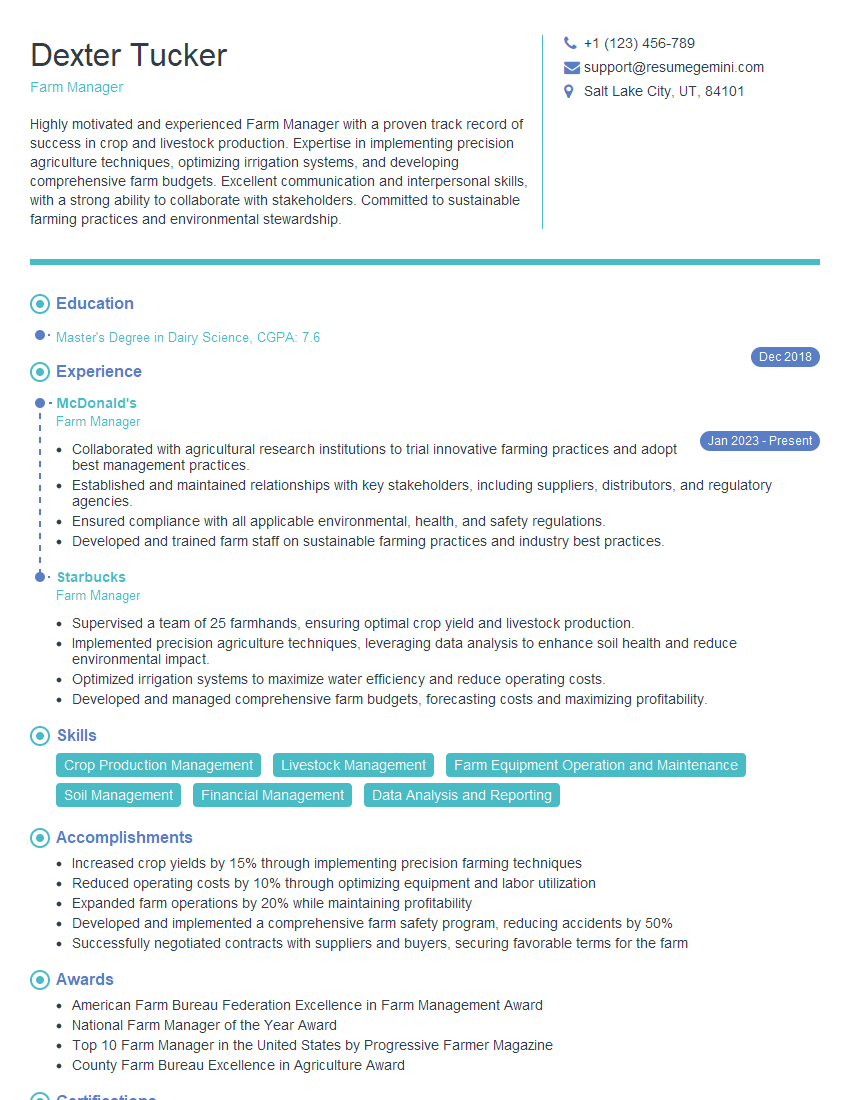
Farm Manager Resume Sample
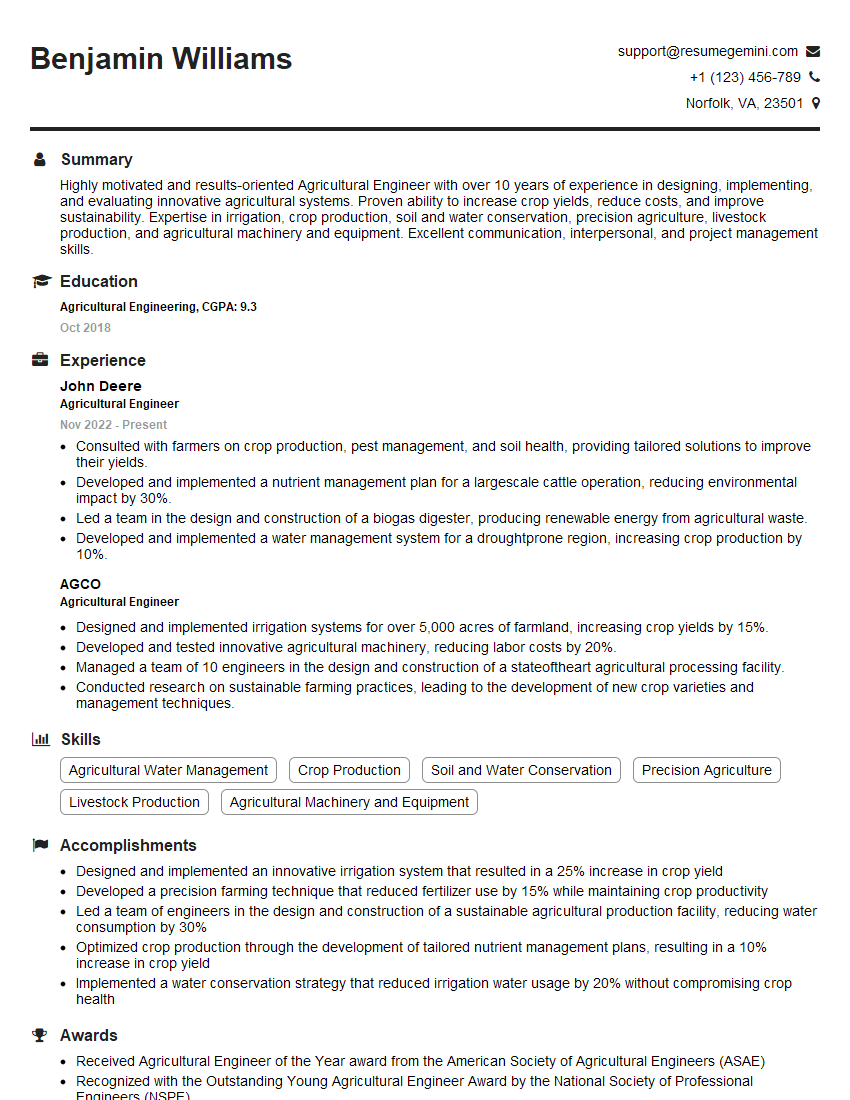
Agricultural Engineer Resume Sample

Field Technician Resume Sample

Agronomist Resume Sample

Soil Scientist Resume Sample
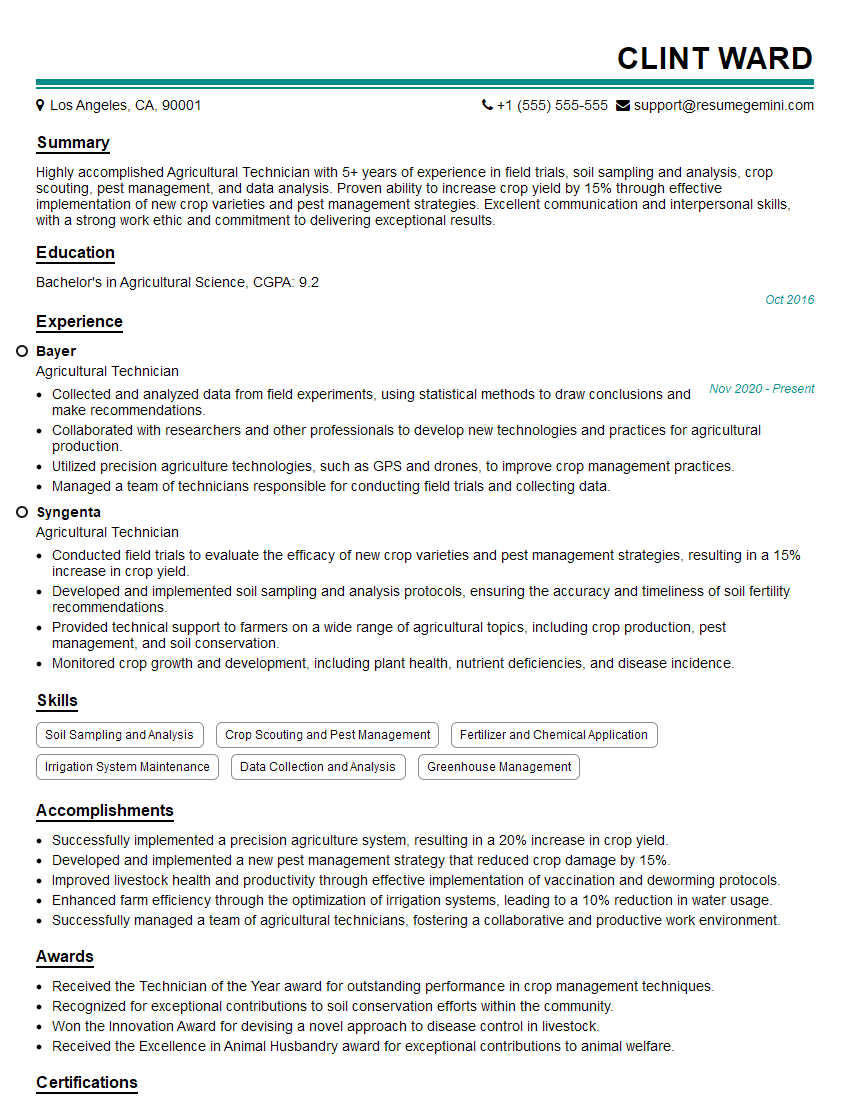
Agricultural Technician Resume Sample
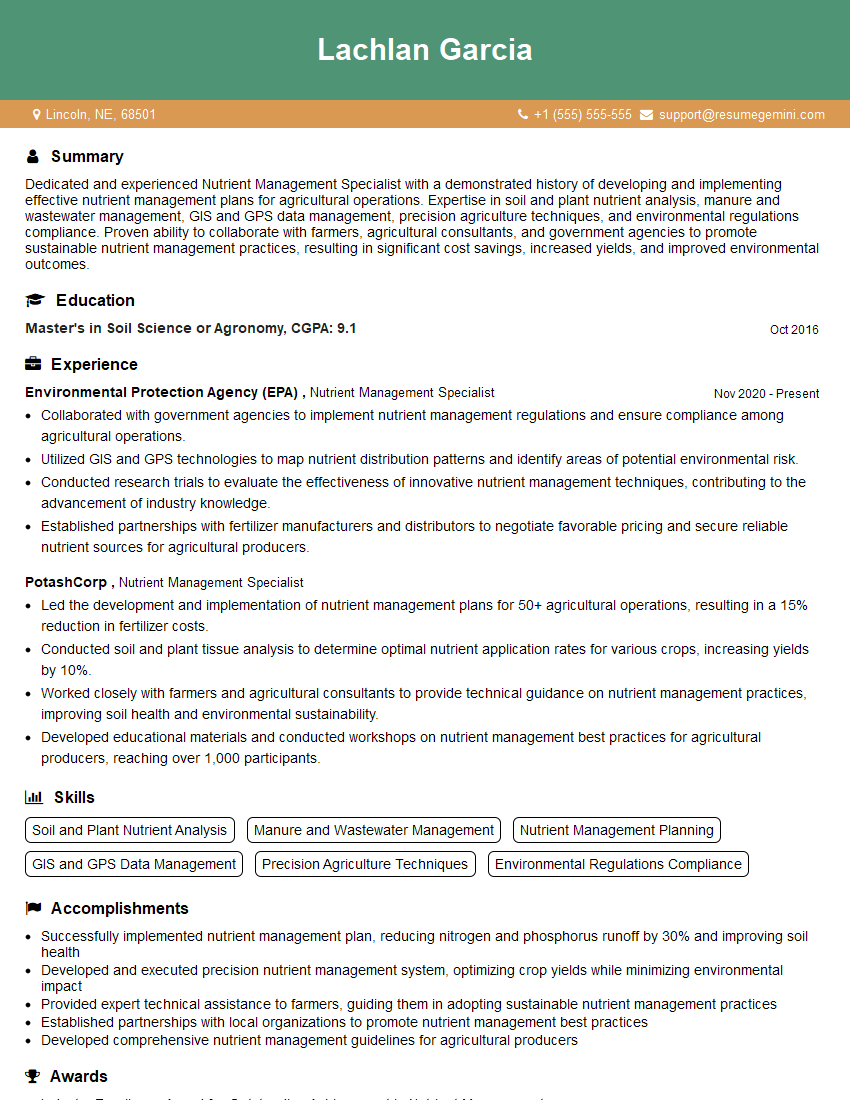
Nutrient Management Specialist Resume Sample
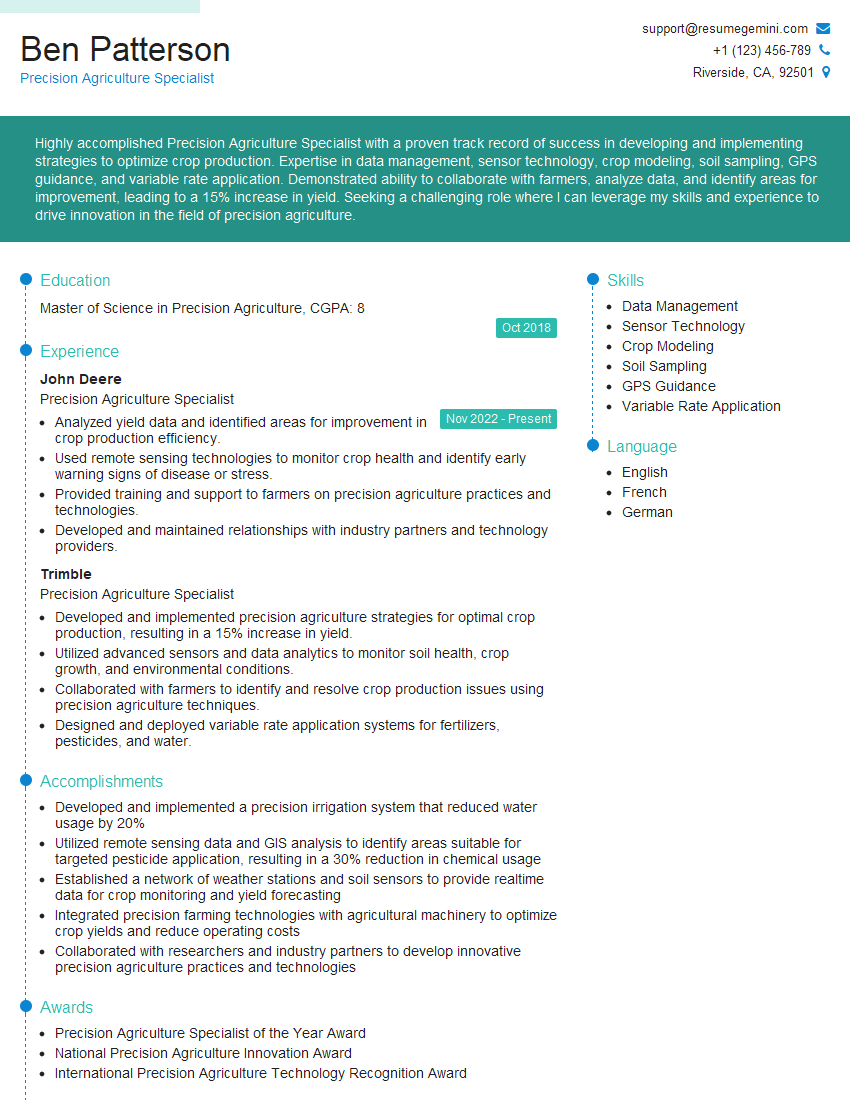
Precision Agriculture Specialist Resume Sample
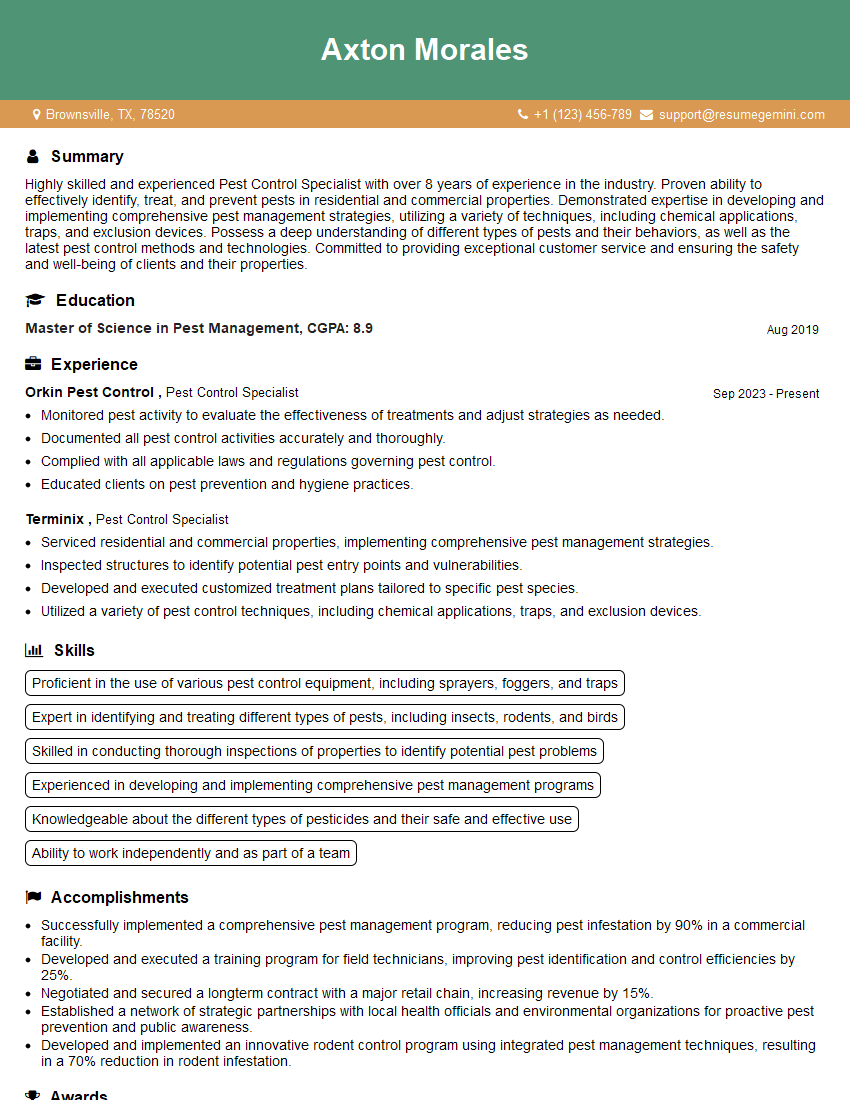
Pest Control Specialist Resume Sample
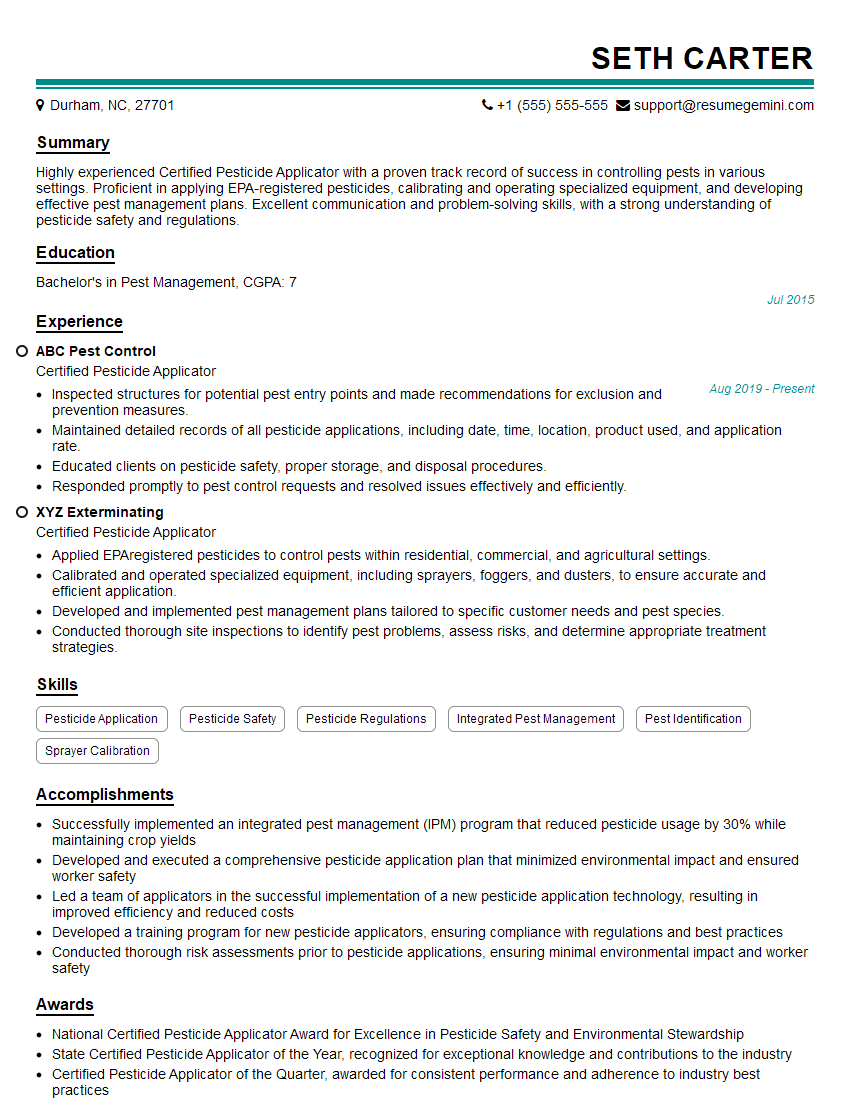
Certified Pesticide Applicator Resume Sample
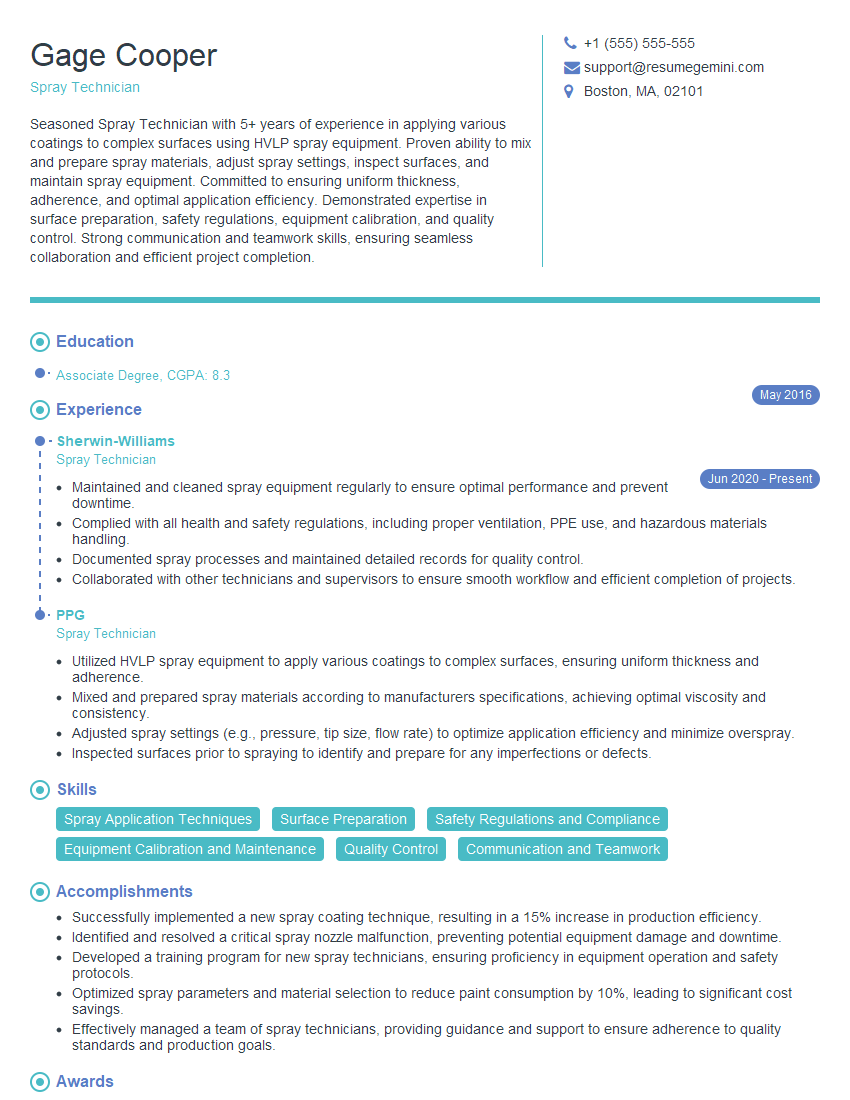
Spray Technician Resume Sample

Crop Scout Resume Sample
Explore more articles
Users Rating of Our Blogs
Share Your Experience
We value your feedback! Please rate our content and share your thoughts (optional).
What Readers Say About Our Blog
Very informative content, great job.
good