Cracking a skill-specific interview, like one for Fertilizer Application Planning, requires understanding the nuances of the role. In this blog, we present the questions you’re most likely to encounter, along with insights into how to answer them effectively. Let’s ensure you’re ready to make a strong impression.
Questions Asked in Fertilizer Application Planning Interview
Q 1. Explain the principles of nutrient management.
Nutrient management is the art and science of supplying crops with the right amount of essential nutrients at the right time and in the right form for optimal growth and yield, while minimizing environmental impact. It’s about balancing the needs of the plant with the capabilities of the soil and the broader environmental context. This involves careful consideration of several key principles:
- Soil Testing: Regularly assessing soil nutrient levels to understand existing nutrient reserves.
- Crop Nutrient Requirements: Understanding the specific nutrient needs of the crop being grown (different crops require different nutrient ratios).
- Nutrient Use Efficiency: Optimizing fertilizer application techniques to maximize nutrient uptake by the plant and minimize losses to the environment.
- Manure and Compost Integration: Utilizing organic amendments to improve soil health and supplement nutrient supplies.
- Integrated Pest Management: Healthy plants are more resilient to pests and diseases, reducing the need for chemical interventions which can impact nutrient cycling.
- Sustainable Practices: Minimizing environmental impact by reducing fertilizer overuse and runoff.
Think of it like baking a cake: you need the right ingredients (nutrients) in the correct proportions to achieve the desired outcome (optimal plant growth). Too little, and the cake (crop) is stunted; too much, and it can be disastrous.
Q 2. Describe different fertilizer application methods (e.g., broadcast, banding, fertigation).
Fertilizer application methods vary depending on factors like crop type, soil conditions, and available equipment. Here are some common methods:
- Broadcast: Spreading fertilizer evenly over the entire field surface. This is simple but can lead to nutrient loss through volatilization (ammonia loss) or runoff. It’s often used for established pastures or cover crops.
- Banding: Placing fertilizer in narrow strips near the seeds or seedlings. This concentrates nutrients where the roots can access them efficiently, reducing losses and improving nutrient use efficiency. It’s common for row crops like corn and soybeans.
- Fertigation: Injecting fertilizer directly into the irrigation water. This is highly efficient, allowing for precise nutrient application and minimizing losses. It’s especially suitable for high-value crops and in arid regions.
- Foliar Application: Spraying nutrients directly onto the leaves. This is useful for quick nutrient correction or for micronutrients which are not easily taken up by roots.
- In-furrow application: Applying fertilizer directly into the furrow during planting. This method is effective in providing nutrients early in the plant’s growth stage.
Choosing the right method depends on the specific circumstances. For example, fertigation is excellent for water-soluble fertilizers and efficient irrigation systems, while banding is preferred for crops needing quick nutrient access in drier conditions.
Q 3. How do you determine the appropriate fertilizer rate for a specific crop and soil type?
Determining the appropriate fertilizer rate is a crucial step. It involves a multi-faceted approach:
- Soil Testing: Provides baseline information on existing nutrient levels in the soil. This is crucial to avoid over-fertilization.
- Crop Nutrient Requirements: Each crop has specific nutrient needs (N, P, K, and micronutrients) depending on its growth stage and yield potential. Consult university extension services or fertilizer guides for specific recommendations.
- Yield Goals: Higher yield targets generally require higher fertilizer inputs, but only up to a certain point. Over-fertilizing doesn’t always translate to increased yield and can be environmentally damaging.
- Soil Type and Texture: Sandy soils have low nutrient retention capacity; clay soils retain more but nutrient availability might be lower. Soil type impacts nutrient availability and fertilizer needs.
- Climate and Weather: Heavy rainfall can lead to nutrient leaching; hot, dry conditions can impact nutrient availability. These influence nutrient losses and fertilizer application timing.
- Previous Crop and Manure Application: Consider nutrient residuals from previous crops or manure applications. They can significantly contribute to available nutrients.
For example, a corn crop grown on sandy soil will require more frequent fertilizer applications than a similar crop grown on clay soil. The ultimate fertilizer recommendation is usually provided by a soil testing lab, incorporating factors listed above.
Q 4. What are the factors influencing fertilizer choice (e.g., nutrient content, cost, environmental impact)?
The choice of fertilizer is influenced by several interacting factors:
- Nutrient Content: Fertilizers are available in various formulations, such as NPK ratios (e.g., 10-10-10, 20-10-10), indicating the percentage of nitrogen (N), phosphorus (P2O5), and potassium (K2O). Selecting the right ratio ensures the crop’s needs are met.
- Cost: Fertilizer prices vary widely depending on the source and formulation. Economic considerations play a role in choosing the most cost-effective option while ensuring adequate nutrient supply.
- Environmental Impact: Some fertilizers have a higher environmental impact than others. For instance, nitrogen fertilizers can contribute to greenhouse gas emissions or water pollution. Sustainable fertilizer options, like those with slow-release capabilities, minimize these impacts.
- Soil Conditions: Certain fertilizers may be better suited to specific soil types. For example, acidifying fertilizers might be avoided in already acidic soils.
- Availability: The accessibility of specific fertilizers can dictate the choice, particularly in remote areas.
- Crop Specific Needs: Specific crop nutrient requirements dictate the selection. For instance, legumes might need less nitrogen due to nitrogen fixation.
A balance between these factors is crucial. For example, an organic fertilizer may be more environmentally friendly but might cost more and have a slower release rate, impacting overall cost-effectiveness.
Q 5. Explain the concept of soil testing and its importance in fertilizer planning.
Soil testing is the cornerstone of effective fertilizer management. It involves collecting soil samples from various parts of the field, analyzing them in a certified laboratory, and interpreting the results to determine nutrient levels.
Its importance lies in:
- Precision Fertilizer Application: Avoids unnecessary fertilizer use, optimizing nutrient application based on actual soil needs. This saves money and minimizes environmental damage.
- Improved Nutrient Use Efficiency: Ensures that applied nutrients are readily available to the plant, maximizing crop yields.
- Reduced Environmental Risk: Prevents nutrient runoff and leaching, protecting water quality and reducing greenhouse gas emissions.
- Optimized Soil Health: Soil testing allows for identification of potential soil health issues (e.g., acidity, salinity) that could impact nutrient availability.
- Data-driven Decisions: Allows for informed decision-making, reducing reliance on guesswork and increasing the chances of successful crop production.
Imagine trying to bake a cake without knowing if you have enough sugar or flour – soil testing provides that essential information for successful crop production.
Q 6. How do you interpret soil test results to determine fertilizer needs?
Interpreting soil test results requires understanding the units (e.g., ppm, lbs/acre) and the critical levels for various nutrients for the specific crop. The report typically includes levels of various essential nutrients like Nitrogen (N), Phosphorus (P), Potassium (K), and micronutrients.
The interpretation usually involves:
- Comparing nutrient levels to critical values: Soil test reports often provide critical ranges for each nutrient, indicating the amount needed for optimal plant growth. Levels below these values indicate a need for fertilizer application.
- Considering nutrient ratios: The balance between nutrients is crucial. A deficiency in one nutrient can impede the uptake of others.
- Analyzing pH levels: Soil pH significantly affects nutrient availability. A soil that’s too acidic or alkaline will limit the uptake of certain nutrients, requiring amendments before fertilizer application.
- Using fertilizer recommendation tables: Many extension services and fertilizer companies provide tables relating soil test values to fertilizer recommendations for specific crops and soil types.
- Consulting experts: Soil scientists or agricultural extension agents can provide assistance in interpreting results and developing a fertilizer management plan.
For example, a soil test indicating low phosphorus might prompt the application of a phosphorus-rich fertilizer, while a low pH might necessitate the addition of lime to improve nutrient availability.
Q 7. What are the potential environmental consequences of improper fertilizer application?
Improper fertilizer application can have serious environmental consequences:
- Water Pollution: Excess nutrients, especially nitrogen and phosphorus, can leach into groundwater or runoff into surface waters, causing eutrophication (excessive algae growth) and harming aquatic life. This leads to decreased oxygen levels in waterways, killing fish and other organisms.
- Air Pollution: Certain fertilizers, particularly nitrogen-based ones, can release nitrous oxide (N2O), a potent greenhouse gas, contributing to climate change. Ammonia volatilization also contributes to air pollution.
- Soil Degradation: Over-fertilization can acidify soils, reducing their fertility and harming beneficial soil organisms. It can also lead to salt accumulation in the soil, hindering plant growth.
- Human Health Impacts: Nitrate contamination of drinking water can cause health problems, especially for infants (blue baby syndrome). Exposure to certain pesticides and herbicides used in conjunction with fertilizers can also have health ramifications.
- Biodiversity Loss: Eutrophication caused by nutrient runoff can lead to habitat loss and reduced biodiversity in aquatic ecosystems.
Responsible fertilizer management practices, including soil testing and appropriate application methods, are crucial in mitigating these risks and promoting sustainable agriculture.
Q 8. Describe best management practices for minimizing fertilizer runoff and leaching.
Minimizing fertilizer runoff and leaching is crucial for environmental protection and maximizing nutrient use efficiency. It’s all about applying the right amount of fertilizer at the right time and in the right place.
- Soil Testing: Regular soil testing is paramount. It determines nutrient levels, allowing for precise fertilizer application, avoiding over-application, a major contributor to runoff and leaching.
- Nutrient Management Plans: Developing a comprehensive nutrient management plan considers crop needs, soil type, and climate. This plan integrates best practices, including fertilizer type selection, timing, and application methods.
- Appropriate Fertilizer Choice: Choosing slow-release fertilizers or those with enhanced nutrient efficiency minimizes nutrient loss. For instance, using coated urea can reduce ammonia volatilization.
- Proper Application Techniques: Employing techniques like banding (placing fertilizer in a narrow strip near the seed) or split application (dividing application over time) reduces surface exposure, minimizing runoff.
- Cover Cropping: Cover crops help improve soil health, increase water infiltration, and reduce erosion, thereby limiting fertilizer loss. They act as a natural buffer.
- Conservation Tillage: Minimizing soil disturbance through no-till or reduced tillage techniques helps maintain soil structure, increasing water infiltration and reducing runoff.
- Buffer Strips: Establishing vegetative buffer strips along waterways can intercept fertilizer runoff before it reaches sensitive areas like rivers or lakes.
For example, I worked on a farm where excessive nitrogen runoff was a concern. By implementing a comprehensive nutrient management plan, including soil testing, split application of nitrogen fertilizer, and the incorporation of cover crops, we reduced nitrogen runoff by 35% within two years, as measured by water quality monitoring.
Q 9. How do you incorporate GPS technology and precision agriculture techniques into fertilizer application?
GPS technology and precision agriculture significantly enhance fertilizer application accuracy and efficiency. They enable variable rate technology (VRT), discussed in the next answer, and allow for site-specific nutrient management.
- GPS Guidance Systems: These systems guide machinery along pre-programmed paths, ensuring uniform fertilizer application and minimizing overlaps or skips. This improves application accuracy and reduces product waste.
- Auto-steer Systems: Auto-steer combines GPS with automated steering, further enhancing application accuracy by maintaining precise field lines, even during challenging conditions such as sloping terrain or poor visibility.
- Data Management Systems: Data collected by GPS-enabled equipment, including application rates, location, and date, can be stored and analyzed, providing valuable insights into fertilizer application patterns and their effectiveness.
- Mapping and Zone Creation: GPS data allows for the creation of field maps, identifying areas with variable soil nutrient levels, slope, and other factors. These maps can be used to create management zones, each requiring a unique fertilizer strategy.
Imagine applying fertilizer to a field with varying soil types. With GPS, we can create a map showing different nutrient requirements across the field. The applicator automatically adjusts fertilizer rates according to the map, delivering the precise amount needed in each zone, significantly increasing efficiency and reducing waste.
Q 10. What is variable rate technology (VRT) and how does it improve fertilizer efficiency?
Variable Rate Technology (VRT) is a precision agriculture technique that applies different amounts of fertilizer to different areas of a field based on site-specific needs. It’s like giving each part of your field a tailored nutrition plan.
- Improved Efficiency: By applying fertilizer only where and when it’s needed, VRT significantly reduces fertilizer inputs, minimizing costs and environmental impact. It avoids over-fertilizing areas with sufficient nutrients, reducing waste and environmental contamination.
- Increased Yields: Optimizing nutrient supply leads to more vigorous plant growth and higher yields, especially in fields with heterogeneous conditions.
- Reduced Environmental Impact: Reducing fertilizer use directly translates into decreased nitrogen and phosphorus runoff and leaching, protecting water quality and reducing greenhouse gas emissions.
- Data-Driven Decision Making: VRT relies heavily on data from soil sampling, yield maps, and remote sensing. This data-driven approach allows for continuous improvement and refinement of the fertilization strategy.
For instance, in a field with a slope, the lower area might be prone to nutrient runoff. With VRT, we’d apply less fertilizer to that area, mitigating environmental risks and optimizing resource use. The data from VRT application allows for ongoing refinement of fertilizer application strategies in future seasons.
Q 11. Explain the concept of yield mapping and its role in optimizing fertilizer application.
Yield mapping involves creating maps that show the yield of crops across a field. It is a powerful tool for identifying areas with high and low productivity, indicating potential nutrient deficiencies or other limiting factors.
- Identifying Nutrient Deficiencies: Lower yields in specific areas often indicate deficiencies in specific nutrients. Yield maps help pinpoint these areas, allowing for targeted fertilizer application in subsequent seasons.
- Optimizing Fertilizer Application: By correlating yield data with soil tests and other data, growers can fine-tune their fertilizer application strategies for the next growing season. Areas of low yield might need adjustments in fertilizer type, rate, or timing.
- Improving Overall Farm Management: Yield maps provide insights beyond nutrient management. They can indicate areas needing drainage improvements, pest control, or soil remediation. It contributes to a holistic farm management approach.
- Data Analysis and Interpretation: Yield maps require careful interpretation, often using GIS software to analyze spatial patterns and identify correlations with other environmental factors.
Let’s say a yield map reveals a consistent low-yield area. By combining this with soil testing results showing low potassium levels, we can pinpoint the nutrient deficiency and plan for a targeted potassium application the following year. This precision approach improves profitability and environmental sustainability.
Q 12. How do you monitor the effectiveness of your fertilizer application program?
Monitoring the effectiveness of a fertilizer application program is crucial to ensure its success and justify the investment. It involves a multi-pronged approach integrating multiple data sources.
- Plant Tissue Analysis: Collecting plant samples at different growth stages allows for the assessment of nutrient uptake and reveals potential deficiencies. This helps us adjust strategies for future applications.
- Soil Sampling and Testing: Post-application soil testing measures nutrient levels in the soil and assesses the efficiency of fertilizer utilization. It determines if there’s any remaining nutrient in the soil which can be factored into subsequent applications.
- Yield Monitoring: Comparing yields with previous years and analyzing yield maps helps evaluate the effectiveness of the fertilizer application program. Increased yields generally indicate successful nutrient management.
- Water Quality Monitoring: Monitoring nutrient levels in runoff water helps assess the environmental impact of the fertilizer application program and identify potential areas for improvement.
- Visual Observation: Regular visual inspection of the crop’s health and growth patterns can provide early indications of nutrient deficiencies or imbalances.
In my previous role, we tracked yield data and conducted post-application soil testing. Analyzing the results, we determined that a change in fertilizer timing resulted in a 10% yield improvement while simultaneously minimizing nitrate leaching, which was a key environmental goal.
Q 13. Describe your experience with different fertilizer types (e.g., granular, liquid, organic).
My experience encompasses a range of fertilizer types, each with its own application methods and characteristics.
- Granular Fertilizers: These are dry, solid fertilizers applied using spreaders or drills. They are relatively easy to handle and store but have a slower release rate compared to liquid fertilizers. Different granular forms exist, such as urea, diammonium phosphate (DAP), and potassium chloride (KCl).
- Liquid Fertilizers: Applied using specialized equipment like injectors or sprayers, these fertilizers offer greater flexibility and quicker nutrient availability to plants. However, they require careful handling due to their potential for drift and volatilization.
- Organic Fertilizers: These include materials like compost, manure, and biosolids. They improve soil health and provide a slow release of nutrients. However, their nutrient content can be variable, and application requires careful management to avoid pathogen introduction.
I’ve successfully implemented strategies using all three types. For example, I’ve used granular fertilizers for base nutrient application, followed by liquid fertilizers as a supplemental feeding strategy to maximize efficiency and deliver nutrients at key plant growth stages. Organic fertilizers played a vital role in long-term soil health improvements in several projects.
Q 14. What are the challenges of fertilizer application in different soil types and climates?
Fertilizer application presents unique challenges across different soil types and climates.
- Soil Type: Sandy soils have high drainage, leading to greater leaching losses. Clay soils have poor drainage, potentially leading to nutrient deficiencies in the root zone. Organic matter content significantly influences nutrient availability and retention. Application methods must be tailored to these variations.
- Climate: Rainfall significantly influences leaching and runoff. High rainfall increases the risk of nutrient loss, whereas dry conditions may lead to inefficient nutrient uptake. Temperature also affects nutrient availability and decomposition rates in the soil.
- Application Timing: The ideal timing for fertilizer application differs based on climate and crop growth stage. In colder climates, application timing must consider soil temperature and moisture levels. Hot, dry climates require careful consideration of water requirements to avoid nutrient loss.
For instance, in arid climates, efficient irrigation scheduling paired with slow-release fertilizers minimizes water use and maximizes nutrient utilization. In heavy rainfall areas, careful site selection for fertilizer placement and the use of conservation tillage are essential to minimize runoff and leaching losses.
Q 15. How do you manage fertilizer storage and safety?
Safe and efficient fertilizer storage is paramount. It begins with selecting the right storage facility – a dry, well-ventilated area away from ignition sources and protected from the elements. Different fertilizer types have specific storage requirements; for example, ammonium nitrate requires extra precautions due to its potential for explosion if improperly stored. I always ensure proper labeling, with clear indication of the fertilizer type, date of receipt, and any specific handling instructions. Regular inspections are crucial to identify any signs of degradation, such as caking or moisture accumulation. This includes checking for leaks and ensuring proper ventilation to prevent the build-up of harmful gases. Finally, strict access control measures, including appropriate signage and potentially locked storage areas, ensure only authorized personnel handle the fertilizers.
For instance, during my work at a large-scale farm, we implemented a color-coded system for different fertilizer types, making identification and segregation straightforward. This prevented accidental mixing and minimized the risk of chemical reactions. We also conducted regular training sessions for all personnel involved in handling and storing fertilizers, emphasizing safety procedures and emergency response protocols.
Career Expert Tips:
- Ace those interviews! Prepare effectively by reviewing the Top 50 Most Common Interview Questions on ResumeGemini.
- Navigate your job search with confidence! Explore a wide range of Career Tips on ResumeGemini. Learn about common challenges and recommendations to overcome them.
- Craft the perfect resume! Master the Art of Resume Writing with ResumeGemini’s guide. Showcase your unique qualifications and achievements effectively.
- Don’t miss out on holiday savings! Build your dream resume with ResumeGemini’s ATS optimized templates.
Q 16. Explain your understanding of fertilizer regulations and compliance.
Fertilizer regulations are complex and vary by region and country. My understanding encompasses federal, state, and even local regulations regarding the transportation, storage, application, and disposal of fertilizers. I’m well-versed in the labeling requirements, which must clearly state the fertilizer’s composition, analysis, and handling precautions. Compliance is critical, and it involves maintaining meticulous records of fertilizer purchases, application rates, and any disposal activities. I am familiar with the environmental regulations surrounding nutrient runoff and its impact on water bodies, and I ensure all my application plans minimize this risk. Failure to comply can result in significant penalties, including fines and legal action. Therefore, I stay updated on any changes in regulations through professional organizations and government websites.
For example, in one project, we had to adapt our application plan to comply with new restrictions on phosphorus fertilizer use near a sensitive wetland area. This involved careful soil testing, adjusting the application rate, and incorporating buffer zones to protect the ecosystem. The detailed record-keeping ensured seamless audits and compliance demonstrations.
Q 17. How do you integrate sustainability into fertilizer application planning?
Integrating sustainability into fertilizer application planning is essential for long-term soil health and environmental protection. This involves adopting practices that minimize environmental impact while maximizing crop yields. Key strategies include optimizing fertilizer application rates based on precise soil testing and crop nutrient needs, avoiding over-application, and selecting fertilizers with lower environmental footprints. I prioritize the use of slow-release fertilizers to minimize nutrient loss through leaching or runoff. Cover cropping, no-till farming, and crop rotation are integrated to enhance soil health and reduce the reliance on synthetic fertilizers. Precision agriculture technologies, such as variable rate application (VRA), allow me to tailor fertilizer application to specific field zones based on their unique nutrient requirements, minimizing waste and improving efficiency.
In a recent project, we implemented a VRA system that reduced nitrogen fertilizer use by 15% without affecting crop yields. This not only saved the farmer money but also significantly reduced greenhouse gas emissions associated with fertilizer production and transportation.
Q 18. Describe your experience with data analysis related to fertilizer application.
Data analysis is fundamental to effective fertilizer application planning. I utilize various tools and techniques to interpret soil test results, yield data, and weather information to optimize fertilizer strategies. This often involves using GIS software to map field variability and create precise application maps. Statistical analysis helps me identify trends and correlations between fertilizer inputs and crop yields. I also employ modeling software to simulate the impact of different fertilizer management strategies on crop growth and nutrient use efficiency. This data-driven approach enables me to make informed decisions, tailor fertilizer plans to specific field conditions, and improve the overall efficiency and effectiveness of fertilizer application.
For instance, by analyzing historical yield data alongside soil test results and weather patterns, I identified a strong correlation between potassium levels in the soil and corn yields in a particular field. This informed the decision to increase potassium fertilization, leading to a notable yield increase in the subsequent season.
Q 19. How do you address nutrient deficiencies in specific crops?
Addressing nutrient deficiencies requires a systematic approach that begins with accurate diagnosis. I conduct thorough soil testing to identify specific nutrient deficiencies. Visual symptoms in plants, such as chlorosis (yellowing) or necrosis (tissue death), can provide clues but should be confirmed by laboratory analysis. Once the deficiency is identified, I select the appropriate fertilizer type and application method, considering the crop’s growth stage, soil type, and weather conditions. Foliar fertilization might be employed for quicker correction of severe deficiencies, while soil application is more suitable for long-term nutrient provision. The choice of fertilizer also considers factors such as cost-effectiveness and environmental impact.
For example, if a soil test reveals a significant phosphorus deficiency in soybean plants, I would recommend applying a phosphorus-rich fertilizer, possibly blended with other essential nutrients, either through broadcast application or band placement depending on the specific field conditions.
Q 20. What are the economic considerations in fertilizer application planning?
Economic considerations are central to fertilizer application planning. The cost of fertilizers is a significant input cost for farmers, so optimizing fertilizer use is crucial for profitability. This includes carefully evaluating the cost-benefit ratio of different fertilizer options, considering factors such as fertilizer prices, application costs, potential yield increases, and the value of the harvested crop. Return on Investment (ROI) calculations help determine the optimal fertilizer rate that balances cost and yield. Precision agriculture technologies can also help reduce fertilizer costs by targeting nutrient application to areas where it’s most needed, minimizing waste and maximizing efficiency.
For example, I would use economic models to compare the ROI of using different nitrogen sources, factoring in their prices, application costs, and the potential yield response to determine the most economically viable option for a specific farmer.
Q 21. Explain your experience with specific software or tools used for fertilizer planning.
My experience encompasses several software and tools used for fertilizer planning. I’m proficient in using GIS software such as ArcGIS to create precise application maps based on soil variability and other factors. I utilize farm management software that integrates data from soil tests, yield monitors, and other sources to provide insights for fertilizer decision-making. I also have experience using crop modeling software to simulate the impact of different fertilizer management practices on crop growth and yield. These tools help optimize fertilizer use and minimize environmental impact. Furthermore, I’m familiar with various data analysis software like R or Python, allowing me to conduct statistical analysis and build predictive models for fertilizer optimization.
For example, in one project, we used a combination of GIS software and a farm management system to develop a variable rate application plan for a large corn field, resulting in a 10% reduction in fertilizer costs while maintaining crop yield.
Q 22. How do you handle equipment malfunctions during fertilizer application?
Equipment malfunctions during fertilizer application are a serious concern, potentially leading to uneven distribution, wasted product, and even environmental damage. My approach is proactive and systematic. Firstly, I always perform pre-application checks of all equipment, including calibration of spreaders or injectors, checking hoses for leaks, and ensuring sufficient fuel or power supply. This preventative maintenance significantly reduces the likelihood of problems.
However, if a malfunction occurs during application, my response is swift and methodical. I follow these steps:
- Immediate Stoppage: Safety is paramount. I immediately cease application to prevent further problems or accidents.
- Assessment: I carefully assess the nature of the malfunction. Is it a minor blockage? A mechanical failure? A calibration issue? This requires a keen eye for detail and understanding of the equipment’s operation.
- Troubleshooting: Based on the assessment, I attempt to troubleshoot the problem. This might involve clearing blockages, tightening loose connections, or checking electrical circuits. I carry a basic toolkit with spare parts for common issues.
- Seek Assistance if Needed: If I can’t resolve the issue independently, I contact a qualified mechanic or the equipment supplier for assistance. Time is of the essence, so I prioritize efficient communication and prompt repairs.
- Documentation: I meticulously document all malfunctions, troubleshooting steps, and repairs undertaken. This information is crucial for preventative maintenance in the future and for identifying trends or systemic problems.
For instance, I once experienced a sudden drop in pressure during a liquid fertilizer application. After quickly stopping the process, I traced the issue to a partially clogged filter. A simple cleaning resolved the problem, but thorough documentation ensured we could avoid such incidents in the future by more frequent filter checks.
Q 23. Describe your troubleshooting skills when dealing with uneven fertilizer distribution.
Uneven fertilizer distribution is a common problem that can significantly impact crop yields. My troubleshooting approach is data-driven and systematic. It begins with careful observation. I visually inspect the field for areas of visibly heavier or lighter application. This gives me a general idea of the affected zones.
Then, I employ various tools and techniques:
- Field Sampling: I collect soil samples from various points across the field, particularly from areas showing uneven application. These samples are analyzed for nutrient levels to quantify the discrepancy in fertilizer distribution.
- Calibration Checks: I recalibrate the application equipment (e.g., spreader, injector) to ensure its accuracy. Often, minor calibration adjustments can resolve unevenness.
- Equipment Inspection: A thorough check of the application equipment is vital. This might involve examining the spreader’s spinner plates for wear or damage, checking the uniformity of the output nozzles in liquid systems, and ensuring the equipment is functioning correctly.
- Ground Conditions: I assess the field’s topography and soil conditions. Slopes, uneven terrain, or compacted soil can hinder uniform application, potentially necessitating adjustments to application rate or technique.
- Application Speed: The speed of the equipment greatly impacts uniformity. Too fast a speed can lead to patchy application.
For instance, in one case, uneven distribution was traced to a worn-out spinner plate on a fertilizer spreader. Replacing the plate completely resolved the issue. In another, uneven terrain required a split application, adjusting rates based on the slope using variable rate technology (VRT).
Q 24. How do you adapt your fertilizer application plan based on weather conditions?
Weather plays a crucial role in fertilizer application. My plans are always adaptable to varying weather conditions. The key is careful monitoring and understanding how different weather elements affect fertilizer effectiveness and environmental safety.
Rainfall: Heavy rainfall before or immediately after application can leach nutrients into the soil profile, reducing their availability to the plants or causing water pollution. I would delay application until the rain subsides or opt for techniques like banding, which minimizes nutrient loss.
Wind: Strong winds can drift granular fertilizers, leading to uneven distribution and potential off-target application. I may modify application timing, avoiding windy periods, or use windbreaks to mitigate drift. I can also opt for liquid fertilizers, which are less susceptible to wind drift.
Temperature: Extreme temperatures can affect fertilizer solubility and efficacy. I would adjust application timing and potentially select formulations better suited to the expected temperature range. For example, some fertilizers are more effective in cooler temperatures.
Humidity: High humidity can promote the growth of fungi and increase the risk of fertilizer degradation. I would choose application techniques and formulations to minimize this risk.
Example: If a strong wind is predicted, I would postpone the application until calmer conditions. I may also consider using a fertilizer with less potential for wind drift or using a nozzle designed to minimize drift. If heavy rain is forecast, I might consider applying the fertilizer a little earlier, when the soil is drier, and adjusting the application rate according to the expected rainfall.
Q 25. Explain your knowledge of different irrigation techniques and their impact on fertilizer use.
Irrigation techniques significantly influence fertilizer use efficiency. Different methods have different implications on nutrient uptake, distribution, and environmental impact. I have experience with several common methods:
- Flood Irrigation: This method can lead to significant nutrient leaching, especially with soluble fertilizers. Careful management of water volume and timing is essential to minimize losses.
- Drip Irrigation: Drip irrigation allows for precise placement of fertilizers close to the plant roots, improving nutrient uptake and minimizing losses through leaching or runoff. This is particularly efficient for soluble fertilizers.
- Sprinkler Irrigation: Sprinkler irrigation can distribute fertilizers relatively uniformly, but nutrient losses through runoff and evaporation can occur, especially with heavier rainfall or high wind conditions. The selection of appropriate fertilizer formulations is crucial.
- Subsurface Drip Irrigation (SDI): SDI offers excellent fertilizer application efficiency by placing the drip lines below the soil surface, reducing evaporation and surface runoff. This is an excellent method for minimizing nutrient losses and improving water use efficiency.
Impact on Fertilizer Use: The choice of irrigation method directly influences the type and amount of fertilizer used. Drip and subsurface irrigation systems often allow for higher fertilizer use efficiency and reduced environmental impact compared to flood or sprinkler irrigation, reducing the overall fertilizer application rate needed. The selection of method and appropriate fertilizer formulation are critical for optimizing nutrient use and minimizing environmental impact.
Q 26. What are the key performance indicators (KPIs) you use to measure the success of a fertilizer application program?
Measuring the success of a fertilizer application program requires a multi-faceted approach that uses several key performance indicators (KPIs). My approach focuses on measuring both the efficiency of application and the impact on crop yields and quality.
- Yield Increase: This is the ultimate measure of success. By comparing yields in fertilized areas with those in control (unfertilized) areas, we can quantify the fertilizer’s impact on crop production.
- Nutrient Use Efficiency (NUE): NUE is a crucial indicator, measuring how effectively the applied nutrients are used by the plants. It assesses the relationship between the nutrients applied and the crop yield, accounting for losses.
- Application Uniformity: Measuring the uniformity of application (through field sampling and analysis) ensures the fertilizer is distributed effectively, avoiding nutrient deficiencies in some areas and excesses in others.
- Cost per Unit of Yield: This economic indicator assesses the cost-effectiveness of fertilizer use. By analyzing the input cost of fertilizer against the increase in yield, I can determine the profitability of the fertilizer application strategy.
- Environmental Impact: Assessing environmental impact by monitoring nutrient runoff and leaching is critical for sustainability. Reducing these negative impacts is a crucial KPI.
Example: I might track the cost per kg of yield and compare it across different fertilizer types, application methods, or even years to optimize the fertilizer program for maximum profitability while considering environmental aspects. NUE data allows me to refine fertilizer choices and application techniques to maximize efficient nutrient uptake.
Q 27. How do you communicate fertilizer recommendations to farmers or clients?
Communicating fertilizer recommendations effectively is crucial for successful adoption by farmers and clients. My approach combines technical expertise with clear, accessible communication tailored to the audience.
I utilize several methods:
- On-farm Visits and Consultations: I believe in conducting in-person site visits to assess the soil, crops, and client’s specific needs. This personal interaction allows me to explain the rationale behind my recommendations.
- Soil Test Reports: I provide detailed soil test reports that clearly show nutrient levels and deficiencies. These reports form the basis of my recommendations, making them scientifically sound.
- Visual Aids: I use maps, graphs, and images to illustrate fertilizer application plans and their potential impact. These visuals make complex information easily digestible.
- Simple, Non-technical Language: I avoid using excessive technical jargon and tailor my language to the farmer’s level of understanding. Clear explanations are crucial, especially for individuals with limited agricultural background.
- Written Recommendations: I provide a written summary of my recommendations, including details on the type, quantity, and application method of each fertilizer. This document serves as a reference and ensures accuracy.
- Follow-up and Support: Post-application, I offer follow-up visits to monitor the crop’s progress and address any concerns. This ensures the recommendations are effectively implemented and allows for adjustments if needed.
For example, I’ve used simple diagrams to illustrate the impact of different fertilizer placement methods, explaining nutrient uptake and potential environmental impacts in ways easy for a farmer to grasp.
Q 28. Describe your experience with farm safety protocols during fertilizer application.
Farm safety is a non-negotiable priority during fertilizer application. My experience incorporates rigorous adherence to all relevant safety protocols, ensuring the well-being of myself, the farmworkers, and the environment.
My safety approach includes:
- Personal Protective Equipment (PPE): I always use appropriate PPE, including gloves, goggles, respirators, and protective clothing to minimize exposure to hazardous chemicals and dust.
- Emergency Preparedness: I have emergency response plans in place including clear communication procedures, access to emergency services, and readily available first aid kits. This preparedness minimizes the consequences of any potential incident.
- Equipment Safety Checks: Before starting any application, I ensure all equipment is in good working order and properly calibrated. Regular maintenance significantly reduces safety risks.
- Safe Handling and Storage: I strictly adhere to safe handling and storage procedures for fertilizers, ensuring they are kept in designated areas, away from water sources and potential ignition sources. Proper labeling and documentation are vital.
- Training and Awareness: I make sure that all personnel involved in fertilizer application are thoroughly trained on safe handling practices, emergency procedures, and the risks associated with fertilizer use. Regular refresher training ensures best practices are upheld.
- Environmental Protection: I implement measures to prevent fertilizer runoff and leaching, minimizing environmental contamination and protecting water quality. This includes buffer strips and careful application timing to avoid rain events.
For instance, during an application, I noticed a slight leak in a fertilizer hose. I immediately stopped the operation, repaired the leak, and ensured that the area was cleaned up thoroughly to avoid any hazards. Safety is not just a policy, it’s a constant vigilance and commitment.
Key Topics to Learn for Fertilizer Application Planning Interview
- Soil Testing and Analysis: Understanding soil nutrient levels (NPK, micronutrients), interpreting test results, and relating them to fertilizer recommendations.
- Fertilizer Types and Properties: Knowledge of different fertilizer formulations (granular, liquid, slow-release), their nutrient content, and application methods.
- Nutrient Management Strategies: Developing strategies for optimizing nutrient use efficiency, minimizing nutrient loss, and promoting sustainable agriculture.
- Crop Nutrient Requirements: Understanding the specific nutrient needs of different crops at various growth stages and relating these needs to fertilizer application rates.
- Application Methods and Equipment: Familiarity with various application techniques (broadcast, banding, fertigation) and the operation and maintenance of application equipment.
- Environmental Considerations: Understanding the environmental impact of fertilizer application, including potential for runoff, leaching, and greenhouse gas emissions; knowledge of best management practices to mitigate these impacts.
- Economic Analysis: Evaluating the cost-effectiveness of different fertilizer application strategies, considering factors like fertilizer prices, crop yields, and environmental costs.
- Precision Agriculture Techniques: Understanding and applying technologies like GPS, variable rate application, and remote sensing to optimize fertilizer use and improve efficiency.
- Regulations and Compliance: Familiarity with relevant regulations and best practices related to fertilizer application and environmental protection.
- Problem-Solving and Troubleshooting: Ability to diagnose and solve problems related to fertilizer application, including nutrient deficiencies, application equipment malfunctions, and unexpected yield responses.
Next Steps
Mastering Fertilizer Application Planning is crucial for career advancement in agriculture and related fields. A strong understanding of these principles demonstrates your expertise and commitment to sustainable and efficient agricultural practices. To stand out to potential employers, create an ATS-friendly resume that highlights your skills and experience. ResumeGemini is a trusted resource that can help you build a professional and impactful resume. They provide examples of resumes tailored to Fertilizer Application Planning, ensuring your qualifications are clearly presented to recruiters. Take the next step in your career journey – build a winning resume today!
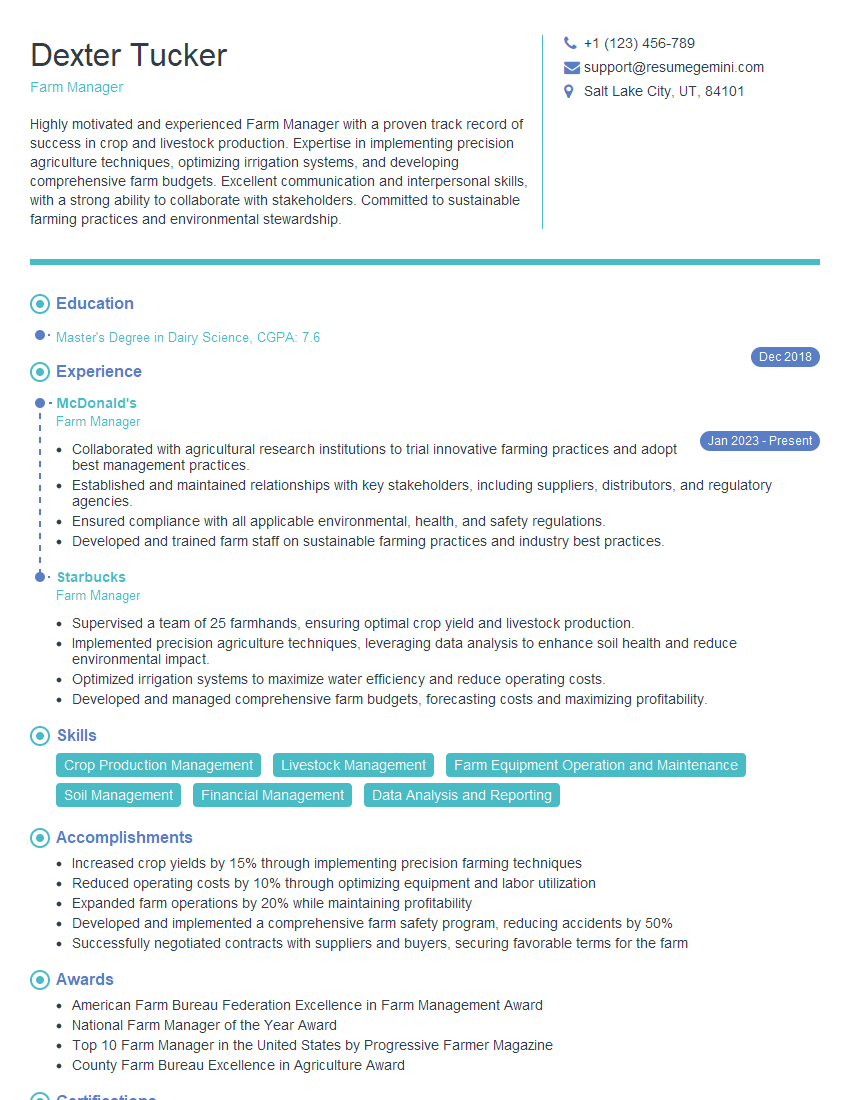
Farm Manager Resume Sample
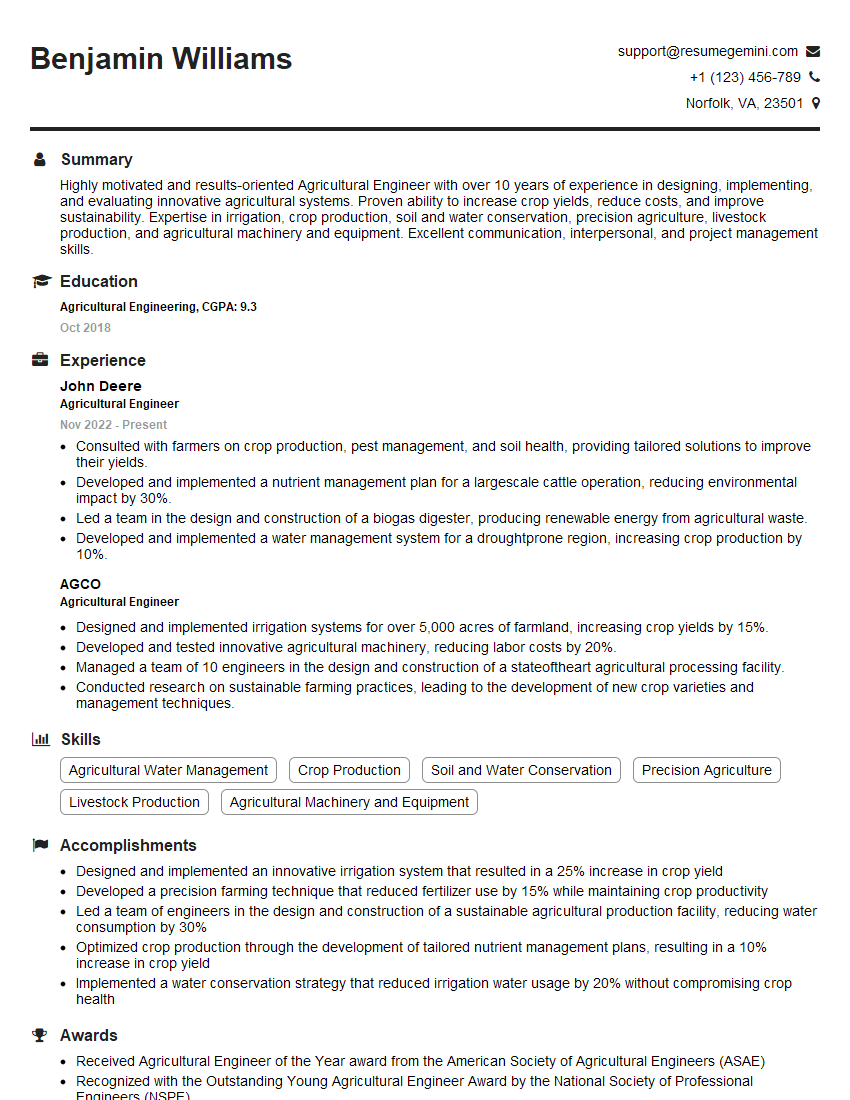
Agricultural Engineer Resume Sample
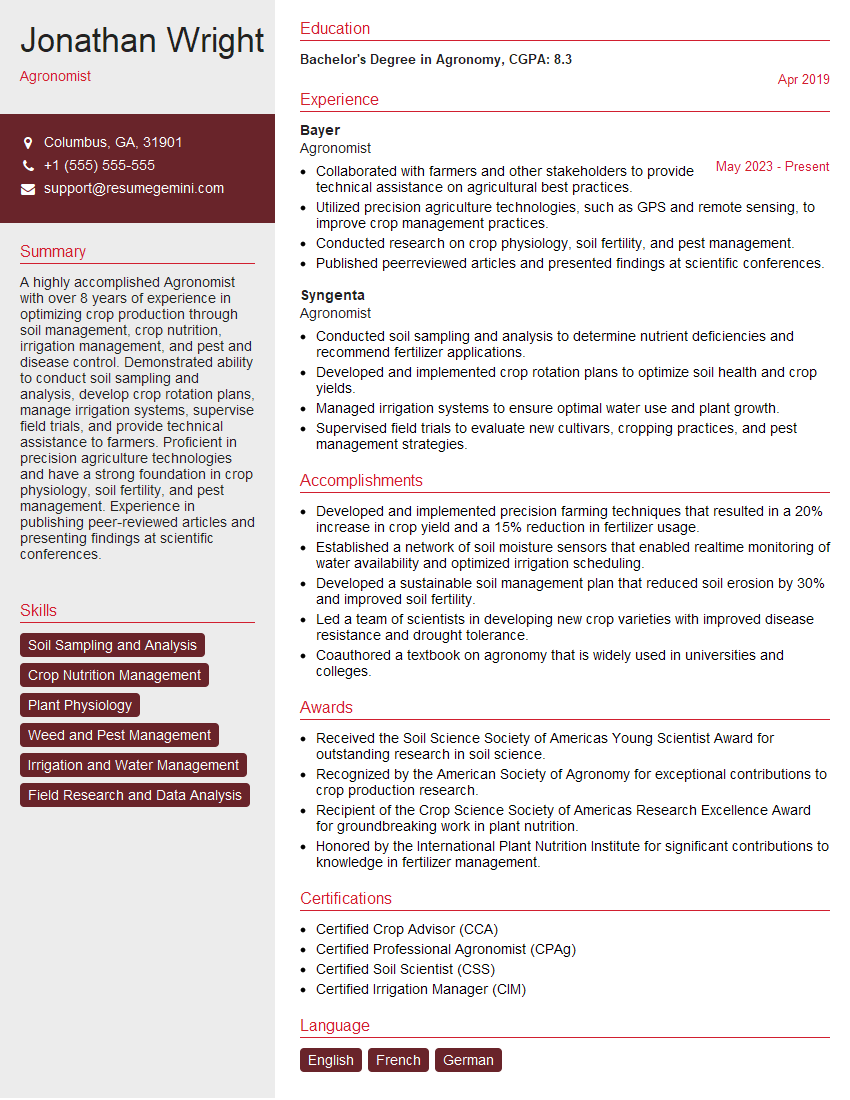
Agronomist Resume Sample

Soil Scientist Resume Sample
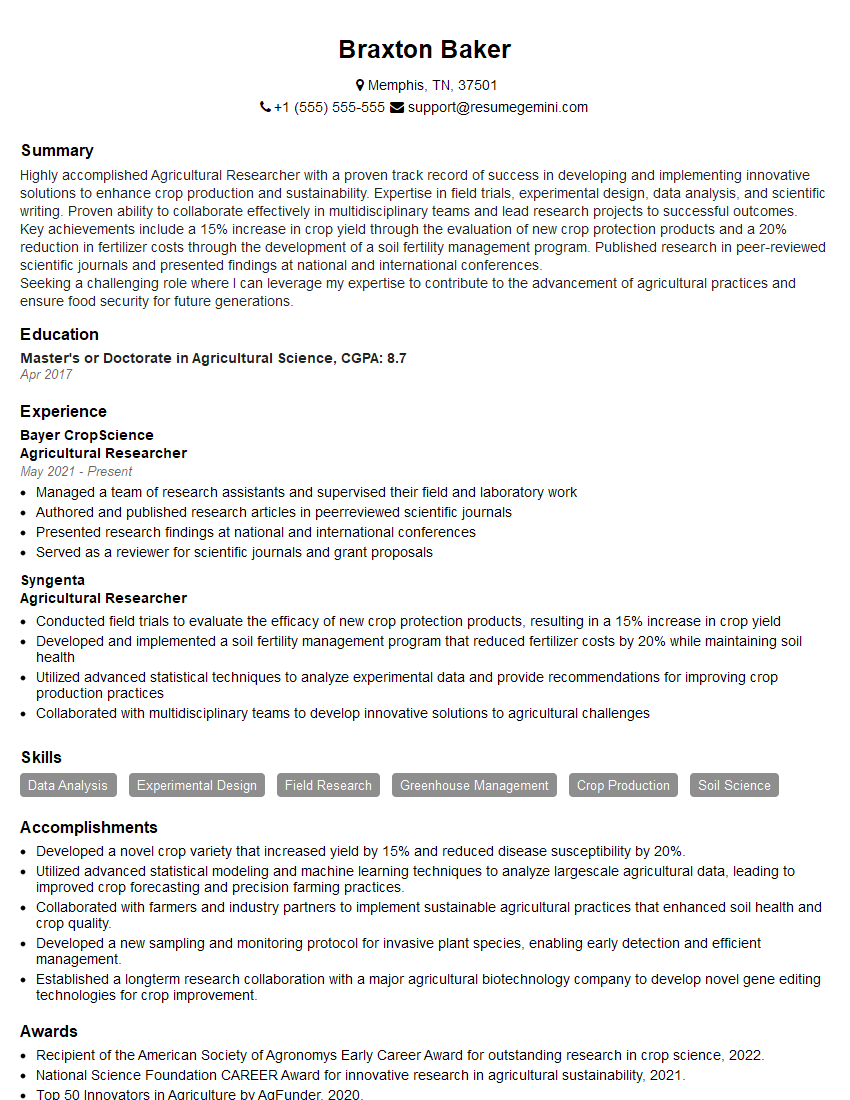
Agricultural Researcher Resume Sample
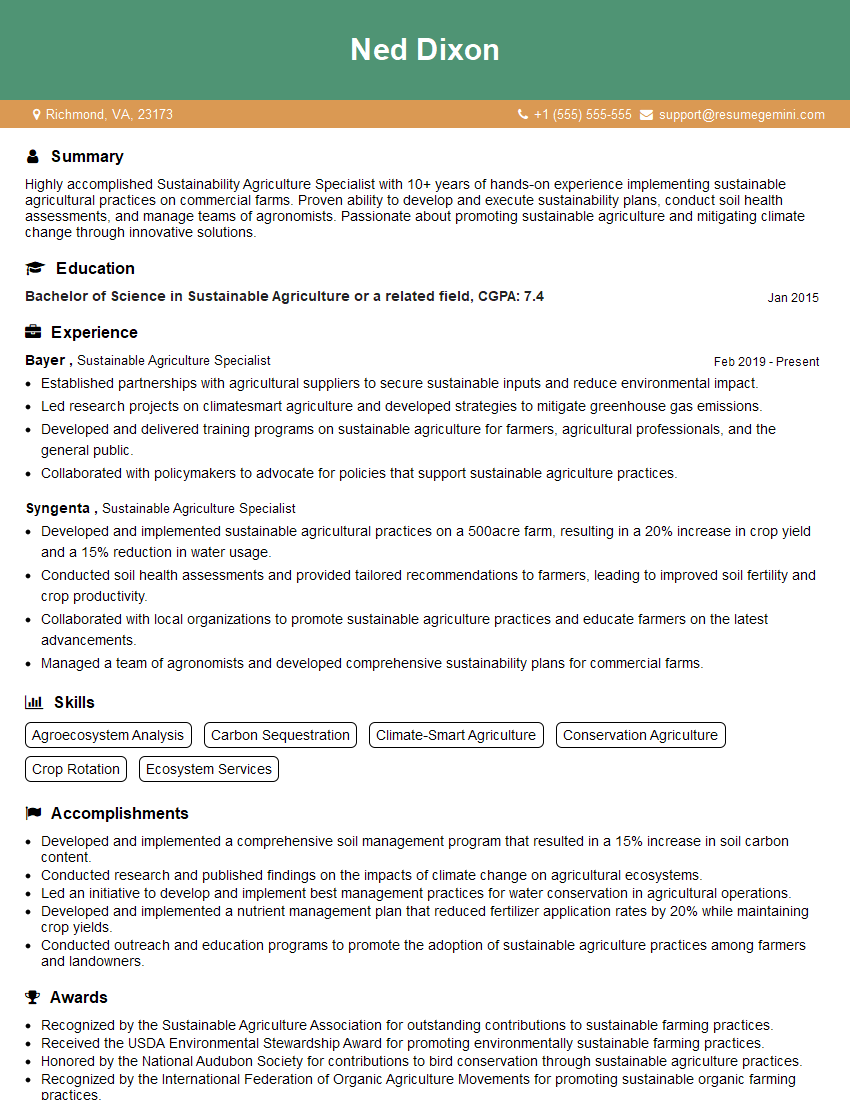
Sustainable Agriculture Specialist Resume Sample
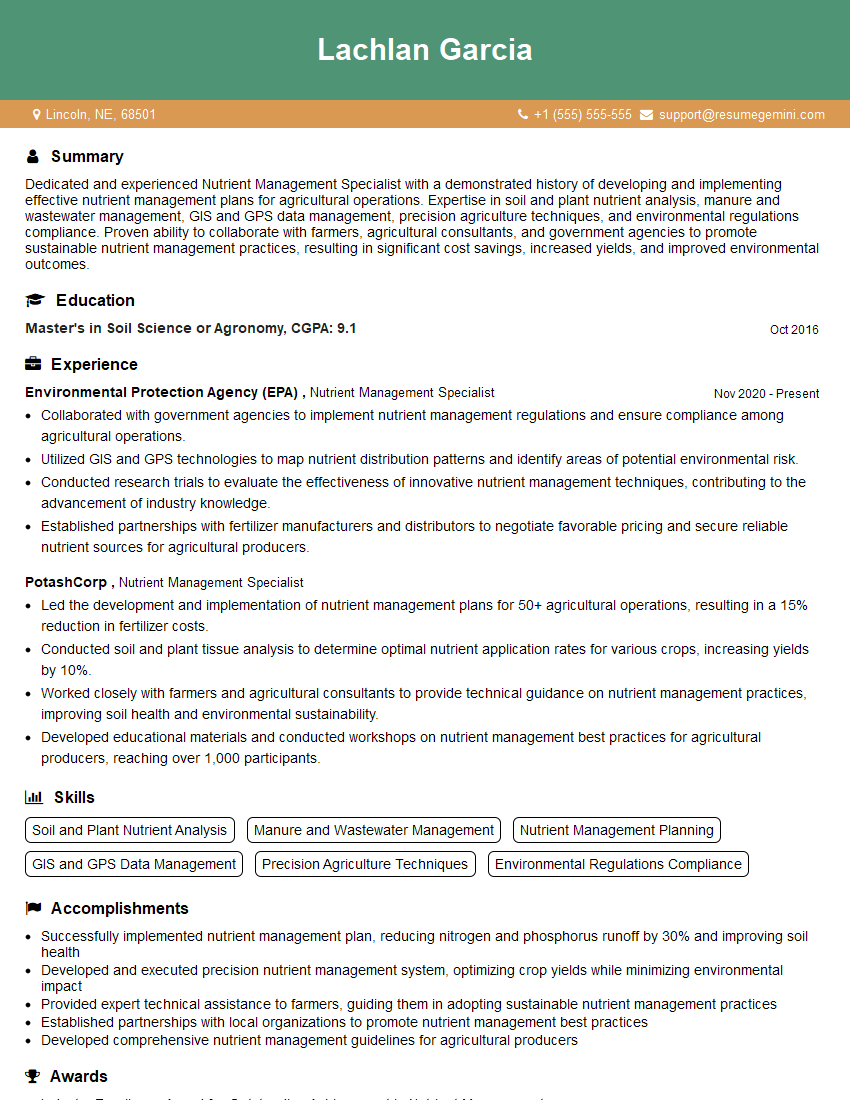
Nutrient Management Specialist Resume Sample
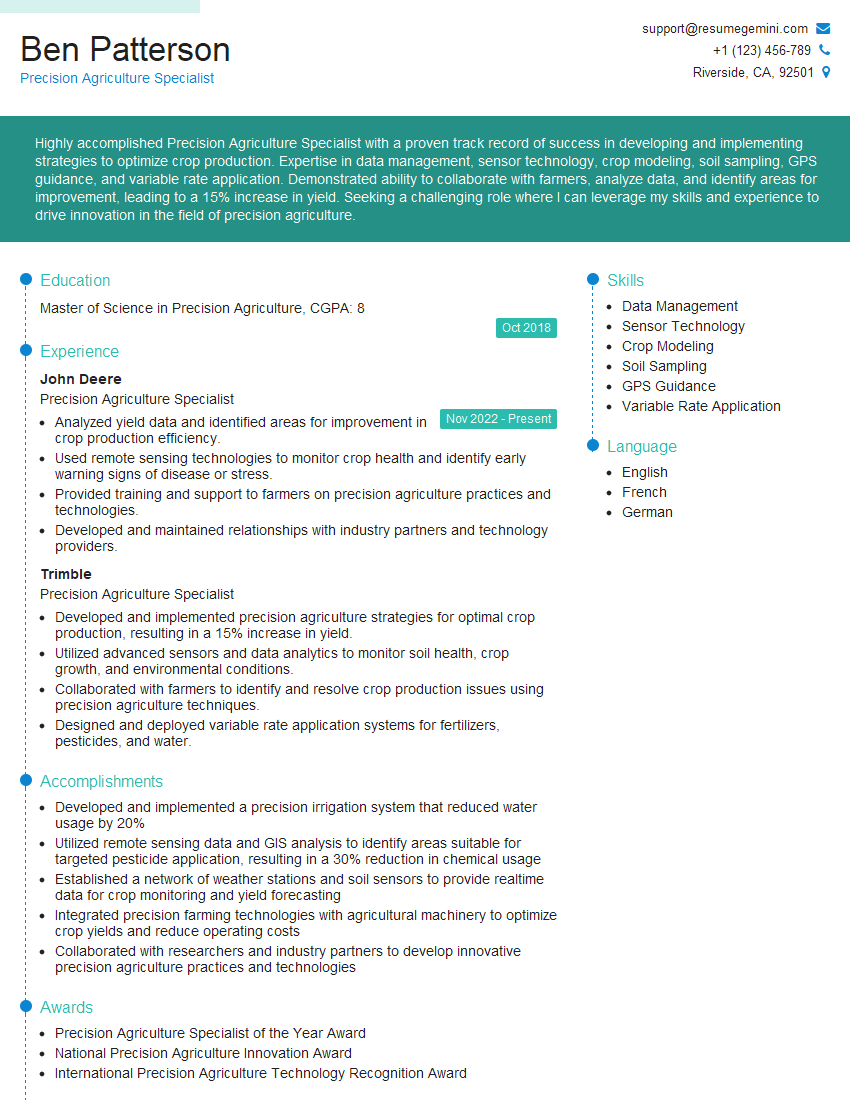
Precision Agriculture Specialist Resume Sample
Explore more articles
Users Rating of Our Blogs
Share Your Experience
We value your feedback! Please rate our content and share your thoughts (optional).
What Readers Say About Our Blog
Very informative content, great job.
good