Feeling uncertain about what to expect in your upcoming interview? We’ve got you covered! This blog highlights the most important Field Scouting and Crop Monitoring interview questions and provides actionable advice to help you stand out as the ideal candidate. Let’s pave the way for your success.
Questions Asked in Field Scouting and Crop Monitoring Interview
Q 1. Describe your experience with various scouting tools and technologies.
My experience with field scouting tools and technologies is extensive, spanning from traditional methods to the latest advancements in precision agriculture. I’m proficient in using hand-held GPS devices for precise location mapping of issues within a field. I regularly utilize diagnostic tools like soil probes to assess soil moisture and compaction. Furthermore, I’m skilled in using various types of sensors, including multispectral and hyperspectral cameras for early disease detection and assessing overall crop vigor. These cameras, often mounted on drones or hand-held, provide detailed imagery allowing for precise identification of stress areas within the field. I’ve also worked extensively with data loggers for monitoring environmental conditions such as temperature, humidity, and rainfall, which are crucial for understanding crop stress factors. Beyond this, I am familiar with various software platforms for data analysis and visualization, allowing for the effective interpretation of large datasets and generating actionable insights. Finally, I’m comfortable using mobile apps for quick data entry and sharing information in the field, streamlining workflow and communication.
For example, in a recent project, utilizing a drone equipped with a multispectral camera allowed us to detect nitrogen deficiency in a corn field before visible symptoms even appeared. This early detection enabled timely corrective action, preventing significant yield loss. In contrast, I’ve also used simpler tools like a soil auger to understand the root system development and soil nutrient distribution in a field affected by drought, informing water management strategies.
Q 2. Explain your process for identifying and assessing crop diseases.
Identifying and assessing crop diseases involves a systematic process that begins with careful observation in the field. I start by looking for visual symptoms such as discoloration, lesions, wilting, or unusual growth patterns. The location and distribution of these symptoms are crucial. For example, if a disease is concentrated in one area, it suggests a localized problem, perhaps related to soil conditions or irrigation. I then collect samples of affected plants and leaves, taking care to document the location and environmental conditions. These samples are often examined under a microscope to identify pathogens like fungi, bacteria, or viruses. Sometimes I employ laboratory testing for pathogen confirmation and identification.
My assessment considers the severity of the disease – how many plants are affected, the proportion of the plant showing symptoms, and the overall impact on yield. I also consider environmental factors – temperature, humidity, rainfall – as they greatly influence disease development. Once identified, I can develop a management plan which can involve cultural practices, such as crop rotation or sanitation, or the use of appropriate chemical or biological controls.
Q 3. How do you differentiate between nutrient deficiencies and pest damage?
Differentiating between nutrient deficiencies and pest damage requires a keen eye and understanding of the distinct symptoms each presents. Nutrient deficiencies typically show consistent patterns across a field, following the pattern of nutrient availability in the soil. For example, nitrogen deficiency often appears as a uniform yellowing of leaves, while phosphorus deficiency can manifest as stunted growth and dark green or purplish leaves. Pest damage, on the other hand, often presents more irregularly. You might see localized damage to leaves (chewing, holes, or discoloration), stalks (boring holes), or roots.
To clarify, consider this: uniform chlorosis (yellowing) across a field could be a nitrogen deficiency. In contrast, irregular holes in leaves or presence of insect frass (insect droppings) would indicate insect feeding. However, sometimes there’s overlap; for example, pests can exacerbate nutrient deficiencies. A compromised root system from rootworm damage could negatively impact nutrient uptake, leading to apparent nutrient deficiencies even with sufficient soil nutrients. Thorough scouting, coupled with soil testing and potentially lab tests to confirm pathogens, is key to distinguishing between these issues for an accurate diagnosis and efficient management.
Q 4. Describe your experience with GPS mapping and data collection in the field.
GPS mapping and data collection are integral parts of my field work. I regularly use handheld GPS units or GPS enabled tablets to record the precise location of observations, whether it’s the presence of disease, pest infestation, areas of poor growth, or soil samples. This precise location data enables me to create detailed maps of the field highlighting problem areas and variations in crop health or soil conditions. I utilize various data collection apps that link directly to the GPS, simplifying the process and minimizing errors. This data is often integrated into GIS (Geographic Information System) software for visualization and analysis. This allows me to identify trends and patterns that may not be apparent during simple visual observation, improving both management decisions and resource allocation.
For example, by mapping areas of low yield in conjunction with soil test results, I can identify specific soil limitations or management practices that are impacting crop performance. I can then create targeted strategies, focusing on those areas that need the most attention, rather than applying a uniform approach across the entire field. This precision approach not only improves yields but also significantly reduces resource waste.
Q 5. How do you analyze yield data to identify areas for improvement?
Analyzing yield data to identify areas for improvement starts with collecting accurate yield data, often through harvest monitors or combine yield maps. This data reveals yield variation across the field. I then overlay this yield data with other datasets such as soil maps, GPS-recorded observations (e.g., disease incidence, pest pressure), and management practices (e.g., fertilizer application rates, irrigation schedules). By correlating yield data with other parameters, I can identify key factors driving yield variability.
For example, if a consistent low yield zone correlates with a known area of compacted soil, we can implement practices to alleviate compaction like subsoiling. Similarly, if lower yields are associated with higher disease incidence, we might evaluate disease management strategies. Through this data integration and analysis, we pinpoint areas needing attention, allowing for more targeted improvements in soil health, pest and disease management, and overall nutrient management, thereby leading to optimized yields in subsequent seasons.
Q 6. What is your experience with soil sampling and interpretation?
Soil sampling and interpretation are fundamental to understanding crop health and nutrient needs. My experience includes planning and executing comprehensive soil sampling programs. This involves using a soil auger or probe to collect samples at different depths and locations within a field. The number and location of sampling points depend on the field size, variability, and the specific information being sought. Samples are then sent to a laboratory for analysis, providing information on key parameters such as pH, organic matter content, macronutrients (N, P, K), micronutrients, and soil texture.
Interpreting soil test results requires understanding soil chemistry and plant nutrient requirements. I use this information to make recommendations for fertilizer application, soil amendments, or changes in tillage practices to optimize soil health and provide the right balance of nutrients for optimum crop growth. I also consider the soil’s physical properties when interpreting the data. For example, a low organic matter content might necessitate organic amendments, while poor drainage might require improved drainage practices. The entire process provides a foundation for building a sustainable and productive farming system.
Q 7. Explain your understanding of different irrigation methods and their impact on crop health.
My understanding of irrigation methods and their impact on crop health is comprehensive. I’m familiar with various irrigation techniques including furrow irrigation, drip irrigation, sprinkler irrigation, and center pivot irrigation. Each method has its advantages and disadvantages concerning water efficiency, cost, and impact on crop health. For example, furrow irrigation is a relatively low-cost method, but it can be less efficient, leading to higher water loss through evaporation and runoff. Drip irrigation, on the other hand, delivers water directly to the plant roots, increasing water use efficiency and reducing weed growth, but it can be more expensive to install.
The choice of irrigation method has a substantial effect on crop health. Improper irrigation can lead to water stress, nutrient leaching, or the spread of soilborne diseases. Overwatering can promote the growth of fungal diseases, while underwatering can stunt growth and reduce yields. My work involves analyzing soil moisture levels, weather patterns, and crop water requirements to optimize irrigation schedules and minimize negative impacts. I also consider the impact of different irrigation methods on soil structure and salinity. Ultimately, selecting and effectively managing the right irrigation system is critical for maximizing yields and ensuring healthy crops.
Q 8. How do you use weather data to inform your scouting decisions?
Weather data is absolutely crucial for effective field scouting. It allows us to predict potential problems and optimize our scouting efforts. For example, knowing a heavy rainfall is expected in the next 24 hours might mean prioritizing areas prone to waterlogging or focusing on disease monitoring, as humid conditions favor fungal growth.
Predictive Scouting: I use weather forecasts (temperature, rainfall, humidity, wind speed) to anticipate pest or disease outbreaks. For instance, a period of prolonged warm, humid weather might increase the risk of corn blight. This allows me to schedule targeted scouting visits to vulnerable areas.
Optimizing Timing: Weather conditions can significantly impact the ease and efficiency of scouting. For example, I avoid scouting during extreme heat or heavy rain to ensure my own safety and to obtain accurate data, as overly wet conditions can obscure pest or disease symptoms.
Irrigation Management: Real-time weather data, especially evapotranspiration rates, helps assess irrigation needs. During a dry spell, I might prioritize scouting fields with stressed crops that might require irrigation.
I utilize various weather data sources, including local meteorological stations, online weather services, and even on-farm weather stations, selecting the data sources that are most relevant and accurate for the region.
Q 9. Describe your experience with pest and disease management strategies.
My experience in pest and disease management is extensive. I integrate various strategies into a holistic approach that prioritizes preventative measures while employing targeted interventions when necessary.
Monitoring and Identification: Accurate identification of pests and diseases is paramount. I utilize field guides, diagnostic keys, and sometimes even laboratory testing to confirm diagnoses. This allows me to select the most effective control strategies.
Integrated Pest Management (IPM): I am a strong advocate of IPM. This involves implementing a combination of strategies, including cultural practices (crop rotation, proper tillage), biological controls (beneficial insects, nematodes), and chemical controls (pesticides used judiciously only when thresholds are met). This reduces reliance on chemical pesticides while preserving the environment and maintaining crop health.
Scouting-Based Decisions: Scouting provides critical information on pest and disease pressure. By regularly monitoring fields, I assess the severity of infestations and determine whether intervention is needed. Economic thresholds, which assess the damage level at which control measures become economically justified, guide my decisions.
Resistance Management: To prevent the development of pesticide resistance, I follow a rotation strategy and use a variety of chemical controls with different modes of action. I also consider cultural practices and biological controls, as they can help reduce the pressure on chemical controls.
For example, in a recent soybean field, I detected soybean aphids. Using a combination of scouting, economic thresholds, and knowledge of the field’s history, I recommended a targeted application of insecticides only in the severely affected areas, minimizing environmental impact and cost.
Q 10. How do you prioritize scouting tasks in a large field operation?
Prioritizing scouting tasks in a large field operation requires a strategic approach. Think of it as triage in a hospital – addressing the most critical needs first.
Risk Assessment: I begin by identifying fields or areas at the highest risk. This might include fields with a history of pest problems, fields adjacent to infested areas, or fields with environmental conditions (like stressed crops due to drought) that favor outbreaks.
Crop Stage: Certain growth stages are more vulnerable than others. For example, young seedlings are more susceptible to weed competition, while flowering crops are more susceptible to insect damage. I adjust scouting frequency based on these vulnerabilities.
Field Mapping and GIS: Using geographic information systems (GIS) and field maps, I can visually assess the field and identify key areas for priority scouting. This helps me create efficient scouting routes.
Sampling Techniques: I use efficient sampling methods, such as stratified random sampling, to gather representative data from across the field without unnecessarily increasing my workload.
Regular Reporting and Review: Frequent reporting allows for ongoing review and adjustments of scouting priorities based on new data. Early detection of problems allows for early and effective intervention, saving both time and resources.
For example, in a large corn operation, I would prioritize scouting areas with reported insect damage before looking at areas with no visible issues.
Q 11. What is your approach to communicating scouting findings to farm management?
Effective communication of scouting findings is vital. I use a multi-faceted approach:
Regular Reports: I provide regular, concise reports that summarize my observations, including pest and disease pressure, crop health assessments, and recommendations for management interventions. These reports are typically delivered in both written and verbal formats.
Visual Aids: Using photographs, maps, and graphs to visually represent my findings makes the data more accessible and easier to understand. For example, I might overlay pest infestation levels on a field map to show the extent of the problem clearly.
On-Site Discussions: Whenever feasible, I conduct on-site discussions with farm management to walk them through the field, point out problem areas, and explain the implications of my findings.
Technology Integration: I use data management software to generate reports and share data electronically. This ensures timely and efficient communication.
Data-Driven Decision Making: I focus on presenting my findings in a way that supports data-driven decision making. This involves providing clear, quantitative data to support my recommendations.
For instance, instead of simply saying ‘there’s a disease problem’, I’d explain: ‘Based on my scouting, we have a moderate level of grey leaf spot affecting 15% of the corn plants in this field. This level justifies the application of a fungicide.’
Q 12. Explain your experience with different types of crop sensors and data loggers.
I have extensive experience with various crop sensors and data loggers. These technologies significantly enhance the precision and efficiency of scouting.
NDVI Sensors: These measure Normalized Difference Vegetation Index, providing an indication of plant health and vigor. Low NDVI values can signal stress from drought, disease, or nutrient deficiencies, prompting targeted investigations.
Thermal Cameras: These identify areas of thermal stress in plants, often indicating water stress or disease. Such information is incredibly useful in guiding efficient irrigation or disease management strategies.
Multispectral Sensors: These provide data across multiple wavelengths of light, which allows for more detailed assessments of plant health compared to single-band sensors. This detailed information assists with early detection of many stresses.
Data Loggers: These are crucial for recording environmental data such as soil moisture, temperature, and humidity. This information is critical for understanding the environmental context affecting crop growth and pest or disease development.
GPS Devices: Integrating GPS data with sensor readings allows precise location tagging, enabling the creation of detailed maps showing the distribution of stress or pest/disease pressure across a field.
Using these technologies together builds a comprehensive picture of field conditions and informs strategic decision-making.
Q 13. How do you handle unexpected issues or challenges during a scouting mission?
Unexpected issues are inevitable in field scouting. My approach focuses on adaptability and problem-solving.
Assessment and Documentation: The first step is to thoroughly assess the unexpected issue, documenting its nature, location, and potential impact. This ensures that the issue is not overlooked or misinterpreted.
Risk Evaluation: I evaluate the risk associated with the issue. Some problems are minor and can be addressed later, while others require immediate attention.
Seeking Assistance: If the issue is beyond my expertise or requires specialized equipment, I do not hesitate to seek assistance from colleagues, extension agents, or specialists.
Adaptation and Contingency Planning: I adapt my scouting plan based on the unexpected issue, adjusting routes or priorities as needed. Moreover, I incorporate lessons learned into future contingency plans.
Communication: It is vital to promptly communicate unexpected issues and adaptations to farm management to ensure they are aware and can adjust their plans as needed.
For example, encountering an unexpected equipment malfunction in the field requires me to troubleshoot if possible or contact support for repairs, ensuring that the scouting schedule is adjusted accordingly to minimize impact.
Q 14. Describe your experience with data analysis software relevant to agriculture.
Data analysis is a critical part of my workflow. I’m proficient in several software packages specifically designed for agricultural applications.
GIS Software (e.g., ArcGIS, QGIS): GIS allows me to map field data, visualize spatial patterns of pest/disease outbreaks, or correlate yield variability with environmental factors. This allows for targeted interventions and efficient resource allocation.
Agricultural Data Management Software (e.g., farm management software): I utilize software for data entry, analysis, and reporting. This ensures data accuracy, efficient data management, and the generation of comprehensive reports.
Statistical Software (e.g., R, SAS): Statistical analysis helps me interpret data, identify trends, and generate actionable insights. This may involve analyzing yield data, scouting data, and environmental data to understand factors impacting crop production.
Spreadsheet Software (e.g., Excel, Google Sheets): Spreadsheets are still invaluable for organizing and analyzing data, especially for simpler analyses and data visualization.
I use these tools to effectively manage, analyze, and present information to farm management, facilitating sound decision-making.
Q 15. How do you ensure the accuracy and reliability of your scouting data?
Accuracy and reliability in field scouting are paramount. We achieve this through a multi-pronged approach focusing on standardized procedures, rigorous data collection, and careful analysis.
- Standardized Protocols: We utilize pre-defined scouting forms that ensure consistent data collection across fields and time points. This includes specifying the number of plants to sample per location, the metrics to record (e.g., disease incidence, pest pressure, plant height), and the methods for assessment. For example, disease severity might be scored using a standardized scale (e.g., 0-5, where 0 is no disease and 5 is severe infection).
- Data Validation: We employ techniques like double-checking measurements and cross-referencing data with other sources (e.g., historical data, weather information) to identify and correct any potential errors. We also regularly calibrate our equipment, such as GPS devices, to maintain precision in location tracking.
- Quality Control: Regular training and proficiency checks for the scouting team are crucial. This ensures consistency in data collection and interpretation and helps to minimize subjective biases.
- Data Management: Using digital tools for data recording and management (e.g., mobile apps, GIS software) allows for real-time data entry and immediate data backup, reducing the risk of loss or error. The software can also flag anomalies and inconsistencies that may require further investigation.
Career Expert Tips:
- Ace those interviews! Prepare effectively by reviewing the Top 50 Most Common Interview Questions on ResumeGemini.
- Navigate your job search with confidence! Explore a wide range of Career Tips on ResumeGemini. Learn about common challenges and recommendations to overcome them.
- Craft the perfect resume! Master the Art of Resume Writing with ResumeGemini’s guide. Showcase your unique qualifications and achievements effectively.
- Don’t miss out on holiday savings! Build your dream resume with ResumeGemini’s ATS optimized templates.
Q 16. How familiar are you with various crop growth stages and their associated vulnerabilities?
Understanding crop growth stages is fundamental to effective scouting. Each stage presents unique vulnerabilities to pests, diseases, and environmental stressors. For instance, I am very familiar with the growth stages of major crops such as corn, soybeans, wheat, and cotton.
- Corn: Knowing that corn is particularly susceptible to corn borers during the silking stage allows for targeted insecticide applications. Similarly, understanding the vegetative stage helps assess nitrogen needs.
- Soybeans: Soybeans are vulnerable to sudden death syndrome during early reproductive stages, necessitating close monitoring and disease management strategies.
- Wheat: Wheat’s susceptibility to fungal diseases like Fusarium head blight increases during the flowering and grain-filling phases, requiring precise fungicide timing.
- Cotton: Bollworm infestations can cause significant yield losses, especially during the flowering and boll development stages. Recognizing these vulnerable periods allows for effective pest management interventions.
This knowledge allows me to tailor my scouting efforts to the specific vulnerabilities associated with each crop stage, leading to more proactive and effective crop management.
Q 17. Describe your experience with weed identification and control methods.
Weed identification and control are critical components of successful crop production. My experience encompasses various weed species, their identification characteristics (e.g., leaf shape, growth habit), and appropriate control measures.
- Identification: I can accurately identify common weeds by visual inspection, using field guides and digital resources when necessary. This includes knowing the life cycle and growth patterns to distinguish between annual and perennial weeds.
- Control Methods: My expertise extends to both preventative and curative weed control methods, including mechanical (e.g., tillage, cultivation), cultural (e.g., crop rotation, cover cropping), and chemical (e.g., herbicide application) techniques. I understand the importance of selecting appropriate herbicides based on weed species, crop type, and environmental conditions to minimize negative impacts on the crop and the environment.
- Integrated Weed Management (IWM): I am a strong proponent of IWM, which combines multiple control methods to achieve sustainable weed management. For example, integrating pre-emergent herbicides with timely cultivation can effectively control a wide range of weeds while minimizing reliance on chemical controls alone.
I’ve had significant experience developing and implementing IWM plans tailored to specific field conditions and weed pressures.
Q 18. How do you integrate scouting data with other farm management practices?
Scouting data isn’t simply collected—it’s a crucial input for numerous farm management decisions. It informs decisions across multiple areas, creating a feedback loop for continuous improvement.
- Fertilization: Nutrient deficiencies identified during scouting (e.g., yellowing leaves indicating nitrogen deficiency) directly guide fertilizer application rates and timing. Soil testing data is also integrated for a comprehensive approach.
- Irrigation: Scouting data on plant water stress (e.g., wilting leaves) helps optimize irrigation scheduling, ensuring efficient water use and maintaining optimal plant health.
- Pest and Disease Management: Early detection of pests and diseases through scouting allows for timely intervention, minimizing crop damage and reducing the need for extensive pesticide or fungicide applications.
- Yield Prediction: Data on plant growth, pod set, and disease incidence can be used to develop yield predictions, assisting with harvest planning and marketing strategies.
By integrating scouting data with other farm management practices, we move beyond reactive approaches to proactive and data-driven decision-making, maximizing efficiency and profitability.
Q 19. What are your strategies for minimizing scouting time and maximizing efficiency?
Maximizing scouting efficiency requires a strategic approach. It’s not simply about covering more ground but about covering the right ground effectively.
- Targeted Scouting: Instead of uniformly scouting the entire field, we prioritize areas with a higher risk of problems, such as field borders, areas with known pest or disease issues, or areas with variations in soil type or topography. This is often guided by previous years’ data and current weather patterns.
- Sampling Strategies: Using appropriate sampling techniques like systematic sampling ensures representative data collection without excessive sampling efforts. The sample size and distribution are carefully chosen based on field size and uniformity.
- Technology Integration: Utilizing GPS-enabled devices and precision agriculture tools like drones or satellite imagery allows for more efficient data collection and mapping of problem areas, saving valuable scouting time. These technologies can also help identify variability within fields which allows for variable rate applications of inputs.
- Data Analysis: Efficient data analysis tools and techniques allow us to extract relevant information quickly, providing clear insights without being bogged down by large datasets.
Combining these strategies helps to minimize the time spent scouting while maximizing the effectiveness and accuracy of the data obtained.
Q 20. Explain your experience with generating reports and presenting findings.
Clear and effective communication of scouting findings is crucial. I have extensive experience generating reports and presenting my findings to farmers, farm managers, and other stakeholders.
- Report Generation: My reports typically include a summary of findings, detailed observations with supporting data (e.g., tables, graphs, maps), and specific recommendations for corrective actions. These reports are well-structured and easy to understand, utilizing visual aids for clarity. For example, a map showing the location of disease outbreaks can be very helpful.
- Data Visualization: I use various tools to create clear and informative visuals, such as maps showing problem areas, graphs illustrating disease or pest severity over time, and charts comparing yields from different management strategies.
- Presentations: I am comfortable presenting my findings both in person and remotely. My presentations are tailored to the audience’s knowledge and needs, emphasizing key findings and actionable insights. I’m also adept at answering questions and providing clarification.
My goal is to translate complex data into actionable recommendations that improve decision-making and enhance farm productivity.
Q 21. How do you stay up-to-date with the latest advancements in crop monitoring techniques?
Staying current with the latest advancements in crop monitoring is an ongoing process. I use several methods to stay abreast of the latest technologies and techniques.
- Professional Organizations: Active participation in professional organizations like the American Society of Agronomy (ASA) and attending conferences and workshops provides access to the latest research and industry best practices.
- Scientific Publications: I regularly review scientific journals, industry publications, and online resources to stay informed about new monitoring tools and techniques. This includes reviewing peer-reviewed articles on the latest sensor technologies and remote sensing applications.
- Industry Events and Webinars: Attending industry events, trade shows, and webinars allows me to learn about the latest technologies and techniques from leading experts and vendors.
- Collaboration and Networking: Networking with other professionals in the field through online forums and in-person events enables the exchange of knowledge and best practices.
By employing these strategies, I ensure I remain at the forefront of crop monitoring innovations, continually improving the accuracy, efficiency, and effectiveness of my scouting and advisory services.
Q 22. Describe your understanding of different soil types and their influence on crop growth.
Understanding soil types is fundamental to successful crop production. Different soil types possess varying physical and chemical properties that directly impact nutrient availability, water retention, drainage, and overall root development, all crucial for plant health and yield.
- Sandy soils: Well-drained but low in organic matter and water retention. Crops grown in sandy soils often require more frequent irrigation and fertilization.
- Clay soils: High water retention but can be poorly drained, leading to waterlogging and reduced oxygen availability for roots. They can also be nutrient-rich, but nutrient availability can be limited due to strong binding.
- Silty soils: A balance between sandy and clay soils, generally offering good drainage and water retention. They tend to be fertile and easy to work with.
- Loamy soils: Considered ideal for most crops due to their balanced mix of sand, silt, and clay, providing good drainage, aeration, and water retention. They often have a good organic matter content, supporting robust plant growth.
For example, a water-intensive crop like rice would thrive in clay soils capable of retaining high moisture, whereas a drought-tolerant crop like sorghum would perform well in sandy soils with excellent drainage. During scouting, I always assess soil type using a simple soil texture test and observe drainage characteristics. This information informs recommendations on irrigation scheduling, fertilization, and crop selection.
Q 23. How do you assess the impact of environmental factors on crop health?
Assessing the impact of environmental factors on crop health requires a holistic approach, considering various interacting elements. I utilize a combination of observations, data collection, and my experience to evaluate these impacts.
- Temperature: Extreme heat or cold can stress plants, leading to reduced growth and yield. I monitor daily temperature fluctuations and look for signs of heat stress (wilting, leaf scorch) or frost damage.
- Rainfall/Irrigation: Insufficient or excessive rainfall can significantly impact crop development. I assess soil moisture levels and observe signs of drought stress or waterlogging.
- Sunlight: Inadequate sunlight can hinder photosynthesis and growth. I check for shading effects from weeds or other obstructions.
- Wind: Strong winds can cause physical damage to plants, increasing susceptibility to pests and diseases. I assess wind damage and potential lodging (leaning or falling over).
- Pests and Diseases: Regular visual inspection and sampling help identify pest and disease pressure. I use appropriate tools like hand lenses and disease identification guides to determine the severity and extent of infestation.
For instance, during a particularly dry summer, I noticed significant wilting in a cornfield. Soil moisture readings confirmed low water availability. We immediately adjusted the irrigation schedule to mitigate drought stress and prevent significant yield loss. Combining this information with temperature readings, leaf appearance, and pest assessments allows for precise and actionable recommendations.
Q 24. Explain your experience with different types of farm equipment used for scouting.
My experience with farm equipment used for scouting is extensive, ranging from basic tools to more sophisticated technologies.
- Handheld GPS units: Essential for precise location mapping of problem areas and efficient field coverage.
- Handheld devices (smartphones/tablets): Facilitate data recording, image capture, and access to relevant information (weather data, crop management guides).
- Soil probes: Used to measure soil moisture and nutrient levels in different areas of the field.
- Leaf chlorophyll meters: Quantify the chlorophyll content of leaves, indicating plant health and nutritional status.
- Drones equipped with multispectral or hyperspectral cameras: Provide high-resolution imagery for large-scale field assessment, early disease detection, and precise identification of stress areas.
For example, using a drone with a multispectral camera during scouting allowed for the early detection of nutrient deficiencies in a soybean field, long before visual symptoms were apparent. This early identification made timely corrective action possible, preserving yield potential.
Q 25. Describe a time you had to troubleshoot a technical problem while conducting scouting.
During a scouting mission involving a drone equipped with thermal imaging, the drone’s battery unexpectedly failed mid-flight, posing a risk of data loss and equipment damage. I calmly followed a structured troubleshooting process.
- Assessment: I first identified the issue—battery failure indicated by flashing warning lights on the drone’s controller.
- Safety First: Prioritizing safety, I initiated the emergency return-to-home function on the drone’s controller, ensuring a safe landing.
- Data Recovery: After the safe landing, I immediately examined the drone’s memory card to ensure the collected thermal data was secured.
- Cause Analysis: I checked the battery’s charge level before the flight and investigated potential reasons for premature failure (e.g., extreme temperatures, previous damage).
- Solution Implementation: I replaced the faulty battery with a fully charged backup and checked all equipment before resuming the scouting mission.
This experience highlighted the importance of thorough pre-flight checks, backup equipment, and a systematic approach to troubleshooting technical problems in the field. I learned to always prioritize safety and to adapt quickly to unexpected circumstances.
Q 26. How familiar are you with various crop insurance programs and their requirements?
I am familiar with various crop insurance programs and their requirements, understanding that they vary depending on the specific location, crop type, and coverage options. My understanding includes knowledge of the documentation required, reporting procedures, and the role of scouting data in supporting insurance claims.
- Crop-Hail Insurance: Protects against losses due to hail damage.
- Revenue Protection (RP) Insurance: Covers losses due to low yields or low prices.
- Yield Protection (YP) Insurance: Covers losses solely due to low yields.
For example, during a severe hailstorm, meticulous scouting documentation including photographic evidence of crop damage, yield assessments, and precise GPS location data, significantly aided the farmer in filing a successful crop hail insurance claim. Accurate scouting data is vital in substantiating claims and minimizing losses for farmers.
Q 27. How do you incorporate remote sensing data into your scouting strategy?
Remote sensing data, primarily from satellite imagery and drone-based sensors, is an integral part of my scouting strategy. It enhances efficiency and provides a broader perspective on crop health than ground-based observations alone.
- NDVI (Normalized Difference Vegetation Index): Provides insights into plant vigor and overall health by assessing the ratio of red and near-infrared light reflected by plants.
- Satellite Imagery: Offers large-scale field monitoring, identifying areas requiring closer inspection.
- Drone Imagery (Multispectral/Hyperspectral): Allows for high-resolution analysis of individual plants, facilitating early detection of stresses like nutrient deficiencies or pest infestations.
For example, using NDVI maps derived from satellite imagery, I could identify a section of a field showing lower vegetation indices compared to other areas. This prompted further investigation on the ground, revealing a localized nutrient deficiency. The drone imagery provided high resolution images to precisely determine the extent of the affected area allowing targeted fertilizer application, optimizing resource use.
Q 28. Describe your experience with collaborating with other agricultural professionals.
Collaboration with other agricultural professionals is essential for successful crop production. My experience includes working closely with agronomists, pest control specialists, and farmers to develop integrated management strategies.
- Agronomists: Collaborate on fertilizer recommendations, soil testing interpretations, and overall crop management strategies.
- Pest Control Specialists: Partner to develop pest management plans, considering economic thresholds and integrated pest management (IPM) strategies.
- Farmers: Work closely with farmers to understand their specific goals and concerns, tailoring scouting and management strategies to their individual needs and preferences.
For example, during a collaborative effort, I worked with an agronomist to analyze soil samples, interpret the results, and create a site-specific fertilizer recommendation. This resulted in optimized nutrient application, leading to improved crop yields and enhanced resource efficiency. Open communication and mutual respect are critical for effective collaboration among all parties.
Key Topics to Learn for Field Scouting and Crop Monitoring Interview
- Crop Physiology and Growth Stages: Understanding plant development, critical growth stages, and their relation to environmental factors. Practical application: Accurately assessing crop health based on visual observations and growth stage.
- Pest and Disease Identification and Management: Recognizing common crop pests and diseases, understanding their life cycles, and applying appropriate integrated pest management strategies. Practical application: Developing effective scouting plans and recommending timely interventions.
- Data Collection and Analysis: Utilizing various data collection methods (visual assessments, sampling techniques, GPS technology) and analyzing data to identify trends and make informed decisions. Practical application: Creating accurate and insightful reports to guide farm management practices.
- Soil Health and Nutrient Management: Assessing soil conditions, recognizing nutrient deficiencies, and understanding the impact on crop growth. Practical application: Recommending appropriate fertilization strategies and soil amendments.
- Weather and Climate Impacts on Crops: Understanding the effects of weather patterns, climate change, and extreme weather events on crop growth and yield. Practical application: Anticipating potential risks and developing mitigation strategies.
- Precision Agriculture Technologies: Familiarity with GPS, GIS, remote sensing, and other technologies used in modern field scouting and crop monitoring. Practical application: Utilizing technology to optimize scouting efficiency and data analysis.
- Reporting and Communication: Effectively communicating findings and recommendations to farmers and other stakeholders, both verbally and in writing. Practical application: Preparing clear, concise, and actionable reports.
Next Steps
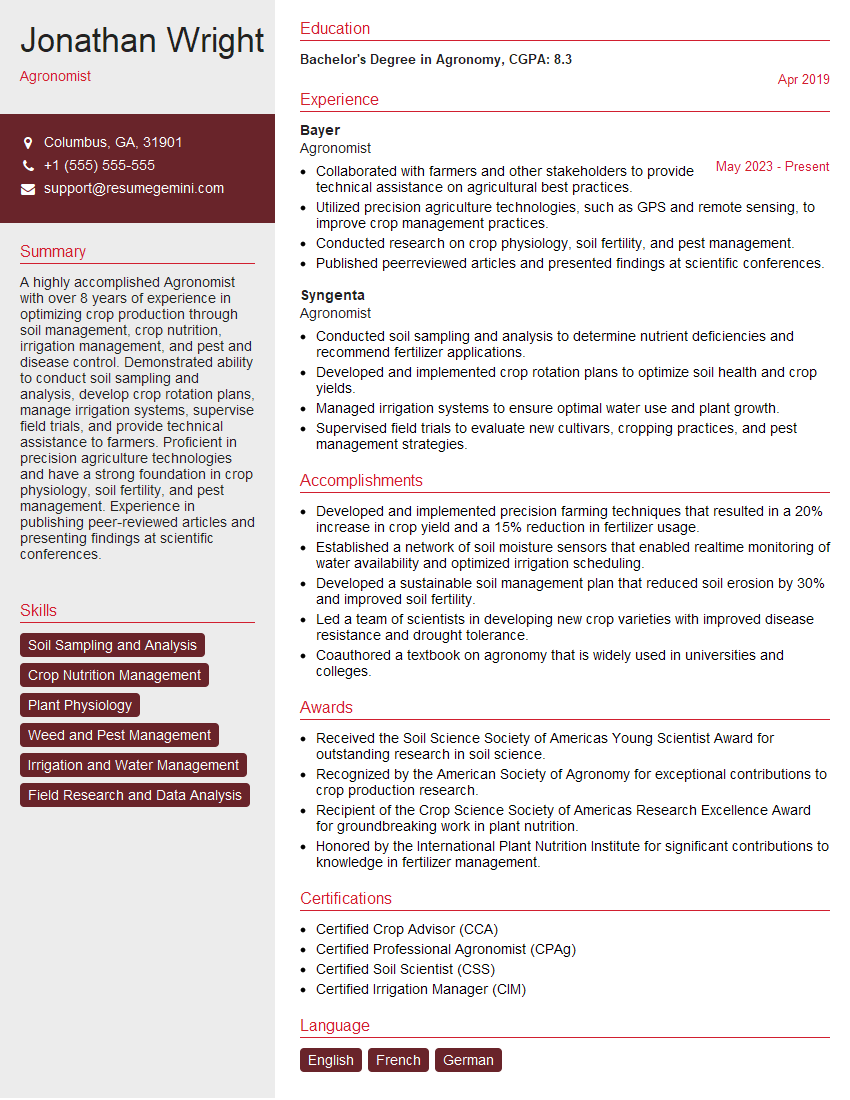
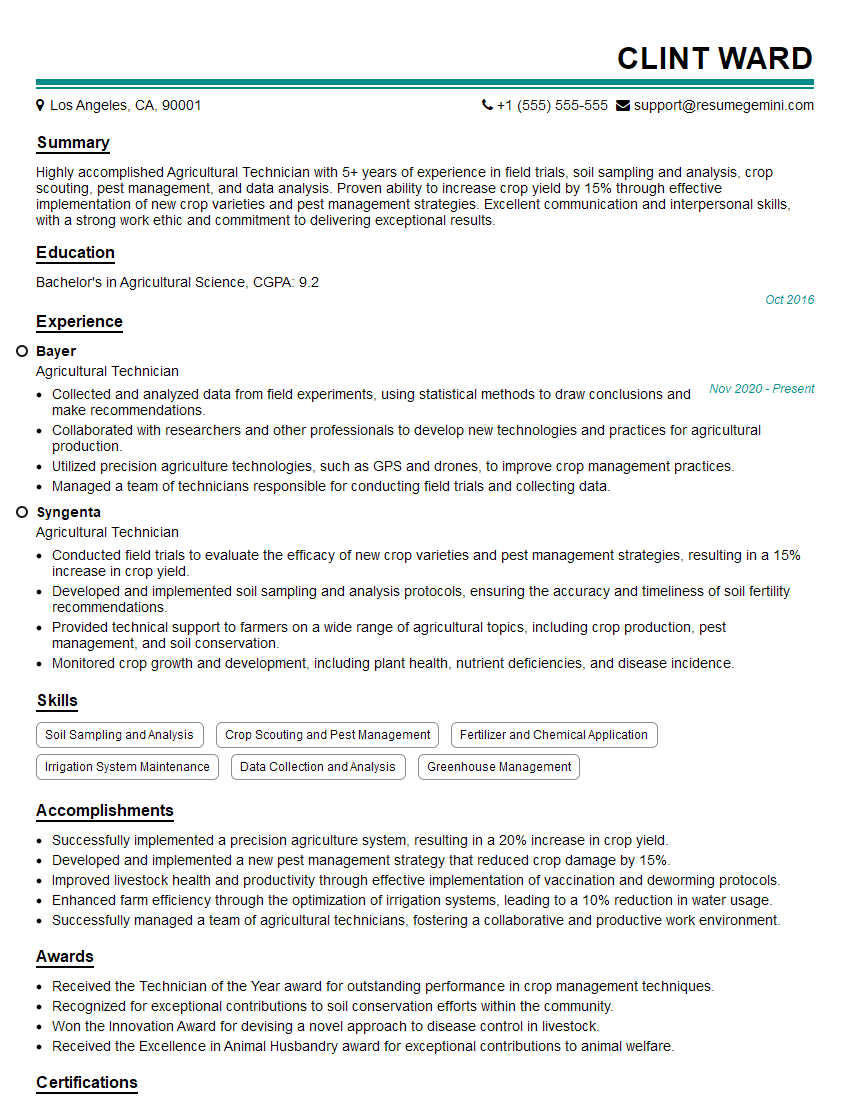
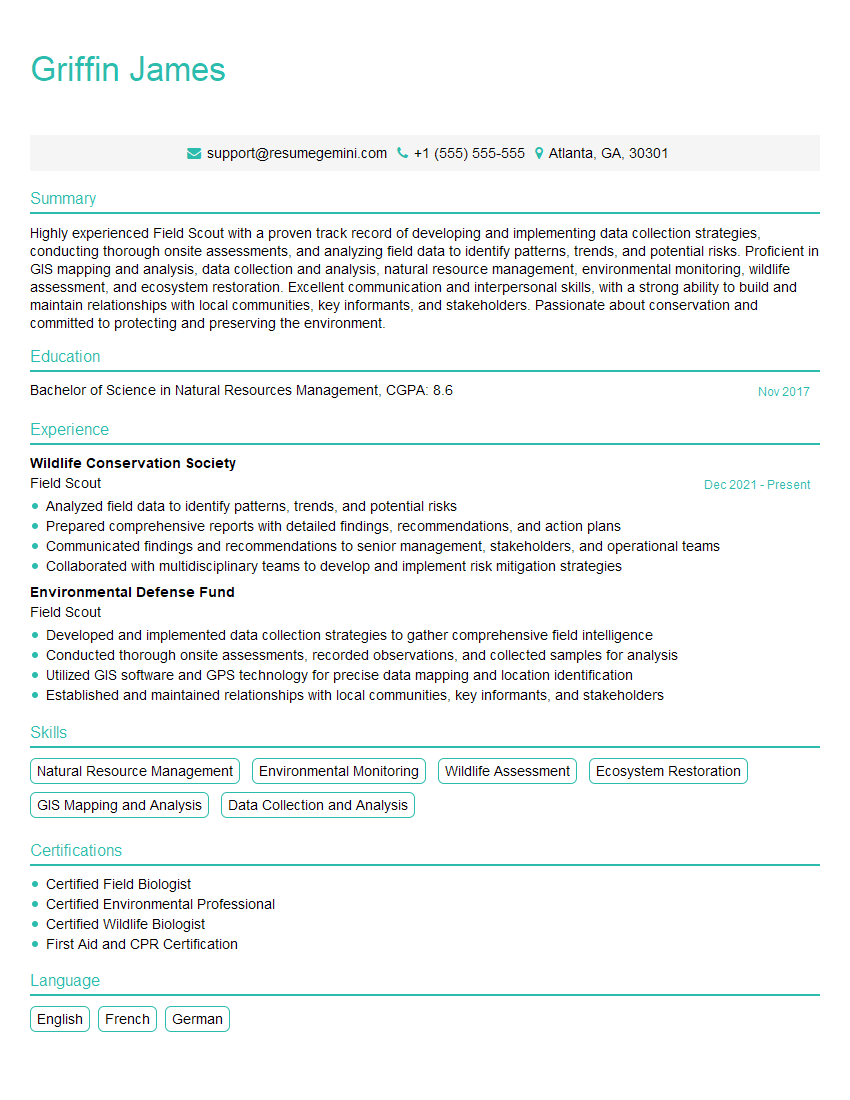
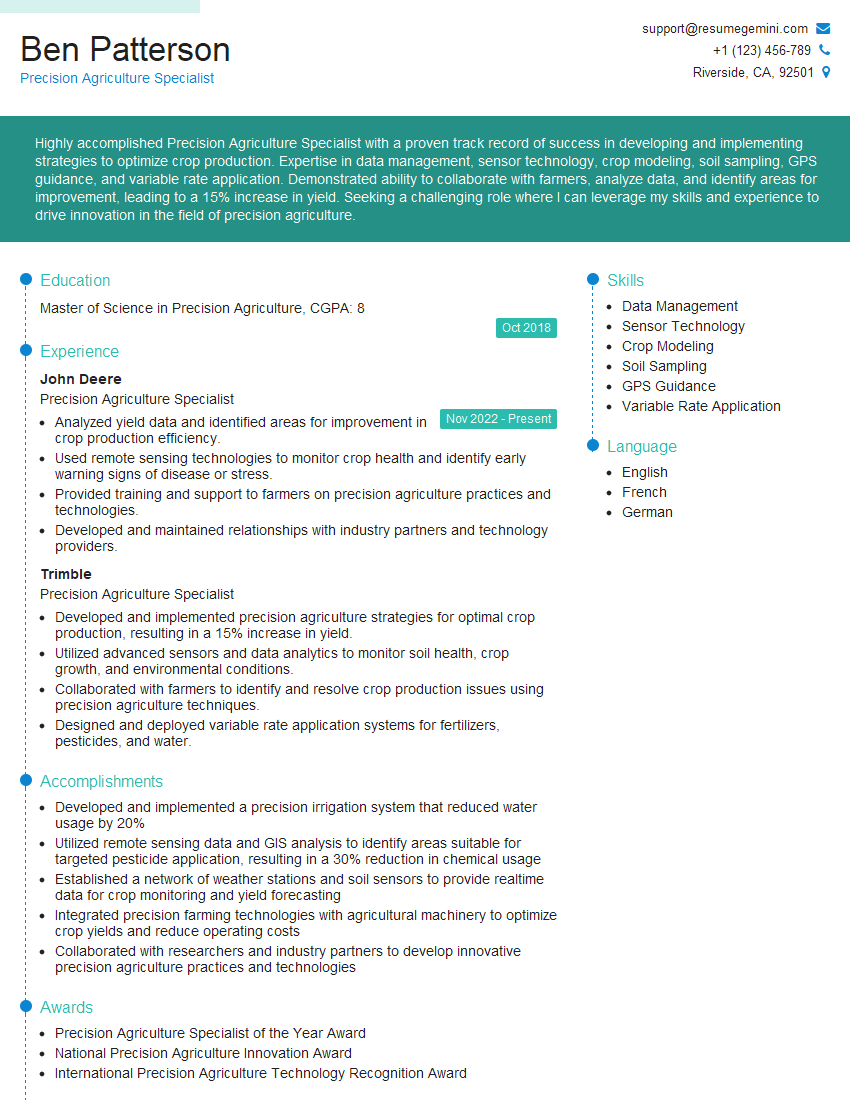
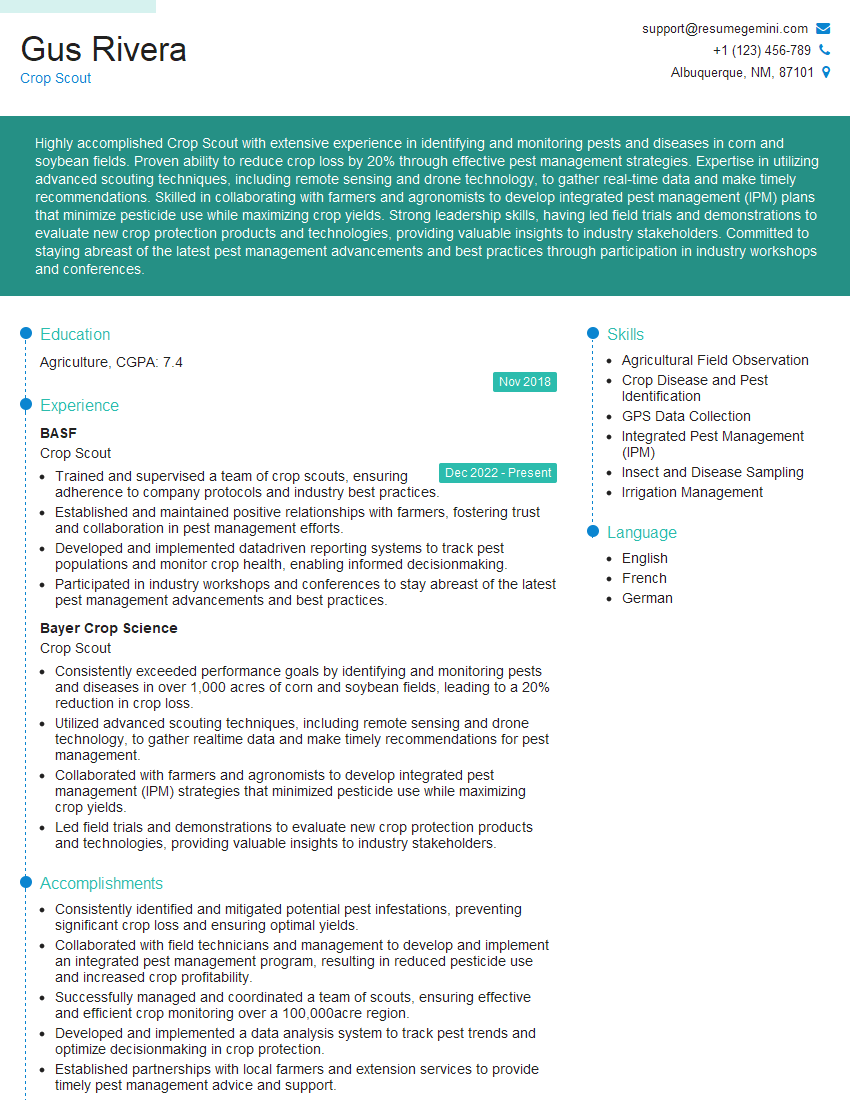
Mastering Field Scouting and Crop Monitoring opens doors to a rewarding career in agriculture, offering opportunities for professional growth and contributing to sustainable food production. To maximize your job prospects, creating an ATS-friendly resume is crucial. An effectively designed resume highlights your skills and experience, ensuring your application gets noticed. We highly recommend leveraging ResumeGemini, a trusted resource, to build a professional and impactful resume. ResumeGemini provides examples of resumes tailored to Field Scouting and Crop Monitoring, ensuring your application stands out from the competition.
Explore more articles
Users Rating of Our Blogs
Share Your Experience
We value your feedback! Please rate our content and share your thoughts (optional).
What Readers Say About Our Blog
Very informative content, great job.
good