Are you ready to stand out in your next interview? Understanding and preparing for Film makeup interview questions is a game-changer. In this blog, we’ve compiled key questions and expert advice to help you showcase your skills with confidence and precision. Let’s get started on your journey to acing the interview.
Questions Asked in Film makeup Interview
Q 1. Describe your experience with different types of makeup application techniques.
My experience encompasses a wide range of makeup application techniques, from the subtle artistry of beauty makeup to the transformative power of special effects. I’m proficient in airbrushing, which provides a flawless, even finish ideal for beauty and high-definition work. I also excel in traditional brush techniques, mastering various blending methods for creating seamless transitions between colors and textures. Furthermore, I’m skilled in sponge application for achieving a more natural, diffused look. For character work, I’m adept at techniques such as stippling, which adds texture and dimension, and dry brushing, perfect for creating aging effects or highlighting bone structure. I also utilize specialized techniques for applying prosthetics and creating realistic wounds, each requiring a unique approach to application and blending.
For example, during a recent historical drama, I used a combination of airbrushing for the base makeup, followed by carefully blended brushstrokes to create subtle age lines and highlight the actor’s cheekbones. Conversely, for a horror film, I utilized stippling and layering techniques to build up the texture of a realistic-looking burn scar.
Q 2. How do you create realistic wounds or injuries using special effects makeup?
Creating realistic wounds or injuries involves a multi-step process combining artistry and technical skill. It starts with sculpting the wound using materials like silicone, foam latex, or wax, depending on the desired effect. The shape and depth are carefully considered to reflect the type of injury. Once sculpted, the prosthetic is meticulously painted using a palette of colors that realistically mimic bruising, swelling, and the underlying tissue. This often involves layering translucent colors to create depth and realism. Finally, the prosthetic is carefully adhered to the skin using appropriate adhesives and blended seamlessly using techniques like stippling and airbrushing to eliminate any visible lines.
For example, creating a deep laceration requires building layers of silicone to achieve depth and texture, painting with reds, purples, and browns to simulate blood and bruising, and then adding small details like broken skin and blood clots to enhance the realism. It’s vital to accurately represent the underlying tissue to achieve a convincing illusion.
Q 3. Explain your process for applying prosthetics, including adhering and blending.
Applying prosthetics is a precise process requiring attention to detail. It begins with prepping the skin by cleansing and sometimes using an adhesive primer to ensure optimal bonding. The prosthetic, whether a full-face piece or a smaller appliance, is then carefully positioned and adhered using medical-grade adhesives like Pros-Aide or spirit gum, depending on the material and the duration of wear. Once adhered, the edges are meticulously blended using a combination of makeup, including skin-toned foundation and powder, and sometimes even scar wax to create a smooth transition between the prosthetic and the actor’s skin. This often requires stippling, blending, and shading techniques to match the surrounding skin tone and texture.
For instance, when applying a large silicone prosthetic for an elderly character, I’d first meticulously clean and prepare the actor’s skin, apply a thin layer of adhesive, and gently place the prosthetic in position. Then, using a combination of specialized makeup products and blending techniques, I’d focus on creating a seamless transition around the edges to create a natural look. Often, subtle shading is applied to further enhance the illusion.
Q 4. What are the key differences between beauty makeup and character makeup?
Beauty makeup and character makeup, while both forms of cosmetic application, have distinct goals and techniques. Beauty makeup enhances natural features, aiming for a flawless, polished look. The focus is on symmetry, highlighting positive features, and creating a cohesive, aesthetically pleasing appearance. Character makeup, on the other hand, transforms the actor’s appearance to portray a specific character. It can involve creating age lines, scars, wounds, or altering facial features to suit the character’s persona and backstory. The techniques used differ significantly; beauty makeup often prioritizes smooth, even application, while character makeup often utilizes texture and layering for realism.
Think of it this way: beauty makeup is like enhancing a beautiful painting, while character makeup is like transforming a canvas into a completely different scene.
Q 5. How do you manage time effectively on set, especially under pressure?
Effective time management on set is crucial, especially under pressure. My approach is threefold: thorough preparation, efficient workflow, and adaptable problem-solving. Before starting, I carefully review the script and the makeup designs, ensuring I have all necessary materials ready. On set, I prioritize tasks, focusing on the most time-sensitive elements first. I also work effectively with the rest of the team, coordinating with hair stylists and wardrobe to streamline the process. When unexpected issues arise, I quickly assess the situation, adapting my plan accordingly to ensure minimal disruption to the schedule.
For instance, on a fast-paced shoot, I might pre-mix foundation shades and prepare prosthetics ahead of time to minimize delays. If a prosthetic malfunctions, I’m prepared with backup solutions and the skills to make quick repairs without compromising the quality.
Q 6. What software programs are you proficient in for digital makeup or compositing?
While my primary expertise lies in traditional makeup techniques, I’m also proficient in several digital tools. I have experience with Photoshop, which is invaluable for digital makeup application and compositing. I use it for tasks such as retouching, creating seamless blends, and enhancing digital effects. My knowledge also extends to some 3D modeling and animation software, such as ZBrush, allowing me to collaborate on complex digital effects. This allows me to seamlessly integrate digital enhancements with practical makeup applications, achieving a high level of realism and artistic flexibility.
For example, I’ve used Photoshop to refine the color grading and blending of a prosthetic application, creating a more natural transition between the prosthetic and the actor’s skin. The digital tools complement my practical skills, providing greater control and creative possibilities.
Q 7. Describe your experience working with various skin tones and types.
Working with various skin tones and types is paramount in my profession. I have extensive experience working with a diverse range of skin tones, textures, and sensitivities. My approach involves understanding the unique characteristics of each skin type, selecting appropriate products, and employing techniques that ensure a comfortable and flawless application. This includes understanding the different undertones of skin and how lighting affects the appearance of makeup on different skin tones. For individuals with sensitive skin, I carefully select hypoallergenic products and prioritize gentle application techniques to avoid irritation.
For example, working with darker skin tones requires careful consideration of undertones; choosing the right foundation shade might involve blending multiple shades to achieve a perfect match. Similarly, working with dry or oily skin involves employing different techniques and product choices to ensure a long-lasting and flawless finish.
Q 8. How do you maintain hygiene and sanitation standards while working on set?
Maintaining hygiene and sanitation on set is paramount to prevent the spread of infections and ensure the well-being of the cast and crew. It’s not just about looking professional; it’s about responsible practice.
- Cleanliness: I always start with a thoroughly disinfected workstation. This includes wiping down all surfaces – makeup palettes, brushes, applicators – with a hospital-grade disinfectant before and after each use. I use separate brushes for each actor, whenever possible, and disposable applicators are my preference for hygiene.
- Hand Hygiene: Frequent hand washing is crucial. I keep hand sanitizer readily available and use it before and after touching anyone’s face or applying makeup. Gloves are worn when handling prosthetics or applying products directly to open wounds.
- Product Hygiene: I avoid double-dipping into makeup pots and always use clean spatulas to transfer products. I check expiration dates regularly to prevent the use of contaminated products.
- Waste Disposal: Used applicators, tissues, and other waste are immediately disposed of in designated bins, following all on-set waste management procedures.
- Sharps Safety: When handling needles for prosthetic application or other special effects, extreme caution is paramount. All sharps are handled with care and disposed of in appropriate containers.
Think of it like preparing a surgical site; meticulous hygiene and sanitation are non-negotiable.
Q 9. How do you collaborate effectively with other members of the makeup and hair department?
Effective collaboration within the hair and makeup department is essential for a smooth and efficient production. It’s all about teamwork and open communication.
- Pre-Production Planning: We start by thoroughly reviewing the script and character designs with the director, hair, and costume departments. This collaborative effort ensures everyone is on the same page regarding the overall look and feel of the project. We discuss timelines, potential challenges, and resource allocation.
- On-Set Coordination: Open communication is vital on set. I regularly check in with the hair stylist to ensure our work complements each other and to avoid any conflicts in scheduling or resources. We work together to prioritize actors based on their scenes and schedule demands.
- Problem Solving: Inevitably, challenges arise. For example, a costume change might require a quick makeup adjustment. A collaborative approach allows for swift problem-solving; we communicate the change and adapt quickly to maintain the production’s flow.
- Respectful Environment: Creating a positive and respectful work environment is key. Everyone’s input is valued, and open feedback is encouraged to ensure everyone feels heard and respected.
On a recent historical drama, coordinating the elaborate hairstyles and makeup for the large ensemble cast was a significant challenge. But by carefully scheduling appointments and working closely with the hair team, we seamlessly managed to complete the makeup for all actors on time.
Q 10. What is your approach to creating period-specific makeup?
Creating period-specific makeup requires thorough research and understanding of the historical context. It’s more than just applying makeup; it’s about recreating a specific time period accurately.
- Historical Research: I begin by extensively researching the chosen period, including clothing styles, social customs, and available beauty products. I study portraits, photographs, and historical records to understand the typical makeup styles of the time.
- Product Selection: The type of makeup used is crucial. I utilize historical references to determine the types of pigments and techniques available. For example, a Victorian-era look might require using more matte and muted shades compared to the vibrant colours of the 1960s.
- Technique & Application: The application techniques also vary by era. Understanding the tools and techniques used historically adds authenticity to the look. For instance, applying blush high on the cheeks is often associated with earlier eras, unlike the more contoured looks of later periods.
- Skin Tone & Texture: I consider how lighting and photography affected the perception of makeup in the period. This informs the choice of foundation shades and finishes and how the overall look is presented.
For instance, when recreating a 1920s flapper look, I might use a pale foundation, defined eyebrows, and a deep crimson lip, along with techniques that create a slightly dewy, almost glossy finish to the skin, reflective of the era’s photographic styles.
Q 11. Describe your experience with airbrushing techniques.
Airbrushing is a valuable technique in film makeup, offering a flawless and natural finish, especially beneficial for HD filming. It allows for precise application and even coverage, creating a seamless look ideal for both subtle and dramatic effects.
- Foundation Application: Airbrushing is excellent for applying foundation flawlessly, achieving an even skin tone without a heavy or cakey appearance. It’s particularly useful for covering blemishes or imperfections and creating a natural base.
- Special Effects: Airbrushing can also be used for creating a variety of special effects, such as aging, wound simulation, or even fantasy creatures. The precision allows for detailed application and blending of various colours and textures.
- Different types of Airbrushes: Different airbrush systems have varying capabilities. Single-action airbrushes offer a straightforward application of colour and simple gradients. Dual-action airbrushes provide greater control over pressure and allow for finer details and airbrushing techniques.
- Cleaning and Maintenance: Cleaning the airbrush is critical after each use to prevent clogging and maintain its efficiency. I use specialized airbrush cleaners to ensure the equipment remains in optimal condition.
In a recent sci-fi film, I used airbrushing to create intricate alien prosthetics on the lead actor. The control and precision offered by the airbrush were key to achieving the required level of detail and realism.
Q 12. How do you troubleshoot common makeup application issues, such as color matching or allergic reactions?
Troubleshooting makeup application issues requires a combination of knowledge, experience, and quick thinking. It’s about finding solutions on the spot, while keeping the actor comfortable and the shoot on schedule.
- Color Matching: Incorrect color matching can be addressed by using color correction techniques. For example, using a green corrector to neutralize redness before applying foundation. If the foundation doesn’t match perfectly, I sometimes layer different shades to create a precise match. I always test foundation shades on the actor’s jawline to find the best match.
- Allergic Reactions: If an actor experiences an allergic reaction, I immediately remove the offending product. Then, I apply a calming agent, such as a cold compress or a mild, hypoallergenic cream. I also alert the director and medical personnel on set. In severe cases, I may need to halt makeup application until the reaction subsides.
- Uneven Application: Uneven application can sometimes be addressed by using proper blending techniques. Using damp sponges or brushes can help to blend products more effectively and achieve seamless results. If the issue persists, it may be due to the underlying skin condition, and I would consult with the actor and medical personnel if needed.
In one instance, an actor had a severe reaction to a particular foundation. We swiftly removed the foundation, applied a calming cream, and switched to a hypoallergenic alternative. The quick response minimized disruption to the filming schedule and ensured the actor’s well-being.
Q 13. Explain your understanding of different types of makeup products and their uses.
Understanding different makeup products and their uses is essential for a film makeup artist. Each product serves a specific purpose and contributes to the overall look.
- Foundation: Creates an even base, concealing imperfections and correcting skin tone. Different types include liquid, cream, powder, and stick, each with its own coverage and finish.
- Concealer: Targets specific areas like blemishes, dark circles, and unevenness. Available in various shades and consistencies for different coverage needs.
- Powder: Sets makeup, controls shine, and can add texture. Options include translucent, matte, and luminous powders.
- Blush: Adds color and dimension to the cheeks. Cream, powder, and gel blushes offer various finishes.
- Eyeshadow: Creates depth and definition on the eyelids. Available in a wide range of colors and finishes, from matte to shimmery.
- Eyeliner: Defines the eyes. Options include pencil, liquid, gel, and cream, each with varying intensity and longevity.
- Mascara: Lengthens and volumizes eyelashes.
- Lipstick/Lip Gloss: Adds color and shine to the lips. Various finishes and textures are available.
- Prosthetics: Used for creating dramatic transformations, including wounds, scars, and even full-face alterations.
Selecting the right combination of these products, along with appropriate techniques, allows me to create virtually any character look for the screen.
Q 14. How familiar are you with safety regulations related to special effects makeup?
Safety regulations related to special effects makeup are crucial to prevent injuries and ensure the well-being of the cast and crew. Understanding and adhering to these regulations are paramount.
- Material Safety Data Sheets (MSDS): I always review the MSDS for every product used in special effects makeup to understand potential hazards and safety precautions.
- Proper Ventilation: Adequate ventilation is necessary when working with certain materials like solvents or glues. I ensure that the makeup application area is well-ventilated or that appropriate respiratory protection is used.
- Sterilization Techniques: When applying prosthetics or working near open wounds, strict sterilization procedures are followed. All tools and surfaces are properly sterilized to prevent infection.
- Safe Disposal of Materials: Proper disposal of hazardous materials is crucial. I follow all on-set regulations and procedures for the safe disposal of used products and waste.
- Emergency Procedures: I’m familiar with emergency procedures, including first aid and what to do in case of allergic reactions or other incidents. I know how to contact on-set medical personnel and follow their guidance.
Ignoring safety regulations can lead to serious consequences, including allergic reactions, infections, or even more severe incidents. Safety is always my top priority when working with special effects makeup.
Q 15. Describe your experience with creating different types of facial hair using makeup.
Creating realistic facial hair with makeup requires a keen eye for detail and a mastery of various techniques. It’s not just about slapping on some color; it’s about understanding hair growth patterns, shadowing, and the subtle variations in texture and color.
My approach begins with selecting the right prosthetic material if needed. For example, for a full beard, a pre-made silicone beard piece might be used, then blended seamlessly into the skin using skin-toned adhesives and carefully applying makeup to match the actor’s complexion. For shorter stubble or mustaches, I prefer using a combination of techniques.
- Stippling: Using a stippling sponge or a small brush with a dabbing motion to create the illusion of individual hairs. This is excellent for creating a natural-looking stubble.
- Dry Brushing: Applying a dark brown or black cream makeup with a dry brush to create the illusion of individual hairs, with emphasis on creating the direction of hair growth.
- Penciling: Using a makeup pencil to carefully draw individual hairs, adding a level of fine detail.
- Powder Shading: Using a dark powder shadow to define the shape and depth of the beard/mustache, adding realism.
I always prioritize blending seamlessly with the actor’s skin tone to ensure a natural look. For example, I’d use highlighting and contouring techniques to enhance the shadows and highlights that would naturally occur underneath a beard or mustache.
Career Expert Tips:
- Ace those interviews! Prepare effectively by reviewing the Top 50 Most Common Interview Questions on ResumeGemini.
- Navigate your job search with confidence! Explore a wide range of Career Tips on ResumeGemini. Learn about common challenges and recommendations to overcome them.
- Craft the perfect resume! Master the Art of Resume Writing with ResumeGemini’s guide. Showcase your unique qualifications and achievements effectively.
- Don’t miss out on holiday savings! Build your dream resume with ResumeGemini’s ATS optimized templates.
Q 16. How do you handle revisions or changes to the makeup design during filming?
Flexibility is key in film makeup. Revisions are commonplace, and the ability to adapt quickly is crucial. On set, I maintain open communication with the director, cinematographer, and actor. I listen carefully to their feedback and assess if the changes require a complete redo or a minor adjustment.
For example, a director might want a character’s scar to be more pronounced or the shading on a bruise to be slightly altered. Minor adjustments can often be made using sponges, brushes, and additional makeup products. More extensive changes might necessitate repainting sections of the makeup design, or even using a different prosthetic piece altogether. It’s all about finding the most efficient solution while maintaining the quality and integrity of the design. Time management is important here, as film sets have tight schedules. I prioritize preparation, anticipate potential changes, and ensure that I have backup materials readily available.
Q 17. Explain your process for creating a detailed makeup design based on a script or concept art.
My process for creating a detailed makeup design starts with a thorough understanding of the character’s background, personality, and the overall story. I begin with reviewing the script and any available concept art. I then make detailed notes, paying close attention to age, occupation, lifestyle and any specific requirements, such as wounds, scars, or unnatural attributes.
I create mood boards, sketches, and sometimes even 3D models to visualize the makeup design. These help me to plan the steps I’ll need to take to create the final look. I meticulously select the right colors and products to achieve the desired effect; considering factors such as lighting conditions, skin tones, and the overall aesthetic of the film. For instance, for a fantasy character, I would research historical makeup techniques, cultural aesthetics, and combine them with modern techniques. After the design is approved, I then create a detailed makeup test on the actor to ensure a perfect fit and blend.
The process requires a blend of artistic vision, technical expertise, and strong communication skills to ensure that my design accurately represents the character’s essence while adhering to the director’s vision.
Q 18. How familiar are you with various makeup tools and equipment?
My familiarity with makeup tools and equipment is extensive. I am proficient with various brushes (synthetic and natural hair, ranging in shapes and sizes), sponges (latex and non-latex), palettes, mixing spatulas, airbrushes, prosthetic adhesives, silicone and foam prosthetics, and a range of makeup products from high-end brands to more affordable, reliable options.
Beyond the standard tools, I’m comfortable with specialized equipment such as prosthetic application tools (like heat guns and spirit gum), and various types of lighting to assess makeup application under various conditions. Knowledge of proper sanitation and sterilization techniques is essential, and I maintain a well-organized and clean makeup kit at all times.
Q 19. Describe your experience working on different film genres (e.g., horror, comedy, period drama).
My experience spans across various film genres, and each genre demands a unique approach. Horror films often require the creation of gruesome wounds, realistic blood effects, and perhaps even creature design. Comedy, on the other hand, might involve more exaggerated features or whimsical effects. Period dramas demand a deep understanding of historical makeup techniques and styles to accurately represent a specific time period.
For example, in a period drama, I might research historical fashion trends, hairstyles, and cosmetic practices. In a horror film, I would focus on techniques like creating realistic-looking injuries and applying techniques for blood and gore, always keeping safety and realism in mind. Each project presents new challenges and opportunities to hone my skills and expand my creative horizons.
Q 20. What are your preferred methods for creating age effects or character transformations?
Creating age effects and character transformations involves a combination of techniques. For subtle aging, I focus on techniques like contouring and highlighting to emphasize wrinkles, age spots, and sagging skin. I might use products like age-spot palettes, specialized creasing products, and thin, detailed brushes for precision work. For more dramatic transformations, I utilize prosthetics (silicone or foam pieces), carefully applied and blended to seamlessly integrate with the actor’s skin.
For example, to make a young actor look older, I might use a combination of techniques. I would start by creating a base layer using foundation, highlighting and contouring to change the overall shape and structure of the face. Then, I might add wrinkles using silicone prosthetics and blend them carefully. Age spots and discoloration are added to further age the appearance. The key is layering the effects gradually to achieve a believable and convincing result.
Q 21. Explain your understanding of color theory and how it applies to makeup application.
Color theory is fundamental to makeup application. Understanding color relationships – complementary, analogous, triadic, etc. – is crucial for creating harmonious and visually appealing looks. In film makeup, we use color to enhance or modify facial features, create depth, and convey mood or emotion.
For instance, using complementary colors can create striking contrast, like using a warm orange blush to balance out cool-toned skin. Analogous colors create a more subtle, harmonious look. Understanding the undertones of an actor’s skin (warm, cool, or neutral) is crucial for selecting foundation and other makeup products that create a natural and flattering look. We consider the lighting conditions on set to ensure that the makeup looks its best on camera. Warm lighting can change the appearance of colors, and knowing how colors interact under different lighting conditions is essential to creating a look that translates beautifully on screen.
Q 22. How do you choose the right color palette for a specific character or scene?
Choosing the right color palette for a character or scene is crucial for storytelling and visual consistency. It’s not just about aesthetics; it reflects the character’s personality, the mood of the scene, and the overall tone of the film.
My process begins with a thorough understanding of the script and character descriptions. For example, a villain might benefit from a darker, more intense palette using deep reds, purples, or blacks to emphasize their sinister nature. Conversely, a youthful, innocent character might use lighter, brighter shades like pinks, peaches, and soft yellows. The scene’s setting also influences the palette; a sunny beach scene calls for warm tones, while a dimly lit alley might require cooler, desaturated colors.
I often create mood boards with images and color swatches to visualize the palette and discuss it with the director and costume designer to ensure harmony. Color theory plays a critical role; I consider complementary colors to create contrast and analogous colors to foster harmony. Finally, I’ll consider the lighting conditions on set. Colors will appear differently under various lighting setups, so I need to anticipate and adjust accordingly.
For instance, in a period drama, I meticulously researched the historical accuracy of makeup and clothing color palettes to maintain authenticity. The character’s social standing even influenced the specific shades used, highlighting the meticulous attention to detail required.
Q 23. How do you ensure the makeup is durable and lasts throughout a long filming day?
Durability is paramount in film makeup. A long filming day demands makeup that can withstand sweat, tears, and potentially even action sequences without smudging or fading. My approach involves selecting high-quality, professional products designed for longevity.
I start with a proper skincare routine—cleanse, tone, and moisturize—to create a smooth base for the makeup. Then, I use primers to help makeup adhere better and last longer. Next, I employ techniques like layering and setting sprays to build up the makeup’s durability. I use setting powders strategically to absorb excess oil and prevent shine. For long-lasting lipstick, I often use a lip liner and then apply several layers of lipstick, blotting in between to remove excess product while building the color.
I also use waterproof and smudge-proof products, especially for eyes and brows. Throughout the day, I carry touch-up kits to address any minor imperfections or wear and tear. These kits contain essentials like blotting papers, setting powder, concealer, and mascara. Throughout the filming, I’m constantly monitoring the makeup and providing necessary touch-ups to ensure it remains flawless throughout the day.
For a recent historical drama, the lead actress had many intense emotional scenes. We used a high-quality long-lasting foundation and carefully set her makeup using a translucent powder and setting spray. She looked immaculate throughout the emotionally challenging 12-hour shooting day, even after many close-up shots.
Q 24. What are some common challenges you face in film makeup and how do you overcome them?
Film makeup presents numerous challenges. One common hurdle is dealing with varying skin tones and conditions. Actors might have sensitivities, allergies, or pre-existing skin conditions that need to be addressed carefully to avoid reactions or discomfort. I always conduct a thorough consultation before applying makeup to understand any specific needs or preferences.
Another challenge is working under pressure and with time constraints. Long shooting days often demand quick application and efficient touch-ups. Organization, preparation, and a well-equipped kit are crucial in this context. Time management and efficiency are critical to ensure everything goes smoothly.
Lighting is another major factor. Makeup can look very different under different lighting conditions. What looks perfect under natural light might appear dull or overly dramatic under artificial lights. I must anticipate this and adjust my techniques and product selection accordingly. I always consider the lighting when choosing and applying makeup.
One challenging experience involved matching a prosthetic to a specific actor’s skin tone. After multiple attempts, I realized I needed to use a combination of techniques to get the perfect match, using a blend of colored prosthetics and then layering the makeup strategically. This demonstrates the constant problem-solving and creativity required in this profession.
Q 25. Describe your experience working with actors and actresses of different backgrounds and experiences.
Working with diverse actors has been a rewarding experience. Each actor brings their own unique perspective, skin tone, and makeup preferences. Building rapport and understanding their comfort levels is paramount. I find it extremely important to listen to what actors are comfortable with, and always prioritize collaboration and communication.
Cultural sensitivity is key. Some cultures have differing views on makeup styles or techniques. Therefore, I always take the time to discuss their needs and preferences with each actor. Before starting, I ensure I understand their expectations and preferences, adapting my style to best suit their needs.
For example, working with an actor from a different cultural background required researching traditional makeup styles from their region to incorporate those elements authentically into the character’s look. This collaboration ensured the character looked both believable and respectful of their heritage.
Q 26. How do you handle difficult or demanding clients or directors?
Handling demanding clients or directors requires professionalism, diplomacy, and strong communication skills. I focus on active listening and understanding their concerns before presenting solutions. I always approach situations with empathy, trying to find common ground and mutually acceptable solutions.
If there is a disagreement, I present my professional opinion based on my experience and expertise, while respecting their vision and creative input. Sometimes, it involves demonstrating the technical limitations of certain requests and suggesting alternative approaches that achieve a similar aesthetic. The goal is collaboration, not confrontation.
In one instance, a director had a very specific vision that proved technically challenging to achieve. Instead of arguing, I offered several alternative approaches that still captured the essence of their vision while remaining feasible within the constraints of time and resources. This approach demonstrated my understanding of their vision while showcasing my professional skills in problem-solving.
Q 27. What are your salary expectations for this role?
My salary expectations are commensurate with my experience and the demands of this role. I’m confident my skills and expertise align with the industry standard for a seasoned film makeup artist with my qualifications and extensive experience. I’m open to discussing a competitive compensation package that reflects my value and contributions to the production.
Q 28. Where do you see yourself in five years in the film makeup industry?
In five years, I envision myself as a highly sought-after film makeup artist with a strong portfolio and a reputation for excellence. I aim to expand my skills into specialized areas, such as prosthetic application or special effects makeup. I also hope to contribute to mentoring aspiring makeup artists, helping them develop their skills and pursue their passion. My goal is to continue contributing creatively to the film industry and grow professionally as a respected artist.
Key Topics to Learn for Film Makeup Interview
- Understanding Skin Tones and Color Theory: Applying color correction techniques, understanding undertones, and selecting appropriate foundation shades for diverse skin types.
- Prosthetics Application and Removal: Safe and efficient application of various prosthetic materials (silicone, foam latex), blending techniques, and safe removal procedures.
- Special Effects Makeup: Creating realistic wounds, scars, and other effects using a variety of techniques and materials, including sculpting and molding.
- Character Design and Collaboration: Interpreting character descriptions and collaborating with directors and other makeup artists to achieve a cohesive vision.
- Hair and Wig Styling for Film: Working with different hair types and textures, styling techniques for period pieces and specific characters, and proper wig application and maintenance.
- Hygiene and Safety Protocols: Maintaining a clean and sanitary workspace, practicing safe handling of materials and tools, and adhering to industry regulations.
- Time Management and Organization: Efficient workflow management, prioritizing tasks, and adapting to the demands of a fast-paced film set.
- Product Knowledge and Application: Familiarity with various makeup brands, tools, and their application techniques, demonstrating proficiency in a range of products.
- Problem-solving and Adaptability: Addressing unexpected challenges on set, creatively resolving issues with materials or techniques, and adapting to changing circumstances.
- Maintaining Professionalism and Teamwork: Communicating effectively with the team, collaborating with others, and maintaining a positive and professional attitude on set.
Next Steps
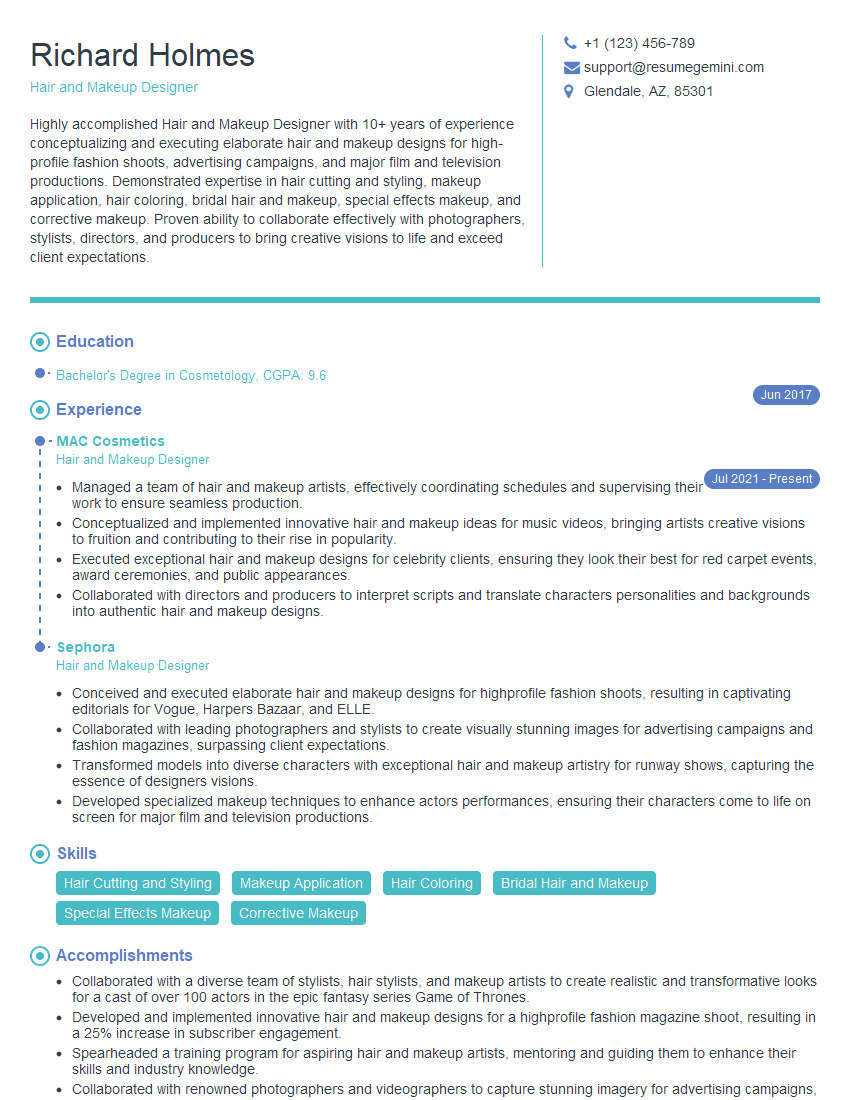
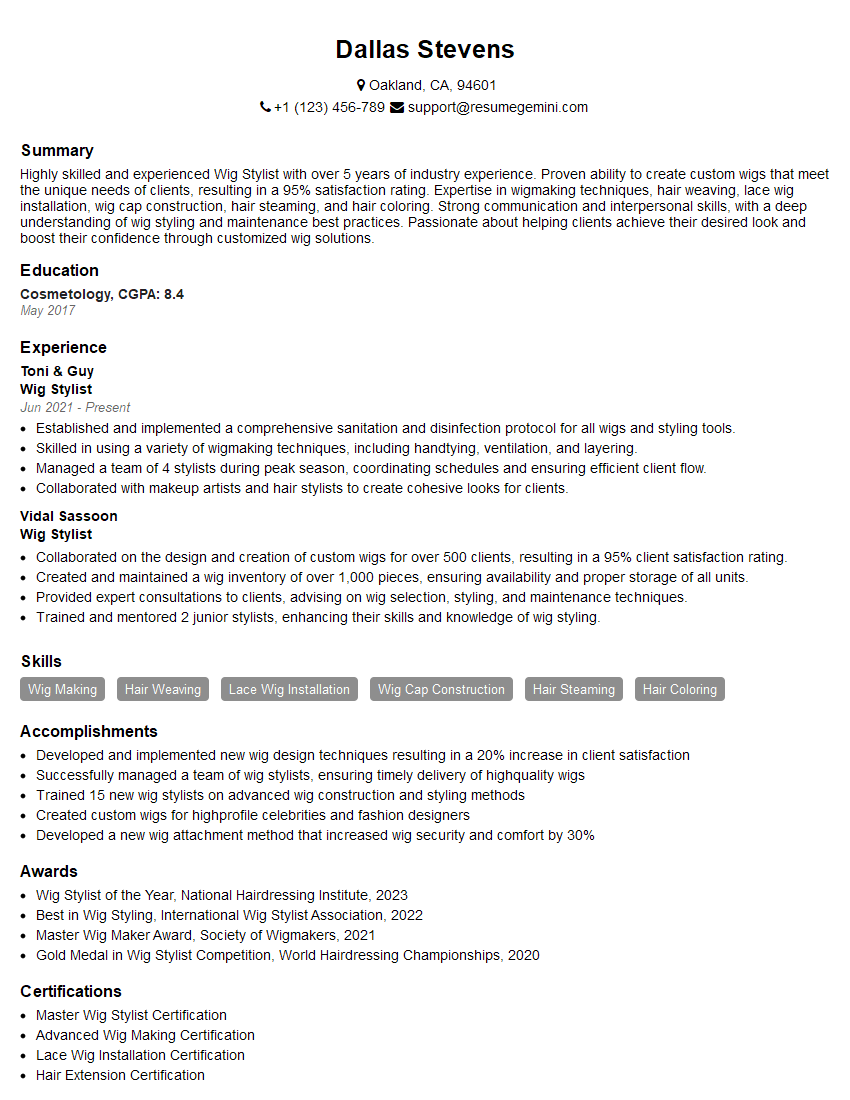
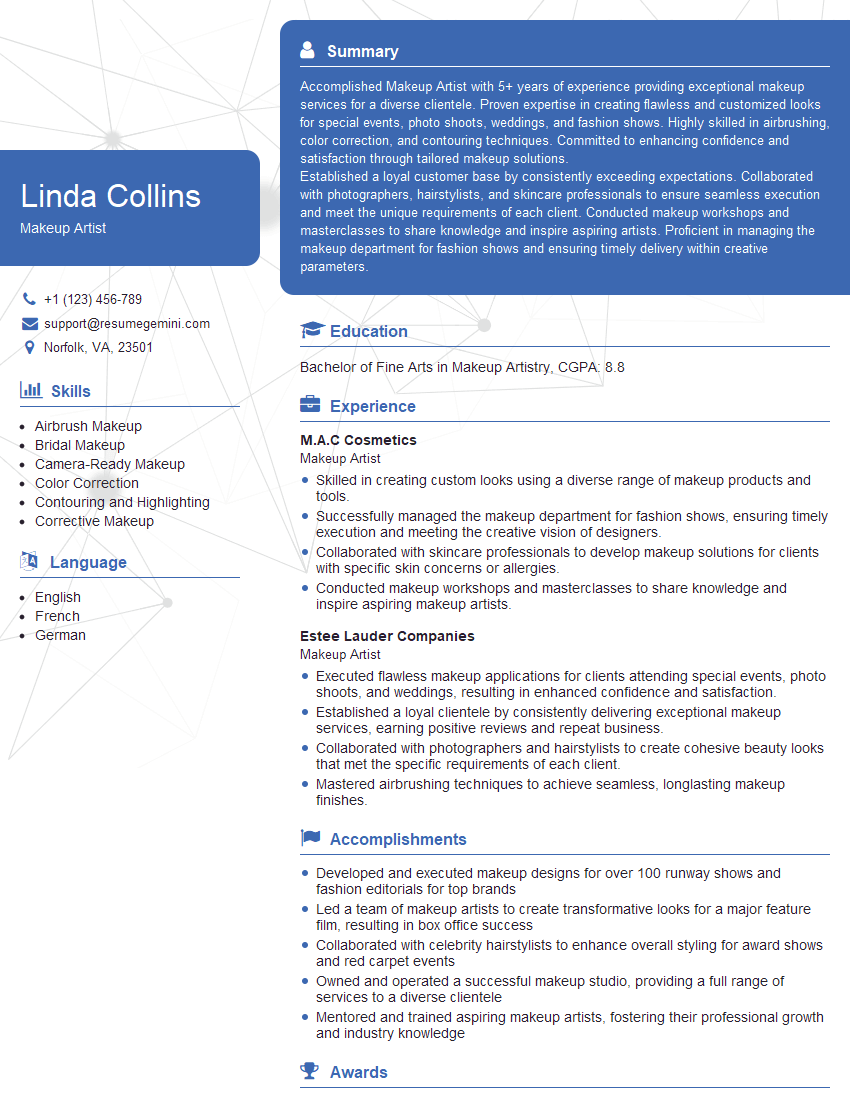
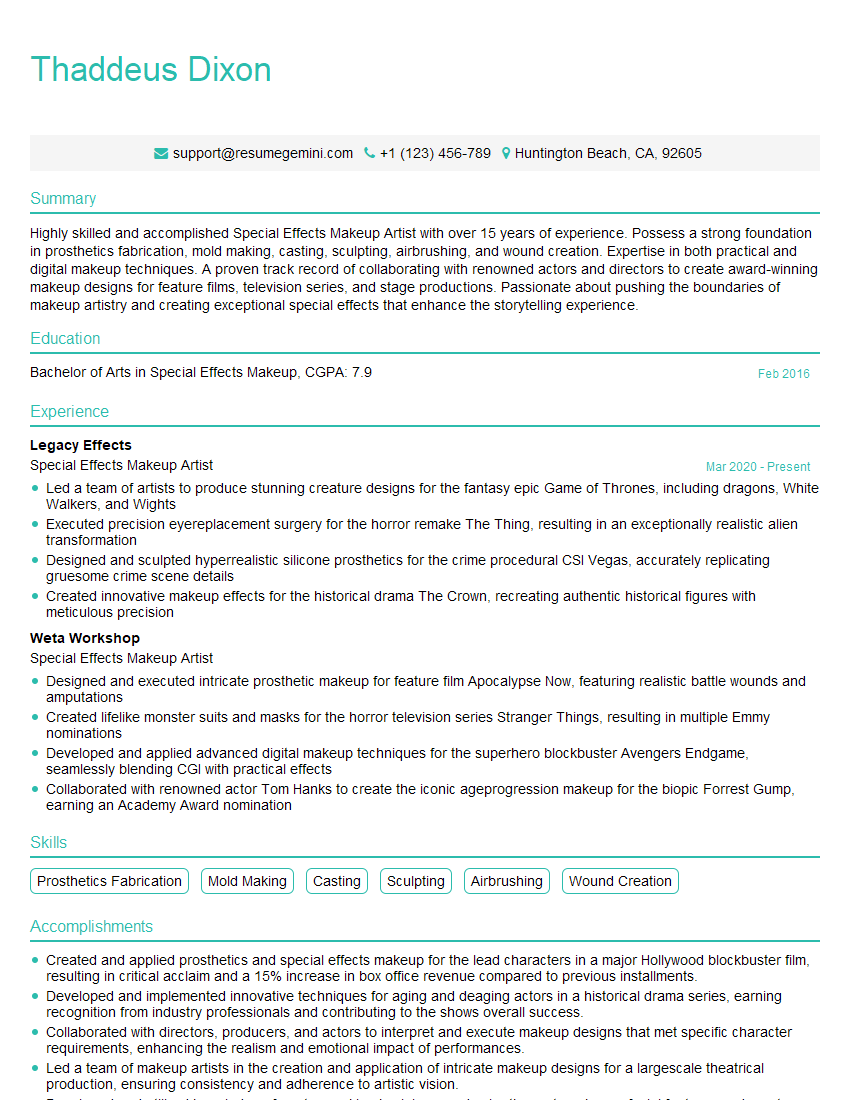
Mastering film makeup opens doors to a dynamic and creative career, offering diverse opportunities in feature films, television, commercials, and more. To stand out, a strong, ATS-friendly resume is crucial. This ensures your skills and experience are effectively communicated to potential employers. ResumeGemini is a trusted resource to help you build a professional and impactful resume that highlights your unique abilities. They provide examples of resumes tailored specifically to film makeup, guiding you towards crafting a document that makes a lasting impression and helps you land your dream job.
Explore more articles
Users Rating of Our Blogs
Share Your Experience
We value your feedback! Please rate our content and share your thoughts (optional).
What Readers Say About Our Blog
Very informative content, great job.
good