Feeling uncertain about what to expect in your upcoming interview? We’ve got you covered! This blog highlights the most important Firefighting Tactics interview questions and provides actionable advice to help you stand out as the ideal candidate. Let’s pave the way for your success.
Questions Asked in Firefighting Tactics Interview
Q 1. Describe the different types of fire extinguishers and their appropriate uses.
Fire extinguishers are classified by the type of fire they’re designed to combat. Understanding this classification is crucial for effective fire suppression. Incorrect extinguisher use can be dangerous and ineffective.
- Class A: These extinguishers are used on ordinary combustibles like wood, paper, cloth, and trash. They typically use water or water-based agents to cool the burning material below its ignition temperature. Think of it like putting out a campfire with water.
- Class B: Designed for flammable liquids like gasoline, oil, grease, and solvents. These extinguishers utilize agents that interrupt the chemical chain reaction of the fire, often using foam, dry chemical, or carbon dioxide. Imagine smothering a grease fire in a pan with a lid – similar principle.
- Class C: Used on energized electrical equipment. These extinguishers employ non-conductive agents like carbon dioxide or dry chemical to avoid electrocution. Never use water on electrical fires!
- Class D: Specifically designed for combustible metals like magnesium, titanium, and sodium. These fires require special extinguishing agents that prevent further oxidation. These are less common in everyday scenarios.
- Class K: These extinguishers tackle cooking oils and fats found in commercial kitchens. They utilize a special wet chemical agent that saponifies the fats, creating a soap-like substance that prevents reignition.
- Multi-purpose (ABC): These extinguishers combine the capabilities of Class A, B, and C extinguishers. They are versatile but may not be as effective as a dedicated extinguisher for a specific class of fire.
Always check the extinguisher label to identify its class rating before use. Remember, PASS – Pull, Aim, Squeeze, Sweep.
Q 2. Explain the principles of fire suppression.
Fire suppression hinges on disrupting the fire triangle – fuel, heat, and oxygen. By removing or controlling any one of these elements, we can extinguish a fire.
- Cooling: Reducing the temperature of the fuel below its ignition point, commonly done with water.
- Smothering: Excluding oxygen from the fire, achieved by using carbon dioxide or foam to create a blanket over the flames.
- Fuel Removal: Separating the burning material from its fuel source. This could involve moving flammable materials away from the fire.
- Chain Breaking: Interrupting the chemical chain reaction that sustains the fire, commonly employed by dry chemical extinguishers.
The most effective suppression strategy depends on the type of fire and the available resources. Often, a combination of techniques is necessary.
Q 3. What are the stages of fire development?
Fire development progresses through distinct stages, each requiring a different firefighting approach.
- Incipient Stage: The initial stage, characterized by small flames and limited heat release. This is the best time to extinguish a fire with a small extinguisher.
- Growth Stage: Flames spread rapidly as more fuel is consumed and heat builds. This stage requires a more aggressive response.
- Fully Developed Stage: The fire consumes available fuel at its maximum rate, creating intense heat and smoke. This is where the building’s structural integrity is most at risk. Firefighters often use defensive tactics in this stage.
- Decay Stage: The fire begins to subside as fuel is exhausted or oxygen is depleted. However, flare-ups can still occur. Careful monitoring and overhaul are crucial in this stage.
Understanding these stages allows firefighters to anticipate fire behavior and adapt their tactics accordingly.
Q 4. How do you assess the structural integrity of a burning building?
Assessing structural integrity in a burning building is crucial for firefighter safety. It requires a combination of observation, experience, and sometimes specialized equipment.
- Visual Inspection: Look for signs of weakening, such as sagging roofs, bulging walls, or broken windows. Smoke and flame color can indicate intense heat affecting structural members.
- Sound Analysis: Listen for unusual sounds like cracking or popping, which might signal structural failure. Creaking and groaning can indicate stress on building elements.
- Thermal Imaging: Thermal imaging cameras can detect heat signatures, helping firefighters identify areas of extreme heat that might compromise structural integrity.
- Knowledge of Building Construction: Understanding the building’s materials, age, and construction methods is essential. Older structures might be more vulnerable than newer ones.
When in doubt, prioritize firefighter safety and assume the structure is compromised. Defensive operations might be necessary.
Q 5. Describe the various search and rescue techniques used in firefighting.
Search and rescue techniques aim to locate and evacuate victims from a burning building. These techniques require training, coordination, and the use of specialized equipment.
- Primary Search: A rapid search conducted to locate victims in immediately accessible areas. Firefighters often use a systematic approach, such as searching along walls.
- Secondary Search: A more thorough search conducted after the initial fire is controlled. This involves a detailed examination of every room and area.
- Vent-Enter-Isolate-Search (VEIS): A tactic used to improve visibility and ventilation before entering a smoke-filled building. The process may include creating ventilation holes.
- Thermal Imaging Cameras: Used to locate victims through smoke and locate heat signatures, greatly enhancing search efficiency.
- Search Lines: Firefighters form a line to systematically search a building to ensure no area is missed.
Safety is paramount. Firefighters use breathing apparatus and other protective gear during searches.
Q 6. Explain the importance of size-up in firefighting operations.
Size-up is the rapid assessment of the situation upon arrival at a fire scene. It’s the foundation for developing a safe and effective incident action plan. A good size-up involves a swift but thorough evaluation.
- Life Safety: Identifying and protecting any potential victims.
- Location and Extent of the Fire: Determining the size, location, and type of fire.
- Resources Available: Assessing the available personnel, equipment, and water supply.
- Building Characteristics: Understanding the building’s construction, occupancy, and potential hazards.
- Weather Conditions: Evaluating weather factors like wind speed and direction, which can influence fire spread.
A comprehensive size-up ensures that the incident commander has a clear understanding of the situation before making critical decisions. It’s a crucial element of effective incident management. Think of it as a pre-battle assessment for firefighters.
Q 7. What are the different types of fire streams and their applications?
Fire streams are the controlled flows of water or other extinguishing agents used to suppress a fire. The type of stream depends on the situation.
- Straight Stream: A solid, powerful stream used for long-range attacks or penetrating solid objects. Think of a high-pressure water jet.
- Fog Stream: A wide, dispersed stream effective for cooling and reducing visibility in smoke-filled environments. It also allows better penetration into small spaces.
- Broken Stream: A pulsating stream that combines the attributes of both straight and fog streams. It has greater reach while still having some cooling effect.
- Combination Stream: A nozzle that allows for switching between various stream types depending on the situation.
The choice of fire stream depends on the type of fire, the location, and the environment. A fog stream is more suitable for a smaller, interior fire while a straight stream is better for an external blaze.
Q 8. How do you manage ventilation during a fire incident?
Ventilation in firefighting is crucial for controlling the fire’s spread and creating a safe environment for firefighters. It involves strategically removing smoke, heat, and toxic gases from the building to improve visibility, reduce the risk of flashover, and allow for effective fire suppression. The method chosen depends heavily on the fire’s location, size, and the building’s construction.
Methods: We employ various techniques, including:
- Horizontal Ventilation: Opening windows and doors on opposite sides of the fire to create a cross-breeze. This is effective for smaller fires in well-ventilated structures.
- Vertical Ventilation: Cutting holes in the roof to allow for the escape of hot gases and smoke. This is crucial for controlling upper-floor fires and preventing backdrafts. We carefully assess roof construction before cutting to avoid collapse.
- Positive-Pressure Ventilation: Using large fans to force fresh air into the building, pushing smoke and heat out through existing openings. This method is less destructive but requires careful consideration of air flow patterns.
Safety Considerations: Before initiating ventilation, we always assess the structural integrity of the building and consider wind direction and speed. Improper ventilation can spread the fire or create dangerous conditions for firefighters. We often use thermal imaging cameras to monitor heat patterns and guide our ventilation strategy.
Example: In a recent apartment fire, we used horizontal ventilation on the lower floors to control the spread, then transitioned to vertical ventilation on the top floor to exhaust the smoke and heat effectively before interior attack.
Q 9. Explain the role of communication in a firefighting team.
Communication is paramount in firefighting, it’s the backbone of a coordinated and safe operation. Effective communication ensures everyone understands the situation, their roles, and the changing dynamics of the incident. Without clear communication, firefighting operations can quickly become chaotic and dangerous.
Methods: Firefighters rely on several communication methods:
- Two-way radios: These are essential for maintaining contact between firefighters inside and outside the building, as well as between different teams. Clear, concise reports are vital.
- Mayday system: A standardized procedure for signaling a firefighter in distress, triggering immediate emergency response.
- Hand signals: Used in noisy or low-visibility environments to relay vital information quickly and effectively.
- Pre-incident plans: Familiarization with building layouts and potential hazards enables efficient communication during response.
Example: A ‘size-up’ report from the initial team provides essential information such as fire location, size, and potential hazards. This allows the incident commander to allocate resources effectively and relay crucial information to other teams.
Q 10. Describe the process of establishing a command structure at a fire scene.
Establishing a command structure at a fire scene is crucial for efficient and safe operations. It establishes a clear chain of command, ensuring coordinated efforts and preventing confusion. The system follows a hierarchical structure, usually based on the ICS (Incident Command System).
The Process:
- First Arriving Officer: The first officer on the scene assumes command initially. Their primary role is to quickly assess the situation and begin developing an action plan.
- Size-up: A rapid assessment of the incident, including the type of fire, building construction, occupancy, and potential hazards.
- Command Post Establishment: Setting up a designated area for command and communication, ensuring all communications are directed through the command post.
- Division of Responsibilities: Assigning roles such as fire attack, ventilation, rescue, and safety officer. Each section is responsible to its superior.
- Resource Allocation: Coordinating and managing the deployment of personnel, equipment, and resources effectively.
Example: In a large warehouse fire, the first arriving officer quickly establishes a command post, assesses the situation, and divides the team into attack, ventilation, and rescue units. They communicate continuously, relaying information and adapting strategies as the fire evolves.
Q 11. How do you handle a backdraft situation?
A backdraft is a dangerous phenomenon that occurs when a fire is starved of oxygen and then suddenly re-exposed to it. The superheated gases within the room can ignite explosively, creating a rapid and intense fire. Recognizing the signs of a potential backdraft is crucial to preventing this event.
Handling a Backdraft:
- Signs of a Potential Backdraft: These include building pressure, smoke-stained windows, little visible smoke, and smoke puffing from small cracks.
- Controlled Ventilation: If a backdraft is suspected, we don’t just open windows and doors randomly. We perform small controlled ventilation openings to slowly release pressure and let smoke out.
- Strategic Water Application: Before aggressive interior attack, we may use a fog stream to cool hot gases, reducing the chance of a backdraft.
- Teamwork and Coordination: The team must work together, following the instructions of the incident commander. Effective communication is crucial in coordinating actions and ensuring everyone’s safety.
Example: In a basement fire with limited ventilation, we noticed signs of a potential backdraft: smoke-stained windows and little visible smoke outside. We performed controlled ventilation from a high point, creating a small opening to let the hot gases out slowly before entering.
Q 12. What are the safety procedures for handling hazardous materials?
Handling hazardous materials (HAZMAT) requires specialized training and equipment. The safety procedures vary greatly depending on the specific substance involved, but general principles remain the same: prioritizing safety, containment, and decontamination.
Safety Procedures:
- Identification and Assessment: Proper identification of the hazardous material using placards, labels, or other clues is the first step. This dictates the appropriate response.
- Protective Gear: Wearing appropriate personal protective equipment (PPE), including respirators, suits, and gloves, is paramount to prevent exposure. The type of PPE depends on the identified hazard.
- Containment: The objective is to prevent further spread of the hazardous material, often achieved using absorbent materials, dams, or other containment methods.
- Decontamination: A crucial step involving removing the hazardous material from affected personnel and equipment. The decontamination process follows stringent protocols to ensure thorough removal.
- Emergency Response Plan: Collaboration with local HAZMAT teams or specialized units might be needed, depending on the nature and scale of the incident.
Example: In a chemical spill, we first identify the chemical, utilize appropriate PPE (level A suits), then contain the spill using absorbent pads, and finally proceed with thorough decontamination of personnel and equipment.
Q 13. Explain your understanding of flashover and rollover.
Flashover and rollover are two critical thermal events that can occur during a fire, posing significant risks to firefighters. Understanding these events is vital for safe and effective fire suppression.
Flashover: This is a rapid transition phase in a fire where all combustible materials within a compartment simultaneously ignite. This creates a rapidly fatal environment with extreme heat and intense flames. It’s often caused by a buildup of flammable gases and heat within a room.
Rollover: This is a precursor to flashover, representing the ignition of the flammable gases that accumulate at the ceiling. While not as immediately dangerous as flashover, rollover indicates that flashover is imminent and requires immediate action.
Differentiating the two: Rollover is the localized ignition of flammable gases near the ceiling, while flashover is the widespread ignition of all combustible materials in the compartment. Rollover is a warning sign for the impending flashover.
Example: Imagine a room fire where smoke is layering near the ceiling. Rollover would manifest as a sudden puff of flames near the ceiling. If this isn’t addressed quickly, flashover might follow, engulfing the entire room in intense flames.
Q 14. What are the different types of building construction and their implications for firefighting?
Building construction significantly impacts firefighting tactics. Different materials react differently to fire, affecting fire spread, structural stability, and overall safety. Understanding building types is essential for effective incident response.
Types of Building Construction and Implications:
- Type I (Fire-Resistive): Uses non-combustible materials, offering excellent fire resistance. Fire spread is typically slower, allowing for more time for firefighting operations. However, heavy construction can make access and ventilation challenging.
- Type II (Non-Combustible): Uses non-combustible structural members but may have combustible interior finishes. Fire spread can vary, depending on the interior materials. Structural collapse is a concern.
- Type III (Ordinary Construction): Exterior walls are made of non-combustible materials, but interior structural members are made of wood. Fire spread is typically rapid, requiring quick action. Structural integrity is compromised quickly.
- Type IV (Heavy Timber): Uses large, solid wooden members. While the structural members resist fire for longer than Type III, the potential for rapid fire spread within the structure remains.
- Type V (Wood-Frame): Uses entirely combustible components. Fire spreads rapidly, posing significant risk of structural collapse. These buildings often require rapid and aggressive firefighting strategies.
Example: A Type V wood-frame building fire requires immediate and aggressive attack to prevent rapid fire spread and structural collapse, while a Type I fire-resistive structure allows for a more measured and strategic approach.
Q 15. How do you prioritize rescue operations in a multi-casualty incident?
Prioritizing rescue operations in a multi-casualty incident is a critical aspect of firefighting, demanding quick, decisive action under immense pressure. We use a triage system, typically the START (Simple Triage And Rapid Treatment) method or a similar system, to quickly assess victims’ injuries and prioritize treatment.
This involves systematically moving through the scene, identifying and categorizing casualties based on their breathing, circulation, and mental status. Those with immediate life threats (e.g., severe bleeding, obstructed airways) receive top priority. Victims are categorized into four groups: Immediate (red), Delayed (yellow), Minimal (green), and Expectant (black).
Imagine a building collapse: We wouldn’t waste time on someone with minor injuries if someone else is bleeding profusely and needs immediate attention. The system ensures the most critically injured receive help first, maximizing the chances of survival for the greatest number of people. Continuous reassessment is crucial as conditions can change rapidly.
Career Expert Tips:
- Ace those interviews! Prepare effectively by reviewing the Top 50 Most Common Interview Questions on ResumeGemini.
- Navigate your job search with confidence! Explore a wide range of Career Tips on ResumeGemini. Learn about common challenges and recommendations to overcome them.
- Craft the perfect resume! Master the Art of Resume Writing with ResumeGemini’s guide. Showcase your unique qualifications and achievements effectively.
- Don’t miss out on holiday savings! Build your dream resume with ResumeGemini’s ATS optimized templates.
Q 16. Describe the different types of personal protective equipment (PPE) used by firefighters.
Firefighters utilize a comprehensive suite of Personal Protective Equipment (PPE) designed to protect us from various hazards. This equipment is crucial for our safety and allows us to operate effectively in hazardous environments.
- Structural firefighting gear: This includes a protective coat, trousers, helmet, gloves, and boots, all made from flame-resistant materials to protect against heat, flames, and sharp objects. The self-contained breathing apparatus (SCBA) is the most vital piece, supplying breathable air in smoke-filled or oxygen-deficient environments.
- Eye and face protection: A self-contained breathing apparatus (SCBA) often includes a face mask, but additional eye protection, like goggles, might be worn to protect against debris, chemicals, and intense heat.
- Hearing protection: The loud noises associated with firefighting necessitate hearing protection, such as earplugs or earmuffs, to prevent hearing damage.
- Respiratory protection: Beyond the SCBA, specialized respirators might be used when dealing with specific hazardous materials.
- Gloves: Various types of gloves, including heat-resistant and chemical-resistant options, are employed depending on the situation.
Each piece of PPE is meticulously inspected before and after every incident to ensure its integrity and readiness.
Q 17. How do you use a thermal imaging camera effectively?
Thermal imaging cameras (TICs) are invaluable tools that detect heat differences, allowing firefighters to ‘see’ through smoke and locate hidden fire sources, victims, or hot spots. Effective use involves a systematic approach.
Firstly, understand the camera’s settings and limitations. Learn how to interpret the images; different colors indicate varying temperatures. Secondly, utilize a systematic search pattern, scanning the area methodically. Thirdly, use the TIC in conjunction with other senses and tools. For example, confirm TIC findings by physically checking areas identified as hot.
For instance, in a residential fire, a TIC can quickly identify the location of trapped individuals behind walls or under debris. It helps to pinpoint the seat of the fire for more effective extinguishment strategies. Remember, the camera is a tool to aid, not replace, sound firefighting tactics. Proficiency with a TIC comes from consistent practice and experience.
Q 18. Explain the importance of post-incident analysis.
Post-incident analysis (PIA) is a critical process for improving future responses and enhancing firefighter safety. It’s a structured review of all aspects of an incident, examining what went well, what could be improved, and identifying any underlying issues contributing to the event.
This analysis typically involves debriefing sessions with involved personnel, a review of incident reports, and potentially a site visit. Areas examined include fire tactics, resource deployment, communication effectiveness, and personal safety procedures. The goal is not to assign blame, but to identify areas for improvement and enhance future operational efficiency. For example, a PIA might reveal communication breakdowns that delayed crucial actions. This then allows us to implement better communication protocols.
Q 19. What is your experience with fire investigations?
I have extensive experience in fire investigations, encompassing a wide range of scenarios from residential house fires to large-scale industrial blazes. I’m proficient in conducting scene examinations, identifying the origin and cause of fires, and documenting findings using photography, sketches, and written reports. My skills include understanding various ignition sources, analyzing burn patterns, and interpreting evidence to determine whether a fire was accidental, intentional, or caused by other factors. I’ve testified in court as an expert witness on multiple occasions, explaining my findings in a clear and concise manner.
One particularly memorable investigation involved a series of seemingly unrelated fires in a commercial building. Through meticulous examination, I uncovered a pattern of electrical failures related to inadequate wiring, ultimately leading to significant safety improvements throughout the building and preventing future incidents.
Q 20. How do you manage stress and fatigue during a prolonged fire incident?
Managing stress and fatigue during a prolonged incident is paramount for firefighter safety and effectiveness. It’s a critical aspect of our job and requires a multi-faceted approach.
Firstly, we prioritize physical fitness and training, building stamina and resilience. Secondly, we employ effective communication and teamwork, sharing the workload and providing mutual support. Regular breaks are essential to prevent exhaustion, providing opportunities for hydration, rest, and mental recovery. Post-incident support, including psychological debriefings, is crucial for addressing the emotional impact of traumatic events. Recognizing personal limitations and seeking help when needed is vital for our well-being.
In a prolonged incident, rotating crews, ensuring adequate rest periods, and access to nutrition and fluids are all key components of managing fatigue effectively. Teamwork and the ability to rely on colleagues are pivotal during these demanding situations.
Q 21. Describe your experience with working in confined spaces.
My experience with confined space rescues is extensive. I’ve participated in numerous operations involving everything from underground utility tunnels to collapsed structures and industrial tanks. These operations demand specialized training, specialized equipment, and meticulous safety protocols. We use atmospheric monitoring equipment to test for hazardous gases before entry, and utilize proper ventilation techniques to mitigate risks.
Teamwork and communication are paramount in confined spaces. A well-defined entry and rescue plan, including designated roles and responsibilities, is essential. A lifeline system ensures the safety of those working inside. Often, we use specialized equipment such as confined space rescue tripods and harnesses to assist in rescue and recovery efforts. Regular training drills are crucial in refining our skills and preparing us for the unique challenges posed by confined space rescues.
Q 22. How do you handle conflicts or disagreements within a firefighting team?
Conflict resolution within a firefighting team is paramount to safety and efficiency. It’s about prioritizing the mission while maintaining a respectful and collaborative environment. We use a structured approach. First, we acknowledge that disagreements can arise from stress, fatigue, or differing opinions on tactics. Open communication is key; we encourage firefighters to voice their concerns respectfully, using “I” statements instead of blaming others. Secondly, we prioritize a collaborative problem-solving approach. This often involves a brief huddle, focusing on the immediate objective and weighing the pros and cons of different approaches. The team leader facilitates this discussion, ensuring everyone’s voice is heard and a consensus is reached, prioritizing the safest and most effective strategy. Finally, post-incident debriefs are invaluable. We discuss what worked well, what could be improved, and how communication could have been enhanced, ensuring that any friction doesn’t impact future operations. For example, in a recent warehouse fire, there was a disagreement about the best approach to ventilation. Instead of arguing, we took a moment, quickly analyzed the fire’s behavior, and collaboratively decided on the optimal strategy, resulting in a swift and safe fire suppression.
Q 23. What is your familiarity with different types of fire alarms and detection systems?
My familiarity with fire alarms and detection systems is extensive. We use a variety of systems, each suited to different environments and hazards. These include ionization smoke detectors (which respond quickly to flaming fires), photoelectric smoke detectors (better for smoldering fires), heat detectors (activated by a temperature rise), flame detectors (detecting infrared or ultraviolet radiation from flames), and carbon monoxide detectors. Understanding their limitations is crucial. For example, ionization detectors might miss slow-burning fires producing large amounts of smoke, while photoelectric detectors might be slower to respond to fast-flaming fires. We also work with addressable fire alarm systems that pinpoint the exact location of the alarm, aiding in faster response and more efficient resource allocation. Furthermore, knowledge of different alarm signaling protocols – both local and remote – ensures we understand the alert system’s capabilities and limitations in the event of a fire alarm activation.
Q 24. Explain your understanding of hydraulic rescue tools.
Hydraulic rescue tools, also known as ‘jaws of life,’ are essential for extricating victims trapped in vehicles or other confined spaces. They use hydraulic pressure to generate immense force, enabling us to cut through steel, spread metal, and lift heavy objects. The tools consist of a power unit, hoses, and various attachments – spreaders, cutters, and rams – each designed for specific tasks. Understanding the operational limits and maintenance needs of each tool is critical. For example, the spreaders excel at separating materials, while the cutters are used for precise cutting. Each tool has specific safety protocols to prevent mishaps and maximize effectiveness. During an operation, safety is always paramount. Before using any hydraulic rescue tool, we ensure the area is safe, the tool is correctly assembled, and the operator is well-versed in its operation. Furthermore, regular inspections and maintenance are crucial to ensure their readiness and prevent malfunctions during critical rescue operations.
Q 25. How would you react to a firefighter experiencing a medical emergency on the scene?
Responding to a firefighter’s medical emergency on the scene demands immediate, decisive action. The first step is to ensure the firefighter’s safety by removing them from any immediate danger. Then, we immediately initiate emergency medical procedures based on their condition. This might include CPR, administering oxygen, or stabilizing any injuries. Simultaneously, we request backup from emergency medical services (EMS) and provide them with a detailed report on the firefighter’s condition and location. Communication is crucial; we relay information clearly and concisely to the incident commander and EMS. After stabilizing the firefighter, we would work closely with EMS to ensure a smooth transfer to a hospital. Post-incident, we conduct a thorough review of the situation to determine the cause of the medical emergency and identify preventative measures to avoid similar occurrences in the future. For example, if heat exhaustion is the cause, we would reinforce hydration protocols and implement measures to prevent overexertion.
Q 26. Describe your understanding of fire codes and regulations.
Fire codes and regulations are the foundation of fire safety. My understanding of these codes is thorough. They dictate building construction, fire protection systems installation, occupancy limits, and emergency procedures. I’m familiar with codes like the International Fire Code (IFC) and the National Fire Protection Association (NFPA) standards. These regulations establish minimum safety requirements to protect lives and property. Knowledge of these codes ensures compliance during inspections and informs our tactical decisions. For example, understanding evacuation plans and the location of fire suppression systems is crucial during a building fire. Similarly, being familiar with specific regulations related to hazardous materials handling helps us make informed decisions in those particular situations. Staying updated with any amendments or changes in fire codes is an ongoing commitment for efficient and safe firefighting operations.
Q 27. How do you maintain and inspect firefighting equipment?
Maintaining and inspecting firefighting equipment is a non-negotiable aspect of our job. We conduct regular pre- and post-incident inspections of all equipment, including self-contained breathing apparatus (SCBA), hoses, nozzles, ladders, and hydraulic rescue tools. These inspections focus on identifying any damage, wear, or malfunctions before they become critical. SCBA, for instance, requires meticulous checks of air pressure, mask seals, and harness integrity. Hoses must be examined for kinks, leaks, or damage to the couplings. We maintain detailed records of all inspections and repairs. Preventive maintenance is also crucial; this involves regular cleaning, servicing, and testing according to manufacturer’s recommendations. This proactive approach ensures our equipment is always operational, reliable, and ready for deployment. This preventive work saves time and resources in the long run and ensures firefighter safety.
Q 28. Describe your experience with high-rise firefighting techniques.
High-rise firefighting presents unique challenges due to the height, complexity of the structures, and the potential for rapid fire spread. My experience includes training and participation in various high-rise drills and real-life scenarios. We employ specialized techniques like establishing staging areas, utilizing standpipes, pre-planning evacuation routes, and employing rapid intervention teams. Understanding the building’s layout, including stairwells, fire escape routes, and the location of fire suppression systems, is crucial. We utilize specialized equipment, such as aerial ladders and high-pressure water streams, to effectively combat the fire. Communication is paramount, relying on two-way radios and visual signals to coordinate actions across multiple floors. For instance, during a high-rise drill, our team practiced using standpipes and establishing a water supply at different floors. This training provided vital experience in coordinating a multi-story fire attack safely and effectively. Effective pre-planning and a strong understanding of building systems and floor plans are essential for safe and successful high-rise firefighting operations.
Key Topics to Learn for Firefighting Tactics Interview
- Fire Behavior and Combustion: Understanding the fire triangle, stages of fire development, and factors influencing fire spread. Practical application: Analyzing a fire scene to predict its behavior and plan an effective attack.
- Strategic Fire Suppression: Developing and implementing strategic plans based on fire size, location, and available resources. Practical application: Choosing the appropriate suppression tactics (e.g., direct attack, indirect attack, defensive operations) for varying fire scenarios.
- Tactical Ventilation: Techniques for controlling smoke and heat, improving firefighter safety, and creating effective attack paths. Practical application: Identifying appropriate ventilation methods (e.g., horizontal, vertical) considering building construction and fire conditions.
- Fireground Safety and Communication: Importance of clear communication, risk assessment, and adherence to safety protocols. Practical application: Describing effective strategies for maintaining firefighter safety during operations and coordinating actions with a team.
- Incident Command System (ICS): Understanding the ICS framework and your role within it. Practical application: Explaining how ICS principles enhance communication, coordination, and efficiency during large-scale incidents.
- Hazardous Materials (Hazmat) Awareness: Recognizing and responding to potential Hazmat incidents. Practical application: Describing initial actions and safety precautions when encountering unknown substances at a fire scene.
- Rescue Techniques: Methods for rescuing victims from burning buildings and other hazardous environments. Practical application: Describing appropriate rescue techniques for different scenarios, considering victim location and building conditions.
Next Steps
Mastering Firefighting Tactics is crucial for career advancement in this demanding field. A strong understanding of these concepts showcases your preparedness and expertise, opening doors to leadership roles and specialized assignments. To further enhance your job prospects, invest time in crafting an ATS-friendly resume that highlights your skills and experience effectively. ResumeGemini is a trusted resource that can help you build a professional resume tailored to the firefighting industry. Examples of resumes specifically designed for Firefighting Tactics positions are available to guide you.
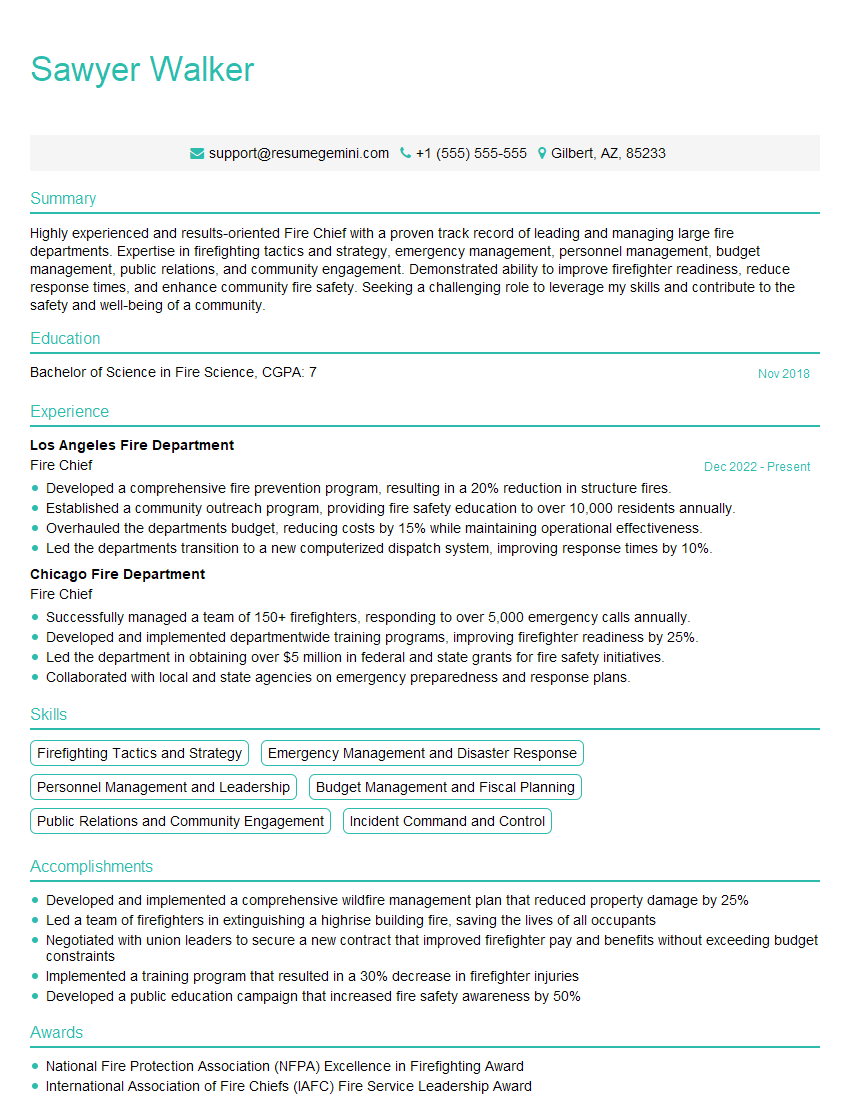
Fire Chief Resume Sample
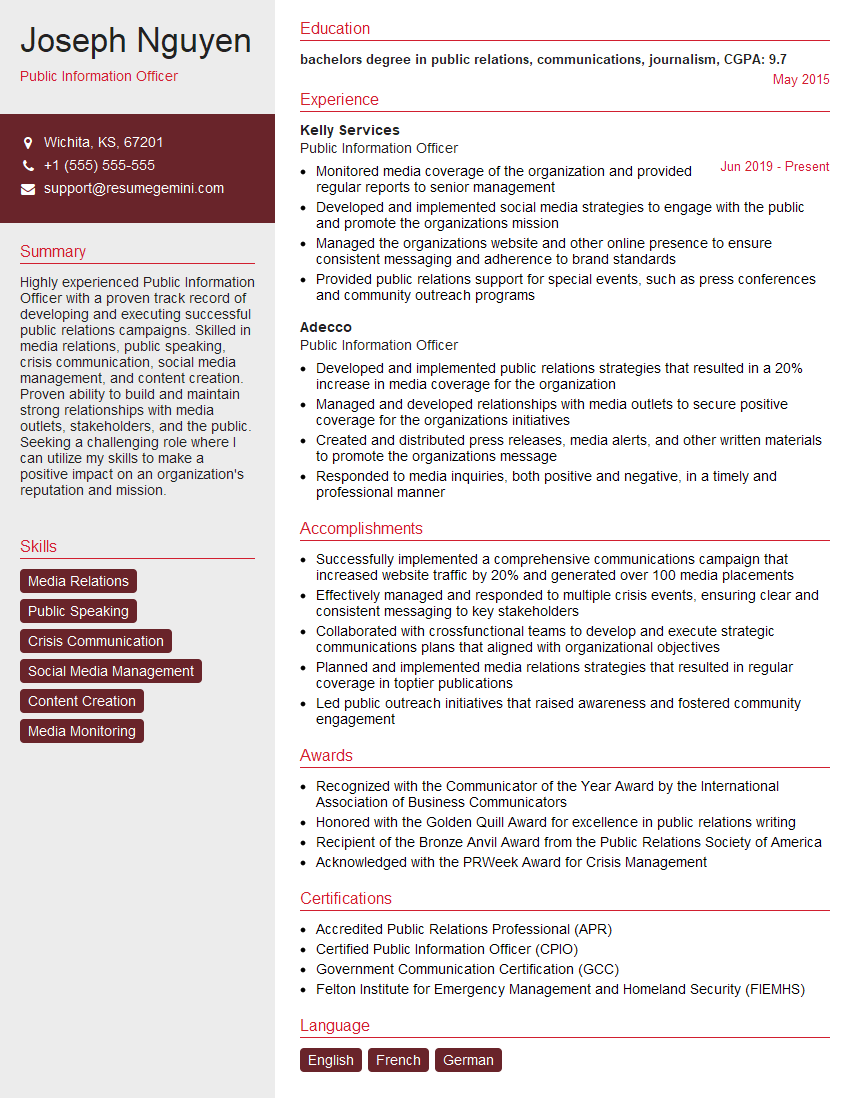
Public Information Officer Resume Sample
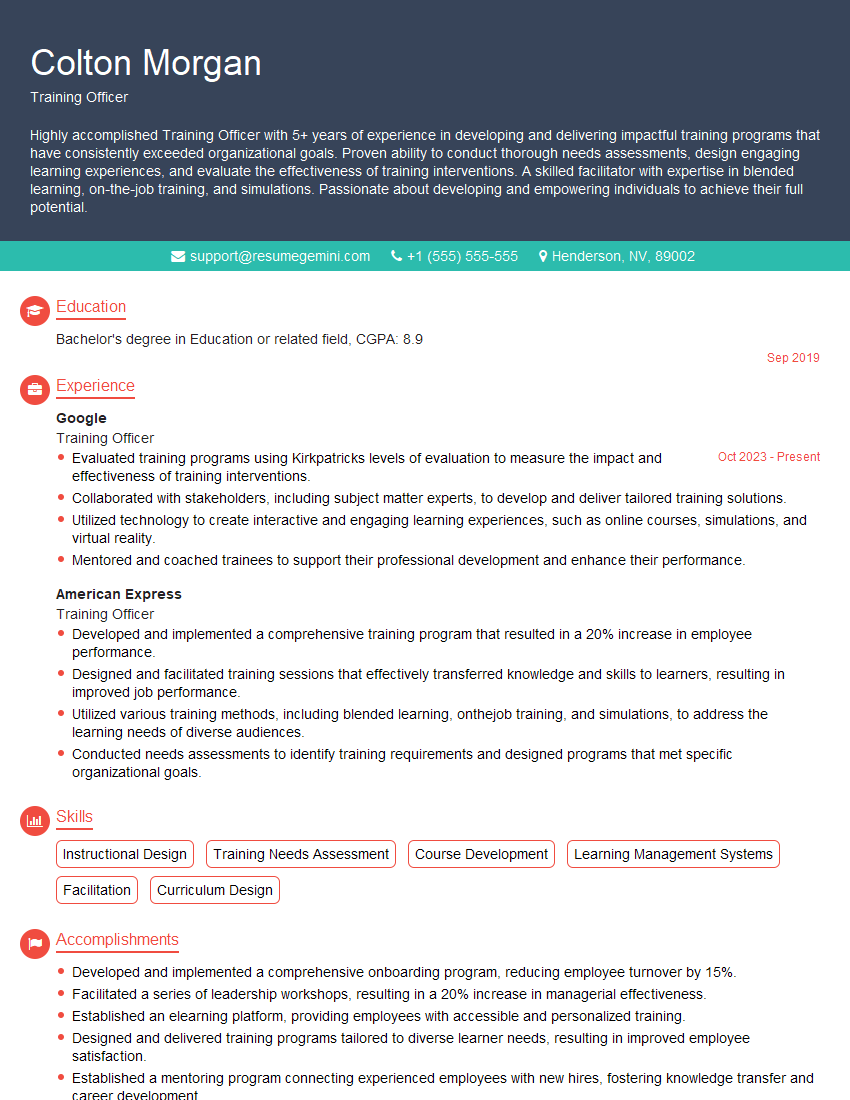
Training Officer Resume Sample
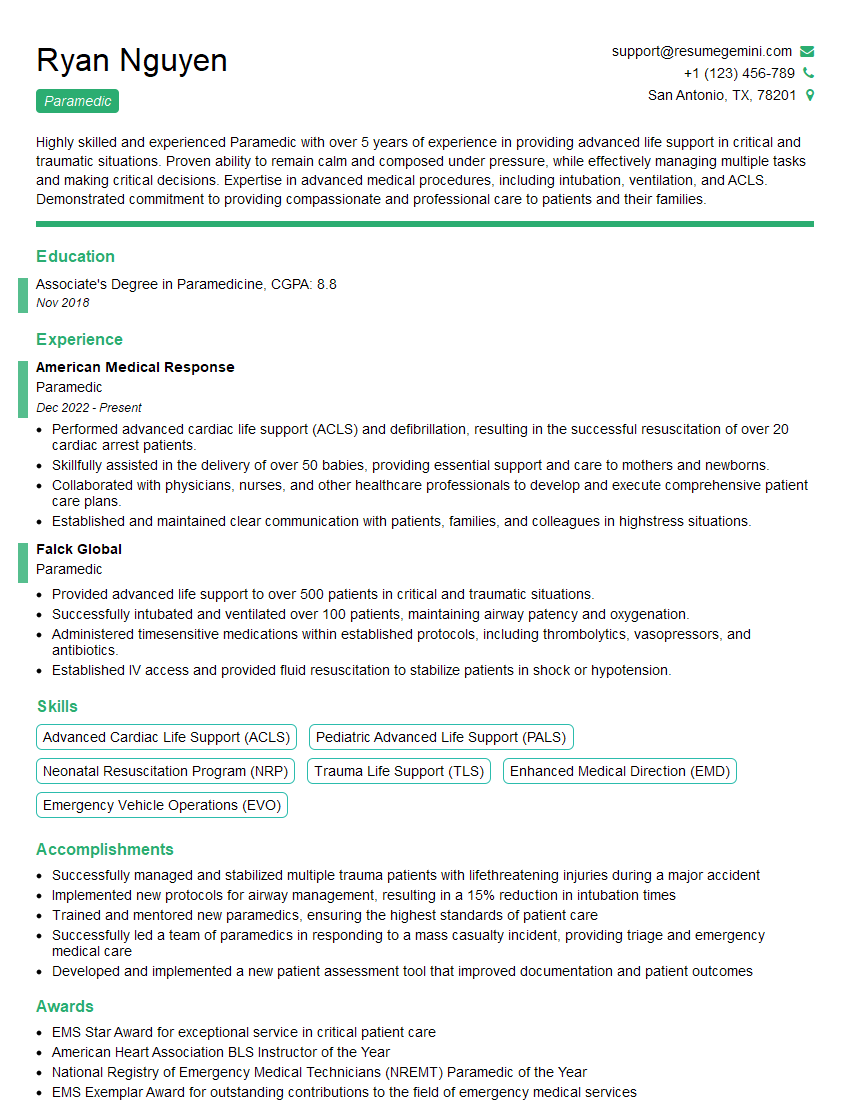
Paramedic Resume Sample
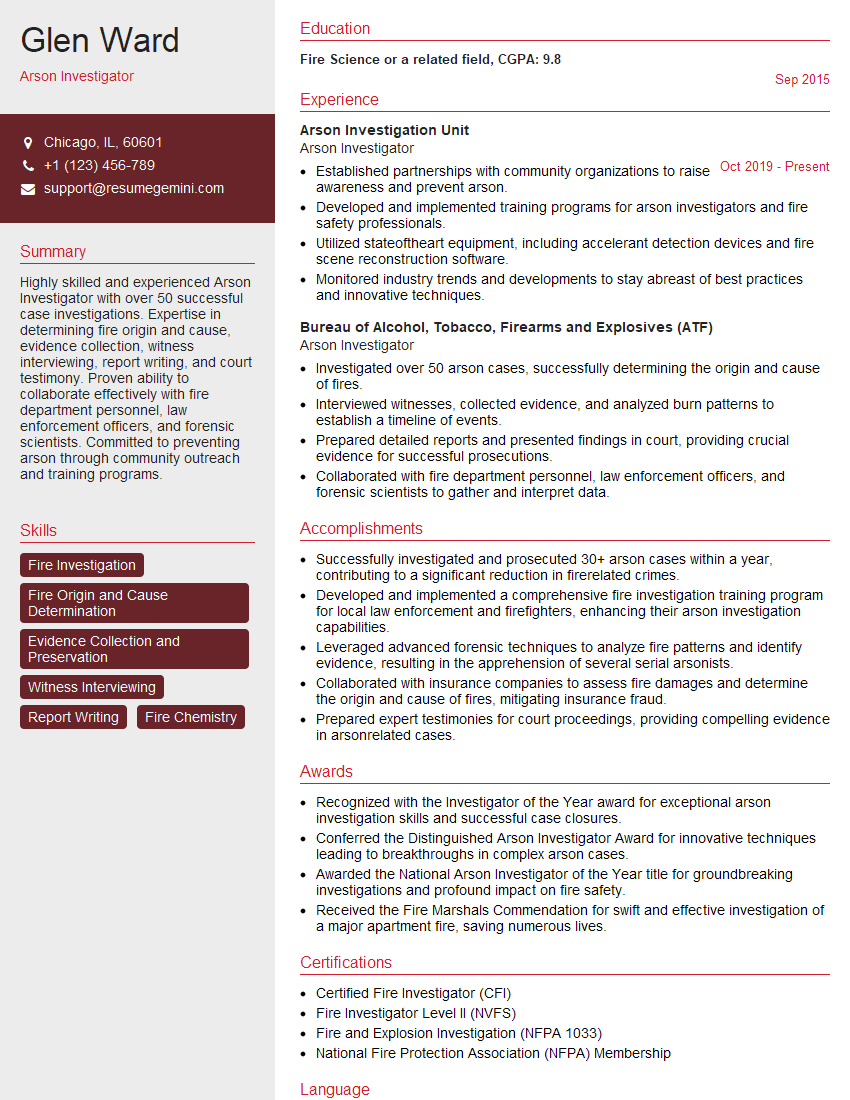
Arson Investigator Resume Sample
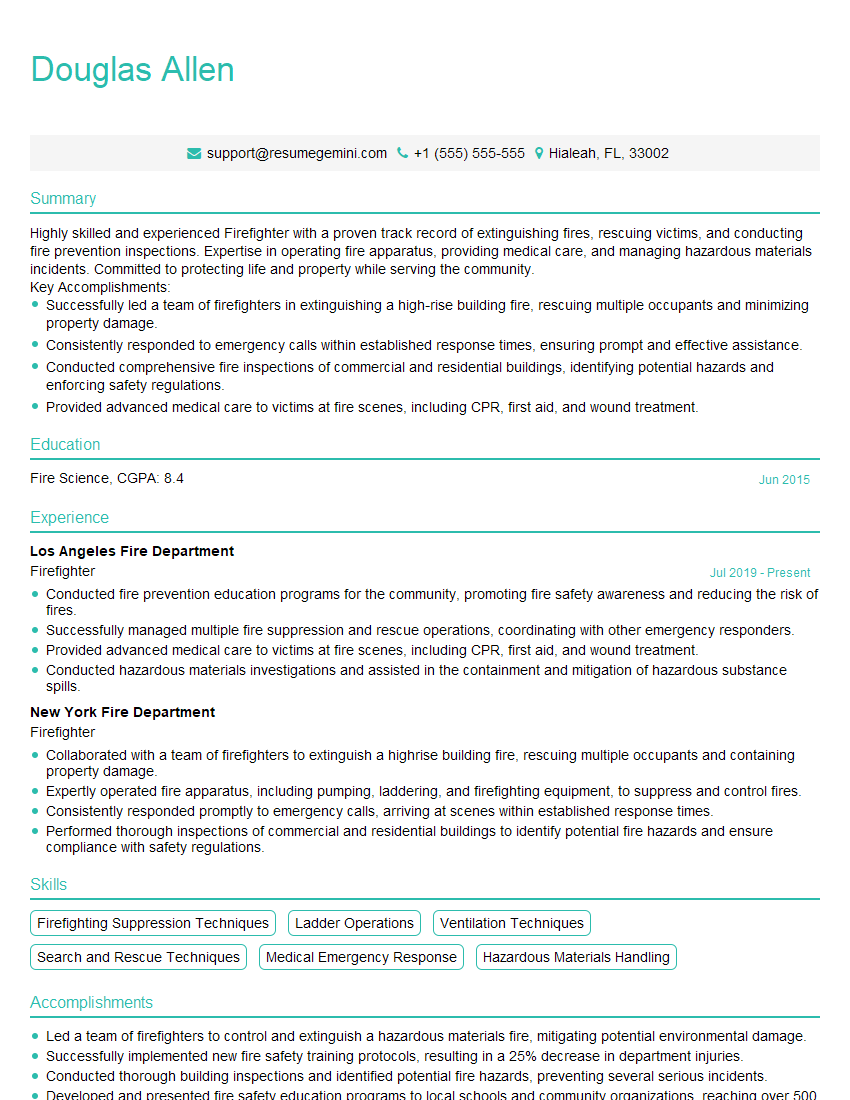
Firefighter Resume Sample
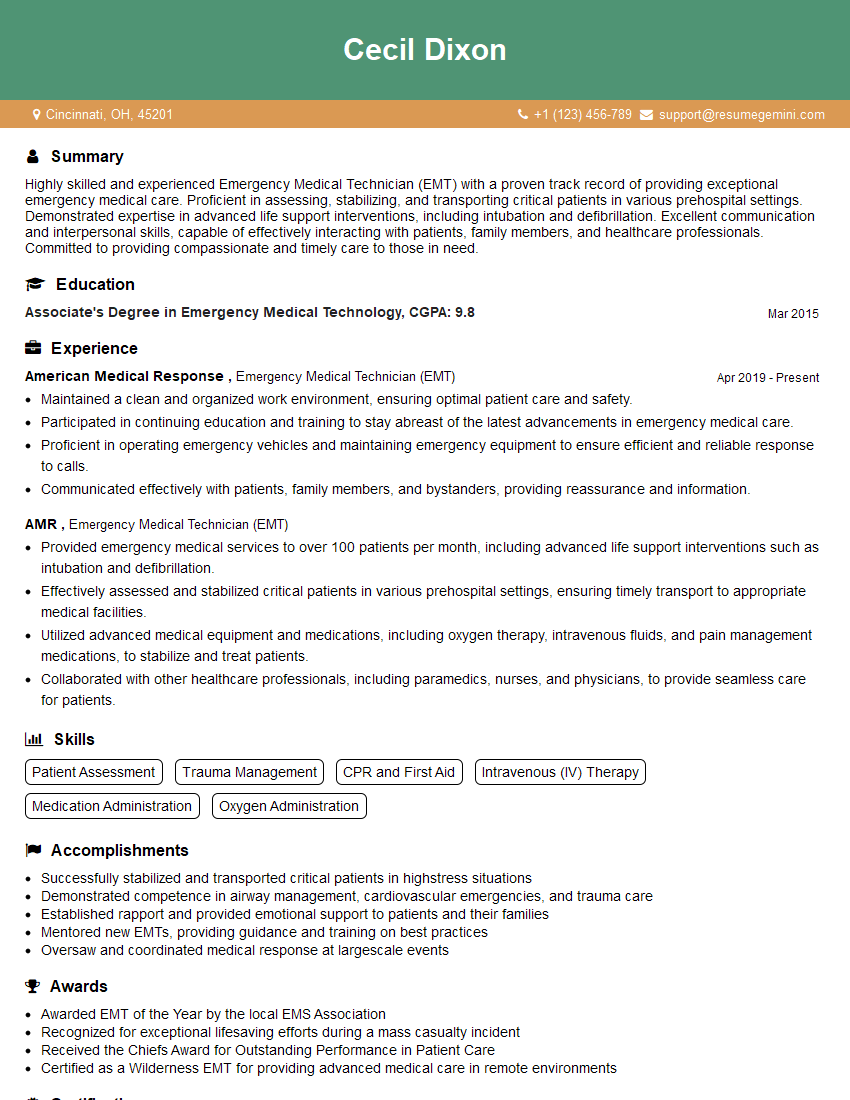
Emergency Medical Technician (EMT) Resume Sample
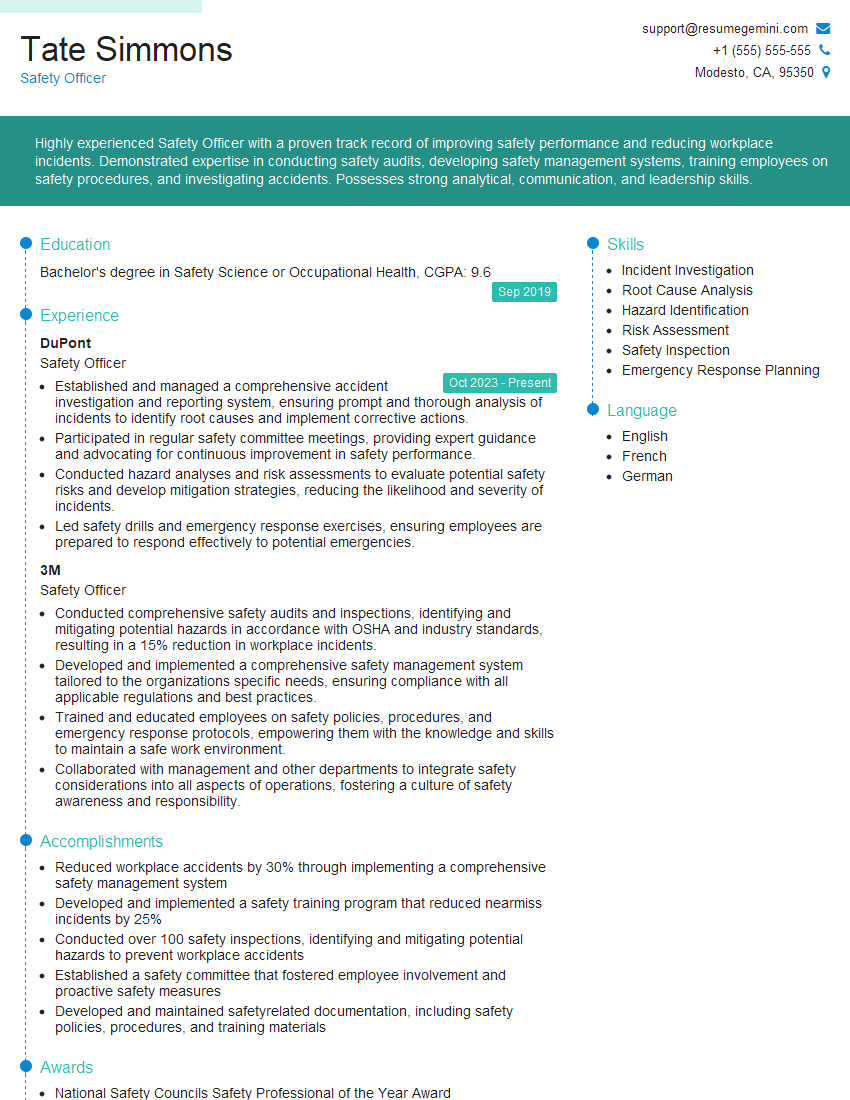
Safety Officer Resume Sample
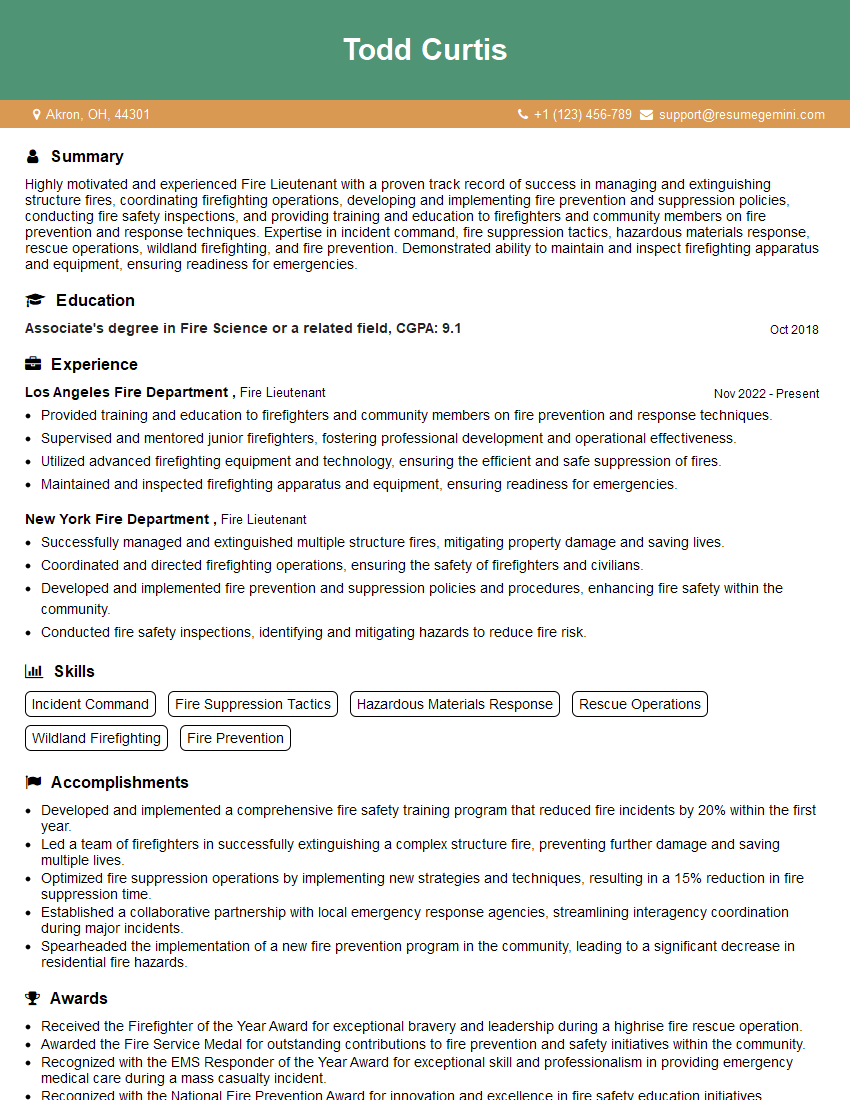
Fire Lieutenant Resume Sample
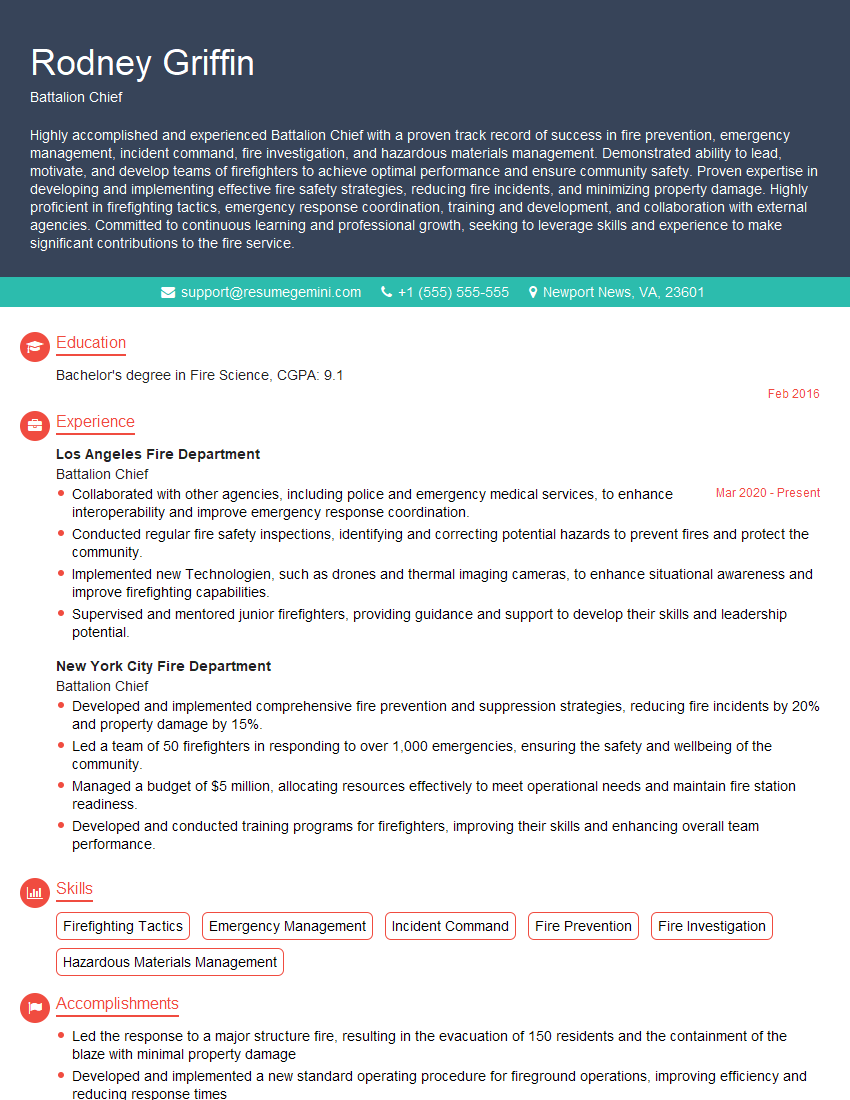
Battalion Chief Resume Sample
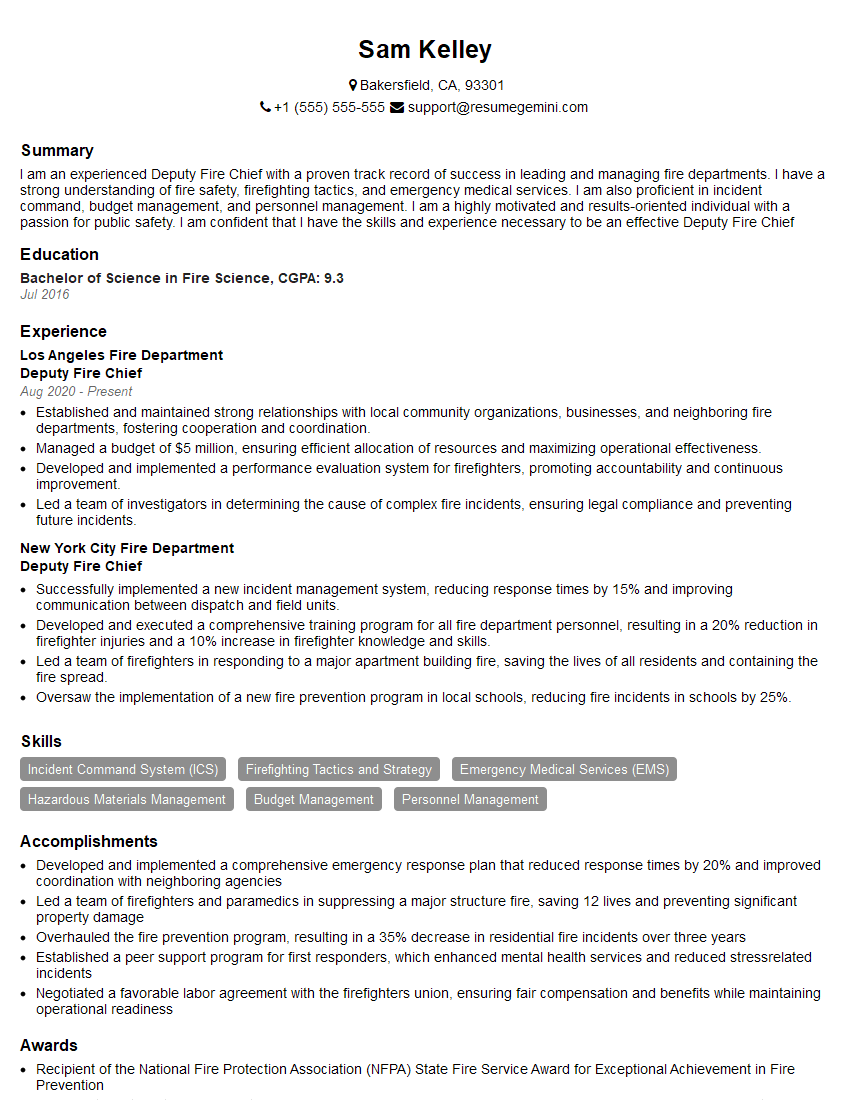
Deputy Fire Chief Resume Sample
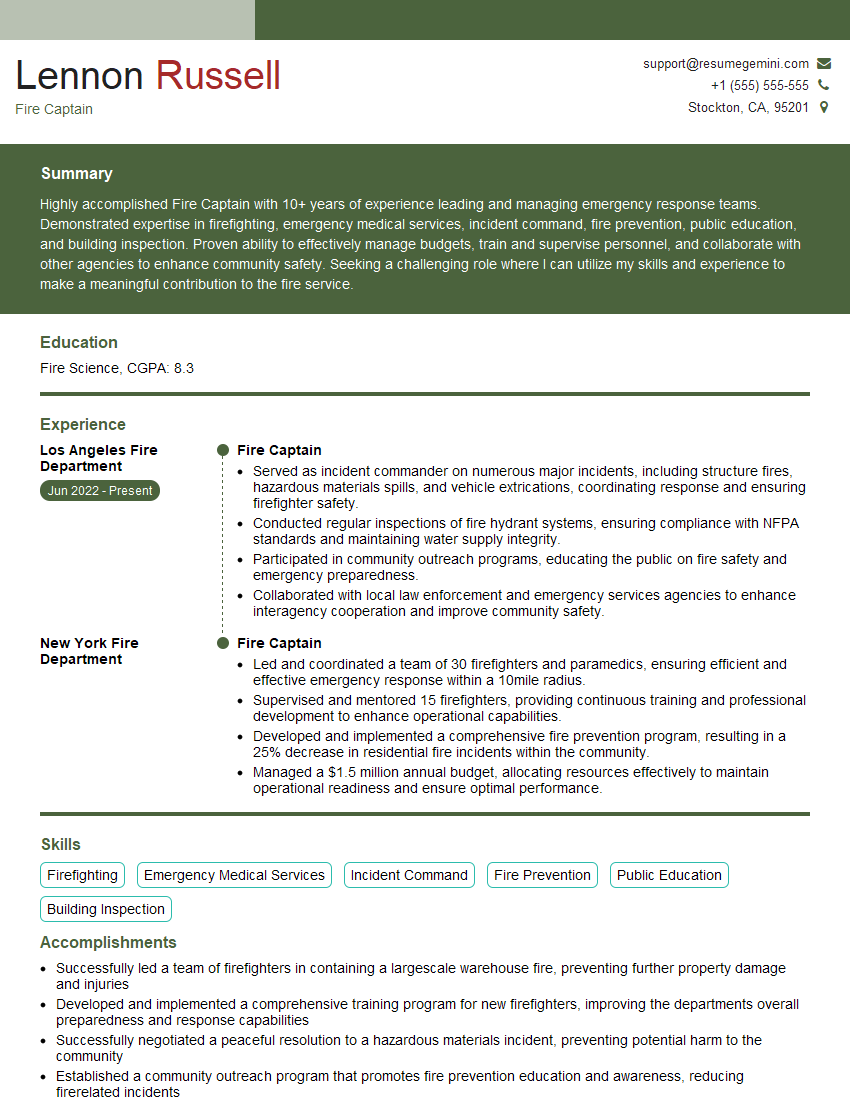
Fire Captain Resume Sample
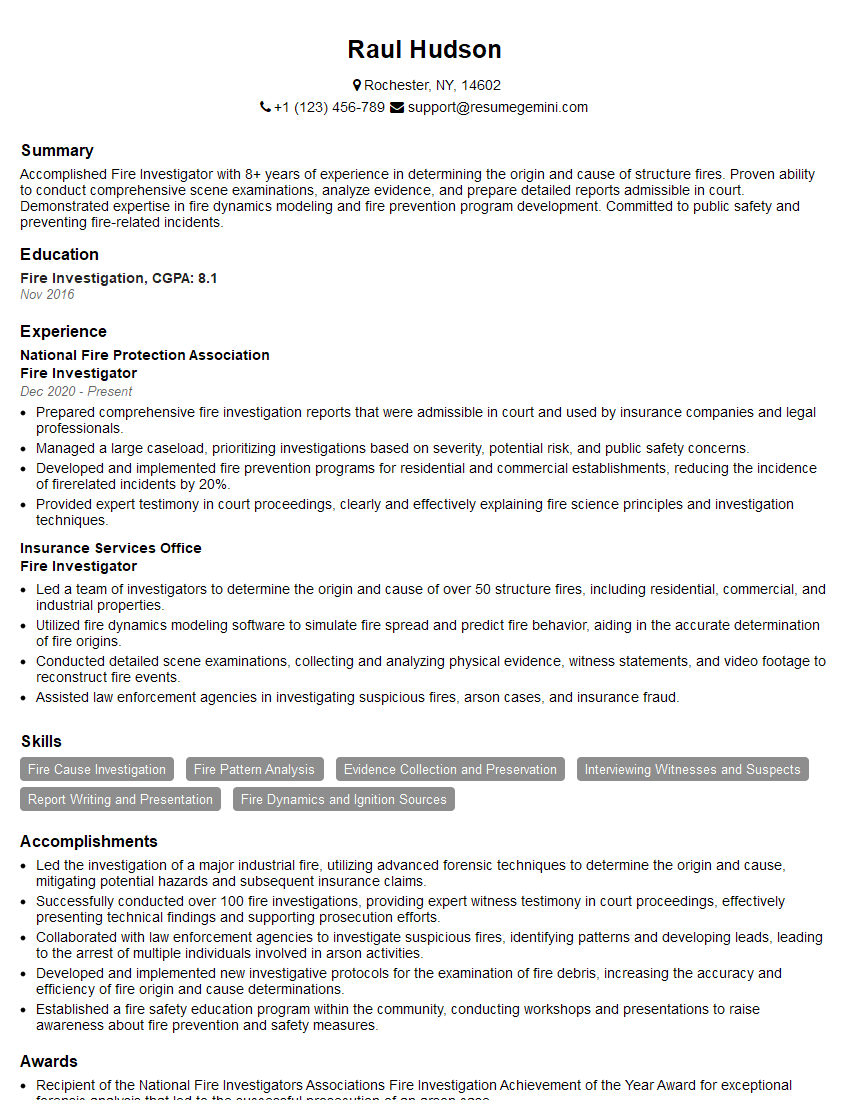
Fire Investigator Resume Sample
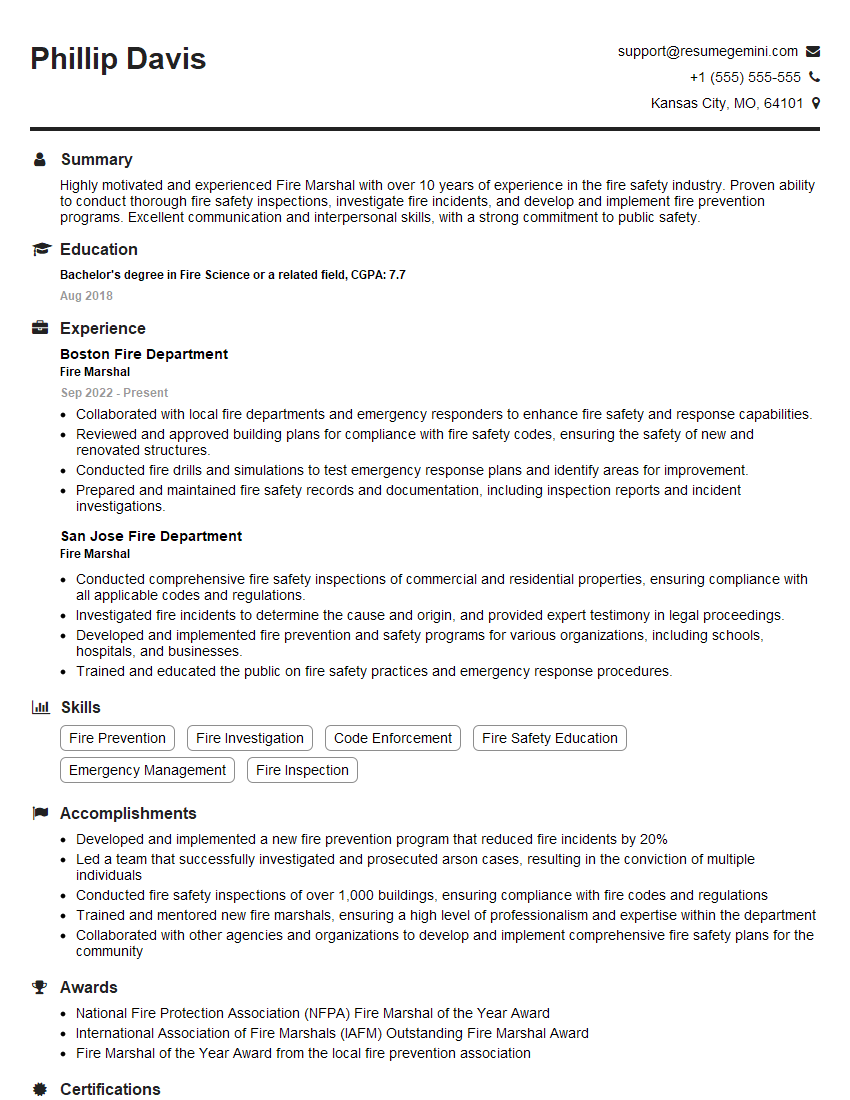
Fire Marshal Resume Sample
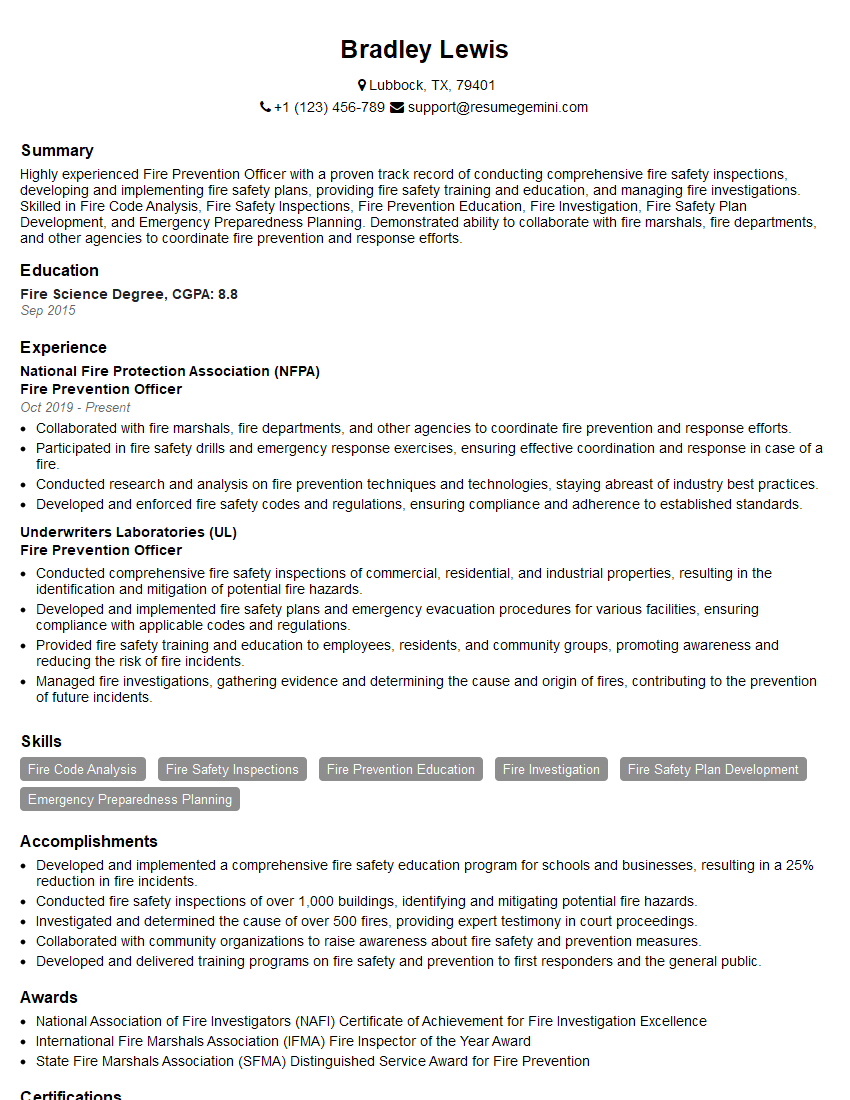
Fire Prevention Officer Resume Sample
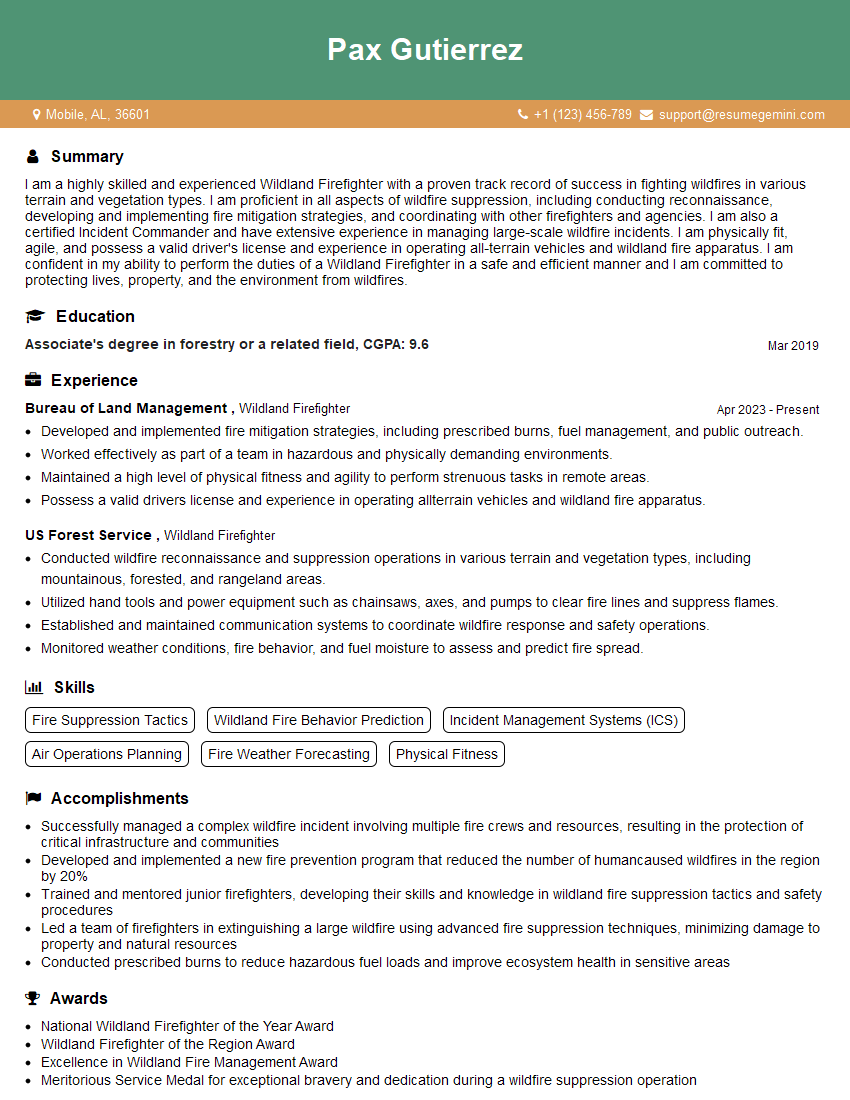
Wildland Firefighter Resume Sample
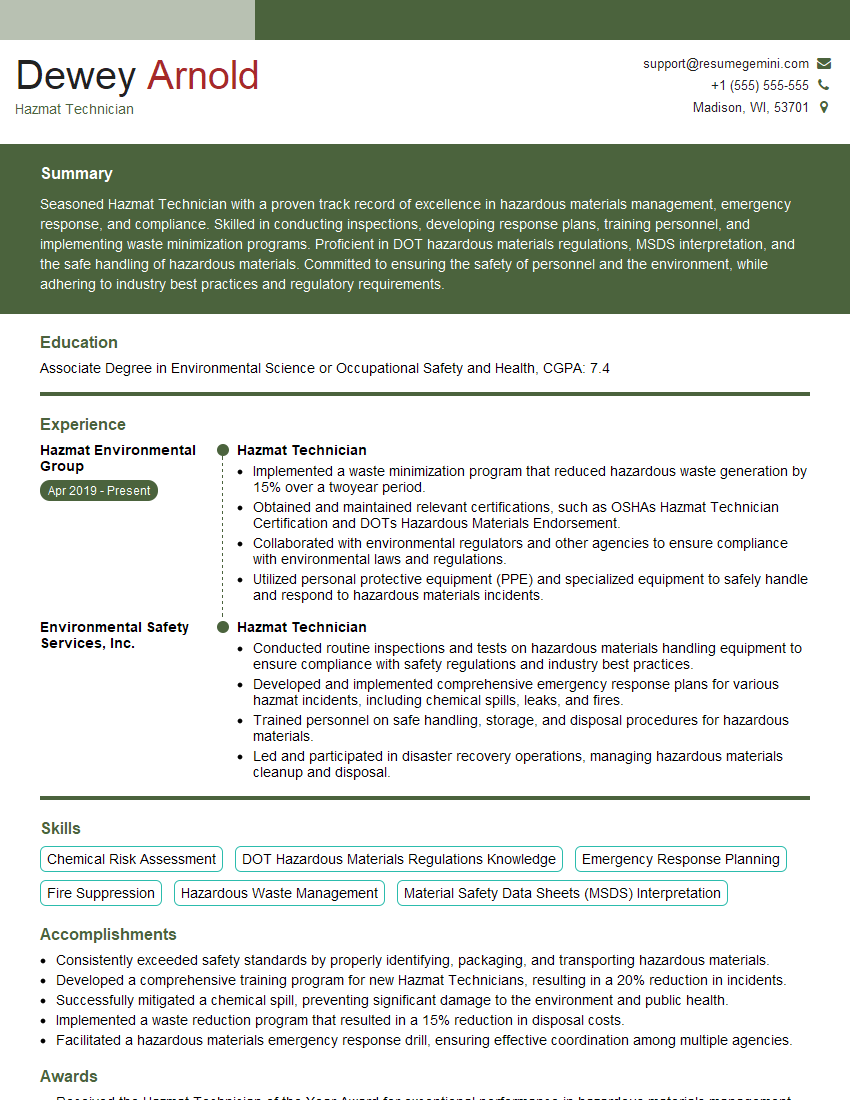
Hazmat Technician Resume Sample
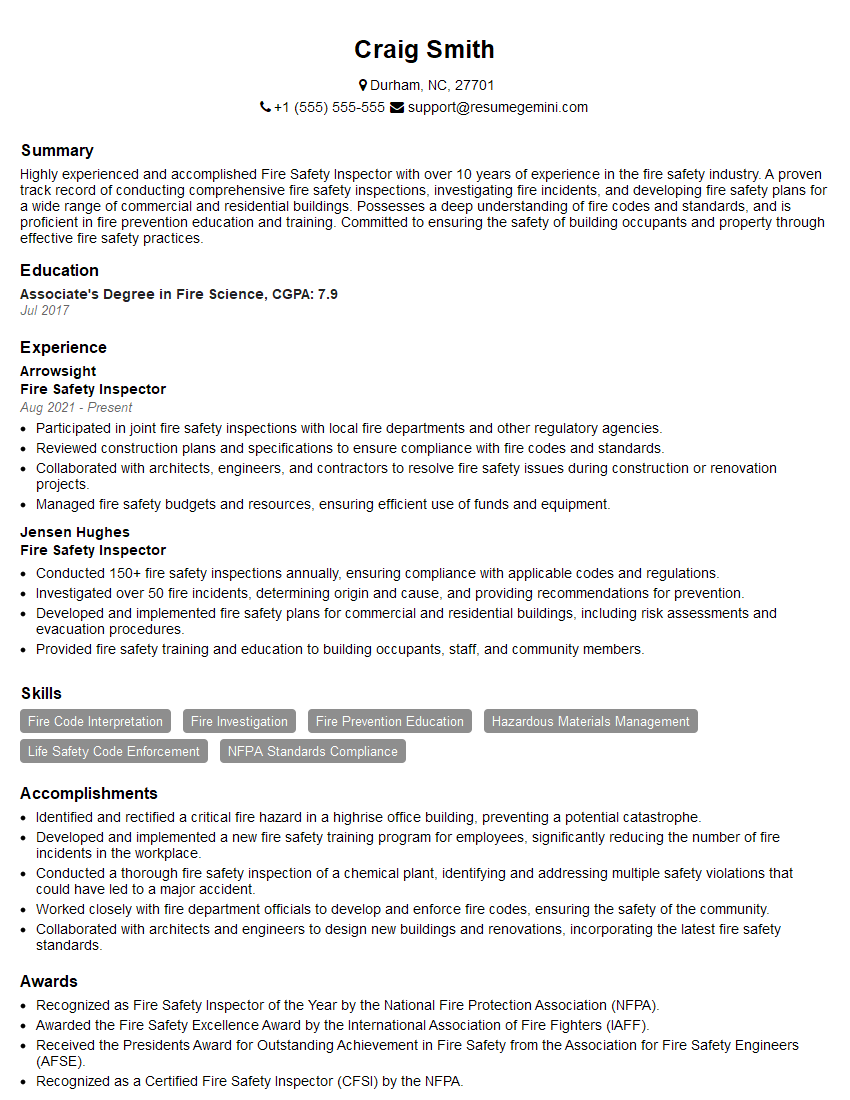
Fire Safety Inspector Resume Sample
- Fire Chief
- Public Information Officer
- Training Officer
- Paramedic
- Arson Investigator
- Firefighter
- Emergency Medical Technician (EMT)
- Safety Officer
- Fire Lieutenant
- Battalion Chief
- Deputy Fire Chief
- Fire Captain
- Fire Investigator
- Fire Marshal
- Fire Prevention Officer
- Wildland Firefighter
- Hazmat Technician
- Fire Safety Inspector
Explore more articles
Users Rating of Our Blogs
Share Your Experience
We value your feedback! Please rate our content and share your thoughts (optional).
What Readers Say About Our Blog
Very informative content, great job.
good