Preparation is the key to success in any interview. In this post, we’ll explore crucial FirstAidAndCPR interview questions and equip you with strategies to craft impactful answers. Whether you’re a beginner or a pro, these tips will elevate your preparation.
Questions Asked in FirstAidAndCPR Interview
Q 1. Describe the steps involved in performing adult CPR.
Performing adult CPR involves a sequence of actions aimed at restoring circulation and breathing. It’s crucial to remember that early CPR significantly increases the chances of survival. The steps are:
- Check for Responsiveness and Breathing: Gently shake the person and shout, “Are you okay?” Check for normal breathing – regular, rhythmic chest rise and fall. Absence of breathing or only gasping breaths necessitates CPR.
- Call for Help: Immediately call emergency medical services (EMS) or have someone else do so. This is a vital step. Explain the situation clearly and follow their instructions.
- Chest Compressions: Position yourself correctly, with your hands interlocked in the center of the person’s chest (between the nipples). Keep your arms straight, and push hard and fast at a rate of 100-120 compressions per minute, allowing the chest to fully recoil between compressions. Aim for a depth of at least 2 inches for adults.
- Rescue Breaths: After 30 chest compressions, give two rescue breaths. Pinch the person’s nose shut, create a seal over their mouth with yours, and give slow, deliberate breaths, each lasting about one second, ensuring the chest visibly rises.
- Repeat Cycles: Continue cycles of 30 compressions and two breaths until EMS arrives or the person shows signs of life, such as breathing normally or moving.
Important Note: If you are untrained or uncomfortable giving rescue breaths, focus solely on chest compressions. Continuous chest compressions are better than interrupted CPR.
Q 2. What are the key differences between adult, child, and infant CPR?
The key differences between adult, child, and infant CPR primarily involve the depth and rate of compressions, and the rescue breathing technique. The underlying principle remains the same – to restore circulation and breathing.
- Adult CPR (8 years and older): Compressions should be at least 2 inches deep, at a rate of 100-120 compressions per minute. Two rescue breaths are given after every 30 compressions.
- Child CPR (1-8 years): Use the heel of one hand for compressions, aiming for a depth of about 2 inches. The compression rate is also 100-120 per minute. Two rescue breaths are given after every 30 compressions.
- Infant CPR (less than 1 year): Use two fingers for compressions, pressing down about 1.5 inches deep. The compression rate is 100-120 per minute. After 30 compressions, give two rescue breaths.
In infants and children, it’s especially important to be gentle while checking for responsiveness and performing rescue breaths to avoid injury. Remember to always check local guidelines and updated CPR training materials for the most accurate and current recommendations.
Q 3. Explain the recovery position and when it should be used.
The recovery position is used for an unconscious but breathing person to help maintain an open airway and prevent choking on vomit or secretions. It should be used when there’s no sign of spinal injury. This is an important position used to help someone who is unconscious but still breathing until professional medical help arrives.
- Extend the person’s leg: Extend one leg straight.
- Position the arm: Extend the arm closest to you at a right angle to the body.
- Cross the other arm: Cross the other arm across the chest.
- Roll the person: While supporting the head and neck, roll the person onto their side, toward the extended leg.
- Check for breathing: Regularly monitor the person’s breathing.
The recovery position is only used for unconscious, breathing individuals. If the person is not breathing or only gasping, CPR should be initiated immediately.
Q 4. How do you check for responsiveness in an unconscious person?
Checking for responsiveness involves gently shaking the person and shouting, “Are you okay?” Observe their response. If they don’t respond, they are considered unresponsive. This simple test is the first step in determining if emergency medical assistance is needed.
Pay attention to subtle cues; even a slight movement or response indicates consciousness. However, the absence of any response to verbal stimuli or gentle shaking requires immediate further action.
Q 5. What are the signs and symptoms of a heart attack?
A heart attack occurs when blood flow to a part of the heart is blocked. Symptoms can vary, but common signs include:
- Chest pain or discomfort: This is often described as pressure, squeezing, fullness, or pain in the center of the chest lasting more than a few minutes, or that goes away and comes back.
- Shortness of breath: Difficulty breathing, often accompanied by chest pain.
- Pain in other areas: Pain may radiate to the arm(s), jaw, neck, back, or stomach.
- Other symptoms: Sweating, nausea, lightheadedness, or unusual fatigue.
It’s crucial to remember that women may experience different symptoms than men, such as back pain or unexplained fatigue. The only definitive diagnosis of a heart attack is from a medical professional.
If someone experiences these symptoms, immediate medical attention is vital. Call emergency services immediately.
Q 6. What are the signs and symptoms of a stroke?
A stroke happens when blood flow to a part of the brain is interrupted. The acronym FAST is a helpful way to remember the common signs and symptoms:
- F – Face Drooping: Ask the person to smile. Does one side of their face droop?
- A – Arm Weakness: Ask the person to raise both arms. Does one arm drift downward?
- S – Speech Difficulty: Ask the person to repeat a simple sentence. Is their speech slurred or strange?
- T – Time to call 911: If you observe any of these signs, call emergency services immediately. Time is critical in treating a stroke.
Other symptoms can include sudden numbness or weakness, confusion, trouble seeing, dizziness, severe headache with no known cause.
Q 7. How do you treat a nosebleed?
Treating a nosebleed involves several steps:
- Sit down and lean forward: Avoid tilting the head back, as this can cause blood to run down the throat.
- Pinch the nostrils: Pinch the soft part of the nose firmly, just below the bony bridge, for at least 10 minutes. Use a tissue to collect the blood.
- Apply a cold compress: A cold compress applied to the bridge of the nose can help constrict blood vessels.
- Monitor breathing: Ensure the person can breathe easily. If breathing becomes difficult, seek immediate medical attention.
- Seek medical attention if necessary: If the bleeding persists for more than 20 minutes, is heavy, or is accompanied by other symptoms like dizziness or fainting, seek medical attention immediately.
In some cases, packing the nostrils with gauze or other sterile material may be necessary, but this should be done by a healthcare professional. The goal is to reduce the blood flow to the area and allow the blood vessels to clot.
Q 8. How do you treat a severe cut that is bleeding heavily?
Treating a severe cut that’s bleeding heavily is all about controlling the bleeding and preventing infection. Think of it like this: you’re trying to help the body’s natural clotting process.
- Call for help immediately: Dial emergency services (911 or your local equivalent).
- Direct Pressure: Apply direct pressure to the wound using a clean cloth. Press firmly and consistently. Don’t lift the cloth to check; if it gets soaked, add another layer on top.
- Elevation: If possible, elevate the injured limb above the heart. This helps reduce blood flow to the area.
- Pressure Points: If direct pressure isn’t enough, consider applying pressure to a pressure point. These are areas where major arteries are close to the skin’s surface, making it easier to slow blood flow. (Note: This should only be attempted if you’re trained in pressure point techniques).
- Monitor and maintain pressure: Continue applying pressure until professional help arrives. Watch for signs of shock (pale skin, rapid pulse, dizziness).
- Prevent infection: Once bleeding is under control, carefully clean the wound and cover it with a clean bandage.
Example: Imagine someone slicing their hand open on broken glass. Immediate direct pressure, keeping the hand elevated and calling 911 are vital first steps. Continuous pressure is key until paramedics arrive.
Q 9. How do you treat a burn?
Burn treatment depends entirely on the severity of the burn. The key is to cool the burn, prevent infection, and minimize scarring.
- Cool the burn: Run cool (not cold or icy) water over the burn for 10-20 minutes. This helps to reduce pain and inflammation. Do not use ice, butter, or any home remedies.
- Remove clothing and jewelry: Carefully remove any clothing or jewelry near the burn, unless it’s stuck to the skin.
- Cover the burn: Cover the burn with a clean, sterile dressing. Do not use fluffy materials like cotton balls that can stick to the burn.
- Seek medical attention: For severe burns (extensive area, deep penetration, burns to the face, hands, feet, or genitals), seek immediate medical help.
- Pain management: Over-the-counter pain relievers such as ibuprofen or acetaminophen can help manage pain.
Example: A minor sunburn can be treated with cool water and aloe vera. A severe burn from a house fire, however, requires immediate emergency medical care.
Q 10. What are the different types of burns and how are they treated?
Burns are classified into three degrees based on their depth and severity:
- First-degree burns (superficial): These affect only the outer layer of skin. They’re characterized by redness, pain, and mild swelling. Treatment involves cooling the burn and applying aloe vera or a moisturizing lotion.
- Second-degree burns (partial-thickness): These affect the outer and inner layers of skin. They’re characterized by blisters, intense pain, swelling, and redness. Treatment involves cooling the burn, covering it with a sterile dressing, and seeking medical attention if the burn is large or on a sensitive area.
- Third-degree burns (full-thickness): These affect all layers of the skin and may even damage underlying tissues. They’re characterized by charred or white skin, minimal pain (due to nerve damage), and significant swelling. These require immediate and aggressive medical treatment in a burn center.
Example: A sunburn is a first-degree burn, a scald from hot water might be a second-degree burn, while a burn from a house fire is often a third-degree burn.
Q 11. How do you handle a choking victim?
Handling a choking victim requires immediate action. The method depends on whether the victim is conscious or unconscious.
Conscious Choking Victim:
- Encourage coughing: If the person can cough forcefully, encourage them to continue coughing. This may dislodge the object.
- Abdominal Thrusts (Heimlich Maneuver): If coughing is ineffective, stand behind the victim and wrap your arms around their waist. Make a fist and place it above their navel. Grasp your fist with your other hand and give quick, upward thrusts into the abdomen until the object is dislodged or the person becomes unconscious.
Unconscious Choking Victim:
- Call for help: Immediately call emergency services.
- Check for responsiveness: Gently shake the person and ask if they are okay.
- Begin CPR: If the person is unresponsive, begin CPR, including chest compressions and rescue breaths, checking the mouth for the obstruction before each breath.
Example: If a child is choking on a toy, appropriate first aid might involve back blows and abdominal thrusts. If an adult is choking and becomes unconscious, starting CPR is crucial.
Q 12. What are the steps in using an AED (Automated External Defibrillator)?
Using an AED (Automated External Defibrillator) can save a life in cases of sudden cardiac arrest. Here’s a step-by-step guide:
- Turn on the AED: Follow the voice prompts or written instructions.
- Attach pads: Attach the adhesive pads to the victim’s bare chest, as indicated on the pads (usually upper right and lower left).
- Analyze the heart rhythm: The AED will analyze the heart rhythm and let you know if a shock is advised.
- Deliver the shock (if advised): Make sure no one is touching the victim, and press the shock button if the AED advises it.
- Begin CPR: After the shock, immediately begin CPR (chest compressions and rescue breaths), following the AED’s instructions.
- Continue CPR and AED cycles: Continue cycles of CPR and AED analysis until professional help arrives or the victim shows signs of recovery.
Note: Always follow the specific instructions provided by the AED model you are using.
Q 13. What are the limitations of an AED?
While AEDs are life-saving devices, they have limitations:
- Not effective for all cardiac arrest causes: AEDs are primarily effective for ventricular fibrillation (VF) and pulseless ventricular tachycardia (VT). Other causes of cardiac arrest might not respond to defibrillation.
- Requires proper use: Incorrect placement of the pads or failure to follow instructions can be ineffective or even dangerous.
- Not a substitute for CPR: AEDs should be used in conjunction with CPR; it’s not a standalone treatment.
- May not be appropriate for all victims: Certain medical conditions or situations may make AED use unsafe or inappropriate (e.g., the presence of water).
Example: An AED might not be effective in cases of asystole (flat line) or severe hypothermia.
Q 14. How do you treat a person experiencing anaphylactic shock?
Anaphylactic shock is a severe, life-threatening allergic reaction. Time is critical.
- Call emergency services immediately: Dial 911 or your local emergency number.
- Administer epinephrine (if available): If the person has an epinephrine auto-injector (EpiPen or similar), help them administer it according to the instructions. This is the most crucial step in preventing death.
- Maintain an open airway: Ensure the person can breathe easily. If swelling is present in the throat, monitor carefully.
- Monitor vital signs: Check their breathing, pulse, and level of consciousness. Be prepared to start CPR if necessary.
- Position for comfort: Help the person lie down with their legs slightly raised.
- Do not give food or drink: Avoid anything that could trigger further allergic reactions.
Example: If someone has a known severe allergy to peanuts and experiences symptoms like difficulty breathing and swelling after eating something with peanuts, immediately administering their epinephrine auto-injector is life-saving.
Q 15. What are the signs and symptoms of heat stroke?
Heat stroke is a serious medical condition caused by prolonged exposure to high temperatures, leading to the body’s inability to regulate its temperature. It’s a life-threatening emergency requiring immediate medical attention.
- High body temperature: A core body temperature above 103°F (39.4°C) is a key indicator. This often isn’t easily measurable without a medical thermometer.
- Altered mental state: Confusion, disorientation, slurred speech, seizures, or unconsciousness are common. Think of it like your brain is overheating and not functioning properly.
- Rapid, strong pulse: Your heart is working overtime to try and cool you down.
- Hot, dry skin: Unlike heat exhaustion, the skin is often not sweaty. This is because the body’s sweating mechanism has failed.
- Headache: A severe throbbing headache is a frequent symptom.
- Nausea and vomiting: Your body’s trying to rid itself of excess heat, and this can manifest as gastrointestinal distress.
- Muscle weakness or cramps: Dehydration and electrolyte imbalance contribute to muscle problems.
Imagine someone collapsing on a hot day after strenuous activity; these symptoms could be indicative of heat stroke. It’s crucial to recognize these signs and act swiftly.
Career Expert Tips:
- Ace those interviews! Prepare effectively by reviewing the Top 50 Most Common Interview Questions on ResumeGemini.
- Navigate your job search with confidence! Explore a wide range of Career Tips on ResumeGemini. Learn about common challenges and recommendations to overcome them.
- Craft the perfect resume! Master the Art of Resume Writing with ResumeGemini’s guide. Showcase your unique qualifications and achievements effectively.
- Don’t miss out on holiday savings! Build your dream resume with ResumeGemini’s ATS optimized templates.
Q 16. How do you treat heat stroke?
Treating heat stroke is a critical time-sensitive process. Immediate cooling is paramount. Do not delay seeking professional medical help – call emergency services immediately.
- Move the person to a cool place: Get them out of the sun and into the shade or an air-conditioned environment.
- Remove excess clothing: Loosen or remove restrictive clothing to allow for better heat dissipation.
- Cool the body: Apply cool (not cold) water or ice packs to major blood vessels like the neck, groin, and armpits. You can also use a fan to speed up evaporative cooling. For example, you can use a spray bottle to mist the person with cool water while fanning them.
- Monitor vital signs: If possible, monitor their breathing and pulse. If they are unconscious, check for a pulse in their neck or wrist.
- Administer fluids (if conscious and able to swallow): Offer small sips of water or an electrolyte solution, but avoid giving them anything if they are unconscious or vomiting.
- Do not induce vomiting: This is potentially harmful.
Imagine a marathon runner collapsing near the finish line on a scorching day. Rapid cooling and immediate medical attention are vital to saving their life. Every minute counts.
Q 17. What are the signs and symptoms of hypothermia?
Hypothermia occurs when the body loses heat faster than it can produce it, causing a dangerously low body temperature. It’s a medical emergency that can be fatal if not treated promptly.
- Shivering: Initially, the body shivers uncontrollably to try and generate heat. However, as hypothermia worsens, shivering may stop.
- Slurred speech or confusion: The brain is affected by the low body temperature.
- Slowed heart rate and breathing: Your body’s processes slow down.
- Loss of coordination: The individual may stumble or fall.
- Drowsiness or fatigue: Extreme tiredness and a desire to sleep.
- Pale or bluish skin: Reduced blood flow to the extremities causes discoloration.
- Muscle stiffness or rigidity: Muscles become less flexible.
- Loss of consciousness: In severe cases, the individual becomes unconscious.
Think of a hiker caught in a blizzard; the symptoms above indicate their body is struggling to maintain its core temperature.
Q 18. How do you treat hypothermia?
Treating hypothermia requires a careful and controlled approach to gradually rewarm the body. Call emergency services immediately.
- Move the person to a warm place: Get them out of the cold and into a sheltered area.
- Remove wet clothing: Replace wet clothes with dry, warm clothing or blankets.
- Insulate the person: Wrap them in blankets or use other insulating materials to prevent further heat loss. If possible, cover the person with foil blankets to retain body heat.
- Provide warm drinks (if conscious and able to swallow): Offer warm, sweet drinks like tea or broth, but avoid alcohol or caffeine. Do not give warm fluids to an unconscious individual.
- Gentle rewarming: Avoid rapid rewarming, which can cause dangerous heart rhythm problems. Focus on gradual warming.
- Monitor vital signs: Keep an eye on their breathing and pulse.
- Do not apply direct heat: Avoid using hot water bottles or heating pads directly on the skin, as this can cause burns.
Imagine someone stranded in a cold environment; slow and careful rewarming is crucial to prevent complications. Professional medical assistance is vital.
Q 19. How do you care for a person with a suspected spinal injury?
Suspected spinal injuries require immediate and careful handling to prevent further damage to the spinal cord. The primary goal is to stabilize the spine and minimize movement.
- Do not move the person unless necessary: Moving a person with a suspected spinal injury could cause irreversible damage.
- Call emergency medical services: Immediate professional medical attention is crucial.
- Maintain spinal alignment: If the person must be moved, attempt to do so while maintaining their spinal alignment. This typically requires multiple rescuers using a backboard and spinal immobilization collar.
- Assess breathing and consciousness: Check for responsiveness and signs of breathing difficulties.
- Control bleeding: If there is any bleeding, apply pressure to the wound while maintaining spinal stabilization.
- Monitor vital signs: Keep track of breathing, pulse, and level of consciousness.
- Do not attempt to remove any objects embedded in the body: Leave this task to medical professionals.
Imagine a car accident victim; keeping their spine immobile until medical professionals arrive is critical to prevent permanent damage.
Q 20. What are the different types of wounds and how should they be treated?
Wounds come in various types, each requiring specific treatment. Proper wound care minimizes infection risk and promotes healing.
- Abrasions (scrapes): Clean with mild soap and water, apply antibiotic ointment, and cover with a clean bandage.
- Lacerations (cuts): Control bleeding with direct pressure. If deep or bleeding profusely, seek immediate medical attention. For minor cuts, clean, apply ointment, and cover with a bandage.
- Puncture wounds: These are dangerous because of the risk of infection. Clean the area, apply antibiotic ointment and seek medical attention if it’s deep or shows signs of infection.
- Avulsions (tissue tearing): These are severe injuries requiring immediate medical attention. Control bleeding with direct pressure and carefully cover the wound with a clean dressing. Do not attempt to reattach the separated tissue.
- Burns: Cool the burn with cool (not cold) running water for 10-20 minutes. Do not use ice. Cover with a sterile dressing. Seek medical attention for serious burns.
The key is to clean the wound thoroughly, prevent infection, and seek medical help for significant injuries.
Q 21. What are the procedures for dealing with a head injury?
Head injuries can range from minor bumps to life-threatening conditions. Immediate and careful assessment is vital.
- Assess consciousness: Check responsiveness using the AVPU scale (Alert, Voice, Pain, Unresponsive).
- Check for bleeding: Control any bleeding with direct pressure, but avoid applying pressure directly to the skull if there is a skull fracture.
- Assess pupils: Note the size and reaction of the pupils to light. Unequal pupils can be a sign of serious injury.
- Monitor breathing and pulse: Check for breathing difficulties and irregular pulse rate.
- Stabilize the neck and spine: Assume a spinal injury until proven otherwise and avoid unnecessary movement.
- Call emergency medical services: Head injuries can have hidden dangers; professional medical evaluation is critical.
- Do not give the individual anything to eat or drink: They may need surgery.
Any suspected head injury warrants immediate medical attention, even if it appears minor initially.
Q 22. What are the different types of fractures and how should they be handled?
Fractures, or broken bones, come in various types depending on the break’s severity and location. They are broadly classified into:
- Closed Fracture (Simple Fracture): The bone breaks but the skin remains intact. Think of it like a clean break inside a sealed package.
- Open Fracture (Compound Fracture): The bone breaks through the skin, increasing the risk of infection. Imagine the package being torn open and the contents exposed.
- Comminuted Fracture: The bone shatters into multiple pieces. Picture a bone breaking into several fragments like shattered glass.
- Greenstick Fracture: The bone bends and cracks, but doesn’t break completely. Common in children whose bones are more flexible. Think of a green twig bending and cracking, not snapping.
- Stress Fracture: A tiny crack in the bone, usually caused by repetitive stress. Often seen in athletes.
Handling a fracture involves:
- Assess the scene: Ensure your safety and the victim’s.
- Check for life-threatening conditions: ABCs (Airway, Breathing, Circulation).
- Immobilize the injured area: Use a splint or sling to prevent movement and further injury. Don’t attempt to realign the bone.
- Control bleeding: Apply direct pressure if there’s an open fracture.
- Monitor for shock: Keep the victim warm and comfortable. Shock is a life-threatening condition that can occur after a serious injury.
- Seek professional medical help immediately: Call emergency services.
Remember, improper handling of fractures can worsen the injury, so it’s crucial to prioritize immobilization and seek professional medical attention.
Q 23. What are the steps to take when dealing with a person experiencing a seizure?
Seizures are sudden, uncontrolled electrical disturbances in the brain. Managing a seizure involves:
- Protect the person from injury: Gently guide them to the ground, protecting their head and clearing the area of anything that could cause harm. Don’t restrain them.
- Maintain an open airway: Turn the person onto their side to prevent choking on vomit or saliva. This recovery position helps prevent airway obstruction.
- Time the seizure: Note how long the seizure lasts. Seizures lasting longer than 5 minutes are considered a medical emergency.
- Do not restrain the person: Trying to stop the convulsions can cause injury.
- Do not put anything in their mouth: This is a common misconception. It is unlikely to cause injury, and the effort to do so could endanger you and the person experiencing the seizure.
- Stay with the person until the seizure ends and they regain consciousness: Offer support and reassurance once the seizure has stopped.
- Call emergency services (911 or your local equivalent) if the seizure lasts longer than 5 minutes, if it’s the person’s first seizure, or if they don’t regain consciousness afterwards: This is crucial because prolonged seizures can cause brain damage.
- Note any details about the seizure: Type of movements, duration, any aura experienced (symptoms that precede a seizure), to relay to medical personnel.
After the seizure, the person might be confused or disoriented. Allow them to rest and ensure that they are checked by a medical professional. Understanding the potential causes of the seizures is crucial for appropriate medical management of this condition.
Q 24. How would you manage a scene involving multiple casualties?
Managing multiple casualties requires a systematic approach. This is often referred to as triage, a method of prioritizing patients based on the severity of their injuries.
- Scene Safety: First and foremost, assess the scene for hazards and ensure your own safety.
- Triage: Use a simple triage system like START (Simple Triage And Rapid Treatment) or a similar method to rapidly assess casualties and prioritize those with the most life-threatening injuries. This involves checking for breathing, pulse and level of consciousness.
- Assign Tasks: Delegate tasks to others if available. One person could call emergency services, another could control bleeding, and another could assist with immobilization.
- Communication: Clear and effective communication with emergency services is vital. Provide them with accurate details about the number of casualties and the severity of their injuries.
- Resource Management: Conserve available resources like bandages and first-aid supplies to ensure the greatest benefit to the most people.
- Ongoing Assessment: Continue to assess casualties and monitor their condition, providing appropriate care as needed until professional help arrives.
The goal is to save as many lives as possible, making efficient use of available resources and personnel. Effective triage and teamwork are essential in these high-pressure situations.
Q 25. What are some common mistakes people make when administering First Aid?
Common mistakes in administering First Aid include:
- Not assessing the scene for safety: Putting yourself at risk compromises your ability to help.
- Failing to check for life-threatening conditions first: Addressing airway, breathing, and circulation is paramount.
- Improper splinting or immobilization of fractures: Incorrect techniques can worsen the injury.
- Moving a victim unnecessarily: Avoid moving a victim unless absolutely necessary; you could worsen spinal injuries.
- Not controlling bleeding effectively: Failure to stem major bleeding can be fatal.
- Delaying calling for emergency medical assistance: Early activation of EMS is critical in many cases.
- Giving inappropriate first aid: Providing care outside your training can potentially harm the victim.
- Overreacting or panicking: Staying calm and composed increases the effectiveness of your response.
It’s crucial to remember that First Aid is about providing immediate care until professional medical help arrives. Knowing your limits and seeking professional training to update and expand your skills are key to effective first aid practices.
Q 26. How do you stay updated on the latest First Aid and CPR guidelines?
Staying updated on First Aid and CPR guidelines requires a proactive approach. I achieve this through:
- Participating in regular refresher courses: Many organizations offer continuing education courses, maintaining certification and staying up to date with best practices.
- Following reputable professional organizations: Organizations like the American Heart Association (AHA) and the American Red Cross publish updated guidelines and resources.
- Reading professional journals and publications: Staying current with research and new findings in emergency medicine.
- Attending workshops and conferences: Learning from experts and networking with other professionals in the field.
- Regularly reviewing instructional materials: Revisiting my training materials helps reinforce my knowledge and skills.
The landscape of emergency medical care is constantly evolving. A commitment to lifelong learning is essential for any First Aid provider.
Q 27. Describe your experience with providing First Aid in a real-life situation.
During a local marathon, I witnessed a runner collapse and lose consciousness. I immediately assessed the scene for safety, checked for a pulse and breathing, and found the runner unresponsive and not breathing. I immediately started CPR and maintained this until paramedics arrived. The runner was subsequently treated in hospital and made a full recovery. This experience emphasized the critical importance of rapid response and effective CPR in life-threatening situations.
Q 28. What are your strengths and weaknesses in providing First Aid and CPR?
Strengths: My strengths include a calm demeanor under pressure, a systematic approach to assessment and treatment, strong knowledge of current guidelines, and the ability to effectively delegate tasks in high-pressure situations. I’m also adept at communicating clearly and effectively, both with patients and emergency medical personnel. I also have a keen attention to detail and prioritize patient safety above all else.
Weaknesses: Like any professional, I am always striving for improvement. A possible weakness is managing overwhelming situations with very limited resources, requiring rapid improvisation. I am actively working to enhance my skills in this area through continuing education and practice scenarios.
Key Topics to Learn for FirstAidAndCPR Interview
- Adult CPR: Understanding the algorithm, chest compressions depth and rate, rescue breaths, and recognizing cardiac arrest signs. Practical application includes demonstrating proper technique and explaining decision-making in various scenarios.
- Child and Infant CPR: Differentiating techniques between adult, child, and infant CPR; adjusting compression depth and rate accordingly. Practical application involves scenario-based questions on identifying age-appropriate responses.
- Choking: Identifying choking signs in adults, children, and infants; applying appropriate first aid techniques (abdominal thrusts/back blows); understanding when to call for emergency medical services (EMS).
- Bleeding Control: Methods for controlling various types of bleeding (minor cuts to severe arterial bleeding); understanding the use of direct pressure, elevation, and tourniquets. Practical application might involve describing appropriate responses to different bleeding scenarios.
- Wound Care: Cleaning and dressing wounds; recognizing signs of infection; understanding when professional medical attention is needed. Practical application could involve explaining the steps in wound care and identifying complications.
- Shock: Recognizing signs and symptoms of shock; understanding appropriate first aid responses; importance of maintaining body temperature. Practical application includes describing how to manage a patient experiencing shock.
- AED Use: Proper use of an automated external defibrillator (AED); understanding safety precautions and algorithm; integrating AED use into the overall CPR sequence. Practical application focuses on demonstrating correct AED procedures.
- Legal and Ethical Considerations: Understanding Good Samaritan laws; implications of providing first aid; maintaining patient confidentiality. Practical application includes scenario-based questions on ethical dilemmas in first aid situations.
Next Steps
Mastering FirstAidAndCPR significantly enhances your career prospects in healthcare and related fields. It demonstrates a commitment to patient safety and well-being, making you a highly desirable candidate. To maximize your job search success, create an ATS-friendly resume that highlights your skills and experience effectively. ResumeGemini is a trusted resource that can help you build a professional resume optimized for applicant tracking systems. We provide examples of resumes tailored to the FirstAidAndCPR field to help you get started.
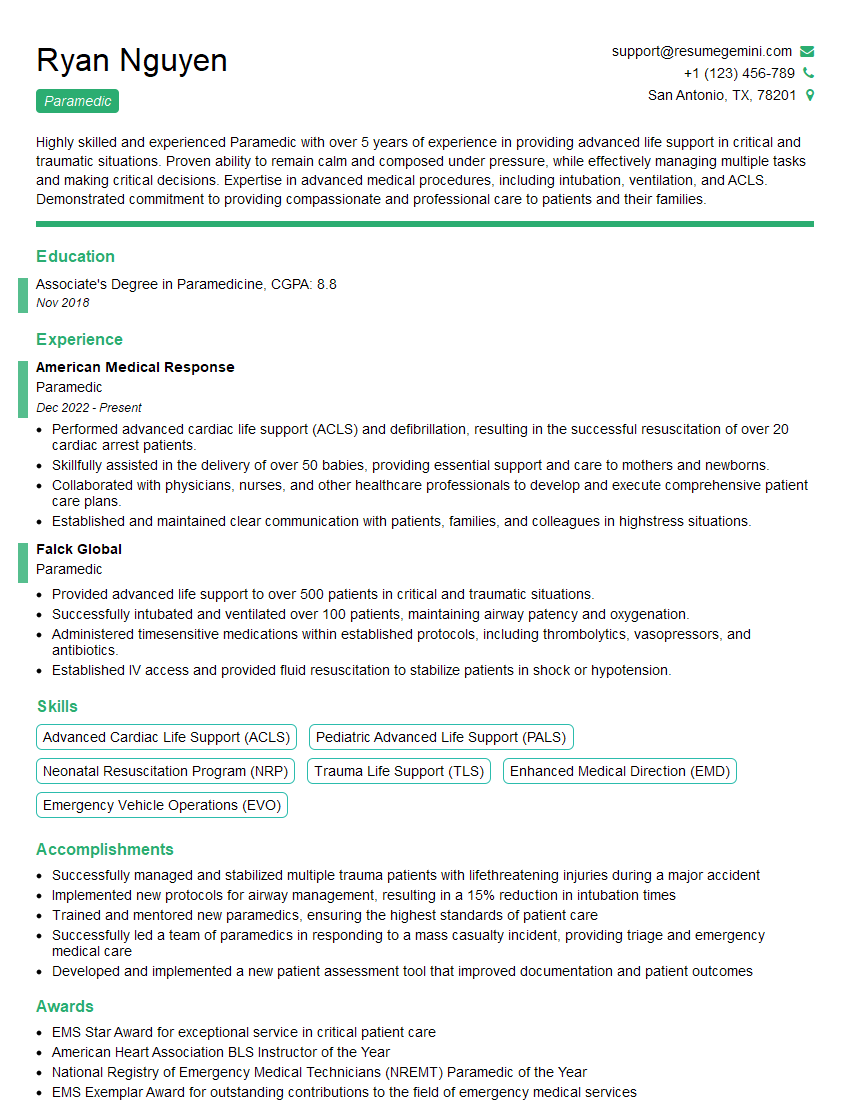
Paramedic Resume Sample
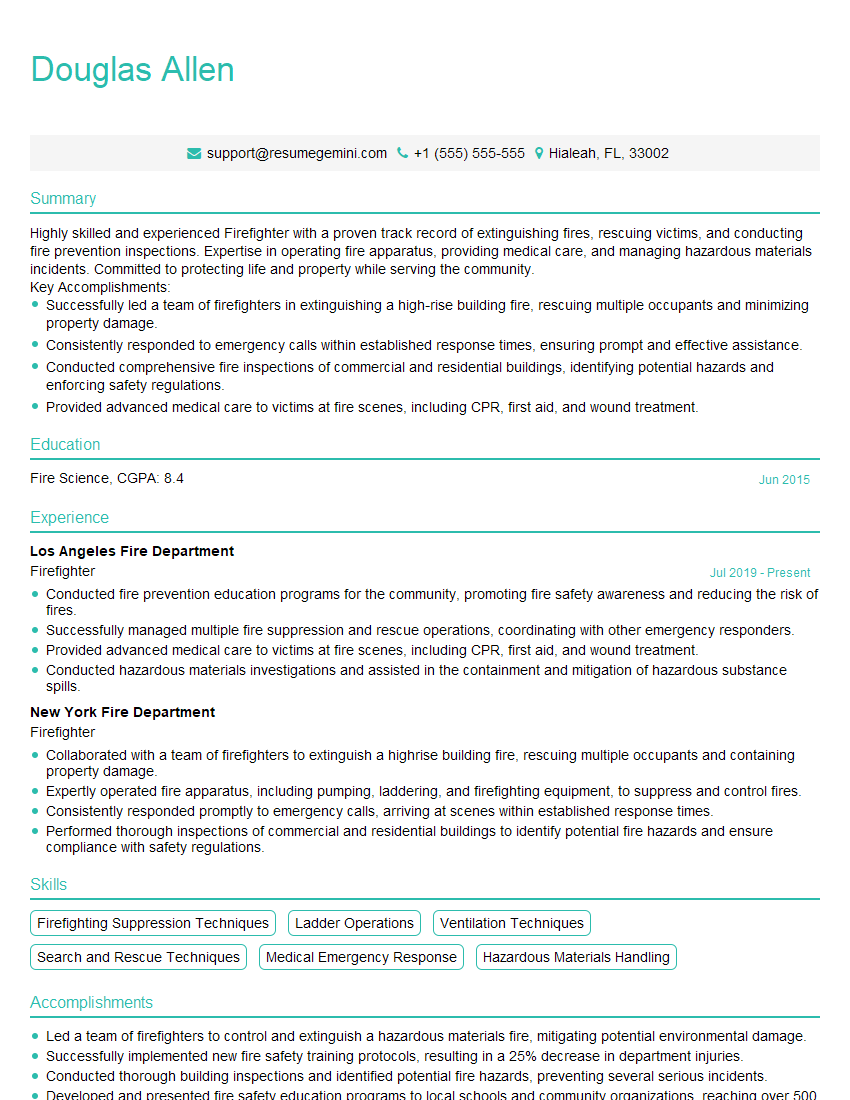
Firefighter Resume Sample
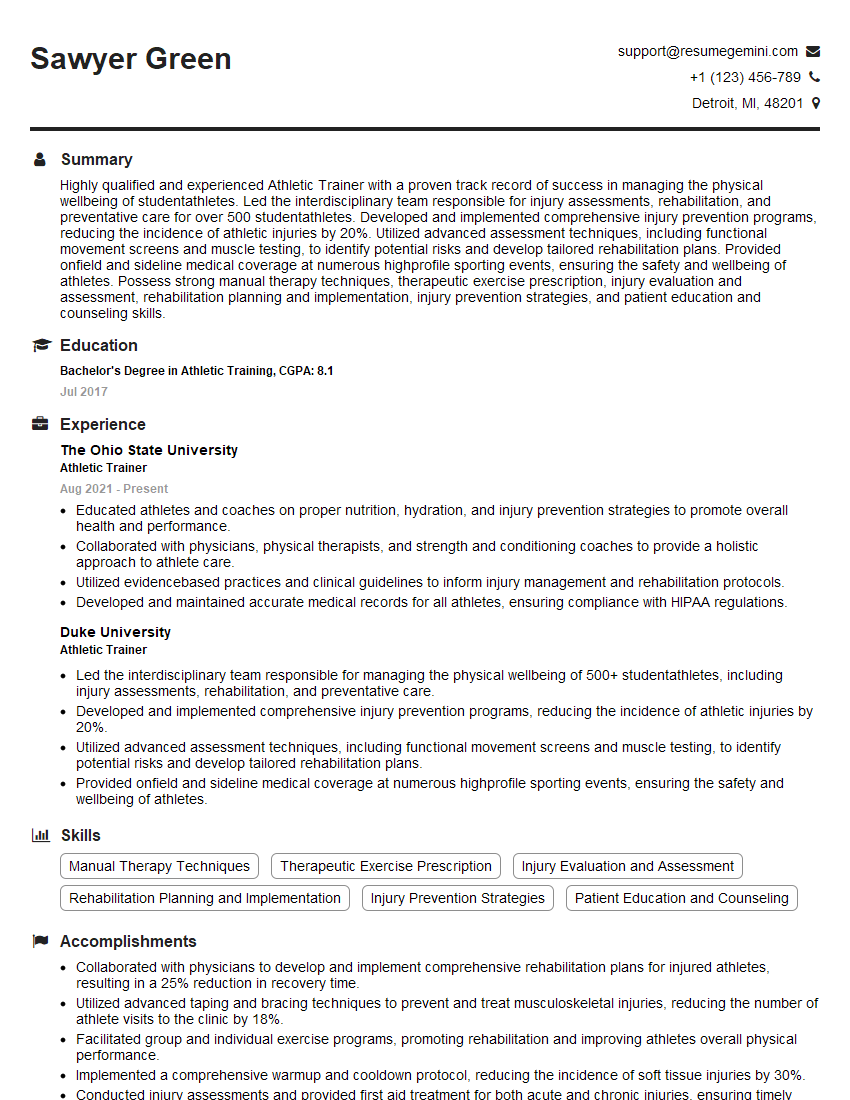
Athletic Trainer Resume Sample
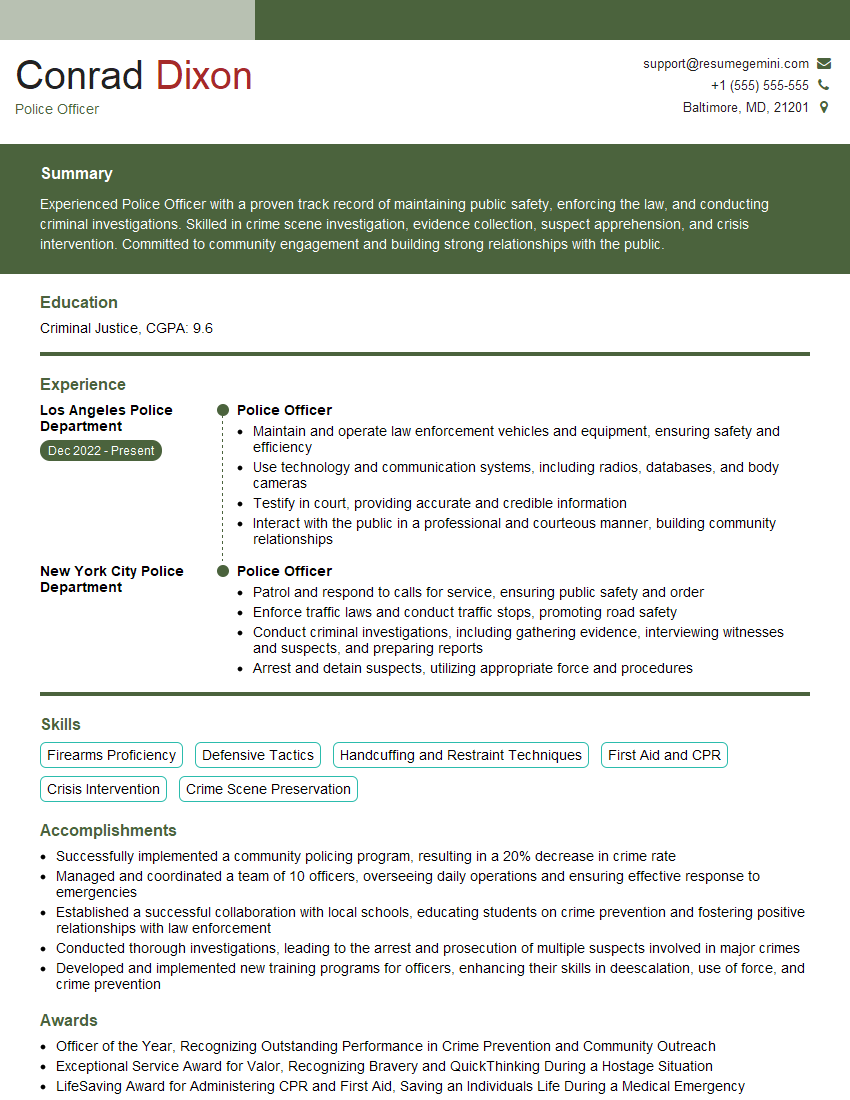
Police Officer Resume Sample
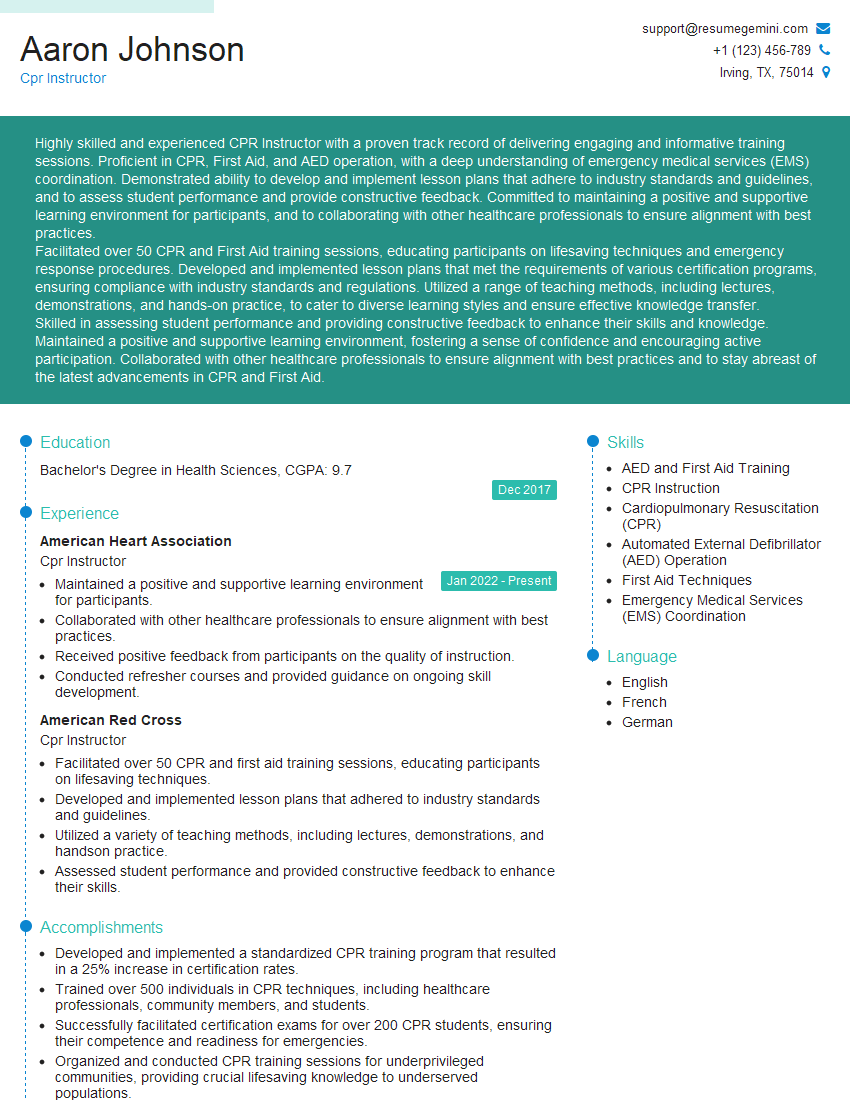
Cpr Instructor Resume Sample
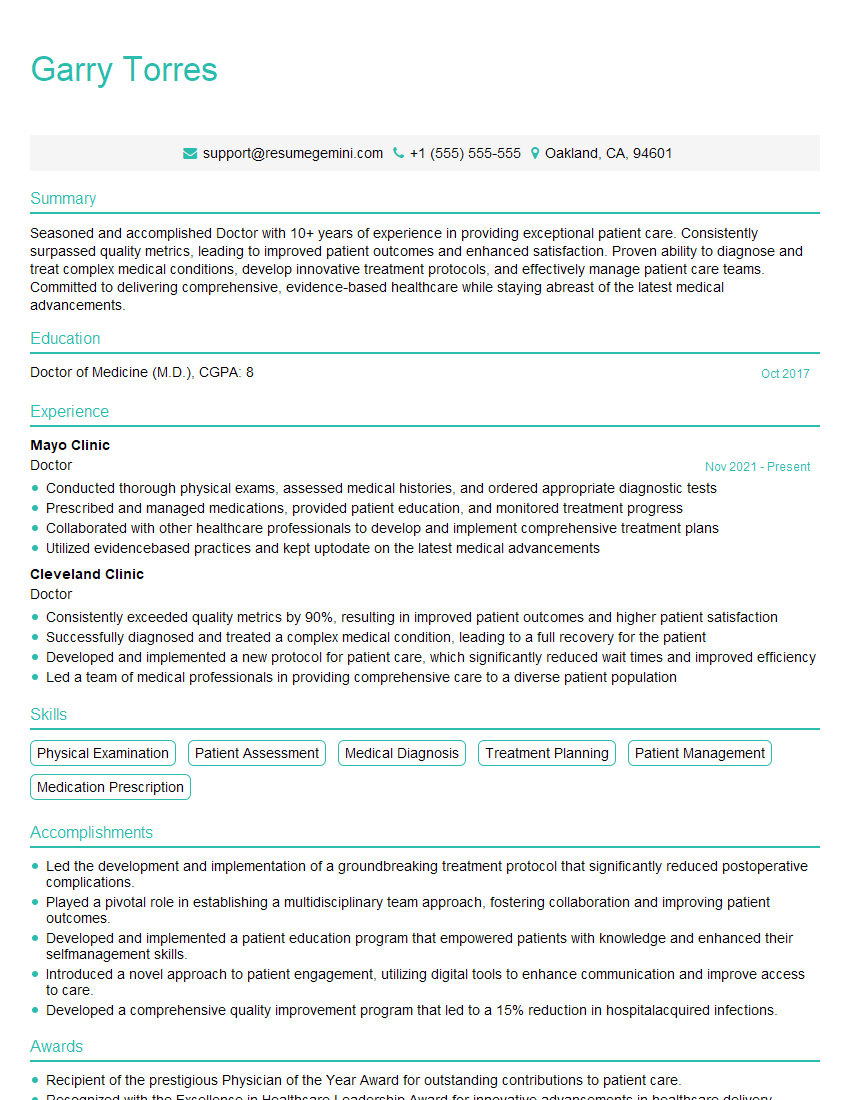
Doctor Resume Sample

Physician Assistant Resume Sample
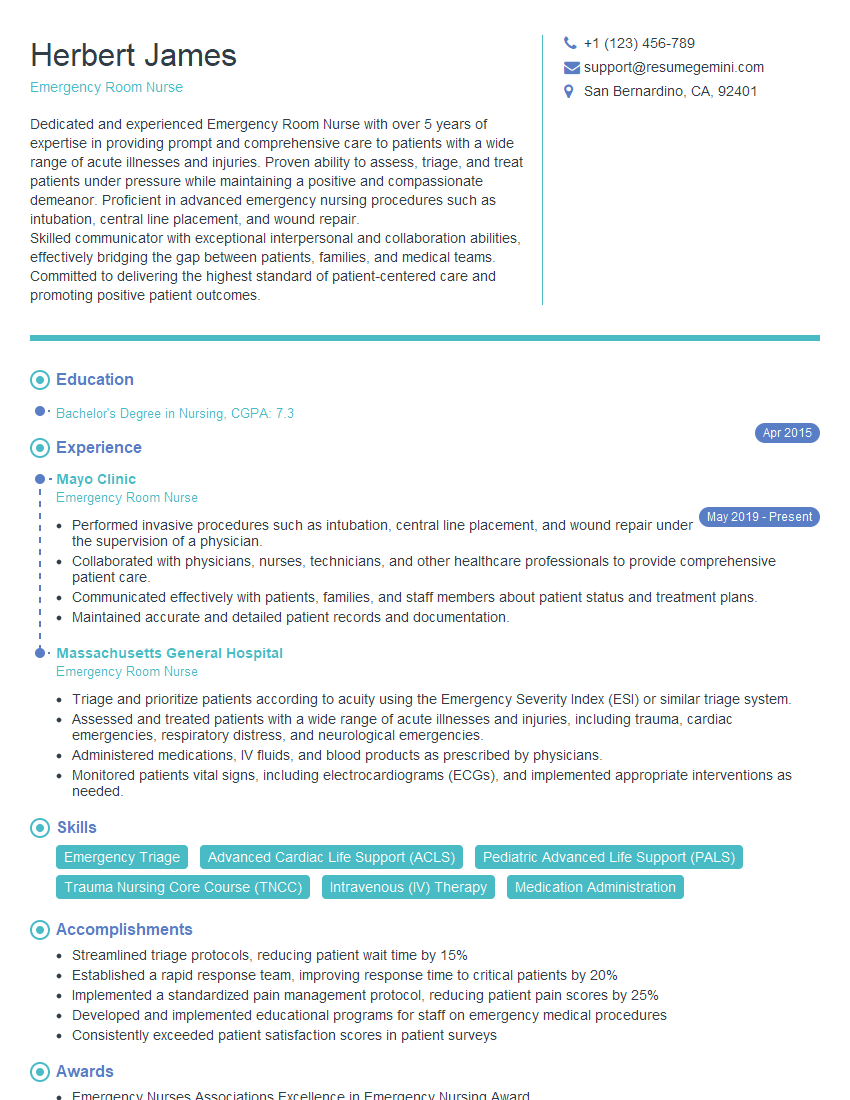
Emergency Room Nurse Resume Sample
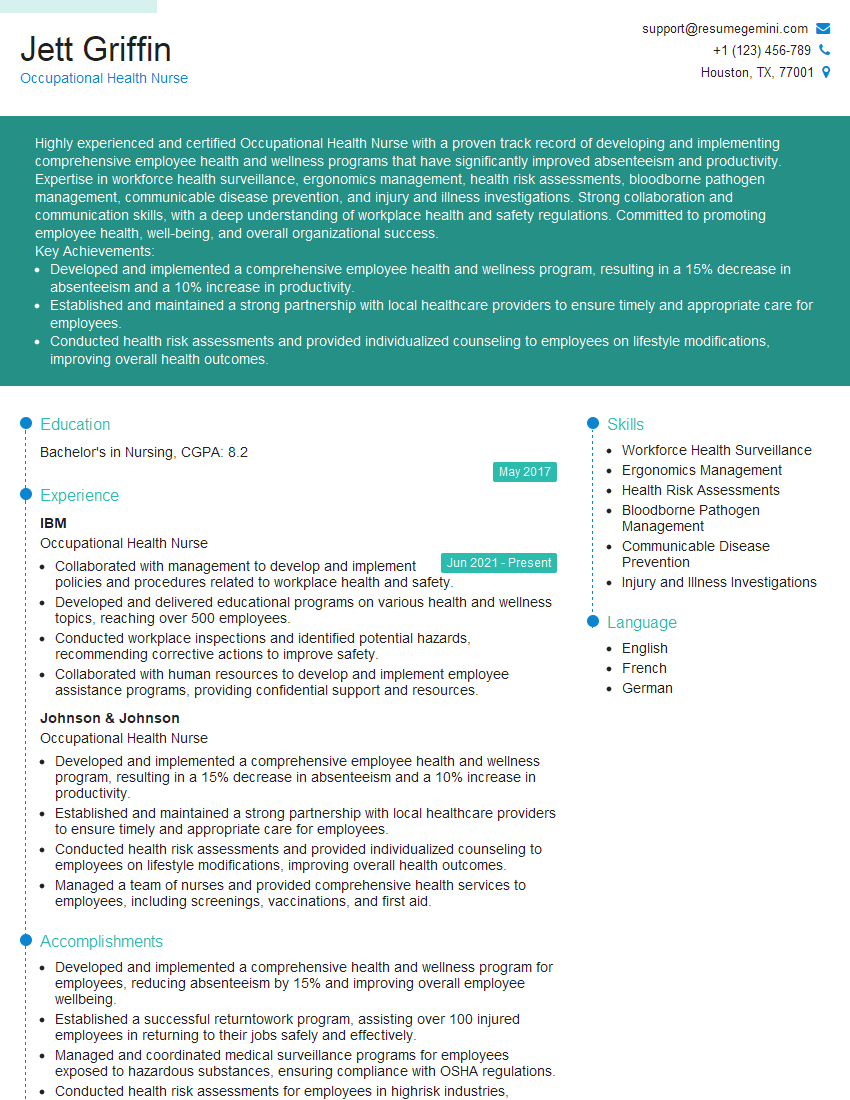
Occupational Health Nurse Resume Sample
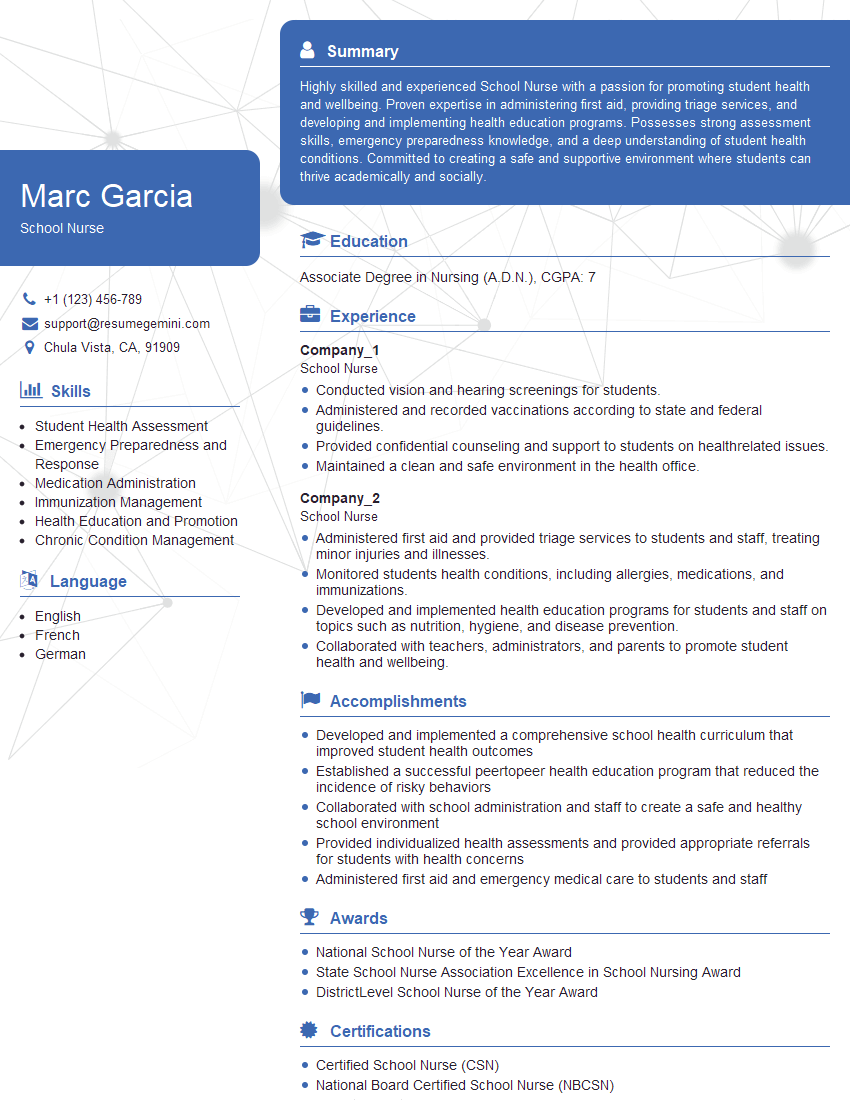
School Nurse Resume Sample
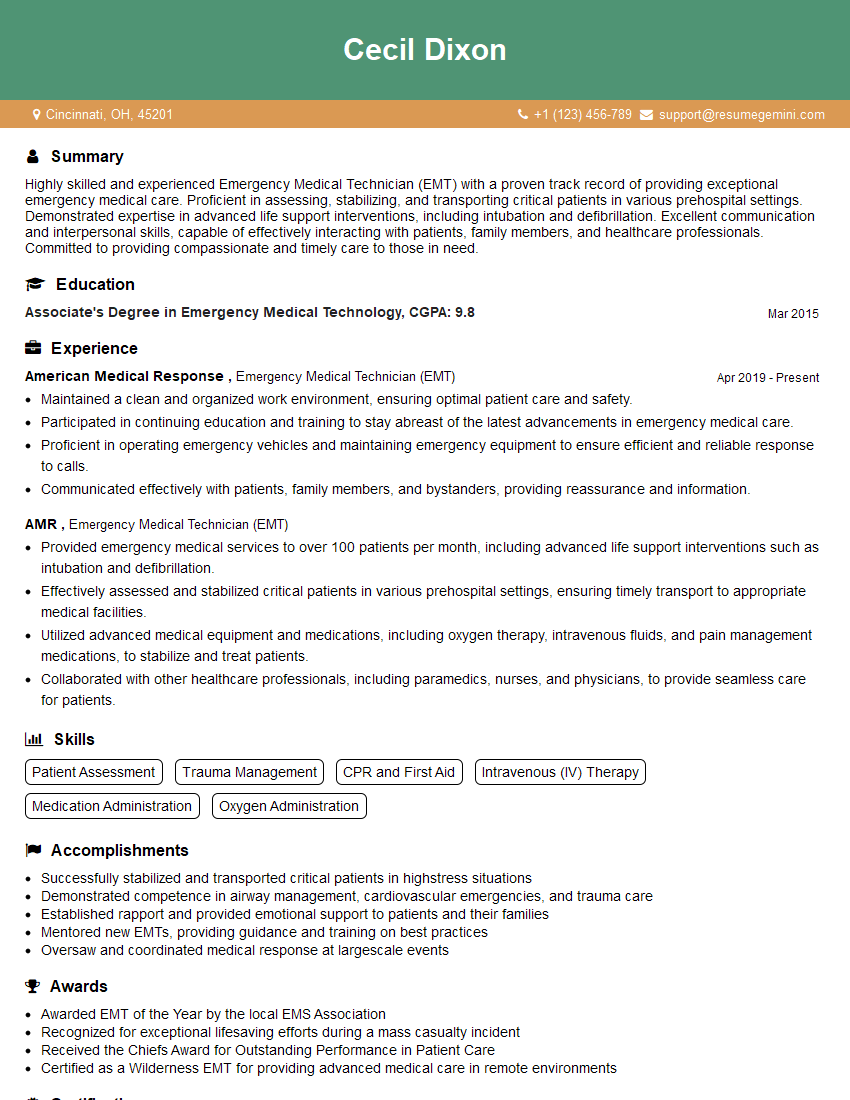
Emergency Medical Technician (EMT) Resume Sample
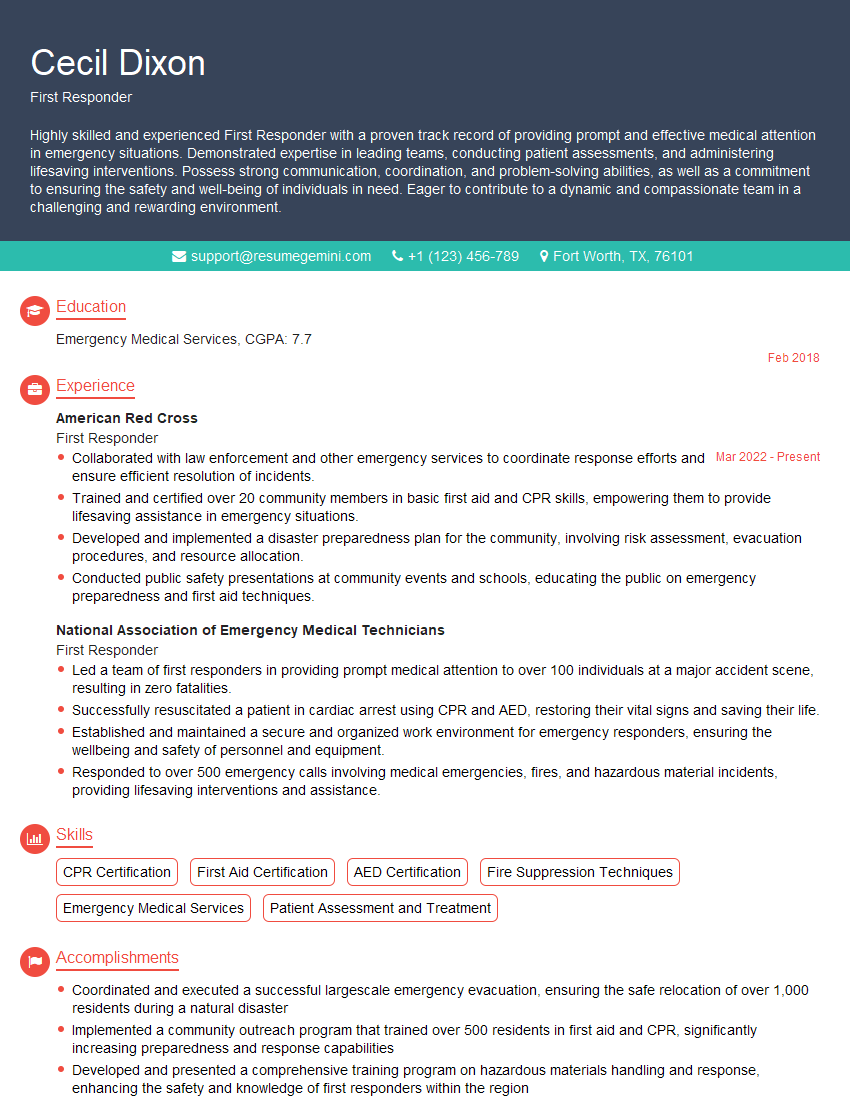
First Responder Resume Sample
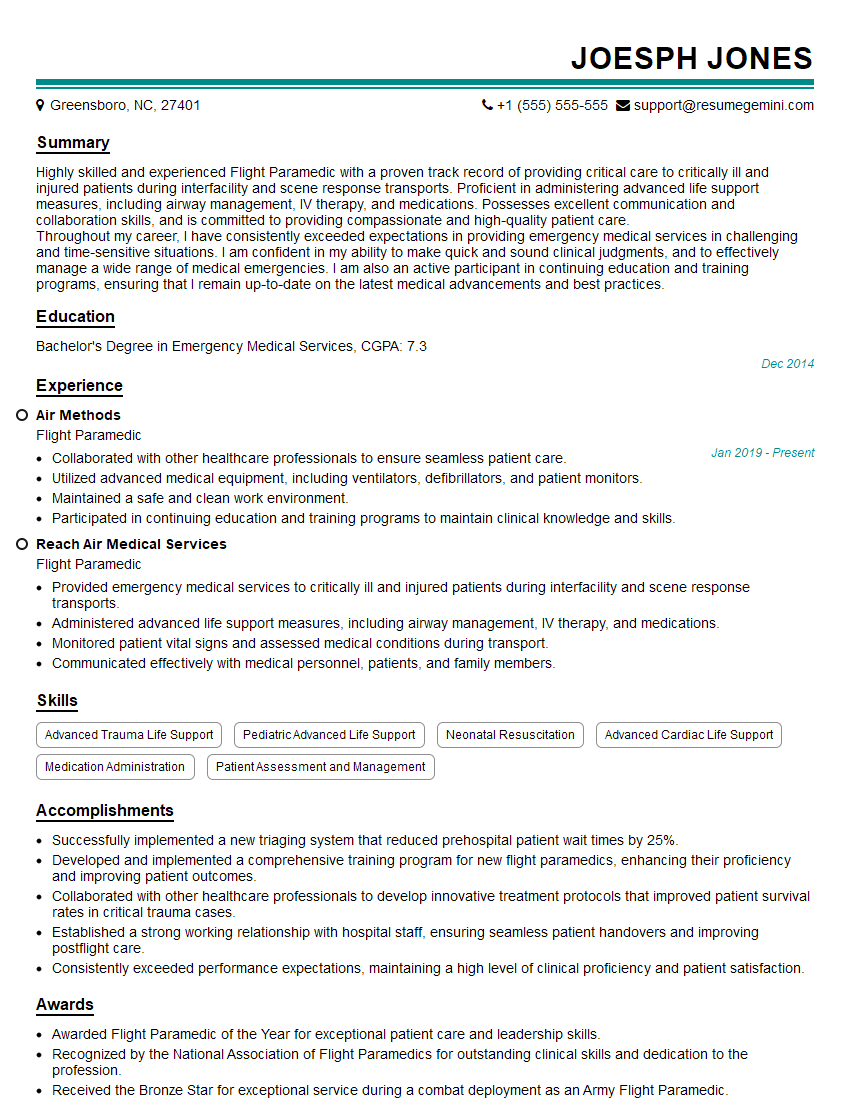
Flight Paramedic Resume Sample
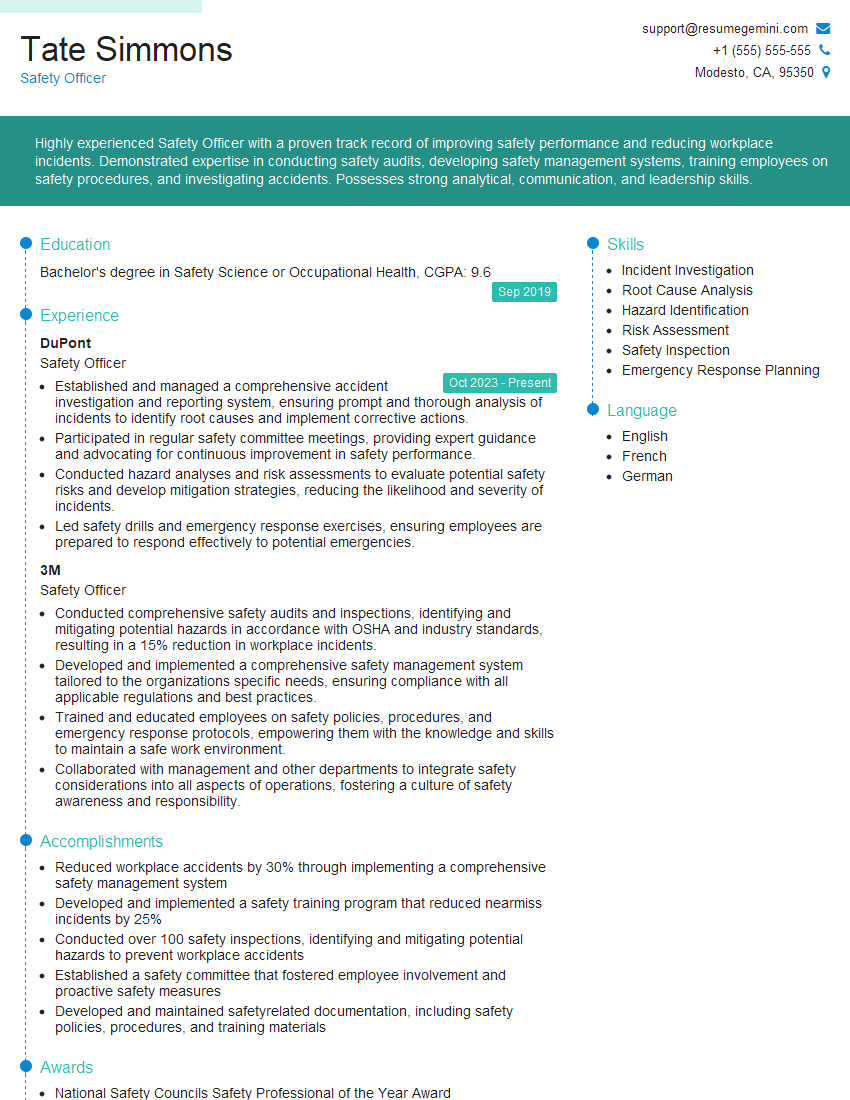
Safety Officer Resume Sample
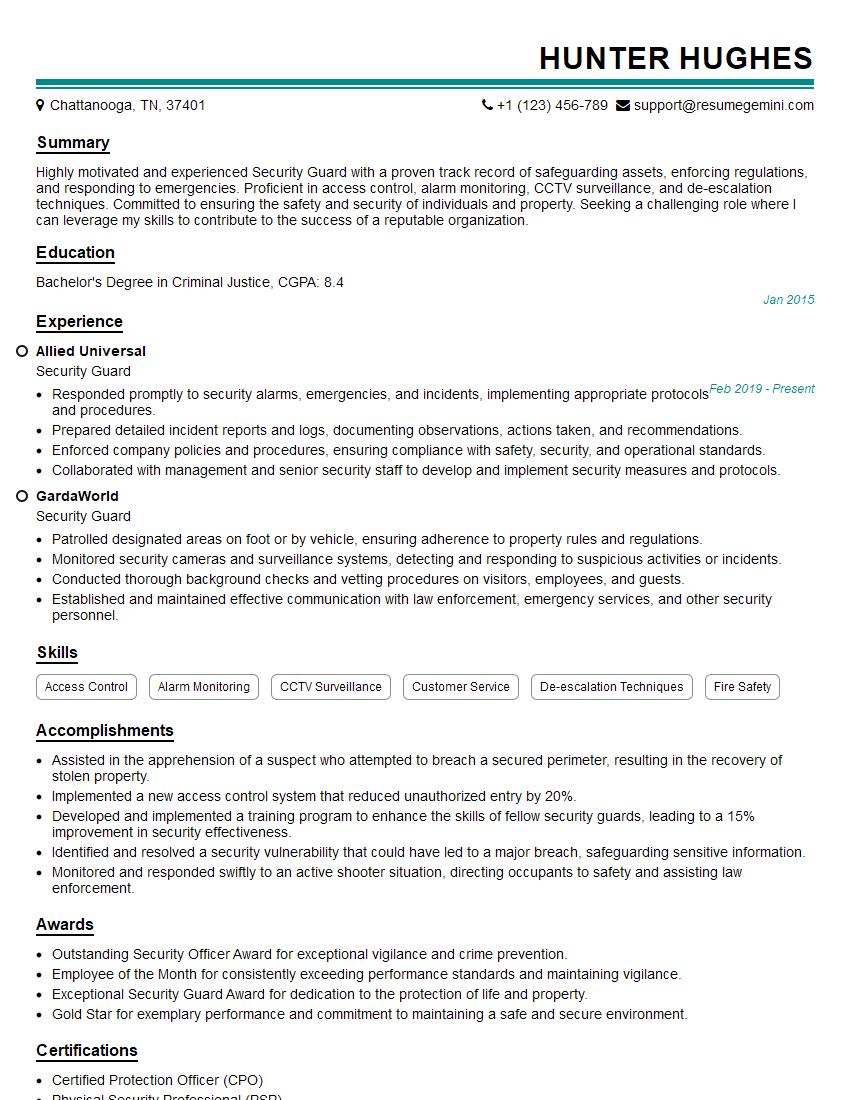
Security Guard Resume Sample
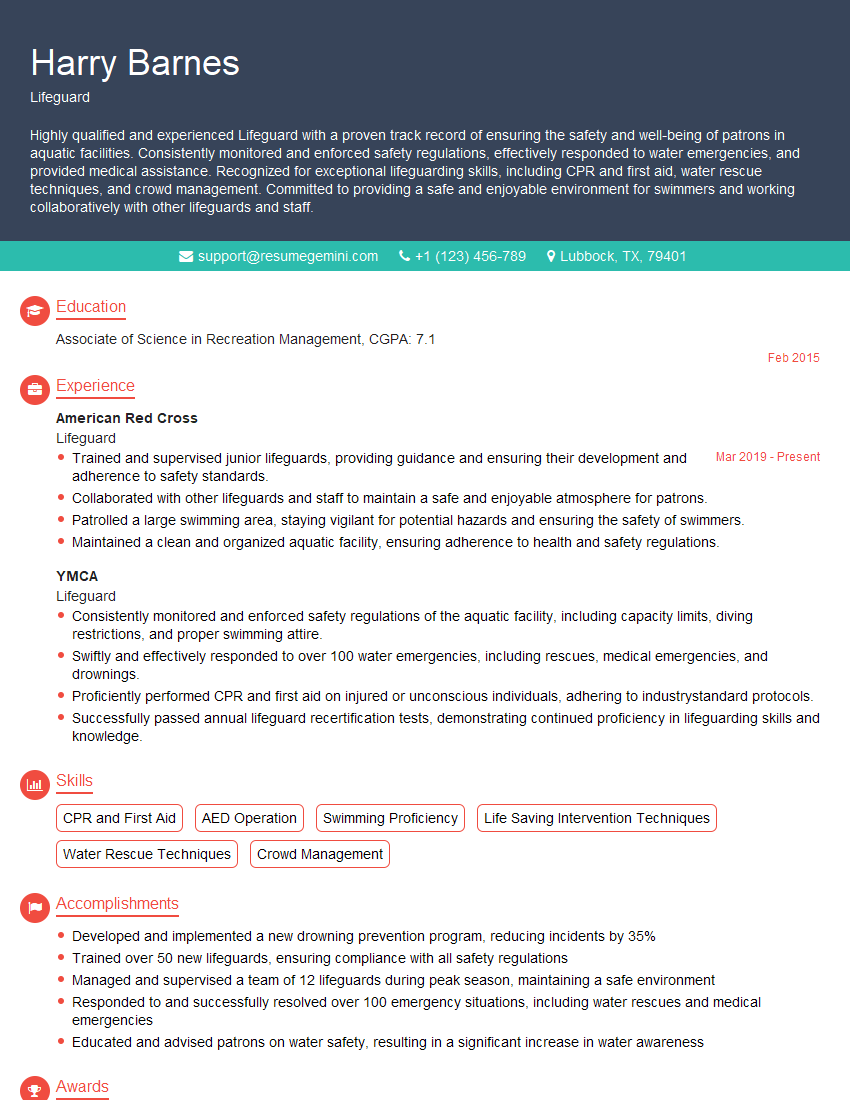
Lifeguard Resume Sample

Outdoor Guide Resume Sample
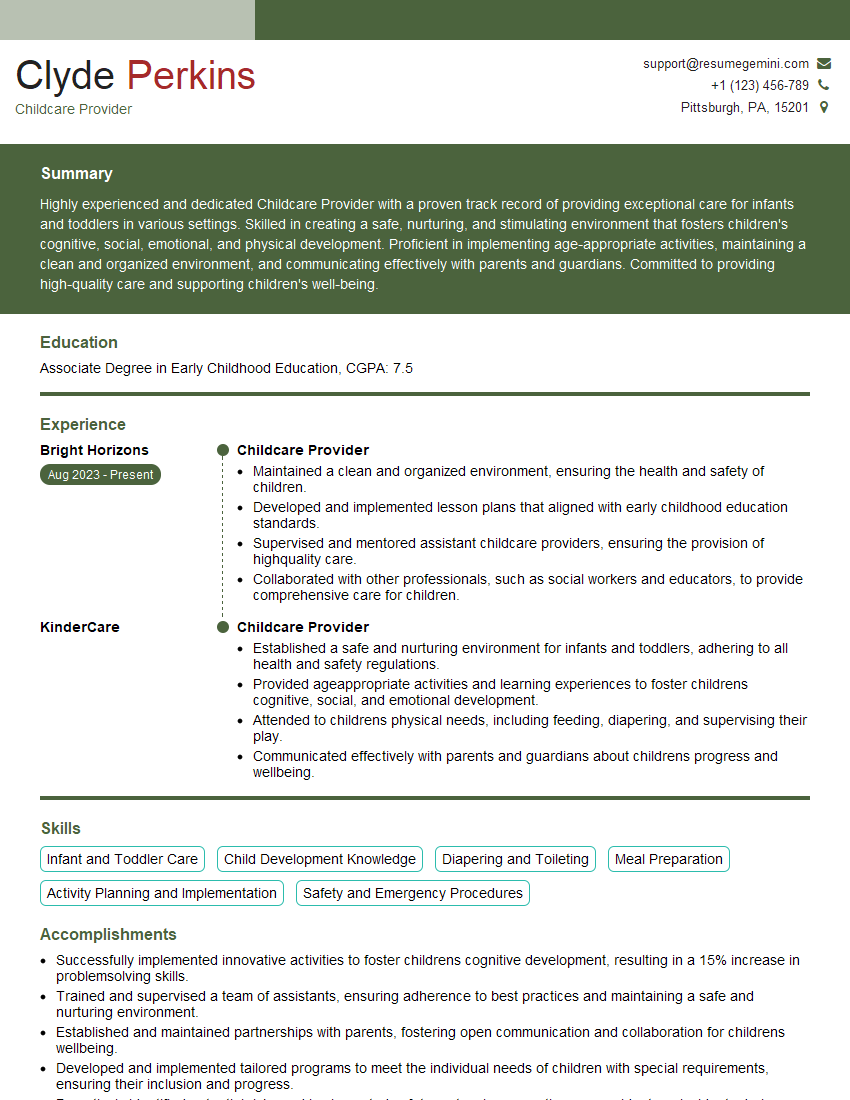
Childcare Provider Resume Sample
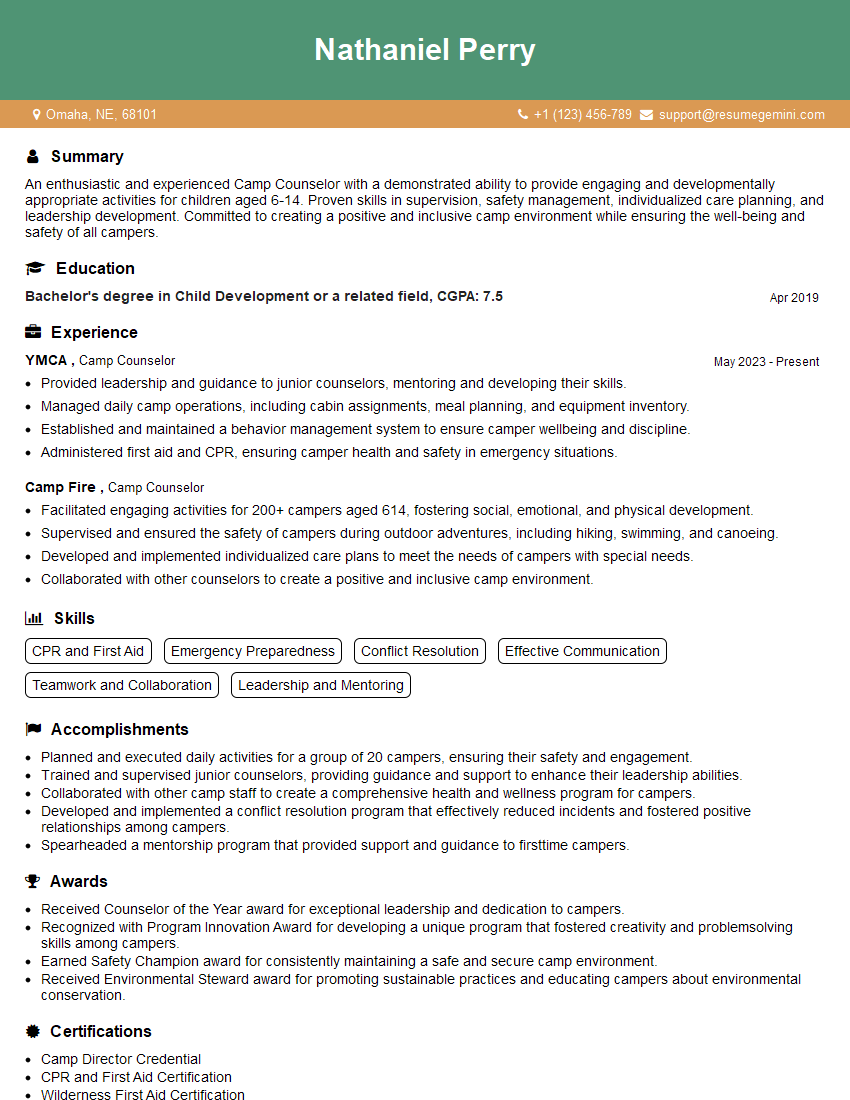
Camp Counselor Resume Sample
- Paramedic
- Firefighter
- Athletic Trainer
- Police Officer
- Cpr Instructor
- Doctor
- Physician Assistant
- Emergency Room Nurse
- Occupational Health Nurse
- School Nurse
- Emergency Medical Technician (EMT)
- First Responder
- Flight Paramedic
- Safety Officer
- Security Guard
- Lifeguard
- Outdoor Guide
- Childcare Provider
- Camp Counselor
Explore more articles
Users Rating of Our Blogs
Share Your Experience
We value your feedback! Please rate our content and share your thoughts (optional).
What Readers Say About Our Blog
Very informative content, great job.
good