Interviews are opportunities to demonstrate your expertise, and this guide is here to help you shine. Explore the essential Fish Biology and Ecology interview questions that employers frequently ask, paired with strategies for crafting responses that set you apart from the competition.
Questions Asked in Fish Biology and Ecology Interview
Q 1. Explain the concept of trophic levels in aquatic ecosystems.
Trophic levels describe the feeding relationships within an ecosystem. Imagine a food chain; each level represents a step in the transfer of energy. It’s like a pyramid, with producers at the base and top predators at the apex.
- Producers (Level 1): These are typically photosynthetic organisms like phytoplankton (microscopic algae) and aquatic plants. They convert sunlight into energy.
- Primary Consumers (Level 2): Herbivores, such as zooplankton (microscopic animals) and some fish species, feed on producers.
- Secondary Consumers (Level 3): These are carnivores that eat primary consumers. Examples include small fish that prey on zooplankton.
- Tertiary Consumers (Level 4): Larger carnivores that eat secondary consumers. Think of larger predatory fish or birds.
- Apex Predators (Level 5): These are at the top of the food chain, with few or no natural predators. Examples include sharks, large tuna, or some seals.
Understanding trophic levels is crucial for managing fisheries and assessing the overall health of aquatic ecosystems. Changes in one level can dramatically impact the others. For instance, overfishing of a top predator can lead to an explosion in the population of its prey, potentially disrupting the entire ecosystem.
Q 2. Describe the life cycle of a salmon.
Salmon have a fascinating life cycle involving a transition between freshwater and saltwater environments – a process called anadromy. It’s a remarkable journey!
- Spawning: Adult salmon migrate from the ocean to their natal (birth) river to reproduce. They spawn in gravel nests (redds) in the upper reaches of the river, depositing eggs and milt (sperm).
- Egg Incubation: Eggs incubate in the gravel, developing into alevins (embryos).
- Alevin Stage: Alevins hatch and initially rely on their yolk sacs for nourishment.
- Fry Stage: Once the yolk sac is absorbed, fry become free-swimming and start feeding on invertebrates.
- Parr Stage: Fry develop into parr, characterized by distinctive vertical bars along their sides. They continue to grow and feed in the freshwater river.
- Smolt Stage: Parr undergo physiological changes, becoming smolts, adapting to saltwater environments. Smolts migrate downstream to the ocean.
- Ocean Phase: Smolts spend several years in the ocean, growing rapidly and feeding on various prey.
- Adult Stage: Mature salmon migrate back to their natal river to spawn, completing the life cycle.
This complex life cycle makes salmon highly vulnerable to changes in both freshwater and marine habitats. Habitat destruction, dams, and pollution can disrupt their migration and reproduction, threatening their populations.
Q 3. What are the key factors affecting fish population dynamics?
Fish population dynamics are complex and influenced by a multitude of factors. Think of it like a delicate balance – if one element shifts, it can affect the whole system.
- Recruitment (Birth Rate): The number of young fish entering the population. It’s influenced by spawning success, egg and larval survival, and predation.
- Growth Rate: How quickly individual fish grow, determined by food availability, water temperature, and competition.
- Mortality Rate: The death rate due to natural causes (e.g., disease, predation), fishing, and environmental factors.
- Environmental Factors: Water quality, temperature, dissolved oxygen, habitat availability, and flow regime all play crucial roles.
- Competition: Interactions between different species for food, space, and other resources.
- Predation: The impact of predators on prey fish populations.
- Fishing Pressure: The intensity of fishing can significantly impact fish populations.
Understanding these factors is crucial for effective fisheries management. For example, if a population is declining, managers need to identify the limiting factor(s) – is it overfishing, habitat loss, or poor recruitment? – before they can implement effective conservation measures.
Q 4. Discuss the impact of eutrophication on fish populations.
Eutrophication, the excessive enrichment of water bodies with nutrients (primarily nitrogen and phosphorus), has devastating consequences for fish populations. It’s like giving an ecosystem too much fertilizer – it throws everything out of balance.
- Algal Blooms: Excess nutrients fuel massive algal blooms, blocking sunlight and reducing dissolved oxygen levels.
- Oxygen Depletion (Hypoxia): As algae decompose, oxygen is consumed, creating hypoxic (low-oxygen) or anoxic (no-oxygen) conditions that can kill fish.
- Habitat Degradation: Algal blooms can smother benthic (bottom-dwelling) habitats crucial for fish spawning and feeding.
- Toxicity: Some algae produce toxins harmful to fish and other aquatic organisms.
- Changes in Species Composition: Eutrophication favors tolerant species, often leading to a decline in biodiversity and the dominance of less desirable species.
The effects cascade through the food web. For instance, the death of zooplankton due to hypoxia reduces food for small fish, affecting the entire trophic structure. Managing agricultural runoff and wastewater treatment is key to mitigating eutrophication and protecting fish populations.
Q 5. Explain different methods for assessing fish populations.
Assessing fish populations involves a variety of methods to estimate abundance, distribution, and diversity. It requires a multifaceted approach, much like a detective solving a complex case.
- Catch per Unit Effort (CPUE): A simple method where the number of fish caught per unit of fishing effort (e.g., number of hours fishing) is used as an indicator of abundance. However, CPUE can be biased if fishing effort changes over time.
- Acoustic Surveys: Use sonar to detect fish schools, providing estimates of abundance and distribution. This is particularly useful for pelagic (open water) species.
- Mark-Recapture Studies: Fish are captured, tagged, and released. Later, a sample is recaptured, allowing estimation of population size using statistical models.
- Visual Census: Divers or underwater cameras visually count fish within a defined area. This is effective for benthic fish in relatively clear waters.
- Genetic Analyses: DNA analysis can be used to estimate population size and genetic diversity, providing insights into population structure and connectivity.
The best method depends on the specific species, habitat, and research objectives. Often, a combination of methods is employed to get a more comprehensive understanding of fish populations.
Q 6. Describe various fish sampling techniques.
Fish sampling techniques are critical for gathering data on fish populations. The chosen method must be appropriate to the target species and habitat.
- Gill Nets: Passive nets set in the water to capture fish that swim into them. The mesh size determines the size of fish caught.
- Trammel Nets: Similar to gill nets, but with three layers of netting that entangle fish.
- Seine Nets: Large nets hauled through the water to enclose and capture fish.
- Trawl Nets: Cone-shaped nets towed behind a boat, used to sample bottom-dwelling or pelagic fish.
- Electrofishing: Uses electrical currents to stun fish, allowing for temporary capture and identification. This is often used in streams and rivers.
- Sampling Gear: Various traps and traps are also used, depending on target species and habitat.
Sampling design is crucial. Factors such as sampling effort, spatial coverage, and the use of appropriate controls must be carefully considered to ensure that the data collected are representative and reliable.
Q 7. What are the common threats to aquatic biodiversity?
Aquatic biodiversity faces numerous threats, many stemming from human activities. It’s a multifaceted problem requiring a collaborative approach to solutions.
- Habitat Loss and Degradation: Dam construction, wetland drainage, deforestation, and coastal development destroy crucial fish habitats.
- Pollution: Chemical pollutants, plastics, and nutrient runoff degrade water quality, harming fish and other aquatic organisms.
- Overfishing: Unsustainable fishing practices deplete fish populations, disrupting food webs and ecosystem stability.
- Invasive Species: Non-native species can outcompete native fish, causing population declines and biodiversity loss.
- Climate Change: Rising water temperatures, ocean acidification, and changing precipitation patterns are altering aquatic ecosystems and impacting fish populations.
- Disease: Fish diseases, often exacerbated by environmental stress, can cause significant mortality.
Addressing these threats requires a multi-pronged approach including habitat restoration, pollution control, sustainable fisheries management, invasive species control, and climate change mitigation. Conservation efforts must focus on protecting and restoring aquatic ecosystems to ensure the long-term survival of fish and other aquatic biodiversity.
Q 8. Explain the concept of carrying capacity in relation to fish populations.
Carrying capacity, in the context of fish populations, refers to the maximum number of individuals of a particular species that a given environment can support indefinitely, considering the available resources like food, oxygen, and space. It’s like trying to fit as many people as possible into a room – eventually, you run out of space and resources (chairs, air).
Several factors influence carrying capacity, including:
- Food availability: If there isn’t enough food to sustain a larger population, the carrying capacity will be lower.
- Water quality: Poor water quality (low oxygen, high pollution) limits the number of fish the environment can support.
- Spawning habitat: Sufficient suitable areas for reproduction are crucial. A lack of suitable spawning grounds directly reduces the capacity.
- Predation and disease: High predation or disease outbreaks significantly lower carrying capacity by causing mortality.
- Competition: Competition for resources among fish species or even within the same species will affect the carrying capacity for each species.
Understanding carrying capacity is vital for sustainable fisheries management. Overfishing beyond the carrying capacity leads to population crashes and long-term ecosystem damage, similar to overcrowding a room beyond its capacity.
Q 9. How does water quality affect fish health?
Water quality is paramount for fish health. Think of it as the fish’s life-support system. Several parameters directly affect their well-being:
- Dissolved oxygen: Low oxygen levels (hypoxia) cause stress, reduced growth, and even death. It’s like us needing air to breathe – fish need dissolved oxygen in the water.
- Temperature: Extreme temperatures can lead to thermal stress, affecting their metabolism and immune systems. Think of a fever in humans, it impacts the entire body.
- pH: Extreme acidity or alkalinity can disrupt fish physiology and impair their ability to absorb nutrients. It’s like having an unbalanced internal environment, impacting function.
- Ammonia and Nitrites: These are toxic byproducts of waste and decaying organic matter. High levels severely harm fish gills and internal organs.
- Pollution: Heavy metals, pesticides, and other pollutants can accumulate in fish tissues, leading to various health problems, including reproductive issues and decreased resistance to disease. It’s like slow poisoning.
Monitoring water quality parameters is crucial for aquaculture and conservation efforts. Maintaining healthy water quality ensures the fish thrive and avoids potential losses.
Q 10. Discuss the impact of climate change on fish populations.
Climate change significantly impacts fish populations through various mechanisms:
- Ocean acidification: Increased CO2 absorption by oceans lowers the pH, hindering shell formation in shellfish and impacting the physiology of many fish species. Think of it eroding their ‘bones’.
- Sea level rise: Coastal habitats, crucial for many fish species, are inundated, leading to habitat loss and reduced breeding grounds. Imagine flooding crucial breeding areas.
- Temperature changes: Rising water temperatures alter fish distribution, affecting their migration patterns and reproductive success. Some fish may migrate to colder areas, and others may find their habitats uninhabitable.
- Changes in ocean currents: Shifts in ocean currents affect nutrient distribution and can disrupt entire ecosystems, influencing fish populations indirectly. Imagine a river changing course, impacting everything downstream.
- Extreme weather events: Increased frequency and intensity of storms, floods, and droughts damage habitats and cause mass mortality events. This is like natural disasters wiping out communities.
The effects of climate change on fish are far-reaching and cascade through entire food webs, demanding urgent conservation strategies to mitigate these impacts.
Q 11. Explain the principles of sustainable fisheries management.
Sustainable fisheries management aims to maintain fish populations at healthy levels while ensuring long-term economic and social benefits. Key principles include:
- Understanding population dynamics: Careful monitoring of fish stocks, growth rates, and mortality is crucial for setting appropriate fishing limits.
- Setting catch limits: Fishing quotas should be based on scientific data, ensuring that catches do not exceed the reproductive capacity of the stock.
- Protecting critical habitats: Marine Protected Areas (MPAs) and other conservation measures safeguard essential breeding grounds and nursery areas.
- Combating illegal fishing: Strict enforcement and international cooperation are vital to reduce illegal, unreported, and unregulated (IUU) fishing.
- Promoting sustainable fishing practices: Encouraging selective fishing techniques, minimizing bycatch (unintentional catch of non-target species), and reducing fishing gear impacts are important.
- Involving stakeholders: Collaboration between governments, fishers, scientists, and other stakeholders is essential for the success of sustainable fisheries management.
Sustainable fisheries management is not just about protecting fish; it’s about ensuring the long-term health of entire marine ecosystems and the livelihoods of communities that depend on them.
Q 12. Describe the role of fish in the food web.
Fish play a crucial role in aquatic food webs, acting as both predators and prey at various trophic levels. They are:
- Primary consumers: Some fish feed on phytoplankton (microscopic plants) and zooplankton (microscopic animals), transferring energy from the primary producers to higher trophic levels. They’re like the vegetarians of the aquatic world.
- Secondary and tertiary consumers: Many fish feed on other fish and invertebrates, controlling their populations and transferring energy up the food chain. They’re like the carnivores, controlling populations.
- Prey for larger predators: Fish are a vital food source for birds, marine mammals, and other fish, maintaining the balance of the food web. They represent a crucial link in the energy flow.
The position of a fish within the food web depends on its diet and size. Changes in fish populations can have cascading effects throughout the entire ecosystem, highlighting the importance of maintaining biodiversity and a balanced food web.
Q 13. What are the different types of aquaculture systems?
Aquaculture systems vary depending on the species being cultured and the available resources. Major types include:
- Extensive aquaculture: Minimal human intervention, relying on natural food sources and environmental conditions. Think of rice paddies with fish growing naturally along with the rice.
- Semi-intensive aquaculture: Some supplementary feeding and environmental management are employed. Imagine a pond with some added feed and water quality monitoring.
- Intensive aquaculture: High stocking densities and controlled environments (e.g., tanks, raceways) with complete reliance on artificial feed. This is similar to a factory farm, but for fish.
- Recirculating aquaculture systems (RAS): Closed systems that recycle water, minimizing water use and waste discharge. This is an environmentally friendly approach.
- Cage aquaculture: Fish are cultured in submerged cages in lakes, rivers, or oceans. This reduces environmental impact compared to some other methods.
Each system has its advantages and disadvantages regarding environmental impact, economic viability, and the welfare of the cultured fish.
Q 14. What are the challenges associated with aquaculture?
Aquaculture, while vital for food security, faces several challenges:
- Disease outbreaks: High stocking densities in intensive systems make fish vulnerable to disease, requiring frequent treatments and potential for antibiotic resistance. Similar to issues in livestock farming.
- Environmental impacts: Waste discharge, habitat destruction, and escape of cultured fish into wild populations can negatively impact native ecosystems. This is a common concern of large-scale farming.
- Feed costs: Production of fish feed often relies on wild-caught fish, leading to unsustainable practices. This highlights the need for better feed alternatives.
- Social and economic issues: Aquaculture can lead to conflicts over water resources and displace traditional livelihoods. Ethical concerns surrounding animal welfare in intensive farming are also important.
- Genetic diversity: Selective breeding for specific traits can reduce genetic diversity, making the populations more vulnerable to disease and environmental changes. It’s similar to the issues seen with monoculture in plants.
Addressing these challenges requires careful planning, sustainable practices, and responsible management to ensure the long-term viability and sustainability of aquaculture.
Q 15. Explain the concept of fish migration.
Fish migration is the movement of fish populations from one location to another, often involving long distances and predictable patterns. These movements are driven by a variety of factors, primarily related to reproduction, feeding, and environmental conditions. Think of it like a fish’s annual vacation – they’re going somewhere for a specific reason, and they usually do it year after year.
Types of Migration:
- Anadromous Migration: Fish like salmon spend most of their lives in the ocean but migrate to freshwater rivers to spawn. The journey upstream can be incredibly arduous, often involving navigating rapids and overcoming obstacles.
- Catadromous Migration: The opposite of anadromous, this involves fish spending their adult lives in freshwater and migrating to saltwater to breed, such as the European eel.
- Oceanic Migration: Many pelagic (open-ocean) species undertake extensive migrations following prey or favorable oceanographic conditions. Tuna, for example, may migrate thousands of miles across ocean basins.
- Potamodromous Migration: Fish that migrate within freshwater systems, such as between lakes and rivers, are classified as potamodromous. This is often driven by seasonal changes in water levels or food availability.
Understanding migration is crucial for effective fisheries management. By tracking migration patterns, we can identify critical habitats that need protection and implement measures to reduce risks from fishing, habitat destruction, and climate change. For instance, understanding salmon migration routes allows for the establishment of protected spawning areas and the timing of fishing seasons to ensure sustainable populations.
Career Expert Tips:
- Ace those interviews! Prepare effectively by reviewing the Top 50 Most Common Interview Questions on ResumeGemini.
- Navigate your job search with confidence! Explore a wide range of Career Tips on ResumeGemini. Learn about common challenges and recommendations to overcome them.
- Craft the perfect resume! Master the Art of Resume Writing with ResumeGemini’s guide. Showcase your unique qualifications and achievements effectively.
- Don’t miss out on holiday savings! Build your dream resume with ResumeGemini’s ATS optimized templates.
Q 16. Describe the different types of fish reproduction strategies.
Fish reproduction strategies are incredibly diverse, shaped by evolutionary pressures and their specific environments. Broadly, they can be categorized into several main types:
- Oviparity: The most common strategy, where eggs are laid externally and fertilized outside the female’s body. Think of salmon laying thousands of eggs in a riverbed. This often involves a broadcast spawning approach, releasing vast quantities of eggs and sperm into the water column, leaving fertilization to chance. Many species provide no parental care.
- Ovoviviparity: Eggs are fertilized internally but hatch inside the female’s body. The young are born live, but the embryos derive nourishment from the yolk sac. Some sharks employ this strategy.
- Viviparity: Fertilization is internal, and the embryos develop inside the mother’s body, receiving nourishment directly from her. This is more common in more advanced fish groups and implies a higher degree of parental care. Some guppies are viviparous.
Beyond these main categories, there’s significant variation. Some fish exhibit elaborate courtship rituals, while others exhibit parental care, guarding eggs or young from predators. Understanding these diverse strategies is vital for conservation efforts, allowing us to tailor protection measures to specific species’ needs. For example, protecting specific spawning grounds for oviparous species or ensuring the survival of pregnant females in viviparous species.
Q 17. How can we monitor and manage invasive fish species?
Managing invasive fish species is a significant challenge for aquatic ecosystems globally. These species can outcompete native fish, disrupt food webs, and introduce diseases. Effective management requires a multi-pronged approach:
- Early Detection and Rapid Response: The most effective strategy is to prevent establishment in the first place. This includes strict biosecurity measures, such as cleaning boats and equipment, and monitoring for new introductions. Early detection allows for quicker eradication efforts before the species becomes widespread.
- Biological Control: Introducing natural predators or parasites of the invasive species is sometimes considered, but this needs extremely careful assessment to avoid unintended ecological consequences. It’s a delicate balance.
- Physical Removal: This involves trapping, netting, or electrofishing to physically remove the invasive fish from the affected areas. This is often labor-intensive and may not be effective for widespread infestations.
- Chemical Control: Piscicides (fish-killing chemicals) can be used as a last resort, but their use requires careful consideration of potential impacts on non-target species and the environment. This is a highly regulated approach.
- Habitat Modification: Altering the habitat to make it less suitable for the invasive species can be effective. This might involve manipulating water flow, vegetation, or substrate.
Successful invasive species management requires collaboration between scientists, managers, and the public. Education and awareness are crucial to prevent further introductions and promote responsible behavior around aquatic environments.
Q 18. Discuss the importance of fish habitat restoration.
Fish habitat restoration is essential for maintaining healthy fish populations and biodiversity. Degraded habitats, often caused by pollution, habitat destruction, and altered flow regimes, can severely limit fish populations. Restoration aims to bring these habitats back to a healthier state, ensuring the survival and prosperity of fish communities.
Key Aspects of Fish Habitat Restoration:
- Removing Barriers to Fish Passage: Dams and other barriers can block fish migration routes, fragmenting populations and restricting access to spawning grounds. Removing or modifying these barriers is often a crucial step in restoring connectivity.
- Improving Water Quality: Pollution from agricultural runoff, industrial discharge, and sewage can severely impact water quality, harming fish and other aquatic organisms. Restoring water quality involves addressing the sources of pollution and implementing measures to reduce pollutants.
- Rehabilitating Riparian Zones: Riparian zones, the areas along riverbanks, provide crucial habitat for fish and other wildlife. Planting native vegetation stabilizes banks, provides shade, and reduces erosion.
- Reintroducing Native Vegetation: In degraded areas, reintroducing native aquatic plants can improve water quality, provide shelter for fish, and increase habitat complexity.
- Addressing Invasive Species: Invasive species can compete with native fish and degrade habitat. Control or removal of invasive species is often a crucial part of restoration efforts.
Successful restoration requires a thorough understanding of the specific ecological context and the factors that have led to habitat degradation. It’s often a long-term process requiring ongoing monitoring and adaptive management.
Q 19. Explain the use of GIS in fisheries management.
Geographic Information Systems (GIS) have become indispensable tools in fisheries management. GIS allows for the spatial visualization and analysis of fisheries data, providing valuable insights for decision-making.
Applications of GIS in Fisheries Management:
- Mapping Fish Distribution and Abundance: GIS can integrate data from various sources, such as fish surveys, catch records, and environmental data, to create maps showing the distribution and abundance of fish populations.
- Identifying Critical Habitats: GIS can help identify areas that are important for spawning, feeding, or nursery habitats, allowing for targeted conservation efforts.
- Monitoring Fishing Effort: GIS can track fishing activity, helping to identify areas of high fishing pressure and evaluate the effectiveness of fishing regulations.
- Modeling Fish Population Dynamics: GIS can be used to create spatial models that simulate fish population dynamics, helping to predict the impacts of environmental changes and management strategies.
- Assessing Habitat Suitability: GIS can be used to assess the suitability of habitats for different fish species, aiding in habitat restoration and conservation planning.
Essentially, GIS provides a powerful framework to integrate and analyze complex spatial data related to fisheries, supporting informed decisions regarding stock assessment, habitat management, and fishing regulations. It enables a holistic understanding of the spatial aspects of fisheries ecology.
Q 20. What are the ethical considerations in fisheries management?
Ethical considerations in fisheries management are paramount, ensuring sustainability and fairness for all stakeholders. Key ethical dilemmas include:
- Balancing Economic Needs with Ecological Sustainability: Fisheries often provide livelihoods for many communities, creating a conflict between the economic benefits of fishing and the need to protect fish populations from overexploitation. Ethical management requires finding a balance between these competing demands.
- Equity and Access to Fisheries Resources: Ensuring fair access to fisheries resources for all stakeholders, considering both large-scale commercial fisheries and smaller-scale artisanal fisheries, is crucial. Ethical management prioritizes equity in resource distribution.
- Bycatch and Minimizing Discards: Bycatch—the unintentional capture of non-target species—is a major ethical concern in fishing. Ethical management strives to minimize bycatch through appropriate fishing gear and practices.
- Animal Welfare: The welfare of fish during capture, handling, and processing is an emerging ethical concern. Minimizing stress and suffering during these processes is important.
- Transparency and Accountability: Openness and accountability in fisheries management are crucial for building trust and ensuring that decisions are made in an ethical manner. This involves involving stakeholders in the decision-making process.
Ethical fisheries management requires a holistic approach, considering ecological, social, and economic factors. It requires a commitment to sustainable practices and a recognition of the intrinsic value of fish populations and the ecosystems they inhabit.
Q 21. Describe different fish diseases and their treatments.
Fish, like other animals, are susceptible to a wide range of diseases, both infectious and non-infectious. These diseases can significantly impact fish populations and aquaculture operations.
Examples of Fish Diseases:
- Viral Hemorrhagic Septicemia (VHS): A highly contagious viral disease affecting many freshwater and marine fish species. Symptoms include hemorrhages, lethargy, and mortality.
- Bacterial Kidney Disease (BKD): A bacterial infection affecting kidneys and other organs, often leading to kidney damage and death. It primarily affects salmonids.
- Ichthyophthiriasis (“Ich”): A parasitic disease caused by the ciliate Ichthyophthirius multifiliis. It’s characterized by white spots on the fish’s body and can lead to significant mortality.
- Columnaris Disease: A bacterial infection that causes ragged fins, skin lesions, and rapid tissue damage.
Treatments for Fish Diseases:
Treatment strategies vary depending on the specific disease and the affected species. They may include:
- Chemotherapy: Using medications to control the causative agent, such as antibiotics for bacterial infections or antiparasitics for parasitic diseases.
- Quarantine: Isolate infected fish to prevent the spread of disease within a population.
- Improved Husbandry Practices: Optimizing water quality, nutrition, and stocking densities can reduce the incidence and severity of diseases.
- Vaccination: Vaccines are available for some fish diseases, providing protection against future outbreaks.
Effective disease management requires accurate diagnosis, prompt treatment, and robust biosecurity measures to prevent further spread. Regular monitoring and preventative measures are crucial in maintaining healthy fish populations.
Q 22. What are the common methods used for fish stock assessment?
Fish stock assessment is crucial for sustainable fisheries management. It involves estimating the size, structure, and productivity of fish populations. Several methods are employed, each with its strengths and limitations.
- Acoustic surveys: Use sonar technology to estimate fish abundance by detecting sound reflections from fish schools. This is particularly useful for pelagic species (those living in the open water column).
- Trawl surveys: Employ nets to sample fish populations. The catch provides information on species composition, size distribution, and abundance, although it can be biased and destructive.
- Catch-per-unit-effort (CPUE) analysis: Relates fishing effort (e.g., hours fished, number of hooks) to the catch. A declining CPUE can indicate a declining population, although other factors like fishing gear improvements can also influence CPUE.
- Mark-recapture studies: Involves tagging a sample of fish and then estimating population size based on the proportion of tagged fish recaptured later. This is useful for assessing smaller, more localized populations.
- Statistical models: Employ mathematical models that incorporate data from various sources (e.g., catch data, surveys, biological data) to predict population dynamics and estimate parameters like growth rate and mortality.
For instance, imagine managing a cod fishery. Combining acoustic surveys to estimate overall abundance with trawl surveys to assess size structure and age composition allows for a more robust assessment than using a single method.
Q 23. Explain the concept of Maximum Sustainable Yield (MSY).
Maximum Sustainable Yield (MSY) is the largest average catch that can be taken from a stock or stock complex under prevailing ecological and environmental conditions, while maintaining the population size at or above a level that can produce this yield on a continuing basis.
Think of it like harvesting fruit from a tree. You want to pick enough fruit to maximize your harvest without damaging the tree’s ability to produce fruit in future years. MSY aims to find that optimal balance. It’s conceptually simple, but practically challenging to implement. Accurate estimations of population parameters (growth, mortality, recruitment) are crucial, and these are often uncertain. Furthermore, environmental variability (e.g., climate change) can significantly impact MSY, making it a dynamic rather than a fixed target.
Historically, MSY has been criticized for potentially pushing populations too close to collapse, particularly if estimations are inaccurate. More modern approaches focus on precautionary approaches, setting catch limits below MSY to provide a safety margin.
Q 24. How do you assess the health of a fish population?
Assessing fish population health involves evaluating several key parameters:
- Population size and abundance: Determined through methods mentioned earlier (e.g., acoustic surveys, CPUE). Declining numbers indicate potential problems.
- Age structure: An unbalanced age structure (e.g., lack of younger fish) suggests recruitment failure or high mortality rates.
- Size distribution: Similar to age structure; a skewed size distribution may indicate overfishing of larger individuals.
- Growth rates: Slow growth can suggest poor environmental conditions or competition for resources.
- Condition factors: Indicators of an individual fish’s overall health, based on weight-length relationships. Low condition factors suggest poor nutrition or stress.
- Disease prevalence: Surveys can assess the presence and spread of diseases within a population.
- Genetic diversity: Low genetic diversity can reduce a population’s ability to adapt to environmental changes and increase its susceptibility to disease.
For example, a healthy salmon population would exhibit a wide range of ages and sizes, robust growth rates, high condition factors, and low disease prevalence.
Q 25. Describe the role of genetics in fish conservation.
Genetics plays a vital role in fish conservation, influencing adaptation, resilience, and the overall health of populations.
- Understanding population structure: Genetic analysis can identify distinct populations, inform stock management strategies, and guide the identification of genetically unique and vulnerable populations.
- Assessing genetic diversity: Low genetic diversity increases vulnerability to disease and environmental changes. Genetic monitoring helps track changes in diversity and identify populations requiring conservation efforts.
- Captive breeding programs: Genetic management in captive breeding programs ensures sufficient genetic diversity in released populations, increasing their chances of survival in the wild.
- Identifying adaptive traits: Genetic studies can identify genes associated with traits important for survival (e.g., disease resistance, tolerance to temperature changes). This information can be used to inform selective breeding programs or identify populations particularly well-adapted to specific conditions.
- Detecting hybridization: Genetic tools are crucial for detecting hybridization between native and introduced species, which can threaten the genetic integrity of native populations.
For instance, genetic analysis helped reveal distinct salmon populations within a river system, informing the management strategy that included separate fishing quotas for each population to prevent overexploitation of genetically unique groups.
Q 26. Discuss the challenges in managing multi-species fisheries.
Managing multi-species fisheries is significantly more complex than managing single-species fisheries due to ecological interactions and the difficulty in isolating the effects of fishing on individual species. Challenges include:
- Species interactions: Predator-prey relationships, competition for resources, and symbiotic relationships all influence population dynamics. Fishing one species can have cascading effects on others throughout the ecosystem.
- Data limitations: Collecting sufficient data on all species in a multi-species fishery is challenging and expensive. This makes accurate assessment and management even more difficult.
- Bycatch: Non-target species are often caught unintentionally. Bycatch can significantly impact populations of vulnerable species and necessitates strategies for mitigation.
- Ecosystem-based management: A holistic approach considering the entire ecosystem is crucial, but this requires understanding complex ecological interactions and potentially requires more complex regulations.
Consider a fishery involving cod, herring, and mackerel. Overfishing cod might increase the abundance of herring (a prey species), but could also negatively impact mackerel if they compete for the same resources. Effective management requires a holistic approach, considering these interactions.
Q 27. What are the key indicators of a healthy aquatic ecosystem?
Key indicators of a healthy aquatic ecosystem include:
- High biodiversity: A wide variety of plant and animal species, indicating a stable and resilient ecosystem.
- Abundant populations of key species: Healthy populations of indicator species (e.g., top predators) suggest a functioning food web.
- Clear water with adequate oxygen levels: Indicates minimal pollution and healthy aquatic life.
- Stable nutrient cycling: A balanced nutrient cycle is crucial for maintaining productivity and supporting diverse life.
- Absence of harmful pollutants: Contaminants like heavy metals and pesticides can devastate aquatic ecosystems.
- Intact habitats: The presence of diverse habitats like seagrass beds, coral reefs, or wetlands enhances biodiversity and ecosystem function.
- Healthy sediment quality: Sediments provide habitat and play a crucial role in nutrient cycling.
For example, a healthy coral reef ecosystem would exhibit high biodiversity, with abundant coral species and diverse fish populations. The water would be clear and oxygen-rich, with minimal pollution.
Q 28. Explain the importance of biodiversity in aquatic ecosystems.
Biodiversity in aquatic ecosystems is essential for their stability, resilience, and the provision of valuable ecosystem services.
- Ecosystem stability: A greater diversity of species leads to a more stable ecosystem, better able to withstand disturbances like pollution or climate change.
- Resilience to environmental changes: Diverse ecosystems are more likely to adapt to changing conditions. If one species is impacted, others can fill the ecological niche.
- Nutrient cycling: Different species play different roles in nutrient cycling, ensuring the ecosystem’s productivity.
- Water quality: Certain species are sensitive to pollution, acting as indicators of water quality. A diverse community suggests healthier water.
- Fisheries production: High biodiversity supports healthy fish populations, benefiting fisheries and food security.
- Economic benefits: Healthy aquatic ecosystems support tourism, recreation, and other economic activities.
Imagine a mangrove forest. Its high biodiversity supports a complex food web, providing nursery grounds for many fish species, protecting shorelines from erosion, and filtering pollutants. Loss of biodiversity in this ecosystem would have significant ecological and economic consequences.
Key Topics to Learn for Fish Biology and Ecology Interview
- Fish Physiology: Understand key physiological processes like respiration, osmoregulation, and reproduction in diverse fish species. Consider the implications of environmental changes on these processes.
- Fish Ecology and Population Dynamics: Master concepts like carrying capacity, trophic interactions, and population modeling. Be prepared to discuss case studies illustrating population fluctuations and management strategies.
- Fish Conservation and Management: Explore the challenges facing fish populations (habitat loss, overfishing, pollution) and the various approaches used for conservation and sustainable fisheries management. Consider the role of data analysis and modeling in these efforts.
- Fish Genetics and Evolution: Familiarize yourself with fundamental genetic principles and their application in fish biology. Understand how genetic diversity impacts adaptation and conservation.
- Aquatic Ecosystems: Develop a strong understanding of different aquatic ecosystems (freshwater, marine, estuarine) and how they influence fish communities. Be prepared to discuss the interconnectedness of these systems.
- Research Methods and Data Analysis: Showcase your proficiency in experimental design, data collection techniques (e.g., sampling, tagging), and statistical analysis relevant to fish biology and ecology research. Be ready to discuss your experience with specific software or techniques.
- Fisheries Science and Stock Assessment: Understand the principles of stock assessment, including methods for estimating fish populations and predicting their future abundance. Be prepared to discuss sustainable harvesting practices.
Next Steps
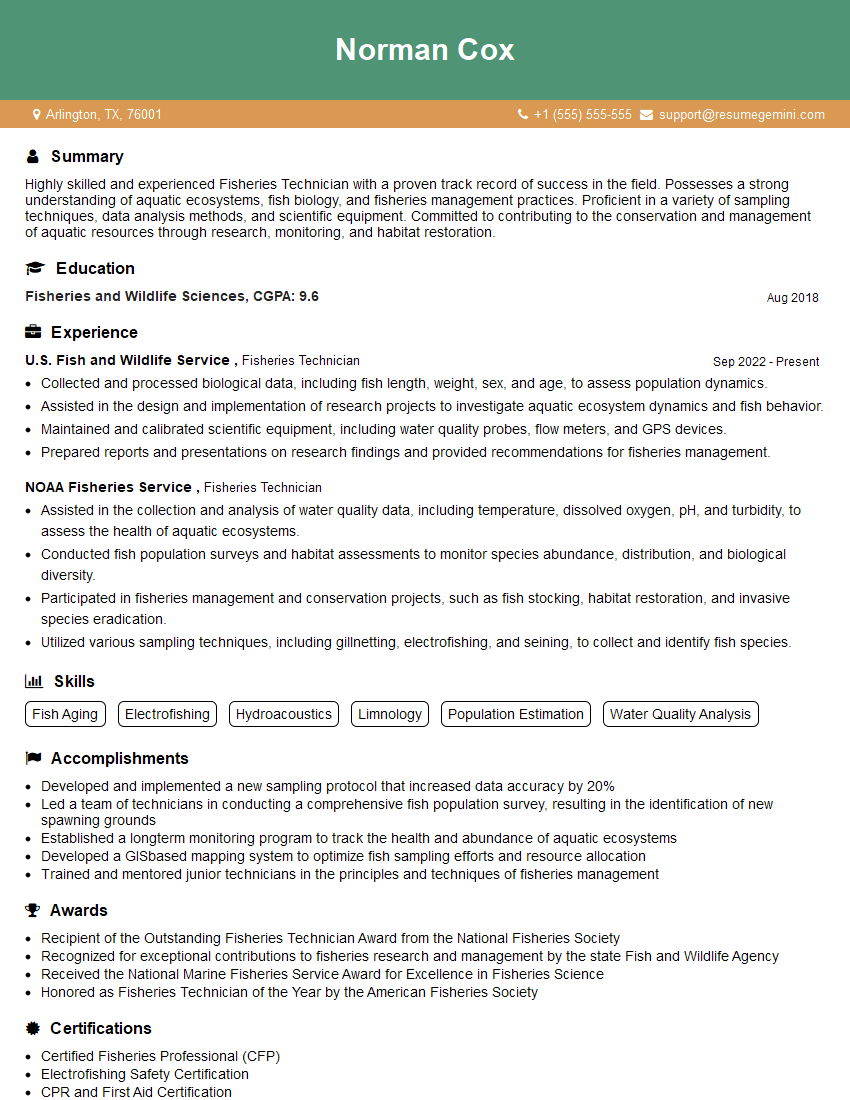
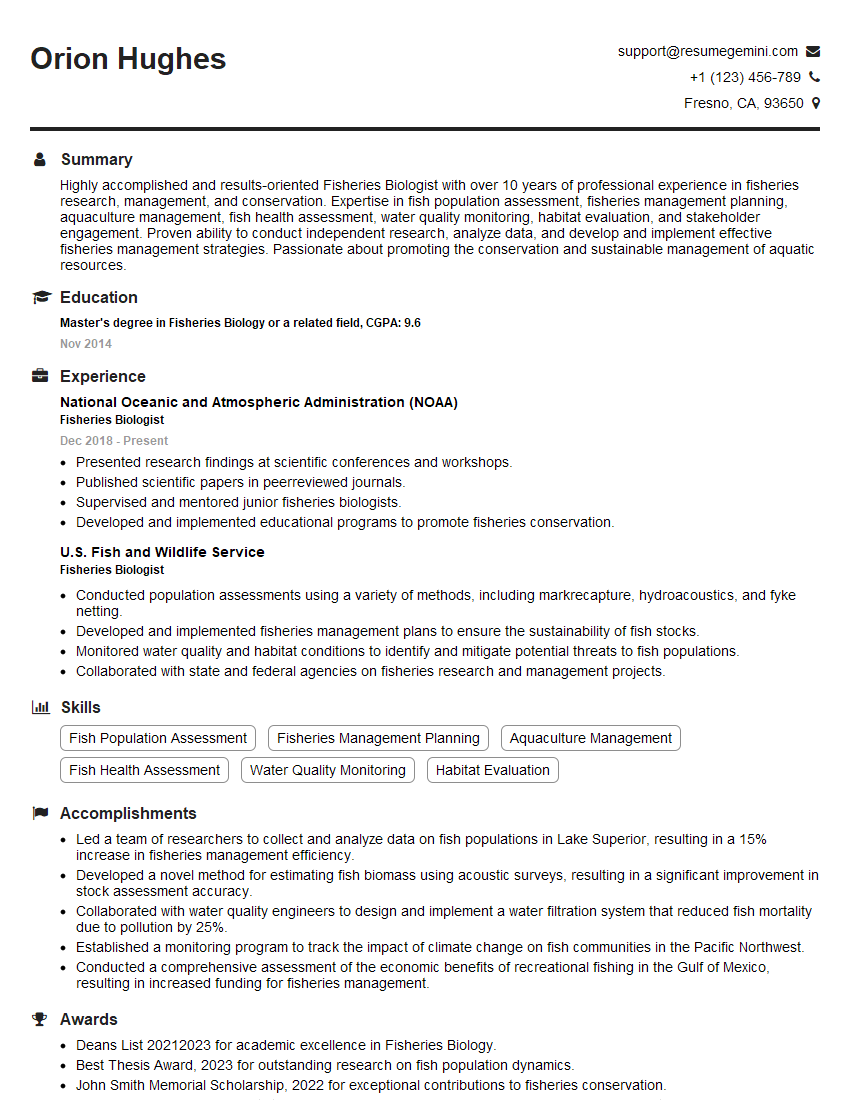
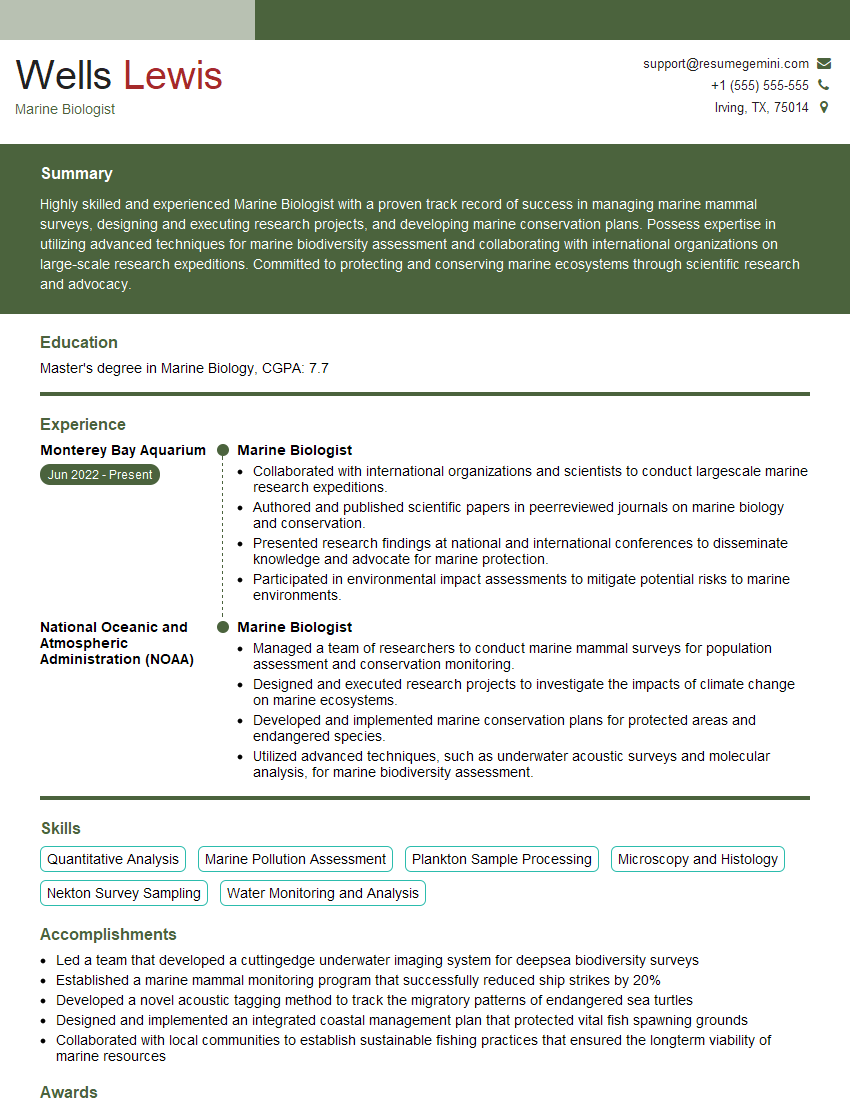
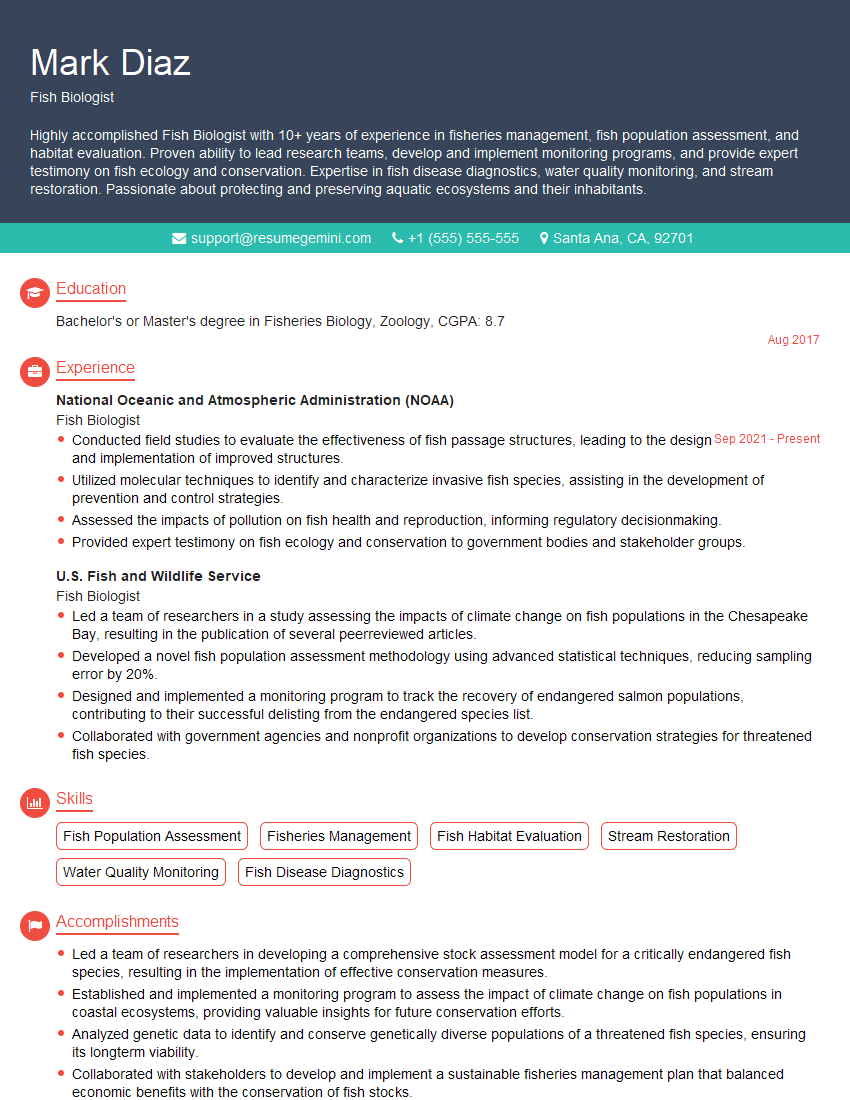
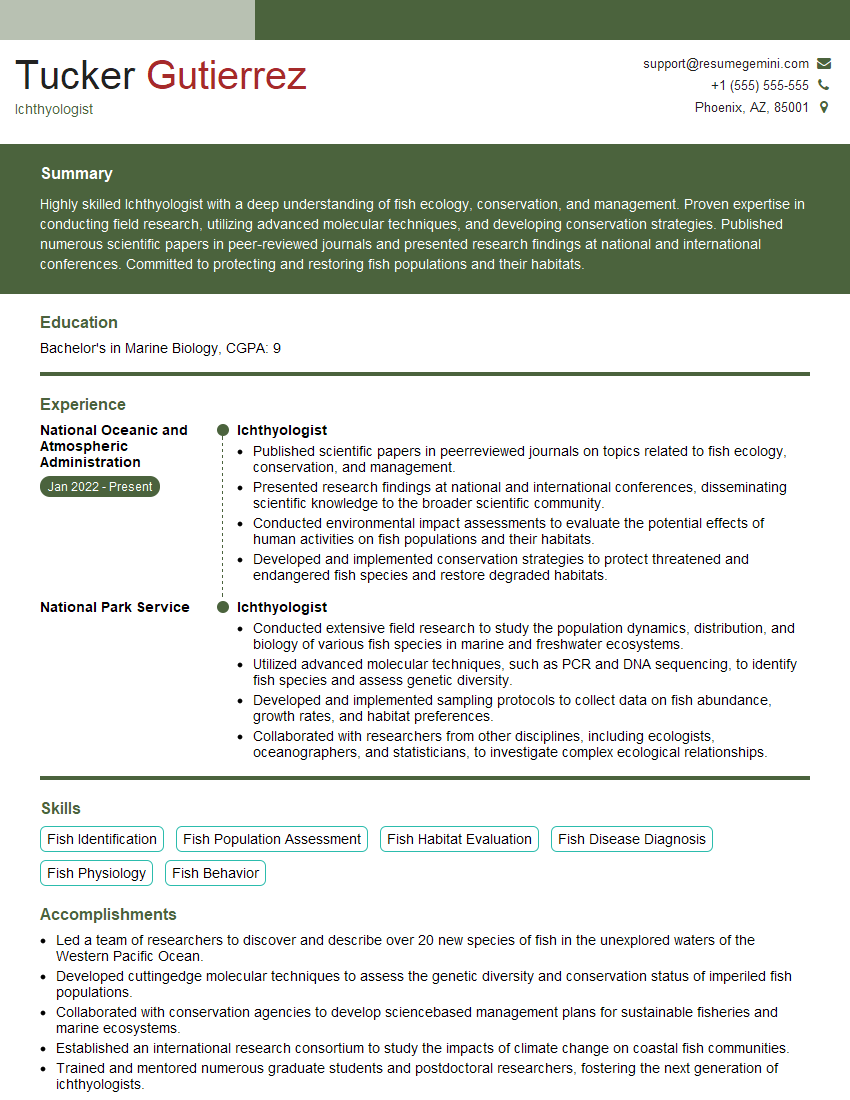
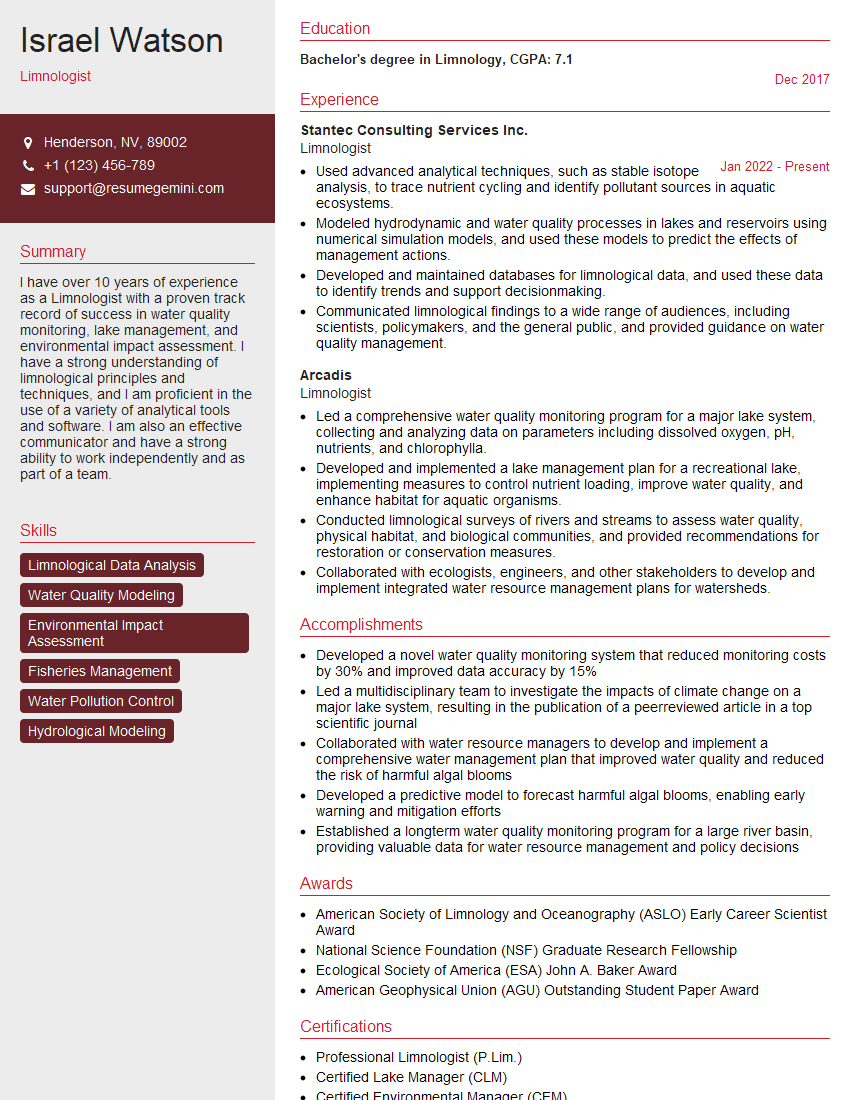
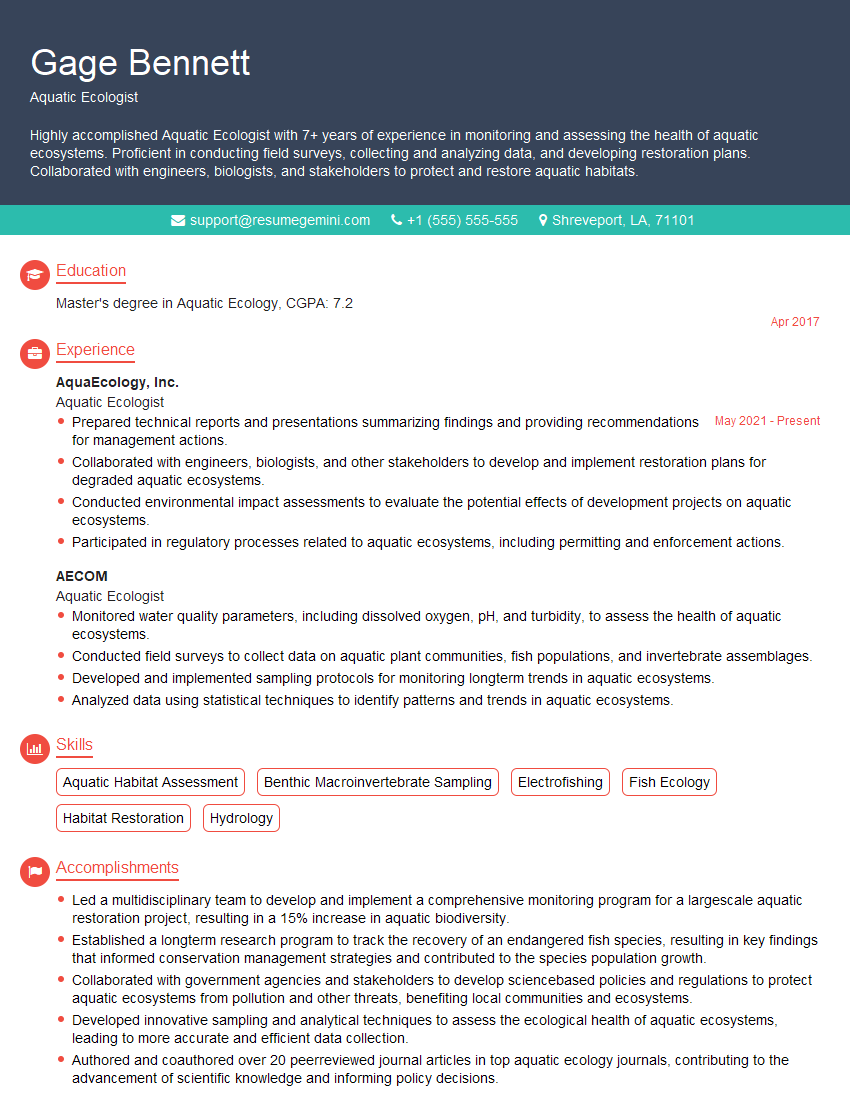
Mastering Fish Biology and Ecology opens doors to exciting and impactful careers in research, conservation, management, and aquaculture. A strong foundation in these areas is crucial for securing your desired position. To significantly boost your job prospects, crafting a compelling and ATS-friendly resume is essential. ResumeGemini is a trusted resource that can help you build a professional resume that highlights your skills and experience effectively. Examples of resumes tailored to Fish Biology and Ecology are available through ResumeGemini, providing valuable templates to guide you in creating a standout application.
Explore more articles
Users Rating of Our Blogs
Share Your Experience
We value your feedback! Please rate our content and share your thoughts (optional).
What Readers Say About Our Blog
Very informative content, great job.
good