Every successful interview starts with knowing what to expect. In this blog, we’ll take you through the top Defense interview questions, breaking them down with expert tips to help you deliver impactful answers. Step into your next interview fully prepared and ready to succeed.
Questions Asked in Defense Interview
Q 1. Describe your experience with defense contracting regulations.
My experience with defense contracting regulations spans over a decade, encompassing various aspects from proposal preparation to contract execution and closeout. I’m deeply familiar with the Federal Acquisition Regulation (FAR), specifically focusing on parts relevant to defense contracts such as FAR Part 12 (Acquisition of Commercial Items) and FAR Part 31 (Contract Cost Principles and Procedures). I understand the intricacies of cost accounting standards, compliance with the Truth in Negotiations Act (TINA), and the importance of maintaining meticulous records for audits. For example, during my time at [Previous Company Name], I was instrumental in navigating the complexities of a cost-plus-incentive-fee contract, ensuring compliance with all regulatory requirements and achieving successful contract completion on time and within budget. My experience also includes working with Defense Contract Audit Agency (DCAA) audits, preparing for and responding to their inquiries effectively.
I’ve also had significant experience with other relevant regulations such as those concerning export controls (ITAR/EAR) and cybersecurity standards, crucial for protecting sensitive defense information. This experience allows me to effectively manage risk and ensure legal compliance throughout the entire lifecycle of a defense contract.
Q 2. Explain the concept of asymmetric warfare.
Asymmetric warfare is a military strategy where a weaker opponent uses unconventional tactics to overcome a stronger, conventionally armed adversary. It leverages the opponent’s weaknesses and avoids direct confrontation. This often involves exploiting technological, informational, or even social disparities. Think of it like a David and Goliath story – David doesn’t fight Goliath head-on; instead, he uses his slingshot to exploit Goliath’s vulnerability.
Examples of asymmetric warfare tactics include guerrilla warfare, terrorism, cyberattacks, and information warfare. A classic example is the Vietnam War, where the Viet Cong employed guerrilla tactics to offset the superior firepower of the US military. Another example is the use of improvised explosive devices (IEDs) by insurgent groups against military convoys. The key element is that the weaker party avoids a direct confrontation on the battlefield, choosing instead to use unconventional methods to achieve their objectives.
Understanding asymmetric warfare is crucial for national security. It necessitates a shift from focusing solely on conventional military strength to embracing a broader, more adaptable approach that includes intelligence gathering, unconventional warfare capabilities, and robust cybersecurity measures.
Q 3. What are the key components of a successful defense acquisition program?
A successful defense acquisition program hinges on several key components. First and foremost is clear and achievable requirements, defined early on in close collaboration with the end-users. This prevents costly rework and ensures the system meets the operational needs. A well-defined acquisition strategy is paramount. This involves selecting the appropriate acquisition pathway (e.g., sole-source, competitive bidding) and adhering to rigorous oversight and project management processes.
- Robust Program Management: Strong leadership, clear communication, and risk mitigation strategies are vital. This includes meticulous budget management and adherence to timelines.
- Effective Technology Management: Choosing suitable technologies and ensuring their integration and maturity are key to success. This often requires rigorous testing and evaluation throughout the development process.
- Strong Stakeholder Collaboration: Effective communication and collaboration are crucial among the program office, contractors, users, and other stakeholders. Regular meetings and transparent reporting are important.
- Continuous Risk Management: Identifying and mitigating potential risks proactively is paramount. This requires regular risk assessments and the development of contingency plans.
Finally, thorough testing and evaluation are crucial to ensure the system meets requirements and performs as expected in real-world conditions. This involves multiple stages of testing from laboratory environments to field testing under operational conditions.
Q 4. Discuss your understanding of cyber warfare and its implications for national security.
Cyber warfare poses a significant threat to national security, targeting critical infrastructure, financial systems, and even military operations. It’s a relatively low-cost, high-impact method of disrupting or destroying an adversary’s capabilities, often remaining undetected for extended periods. The implications are far-reaching, impacting everything from energy grids and financial markets to elections and military command and control systems.
Consider the potential disruption of a power grid through a cyberattack, leaving millions without power and causing widespread economic chaos. Or the compromise of sensitive military data leading to loss of operational advantage or even loss of life. The interconnected nature of modern systems means a successful cyberattack can cascade across various sectors, leading to widespread consequences. Therefore, strong cybersecurity measures, both offensive and defensive, are crucial for safeguarding national interests.
My understanding encompasses both the offensive and defensive aspects of cyber warfare. This includes knowledge of various attack vectors, defensive techniques like intrusion detection systems and incident response plans, and the importance of cybersecurity awareness training for all personnel. The defense against cyber warfare requires a multi-layered approach including robust network security, proactive threat intelligence, and swift incident response capabilities.
Q 5. How would you assess the effectiveness of a particular defense system?
Assessing the effectiveness of a defense system requires a multi-faceted approach, moving beyond simple metrics like cost and schedule. A comprehensive assessment involves several key steps:
- Defining success criteria: Clearly establishing what constitutes a successful outcome based on the system’s intended purpose. This might include kill ratios, survivability rates, or operational availability.
- Operational testing and evaluation: Conducting rigorous tests under realistic conditions to measure the system’s performance against the defined success criteria. This involves both simulated and live exercises.
- Data analysis and modeling: Analyzing the test data using statistical methods to determine the system’s effectiveness. This might involve simulations and modeling to predict performance under various scenarios.
- Comparative analysis: Benchmarking the system’s performance against existing systems or competing technologies. This provides context for assessing its overall capabilities.
- Cost-benefit analysis: Evaluating the system’s effectiveness relative to its cost. Is the cost justified by the improvement in capability?
Ultimately, an effective assessment provides a clear and objective evaluation of the system’s capabilities, limitations, and overall worth, informing decisions about its deployment and potential upgrades.
Q 6. Explain your experience with risk management in a defense project.
Risk management is an integral part of any successful defense project. My experience involves implementing and managing comprehensive risk management plans, starting from the initial planning phases and continuing throughout the entire project lifecycle. This includes identifying, analyzing, mitigating, and monitoring risks throughout the project.
On a recent project involving the development of a new radar system, we utilized a formal risk management process based on the ANSI/EIA-748 standard. We identified potential risks through brainstorming sessions, stakeholder interviews, and technical reviews. Each risk was then analyzed based on its likelihood and impact, using a risk matrix to prioritize our mitigation efforts. We developed mitigation plans for high-priority risks, such as schedule delays or technical challenges, assigning owners and tracking progress regularly. This proactive approach enabled us to address potential problems before they escalated, ensuring the successful completion of the project on time and within budget.
Furthermore, regular risk reviews and updates are crucial. Throughout the project, we updated the risk register based on new information and adjusted our mitigation plans as needed. This dynamic approach ensures that the risk management process remains relevant and responsive to evolving project circumstances.
Q 7. Describe your knowledge of different intelligence gathering methods.
My knowledge of intelligence gathering methods encompasses a wide range of techniques, both traditional and modern. These methods can be broadly categorized as:
- Human Intelligence (HUMINT): Gathering information through human sources, such as spies, informants, and defectors. This can involve clandestine meetings, covert surveillance, and the exploitation of captured enemy personnel.
- Signals Intelligence (SIGINT): Intercepting and analyzing electronic communications, such as radio transmissions, satellite communications, and radar signals. This requires specialized equipment and expertise in signal processing and decryption.
- Imagery Intelligence (IMINT): Acquiring information from visual imagery, including aerial photography, satellite imagery, and video surveillance. Advanced image analysis techniques are employed to extract relevant information.
- Measurement and Signature Intelligence (MASINT): Gathering data from various non-visual sources, such as acoustic, seismic, or electromagnetic emissions. This often involves specialized sensors and sophisticated analysis techniques.
- Open Source Intelligence (OSINT): Utilizing publicly available information, such as news reports, social media, and academic publications, to gain insights into adversary capabilities and intentions. This requires meticulous research and analysis skills.
Each method has its strengths and limitations, and often multiple methods are used in conjunction to achieve a comprehensive understanding of the target. The selection of specific methods depends on the intelligence requirement, available resources, and the specific threat environment.
Q 8. How would you approach analyzing a complex geopolitical scenario with defense implications?
Analyzing a complex geopolitical scenario with defense implications requires a structured approach. I’d begin by defining the scope of the scenario, identifying the key actors (states, non-state actors, international organizations), and their interests and capabilities. This involves understanding their military strengths and weaknesses, economic situations, political systems, and potential alliances or rivalries. Next, I’d build a model using various analytical tools, incorporating factors like geography, resources, and historical precedent. For instance, I might employ game theory to predict potential responses or utilize scenario planning to explore alternative futures. Finally, I’d assess the potential risks and opportunities for each actor, identifying potential escalation paths and developing mitigation strategies. A key part of this process is to continuously update the model as new information becomes available, ensuring that the analysis remains relevant and accurate. For example, a sudden shift in political leadership could dramatically alter a nation’s foreign policy and necessitate a re-evaluation of the entire scenario.
Let’s consider a hypothetical scenario involving a territorial dispute between two nations. I’d examine the military balance, assess each nation’s will to fight, look at the potential for international intervention, and evaluate the economic and social costs of conflict. The analysis would need to consider the potential for miscalculation, accidental escalation, or unintended consequences of any action taken by any of the involved parties.
Q 9. Discuss your understanding of international defense treaties and agreements.
International defense treaties and agreements are crucial for maintaining global stability and promoting cooperation. My understanding encompasses a range of agreements, from bilateral treaties focusing on specific security concerns between two nations, to multilateral treaties like the North Atlantic Treaty Organization (NATO) which involve collective defense. These agreements can involve arms control, demilitarized zones, mutual defense obligations, and mechanisms for conflict resolution. Each treaty has its own specific stipulations, procedures for conflict resolution, and enforcement mechanisms. It’s important to understand the nuances of each, including the ‘escape clauses’ that might allow a nation to withdraw or modify its commitments. The effectiveness of these treaties hinges on the political will of the signatory nations, the ability to verify compliance, and the capacity to enforce the terms in case of violations.
For example, the Treaty on the Non-Proliferation of Nuclear Weapons (NPT) aims to prevent the spread of nuclear weapons. It establishes safeguards and verification processes, but its success depends on the cooperation of all signatory states. Another example is the Chemical Weapons Convention (CWC), which aims to eliminate chemical weapons. The CWC includes a comprehensive verification regime with on-site inspections to ensure compliance.
Q 10. Explain your experience with cost-benefit analysis in defense procurement.
Cost-benefit analysis (CBA) is vital in defense procurement, ensuring that resources are allocated efficiently to maximize military effectiveness. A typical CBA involves identifying the costs (acquisition, operation, maintenance, disposal) and benefits (improved capabilities, enhanced security, reduced risks) of a particular defense system. These are often expressed in monetary terms, but intangible factors like national security must also be considered. The process involves quantifying both tangible and intangible benefits where possible. Sensitivity analysis is performed to understand the impact of uncertainty in cost or benefit estimations on the final decision. A crucial part is comparing different system options to determine the most cost-effective solution, considering factors such as lifecycle costs and operational effectiveness.
For instance, when evaluating different fighter jet options, a CBA might compare the acquisition cost of each aircraft with its projected operational life, maintenance requirements, and overall effectiveness in combat simulations. This would also include a qualitative assessment of its impact on national defense capabilities and deterrence.
Q 11. What are some key challenges facing modern defense systems?
Modern defense systems face numerous challenges. One significant challenge is the rise of asymmetric warfare, where non-state actors employ unconventional tactics and technologies, making traditional defense strategies less effective. This includes combating cyber warfare, drone attacks, and terrorist organizations with limited conventional military resources. Another challenge is the rapid pace of technological advancement, requiring constant adaptation and investment to maintain a technological edge. Maintaining affordability in the face of rising costs for advanced technologies and the need to constantly update systems is a persistent challenge. This is further complicated by the need to balance defense spending with other national priorities. Furthermore, ethical considerations surrounding the use of autonomous weapons systems and the management of data security in the context of ever-increasing networked systems pose considerable dilemmas. Finally, maintaining interoperability between different systems and across nations in alliance structures is a logistical and technical hurdle that demands constant effort and investment.
Q 12. How do you stay updated on current defense technologies and trends?
Staying updated on current defense technologies and trends requires a multi-faceted approach. I regularly read industry publications like Jane’s Defence Weekly and Defense News, and attend relevant conferences and seminars. I actively monitor the research and development activities of leading defense contractors and government agencies. Engaging with professional networks through organizations like the National Defense Industrial Association (NDIA) provides valuable insights and opportunities for discussion with experts in the field. Analyzing publicly available information, such as military budgets, procurement announcements, and military exercises, helps in tracking trends and emerging technologies. Moreover, reviewing academic literature and research papers allows for a deeper dive into specific areas of interest. A critical part is actively engaging with experts through discussions and knowledge sharing to broaden my understanding.
Q 13. Describe your understanding of the military decision-making process.
The military decision-making process is generally iterative and involves several key steps. It starts with receiving intelligence and assessing the situation, identifying the problem or threat. This is followed by developing possible courses of action (COAs) and weighing their potential consequences, risks, and benefits. A crucial aspect is the consideration of political, economic, and social factors, as well as the legal and ethical implications of potential actions. A rigorous process of analysis then takes place to evaluate the effectiveness and feasibility of each COA. After selecting the preferred COA, planning and execution follow. Continuous monitoring and assessment of the situation allow for adjustments and further decision-making during the operation. This is often represented as a cyclical process, with constant feedback and reevaluation throughout.
For example, during a crisis, the decision-making process might involve a series of meetings with high-ranking officials, using maps, simulations, and intelligence briefings to assess different options and their potential repercussions. The process is not always linear; unexpected events or changing circumstances may necessitate revisiting earlier decisions.
Q 14. Explain your experience with using defense-related software or tools.
My experience with defense-related software and tools includes using Geographic Information Systems (GIS) for analyzing geographic data and planning operations. I’ve also worked extensively with modeling and simulation software to project the outcomes of various military scenarios and evaluate different strategies. Experience with combat modeling and simulation software allows for testing different weapons systems and operational tactics to optimize effectiveness. Data analytics tools are used for examining large datasets of intelligence and operational information to identify patterns and trends. Finally, I am proficient in using specialized software for communication and collaboration within secure networks, adhering to stringent data security protocols. The specific software packages vary, but the overarching goal is always to leverage technology to improve the effectiveness of defense planning and decision-making.
Q 15. How would you manage a team in a high-pressure defense environment?
Managing a team in a high-pressure defense environment requires a blend of strong leadership, clear communication, and a focus on team well-being. It’s not just about meeting deadlines; it’s about fostering a culture of trust and collaboration under immense stress.
- Clear Communication: Regular, transparent updates on project status, challenges, and successes are crucial. This includes actively listening to team members’ concerns and providing constructive feedback.
- Delegation and Empowerment: Distributing tasks effectively based on individual strengths and skillsets is vital. Empowering team members to make decisions within their areas of responsibility fosters ownership and reduces bottlenecks.
- Stress Management: Recognizing that high-pressure environments can take a toll on individuals is paramount. Implementing stress-reduction strategies, such as regular breaks, team-building activities, and access to mental health resources, is essential for maintaining morale and productivity.
- Continuous Training and Development: Providing opportunities for professional development and skill enhancement not only improves individual capabilities but also boosts team morale and strengthens the collective expertise.
- Building a Strong Team Culture: Fostering a culture of mutual respect, support, and open communication is crucial. This involves celebrating successes together and navigating failures as a unified team. A strong team dynamic can be the difference between success and failure under pressure.
For example, during my time working on a critical missile defense system upgrade, we utilized daily stand-up meetings to address immediate challenges, weekly progress reports to track overall project health, and monthly team-building events to maintain camaraderie and morale. This structured approach helped us navigate the inherent pressures of the project and deliver on time and within budget.
Career Expert Tips:
- Ace those interviews! Prepare effectively by reviewing the Top 50 Most Common Interview Questions on ResumeGemini.
- Navigate your job search with confidence! Explore a wide range of Career Tips on ResumeGemini. Learn about common challenges and recommendations to overcome them.
- Craft the perfect resume! Master the Art of Resume Writing with ResumeGemini’s guide. Showcase your unique qualifications and achievements effectively.
- Don’t miss out on holiday savings! Build your dream resume with ResumeGemini’s ATS optimized templates.
Q 16. What are the ethical considerations of deploying specific defense technologies?
The ethical considerations surrounding the deployment of defense technologies are complex and multifaceted, demanding careful scrutiny. Key concerns include:
- Proportionality: Does the use of force align with the threat? Is the level of force employed proportionate to the potential harm? Deploying excessive force against a minor threat raises serious ethical questions.
- Discrimination: Does the technology discriminate against civilians or specific groups? Autonomous weapons systems, for example, raise concerns about algorithmic bias and the potential for unintended harm to non-combatants.
- Accountability: Who is responsible when a defense technology causes unintended harm? Establishing clear lines of accountability is crucial, especially for autonomous or semi-autonomous systems.
- Transparency: Is the development and deployment of the technology transparent and subject to public scrutiny? A lack of transparency can undermine public trust and lead to accusations of secrecy and potential misuse.
- Human Rights: Does the technology respect fundamental human rights, including the right to life, liberty, and security of person? This is especially critical when considering technologies that impact civilian populations or individuals.
For instance, the debate surrounding the use of drone strikes highlights these concerns. The precision targeting capabilities of drones offer advantages, but their use must be carefully evaluated considering the potential for civilian casualties and the lack of clear accountability mechanisms.
Q 17. Explain your understanding of supply chain vulnerabilities in the defense industry.
Supply chain vulnerabilities in the defense industry pose significant risks, ranging from compromised equipment to operational disruptions and even national security breaches. These vulnerabilities can stem from various sources:
- Foreign Dependence: Reliance on foreign suppliers for critical components can create vulnerabilities, especially if those suppliers are located in politically unstable regions or countries with lax security protocols.
- Cybersecurity Risks: The increasing reliance on digital technologies in the defense industry introduces significant cybersecurity risks. Malicious actors could target suppliers, compromise systems, or introduce malicious code into components.
- Counterfeit Parts: The use of counterfeit parts can lead to equipment failure, performance degradation, and even catastrophic system failures. Verification and authentication processes are therefore critical.
- Lack of Transparency: A lack of transparency in the supply chain makes it difficult to identify and mitigate risks. Comprehensive traceability and supply chain mapping are therefore essential.
- Physical Security Breaches: Theft, sabotage, or espionage targeting facilities or transportation routes can compromise sensitive components or information.
A real-world example is the discovery of counterfeit parts in military aircraft, leading to safety concerns and costly investigations. Mitigation strategies involve rigorous vetting of suppliers, enhanced cybersecurity measures, robust traceability systems, and strict quality control procedures.
Q 18. How would you handle conflicting priorities in a defense project?
Conflicting priorities in a defense project are inevitable. Effective management requires a structured approach:
- Prioritization Matrix: Use a matrix to rank priorities based on factors such as urgency, impact, and feasibility. This ensures that limited resources are allocated to the most critical tasks.
- Stakeholder Engagement: Involve all relevant stakeholders – engineers, program managers, leadership, and potentially even external partners – in the prioritization process. Open communication and collaborative decision-making are crucial.
- Trade-off Analysis: Carefully evaluate the trade-offs associated with each decision. This involves weighing the benefits and drawbacks of prioritizing one task over another. Sometimes, compromises may be necessary.
- Risk Assessment: Conduct a thorough risk assessment to identify potential risks and develop mitigation strategies. This helps to ensure that the most critical risks are addressed first.
- Adaptive Planning: Defense projects are often dynamic. Be prepared to adapt the project plan as priorities shift or new information emerges.
For example, during a project involving the integration of new sensor technology, conflicting priorities emerged between achieving optimal performance and adhering to a strict budget. Through stakeholder engagement, a trade-off analysis revealed that slight performance compromises could be accepted to meet the budget constraint while still achieving mission-critical capabilities.
Q 19. Discuss your experience with data analysis and its application in defense contexts.
Data analysis plays a pivotal role in modern defense, enabling informed decision-making, enhanced operational efficiency, and improved national security.
- Intelligence Analysis: Data analysis techniques are used to sift through vast amounts of intelligence data, identifying patterns, anomalies, and potential threats. This can involve the use of machine learning algorithms to detect unusual activity or predict potential attacks.
- Predictive Maintenance: Data analysis can predict equipment failures, allowing for proactive maintenance and reducing downtime. This is crucial for optimizing the operational readiness of military assets.
- Logistics Optimization: Data analysis can optimize the logistics and supply chain, ensuring timely delivery of critical resources and minimizing costs.
- Combat Simulation: Data analysis can be used to analyze combat simulations, providing insights into tactical effectiveness and identifying areas for improvement in training and operations.
- Cybersecurity: Data analysis plays a critical role in cybersecurity, enabling the detection and response to cyber threats. This includes identifying malicious activity, tracking intrusions, and improving security protocols.
For example, I’ve used statistical modeling to analyze sensor data to identify patterns indicative of enemy activity, improving early warning capabilities. In another instance, I leveraged machine learning algorithms to predict equipment failures in a fleet of military vehicles, reducing maintenance costs and increasing operational readiness.
Q 20. Explain your understanding of different types of military deployments.
Military deployments vary significantly depending on objectives, scale, and context. Here are some key types:
- Peacekeeping Operations: Deployments focused on maintaining peace and security in conflict zones, often involving observation, mediation, and conflict resolution. These operations typically involve a multinational force and aim to prevent further violence.
- Combat Operations: Deployments aimed at engaging in direct conflict with an enemy force. These can range from large-scale wars to smaller-scale engagements.
- Humanitarian Assistance: Deployments focused on providing humanitarian aid and disaster relief, often in response to natural disasters or humanitarian crises.
- Training and Advisory Missions: Deployments focused on training and advising foreign military forces. These missions can involve building capacity, sharing expertise, and promoting stability.
- Show of Force: Deployments aimed at demonstrating military capability and deterring potential adversaries. These can involve the deployment of military assets to a region of strategic importance.
Each type of deployment presents unique challenges and requires different planning, logistical considerations, and rules of engagement. The specific nature of the deployment will determine the size, composition, and equipment of the deployed force, as well as the operational guidelines and objectives.
Q 21. How would you resolve a conflict between technical requirements and budget constraints in a defense project?
Resolving conflicts between technical requirements and budget constraints demands a systematic approach that balances mission needs with fiscal responsibility.
- Prioritize Requirements: Begin by prioritizing technical requirements based on their criticality to mission success. Distinguish between ‘must-have’ and ‘nice-to-have’ features.
- Value Engineering: Conduct a thorough value engineering analysis to identify areas where cost reductions can be achieved without significantly compromising performance. This may involve exploring alternative technologies, simplifying designs, or optimizing processes.
- Phased Rollout: Consider a phased rollout of the system, implementing the most critical features first and deferring less critical aspects to later phases. This allows for the project to proceed within the budget constraints while still delivering core capabilities.
- Negotiation and Compromise: Engage in constructive negotiation with stakeholders to find acceptable compromises. This may involve adjusting technical requirements, seeking additional funding, or extending project timelines.
- Risk Mitigation: Identify and mitigate the risks associated with cost-cutting measures. Ensure that any compromises do not jeopardize the safety, security, or effectiveness of the system.
In a previous project involving the development of a new surveillance system, we faced similar challenges. Through value engineering, we identified opportunities to reduce costs by using off-the-shelf components where appropriate. We also prioritized the core surveillance capabilities while deferring some advanced features to a future upgrade, ensuring that the project was completed on time and within budget without compromising core functionality.
Q 22. Discuss your familiarity with various defense platforms (e.g., aircraft, ships, etc.).
My familiarity with defense platforms encompasses a broad spectrum, ranging from fixed-wing and rotary aircraft to naval vessels and ground-based systems. I’ve worked extensively with the design, procurement, and operational aspects of various platforms. For example, I have in-depth knowledge of the F-35 Lightning II Joint Strike Fighter, understanding its capabilities, limitations, and integration within a wider defense system. Regarding naval platforms, my expertise extends to destroyers like the Arleigh Burke class, focusing on their anti-air warfare (AAW) capabilities and integrated sensor systems. I also possess experience with ground platforms, including armored fighting vehicles and their role in combined arms warfare. This understanding isn’t limited to technical specifications; it also encompasses logistical considerations, maintenance requirements, and crew training protocols. My experience includes analyzing platform performance data, identifying areas for improvement, and contributing to strategic procurement decisions.
- Aircraft: F-35, F-22, Apache helicopters, transport aircraft (C-17, C-130)
- Naval Vessels: Destroyers (Arleigh Burke class), frigates, submarines, aircraft carriers
- Ground Systems: Tanks (M1 Abrams), infantry fighting vehicles, artillery systems, missile defense systems
Q 23. Explain the concept of force projection and its importance in defense strategy.
Force projection refers to a nation’s ability to deploy and sustain military power in a geographically distant region. It’s not just about having a powerful military; it’s about having the logistical capacity, strategic reach, and political will to project that power effectively. This capability is crucial in defense strategy because it allows a country to deter aggression, respond to crises, and protect its national interests far beyond its borders. For example, the ability to rapidly deploy troops and equipment to a volatile region can prevent escalation or provide humanitarian aid during a natural disaster. The importance lies in influencing events globally, projecting an image of strength, and safeguarding national assets and citizens abroad. Factors contributing to effective force projection include: robust transportation networks (air, sea, and land), strategically located bases, advanced communications technologies, and well-trained and equipped personnel. A weak force projection capability can leave a nation vulnerable to external threats and limit its ability to influence global affairs.
Q 24. Describe your understanding of different defense doctrines.
Defense doctrines are the overarching principles and strategies that guide a nation’s military operations. They outline how a country will employ its military forces to achieve its national security objectives. Different doctrines reflect varying geopolitical priorities and technological capabilities. For instance, a doctrine of ‘massive retaliation’ (Cold War era) prioritized nuclear deterrence, while a ‘forward defense’ strategy involves positioning forces to deter aggression close to potential threats. Modern doctrines often emphasize asymmetric warfare, network-centric operations, and information warfare, adapting to the increasingly complex and interconnected nature of conflict. Examples include:
- Deterrence: Maintaining a strong military to discourage attack.
- Defense: Protecting national territory and interests.
- Offense: Taking the initiative to attack an enemy.
- Air-Sea Battle: Focusing on control of air and maritime domains.
Understanding these diverse doctrines is essential for anticipating and responding to potential threats. It allows for more effective strategic planning and resource allocation.
Q 25. What are the key factors to consider when developing a defense budget?
Developing a defense budget is a complex process requiring careful consideration of numerous factors. It’s not simply about allocating funds; it’s about balancing competing priorities within the constraints of available resources. Key factors include:
- National Security Threats: Assessing current and emerging threats (terrorism, cyber warfare, conventional conflict) dictates resource allocation priorities.
- Technological Advancements: Investing in cutting-edge technologies is vital for maintaining a competitive advantage, but this requires careful cost-benefit analysis.
- Economic Constraints: Defense budgets are often subject to fiscal limitations, necessitating trade-offs between competing priorities.
- Geopolitical Factors: International relations and alliances heavily influence budgeting decisions.
- Personnel Costs: Salaries, training, and benefits for military personnel constitute a significant portion of the budget.
- Modernization Efforts: Replacing aging equipment and upgrading existing systems is a critical long-term investment.
- Research & Development: Allocating funds for the research and development of new technologies is necessary for future preparedness.
Effective defense budget development involves a combination of strategic foresight, cost-effectiveness analysis, and transparent decision-making processes.
Q 26. Explain your experience in evaluating defense technology proposals.
My experience in evaluating defense technology proposals involves a rigorous process ensuring both technical feasibility and operational effectiveness. This includes:
- Technical Assessment: Evaluating the technical specifications, capabilities, and limitations of proposed technologies. This often involves reviewing detailed technical documentation, conducting simulations, and sometimes even witnessing live demonstrations.
- Cost Analysis: Assessing the lifecycle cost of the technology, considering factors such as procurement, maintenance, and operational costs. This often involves reviewing cost models and conducting sensitivity analyses.
- Operational Assessment: Evaluating the suitability of the technology for its intended operational environment and how it integrates with existing systems. This might involve wargaming or simulations to assess its effectiveness in different scenarios.
- Risk Assessment: Identifying and mitigating potential risks associated with the adoption of the technology, including technological risks, logistical risks, and security risks.
- Comparative Analysis: Comparing the proposed technology to alternatives and to existing systems to determine its cost-effectiveness and potential benefits.
A recent example involved evaluating a proposal for a new radar system. My assessment encompassed technical specifications, cost estimates, integration with existing air defense systems, and potential vulnerabilities.
Q 27. How do you ensure the security and integrity of sensitive defense information?
Securing sensitive defense information is paramount, requiring a multi-layered approach encompassing technological safeguards, operational procedures, and personnel security. This begins with robust access control mechanisms, employing strong passwords, multi-factor authentication, and strict authorization protocols. Data encryption both at rest and in transit is crucial, employing algorithms and protocols compliant with the latest security standards. Regular security audits and penetration testing identify vulnerabilities that need to be addressed. Information sharing should adhere to strict ‘need-to-know’ principles, limiting access only to authorized personnel. Furthermore, personnel undergo security clearances and regular training to ensure awareness of security protocols and potential threats. Incident response plans are crucial for handling security breaches promptly and effectively. All these measures, when implemented diligently, contribute to a secure environment for sensitive defense information. This is an ongoing process, demanding constant adaptation to counter evolving threats and vulnerabilities. We use data loss prevention (DLP) tools, regular vulnerability scans, and stringent compliance measures to protect against both internal and external threats.
Q 28. Describe your experience with defense-related simulations or modeling.
My experience with defense-related simulations and modeling is extensive. I’ve utilized various tools and techniques to model complex combat scenarios, analyze operational effectiveness, and assess the impact of different technological solutions. This includes:
- Agent-based modeling: Simulating the behavior of individual units and their interactions within a larger system.
- System dynamics modeling: Modeling the complex interactions between different components of a defense system.
- Discrete event simulation: Modeling the timing and sequence of events in a combat scenario.
For example, I’ve used simulations to model the effectiveness of different air defense systems against various types of aerial threats. These simulations allow us to evaluate different scenarios, test various strategies, and refine tactics before deploying resources in real-world situations. This data-driven approach provides valuable insights into operational effectiveness, identifying potential weaknesses and opportunities for improvement, ultimately leading to more robust and effective defense strategies. Such modeling significantly reduces risks and minimizes the chance of costly mistakes in real-world deployments.
Key Topics to Learn for Defense Interview
- National Security Strategy & Policy: Understanding the current geopolitical landscape and its implications for defense strategies. Consider practical applications like analyzing potential threats and evaluating policy effectiveness.
- Defense Acquisition Process: Familiarize yourself with the stages involved in procuring defense systems, from initial requirements to final deployment. Explore case studies of successful and unsuccessful acquisitions to understand the challenges involved.
- Cybersecurity in Defense: Learn about the critical role of cybersecurity in protecting national defense systems and infrastructure. Consider practical applications like threat modeling and incident response.
- Budgetary Considerations in Defense: Understand the complexities of defense budgeting, resource allocation, and cost-benefit analysis. Explore how budgetary decisions impact operational capabilities.
- Military Operations & Strategy: Gain a foundational understanding of military doctrines, operational planning, and strategic decision-making. Explore different types of military operations and their challenges.
- Emerging Technologies in Defense: Research advancements in areas like artificial intelligence, autonomous systems, and hypersonic weaponry, and consider their potential impact on future warfare.
- International Relations & Alliances: Understand the dynamics of international relations and the importance of alliances in maintaining national security. Consider how these relationships impact defense strategies and operations.
Next Steps
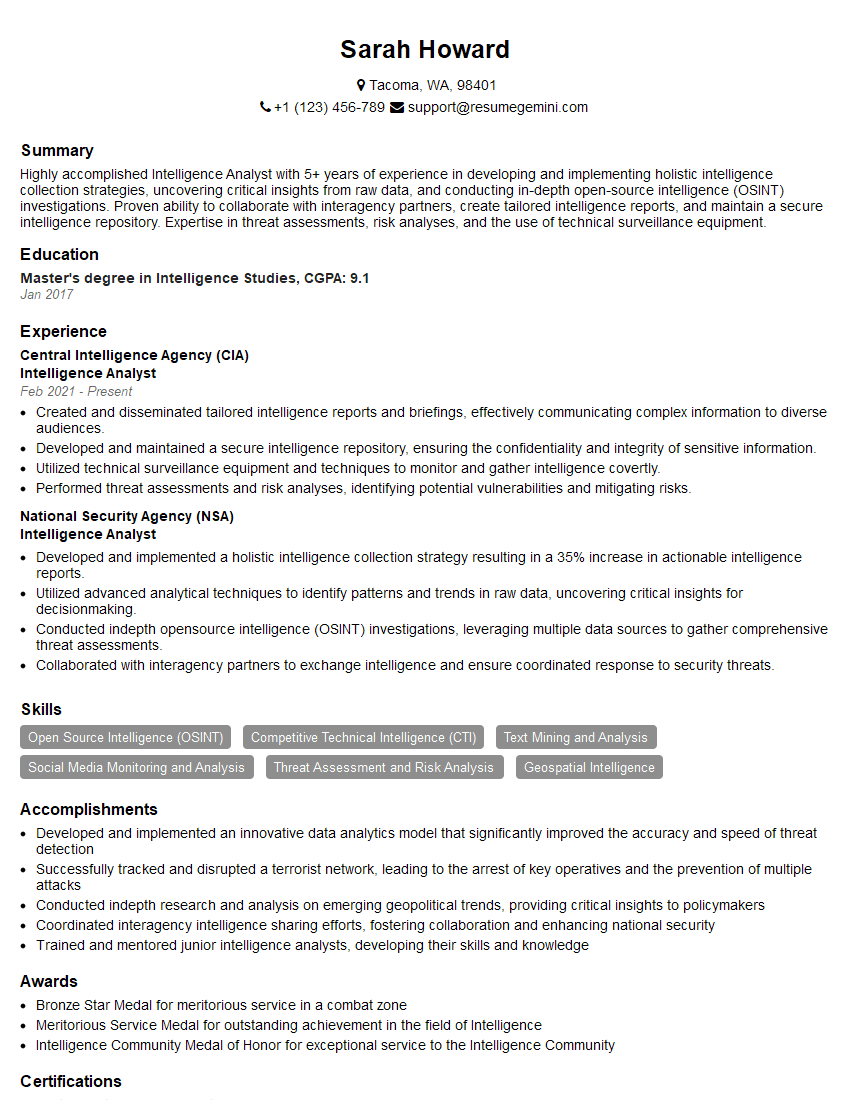
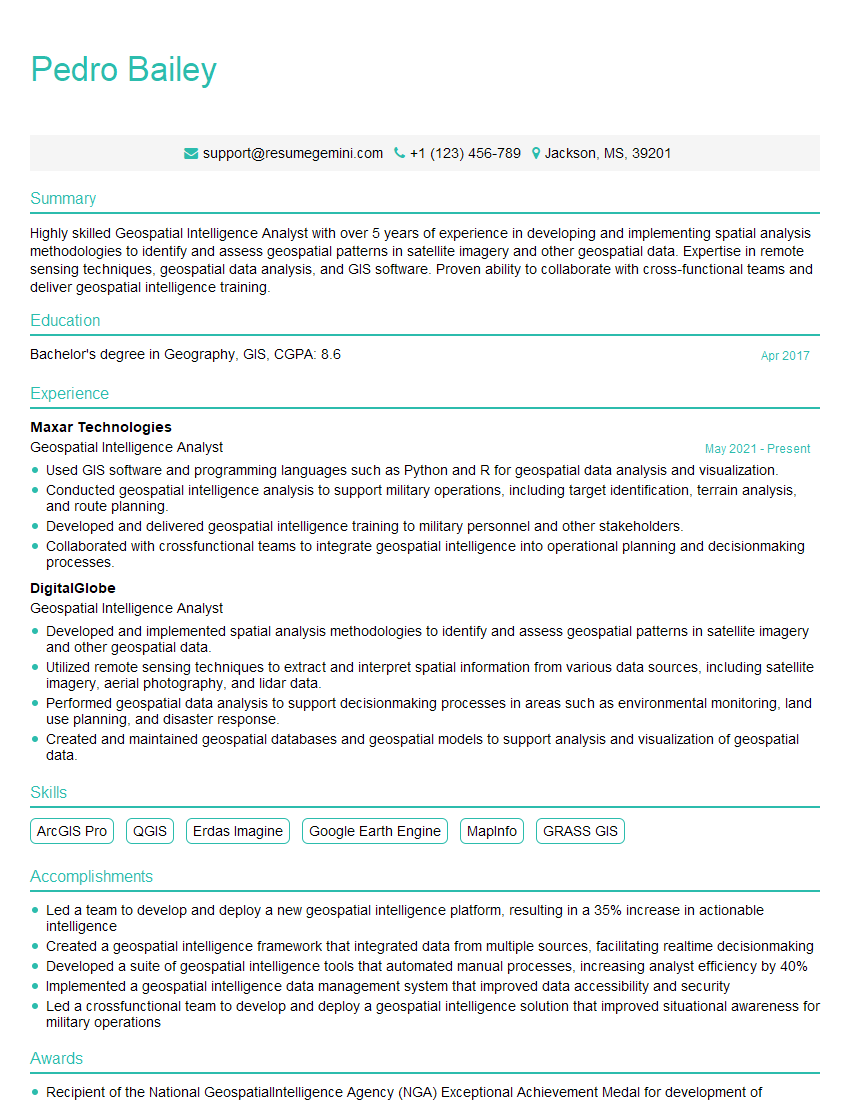
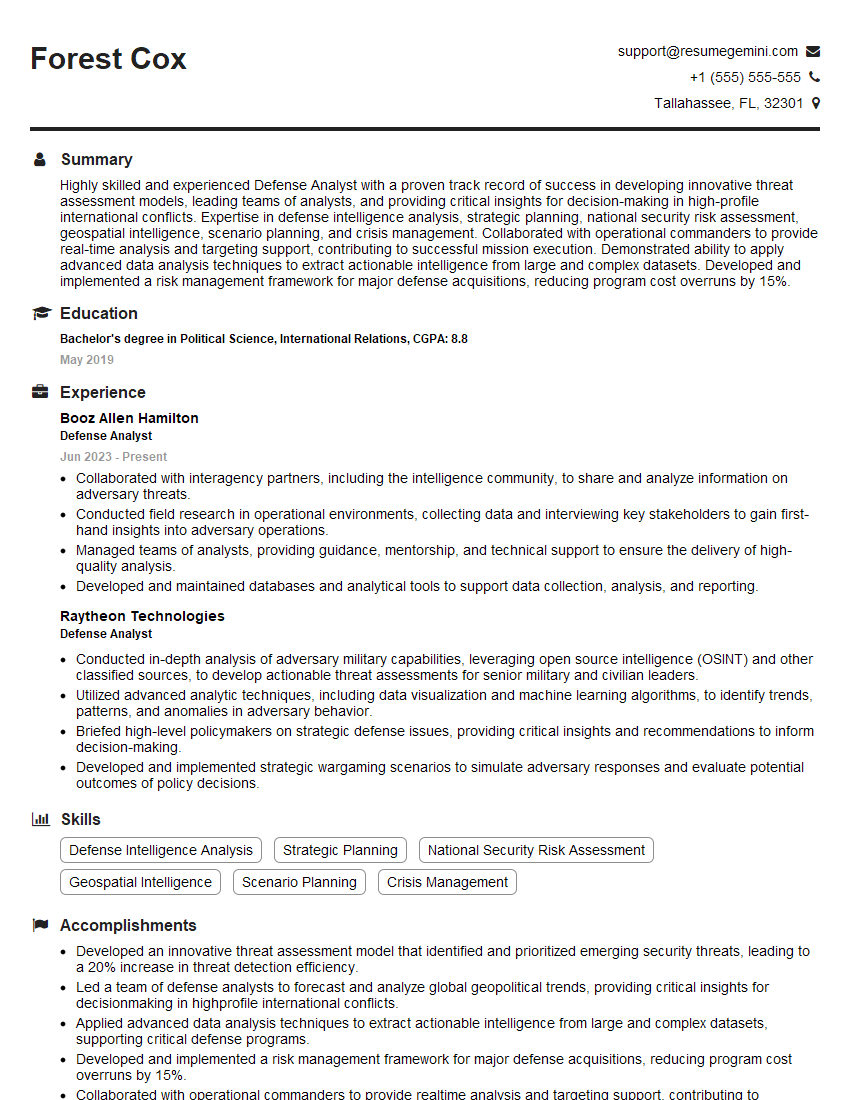
Mastering key concepts in defense is crucial for career advancement in this dynamic field. A strong understanding of these areas demonstrates your commitment and expertise, significantly enhancing your interview performance and overall job prospects. To further strengthen your application, create an ATS-friendly resume that highlights your relevant skills and experience. ResumeGemini is a trusted resource that can help you build a professional and impactful resume. We provide examples of resumes tailored to the Defense industry to help you get started. Take advantage of these resources to present your qualifications effectively and increase your chances of securing your dream role.
Explore more articles
Users Rating of Our Blogs
Share Your Experience
We value your feedback! Please rate our content and share your thoughts (optional).
What Readers Say About Our Blog
Very informative content, great job.
good