Interviews are opportunities to demonstrate your expertise, and this guide is here to help you shine. Explore the essential Flexibility and Coordination interview questions that employers frequently ask, paired with strategies for crafting responses that set you apart from the competition.
Questions Asked in Flexibility and Coordination Interview
Q 1. Describe a situation where you had to adapt to unexpected changes.
Adaptability is crucial in today’s dynamic work environment. A situation where I had to adapt involved a major software update rollout. The initial timeline was ambitious, and unforeseen compatibility issues arose with a third-party system, delaying the project by a week. My response involved several steps: first, I quickly assessed the impact of the delay, communicating transparently with stakeholders. Then, I collaborated with the development team to prioritize bug fixes, creating a revised rollout plan with adjusted milestones. We also implemented daily stand-up meetings to track progress and address emerging challenges immediately. This proactive approach, focusing on clear communication and collaborative problem-solving, ensured a successful, albeit slightly delayed, launch.
Q 2. How do you prioritize tasks when faced with competing deadlines?
Prioritizing tasks with competing deadlines requires a structured approach. I utilize a combination of methods, starting with a clear understanding of each task’s urgency and importance. I use a prioritization matrix (like Eisenhower Matrix – Urgent/Important) to categorize tasks. Urgent and important tasks are tackled first. Important but not urgent tasks are scheduled. Less important tasks are delegated or, if possible, eliminated. This allows me to focus my energy on high-impact activities. For instance, if I have a critical presentation due and a less crucial report, the presentation takes precedence. Regularly reviewing and adjusting this matrix is vital, as priorities can shift.
Q 3. Explain your approach to managing multiple projects simultaneously.
Managing multiple projects simultaneously demands strong organizational skills and a proactive approach. I use project management tools, like Trello or Asana, to visualize tasks across all projects. These tools allow me to assign deadlines, track progress, and identify potential bottlenecks. I break down each project into manageable phases, with clearly defined milestones. Timeboxing – allocating specific time blocks to individual projects – is crucial for maintaining focus and preventing burnout. Regular review meetings with team members help ensure everyone remains aligned and address any arising conflicts or roadblocks promptly. For example, I might dedicate Mondays to Project A, Tuesdays and Wednesdays to Project B, and Thursdays and Fridays to Project C, allowing for focused work and efficient task completion.
Q 4. How do you handle conflicting priorities?
Conflicting priorities are inevitable. My approach involves open communication and collaborative problem-solving. I first identify the root cause of the conflict, involving all relevant stakeholders. Then, I weigh the impact of each priority, considering both short-term and long-term consequences. This could involve a cost-benefit analysis, or a simple assessment of risk versus reward. Once the impact is assessed, I work with the team to find mutually acceptable solutions – this might involve renegotiating deadlines, re-allocating resources, or re-prioritizing tasks based on the bigger picture. Compromise and clear communication are key to navigating these situations successfully.
Q 5. Describe a time you had to work with a difficult team member.
Working with difficult team members requires patience, understanding, and a strategic approach. I once worked with a team member who was consistently negative and resistant to change. My approach focused on understanding their perspective. I initiated one-on-one meetings to address their concerns directly, focusing on active listening and finding common ground. I also reframed negative comments as constructive criticism, focusing on the task at hand rather than the personality clash. Ultimately, fostering open communication and demonstrating respect, even in the face of negativity, allowed us to achieve our team goals, and even fostered improved communication. While not all issues are resolved, this approach is crucial.
Q 6. How do you ensure effective communication within a team?
Effective team communication is the backbone of successful collaboration. I ensure clear and consistent communication through multiple channels. This includes regular team meetings, both in-person and virtual, to discuss progress, address concerns, and maintain alignment. I also utilize project management software for task updates and document sharing. Furthermore, I encourage open and honest feedback, creating a safe space for team members to voice their opinions. I practice active listening during meetings and respond promptly to any emails or messages. This multifaceted approach ensures everyone is informed and involved in the project’s progress.
Q 7. How do you stay organized when managing a large workload?
Staying organized with a large workload is paramount. I leverage a combination of techniques: Firstly, I use a digital calendar to schedule all tasks and appointments. Secondly, I prioritize tasks using the methods discussed earlier. Thirdly, I utilize task management software like Todoist or Any.do to track individual tasks, breaking down larger projects into smaller, manageable steps. Fourthly, I maintain a clean and organized workspace, both physical and digital, which reduces distractions and promotes focus. Regularly reviewing my schedule and adjusting tasks based on unforeseen circumstances is crucial for maintaining organization and maximizing productivity. Finally, I ensure I incorporate time for breaks and self-care to avoid burnout, maximizing my long-term productivity and focus.
Q 8. Describe a time you had to make a quick decision under pressure.
In my previous role, we faced a critical system failure just hours before a major client presentation. The initial diagnosis pointed to a complex database corruption, potentially jeopardizing the entire project. Under immense pressure, I had to quickly assess the situation. My decision-making process involved a structured approach: first, I calmly gathered my team, assigning each member a specific task based on their expertise. One focused on data recovery, another on developing a contingency plan using backup data, while I coordinated communication with the client and explored alternative presentation methods. We prioritized immediate data recovery, as that was the highest-impact task. Luckily, the backup data was relatively current, allowing us to proceed with the presentation albeit with minor modifications. This experience reinforced the importance of having robust backup and recovery plans, clear communication protocols, and a well-defined escalation process for critical situations.
Q 9. How do you handle stressful situations?
I handle stressful situations using a proactive, multi-faceted approach. Firstly, I prioritize deep breaths and mindfulness techniques to manage my immediate physiological response. This helps me gain clarity and avoid impulsive reactions. Secondly, I break down complex problems into smaller, manageable tasks, focusing on what I *can* control. This creates a sense of accomplishment and reduces overwhelming feelings. Thirdly, I leverage open communication; keeping my team informed and inviting their input fosters a collaborative environment, mitigating the stress felt individually. Finally, after the stressful event, I take time for reflection, analyzing both successes and failures to identify areas for improvement in my own approach and in our team processes.
Q 10. How do you delegate tasks effectively?
Effective delegation involves understanding both the task and the individual. I begin by clearly defining the task’s scope, objectives, and deadlines. Next, I assess each team member’s skills, experience, and workload to assign the task to the most suitable person. This considers not only their technical abilities but also their capacity to manage the specific requirements of the task. I provide necessary resources and support, offering guidance without micromanaging. Finally, I establish clear communication channels and regularly check in on progress, ensuring timely completion and offering assistance where needed. For example, on a recent project, instead of directly creating marketing materials myself, I delegated the task to a team member with strong design skills, freeing me to focus on project management and strategy. This enabled the team member to learn and grow while simultaneously optimizing our overall efficiency.
Q 11. How do you monitor progress on multiple projects?
I utilize a combination of project management tools and established methodologies to track multiple projects. Tools like Jira or Asana are invaluable for task assignment, progress tracking, and deadline management. I establish a centralized dashboard to visualize the progress of all projects, allowing me to quickly identify potential roadblocks. Regular status meetings, combined with individual check-ins, provide a comprehensive view of progress. Crucially, I employ a prioritization matrix—like a MoSCoW method (Must have, Should have, Could have, Won’t have)—to ensure that resources and attention are focused on the most critical tasks first. This ensures that project timelines and deadlines remain manageable even with multiple projects ongoing simultaneously.
Q 12. How do you identify and resolve potential conflicts within a team?
Conflict resolution begins with proactive communication and establishing a positive team environment. By encouraging open dialogue and actively listening to team members’ concerns, I aim to prevent conflicts before they escalate. When conflicts do arise, I employ a structured approach: I first ensure a safe space for all parties to express their perspectives without interruption. Then, I focus on identifying the root cause of the disagreement, rather than focusing on blame. Once the root cause is understood, I facilitate collaborative brainstorming to develop mutually acceptable solutions. Finally, I document the agreed-upon solutions and monitor their implementation to ensure long-term resolution. My approach centers on fostering understanding and collaborative problem-solving, strengthening team cohesion in the process.
Q 13. Describe your experience using project management tools.
I have extensive experience with various project management tools, including Jira, Asana, Trello, and Microsoft Project. My proficiency extends beyond basic task management; I’m comfortable configuring workflows, customizing dashboards, and leveraging reporting features for data-driven decision-making. In particular, my experience with Jira’s Kanban boards has proven highly effective for visualizing workflow, tracking progress, and identifying bottlenecks. I’ve also used Microsoft Project for more complex projects requiring detailed resource allocation and scheduling. My selection of the tool is always contextual; I tailor my choice to the specific needs and complexity of the project at hand.
Q 14. How do you ensure that all team members are informed and updated?
Keeping team members informed is crucial for successful collaboration. I employ a multi-pronged strategy: Regular team meetings, using both in-person and virtual options depending on the team’s location and project needs, are fundamental for sharing updates and fostering open communication. A project management tool, consistently updated, serves as a centralized repository of information, readily accessible to all team members. I also utilize email or instant messaging for timely updates on critical issues or urgent changes. Finally, I ensure that all communication is clear, concise, and appropriately documented, avoiding misunderstandings and maintaining a transparent workflow.
Q 15. How do you measure the success of your coordination efforts?
Measuring the success of coordination efforts isn’t simply about meeting deadlines; it’s about achieving holistic project goals efficiently and effectively. I use a multi-faceted approach:
On-time and within-budget delivery: This is a fundamental measure, reflecting the efficiency of coordination. Delays and cost overruns are direct indicators of coordination failures.
Stakeholder satisfaction: Regular feedback surveys and meetings help gauge stakeholder satisfaction with the coordination process and its outcomes. High satisfaction levels suggest effective communication and collaboration.
Team morale and productivity: A well-coordinated team is a productive team. Tracking team morale through informal check-ins and observing team dynamics provides insight into the effectiveness of coordination strategies.
Quality of deliverables: The quality of the final product directly reflects the effectiveness of coordinating diverse inputs and expertise. A high-quality deliverable demonstrates successful coordination.
Process efficiency: Analyzing the project management process itself reveals areas for improvement. Identifying bottlenecks and redundancies helps refine coordination strategies for future projects.
For example, on a recent software development project, we tracked stakeholder satisfaction using a weekly feedback form. The consistently high scores indicated strong coordination and communication, ultimately contributing to on-time delivery and exceeding client expectations.
Career Expert Tips:
- Ace those interviews! Prepare effectively by reviewing the Top 50 Most Common Interview Questions on ResumeGemini.
- Navigate your job search with confidence! Explore a wide range of Career Tips on ResumeGemini. Learn about common challenges and recommendations to overcome them.
- Craft the perfect resume! Master the Art of Resume Writing with ResumeGemini’s guide. Showcase your unique qualifications and achievements effectively.
- Don’t miss out on holiday savings! Build your dream resume with ResumeGemini’s ATS optimized templates.
Q 16. Explain your approach to risk management in a project.
My approach to risk management is proactive and iterative. I believe in identifying potential problems early, assessing their impact, and developing mitigation strategies. This involves:
Risk identification: We brainstorm potential risks during project initiation, using techniques like SWOT analysis and brainstorming sessions involving the entire team. This ensures a diverse range of perspectives.
Risk assessment: Each identified risk is analyzed for its likelihood and potential impact. This helps prioritize which risks require immediate attention.
Risk response planning: For high-priority risks, we develop specific mitigation strategies. These could range from contingency plans (e.g., having backup resources) to risk avoidance (e.g., choosing a different approach to minimize risk).
Risk monitoring and control: Throughout the project lifecycle, we regularly monitor identified risks and track their progress. The risk register is updated dynamically, reflecting any changes or emerging risks.
For instance, on a recent construction project, we identified the risk of material delays. Our response plan included securing alternative suppliers and building buffer time into the schedule, effectively mitigating the impact of potential delays.
Q 17. How do you handle a situation where a project falls behind schedule?
When a project falls behind schedule, I follow a structured approach to get back on track. This includes:
Identify the root cause: A thorough investigation helps pinpoint the reasons for the delay. This might involve analyzing task durations, resource allocation, or dependencies.
Develop a recovery plan: This involves adjusting the schedule, reallocating resources, and prioritizing tasks to minimize further delays. This might necessitate renegotiating deadlines with stakeholders.
Communicate transparently: Keeping stakeholders informed about the delay and the recovery plan is crucial. Open communication helps maintain trust and manage expectations.
Monitor progress: Regularly track progress against the revised schedule to ensure the recovery plan is effective. Adjustments might be needed along the way.
Learn from the experience: After the project is completed, a post-project review helps identify lessons learned and prevent similar delays in future projects.
In one instance, a software development project fell behind due to unforeseen complexities in integration. We held an emergency meeting, identified the bottlenecks, and reallocated resources to the critical integration tasks. Transparent communication with the client ensured they understood the situation and supported the revised timeline.
Q 18. How do you proactively identify potential problems?
Proactive problem identification involves anticipating potential challenges before they arise. I employ several techniques:
Regular project reviews: These meetings allow the team to discuss progress, identify potential problems, and address risks proactively.
Data analysis: Monitoring key project metrics, such as task completion rates and resource utilization, can reveal emerging trends and potential problems.
Early stakeholder engagement: Frequent communication with stakeholders helps identify concerns and potential issues early on.
Lessons learned from past projects: Reviewing past projects helps identify recurring issues and implement preventive measures.
Use of checklists and templates: These ensure that all critical aspects of the project are addressed and potential problems are anticipated.
For example, on a marketing campaign, by analyzing previous campaign data, we anticipated a potential problem with a specific social media platform. We proactively developed a contingency plan using a different platform, avoiding a potential major setback.
Q 19. How do you build consensus among team members with differing opinions?
Building consensus among team members with differing opinions requires skilled facilitation and a focus on collaboration. My approach involves:
Active listening: Understanding each team member’s perspective is crucial. Creating a safe space for open and honest communication is vital.
Identifying common goals: Focusing on shared objectives helps bring diverse perspectives together. Highlighting the common ground can facilitate agreement.
Facilitated discussion: Guiding the discussion, ensuring everyone has a chance to speak, and managing potential conflicts is essential.
Compromise and negotiation: Finding solutions that satisfy most team members is often necessary. This might involve making concessions or finding creative solutions.
Documentation and agreement: Once a consensus is reached, documenting the decision and ensuring everyone agrees helps avoid future misunderstandings.
In a recent project, team members had conflicting views on the best software development methodology. By facilitating a structured discussion, we identified common goals, explored the advantages and disadvantages of each approach, and ultimately reached a consensus on a hybrid methodology that satisfied most team members.
Q 20. Describe a time you had to adjust your plans due to unforeseen circumstances.
During a large-scale event planning project, we faced unforeseen circumstances when a major sponsor pulled out just weeks before the event. This significantly impacted our budget and marketing strategy. Our response involved:
Immediate assessment: We quickly assessed the impact of the sponsor’s withdrawal on the project’s feasibility and timeline.
Exploring alternatives: We actively sought alternative sponsors and funding sources. This required creative networking and strong negotiation skills.
Revised budget and scope: We adjusted the project budget and scope to accommodate the reduced funding. This involved making difficult decisions about which elements of the event to scale back.
Communicating changes: We proactively communicated the changes to all stakeholders, including attendees and staff. Transparency was critical in maintaining trust.
While the situation was challenging, our swift response and proactive communication helped mitigate the damage, and the event was ultimately successful, although on a smaller scale than originally planned.
Q 21. How do you balance competing demands from different stakeholders?
Balancing competing demands from different stakeholders requires a structured approach that prioritizes clarity, communication, and negotiation. My approach involves:
Prioritization matrix: This involves creating a matrix that considers the urgency and importance of each stakeholder’s requests. This allows for a clear understanding of which demands require immediate attention.
Stakeholder analysis: Understanding each stakeholder’s interests, influence, and potential impact helps prioritize their demands effectively.
Open communication: Regular communication with stakeholders helps manage expectations and ensure everyone understands the constraints and priorities.
Negotiation and compromise: When demands conflict, negotiation and compromise are essential. Finding mutually acceptable solutions is key to maintaining positive relationships.
Decision-making framework: A clear decision-making framework, such as a RACI matrix (Responsible, Accountable, Consulted, Informed), helps clarify roles and responsibilities in addressing stakeholder requests.
In one project, the client, the development team, and the marketing team had conflicting priorities. By using a prioritization matrix and open communication, we identified the key objectives, negotiated deadlines, and successfully balanced the competing demands, resulting in a successful product launch.
Q 22. How do you maintain a positive attitude in a fast-paced environment?
Maintaining a positive attitude in a fast-paced environment is crucial for both individual well-being and team success. It’s about proactively managing stress and focusing on solutions rather than problems. I achieve this through several key strategies:
- Mindfulness and Self-Care: I prioritize regular breaks, exercise, and healthy eating to prevent burnout. Even short mindfulness exercises can significantly reduce stress levels. Think of it like refueling a car – you need to regularly replenish your energy.
- Positive Self-Talk: I actively challenge negative thoughts and replace them with positive affirmations. Instead of focusing on setbacks, I focus on what I’ve learned and how I can improve.
- Goal Setting and Prioritization: Breaking down large tasks into smaller, manageable goals provides a sense of accomplishment and prevents feeling overwhelmed. Effective prioritization helps focus energy on the most impactful tasks.
- Collaboration and Support: Open communication with colleagues and seeking support when needed is vital. A strong support network helps navigate challenging situations and maintain a positive perspective.
- Celebrating Successes: Acknowledging and celebrating even small wins boosts morale and reinforces positive behavior. It’s important to recognize both individual and team achievements.
Q 23. How do you use technology to enhance your flexibility and coordination?
Technology plays a vital role in enhancing flexibility and coordination. I leverage various tools to improve efficiency and communication:
- Project Management Software (e.g., Asana, Trello): These platforms centralize task assignments, deadlines, and progress updates, fostering transparency and accountability across teams. This allows for real-time tracking and adjustment of timelines, enhancing flexibility.
- Communication Platforms (e.g., Slack, Microsoft Teams): These tools facilitate instant communication and collaboration, enabling quick responses to changing priorities and seamless information sharing. This eliminates bottlenecks and improves coordination.
- Video Conferencing (e.g., Zoom, Google Meet): This allows for face-to-face interaction, fostering stronger relationships and clearer communication, especially in remote or distributed teams. This is critical for maintaining flexibility and collaboration across geographical boundaries.
- Cloud Storage (e.g., Google Drive, Dropbox): Centralized document storage ensures everyone has access to the latest information, enhancing collaboration and reducing confusion. This minimizes delays and misunderstandings that could hinder flexibility.
For example, in a recent project, using Asana to track tasks and Slack for communication allowed us to quickly adapt to an unexpected change in client requirements. The tools facilitated quick decision-making and kept everyone informed, ensuring a smooth transition.
Q 24. Describe a time you had to improve a team’s coordination process.
In a previous project, our team faced challenges with inconsistent communication and unclear roles, leading to duplicated efforts and missed deadlines. To improve coordination, I implemented a three-step process:
- Establish Clear Roles and Responsibilities: We held a team meeting to define each member’s specific roles and responsibilities, creating a RACI matrix (Responsible, Accountable, Consulted, Informed) to ensure everyone understood their contributions.
- Implement Regular Check-ins: We established daily stand-up meetings to discuss progress, identify roadblocks, and ensure everyone was aligned on priorities. These brief meetings fostered quick problem-solving and prevented small issues from escalating.
- Introduce a Centralized Communication Hub: We shifted from using multiple communication channels (email, instant messaging, etc.) to a single platform (Slack) for all project-related communication. This improved transparency and made it easier to track conversations and decisions.
The result was a significant improvement in team efficiency and morale. Missed deadlines were reduced, and team members felt more empowered and connected.
Q 25. How do you ensure efficient resource allocation in a project?
Efficient resource allocation is essential for project success. My approach involves a combination of planning, monitoring, and adaptation:
- Project Planning: Thorough project planning involves identifying all required resources (personnel, budget, materials, etc.) and creating a detailed schedule. This forms the basis for resource allocation.
- Resource Prioritization: Prioritize resources based on their criticality to the project’s success and the constraints involved (time, budget, availability). This ensures that the most important tasks receive the necessary support.
- Regular Monitoring and Adjustment: Continuously monitor resource utilization and track progress against the schedule. Adjust the allocation plan as needed, based on actual progress and identified constraints. Flexibility is key here.
- Communication and Collaboration: Maintain open communication with team members and stakeholders regarding resource needs and availability. Collaboration helps identify potential conflicts and find solutions proactively.
Think of it like building a house – you wouldn’t start building the roof before laying the foundation. Similar careful planning and allocation of resources ensure project success.
Q 26. How do you adapt your communication style to different audiences?
Adapting communication style is paramount for effective collaboration. I tailor my approach based on the audience’s technical expertise, communication preferences, and cultural background. This includes:
- Technical vs. Non-technical Audiences: When communicating with technical audiences, I use precise terminology and detailed explanations. For non-technical audiences, I use simpler language, avoiding jargon and focusing on the big picture.
- Communication Preferences: I observe individual preferences – some prefer written communication (emails, reports), others prefer verbal communication (meetings, phone calls). I tailor my communication method accordingly.
- Cultural Nuances: I’m mindful of cultural differences in communication styles, such as direct vs. indirect communication, formality, and nonverbal cues. This ensures clear and respectful communication across different cultures.
- Active Listening: Regardless of the audience, I prioritize active listening to ensure I understand their perspectives and concerns. This fosters trust and strengthens communication.
For instance, when presenting a complex technical solution to senior management, I focus on the high-level impact and business value, whereas when explaining the same solution to the development team, I provide the technical details.
Q 27. Describe your experience working in a cross-functional team.
I have extensive experience working in cross-functional teams, collaborating with individuals from diverse backgrounds and expertise. In one project, I worked with engineers, designers, marketers, and sales personnel to launch a new product. The key to success was:
- Shared Goals and Understanding: Ensuring everyone understood the overall project goals and how their individual contributions aligned was critical. This fostered a sense of shared purpose and motivation.
- Clear Communication Channels: Establishing a clear and consistent communication flow prevented information silos and misunderstandings. Regular meetings and updates kept everyone informed.
- Respect for Diverse Perspectives: Valuing the unique expertise and perspectives of each team member was crucial for generating innovative solutions and overcoming challenges effectively. Open discussion and respectful debate were encouraged.
- Conflict Resolution: Inevitably, disagreements arise in cross-functional teams. I utilized collaborative conflict resolution techniques to address differences constructively and find solutions that benefited the entire team.
This experience highlighted the importance of strong leadership, clear communication, and mutual respect in facilitating collaboration across different disciplines.
Q 28. How do you facilitate collaboration and teamwork?
Facilitating collaboration and teamwork requires a multi-faceted approach focusing on creating a supportive and productive environment:
- Establish Clear Goals and Expectations: Defining shared goals and outlining individual roles and responsibilities ensures everyone is working towards the same objectives. This reduces ambiguity and fosters a sense of shared purpose.
- Foster Open Communication: Creating a culture of open and honest communication encourages information sharing and reduces misunderstandings. This can be achieved through regular team meetings, feedback sessions, and utilizing collaborative communication tools.
- Promote Trust and Respect: Building trust and mutual respect among team members is essential for effective collaboration. This requires active listening, empathy, and valuing diverse perspectives.
- Encourage Collaboration and Knowledge Sharing: Creating opportunities for team members to interact and share knowledge enhances collaboration and improves overall team performance. This can involve brainstorming sessions, cross-training opportunities, and knowledge-sharing platforms.
- Recognize and Celebrate Successes: Acknowledging and rewarding team accomplishments boosts morale and reinforces positive behavior. This can involve team celebrations, performance bonuses, or simply acknowledging individual contributions.
Ultimately, effective teamwork is about creating a positive and supportive environment where individuals feel valued, respected, and empowered to contribute their best work.
Key Topics to Learn for Flexibility and Coordination Interview
- Adaptability and Resilience: Understanding how you navigate unexpected changes and challenges, showcasing examples of successful adaptation in past roles.
- Prioritization and Time Management: Demonstrating your ability to effectively manage multiple tasks and deadlines, highlighting your organizational skills and strategic planning.
- Teamwork and Collaboration: Illustrating your experience working effectively within teams, showcasing your communication and conflict-resolution skills, and contributions to team success.
- Problem-Solving in Dynamic Environments: Explaining your approach to problem-solving in situations requiring quick thinking and adaptability, emphasizing your analytical skills and decision-making processes.
- Communication and Active Listening: Highlighting your ability to clearly communicate your ideas and actively listen to others, emphasizing your understanding of diverse perspectives and collaborative communication styles.
- Stress Management and Emotional Intelligence: Demonstrating your ability to manage stress effectively under pressure and showcasing your self-awareness, empathy, and emotional regulation skills.
- Continuous Learning and Development: Illustrating your commitment to personal and professional growth, highlighting instances where you proactively sought new skills or knowledge to enhance your performance.
Next Steps
Mastering flexibility and coordination is crucial for career advancement. These skills are highly sought after by employers across various industries, signifying your ability to thrive in dynamic and demanding work environments. To significantly boost your job prospects, creating an ATS-friendly resume is essential. A well-crafted resume highlights your achievements and skills in a way that Applicant Tracking Systems (ATS) can easily recognize, leading to more interview opportunities. We recommend using ResumeGemini, a trusted resource, to build a professional resume that showcases your unique strengths. Examples of resumes tailored to highlight Flexibility and Coordination are available to help guide your resume creation process.
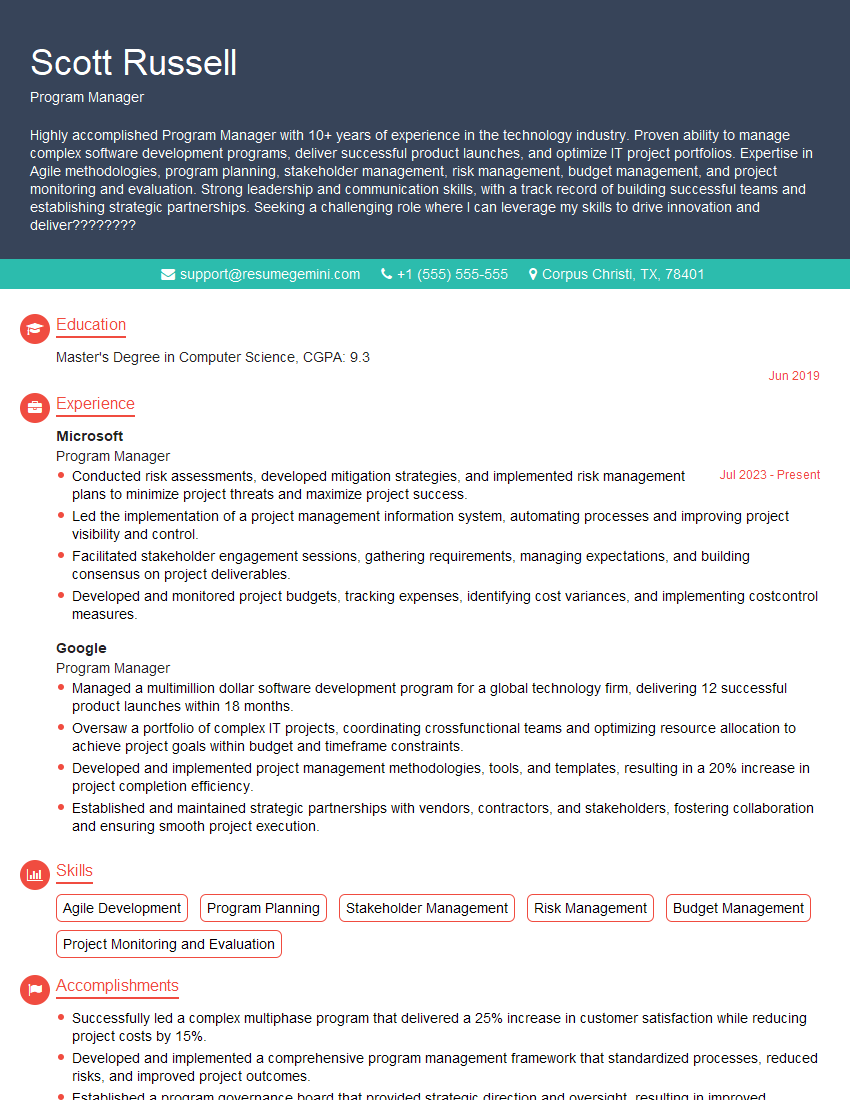
Program Manager Resume Sample
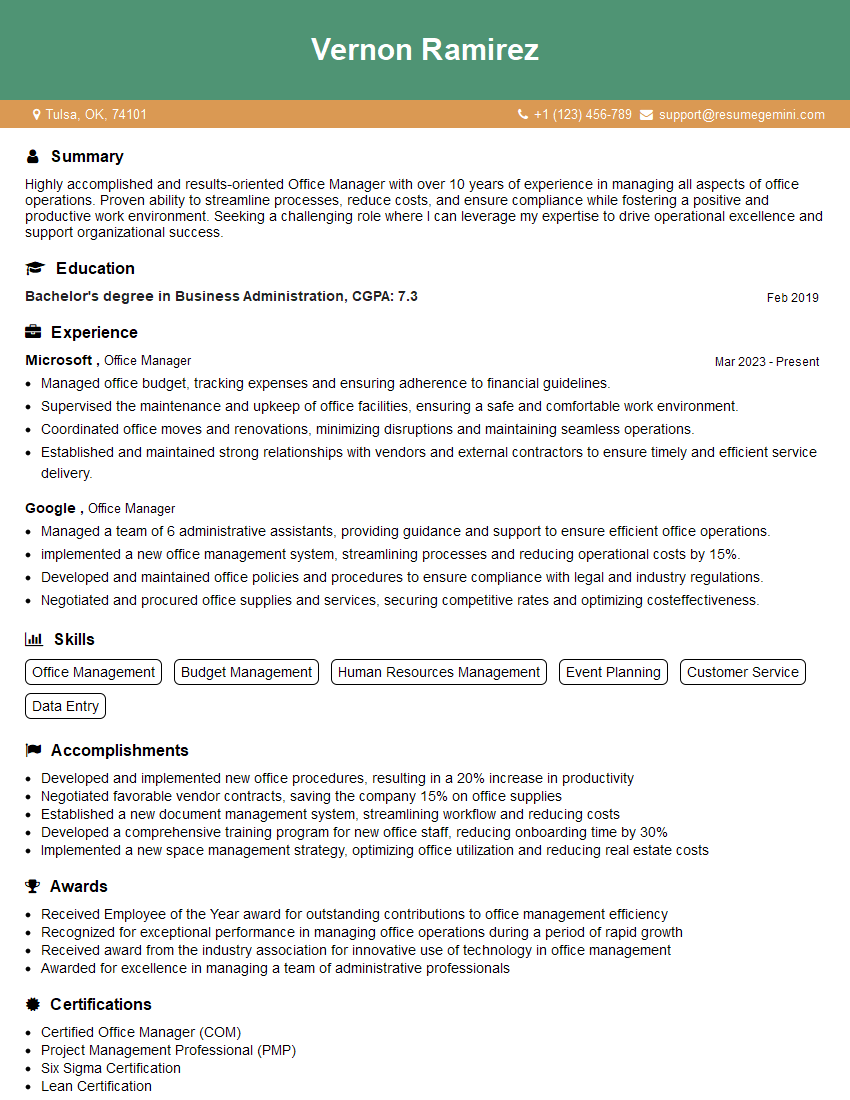
Office Manager Resume Sample

Operations Manager Resume Sample
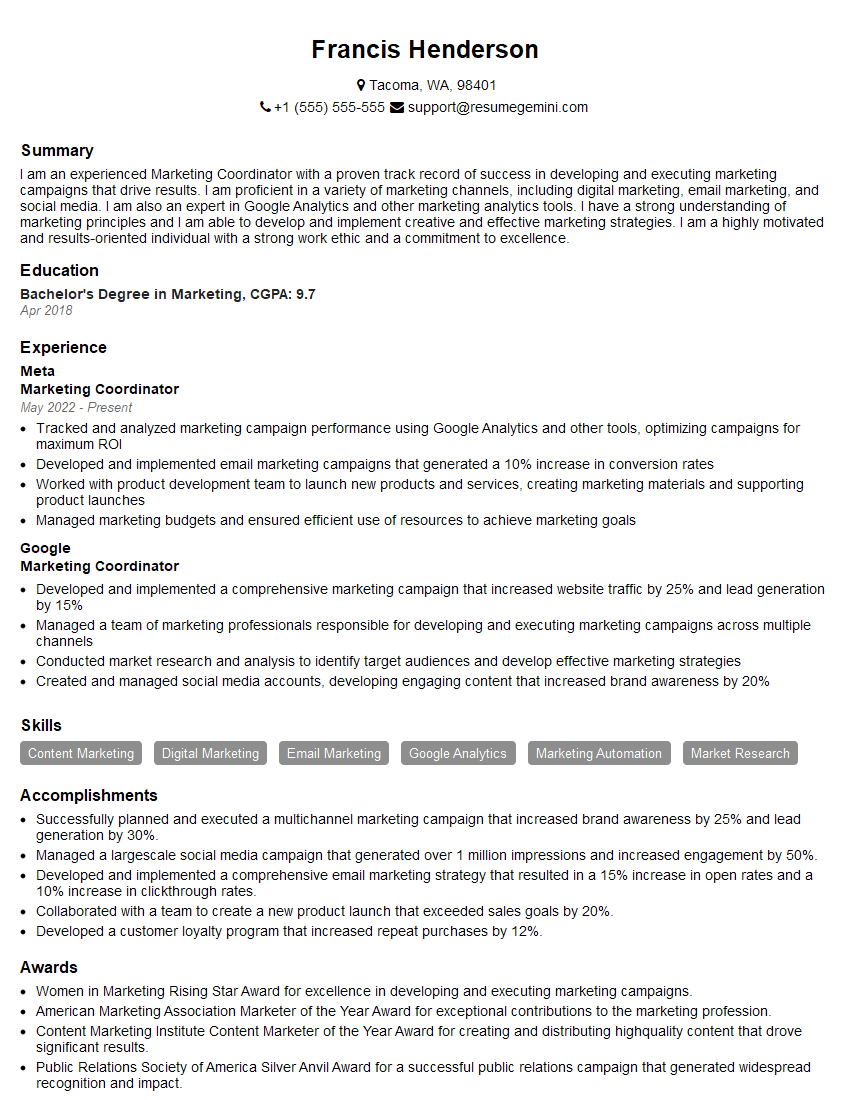
Marketing Coordinator Resume Sample
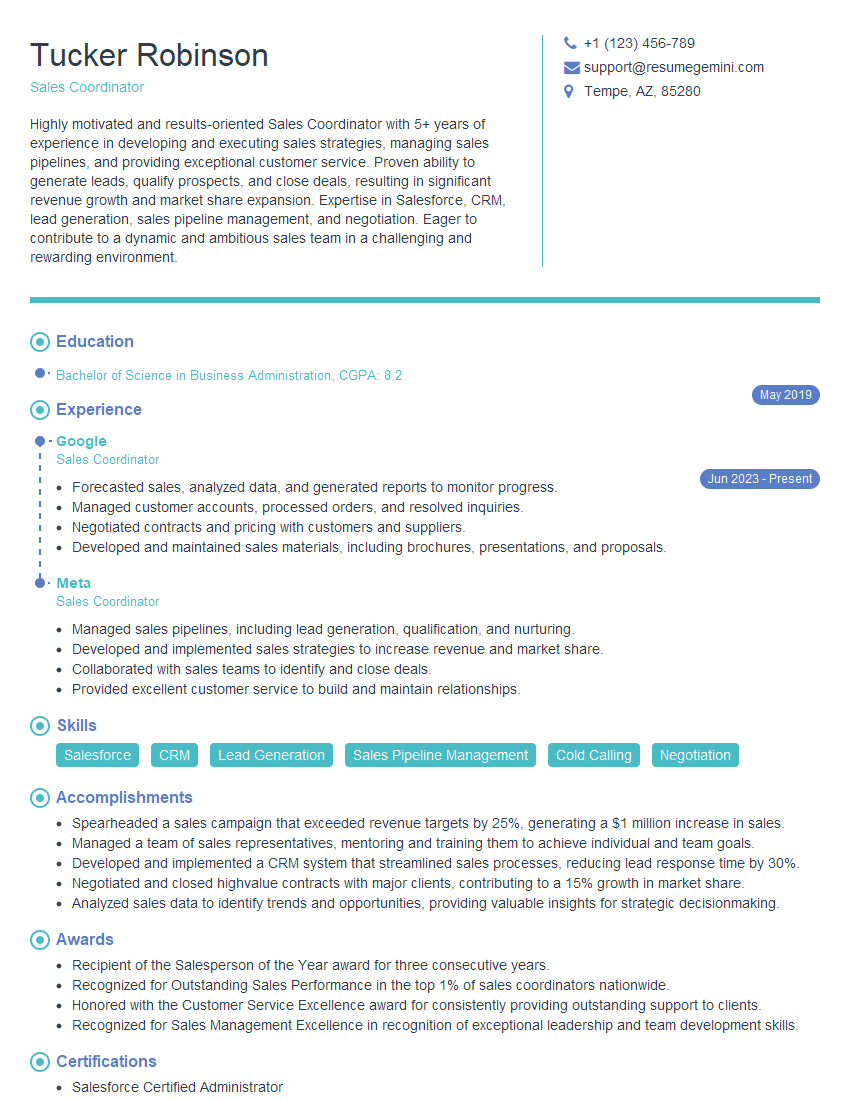
Sales Coordinator Resume Sample

Customer Service Manager Resume Sample

Production Coordinator Resume Sample
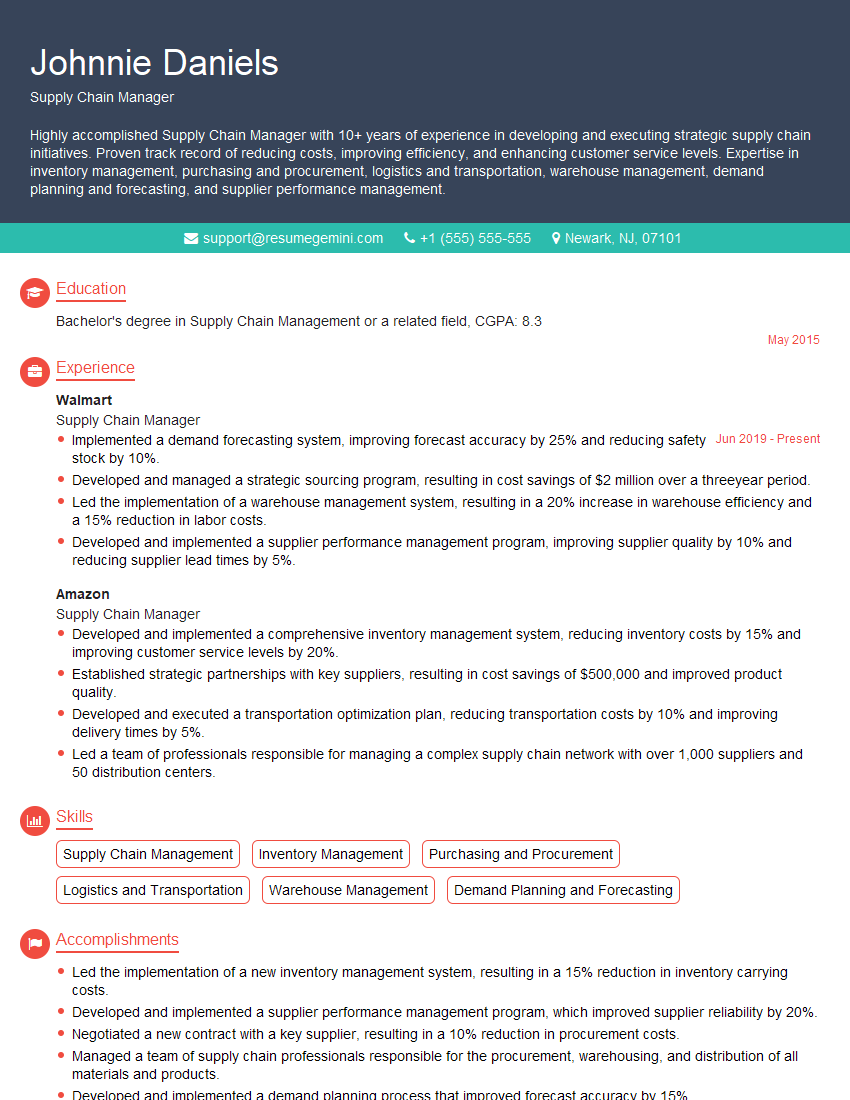
Supply Chain Manager Resume Sample
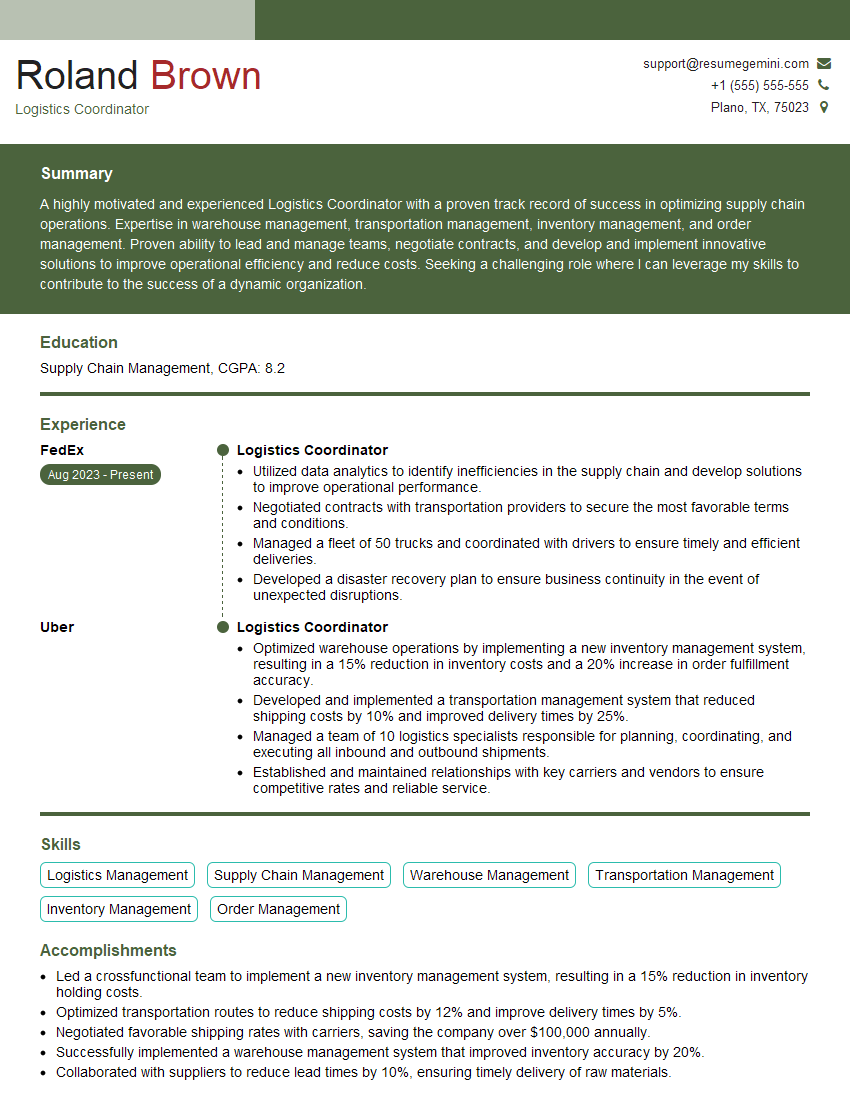
Logistics Coordinator Resume Sample
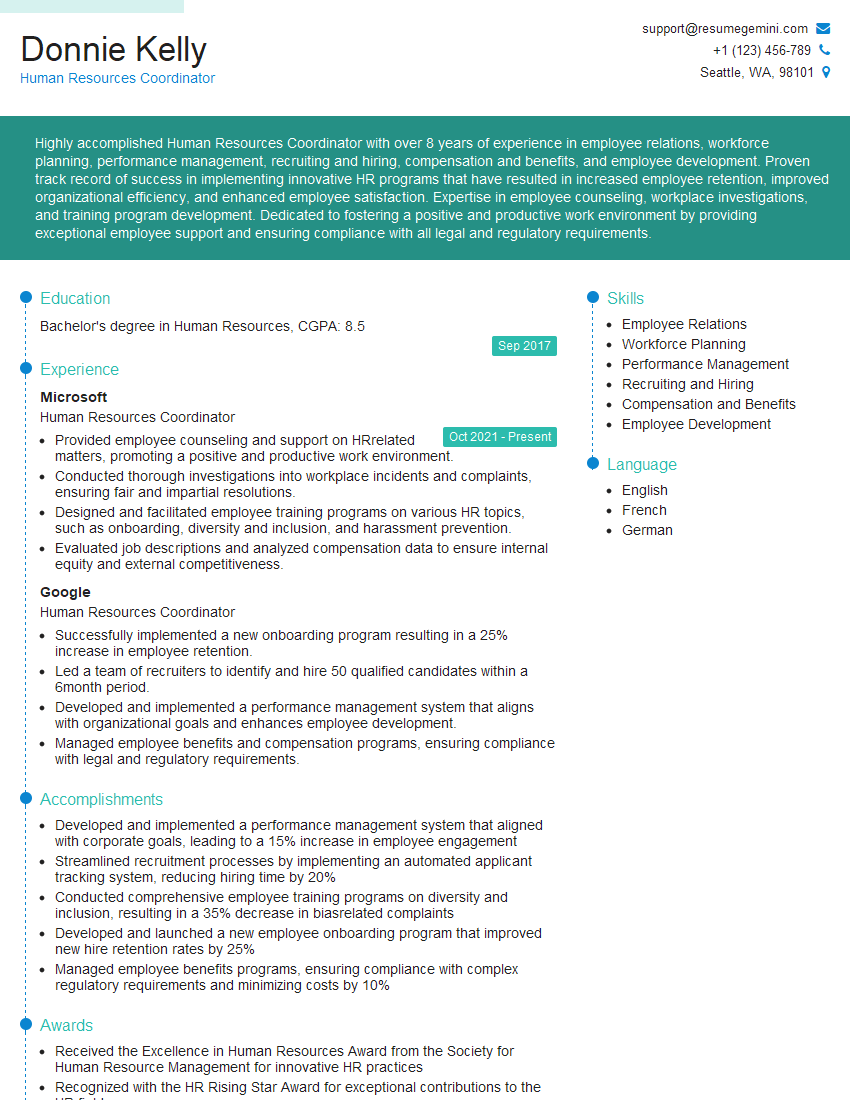
Human Resources Coordinator Resume Sample
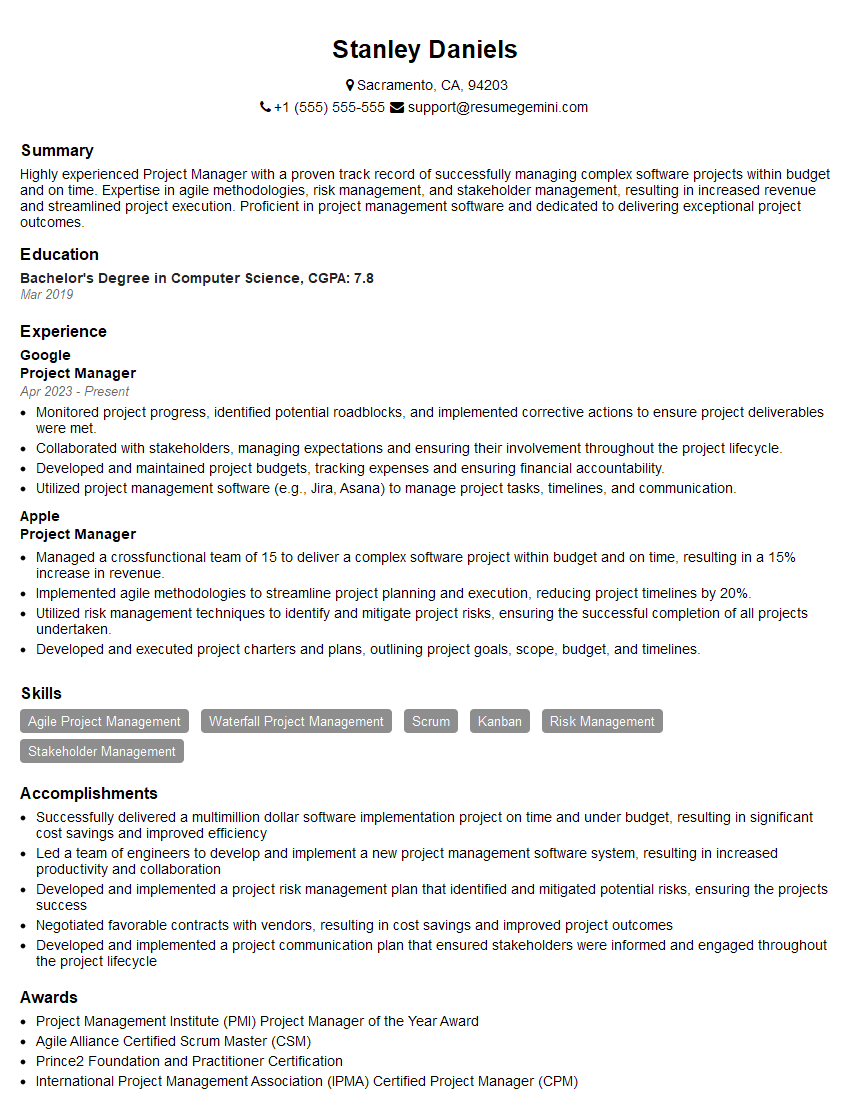
Project Manager Resume Sample
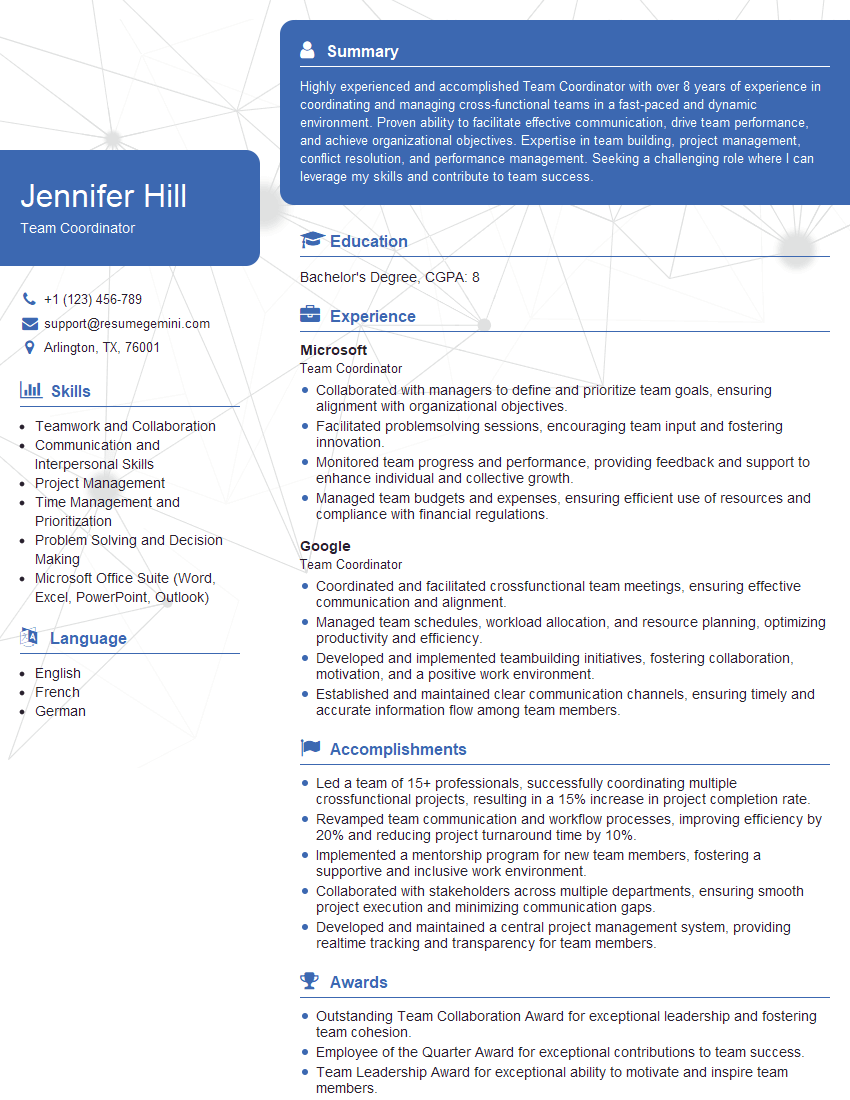
Team Coordinator Resume Sample
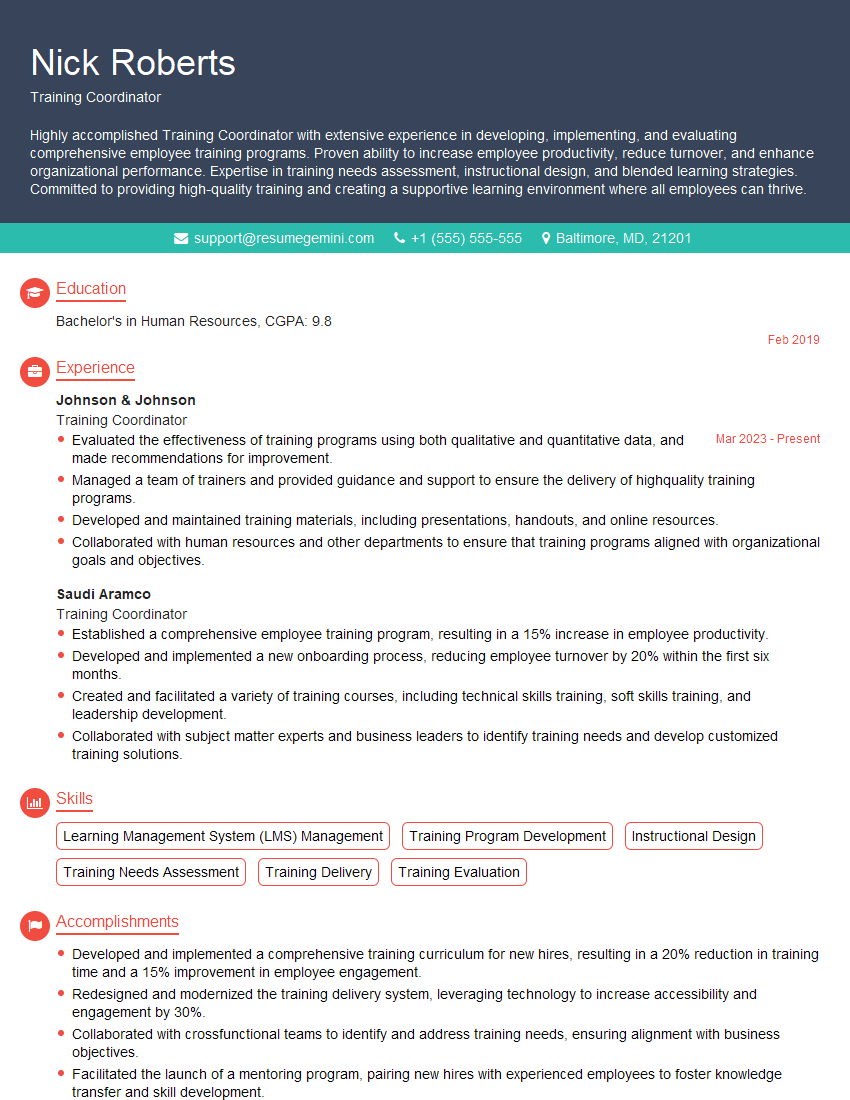
Training Coordinator Resume Sample

Compliance Officer Resume Sample
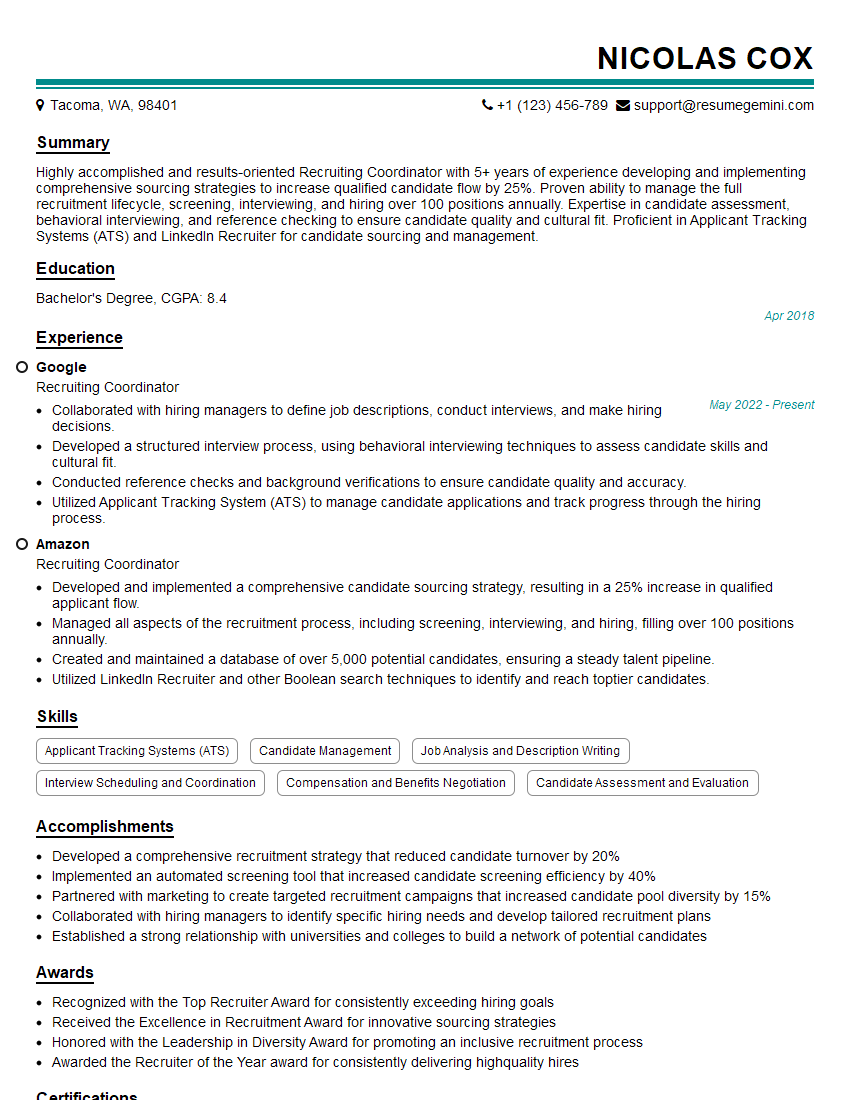
Recruiting Coordinator Resume Sample
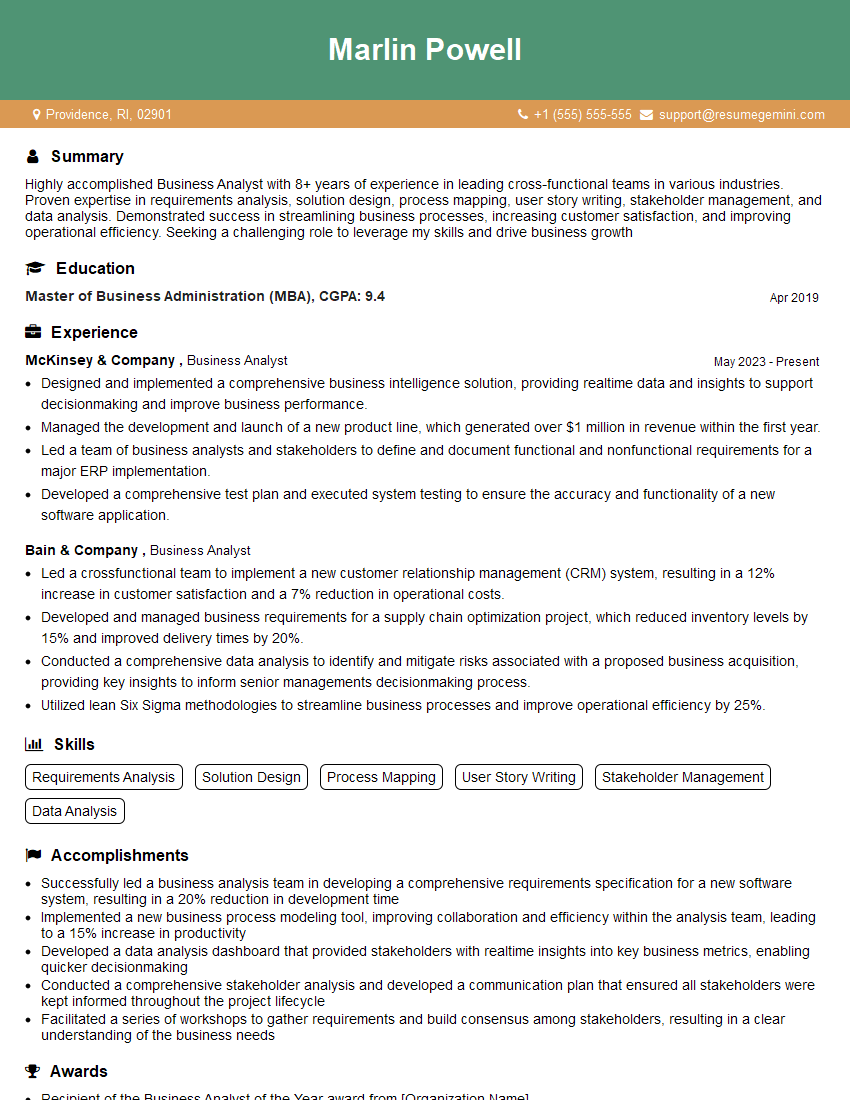
Business Analyst Resume Sample
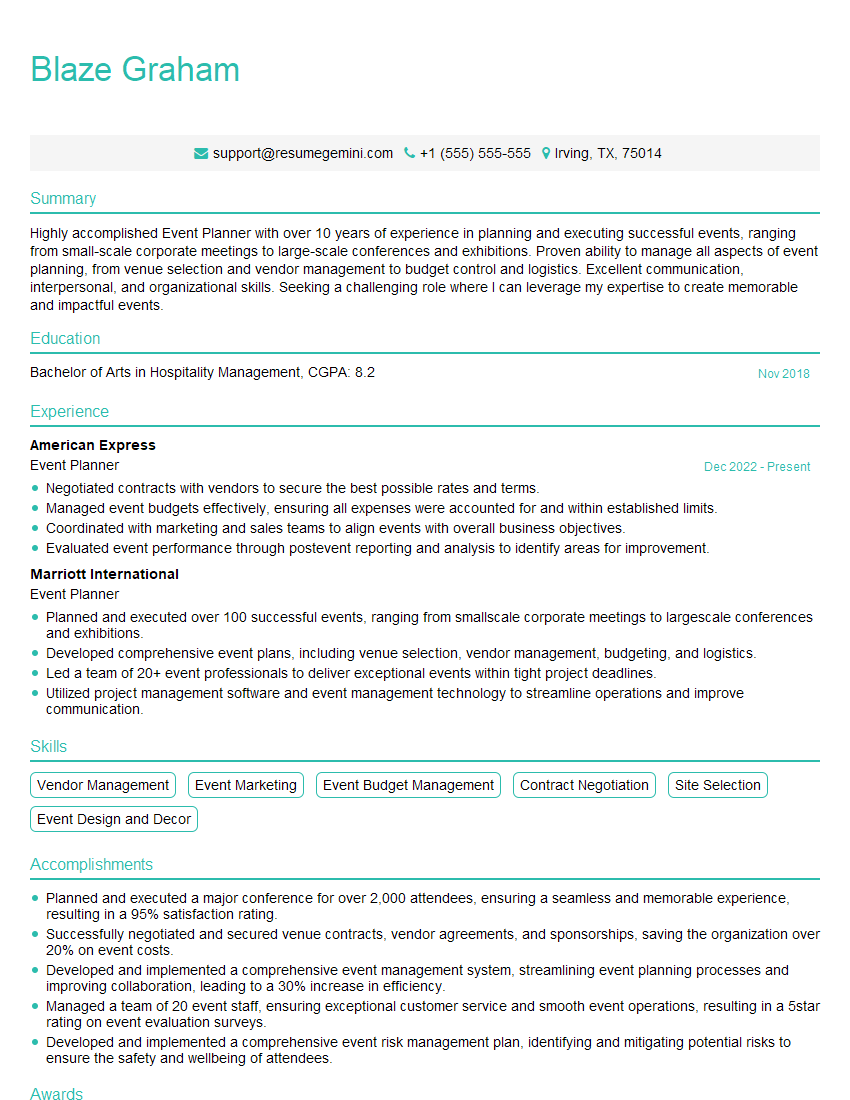
Event Planner Resume Sample

Scheduling Coordinator Resume Sample
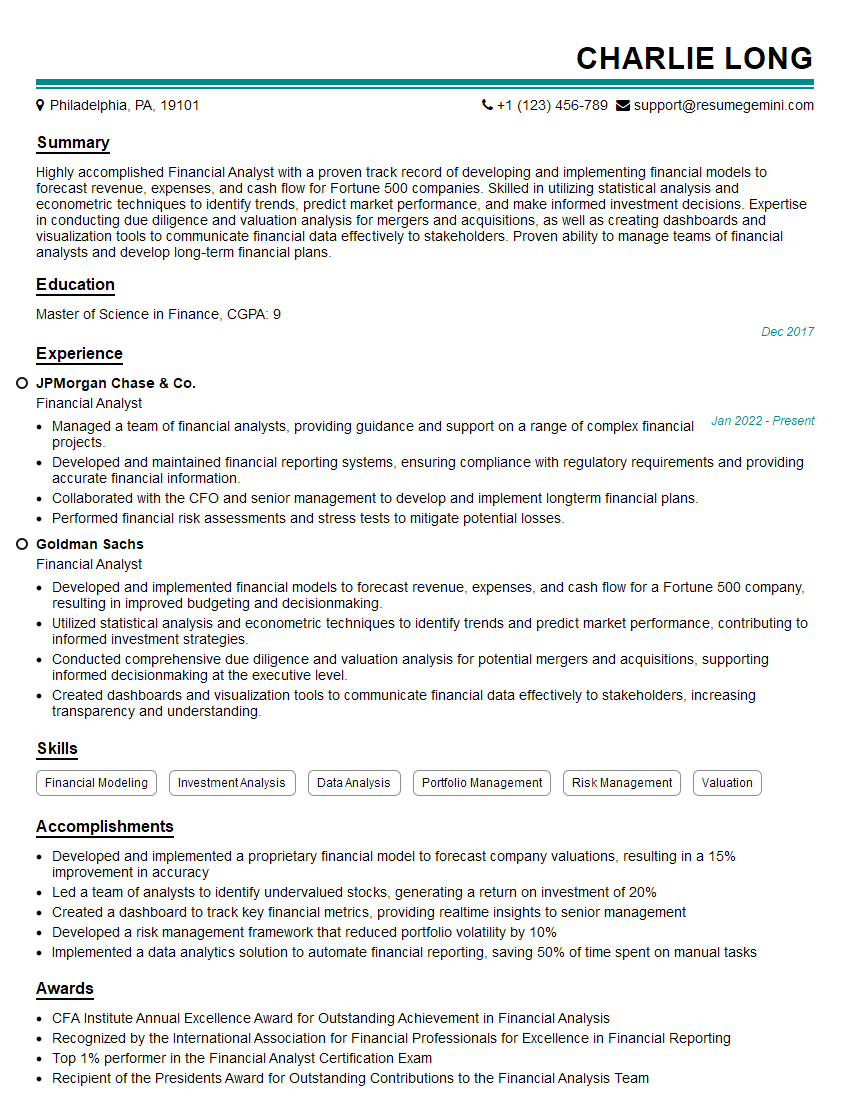
Financial Analyst Resume Sample
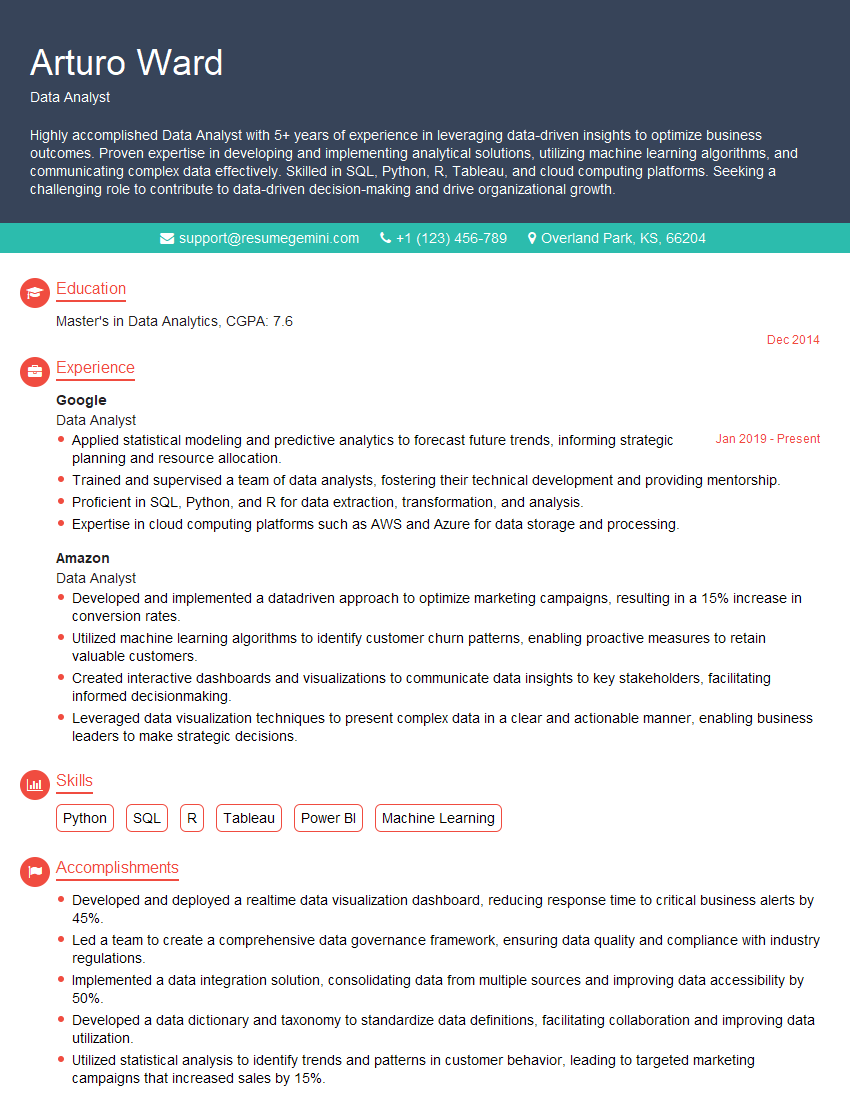
Data Analyst Resume Sample
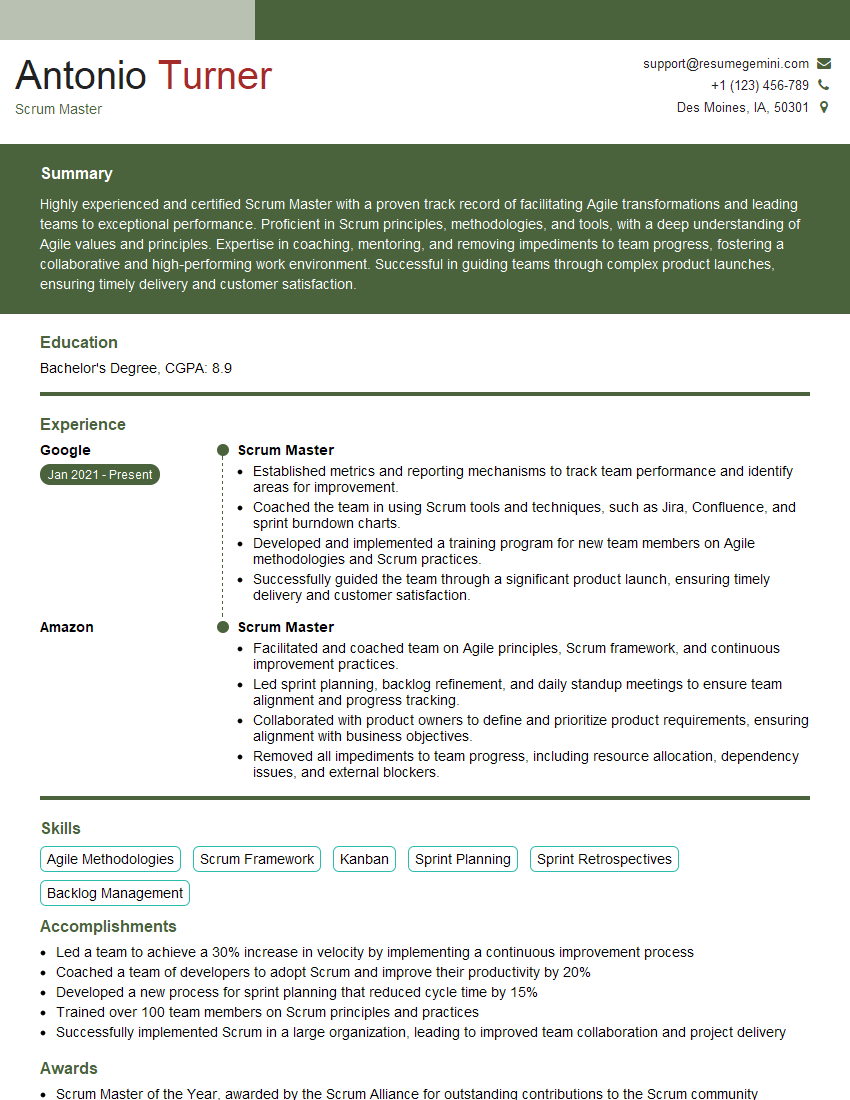
Scrum Master Resume Sample
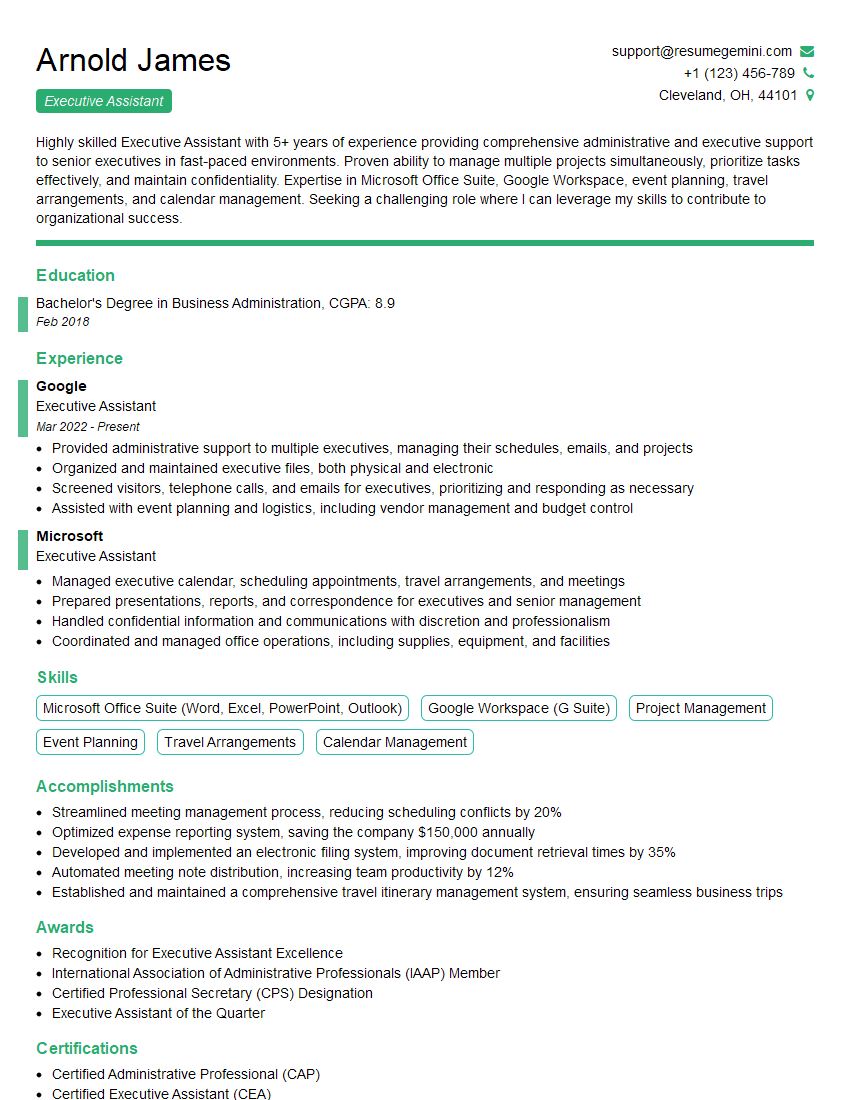
Executive Assistant Resume Sample
- Program Manager
- Office Manager
- Operations Manager
- Marketing Coordinator
- Sales Coordinator
- Customer Service Manager
- Production Coordinator
- Supply Chain Manager
- Logistics Coordinator
- Human Resources Coordinator
- Project Manager
- Team Coordinator
- Training Coordinator
- Compliance Officer
- Recruiting Coordinator
- Business Analyst
- Event Planner
- Scheduling Coordinator
- Financial Analyst
- Data Analyst
- Scrum Master
- Executive Assistant
Explore more articles
Users Rating of Our Blogs
Share Your Experience
We value your feedback! Please rate our content and share your thoughts (optional).
What Readers Say About Our Blog
Very informative content, great job.
good