The right preparation can turn an interview into an opportunity to showcase your expertise. This guide to FMCSA Certification interview questions is your ultimate resource, providing key insights and tips to help you ace your responses and stand out as a top candidate.
Questions Asked in FMCSA Certification Interview
Q 1. Explain the key differences between Hours-of-Service (HOS) regulations for property carriers and passenger carriers.
The FMCSA’s Hours-of-Service (HOS) regulations differ significantly between property carriers (transporting goods) and passenger carriers (transporting people). The core difference lies in the flexibility and specific limitations placed on driving time and rest periods. Property carriers generally operate under a more stringent 14-hour driving window and 11-hour driving limit, while passenger carriers have slightly different rules, which can vary based on the type of passenger transportation.
Property Carriers: These regulations focus heavily on preventing driver fatigue, which can lead to accidents. Key limitations include a 14-hour workday, an 11-hour driving limit within that 14-hour period, a 30-minute break after 8 hours of continuous driving, and a mandatory 10-hour off-duty period after 14 hours on duty. There are also specific rules regarding the use of the 34-hour restart provision.
Passenger Carriers: Regulations for passenger carriers can be more nuanced, depending on the type of operation (e.g., charter buses, intercity buses). Generally, these regulations also aim to minimize driver fatigue, but the specific limitations on driving time and rest may vary. For example, some passenger carriers might have slightly longer on-duty periods with similar limitations on driving time. Always check the specific regulations applicable to the passenger carrier’s operation.
In short: While both aim for safety, property carrier HOS regulations are generally stricter regarding daily and weekly driving limits than those for many passenger carrier operations.
Q 2. Describe the process for conducting a pre-trip vehicle inspection according to FMCSA regulations.
A pre-trip vehicle inspection is crucial for safety and compliance. It’s a systematic check of the vehicle’s condition before operation to identify potential mechanical issues that could lead to accidents or breakdowns. The FMCSA mandates a thorough inspection, and the driver is responsible for documenting their findings.
- Walkaround Inspection: Begin by visually inspecting the entire vehicle, checking for leaks, damage, or missing parts.
- Tires and Wheels: Verify tire pressure, tread depth, and look for any damage to tires, rims, or lug nuts. Ensure spare tire is present and in good condition.
- Lights and Signals: Test all lights (headlights, taillights, brake lights, turn signals, hazard lights) and ensure they are functioning correctly.
- Brakes: Check the brake system for leaks, wear and tear on brake pads and drums/rotors. Test the brakes to confirm they are functioning effectively.
- Steering: Check for any play or looseness in the steering wheel. Ensure it responds smoothly and accurately.
- Suspension: Inspect the suspension system for any damage or leaks. Look for signs of wear and tear.
- Windshield Wipers and Washers: Verify their operational status to ensure clear visibility during inclement weather.
- Mirrors: Adjust all mirrors for clear visibility.
- Emergency Equipment: Check the condition and availability of emergency equipment, such as fire extinguishers, warning triangles, and first-aid kits.
- Fuel and Fluids: Check the levels of engine oil, coolant, transmission fluid, brake fluid, and power steering fluid.
- Documentation: Complete a detailed Driver Vehicle Inspection Report (DVIR) documenting the findings. Report any defects that need attention.
Example: If you find a brake light is out, note it on the DVIR, and the vehicle should not be operated until it’s repaired.
Q 3. What are the requirements for maintaining driver qualification files under FMCSA regulations?
Maintaining accurate and complete driver qualification files (DQFs) is a critical aspect of FMCSA compliance. These files contain all the necessary documentation to verify that each driver meets the minimum requirements to operate a commercial motor vehicle (CMV). The FMCSA specifies what must be included. Failure to maintain these files properly can result in severe penalties.
- Application for Employment: Including information about employment history, driving record, etc.
- Medical Examiner’s Certificate: Proof the driver has passed a DOT physical examination.
- Driving Record: A copy of their driving record from the state(s) where they hold a license.
- Proof of License: Current commercial driver’s license (CDL).
- Documentation of CDL endorsements: If any are required for the type of driving they perform.
- Previous Employer Information: Previous employment history and driving records from previous employers.
- Accident Records: Information about any accidents the driver has been involved in while operating a CMV.
- Drug and Alcohol Testing Records: Records of all required drug and alcohol tests, including negative results and any instances of refusal.
- Vehicle Inspection Reports: Copies of pre- and post-trip vehicle inspection reports. These are not usually kept in the driver’s file but should be available for audit.
Practical Application: Keeping these files up to date is essential. Imagine a driver is involved in an accident; the investigating authorities will review the DQFs to verify compliance. Incompleteness could lead to substantial fines or even license suspension.
Q 4. Explain the different types of drug and alcohol testing required by FMCSA.
FMCSA regulations mandate several types of drug and alcohol testing for commercial drivers to ensure safety on the roads. The types of tests are:
- Pre-Employment Testing: This is done before a driver is hired, to ensure they are drug and alcohol-free before beginning employment.
- Random Testing: Drivers are randomly selected for testing throughout the year, to deter substance abuse and maintain a consistent level of safety.
- Post-Accident Testing: If a driver is involved in a serious accident, they must undergo testing to rule out impairment.
- Reasonable Suspicion Testing: If a supervisor has reasonable suspicion that a driver is under the influence of drugs or alcohol, they can be tested immediately.
- Return-to-Duty Testing: After a driver has violated the drug and alcohol policy, they must undergo testing as part of their return to work.
- Follow-up Testing: After completing return-to-duty testing, drivers are subject to follow-up testing for a specified period.
Important Note: Refusal to undergo any of these tests has significant consequences, including immediate removal from service.
Q 5. How do you handle a driver’s refusal to undergo a drug or alcohol test?
A driver’s refusal to undergo a drug or alcohol test is a serious violation of FMCSA regulations. The consequences are severe, and the company must follow specific procedures.
Immediate Actions: The driver’s refusal should be immediately documented. The company’s safety officer or designated person must fill out the appropriate paperwork, clearly detailing the circumstances of the refusal. This documentation is crucial for the subsequent investigation and any potential disciplinary actions.
Reporting: The refusal must be reported to the FMCSA’s clearinghouse, a centralized database tracking driver drug and alcohol violations. This reporting is mandatory and has legal implications.
Consequences for the Driver: Refusal to test is considered a positive test result, leading to immediate disqualification from driving commercial vehicles. The driver will face significant repercussions, likely including job loss and a long road to reinstatement.
Example: If a driver is involved in a minor accident and refuses a drug test, even if they claim to be innocent, the refusal alone leads to the same consequences as a failed test, impacting their career and driving privileges.
Q 6. What are the penalties for violating FMCSA regulations?
Penalties for violating FMCSA regulations can be severe and vary depending on the severity and nature of the violation. They can include:
- Fines: Significant financial penalties levied against the carrier or driver.
- License Suspension or Revocation: For drivers, this means they cannot operate a CMV. For carriers, it can affect their operating authority.
- Out-of-Service Orders: Vehicles may be placed out of service until violations are corrected.
- Civil Penalties: In cases of serious or repeated violations, significant civil penalties can be assessed.
- Criminal Charges: In cases involving gross negligence or intentional disregard for safety, criminal charges may be filed.
Example: A trucking company repeatedly failing to maintain accurate driver logs can face substantial fines, and their operating authority could be suspended, significantly impacting their business.
Q 7. Explain the importance of maintaining accurate driver logs.
Maintaining accurate driver logs is paramount for compliance and safety. These logs are records of a driver’s on-duty, off-duty, and driving time, ensuring they comply with HOS regulations. Inaccurate logs can have serious consequences.
Importance: Accurate logs help prevent driver fatigue, a major contributor to accidents. They demonstrate compliance with FMCSA regulations, preventing fines and potential legal issues. They provide a verifiable record of the driver’s activities, essential for investigations and audits.
Consequences of Inaccurate Logs: Inaccurate or falsified logs can lead to hefty fines, suspension of driving privileges, and even criminal charges. This is because maintaining accurate logs directly impacts driver and public safety.
Example: Imagine a driver is involved in an accident and their logs show they exceeded the allowed driving time. This would be strong evidence against them, leading to significant penalties.
Q 8. Describe your experience with the FMCSA’s Compliance, Safety, Accountability (CSA) program.
The FMCSA’s Compliance, Safety, Accountability (CSA) program is a data-driven safety program designed to improve large truck and bus safety. My experience encompasses a thorough understanding of its seven Behavior Analysis and Safety Improvement Categories (BASICs): Unsafe Driving, Crash Indicator, Vehicle Maintenance, Hours of Service Compliance, Driver Fitness, Controlled Substances/Alcohol, and Hazardous Materials Compliance. I’ve been directly involved in analyzing CSA scores, identifying areas needing improvement, and implementing corrective actions. For example, we once identified a high Unsafe Driving BASIC score due to speeding violations. We responded by implementing a driver training program focusing on defensive driving techniques and utilizing vehicle telematics to monitor driver behavior and provide real-time feedback. This resulted in a significant reduction in speeding incidents and a subsequent improvement in our CSA score.
My experience also includes working with safety management systems (SMS) to ensure compliance. This involves documenting safety policies, conducting regular safety meetings, and implementing driver training programs – all key components of a robust CSA program. I understand the importance of proactively addressing safety concerns to prevent violations and maintain a positive safety record.
Q 9. How do you identify and mitigate safety risks within a transportation operation?
Identifying and mitigating safety risks in transportation requires a multi-faceted approach. It begins with a thorough understanding of your operation, including routes, cargo, driver qualifications, and vehicle maintenance. I typically use a risk assessment matrix, identifying potential hazards (e.g., poor weather conditions, driver fatigue, mechanical failures) and their likelihood and severity.
- Driver Fatigue Management: Implementing electronic logging devices (ELDs) and driver wellness programs to prevent fatigue-related accidents.
- Vehicle Maintenance: Implementing a rigorous preventative maintenance program to minimize mechanical failures. Pre-trip and post-trip vehicle inspections are crucial.
- Driver Training: Regular training on defensive driving techniques, hazard recognition, and emergency procedures.
- Route Planning: Optimizing routes to avoid high-risk areas and minimize driving time.
- Technology: Utilizing telematics and GPS tracking to monitor driver behavior and vehicle location in real-time, allowing for immediate intervention if necessary.
Mitigation strategies depend on the identified risks. For example, if driver fatigue is a major risk, implementing stricter hours-of-service compliance measures and providing adequate rest stops is necessary. Regular safety meetings and clear communication are vital to keep everyone informed and engaged in safety procedures.
Q 10. What is your experience with roadside inspections and how do you ensure compliance?
Roadside inspections are a critical aspect of FMCSA compliance. My experience involves ensuring our drivers are well-prepared for these inspections. This includes comprehensive driver training on proper documentation, vehicle maintenance, and hours-of-service regulations. We conduct regular internal inspections to identify and address potential issues before a roadside inspection.
To ensure compliance, we maintain meticulous records, including driver logs, vehicle maintenance records, and certifications. We emphasize the importance of a clean, well-maintained vehicle and properly secured cargo. Drivers are instructed to be polite and respectful during inspections, and to readily provide all necessary documentation. We also provide them with a checklist to ensure they remember all vital components of the vehicle inspection.
Following an inspection, we thoroughly review any citations or violations, implement corrective actions, and provide additional training as needed. This proactive approach minimizes future violations and keeps us in compliance with FMCSA regulations.
Q 11. How would you handle a situation where a driver is involved in an accident?
Handling a driver accident requires a swift and organized response. The first priority is ensuring the safety of all involved parties and rendering any necessary first aid. Then, I would follow these steps:
- Contact Emergency Services: Call 911 and local law enforcement immediately.
- Secure the Accident Scene: If possible, take measures to prevent further accidents.
- Gather Information: Collect information from witnesses, obtain police reports, and take photos of the accident scene and vehicle damage.
- Notify Company Management: Inform designated personnel about the incident.
- Driver Assistance: Provide support to the driver, including legal counsel if needed.
- Compliance Investigation: Conduct a thorough investigation to determine the cause of the accident, focusing on driver compliance with FMCSA regulations and company safety policies.
- Documentation: Meticulously document every step of the process.
Depending on the severity of the accident, there may be additional steps, such as contacting the DOT, addressing insurance claims, and implementing corrective actions to prevent future similar incidents.
Q 12. What is your familiarity with the FMCSA’s electronic logging device (ELD) mandate?
I am very familiar with the FMCSA’s ELD mandate, which requires most commercial motor vehicles to use ELDs to automatically record hours of service data. I have experience implementing and managing ELD systems, ensuring that our drivers are properly trained on their use and that the data is accurately recorded and maintained.
My experience includes selecting and deploying appropriate ELD technology, integrating the system with our existing fleet management software, and providing ongoing driver support. This includes troubleshooting technical issues, ensuring data accuracy, and staying updated on any changes to ELD regulations. Understanding the ELD’s functionality is crucial for ensuring compliance with hours-of-service regulations and preventing violations.
Q 13. Explain the process for conducting a driver vehicle inspection report (DVIR).
Conducting a thorough Driver Vehicle Inspection Report (DVIR) is vital for safety and compliance. The process involves a systematic inspection of the vehicle before and after each trip.
Before the trip, the driver should visually inspect the vehicle, checking for:
- Tires (tread depth, pressure, and condition)
- Brakes
- Lights and signals
- Steering
- Wipers
- Mirrors
- Cargo securement
- Leaks or damage
After the trip, the driver should repeat the inspection and note any new issues or damage. Any defects must be documented on the DVIR form. The driver and/or designated supervisor signs the form, affirming the inspection and any noted defects. These forms are crucial records for maintaining compliance and minimizing the risk of accidents due to mechanical failures.
A properly completed DVIR serves as critical documentation for demonstrating compliance with FMCSA regulations. Failure to properly conduct and document DVIRs can lead to serious consequences, including fines and safety violations.
Q 14. How do you ensure your company remains compliant with the latest FMCSA updates and changes?
Staying compliant with FMCSA updates requires proactive measures. I regularly monitor the FMCSA website for regulatory changes and updates. We subscribe to industry newsletters and attend conferences to stay informed about best practices.
Internally, we have a designated compliance officer responsible for disseminating updates and ensuring implementation. We use a combination of internal training programs, company-wide email updates, and regular safety meetings to keep our drivers and staff informed. I believe in fostering a culture of compliance, where safety is a top priority and following regulations is not just an obligation but an integral part of our operations. We conduct regular internal audits to identify areas of potential non-compliance and address them promptly.
This multi-pronged approach ensures that we remain updated on the latest regulations and best practices, and ultimately minimizes our risk of non-compliance.
Q 15. Describe your experience with investigating and resolving safety violations.
Investigating and resolving safety violations requires a systematic approach combining thorough analysis, decisive action, and a commitment to preventative measures. My experience involves a multi-step process starting with a comprehensive review of all available data – driver logs, vehicle maintenance records, accident reports, and witness statements. This helps pinpoint the root cause, not just the immediate event.
For example, if we find a pattern of speeding tickets, we wouldn’t just address the tickets themselves, we’d look at driver training deficiencies, scheduling issues leading to driver fatigue, or even vehicle issues that might encourage speeding. We might implement driver coaching programs, stricter adherence to hours-of-service regulations, or enhanced vehicle maintenance procedures. Each violation is treated as a learning opportunity for improvement across the entire operation.
Resolution involves corrective actions tailored to the specific violation. This could range from retraining drivers to implementing new safety protocols, improving vehicle maintenance schedules, or even disciplinary action where necessary. Following the resolution, a post-incident review ensures corrective actions were effective and whether further preventative measures are required to prevent recurrence. This continuous improvement cycle is critical to maintaining a robust safety culture.
Career Expert Tips:
- Ace those interviews! Prepare effectively by reviewing the Top 50 Most Common Interview Questions on ResumeGemini.
- Navigate your job search with confidence! Explore a wide range of Career Tips on ResumeGemini. Learn about common challenges and recommendations to overcome them.
- Craft the perfect resume! Master the Art of Resume Writing with ResumeGemini’s guide. Showcase your unique qualifications and achievements effectively.
- Don’t miss out on holiday savings! Build your dream resume with ResumeGemini’s ATS optimized templates.
Q 16. What strategies do you use to promote a strong safety culture within a transportation company?
Promoting a strong safety culture isn’t a one-time event; it’s an ongoing commitment. My approach is multifaceted and focuses on leadership, communication, and accountability. Think of it as building a safety ‘ecosystem’ where everyone understands their role and feels empowered to contribute.
- Leadership Commitment: Safety must be a top priority, clearly communicated from upper management down. Visible leadership support and involvement in safety initiatives demonstrates its importance.
- Open Communication: Creating a safe space for drivers and staff to report safety concerns without fear of reprisal is crucial. This involves regular safety meetings, open forums, and accessible reporting mechanisms.
- Driver Empowerment: Drivers are the frontline of safety. Empowering them to refuse unsafe loads, report maintenance issues promptly, and participate actively in safety training creates ownership and responsibility.
- Data-Driven Approach: Regularly analyzing safety data – accident rates, violation frequencies, near-miss reports – allows us to identify trends, pinpoint areas for improvement, and measure the effectiveness of safety initiatives.
- Rewards and Recognition: Celebrating safe driving records and positive safety contributions reinforces the desired behaviors and builds positive momentum.
Q 17. How do you train drivers on FMCSA regulations and safety procedures?
Driver training on FMCSA regulations and safety procedures is paramount. We use a blended learning approach combining online modules, classroom instruction, and hands-on practical training.
Our online modules cover regulations like hours-of-service, driver vehicle inspection reports (DVIRs), and hazardous materials handling. Classroom sessions allow for interaction, Q&A, and discussions about real-world scenarios. Hands-on training might include pre-trip vehicle inspections, safe driving techniques, and emergency response procedures. We tailor the training to individual driver experience levels and areas needing improvement, often leveraging driver performance data from ELDs (electronic logging devices) and company records to personalize the experience. Regular refresher courses and ongoing coaching keep knowledge up-to-date and ensure best practices are consistently followed.
We use a variety of teaching methods, incorporating videos, interactive quizzes, and case studies to keep the training engaging and relevant. Documentation of all training, including tests and evaluations, is meticulously maintained to fulfill FMCSA requirements.
Q 18. What is your experience with conducting internal audits to ensure FMCSA compliance?
Conducting internal audits for FMCSA compliance is essential to proactive risk management. Our internal audit process follows a structured methodology, similar to a mock FMCSA audit. We use a checklist based on the current FMCSA regulations to systematically review all relevant areas. This includes driver qualification files (DQ files), vehicle maintenance records, safety management systems (SMS) documentation, hours-of-service logs, and accident reports.
The process involves sampling a representative portion of records for a thorough review and assessment of compliance. Findings are documented, categorized (critical, significant, or minor), and communicated to relevant departments. A corrective action plan is developed and implemented to address all identified non-compliances. We then conduct a follow-up audit to verify the effectiveness of the corrective actions. The entire process is documented, maintained, and regularly updated to reflect changes in FMCSA regulations.
Q 19. Explain the process for applying for and maintaining FMCSA operating authority.
Applying for and maintaining FMCSA operating authority is a complex process requiring careful attention to detail. The initial application involves completing the necessary forms, providing detailed information about the company, its operations, and its safety management practices. This includes submitting proof of insurance, demonstrating financial responsibility, and listing all vehicles operated.
Once the application is submitted and approved, the company receives its USDOT number and operating authority. Maintaining this authority requires ongoing compliance with FMCSA regulations, including submitting annual updates and maintaining accurate records. This includes things like regularly updating insurance, providing proof of drug and alcohol testing programs, and complying with all safety regulations. Failure to maintain compliance can result in sanctions, including fines, suspension, or revocation of operating authority.
Regular reviews of all the regulatory requirements and ensuring your documentation is well-organized and up-to-date is absolutely crucial.
Q 20. How do you manage and track driver qualifications and certifications?
Managing and tracking driver qualifications and certifications is a critical aspect of FMCSA compliance. We utilize a robust electronic system to manage driver qualification files (DQ files). These files contain all required documentation, including medical certifications, driving records, employment history, and training records. The system automates alerts for expiring medical certifications, license renewals, and other critical deadlines, ensuring proactive compliance.
We also conduct regular audits of DQ files to ensure completeness and accuracy. The system allows for easy retrieval of information for both internal audits and FMCSA inspections. Access control measures restrict access to sensitive information, maintaining confidentiality and data security. This streamlined approach ensures efficient management of driver qualifications, minimizes risks, and simplifies compliance.
Q 21. How familiar are you with the FMCSA’s roadside inspection process and what’s your approach to minimizing violations?
I am very familiar with the FMCSA’s roadside inspection process. These inspections are critical for ensuring highway safety. My approach to minimizing violations during inspections focuses on proactive preventative measures. This includes ensuring that drivers are thoroughly trained on proper vehicle maintenance procedures (pre- and post-trip inspections), hours-of-service regulations, and are aware of their responsibilities for proper documentation.
We emphasize the importance of maintaining well-maintained vehicles and accurate driver logs. Regular internal audits, similar in scope and rigor to FMCSA inspections, help us identify and correct potential issues before they become violations. We also provide drivers with resources and training to better handle roadside inspections, including how to respond effectively to inspectors and what documentation is needed. By focusing on training, proactive maintenance, and clear record-keeping, we aim to minimize the risk of violations during roadside inspections. Even with our best efforts, we always review the findings of any inspections as another opportunity for continuous improvement.
Q 22. What are your strategies for reducing accidents and improving safety performance?
My strategy for reducing accidents and improving safety performance is multifaceted and centers around a proactive, data-driven approach. It begins with a strong safety culture, where safety isn’t just a policy, but a core value embraced by everyone from executives to drivers. This culture is fostered through consistent communication, training, and recognition of safe behaviors.
- Preventive Maintenance: Regular vehicle inspections and proactive maintenance significantly reduce mechanical failures that can lead to accidents. Think of it like regular check-ups for your car – preventing small problems from becoming major breakdowns.
- Driver Training & Coaching: A comprehensive driver training program, exceeding FMCSA minimums, is crucial. This includes defensive driving techniques, hazard perception training, and regular refresher courses. We also incorporate driver coaching to address individual performance and identify areas for improvement.
- Technology Integration: Utilizing telematics systems for driver monitoring, providing real-time feedback on driving behavior, and enhancing driver awareness is a key element. This data allows us to identify risky driving patterns before they lead to accidents.
- Safety Audits & Inspections: Regularly scheduled safety audits, both internal and potentially third-party, help to identify areas of weakness in our safety procedures and processes. It’s like a health check for our entire safety system.
- Incentivizing Safe Behavior: Rewards and recognition programs incentivize safe driving habits and foster a positive safety culture. A simple ‘Driver of the Month’ award can go a long way.
Ultimately, accident reduction is a continuous improvement process requiring constant monitoring, adaptation, and refinement of our safety program based on data analysis and feedback.
Q 23. Describe your experience with implementing and maintaining a safety management system (SMS).
My experience with implementing and maintaining a Safety Management System (SMS) involves a structured approach aligned with FMCSA guidelines. I’ve been directly involved in developing and implementing SMS programs in several organizations, focusing on creating a system that is not just compliant, but also highly effective in preventing accidents and improving safety performance. This involved:
- Policy Development: Crafting comprehensive safety policies and procedures that align with FMCSA regulations and best practices.
- Risk Assessment: Conducting thorough risk assessments to identify potential hazards and vulnerabilities within the organization’s operations.
- Training & Education: Developing and delivering training programs to ensure all employees understand their roles and responsibilities within the SMS.
- Data Collection & Analysis: Establishing systems for collecting and analyzing safety data to identify trends and patterns. This data is crucial for determining the effectiveness of safety interventions and making improvements to our system.
- Incident Investigation: Developing a robust incident investigation process to determine root causes and implement corrective actions to prevent recurrence. Each incident is viewed as a learning opportunity.
- Continuous Improvement: Regularly reviewing and updating the SMS to ensure its effectiveness and to adapt to changes in regulations, technology, and operating conditions. It’s a living document, not a static one.
For example, in a previous role, I implemented a SMS that reduced preventable accidents by 25% within the first year. This success was directly attributable to a strong emphasis on driver training, proactive maintenance, and regular safety audits.
Q 24. How do you utilize data analysis to identify and address safety trends?
Data analysis is the cornerstone of any effective safety management system. I utilize various techniques to identify and address safety trends. This often involves:
- Data Collection: Gathering data from various sources, including vehicle telematics, driver performance records, accident reports, and maintenance logs.
- Data Cleaning and Preparation: Ensuring data accuracy and consistency before analysis.
- Statistical Analysis: Using statistical methods (e.g., trend analysis, regression analysis) to identify patterns and relationships within the data.
- Data Visualization: Creating charts and graphs to visually represent safety trends and make data easier to understand. A simple bar graph showing accident rates over time can be very insightful.
- Root Cause Analysis: Using data to delve deeper into the root causes of accidents and near misses. This helps target interventions more effectively.
For instance, by analyzing telematics data, we might discover a spike in harsh braking incidents during a specific time of day or on a particular route. This would prompt further investigation into potential contributing factors such as driver fatigue, road conditions, or vehicle issues. This data-driven approach allows us to implement targeted interventions to address the identified problems, resulting in improved safety outcomes.
Q 25. What are the key elements of a comprehensive driver training program that meets FMCSA requirements?
A comprehensive driver training program exceeding FMCSA requirements must include several key elements:
- Pre-Trip Inspections: Thorough training on conducting pre-trip vehicle inspections, ensuring drivers are capable of identifying and reporting potential mechanical issues. We use hands-on training with checklists and detailed explanations of each component.
- Defensive Driving Techniques: Training drivers in defensive driving techniques, such as maintaining safe following distances, anticipating hazards, and responding appropriately to changing road conditions. Real-life scenarios and simulations are essential.
- Hours of Service (HOS) Compliance: Comprehensive training on FMCSA Hours of Service regulations, ensuring drivers understand their responsibilities for maintaining accurate records and adhering to driving limits. We explain the consequences of non-compliance clearly.
- Vehicle Handling & Control: Training in proper vehicle handling and control techniques, especially in challenging conditions (e.g., adverse weather, mountainous terrain). This often involves practical exercises and simulations.
- Safety Awareness: Education on various safety topics, including hazard awareness, cargo securement, and emergency procedures. Regular refreshers keep these crucial skills sharp.
- Substance Abuse Awareness: Comprehensive training on the dangers of substance abuse and the company’s zero-tolerance policy.
- On-the-Job Training (OJT): A structured OJT program with experienced drivers mentoring new drivers. This ensures safe and effective onboarding.
The program should also utilize a variety of teaching methods, including classroom instruction, hands-on training, and simulations to ensure drivers effectively acquire and retain critical safety knowledge and skills.
Q 26. How do you stay up-to-date on changes in FMCSA regulations?
Staying up-to-date on changes in FMCSA regulations is critical for maintaining compliance. My strategies include:
- Subscription to Regulatory Updates: Subscribing to newsletters and alerts from the FMCSA and other relevant organizations. This ensures I receive timely notifications about changes in regulations.
- Regular Review of FMCSA Website: Regularly reviewing the FMCSA website for updates, proposed rule changes, and final rules. This allows for proactive understanding of upcoming regulatory shifts.
- Industry Publications and Conferences: Following industry publications, attending conferences, and networking with other professionals in the field to stay abreast of regulatory changes and best practices. This offers valuable insights and allows for collaboration.
- Professional Development Courses: Participating in professional development courses and webinars to stay informed about current regulations and best practices. Keeping my knowledge sharp is an ongoing process.
- Engagement with Regulatory Consultants: Consulting with regulatory experts to get clarifications and insights on complex regulatory issues. A second opinion can be very helpful.
By employing a multi-pronged approach, I ensure that our operations remain compliant with all applicable regulations and that our safety management system adapts to any changes in the regulatory landscape.
Q 27. Describe a time you had to resolve a complex compliance issue. What was your approach and outcome?
In a previous role, we faced a complex compliance issue related to a sudden change in FMCSA regulations regarding electronic logging devices (ELDs). The new regulations required immediate implementation, and our existing system was not fully compliant. My approach involved:
- Assessment of the Gap: First, we meticulously assessed the gap between our existing system and the new ELD requirements. This involved careful review of the regulations and our current operations.
- Development of a Compliance Plan: We developed a detailed compliance plan outlining the steps necessary to bring our operations into full compliance. This included timelines, resource allocation, and clear responsibilities.
- Vendor Selection and Implementation: We selected a reputable vendor to supply and implement compliant ELD systems. This involved careful consideration of the vendor’s track record and capabilities.
- Driver Training: We conducted comprehensive driver training on the use of the new ELDs. This included hands-on training, clear guidelines, and FAQs to answer common questions.
- Audits and Monitoring: Post-implementation, we conducted regular audits and monitoring to ensure continued compliance and to identify any areas needing improvement. Regular checks help maintain compliance.
The outcome was successful, achieving full compliance with the new ELD regulations ahead of the deadline. Our proactive approach, coupled with thorough planning and execution, minimized disruption and ensured the safety and compliance of our operations. This experience reinforced the importance of continuous monitoring and adaptation to regulatory changes.
Key Topics to Learn for FMCSA Certification Interview
- Federal Motor Carrier Safety Regulations (FMCSRs): Understand the core regulations, their purpose, and how they impact daily operations. Focus on understanding the “why” behind the regulations, not just the “what.”
- Driver Qualification Files (DQFs): Master the process of maintaining complete and accurate DQFs, including the documentation requirements and potential pitfalls. Practice applying the regulations to hypothetical scenarios involving driver qualification.
- Hours of Service (HOS) Regulations: Develop a strong grasp of HOS rules, including exceptions and record-keeping requirements. Be prepared to discuss practical applications and problem-solving in situations involving HOS violations or ambiguities.
- Vehicle Maintenance and Inspection: Demonstrate knowledge of preventative maintenance procedures, vehicle inspection reports (DVIRs), and the role of maintenance in safety compliance. Be ready to discuss common maintenance issues and their impact on safety.
- Hazardous Materials Transportation: If applicable to your target role, understand the regulations governing the transportation of hazardous materials, including placarding, shipping papers, and emergency response procedures.
- Safety Management Systems (SMS): Familiarize yourself with the principles of SMS and how they contribute to a proactive safety culture. Be prepared to discuss the implementation and benefits of an effective SMS.
- Accident Investigation and Reporting: Understand the process of investigating accidents, reporting requirements, and the importance of accurate record-keeping. Be prepared to discuss best practices for accident prevention.
Next Steps
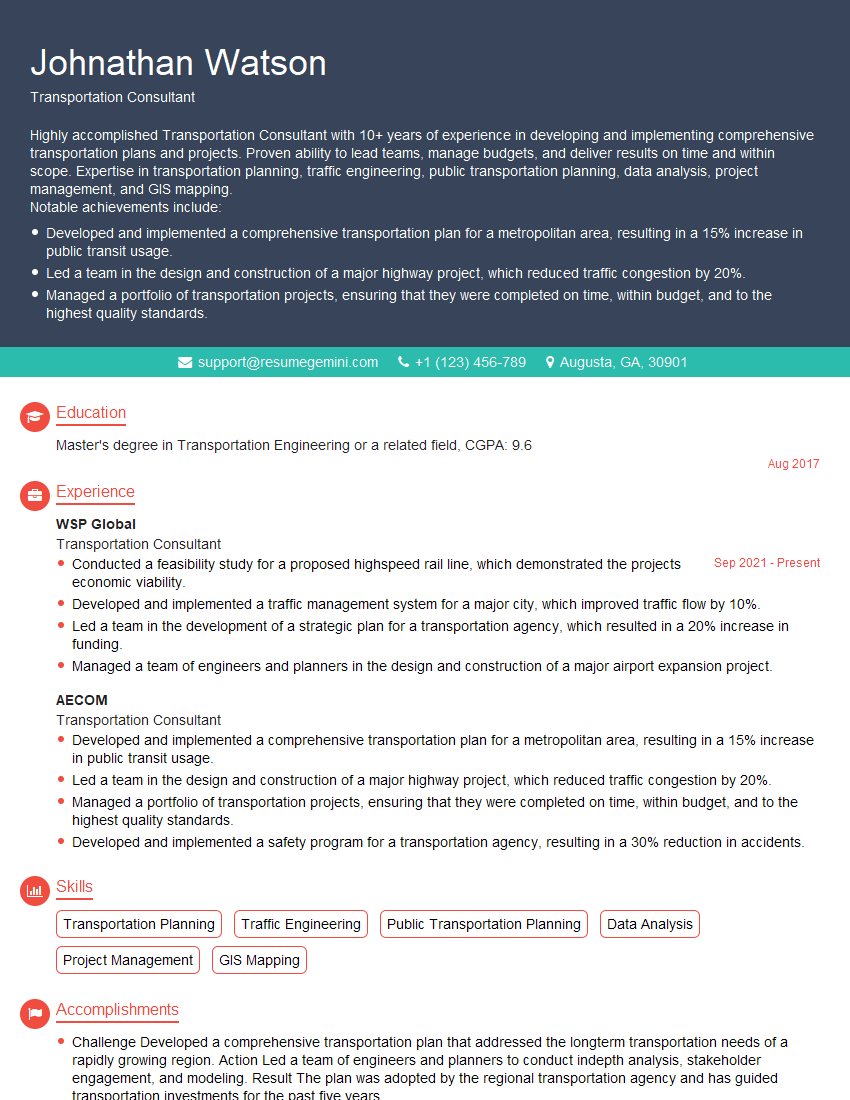
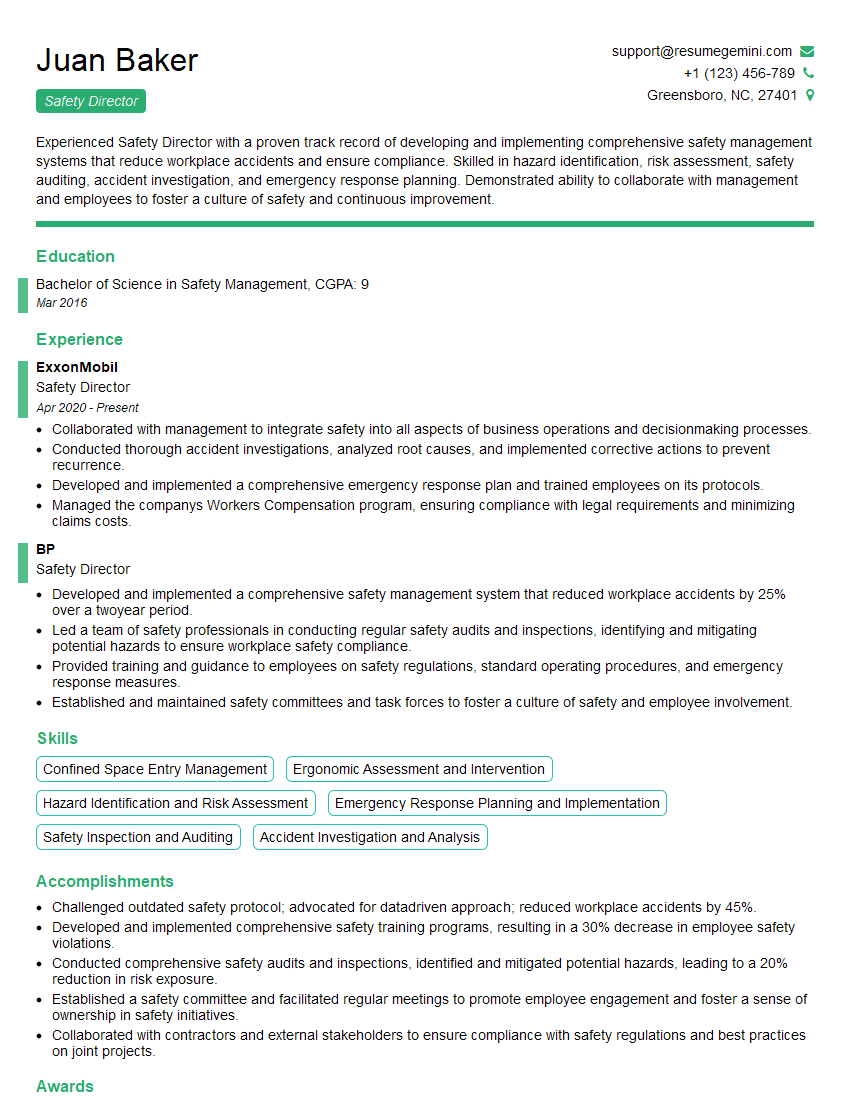
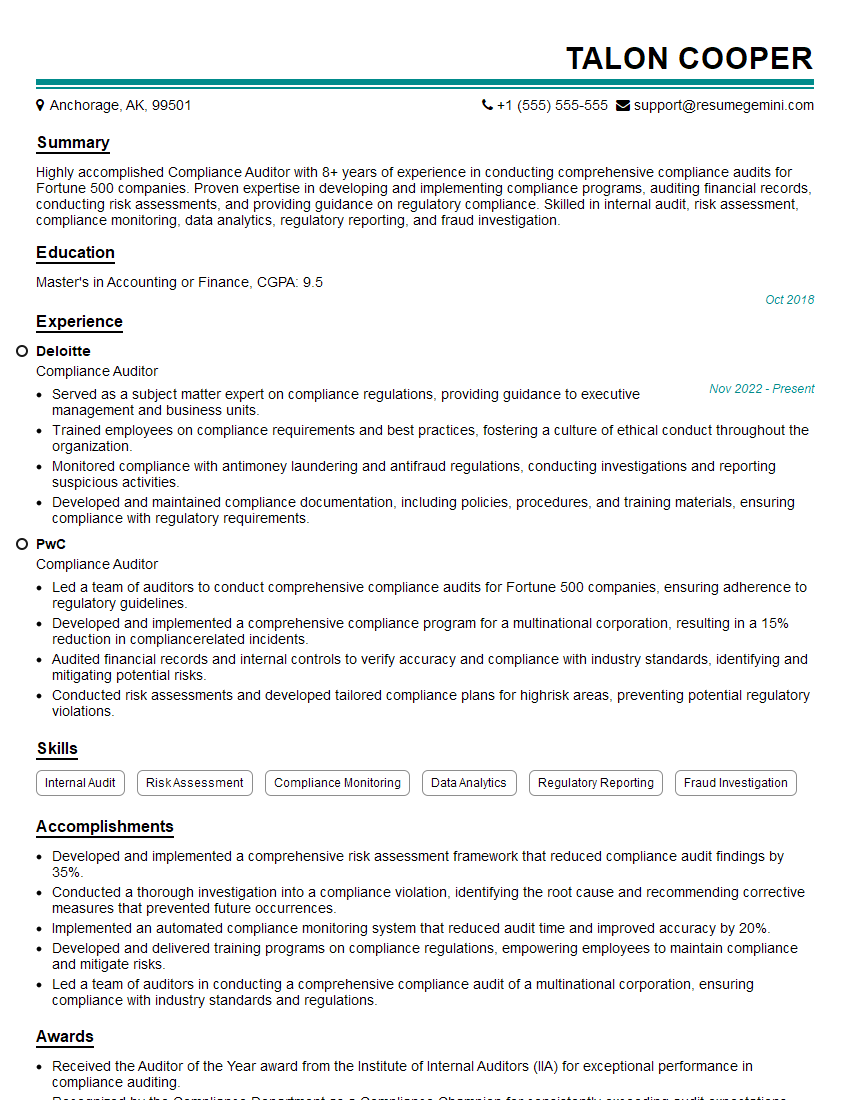
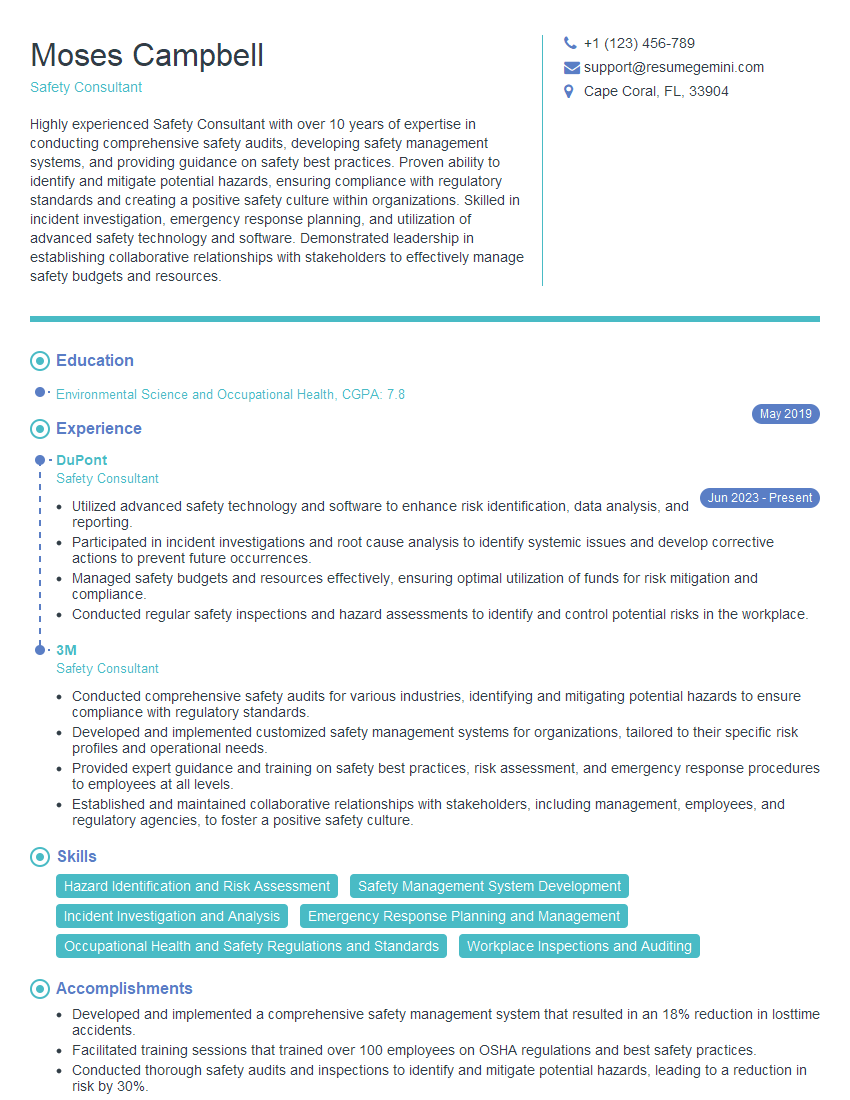
Mastering FMCSA Certification significantly enhances your career prospects within the transportation industry, opening doors to higher-paying roles and greater responsibility. To maximize your job search success, crafting an ATS-friendly resume is crucial. A well-structured resume highlights your skills and experience, ensuring your application gets noticed by potential employers. ResumeGemini is a trusted resource that can help you build a professional, impactful resume tailored to your specific experience and target roles. Examples of resumes tailored to FMCSA Certification are available within ResumeGemini to help guide your resume creation. Take the next step towards your dream career today!

Explore more articles
Users Rating of Our Blogs
Share Your Experience
We value your feedback! Please rate our content and share your thoughts (optional).
What Readers Say About Our Blog
Very informative content, great job.
good