Preparation is the key to success in any interview. In this post, we’ll explore crucial Experience in Coaching or Athlete Development interview questions and equip you with strategies to craft impactful answers. Whether you’re a beginner or a pro, these tips will elevate your preparation.
Questions Asked in Experience in Coaching or Athlete Development Interview
Q 1. Describe your coaching philosophy and how it has evolved.
My coaching philosophy centers around holistic athlete development, focusing on not just physical performance but also mental well-being and personal growth. Early in my career, I emphasized primarily physical conditioning and tactical strategies. However, I’ve evolved to integrate a more person-centered approach. I now believe that understanding an athlete’s individual needs, goals, and learning styles is crucial for maximizing their potential. This involves actively listening, fostering open communication, and adapting my coaching style to suit each athlete’s unique personality and circumstances. For example, a highly competitive athlete might respond well to a challenging, results-oriented approach, while a less experienced athlete might benefit from a more supportive and encouraging style. This evolution has led to a more sustainable and fulfilling coaching experience for both myself and the athletes I work with, resulting in better overall performance and a stronger coach-athlete relationship.
Q 2. Explain your experience designing and implementing training programs.
Designing and implementing training programs is a systematic process. It begins with a thorough needs analysis, considering the athlete’s current fitness level, specific sport demands, injury history, and individual goals. I then create a periodised plan, structuring the training across different phases (e.g., preparatory, competitive, transition). This periodization ensures that the athlete’s training load is appropriately managed over time, preventing overtraining and maximizing performance. The program incorporates various training methods, including strength and conditioning exercises, plyometrics, speed and agility drills, and sport-specific skills training. For instance, while coaching a young basketball team, I designed a program that started with building a strong foundation in strength and conditioning before moving to basketball-specific drills that focused on improving dribbling, shooting, and team play. Regular monitoring and adjustments are crucial; I use performance data, feedback from the athlete, and observation to adapt the program as needed. This iterative process ensures the plan remains effective and addresses any challenges that arise.
Q 3. How do you assess athlete performance and identify areas for improvement?
Assessing athlete performance involves a multi-faceted approach. I use a combination of quantitative and qualitative methods. Quantitative measures include performance tests (e.g., speed tests, strength assessments, skill proficiency tests), physiological monitoring (heart rate variability, lactate thresholds), and game statistics. Qualitative data comes from direct observation of training and competition, video analysis, and athlete self-report. Identifying areas for improvement involves analyzing this data to pinpoint strengths and weaknesses. For example, if a runner consistently struggles with their 400m time, I might analyze video footage to identify flaws in their running technique and use physiological data to assess their lactate threshold and identify potential fatigue points. This comprehensive approach ensures a clear understanding of the athlete’s performance level and provides a solid basis for developing targeted interventions.
Q 4. What methods do you use to motivate athletes and build team cohesion?
Motivation and team cohesion are vital for success. I foster motivation by setting clear and achievable goals, providing regular positive reinforcement and constructive feedback, and celebrating successes. Building trust and rapport is paramount, creating a safe and supportive environment where athletes feel comfortable sharing their concerns and celebrating each other’s achievements. Team-building activities, both on and off the field, help foster cohesion. For instance, I’ve organized team dinners, volunteer events, and even informal social gatherings. These activities promote camaraderie and strengthen interpersonal relationships, leading to improved communication and collaboration during training and competition. A sense of shared purpose and collective identity is fostered by emphasizing teamwork, emphasizing the importance of each member’s contribution to the overall team goal.
Q 5. Describe a time you had to manage conflict within a team.
In one instance, a disagreement arose between two key players on my team regarding playing time and leadership roles. To manage this conflict, I facilitated a calm and open dialogue between the athletes in a private setting. I actively listened to both perspectives, ensuring each felt heard and understood. I then helped them identify the root causes of their disagreement and collaboratively work towards a solution. This involved clearly defining roles and responsibilities, emphasizing the importance of teamwork, and establishing clear communication protocols. The resolution wasn’t immediate; it involved ongoing communication and adjustments. Ultimately, the players resolved their differences and their improved communication significantly strengthened the team dynamic. The key was to create a space for constructive dialogue, focusing on problem-solving rather than assigning blame.
Q 6. How do you adapt your coaching style to different athletes’ needs and personalities?
Adapting my coaching style involves understanding individual learning preferences and communication styles. I use a variety of coaching techniques, such as visual aids, verbal explanations, and hands-on demonstrations. For a visual learner, I might utilize video analysis or diagrams to illustrate concepts, while a kinesthetic learner might benefit from more hands-on practice. Communication styles also differ; some athletes respond better to direct, concise feedback, while others prefer more supportive and encouraging approaches. I assess each athlete’s needs through observation, feedback, and regular check-ins. This personalized approach creates a more effective and motivating environment where athletes feel understood and supported.
Q 7. Explain your experience with injury prevention and rehabilitation strategies.
Injury prevention and rehabilitation are integral parts of my coaching approach. Injury prevention strategies include incorporating a thorough warm-up and cool-down routine into every training session, emphasizing proper technique, and ensuring adequate rest and recovery. Strength and conditioning programs are designed to improve muscle balance and joint stability, reducing the risk of injury. I work closely with medical professionals (physical therapists, athletic trainers) to develop tailored rehabilitation programs for injured athletes. These programs focus on restoring function, strength, and range of motion, and often incorporate progressive loading principles to gradually increase the athlete’s activity level. The key is a multidisciplinary approach, involving consistent communication with medical professionals and a careful monitoring of the athlete’s progress to ensure a safe and effective return to training and competition.
Q 8. How do you utilize technology and data analysis to enhance athlete performance?
Technology and data analysis are invaluable tools for optimizing athlete performance. I utilize a multifaceted approach, integrating several key technologies and analytical methods.
Wearable Technology: I employ GPS trackers, heart rate monitors, and accelerometers to collect real-time data on training load, sleep patterns, and recovery. This data allows for personalized training adjustments and early identification of potential overtraining or injury risk. For example, if an athlete’s heart rate variability (HRV) consistently drops below a certain threshold, we know to adjust their training volume to prioritize recovery.
Performance Analysis Software: Software platforms allow me to analyze video footage of training sessions and competitions, identifying technical flaws and areas for improvement. This might involve frame-by-frame analysis of a swimmer’s stroke technique or a basketball player’s shooting form. The data generated helps create targeted drills and exercises to correct inefficiencies.
Strength and Conditioning Data: Tracking metrics like 1RM (one-rep max), power output, and velocity during strength training provides crucial insights into an athlete’s progress and response to training stimuli. This allows me to adapt the program based on individual responses, ensuring optimal adaptation and preventing plateaus.
Data Visualization and Reporting: I use dashboards and reports to visually represent the data, making it easy for both the athlete and myself to understand trends and progress. This clear visual representation fosters better communication and facilitates informed decision-making.
By combining these data sources, I build a holistic picture of the athlete’s physical and technical capabilities, allowing for a more precise and effective training plan.
Q 9. Describe your experience with talent identification and development.
Talent identification and development is a crucial aspect of my work. My approach involves a multi-stage process that combines objective assessments with subjective observations.
Initial Screening: I begin by conducting initial assessments – physical tests, skill assessments, and psychological evaluations. This helps identify athletes with the potential for success in their chosen sport.
Longitudinal Tracking: Instead of relying on a single assessment, I prefer to track athletes over time, monitoring their progress and identifying those who demonstrate consistent improvement and adaptability. This long-term perspective is crucial as talent unfolds gradually.
Personalized Development Plans: Once athletes are identified, I create tailored development plans that address their specific strengths and weaknesses. This might involve specialized coaching, strength and conditioning programs, or sports psychology support.
Regular Evaluation and Adjustment: The development plans are not static. I regularly evaluate progress and adjust the plans accordingly. This ensures the athlete stays challenged and continues to improve.
For example, in working with young swimmers, I’ve identified several talented individuals who initially lacked the necessary strength and conditioning base. By implementing a focused strength program alongside their swim training, I have seen dramatic improvements in their performance.
Q 10. How do you handle pressure and setbacks in a competitive environment?
High-pressure environments are inevitable in sports. My approach to handling pressure and setbacks is based on proactive strategies and a supportive coaching philosophy.
Mental Skills Training: I integrate mental skills training into my athletes’ development, focusing on techniques like mindfulness, visualization, and self-talk. This helps them manage anxiety and build resilience.
Strategic Planning: Thorough preparation minimizes surprises and reduces the impact of pressure. This involves creating detailed game plans, anticipating challenges, and having contingency strategies in place.
Positive Reinforcement: Focusing on progress, regardless of setbacks, is vital. Positive reinforcement and encouragement build confidence and foster a growth mindset.
Problem-solving Approach: When setbacks occur, I work collaboratively with the athlete to identify the root cause, develop solutions, and implement strategies to prevent recurrence. This approach transforms setbacks into learning opportunities.
During a critical championship game, for example, an athlete might experience performance anxiety. By applying mindfulness techniques learned during training, they can regain composure and focus, improving performance under pressure.
Q 11. What is your approach to providing constructive feedback to athletes?
Constructive feedback is crucial for athlete development. My approach emphasizes a positive and supportive environment.
Specificity and Clarity: I provide clear and specific feedback, focusing on observable behaviors rather than making general statements. Instead of saying ‘you need to improve,’ I would say ‘Your footwork in the last set of sprints could be improved by maintaining a more consistent stride length.’
Positive Framing: I start by highlighting the athlete’s strengths before addressing areas for improvement. This maintains motivation and fosters a growth mindset.
Collaborative Approach: I engage the athlete in the feedback process, encouraging questions and discussion. This promotes ownership and ensures the feedback is well-received.
Actionable Steps: I always conclude by providing actionable steps for improvement. This helps the athlete translate feedback into concrete actions and track their progress.
For example, after a tennis match, instead of simply saying “your serve was weak,” I would analyze the video, pinpoint specific technical flaws like grip or toss inconsistencies, and suggest drills to correct these.
Q 12. How do you ensure the safety and well-being of your athletes?
Athlete safety and well-being are paramount. My approach encompasses multiple layers of protection.
Proper Warm-up and Cool-down: I emphasize the importance of proper warm-up and cool-down routines to reduce injury risk. This includes dynamic stretching, mobility exercises, and gradual increase in intensity.
Progressive Overload: Training loads are increased gradually to allow the body to adapt. This principle of progressive overload prevents sudden strain and minimizes injury risk.
Injury Prevention Programs: I implement injury prevention programs tailored to the specific demands of the sport. This might include strength and conditioning exercises, flexibility training, and postural correction.
Open Communication: I encourage athletes to report any pain or discomfort immediately. This allows for early intervention and prevents minor injuries from becoming major problems.
Collaboration with Medical Professionals: I work closely with team physicians, physiotherapists, and other medical professionals to ensure comprehensive care and manage injuries effectively.
For instance, if an athlete reports knee pain, I immediately consult with the team physiotherapist to determine the cause, develop a rehabilitation plan, and modify the training program accordingly.
Q 13. What is your experience with nutritional guidance for athletes?
Nutritional guidance is a crucial aspect of athlete development. I collaborate with registered dietitians or sports nutritionists to develop personalized nutrition plans based on the athlete’s training demands and individual needs.
Individualized Plans: Nutrition plans are tailored to the athlete’s specific sport, training schedule, and dietary preferences. These plans account for macronutrient balance (carbohydrates, protein, fats), micronutrient intake (vitamins and minerals), and hydration needs.
Fueling for Performance: We focus on providing appropriate fuel before, during, and after training sessions and competitions to optimize energy levels and recovery. This includes strategies for carbohydrate loading before endurance events and consuming protein after training to promote muscle repair.
Weight Management: When necessary, we address weight management issues through a balanced approach combining diet and exercise. This ensures healthy weight and body composition for optimal performance.
Supplementation Guidance: If appropriate, we may discuss supplementation strategies, but always emphasizing a whole-foods based approach first. Supplements should be used to complement, not replace, a healthy diet.
For instance, a marathon runner’s plan will prioritize carbohydrates for sustained energy, while a weightlifter’s will focus on protein intake to support muscle growth and repair.
Q 14. Describe your experience with designing periodization plans.
Periodization is a cornerstone of effective training programs. My approach to designing periodization plans is systematic and individualized.
Assessment and Goal Setting: I begin by assessing the athlete’s current fitness level, identifying strengths and weaknesses, and collaboratively setting realistic and achievable performance goals.
Macrocycle, Mesocycle, Microcycle: I structure training plans using a periodization model incorporating macrocycles (long-term plans, typically a year), mesocycles (several weeks, focusing on specific aspects of training), and microcycles (weekly plans, detailing daily workouts).
Variation and Specificity: The plans vary training intensity, volume, and specificity throughout the different cycles. This principle of variation prevents overtraining and ensures constant adaptation.
Monitoring and Adjustment: Progress is continuously monitored using performance data and athlete feedback. This allows for timely adjustments to ensure the plan remains effective and adaptive to individual needs.
For example, a basketball player’s periodization plan might include a preparatory phase focusing on general conditioning and skill development, a competitive phase emphasizing game-specific training, and a transition phase for recovery and injury prevention.
Q 15. Explain your understanding of sports psychology principles and their application.
Sports psychology is crucial for optimizing athlete performance. It involves understanding how psychological factors like motivation, confidence, anxiety, and focus impact athletic ability. My understanding encompasses several key principles:
- Goal Setting: I use SMART goals (Specific, Measurable, Achievable, Relevant, Time-bound) to help athletes establish clear targets and track progress. For example, instead of ‘improve my jump shot,’ a SMART goal would be ‘increase my free-throw percentage by 10% in the next month by practicing 50 free throws daily.’
- Imagery/Visualization: Athletes mentally rehearse successful performances to improve skills and reduce anxiety. I guide them through systematic imagery exercises, visualizing successful shots, races, or routines.
- Self-Talk: Negative self-talk can hinder performance. I teach athletes to identify and replace negative thoughts with positive affirmations. For instance, instead of ‘I’m going to fail,’ they learn to say ‘I can do this; I’ve practiced hard.’
- Arousal Regulation: Finding the optimal level of arousal (nervous energy) is vital. Techniques like deep breathing, meditation, and progressive muscle relaxation help athletes manage anxiety before competition.
- Stress Management: I help athletes develop coping mechanisms to manage pressure. This could involve teaching mindfulness techniques or strategies for managing pre-game jitters.
I apply these principles by integrating them into training plans, pre- and post-competition routines, and individual sessions. It’s not just about performance; it’s about building resilience and mental fortitude for long-term success.
Career Expert Tips:
- Ace those interviews! Prepare effectively by reviewing the Top 50 Most Common Interview Questions on ResumeGemini.
- Navigate your job search with confidence! Explore a wide range of Career Tips on ResumeGemini. Learn about common challenges and recommendations to overcome them.
- Craft the perfect resume! Master the Art of Resume Writing with ResumeGemini’s guide. Showcase your unique qualifications and achievements effectively.
- Don’t miss out on holiday savings! Build your dream resume with ResumeGemini’s ATS optimized templates.
Q 16. How do you track athlete progress and measure the effectiveness of your programs?
Tracking athlete progress and program effectiveness is done through a multifaceted approach:
- Performance Data: This includes objective measures like race times, scores, distances, and strength gains. I use spreadsheets, apps, and performance analysis software to track these metrics over time. Consistent monitoring highlights trends and helps adjust training based on results.
- Subjective Feedback: Regular check-ins with athletes to discuss their feelings, experiences, and perceived progress are vital. Questionnaires, interviews, and informal conversations help understand their perspective and address any challenges.
- Physiological Data: Depending on the sport and athlete needs, heart rate variability (HRV), lactate threshold testing, and sleep analysis can offer insights into training loads and recovery. This data informs training adjustments to optimize performance and avoid overtraining.
- Qualitative Measures: Observing athletes during practice and competition provides qualitative data about technique, strategy, and teamwork. Video analysis and feedback sessions can provide a detailed understanding of performance areas for improvement.
By combining these methods, I get a holistic view of athlete development, assessing not just numerical improvements but also psychological and physiological progress. This data-driven approach allows for effective program adjustments, ensuring the training plan remains relevant and effective.
Q 17. Describe a challenging situation you faced as a coach and how you overcame it.
One challenging situation involved a promising young athlete experiencing a significant slump in performance. Initially, I focused solely on technical adjustments, but his scores continued to decline. He also exhibited signs of low confidence and increased anxiety.
I realized my approach was too narrowly focused. We then incorporated sports psychology techniques, including mindfulness exercises, positive self-talk strategies, and goal-reframing. We also spent time exploring the root causes of his anxiety, addressing personal issues impacting his focus. This holistic approach, combining technical and psychological interventions, was key.
We saw a gradual improvement; his confidence grew, and his scores steadily increased. This experience taught me the importance of a holistic approach that addresses both the technical and psychological aspects of athletic development. It reinforced the need for open communication, empathy, and tailoring strategies to individual athlete needs.
Q 18. How do you foster a positive and inclusive team culture?
Fostering a positive and inclusive team culture is fundamental. I do this through:
- Team Building Activities: Engaging team-building exercises that promote trust, communication, and camaraderie are essential. These could range from simple icebreakers to more complex challenges requiring collaboration.
- Open Communication: Creating a safe space for athletes to express their thoughts and concerns openly and honestly. Regular team meetings and one-on-one conversations facilitate this.
- Respectful Environment: Establishing clear expectations of respectful behavior and addressing any instances of bullying or discrimination immediately. Fairness and inclusivity are paramount.
- Shared Goals: Working collaboratively to define team goals and values, ensuring everyone feels ownership and commitment. This shared purpose fosters unity and a sense of belonging.
- Celebrating Successes: Acknowledging and celebrating both individual and team achievements, fostering a positive and encouraging atmosphere.
A positive and inclusive culture benefits not just the team’s social dynamics but also its overall performance. When athletes feel valued, supported, and respected, their performance and motivation naturally improve.
Q 19. What are your strengths and weaknesses as a coach?
Strengths: I excel at building rapport with athletes, creating individualized training programs tailored to their needs, and effectively communicating complex concepts in a clear and engaging manner. My ability to adapt my coaching style to diverse personalities and learning styles is also a significant strength. I’m also a highly organized and detail-oriented coach, ensuring that all aspects of the training program are meticulously planned and executed.
Weaknesses: I sometimes struggle to delegate tasks effectively, preferring to be heavily involved in all aspects myself. I am working on improving this by empowering assistant coaches and trusting their abilities more. I also recognize the importance of consistently seeking feedback from athletes and colleagues to refine my coaching practices.
Q 20. How do you handle difficult conversations with athletes or parents?
Handling difficult conversations requires tact, empathy, and active listening. My approach involves:
- Setting the Stage: Choosing a private, comfortable setting for the conversation, ensuring privacy and a relaxed atmosphere.
- Active Listening: Giving the athlete or parent my full attention, allowing them to express their concerns without interruption (except to clarify points).
- Empathy and Validation: Acknowledging and validating their feelings, showing understanding even if I don’t agree with their perspective.
- Clear Communication: Stating my perspective clearly and directly, but in a respectful and non-confrontational way.
- Collaborative Problem Solving: Working together to find solutions that meet both parties’ needs. This might involve compromising or exploring alternative approaches.
- Follow Up: Checking in with the athlete or parent after the conversation to see how they’re doing and to address any lingering concerns.
The goal is not to win an argument but to build understanding and reach a mutually acceptable resolution. Maintaining open communication is key to maintaining positive relationships.
Q 21. Describe your experience working with athletes of diverse backgrounds and abilities.
I have extensive experience working with athletes of diverse backgrounds and abilities. This includes athletes from various socioeconomic backgrounds, ethnicities, and levels of physical ability. My approach prioritizes inclusivity and personalization.
I recognize that each athlete brings unique experiences, perspectives, and challenges. I adapt my communication style, training techniques, and motivational strategies to meet their individual needs. This includes understanding cultural nuances, adjusting training plans for specific physical limitations, and employing motivational techniques relevant to their personalities. Building trust and rapport is fundamental, requiring active listening and a genuine interest in understanding each athlete’s unique circumstances.
For example, I’ve worked with athletes who have physical disabilities, tailoring exercises to their specific limitations while focusing on their strengths. I’ve also worked with athletes from diverse cultural backgrounds, taking into account their religious beliefs, family structures, and communication styles. My experience has shown that inclusivity not only enhances the team’s dynamic but also significantly improves the individual performance of each athlete.
Q 22. How do you stay current with the latest advancements in coaching and athlete development?
Staying current in the dynamic field of coaching and athlete development requires a multifaceted approach. It’s not just about reading the latest research; it’s about actively engaging with the community and continuously refining my practice.
Professional Development: I regularly attend conferences like the National Strength and Conditioning Association (NSCA) or the American College of Sports Medicine (ACSM) conferences to learn about cutting-edge training methodologies, injury prevention techniques, and the latest research findings. These events also provide invaluable networking opportunities.
Peer Learning: I actively participate in professional organizations and online forums, engaging in discussions with other coaches and experts. This allows for the exchange of ideas, best practices, and the opportunity to learn from both successes and failures.
Continuous Reading: I subscribe to relevant journals such as the Journal of Strength and Conditioning Research and stay updated on new publications through online databases like PubMed. I also make it a point to read books and articles written by leading figures in the field.
Mentorship: Seeking mentorship from experienced coaches is crucial. Learning from their experience and insights provides a valuable perspective that accelerates my professional growth.
For instance, recently I attended a workshop on the application of technology in athlete monitoring, incorporating wearable technology and data analysis into my training plans. This has significantly enhanced my ability to personalize training and optimize athlete performance.
Q 23. Explain your budget management skills in relation to sports programs.
Budget management is critical in sports programs. It requires a strategic approach that balances resource allocation with program goals. My experience involves creating and managing detailed budgets, tracking expenditures, and securing funding through various channels.
Detailed Budgeting: I start by identifying all program expenses, from equipment and travel to coaching salaries and facility rentals. I then prioritize these expenses based on their impact on program goals, ensuring that essential elements are adequately funded.
Resource Allocation: Once a budget is established, I carefully track expenses and adjust the allocation as needed. This ensures that resources are used effectively and that the program stays within its budget constraints. I use spreadsheets and budgeting software to maintain detailed records and generate regular reports.
Fundraising and Grant Writing: Securing funding is a significant part of budget management. I have experience writing grant proposals and seeking sponsorships to support program activities and enhance athlete experiences. This includes identifying potential funding sources and preparing compelling proposals that highlight the program’s impact.
For example, in my previous role, I successfully secured a grant to purchase new strength and conditioning equipment, significantly upgrading our training facilities and improving athlete performance. Effective budget management is crucial for the program’s success and sustainability.
Q 24. Describe your experience with recruiting and player development.
Recruiting and player development are intertwined aspects of my experience. Successful recruitment requires identifying talented athletes who align with the program’s values and goals, while player development focuses on fostering their growth, both athletically and personally.
Recruitment: My approach to recruitment involves attending scouting events, analyzing athlete performance data, and conducting thorough background checks. Building relationships with high school coaches and other networks is key. I also focus on creating a positive and welcoming atmosphere to attract top talent.
Player Development: This is where I thrive. I create individualized training plans focusing on technical skills, tactical awareness, physical conditioning, and mental fortitude. Regular performance evaluations help track progress and make necessary adjustments. I strongly emphasize holistic development, which includes supporting players’ academic pursuits and personal well-being.
Mentorship and Feedback: Providing constructive feedback and acting as a mentor are crucial. Creating a supportive and challenging environment where athletes can learn from mistakes and celebrate successes fosters growth and team cohesion.
I once helped a previously overlooked athlete realize their full potential through personalized training and consistent mentorship, leading to them earning a scholarship to a prestigious university. This highlights the importance of identifying potential and nurturing talent through individualized development.
Q 25. How do you build and maintain relationships with athletes, parents, and other stakeholders?
Building and maintaining strong relationships with athletes, parents, and stakeholders is paramount for a successful coaching career. It’s built on trust, open communication, and mutual respect.
Open Communication: Regular communication is key. I maintain open channels with athletes through one-on-one meetings, team meetings, and email updates. Parents are kept informed of their child’s progress and challenges. Transparency is crucial to building trust.
Active Listening: I prioritize active listening to understand athletes’ needs, concerns, and aspirations. This fosters a sense of partnership, making them feel heard and valued.
Collaboration: I work collaboratively with parents and other stakeholders, such as school administrators, medical professionals, and other coaches, to provide a holistic support system for athletes. This involves regular updates and collaborative decision-making.
Conflict Resolution: When conflicts arise, I approach them with empathy and seek to find solutions that benefit all parties involved. This involves active listening, understanding different perspectives, and finding common ground.
For instance, I once successfully mediated a conflict between a parent and an athlete regarding training intensity, finding a solution that respected both their concerns and ensured the athlete’s well-being and progress. Building strong relationships takes time and effort, but the result is a more cohesive and supportive team environment.
Q 26. What are your salary expectations?
My salary expectations are commensurate with my experience and qualifications, and are within the range of $80,000-$100,000 per year. However, I am open to discussing this further based on the specific responsibilities and benefits package offered.
Q 27. What are your long-term career goals?
My long-term career goals include becoming a recognized leader in the field of athlete development. This involves continuing to enhance my coaching skills, pursuing advanced certifications, potentially contributing to research, and potentially transitioning into a leadership role within a high-performance sports organization. Ultimately, I aim to make a significant and lasting contribution to the world of sports and athlete well-being.
Q 28. Do you have any questions for me?
Yes, I have a few questions. I’d be interested in learning more about the specific expectations for this role, the team culture, and the opportunities for professional development within the organization. Also, I’d like to know more about the support systems available for coaches, including access to resources and mentorship opportunities.
Key Topics to Learn for Experience in Coaching or Athlete Development Interview
- Training Principles & Program Design: Understanding periodization, progressive overload, and the principles of training specificity. Practical application: Designing a training plan tailored to an athlete’s specific needs and goals.
- Athlete Assessment & Evaluation: Methods for assessing athletic performance, identifying strengths and weaknesses, and tracking progress. Practical application: Utilizing various testing methods (e.g., strength, speed, agility) to inform training decisions.
- Communication & Motivation: Building rapport with athletes, providing effective feedback, and fostering a positive and motivating training environment. Practical application: Addressing athlete concerns, managing conflict, and providing constructive criticism.
- Nutrition & Recovery: Understanding the role of nutrition and recovery in athletic performance. Practical application: Educating athletes on proper fueling strategies, hydration, and sleep hygiene.
- Injury Prevention & Management: Identifying risk factors for injury and implementing strategies to prevent and manage injuries. Practical application: Recognizing signs of overuse or injury and collaborating with medical professionals.
- Sport Psychology & Mental Skills Training: Understanding the psychological aspects of athletic performance and applying techniques to improve mental toughness, focus, and resilience. Practical application: Implementing visualization, mindfulness, or other mental skills training techniques.
- Ethics & Professional Development: Adhering to ethical coaching practices and engaging in continuous professional development. Practical application: Staying current on best practices and research in the field.
Next Steps
Mastering the art of coaching and athlete development is crucial for career advancement in this dynamic field. A strong understanding of these principles will set you apart and significantly improve your interview performance. To maximize your job prospects, it’s essential to create an ATS-friendly resume that effectively highlights your skills and experience. ResumeGemini is a trusted resource that can help you build a professional and impactful resume, showcasing your expertise in coaching and athlete development. Examples of resumes tailored to this experience are available within ResumeGemini to guide you.
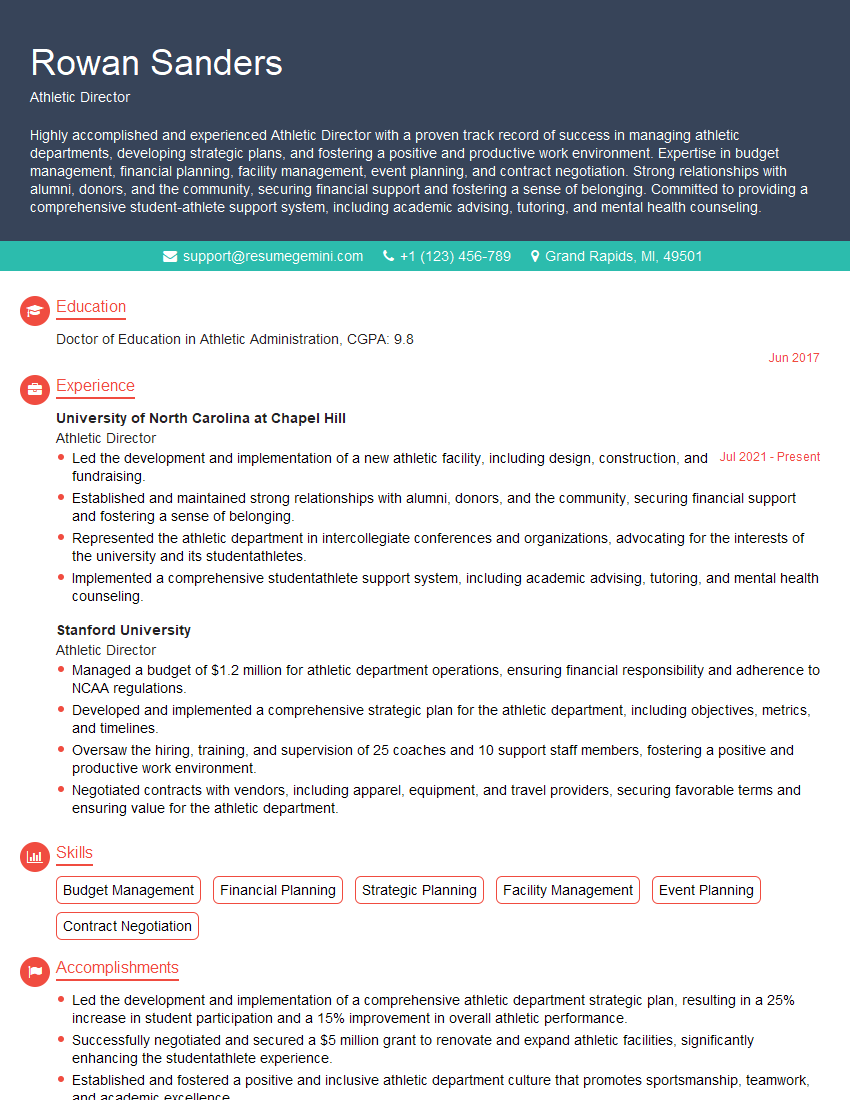
Athletic Director Resume Sample
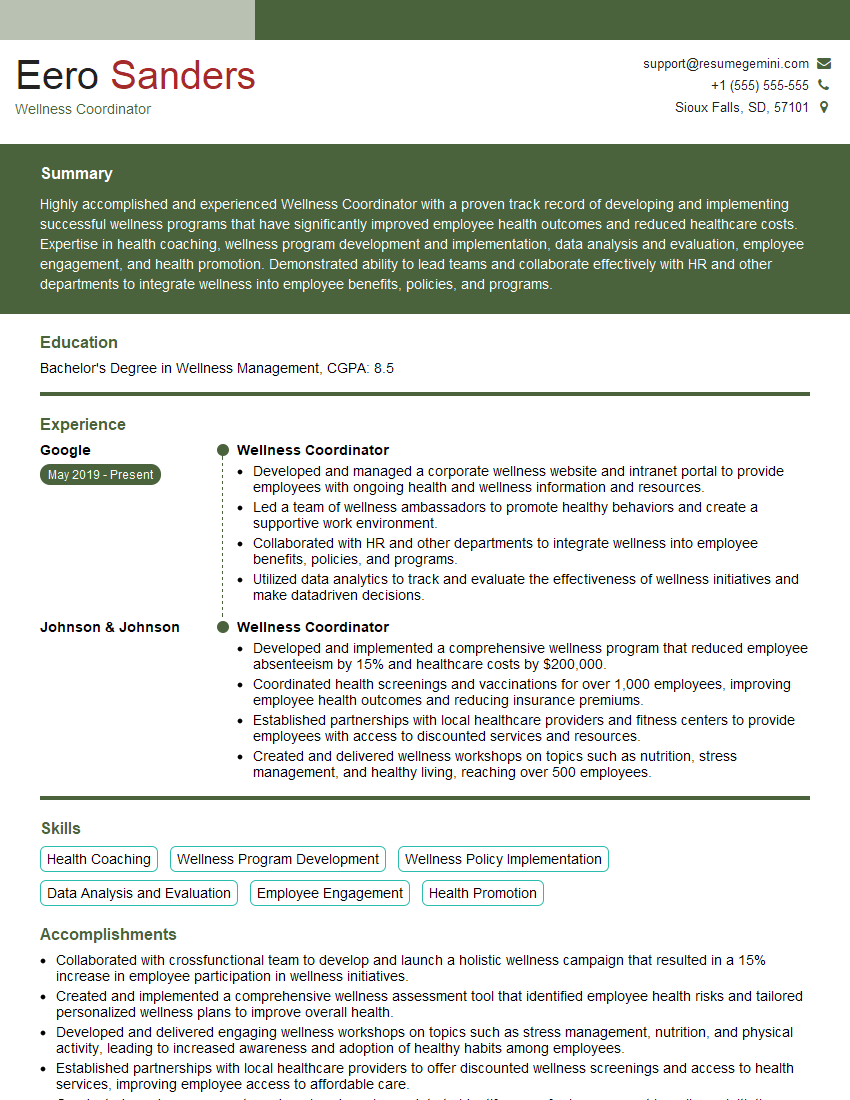
Wellness Coordinator Resume Sample
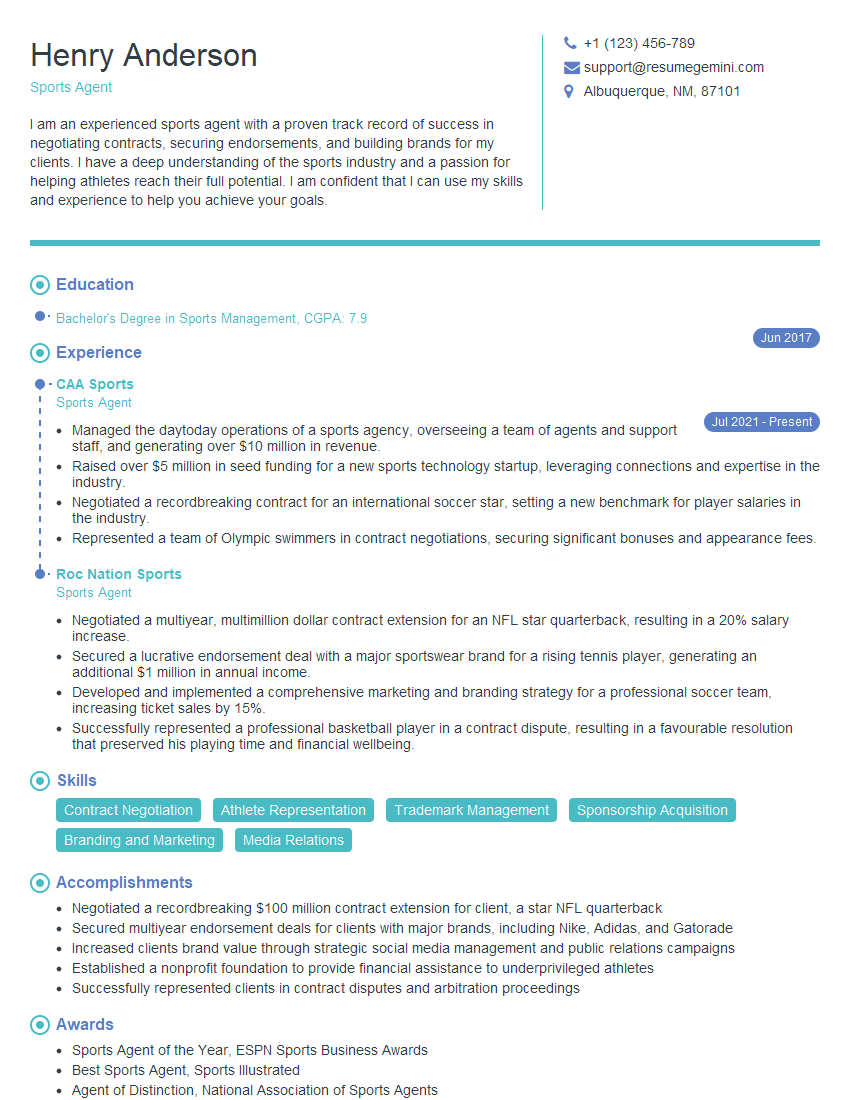
Sports Agent Resume Sample
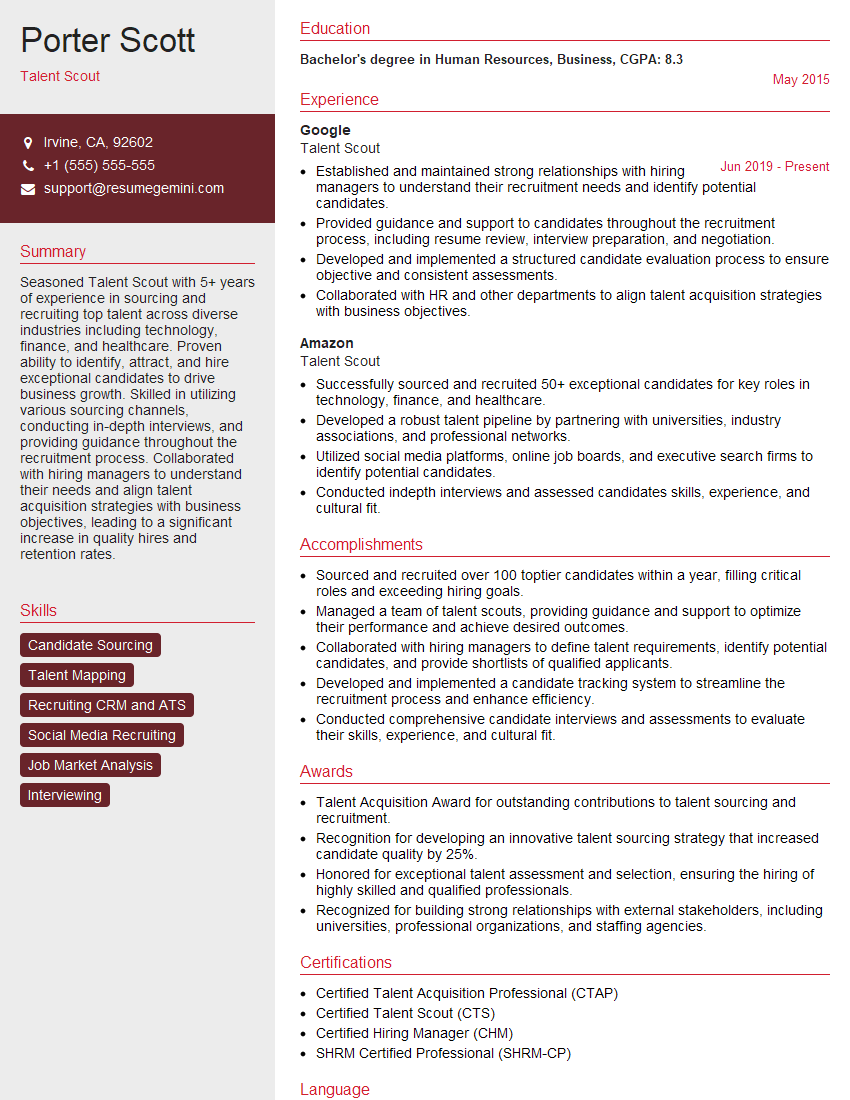
Talent Scout Resume Sample
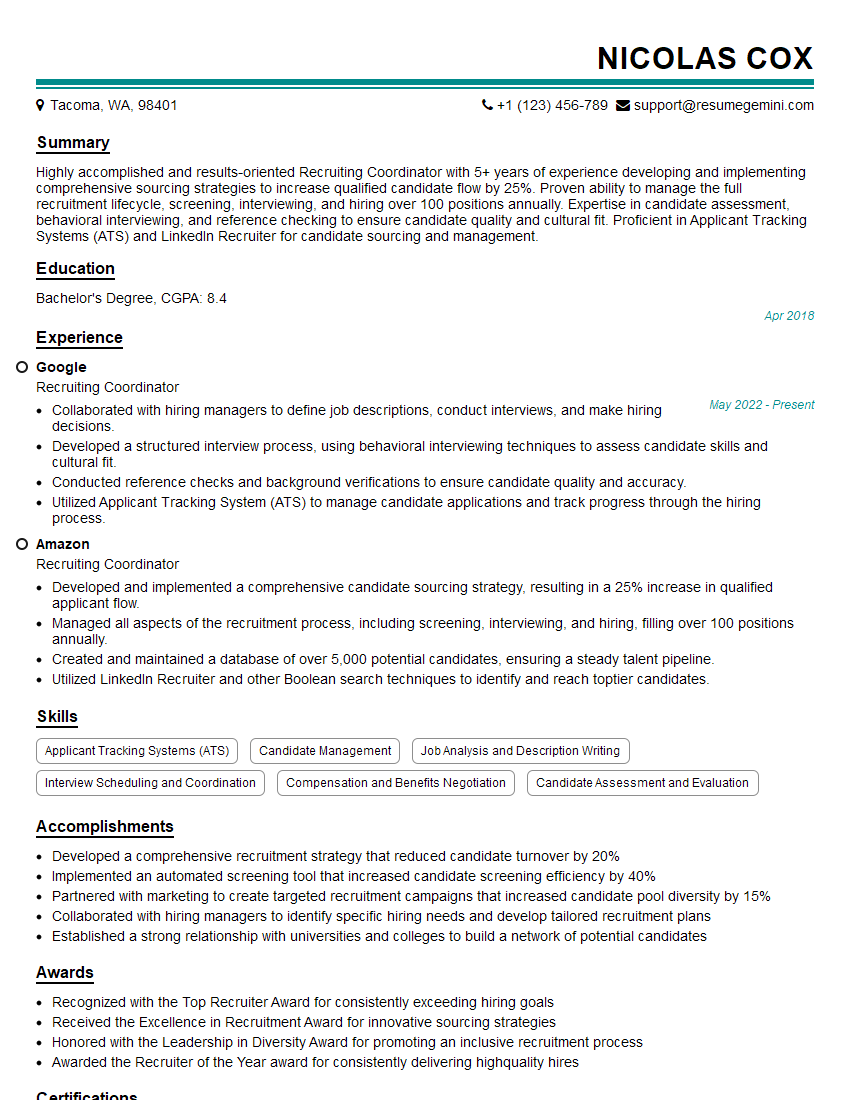
Recruiting Coordinator Resume Sample
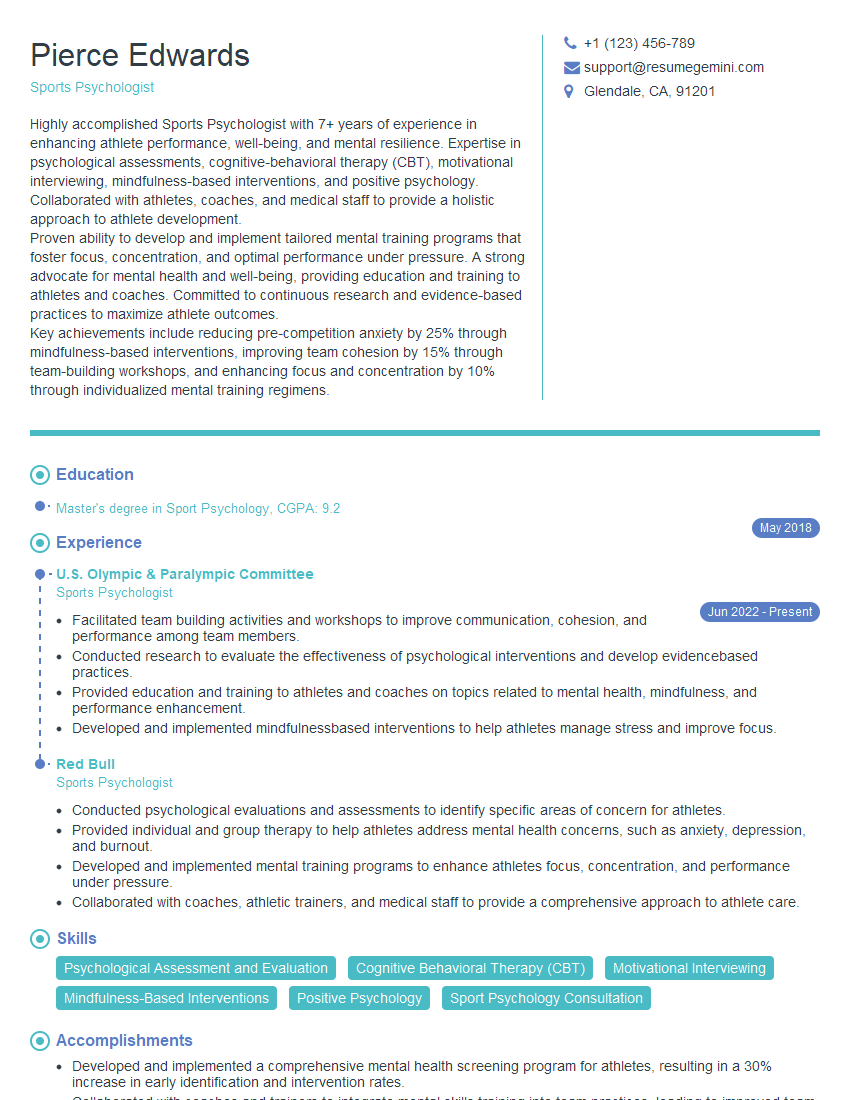
Sports Psychologist Resume Sample
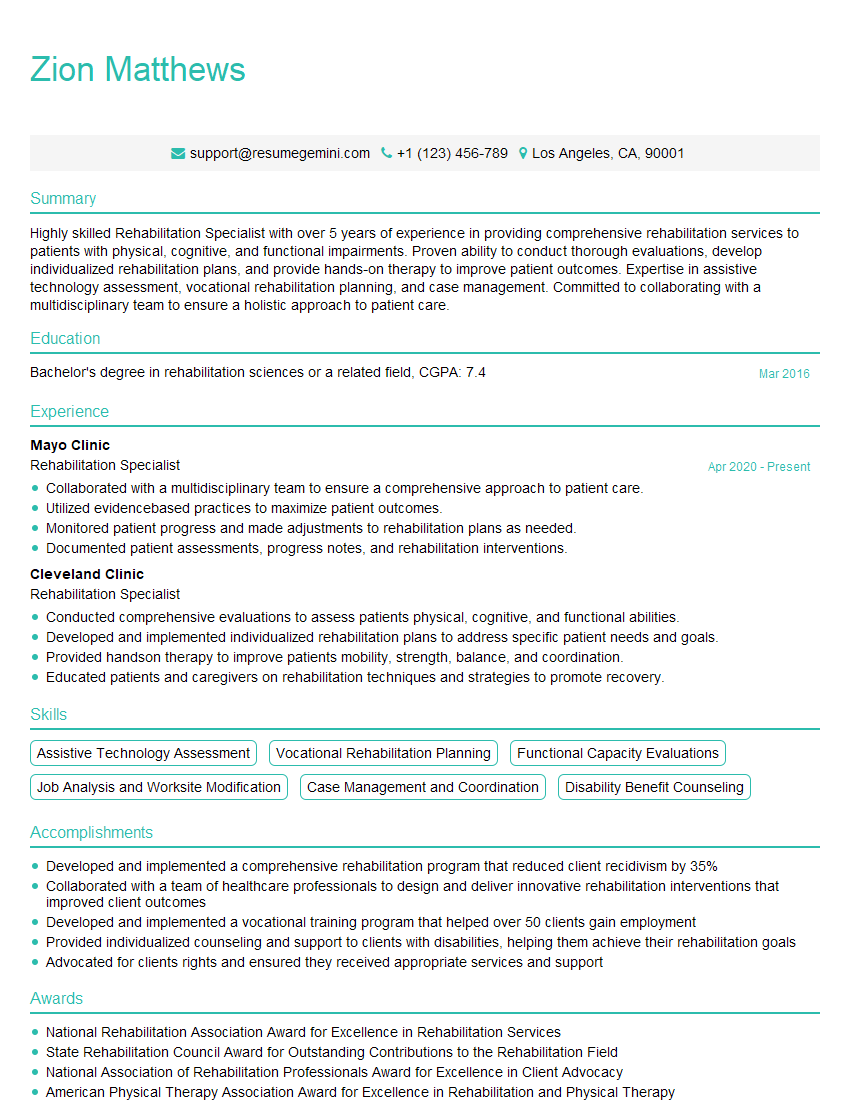
Rehabilitation Specialist Resume Sample
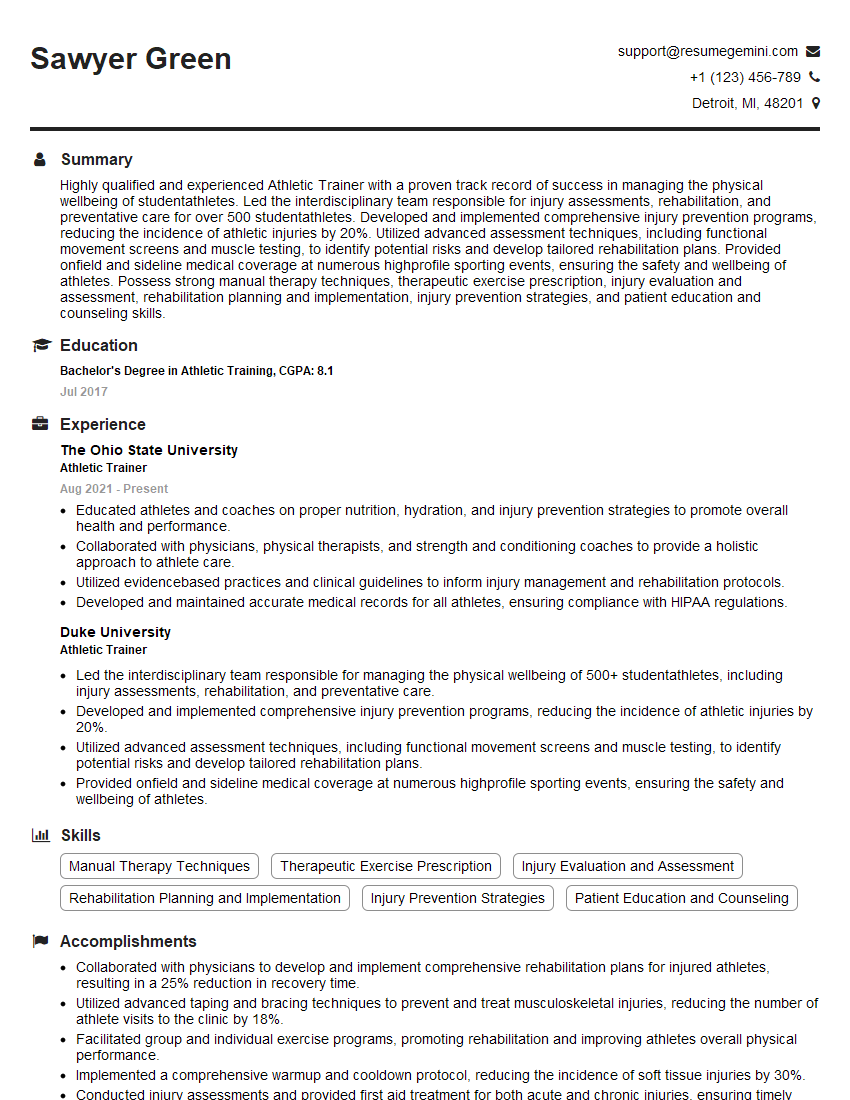
Athletic Trainer Resume Sample
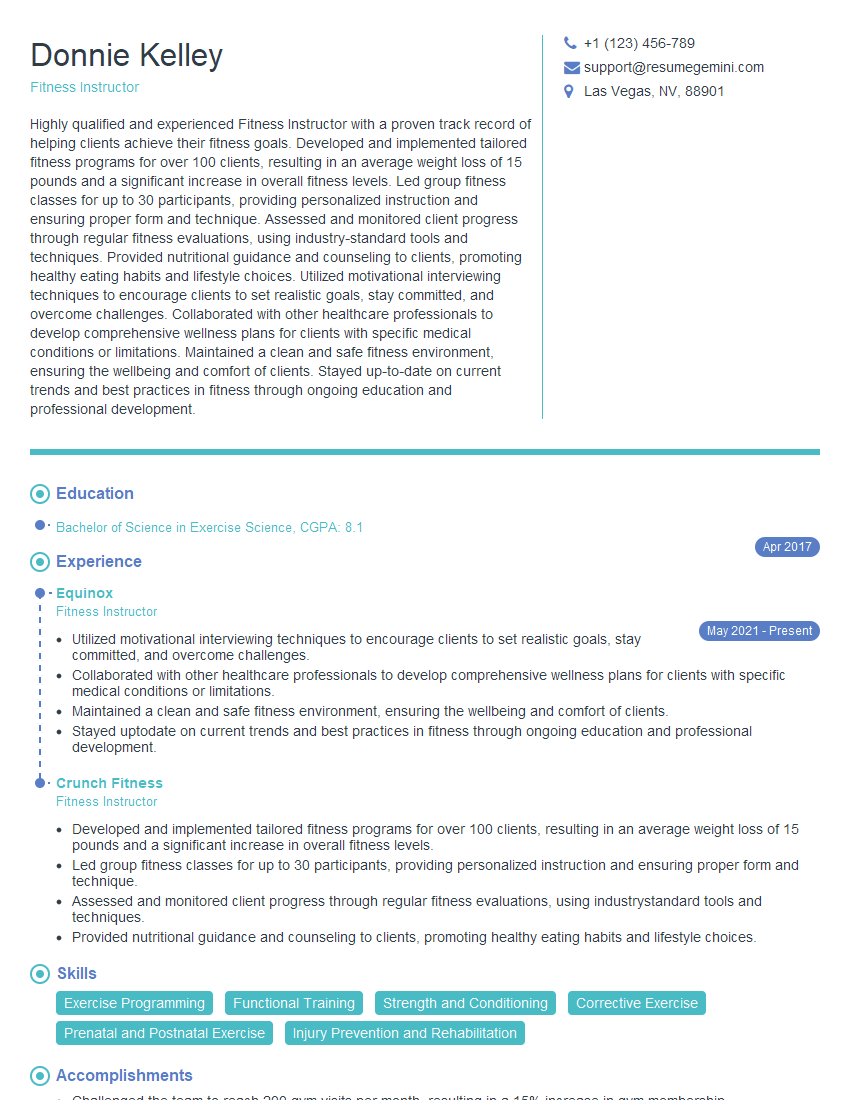
Fitness Instructor Resume Sample
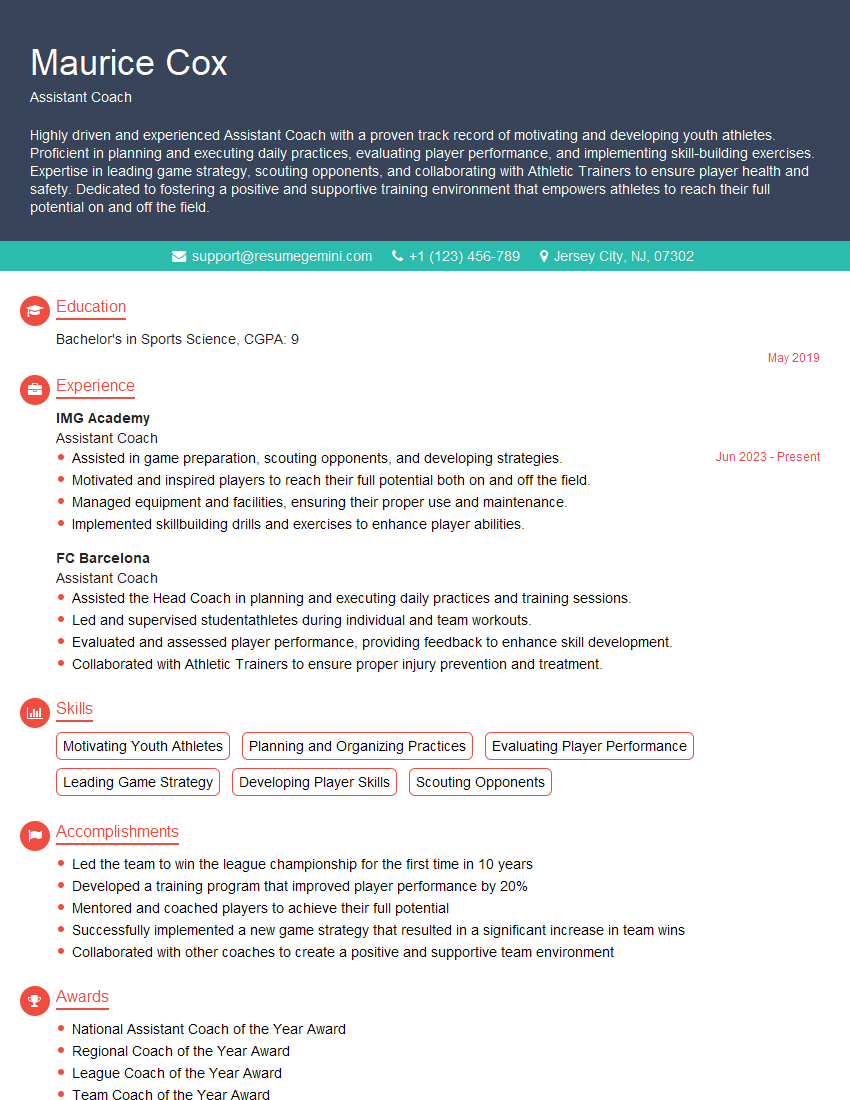
Assistant Coach Resume Sample
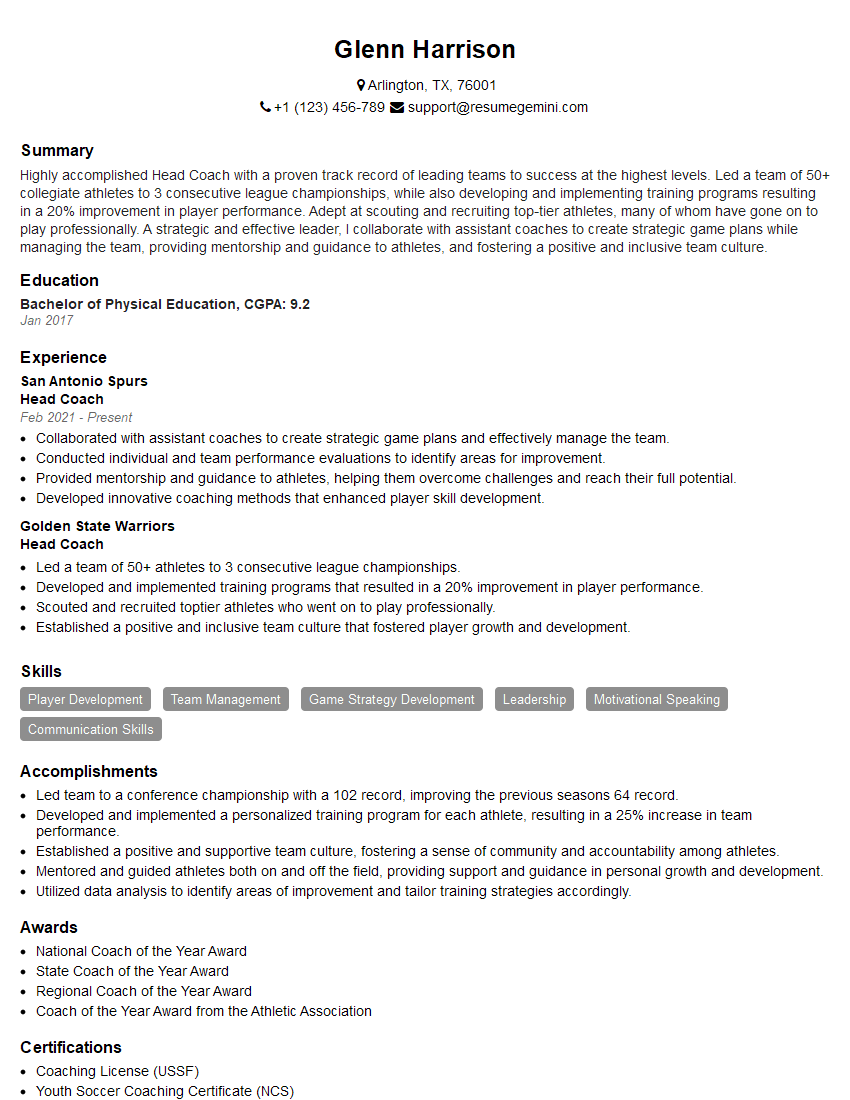
Head Coach Resume Sample
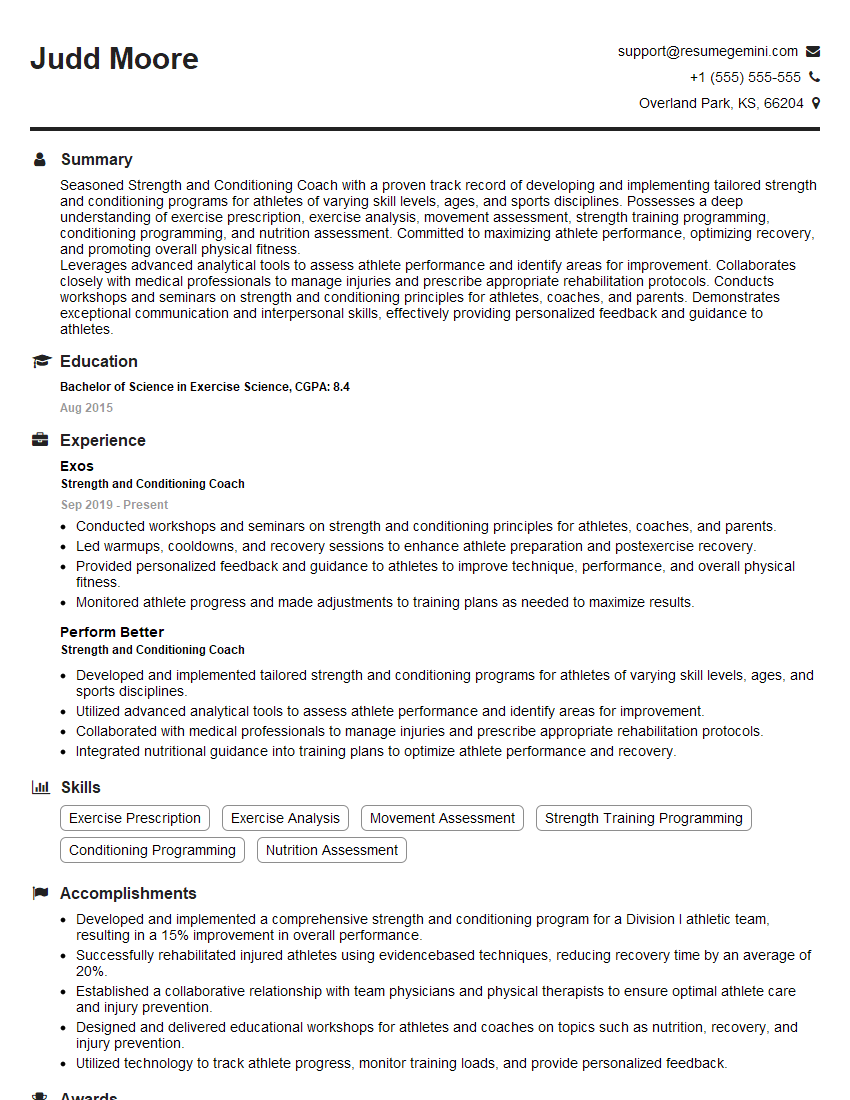
Strength and Conditioning Coach Resume Sample
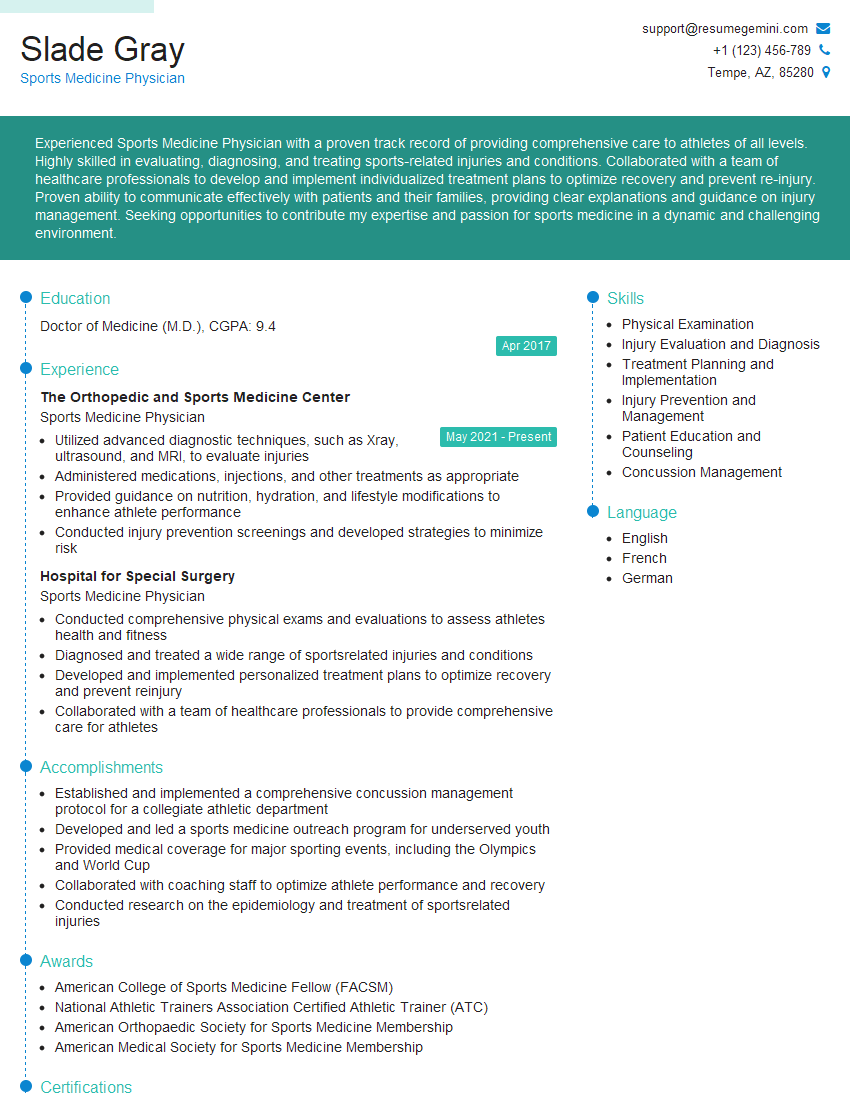
Sports Medicine Physician Resume Sample
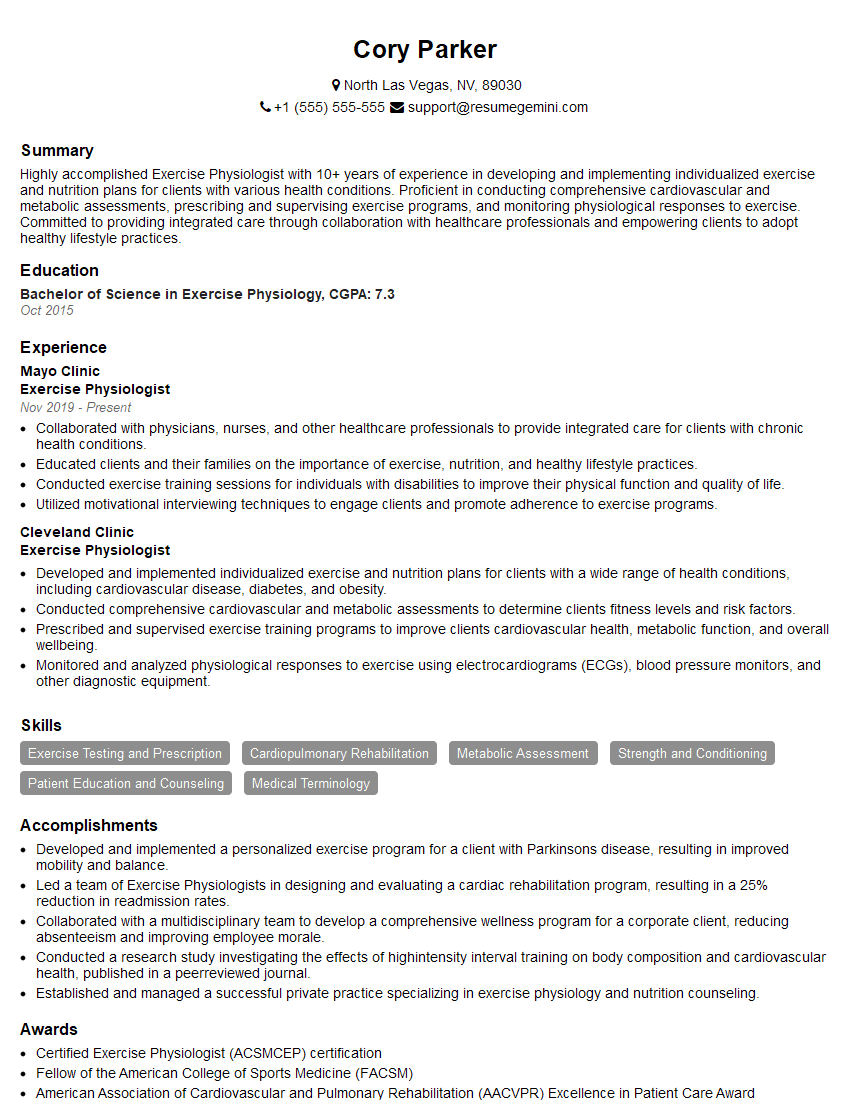
Exercise Physiologist Resume Sample
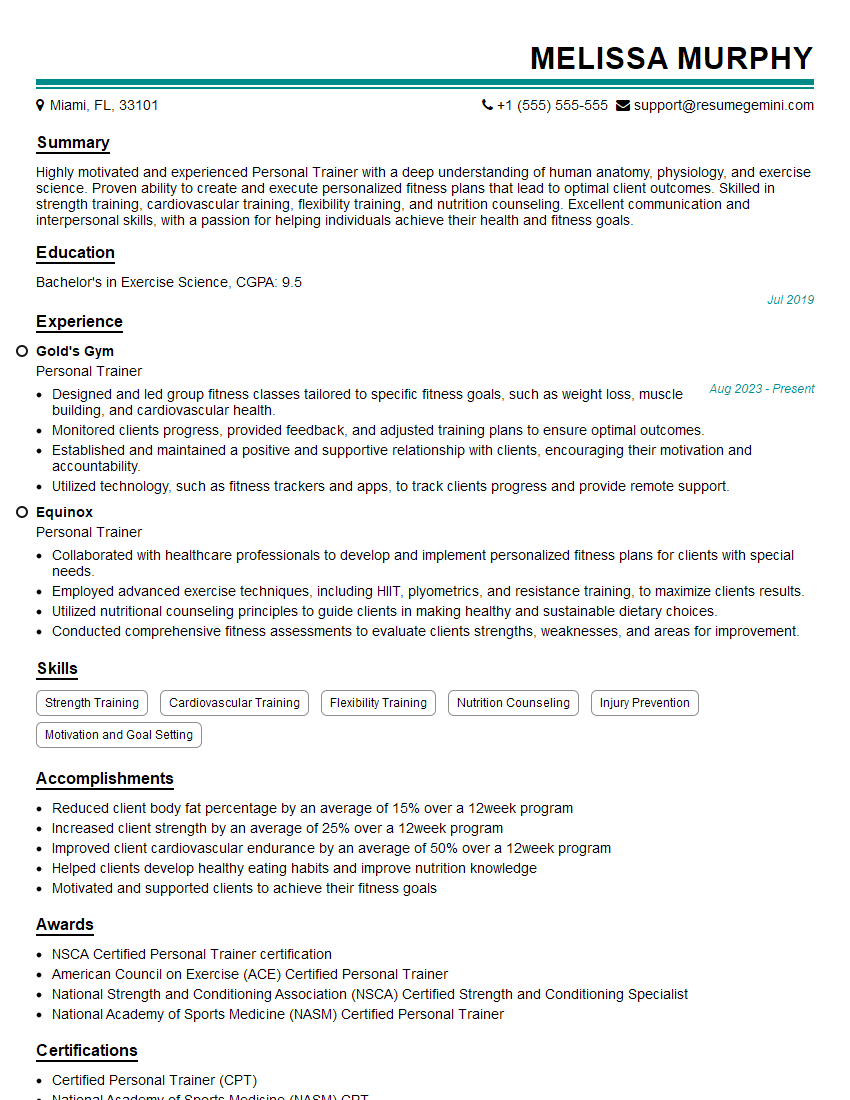
Personal Trainer Resume Sample
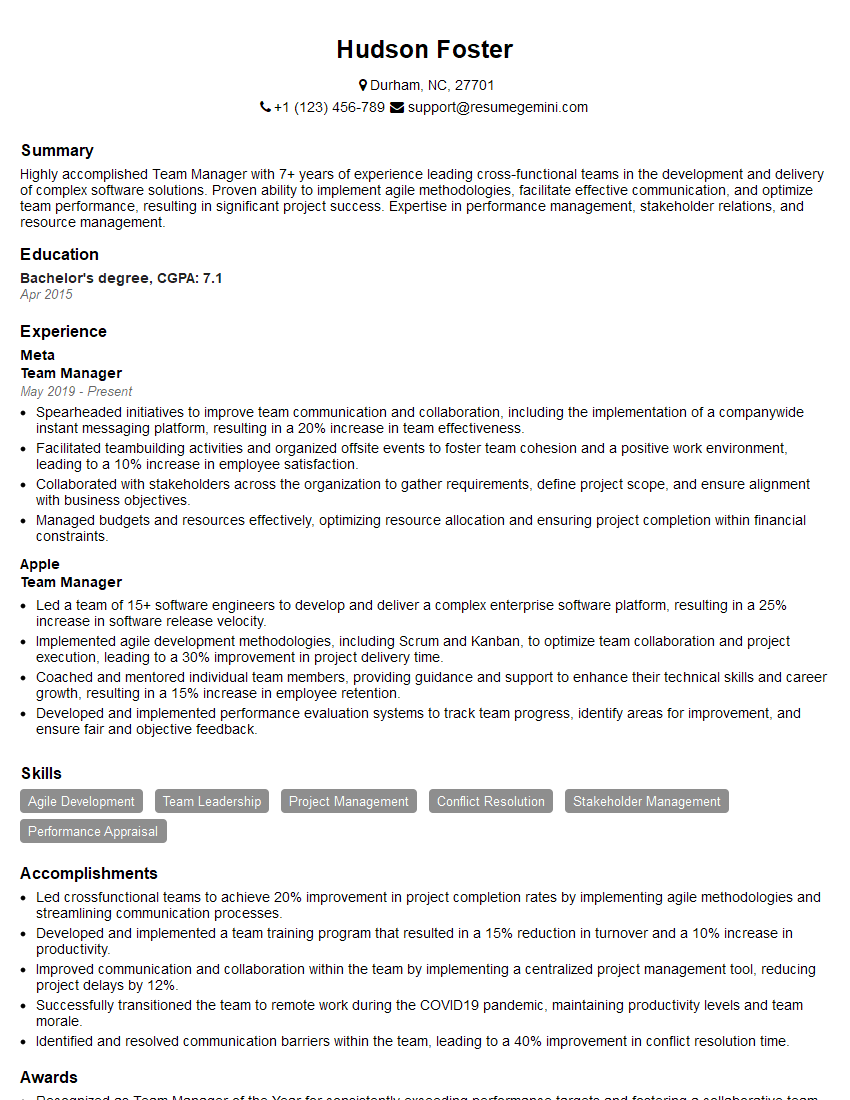
Team Manager Resume Sample
- Athletic Director
- Wellness Coordinator
- Sports Agent
- Talent Scout
- Recruiting Coordinator
- Sports Psychologist
- Rehabilitation Specialist
- Athletic Trainer
- Fitness Instructor
- Assistant Coach
- Head Coach
- Strength and Conditioning Coach
- Sports Medicine Physician
- Exercise Physiologist
- Personal Trainer
- Team Manager
Explore more articles
Users Rating of Our Blogs
Share Your Experience
We value your feedback! Please rate our content and share your thoughts (optional).
What Readers Say About Our Blog
Very informative content, great job.
good