The right preparation can turn an interview into an opportunity to showcase your expertise. This guide to Folding Documents interview questions is your ultimate resource, providing key insights and tips to help you ace your responses and stand out as a top candidate.
Questions Asked in Folding Documents Interview
Q 1. What are the different methods of folding documents?
Document folding methods vary widely depending on the desired final format and the equipment available. Generally, they can be categorized into manual and automated methods. Manual methods include simple folds like half-folds, letter folds, and tri-folds, often done by hand or using basic tools. Automated methods utilize folding machines, offering a range of complex folds including Z-folds, gate folds, and parallel folds. The choice depends on factors like volume, desired precision, and available resources.
- Half-fold: A simple fold in half, often used for letters or smaller documents.
- Letter fold: A more complex fold used for inserting documents into envelopes, involving multiple folds to create a compact rectangular shape.
- Tri-fold: Folding a document into three sections.
- Z-fold: A three-fold creating a zig-zag pattern.
- Gate fold: A double parallel fold creating panels that open like a gate.
- Parallel fold: Multiple folds executed in parallel, often used for creating booklets.
Q 2. Describe your experience with various folding machines.
My experience encompasses a wide variety of folding machines, from basic tabletop models suitable for small offices to high-speed, industrial-grade machines capable of handling thousands of documents per hour. I’ve worked extensively with both sheet-fed and continuous-feed machines, understanding the nuances of each. For instance, I’ve used high-volume inserters that incorporate folding units for automated envelope stuffing, as well as smaller, more specialized machines for creating intricate folds for brochures or invitations. I’m familiar with the operation, maintenance, and troubleshooting of various brands and models, including [mention specific brands if comfortable – e.g., ‘MBO, Baumert, or Heidelberg’]. This experience has given me a deep understanding of the capabilities and limitations of different machine types.
Q 3. How do you ensure accuracy and consistency in document folding?
Accuracy and consistency are paramount in document folding. To ensure this, I focus on several key aspects. First, meticulous setup is crucial. This involves precisely adjusting the machine’s settings—such as paper size detection, fold position, and fold type—to match the document specifications. Regular calibration checks are vital. Second, I pay close attention to paper quality and condition. Wrinkled or damaged paper can lead to misfeeds and inaccurate folds. Using high-quality paper and proper handling are critical. Third, consistent monitoring is key during operation. Regularly checking the folded output helps identify and rectify any inconsistencies early on. Lastly, detailed documentation of machine settings for each job ensures repeatability and maintains high quality standards across large-volume projects.
Q 4. What are the common challenges you face in document folding?
Common challenges include paper jams, misfeeds, inaccurate folds due to incorrect machine settings, and damage to the paper during the folding process. Paper type significantly impacts the folding process. Certain papers are more prone to jamming or tearing, necessitating adjustments to speed and pressure settings. Another issue is maintaining the equipment. Regular cleaning, lubrication, and preventative maintenance are essential to prevent breakdowns and ensure consistent performance. Dealing with large variations in document size and type within a single job also presents challenges that require careful planning and machine configuration changes.
Q 5. How do you handle large volumes of documents efficiently?
Efficiently handling large document volumes involves strategic planning and leveraging the right technology. This begins with careful job planning and preparation, including pre-sorting documents, verifying paper quality, and configuring the folding machine appropriately. For high-volume jobs, utilizing high-speed industrial folding machines is essential. Automation is key – integrating the folding process with other steps like printing or inserting into envelopes streamlines the workflow. Moreover, regular machine maintenance and operator training contribute significantly to preventing costly downtime and maintaining productivity. Careful monitoring and quality control checks throughout the process are crucial to prevent errors and wasted materials.
Q 6. What is your experience with different paper types and their folding properties?
Experience with diverse paper types is critical for successful document folding. Different papers have varying thicknesses, textures, and folding properties. Heavier papers, like card stock, require more robust machines and settings to avoid creasing or tearing. Thinner papers, like lightweight bond, might be more prone to jamming. Coated papers can have different folding behavior compared to uncoated papers. Understanding these characteristics allows me to adjust machine settings (e.g., pressure, speed, and fold type) to optimize the folding process for each paper type, preventing damage and ensuring a consistent, high-quality result. This includes understanding the grain direction of the paper to minimize cracking and maximize fold strength.
Q 7. How do you troubleshoot common issues with folding equipment?
Troubleshooting folding equipment requires a systematic approach. I begin by identifying the specific issue: Is it a paper jam, an inaccurate fold, or a machine malfunction? Next, I check the obvious—paper quality, machine settings, and the presence of any obstructions. If the problem persists, I consult the machine’s manual and perform systematic checks based on the troubleshooting guidelines. This might involve checking sensors, belts, rollers, or other mechanical components. If the issue persists, I may need to call for technical support or escalate to a qualified technician. Preventative maintenance plays a crucial role in minimizing downtime and troubleshooting issues.
Q 8. Explain your process for preparing documents for folding.
Preparing documents for folding involves a meticulous process to ensure a smooth and efficient operation. It begins with a thorough review of the document specifications, including paper type, size, and desired fold type.
- Paper Inspection: I carefully check for any defects like wrinkles, creases, or tears that could hinder the folding process or lead to damaged end products. This includes verifying the paper weight and ensuring it’s suitable for the chosen folding method.
- Orientation and Alignment: Next, I align the documents precisely to ensure consistent folds. This often involves using a paper guide or jig for large batches to guarantee uniform stacking and prevent misalignment, which is crucial for automated folding.
- Sorting and Sequencing (if necessary): For complex projects involving multiple pages or inserts, documents must be sorted and sequenced correctly before folding. This might involve pre-sorting based on page numbers or sections.
- Pre-Folding (as needed): Some projects might need preliminary folds before the main folding process, particularly for intricate patterns. This ensures smooth transitions between fold stages.
For example, when preparing a large batch of brochures for a client, I meticulously check each stack to ensure the paper is aligned correctly and any damaged sheets are removed. This proactive approach saves time and resources in the long run and prevents defective end products.
Q 9. How do you prioritize tasks when dealing with multiple folding jobs?
Prioritizing folding jobs involves balancing several factors, including deadlines, job complexity, and machine availability. I use a combination of methods:
- Urgency: Jobs with tight deadlines are naturally prioritized. This might involve temporarily adjusting the schedule to ensure timely delivery.
- Complexity: Jobs involving intricate folds or specialized techniques might take longer and may be scheduled strategically to avoid bottlenecks.
- Volume: Larger jobs may require more time and resources and are often broken down into smaller, manageable batches for efficient processing.
- Machine Optimization: I take into account the capabilities of the folding machines and plan jobs to optimize throughput. For example, I might group similar jobs together to minimize setup and changeover time.
Imagine having multiple projects: a large-volume newsletter, a smaller quantity of complex gate-fold invitations, and a rush order for simple letter-folded statements. I’d prioritize the rush order first, then schedule the newsletter in manageable batches on the high-speed folder, and lastly tackle the invitations using a more versatile machine that can handle intricate folds. This ensures maximum efficiency and timely delivery for all clients.
Q 10. Describe your experience with different folding patterns (e.g., letter, z-fold, gate fold).
I have extensive experience with a variety of folding patterns, including common types like letter folds, z-folds, and gate folds, as well as more complex custom folds.
- Letter Fold: A simple and efficient fold, ideal for statements or letters. It’s a single fold that results in a rectangular shape.
- Z-Fold: A series of parallel folds, creating a three-panel or more sectioned folded piece.
- Gate Fold: A double parallel fold resulting in a double-sided brochure that’s easily opened, often used for marketing materials.
- Roll Fold: A series of parallel folds, typically used for creating leaflets or maps.
- Parallel Fold: Similar to z-fold, this involves multiple parallel folds creating panels.
My experience includes adapting to client-specific requests, which sometimes involves creating unique folding patterns. For instance, I once designed a custom fold for a tri-fold brochure to incorporate a unique pocket to hold a discount coupon—demonstrating my adaptability and problem-solving abilities.
Q 11. How do you maintain quality control throughout the folding process?
Maintaining quality control is paramount in document folding. My process involves:
- Regular Inspections: Frequent checks of the folded documents at various stages of the process help identify and correct any discrepancies early. This includes checking alignment, fold consistency, and overall neatness.
- Sample Checks: Random sampling and thorough examination of a representative portion of the folded documents ensures that the quality is maintained throughout the entire batch.
- Calibration and Maintenance: Regular calibration and maintenance of folding machinery are essential to ensure the equipment is operating at its peak performance, reducing errors and ensuring consistent results. This includes regular cleaning and lubrication.
- Defect Tracking: Any defects identified are documented and analyzed to identify potential causes and implement corrective measures. This is crucial for continuous improvement.
For example, during a large-scale project, I noticed a slight misalignment in a batch of brochures. By implementing a minor adjustment to the machine’s settings, I prevented a large number of defective brochures, saving time and resources, and meeting the client’s quality expectations.
Q 12. How do you ensure documents are folded to the correct specifications?
Ensuring accurate folding to specifications requires precise measurements and attention to detail.
- Blueprint Review: Carefully reviewing the client’s provided specifications, including dimensions, fold lines, and any special instructions, is the first step. Any ambiguities are clarified before starting the process.
- Test Runs: A test run with a sample sheet is conducted to verify that the folding machine is correctly set up according to the specifications before starting the full batch. This avoids wasting time and materials.
- Calibration: Precise calibration of the folding machine is crucial, especially when dealing with specific dimensions. This often involves adjusting the paper guides and fold plates to meet the required measurements.
- Quality Control Checks: Regular quality control checks during the folding process ensure the accuracy and consistency of the output.
For example, when folding a map to specific dimensions for a geographic survey, accurate measurements and alignment are paramount. Even a slight deviation can cause significant problems when the map is used in the field. I meticulously calibrate the machine and perform rigorous testing to guarantee the required accuracy.
Q 13. What safety measures do you take when operating folding machinery?
Safety is my top priority when operating folding machinery. My safety measures include:
- Proper Training: I have received thorough training on the safe operation and maintenance of all folding machines. This includes understanding the machine’s controls, emergency shut-off procedures, and potential hazards.
- Personal Protective Equipment (PPE): I always wear appropriate PPE, such as safety glasses to protect my eyes from paper dust and potential debris.
- Machine Guards: I ensure all safety guards are in place and functioning correctly before operating the machines. This is non-negotiable.
- Regular Inspections: I conduct regular inspections of the machines to identify and address any potential safety hazards, including loose parts or damaged components.
- Safe Work Practices: I strictly follow safe work practices, including avoiding loose clothing or jewelry that could get caught in the machinery, and keeping the work area clean and organized to prevent slips, trips, and falls.
One time, I noticed a loose screw on a folding machine. I immediately stopped the machine, reported the issue, and had it repaired before resuming operations. This proactive approach prevented a potential accident.
Q 14. Describe your experience with manual and automated folding techniques.
My experience encompasses both manual and automated folding techniques, each with its own advantages and disadvantages.
- Manual Folding: This is suitable for small-scale projects, specialized folds, or situations where automated equipment is unavailable. It allows for greater precision and control but is less efficient for large-volume jobs.
- Automated Folding: Automated folding machines significantly increase productivity, especially for high-volume jobs. They offer consistent results, but may require more setup time and might not be adaptable to highly specialized fold types.
I am proficient in operating various automated folding machines, from basic single-fold machines to sophisticated machines capable of complex folding sequences. However, I also retain the skill of performing manual folds, particularly for projects requiring intricate designs or small quantities where manual folding is more efficient.
For example, I’ve used high-speed automated folders for large-scale direct mail campaigns, while manual folding was ideal for hand-crafting invitations for a small, exclusive event. My versatility allows me to adapt to the demands of diverse projects.
Q 15. How familiar are you with different types of folding equipment?
My familiarity with folding equipment spans a wide range, from simple manual folders to highly automated systems. I’ve worked extensively with:
- Manual Folders: These are great for small-scale jobs or when dealing with unique document sizes and folds. Think of the classic ‘letter fold’ done by hand.
- Sheetfed Folders: These machines process individual sheets, offering greater speed and precision than manual folding. They can handle various fold types like half-fold, letter fold, and more, with different configurations for different paper sizes. For instance, I’ve used a machine capable of folding A4 paper into thirds.
- Continuous-Feed Folders: These handle large volumes of documents from a continuous web of paper. This is ideal for mass mailings or high-volume printing projects. The speed and efficiency are significantly higher compared to sheet-fed folders. I’ve successfully integrated such a system into a large-scale direct mail campaign.
- Insert Folders: These are specialized machines that combine folding with document insertion, adding inserts into brochures or mailers. They ensure accuracy and speed in multi-page document assembly.
My experience encompasses both operating and maintaining these different types of equipment, allowing me to troubleshoot issues efficiently and optimize their performance.
Career Expert Tips:
- Ace those interviews! Prepare effectively by reviewing the Top 50 Most Common Interview Questions on ResumeGemini.
- Navigate your job search with confidence! Explore a wide range of Career Tips on ResumeGemini. Learn about common challenges and recommendations to overcome them.
- Craft the perfect resume! Master the Art of Resume Writing with ResumeGemini’s guide. Showcase your unique qualifications and achievements effectively.
- Don’t miss out on holiday savings! Build your dream resume with ResumeGemini’s ATS optimized templates.
Q 16. How do you handle damaged or misprinted documents?
Handling damaged or misprinted documents requires a methodical approach. My first step is always to identify the nature and extent of the damage or misprint.
- Minor Damage: If it’s minor creasing or smudging, I assess whether it can be salvaged. Sometimes a careful smoothing process or re-folding can resolve the issue. I always prioritize the client’s requirements in this stage. A slight imperfection on a less important document might be acceptable.
- Significant Damage: If the damage is severe (e.g., major tears, significant misprints), the document is typically rejected and flagged for reprint. I’ll document the issue, including photographs, for traceability and to avoid repeating the problem.
- Misprints: If it’s a printing error, I’ll immediately halt the process to avoid further waste. The source of the misprint (design, printing settings, etc.) needs to be identified and corrected before resuming. We’ll likely have to reprint the affected documents.
In all cases, maintaining detailed records is crucial. This ensures accountability and allows for efficient analysis of potential causes for future prevention.
Q 17. What is your experience with document insertion and assembly?
Document insertion and assembly is a key part of my expertise. I have extensive experience with both manual and automated processes.
- Manual Insertion: This involves manually inserting leaflets, cards, or other materials into folded documents. While time-consuming for large volumes, it’s perfect for short runs or customized projects.
- Automated Insertion: I’ve worked with high-speed automated inserters that can precisely and rapidly insert multiple items into folded documents. These machines are efficient for large-scale projects, providing high-quality and consistent results.
My experience includes working with different types of inserts and managing the workflow to ensure accuracy. For example, I successfully managed the insertion of multiple coupons into a promotional brochure for a major retail client, ensuring each coupon was correctly placed in every brochure.
Q 18. How do you optimize the workflow for document folding?
Optimizing the workflow for document folding involves a multi-faceted approach focusing on efficiency and quality.
- Efficient Equipment Selection: Choosing the right folding equipment is crucial. A high-volume project demands a continuous-feed folder, while a low-volume, complex fold might require a sheet-fed folder or even manual folding.
- Streamlined Processes: The process should be meticulously mapped out to minimize bottlenecks. This includes analyzing the document flow, from printing to folding to finishing, and identifying potential areas for improvement. For example, ensuring printing and folding equipment are properly synchronized to prevent backups.
- Quality Control: Implementing regular quality checks at various stages (after printing, after folding, etc.) ensures the highest standards. This reduces the risk of needing to rework large numbers of documents.
- Proper Training: Well-trained operators minimize errors and ensure smooth operation. Proper training on the equipment’s capabilities and limitations will lead to higher quality and faster production.
By implementing these strategies, I’ve consistently improved turnaround times and reduced waste in various projects.
Q 19. What are the best practices for storing and handling folded documents?
Proper storage and handling of folded documents are crucial to maintain their quality and prevent damage.
- Storage Conditions: Folded documents should be stored in a cool, dry environment, away from direct sunlight and moisture. This prevents discoloration, warping, and deterioration of the paper. This is especially important for high-quality paper stock.
- Packaging: Using appropriate packaging materials like boxes or protective sleeves helps to safeguard documents from physical damage during transit or storage. Proper packaging also prevents the documents from becoming creased or damaged.
- Organization: A well-organized storage system allows for easy retrieval and minimizes the risk of documents becoming lost or damaged. Clear labeling and indexing are essential for efficient management.
I’ve implemented these storage practices across various projects, resulting in consistent document quality and reduced waste from damaged goods. For example, storing important documents in acid-free archival boxes ensures their longevity.
Q 20. How do you manage your time and workload during peak periods?
Managing time and workload during peak periods requires a proactive approach. My strategy centers around effective planning and prioritization.
- Prioritization: I carefully assess the urgency and importance of each project and prioritize accordingly. Time-sensitive projects are tackled first.
- Delegation: Where possible, I delegate tasks to other team members, ensuring that everyone has a clear understanding of their responsibilities. I will make sure there is proper communication and coordination.
- Process Optimization: During peak periods, I review and optimize existing workflows to ensure maximum efficiency. This might involve streamlining processes or adjusting equipment settings.
- Overtime Planning: If necessary, I plan for overtime to ensure projects are completed on time and to the required standards.
By combining careful planning with flexibility, I consistently manage to meet deadlines even during periods of high demand.
Q 21. What is your understanding of document finishing processes?
My understanding of document finishing processes extends beyond folding to encompass the entire range of activities involved in preparing printed materials for distribution.
- Folding: As discussed previously, I have extensive experience with various folding techniques and equipment.
- Inserting: I’m proficient in manual and automated document insertion techniques.
- Stitching & Binding: I’m familiar with various binding methods, including saddle stitching, perfect binding, and wire-o binding. These are crucial for creating booklets or reports.
- Trimming & Cutting: Precise trimming and cutting are essential for creating clean, professional-looking documents. I understand the use of guillotines and other cutting equipment.
- Finishing Touches: This includes adding elements like laminating, embossing, or die-cutting to enhance the visual appeal and durability of the finished product.
A complete understanding of the entire finishing process allows me to optimize the workflow, predict potential problems, and deliver high-quality, finished products that meet client expectations.
Q 22. Explain your experience with quality control checks for folded documents.
Quality control in document folding is paramount to ensuring client satisfaction and maintaining a professional image. My approach involves a multi-stage process. First, I perform a visual inspection of a sample from each batch, checking for accurate folds, crisp edges, and the absence of creases or tears. This initial check is crucial for identifying any immediate issues. Second, I measure the dimensions of the folded documents to ensure they meet the specified requirements. Inconsistent sizes can lead to problems with further processing or packaging. Finally, I randomly select documents from the batch for more rigorous examination, focusing on the consistency of the fold type and overall quality. This ensures that the entire batch meets the required standards. For example, if we’re folding brochures, I’d ensure the panels align perfectly and the final product is visually appealing. Any discrepancies are immediately flagged, and the process is adjusted to rectify the problem before proceeding with the entire batch.
Q 23. How do you adapt to changes in document folding requirements?
Adapting to changes in document folding requirements is a regular part of my workflow. I approach this by first carefully reviewing the new specifications, paying close attention to details such as fold type (e.g., letter fold, Z-fold, gate fold), dimensions, and any special instructions. I then assess the necessary adjustments to the folding equipment or processes. This may involve reprogramming automated folding machines, adjusting manual folding techniques, or even suggesting the acquisition of new equipment if the changes are significant. For instance, a change from a simple letter fold to a complex gate fold would require re-training on the machine and a recalibration of the settings to ensure precision. Throughout the transition, I prioritize effective communication with the team to ensure everyone understands and implements the changes correctly. Thorough testing of the new process is critical before processing large volumes of documents.
Q 24. Describe a time you had to solve a problem related to document folding.
During a large-scale project involving the folding of thousands of invitations, we encountered a problem with the paper stock. The paper was unexpectedly thick and prone to jamming in our high-speed folder. Initially, we experienced significant delays and a high rate of misfolded invitations. To solve this, I didn’t immediately resort to slowing down the machine. Instead, I first examined the cause of the jams. I realized the paper’s thickness was causing friction and bending the paper before it reached the proper folding point. We then explored solutions involving paper handling. We experimented with adjusting the paper feed mechanism, reducing the paper feed rate and using a different type of feeding tray to minimize the friction during the feeding process. The solution was to implement a less aggressive feed mechanism along with a slightly slower folding speed. This resulted in a dramatic reduction in jams and an improved overall output, maintaining the project’s timeline.
Q 25. How familiar are you with industry standards for document folding?
I am very familiar with industry standards for document folding, including those related to quality, efficiency, and safety. I understand the importance of adhering to specifications like those outlined by organizations like the Graphic Arts Technical Foundation (GATF), which provide guidelines for print finishing and document handling. I’m proficient in various fold types and understand the impact of paper stock, grain direction, and finishing techniques on the final product. For instance, knowing the difference between a parallel and a perpendicular fold is crucial for avoiding damage to the paper and ensuring a professional finish. I regularly stay updated on new industry practices and technologies through workshops, trade publications, and online resources.
Q 26. What are your strengths and weaknesses related to document folding?
My strengths lie in my meticulous attention to detail, my ability to quickly adapt to changing requirements, and my proactive problem-solving skills. I’m adept at operating various types of folding equipment and have a deep understanding of different folding techniques. My weakness, perhaps, is my perfectionism which can sometimes lead to spending slightly more time on quality control than strictly necessary. However, I am actively working on improving time management skills to balance this with overall efficiency without compromising quality.
Q 27. How do you stay organized while managing multiple folding projects?
Managing multiple folding projects requires a structured approach. I utilize project management tools like spreadsheets or dedicated software to track deadlines, client specifications, and resource allocation. Each project gets a dedicated folder with all relevant documentation, including specifications, client contact information, and progress updates. I prioritize tasks based on urgency and deadlines, and regularly review my schedule to ensure I’m on track. Clear communication with clients and the team is essential to keep everyone informed and manage expectations effectively. For example, a Kanban board helps me visualize the workflow of different projects and identify potential bottlenecks.
Q 28. What are your salary expectations for a document folding position?
My salary expectations are commensurate with my experience and skills in the document folding field. Considering my expertise, proven track record, and my commitment to quality, I am seeking a competitive salary within the range of [Insert Salary Range Here]. I am open to discussing this further based on the specific responsibilities and benefits package offered.
Key Topics to Learn for Folding Documents Interview
- Document Handling Processes: Understanding the different types of documents, their formats, and the optimal folding techniques for each.
- Folding Techniques & Equipment: Mastering various folding methods (e.g., letter, Z-fold, gate fold) and familiarity with different folding machines and their capabilities.
- Quality Control & Standards: Identifying and addressing inconsistencies in folding, ensuring accuracy and adherence to client specifications and industry best practices.
- Production Efficiency & Optimization: Analyzing workflow processes to identify bottlenecks and propose improvements for increased speed and efficiency in a folding operation.
- Troubleshooting & Problem-Solving: Diagnosing and resolving common issues encountered during the folding process, such as paper jams, misfeeds, and inaccurate folds.
- Safety Procedures & Regulations: Understanding and complying with all relevant safety protocols and regulations associated with operating folding equipment.
- Material Handling & Storage: Proper handling and storage of paper and other materials to maintain quality and prevent damage.
Next Steps
Mastering the art of folding documents is a valuable skill that opens doors to numerous opportunities in various industries. A strong understanding of this process demonstrates attention to detail, efficiency, and problem-solving abilities – all highly sought-after qualities in the workplace. To significantly increase your chances of landing your dream role, invest time in creating an ATS-friendly resume that showcases your skills and experience effectively. ResumeGemini is a trusted resource that can help you craft a professional and impactful resume tailored to your specific skills and experience. Examples of resumes tailored to Folding Documents are available for your review, further assisting you in showcasing your capabilities.
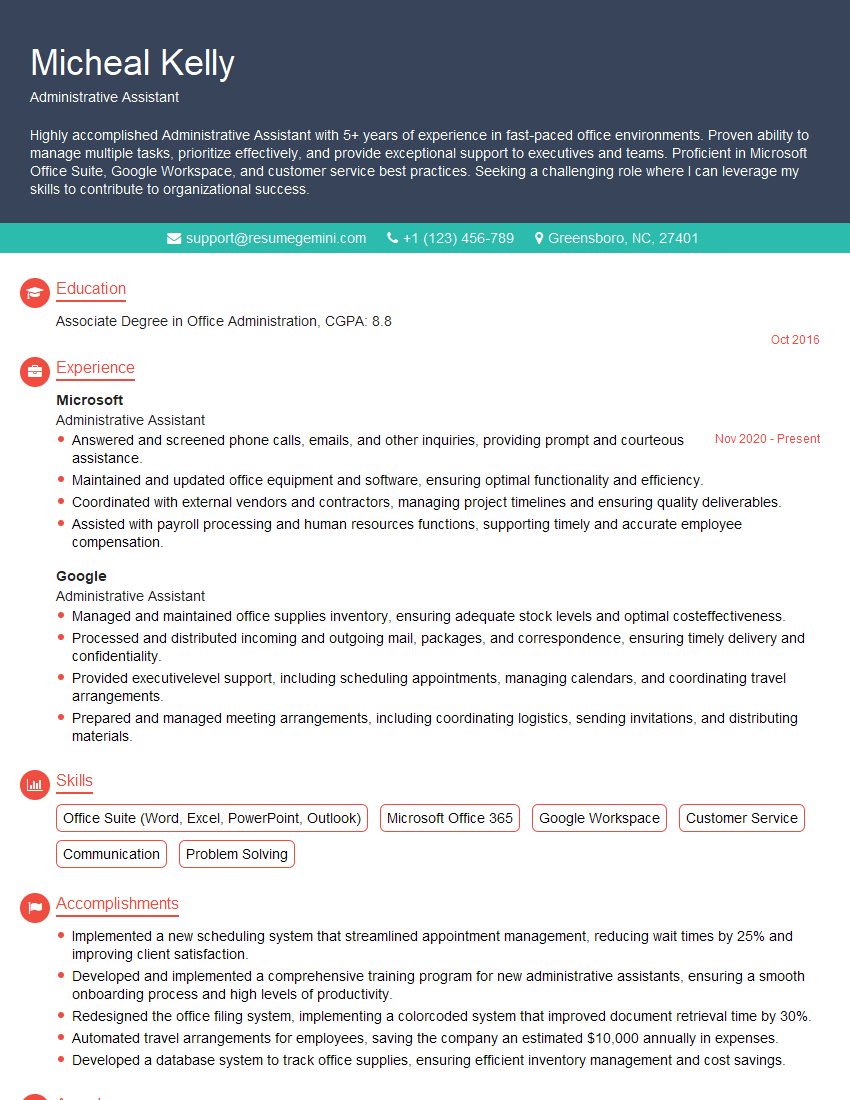
Administrative Assistant Resume Sample
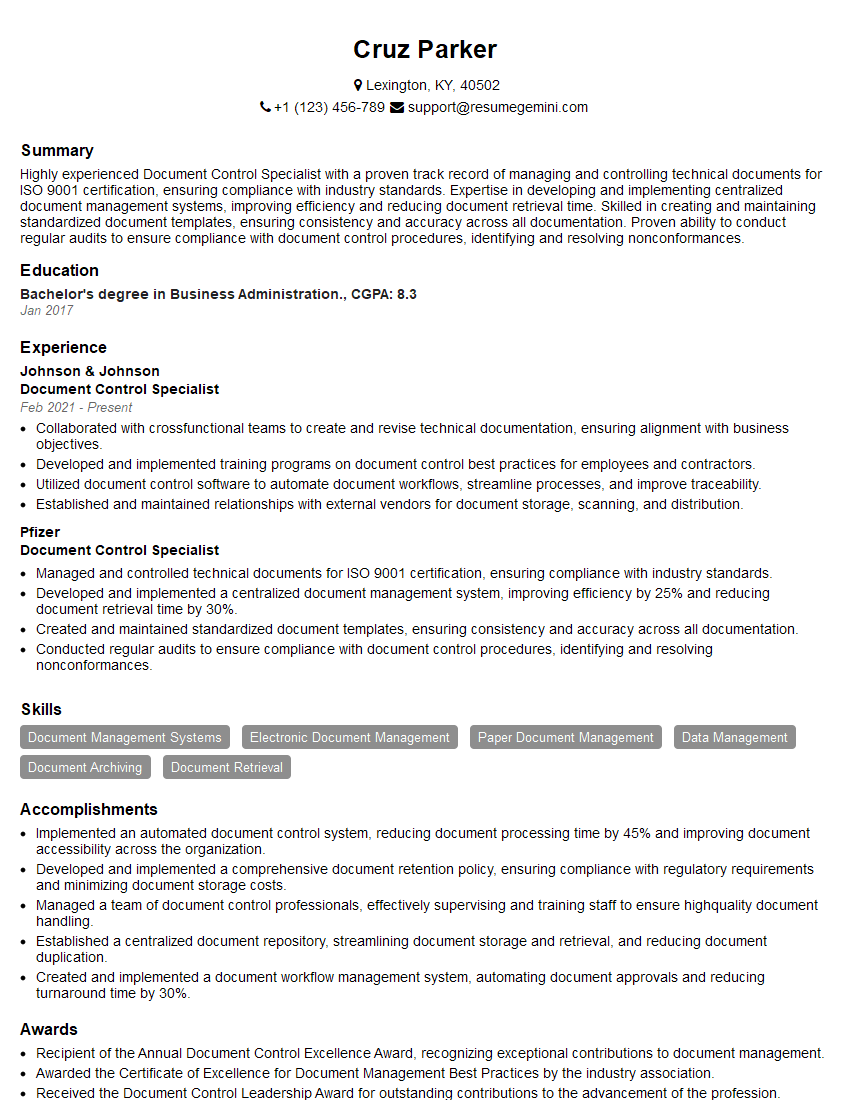
Document Control Specialist Resume Sample
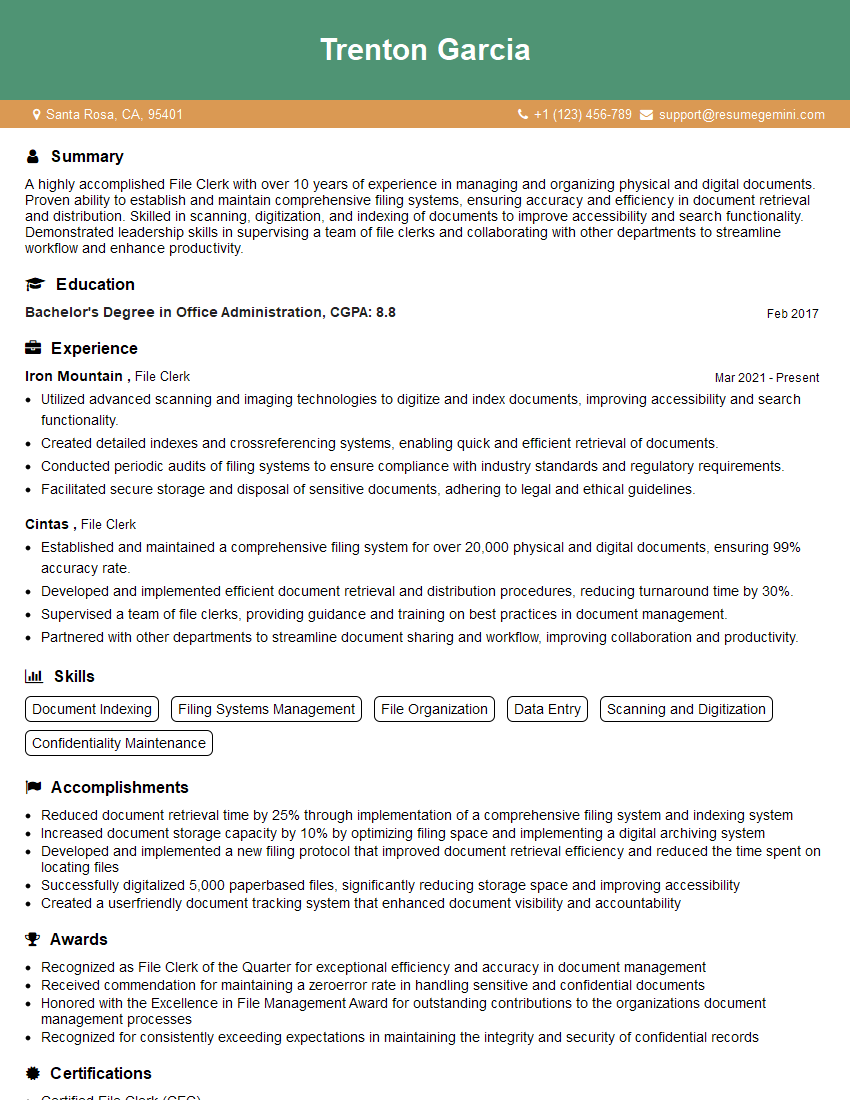
File Clerk Resume Sample
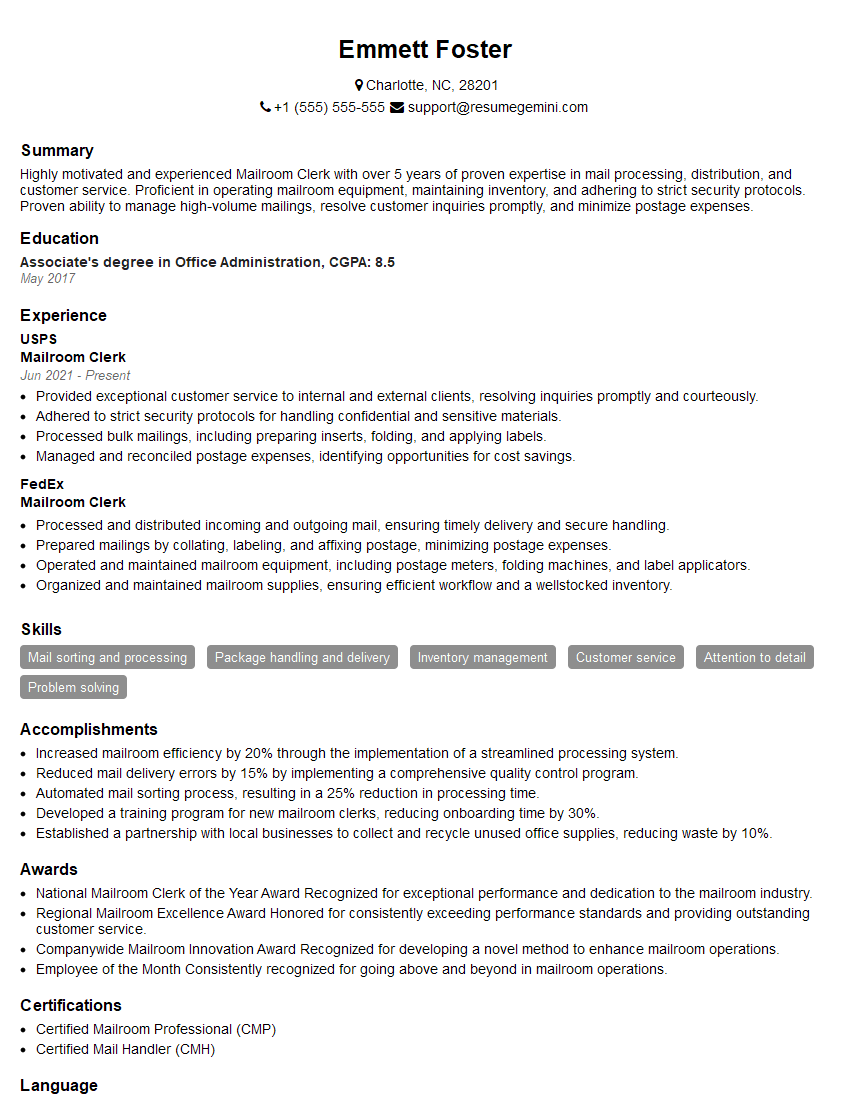
Mailroom Clerk Resume Sample

Postal Clerk Resume Sample
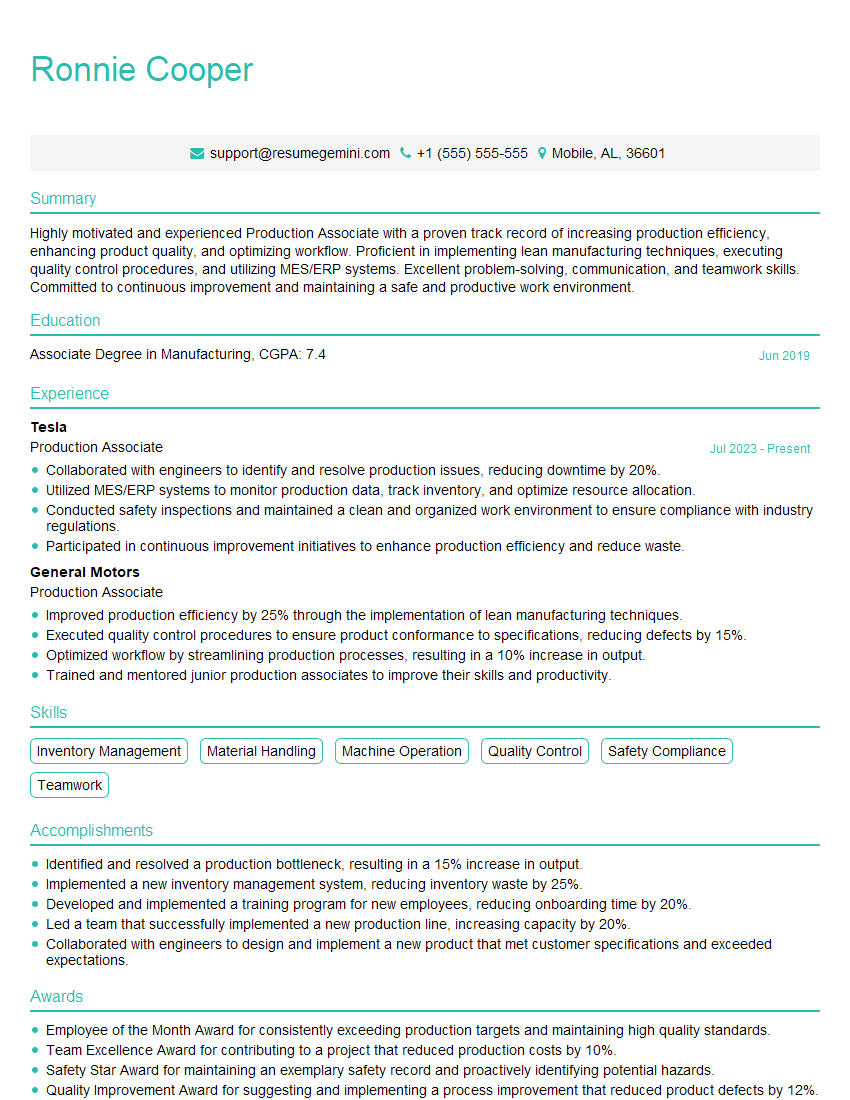
Production Associate Resume Sample

Shipping and Receiving Clerk Resume Sample
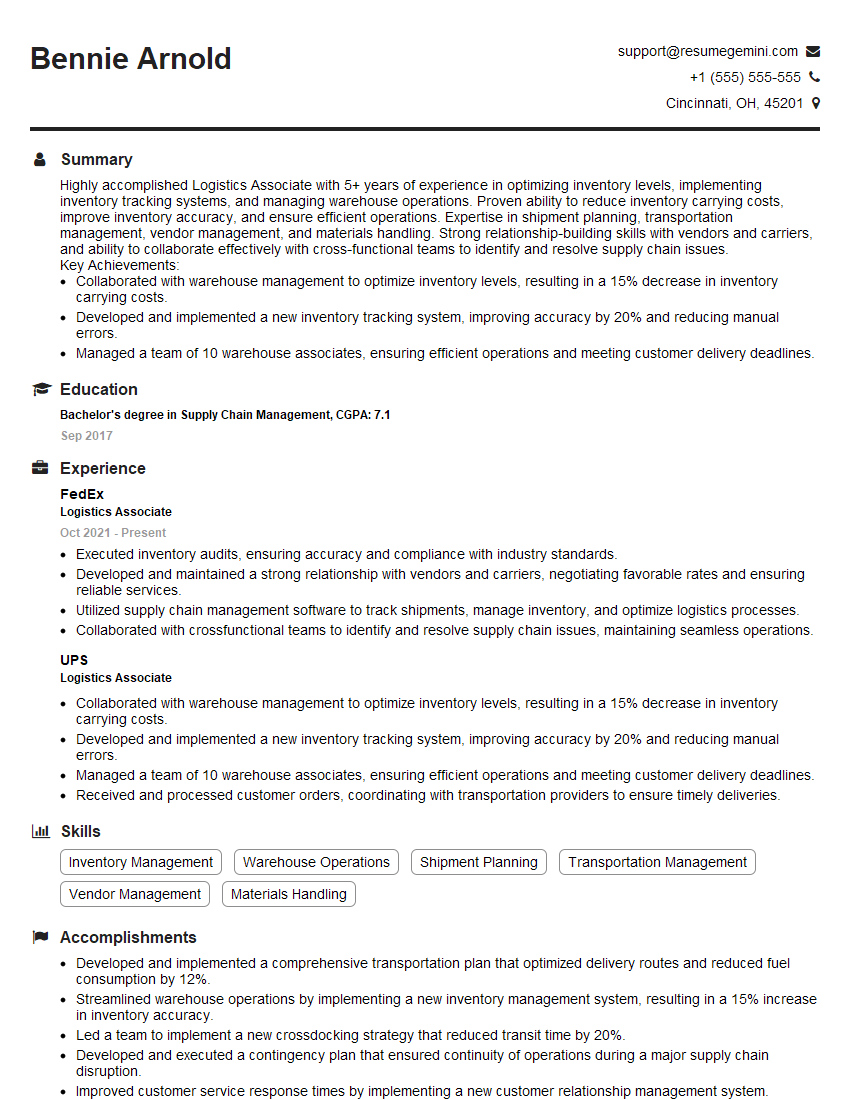
Logistics Associate Resume Sample
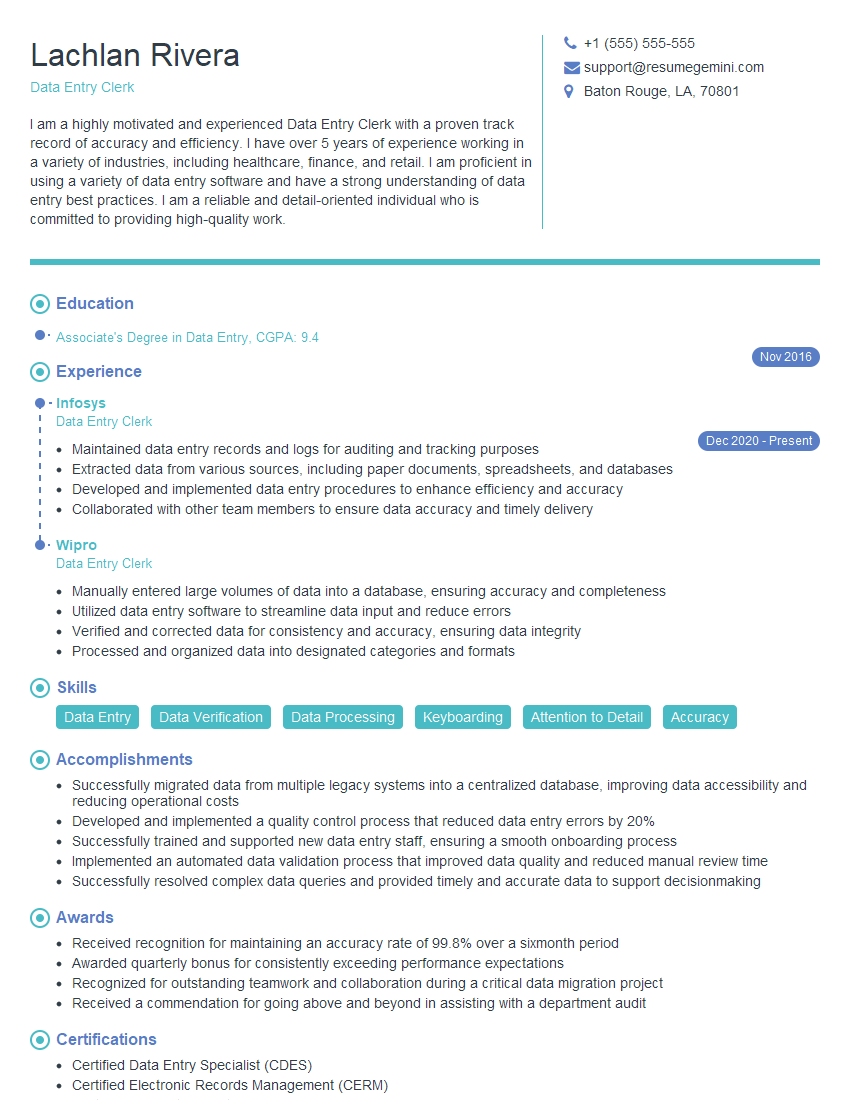
Data Entry Clerk Resume Sample
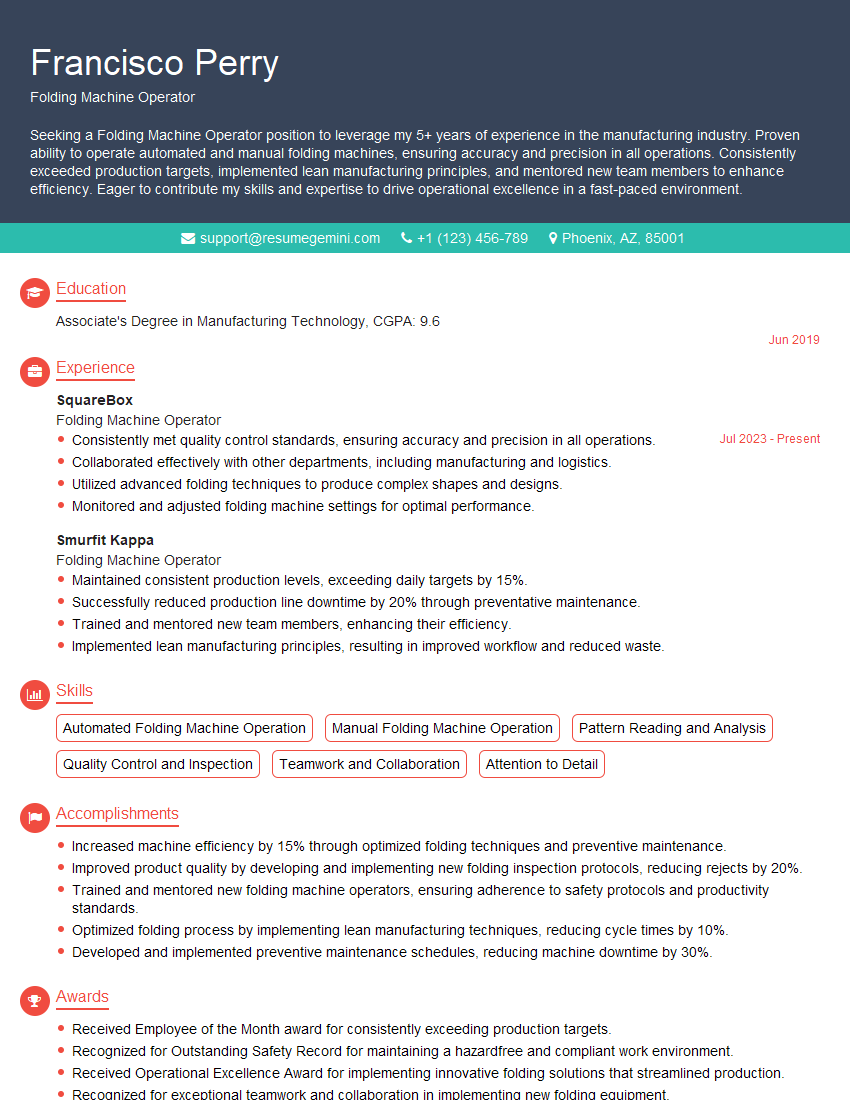
Folding Machine Operator Resume Sample
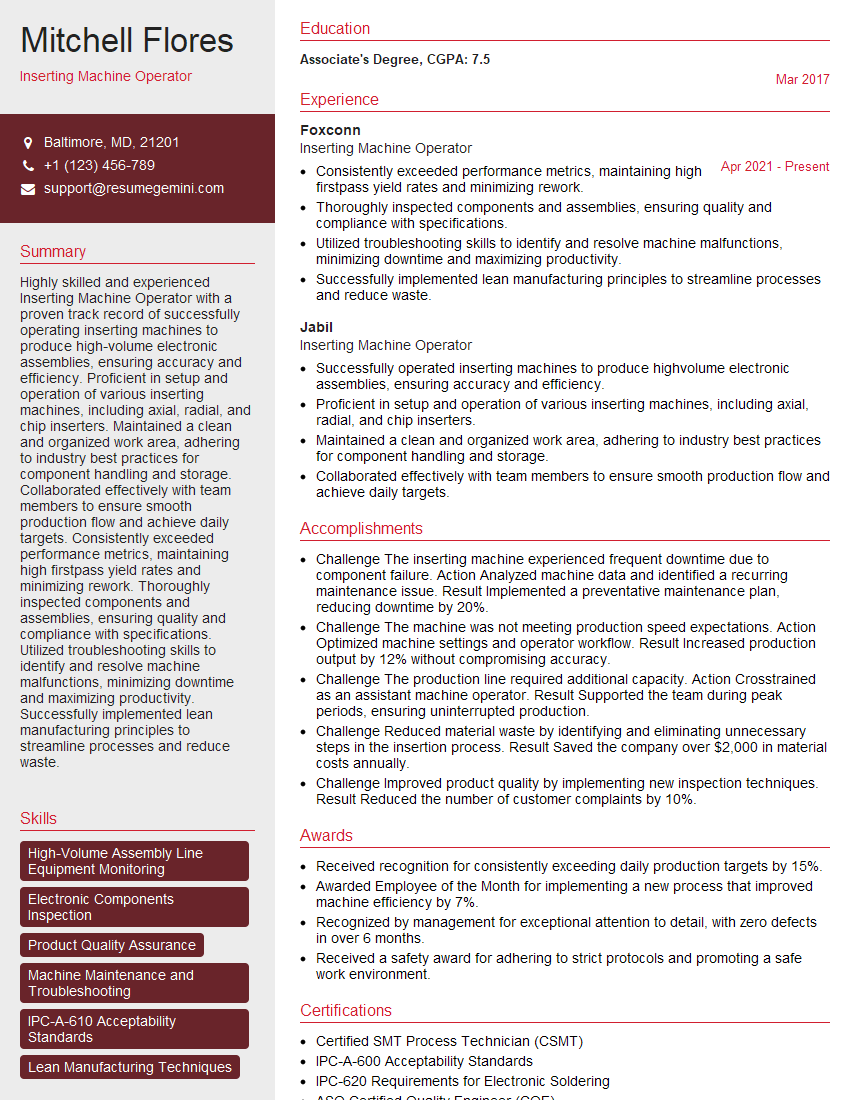
Inserting Machine Operator Resume Sample
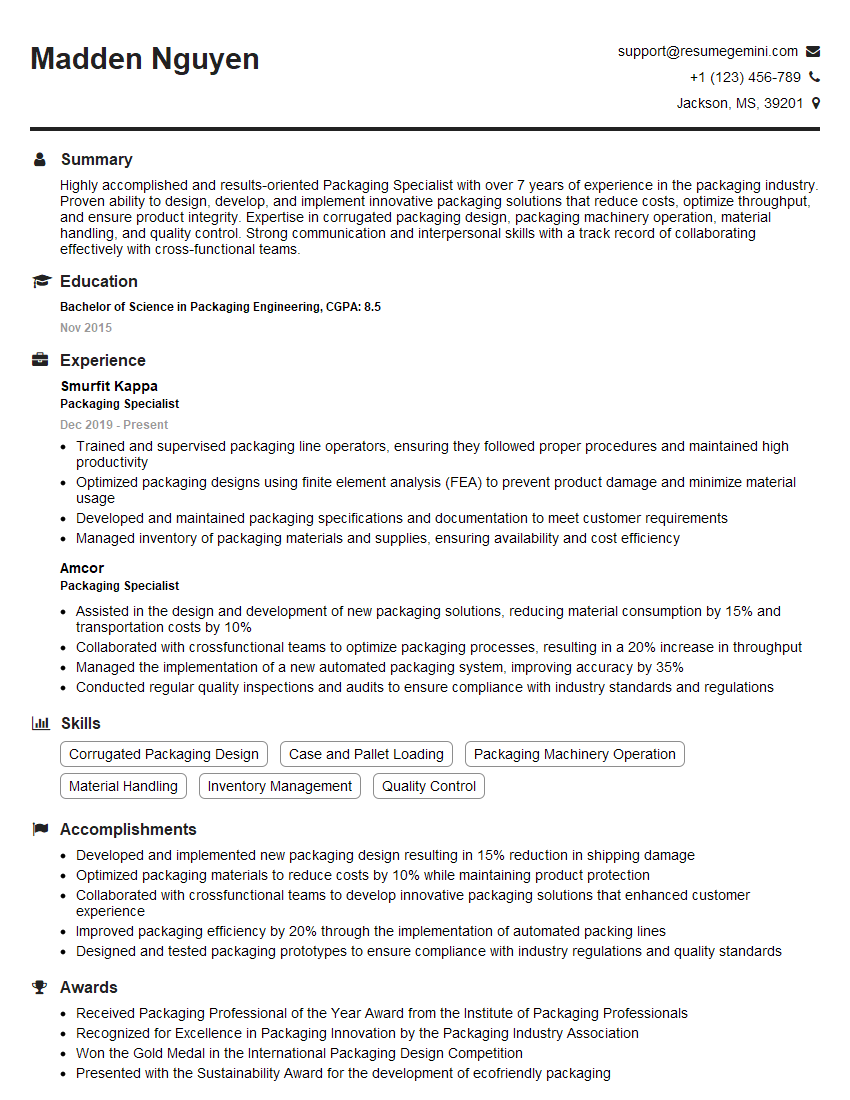
Packaging Specialist Resume Sample
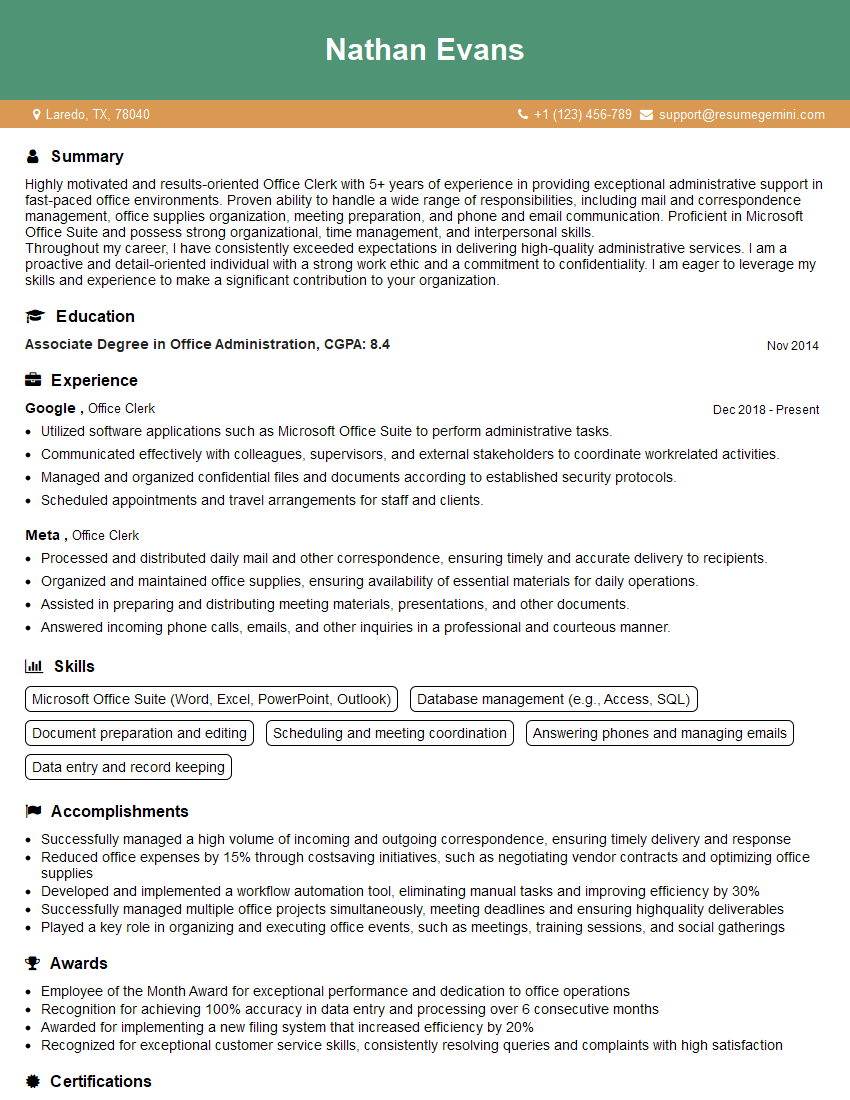
Office Clerk Resume Sample
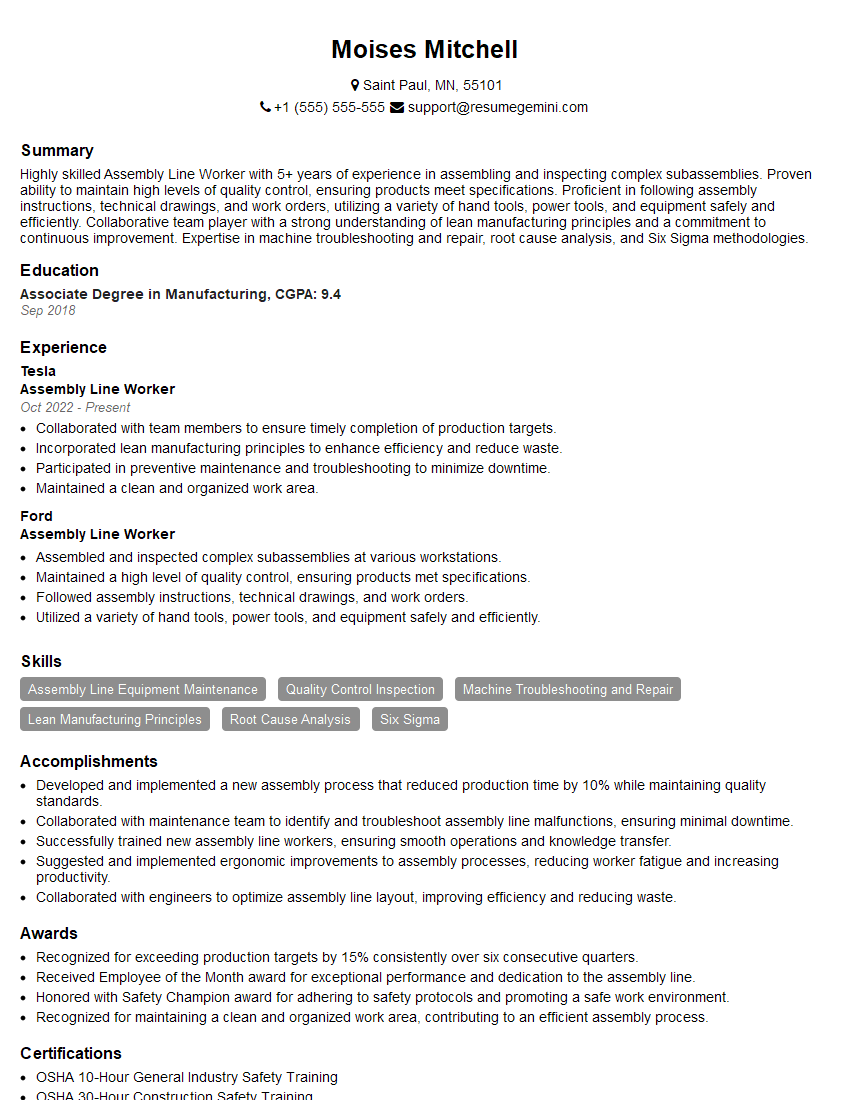
Assembly Line Worker Resume Sample
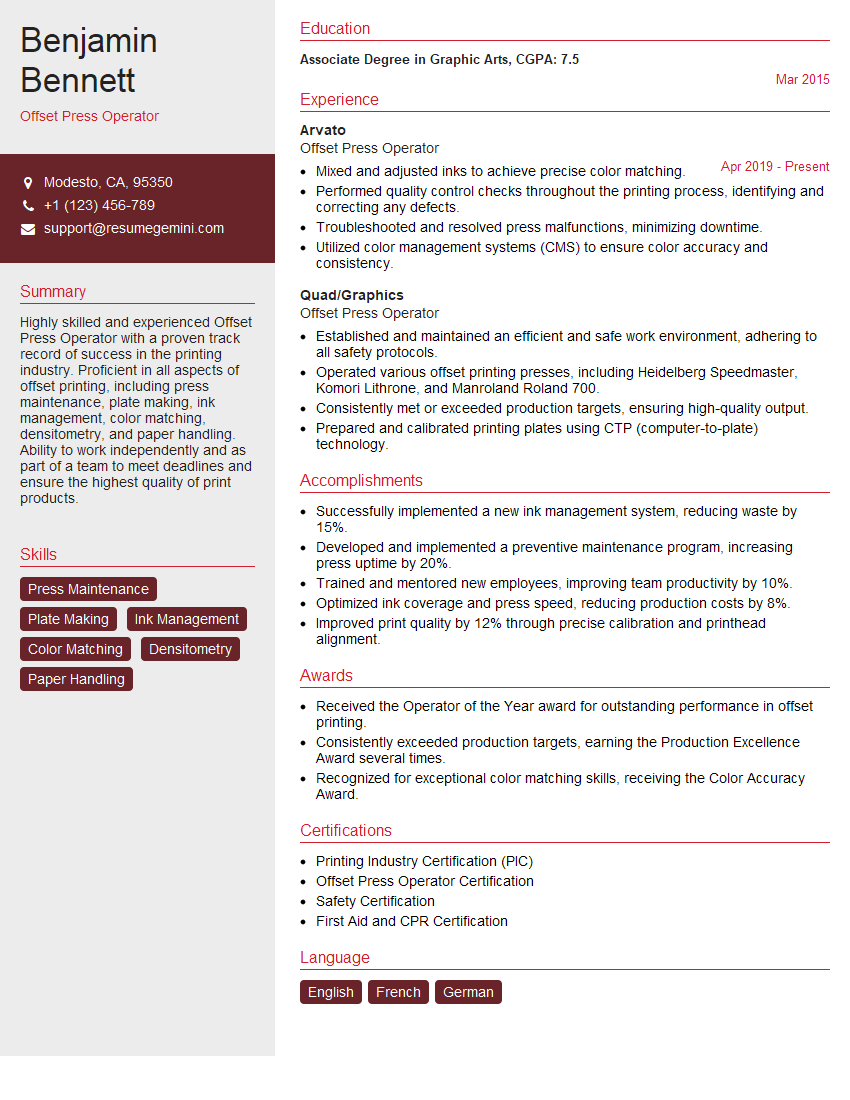
Offset Press Operator Resume Sample
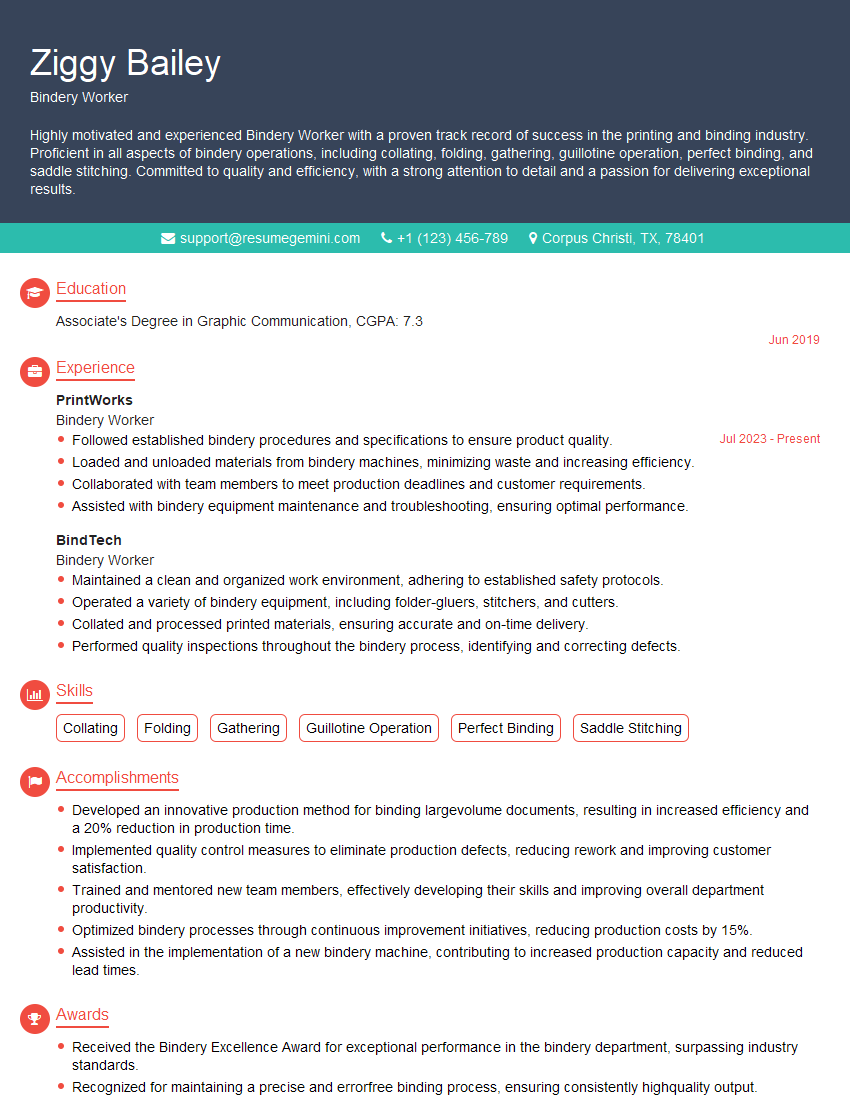
Bindery Worker Resume Sample
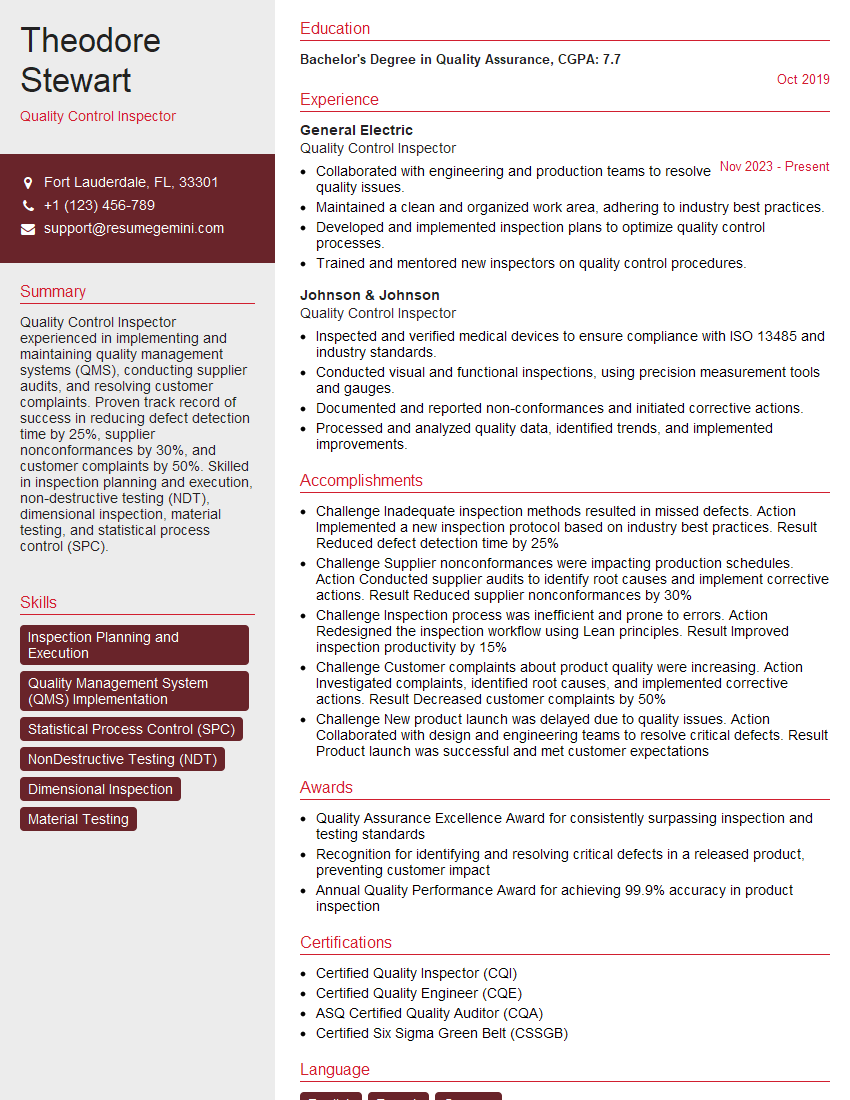
Quality Control Inspector Resume Sample
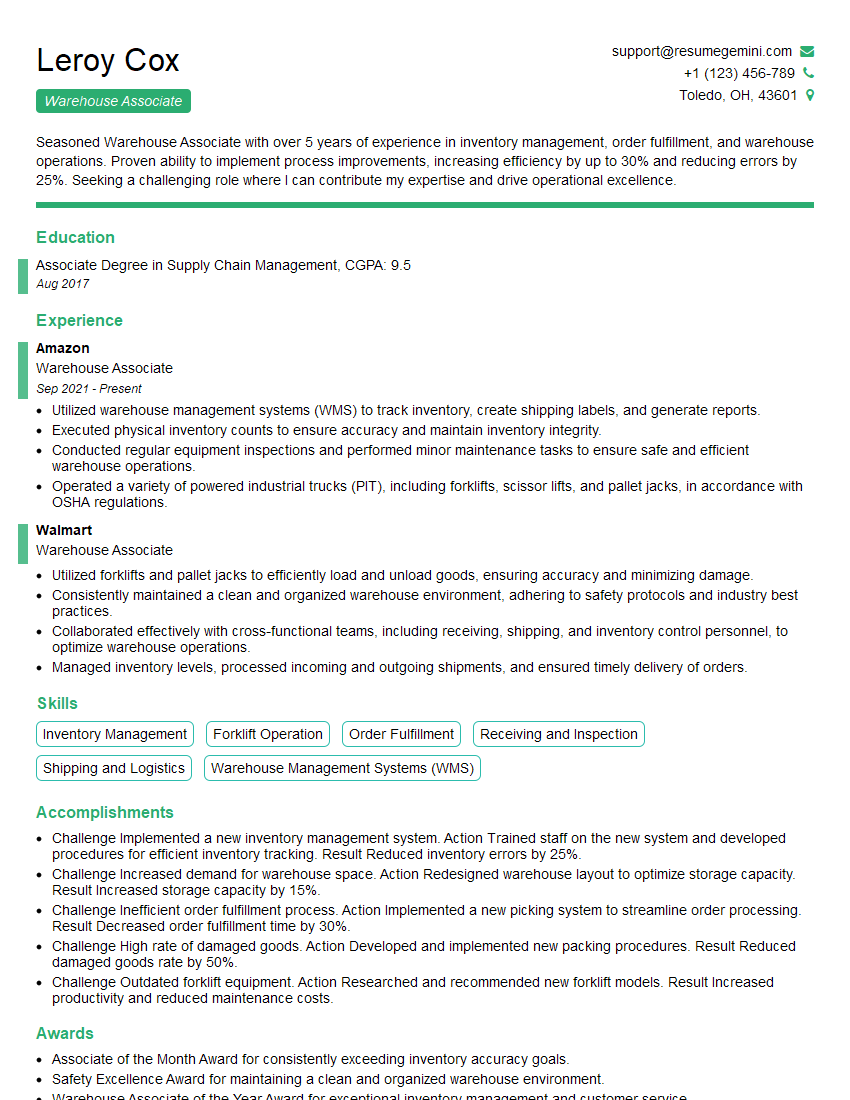
Warehouse Associate Resume Sample
- Administrative Assistant
- Document Control Specialist
- File Clerk
- Mailroom Clerk
- Postal Clerk
- Production Associate
- Shipping and Receiving Clerk
- Logistics Associate
- Data Entry Clerk
- Folding Machine Operator
- Inserting Machine Operator
- Packaging Specialist
- Office Clerk
- Assembly Line Worker
- Offset Press Operator
- Bindery Worker
- Quality Control Inspector
- Warehouse Associate
Explore more articles
Users Rating of Our Blogs
Share Your Experience
We value your feedback! Please rate our content and share your thoughts (optional).
What Readers Say About Our Blog
Very informative content, great job.
good