The right preparation can turn an interview into an opportunity to showcase your expertise. This guide to Follow blueprints and technical drawings to create intricate designs interview questions is your ultimate resource, providing key insights and tips to help you ace your responses and stand out as a top candidate.
Questions Asked in Follow blueprints and technical drawings to create intricate designs Interview
Q 1. Explain your experience interpreting architectural blueprints.
Interpreting architectural blueprints requires a keen eye for detail and a solid understanding of drafting conventions. It’s like reading a complex instruction manual for a building. My experience involves not just identifying individual elements like walls and doors, but also understanding their relationships – how they connect, the spatial flow they create, and how they contribute to the overall design intent.
For instance, I’ve worked on projects where understanding the subtle differences in line weights indicated various construction materials (e.g., heavier lines for load-bearing walls). I can quickly decipher floor plans, elevations, sections, and details to visualize the three-dimensional structure from the two-dimensional drawings. I’m adept at recognizing symbols, notations, and specifications, ensuring complete comprehension before proceeding with any design or construction phase. This involves identifying and understanding things like building codes, material specifications, and structural notations within the blueprints.
Q 2. Describe your proficiency with CAD software (e.g., AutoCAD, Revit).
I’m highly proficient in AutoCAD and Revit, having used them extensively for over [Number] years. My skills encompass not only the basic functionalities like drawing and editing but also advanced features such as creating parametric models in Revit, performing complex calculations, and generating detailed construction documentation. In AutoCAD, I am comfortable using various commands and tools for creating precise drawings, including XREF for managing external references, and LAYER management for organizing complex projects. In Revit, I frequently utilize features like Families to create reusable components and Schedules to generate accurate material quantities. I can efficiently manage large datasets, perform clash detection, and create accurate visualizations.
For example, on a recent project, I utilized Revit’s powerful features to model a complex multi-story building, including MEP (Mechanical, Electrical, and Plumbing) systems. This allowed the team to identify and resolve potential clashes before construction even began, significantly saving time and resources.
Q 3. How do you identify potential design flaws or inconsistencies in blueprints?
Identifying design flaws or inconsistencies in blueprints is a critical aspect of my work. It’s like being a detective, looking for clues that might indicate problems. My approach involves a systematic review, checking for discrepancies in dimensions, conflicts between different drawings (e.g., a door shown on the floor plan but missing on the elevation), missing information, and violations of building codes or industry standards.
I look for things like conflicting dimensions, improper alignment of elements, inadequate clearances (e.g., between walls and furniture), and unrealistic structural elements. I use cross-referencing techniques, comparing different views (plans, sections, elevations) to ensure consistency. For example, if a section shows a beam supporting a specific load but the floor plan omits that beam, it signifies a potential error that needs immediate attention.
Q 4. How do you handle ambiguous or incomplete blueprints?
Dealing with ambiguous or incomplete blueprints requires a proactive and problem-solving approach. It’s about filling in the blanks while ensuring design integrity. My strategy begins with thorough research, consulting relevant codes and standards, and communicating with the architect or design team to clarify any uncertainties.
I make assumptions only when fully documented and justified, keeping meticulous records of any decisions made. I might use parametric modeling to test different options based on my understanding of design intent and best practices. For example, if a detail is missing, I might refer to similar details in other parts of the drawings or consult industry standards to infer the appropriate design.
Q 5. Describe your process for converting 2D blueprints to 3D models.
Converting 2D blueprints to 3D models is a multi-step process that leverages my CAD skills and spatial reasoning. I typically start by importing the 2D drawings into my preferred 3D modeling software (Revit or AutoCAD). Then, I use the 2D geometry as a guide to create the 3D model, extruding walls, adding floors, and defining spaces. It’s like building a digital Lego structure, starting with the base and gradually adding layers.
The process often involves significant cleanup and modification of the imported 2D data before accurate 3D modeling can be achieved. Details like windows, doors, and other elements are then modeled accurately, often utilizing pre-made components or families to ensure consistency and efficiency. Finally, I meticulously check the 3D model against the 2D drawings to ensure accuracy and completeness.
Q 6. How familiar are you with different drafting standards (e.g., ANSI, ISO)?
I’m familiar with various drafting standards, including ANSI (American National Standards Institute) and ISO (International Organization for Standardization). Understanding these standards is crucial for creating clear, consistent, and internationally recognized drawings. These standards govern everything from sheet sizes and title blocks to line weights and dimensioning techniques.
My experience allows me to adapt to different standard conventions as required by projects. This involves understanding the specific requirements for each standard and ensuring that my work complies with all relevant regulations and best practices. For example, I know the difference between ANSI’s and ISO’s preferred dimensioning styles and adapt my work accordingly.
Q 7. Explain your experience working with different types of technical drawings (e.g., schematics, orthographic projections).
I have extensive experience working with a variety of technical drawings, including schematics, orthographic projections, isometric views, and detailed sections. Each type serves a specific purpose, and I understand how to interpret and utilize them effectively.
Orthographic projections (plans, elevations, sections) provide a comprehensive representation of the building from different viewpoints, essential for understanding the overall structure. Schematics, on the other hand, offer a simplified representation of systems, crucial for understanding the flow of services like electrical wiring or plumbing. Isometric drawings provide a three-dimensional perspective which aids in visualization. My ability to work with all these drawing types ensures a thorough understanding of the project’s design and construction.
Q 8. How do you ensure accuracy and precision in your work when interpreting blueprints?
Accuracy and precision are paramount when interpreting blueprints. My approach involves a multi-step verification process. First, I meticulously review the entire blueprint, noting the scale, key dimensions, and any specific notes or annotations. This initial overview helps me understand the overall design intent. Next, I perform detailed measurements, double-checking each dimension against the provided specifications. I utilize precision measuring tools appropriate for the scale of the blueprint and the required accuracy. For example, I might use calipers for precise measurements on a detailed mechanical drawing or a scaled ruler for architectural plans. Finally, I cross-reference multiple views of the same component, ensuring consistency across orthographic projections (top, front, side views). Any discrepancies are flagged and investigated to confirm potential errors in the blueprint or my interpretation. If there’s ambiguity, I always communicate with the design engineer or client to clarify before proceeding.
Q 9. Describe a situation where you had to troubleshoot a complex technical drawing.
During a recent project involving the fabrication of a custom-designed robotic arm, I encountered a discrepancy in the assembly instructions derived from the technical drawing. The drawing showed a seemingly impossible interference between two components. After careful review, I realized a critical dimension was missing in one view. The problem was not immediately apparent since the drawing seemed superficially correct. My troubleshooting process involved first isolating the conflicting components using CAD software. I then recreated the assembly in 3D, using the provided dimensions and making educated guesses on the missing dimension. With the 3D model, the interference became clearly visible, revealing a design flaw. I then re-examined the blueprint, noting other similar components and found a consistent pattern suggesting a common missing dimension that was readily calculated from similar dimensions. Upon contacting the design engineer, my findings were validated and the drawing was corrected accordingly, saving time and resources during the fabrication process. This reinforced the importance of independent verification and critical thinking in interpreting technical drawings.
Q 10. How do you prioritize tasks when working with multiple blueprints or designs simultaneously?
Prioritizing tasks when working with multiple blueprints simultaneously involves a structured approach. I employ a system combining urgency and dependency. First, I analyze each blueprint to understand its individual deadlines and its relationship to other designs. I create a prioritized task list, starting with those with the most immediate deadlines. Then I break down each project into smaller, manageable tasks, sequencing them based on their dependencies. For example, if one blueprint requires the completion of another as a prerequisite, the prerequisite blueprint takes precedence. I use project management tools like Gantt charts or Kanban boards to visualize the workflow and ensure effective task allocation, making adjustments as needed to respond to evolving circumstances. This organized approach allows me to effectively manage multiple complex projects concurrently.
Q 11. How do you collaborate with engineers or other designers on complex projects?
Collaboration is key in complex projects. I actively participate in design review meetings and utilize communication tools like email, instant messaging, and project management software to maintain transparency and facilitate open communication with engineers and other designers. I approach collaboration by clearly articulating my understanding of the blueprint, presenting potential challenges or ambiguities, and actively soliciting feedback. I embrace a collaborative design approach, offering suggestions for improvements or solutions to design challenges. Regular communication, actively listening to feedback, and being receptive to alternative perspectives ensure that the final design reflects a cohesive and optimized solution. In one instance, a collaborative discussion with the structural engineer helped modify a building design, improving the overall structural integrity without compromising aesthetics.
Q 12. What are the key differences between orthographic and isometric projections?
Orthographic and isometric projections are two common methods for representing three-dimensional objects on a two-dimensional surface. Orthographic projections use multiple views (usually top, front, and side) to depict the object from perpendicular angles. Each view shows only two dimensions of the object, giving a precise representation of each face. Isometric projections, on the other hand, present a single view showing three dimensions simultaneously. While it doesn’t offer the same level of precision as orthographic drawings, isometric projection provides a more intuitive visual representation of the object’s shape and spatial relationships. Think of it like this: orthographic drawings are like looking at individual sides of a box, while isometric drawings are like looking at the box slightly from a corner, seeing all three sides at once, albeit with some distortion. Choosing between them depends on the project’s needs: orthographic projections are ideal for precise manufacturing, while isometric projections are better for communicating overall design intent or demonstrating spatial relationships.
Q 13. How do you manage revisions and updates to blueprints?
Managing revisions and updates to blueprints requires a structured version control system. I typically use digital platforms that allow for tracked changes and version history. Each revision is clearly identified, timestamped, and annotated with a description of the changes made. This enables easy tracking of modifications and allows us to revert to earlier versions if necessary. We maintain a central repository of the blueprints, accessible to all relevant team members, ensuring everyone works with the most current version. Additionally, we have a clear approval process for changes, ensuring all updates are reviewed and signed off by relevant stakeholders before implementation. This approach ensures clarity, avoids confusion, and maintains the integrity of the design throughout its lifecycle.
Q 14. Explain your understanding of dimensioning and tolerancing.
Dimensioning and tolerancing are crucial aspects of technical drawings, defining the precise sizes and allowable variations of components. Dimensioning specifies the exact measurements of an object, while tolerancing indicates the permissible range of deviation from those dimensions. For example, a dimension might be specified as “10.00 ± 0.05 mm.” This means the actual dimension can vary between 9.95 mm and 10.05 mm, still meeting the design requirements. Tolerances are essential for manufacturing, as perfectly precise dimensions are often impossible or impractical to achieve. Understanding tolerancing allows for the creation of functional parts within acceptable limits, minimizing manufacturing costs while maintaining the functionality of the design. Different types of tolerances exist, such as bilateral (plus/minus), unilateral (one-sided), and geometric tolerances (specifying surface flatness, roundness, etc.). The choice of tolerancing depends on the criticality of the dimension and the manufacturing process. Incorrect tolerancing can lead to parts that don’t fit together, don’t function correctly, or are unnecessarily expensive to manufacture.
Q 15. How do you use scale and measurements effectively when working with blueprints?
Effective use of scale and measurements is paramount when working with blueprints. Think of a blueprint as a miniature representation of a larger structure; the scale dictates the relationship between the drawing and the actual dimensions. For example, a scale of 1:100 means 1 unit on the drawing represents 100 units in reality. I use calibrated measuring tools, such as architect’s scales or digital calipers, to accurately measure distances on the blueprint. This ensures precise calculations for material quantities, component sizes, and overall project dimensions. If I’m working with a drawing that uses a scale of 1:50, and a wall is measured as 10cm on the blueprint, I know the actual wall will be 5 meters (10cm * 50). Inconsistent scaling can lead to significant errors during construction, resulting in costly rework or even structural instability.
I always double-check my measurements, often using multiple methods to verify accuracy. This may involve calculating areas and volumes from the blueprint, then cross-referencing with other provided information on the sheet, such as material lists. I also frequently annotate my blueprints with calculations and notes to avoid confusion and facilitate communication with other members of the team.
Career Expert Tips:
- Ace those interviews! Prepare effectively by reviewing the Top 50 Most Common Interview Questions on ResumeGemini.
- Navigate your job search with confidence! Explore a wide range of Career Tips on ResumeGemini. Learn about common challenges and recommendations to overcome them.
- Craft the perfect resume! Master the Art of Resume Writing with ResumeGemini’s guide. Showcase your unique qualifications and achievements effectively.
- Don’t miss out on holiday savings! Build your dream resume with ResumeGemini’s ATS optimized templates.
Q 16. How do you handle revisions and changes in blueprints during a project?
Revisions and changes are an inevitable part of any construction project. I approach these changes systematically, ensuring they’re properly documented and implemented. First, I receive official revision notices, typically marked as ‘Revision No. X’ or similar on the blueprint itself. These revisions often include detailed descriptions of alterations, new drawings, or even redlines on the existing plans. I carefully analyze these revisions to understand the scope of changes and their implications on the overall project. I then meticulously update my working copies of the blueprints, using different colored pens to highlight the changes for easy identification. This allows for clear tracking and reduces the risk of overlooking critical changes during construction.
For major changes, I create a revised set of drawings based on the official revisions, while maintaining a record of all previous versions. This not only helps prevent errors but also serves as a valuable audit trail if any disputes arise later in the project. Effective communication with the project team about these changes is critical, ensuring everyone is on the same page and understands the implications before proceeding.
Q 17. Explain your experience with different material specifications as shown on blueprints.
Blueprints contain a wealth of information about material specifications. I’m experienced in reading and interpreting symbols, abbreviations, and detailed descriptions related to various building materials. For example, common symbols indicate concrete grades (e.g., C25/30), steel types (e.g., ASTM A992), and wood species. I’m proficient in understanding material properties from these specifications and how these properties affect construction methods. For instance, identifying a specific type of concrete tells me its compressive strength, which directly influences the design of structural elements.
Beyond simple symbols, I often deal with detailed material specifications listed separately, or within a schedule associated with the drawings. These documents typically include the manufacturer, product code, and any unique properties to ensure consistency. For example, a window specification might detail the type of glazing (double or triple), the frame material (aluminum or wood), and the thermal performance rating (U-value). Thorough understanding of these specifications is crucial for ordering the right materials and ensures the final product meets the design intent.
I’ve worked extensively with a range of materials, including various types of concrete, steel, timber, brick, and specialized composites. My experience allows me to accurately interpret and incorporate these diverse material requirements into the construction process.
Q 18. How do you ensure consistency between design drawings and the final product?
Maintaining consistency between design drawings and the final product is vital. I use a multi-pronged approach to ensure accuracy. First, I meticulously check the blueprints for any errors or omissions *before* construction begins. This includes verifying dimensions, material specifications, and the overall feasibility of the design. I then carefully communicate any ambiguities or discrepancies to the design team and obtain clarifications before proceeding.
During construction, regular site visits and inspections are crucial. This allows me to compare the work-in-progress with the blueprints and identify any deviations early on. I use tools like laser measuring devices and level instruments to ensure accurate measurements and alignment. I document all deviations and any corrective actions taken, ensuring all changes are properly recorded and approved. Detailed photographic and video documentation forms an integral part of this process, creating a visual record for reference.
Finally, a thorough quality control check at the end of the project ensures that the final product matches the design. This involves a detailed comparison of the completed structure with the original blueprints, paying close attention to dimensions, materials, and finishes. This systematic approach minimizes discrepancies and ensures the final product closely aligns with the design intent.
Q 19. Describe your experience with creating detailed construction drawings.
Creating detailed construction drawings requires meticulous attention to detail and a thorough understanding of construction practices. My experience spans a wide range of projects, including residential, commercial, and industrial buildings. I’m proficient in using CAD software (AutoCAD, Revit, etc.) to produce precise and accurate drawings. These drawings typically include plans, elevations, sections, details, and schedules.
For example, a typical set of construction drawings for a residential project would include floor plans showing the layout of rooms, walls, doors, and windows; elevations showing the exterior walls and roofline; sections showing the internal structure of walls and floors; details showing specific construction elements, such as connections or finishes; and schedules listing doors, windows, and other components. I annotate these drawings with clear dimensions, material specifications, and notes to guide the construction team.
I focus on creating drawings that are not only accurate but also clear and easy to understand. This includes using consistent notation, clear labeling, and logical organization. My goal is to make sure the construction process runs smoothly with minimal errors and delays.
Q 20. How do you use sectional views to understand complex components shown in blueprints?
Sectional views are invaluable for understanding complex components shown in blueprints. They are essentially ‘slices’ through a structure, revealing internal features that would otherwise be hidden. Imagine slicing a cake – a sectional view shows you the layers and their arrangement. I use sectional views extensively to understand how different parts of a structure interact, such as how walls intersect with floors or roofs, or how mechanical, electrical, and plumbing (MEP) systems are routed within walls and floors.
When interpreting sectional views, I carefully examine the cut lines indicated on the main drawings. These lines show where the ‘slice’ is taken. The resulting section will then display the different materials, components, and their relative positions. Different types of sections, like detail sections (enlarged views of specific areas) or full sections (a cut through the entire structure), provide varying levels of detail. I use this information to coordinate the placement and installation of different systems and components during construction.
For example, a sectional view might show the relationship between a beam, a column, and a floor slab, revealing details about their connection and how loads are transferred. This is crucial for ensuring structural integrity and stability.
Q 21. How do you identify symbols and abbreviations used on technical drawings?
Technical drawings use a vast array of symbols and abbreviations to convey information efficiently. Proficiency in deciphering these symbols is essential. I start by referring to the drawing’s legend or key, which typically defines common symbols and abbreviations used in that particular set of drawings. For instance, a small circle might represent a screw, while a specific line style might indicate a particular type of pipe. There are standard sets of symbols established by industry organizations (like ASME or ISO) that I am familiar with.
Beyond the legend, I’ve developed a strong understanding of common symbols and abbreviations through years of experience. I frequently consult industry standards and reference books to clarify unfamiliar notations. For example, knowing that ‘Ø’ indicates a diameter is crucial when dealing with pipes or bolts. Understanding material symbols and abbreviations, such as those used for concrete grades or steel types, is critical for ordering correct materials and ensuring structural integrity.
Online resources and professional handbooks are essential tools for confirming unfamiliar symbols. By combining the legend with my experience and external resources, I can effectively interpret the complex language of technical drawings and ensure correct implementation in the construction process.
Q 22. Describe your experience with using different types of measurement tools.
My experience with measurement tools spans a wide range, from the basic to the highly precise. I’m proficient with traditional tools like steel tape measures, for quick on-site measurements, and combination squares, for accurate angles and markings. I also regularly use digital calipers and laser distance meters for greater precision, especially in intricate detailing. For example, when working on a renovation project requiring precise measurements for custom cabinetry, I used digital calipers to ensure the perfect fit of each component. Laser meters proved invaluable for measuring distances in hard-to-reach areas of the space, significantly speeding up the measurement process compared to traditional methods. My experience also includes using levelers to guarantee accurate horizontal and vertical planes crucial for building construction projects.
Furthermore, I understand the importance of choosing the right tool for the job. A steel tape measure might suffice for general layout, but a laser distance meter is essential for large spaces requiring precise measurements, reducing human error and saving time.
Q 23. How familiar are you with building codes and regulations as they relate to blueprints?
Familiarity with building codes and regulations is paramount to my work. I understand the importance of adhering to local, state, and national building codes, safety regulations, and accessibility standards as detailed in the blueprints. This involves a thorough understanding of things like fire safety regulations (e.g., egress requirements), structural load calculations, and compliance with ADA (Americans with Disabilities Act) accessibility guidelines, as well as understanding of material specifications and environmental regulations that might impact construction. For instance, I’ve had to adjust designs based on changes in insulation requirements to meet updated energy codes. Before starting any project, I meticulously review the blueprints to identify any potential conflicts with these regulations and bring any discrepancies to the attention of the relevant parties. This proactive approach helps prevent costly revisions and delays.
Q 24. How do you manage your time effectively when working on multiple blueprints?
Managing time effectively when working on multiple blueprints often requires a strategic approach. I utilize project management techniques such as prioritizing tasks based on deadlines and complexity. I break down each blueprint into smaller, manageable tasks, creating a detailed schedule and using Gantt charts or similar tools. This allows for better tracking of progress and identification of potential bottlenecks. For example, I might prioritize tasks related to critical path items in one blueprint before moving onto other projects. I also leverage technology—using project management software to track progress, deadlines, and resource allocation—that helps maintain efficiency and prevent overlaps. Regular review meetings with stakeholders and consistent communication help maintain transparency and address any unforeseen issues that may impact the project timeline.
Q 25. What software are you proficient in for creating and editing technical drawings?
I’m proficient in several software packages for creating and editing technical drawings. My expertise includes AutoCAD, Revit, and SketchUp. AutoCAD provides the precision needed for 2D drafting, particularly for detailed plans and sections. Revit’s BIM (Building Information Modeling) capabilities are invaluable for complex projects, enabling collaboration and 3D modeling for better visualization and analysis. SketchUp’s user-friendly interface makes it ideal for quick conceptual sketches and 3D modeling for less complex projects. I can seamlessly adapt my skills to use any of these programs depending on the requirements of a specific project. For example, on one project, I used Revit to model a complex building, and then exported 2D drawings in AutoCAD format for the contractors.
Q 26. How do you maintain accuracy and consistency when working with large-scale blueprints?
Maintaining accuracy and consistency with large-scale blueprints requires a methodical approach. I employ several strategies, including using digital tools and templates for standardization. For instance, I leverage parametric modeling features in software like Revit to ensure consistency across elements. This ensures that if one element is altered, related elements update automatically, preventing errors arising from manual adjustments. Regular quality checks, including cross-referencing with other drawings and specifications, are crucial. I might use scaling tools in AutoCAD to check the consistency of dimensions and detect any discrepancies early on. Adopting a layer-based system in my drawings keeps elements organized and facilitates clear visual distinction during review. Using standardized symbols and notations also ensures uniformity across the project, which aids in better understanding and quicker identification of specific details.
Q 27. Describe a time you had to adapt to a new or unfamiliar blueprint style.
I once encountered a project using a blueprint style significantly different from what I was accustomed to. It employed a less common notation system and organization structure. My approach was to first thoroughly familiarize myself with the new style, using online resources and consulting experienced colleagues when needed. I painstakingly reviewed the legend and notations, paying close attention to any unusual conventions. I then created a cross-reference table to map the new notation to my usual understanding, helping me quickly decipher the drawings. This allowed me to effectively translate the information into a format I understood and ensure accuracy in my interpretation. This experience reinforced the importance of adaptability and continuous learning in this field.
Q 28. Explain how you use blueprints to estimate materials and labor costs.
Blueprints are essential tools for estimating materials and labor costs. I use the detailed information provided in the blueprints to calculate quantities of materials needed, such as concrete, lumber, and fixtures. This involves meticulously reviewing the plans, extracting relevant dimensions, and applying industry standard formulas or software tools specifically designed for quantity take-offs (QTO). Labor costs are estimated by breaking down the project into tasks and estimating the time required for each, based on past experience and industry benchmarks. For example, if the blueprint shows 1000 square feet of flooring, I can calculate the amount of flooring needed and factor in waste. I then determine the labor hours required for installation based on the average rate per square foot. The overall cost is then derived from adding up the material and labor costs, plus an allowance for contingency and profit margins. This process allows for creating accurate and comprehensive cost estimates critical for project planning and budgeting.
Key Topics to Learn for Following Blueprints and Technical Drawings to Create Intricate Designs Interview
- Blueprint Interpretation: Understanding scale, symbols, annotations, and specifications within blueprints and technical drawings. Mastering the ability to visualize 2D representations in 3D space.
- Technical Drawing Standards: Familiarity with various drawing types (orthographic, isometric, perspective), projection methods, and industry-standard conventions (e.g., ASME, ISO).
- Material Selection and Properties: Understanding the characteristics of different materials and their suitability for specific design applications. This includes considerations for strength, durability, cost, and aesthetics.
- Design Principles and Practices: Applying principles of design, such as ergonomics, functionality, and aesthetics, to create user-friendly and efficient designs based on the provided blueprints.
- Problem-Solving and Troubleshooting: Identifying and resolving discrepancies or inconsistencies within blueprints, adapting designs to overcome challenges, and proposing effective solutions.
- Dimensioning and Tolerancing: Accurate interpretation and application of dimensions and tolerances to ensure precision in the final design and fabrication process. Understanding the impact of tolerances on the overall design.
- Software Proficiency: Demonstrating familiarity with relevant CAD software (mention specific software if applicable, e.g., AutoCAD, SolidWorks) and your ability to utilize it effectively to create and manipulate designs based on blueprints.
- Communication and Collaboration: Articulating design choices clearly, effectively communicating with team members and stakeholders, and understanding collaborative design workflows.
Next Steps
Mastering the ability to follow blueprints and technical drawings to create intricate designs is crucial for career advancement in many technical fields. It showcases your attention to detail, problem-solving skills, and ability to translate complex information into tangible results. To increase your chances of landing your dream role, create an ATS-friendly resume that highlights your relevant skills and experience. ResumeGemini is a trusted resource to help you build a professional and impactful resume. Examples of resumes tailored to this specific skillset are available to guide you. Invest time in crafting a strong resume; it’s your first impression on potential employers.

Project Engineer Resume Sample
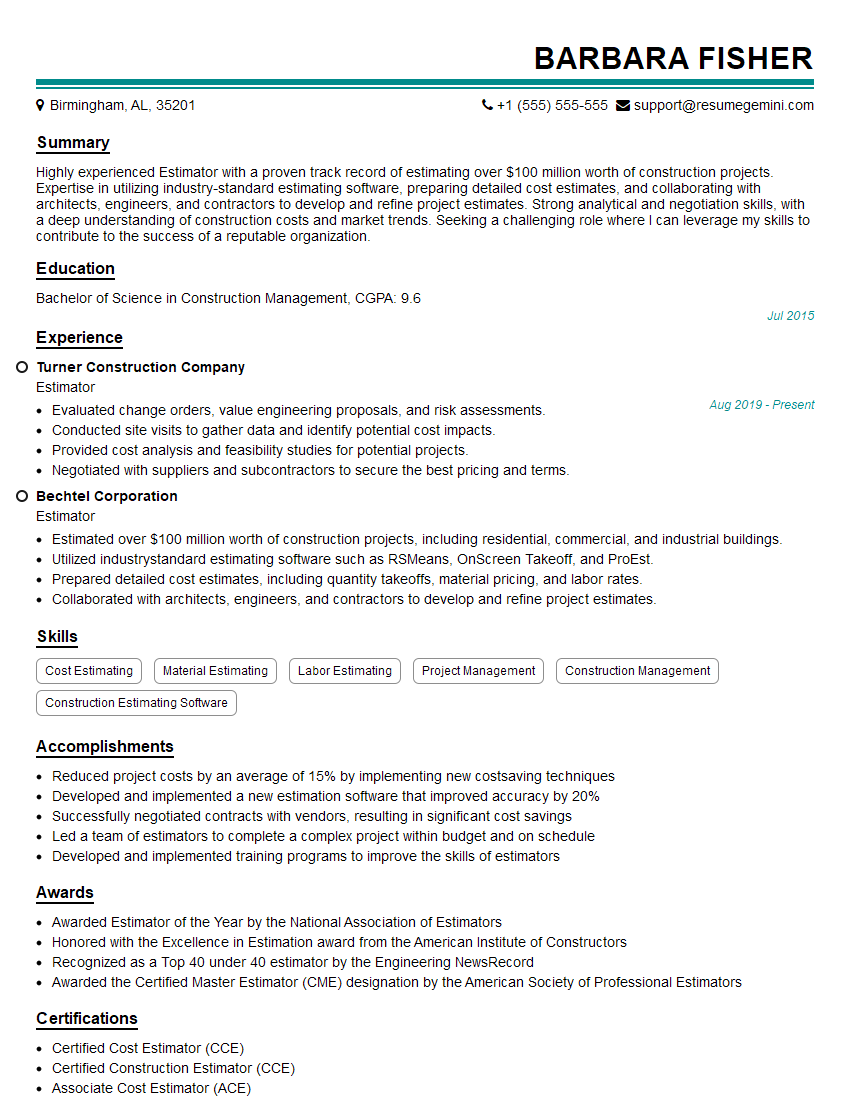
Estimator Resume Sample
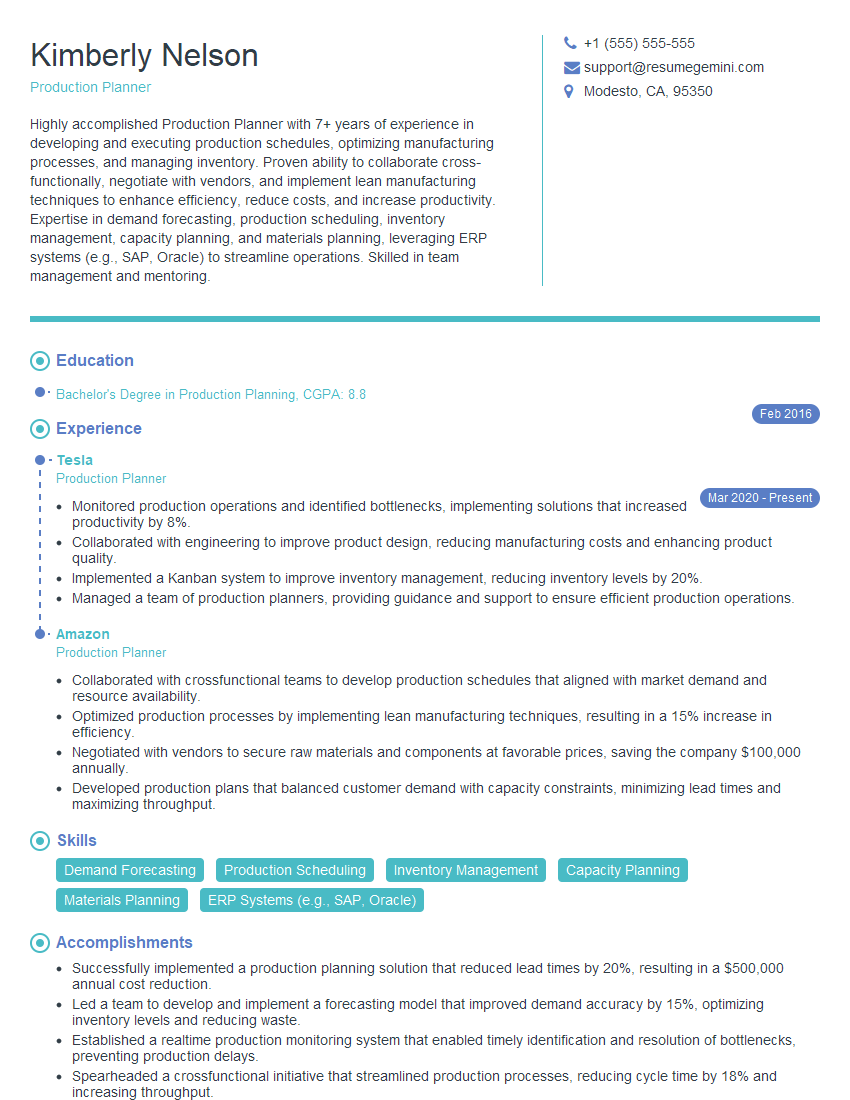
Production Planner Resume Sample
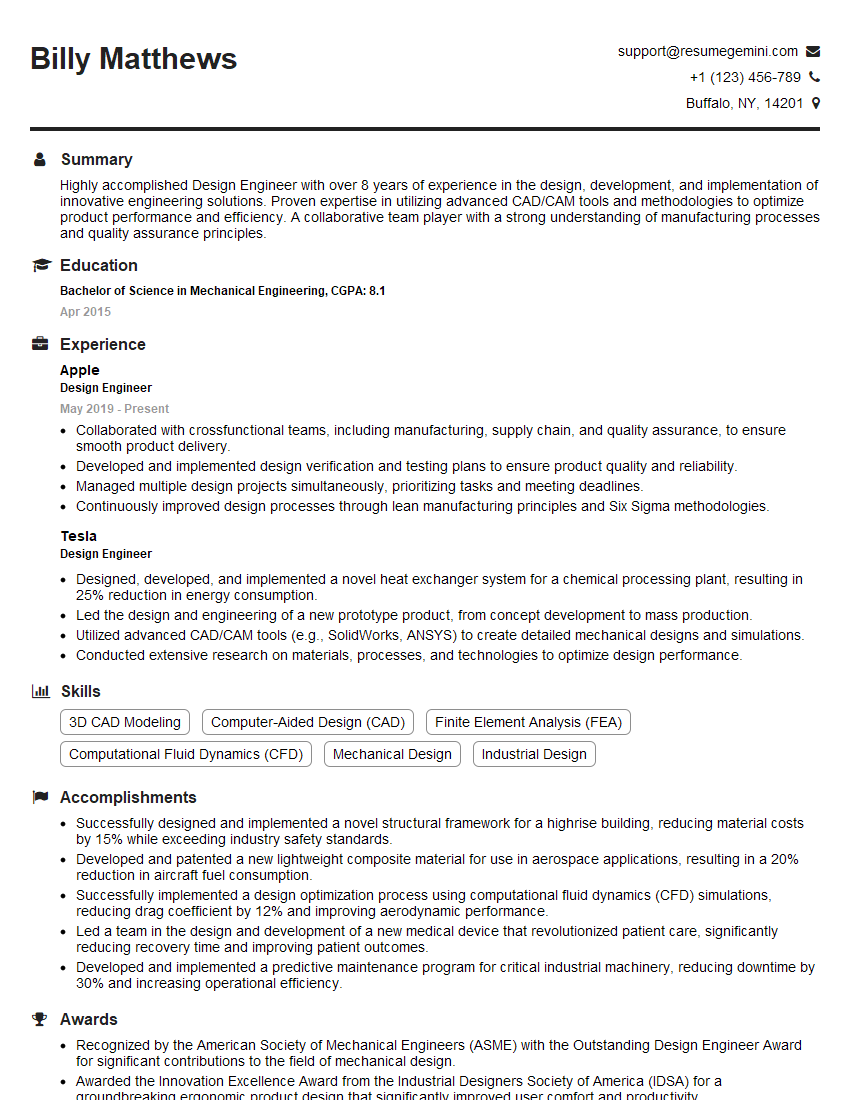
Design Engineer Resume Sample
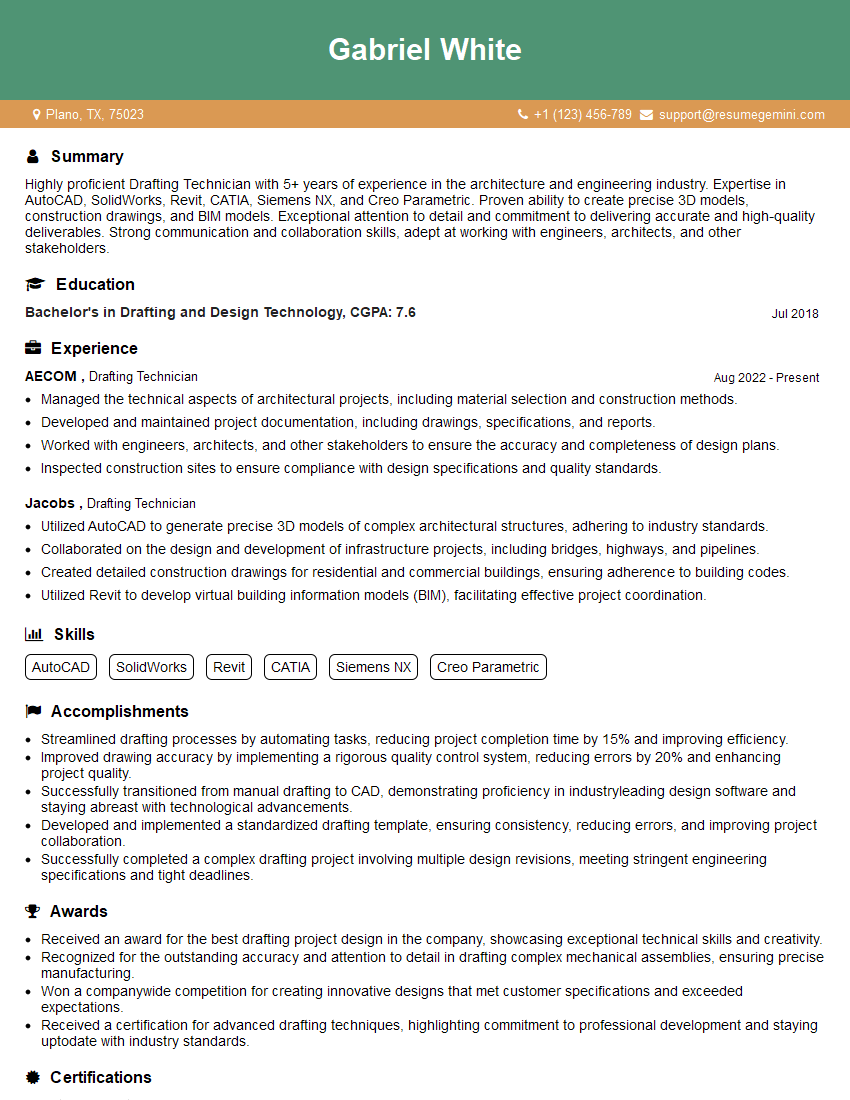
Drafting Technician Resume Sample
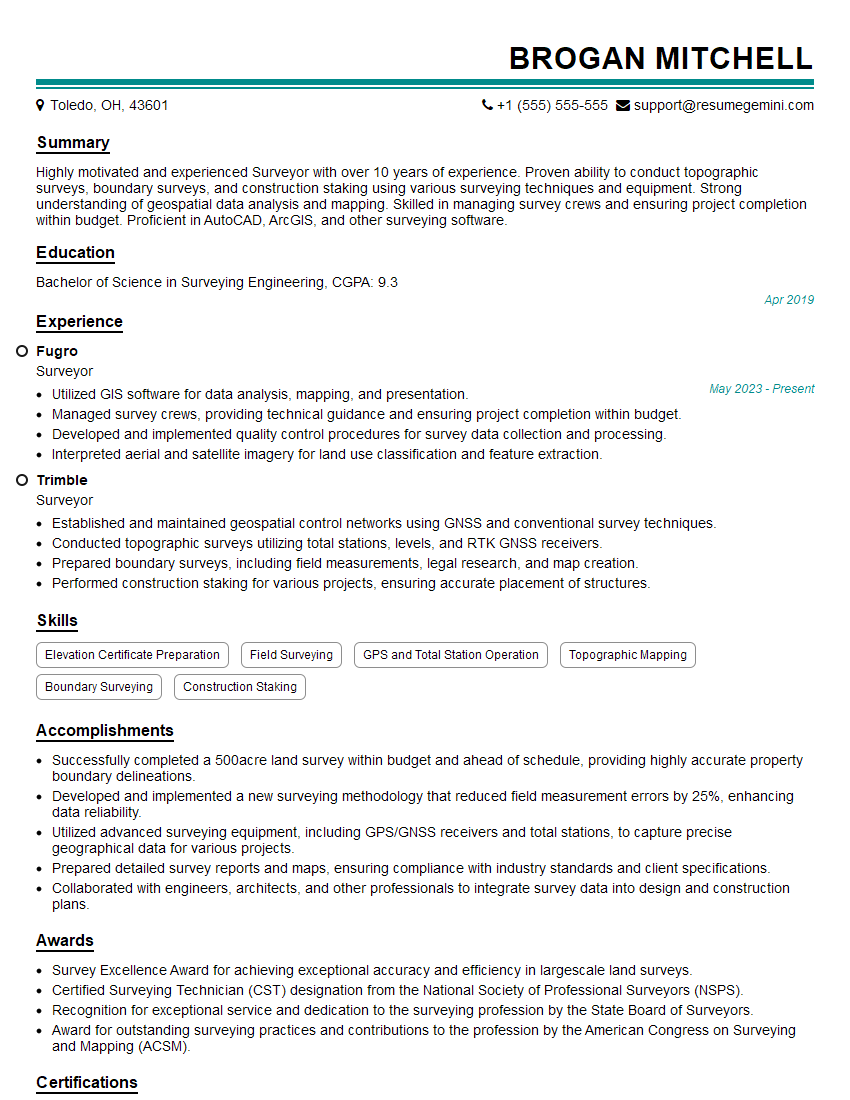
Surveyor Resume Sample
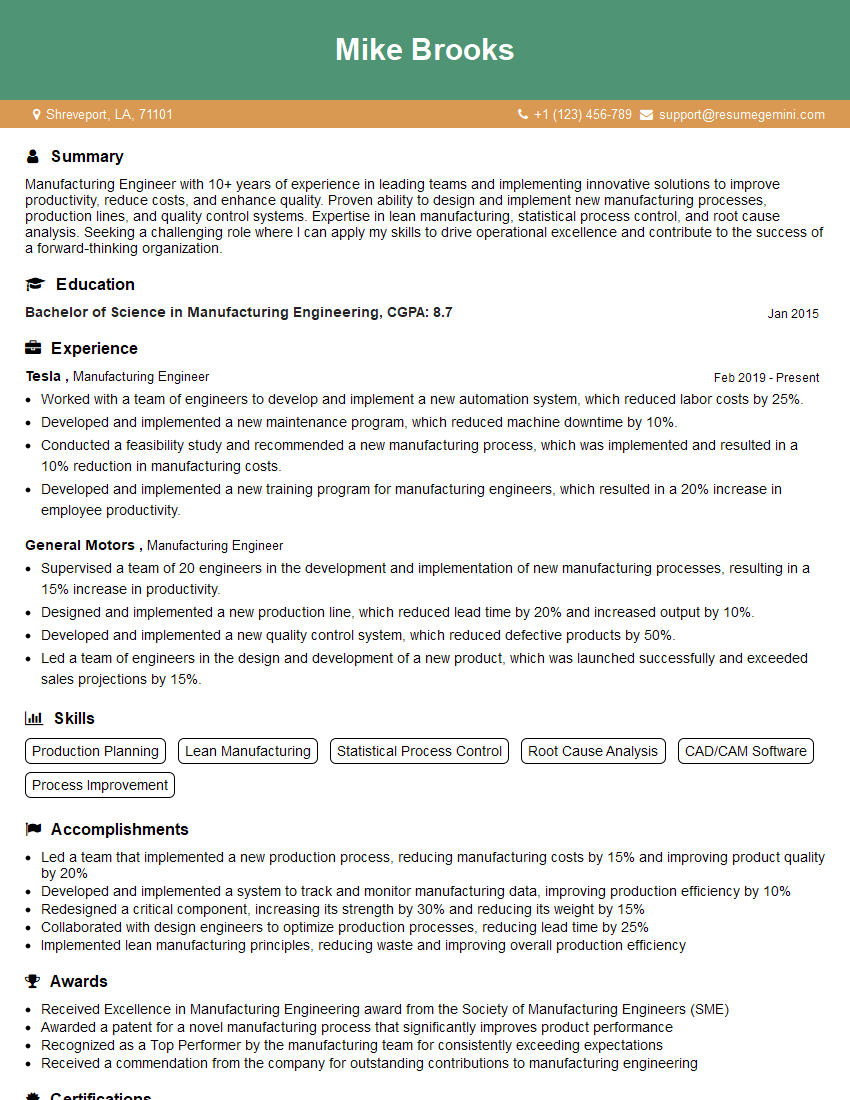
Manufacturing Engineer Resume Sample
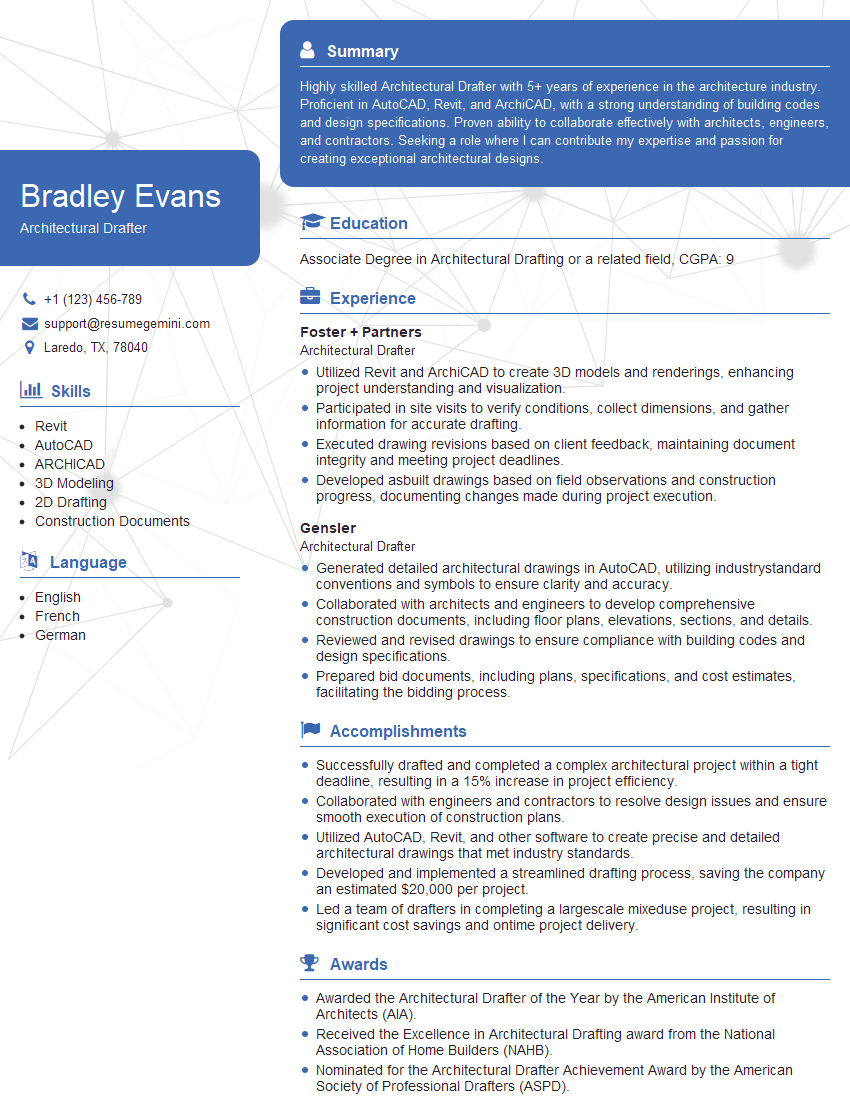
Architectural Drafter Resume Sample
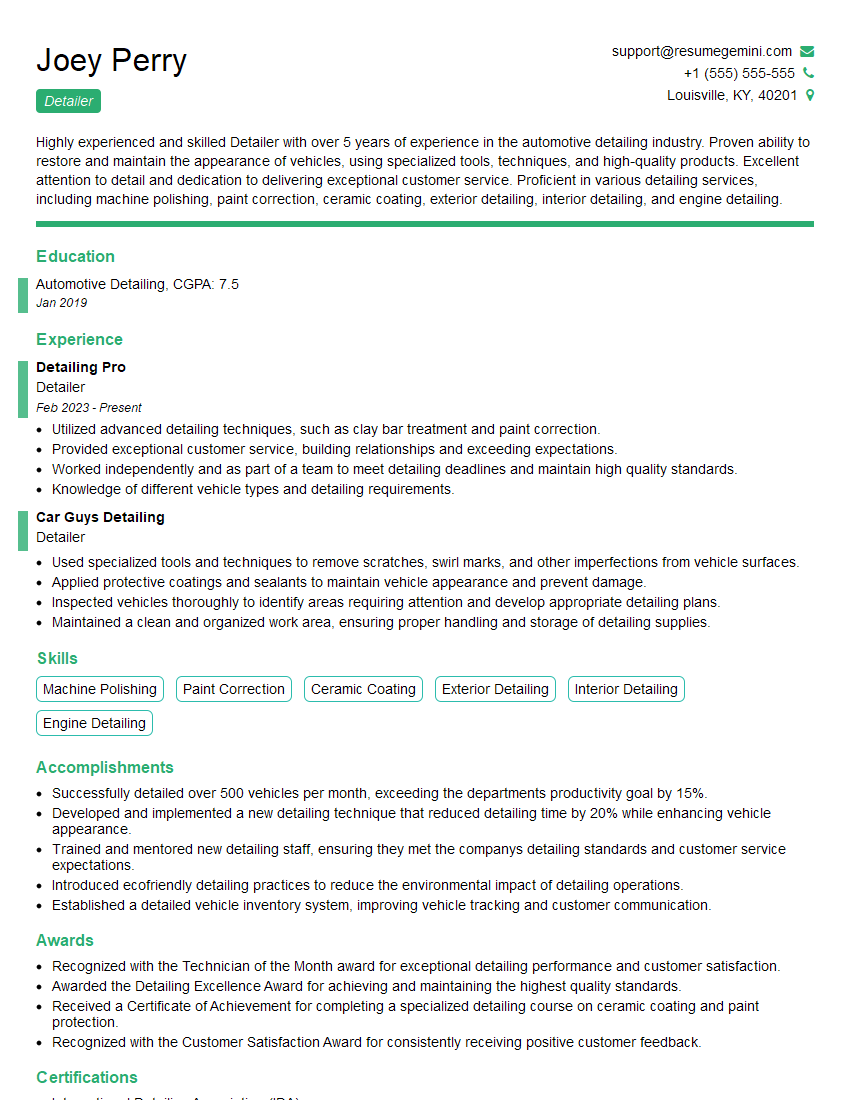
Detailer Resume Sample
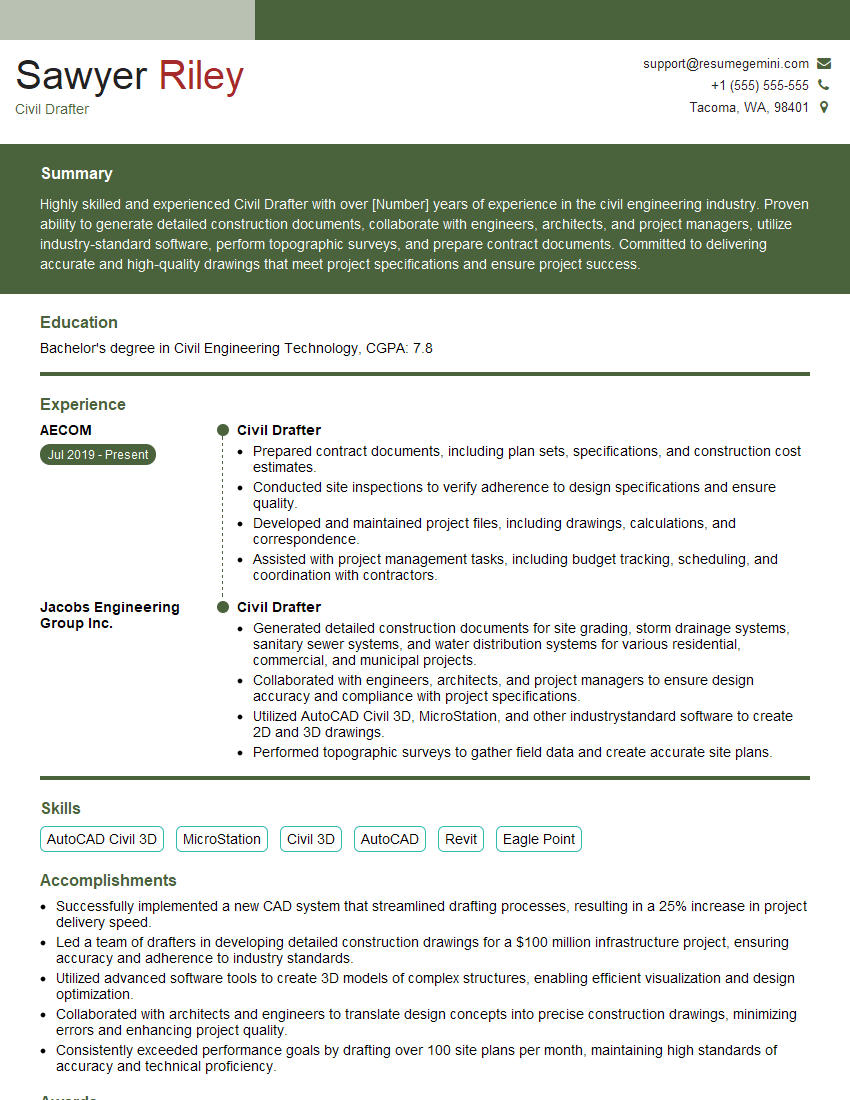
Civil Drafter Resume Sample
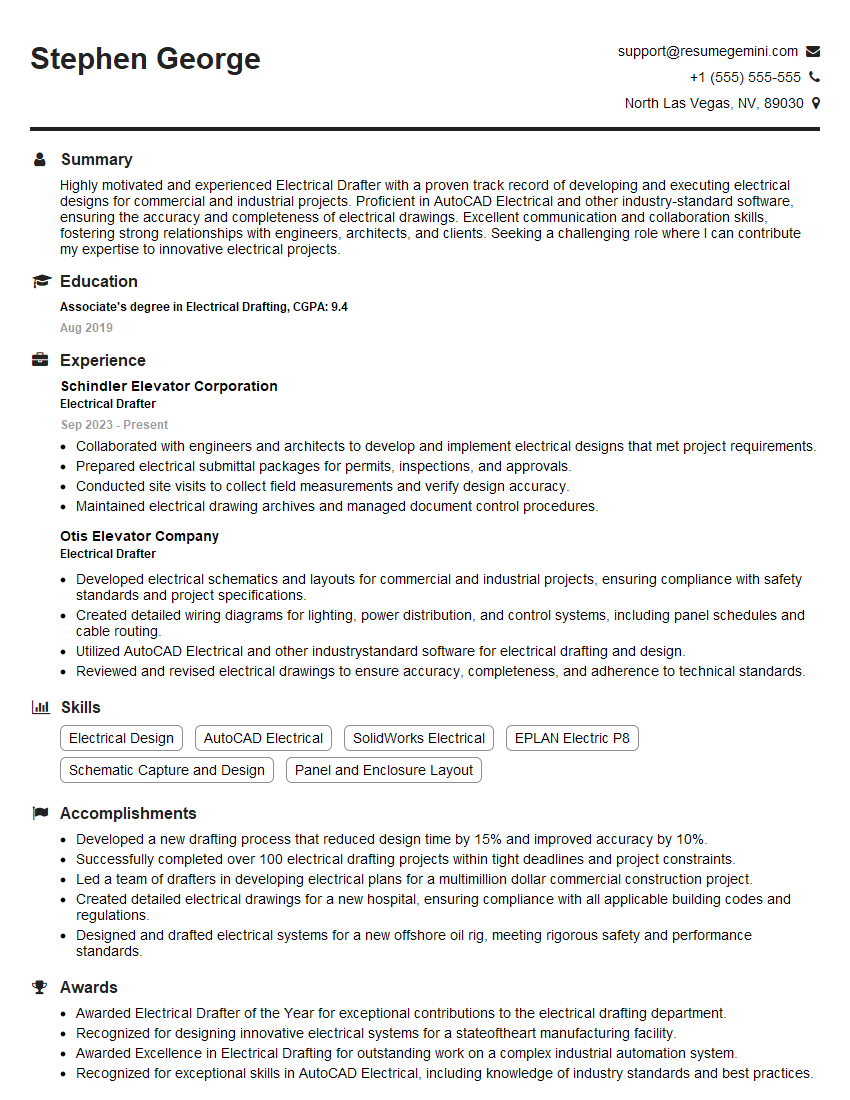
Electrical Drafter Resume Sample
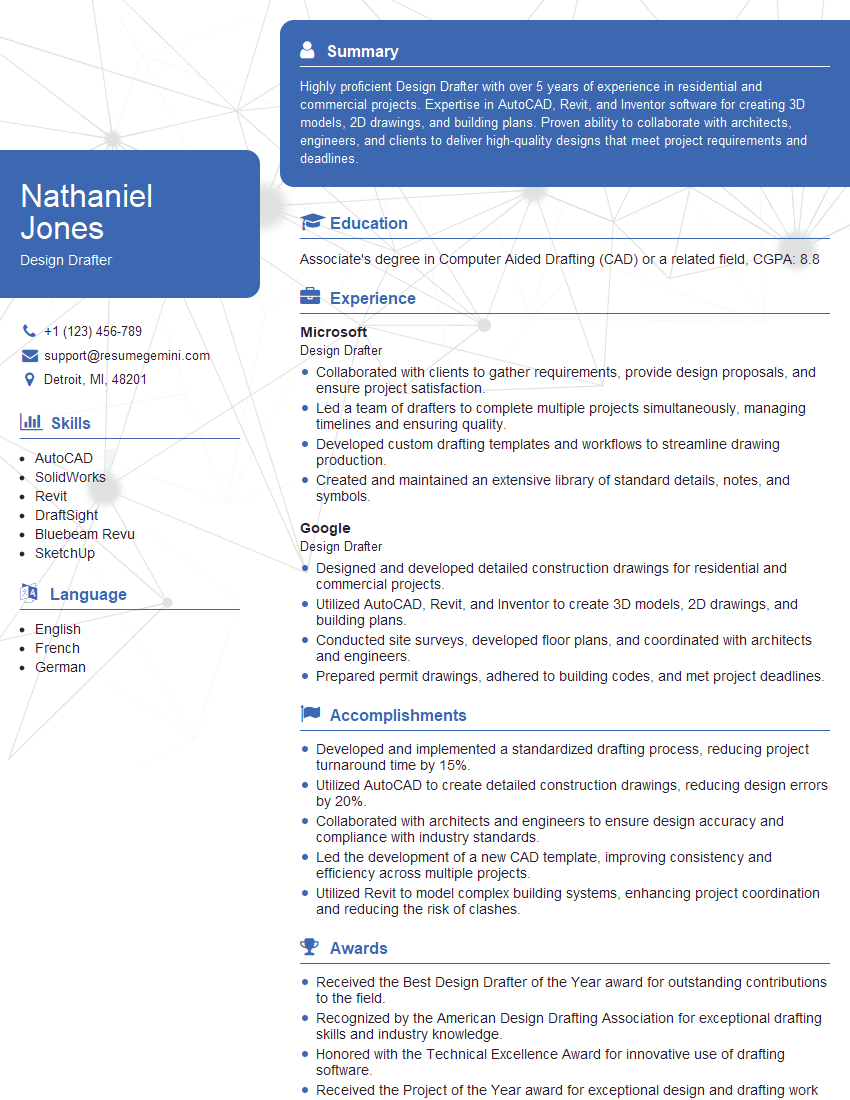
Design Drafter Resume Sample
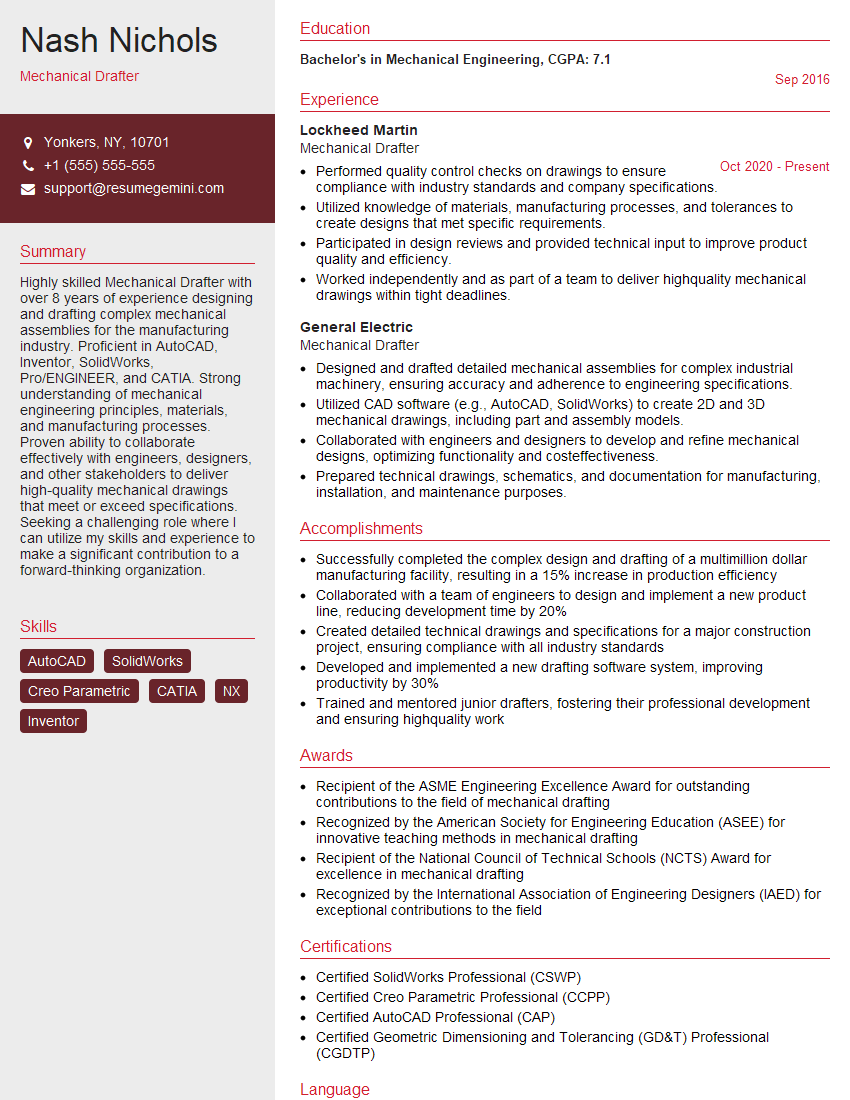
Mechanical Drafter Resume Sample
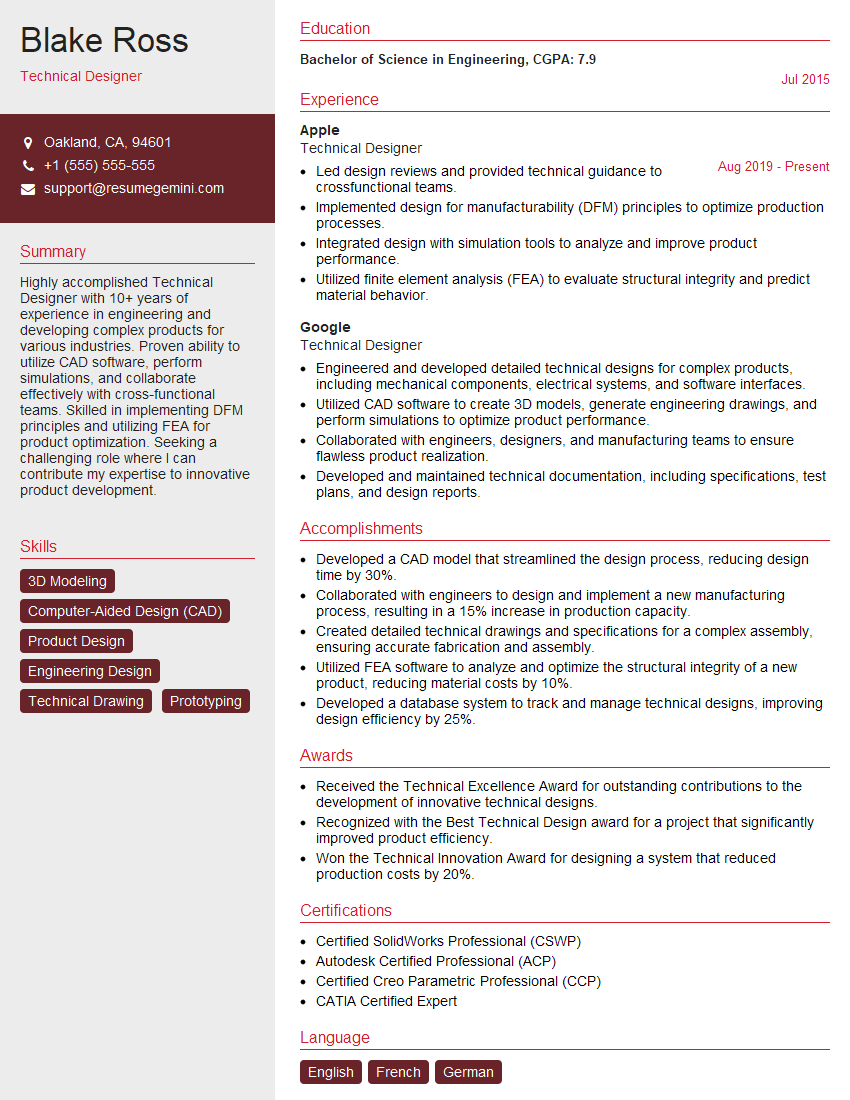
Technical Designer Resume Sample
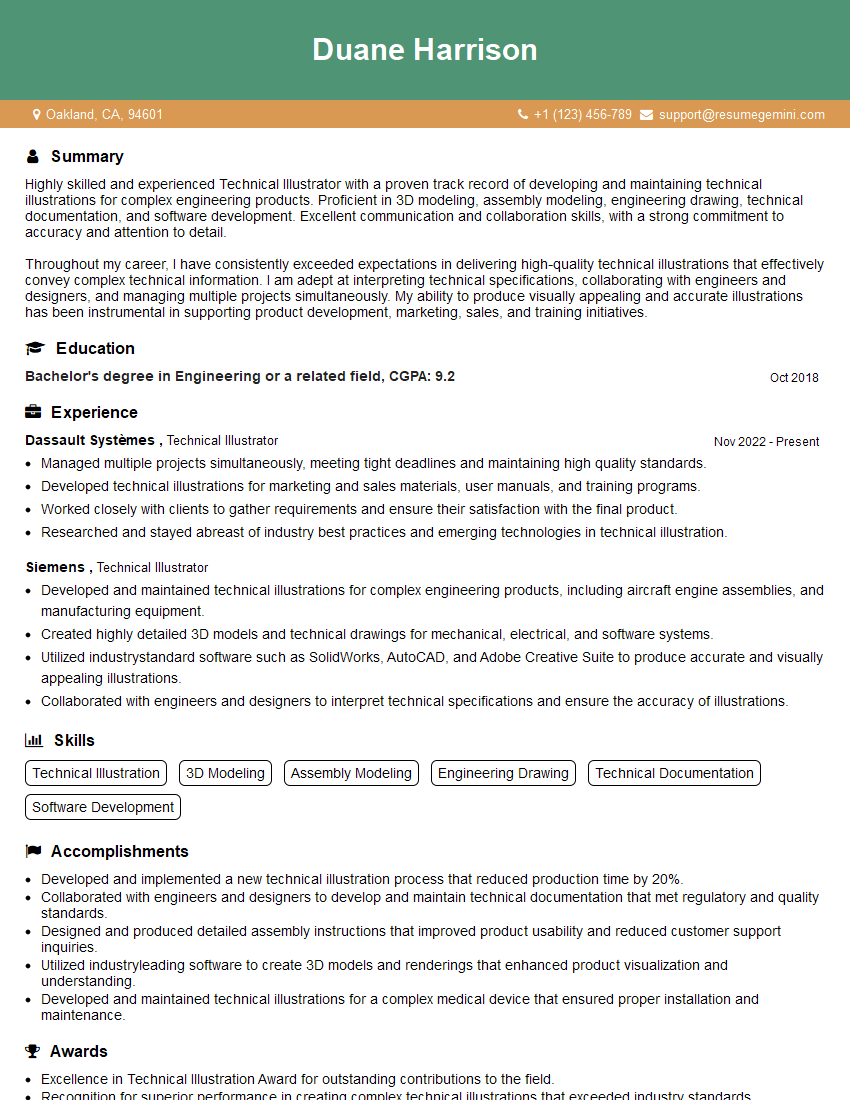
Technical Illustrator Resume Sample
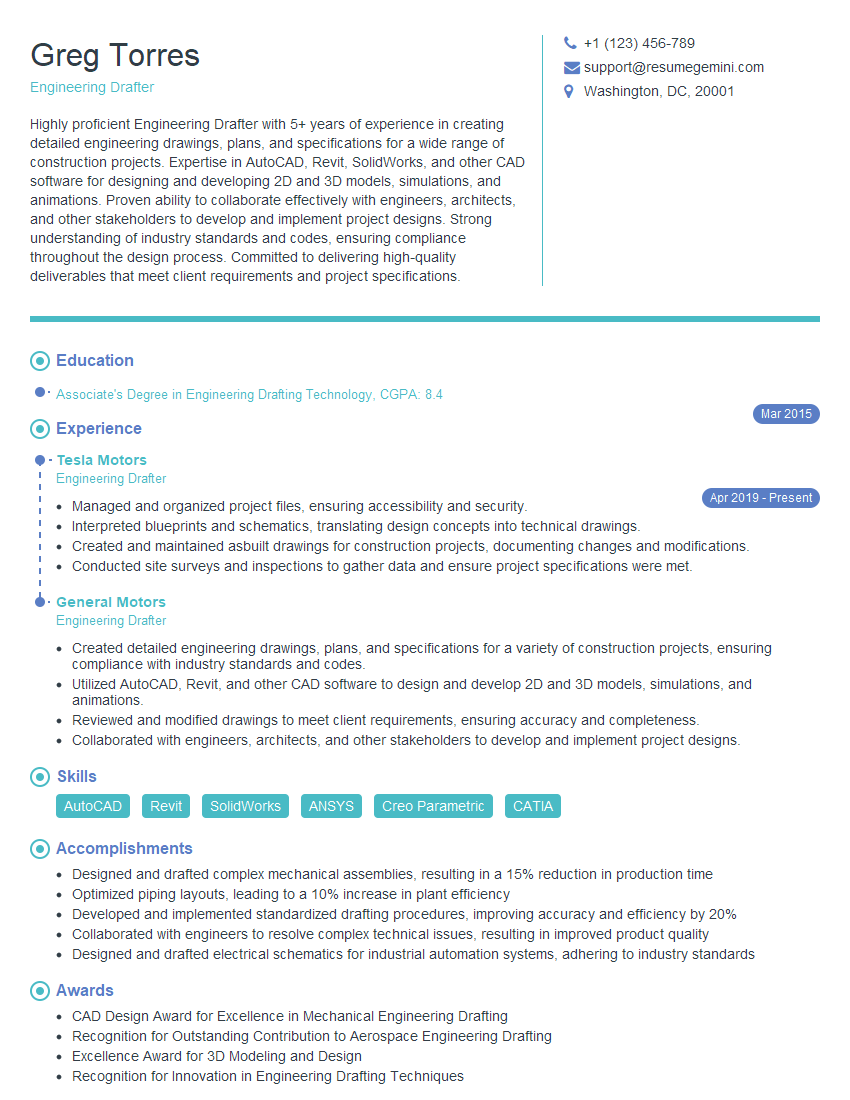
Engineering Drafter Resume Sample
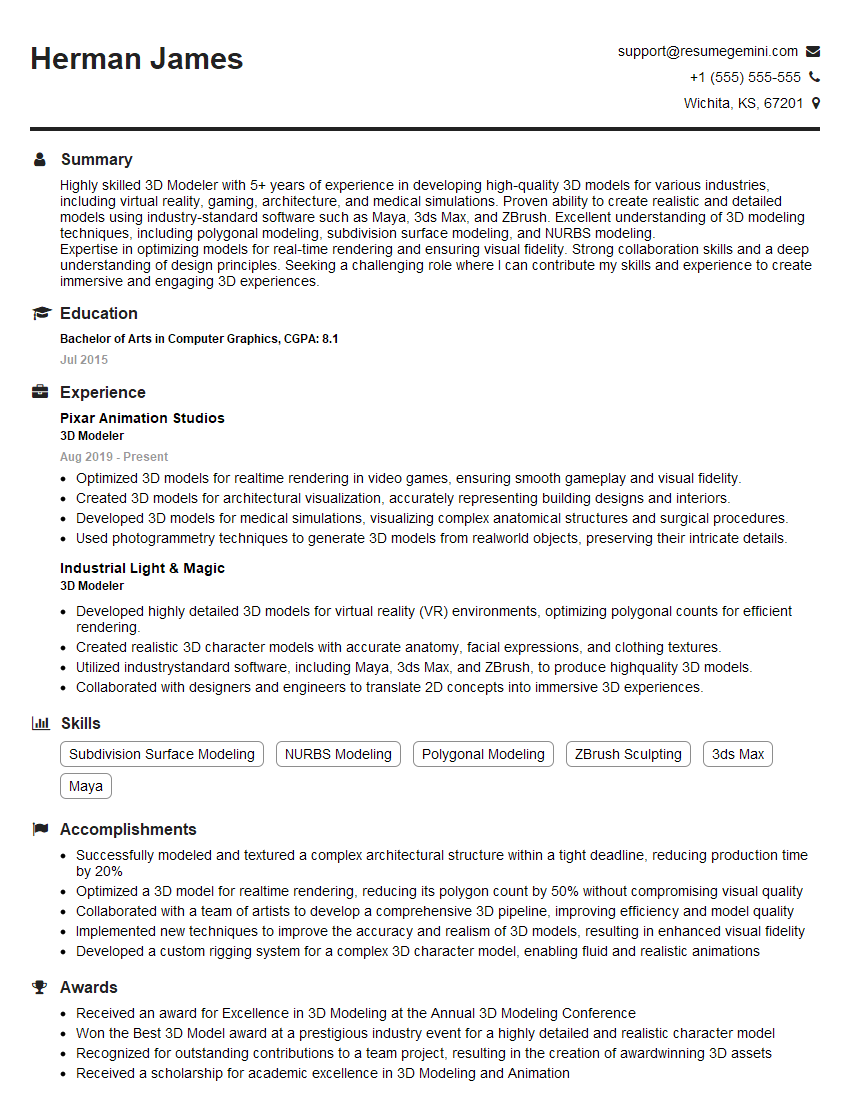
3D Modeler Resume Sample

Technical Writer Resume Sample
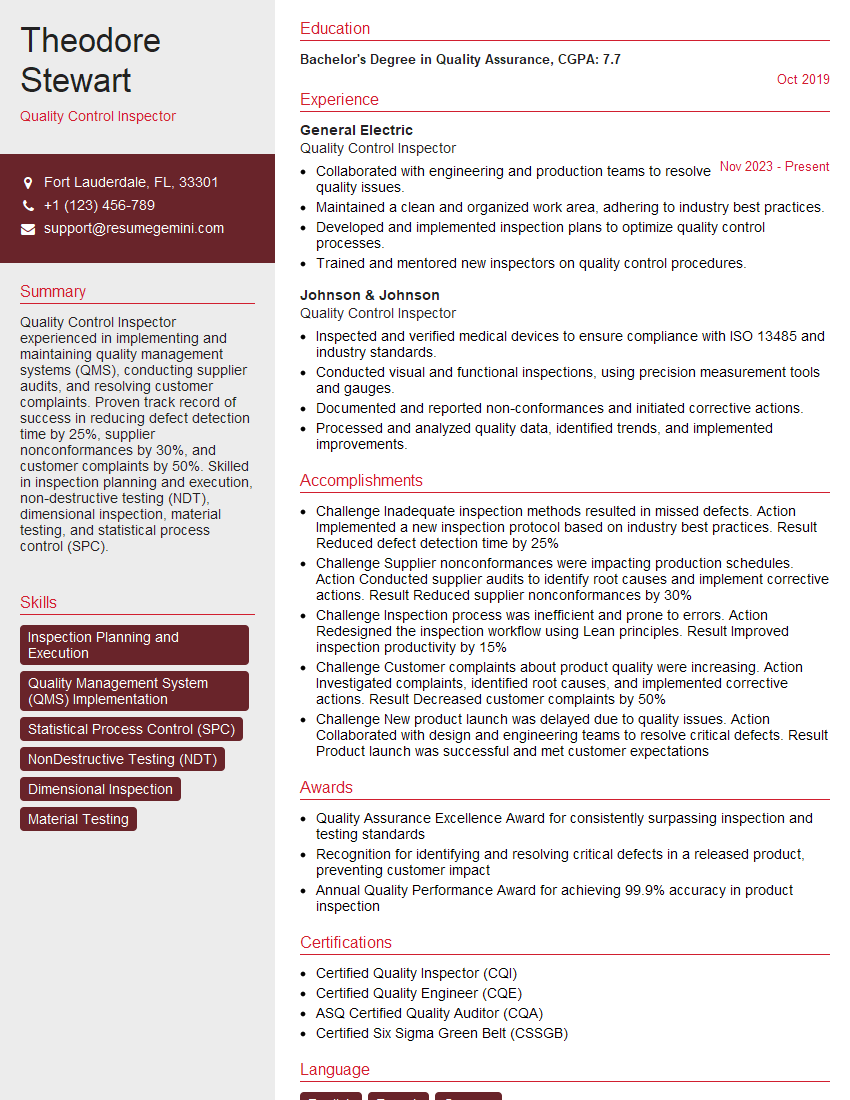
Quality Control Inspector Resume Sample
- Project Engineer
- Estimator
- Production Planner
- Design Engineer
- Drafting Technician
- Surveyor
- Manufacturing Engineer
- Architectural Drafter
- Detailer
- Civil Drafter
- Electrical Drafter
- Design Drafter
- Mechanical Drafter
- Technical Designer
- Technical Illustrator
- Engineering Drafter
- 3D Modeler
- Technical Writer
- Quality Control Inspector
Explore more articles
Users Rating of Our Blogs
Share Your Experience
We value your feedback! Please rate our content and share your thoughts (optional).
What Readers Say About Our Blog
Very informative content, great job.
good