Interviews are opportunities to demonstrate your expertise, and this guide is here to help you shine. Explore the essential Forestry Knowledge interview questions that employers frequently ask, paired with strategies for crafting responses that set you apart from the competition.
Questions Asked in Forestry Knowledge Interview
Q 1. Explain the concept of sustainable forestry practices.
Sustainable forestry practices are all about managing forests in a way that meets the needs of the present without compromising the ability of future generations to meet their own needs. It’s a balancing act between using forest resources – like timber, for example – and ensuring the long-term health and productivity of the forest ecosystem. This involves considering ecological, economic, and social factors.
- Ecological sustainability focuses on maintaining biodiversity, protecting soil and water quality, and preserving the overall health of the forest ecosystem.
- Economic sustainability considers the long-term profitability of forestry operations, ensuring that they remain viable and provide economic benefits to communities that depend on the forest.
- Social sustainability encompasses the fair and equitable distribution of forest resources and benefits, respecting the rights of local communities and indigenous populations who often have a deep connection to the forest.
For example, instead of clear-cutting large areas of forest, sustainable practices might involve selective logging, where only mature trees are harvested, leaving younger trees to grow and ensuring the forest’s continued regeneration. This approach minimizes environmental disruption and promotes biodiversity.
Q 2. Describe different forest harvesting methods and their environmental impacts.
Forest harvesting methods vary widely, each with distinct environmental impacts. Some common methods include:
- Clearcutting: This involves removing all trees from a designated area. While efficient, it can lead to soil erosion, loss of biodiversity, and increased runoff, negatively impacting water quality. It’s often criticized for its visual impact on the landscape.
- Shelterwood harvesting: This method removes trees in stages, leaving some mature trees to provide shelter for regeneration. This reduces the environmental impact compared to clearcutting, but still requires careful planning to avoid negative consequences.
- Selection harvesting: Only individual trees or small groups are harvested, leaving the overall forest structure largely intact. This method minimizes disturbance, promotes biodiversity, and is generally considered the most environmentally friendly.
- Seed-tree harvesting: A few seed-producing trees are left standing to regenerate the forest naturally. It’s a less common approach and requires careful selection of the remaining trees.
The choice of harvesting method depends on various factors, including the species of trees, the terrain, the desired regeneration pattern, and environmental considerations. Sustainable forestry prioritizes methods that minimize environmental damage and maintain forest health.
Q 3. What are the key indicators of forest health?
Assessing forest health requires examining several key indicators. These indicators provide a holistic view of the forest’s overall well-being and resilience.
- Tree vigor and growth: Healthy trees exhibit robust growth, displaying lush foliage and minimal signs of disease or pest infestation.
- Species diversity: A diverse forest is generally more resilient to disturbances like pests, diseases, and climate change. Low species diversity is a sign of potential problems.
- Understory vegetation: A healthy understory (the layer of vegetation beneath the canopy) indicates a balanced ecosystem. Its composition can reveal insights into nutrient cycling and soil health.
- Soil health: Healthy soil is crucial for tree growth and overall forest health. Indicators include organic matter content, nutrient levels, and soil structure.
- Water quality: Streams and rivers flowing through forests should have good water quality. Pollution or excessive sediment suggests potential issues with forest management.
- Pest and disease prevalence: Monitoring for pests and diseases helps to detect and address problems early, preventing widespread damage.
By monitoring these indicators, forest managers can assess the overall health of the forest, identify potential threats, and implement necessary interventions to maintain its sustainability.
Q 4. How do you assess forest fire risk and implement prevention strategies?
Forest fire risk assessment involves a multi-faceted approach, combining scientific data with on-the-ground observations. Several factors contribute to fire risk, including:
- Fuel load: The amount of combustible material (leaves, branches, etc.) on the forest floor significantly influences fire spread.
- Weather conditions: High temperatures, low humidity, and strong winds create ideal conditions for fires to start and spread rapidly.
- Topography: Steep slopes and canyons can accelerate fire spread.
- Human activities: Careless human actions (e.g., campfires, discarded cigarettes) are often the cause of wildfires.
Prevention strategies involve a combination of:
- Fuel management: This includes prescribed burns (controlled fires) to reduce fuel load, and mechanical thinning of forests to create firebreaks.
- Public education: Educating the public about fire safety is crucial in preventing human-caused fires.
- Early detection systems: Using lookout towers, aerial patrols, and remote sensing technologies helps to detect fires quickly.
- Fire suppression: Having well-trained firefighters and equipment ready to respond to fires is essential.
In practice, I would typically use a combination of Geographic Information Systems (GIS) and fire behavior models to assess risk and prioritize prevention efforts.
Q 5. Explain the role of GIS in forest management.
GIS (Geographic Information Systems) plays a vital role in modern forest management. It provides a powerful tool for visualizing, analyzing, and managing spatial data related to forests.
- Forest inventory mapping: GIS allows for precise mapping of forest resources, including tree species, age, density, and biomass.
- Fire risk assessment: GIS integrates data on fuel loads, weather patterns, and topography to create fire risk maps, guiding prevention and suppression efforts.
- Habitat mapping: Mapping different habitats helps in understanding biodiversity and prioritizing conservation efforts.
- Road network planning: GIS facilitates the optimal design and maintenance of forest roads, minimizing environmental impact.
- Harvest planning: GIS tools help to plan sustainable logging operations, optimizing timber yield while minimizing environmental disruption.
For example, using GIS software, we can overlay different layers of data (e.g., elevation, soil type, vegetation) to identify areas particularly susceptible to erosion or landslides, thus informing sustainable harvesting plans. Essentially, GIS provides a powerful spatial analysis capability crucial for making data-driven decisions in forest management.
Q 6. Describe your experience with forest inventory techniques.
My experience with forest inventory techniques spans a range of methods, both traditional and modern. I’m proficient in:
- Traditional field methods: These include plot sampling, using various plot sizes and shapes depending on the objectives of the inventory. This often involves measuring tree diameter, height, and species identification.
- Remote sensing: I’ve extensive experience using aerial photography and satellite imagery (e.g., Landsat, Sentinel) to assess forest cover, tree density, and other variables at a broader scale. This allows for efficient assessment of large areas.
- LiDAR (Light Detection and Ranging): LiDAR provides high-resolution 3D data of forest structure, allowing for accurate measurements of tree heights and canopy density. This technology is particularly useful for detailed inventory assessments.
- Data analysis: I am skilled in using statistical software (e.g., R, SAS) to analyze inventory data, estimate forest volume, and generate reports.
For instance, in a recent project, I combined field data from sample plots with LiDAR data to create a highly accurate forest inventory map for a large, privately owned forest. This allowed the owner to make informed decisions about timber harvesting and forest management practices.
Q 7. How do you manage pest and disease outbreaks in forests?
Managing pest and disease outbreaks requires a proactive and integrated approach. The first step is early detection through regular monitoring.
- Monitoring: Regular forest surveys are essential for identifying early signs of infestation or disease. This can involve visual inspections, trapping, and analysis of soil and plant samples.
- Integrated pest management (IPM): IPM strategies combine various techniques to control pests and diseases while minimizing environmental impact. This often involves a combination of biological controls (e.g., introducing natural predators), cultural controls (e.g., silvicultural practices that reduce susceptibility), and chemical controls (used only when necessary and as a last resort).
- Quarantine measures: In cases of severe outbreaks, quarantine measures might be necessary to prevent the spread of pests or diseases to other areas.
- Disease resistant varieties: Planting tree species or varieties that are resistant to specific diseases can help prevent future outbreaks.
For example, in dealing with an outbreak of a specific bark beetle species, we might use a combination of pheromone traps to monitor population levels, silvicultural practices to improve tree vigor, and in extreme cases, targeted insecticide application to prevent further spread. The ultimate goal is to control the outbreak while preserving the long-term health and resilience of the forest ecosystem.
Q 8. What are the different types of forest ecosystems and their unique characteristics?
Forest ecosystems are incredibly diverse, categorized primarily by their climate, dominant vegetation, and geographic location. Think of them as distinct personalities within the broader world of forests. Here are some key types:
- Tropical Rainforests: Characterized by high rainfall, consistently warm temperatures, and incredible biodiversity. They boast the highest number of plant and animal species per unit area, forming a complex web of life. The Amazon rainforest is a prime example.
- Temperate Deciduous Forests: Found in areas with moderate rainfall and distinct seasons. Trees here shed their leaves annually, showcasing vibrant autumn colors. Forests in eastern North America and Europe are classic examples.
- Boreal Forests (Taiga): Located in high northern latitudes, these forests are dominated by coniferous trees like spruce, fir, and pine, adapted to cold, snowy winters. They stretch across vast swathes of Canada, Russia, and Scandinavia.
- Mediterranean Forests: Occur in regions with hot, dry summers and mild, wet winters. They are characterized by drought-resistant trees and shrubs, often adapted to fire. Examples include forests in California, the Mediterranean Basin, and parts of Australia.
- Mangrove Forests: Unique coastal ecosystems found in tropical and subtropical regions. These forests are salt-tolerant, providing vital habitat for numerous species and protecting coastlines from erosion.
Each type has unique characteristics that influence its ecological function, biodiversity, and economic value. Understanding these differences is crucial for effective forest management and conservation.
Q 9. Explain the principles of forest regeneration and reforestation.
Forest regeneration and reforestation are crucial for maintaining forest health and biodiversity. Regeneration is the natural process of a forest renewing itself, while reforestation is the active planting of trees on deforested land. Both involve similar principles:
- Seed Source: Ensuring an adequate supply of viable seeds from healthy, genetically diverse trees is paramount. This might involve protecting seed trees or establishing seed orchards.
- Site Preparation: Preparing the land for regeneration or reforestation is critical. This can involve clearing underbrush, controlling competing vegetation, or improving soil conditions.
- Planting Techniques: Selecting appropriate planting methods, such as direct seeding or planting seedlings, depends on the species, site conditions, and budget. Proper spacing and planting depth are essential for survival.
- Protection from Pests and Diseases: Young trees are vulnerable to pests and diseases. Monitoring and implementing appropriate control measures are important for ensuring success.
- Monitoring and Evaluation: Regular monitoring of survival rates, growth, and overall health is essential to assess the success of regeneration or reforestation efforts and adapt management strategies as needed.
Imagine a forest fire – regeneration relies on surviving trees and seeds to repopulate the area naturally. Reforestation, however, is like actively helping the forest recover by planting new trees.
Q 10. Describe your experience with forest certification schemes (e.g., FSC, PEFC).
I’ve been extensively involved with Forest Stewardship Council (FSC) and Programme for the Endorsement of Forest Certification (PEFC) schemes. These certifications provide independent verification that forest products originate from responsibly managed forests. My experience includes:
- Auditing: I’ve conducted numerous audits of forest management practices against FSC and PEFC standards, ensuring compliance with environmental, social, and economic criteria. This involves reviewing documentation, conducting field assessments, and interviewing stakeholders.
- Chain of Custody Certification: I’ve assisted companies in obtaining chain of custody certification, tracing the origin of wood products from the forest to the end consumer, guaranteeing responsible sourcing.
- Stakeholder Engagement: A crucial aspect of certification involves engaging with all stakeholders—forest owners, workers, local communities, and consumers—to ensure their needs and concerns are addressed. I’ve facilitated workshops and meetings to foster collaboration.
These certifications are more than just labels; they demonstrate a commitment to sustainable forest management, promoting environmental protection, social equity, and economic viability. The rigorous standards push for continuous improvement in forest practices.
Q 11. How do you use remote sensing data for forest monitoring?
Remote sensing data, primarily from satellites and aerial platforms, is invaluable for monitoring forests over large areas. I use various techniques including:
- Satellite Imagery Analysis: Analyzing multispectral and hyperspectral imagery allows for assessing forest cover, identifying deforestation events, mapping forest types, and monitoring forest health. Indices like the Normalized Difference Vegetation Index (NDVI) provide valuable information on vegetation vigor.
- LiDAR (Light Detection and Ranging): LiDAR data provides detailed three-dimensional information about forest structure, including canopy height, density, and biomass. This is crucial for assessing carbon sequestration potential and forest growth.
- Object-Based Image Analysis (OBIA): OBIA techniques allow for more accurate classification and analysis of forest features by considering both spectral and spatial information. This improves the accuracy of forest mapping and change detection.
For example, I’ve used NDVI time series to detect early signs of forest stress due to drought or pest infestations, allowing for timely interventions. LiDAR data has been essential in estimating carbon stocks and assessing the impact of logging activities.
Q 12. What are the economic aspects of forest management?
Forest management has significant economic aspects. Forests provide a wide range of products and services, including:
- Timber Production: A major economic driver, generating revenue from the sale of logs, lumber, and other wood products. Sustainable forest management practices ensure long-term profitability.
- Non-Timber Forest Products (NTFPs): Forests yield a variety of non-timber products like mushrooms, berries, medicinal plants, and resins, providing livelihoods for local communities.
- Ecosystem Services: Forests provide vital ecosystem services such as carbon sequestration, water purification, soil erosion control, and recreation, with significant economic value that often goes unquantified. Payments for Ecosystem Services (PES) schemes are gaining traction to compensate landowners for providing these services.
- Tourism and Recreation: Forests attract tourists, generating revenue through activities such as hiking, camping, and wildlife viewing. This can stimulate local economies.
Effective forest management aims to balance economic benefits with environmental sustainability and social equity. This includes ensuring that forest-dependent communities benefit from forest resources and that economic activities do not compromise the long-term health of the forest ecosystem.
Q 13. Explain the importance of biodiversity in forest ecosystems.
Biodiversity is the cornerstone of healthy and resilient forest ecosystems. It refers to the variety of life at all levels, from genes to ecosystems. Its importance includes:
- Enhanced Ecosystem Stability: A diverse forest is more resistant to disturbances such as pests, diseases, and climate change. Different species play different roles, creating a more robust system.
- Increased Productivity: Biodiversity can enhance ecosystem productivity, leading to greater timber yields and a wider range of NTFPs.
- Nutrient Cycling: Different species contribute to nutrient cycling, ensuring soil fertility and overall ecosystem health.
- Pollination and Seed Dispersal: Biodiversity supports crucial ecosystem processes like pollination and seed dispersal, ensuring the regeneration of forest species.
- Climate Change Mitigation: Biodiverse forests have a greater capacity to sequester carbon, helping to mitigate climate change.
Imagine a forest with only one tree species. A single disease could wipe it out. A diverse forest, however, has a much better chance of surviving.
Q 14. Describe your experience with forest planning and development.
My experience in forest planning and development encompasses all aspects from initial assessment to long-term management. This involves:
- Forest Inventory and Assessment: Conducting detailed inventories to determine forest composition, structure, and growth rates, providing a baseline for planning.
- Sustainable Forest Management Plans: Developing comprehensive plans that outline goals, objectives, and activities for sustainable forest management, balancing economic, environmental, and social considerations. This includes setting harvesting targets, specifying silvicultural practices, and determining road networks.
- Geographic Information Systems (GIS): Extensive use of GIS for spatial planning, analyzing data, and creating maps for decision-making. This helps visualize forest structure, assess impacts of management activities, and support communication.
- Environmental Impact Assessment: Conducting thorough assessments to identify potential environmental impacts of forest management activities and mitigate negative effects. This ensures sustainable practices.
- Community Engagement: Involving local communities in forest planning processes, incorporating their traditional ecological knowledge and ensuring equitable benefits.
For example, I’ve worked on projects that integrated community-based forest management, incorporating local knowledge into the planning process and promoting sustainable livelihoods while preserving biodiversity. Each forest is unique, demanding a tailored approach.
Q 15. How do you assess the impact of climate change on forests?
Assessing the impact of climate change on forests requires a multifaceted approach. We look at changes in temperature and precipitation patterns, increased frequency and intensity of extreme weather events (like droughts, wildfires, and storms), and shifts in pest and disease dynamics. These factors significantly affect forest health, composition, and productivity.
For example, rising temperatures can lead to increased tree mortality, particularly in species less adapted to heat. Changes in precipitation can cause drought stress, making trees more susceptible to pests and diseases. Increased wildfire frequency can lead to large-scale habitat loss and altered forest structure. We use various techniques to assess these impacts, including:
- Remote sensing: Analyzing satellite imagery and aerial photographs to monitor forest cover change, vegetation health, and fire activity.
- Field surveys: Conducting on-the-ground assessments to measure tree growth, mortality, and disease prevalence.
- Climate modeling: Utilizing climate projections to predict future impacts on forest ecosystems.
- Physiological measurements: Studying the physiological responses of trees to environmental stress.
By combining these methods, we can develop a comprehensive understanding of how climate change is impacting forests and develop effective management strategies to mitigate these impacts.
Career Expert Tips:
- Ace those interviews! Prepare effectively by reviewing the Top 50 Most Common Interview Questions on ResumeGemini.
- Navigate your job search with confidence! Explore a wide range of Career Tips on ResumeGemini. Learn about common challenges and recommendations to overcome them.
- Craft the perfect resume! Master the Art of Resume Writing with ResumeGemini’s guide. Showcase your unique qualifications and achievements effectively.
- Don’t miss out on holiday savings! Build your dream resume with ResumeGemini’s ATS optimized templates.
Q 16. What are the common challenges faced in forest management?
Forest management faces a multitude of challenges, often interconnected and complex. These challenges can be broadly categorized as:
- Ecological challenges: These include invasive species, pests and diseases, wildfire risk, and the impacts of climate change (as discussed above). For instance, the emerald ash borer has devastated ash tree populations across North America.
- Socioeconomic challenges: Balancing the needs of diverse stakeholders, including timber companies, local communities, conservation groups, and indigenous populations, can be particularly challenging. Differing priorities regarding forest use (e.g., timber harvesting vs. recreation) can lead to conflicts.
- Economic challenges: Sustaining profitability while adhering to sustainable forestry practices can be difficult, especially in the face of fluctuating timber prices and increasing operational costs. The market demand for sustainably sourced timber is a key economic factor.
- Political and legal challenges: Navigating complex regulations and permitting processes, and dealing with land tenure issues, can create significant hurdles. Forest management often involves navigating multiple levels of government and legal frameworks.
- Technological challenges: Implementing and utilizing advanced technologies, such as remote sensing and Geographic Information Systems (GIS), for efficient and effective forest management requires significant investment and expertise.
Addressing these challenges requires a holistic and adaptive approach, involving collaboration, innovation, and a deep understanding of the ecological, social, and economic context.
Q 17. Explain your understanding of forest hydrology and water management.
Forest hydrology is the study of water movement within and through forest ecosystems. It encompasses processes like interception (water captured by the canopy), infiltration (water entering the soil), evapotranspiration (water loss from plants and soil), and streamflow (water movement in streams and rivers). Effective forest water management aims to maintain healthy hydrological cycles and water quality.
Forests play a crucial role in regulating water cycles. Trees intercept rainfall, reducing surface runoff and soil erosion. Their root systems improve soil infiltration, increasing groundwater recharge. However, deforestation can significantly disrupt these processes, leading to increased flooding, reduced groundwater levels, and impaired water quality.
In water management, we might use techniques like:
- Watershed management: Implementing sustainable forestry practices across entire watersheds to protect water resources.
- Riparian buffer zones: Establishing vegetated areas along streams and rivers to filter pollutants and reduce erosion.
- Water harvesting: Collecting and storing rainwater for various uses.
- Monitoring streamflow and water quality: Tracking changes in water availability and quality to assess the impacts of forest management practices.
Sustainable forest management practices are essential for ensuring the long-term health of forest ecosystems and the provision of clean water resources.
Q 18. Describe different forest soil types and their influence on tree growth.
Forest soils are incredibly diverse, varying greatly in their physical and chemical properties. These properties profoundly influence tree growth. Key soil types include:
- Sandy soils: Well-drained, but low in water and nutrient retention. Trees growing in sandy soils often experience drought stress unless adequate irrigation is provided. Pine trees are often found on sandy soils.
- Clay soils: Poorly drained, with high water retention but potentially low aeration. This can lead to root suffocation and nutrient deficiencies. Trees requiring well-aerated soils will struggle to thrive here.
- Loamy soils: A mixture of sand, silt, and clay, offering a good balance of drainage, aeration, and nutrient retention. This is generally considered the ideal soil type for most tree species.
- Peaty soils: Organic-rich soils found in wetlands, characterized by high water retention and acidity. Specific tree species adapted to these conditions, such as certain conifers and swamp hardwoods, can thrive here.
The soil’s texture, structure, pH, nutrient content, and organic matter content all significantly impact tree growth by influencing root development, water and nutrient uptake, and overall tree health. For example, a soil deficient in essential nutrients like nitrogen or phosphorus will limit tree growth, regardless of the soil type.
Understanding soil properties is crucial for site selection and the successful implementation of silvicultural practices. Soil testing is a valuable tool in assessing site suitability for specific tree species and for developing appropriate fertilization and management strategies.
Q 19. How do you communicate complex forestry information to non-technical audiences?
Communicating complex forestry information to non-technical audiences requires simplifying technical jargon and using relatable analogies. I typically employ several strategies:
- Visual aids: Using maps, charts, graphs, and photographs to illustrate key concepts and data. A simple map showing deforestation impact is far more effective than a complex statistical table.
- Storytelling: Sharing real-life examples and case studies to make the information more engaging and memorable. For example, I might tell a story about a community benefiting from sustainable forestry practices.
- Analogies and metaphors: Comparing complex forestry concepts to everyday experiences. For instance, explaining the water cycle in a forest using the analogy of a human body’s circulatory system.
- Interactive presentations: Incorporating questions and answers, polls, or small group discussions to maintain audience engagement.
- Plain language: Avoiding technical jargon and using clear, concise language that is easy to understand. Replacing terms like “silviculture” with “tree farming” can improve comprehension.
The goal is to ensure the audience understands the key message and its relevance to their lives, regardless of their background in forestry.
Q 20. What are your strategies for managing conflicts between different stakeholders in forest management?
Managing conflicts among stakeholders in forest management requires a collaborative and participatory approach. My strategies include:
- Open communication and dialogue: Creating a platform for open communication and dialogue among all stakeholders. Regular meetings and forums can help facilitate this.
- Stakeholder analysis: Identifying the key stakeholders and their interests, values, and concerns. Understanding perspectives is crucial to conflict resolution.
- Mediation and negotiation: Facilitating negotiations among stakeholders to find common ground and mutually acceptable solutions. Neutral mediation can be invaluable.
- Transparency and accountability: Ensuring transparency in decision-making processes and accountability for actions. This builds trust among stakeholders.
- Collaborative planning: Involving stakeholders in the development of forest management plans. This fosters a sense of ownership and shared responsibility.
- Conflict resolution mechanisms: Establishing clear processes for addressing disagreements and resolving conflicts. This might involve formal dispute resolution mechanisms.
Successful conflict resolution often involves compromise and finding solutions that balance competing interests. The ultimate goal is to achieve sustainable forest management that benefits all stakeholders.
Q 21. Describe your experience with using forest growth models.
I have extensive experience using forest growth models, such as FVS (Forest Vegetation Simulator) and 3PG (Physiological Principles for Predicting Growth). These models are valuable tools for predicting future forest conditions under various management scenarios.
FVS, for example, is a widely used distance-independent model that simulates the growth and mortality of individual trees based on species, site conditions, and management practices. We can input data on tree size, species composition, and site characteristics, and the model projects future tree growth, stand development, and yield. This allows us to evaluate different management strategies, such as thinning regimes, and their impacts on timber production and forest health.
3PG is a process-based model that simulates tree growth using physiological principles. It’s more complex than FVS but provides a more mechanistic understanding of how environmental factors influence tree growth. For instance, we can use 3PG to assess the impact of climate change on tree growth by incorporating climate projections into the model.
I’ve used these models to:
- Develop sustainable forest management plans.
- Assess the economic implications of various management strategies.
- Predict the impact of climate change on forest ecosystems.
- Evaluate the effectiveness of different silvicultural treatments.
The accuracy of these models depends on the quality of input data and the appropriateness of the model for the specific forest ecosystem. Regular model calibration and validation are essential to ensure accuracy and reliability.
Q 22. Explain the principles of silviculture and their application.
Silviculture is the art and science of controlling the establishment, growth, composition, health, and quality of forests and woodlands to meet the diverse needs and values of landowners and society. It’s essentially forestry’s version of farming, but instead of crops, we’re cultivating trees.
Key principles include:
- Species Selection: Choosing tree species appropriate for the site’s climate, soil, and intended use (e.g., timber, wildlife habitat). For example, planting drought-resistant pines in arid regions or fast-growing poplars for pulpwood production.
- Stand Density Control: Managing the number of trees per unit area to optimize growth and resource allocation. Thinning, a common practice, removes less desirable trees to provide more space and resources for the remaining trees to thrive.
- Regeneration Methods: Techniques for establishing new forests after harvesting, such as natural regeneration (allowing trees to reseed naturally) or artificial regeneration (planting seedlings or using cuttings).
- Pest and Disease Management: Implementing strategies to prevent and control outbreaks that can devastate forests. This includes integrated pest management approaches that combine biological, cultural, and chemical controls.
- Site Preparation: Preparing the land for planting or natural regeneration by removing competing vegetation, improving soil conditions, or controlling erosion.
Silvicultural practices are applied across various contexts, from maximizing timber yields in commercial plantations to restoring degraded forests and creating diverse wildlife habitats in protected areas. A well-designed silvicultural plan considers long-term ecological sustainability alongside economic and social objectives.
Q 23. How do you ensure compliance with forest regulations and legislation?
Ensuring compliance with forest regulations and legislation is paramount. My approach involves a multi-faceted strategy:
- Thorough Knowledge of Laws: I stay updated on all relevant federal, state, and local laws and regulations pertaining to forestry practices in the region where I operate. This includes understanding timber harvesting regulations, environmental protection acts, and endangered species protections.
- Pre-Harvest Planning: Before any logging activity begins, I meticulously review the project against applicable laws, obtaining necessary permits and approvals from relevant agencies. This often involves preparing detailed forest management plans outlining the proposed activities and their environmental impact.
- On-site Monitoring: During operations, I consistently monitor activities to ensure compliance. This includes overseeing proper logging techniques to minimize soil erosion and water pollution, maintaining buffer zones along waterways, and adhering to stipulations related to endangered species habitat protection.
- Record Keeping: Meticulous record-keeping is crucial for demonstrating compliance. I maintain detailed records of all activities, including harvesting plans, permits, inspections, and any environmental monitoring data.
- Collaboration with Agencies: I actively collaborate with regulatory agencies, attending meetings and providing regular updates on project progress. Open communication helps prevent misunderstandings and ensures proactive compliance.
Failure to comply can result in significant penalties, including fines, legal action, and operational shutdowns. Proactive compliance is not only legally mandated but is also vital for maintaining a positive reputation and ensuring the long-term sustainability of forestry operations.
Q 24. Describe your experience with forest road construction and maintenance.
My experience with forest road construction and maintenance spans over [Number] years, encompassing various projects ranging from small, temporary access roads to extensive networks supporting large-scale timber harvesting.
Construction involves careful site assessment, including geological surveys to determine appropriate road design, drainage strategies to minimize erosion, and environmental impact assessments to minimize disturbance to sensitive ecosystems. This might involve using specialized software to model optimal road layouts and analyze potential environmental impacts.
Maintenance is equally critical. Regular inspections are essential to identify and address issues such as erosion, washouts, and rutting. Strategies include regular grading, drainage improvements (culverts, ditches), and the use of appropriate surfacing materials to extend road lifespan. Sustainable maintenance practices minimize environmental impact and maximize the economic lifespan of the road network.
For example, on a recent project, we implemented a water bar system on steep slopes to intercept runoff and prevent erosion, significantly reducing the need for costly repairs. In another project, we utilized recycled materials for road surfacing, reducing environmental impact and costs.
Q 25. Explain the role of forest carbon sequestration in climate change mitigation.
Forests play a crucial role in mitigating climate change through carbon sequestration, the process of capturing and storing atmospheric carbon dioxide (CO2). Trees absorb CO2 during photosynthesis, storing it in their biomass (leaves, branches, trunks, roots) and in the soil.
The amount of carbon sequestered depends on various factors, including forest type, tree growth rate, forest age, and soil conditions. Old-growth forests generally sequester more carbon than younger forests. Deforestation and forest degradation release stored carbon back into the atmosphere, exacerbating climate change.
Protecting existing forests and restoring degraded ones are critical strategies for enhancing forest carbon sequestration. Sustainable forest management practices, such as selective logging and reforestation, can also increase carbon storage. Quantifying carbon sequestration often involves using remote sensing data, ground-based measurements, and carbon accounting models to estimate the carbon stock and fluxes in forest ecosystems.
For instance, a well-managed forest can store significantly more carbon than an equivalent area of agricultural land, highlighting the critical importance of forest conservation and sustainable forestry in climate change mitigation efforts.
Q 26. What software and tools are you proficient in using for forestry work?
Proficiency in various software and tools is essential for modern forestry work. My expertise includes:
- GIS software (ArcGIS, QGIS): For spatial data analysis, map creation, and forest inventory management. I use this for visualizing forest structure, planning harvesting operations, and monitoring changes over time.
- Forest inventory software (e.g., ForestManager, FVS): For data collection, analysis, and growth modeling. This allows for accurate assessments of forest resources and prediction of future growth.
- Remote sensing software (e.g., ERDAS IMAGINE, ENVI): For analyzing satellite and aerial imagery to assess forest health, monitor deforestation, and map forest cover. This helps in large-scale forest management and monitoring.
- Data analysis software (R, Python): For statistical analysis of forest data, model building, and data visualization. This facilitates evidence-based decision-making in forest management.
- GPS and other field data collection tools: For accurate measurement and mapping of forest resources in the field.
My skills in these technologies allow me to efficiently manage and analyze complex forestry data, leading to informed decision-making and improved outcomes.
Q 27. Describe your experience with forest wildlife habitat management.
Forest wildlife habitat management is a key component of sustainable forestry. My experience includes:
- Habitat Assessment: Conducting surveys to assess the quality and quantity of habitats for various wildlife species. This involves identifying key habitat features, such as nesting sites, foraging areas, and cover, and assessing their suitability for different species.
- Species-Specific Management: Implementing strategies tailored to the needs of specific wildlife species. This might involve creating artificial nesting structures for cavity-nesting birds, managing forest density to provide optimal foraging habitat for deer, or establishing riparian buffers to protect aquatic habitats.
- Connectivity Conservation: Focusing on maintaining or restoring habitat connectivity to allow for wildlife movement and gene flow between different forest patches. This is especially important in fragmented landscapes.
- Predator-Prey Dynamics: Understanding and managing predator-prey relationships to maintain healthy populations of both predator and prey species.
- Monitoring and Evaluation: Regularly monitoring wildlife populations and habitat conditions to assess the effectiveness of management strategies. This involves using camera traps, track plates, or other monitoring techniques to collect data.
For example, I worked on a project where we implemented prescribed burning to improve habitat for grassland birds, while simultaneously enhancing forest health and reducing the risk of wildfire. Effective wildlife habitat management requires a deep understanding of ecological principles and close collaboration with wildlife biologists and other stakeholders.
Q 28. How would you approach developing a forest management plan for a specific area?
Developing a forest management plan for a specific area is a systematic process involving several key steps:
- Inventory and Assessment: Conducting a thorough inventory to assess the existing forest resources, including species composition, age, size, health, and site conditions. This involves using field surveys, aerial imagery, and GIS analysis.
- Goal Setting: Defining the objectives of the management plan, considering the landowner’s goals, social values, and ecological considerations. These objectives might include timber production, carbon sequestration, wildlife habitat enhancement, or recreation.
- Silvicultural Prescription: Developing silvicultural prescriptions based on the inventory data and management objectives. This involves selecting appropriate tree species, deciding on harvesting methods (clear-cutting, selective logging, etc.), and outlining regeneration strategies.
- Economic Analysis: Conducting a financial analysis to assess the economic feasibility of the proposed management plan, considering costs and potential revenues.
- Environmental Impact Assessment: Evaluating the potential environmental impacts of the proposed activities, including water quality, soil erosion, and wildlife habitat. This often involves preparing an environmental impact statement.
- Stakeholder Engagement: Involving all relevant stakeholders in the planning process, including landowners, local communities, environmental groups, and government agencies. This ensures that the plan addresses all relevant concerns and values.
- Plan Implementation and Monitoring: Implementing the plan and monitoring its progress over time, making adjustments as needed. Regular monitoring is essential to ensure that the plan achieves its objectives and to identify any unexpected issues.
A well-developed forest management plan is a dynamic document that adapts to changing conditions and new information. Regular review and updates are crucial to ensure its long-term effectiveness.
Key Topics to Learn for Forestry Knowledge Interview
- Silviculture: Understanding tree growth, forest regeneration techniques (natural and artificial), and the impact of different silvicultural practices on forest health and productivity. Practical application: Analyzing site suitability for different tree species and developing a sustainable harvesting plan.
- Forest Mensuration: Mastering techniques for measuring and estimating forest resources, including tree volume, basal area, and stand density. Practical application: Conducting forest inventories and assessing timber yield potential.
- Forest Ecology: Understanding forest ecosystems, biodiversity, and the interactions between trees, soil, water, and other organisms. Practical application: Developing strategies for forest conservation and managing invasive species.
- Forest Management Planning: Developing and implementing sustainable forest management plans that balance economic, ecological, and social objectives. Practical application: Creating a long-term plan for a forest area considering factors like timber production, wildlife habitat, and recreation.
- Forest Protection: Identifying and managing threats to forest health, such as pests, diseases, and wildfires. Practical application: Designing and implementing strategies for fire prevention and suppression.
- Forest Policy and Legislation: Understanding relevant laws and regulations governing forestry practices. Practical application: Ensuring compliance with environmental regulations during forest operations.
- GIS and Remote Sensing in Forestry: Utilizing geographic information systems and remote sensing technologies for forest monitoring, mapping, and analysis. Practical application: Assessing forest damage from natural disasters using satellite imagery.
Next Steps
Mastering Forestry Knowledge is crucial for career advancement in this dynamic field. A strong understanding of these concepts demonstrates your competence and readiness to contribute meaningfully to any forestry team. To significantly boost your job prospects, creating an ATS-friendly resume is essential. This ensures your qualifications are effectively highlighted to potential employers. We highly recommend using ResumeGemini, a trusted resource, to craft a professional and impactful resume. ResumeGemini provides examples of resumes tailored to Forestry Knowledge to guide you through the process, giving you a head start in showcasing your expertise.
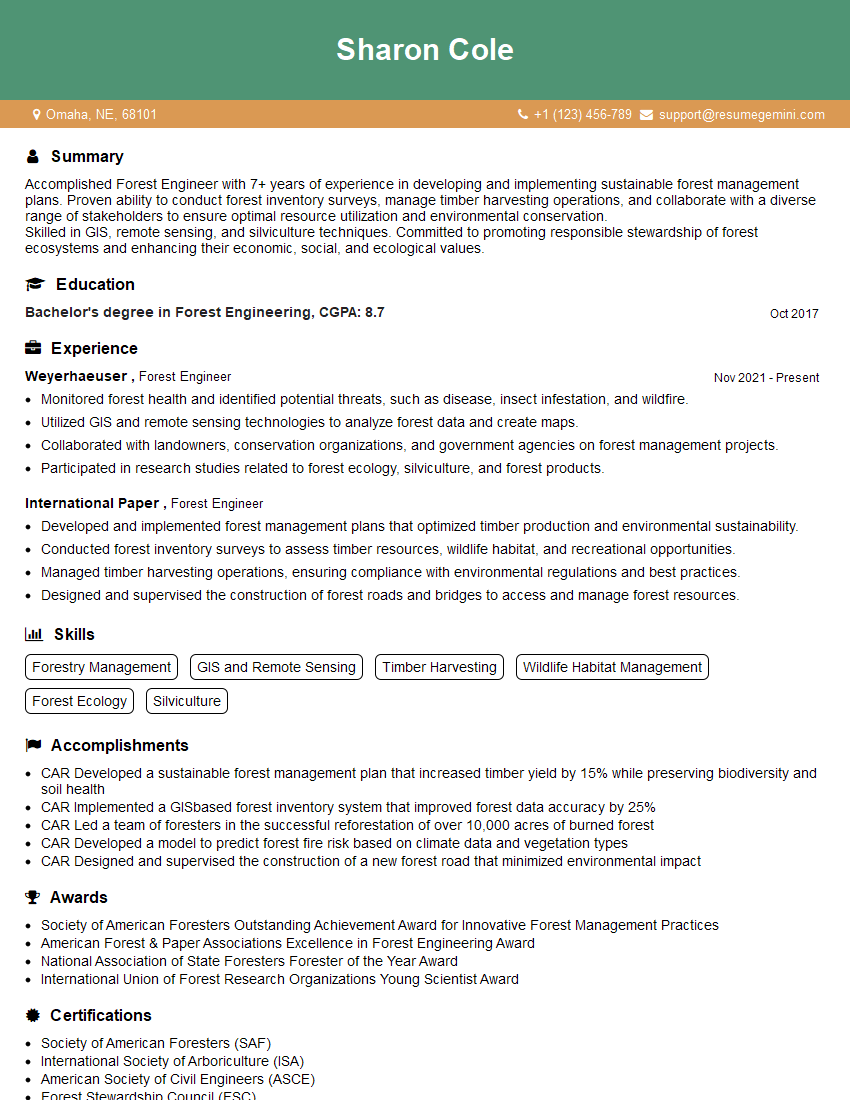
Forest Engineer Resume Sample

Arborist Resume Sample
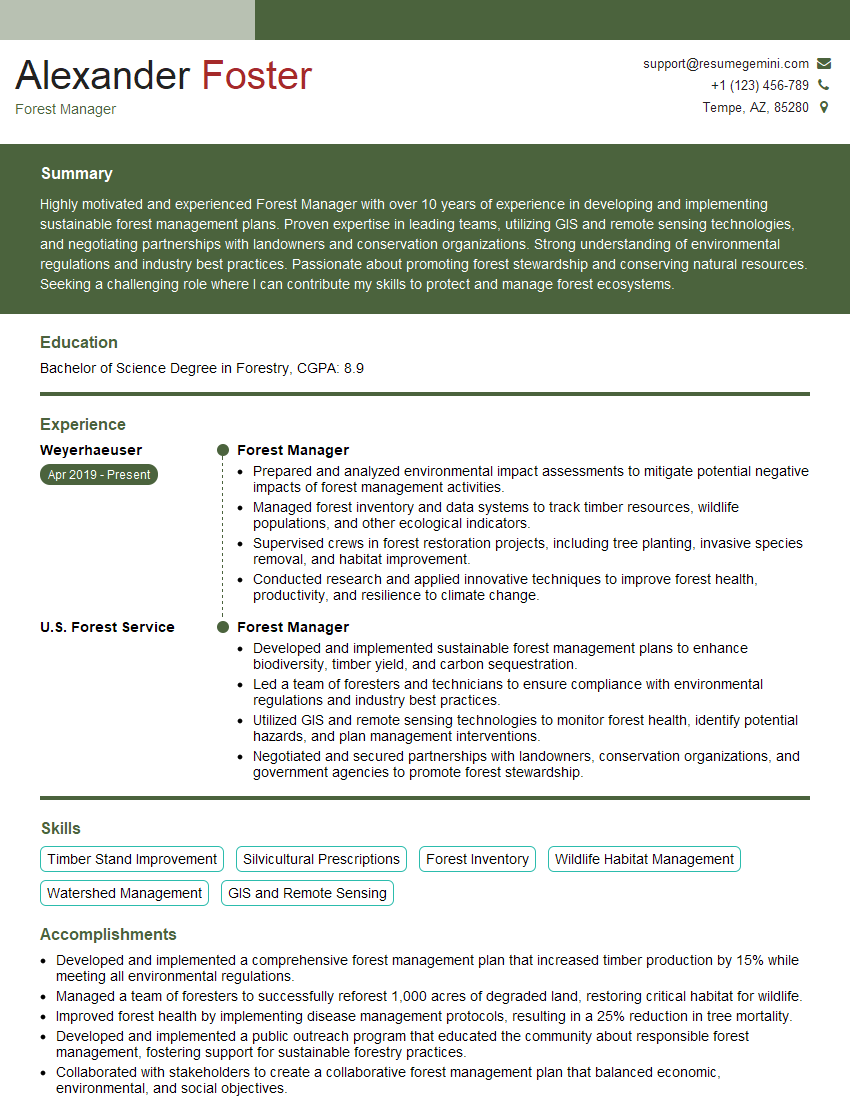
Forest Manager Resume Sample
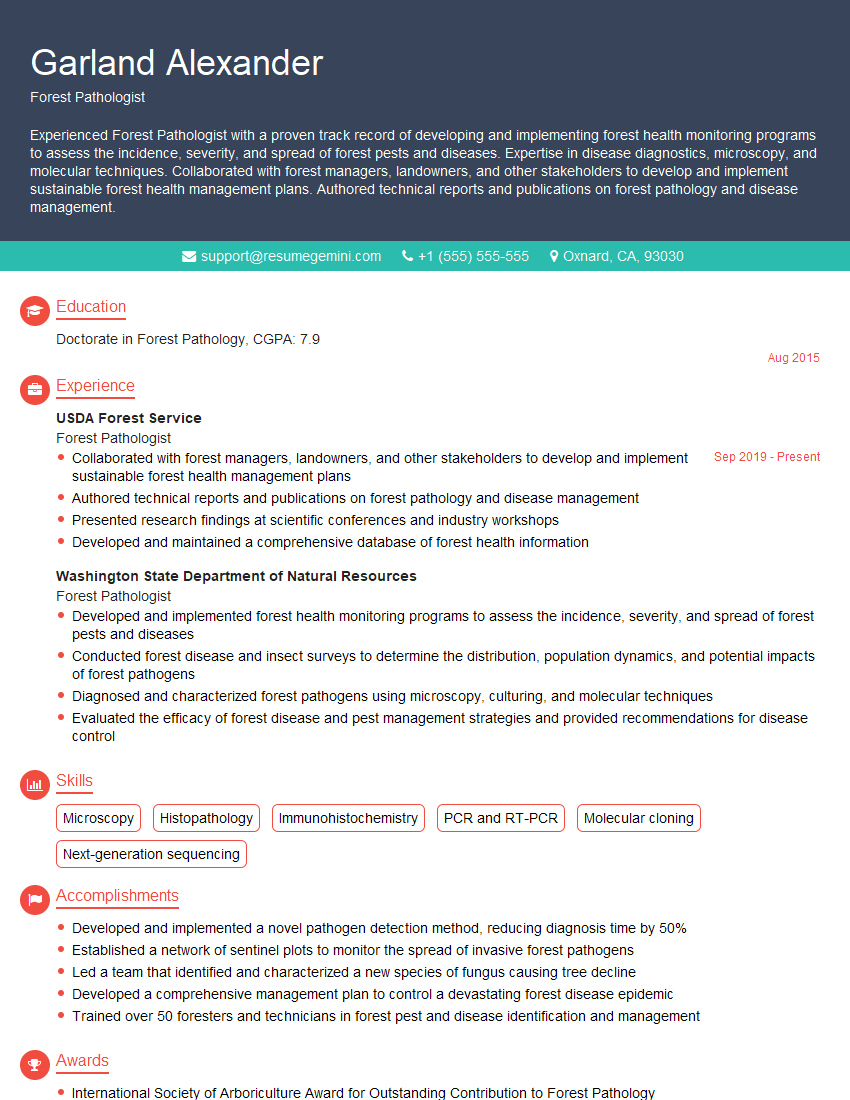
Forest Pathologist Resume Sample
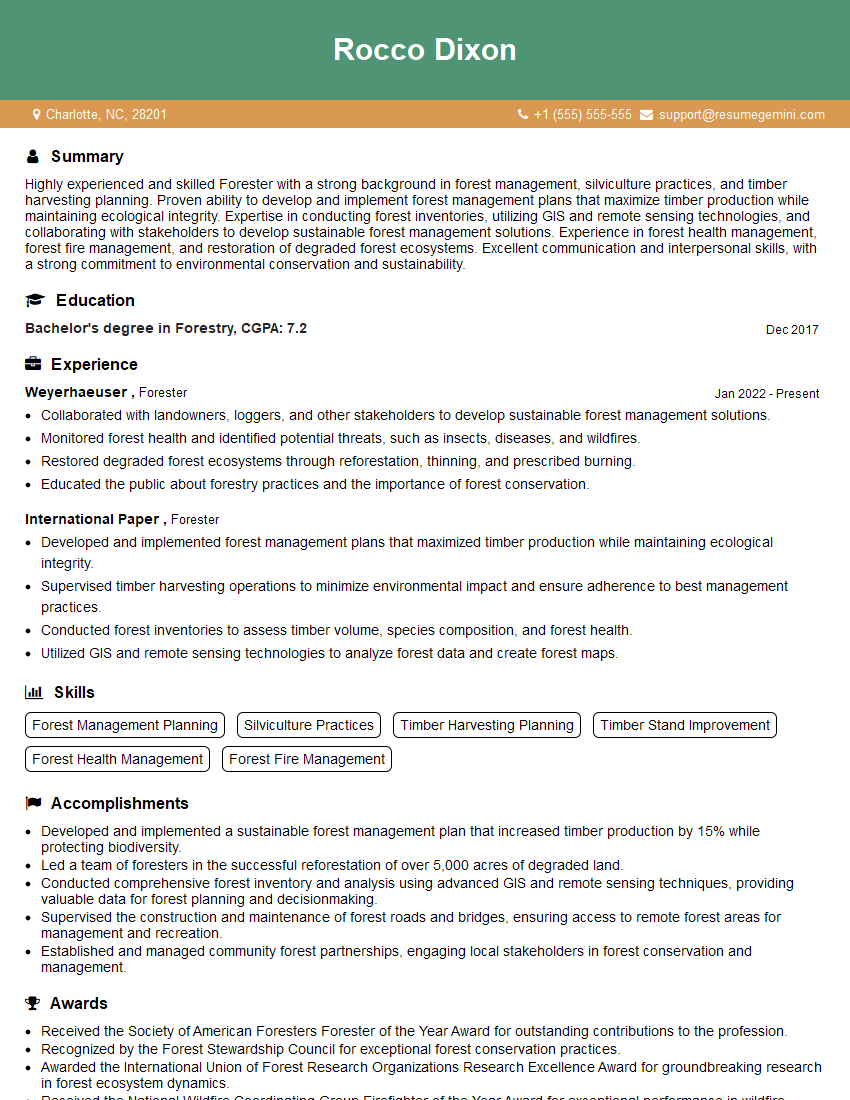
Forester Resume Sample
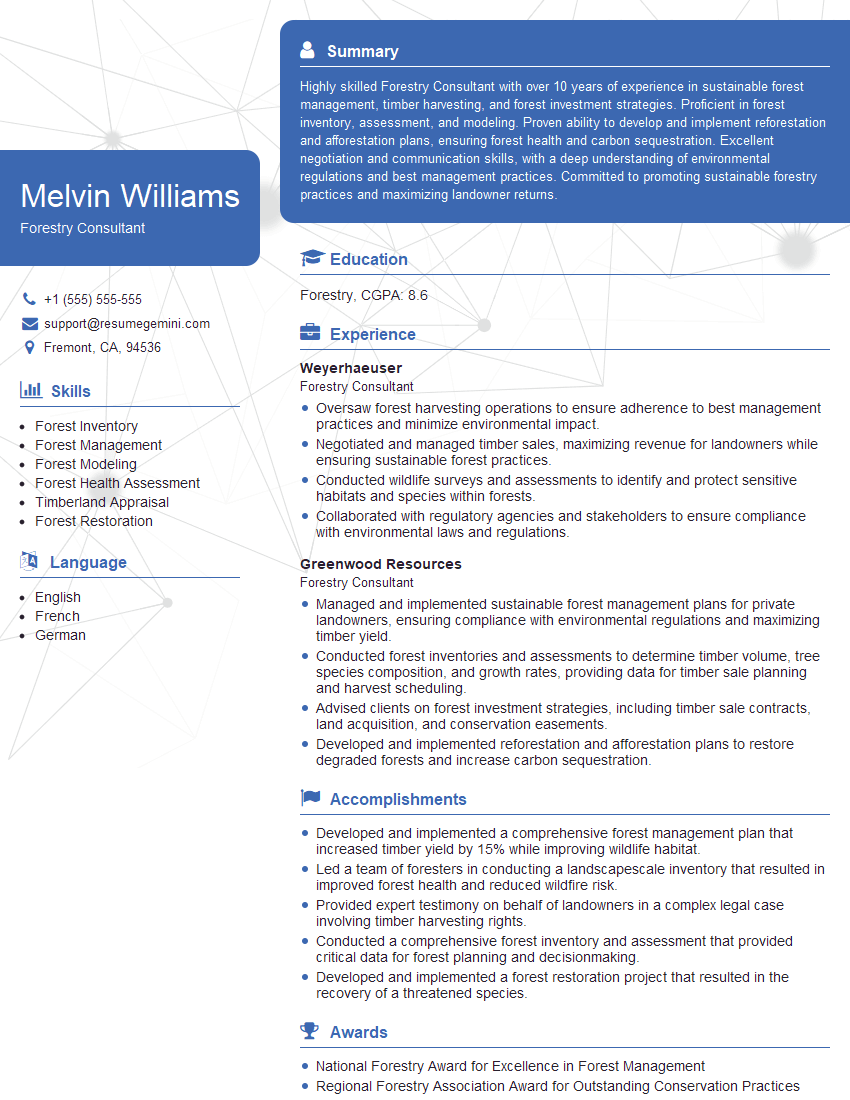
Forestry Consultant Resume Sample

Forestry Technician Resume Sample
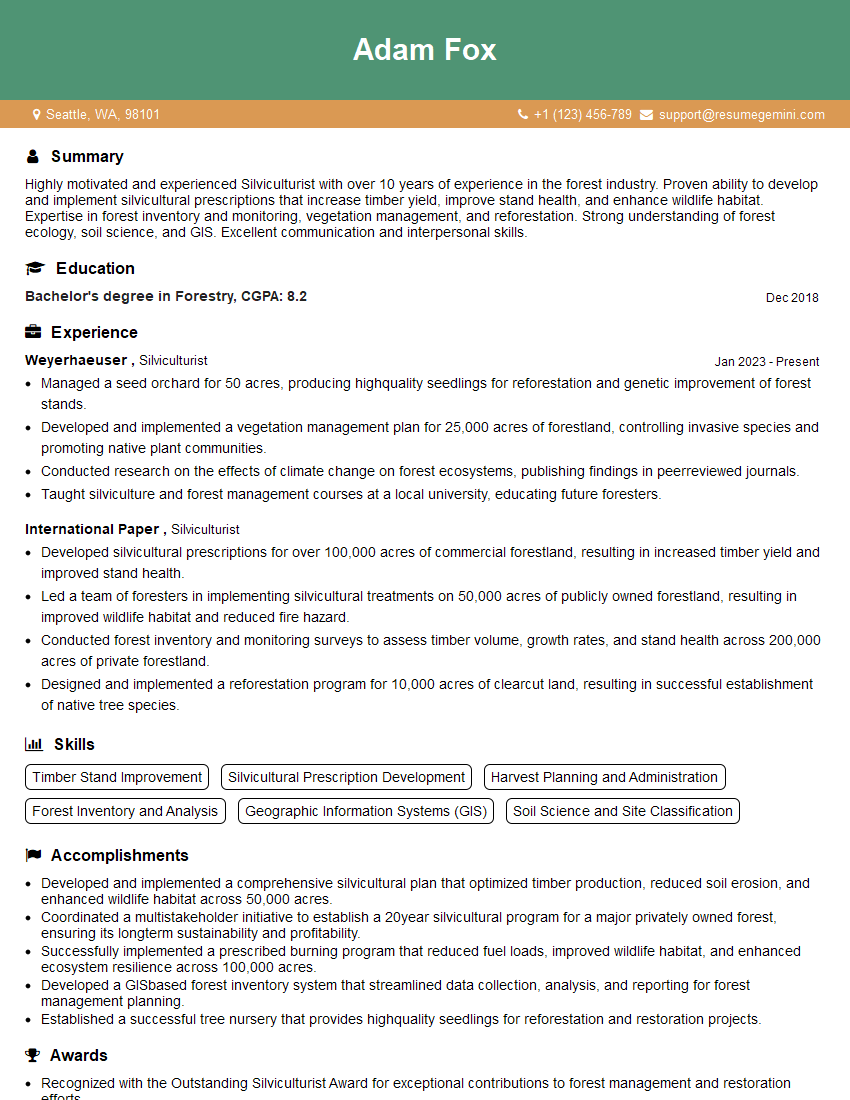
Silviculturist Resume Sample
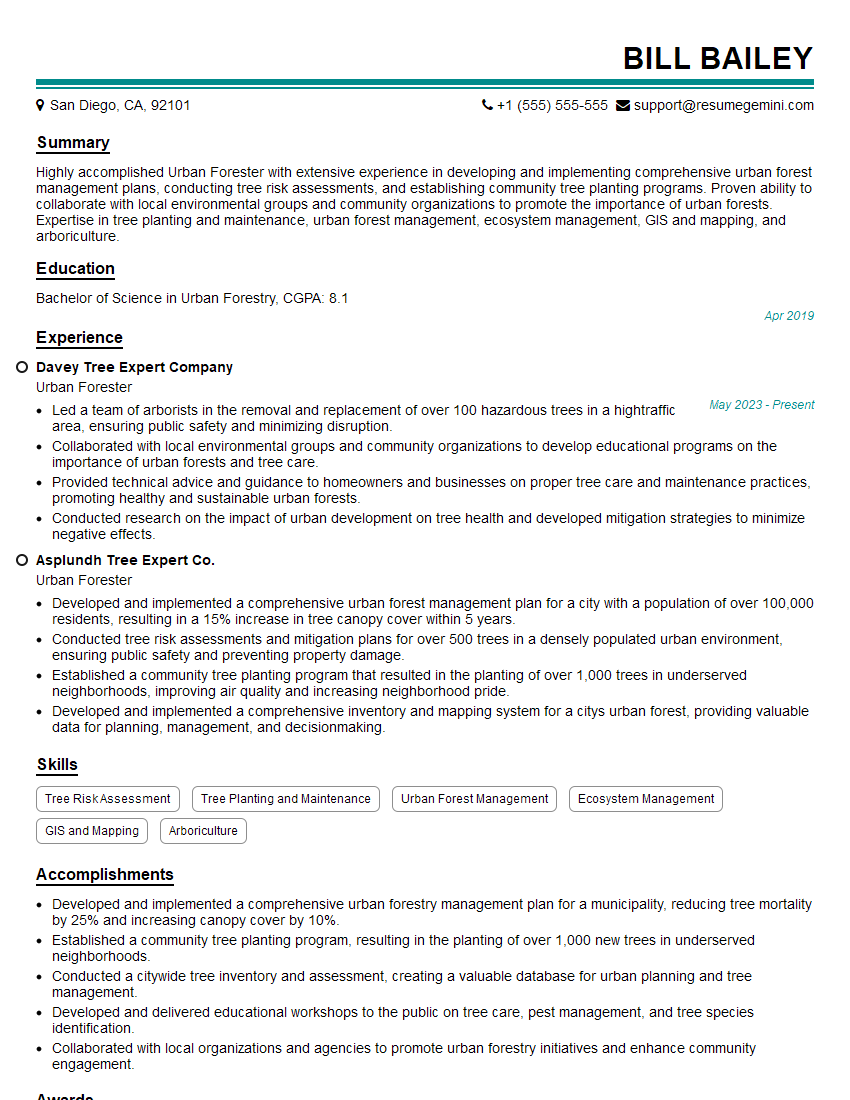
Urban Forester Resume Sample
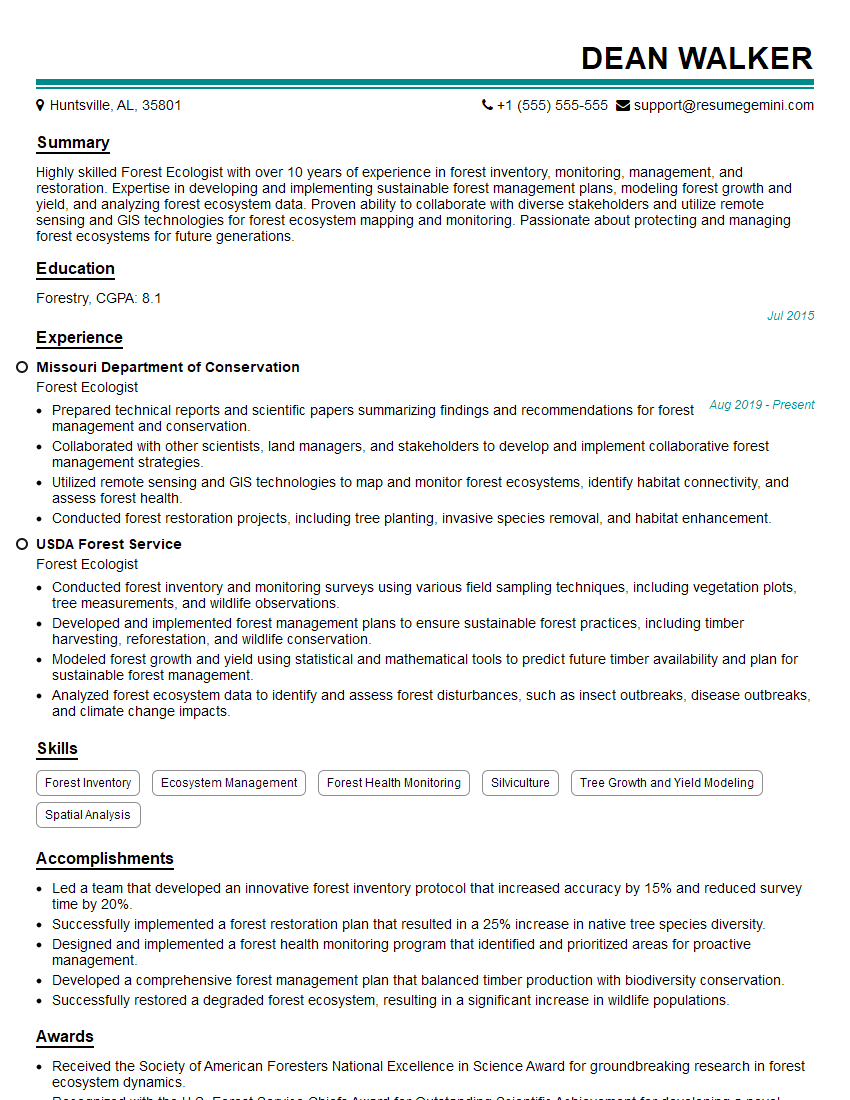
Forest Ecologist Resume Sample

Logging Supervisor Resume Sample
Explore more articles
Users Rating of Our Blogs
Share Your Experience
We value your feedback! Please rate our content and share your thoughts (optional).
What Readers Say About Our Blog
Very informative content, great job.
good