Interviews are more than just a Q&A session—they’re a chance to prove your worth. This blog dives into essential Forestry Resource Management interview questions and expert tips to help you align your answers with what hiring managers are looking for. Start preparing to shine!
Questions Asked in Forestry Resource Management Interview
Q 1. Explain the principles of sustainable forestry management.
Sustainable forestry management operates on the principle of meeting present needs without compromising the ability of future generations to meet their own. It’s a balancing act between economic benefits (timber production, employment), ecological integrity (biodiversity, water quality), and social equity (community needs, recreational opportunities).
- Maintaining Biodiversity: This involves protecting a variety of tree species, ages, and structures to ensure resilience against pests, diseases, and climate change. Imagine a forest as a diverse investment portfolio – diversification minimizes risk.
- Protecting Soil and Water: Sustainable practices minimize soil erosion and protect water quality. Selective harvesting techniques and careful road construction are crucial here. Think of the forest floor as a sponge – protecting it ensures clean water sources.
- Reforestation and Afforestation: Replanting harvested areas and establishing forests in degraded lands are vital. This ensures a continuous supply of timber and maintains ecosystem services.
- Involving Stakeholders: Sustainable forestry requires collaboration between forest managers, local communities, indigenous peoples, and government agencies. Open communication and participatory decision-making are key.
- Economic Viability: Sustainable forestry must be economically sound to ensure long-term viability. This involves efficient resource management and diversified income streams, like eco-tourism.
For example, a sustainably managed forest might prioritize the health of the entire ecosystem, rotating harvesting areas to allow for natural regeneration, and implementing wildlife corridors to ensure connectivity for animals.
Q 2. Describe different forest harvesting methods and their environmental impacts.
Forest harvesting methods significantly impact the environment. Choosing the right method depends on factors like forest type, terrain, and management objectives.
- Clearcutting: Removes all trees in a designated area. This is efficient for establishing even-aged stands but can lead to soil erosion, habitat loss, and reduced biodiversity. Think of it like a massive cleanup, leaving behind a bare landscape susceptible to damage.
- Shelterwood Harvesting: Removes trees in stages, leaving some mature trees to provide shade and seed for regeneration. This minimizes environmental impacts compared to clearcutting, offering better protection and gradual change.
- Selection Harvesting: Removes individual trees or small groups, leaving the majority of the forest intact. This is best for maintaining forest structure and biodiversity, creating a natural, uneven-aged environment.
- Seed-Tree Harvesting: Leaves a few seed-bearing trees to regenerate the forest naturally. This method is economical but has higher risk of failure and may require additional replanting.
The environmental impacts vary significantly. Clearcutting, while efficient, can have severe negative impacts on water quality, soil stability, and wildlife habitat. Selection harvesting, on the other hand, has minimal impact but may be less economically efficient.
Q 3. How do you assess forest health and identify potential threats?
Assessing forest health involves a multi-faceted approach. We combine field observations with remote sensing and analysis to understand the overall condition and identify potential problems.
- Visual Assessment: Directly observing trees for signs of disease, insect infestation, or damage. This includes checking for crown condition, stem health, and overall vigor. It’s like a doctor conducting a physical exam on a patient.
- Sampling and Measurements: Collecting data on tree diameter, height, and species composition. This helps understand forest structure and growth rates.
- Remote Sensing: Using aerial photos, satellite imagery, and LiDAR to assess large areas quickly. This allows us to see patterns and anomalies that are hard to detect on the ground. Think of it like a medical scan—a broader view revealing hidden issues.
- Soil Analysis: Testing soil nutrient levels, pH, and organic matter content to understand soil health and its impact on tree growth.
- Monitoring Wildlife Populations: Assessing the diversity and abundance of animal species to understand the health of the ecosystem. Healthy wildlife indicates a healthy forest.
Potential threats include pests and diseases, wildfires, climate change, and human activities such as deforestation and pollution. By regularly monitoring forest health, we can detect early warning signs and take appropriate management actions to mitigate these threats.
Q 4. What are the key components of a forest management plan?
A comprehensive forest management plan is crucial for sustainable forestry. It’s a roadmap outlining all aspects of forest management over a specific time period.
- Inventory Data: Detailed information on tree species, age, size, and distribution. This forms the basis for all management decisions.
- Management Objectives: Clearly defined goals and targets, such as timber production, biodiversity conservation, or recreational opportunities.
- Silvicultural Treatments: Methods for managing tree growth and regeneration, including planting, thinning, and pruning. This dictates how we will shape the forest’s future.
- Harvesting Schedule: A plan outlining when and how timber will be harvested, respecting ecological principles and minimizing environmental impact.
- Road Network Design: Careful planning of roads to minimize environmental disruption and ensure efficient timber extraction. Well-planned roads are like arteries carrying vital resources.
- Monitoring and Evaluation: A system for regularly monitoring the forest and evaluating the effectiveness of management practices. This allows for adjustments as needed.
- Environmental Protection Measures: Strategies to protect water quality, soil stability, and wildlife habitat.
A well-defined forest management plan ensures that management actions are aligned with the broader ecological, economic, and social goals.
Q 5. Discuss the role of GIS in forestry resource management.
Geographic Information Systems (GIS) are indispensable tools for forestry resource management. They provide a powerful platform for visualizing, analyzing, and managing spatial data.
- Mapping and Spatial Analysis: GIS allows us to create detailed maps of forest resources, including tree species, age classes, and terrain features. We can analyze spatial patterns and relationships, like identifying areas prone to erosion or highlighting wildlife corridors.
- Forest Inventory and Monitoring: GIS streamlines data collection, storage, and analysis during forest inventories. It allows for efficient data management and helps visualize changes over time.
- Planning and Decision-Making: GIS supports forest management planning by integrating various data layers, such as topography, soil type, and ownership boundaries. This allows us to make informed decisions about harvesting, reforestation, and road construction.
- Communication and Collaboration: GIS facilitates communication and collaboration among stakeholders by providing a common platform for sharing and visualizing spatial data.
For example, GIS can be used to identify optimal harvesting locations that minimize environmental impact while maximizing economic returns. It can also aid in identifying areas suitable for reforestation and in creating wildlife habitat maps.
Q 6. How do you conduct a forest inventory and analyze the data?
A forest inventory involves systematically collecting and analyzing data on forest resources. It provides a snapshot of the forest’s condition and informs management decisions.
- Planning and Design: The first step is defining the inventory’s objectives, the area to be surveyed, and the level of detail required. This includes choosing appropriate sampling techniques.
- Field Data Collection: This may involve measuring tree diameter, height, species, and assessing overall tree health. Different sampling methods, such as plots or line transects, can be used depending on the objectives.
- Data Processing and Analysis: The collected data is processed, cleaned, and analyzed to estimate total volume, basal area, and other important forest parameters. Statistical methods are often employed to account for sampling error.
- Data Visualization and Reporting: The results are typically presented in maps, tables, and reports, facilitating interpretation and communication to stakeholders.
Data analysis techniques range from simple descriptive statistics to more advanced methods like regression analysis or spatial statistics. The results inform management decisions related to harvesting, reforestation, and conservation.
Q 7. Explain the importance of biodiversity in forest ecosystems.
Biodiversity is essential for the health and resilience of forest ecosystems. A diverse forest is more resistant to disturbances like pests, diseases, and climate change.
- Ecosystem Stability: A wide range of species ensures ecological stability. Different species play different roles in nutrient cycling, soil formation, and decomposition. Think of it as a complex web – each species contributes to the overall health.
- Resilience to Disturbances: Diverse forests are better equipped to withstand and recover from disturbances. If one species is affected by a pest or disease, others can compensate.
- Productivity and Ecosystem Services: Biodiversity contributes to higher forest productivity and a wider range of ecosystem services, such as clean water, carbon sequestration, and recreational opportunities.
- Genetic Diversity: High genetic diversity within species improves their adaptability and resilience to environmental changes. This allows forests to better cope with changing conditions.
Loss of biodiversity weakens the forest, reducing its ability to provide essential ecosystem services and increasing its vulnerability to various threats. Sustainable forestry practices strive to maintain and enhance biodiversity to ensure the long-term health and productivity of forests.
Q 8. Describe your experience with forest fire prevention and suppression.
Forest fire prevention and suppression is a critical aspect of sustainable forest management. It involves a multi-pronged approach focusing on proactive measures to minimize the risk of fire ignition and reactive strategies for effective fire suppression when fires do occur.
Prevention strategies include creating defensible space around structures and communities by clearing flammable vegetation, implementing controlled burns to reduce fuel loads (under strict permit conditions and expert supervision), and public education campaigns promoting fire safety awareness. I’ve personally been involved in developing and implementing community wildfire protection plans, which involve working directly with landowners and local agencies to assess risks and create tailored solutions.
Suppression involves a rapid response system using early detection (e.g., through lookout towers and aerial surveillance), rapid mobilization of fire crews and equipment (including water tankers, bulldozers, and helicopters), and strategic fire fighting techniques like back burning and containment lines. My experience includes leading incident management teams during wildfire events, coordinating resources, and ensuring the safety of personnel and the environment. One memorable instance involved deploying a successful back burn to contain a wildfire threatening a critical watershed, minimizing its impact on downstream communities and ecosystems.
Q 9. How do you manage forest pests and diseases?
Managing forest pests and diseases requires a holistic approach that balances ecological integrity with economic considerations. A critical first step is accurate identification of the pest or disease through regular monitoring and early detection systems. This might involve visual inspections, trap surveys, or laboratory analysis. Once identified, management strategies vary greatly depending on the specific organism and the severity of the infestation or outbreak.
- Integrated Pest Management (IPM): This approach prioritizes preventative measures, such as promoting forest health through silvicultural practices like proper thinning and selective harvesting. It emphasizes using biological control methods (introducing natural predators or pathogens) or using pesticides only as a last resort, and then only with carefully targeted applications to minimize environmental impact. I have extensive experience implementing IPM strategies, focusing on minimizing the use of chemical pesticides.
- Quarantine and Eradication: In cases of highly invasive or aggressive pests and diseases, quarantine measures may be necessary to prevent their spread. This could involve restricting movement of timber or planting materials from affected areas. Eradication is a more drastic measure involving removing infected trees or utilizing targeted treatments. However, complete eradication is often difficult and expensive to achieve.
For instance, in managing an outbreak of mountain pine beetle, I’ve used a combination of pheromone traps to monitor population levels, silvicultural treatments to increase tree vigor, and in certain high-value areas, targeted insecticide treatments.
Q 10. What are the different methods for reforestation and afforestation?
Reforestation is the process of replanting trees in an area that previously had forest cover, while afforestation is establishing forests on land that has not been forested recently, or historically. Both are essential for restoring degraded lands and achieving carbon sequestration goals.
- Natural Regeneration: This cost-effective approach allows forests to regenerate naturally through seeds and sprouts. Success depends on maintaining suitable seed sources and minimizing disturbances. It works best in areas with a healthy seed bank and minimal soil degradation.
- Planting: This involves planting seedlings or saplings. Methods include hand planting, aerial seeding, or using specialized planting machines. Site preparation might be necessary to ensure seedling survival, such as removing competing vegetation or improving soil conditions. The choice of species is critical to ensure the success of the planting operation and the long-term health of the forest.
- Direct Seeding: This method involves broadcasting seeds directly onto the ground. It’s often cheaper than planting seedlings but requires careful site preparation and protection from wildlife predation. Success is highly dependent on environmental conditions.
In a recent project, we used a combination of natural regeneration and planting to restore a logged area. We selected species appropriate to the site conditions and utilized local community members in the planting process, thereby promoting local economic development.
Q 11. Explain the concept of forest certification (e.g., FSC).
Forest certification, such as that provided by the Forest Stewardship Council (FSC), is a voluntary process that verifies that forests are managed according to strict environmental and social standards. It provides assurance to consumers and businesses that wood and wood products come from responsibly managed sources.
The FSC sets ten principles that cover various aspects of forest management, including:
- Compliance with laws and regulations
- Protection of biodiversity
- Maintenance of forest health
- Protection of workers’ rights
- Beneficial contributions to local communities
Certification involves an independent third-party assessment of a forest management operation against these standards. Successful certification results in a certificate that allows the use of the FSC logo, enhancing market access for certified products. Working on several FSC certified projects, I understand the rigorous process required to maintain this standard, demonstrating commitment to sustainable practices.
Q 12. How do you balance economic, social, and environmental considerations in forest management?
Balancing economic, social, and environmental considerations in forest management is a key challenge. It requires a comprehensive approach that considers the needs of all stakeholders, including landowners, local communities, businesses, and the environment.
Economic considerations focus on maximizing the economic benefits derived from the forest, such as timber production, non-timber forest products, and ecotourism. Social considerations encompass the livelihoods and well-being of local communities, ensuring equitable access to forest resources, and promoting community participation in forest management decisions. Environmental considerations prioritize ecosystem health, biodiversity conservation, and carbon sequestration.
To balance these considerations, I use a variety of tools and techniques. This includes developing comprehensive forest management plans that incorporate all three aspects. Stakeholder engagement is crucial, bringing together diverse perspectives and facilitating collaborative decision-making. Using economic valuation techniques helps to quantify the value of environmental services, providing economic justification for conservation efforts. For example, I have worked on projects where payments for ecosystem services, such as carbon sequestration, are used to incentivize sustainable forest management practices.
Q 13. Describe your experience with forest road construction and maintenance.
Forest road construction and maintenance are crucial for accessing forests for management activities, such as timber harvesting, fire suppression, and recreation. Careful planning and construction minimize environmental impacts while ensuring long-term road stability and accessibility.
Construction involves careful consideration of environmental sensitivities, minimizing soil erosion and sedimentation, and protecting water quality. Techniques include using erosion control measures during and after construction, such as proper drainage design and revegetation. I have been involved in projects where we used environmentally friendly construction methods, minimizing the use of heavy machinery in sensitive areas.
Maintenance is ongoing, addressing issues like rutting, erosion, and washouts to ensure continued access. Regular inspections and timely repairs prevent major damage and high repair costs. Using appropriate drainage structures and techniques to prevent erosion are essential. I have developed and implemented comprehensive road maintenance programs, integrating preventative maintenance with reactive repairs to ensure optimal road condition and minimize environmental impact.
Q 14. How do you monitor and evaluate the effectiveness of forest management practices?
Monitoring and evaluating the effectiveness of forest management practices is essential to ensure sustainable forest management. This involves a combination of quantitative and qualitative data collection methods.
Quantitative methods may include measuring tree growth and mortality, assessing timber volume, monitoring biodiversity indicators, and tracking carbon sequestration rates. I use Geographic Information Systems (GIS) to analyze spatial data and create maps showing the distribution of various forest resources and changes over time.
Qualitative methods involve assessing social and economic aspects of forest management. This could include conducting surveys or interviews with local communities to gather information about their experiences and satisfaction with forest management practices. Careful documentation of management activities provides valuable insights.
By combining quantitative and qualitative data, we can obtain a comprehensive understanding of the effectiveness of our management efforts and identify areas for improvement. Regular reporting to stakeholders ensures transparency and accountability. One example includes utilizing growth and yield models to predict the future performance of forests under different management scenarios, enabling us to make informed decisions and optimize management practices over time.
Q 15. What are the legal and regulatory aspects of forestry in your region?
The legal and regulatory aspects of forestry in my region are complex and multifaceted, varying based on land ownership (public, private, or tribal), specific geographic location, and the type of forestry operation. Generally, activities are governed by a combination of federal, state, and local laws.
- Federal Laws: These often focus on national forest management, endangered species protection (e.g., the Endangered Species Act), and broader environmental regulations (e.g., the Clean Water Act). These might dictate allowable harvest levels, protection of riparian areas, or limitations on the use of certain chemicals.
- State Laws: State regulations are crucial for defining sustainable forestry practices, regulating timber harvesting on private lands, and enforcing forest fire prevention measures. They often include specific guidelines for reforestation, forest certification programs, and environmental impact assessments.
- Local Ordinances: County or municipal regulations might deal with zoning related to forestry, restrictions on land clearing, or forest fire mitigation plans specific to local conditions.
Enforcement is often carried out by a combination of agencies including the Forest Service (at the federal level), state departments of natural resources, and local conservation departments. Non-compliance can lead to significant fines and even legal action, highlighting the importance of careful adherence to these laws and regulations.
Career Expert Tips:
- Ace those interviews! Prepare effectively by reviewing the Top 50 Most Common Interview Questions on ResumeGemini.
- Navigate your job search with confidence! Explore a wide range of Career Tips on ResumeGemini. Learn about common challenges and recommendations to overcome them.
- Craft the perfect resume! Master the Art of Resume Writing with ResumeGemini’s guide. Showcase your unique qualifications and achievements effectively.
- Don’t miss out on holiday savings! Build your dream resume with ResumeGemini’s ATS optimized templates.
Q 16. Explain your experience with using remote sensing data in forestry.
My experience with remote sensing data in forestry is extensive. I’ve used various technologies like LiDAR (Light Detection and Ranging), multispectral and hyperspectral imagery from satellites and drones, to gather crucial information about forest health and structure.
LiDAR, for example, allows for precise three-dimensional mapping of forest canopies, providing insights into tree height, density, and biomass. This is vital for accurate timber volume estimation and forest inventory, reducing the need for extensive ground surveys, saving time and resources.
Multispectral imagery from sources such as Landsat or Sentinel satellites helps in identifying forest types, assessing forest health (detecting stress or disease), and monitoring forest change over time. For instance, we can analyze near-infrared bands to detect differences in vegetation vigor and identify areas with potential pest infestations.
Drone-based imagery offers high-resolution data ideal for detailed site assessments, monitoring of harvesting operations, and evaluating the success of reforestation efforts.
I’m proficient in using Geographic Information Systems (GIS) software to process and analyze this remote sensing data, creating accurate maps and visualizations that support informed decision-making in forest management. For example, I’ve used this data to develop optimized harvesting plans that minimize environmental impact and maximize timber yield.
Q 17. How do you communicate effectively with stakeholders on forestry issues?
Effective communication with stakeholders is paramount in forestry. It’s not just about conveying information; it’s about building trust and collaboration. My approach involves several key strategies:
- Active Listening: Understanding stakeholders’ concerns, values, and perspectives is crucial. I make it a point to actively listen and ask clarifying questions before presenting information.
- Clear and Concise Communication: I avoid technical jargon whenever possible and use plain language that is easily understood by everyone. I utilize visual aids like maps and charts to illustrate complex information effectively.
- Multiple Communication Channels: I leverage a variety of methods, including public meetings, workshops, online forums, newsletters, and one-on-one conversations, tailoring my approach to the audience and the issue at hand.
- Transparency and Honesty: Openly communicating both positive and negative aspects of a project builds trust and encourages collaboration.
- Feedback Mechanisms: Incorporating feedback mechanisms ensures that stakeholders feel heard and involved in the decision-making process.
For example, when working on a project involving a proposed logging operation near a residential area, I held community meetings, prepared an easily understood FAQ sheet, and proactively addressed concerns about noise, traffic, and environmental impacts. This transparent approach resulted in increased cooperation and acceptance of the project.
Q 18. Describe a time you had to solve a complex problem in forest management.
One particularly challenging project involved managing a forest severely affected by a wildfire. The immediate priority was to prevent further erosion and mitigate the risk of landslides on steep slopes. The problem was complex because we had to balance immediate stabilization needs with long-term forest restoration goals, and we had limited time and budget.
My solution involved a multi-phased approach:
- Emergency Stabilization: We immediately implemented temporary erosion control measures like seeding with fast-growing grasses and using biodegradable erosion control blankets on the steepest slopes.
- Assessment and Planning: We conducted a thorough assessment of the damage using remote sensing data and on-the-ground surveys. This informed the development of a detailed restoration plan that addressed both short-term and long-term objectives.
- Stakeholder Engagement: We collaborated closely with local communities, environmental groups, and government agencies to ensure buy-in and alignment on the restoration plan.
- Phased Implementation: We implemented the restoration plan in phases, prioritizing high-risk areas first. This phased approach allowed us to adapt our strategies as needed, maximizing efficiency and effectiveness.
The project’s success was measured by the reduction in erosion, the re-establishment of vegetation cover, and the positive feedback from the community. This experience reinforced the importance of proactive planning, adaptability, and effective stakeholder collaboration in managing unexpected events.
Q 19. How do you deal with conflicting stakeholder interests in forestry projects?
Conflicting stakeholder interests are common in forestry projects. My approach involves facilitating a collaborative process that considers all perspectives and seeks mutually acceptable solutions.
I use a combination of techniques:
- Stakeholder Analysis: I begin by identifying all relevant stakeholders and mapping their interests, concerns, and influence. This helps me understand the potential conflicts upfront.
- Mediation and Facilitation: I act as a neutral facilitator, creating a safe space for open dialogue and conflict resolution. This might involve structured workshops or one-on-one meetings.
- Negotiation and Compromise: I guide stakeholders through a negotiation process to find common ground and compromise solutions. This often involves identifying trade-offs that satisfy competing interests.
- Collaborative Decision-Making: I work towards establishing a collaborative decision-making process that ensures all voices are heard and considered. This might involve forming a steering committee or working group.
- Transparent and Equitable Process: Maintaining transparency and ensuring an equitable process builds trust and increases the likelihood of achieving a mutually acceptable outcome.
For instance, in a project involving timber harvesting and wildlife habitat conservation, I facilitated workshops that brought together logging companies, environmental groups, and local residents. Through a structured negotiation process, we developed a plan that balanced timber production with wildlife habitat protection, resulting in a win-win scenario for all stakeholders.
Q 20. What is your experience with forest carbon sequestration and climate change mitigation?
Forest carbon sequestration and climate change mitigation are central to my work. Forests act as vital carbon sinks, absorbing atmospheric CO2 and storing it in trees, soil, and other biomass. My experience includes:
- Carbon Stock Assessment: I’ve conducted assessments of forest carbon stocks using a variety of methods, including field measurements, remote sensing data, and forest inventory data. This helps quantify the carbon sequestration potential of different forest types and management practices.
- Sustainable Forest Management Planning: I incorporate carbon sequestration goals into sustainable forest management plans. This involves optimizing timber harvesting practices to minimize carbon emissions and enhance carbon storage.
- Reforestation and Afforestation Projects: I’ve been involved in numerous reforestation and afforestation projects aimed at increasing forest cover and enhancing carbon sequestration.
- Climate Change Adaptation Strategies: I’m involved in developing climate change adaptation strategies for forests, focusing on building resilience to extreme weather events and pest outbreaks.
- Carbon Offset Projects: I have experience working with carbon offset projects, verifying carbon sequestration claims and ensuring environmental integrity.
For example, I’ve worked on a project that used remote sensing data to assess the carbon storage potential of a specific forest and then developed a sustainable harvesting plan that maximized timber yield while minimizing carbon release. This plan also included reforestation efforts to ensure long-term carbon sequestration.
Q 21. Describe your experience with forest ecosystem restoration.
Forest ecosystem restoration is a complex undertaking that requires a deep understanding of ecological processes and stakeholder engagement. My experience includes various approaches to restore degraded forest ecosystems:
- Reforestation and Afforestation: Planting native tree species to re-establish forest cover in deforested areas is a fundamental aspect. Species selection is crucial to ensure success and suitability to the environment.
- Habitat Restoration: Creating and improving habitats for wildlife is critical. This might involve creating wildlife corridors, restoring wetlands, or managing vegetation to support specific species.
- Soil Improvement: Degraded soils often need attention to restore their fertility and water retention capacity. This may include techniques like adding organic matter or improving drainage.
- Water Management: Restoring water cycles is often a priority. This might include restoring riparian zones, improving watershed management, or controlling erosion.
- Weed Control: Invasive species often hinder restoration efforts. Managing invasive plants requires careful planning and implementation, often involving both mechanical and biological control methods.
- Monitoring and Evaluation: Ongoing monitoring and evaluation of the restoration efforts are crucial to track progress, adapt strategies, and ensure the success of the project.
For example, I led a project restoring a degraded riparian zone after a wildfire. This involved planting native trees and shrubs, stabilizing the banks with bioengineering techniques, and monitoring water quality. The project resulted in improved water quality, enhanced habitat for wildlife, and increased resilience to future disturbances.
Q 22. Explain the importance of soil health in forest management.
Soil health is absolutely fundamental to successful forest management. Think of it as the foundation of a house – without a strong base, the entire structure is compromised. Healthy soil provides essential nutrients and water for tree growth, supports a diverse ecosystem of beneficial organisms, and helps regulate water cycles.
Specifically, healthy forest soil boasts:
- High organic matter content: This improves water retention, nutrient availability, and soil structure.
- Abundant microbial life: Bacteria, fungi, and other microorganisms decompose organic matter, releasing nutrients and improving soil aeration.
- Good soil structure: A well-structured soil, with aggregates and pores, allows for better water infiltration, root penetration, and aeration.
- Appropriate pH levels: The soil pH influences nutrient availability and microbial activity. Too acidic or alkaline conditions can hinder tree growth.
Poor soil health, on the other hand, can lead to stunted tree growth, increased susceptibility to pests and diseases, and reduced carbon sequestration. For example, compacted soils can restrict root growth and water infiltration, leading to drought stress. In my experience, implementing practices like reduced-impact logging and careful site preparation significantly improve soil health and long-term forest productivity.
Q 23. What is your experience with water resource management in forests?
My experience with water resource management in forests spans over 15 years, encompassing both research and practical application. I’ve worked on projects involving watershed management, stream restoration, and the development of sustainable water harvesting techniques for forest plantations. I understand the intricate interplay between forests and water resources, recognizing the vital role forests play in regulating water flow, preventing erosion, and maintaining water quality.
One notable project involved designing and implementing a rainwater harvesting system for a drought-prone region. This involved analyzing hydrological data, designing appropriate infrastructure, and educating local communities on sustainable water use. This project successfully increased water availability for both forest regeneration and local communities, demonstrating the tangible benefits of integrated water resource management.
Furthermore, I possess a strong understanding of hydrological modeling software, such as HEC-HMS, which allows for accurate prediction and management of water flow within forested watersheds.
Q 24. How do you integrate wildlife conservation into forest management plans?
Integrating wildlife conservation into forest management plans is crucial for maintaining biodiversity and ecological balance. It’s not about simply protecting a few charismatic species; it’s about creating and maintaining healthy habitats that support a wide array of plants and animals.
My approach involves:
- Habitat mapping and assessment: Identifying key habitats and critical areas for wildlife.
- Species-specific management strategies: Tailoring management practices to the needs of specific wildlife species, such as creating corridors for movement or managing forest structure for nesting sites.
- Monitoring and adaptive management: Regularly monitoring wildlife populations and adjusting management strategies based on the data.
- Collaboration with wildlife experts: Working closely with biologists and ecologists to ensure that management plans are scientifically sound and effective.
For instance, in one project, we designed a forest management plan that included the creation of buffer zones around sensitive wetlands to protect amphibian breeding grounds. This led to a significant increase in the local amphibian population, highlighting the effectiveness of integrated wildlife conservation strategies.
Q 25. Describe your proficiency with relevant forestry software and tools.
I’m proficient in a range of forestry software and tools, including GIS (Geographic Information Systems) software such as ArcGIS and QGIS for spatial data analysis and mapping; forest inventory and growth modeling software like FVS (Forest Vegetation Simulator) and Mensuration software for tree measurement and volume estimation; and remote sensing software for analyzing satellite imagery and aerial photographs.
My experience extends to using specialized software for forest planning and management, such as Forest planning software and data management systems for organizing and analyzing large datasets. I can also comfortably use various hardware, including GPS units, total stations, and drones for data collection in the field. I consider myself a highly competent and adaptable user, and I’m always eager to learn and integrate new technologies to enhance efficiency and accuracy in forest management.
Q 26. Explain your understanding of forest economics and valuation.
Forest economics and valuation are critical for making informed decisions in forest management. It’s about understanding the economic value of forests, not just in terms of timber production, but also considering their role in providing ecosystem services such as carbon sequestration, water purification, and recreation.
My understanding incorporates various valuation techniques, including:
- Market-based valuation: Assessing the value of forest products through market prices.
- Cost-benefit analysis: Evaluating the costs and benefits of different management strategies.
- Contingent valuation: Determining the willingness to pay for non-market goods and services.
- Hedonic pricing: Using property values to estimate the value of ecosystem services.
For instance, I’ve been involved in projects where we’ve used cost-benefit analysis to compare the economic viability of different harvesting methods, considering factors like timber yield, environmental impacts, and the cost of reforestation. This allows for a more comprehensive evaluation of management options, leading to more sustainable and economically sound decisions.
Q 27. How do you adapt forest management strategies to changing environmental conditions?
Adapting forest management strategies to changing environmental conditions, such as climate change and increasing pest outbreaks, is paramount for ensuring the long-term health and productivity of forests. This requires a proactive and adaptive approach, using scientific data and predictive modeling.
My approach involves:
- Climate change projections: Incorporating climate change projections into forest management plans, considering changes in temperature, precipitation, and extreme weather events.
- Pest and disease monitoring: Implementing robust monitoring programs to detect and respond to pest and disease outbreaks.
- Diversification of species and genotypes: Promoting forest diversity through the planting of a wider range of tree species and genotypes with greater resilience to environmental stresses.
- Assisted migration: In some cases, strategically moving tree species to more suitable climates.
For example, in a recent project, we shifted from a monoculture plantation to a mixed-species stand to increase resilience to drought and pest infestation. This demonstrates a practical application of adaptive management in response to changing environmental conditions.
Q 28. Describe your experience working in a team setting on forestry projects.
I have extensive experience working in team settings on various forestry projects, ranging from small-scale research initiatives to large-scale forest management programs. I’m a strong believer in collaborative efforts, believing that diverse perspectives and skills enhance project outcomes.
My contributions to team projects have included:
- Effective communication: Clearly conveying technical information to both technical and non-technical audiences.
- Problem-solving: Identifying and resolving challenges collaboratively.
- Leadership: Taking on leadership roles when appropriate and supporting team members.
- Mentorship: Guiding junior team members and sharing my knowledge and experience.
In one particular instance, our team overcame a significant challenge in achieving successful reforestation following a wildfire by employing diverse skillsets, incorporating data from multiple sources and using various forest management strategies to address the unique aspects of the affected landscape. This successfully fostered effective communication and collaboration. This underscores the importance of collaborative efforts in successfully implementing complex forest management projects.
Key Topics to Learn for Forestry Resource Management Interview
- Sustainable Forest Management Practices: Understanding principles of sustainable yield, biodiversity conservation, and ecosystem services. Practical application: Designing a sustainable harvesting plan minimizing environmental impact.
- Forest Mensuration and Inventory: Techniques for measuring and assessing forest resources (e.g., volume, growth, biomass). Practical application: Using data to inform management decisions regarding timber harvesting or thinning.
- Forest Ecology and Silviculture: Knowledge of forest ecosystems, tree species identification, and silvicultural techniques (e.g., planting, thinning, pruning). Practical application: Developing a reforestation plan for a degraded area.
- Forest Protection and Pest Management: Identifying and managing threats to forest health (e.g., diseases, insects, fire). Practical application: Developing a plan to control an outbreak of a forest pest.
- Forest Economics and Policy: Understanding the economic aspects of forestry, including timber valuation, market analysis, and forest policy. Practical application: Analyzing the economic feasibility of different forest management strategies.
- GIS and Remote Sensing in Forestry: Utilizing geospatial technologies for forest mapping, monitoring, and analysis. Practical application: Using satellite imagery to assess forest health and damage after a natural disaster.
- Forest Planning and Management: Developing and implementing long-term forest management plans, considering various stakeholders and objectives. Practical application: Creating a comprehensive forest management plan for a specific area.
Next Steps
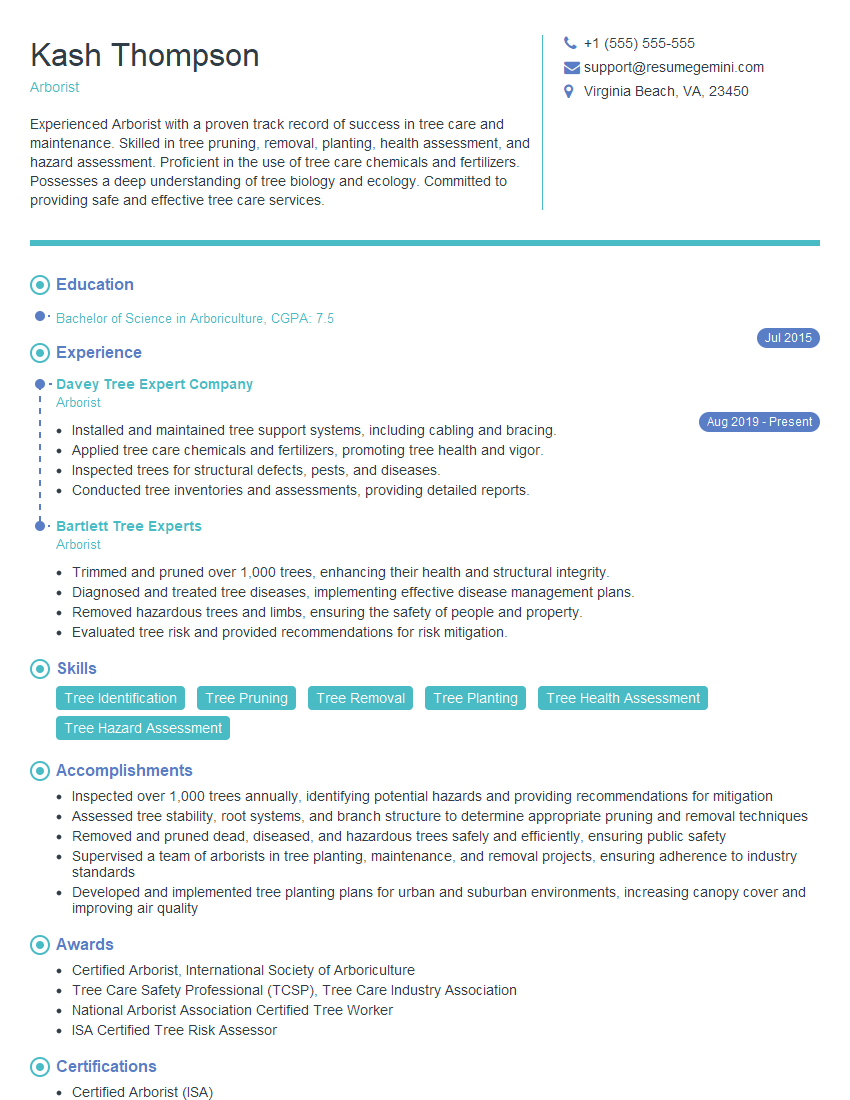
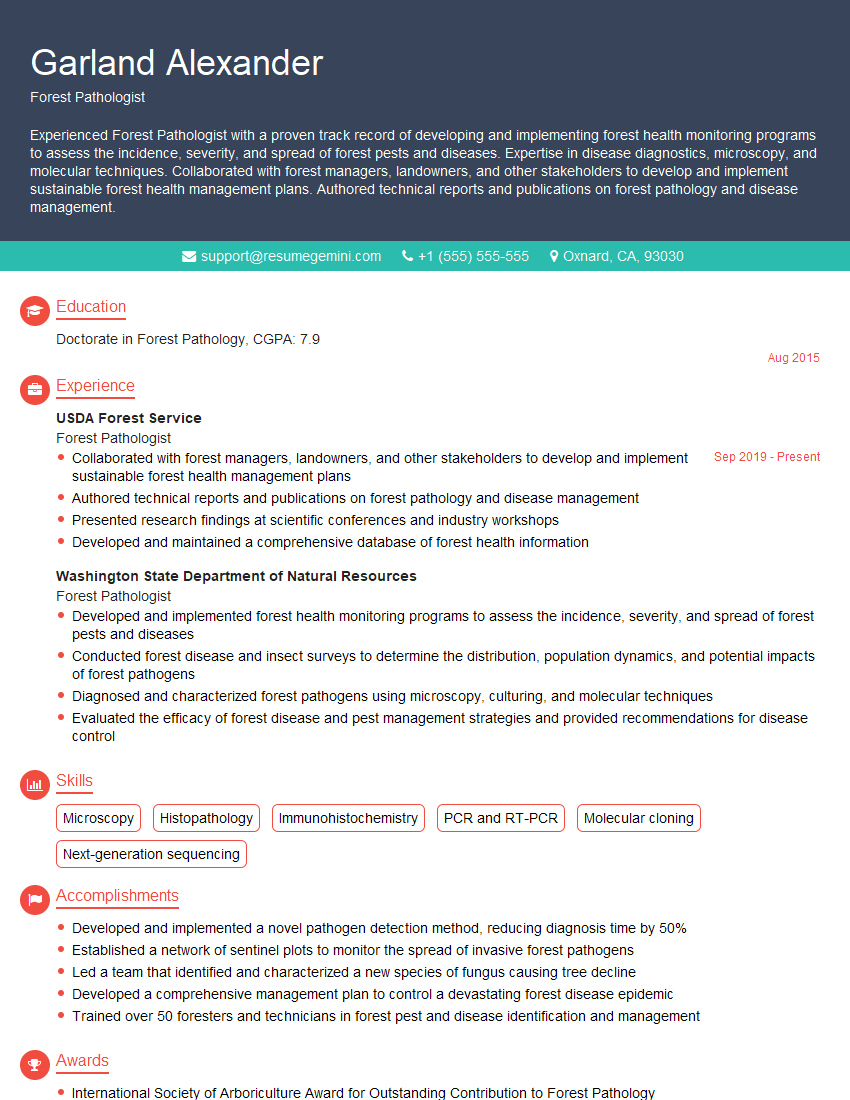
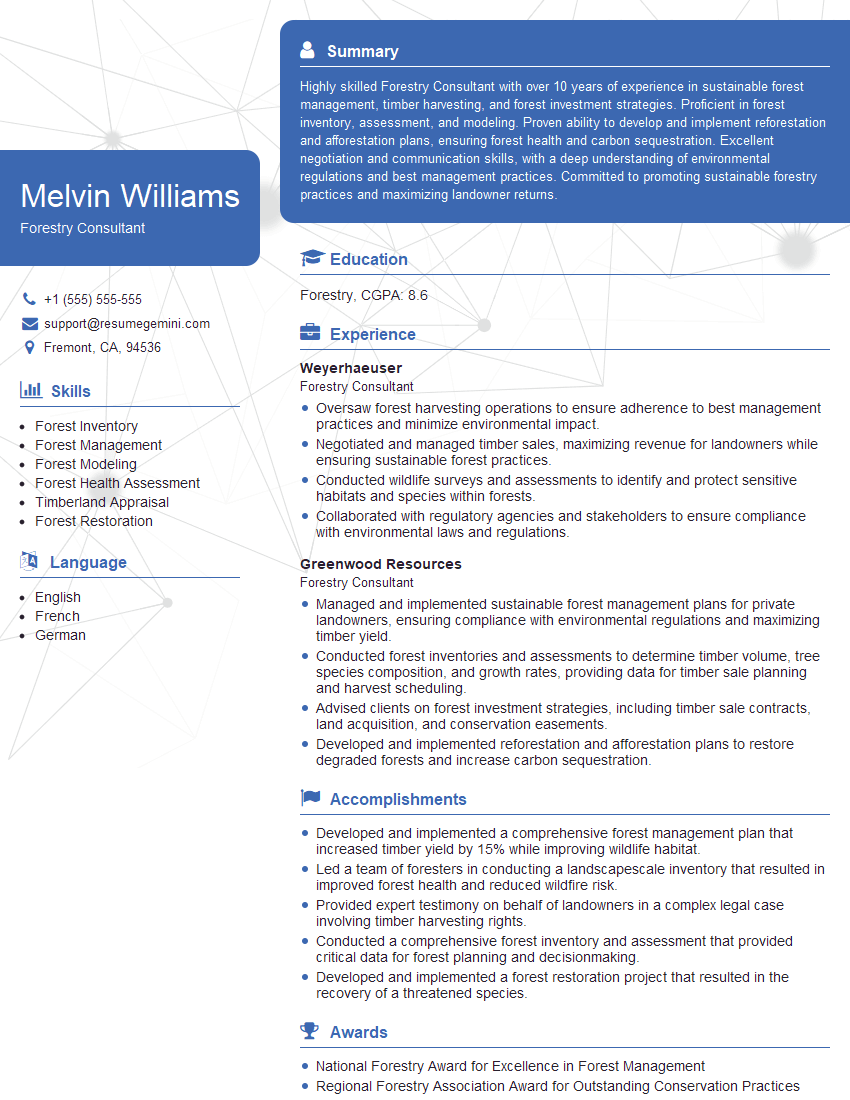
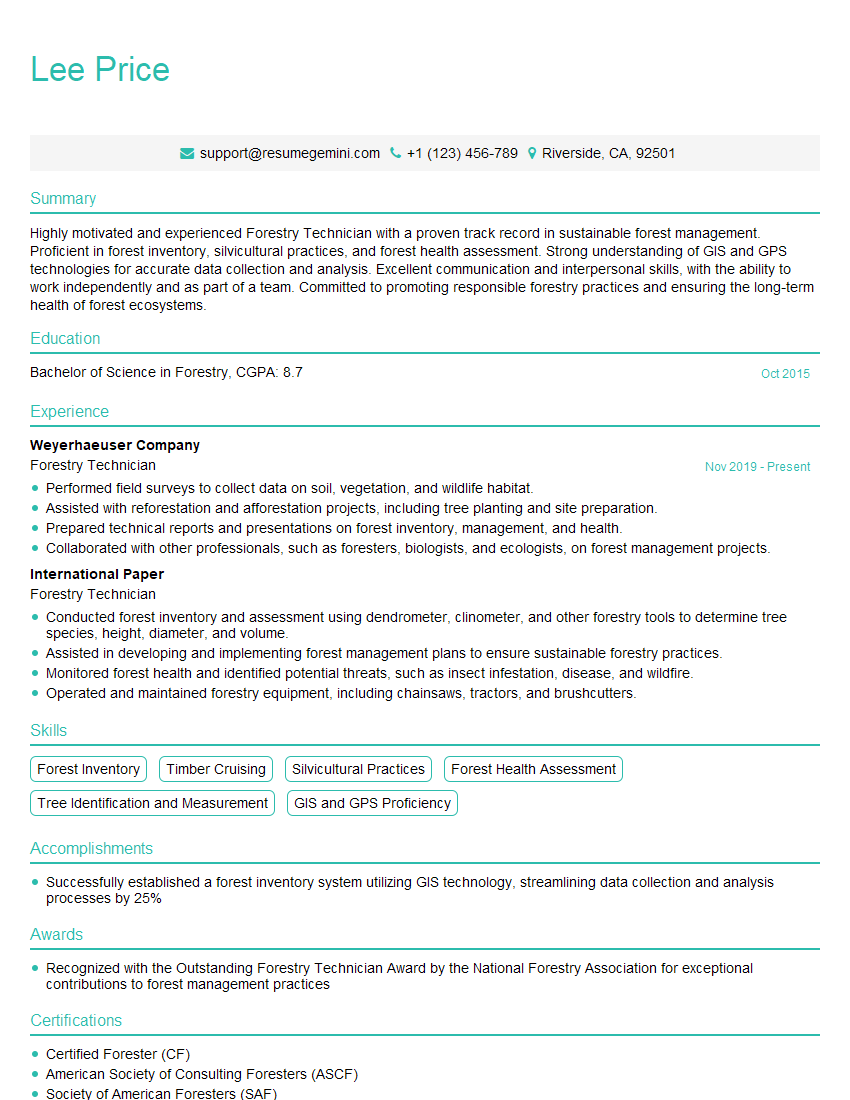
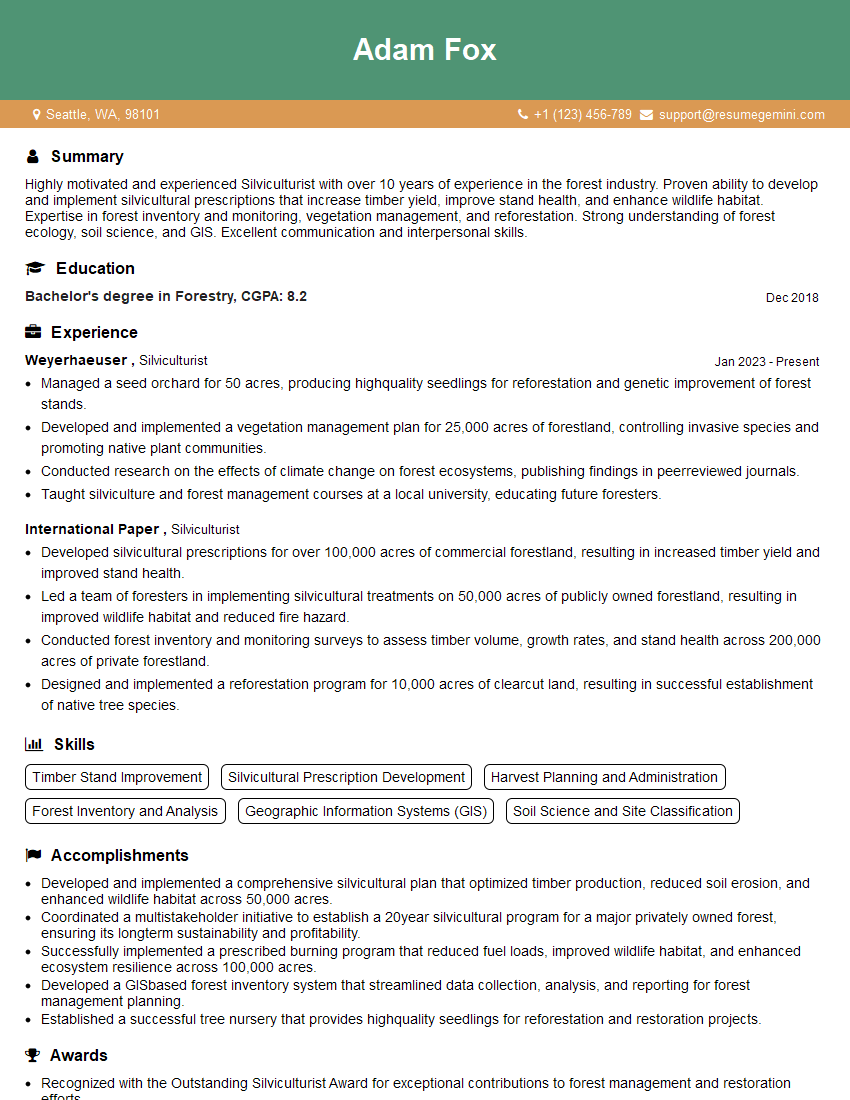
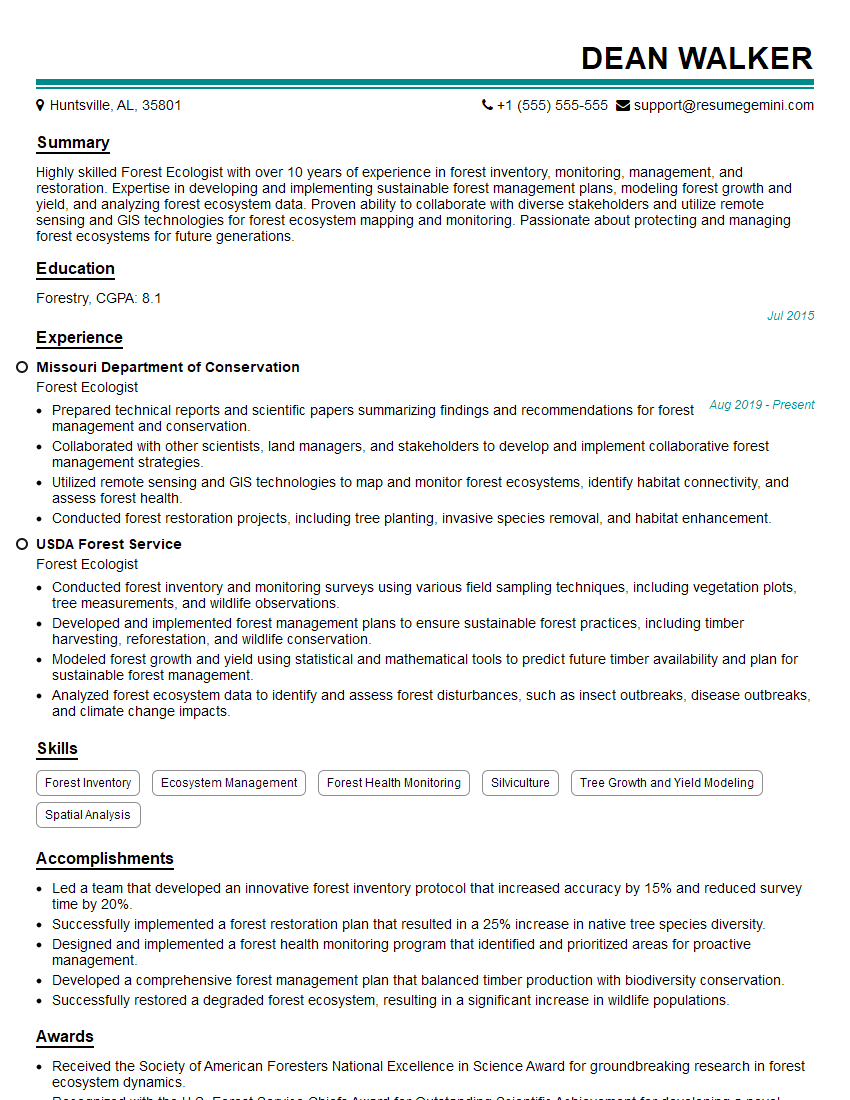
Mastering Forestry Resource Management opens doors to a rewarding career with diverse opportunities for growth and impact. To maximize your job prospects, creating a strong, ATS-friendly resume is crucial. This ensures your qualifications are effectively communicated to potential employers. We highly recommend using ResumeGemini to build a professional and compelling resume that showcases your skills and experience. ResumeGemini provides tools and resources to create an impactful document, and examples of resumes tailored specifically to Forestry Resource Management are available to guide you.
Explore more articles
Users Rating of Our Blogs
Share Your Experience
We value your feedback! Please rate our content and share your thoughts (optional).
What Readers Say About Our Blog
Very informative content, great job.
good