Cracking a skill-specific interview, like one for Ability to handle high-pressure situations, requires understanding the nuances of the role. In this blog, we present the questions you’re most likely to encounter, along with insights into how to answer them effectively. Let’s ensure you’re ready to make a strong impression.
Questions Asked in Ability to handle high-pressure situations Interview
Q 1. Describe a time you had to make a critical decision under extreme time constraints.
Making critical decisions under pressure requires a calm, methodical approach, even when time is severely limited. It’s about prioritizing speed and accuracy while minimizing risk.
In my previous role, we experienced a major system outage just before a critical client presentation. We had less than an hour to diagnose the problem, implement a workaround, and ensure the presentation data was accessible. I immediately initiated a quick triage meeting, assigning team members specific tasks based on their expertise. We focused on the most impactful issues first – identifying the core problem and creating a temporary solution. We bypassed the faulty component using a backup system, and the presentation proceeded without significant interruption. This experience taught me the value of clear communication, delegation, and decisive action under extreme duress. The key is to remain focused on the immediate goal, avoid unnecessary analysis paralysis, and make the best possible decision with the information at hand.
Q 2. How do you prioritize tasks when facing multiple urgent requests?
Prioritization under multiple urgent requests relies on a structured approach combining urgency and importance. I use a matrix system similar to the Eisenhower Matrix (Urgent/Important).
- Urgent and Important: These tasks require immediate attention. Examples might include resolving a critical production issue or responding to an emergency client request. These get tackled first.
- Important, but Not Urgent: These tasks are crucial for long-term success but don’t have immediate deadlines. This could be strategic planning or professional development. I schedule these tasks to minimize disruption to the urgent items.
- Urgent, but Not Important: These tasks may seem pressing but often have a lower impact. I delegate these when possible or schedule them for a later time. An example might be responding to a non-critical email.
- Neither Urgent nor Important: These tasks can be eliminated or postponed.
This system ensures that critical tasks are addressed promptly while less important tasks are managed efficiently, avoiding feeling overwhelmed.
Q 3. What strategies do you use to manage stress and maintain focus during high-pressure situations?
Managing stress and maintaining focus during high-pressure situations involves a combination of proactive and reactive strategies.
- Proactive Strategies: Sufficient sleep, a healthy diet, regular exercise, and mindfulness practices (meditation, deep breathing) are crucial for building resilience.
- Reactive Strategies: When facing pressure, I employ techniques like taking short breaks to clear my head, focusing on my breathing to calm my nerves, and breaking down large tasks into smaller, more manageable steps. Timeboxing each smaller task creates a sense of accomplishment and momentum.
Also, I find that communicating openly with my team about the pressures we are facing fosters a supportive environment and helps me avoid feeling isolated. Remember, acknowledging stress is not weakness, but an opportunity for growth and improvement in our coping mechanisms.
Q 4. Describe a situation where you had to deal with a difficult or demanding person under pressure.
Dealing with difficult individuals under pressure requires empathy, clear communication, and a firm yet respectful approach.
Once, a frustrated client was aggressively demanding an immediate solution to a technical problem that wasn’t fully within our control due to external factors. I acknowledged their frustration, validated their concerns, and then calmly explained the limitations we faced. I laid out a clear timeline for the resolution, offered alternative solutions to minimize disruption, and kept them updated every step of the way. By actively listening, demonstrating understanding, and providing clear communication, I diffused the situation and maintained a positive working relationship.
Q 5. How do you handle conflicting priorities when working under a tight deadline?
Handling conflicting priorities under tight deadlines necessitates a structured approach to re-prioritization. I typically reassess the tasks based on their impact and urgency in relation to the overall deadline.
I use a system of weighted scoring. Each task receives a score based on its importance (impact on the project) and urgency (proximity to deadline). The highest-scoring tasks are addressed first. If necessary, I communicate openly with stakeholders to potentially adjust expectations or deadlines based on the resource limitations and the revised priorities. Transparency and clear communication are key to navigating this scenario successfully.
Q 6. Have you ever failed to meet a deadline due to pressure? How did you handle it?
Yes, I have missed a deadline due to unforeseen circumstances and underestimated the complexity of a task. The key to recovery was honesty and proactive communication.
I immediately informed my stakeholders, outlining the reasons for the delay and proposing a revised timeline. I then worked tirelessly to rectify the situation, putting in extra hours and seeking additional support if needed. While missing a deadline is never ideal, owning the mistake, proactively communicating with relevant parties, and demonstrating a commitment to finding a solution helped mitigate the negative impact.
Q 7. What’s your typical approach to problem-solving in high-pressure environments?
My problem-solving approach in high-pressure environments is systematic and iterative.
- Define the Problem: Clearly articulate the core issue and its impact.
- Gather Information: Collect relevant data and input from various sources.
- Generate Solutions: Brainstorm multiple potential solutions, even seemingly unconventional ones.
- Analyze Solutions: Evaluate each solution’s feasibility, potential risks, and benefits.
- Select and Implement: Choose the most promising solution and implement it, monitoring progress closely.
- Evaluate Results: Assess the effectiveness of the implemented solution. If necessary, adapt or iterate based on feedback and new information.
This structured approach ensures efficiency, reduces panic, and facilitates optimal decision-making, even under time constraints.
Q 8. How do you ensure accuracy and attention to detail under pressure?
Maintaining accuracy and attention to detail under pressure requires a structured approach. It’s not about working faster, but working smarter. I employ several strategies:
- Prioritization: I use techniques like the Eisenhower Matrix (urgent/important) to identify critical tasks demanding immediate, precise attention. This prevents getting bogged down in less critical details when time is short.
- Checklists and Double-Checking: I create detailed checklists for complex tasks, ensuring each step is completed accurately. After finishing, I systematically review my work, using a different method than the initial execution to catch errors.
- Breaking Down Tasks: Large, overwhelming tasks are broken into smaller, manageable chunks. This allows for focused attention and minimizes the chance of overlooking details in any single part.
- Mindfulness Techniques: Practicing mindfulness helps me stay focused on the present task, reducing errors caused by distraction or rushing.
For example, during a critical software deployment, I used a checklist to confirm every configuration setting and ran several automated tests. My thorough review afterwards identified a minor configuration issue that was caught before it caused a major problem.
Q 9. Describe a time you had to adapt to unexpected changes or challenges in a high-pressure setting.
During a major product launch, our primary marketing platform experienced an unexpected outage just hours before the event. This was extremely high-pressure, as the launch was heavily publicized.
My immediate response was to assess the situation – understanding the scope of the problem and its impact. We quickly identified alternative platforms and prioritized migrating essential marketing content. This involved coordinating with multiple teams – marketing, IT, and PR – to ensure seamless execution, minimizing disruption to the launch. We successfully switched platforms and the launch proceeded with only minor delays, showcasing adaptability and problem-solving skills under pressure.
This experience taught me the importance of having contingency plans and the power of effective cross-team collaboration in high-stakes scenarios.
Q 10. How do you manage your workload and avoid burnout when facing consistently demanding tasks?
Avoiding burnout under consistently demanding workloads is crucial for sustained performance and well-being. My approach is multifaceted:
- Time Management Techniques: I use time-blocking and the Pomodoro Technique to allocate specific time slots for tasks, promoting focus and preventing task-switching. Regular breaks are essential to prevent mental fatigue.
- Prioritization and Delegation: I ruthlessly prioritize tasks based on urgency and impact. Tasks that can be delegated are assigned effectively to others, leveraging team strengths.
- Setting Boundaries: I diligently maintain work-life balance by setting clear boundaries between work and personal time. This means disconnecting after work hours and prioritizing activities that help me recharge.
- Self-Care: Adequate sleep, regular exercise, and a healthy diet are non-negotiable for maintaining energy levels and reducing stress. I also make time for activities I enjoy to reduce stress and improve mental well-being.
For instance, I recently managed a project with multiple tight deadlines. By effectively delegating sub-tasks, utilizing time-blocking, and ensuring regular breaks, I successfully met all deadlines without compromising quality or my well-being.
Q 11. How do you effectively communicate during a crisis or emergency?
Effective communication during a crisis is paramount. It involves clarity, conciseness, and empathy. My strategy includes:
- Clear and Concise Messaging: I avoid jargon and use plain language to ensure everyone understands the situation and the necessary actions. Information is conveyed in a calm, authoritative manner.
- Active Listening: I make sure to listen attentively to concerns and questions from colleagues and stakeholders. Addressing concerns directly fosters trust and collaboration.
- Regular Updates: I provide regular updates to keep everyone informed about the situation’s progress and any necessary changes in strategy. Transparency builds confidence and reduces anxiety.
- Appropriate Channels: I choose the communication channels that are most effective for reaching everyone involved, whether it’s in-person meetings, emails, or instant messaging.
During a server crash incident, I used a combination of email updates and brief in-person meetings to keep all stakeholders informed, coordinating the recovery efforts successfully and minimizing service disruption.
Q 12. How do you build rapport and maintain positive relationships with colleagues during stressful periods?
Maintaining positive relationships during stressful times is crucial for effective teamwork. I believe in:
- Empathy and Understanding: Recognizing that everyone experiences stress differently, I practice empathy and try to understand my colleagues’ perspectives and concerns.
- Open and Honest Communication: I encourage open and honest communication, fostering a safe space for colleagues to express their feelings and challenges.
- Mutual Support: I actively seek to support my colleagues, offering assistance and encouragement where needed. This creates a sense of camaraderie and mutual respect.
- Positive Reinforcement: I acknowledge and appreciate the efforts of my colleagues, celebrating successes, both big and small. This boosts morale and reinforces positive relationships.
During a particularly challenging project, I made a conscious effort to regularly check in with my team members, offering support and acknowledging their hard work. This fostered a collaborative environment, leading to a successful project completion despite the pressures.
Q 13. What techniques do you use to stay calm and composed under pressure?
Staying calm and composed under pressure is a skill honed over time. My techniques include:
- Deep Breathing Exercises: Conscious deep breathing helps regulate my heart rate and reduces anxiety. Even a few minutes of deep breathing can significantly improve my composure.
- Mindfulness and Meditation: Regular practice of mindfulness and meditation enhances my ability to stay present and focused, even amidst chaos.
- Positive Self-Talk: I consciously engage in positive self-talk, reminding myself of my skills and abilities. This helps build confidence and reduces self-doubt.
- Visualization: I visualize successful outcomes, helping to build confidence and reduce anxiety about potential setbacks.
For example, before giving important presentations, I use deep breathing exercises to manage nervousness and visualize a successful delivery. This helps me remain calm and confident during the presentation.
Q 14. How do you delegate tasks effectively under pressure?
Effective delegation under pressure requires careful consideration and clear communication. My approach involves:
- Assessing Team Strengths: I identify the strengths and capabilities of each team member to ensure tasks are assigned to those best suited to handle them.
- Clear Instructions and Expectations: I provide clear, concise instructions, outlining expectations for deliverables, timelines, and quality standards.
- Providing Adequate Support: I offer the necessary resources and support to ensure team members can complete their assigned tasks successfully. This includes access to information and assistance when needed.
- Monitoring Progress: I regularly monitor the progress of delegated tasks, providing guidance and addressing any challenges promptly.
During a project with several overlapping deadlines, I effectively delegated tasks based on team members’ expertise and monitored their progress, ensuring that all deadlines were met while allowing me to focus on the most critical aspects of the project.
Q 15. Describe a time you had to make a difficult decision with limited information.
Making crucial decisions with limited information is a common challenge, especially in high-pressure situations. It requires a blend of decisive action and calculated risk-taking. My approach involves systematically gathering available data, identifying key uncertainties, and then using sound judgment to make the best possible choice, acknowledging that it might not be perfect.
For instance, during a critical software release, we discovered a significant bug just hours before the deadline. We had incomplete information on the bug’s impact and the time needed for a complete fix. Instead of panicking, I convened a team meeting to quickly assess the known facts: the severity of the bug’s impact on a specific module, the likelihood of affecting other modules, and the estimated time required for a partial fix versus a full fix. We weighed the risks of releasing with a partial fix versus delaying the release. Ultimately, we opted for a partial fix with detailed communication to users about the limitation, prioritizing a minimal disruption over a significant delay.
Career Expert Tips:
- Ace those interviews! Prepare effectively by reviewing the Top 50 Most Common Interview Questions on ResumeGemini.
- Navigate your job search with confidence! Explore a wide range of Career Tips on ResumeGemini. Learn about common challenges and recommendations to overcome them.
- Craft the perfect resume! Master the Art of Resume Writing with ResumeGemini’s guide. Showcase your unique qualifications and achievements effectively.
- Don’t miss out on holiday savings! Build your dream resume with ResumeGemini’s ATS optimized templates.
Q 16. How do you anticipate and mitigate potential problems before they escalate in a high-pressure environment?
Proactive problem anticipation and mitigation are crucial in high-pressure environments. My strategy is based on a combination of risk assessment, contingency planning, and regular monitoring. I employ a systematic process:
- Identify potential problems: Through brainstorming sessions, reviewing past experiences, and analyzing potential failure points, I identify potential issues before they arise.
- Assess risks: For each potential problem, I assess the likelihood and impact. This allows me to prioritize those that need immediate attention.
- Develop contingency plans: For high-risk problems, I develop detailed backup plans. This involves outlining alternative solutions and assigning responsibility for their execution.
- Monitor and adjust: Throughout the process, I actively monitor progress and adjust plans as needed. Regular updates and communication ensure everyone remains informed and aligned.
For example, in a large-scale project, I anticipated potential communication bottlenecks between different teams. To mitigate this, I implemented a centralized communication hub using project management software, scheduled regular cross-team meetings, and appointed a dedicated communication liaison to ensure seamless information flow, thus preventing conflicts and delays.
Q 17. How do you handle criticism and feedback when under pressure?
Handling criticism and feedback under pressure requires emotional intelligence and a growth mindset. My approach focuses on active listening, separating emotion from feedback, and using constructive criticism for improvement. I always seek to understand the perspective of the critic, asking clarifying questions rather than getting defensive.
I find it helpful to reframe criticism as an opportunity for growth. Instead of taking feedback personally, I analyze it objectively to identify areas for improvement. For example, during a stressful project review, I received harsh feedback on my team’s performance. Instead of reacting defensively, I carefully listened to the feedback, asking clarifying questions to fully understand the concerns. Then, I collaboratively worked with my team to implement corrective measures, demonstrating a commitment to continuous improvement.
Q 18. How do you stay resilient and motivated in the face of setbacks and failures?
Resilience and motivation in the face of setbacks are paramount. My approach is a blend of self-care, positive self-talk, and a focus on learning from mistakes. I maintain a growth mindset—believing that challenges are opportunities for learning and improvement.
When facing setbacks, I employ several strategies: I engage in self-reflection to understand the root causes, I break down large problems into smaller, manageable tasks, and I celebrate small wins along the way. I also utilize stress-reducing techniques, such as exercise and mindfulness, to maintain a positive mental attitude. Learning from past mistakes is crucial: I keep a journal of both successes and failures, analyzing patterns and identifying ways to avoid repeating errors.
Q 19. Describe a time you successfully navigated a complex or ambiguous situation under pressure.
Navigating complex and ambiguous situations under pressure often demands adaptability and creative problem-solving. My approach involves breaking down the problem into smaller, more manageable components, gathering information from multiple sources, and collaborating with others to identify potential solutions.
In one instance, a major system failure occurred during peak hours. The cause was initially unclear, and the situation was highly stressful. I immediately assembled a cross-functional team to investigate. We divided tasks: some focused on identifying the root cause, others on implementing temporary workarounds, and others on communicating with stakeholders. Through this collaborative and systematic approach, we quickly identified the problem (a cascading series of smaller errors), implemented a temporary fix, and ultimately resolved the issue with minimal disruption to service. This experience reinforced the power of teamwork and decisive action under pressure.
Q 20. How do you stay organized and manage your time effectively during stressful periods?
Staying organized and managing time effectively during stressful periods is critical. I employ a multi-faceted strategy based on prioritization, time-blocking, and effective delegation. I use tools such as project management software to track tasks, deadlines, and progress. I prioritize tasks based on urgency and importance, focusing on high-impact activities first. Time blocking helps me allocate specific time slots for different tasks, minimizing disruptions and improving focus.
Effective delegation is also key. I identify tasks that can be successfully delegated to others, ensuring that they have the necessary resources and support to complete them effectively. This prevents me from being overloaded and allows me to concentrate on high-priority tasks that require my specific expertise.
Q 21. Describe a time you had to make a quick decision that had significant consequences.
Making quick decisions with significant consequences requires a balanced approach, combining rapid analysis with thoughtful consideration. My approach involves quickly assessing the critical factors, identifying potential risks, and selecting the option that minimizes negative impact while maximizing positive outcomes, even if it’s not the perfect solution.
During a security incident, we had to decide whether to shut down our entire system or risk further compromise. This required an immediate decision. We quickly assessed the potential damage of a complete shutdown versus the risk of continued compromise. We chose a partial shutdown, containing the breach while minimizing disruption. Although it was a stressful and high-stakes decision, the speed and decisiveness minimized damage. Post-incident analysis helped refine our security protocols and emergency response plan.
Q 22. How do you balance speed and accuracy when working under pressure?
Balancing speed and accuracy under pressure is a crucial skill. It’s not about compromising one for the other, but rather optimizing both. Think of it like a tightrope walk – you need both speed (momentum) and precision (balance) to succeed. My approach involves a three-step process: prioritization, process streamlining, and self-checking.
Prioritization: I identify the most critical tasks first. Using methods like the Eisenhower Matrix (urgent/important), I focus on high-impact activities that deliver the most value quickly. This prevents me from getting bogged down in less important details when time is limited.
Process Streamlining: I break down complex tasks into smaller, manageable steps. This reduces cognitive load and allows for more efficient execution. I utilize checklists and templates where possible to ensure consistency and reduce errors.
Self-Checking: Built-in quality control is essential. I regularly check my work for errors as I go, rather than waiting until the end. This allows for early correction and prevents major issues from arising under pressure. For example, in a project with multiple stages, a quick review after each stage ensures that any errors are caught immediately and don’t snowball.
For example, during a project deadline crunch, I might prioritize completing the critical components of a report first, streamline the writing process using a pre-designed template, and review each section before moving on. This ensures timely completion without sacrificing quality.
Q 23. How do you identify your personal stress triggers and manage them effectively?
Understanding and managing personal stress triggers is vital for effective performance under pressure. The first step is self-awareness. I regularly reflect on situations that cause me stress and identify common patterns. These might include unrealistic deadlines, unclear expectations, or unexpected changes.
Identification: I keep a journal to document stressful situations, noting my physical and emotional responses. This helps me recognize recurring triggers.
Mitigation Strategies: Once identified, I implement coping mechanisms. This might include:
- Time Management Techniques: Prioritizing tasks, using time-blocking, and setting realistic goals.
- Mindfulness and Relaxation Techniques: Deep breathing exercises, meditation, or short breaks for physical activity.
- Seeking Support: Talking to a mentor, colleague, or friend to gain perspective and emotional support.
For instance, I discovered that overly detailed instructions caused me stress. By proactively requesting clarification and seeking simpler instructions, I mitigated that trigger. Another example is learning to use a Pomodoro timer; the structured breaks help me maintain focus and avoid burnout.
Q 24. How do you use technology and tools to improve efficiency under pressure?
Technology is a powerful tool for improving efficiency under pressure. The key is selecting the right tools and using them strategically. I leverage several technologies to enhance my workflow:
Project Management Software: Tools like Asana or Trello help me organize tasks, track progress, and collaborate with others effectively. The visual representation of tasks and deadlines helps reduce anxiety and enhances focus.
Automation Tools: Automating repetitive tasks frees up time and mental energy for more critical activities. This might involve using macros in spreadsheets or employing workflow automation software.
Communication Platforms: Instant messaging and video conferencing tools facilitate quick and efficient communication, minimizing delays and misunderstandings, particularly helpful in collaborative settings.
Data Analysis Tools: Tools for data visualization and analysis allow for quick decision-making based on real-time data. Identifying trends and patterns can help to preempt potential issues and improve efficiency.
For example, during a data-heavy project, using tools like Tableau to visualize trends allowed me to rapidly spot unexpected outcomes, facilitating quicker course correction and avoiding last-minute scrambling.
Q 25. What steps do you take to prepare for potential high-pressure situations in your work?
Preparation is crucial for handling high-pressure situations. My approach involves proactive planning and preventative measures:
Scenario Planning: I anticipate potential challenges and develop contingency plans. This involves brainstorming possible obstacles and determining how to address them proactively.
Skill Enhancement: Continuously honing my relevant skills ensures I’m well-equipped to handle unexpected demands. This might involve seeking training or practice.
Resource Gathering: Identifying and securing necessary resources beforehand prevents delays and reduces stress during a crisis. This could include access to key information, software, or support personnel.
Stress Management Practice: Regular practice of relaxation techniques, such as meditation or deep breathing, builds resilience and helps to maintain composure under pressure.
For example, before a major presentation, I’ll rehearse extensively, prepare backup materials, and ensure all technical aspects are in place. This eliminates potential stress triggers and allows me to focus on delivery.
Q 26. Describe a time you had to overcome a significant obstacle in a high-pressure situation.
During a product launch, a critical system malfunction occurred just hours before the scheduled go-live. The pressure was immense. We were facing potential reputational damage and significant financial losses. My team and I immediately implemented our contingency plan, which involved a rapid shift to a backup system. However, the backup system had known limitations.
The obstacle was that the backup system couldn’t handle the expected volume of users. To overcome this, we quickly divided tasks: some team members worked on system adjustments, while others engaged in damage control, preparing a public communication plan to manage expectations. Through focused collaboration, we implemented temporary solutions to manage the load. We communicated proactively with our stakeholders, explaining the situation and outlining our actions. Though the launch was delayed, the damage was significantly mitigated due to our preparedness and collaborative problem-solving.
This experience underscored the importance of thorough planning, strong teamwork, and clear communication in high-pressure scenarios. It also highlighted the necessity of adapting quickly to unforeseen circumstances.
Q 27. How do you ensure that your actions and decisions align with ethical principles during high-pressure situations?
Maintaining ethical principles during high-pressure situations is non-negotiable. My approach centers around a commitment to transparency, fairness, and accountability.
Ethical Framework: I always refer back to my organization’s code of conduct and relevant professional guidelines. This provides a clear framework for decision-making, even under stress.
Transparency: I ensure all actions are transparent and readily explainable. Open communication prevents misunderstandings and maintains trust.
Fairness: I strive for equitable treatment of all stakeholders, avoiding favoritism or bias, even when making difficult decisions.
Accountability: I take ownership of my actions and decisions, acknowledging mistakes and learning from them. This builds trust and reinforces ethical behavior.
For example, if faced with a difficult deadline, I would not compromise data integrity or cut corners to meet it. Instead, I’d explore alternative solutions or communicate the need for a realistic adjustment to the timeline, ensuring transparency with stakeholders.
Q 28. How do you seek support and collaboration from others when facing high-pressure situations?
Seeking support and collaboration is not a sign of weakness, but rather a sign of strength and efficiency in high-pressure situations. My approach focuses on proactive communication and leveraging the expertise of others.
Open Communication: I clearly communicate the challenges and my needs to relevant individuals. This might involve briefings with team members or seeking guidance from mentors.
Delegation: I effectively delegate tasks based on individual expertise, ensuring optimal use of resources and reducing my own workload.
Collaboration: I encourage open discussion and brainstorming sessions to leverage collective intelligence. This often leads to creative solutions that I might not have considered independently.
Mentorship: Seeking guidance from experienced individuals provides valuable perspective and reduces the burden of decision-making under pressure.
For example, when facing a complex technical problem, I would consult with colleagues possessing specific expertise, rather than struggling alone. This collaborative approach results in faster and more effective solutions.
Key Topics to Learn for Ability to Handle High-Pressure Situations Interview
- Understanding Your Stress Response: Identifying your personal triggers and developing coping mechanisms. Learn to recognize physical and emotional signs of stress.
- Prioritization and Time Management: Practical application of prioritizing tasks under pressure, effectively allocating time, and delegating when necessary. Explore techniques like the Eisenhower Matrix.
- Problem-Solving Under Pressure: Developing structured approaches to problem-solving, such as using the STAR method (Situation, Task, Action, Result) to articulate your experiences effectively. Practice remaining calm and analytical even in chaotic situations.
- Maintaining composure and communication: Practicing clear and concise communication, even when stressed. This includes active listening and assertive communication to manage expectations and resolve conflicts.
- Resilience and Adaptability: Cultivating a growth mindset and the ability to bounce back from setbacks. Discuss examples where you adapted to unexpected changes or challenges.
- Self-Care and Stress Management Techniques: Exploring healthy strategies for managing stress outside of work, such as exercise, mindfulness, and adequate sleep. Explain how these practices contribute to your overall performance.
Next Steps
Mastering your ability to handle high-pressure situations is crucial for career advancement. It demonstrates resilience, adaptability, and problem-solving skills – qualities highly valued by employers. To significantly boost your job prospects, create an ATS-friendly resume that highlights these strengths. ResumeGemini is a trusted resource to help you build a professional and impactful resume. We provide examples of resumes tailored to showcase your ability to thrive under pressure, helping you present yourself effectively to potential employers. Start crafting your winning resume today!

Project Manager Resume Sample
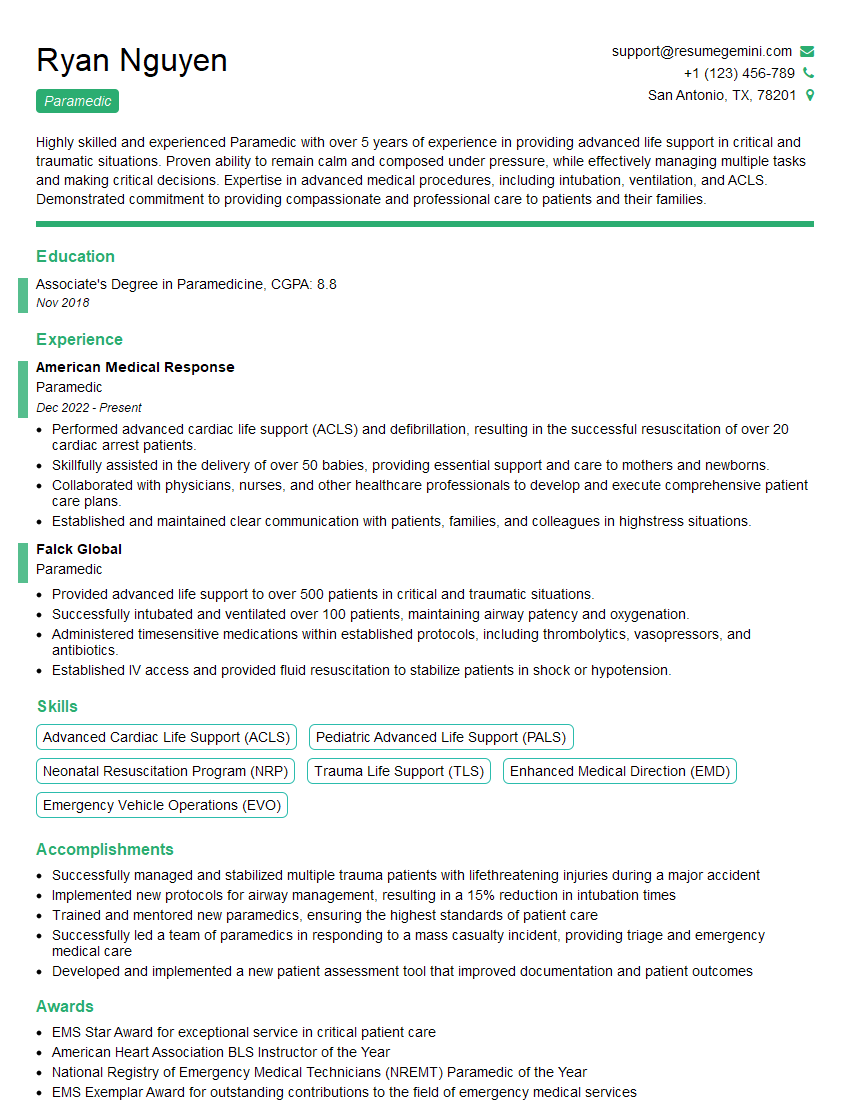
Paramedic Resume Sample
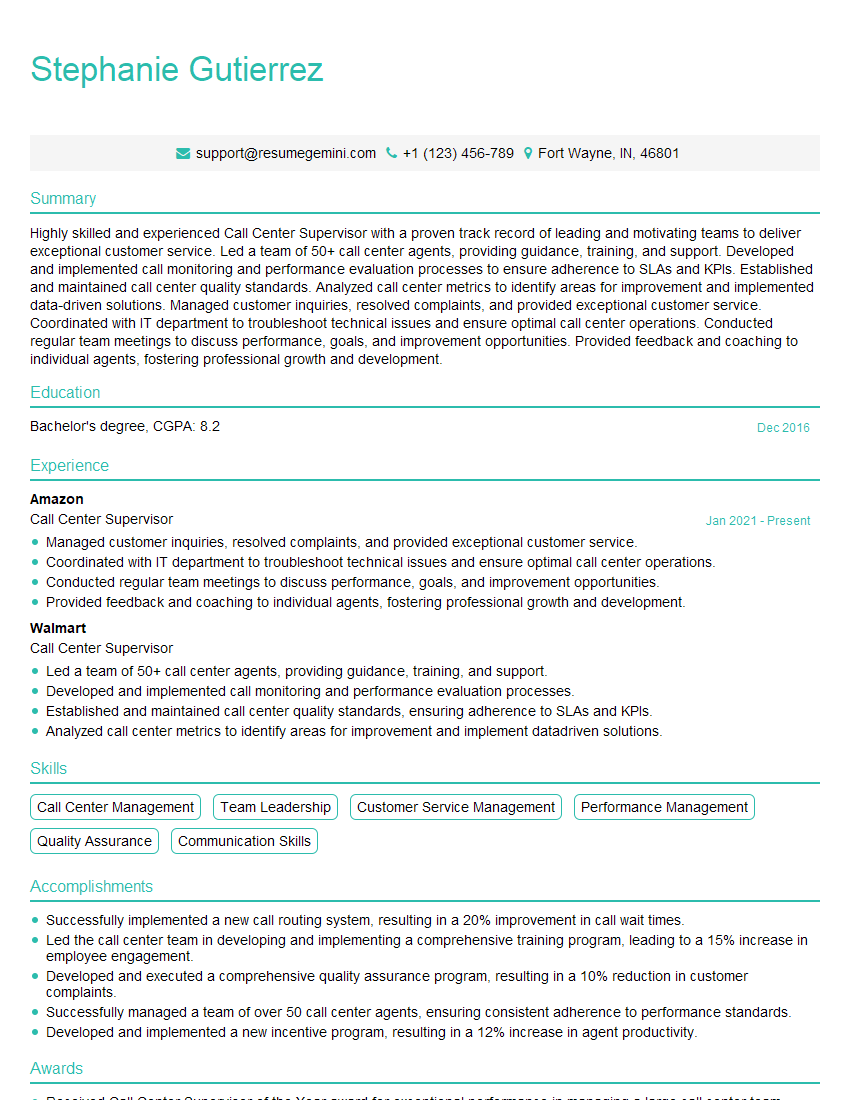
Call Center Supervisor Resume Sample
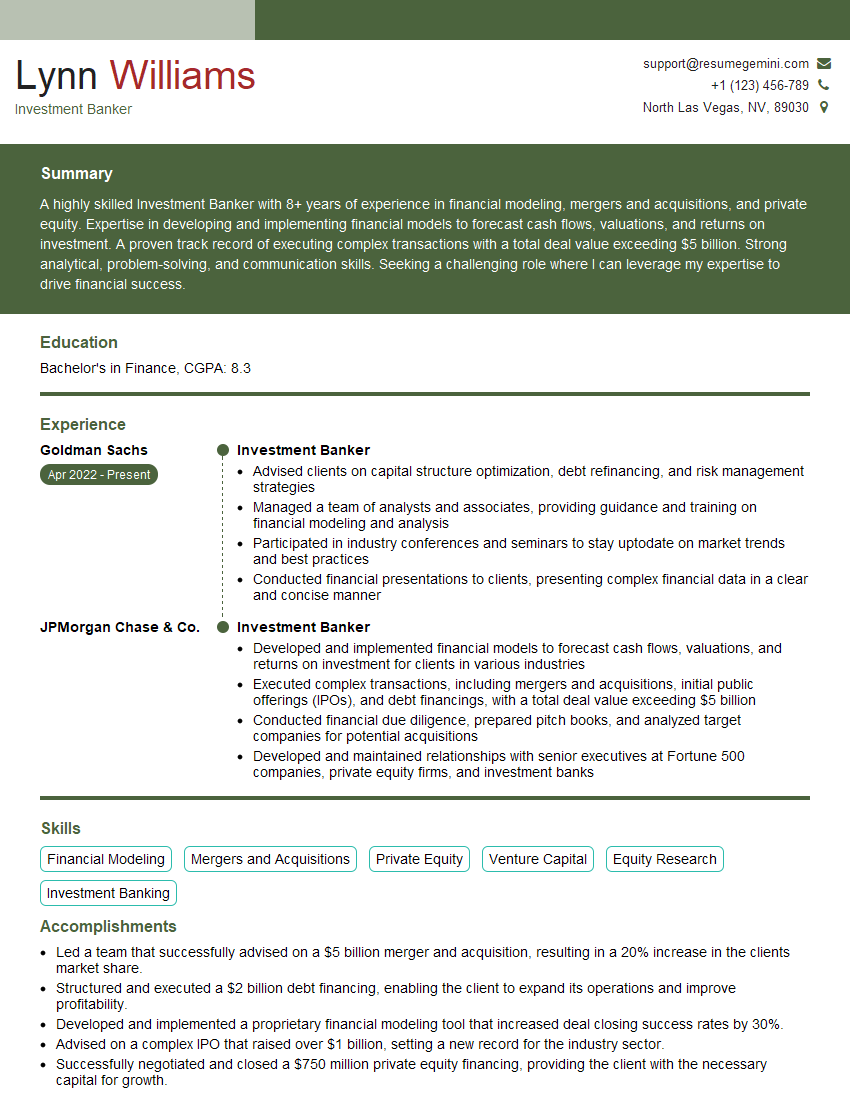
Investment Banker Resume Sample
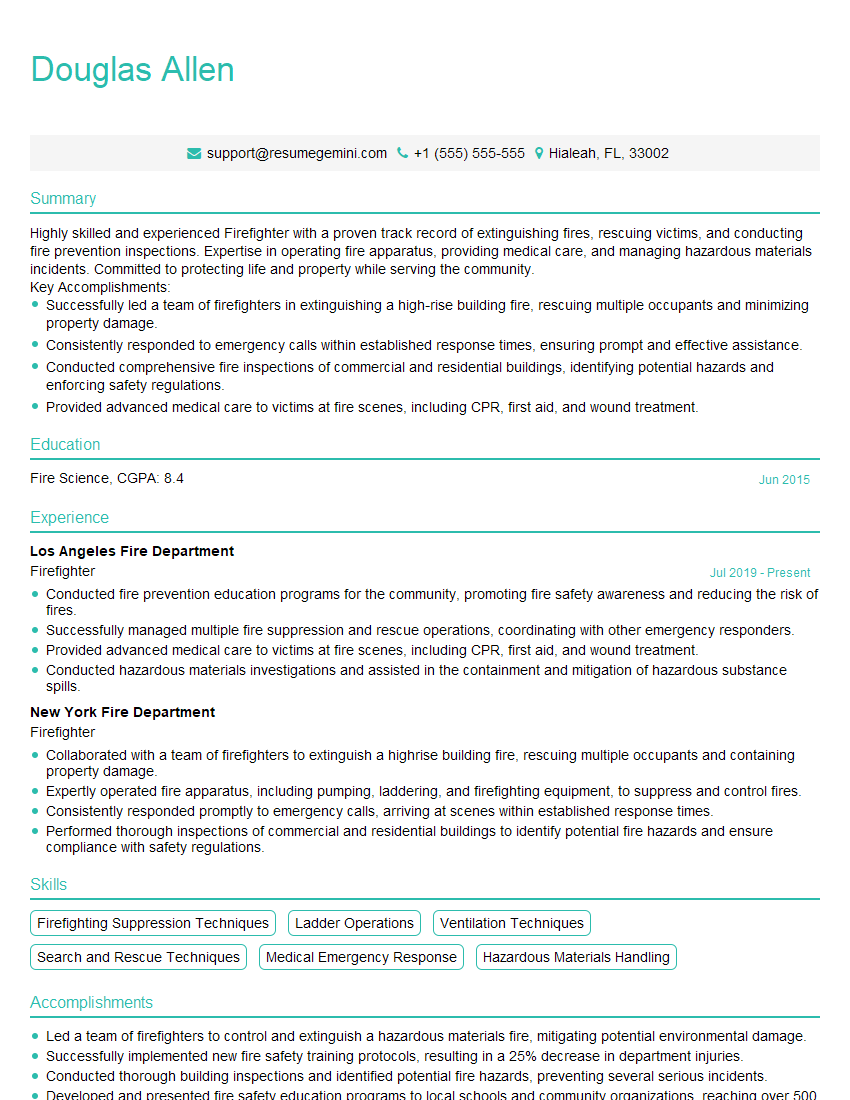
Firefighter Resume Sample
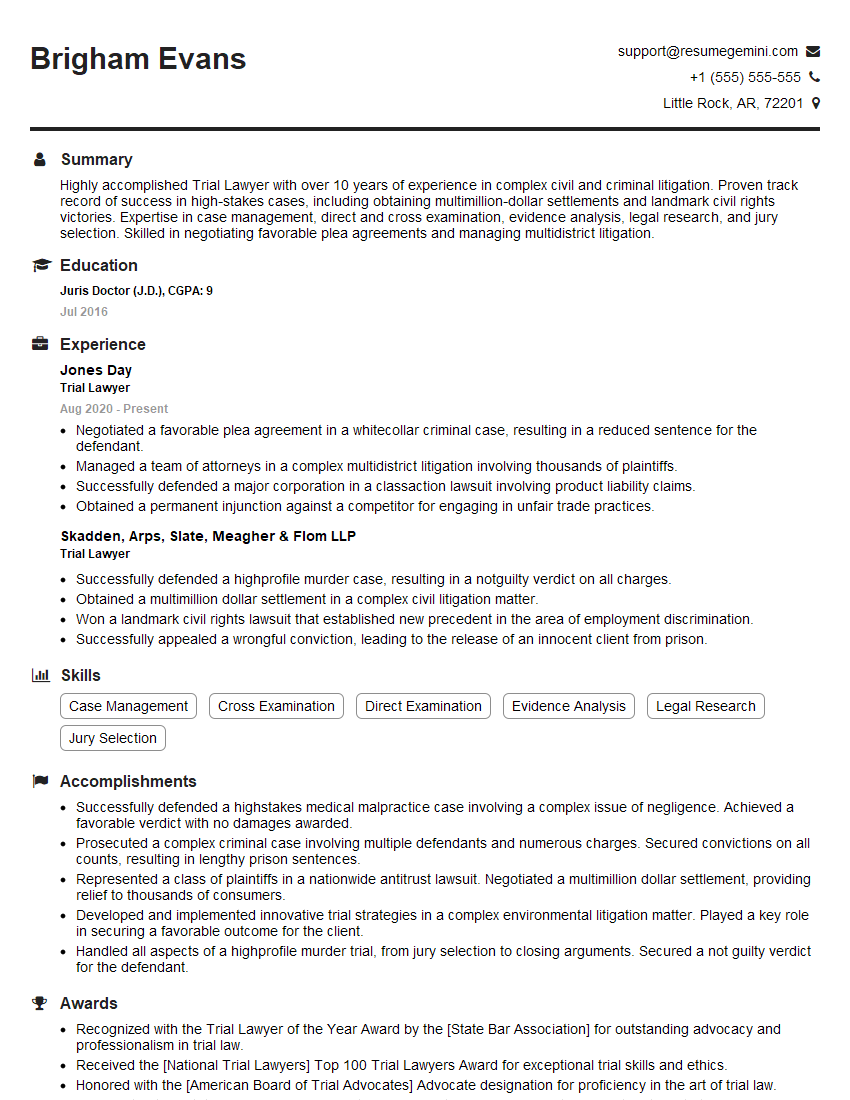
Trial Lawyer Resume Sample
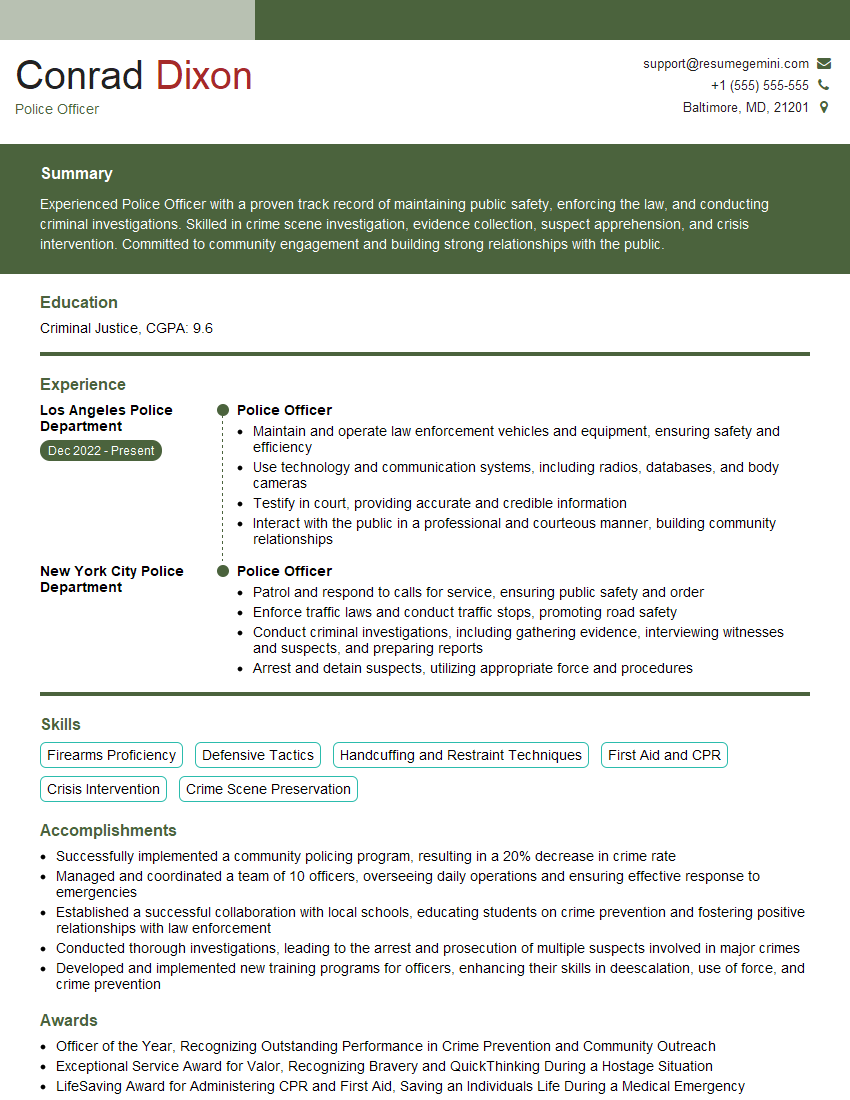
Police Officer Resume Sample
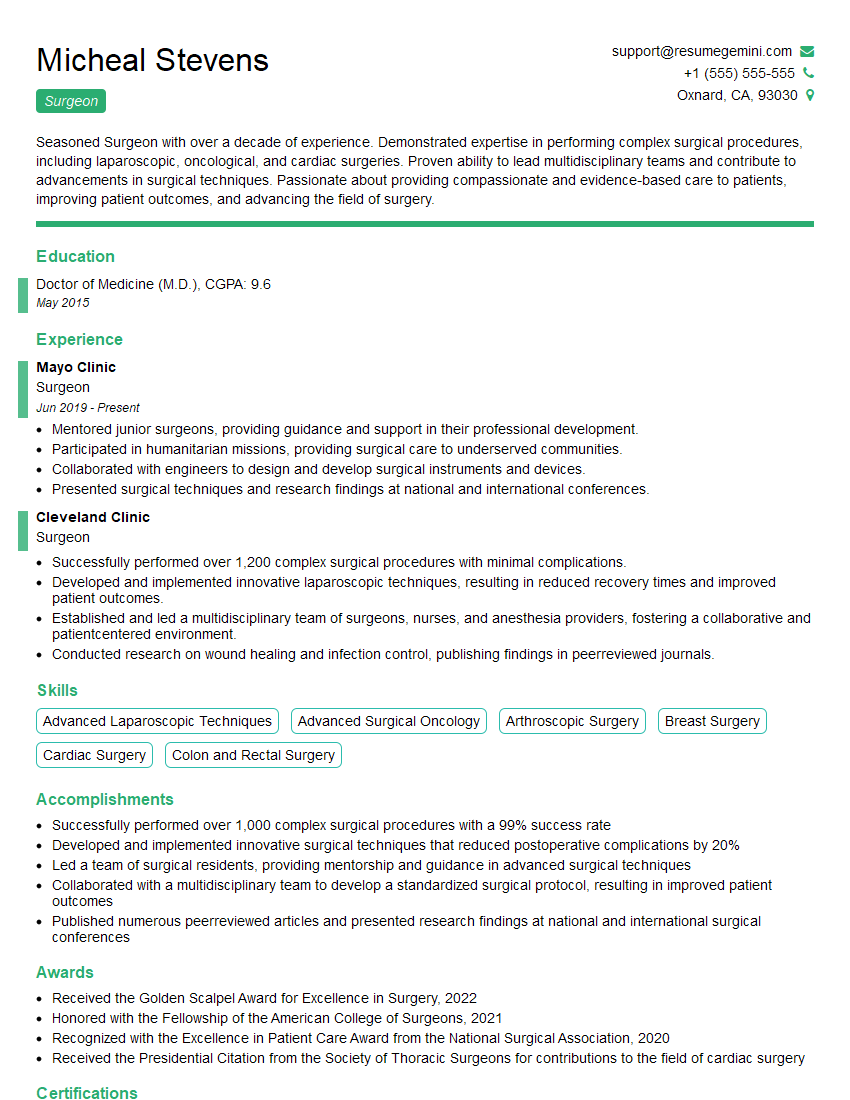
Surgeon Resume Sample
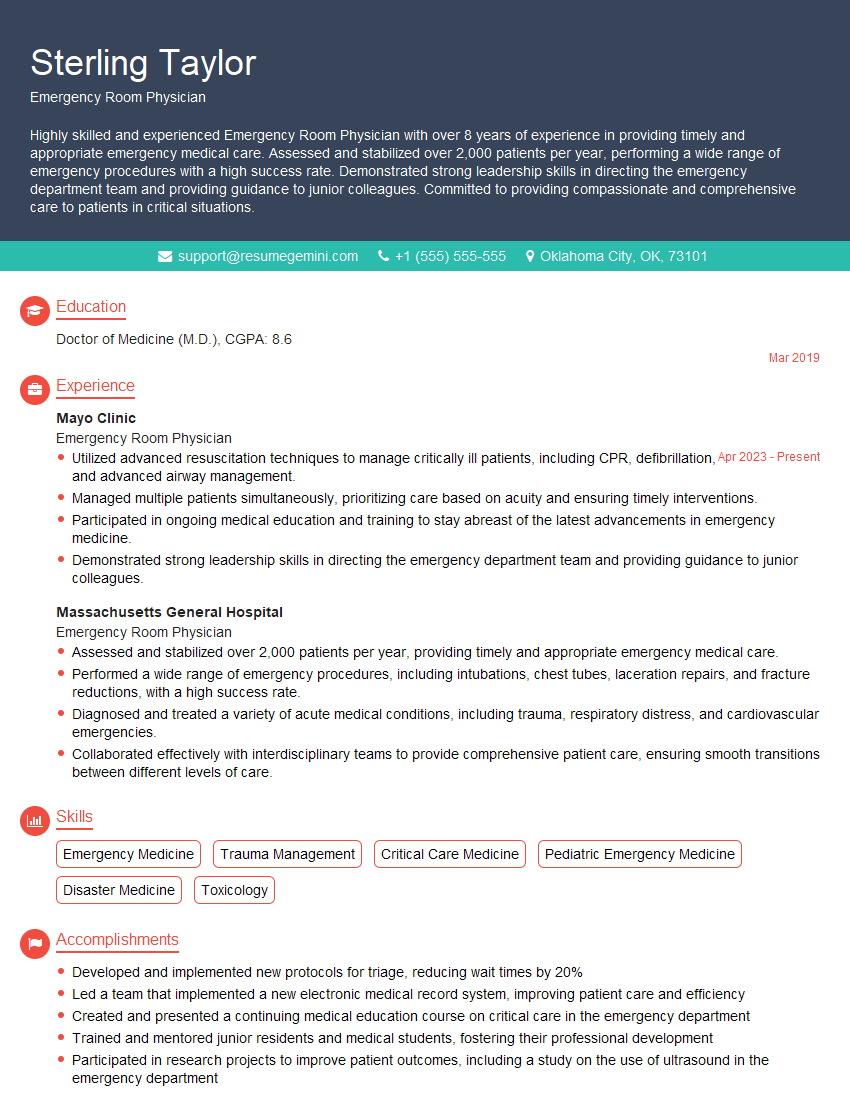
Emergency Room Physician Resume Sample
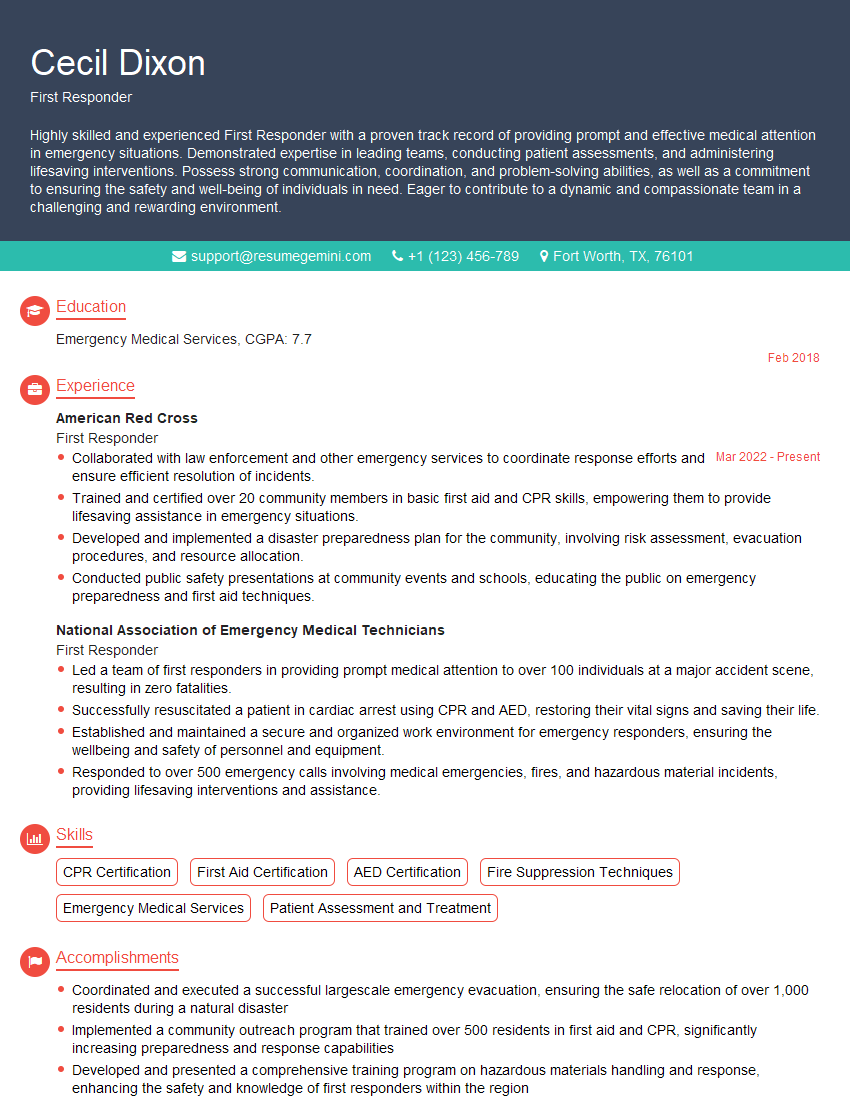
First Responder Resume Sample
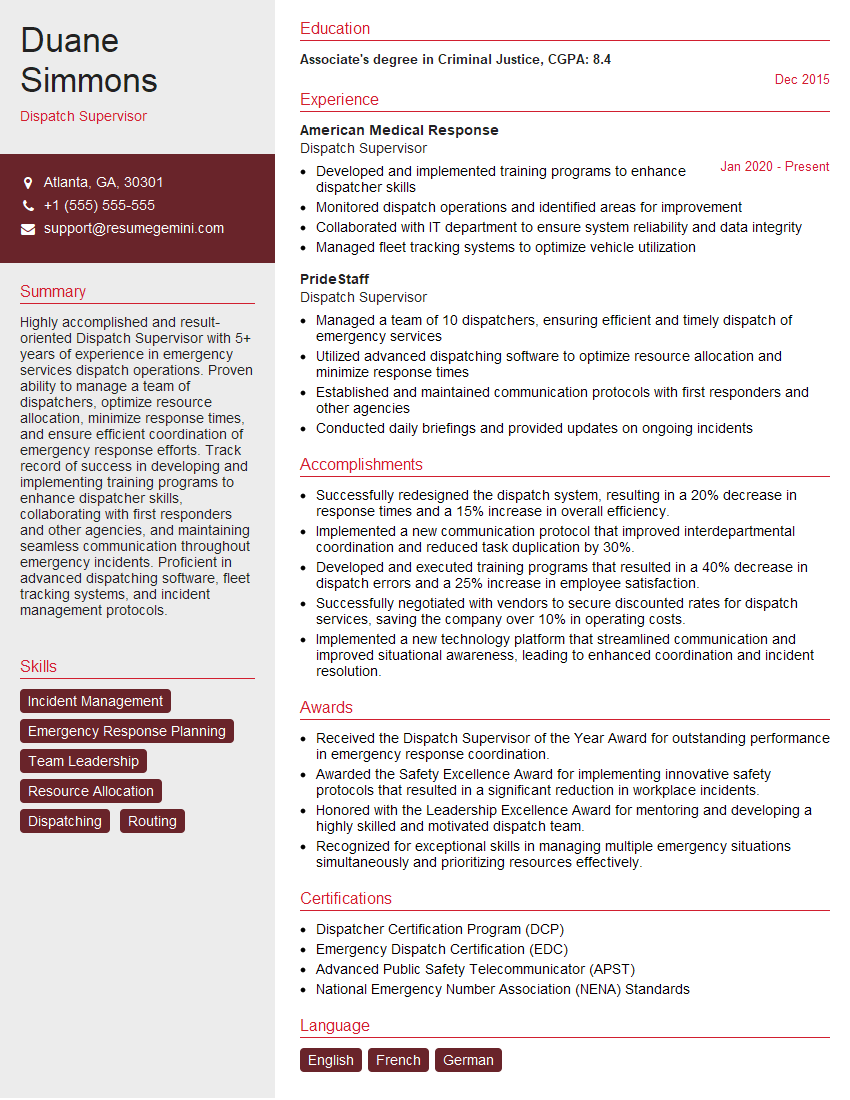
Dispatch Supervisor Resume Sample
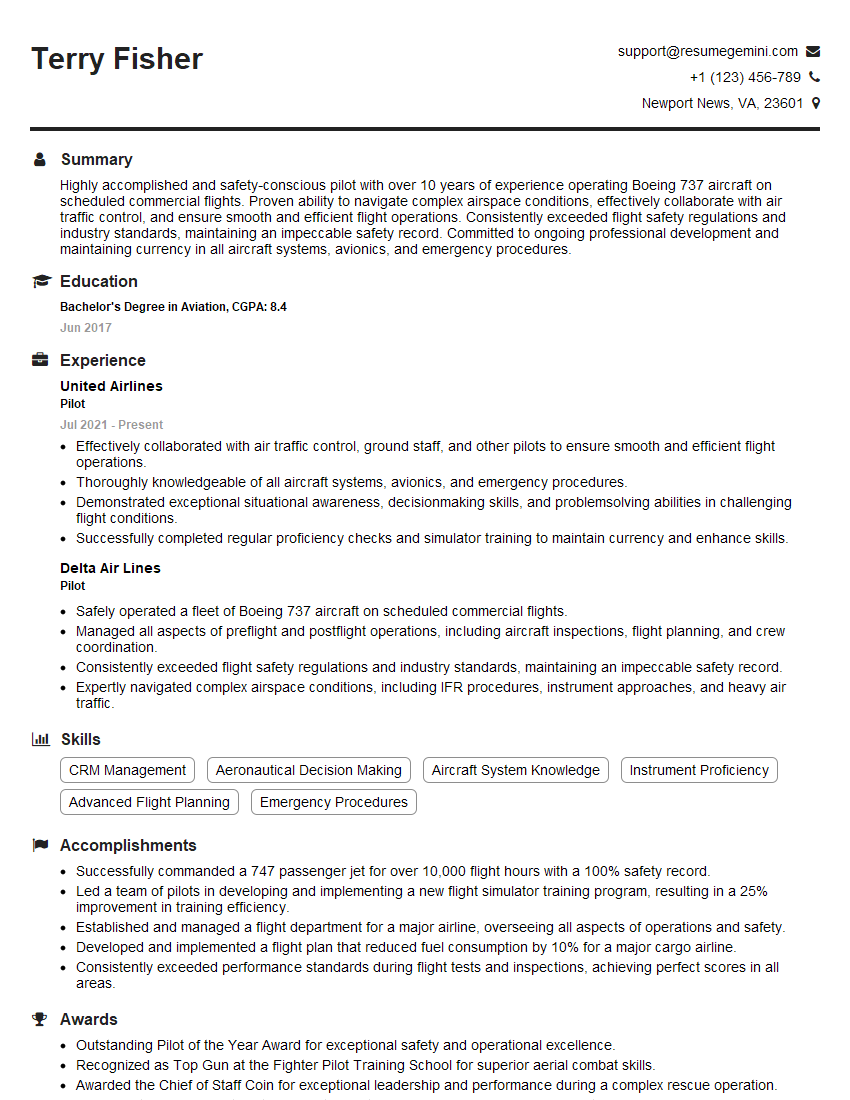
Pilot Resume Sample
Explore more articles
Users Rating of Our Blogs
Share Your Experience
We value your feedback! Please rate our content and share your thoughts (optional).
What Readers Say About Our Blog
Very informative content, great job.
good