Interviews are more than just a Q&A session—they’re a chance to prove your worth. This blog dives into essential Forklift and scissor lift operation certification interview questions and expert tips to help you align your answers with what hiring managers are looking for. Start preparing to shine!
Questions Asked in Forklift and scissor lift operation certification Interview
Q 1. What are the different types of forklifts and their applications?
Forklifts come in a variety of types, each designed for specific applications. The choice depends heavily on the type of load, the working environment, and the desired efficiency.
- Counterbalance Forklifts: These are the most common type, using counterweights to balance the load. They’re versatile and used for general material handling in warehouses, factories, and construction sites. Think of your typical image of a forklift – that’s usually a counterbalance.
- Reach Trucks: These forklifts have a mast that extends forward, allowing them to access pallets in narrow aisles. They are ideal for high-density storage applications like warehouses with limited space. Imagine a supermarket warehouse with very little space between shelves; a reach truck would be essential there.
- Sit-down Rider Forklifts: The operator sits while operating, offering better comfort and control for extended use. They are commonly used in various settings where longer operation times are needed.
- Stand-up Rider Forklifts: The operator stands while operating, providing better visibility in some situations. These are often preferred for shorter tasks or in spaces where a sitting position is less practical.
- Order Pickers: Designed for picking items from shelves at various heights. They are essential in order fulfillment centers and warehouses. Imagine someone collecting items for an online order; that would be an order picker at work.
- Side Loaders: These lift loads from the side, allowing for efficient handling in tight spaces. They’re particularly useful in situations where accessing a load from the front is difficult or impossible.
The selection of the appropriate forklift type is crucial for safety and efficiency. Choosing the wrong type can lead to accidents or inefficient operations.
Q 2. Explain the pre-operational inspection checklist for a forklift.
A pre-operational inspection is paramount for forklift safety. Think of it as a crucial health check before driving a car. A thorough inspection before each use should include:
- Tires: Check for proper inflation, wear and tear, and any damage.
- Lights and Signals: Ensure all lights (headlights, brake lights, turn signals) are functioning correctly.
- Brakes: Test the effectiveness of the brakes. This is critical for safety.
- Steering: Check for smooth and responsive steering.
- Horn: Verify the horn is functioning.
- Fluid Levels: Inspect engine oil, hydraulic fluid, and coolant levels.
- Mast and Forks: Check for damage, wear, or misalignment in the mast and forks. Bent forks can cause serious accidents.
- Safety Devices: Ensure the seatbelt, safety guards, and other safety devices are in good working order.
- Leaks: Check for any fluid leaks that might indicate a mechanical problem.
- Overall Condition: Look for any unusual noises, vibrations, or anything that seems amiss.
Documenting the inspection is vital, often through a checklist. This allows for traceability and helps identify potential issues early on. Ignoring this step puts both the operator and others at risk.
Q 3. Describe the safe operating procedures for a forklift.
Safe operation of a forklift demands adherence to strict procedures. These procedures are designed to minimize risks and prevent accidents.
- Proper Training: Operators must receive comprehensive training and certification before operating any forklift.
- Load Stability: Always ensure the load is evenly distributed and securely fastened. Avoid overloading the forklift beyond its rated capacity.
- Speed and Maneuvering: Operate at a safe speed, avoiding sharp turns or sudden movements, especially when carrying a load. Think of the load like a very sensitive item – always handle it with care.
- Pedestrian Safety: Always be aware of pedestrians and other vehicles in the vicinity. Sound the horn to alert others and use caution when approaching or passing.
- Floor Conditions: Avoid operating on uneven or slippery surfaces. If the floor is uneven, it could lead to loss of control and a possible accident.
- Load Visibility: Maintain good visibility of the load at all times. Avoid carrying loads that obstruct your vision.
- Parking: Park the forklift on a level surface, with the forks lowered and the brakes engaged. Don’t park near stairs or drop-offs.
- Emergency Procedures: Be familiar with emergency procedures in case of accidents or malfunctions.
Remembering these procedures is not just about following rules; it’s about ensuring a safe working environment for everyone.
Q 4. How do you handle different types of loads on a forklift?
Handling different types of loads requires specific techniques to ensure stability and safety. The key is understanding the load’s characteristics.
- Pallet Loads: These are typically handled with forks positioned under the pallet’s base. Ensure the forks are centered and securely engaged.
- Unstable Loads: Loads like barrels or boxes require careful handling. Use appropriate attachments (like clamps or straps) to secure them and avoid tilting.
- Oversized Loads: These necessitate special planning and potentially the use of wider forks or specialized equipment to maintain stability.
- Fragile Loads: Handle delicate goods with care. Use padding or other protective measures to prevent damage.
Never lift a load that is too heavy or unstable for the forklift. Proper load securing techniques are crucial to preventing damage and accidents. Improper handling of a load can result in dropped goods, equipment damage, or even injury.
Q 5. What are the weight capacity limitations of a standard forklift?
The weight capacity of a standard forklift varies significantly depending on the model and manufacturer. It’s crucial to never exceed the forklift’s rated capacity, which is clearly displayed on a data plate affixed to the forklift. This plate will specify the maximum load weight, the center of gravity limits and other crucial information. Overloading a forklift can lead to instability, tipping, and serious accidents. Always consult the data plate before lifting any load. Think of it like the maximum passenger limit on a car. Never exceed the marked limit.
Q 6. What are the safety regulations regarding forklift operation in confined spaces?
Operating forklifts in confined spaces presents unique challenges that require extra caution. Safety regulations often emphasize:
- Reduced Speed: Maintain extremely low speeds to allow for quick reaction time.
- Increased Awareness: Pay extra attention to your surroundings, particularly obstacles and potential collision points.
- Spotters: Using a spotter to guide the forklift operator can significantly improve safety, especially in areas with poor visibility.
- Appropriate Equipment: Smaller, more maneuverable forklifts may be necessary in extremely tight spaces. In some situations, even a smaller device may not be the right equipment for the space.
- Clear Communication: Use clear and concise communication between the operator and spotter to avoid accidents.
Following these guidelines is essential to avoid damage to property and injuries in confined areas. Always prioritize safety over speed and efficiency in such situations.
Q 7. How do you prevent forklift accidents?
Preventing forklift accidents is a multifaceted approach requiring a combination of strategies:
- Proper Training and Certification: This is the cornerstone of safety. Operators need thorough training on safe operating procedures, maintenance, and emergency response.
- Regular Maintenance and Inspections: Preventative maintenance is crucial to ensure the forklift is in optimal working condition. Regular inspections catch potential problems before they become hazards.
- Enforcement of Safety Rules: Strict adherence to safety rules and regulations is essential. Establish clear guidelines and consequences for violations.
- Improved Visibility: Use of warning lights, reflective markings, and clear signage contributes to improved visibility, especially in busy areas.
- Safe Operating Procedures: Implementing and enforcing robust safe operating procedures, including pre-operational checks and load handling techniques, is vital.
- Regular Audits: Conduct regular safety audits to identify potential hazards and areas for improvement.
Remember, preventing accidents is a continuous process involving everyone in the workplace – from management to the operators themselves. A proactive and well-planned approach is crucial for creating a truly safe environment.
Q 8. What are the common causes of forklift accidents?
Forklift accidents, unfortunately, are common occurrences, often stemming from a combination of factors. Let’s break down some of the most frequent causes:
- Improper Operator Training: Lack of adequate training is a major culprit. Operators unfamiliar with safe operating procedures, load capacity limits, and emergency protocols are far more likely to have accidents.
- Unsafe Operating Practices: This includes speeding, operating in unsafe conditions (e.g., poor visibility, uneven terrain), failing to use seatbelts, and exceeding the forklift’s rated capacity. For example, overloading a forklift can cause instability, leading to tipping.
- Mechanical Malfunctions: Faulty brakes, steering problems, or hydraulic leaks can render a forklift unsafe, putting both the operator and others at risk. Regular maintenance is key to preventing this.
- Poor Workplace Conditions: Inadequate lighting, cluttered walkways, and poorly maintained equipment can create hazardous environments and contribute to accidents. A well-organized and safe work environment significantly reduces risks.
- Lack of Pre-operational Checks: Failing to inspect the forklift before use is extremely risky. Checking tires, fluids, lights, and other critical components is essential.
Think of it like driving a car – if you don’t understand the controls, don’t maintain it properly, and don’t check it before you go, accidents are more likely. It’s the same with forklifts, but the consequences can be far more severe.
Q 9. Describe your experience with load stability and load securing techniques.
Load stability and securing are paramount for safe forklift operation. My experience encompasses various techniques, ranging from assessing the load’s weight and center of gravity to employing appropriate securing methods. I’ve worked with diverse loads, from pallets of goods to bulky machinery. I always start by carefully calculating the load weight and ensuring it’s within the forklift’s rated capacity. Then, I consider the load’s center of gravity – a poorly balanced load is highly unstable. To illustrate, imagine trying to carry a long, thin pole. It’s much easier to manage when held close to its center, right?
Load securing techniques are crucial. I’ve used various methods such as:
- Strapping: Using high-tensile straps to secure the load tightly to the forks or pallet. This is especially important for taller or uneven loads.
- Shrink Wrap: Excellent for palletized goods to maintain load integrity and prevent shifting during transport.
- Netting: Useful for securing smaller, loose items to prevent spillage or shifting.
Before moving, I always conduct a visual check to ensure the load is stable and secure. If there’s any doubt, I address it before proceeding. The principle is simple – a secure load equals a safe operation.
Q 10. How do you identify and report forklift malfunctions?
Identifying and reporting forklift malfunctions is a critical aspect of safety. My approach is systematic:
- Regular Inspections: I always conduct thorough pre-operational checks as part of my routine. This involves examining the tires, hydraulic system, brakes, lights, and steering mechanism. Any unusual sounds, leaks, or damage are noted.
- Operational Checks: During operation, I pay close attention to the forklift’s performance. Any change in handling, unusual noises, or warning lights trigger immediate investigation.
- Reporting Procedures: If a malfunction is detected, I immediately cease operation and report the issue to my supervisor. I ensure to document the nature of the malfunction, the date and time, and any relevant circumstances. A clear written report allows for proper maintenance and prevents further risks.
Reporting is not just about fixing the problem – it’s about preventing future incidents. Timely reporting saves time, money, and ultimately, prevents accidents. Imagine a brake failure going unreported. That could have devastating consequences.
Q 11. What are the emergency procedures in case of a forklift malfunction or accident?
Emergency procedures are crucial in forklift operation. The steps depend on the nature of the emergency, but here’s a general overview:
- Malfunction: If a malfunction occurs, I immediately stop the forklift and turn off the ignition. I secure the area to prevent further incidents and immediately report the problem using established protocols.
- Accident: In the event of an accident, I prioritize safety. I turn off the forklift, secure the area, check for injuries, and immediately call emergency services (911 or equivalent). I follow my company’s established accident reporting procedures, providing as much detail as possible.
- Fire: In case of a fire, I evacuate the area immediately, using designated escape routes. I activate the nearest fire alarm and assist in extinguishing the fire if possible and safe to do so, but only if I have the proper training and equipment.
Emergency response training is essential, so I frequently review the protocols to ensure I’m prepared for any scenario. Familiarity with emergency plans is key to swift and effective response.
Q 12. Explain the different types of scissor lifts and their applications.
Scissor lifts are versatile pieces of equipment with various types designed for different applications:
- Electric Scissor Lifts: These are commonly used indoors, in warehouses or workshops, due to their quiet operation and clean energy source. They’re ideal for lifting personnel and materials to moderate heights in relatively confined spaces.
- Rough Terrain Scissor Lifts: Designed for uneven surfaces like construction sites, these lifts offer enhanced stability and maneuverability on challenging terrain. They often feature larger wheels and all-wheel drive.
- Push-Around Scissor Lifts: Smaller and more compact, these are manually operated and typically used for lighter-duty applications and accessing lower heights.
- Self-Propelled Scissor Lifts: Offering increased mobility, these lifts can be driven to the work location, saving time and effort compared to manual push-around models.
The choice of scissor lift depends on the specific job. A warehouse might use an electric model, while an outdoor construction project might require a rough terrain model. Matching the lift to the application is vital for safety and efficiency.
Q 13. What is the maximum working height of the scissor lifts you’ve operated?
I have operated scissor lifts with maximum working heights ranging from 16 feet to 40 feet. The specific height is always dependent on the type of scissor lift and its capabilities, which are clearly marked on the machine itself. I always adhere to the manufacturer’s specifications and never exceed the maximum working height for safety reasons.
Q 14. Describe the pre-operational inspection checklist for a scissor lift.
A pre-operational inspection checklist for a scissor lift is critical before each use. It usually involves checking the following:
- Tires: Inspect tires for proper inflation and wear. Punctures or significant wear can compromise stability.
- Hydraulic System: Check for leaks in the hydraulic lines and cylinders. Leaks indicate potential failure and loss of lifting power.
- Controls: Verify that all controls (lifting, lowering, movement) are functioning correctly and smoothly.
- Safety Devices: Ensure that safety devices like emergency stops, guardrails, and platform restraints are in good condition and properly functioning.
- Warning Devices: Check that the horn, lights, and any other warning devices are operational.
- Platform: Inspect the platform for any damage or loose components.
- Overall Condition: Look for any signs of damage, wear, or anything unusual. Report any concerns to the supervisor.
This checklist serves as a barrier against unexpected issues and provides a safeguard for preventing accidents. It’s essentially a quick, systematic check of critical safety elements before the lift is used.
Q 15. What safety precautions should be taken when operating a scissor lift?
Operating a scissor lift safely requires a multi-faceted approach. Before even starting, a thorough pre-operation inspection is crucial. This involves checking tire pressure, hydraulic fluid levels, the overall structural integrity of the lift, and ensuring all safety mechanisms, like emergency stops and guardrails, are functional. Once you’re confident in the lift’s condition, it’s vital to always wear appropriate personal protective equipment (PPE), including a hard hat, safety glasses, and closed-toe shoes. Never exceed the lift’s rated capacity, clearly indicated on the machine’s data plate. Maintain three points of contact when ascending or descending the platform, and always keep your body centered within the lift’s footprint to prevent tipping. Finally, constantly assess your surroundings for any potential hazards, such as overhead obstructions or uneven ground, and be aware of other workers in the area.
- Pre-operation Inspection: Check hydraulic fluid levels, tire pressure, and safety mechanisms.
- PPE: Hard hat, safety glasses, and closed-toe shoes are mandatory.
- Load Capacity: Never exceed the rated capacity.
- Three Points of Contact: Maintain stable footing while moving.
- Environmental Awareness: Observe surroundings for potential hazards and other workers.
Career Expert Tips:
- Ace those interviews! Prepare effectively by reviewing the Top 50 Most Common Interview Questions on ResumeGemini.
- Navigate your job search with confidence! Explore a wide range of Career Tips on ResumeGemini. Learn about common challenges and recommendations to overcome them.
- Craft the perfect resume! Master the Art of Resume Writing with ResumeGemini’s guide. Showcase your unique qualifications and achievements effectively.
- Don’t miss out on holiday savings! Build your dream resume with ResumeGemini’s ATS optimized templates.
Q 16. How do you ensure the stability of a scissor lift while operating it?
Scissor lift stability hinges on several factors. First and foremost is ensuring the ground is level and stable. Avoid operating on slopes or uneven surfaces, as this can significantly compromise stability and lead to tipping. Always distribute the weight evenly across the platform – avoid concentrating loads in one area. The lift’s manual will specify a safe load capacity and weight distribution guidelines. Before raising the platform, ensure all wheels are properly locked and that the lift is positioned on a firm, level surface. Furthermore, carefully monitor the lift’s movement while operating, avoiding any sudden or jerky motions. Finally, never overload the platform or exceed the manufacturer’s stated weight limits. Imagine it like balancing a seesaw; an even weight distribution is key to preventing the lift from tipping.
- Level Ground: Ensure a stable and level surface.
- Even Weight Distribution: Distribute loads evenly across the platform.
- Wheel Locks: Secure the wheels before operation.
- Controlled Movements: Avoid jerky or sudden motions.
- Load Capacity Adherence: Never exceed the manufacturer’s weight limits.
Q 17. What are the limitations of scissor lifts regarding load capacity and terrain?
Scissor lifts have inherent limitations. Their load capacity varies greatly depending on the model and size. This information is clearly stated on the machine’s data plate and in the operator’s manual. Exceeding this limit drastically increases the risk of structural failure and potential accidents. Terrain is another significant constraint. Scissor lifts are designed for relatively flat, even surfaces. Operating them on uneven terrain, slopes, or soft ground can lead to instability and tipping. The wheels are not typically designed for rough terrain and could get stuck or damaged. It’s essential to always choose a lift appropriate for both the load and the terrain.
Example: A small scissor lift might have a 500lb capacity, while a larger model might handle 2000lbs. However, neither should be operated on a slope or unstable ground, irrespective of load.
Q 18. Explain how you would handle a situation where a scissor lift malfunctions at height.
Malfunctions at height demand immediate and calm action. First, assess the situation – are there any immediate dangers like falling debris or unstable parts? If so, initiate the emergency stop and alert emergency services immediately. Remain calm and communicate the situation to colleagues and emergency responders, clearly describing the location and the nature of the malfunction. Once help arrives, follow their instructions carefully. Do not attempt any self-repair or risky maneuvers. If the lift has a secondary safety mechanism like a manual lowering system, and you are trained in its operation, you might attempt to use it under the guidance of emergency personnel. Above all, prioritize safety; it’s better to wait for professional assistance than to risk injury attempting a self-rescue.
- Emergency Stop: Immediately activate the emergency stop mechanism.
- Emergency Services: Contact emergency services and clearly describe the situation.
- Communication: Clearly communicate with colleagues and emergency responders.
- Avoid Risky Maneuvers: Do not attempt self-repair or dangerous actions.
- Professional Assistance: Wait for professional help if the situation is unsafe.
Q 19. How do you secure the scissor lift before leaving it unattended?
Securing a scissor lift when unattended is paramount. The most critical step is to lower the platform completely to the ground. Next, engage the parking brake firmly. Depending on the model, there might be additional securing mechanisms like wheel chocks – use them if available. The lift should be left in a stable, level position, away from any potential hazards or traffic areas. Ideally, it should be parked in a designated area for equipment storage. If the lift is left outdoors, consider covering it to protect it from the elements. This simple procedure helps prevent accidental movement and ensures the safety of those around it.
- Lower Platform: Lower the platform completely to the ground.
- Parking Brake: Engage the parking brake firmly.
- Wheel Chocks: Use wheel chocks if available.
- Stable Position: Park on a level surface away from hazards.
- Designated Area: Park in a designated storage area if possible.
Q 20. What are the different types of controls found on a forklift and a scissor lift?
Forklifts and scissor lifts utilize different control systems, reflecting their distinct operational needs. Forklifts typically feature a tiller-style steering mechanism combined with levers or pedals for lifting, lowering, and tilting the forks. More advanced models may have electronic controls with digital displays showing load weight and height. Scissor lifts generally use simpler controls, usually involving a single control lever for raising and lowering the platform, alongside an emergency stop button. Some models incorporate controls for platform extension if equipped. It’s important to note that specific controls vary depending on the manufacturer and model, so a thorough understanding of the machine’s specific controls is essential before operating.
Example: A typical forklift might have levers for lifting and tilting, a foot pedal for acceleration, and a steering tiller. A scissor lift might have only a single lever controlling the platform height and an emergency stop button.
Q 21. Describe your experience with working at heights using scissor lifts.
I have extensive experience working at heights using scissor lifts in various construction and industrial settings. This includes projects ranging from installing HVAC systems in multi-story buildings to performing maintenance on overhead lighting fixtures in warehouses. My experience encompasses operating different models of scissor lifts, each with its own unique characteristics and controls. I’m proficient in performing pre-operational checks, assessing site conditions for hazards, and adhering to all safety protocols. I’ve also had the opportunity to train other personnel on safe operating procedures. My experience has ingrained in me the critical importance of meticulous safety procedures at heights; a single lapse in concentration or procedural oversight can have severe consequences. Therefore, I emphasize thorough pre-operational checks and strict adherence to safety guidelines in every aspect of my work.
Q 22. How do you maintain a safe working distance from other personnel and equipment?
Maintaining a safe working distance is paramount to preventing accidents. Think of it like creating a personal ‘bubble’ around your equipment. This ‘bubble’ needs to be large enough to account for the machine’s dimensions, any potential swinging loads, and the unpredictable movements of others.
- Visual Awareness: Before moving the forklift or scissor lift, I always conduct a 360-degree visual check for pedestrians, other equipment, and obstacles. I slow down and use caution in areas with limited visibility.
- Horn Usage: I utilize the horn frequently, especially when approaching corners, intersections, or blind spots. A brief, courteous blast is better than a collision.
- Communication: Verbal communication is crucial. I will often call out my intentions (“Backing up!” or “Moving forward!”) to alert those nearby.
- Designated Pathways: I always adhere to designated pathways and avoid shortcuts that might bring me into close proximity with others.
- Speed Control: Speed is adjusted to conditions. Slow and steady is safer in congested areas.
For example, if I’m working in a warehouse with lots of pedestrian traffic, I will maintain a significantly larger distance compared to operating in a more open area.
Q 23. How do you communicate effectively with others during operation?
Effective communication is the cornerstone of safe equipment operation. This goes beyond just using the horn. It encompasses clear, concise, and timely communication with everyone in the vicinity.
- Hand Signals: While operating the scissor lift, for example, I will utilize clear hand signals to guide my spotter if needed. These signals are universally understood and mitigate miscommunications.
- Two-Way Radios: In larger operations, two-way radios are invaluable for coordinating movements with other equipment operators or supervisors. This allows for immediate updates on potential hazards or changes in the work environment.
- Pre-shift Meetings: A quick pre-shift meeting is always a good idea to discuss any potential hazards or special instructions for the day.
- Active Listening: I always pay attention to any verbal instructions or warnings from others, even if they seem minor. A seemingly small piece of information might prevent a major accident.
For instance, during a recent project involving multiple scissor lifts, using two-way radios ensured everyone was aware of their locations and movements, minimizing the risk of collisions. Clear communication is paramount in reducing misinterpretations and accidents.
Q 24. Describe a time you had to troubleshoot a mechanical issue with a forklift or scissor lift.
During a recent project, the hydraulic system on a forklift malfunctioned, causing the forks to lower unexpectedly. This happened while I was unloading a pallet of heavy materials. I immediately shut off the machine and assessed the situation.
- Safety First: My first priority was securing the load and ensuring no one was injured.
- Inspection: I conducted a visual inspection, checking for any obvious leaks or damage to the hydraulic lines or pump.
- Troubleshooting: I checked the hydraulic fluid level and followed the troubleshooting guide in the operator’s manual. I discovered a minor leak in a hose, leading to a pressure drop.
- Repair/Reporting: Because I couldn’t immediately fix the leak, I reported the issue to my supervisor and followed proper reporting procedures.
This experience reinforced the importance of regular preventative maintenance and the necessity of familiarizing oneself with the machine’s manual. Knowing the machine’s limits and how to troubleshoot common issues is crucial for safe operation.
Q 25. How do you prioritize safety measures over efficiency when using these machines?
Safety always trumps efficiency. There’s no task that justifies risking injury or damage. This means sometimes taking a slower, more cautious approach, even if it takes longer.
- Load Capacity: Never exceed the load capacity of the machine. It’s better to make multiple trips than risk a catastrophic accident by overloading the forklift or scissor lift.
- Proper Techniques: Always using proper lifting techniques, ensuring smooth and controlled movements.
- Environmental Factors: Adjusting operation to account for environmental factors like slippery floors or uneven terrain.
- Refusal to Operate: If I am ever unsure about something or if the equipment seems unsafe, I will refuse to operate the machine until the issue is resolved.
For example, even if I am under pressure to complete a task quickly, I will prioritize securing the load properly. This may mean taking extra time to ensure the load is balanced and secured, even if it means making fewer trips per hour. The consequences of an accident far outweigh the benefits of rushing the job.
Q 26. What are the OSHA regulations concerning forklift and scissor lift operation?
OSHA regulations for forklift and scissor lift operation are comprehensive and aim to minimize workplace accidents. Key regulations include:
- Operator Training and Certification: OSHA mandates that all operators undergo formal training and obtain certification demonstrating competency in safe operating procedures.
- Pre-Operational Inspections: Operators are required to conduct a thorough pre-operational inspection of the equipment to identify and address any potential hazards.
- Load Capacity Limits: Adherence to the specified load capacity limits for both forklifts and scissor lifts is strictly enforced.
- Personal Protective Equipment (PPE): Appropriate PPE, including safety shoes, safety glasses, and sometimes hard hats, must be worn at all times while operating.
- Maintenance and Repair: Regular maintenance and prompt repair of any identified defects are essential to maintaining safe operating conditions.
- Safe Operating Practices: OSHA establishes guidelines for safe operating practices, including speed limits, maneuvering techniques, and avoidance of hazards.
It’s crucial to be familiar with all applicable OSHA standards and to maintain meticulous records of training, inspections, and maintenance activities. Regular updates on OSHA guidelines are essential for compliance.
Q 27. What training and certifications do you possess related to forklift and scissor lift operation?
I hold a valid certification for both forklift and scissor lift operation, issued by [Insert Certification Body Name, e.g., a nationally recognized organization such as the National Safety Council]. My training encompassed:
- Classroom Instruction: Theory, regulations, and safe operating procedures.
- Hands-on Training: Practical experience operating both forklifts and scissor lifts under the supervision of a certified instructor.
- Written and Practical Examinations: Demonstrated proficiency in both theoretical knowledge and practical skills.
Additionally, I have completed refresher training [Specify frequency] to stay current on best practices and any changes in regulations. I maintain a current certification and keep my training records up-to-date.
Q 28. Explain your understanding of load capacity and its implications for safe operation.
Understanding load capacity is fundamental to safe operation. The load capacity is the maximum weight a machine can safely lift without compromising its structural integrity or stability. Exceeding this limit can lead to catastrophic failure, resulting in serious injury or death.
- Placard Identification: The load capacity is clearly indicated on a placard affixed to the machine. This information must always be readily visible and accessible.
- Weight Distribution: It’s not just about the total weight, but also how the weight is distributed. Unevenly distributed loads can create instability and increase the risk of tipping. For forklifts, ensuring the load is centered on the forks is critical.
- Environmental Factors: Load capacity can be affected by environmental factors like terrain conditions. For instance, operating a forklift on an incline reduces its effective load capacity.
- Consequences of Overloading: Overloading can lead to structural damage, component failure, or a sudden loss of control, increasing the likelihood of an accident.
Always check the load capacity before lifting and ensure the weight of the load, along with its distribution, stays within the specified limits. This practice significantly reduces the risk of tipping and equipment damage.
Key Topics to Learn for Forklift and Scissor Lift Operation Certification Interview
- Safe Operation Procedures: Understand and be able to articulate the pre-operational checks, safe operating procedures, and emergency protocols for both forklifts and scissor lifts. This includes load capacity limits, stability considerations, and terrain awareness.
- Equipment Maintenance: Demonstrate knowledge of routine maintenance checks, identifying potential malfunctions, and reporting necessary repairs. Be prepared to discuss preventative maintenance practices.
- Load Handling and Stability: Explain the principles of load centering, weight distribution, and how to safely handle various types of loads with both machines. Discuss potential hazards associated with improper load handling.
- Workplace Safety Regulations: Show familiarity with relevant OSHA (or equivalent) safety regulations and best practices for operating forklifts and scissor lifts in various environments. This includes understanding personal protective equipment (PPE) requirements.
- Practical Application: Be prepared to discuss real-world scenarios involving safe operation, problem-solving, and decision-making in challenging situations. Consider how you would handle unexpected obstacles or equipment malfunctions.
- Types of Forklifts and Scissor Lifts: Showcase your knowledge of different forklift types (e.g., counterbalance, reach truck) and scissor lift variations, including their specific applications and limitations.
Next Steps
Mastering forklift and scissor lift operation certification opens doors to numerous rewarding career opportunities, boosting your earning potential and providing access to specialized roles within logistics, warehousing, and construction. To maximize your job prospects, it’s crucial to create a professional and ATS-friendly resume that highlights your skills and experience effectively. ResumeGemini is a trusted resource to help you build a compelling resume that stands out from the competition. We provide examples of resumes tailored to forklift and scissor lift operation certification to guide you in showcasing your qualifications. Invest in a strong resume—it’s your first impression with potential employers.

Operations Manager Resume Sample

Logistics Manager Resume Sample

Warehouse Manager Resume Sample
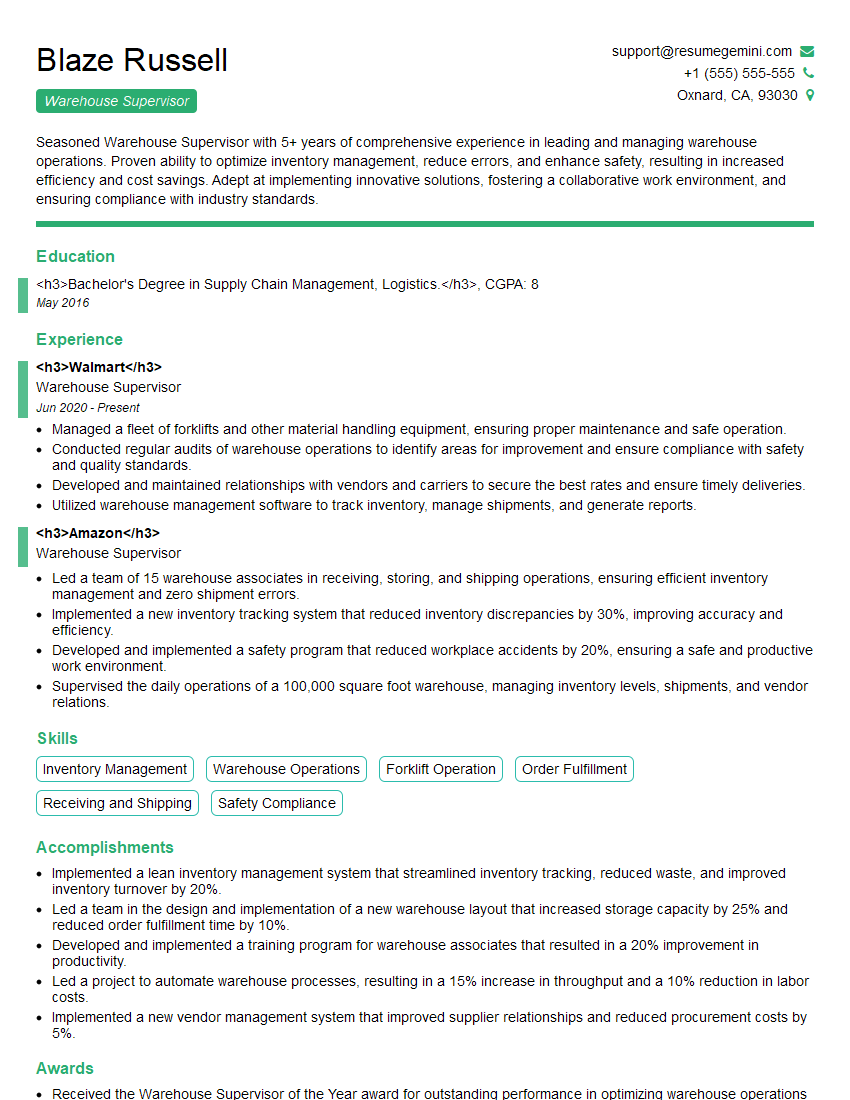
Warehouse Supervisor Resume Sample
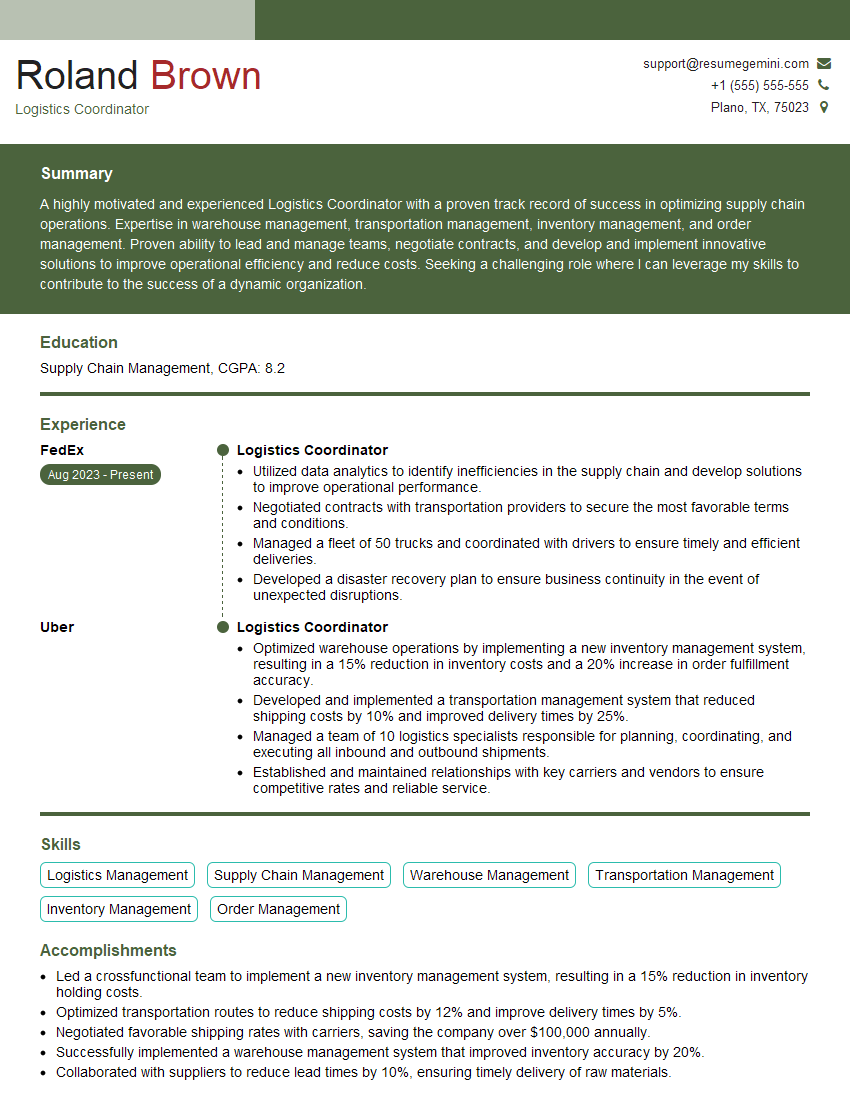
Logistics Coordinator Resume Sample
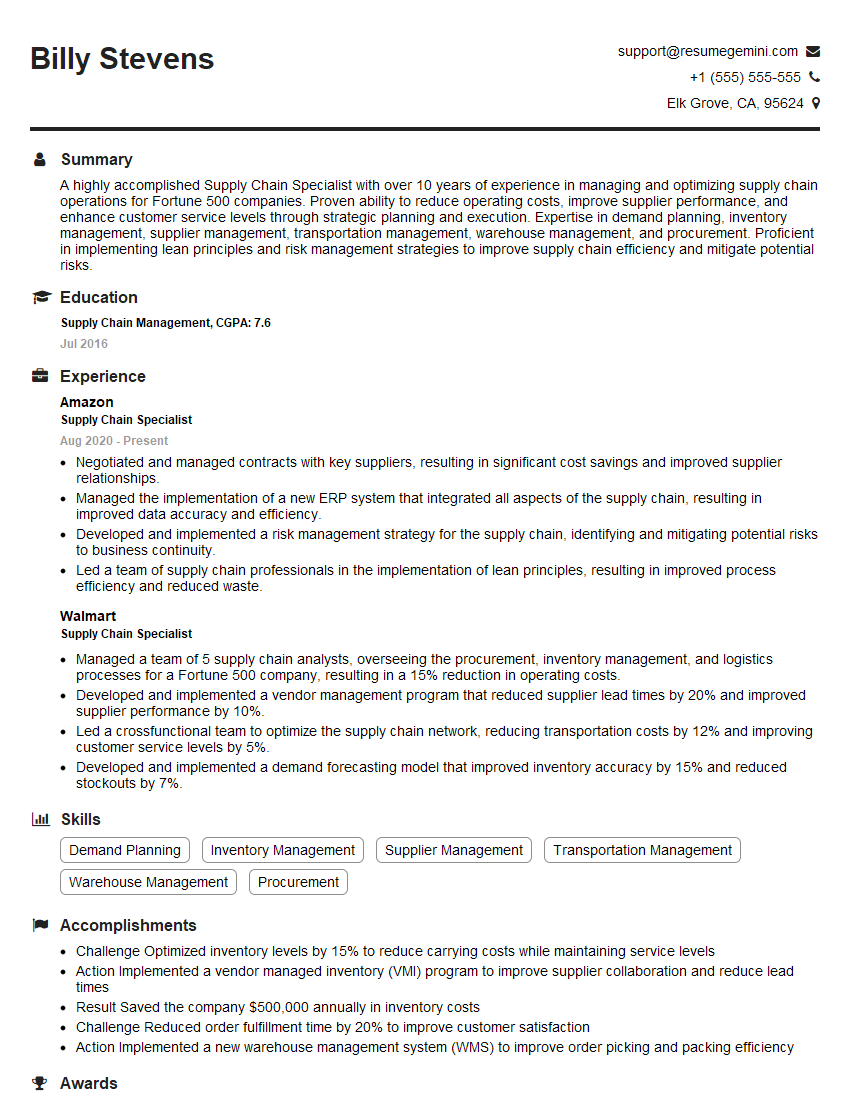
Supply Chain Specialist Resume Sample
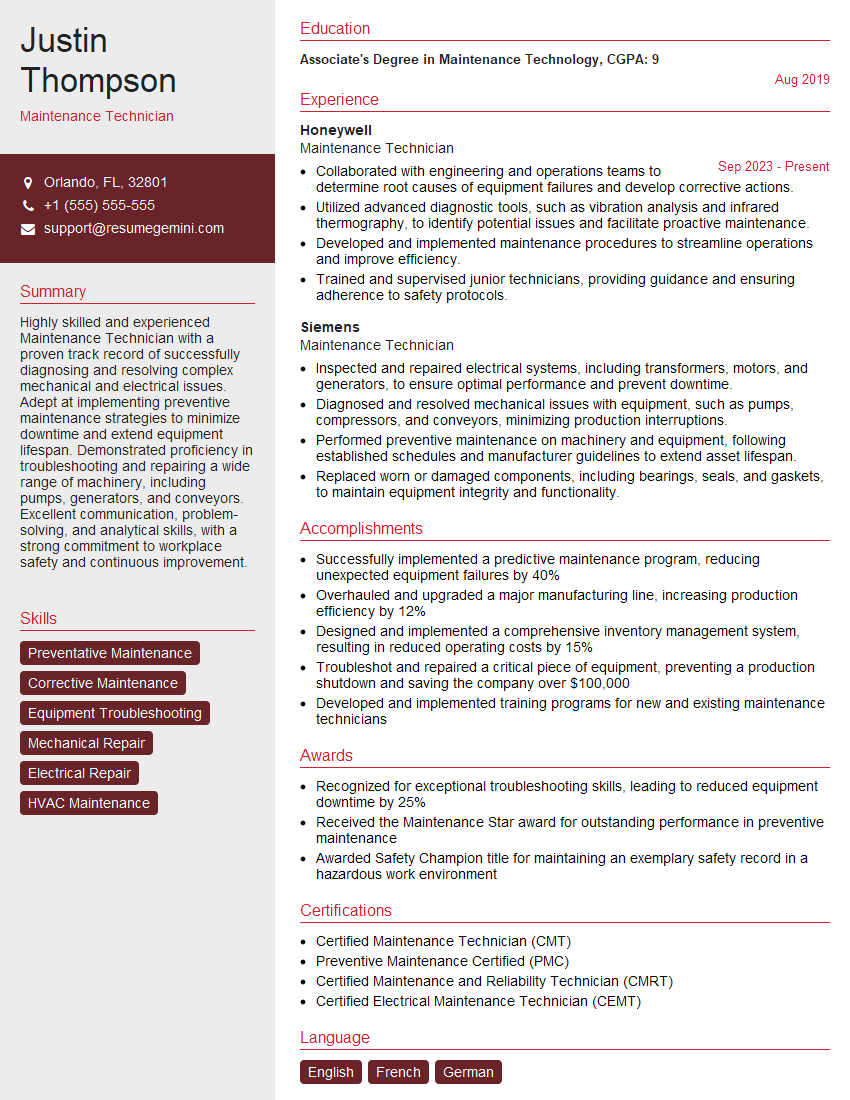
Maintenance Technician Resume Sample

Equipment Operator Resume Sample

Inventory Control Specialist Resume Sample

Production Associate Resume Sample

Shipping and Receiving Clerk Resume Sample
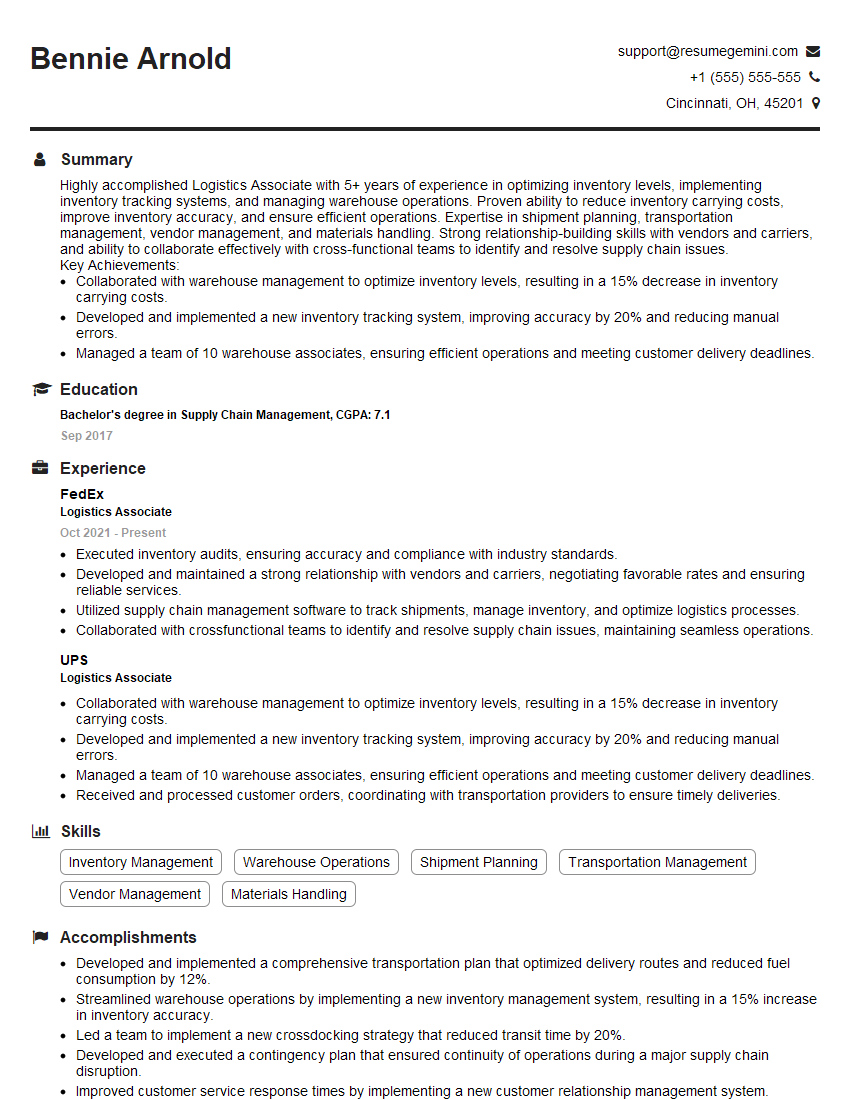
Logistics Associate Resume Sample
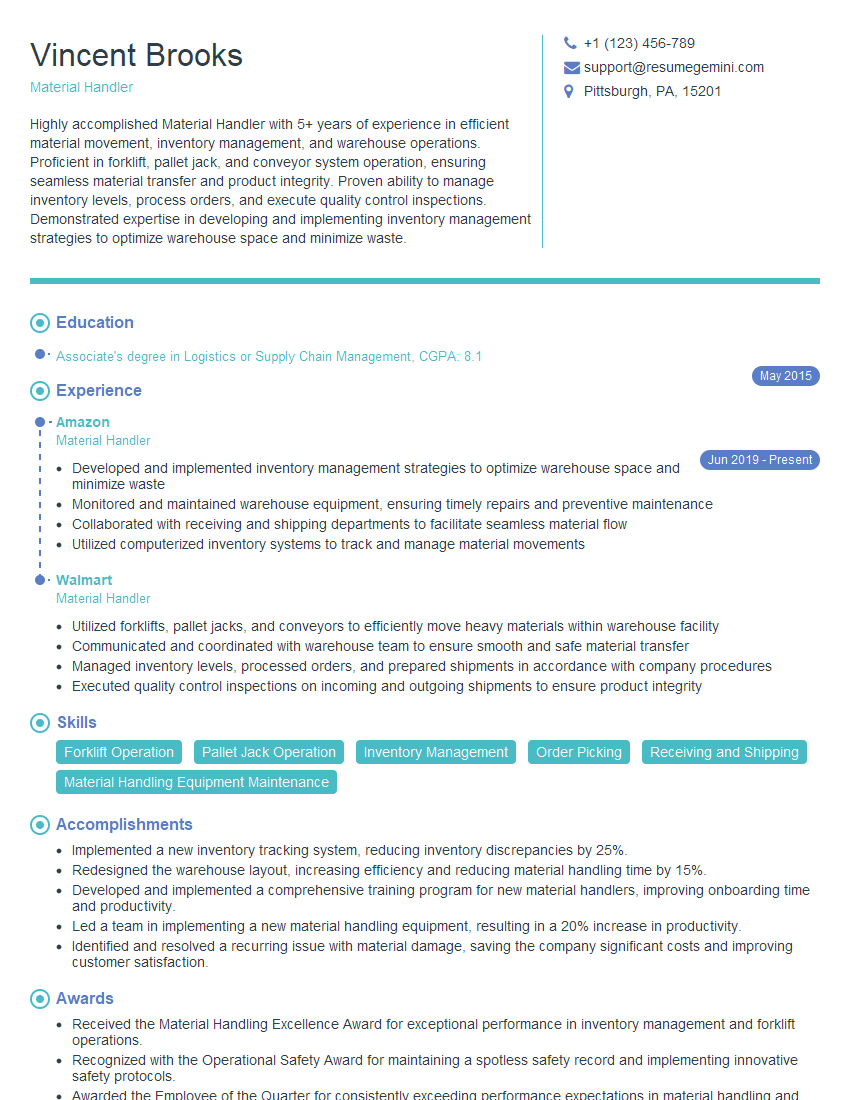
Material Handler Resume Sample

Order Picker Resume Sample

Heavy Equipment Operator Resume Sample
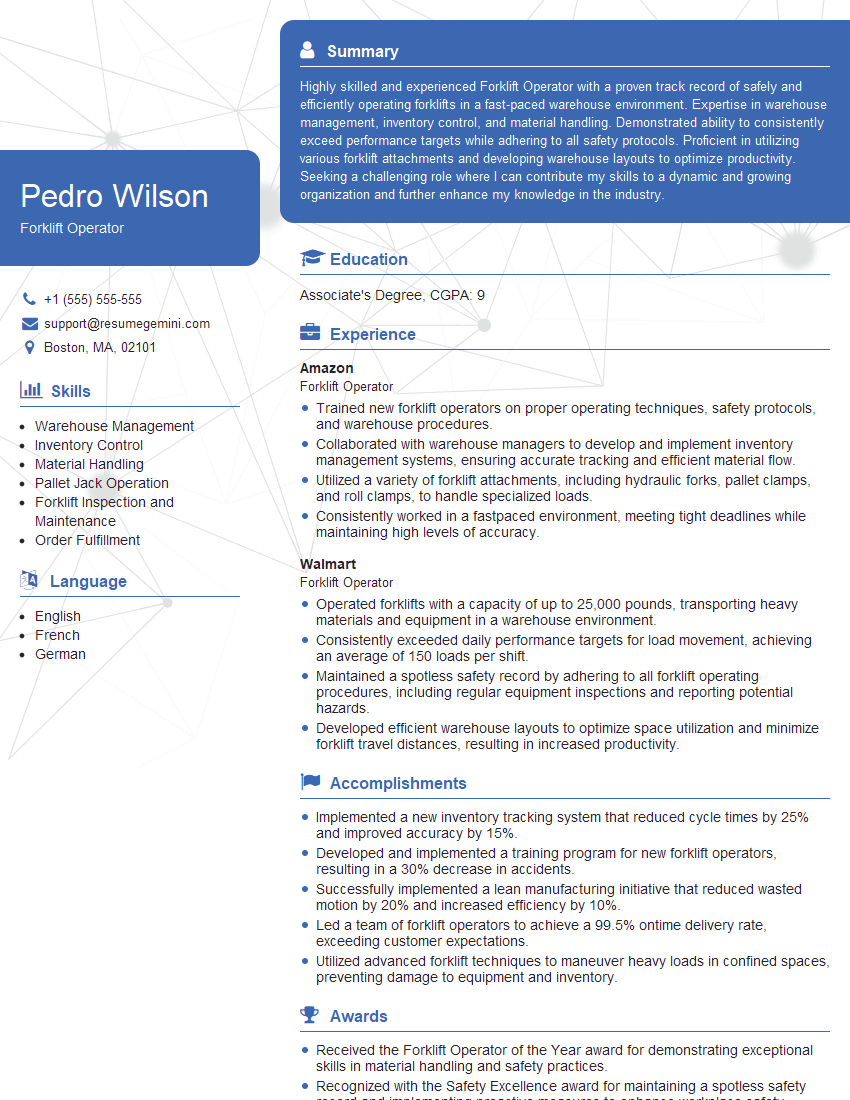
Forklift Operator Resume Sample
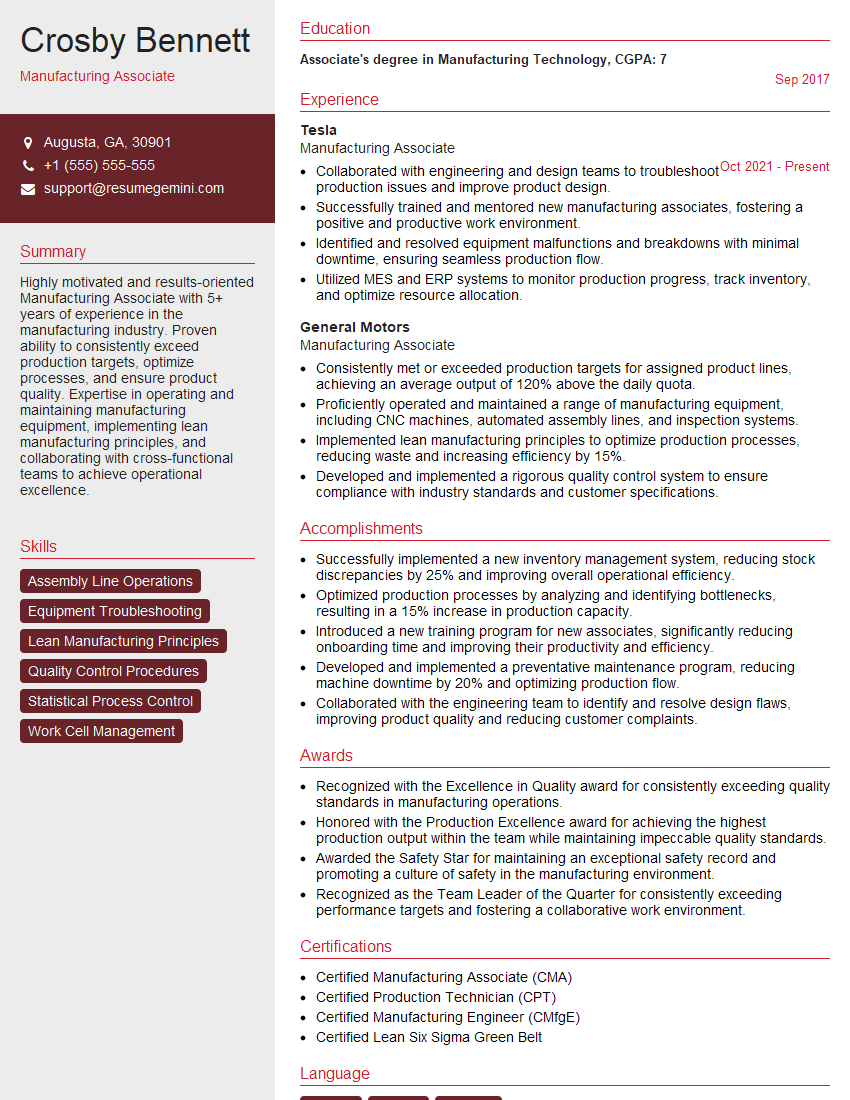
Manufacturing Associate Resume Sample
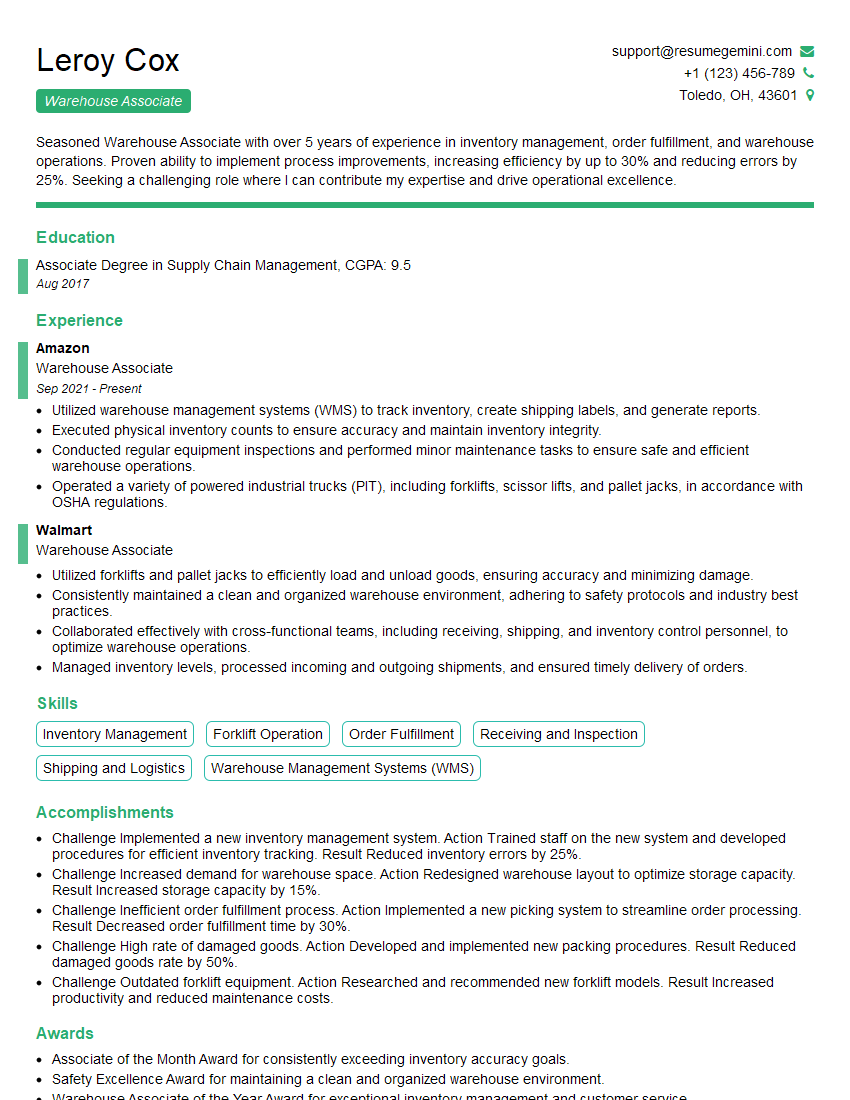
Warehouse Associate Resume Sample
- Operations Manager
- Logistics Manager
- Warehouse Manager
- Warehouse Supervisor
- Logistics Coordinator
- Supply Chain Specialist
- Maintenance Technician
- Equipment Operator
- Inventory Control Specialist
- Production Associate
- Shipping and Receiving Clerk
- Logistics Associate
- Material Handler
- Order Picker
- Heavy Equipment Operator
- Forklift Operator
- Manufacturing Associate
- Warehouse Associate
Explore more articles
Users Rating of Our Blogs
Share Your Experience
We value your feedback! Please rate our content and share your thoughts (optional).
What Readers Say About Our Blog
Very informative content, great job.
good