The thought of an interview can be nerve-wracking, but the right preparation can make all the difference. Explore this comprehensive guide to Forklift or Aerial Lift Operation interview questions and gain the confidence you need to showcase your abilities and secure the role.
Questions Asked in Forklift or Aerial Lift Operation Interview
Q 1. What are the different types of forklifts?
Forklifts are categorized based on several factors, including power source, mast type, and application. Let’s explore some common types:
- Counterbalance Forklifts: These are the most common type, using counterweights to balance the load. They are versatile and suitable for various applications.
- Reach Trucks: Designed for narrow aisles, reach trucks have a mast that extends forward to reach pallets, maximizing warehouse space utilization. Think of them as the ‘long-arm’ forklifts of the warehouse.
- Sit-Down Rider Forklifts: The operator sits while operating the forklift, offering better comfort and control for longer shifts. These are great for larger warehouses and outdoor spaces.
- Stand-Up Rider Forklifts: These are more compact and maneuverable, often preferred for smaller spaces or shorter tasks. Imagine them being better suited for quick maneuvers in a busy loading dock.
- Electric Forklifts: Powered by batteries, these are cleaner and quieter than internal combustion engine (ICE) forklifts, often preferred for indoor environments. They’re perfect for environmentally conscious warehouses.
- Internal Combustion Engine (ICE) Forklifts: Powered by gasoline, propane, or diesel, these offer more power and longer operating times than electric forklifts but produce emissions. They’re common in outdoor applications or areas with limited battery charging capabilities.
The choice of forklift depends heavily on the specific application, the environment, and the materials being handled. For instance, a reach truck is ideal for a narrow-aisle warehouse, while an ICE forklift might be preferred for outdoor yard work.
Q 2. Explain the pre-operational checks for a forklift.
Pre-operational checks are crucial for safety and efficient operation. Think of it as a medical check-up for your forklift before you start your workday! Here’s a checklist:
- Visual Inspection: Check for any leaks (oil, fuel, hydraulic fluid), damage to the mast, forks, tires, and body. Look for anything that seems out of place.
- Fluid Levels: Verify engine oil, transmission fluid, hydraulic fluid, and coolant levels are within the acceptable range. Low levels indicate potential problems.
- Tires: Inspect tire pressure and condition. Under-inflated tires compromise stability; damaged tires are a safety hazard.
- Lights and Signals: Ensure all lights (headlights, brake lights, turn signals, backup lights) and warning devices are functioning correctly. Visibility is paramount.
- Brakes: Test the service and parking brakes to ensure they are responsive and effective. Faulty brakes are extremely dangerous.
- Horn: Verify the horn is working to alert pedestrians and other equipment operators.
- Steering: Check for smooth steering operation. Stiff steering can be a sign of a mechanical problem.
- Safety Devices: Inspect seatbelts, and any other safety interlocks or features. These exist to keep you safe; make sure they work.
Documentation of these checks is vital. Many companies use checklists to ensure consistent and thorough inspections before every shift.
Q 3. Describe the proper procedures for loading and unloading cargo.
Safe loading and unloading are paramount. Here’s a structured approach:
- Assess the Load: Determine the weight and dimensions of the cargo to ensure it’s within the forklift’s capacity and stability limits. Never overload a forklift.
- Position the Forklift: Park the forklift stably and close to the loading area. Ensure the ground is level and stable.
- Engage the Forks: Slowly and carefully insert the forks under the load, ensuring even weight distribution. If the cargo is unstable, use appropriate straps or securing equipment.
- Lift and Transport: Raise the load slowly and smoothly, keeping it as close to the ground as possible during movement. Avoid sudden movements or jerky turns.
- Unload the Cargo: Lower the load slowly and carefully to the designated unloading area. Ensure the area is clear of obstructions and personnel.
- Secure the Load: If necessary, use straps or other securing devices to keep the load stable during transport and unloading.
Example: When loading pallets, always ensure they are evenly stacked and stable. Using pallet jacks to move them into place before forklift engagement makes the lift smoother and safer. Never lift a load that is unevenly distributed or unstable.
Q 4. How do you safely navigate tight spaces with a forklift?
Navigating tight spaces requires skill and caution. Here are some key strategies:
- Plan Your Route: Carefully assess the space before beginning the maneuver. Visualize the path and ensure there is sufficient clearance.
- Slow and Steady: Avoid sudden movements and maintain a slow speed. This gives you more time to react to unexpected obstacles.
- Use Mirrors and Sensors: Utilize mirrors and any available sensors (back-up alarms, cameras) to enhance visibility. Blind spots are a major hazard in tight spaces.
- Small Turns: Make small, incremental turns rather than wide swings. This helps maintain control and prevent collisions.
- Counter-Steering: Be prepared to use counter-steering techniques to correct for unexpected movements. This requires practice and skill.
- Spotter: In extremely tight spaces, using a spotter can greatly enhance safety and efficiency. A second set of eyes is invaluable.
Example: When turning a corner in a narrow aisle, make a series of small adjustments to your steering rather than attempting a single, wide turn.
Q 5. What are the load capacity limits of a forklift?
Load capacity limits are crucial for safety. They are determined by the forklift’s manufacturer and are usually displayed on a data plate affixed to the forklift itself. This plate lists maximum weight limits under various load center conditions.
The load center is the distance from the load’s center of gravity to the front edge of the forks. The further back the load’s center of gravity, the less weight the forklift can safely lift. This is because it increases the risk of tipping. Think of it like this: a shorter lever arm is stronger than a longer one.
Never exceed the stated load capacity limits. Doing so drastically increases the risk of accidents, damage to the equipment, and injuries.
Q 6. What are the different types of aerial lifts?
Aerial lifts, also known as aerial work platforms (AWPs), come in a variety of types, each suited to different tasks and working heights:
- Boom Lifts (Articulating and Telescopic): Boom lifts extend upwards and can often articulate (bend) to reach difficult-to-access areas. Telescopic booms extend straight out, while articulating booms are more flexible.
- Scissor Lifts: These lifts use a scissor-like mechanism to raise the platform vertically. They’re generally more compact and easier to maneuver than boom lifts.
- Vertical Mast Lifts: These lifts move vertically, but have limited reach horizontally. They’re often used in warehouses or other indoor applications.
The type of aerial lift selected depends on the job requirements. For high-reach applications with obstacles, a boom lift might be preferred. For lower, simpler lifts, a scissor lift might suffice.
Q 7. Explain the pre-operational checks for an aerial lift.
Pre-operational checks for aerial lifts are similar in principle to those for forklifts, but with additional considerations for height and stability:
- Visual Inspection: Check the entire lift for damage, leaks, loose parts, and general wear and tear. Pay close attention to the boom, platform, and outriggers.
- Fluid Levels: Check hydraulic fluid levels and ensure they are within the specified range.
- Outriggers: Inspect the outriggers, making sure they’re clean, not damaged and able to fully extend and retract smoothly.
- Emergency Stops: Check all emergency stops to ensure they function correctly. These are your lifelines.
- Safety Features: Verify that all safety features (guardrails, harnesses, limit switches) are present and in good working condition. These protect the operator.
- Platform: Check the platform for stability and ensure that it’s free from debris that could cause slipping.
- Controls: Check that all controls function smoothly and correctly.
- Ground Conditions: Assess the ground conditions for stability and levelness. The stability of the ground is crucial for safe lift operation.
Thorough pre-operational checks are crucial for avoiding accidents at heights where risks are amplified.
Q 8. Describe the proper procedures for operating an aerial lift at height.
Operating an aerial lift safely at height requires a systematic approach. Before even starting the machine, a thorough pre-operation inspection is crucial. This involves checking all controls, safety devices (like alarms and emergency stops), and ensuring the platform is free from obstructions. Once in the lift, you should always be properly harnessed and secured to the platform. This is non-negotiable. Never exceed the weight capacity of the lift. This information is clearly stated on the machine itself.
As you elevate, proceed slowly and smoothly, paying close attention to your surroundings. Avoid jerky movements. Always maintain three points of contact with the platform. This means keeping at least three limbs connected to the platform at all times. Before starting any work at height, secure the platform by ensuring it’s level and stable. When working, avoid overreaching or extending beyond the platform’s perimeter. Remember, maintaining a stable base and avoiding sudden movements are key to safe operation. Once finished, lower the lift slowly and completely, then conduct a post-operation inspection before leaving.
Example: Imagine painting a building’s exterior. Before ascending, I’d check the lift’s load capacity to ensure my weight, equipment, and paint don’t exceed the limit. I’d then securely attach my harness, slowly raise the lift, and carefully position myself to access the painting area, maintaining three points of contact at all times.
Q 9. How do you ensure stability when using an aerial lift?
Stability is paramount when using an aerial lift. The primary factor is ensuring the ground is level and firm. Avoid soft, uneven, or sloping surfaces. The lift’s outriggers (stabilizing legs) must be fully extended and properly positioned on solid ground. Before elevating, visually inspect the area for any potential hazards like holes, debris, or underground utilities that could compromise stability. Never overload the lift – exceeding the weight limit significantly reduces stability. Additionally, the operator should be aware of wind conditions; strong winds can affect the stability of the lift, and operation should be ceased in high winds. Lastly, smooth and deliberate movements minimize any risk of instability.
Example: If I’m working on a sloped surface, I wouldn’t even attempt to operate the lift. I’d find a suitable level area and, using the lift’s outriggers, firmly secure it before raising the platform.
Q 10. What safety measures should be taken when operating a forklift near pedestrians?
Operating a forklift near pedestrians demands extreme caution. The priority is to minimize any potential for collisions. This starts with a thorough assessment of the surrounding area, looking for pedestrians, obstacles, and potential hazards. Before moving, use your horn or warning device and visually check in all directions. Always maintain a safe speed appropriate for the conditions. Avoid sudden movements, which can startle pedestrians and cause accidents. Establish a safe working distance from pedestrians and keep them out of your operating zone. In congested areas, consider using a spotter to assist and alert you to any nearby people. Designate pedestrian walkways and keep them clear of forklift operations. Remember, safety is always your number one priority.
Example: Before I start operating a forklift near a warehouse door where people are entering and exiting, I’d use my horn, slow down, and carefully move at a low speed, ensuring that no one is within my working zone. I’d ensure clear visibility and create a safe buffer zone around pedestrians.
Q 11. What are the common causes of forklift accidents?
Forklift accidents often stem from a combination of factors. A significant contributor is operator error, which includes speeding, improper load handling, inadequate training, and failure to follow safety procedures. Mechanical failures, such as brake issues or steering malfunctions, can also cause accidents. Poor workplace conditions, such as inadequate lighting, obstructed walkways, or slippery floors, create hazardous environments. Lastly, improper load securing can lead to spills, falls, or shifting loads, causing significant risks. A lack of pre-shift inspections and inadequate maintenance can also result in equipment failures.
Example: A forklift operator speeding around a corner might lose control, causing an accident. Another example is an overloaded forklift tilting, leading to damage and potential injuries.
Q 12. How do you handle a forklift malfunction?
If a forklift malfunction occurs, the immediate response is to cease operation and engage the emergency stop. Do not attempt to troubleshoot or repair the machine yourself. Turn off the ignition, lower the forks, and secure the load. Inform your supervisor or designated personnel about the malfunction and provide details regarding the nature of the problem. Do not restart the forklift unless authorized personnel have confirmed that it’s safe to do so. A thorough inspection should be carried out before resuming operation.
Example: If the brakes fail, I would immediately activate the emergency brake, lower the forks, turn off the ignition, and contact my supervisor.
Q 13. What is the importance of regular forklift maintenance?
Regular forklift maintenance is paramount for safety and efficiency. Regular inspections prevent accidents by identifying potential problems early on. A well-maintained forklift is less prone to mechanical failures, minimizing downtime and reducing the risk of accidents. Preventative maintenance reduces the likelihood of serious breakdowns and extends the lifespan of the equipment. This preventative maintenance could include inspecting fluid levels (hydraulic fluid, engine oil, etc.), checking tire pressure, and examining the brakes, steering, and load-handling mechanisms. Regular servicing also ensures compliance with safety regulations.
Example: Regular checks of brake pads, hydraulic fluid levels, and tire pressure ensure optimal functioning and prevent unexpected failures during operation.
Q 14. How do you identify potential hazards in your work area?
Identifying potential hazards involves a proactive and systematic approach. A visual inspection of the work area should be conducted before commencing any work. Pay close attention to potential tripping hazards like cables, uneven floors, or debris. Look out for obstructions that could impede movement or visibility. Note the location of any heavy machinery and pedestrian traffic. Consider environmental factors such as lighting, weather conditions (especially if outdoors), and any potential spills. Finally, check for any signs of potential equipment malfunctions. Documentation of identified hazards is crucial.
Example: Before starting work in a warehouse, I’d walk around to check for any spills, damaged pallets, or loose items on the floor that could cause a trip and fall, or even a forklift accident.
Q 15. Describe your experience with different types of forklift attachments.
My experience encompasses a wide range of forklift attachments, each designed for specific material handling tasks. Think of them as specialized tools for your forklift, expanding its capabilities significantly.
- Pallets Forks: The standard, these are used for lifting and moving palletized goods. I’m proficient in using various sizes, ensuring proper weight distribution.
- Clamp Attachments: These are ideal for handling materials like paper rolls, concrete blocks, and lumber. I have experience with both vertical and horizontal clamps, understanding the importance of secure gripping and stability.
- Side Shifters: These attachments allow for lateral movement of the load, enabling precise placement even in tight spaces. This is especially useful in warehouse environments where space is a premium. I’ve used side shifters extensively in high-volume distribution centers.
- Rotating Forks: These are essential for turning and positioning loads without needing to reposition the entire forklift, drastically improving efficiency. I’ve found them invaluable in situations requiring precise load orientation.
- Carriage Attachments: These are versatile attachments accommodating various load types, often used with specialized tools like drum handlers or carton clamps. I am familiar with the safety protocols required for using such attachments safely.
My proficiency extends to understanding the limitations and appropriate usage of each attachment, always prioritizing safety and efficiency. For example, I would never attempt to lift a load exceeding the rated capacity of the attachment or the forklift itself.
Career Expert Tips:
- Ace those interviews! Prepare effectively by reviewing the Top 50 Most Common Interview Questions on ResumeGemini.
- Navigate your job search with confidence! Explore a wide range of Career Tips on ResumeGemini. Learn about common challenges and recommendations to overcome them.
- Craft the perfect resume! Master the Art of Resume Writing with ResumeGemini’s guide. Showcase your unique qualifications and achievements effectively.
- Don’t miss out on holiday savings! Build your dream resume with ResumeGemini’s ATS optimized templates.
Q 16. What is your experience with load securement techniques?
Load securement is paramount in preventing accidents and damage. It’s all about ensuring your load stays put during transport. Think of it like packing a suitcase – you wouldn’t just throw everything in and hope for the best.
My experience includes various methods, depending on the load type and transportation method. This includes:
- Strapping: Using steel or plastic straps to tightly secure loads to the pallet or platform. I’m experienced in using ratchet straps, ensuring proper tension and avoiding over-tightening.
- Shrink Wrapping: Using plastic film to tightly wrap palletized goods, providing a unified package, preventing shifting during transit. I understand the nuances of shrink wrap application to ensure load integrity.
- Netting: This is especially useful for securing smaller items or irregularly shaped goods, preventing them from falling or shifting. I know when to use which type of netting depending on the load type and its fragility.
- Dunnage: Utilizing blocking and bracing materials (wood, cardboard, etc.) to fill gaps and stabilize loads. I’m skilled in creating a proper support system depending on the weight and shape of the load.
I always follow industry best practices and regulatory guidelines, ensuring the safety and stability of the load throughout the transport process. Failing to properly secure a load can lead to serious accidents.
Q 17. Explain your understanding of load center and its importance.
The load center is the point on a load where its weight is evenly distributed. Imagine a seesaw – the fulcrum is the load center. It’s crucial for stability and safe operation.
Understanding the load center is vital because an improperly balanced load can lead to tipping. If the load center is too far forward or backward, it shifts the forklift’s center of gravity, increasing the risk of an overturn.
In practice, I always visually assess the load to estimate its load center before lifting. Many forklifts have load center indicators to assist with this. If there’s any doubt, I’ll take extra precautions, potentially using additional securing measures to maintain balance. Accurate determination of the load center is a fundamental aspect of safe forklift operation.
Q 18. How do you maintain a clear line of sight while operating a forklift?
Maintaining a clear line of sight is non-negotiable for safe forklift operation. Think of it as your primary safety mechanism. Obstacles in your path can easily lead to accidents.
I consistently practice several techniques to ensure clear visibility:
- Slow Speed in Congested Areas: This allows for more time to react to unexpected obstacles or pedestrian movements.
- Horn Usage: Using the horn at corners and intersections to alert others to my presence.
- Spotter When Necessary: In situations with limited visibility, I always use a spotter to guide my movements and direct my attention towards potential hazards.
- Regular Mirror Checks: Frequently checking the forklift’s mirrors to ensure awareness of the surroundings, particularly blind spots.
- Safe Operating Speed: Maintaining appropriate speeds according to site conditions and load size.
Prioritizing clear visibility prevents collisions, pedestrian injuries, and property damage. It’s a habit cultivated through years of experience.
Q 19. Describe your experience with using forklift safety features.
Modern forklifts are equipped with numerous safety features designed to prevent accidents. I’m highly familiar with and consistently utilize these features.
- Seat Belts: Always using the seat belt to remain securely positioned during operation.
- Parking Brake: Engaging the parking brake whenever the forklift is unattended, preventing unintentional movement.
- Backup Alarm: Relying on the audible warning to alert pedestrians of reverse movements.
- Load Capacity Indicators: Checking the load capacity indicators to ensure the forklift isn’t overloaded. Overloading is a leading cause of forklift accidents.
- Speed Control Systems: Utilizing speed limiter functions to control operating speed depending on conditions, preventing recklessness.
- Interlocks and Safety Switches: Understanding how safety interlocks and switches operate and the importance of their proper functioning, for example, preventing lifting unless the operator is seated.
These features are integral to safe operation, and neglecting them increases the risk of accidents. I always treat them as crucial parts of my routine checks before commencing any task.
Q 20. What is your experience with different types of aerial lift controls?
Aerial lift controls vary depending on the manufacturer and model, but most share some common elements. They’re generally more complex than forklift controls due to the increased range of motion and potential hazards.
My experience includes using various aerial lift controls, including:
- Proportional Controls: These allow for smooth, precise movements in all directions (up/down, left/right, forward/backward) using joysticks or levers. The speed of movement is directly proportional to how far the lever is moved.
- Emergency Stop Buttons: These are strategically positioned and easily accessible for immediate cessation of all movements in case of emergencies. I am trained to locate and correctly use these in case of any unforeseen events.
- Outrigger Controls: For boom lifts, I am well versed in operating the outrigger deployment and retraction controls, crucial for stability.
- Platform Rotation Controls: Many aerial lifts provide platform rotation, allowing for optimal positioning of the platform. I have experience using these safely to ensure stability and prevent undue stress on the boom.
- Manual Override Controls: Understanding and using manual override controls according to the manufacturer’s specifications, only in case of absolute necessity and with adequate training.
Safety training is crucial before operating any aerial lift, as misoperation can lead to severe accidents.
Q 21. How do you identify and respond to potential electrical hazards when working with aerial lifts?
Electrical hazards are a significant concern when working with aerial lifts, especially near power lines. This is a top priority, and any lapse in procedure can have potentially fatal consequences.
My approach involves a multi-pronged strategy:
- Visual Inspection: Thoroughly inspecting the work area before starting to identify overhead power lines, exposed wiring, and other electrical hazards.
- Safe Distance Maintenance: Maintaining a safe distance from all overhead power lines, far exceeding the minimum required distance specified by regulations. This distance varies depending on voltage and other factors. Never compromise on this precaution.
- Grounding and Bonding: Ensuring the aerial lift is properly grounded and bonded to prevent electrical shock. I will always check the condition of the grounding system before starting operation.
- Awareness of Weather Conditions: Operating aerial lifts during periods of bad weather (rain, strong winds) increases electrical hazards, therefore I am vigilant about conditions and suspend operations if the risks are significant.
- Emergency Response Plan: Understanding and being prepared to utilize the emergency response plans for dealing with electrical shock or other accidents.
It’s essential to always err on the side of caution when dealing with electricity. No task is worth risking life or limb.
Q 22. Explain the procedures for working at height with an aerial lift.
Working at height with an aerial lift demands meticulous adherence to safety protocols. It’s not just about reaching the top; it’s about getting there and back safely.
- Pre-Operation Checklist: This includes a thorough inspection of the lift itself – checking hydraulics, controls, safety harnesses, and ensuring all locking mechanisms are functional. The work area must also be assessed, identifying potential hazards like overhead obstructions, power lines, and uneven ground. I always double-check the weight capacity and ensure it’s sufficient for both the personnel and the materials being lifted.
- Safe Operation: Before elevating, I always ensure the outriggers are properly deployed and secured, providing a stable base. Smooth, controlled movements are key. Sudden jerks or excessive speed can destabilize the lift. I never exceed the rated capacity, and I continuously monitor the surroundings during ascent and descent.
- Working at Height Practices: Once at the working height, I maintain three points of contact with the platform at all times. This means keeping at least two hands and one foot, or two feet and one hand, secured to the platform to prevent falls. Tools and materials are secured to prevent them from falling and causing harm or damage.
- Emergency Procedures: Having a designated emergency contact and a clear communication plan is vital. Understanding the lift’s emergency lowering system is paramount, practicing the procedures regularly to ensure swift and safe responses in case of power failure or malfunction.
- Post-Operation Checklist: After completing the task, I lower the lift slowly and carefully. All equipment and materials are properly secured, and a final inspection is conducted to ensure everything is in order before shutting down the machine.
For instance, during a recent project involving replacing light fixtures on a high warehouse ceiling, I meticulously followed this checklist. Identifying a potential power line near the worksite, I adjusted the lift’s position and utilized extra caution to ensure a safe distance. By adhering to these procedures, we completed the job without incident.
Q 23. How do you communicate effectively with colleagues and supervisors during operations?
Effective communication is the bedrock of safe and efficient operations. It’s not just about talking; it’s about clear, concise, and timely information exchange.
- Clear and Concise Language: I use simple, unambiguous language, avoiding jargon or technical terms that colleagues might not understand. Hand signals are crucial when operating in noisy environments.
- Active Listening: Before undertaking any task, I carefully listen to instructions and ask clarifying questions if needed. This prevents misunderstandings and ensures everyone is on the same page.
- Regular Updates: I provide regular updates to my supervisor and colleagues about my progress, any potential challenges I encounter, and my estimated completion time. This helps maintain workflow transparency.
- Emergency Communication: Having established emergency communication channels – whether using radios, hand signals, or designated emergency contact points – is essential for swift response in emergencies.
- Non-Verbal Communication: I utilize eye contact and hand signals when appropriate, particularly in noisy environments, ensuring everyone is aware of potential hazards and movements.
For instance, during a particularly busy shift, I noticed a potential collision risk between another forklift and my own. By immediately alerting my colleague using a combination of hand signals and verbal communication, we were able to avoid an accident. This highlights the importance of clear and proactive communication.
Q 24. What are the regulations regarding forklift and aerial lift operation in your area?
Regulations surrounding forklift and aerial lift operation vary by location but generally encompass stringent safety standards. In my area, the key regulations include:
- Licensing and Certification: Operators must hold valid licenses and certifications demonstrating proficiency in operating the specific equipment. Regular refresher training is mandatory to keep skills sharp and up-to-date.
- Pre-Operational Inspections: Before each use, a thorough inspection of the equipment is mandatory, checking for any mechanical defects or safety hazards. Documentation of these inspections is required.
- Safe Operating Procedures: Strict adherence to manufacturer’s guidelines and company-specific safety procedures is non-negotiable. These include speed limits, load capacity limits, and safe operating distances from hazards.
- Personal Protective Equipment (PPE): Wearing appropriate PPE, such as safety glasses, hard hats, high-visibility vests, and safety shoes, is compulsory. This is critical for worker protection.
- Regular Maintenance: Forklifts and aerial lifts must undergo regular maintenance and inspections to ensure their safety and functionality. Records of maintenance are meticulously kept.
Ignoring these regulations can result in severe penalties, including fines and suspension of operation, and more importantly, they could lead to serious accidents or injuries.
Q 25. How do you handle unexpected situations or emergencies?
Handling unexpected situations requires quick thinking, decisive action, and a strong foundation in safety procedures. My approach involves:
- Assessment: The first step is to rapidly assess the situation, identifying the nature of the emergency and any potential dangers.
- Prioritization: I prioritize actions that will ensure the safety of myself and others. This might involve securing the equipment, evacuating the area, or contacting emergency services.
- Communication: I immediately communicate the emergency to my supervisor and colleagues, clearly describing the situation and any immediate actions taken.
- Follow Procedures: I adhere to established emergency procedures, ensuring compliance with all safety protocols and regulations.
- Documentation: After the situation is resolved, I document the incident, including the cause, actions taken, and any injuries or damages incurred. This is crucial for future prevention.
For example, during a power outage while operating an aerial lift, I immediately initiated the emergency lowering procedure, keeping calm and communicating my situation to colleagues below. After safely descending, I ensured everyone was accounted for before assisting with the emergency response.
Q 26. What is your experience with various types of warehouse layouts?
My experience encompasses a variety of warehouse layouts, each presenting unique challenges and operational considerations:
- Narrow Aisle Warehouses: These require precise maneuvering skills and familiarity with narrow aisle forklifts. Efficient space utilization and careful navigation are critical.
- High-Bay Warehouses: Operating in high-bay warehouses necessitates proficiency in operating reach trucks or other specialized equipment for accessing elevated storage locations. Safety is paramount given the heights involved.
- Conventional Warehouses: These often involve a mix of operating conditions, requiring adaptability in handling different equipment and navigating varied traffic patterns.
- Cold Storage Warehouses: These require additional considerations, such as operating in low temperatures and understanding the impact on equipment performance and operator safety.
Adaptability is key. I’ve successfully operated in all these environments, adjusting my techniques and equipment selection to match the layout’s specific demands.
Q 27. Describe your understanding of inventory management systems and their integration with forklift operations.
Understanding inventory management systems and their integration with forklift operations is critical for efficient warehouse management. My experience includes working with various systems, such as:
- Warehouse Management Systems (WMS): These systems provide real-time visibility into inventory levels, locations, and movement. I utilize WMS to locate items quickly and efficiently, reducing search time and improving throughput.
- Radio Frequency (RF) Scanners: RF scanners are integrated with WMS, allowing me to verify inventory accuracy, update stock levels, and track item movement throughout the warehouse. This enhances inventory control and reduces discrepancies.
- Pick-to-Light Systems: These systems guide operators to the correct location for picking orders, minimizing errors and improving picking efficiency. My experience includes operating in warehouses equipped with pick-to-light systems, enhancing order fulfillment accuracy.
For instance, using a WMS with RF scanning, I can efficiently locate and retrieve specific items based on their assigned location, ensuring orders are processed quickly and accurately. This integration helps eliminate errors and streamlines the overall warehouse operation.
Q 28. How do you prioritize tasks and manage your time effectively in a fast-paced warehouse environment?
In a fast-paced warehouse, effective task prioritization and time management are essential. My approach involves:
- Prioritization Matrix: I utilize a prioritization matrix, assessing tasks based on urgency and importance. Urgent and important tasks are tackled first, followed by important but less urgent ones.
- Route Optimization: I plan my routes efficiently, minimizing travel time and maximizing productivity. This involves understanding the warehouse layout and optimizing travel paths.
- Time Blocking: I allocate specific time slots for different tasks, ensuring sufficient time for each activity and preventing task overlaps.
- Flexibility: Despite planning, unexpected events can arise. I am flexible and adapt to changing priorities while ensuring that safety remains paramount.
- Regular Breaks: Taking short, regular breaks helps maintain focus and prevents fatigue, enhancing efficiency and safety.
For example, during peak season, I prioritize urgent orders while ensuring that critical inventory replenishment tasks are also completed timely. This balance ensures that we meet customer demand and maintain efficient stock levels. By effectively managing my time and utilizing efficient routes, I consistently achieve high levels of productivity without compromising safety.
Key Topics to Learn for Forklift or Aerial Lift Operation Interview
- Safety Regulations and Procedures: Understanding OSHA regulations, pre-operation checks, and safe operating procedures is paramount. This includes recognizing and avoiding potential hazards.
- Equipment Operation and Maintenance: Demonstrate knowledge of how to safely operate both forklifts and aerial lifts, including maneuvering, loading/unloading, and basic maintenance checks. Be prepared to discuss different types of equipment and their applications.
- Load Capacity and Stability: Explain how to determine safe load capacities, proper weight distribution, and techniques for maintaining stability during operation, especially on uneven terrain or inclines.
- Pre-Trip Inspections: Detail the importance of thorough pre-trip inspections, identifying potential mechanical issues, and reporting any defects promptly. Know what to look for in a pre-shift inspection.
- Emergency Procedures: Be prepared to discuss emergency procedures, such as dealing with equipment malfunctions, fires, or accidents. Knowing how to react calmly and safely is crucial.
- Warehouse/Jobsite Awareness: Explain how to navigate busy work environments safely, understanding pedestrian traffic, other equipment, and potential obstacles.
- Practical Problem-Solving: Be ready to discuss how you’ve handled challenging situations in the past, demonstrating your problem-solving skills and ability to think on your feet in a potentially hazardous environment.
- Communication and Teamwork: Highlight your ability to communicate effectively with supervisors and coworkers, emphasizing safety and coordination in a team setting.
Next Steps
Mastering forklift and aerial lift operation opens doors to rewarding careers in logistics, construction, and warehousing, offering opportunities for advancement and increased earning potential. A strong resume is your key to unlocking these opportunities. Creating an ATS-friendly resume that highlights your skills and experience is crucial for getting noticed by potential employers. To ensure your resume stands out, consider using ResumeGemini; it’s a trusted resource to build a professional and impactful resume. ResumeGemini provides examples of resumes tailored to forklift and aerial lift operation positions, giving you a head start in crafting your own winning application.

Operations Manager Resume Sample
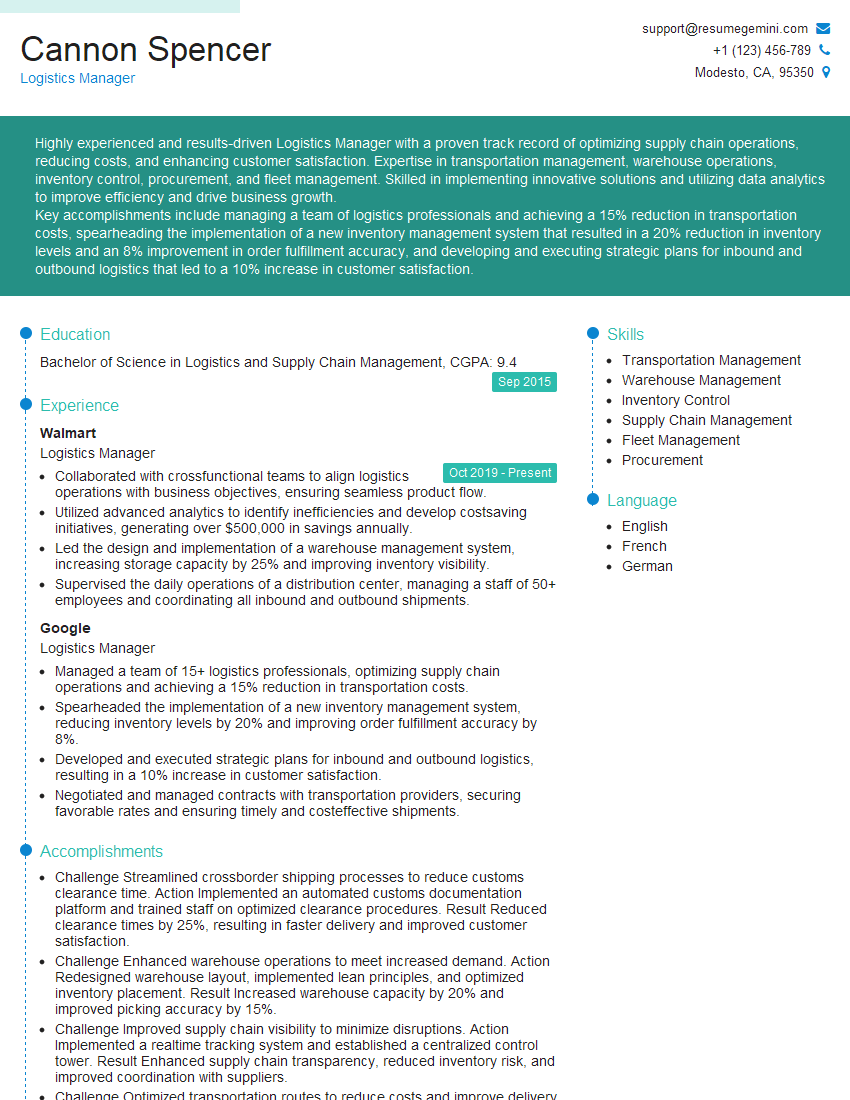
Logistics Manager Resume Sample
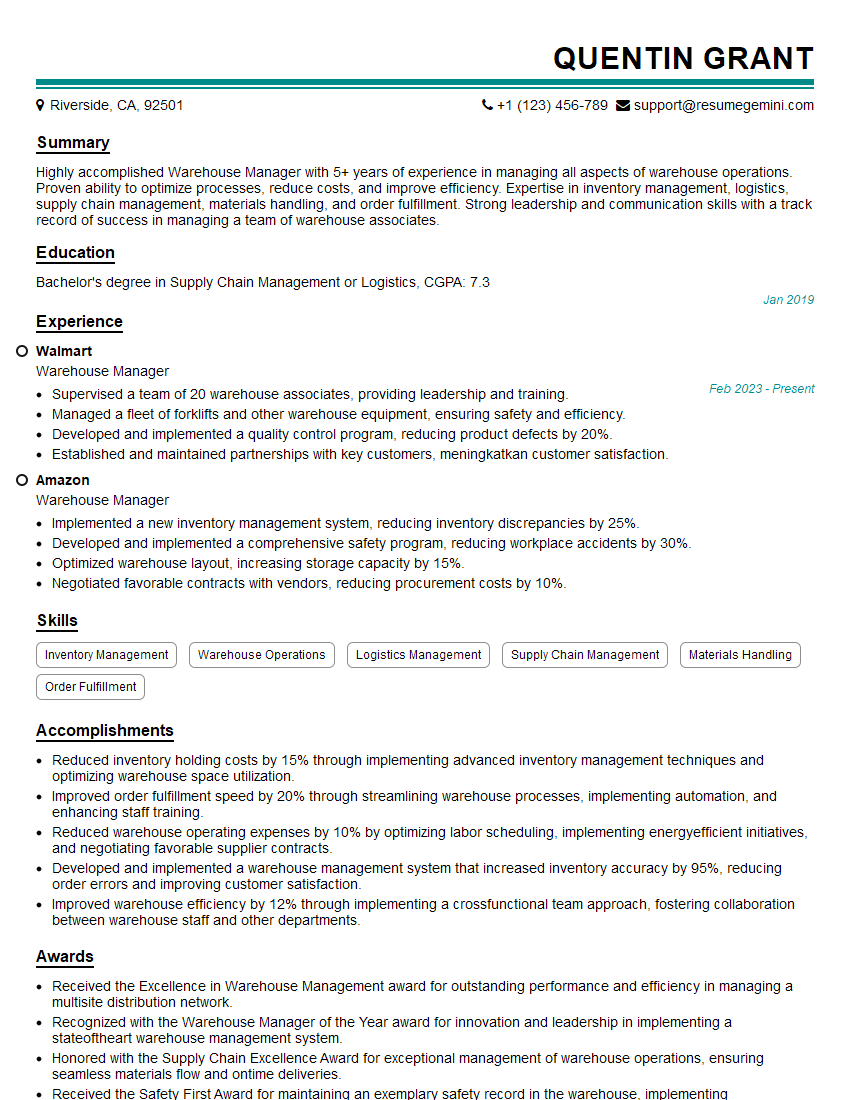
Warehouse Manager Resume Sample
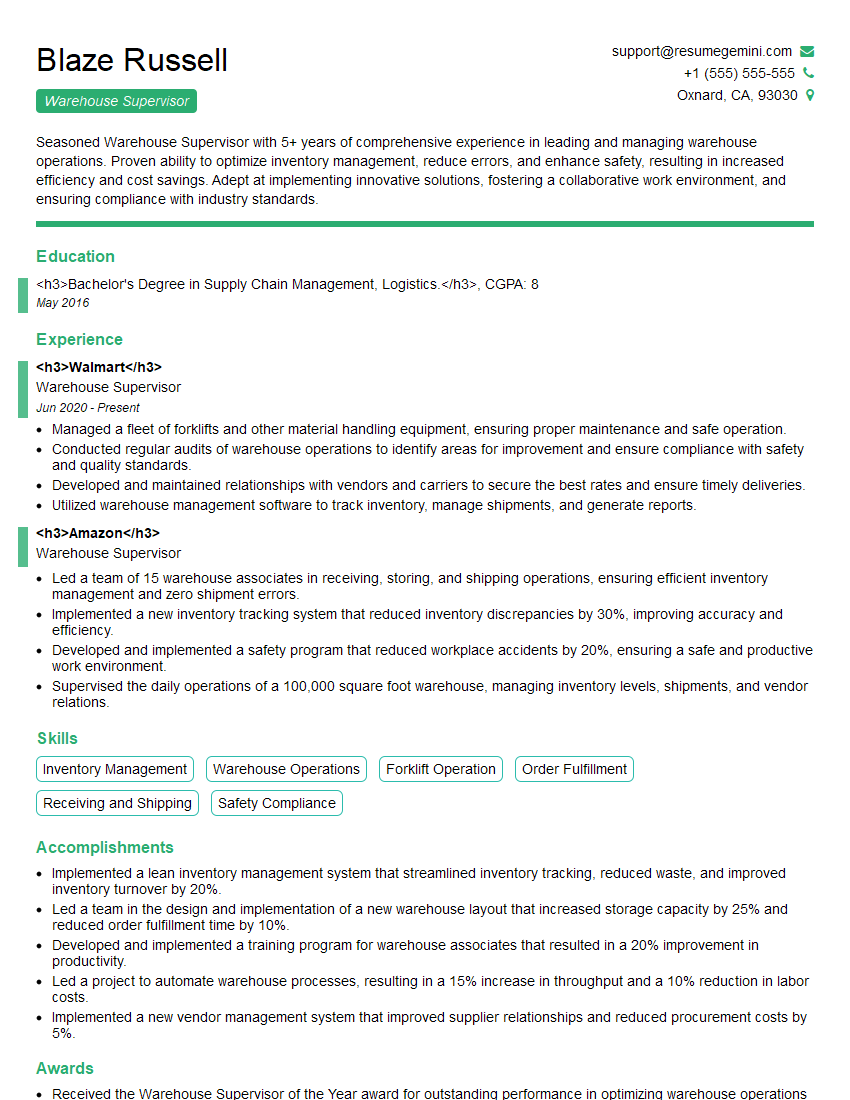
Warehouse Supervisor Resume Sample
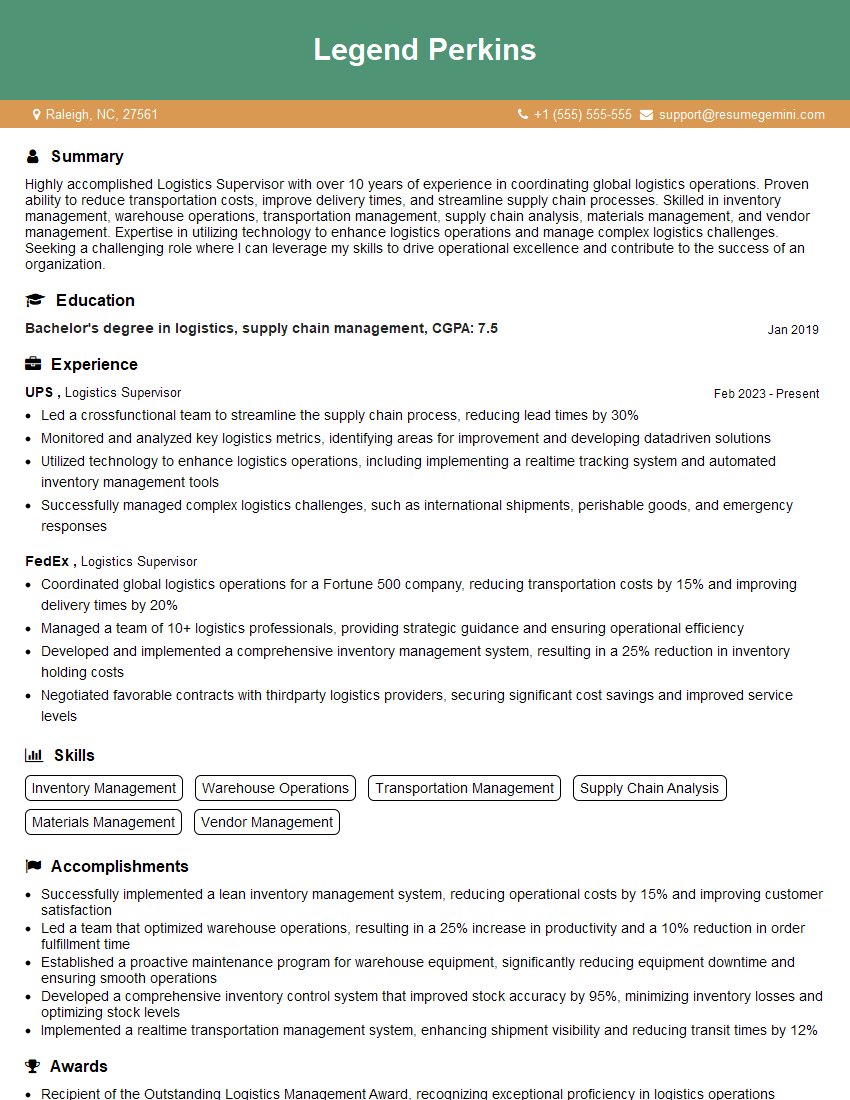
Logistics Supervisor Resume Sample
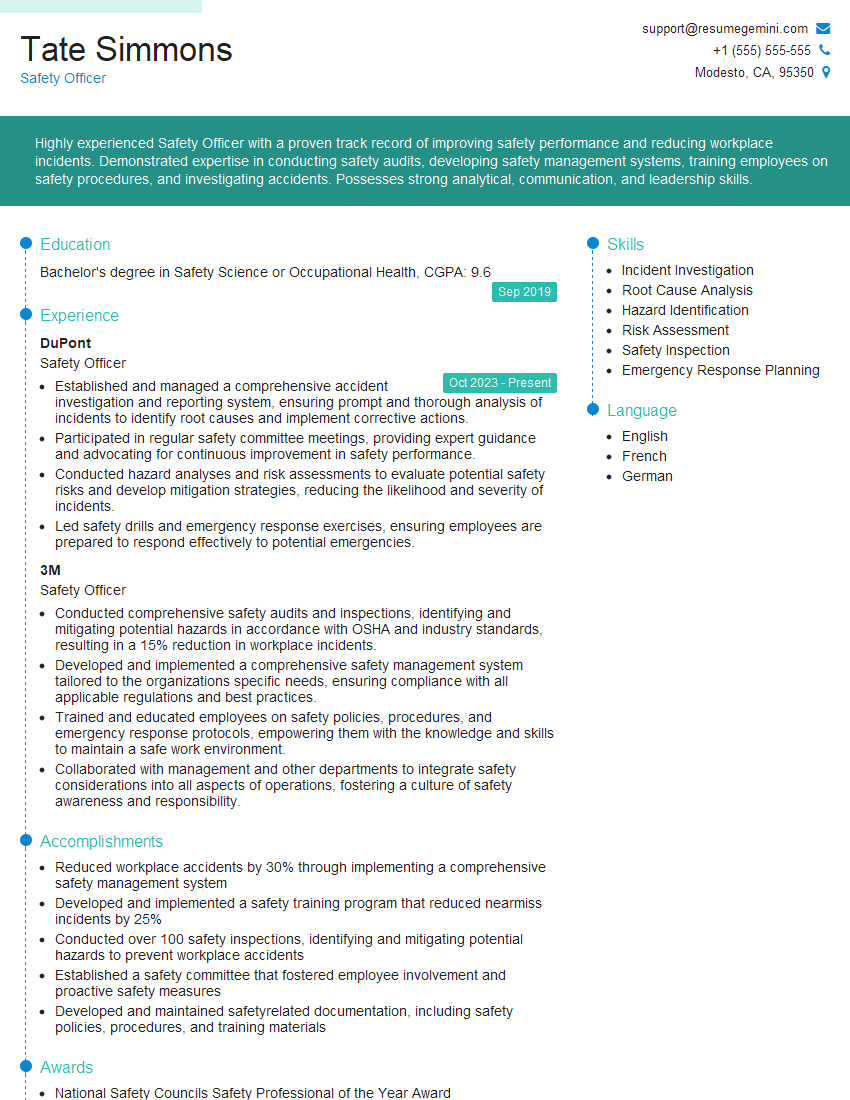
Safety Officer Resume Sample
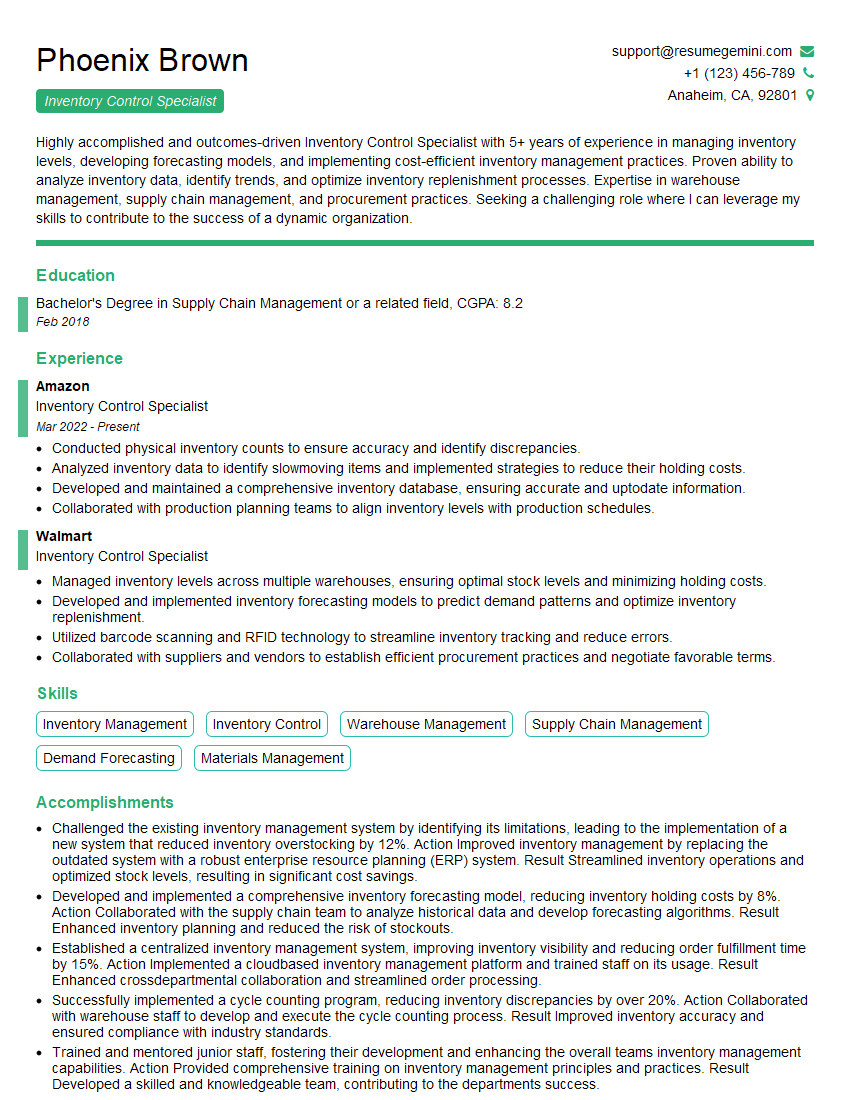
Inventory Control Specialist Resume Sample

Shipping and Receiving Clerk Resume Sample
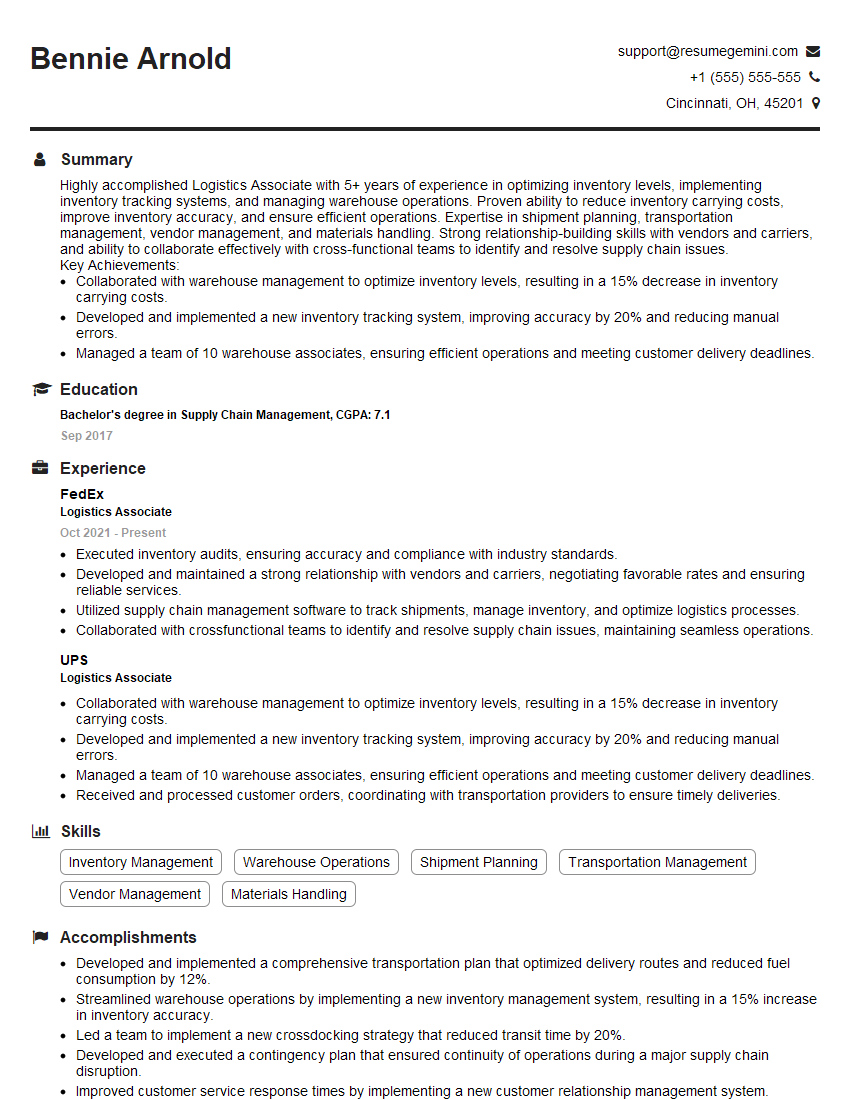
Logistics Associate Resume Sample
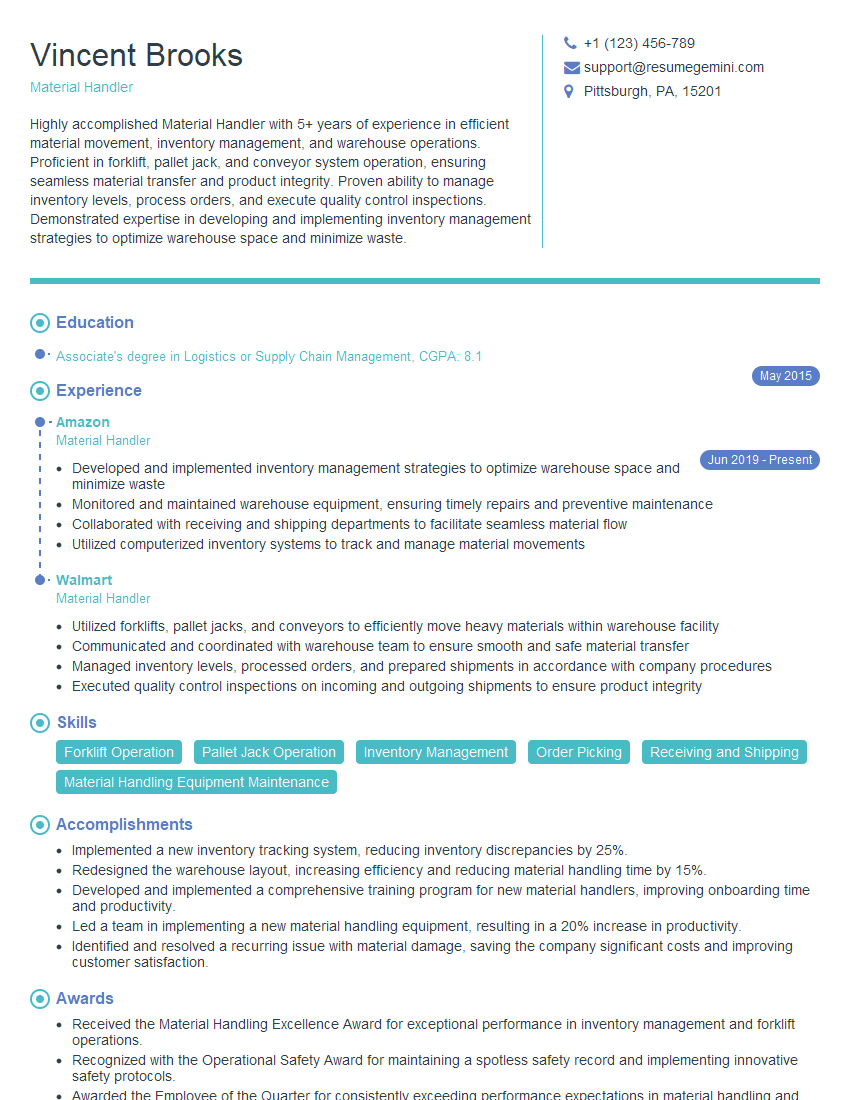
Material Handler Resume Sample
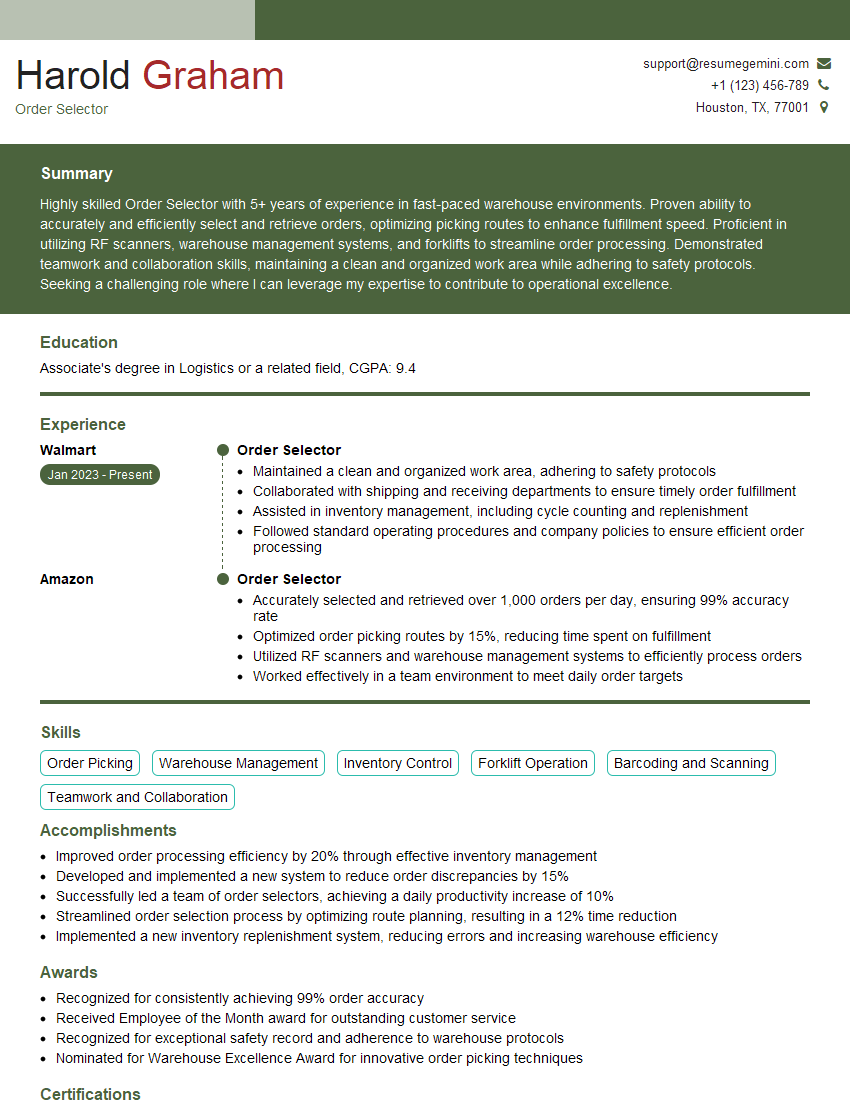
Order Selector Resume Sample
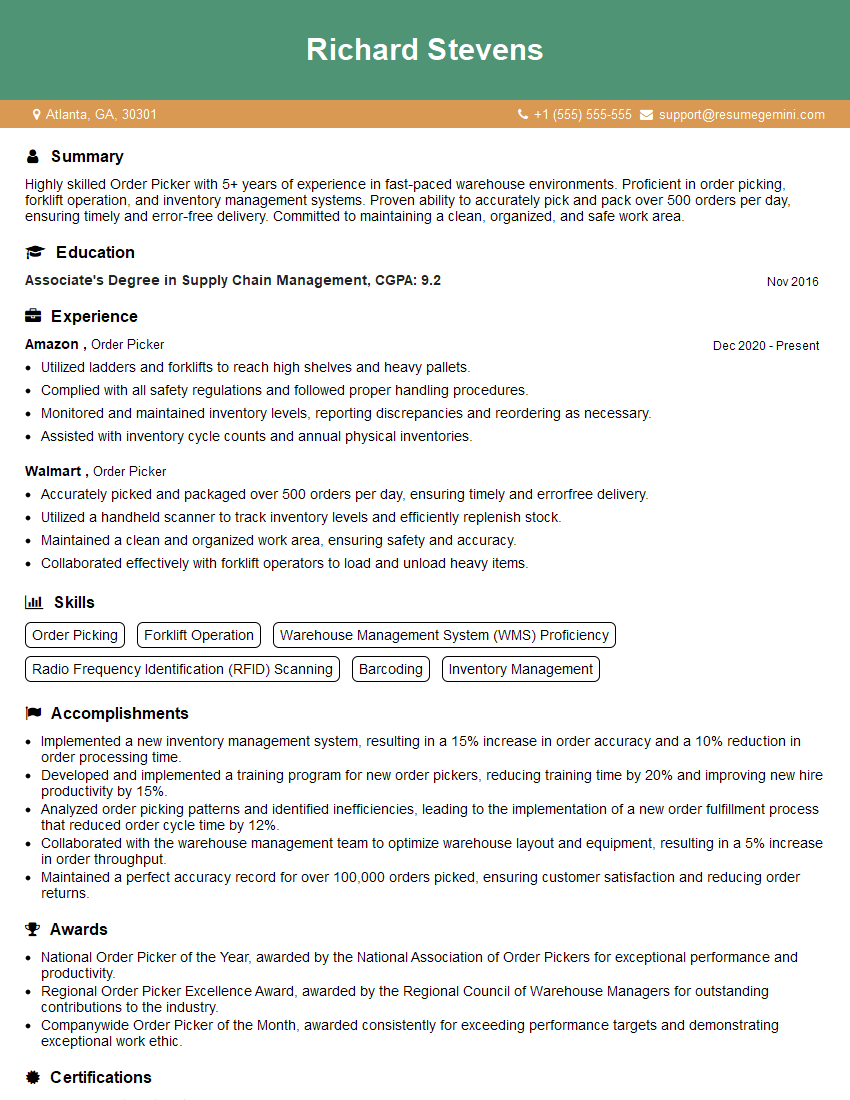
Order Picker Resume Sample

Heavy Equipment Operator Resume Sample
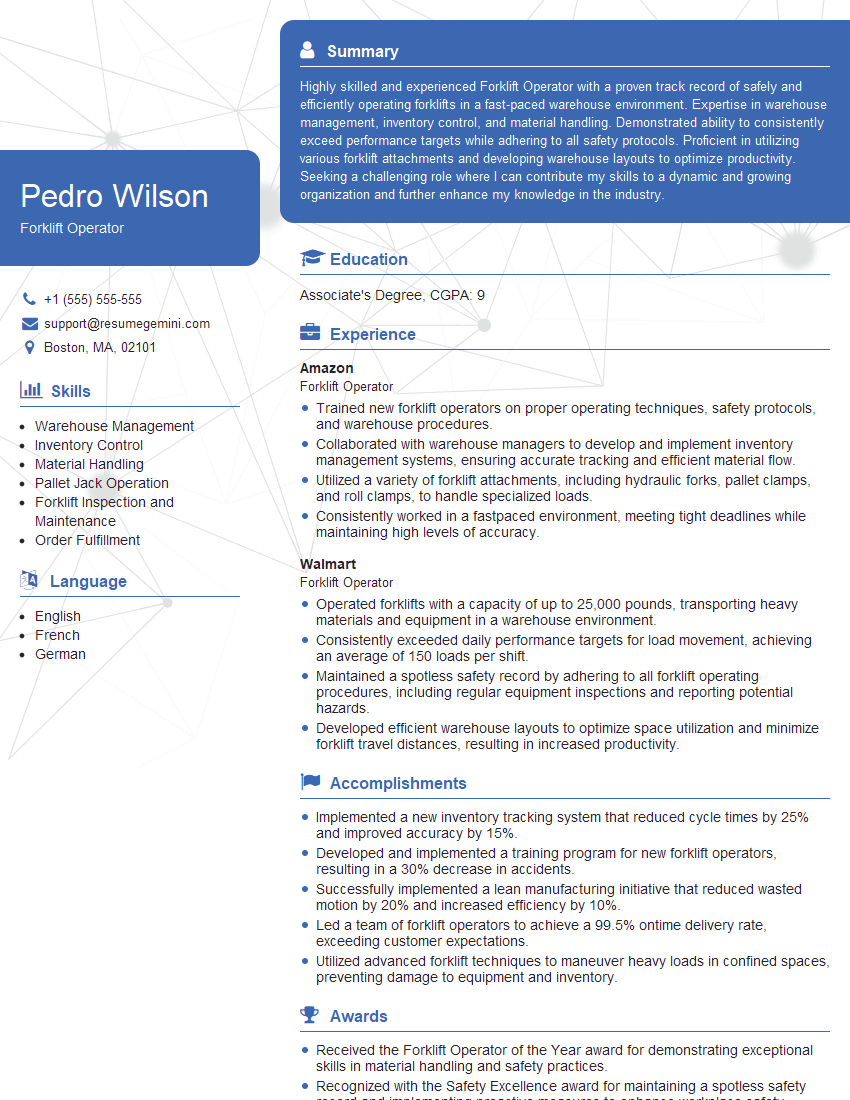
Forklift Operator Resume Sample
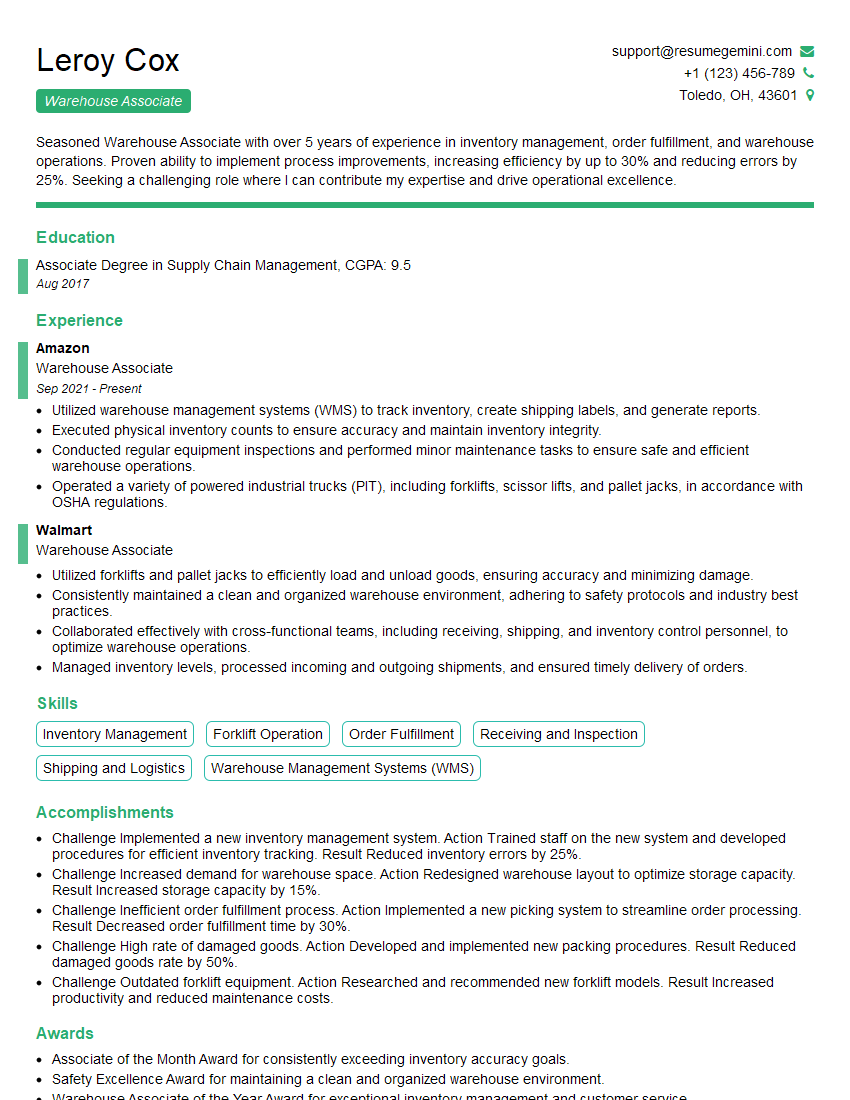
Warehouse Associate Resume Sample
Explore more articles
Users Rating of Our Blogs
Share Your Experience
We value your feedback! Please rate our content and share your thoughts (optional).
What Readers Say About Our Blog
Very informative content, great job.
good