Cracking a skill-specific interview, like one for Forklift Stability, requires understanding the nuances of the role. In this blog, we present the questions you’re most likely to encounter, along with insights into how to answer them effectively. Let’s ensure you’re ready to make a strong impression.
Questions Asked in Forklift Stability Interview
Q 1. What are the primary factors affecting forklift stability?
Forklift stability is a complex interplay of several factors, all working together to determine whether the machine will remain upright and avoid tipping. Think of it like balancing a seesaw – if the weight isn’t distributed correctly, it’ll fall. The primary factors include:
- Load Weight and Center of Gravity: Heavier loads and loads positioned off-center significantly increase the risk of tipping.
- Forklift’s Center of Gravity: The forklift itself has a center of gravity; moving this by raising the forks or tilting the mast impacts stability.
- Travel Speed: Higher speeds reduce reaction time and increase the risk of accidents, especially when turning.
- Terrain Conditions: Uneven surfaces, slopes, and slippery conditions drastically affect stability.
- Forklift Condition: Proper maintenance, including tire inflation and operational functionality, plays a crucial role. A damaged tire, for instance, can dramatically alter how the forklift handles.
- Operator Skill: An experienced operator anticipates potential instability issues and reacts accordingly. Smooth operation is key.
All these factors interact; a small change in one can have a substantial effect on overall stability.
Q 2. Explain the relationship between load weight and forklift stability.
The relationship between load weight and forklift stability is directly proportional: the heavier the load, the less stable the forklift becomes. Imagine trying to balance a heavier book on your outstretched hand – it’s much harder than balancing a lighter one. A heavier load shifts the combined center of gravity of the forklift and load higher and further away from the supporting wheels, increasing the risk of tipping. This is especially true if the load isn’t properly centered. Exceeding the forklift’s rated capacity is particularly dangerous, leading to catastrophic instability and potential accidents.
Q 3. Describe the importance of proper load centering.
Proper load centering is absolutely paramount for forklift stability. When the load is centered, the weight is evenly distributed over the forklift’s wheels, minimizing the chance of tipping. Off-center loads dramatically shift the center of gravity, creating an imbalance that makes the forklift much more prone to tipping, particularly during turns or when traveling on uneven surfaces. Think of it like carrying a heavy suitcase – it’s much easier and safer to carry it close to your body (centered) than to hold it far out to one side.
Always visually check load centering before lifting and moving. Some forklifts have load indicators to assist with this.
Q 4. How does uneven terrain impact forklift stability?
Uneven terrain significantly compromises forklift stability. Slopes, potholes, and loose surfaces all affect the forklift’s ability to maintain balance. Even slight inclines can cause tipping, especially when carrying a load. Imagine driving a car on a slick, icy road – you lose traction and control. Similarly, uneven surfaces reduce the contact between forklift tires and the ground, increasing the risk of slippage and subsequent instability. Operating forklifts on uneven ground necessitates extreme caution, reduced speed, and careful assessment of the terrain before proceeding.
Q 5. What are the safe operating speeds for forklifts in various conditions?
Safe operating speeds for forklifts vary dramatically depending on conditions. There’s no single answer; it’s highly context-dependent.
- Ideal Conditions (smooth, level surface, no load): A moderate speed is appropriate, allowing for good maneuverability and reaction time.
- Loaded Forklift, Level Surface: Speed should be significantly reduced compared to an unloaded forklift; slow, controlled movements are essential.
- Uneven Terrain, Any Load: Speed must be extremely low, almost crawling, to maintain control and prevent tipping. Careful assessment of the terrain is crucial.
- Slippery Conditions: Speed should be drastically reduced, or operation should cease altogether until conditions improve.
Always prioritize safety over speed. Company policies and local regulations should be strictly followed.
Q 6. Explain the proper techniques for negotiating turns with a loaded forklift.
Negotiating turns with a loaded forklift requires meticulous technique to prevent tipping. Here’s a step-by-step approach:
- Reduce Speed Significantly: Slow down well before initiating the turn.
- Smooth Steering: Avoid jerky movements; steer smoothly and gradually.
- Wide Turns: Take wider turns than you would with an unloaded forklift to maintain stability and avoid hitting obstacles.
- Maintain Load Centering: Ensure the load remains centered throughout the turn.
- Avoid Sudden Braking: Brake smoothly to prevent the load from shifting and the forklift from losing traction.
- Assess Surroundings: Always be aware of your surroundings to avoid collisions.
Practice makes perfect. Regular training and hands-on experience are crucial for mastering this skill.
Q 7. How do you assess the stability of a forklift before operation?
Assessing forklift stability before operation is a critical safety procedure. A thorough pre-operational inspection should include:
- Visual Inspection: Check for any visible damage to tires, forks, mast, and other components.
- Tire Inflation: Ensure proper tire pressure; under-inflated tires compromise stability.
- Fluid Levels: Verify that hydraulic fluid and other essential fluids are at the correct levels.
- Operational Check: Test all operational functions to ensure they are working correctly – steering, braking, hydraulics.
- Load Capacity Check: Never exceed the forklift’s rated capacity.
- Terrain Assessment: Evaluate the terrain to assess any potential hazards – slopes, uneven surfaces, obstacles.
If any issues are detected, the forklift should be removed from service until repairs are made. A stable forklift is essential for a safe and productive workday.
Q 8. What are the consequences of exceeding a forklift’s load capacity?
Exceeding a forklift’s load capacity is incredibly dangerous and has severe consequences. The most immediate risk is tipping, which can lead to serious injury or even death for the operator and anyone nearby. The forklift itself can be severely damaged, requiring costly repairs or replacement. Beyond the immediate dangers, exceeding capacity can also lead to:
- Damage to goods: The load might shift, causing damage to the goods being transported.
- Structural damage to the forklift: Repeated overloading weakens the forklift’s structure, leading to premature failure and potential future accidents.
- Increased maintenance costs: The strain on the forklift’s components will accelerate wear and tear, increasing the frequency and cost of maintenance.
- Insurance issues: Operating a forklift beyond its rated capacity invalidates insurance coverage in most cases, leaving the company liable for any damages or injuries.
Imagine a forklift rated for 5,000 lbs attempting to lift 7,000 lbs. The increased weight shifts the center of gravity, making the forklift unstable and prone to tipping. This is like trying to balance a stack of books on a narrow edge—the higher the stack (the heavier the load), the more unstable it becomes.
Q 9. Describe the importance of regular forklift maintenance on stability.
Regular forklift maintenance is paramount for stability. A well-maintained forklift operates as designed, ensuring its components function optimally. Neglecting maintenance significantly increases the risk of accidents. Here’s how it impacts stability:
- Tire condition: Worn or improperly inflated tires reduce traction, increasing the likelihood of tipping, especially on uneven surfaces. Imagine driving on slick tires – the loss of grip is directly related to stability.
- Brake function: Faulty brakes hinder the operator’s ability to control the forklift, making it harder to react to unexpected situations and preventing a safe stop.
- Steering mechanism: A malfunctioning steering system reduces the operator’s control, hindering their ability to correct for instability.
- Hydraulic system: Leaks or malfunctioning hydraulics affect the lift and tilt mechanisms, impacting the load’s stability and control.
- Mast and forks: Bent or damaged forks or a weakened mast compromise the integrity of the lifting mechanism and increase the risk of tipping.
Regular inspections, lubrication, and timely repairs are essential to maintain the forklift’s stability and ensure safe operation. This is like regularly servicing your car – preventative maintenance is far cheaper and safer than dealing with breakdowns.
Q 10. What are the visual cues indicating potential forklift instability?
Several visual cues indicate potential forklift instability. Recognizing these cues early is critical for preventing accidents. These include:
- Leaning or tilting: If the forklift leans noticeably to one side, it’s a clear sign of instability. This might be due to an uneven load, exceeding the weight capacity, or driving on an incline.
- Unusual sounds: Grinding, squealing, or unusual noises from the hydraulics, engine, or transmission can suggest mechanical problems that affect stability.
- Fluid leaks: Hydraulic fluid leaks can impair the lift and tilt functions, compromising the stability of the load.
- Load shifting: If the load shifts during operation, it significantly increases the risk of tipping. This is particularly dangerous with unevenly distributed weights.
- Uneven ground: Operating on uneven or sloped surfaces drastically reduces stability. The operator should always assess the terrain before operating the forklift.
Think of it like riding a bicycle— if you start to lean excessively or feel the bike wobbling, it’s a warning sign to take corrective action immediately.
Q 11. How do you handle a situation where a forklift begins to tip?
If a forklift starts to tip, the situation demands immediate, controlled action. Panic is your worst enemy. The primary goal is to minimize injury and damage.
- Remain calm: A calm head is crucial in emergency situations.
- Ease off the controls: Avoid any sudden movements, including abrupt braking or steering.
- Counter-steer gently: If possible, gently steer in the opposite direction of the tilt to try and regain balance. However, avoid aggressive maneuvers.
- Lower the load: If safe to do so, slowly lower the load to the ground. Reducing the height of the center of gravity can help stabilize the forklift.
- Prepare for impact: If tipping is unavoidable, brace yourself for impact. If possible, attempt to jump clear of the machine before it hits the ground. This is the absolute last resort and should only be done if it is absolutely safe to jump clear of the tipping machine.
- Report the incident: After the incident, report it immediately to your supervisor and complete the necessary accident reports.
This is analogous to a driver skidding on an icy road; smooth and controlled counter-steering is crucial for regaining control.
Q 12. Explain the role of counterweights in forklift stability.
Counterweights are crucial for forklift stability. They are heavy weights located at the rear of the forklift, strategically positioned to counteract the weight of the load lifted by the forks at the front. The counterweight creates a balance, lowering the center of gravity, which significantly improves stability.
Without counterweights, even a relatively small load lifted at a high height could easily cause the forklift to tip forward. The counterweight acts as a stabilizing force, ensuring that the forklift remains balanced even when carrying heavy loads. The amount of counterweight needed depends on the forklift’s lifting capacity and mast height. It’s like a seesaw – the heavier weight on one end (the counterweight) keeps the seesaw balanced even when a significant weight is placed on the other side (the load).
Q 13. Describe the different types of forklift attachments and their impact on stability.
Various forklift attachments exist, each impacting stability differently. The key factor is how the attachment alters the forklift’s center of gravity and load distribution. Some common attachments include:
- Side Shifters: These allow the operator to shift the load laterally, potentially destabilizing the forklift if not used carefully. The shifting load alters the center of gravity, requiring extra attention.
- Clamps: These are used for handling materials like paper rolls or lumber. The clamping action can affect the center of gravity depending on the load’s size and distribution.
- Carriage Rotators: These rotate the forks, allowing for easier placement of loads. Rotation can affect stability, particularly if the load is not balanced.
- Forks Extensions: These extend the reach of the forks, increasing the moment arm and potentially affecting stability. They effectively move the load further from the forklift’s pivot point.
Using attachments requires extra caution and often necessitates adjusting the operating parameters to maintain safe operating limits. Always consult the manufacturer’s guidelines and operator manuals for safe usage instructions.
Q 14. What are the safety regulations regarding forklift operation and stability?
Safety regulations regarding forklift operation and stability vary by jurisdiction, but common themes include:
- Operator Training and Certification: Operators must undergo comprehensive training and obtain certification to demonstrate proficiency in safe operation.
- Load Capacity Limits: Operators are required to adhere strictly to the forklift’s load capacity and avoid overloading. Load capacity charts are typically affixed to the forklift itself.
- Pre-Operational Inspection: Before each shift, operators must conduct a thorough pre-shift inspection to identify any potential issues that could compromise stability.
- Safe Operating Procedures: Companies must establish and enforce safe operating procedures, including speed limits, travel routes, and load handling techniques.
- Regular Maintenance: Forklifts must undergo regular maintenance to ensure optimal functionality and safety.
- Personal Protective Equipment (PPE): Operators must wear appropriate PPE, including safety shoes, high-visibility clothing, and helmets where appropriate.
Failure to comply with these regulations can result in fines, suspension of operation, and legal action in case of accidents. Adhering to safety regulations is not merely a legal requirement; it is crucial for protecting human lives and safeguarding property.
Q 15. How do you determine the appropriate forklift for a specific task?
Selecting the right forklift involves careful consideration of several factors. It’s not a one-size-fits-all solution; the best forklift depends entirely on the specific task. Think of it like choosing the right tool for a job – you wouldn’t use a hammer to screw in a screw!
- Load Capacity: The weight of the heaviest load the forklift will regularly carry needs to be significantly less than the forklift’s rated capacity. Always add a safety margin. For example, if you anticipate carrying 2,000 lbs regularly, you’d need a forklift with a significantly higher capacity, maybe 3,000 lbs or more, to account for unexpected weight fluctuations.
- Load Center: This is the distance from the load’s center of gravity to the forklift’s mast. A longer load center reduces stability. Consider the size and shape of the load, as an unevenly distributed load will have a different center of gravity.
- Operating Environment: Indoor or outdoor operation greatly influences the choice. Rough terrain demands a forklift with robust tires and suspension, potentially a rough terrain forklift. Narrow aisles require a forklift with a small turning radius.
- Fuel Type: Diesel is common for heavy-duty applications, propane for indoor use where emissions are a concern, and electric forklifts provide clean operation in sensitive environments. Each has different maintenance requirements and performance characteristics.
- Mast Type and Height: The mast’s height determines the maximum lift height required for the job. Different mast types offer different load capacities and stability characteristics.
For instance, a warehouse handling lightweight pallets in narrow aisles might use a small electric forklift, while a lumber yard might need a heavy-duty diesel forklift with a large load capacity and a long mast.
Career Expert Tips:
- Ace those interviews! Prepare effectively by reviewing the Top 50 Most Common Interview Questions on ResumeGemini.
- Navigate your job search with confidence! Explore a wide range of Career Tips on ResumeGemini. Learn about common challenges and recommendations to overcome them.
- Craft the perfect resume! Master the Art of Resume Writing with ResumeGemini’s guide. Showcase your unique qualifications and achievements effectively.
- Don’t miss out on holiday savings! Build your dream resume with ResumeGemini’s ATS optimized templates.
Q 16. What are the warning signs of potential forklift malfunctions affecting stability?
Warning signs of potential forklift malfunctions affecting stability are often subtle but can be crucial to detect. Ignoring these can lead to serious accidents. Regular maintenance and operator awareness are key.
- Unusual Noises: Grinding, squealing, or unusual knocking sounds from the hydraulic system, transmission, or wheels can indicate worn parts or damage affecting stability.
- Steering Issues: Difficulty steering, unresponsive steering, or excessive play in the steering wheel can signal problems with the steering system, potentially compromising control.
- Fluid Leaks: Leaks in hydraulic fluid, engine oil, or transmission fluid reduce performance and can lead to malfunctions impacting stability. Hydraulic leaks are particularly dangerous because they can reduce the ability to lift and lower loads safely.
- Tire Problems: Worn or damaged tires can cause instability and poor traction. Proper tire inflation is critical for safe operation.
- Warning Lights: Pay close attention to any warning lights on the forklift’s dashboard. These lights are there for a reason!
- Hydraulic Issues: Slow lifting or lowering speeds, uneven lift height, or a noticeable drop in the load could indicate issues within the hydraulic system.
Imagine a scenario where you hear a grinding noise during lifting – that could be a sign of worn-out hydraulic components. Ignoring it could lead to a sudden hydraulic failure during operation, causing the load to drop unexpectedly.
Q 17. Explain the importance of operator training in maintaining forklift stability.
Operator training is paramount in maintaining forklift stability. A well-trained operator is the first and most important line of defense against accidents. Poorly trained operators are responsible for the vast majority of forklift mishaps.
- Understanding Stability Principles: Training should cover the physics of load center, weight distribution, and how these affect stability. Operators must understand the limitations of their forklift and the impact of speed, terrain, and load conditions.
- Safe Operating Procedures: Training must emphasize safe driving techniques, proper load handling, pre- and post-operation checks, and emergency procedures. Operators should be thoroughly trained on how to handle unexpected situations and how to respond properly.
- Pre-Shift Inspections: Training must include detailed procedures for pre-shift inspections to detect potential mechanical issues that could compromise stability.
- Load Handling Techniques: Operators must be skilled in securing loads properly, avoiding sudden movements, and maintaining a steady speed, particularly while navigating turns or inclines.
- Emergency Procedures: Operators should be familiar with emergency protocols for situations such as hydraulic failure, tire blowouts, or load shifting.
Think of it like learning to ride a bike – you wouldn’t expect to be a safe and proficient cyclist without proper instruction. The same principle applies to forklift operation. Thorough training is essential for safe and productive work.
Q 18. Describe the proper procedures for pre-shift forklift inspections.
Pre-shift inspections are a critical step in preventing forklift accidents. This is a systematic check performed before each shift to identify potential problems before they lead to incidents.
- Visual Inspection: Check for any visible damage to the forklift body, tires, mast, and forks. Look for leaks, cracks, or unusual wear and tear.
- Fluid Levels: Verify the levels of engine oil, hydraulic fluid, coolant, and battery fluid (if applicable). Low fluid levels can lead to malfunctions.
- Tire Pressure: Check and adjust tire pressure to the manufacturer’s specifications. Improper inflation significantly impacts stability.
- Steering and Brakes: Test the steering for responsiveness and the brakes for effectiveness. A brake failure is catastrophic.
- Horn and Lights: Ensure the horn and lights are functioning correctly for signaling and visibility.
- Safety Devices: Check that safety devices, such as seatbelts, warning lights, and backup alarms, are operational.
- Load-Handling Mechanisms: Inspect the forks, chains, and any other load-handling equipment for damage or wear. Ensure that the forks are properly aligned.
A systematic checklist approach should be used and documented. Failing to perform a proper inspection is negligent. It’s like checking a plane before takeoff – it’s a crucial safety measure that shouldn’t be skipped.
Q 19. How do you react to a sudden change in load distribution during operation?
A sudden change in load distribution is a dangerous situation that requires immediate and controlled action. This could be due to a shifting load, uneven weight distribution, or a sudden change in the load’s center of gravity.
- Slow Down Immediately: Reduce speed to a crawl to regain control.
- Stop Safely: Find a level, stable area to bring the forklift to a complete stop. Avoid sudden braking or turning maneuvers.
- Assess the Situation: Carefully assess the load condition. Determine if the load is still secure and if there’s an immediate risk of it falling or shifting further.
- Secure the Load: If possible, take steps to re-secure the load. Use straps, chains, or other securing devices as needed.
- Do Not Attempt to Continue Until Situation is Safe: Do not attempt to continue the operation until the load is secure and you are confident that the forklift can safely maneuver. If the load cannot be safely secured, disengage the load and call for assistance.
- Report and Inspect: Report the incident and conduct a thorough inspection of the forklift and load to determine the root cause.
For example, if you’re carrying a stack of lumber and you notice a shift, immediately slow down, stop, and carefully assess the situation. If a plank slips, carefully lower the load and secure it before proceeding.
Q 20. What is the role of the operator in preventing forklift accidents?
The forklift operator is the single most crucial factor in preventing accidents. Their actions directly impact safety.
- Following Safe Operating Procedures: Adhering to established safety rules, procedures, and company policies is fundamental.
- Regular Inspections: Conducting thorough pre-shift inspections to detect potential mechanical failures is critical.
- Responsible Load Handling: Understanding load capacity, load center, and proper load-securing techniques is essential to prevent instability.
- Defensive Driving: Practicing safe driving techniques, maintaining appropriate speeds, avoiding sudden maneuvers, and being aware of surroundings are paramount.
- Staying Alert and Focused: Remaining alert, avoiding distractions, and maintaining a safe operating speed are vital.
- Reporting Issues: Promptly reporting any mechanical issues, unsafe conditions, or near misses allows for prompt corrective actions.
It’s not just about the ability to operate the forklift; it’s about responsible and proactive behavior. An operator’s awareness and commitment to safety are vital in preventing accidents.
Q 21. Describe your experience with different types of forklift stability control systems.
I’ve worked with various forklift stability control systems throughout my career. These systems aim to enhance safety and prevent tip-overs.
- Load Moment Indicators (LMIs): These systems measure the load weight and its position relative to the forklift’s mast to calculate the load moment. If the load moment exceeds a safe limit, the system will prevent the operator from lifting or tilting the forks.
- Automatic Speed Control: Some systems automatically adjust the forklift’s speed based on the load weight and operating conditions. They may reduce speed when turning or traveling uphill, enhancing stability.
- Anti-Tip Systems: These use sensors to detect imminent tipping and activate countermeasures, such as applying the brakes or reducing hydraulic pressure, to prevent an accident.
- Load Capacity Indicators: These systems provide real-time information on the forklift’s load capacity and the current load weight. This aids the operator in making informed decisions about load handling.
- Stability Control Systems (SCS): These integrate multiple sensors and algorithms to monitor various parameters such as speed, steering angle, and load weight. They actively intervene to prevent tipping or loss of control.
For example, I’ve had experience using LMIs in warehouse environments, which effectively prevented unsafe lifting attempts. The immediate feedback from these systems is invaluable in promoting safety among operators.
Q 22. How do you handle challenging maneuvering situations that could compromise stability?
Challenging maneuvering situations, such as tight corners, uneven terrain, or ramps, significantly increase the risk of forklift instability. My approach prioritizes a proactive, defensive driving style. Before attempting any maneuver, I carefully assess the surroundings – checking for obstacles, surface conditions, and the load’s stability. I always maintain a slow speed, especially in these situations, allowing for greater control and reaction time. If a maneuver feels unsafe or beyond my capabilities, I will always refuse the task and seek assistance or alternative solutions. For example, if I’m facing a particularly tight turn with a heavy load, I’d rather take the extra time to reposition the load in stages rather than risk a tip-over. It’s always better to be cautious and prioritize safety over speed.
I also utilize the forklift’s features to my advantage. Things like smoothly engaging and disengaging the brakes, using smaller steering inputs rather than sharp movements, and avoiding sudden acceleration or braking all contribute to stability. Finally, I never underestimate the importance of proper weight distribution; ensuring the load is centered and secured plays a vital role in safe maneuvering.
Q 23. What are your strategies for minimizing risks related to forklift instability?
Minimizing risks related to forklift instability involves a multi-pronged approach. First and foremost is training and experience. Regular training refresher courses ensure I’m up to date on safe operating procedures and awareness of potential hazards. A thorough understanding of the forklift’s limitations and capabilities is crucial, which comes from both training and hands-on experience. This allows me to correctly assess risk levels before engaging in any task.
- Pre-operation checks: I always conduct thorough pre-shift inspections of the forklift, including checking tire pressure, fluid levels, and the condition of the forks and mast. Any issues are immediately reported.
- Load securing: Proper load securing is paramount. This involves using appropriate straps, chains, or other securing devices and ensuring the load is balanced and centered.
- Safe operating procedures: Adherence to company procedures is critical. This includes following speed limits, observing traffic rules within the facility, and avoiding distractions.
- Regular maintenance: Keeping the forklift in optimal condition through regular maintenance minimizes unexpected malfunctions that could contribute to instability.
- Environmental awareness: Understanding the environment is critical, including floor conditions, traffic patterns, and weather conditions, if applicable.
Q 24. Explain your understanding of load stability factors and calculation methods.
Load stability factors are critical to safe forklift operation and largely depend on the center of gravity of the load and the forklift itself. The center of gravity is the point where the weight of the object is balanced. A higher center of gravity increases the risk of instability. Calculation methods often involve considering the load’s weight, dimensions, and its location on the forks. The stability of the load is also influenced by the forklift’s capacity, its own center of gravity, and the conditions under which it’s operating.
While precise calculations can be complex and may involve specialized software or engineering expertise, practical considerations are simpler. I can estimate stability by ensuring the load is evenly distributed on the forks and centered. Tilting the load during lifting is avoided at all costs; if the load shows any instability, I stop immediately and secure it correctly before proceeding.
For instance, imagine lifting a long, thin piece of steel. If I only support it at one end, even a minor bump could cause it to tilt and destabilize the forklift. However, if I center the load and use appropriate load restraints, the risk significantly diminishes. It’s crucial to understand the load’s characteristics and to take appropriate measures to manage potential instabilities. Following the manufacturer’s capacity charts is paramount – never exceeding the stated load capacity.
Q 25. Describe your experience with forklift tilt sensors and their role in safety.
Forklift tilt sensors are crucial safety devices that detect when a forklift is exceeding safe tilt angles. These sensors monitor the forklift’s tilt in both the longitudinal (forward/backward) and lateral (side-to-side) directions. They are generally positioned strategically within the forklift’s frame to accurately reflect its tilt. When a pre-determined tilt angle is reached, the sensors activate an audible and/or visual alarm. In some cases, they can also automatically shut down the forklift to prevent a tip-over. This immediate feedback mechanism is incredibly valuable, providing the operator with crucial warnings even when they may not have perceived the subtle changes in the forklift’s stability.
I have extensive experience with various types of tilt sensors and find them invaluable. Their real-time feedback significantly improves situational awareness and reduces the risk of accidents. For example, I recall an instance where an uneven surface had subtly tilted the forklift to a near-critical angle – the tilt sensor’s alarm was the crucial signal that prompted me to rectify the situation and avoid a potential accident. The sensors offer a layer of protection that goes beyond my own observation.
Q 26. How do you ensure the stability of a forklift when operating in confined spaces?
Operating a forklift in confined spaces presents unique challenges. The key is methodical and deliberate movement. I prioritize slow speeds and small steering inputs to maintain control. Before beginning any maneuver, I conduct a thorough visual inspection to check for any obstacles or impediments that might compromise stability. I’ll often use a spotter to aid in navigating tight spaces.
In addition, I carefully manage the load’s position to optimize space and minimize the risk of collision. If a load is too large to maneuver in a certain space, I’ll break it down into smaller, more manageable units. The use of mirrors or cameras can also aid visibility and awareness in these situations. Whenever possible, I choose the path of least resistance to avoid unnecessary maneuvering that might destabilize the forklift. The paramount goal is always controlled and deliberate movement to prevent collisions and maintain stability.
Q 27. Explain the importance of maintaining clear visibility during forklift operation.
Clear visibility is absolutely critical for safe forklift operation. It directly impacts my ability to assess potential hazards and react appropriately. Poor visibility can lead to collisions, falls, and damage to goods or equipment. It’s not just about seeing the immediate surroundings; it’s also about anticipating potential hazards. This could include hidden obstacles, pedestrians, or changes in floor conditions.
I ensure clear visibility by keeping my workspace clean and organized, using lighting systems where necessary, and carefully checking for obstacles. Furthermore, I frequently inspect my mirrors and always adjust my position and use my mirrors to gain a clear view of my surroundings before moving the forklift. I ensure my line of sight is not obstructed by the load itself. I avoid operating in areas with poor lighting unless absolutely necessary and take extra precautions in those situations.
Q 28. What steps would you take to improve forklift stability within your workplace?
Improving forklift stability within a workplace is a systematic process. First, we need to prioritize employee training. Regular refresher courses focusing on safe operating procedures, pre-trip inspections, load stability, and risk assessment are vital. The training should cover practical exercises simulating real-world scenarios.
- Regular inspections and maintenance: Implementing a schedule for regular inspections and maintenance of all forklifts will prevent equipment-related issues that might compromise stability.
- Improved workplace layout: This includes optimizing pathways, improving lighting, clearly marking designated areas and removing obstacles, thereby enhancing visibility and reducing the risk of collisions.
- Technology integration: Investing in advanced technologies such as tilt sensors, proximity sensors, and camera systems would provide real-time feedback and improve safety measures.
- Enforcement of safety rules: Clear policies and procedures concerning speed limits, load capacities, and safe operating procedures should be actively enforced, and consequences for non-compliance should be in place.
- Data analysis: Analyzing data from near misses or accidents will highlight areas for improvement and help refine safety protocols.
By focusing on these areas, we can create a safer work environment and significantly reduce the risks associated with forklift instability.
Key Topics to Learn for Forklift Stability Interview
- Center of Gravity: Understanding how load placement impacts stability and the importance of keeping the center of gravity low and within the forklift’s operational limits. Practical application: Calculating center of gravity for various loads and adjusting load placement accordingly.
- Load Capacity and Weight Distribution: Knowing the forklift’s rated capacity and how to safely distribute weight to avoid tipping. Practical application: Accurately assessing load weight and distributing it evenly across the forks.
- Operational Factors Affecting Stability: Analyzing the impact of speed, terrain, turning radius, and weather conditions on forklift stability. Practical application: Adjusting operating techniques based on environmental factors to maintain safe operation.
- Forklift Maintenance and Inspection: Understanding the importance of regular maintenance checks to ensure proper functioning of critical components affecting stability, such as tires, brakes, and hydraulic systems. Practical application: Performing pre-shift inspections and reporting any potential safety hazards.
- Safe Operating Procedures and Regulations: Familiarity with OSHA regulations and company-specific safety protocols related to forklift operation and load handling. Practical application: Adhering strictly to all safety rules and regulations during operation.
- Emergency Procedures: Knowing the correct procedures to follow in case of a potential tip-over or other emergency situations. Practical application: Developing a plan of action for various emergency scenarios.
- Types of Forklifts and Their Stability Characteristics: Understanding the differences in stability between various forklift types (e.g., counterbalanced, reach trucks, etc.) and their respective load capacity and operational limitations. Practical application: Selecting the appropriate forklift for the task and load.
Next Steps
Mastering forklift stability is crucial for a successful and safe career in materials handling. It demonstrates your commitment to safety and efficiency, making you a highly valuable asset to any employer. To increase your job prospects, creating an ATS-friendly resume is essential. ResumeGemini is a trusted resource that can help you build a professional and impactful resume that highlights your skills and experience. Examples of resumes tailored to forklift stability are available to guide you through the process. Invest the time to showcase your expertise – your future self will thank you!
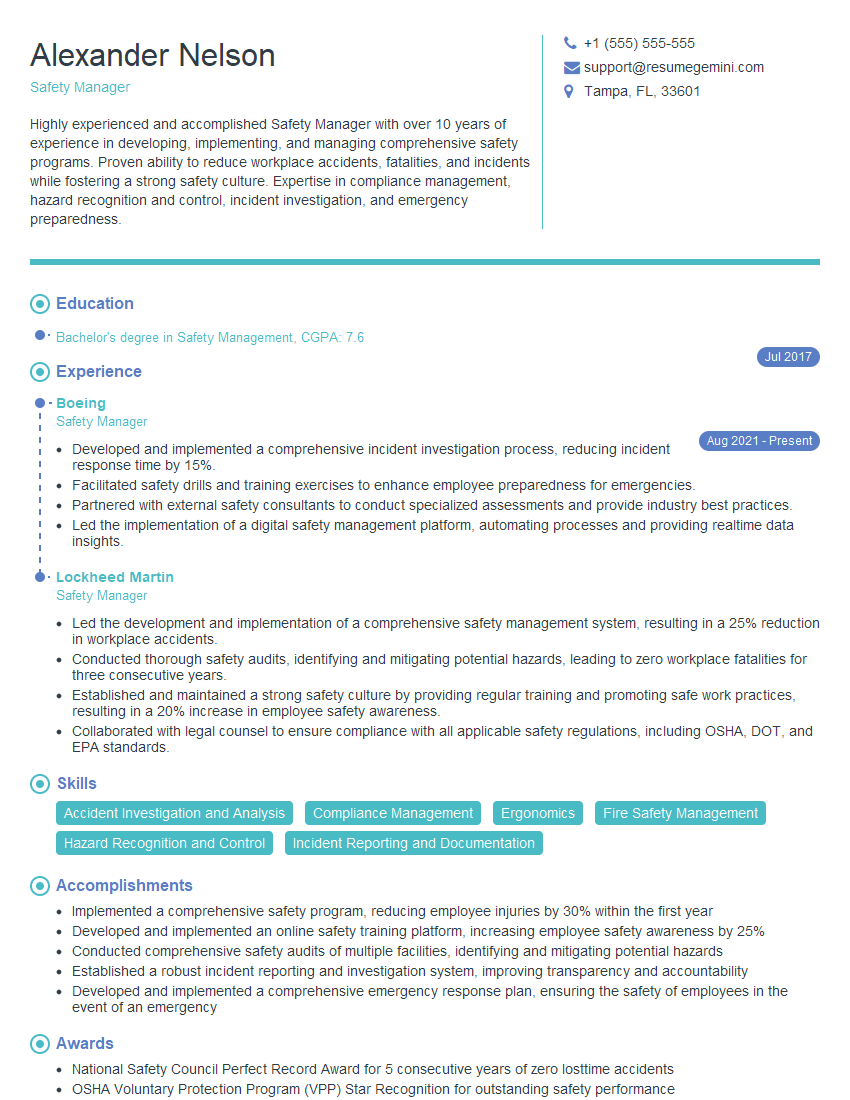
Safety Manager Resume Sample
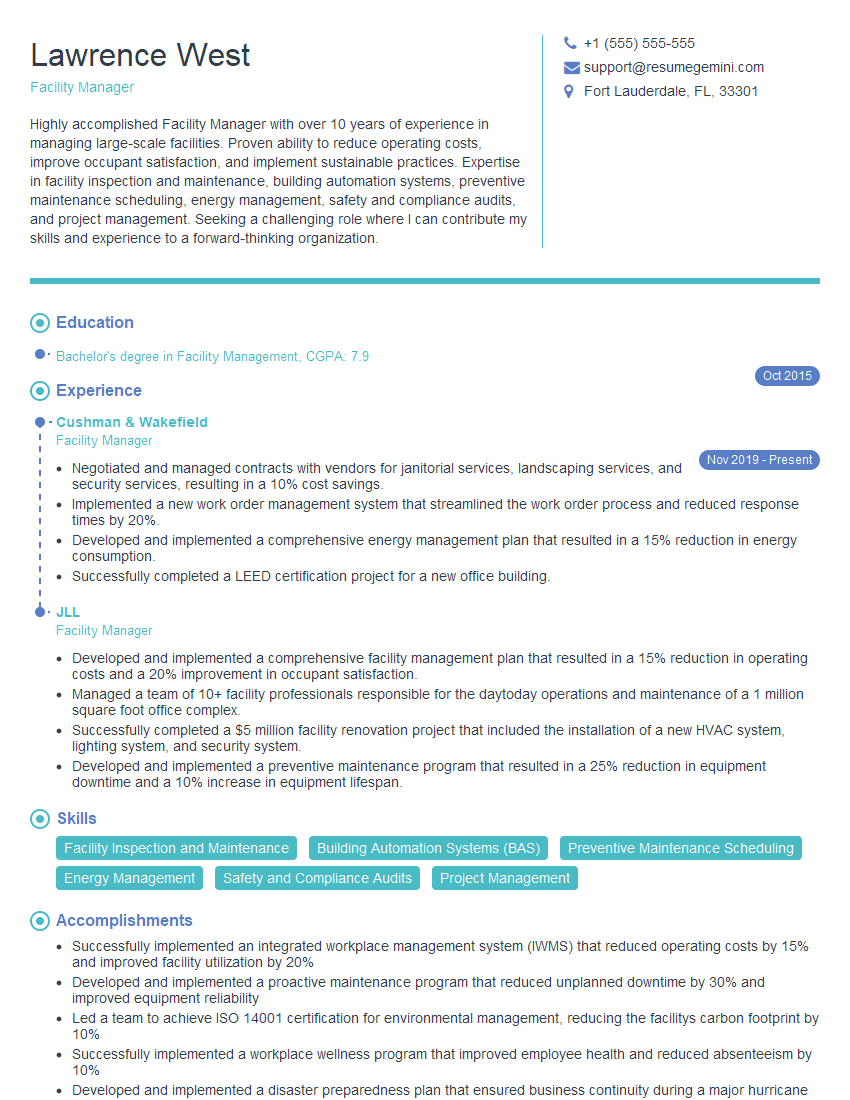
Facility Manager Resume Sample

Operations Manager Resume Sample
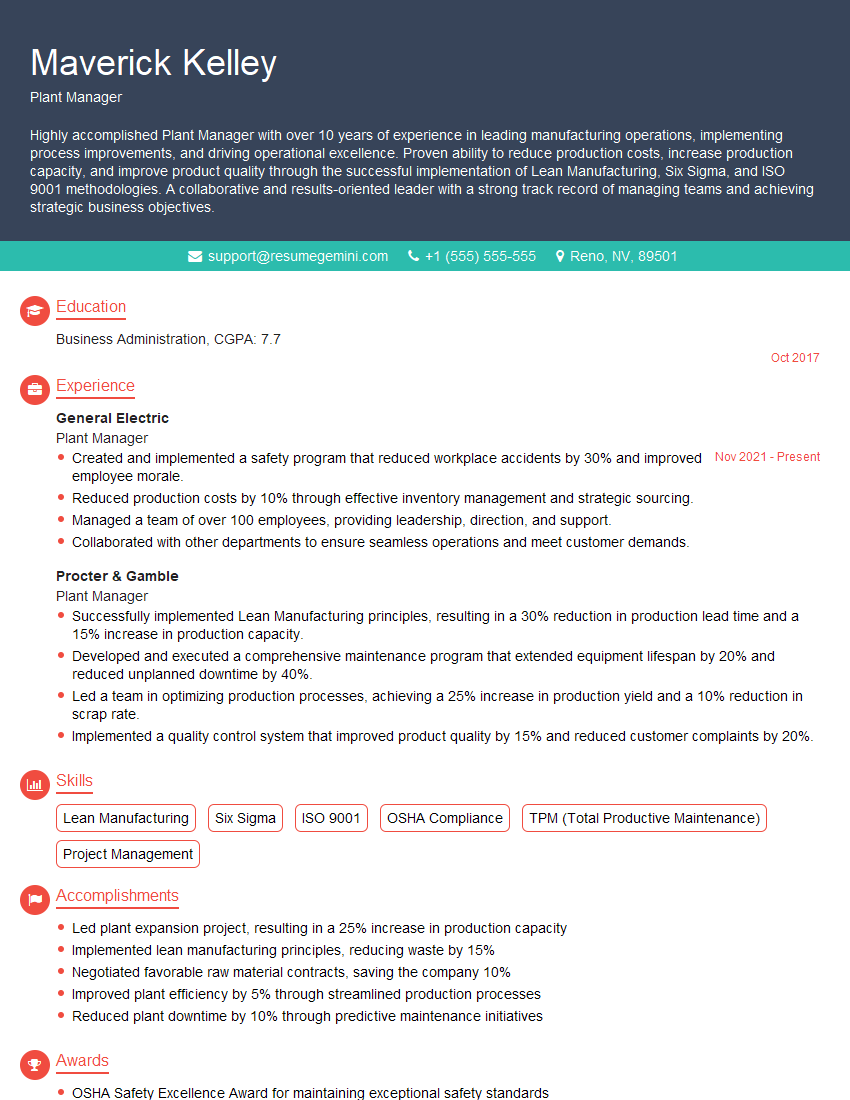
Plant Manager Resume Sample

Maintenance Manager Resume Sample

Quality Control Manager Resume Sample

Production Supervisor Resume Sample
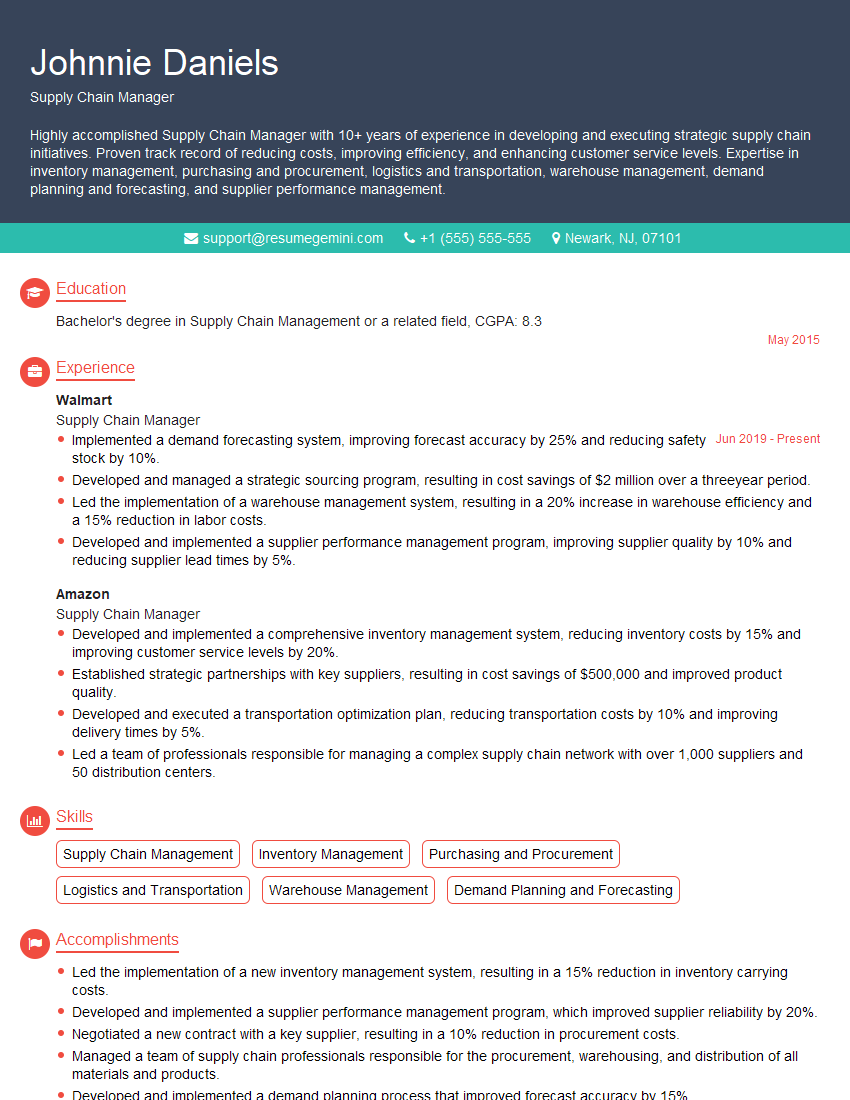
Supply Chain Manager Resume Sample
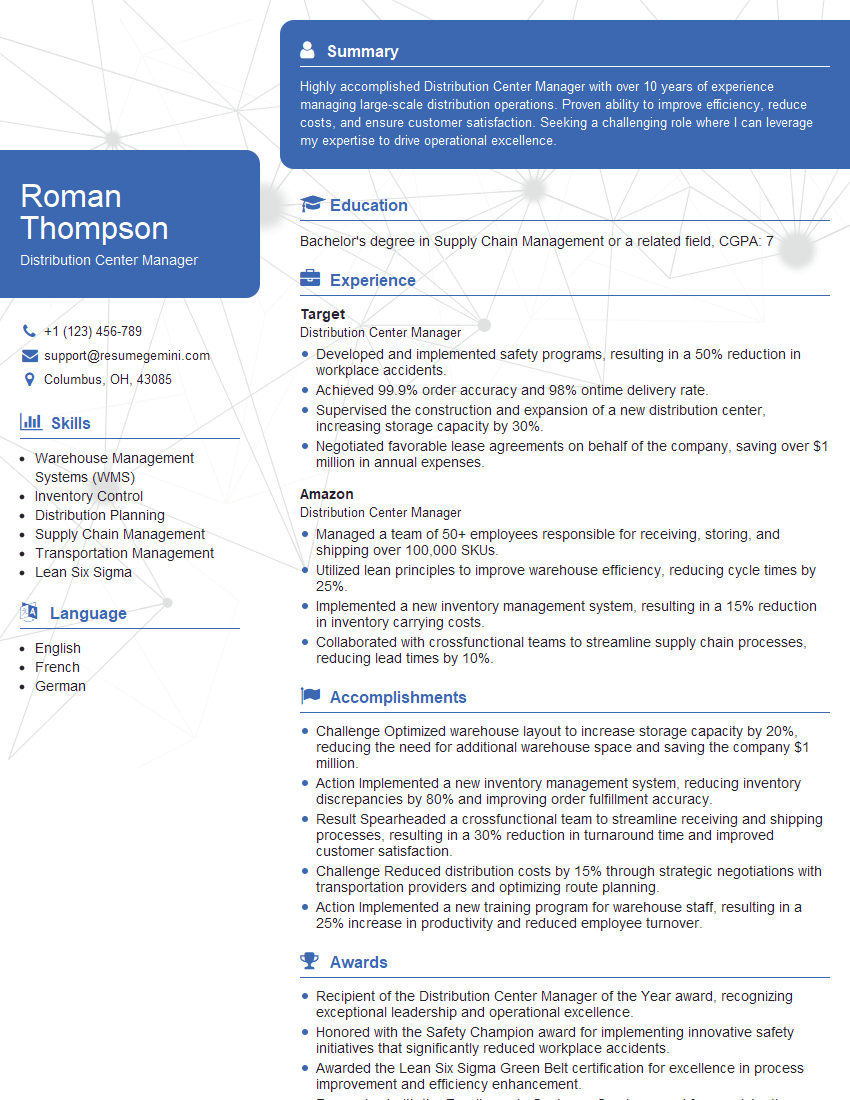
Distribution Center Manager Resume Sample

Logistics Manager Resume Sample
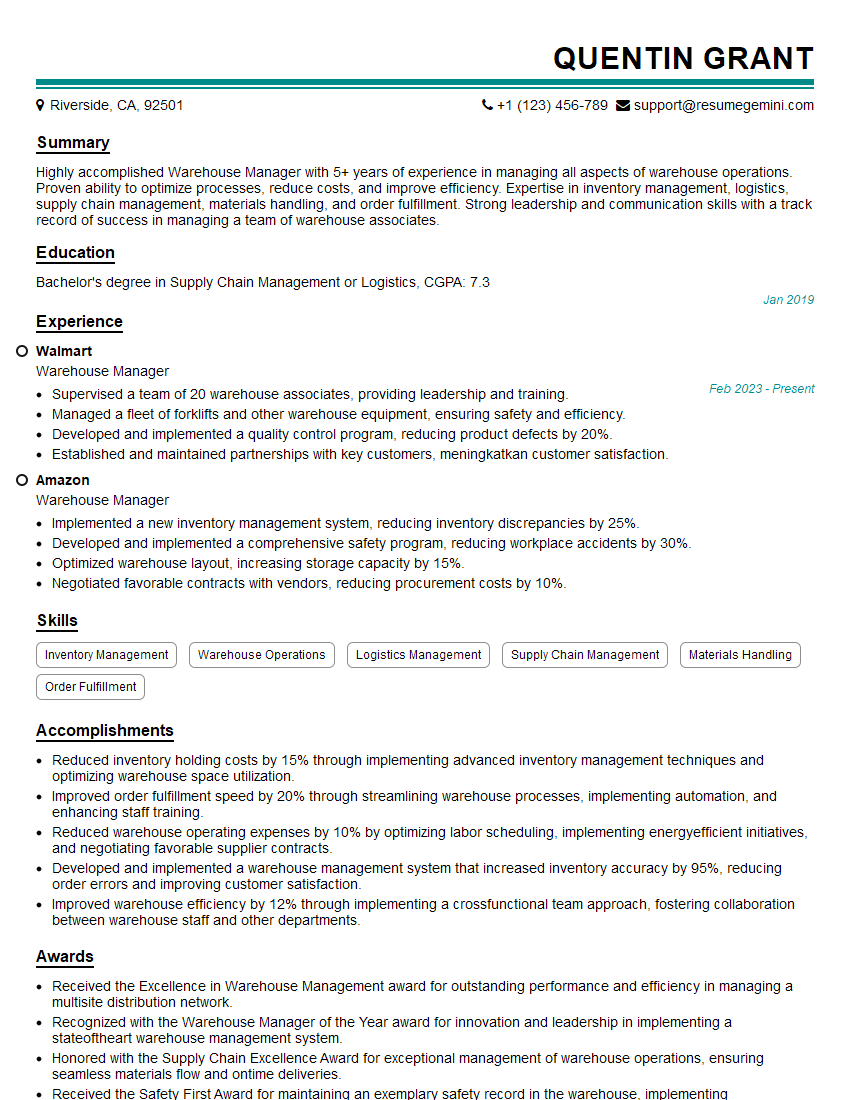
Warehouse Manager Resume Sample
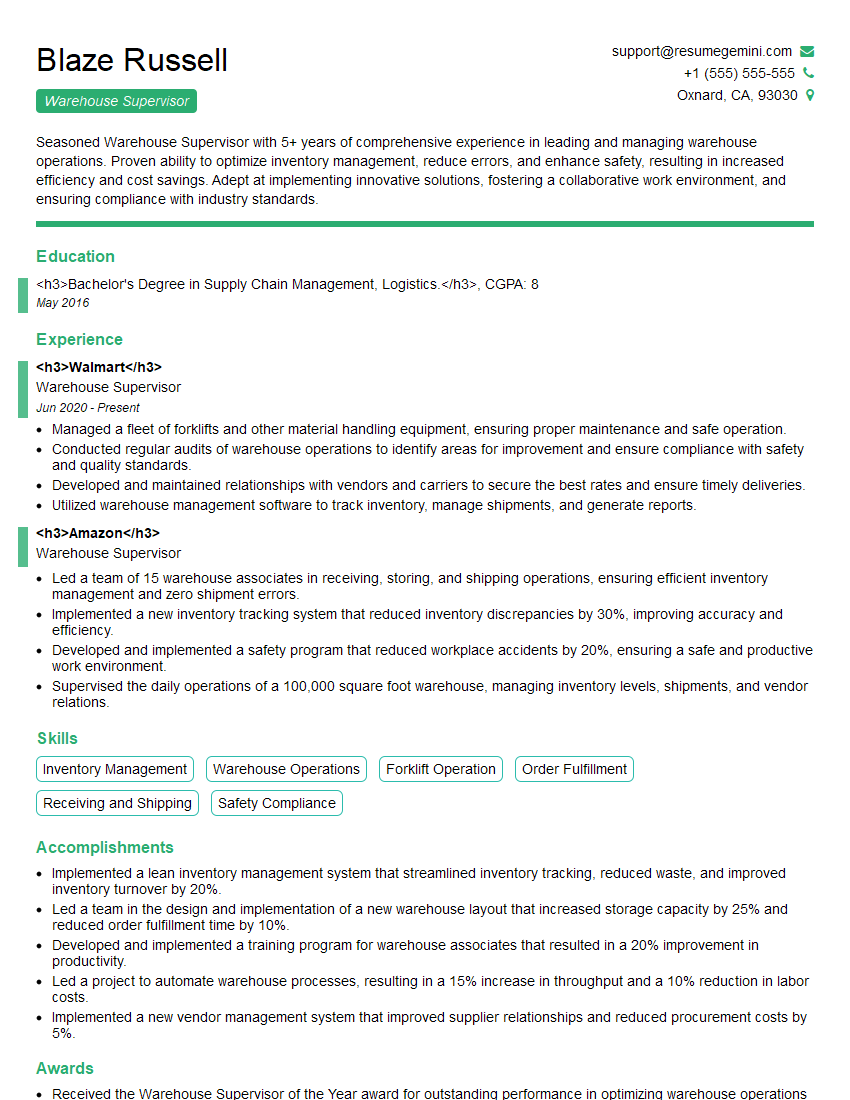
Warehouse Supervisor Resume Sample
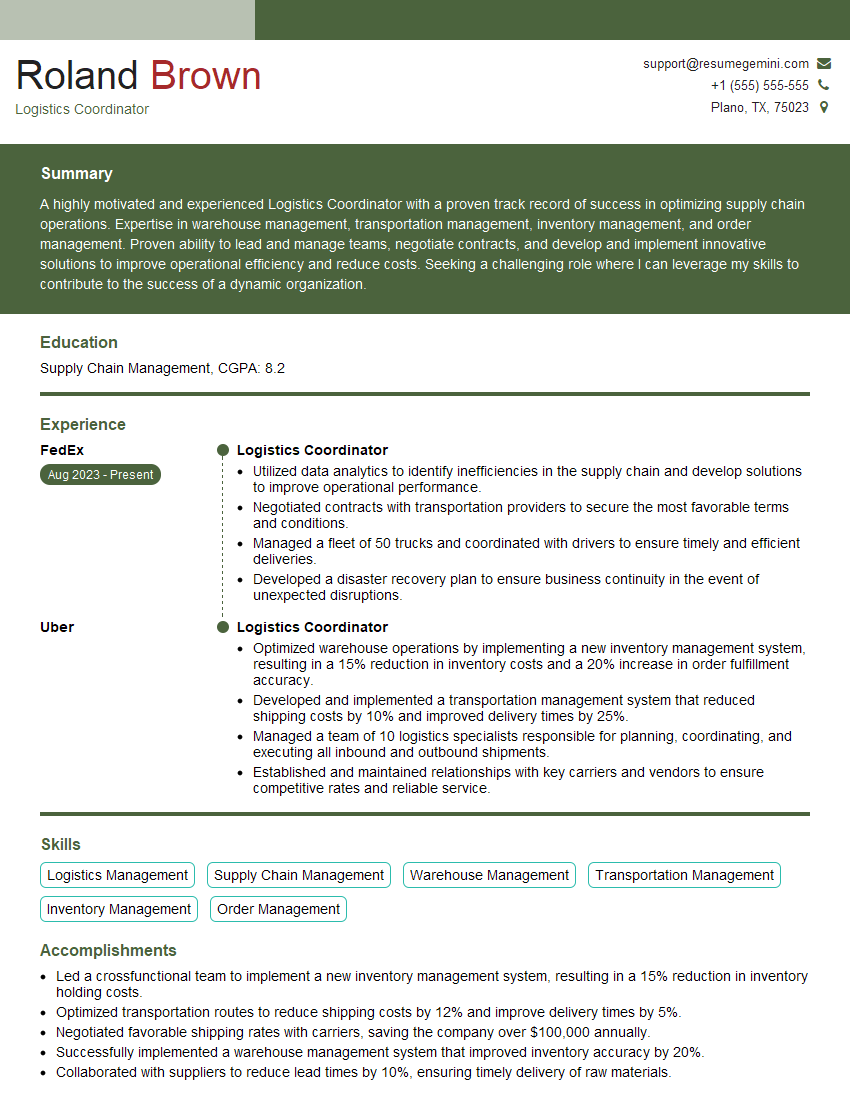
Logistics Coordinator Resume Sample
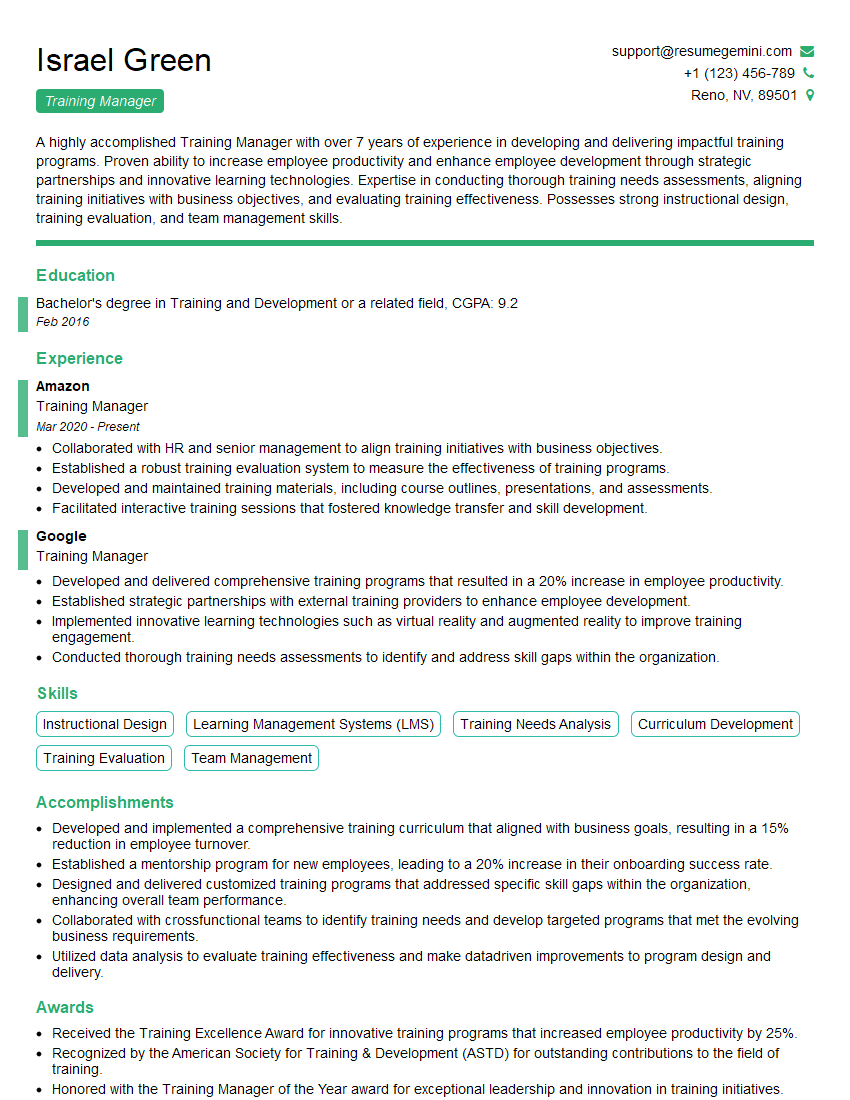
Training Manager Resume Sample

Compliance Officer Resume Sample

Health and Safety Manager Resume Sample

Safety Officer Resume Sample
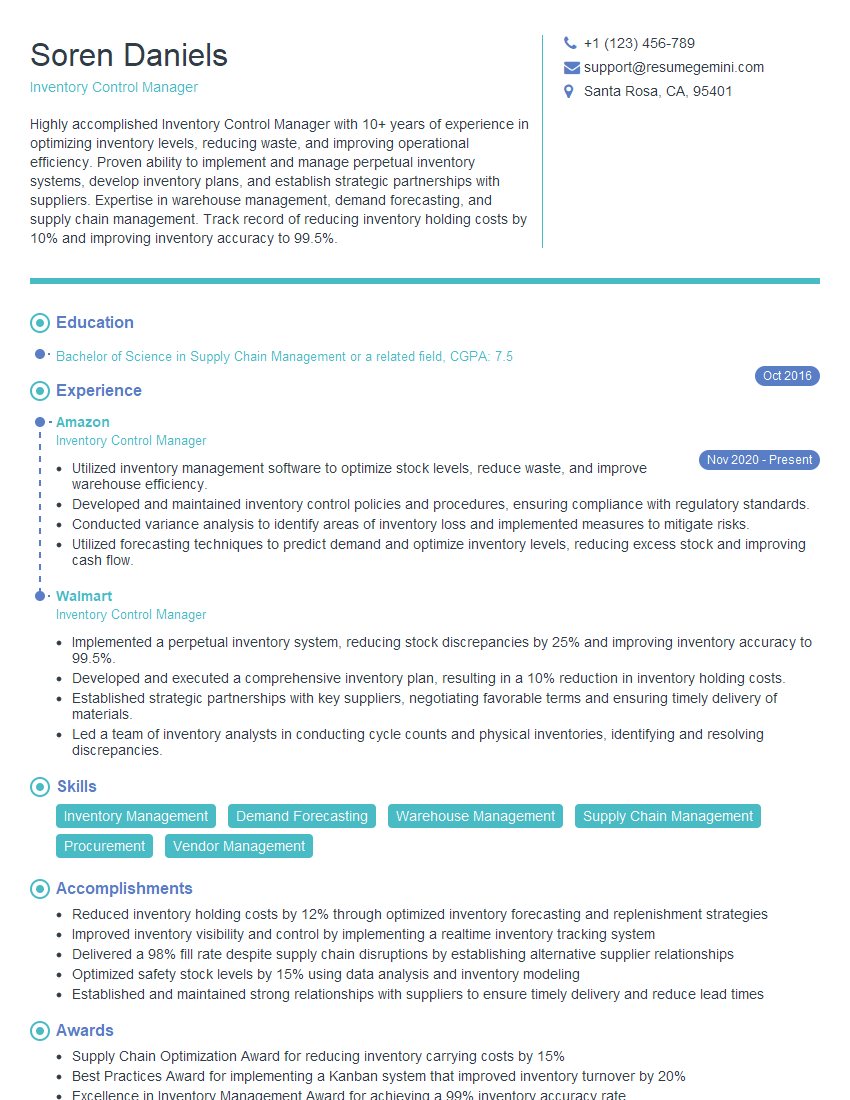
Inventory Control Manager Resume Sample
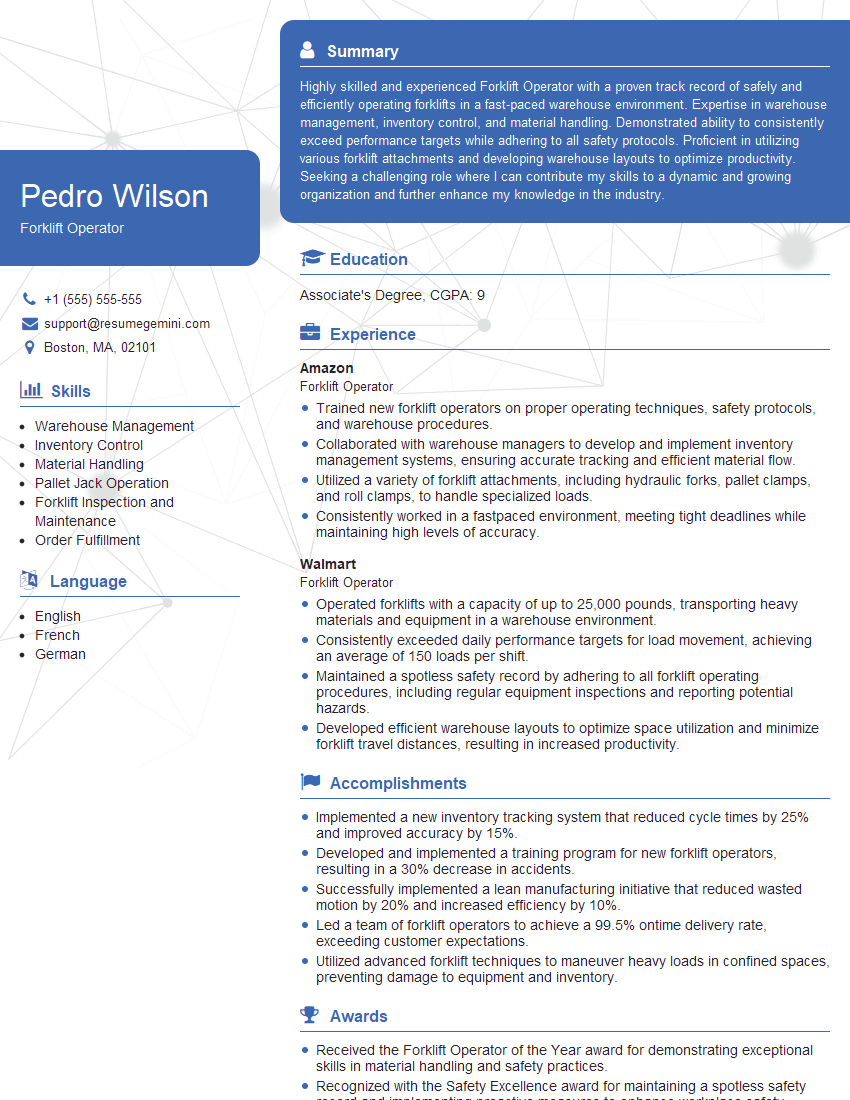
Forklift Operator Resume Sample
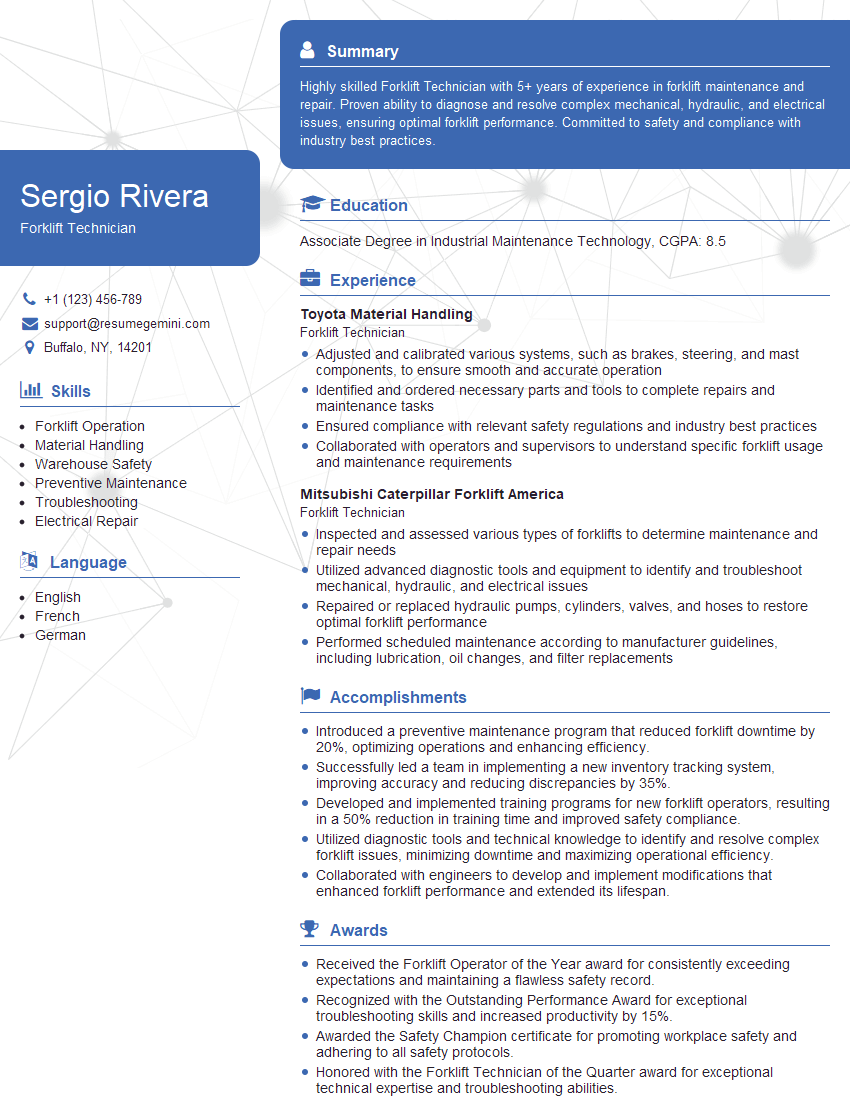
Forklift Technician Resume Sample
- Safety Manager
- Facility Manager
- Operations Manager
- Plant Manager
- Maintenance Manager
- Quality Control Manager
- Production Supervisor
- Supply Chain Manager
- Distribution Center Manager
- Logistics Manager
- Warehouse Manager
- Warehouse Supervisor
- Logistics Coordinator
- Training Manager
- Compliance Officer
- Health and Safety Manager
- Safety Officer
- Inventory Control Manager
- Forklift Operator
- Forklift Technician
Explore more articles
Users Rating of Our Blogs
Share Your Experience
We value your feedback! Please rate our content and share your thoughts (optional).
What Readers Say About Our Blog
Very informative content, great job.
good