Are you ready to stand out in your next interview? Understanding and preparing for Rivet Tapping Machine Quality Control Manuals interview questions is a game-changer. In this blog, we’ve compiled key questions and expert advice to help you showcase your skills with confidence and precision. Let’s get started on your journey to acing the interview.
Questions Asked in Rivet Tapping Machine Quality Control Manuals Interview
Q 1. Explain the purpose of a Rivet Tapping Machine Quality Control Manual.
A Rivet Tapping Machine Quality Control Manual serves as a comprehensive guide ensuring consistent production of high-quality riveted joints. It outlines the procedures, standards, and specifications necessary to monitor and control the entire riveting process. Think of it as the recipe for perfect rivets – ensuring every rivet is formed correctly, securely, and consistently. This manual minimizes defects, maximizes efficiency, and ensures the final product meets all required specifications. It covers everything from machine calibration to operator training and troubleshooting common issues.
Q 2. Describe the different types of quality control checks performed on rivet tapping machines.
Quality control checks on rivet tapping machines are multifaceted and encompass various stages. They include:
- Pre-operation Checks: Inspecting the machine for any damage, loose parts, or signs of wear and tear before commencing operations. This is like a pre-flight check for an airplane—crucial for safety and performance.
- In-process Checks: Monitoring the riveting process itself – observing the consistency of rivet formation, ensuring proper head shape and dimensions, and verifying that the rivets are correctly set. This involves regular visual inspection and possibly using measuring tools.
- Post-operation Checks: Inspecting the finished product for any defects such as loose rivets, misaligned rivets, or damaged surrounding material. This might involve destructive testing on a sample of the riveted components.
- Calibration Checks: Regularly calibrating measuring instruments like micrometers and calipers to ensure their accuracy. This ensures the measurements taken are reliable and consistent.
- Statistical Process Control (SPC) Monitoring: Using control charts to track key process parameters over time and identify trends or anomalies that might indicate a problem.
Q 3. What are the key performance indicators (KPIs) used to measure the efficiency of a rivet tapping machine?
Key Performance Indicators (KPIs) for rivet tapping machine efficiency include:
- Rivets per minute (RPM): Measures the speed of the machine and its overall throughput.
- Defect rate: Percentage of rivets exhibiting flaws like loose heads, inconsistent height, or misalignment. A low defect rate is crucial.
- Downtime: Time the machine is non-operational due to maintenance or repairs. Minimizing downtime maximizes production.
- Material usage: Monitoring rivet consumption to identify any waste or excessive material usage. This directly impacts costs.
- Overall Equipment Effectiveness (OEE): A holistic metric combining availability, performance, and quality rate. It considers all aspects to paint a complete picture of machine efficiency.
For example, a high RPM with a low defect rate indicates excellent performance.
Q 4. How do you identify and address common defects in rivet tapping operations?
Identifying and addressing defects requires a systematic approach:
- Visual Inspection: Carefully examine the riveted joints for any obvious defects like loose rivets, inconsistent head formation, or damage to the surrounding material.
- Measurement: Use calibrated measuring instruments to verify rivet dimensions and ensure they meet specifications. Any deviation could indicate a problem.
- Root Cause Analysis: Once defects are identified, investigate the potential causes. This might involve checking machine settings, tool wear, material quality, or operator technique. A defective rivet could stem from a dull punch, incorrect rivet size, or operator error.
- Corrective Actions: Implement corrective actions to address the root causes, such as replacing worn tools, adjusting machine settings, improving operator training, or addressing material inconsistencies.
- Preventative Measures: Put in place preventative measures to stop the defect from recurring. This could involve regular machine maintenance, improved quality control procedures, or process optimization.
Q 5. Explain the process of calibrating measuring instruments used in rivet tapping quality control.
Calibrating measuring instruments is essential for accurate quality control. This typically involves using traceable standards with known values. For instance, a micrometer would be calibrated against a gauge block of known precision. The process usually follows these steps:
- Reference Standard: Obtain a certified reference standard (e.g., gauge blocks) traceable to national or international standards.
- Comparison: Compare the readings of the measuring instrument (micrometer, caliper, etc.) against the reference standard. Several measurements are taken and averaged to minimize errors.
- Adjustment: If discrepancies are detected beyond acceptable tolerances, the measuring instrument is adjusted to ensure accuracy. This might involve using calibration screws or other adjustment mechanisms.
- Documentation: Record the calibration data including the date, instrument ID, reference standard used, and any adjustments made. This documentation is vital for traceability and compliance.
- Frequency: Calibration frequency depends on usage and instrument type, but it should always adhere to a defined schedule, typically documented in the quality control manual.
Q 6. What are the safety procedures associated with operating and maintaining rivet tapping machines?
Safety is paramount when operating and maintaining rivet tapping machines. Key procedures include:
- Lockout/Tagout (LOTO): Before any maintenance or repair, always use LOTO procedures to prevent accidental machine start-up. This involves physically locking out the power source.
- Personal Protective Equipment (PPE): Always wear appropriate PPE, including safety glasses, hearing protection, and gloves to prevent injuries from flying debris, noise, and potential contact with moving parts.
- Machine Guards: Ensure all safety guards are in place and functioning correctly to prevent accidental contact with moving parts. Never operate the machine with guards removed or damaged.
- Training: Only trained and authorized personnel should operate and maintain the machine. Proper training emphasizes safe operating procedures and emergency shutdown procedures.
- Regular Inspections: Conduct regular inspections of the machine’s mechanical and electrical components to detect any potential hazards. This proactive approach identifies issues before they can cause accidents.
Q 7. How do you interpret statistical process control (SPC) charts for rivet tapping operations?
Statistical Process Control (SPC) charts, such as control charts (e.g., X-bar and R charts), graphically display process data over time. They help identify trends, patterns, and variations in rivet tapping operations. For example, an X-bar chart might track the average rivet height, while an R chart tracks the range of rivet heights.
Interpreting SPC Charts:
- Control Limits: The upper and lower control limits define the acceptable range of variation. Data points consistently falling within these limits indicate a stable process.
- Trends: A consistent upward or downward trend suggests a shift in the process mean, indicating a potential problem that needs investigation.
- Runs: A series of consecutive data points above or below the central line might signal a systematic issue or assignable cause of variation.
- Out-of-Control Points: Data points falling outside the control limits indicate a significant deviation from the norm, requiring immediate attention and corrective action.
By monitoring these aspects, you can promptly identify and rectify issues in the riveting process, maintaining consistent quality and efficiency.
Q 8. What are the common causes of rivet failures in a rivet tapping process?
Rivet failures during tapping can stem from various sources, broadly categorized into material defects, process flaws, and design limitations. Material defects include inconsistencies in rivet material properties like hardness, ductility, or the presence of internal flaws. These can lead to cracking, shearing, or incomplete head formation. Process flaws encompass improper setting force, incorrect rivet selection for the material being joined, or inadequate machine maintenance. For example, a dull or misaligned anvil can create a poorly formed rivet head, predisposing it to failure. Design limitations arise from insufficient rivet length, diameter, or improper design of the joint itself. A rivet too short might not fully fill the hole, while a poorly designed joint might introduce stress concentrations leading to premature failure. We often use microscopic analysis to identify internal flaws in rivets.
- Material Defects: Cracks, porosity, inconsistencies in material composition
- Process Flaws: Insufficient setting force, improper rivet selection, machine malfunction (e.g., worn anvil), incorrect hole size/tolerance
- Design Limitations: Insufficient rivet length, diameter mismatch, poor joint design, excessive stress concentration
Q 9. Describe your experience with root cause analysis in relation to rivet tapping machine malfunctions.
My experience with root cause analysis (RCA) in rivet tapping machine malfunctions involves a structured approach. I typically employ the 5 Whys technique, systematically asking ‘why’ five times to drill down to the root cause. This is often complemented by Pareto analysis to identify the most significant contributing factors. For instance, if a machine produces consistently poorly formed rivet heads, the initial ‘why’ might be ‘because the anvil is worn’. The subsequent ‘whys’ might uncover reasons like ‘because preventive maintenance wasn’t performed’, ‘because the maintenance schedule wasn’t followed’, ‘because there was inadequate training for the maintenance personnel’, and finally ‘because there is a lack of clearly defined maintenance procedures’. This leads us to implement corrective actions such as replacing the anvil, revising the maintenance schedule, training personnel, and creating detailed procedures.
Beyond the 5 Whys, I also utilize Failure Mode and Effects Analysis (FMEA) to proactively identify potential failure modes and implement preventive measures. This approach helps in anticipating problems before they occur, greatly improving machine uptime and rivet quality. In one instance, FMEA helped us identify a potential vibration issue causing inconsistent rivet formation, leading us to reinforce the machine’s base and significantly reduce faulty rivets.
Q 10. How do you ensure the accuracy and consistency of rivet tapping operations?
Accuracy and consistency in rivet tapping operations hinge on several factors. First, rigorous calibration of the machine is paramount. This includes verifying the setting force, ensuring the anvil is properly aligned, and checking the dimensions of the tooling. We regularly use precision measuring instruments like micrometers and calipers to check the dimensions of the rivets and the set heads. Second, maintaining a consistent material supply is crucial. Variations in rivet material properties can significantly affect the tapping process. Therefore, strict quality control checks on incoming materials are essential. Third, operator training plays a significant role; well-trained operators can identify potential issues early and maintain consistent operating procedures. Finally, regular preventative maintenance of the machine helps ensure consistent performance. We adhere to a strict preventative maintenance schedule, including lubrication, cleaning, and part replacement as needed. For example, we carefully monitor the wear on the anvil and replace it before it significantly impacts rivet quality.
Q 11. What are the different types of rivets used in your experience, and how do quality control procedures differ?
My experience encompasses various rivet types, including solid rivets (aluminum, steel, etc.), tubular rivets, and semi-tubular rivets. Quality control procedures vary based on the rivet type and application. For example, solid rivets are inspected for defects like cracks or inconsistencies in material, often using visual inspection and sometimes destructive testing. Tubular rivets, on the other hand, might be checked for proper mandrel insertion and head formation. The quality control for solid rivets involves a more stringent process of checking the material properties, which may include tensile strength testing. However, with tubular rivets, we focus primarily on the consistency of the mandrel and the formation of the rivet head.
Quality control procedures also vary depending on the application. For instance, rivets used in aerospace applications demand much more stringent quality checks compared to those used in less critical applications. The standards and tolerances are much tighter, and often more extensive documentation and traceability are required.
Q 12. How do you handle non-conforming rivets or components?
Handling non-conforming rivets or components involves a multi-step process. First, the non-conforming items are segregated and clearly identified to prevent their accidental use. Next, a thorough investigation is conducted to determine the root cause of the non-conformance, following a structured RCA process as mentioned earlier. Based on the root cause analysis, corrective actions are implemented to prevent recurrence. This might involve adjusting machine parameters, replacing faulty components, or retraining personnel. Finally, a disposition decision is made for the non-conforming items. They may be scrapped, reworked (if feasible), or potentially used in less critical applications after careful evaluation, depending on the nature of the defect and the application requirements. Detailed records are maintained throughout this process.
Q 13. What is your experience with implementing corrective and preventive actions (CAPA)?
Implementing Corrective and Preventive Actions (CAPA) is a critical aspect of maintaining consistent quality. My experience involves using a structured CAPA system, including a defined process for identifying, investigating, and resolving quality issues. This typically starts with a clear description of the problem, followed by thorough root cause analysis. Then, we define corrective actions to address the immediate problem and preventive actions to prevent recurrence. These actions are documented, assigned to responsible individuals, and tracked for completion. I have extensive experience with using corrective action request (CAR) systems and ensuring all actions are reviewed for effectiveness. For example, a CAPA investigation on frequent rivet failures revealed inadequate lubrication of the machine components, leading to increased friction and premature wear of the anvil. Corrective action involved immediate lubrication, while preventive action included establishing a regular lubrication schedule and training personnel on proper lubrication procedures.
Q 14. Explain your understanding of Six Sigma methodologies in the context of rivet tapping quality control.
Six Sigma methodologies provide a powerful framework for achieving process excellence in rivet tapping. The DMAIC (Define, Measure, Analyze, Improve, Control) cycle is particularly relevant. We use it to systematically reduce variation and defects in the rivet tapping process. The ‘Define’ phase involves clearly defining the critical quality characteristics (e.g., rivet head diameter, height, and strength). The ‘Measure’ phase involves collecting data on these characteristics and establishing baseline performance metrics. ‘Analyze’ involves identifying the key factors contributing to variation. For example, through statistical process control (SPC), we can identify patterns related to machine settings, material properties, or operator techniques. The ‘Improve’ phase focuses on implementing changes to address the identified root causes of variation. This might involve changes to machine parameters, operator training, or material specifications. The ‘Control’ phase focuses on implementing monitoring systems to ensure sustained improvements and prevent regressions. This includes establishing control charts to track key process parameters and ensure the process stays within acceptable limits. By applying Six Sigma principles, we aim for a significant reduction in defects, leading to improved efficiency and product quality.
Q 15. Describe your proficiency with different types of quality control documentation.
My proficiency with quality control documentation extends across various formats, from standard operating procedures (SOPs) and inspection checklists to statistical process control (SPC) charts and root cause analysis reports. I’m comfortable interpreting and utilizing documentation related to material certifications, calibration records for measuring equipment (e.g., micrometers, torque wrenches used for rivet setting), and process capability studies. For instance, I’ve extensively used control charts like X-bar and R charts to monitor the consistency of rivet head diameter and height, ensuring they remain within specified tolerances. Furthermore, I’m adept at creating and updating these documents, ensuring they are clear, concise, and accessible to all personnel involved in the rivet tapping process.
- SOPs: Detailing the steps involved in each stage of rivet tapping, from material handling to final inspection.
- Checklists: Used for visual inspections, ensuring proper rivet placement, flushness, and the absence of defects.
- SPC Charts: Tracking key process parameters like rivet pull strength and ensuring the process remains within control limits.
- Root Cause Analysis Reports: Documenting investigations into process failures and implementing corrective actions to prevent recurrence.
Career Expert Tips:
- Ace those interviews! Prepare effectively by reviewing the Top 50 Most Common Interview Questions on ResumeGemini.
- Navigate your job search with confidence! Explore a wide range of Career Tips on ResumeGemini. Learn about common challenges and recommendations to overcome them.
- Craft the perfect resume! Master the Art of Resume Writing with ResumeGemini’s guide. Showcase your unique qualifications and achievements effectively.
- Don’t miss out on holiday savings! Build your dream resume with ResumeGemini’s ATS optimized templates.
Q 16. How do you maintain traceability of parts and materials throughout the rivet tapping process?
Maintaining traceability is paramount in rivet tapping to ensure product quality and liability. We achieve this through a robust system of identification and documentation. Each batch of rivets receives a unique identification number linked to its material certification. This number is then tracked throughout the process. We use barcode scanning at each stage, from material receipt to final inspection, recording the location and time of each step. The part being riveted also carries a unique identifier, allowing complete traceability. This data is logged in our quality control software, providing a complete audit trail. For example, if a defect is discovered, we can quickly trace it back to the specific batch of rivets and the specific operator who handled them. This allows for prompt corrective actions and helps prevent future occurrences.
Example of traceability record: Batch ID: RV231026-A, Part ID: 12345, Operator: John Doe, Date: 2024-03-08, Stage: Rivet Setting, Time: 10:30 AMQ 17. How do you manage and reduce scrap or rework in the rivet tapping process?
Scrap and rework are minimized through a multi-pronged approach focusing on preventative measures and robust process control. This begins with thorough operator training and adherence to established SOPs. Regular calibration of tools and machinery is vital. For example, ensuring the correct torque settings on the rivet gun avoids damaging rivets or causing inconsistencies. Statistical process control (SPC) charts help to identify trends and deviations from expected values, allowing for early intervention. A key element is the implementation of a robust first-piece inspection to verify that settings and materials are correct before commencing a large batch. Finally, any scrap or rework is carefully analyzed to determine the root cause, leading to improvements in the process. This could involve adjusting machine settings, improving operator technique, or even changing material specifications. In one instance, we traced high scrap rates to inconsistent rivet material from a specific supplier, leading to a supplier change and a significant reduction in rework.
Q 18. What is your experience using quality control software or systems?
I possess extensive experience using various quality control software and systems. My experience includes using enterprise resource planning (ERP) systems for material tracking and managing work orders, dedicated quality management systems (QMS) software for document control and non-conformance tracking, and statistical software packages for performing data analysis and generating SPC charts. For example, I’ve used software to track key metrics like rivet pull strength, head diameter, and the number of defective parts per batch, generating reports to identify areas needing improvement. I’m also proficient in using data analysis techniques such as regression analysis to investigate relationships between process parameters and product quality. This allows for data-driven decision-making when optimizing the rivet tapping process.
Q 19. How do you ensure compliance with relevant industry standards and regulations for rivet tapping?
Ensuring compliance is crucial. We adhere strictly to relevant industry standards, such as those defined by relevant aerospace standards (e.g., AS9100). This includes regular audits of our processes and documentation. This involves ensuring that all our materials meet specified requirements, that our equipment is properly calibrated, and that our operators are adequately trained. We maintain detailed records of all inspections, tests, and calibrations. For example, our rivet pull strength tests are conducted according to the specified procedures, and the results are documented and compared against the acceptance criteria. Non-compliance issues are investigated thoroughly, root causes identified, and corrective actions implemented immediately, followed by a verification step. We also maintain a register of all relevant standards and regulations, ensuring that we are constantly updated on any changes or updates that might impact our operations.
Q 20. Describe your experience with auditing rivet tapping operations and processes.
My auditing experience encompasses internal audits of our rivet tapping operations as well as participating in external audits conducted by certification bodies. These audits involve reviewing all aspects of our quality management system, from documentation control and process controls to calibration records and corrective actions. I have lead internal audits using checklists aligning with AS9100, identifying non-conformances and contributing to the development of corrective actions and preventative actions. During external audits, I have effectively demonstrated our compliance with the specified standards, answering questions from auditors and providing documentation to support our processes. A key part of my role is to ensure that all audit findings are addressed promptly and effectively, and that appropriate follow-up actions are taken to prevent recurrence. For example, an audit might reveal an inconsistency in the calibration schedule for a key piece of equipment; the audit process helps identify and rectify this, thereby ensuring ongoing compliance and quality.
Q 21. What is your experience with preventative maintenance and its impact on quality control?
Preventative maintenance (PM) is absolutely crucial for maintaining consistent quality and minimizing downtime. A comprehensive PM schedule is implemented for all our rivet tapping machines and related equipment. This includes regular lubrication, cleaning, and inspections to identify potential problems before they occur. For instance, regular inspection of the rivet gun’s pneumatic system helps prevent leaks and ensures consistent rivet setting force, preventing damaged rivets or inconsistencies. The PM schedule is documented meticulously and is regularly reviewed to identify any areas for improvement. The impact on quality control is significant; by preventing equipment failures, we avoid the production of defective parts and minimize costly rework. We also track maintenance activities and their impact on key process parameters to validate the effectiveness of our PM program. A well-maintained machine is a key element in consistent, high-quality production.
Q 22. How would you identify and address a significant increase in defects in the rivet tapping process?
A significant increase in rivet tapping defects requires a systematic investigation. Think of it like diagnosing a patient – you need to identify the root cause, not just treat the symptoms. My approach begins with data collection: I’d meticulously record the type, frequency, and location of defects. This might involve reviewing inspection reports, analyzing production logs, and even conducting on-site observations.
Next, I’d use statistical process control (SPC) charts to visualize defect trends and identify any patterns. For instance, a control chart might reveal a sudden shift in the average number of defective rivets, indicating a potential problem.
Once patterns emerge, I’d investigate potential root causes. This could involve:
- Machine malfunction: Is the tapping machine properly calibrated? Are the dies worn or damaged? Are there vibrations or inconsistencies in the machine’s operation?
- Material issues: Are the rivets themselves defective (incorrect diameter, material flaws)? Is the material being used appropriate for the application?
- Operator error: Are operators following established procedures? Is there a need for additional training or retraining?
- Environmental factors: Are temperature or humidity fluctuations affecting the process?
After identifying the root cause, I’d implement corrective actions. This might involve repairing or replacing the machine, adjusting process parameters, improving operator training, or sourcing higher-quality rivets. Post-implementation, I’d monitor the process using SPC charts to ensure the corrective actions are effective and the defect rate returns to acceptable levels.
Q 23. Explain the relationship between the quality of the rivets and the quality of the final product.
The quality of the rivets is intrinsically linked to the quality of the final product. Think of it as building a house – you can’t expect a sturdy structure if you use substandard bricks. Poor quality rivets can lead to several issues:
- Reduced joint strength: Defective rivets may not form a proper bond, resulting in weakened joints and potential failure under stress. This is critical in applications where structural integrity is paramount, such as aerospace or automotive components.
- Increased risk of failure: Flaws in the rivet material, such as cracks or inconsistencies, can create points of weakness, leading to premature failure of the assembled product.
- Aesthetic defects: Poorly formed rivet heads or uneven spacing can detract from the overall appearance of the final product, particularly in consumer goods.
- Increased scrap and rework: Defective rivets often require the entire product to be scrapped or reworked, increasing costs and reducing production efficiency.
Therefore, using high-quality rivets, rigorously inspected according to appropriate standards, is crucial to ensure a reliable and high-quality final product. Regular inspection of rivet batches is paramount to avoid costly rework and potential safety hazards.
Q 24. How familiar are you with different types of rivet tapping machine designs and their impact on quality?
My experience encompasses several rivet tapping machine designs, including pneumatic, hydraulic, and servo-electric systems. Each design has its strengths and weaknesses concerning quality control.
Pneumatic machines, while cost-effective and simple to operate, can be prone to inconsistencies in force application, leading to variations in rivet head formation and joint strength. Precise control is challenging.
Hydraulic machines offer better control over the tapping force, resulting in more consistent rivet formation. However, they can be more complex and require more maintenance.
Servo-electric machines provide the highest level of precision and control, allowing for precise force and speed adjustments. They offer the best potential for consistently high-quality rivets. However, they tend to be the most expensive.
The impact on quality is significant. A poorly maintained or incorrectly configured machine, regardless of design, will invariably lead to inconsistent rivet formation and increased defect rates. Regular calibration, preventative maintenance, and operator training are crucial factors to mitigate this.
Q 25. What tools and equipment are essential for effective rivet tapping quality control?
Effective rivet tapping quality control relies on a combination of tools and equipment. This includes:
- Micrometers and calipers: For precise measurement of rivet diameter and head dimensions.
- Go/No-Go gauges: To quickly assess whether rivets meet specified tolerances.
- Hardness testers: To verify the material hardness of the rivets.
- Optical comparators or microscopes: For detailed inspection of rivet heads and joints for defects such as cracks, inconsistencies, or incomplete formation.
- Torque wrenches: For precise control of the tapping force (particularly relevant for manual tapping operations).
- Data acquisition systems: To monitor and record machine parameters (force, speed, etc.) during the tapping process, enabling trend analysis and proactive identification of potential problems.
- SPC software: For statistical analysis of collected data, allowing for visualization of trends and the identification of outliers.
The choice of equipment will depend on the specific application and the level of quality control required. In high-volume, high-precision applications, more sophisticated equipment will be necessary.
Q 26. Explain your experience using statistical methods (e.g., sampling plans) to improve quality control.
I have extensive experience using statistical methods, specifically control charts (X-bar and R charts, p-charts, c-charts) and acceptance sampling plans (e.g., MIL-STD-105E) to improve quality control in rivet tapping.
For example, I implemented X-bar and R charts to monitor rivet head diameter and height in a high-volume production environment. By tracking these parameters over time, we identified a systematic drift in rivet head height, indicating a potential issue with the tapping machine’s settings. Corrective action, involving recalibration and adjustment, swiftly rectified this problem, leading to a significant reduction in defective rivets.
Acceptance sampling plans are utilized to assess the quality of incoming rivet batches. By randomly selecting and inspecting samples from each batch, we can estimate the proportion of defective rivets and decide whether to accept or reject the entire batch. This approach, governed by specific sampling plans (based on acceptable quality limits and risk levels), helps to prevent the use of substandard rivets and thereby enhances the overall quality of the final product. I regularly review and adapt sampling plans based on historical data and process performance.
Q 27. How do you effectively communicate quality control findings and recommendations to stakeholders?
Effective communication of quality control findings is crucial. I typically employ a multi-faceted approach:
- Formal reports: I prepare concise and well-structured reports summarizing the findings of quality control inspections, including defect rates, root cause analysis, and recommendations. These reports incorporate data visualizations (charts and graphs) to clearly convey key information.
- Presentations: For critical findings or significant changes, I present my findings to relevant stakeholders, using clear and simple language, avoiding technical jargon wherever possible. I often use visual aids to support the presentation.
- Interactive discussions: I actively engage in discussions with stakeholders to ensure a shared understanding of the findings and recommendations. This fosters collaboration and buy-in for implementing corrective actions.
- Data dashboards: Real-time data dashboards are utilized to monitor key quality metrics, making it easy for stakeholders to understand the current state of the process and identify any emerging issues promptly.
The key is to tailor the communication method to the audience and the importance of the findings. Clarity, conciseness, and data visualization are crucial for successful communication.
Q 28. Describe your experience with continuous improvement initiatives in the context of rivet tapping quality control.
I’m a strong advocate for continuous improvement. My experience includes implementing Lean principles and Six Sigma methodologies in rivet tapping quality control.
For example, in one project, we utilized a 5S methodology (Sort, Set in Order, Shine, Standardize, Sustain) to improve workplace organization and reduce waste. This led to improved efficiency and fewer errors caused by misplaced tools or materials.
Furthermore, we employed DMAIC (Define, Measure, Analyze, Improve, Control) from Six Sigma to reduce the variation in rivet head diameter. This involved meticulously measuring rivet dimensions, analyzing the data to pinpoint the root causes of variation (which turned out to be inconsistencies in machine settings), implementing corrective actions, and then monitoring the process to maintain the improvements. The project resulted in a significant decrease in defective rivets and enhanced the overall process capability.
Continuous improvement is not a one-time event; it’s an ongoing process of identifying areas for improvement, implementing changes, and monitoring their effectiveness. This requires a proactive mindset, a commitment to data-driven decision-making, and a collaborative approach involving all stakeholders.
Key Topics to Learn for Rivet Tapping Machine Quality Control Manuals Interview
- Understanding Rivet Tapping Machine Operation: Thoroughly grasp the mechanical principles behind the machine’s operation, including the process of rivet setting, force application, and cycle timing.
- Quality Control Procedures: Master the specific quality control checks outlined in the manuals, encompassing dimensional accuracy, rivet strength, and surface finish inspections. Understand the use of various measuring tools and gauges.
- Troubleshooting and Maintenance: Familiarize yourself with common malfunctions, their causes, and recommended solutions as detailed in the manual. Learn about preventative maintenance procedures.
- Safety Protocols: Understand and be able to explain all safety procedures and precautions related to operating and maintaining the rivet tapping machine, as outlined in the manual.
- Data Analysis and Reporting: Learn how to interpret and analyze quality control data, identify trends, and prepare concise reports summarizing findings and recommendations for improvement.
- Statistical Process Control (SPC): Understand the application of SPC principles in monitoring the rivet tapping process and identifying areas for process optimization.
- Root Cause Analysis: Develop your skills in identifying the root causes of quality defects using methodologies like the 5 Whys or fishbone diagrams.
- Documentation and Record Keeping: Understand the importance of accurate and complete documentation of quality control procedures, inspections, and maintenance activities.
Next Steps
Mastering the content of Rivet Tapping Machine Quality Control Manuals is crucial for career advancement in manufacturing and quality assurance. A strong understanding of these manuals demonstrates your commitment to quality and your ability to contribute effectively to a production environment. To increase your chances of landing your dream role, focus on creating an ATS-friendly resume that effectively highlights your skills and experience. ResumeGemini is a trusted resource that can help you build a professional and impactful resume tailored to the specific requirements of the job. Examples of resumes tailored to Rivet Tapping Machine Quality Control Manuals are available to help guide you.

Operations Manager Resume Sample
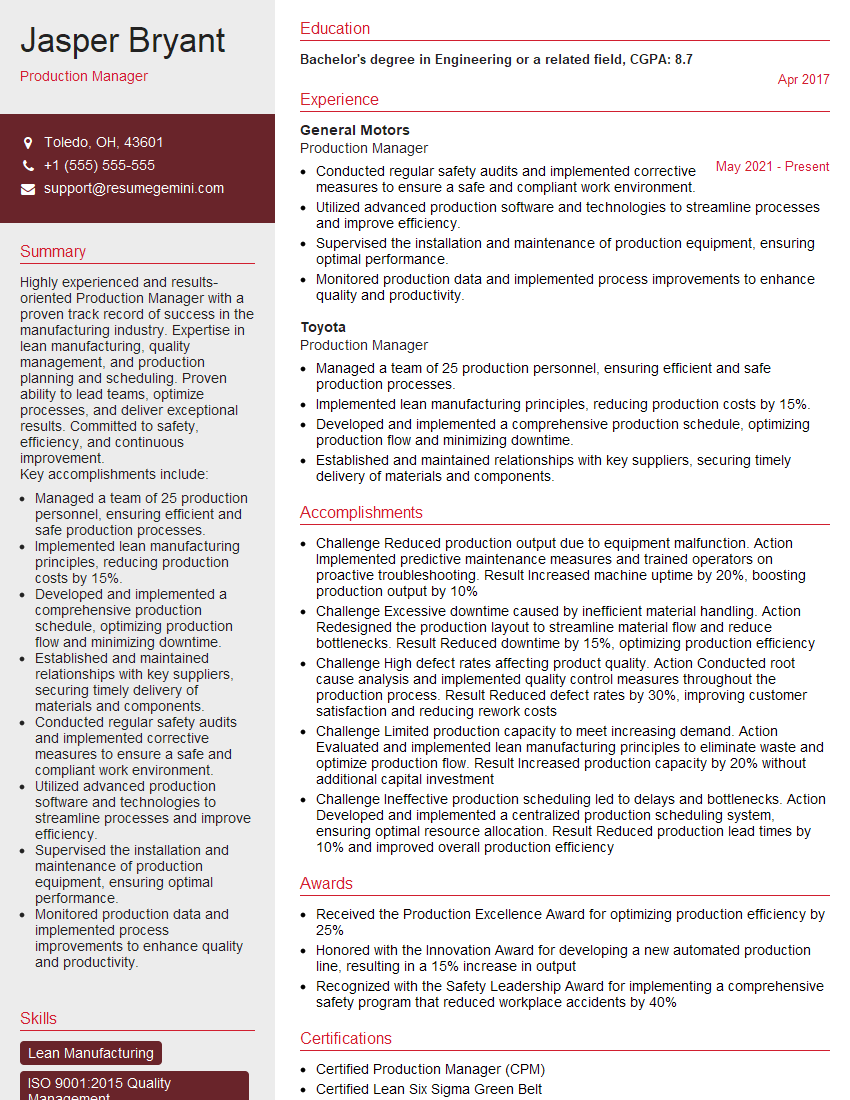
Production Manager Resume Sample

Manufacturing Manager Resume Sample

Quality Control Manager Resume Sample

Quality Control Supervisor Resume Sample

Production Supervisor Resume Sample

Compliance Manager Resume Sample

Quality Assurance Specialist Resume Sample
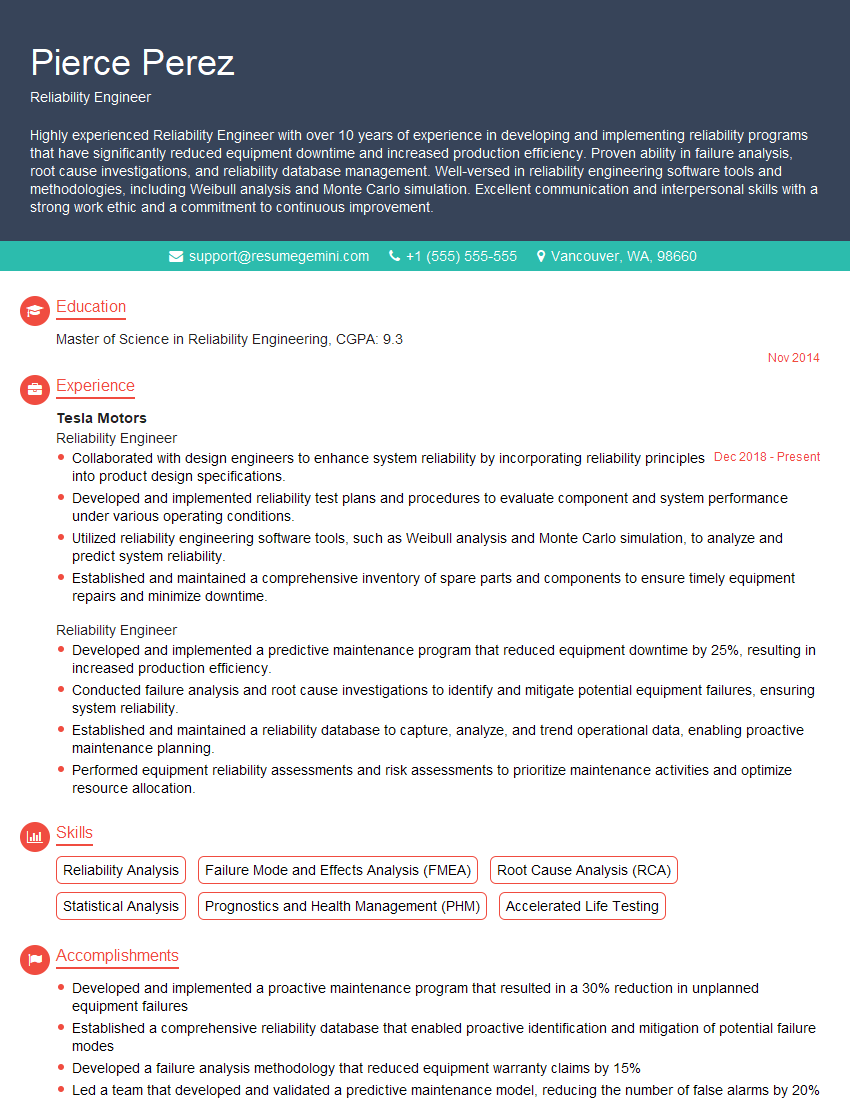
Reliability Engineer Resume Sample
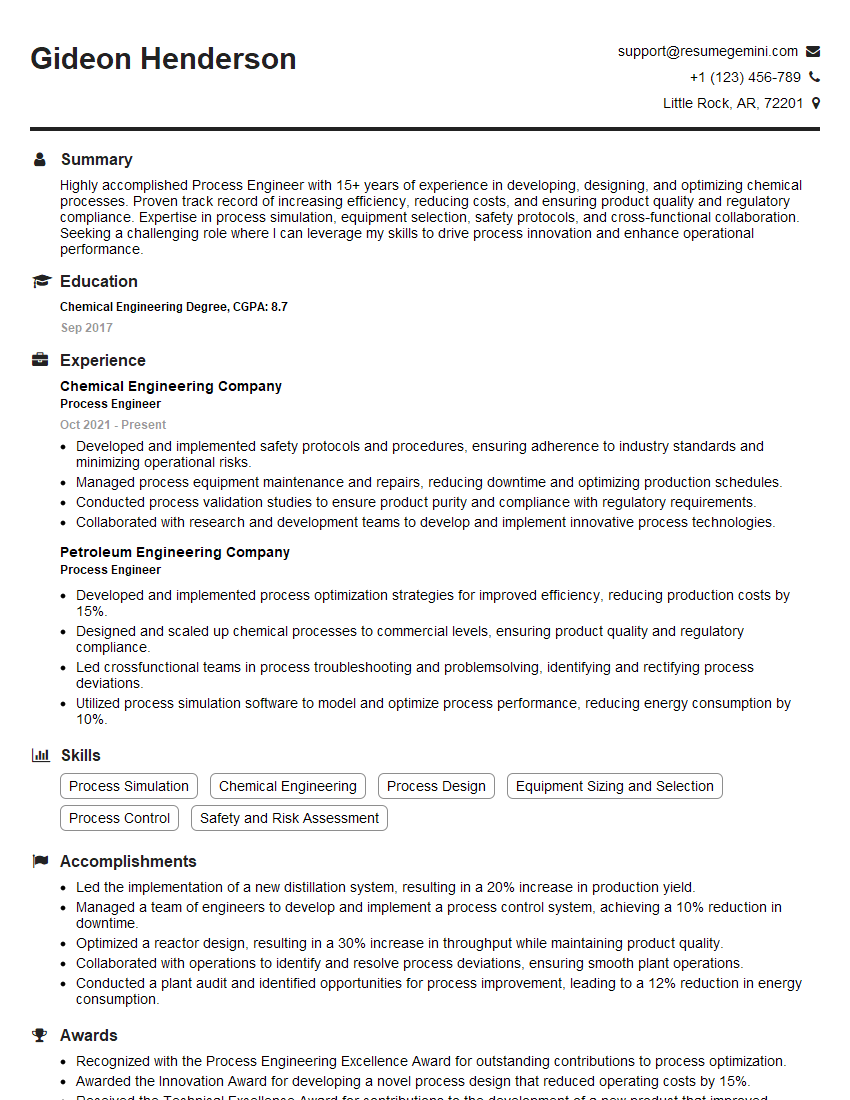
Process Engineer Resume Sample

Automation Engineer Resume Sample
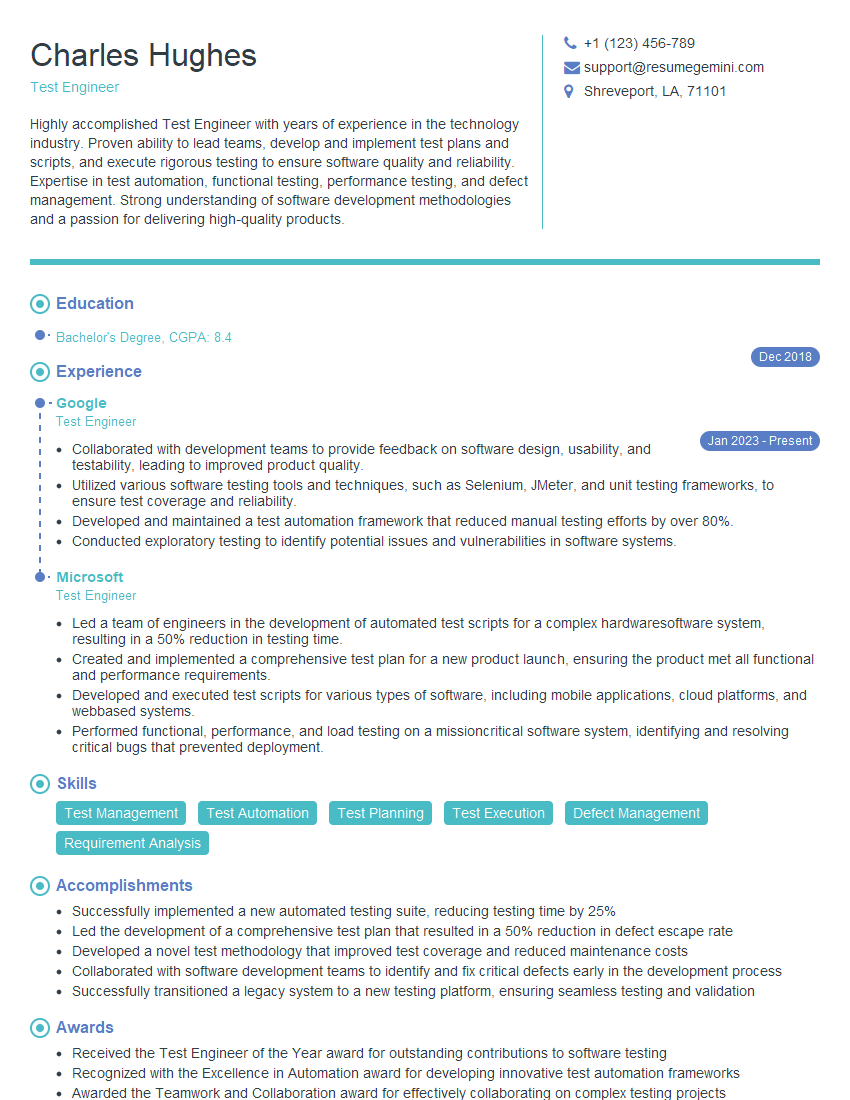
Test Engineer Resume Sample
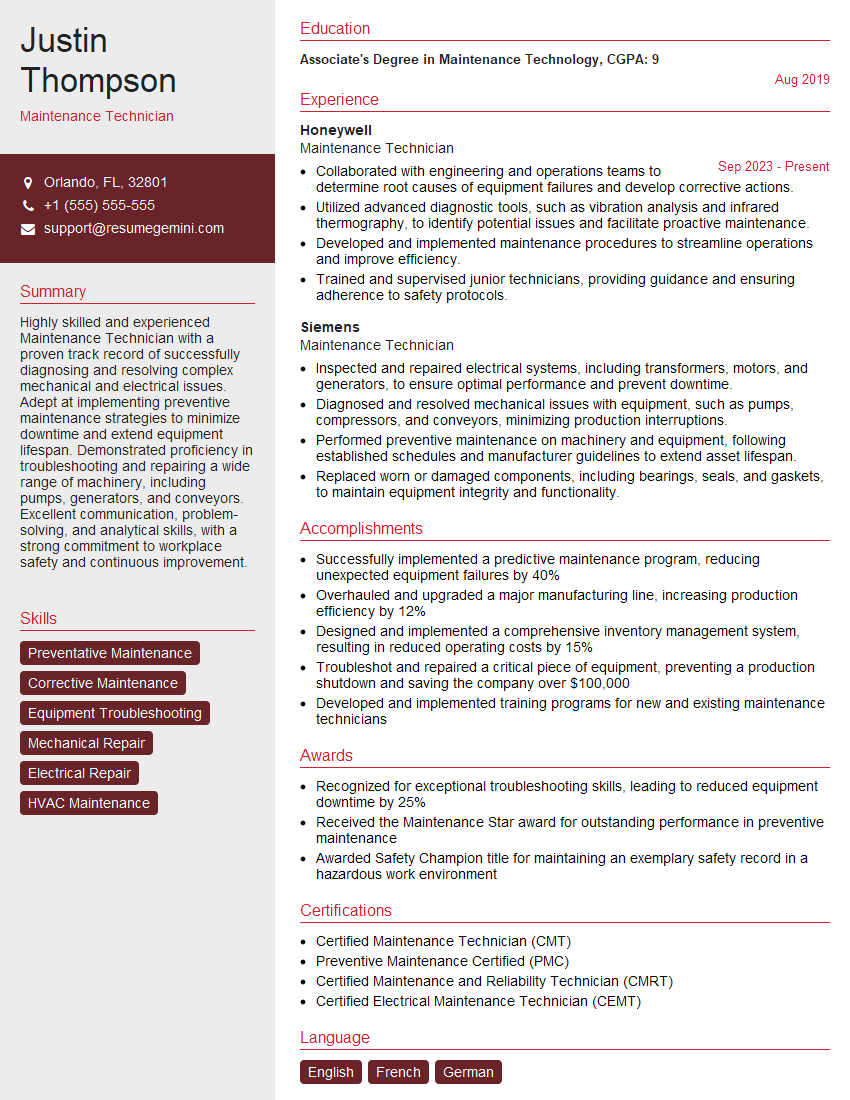
Maintenance Technician Resume Sample
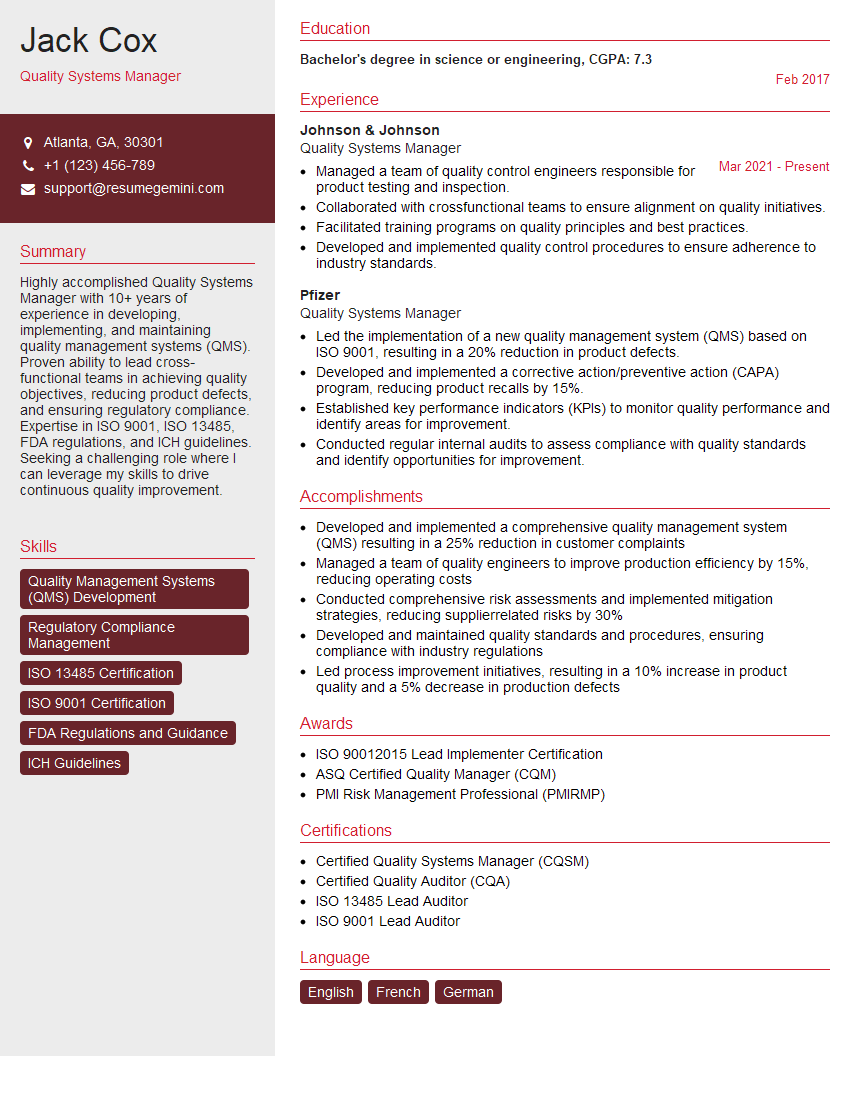
Quality Systems Manager Resume Sample
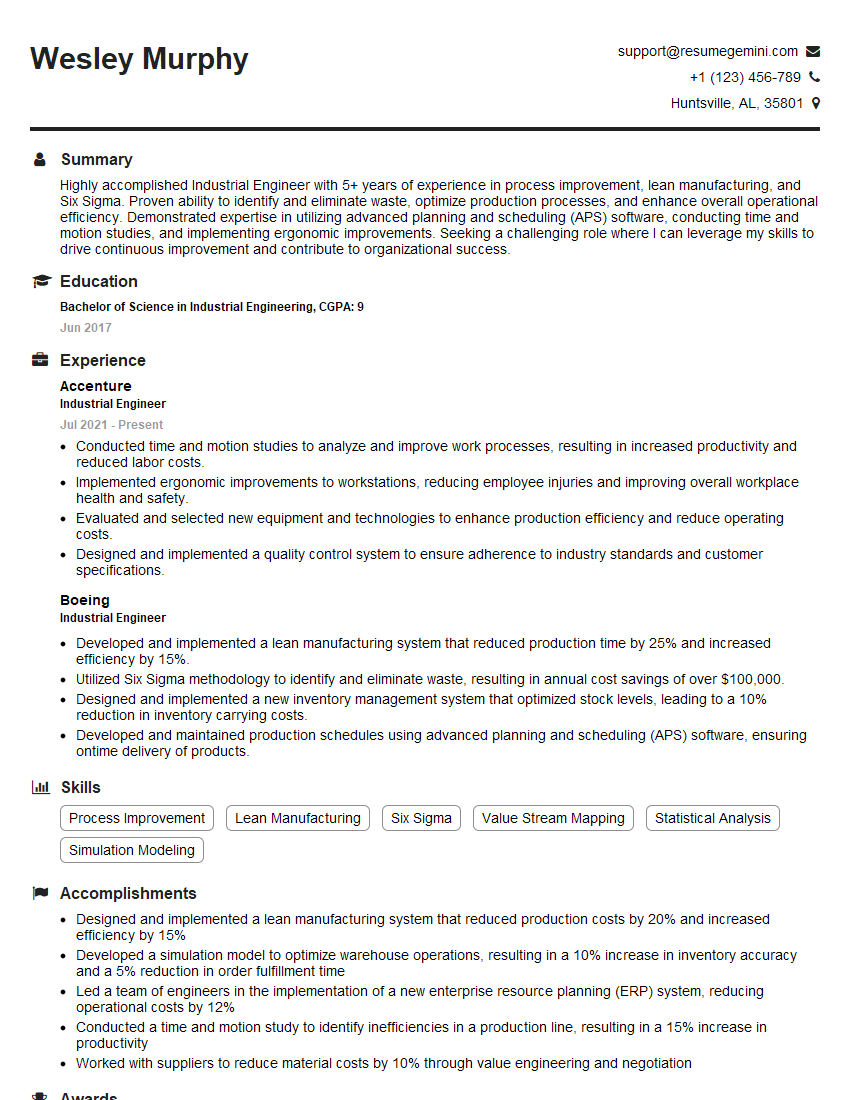
Industrial Engineer Resume Sample

Manufacturing Engineer Resume Sample

Quality Control Engineer Resume Sample

Robotics Engineer Resume Sample
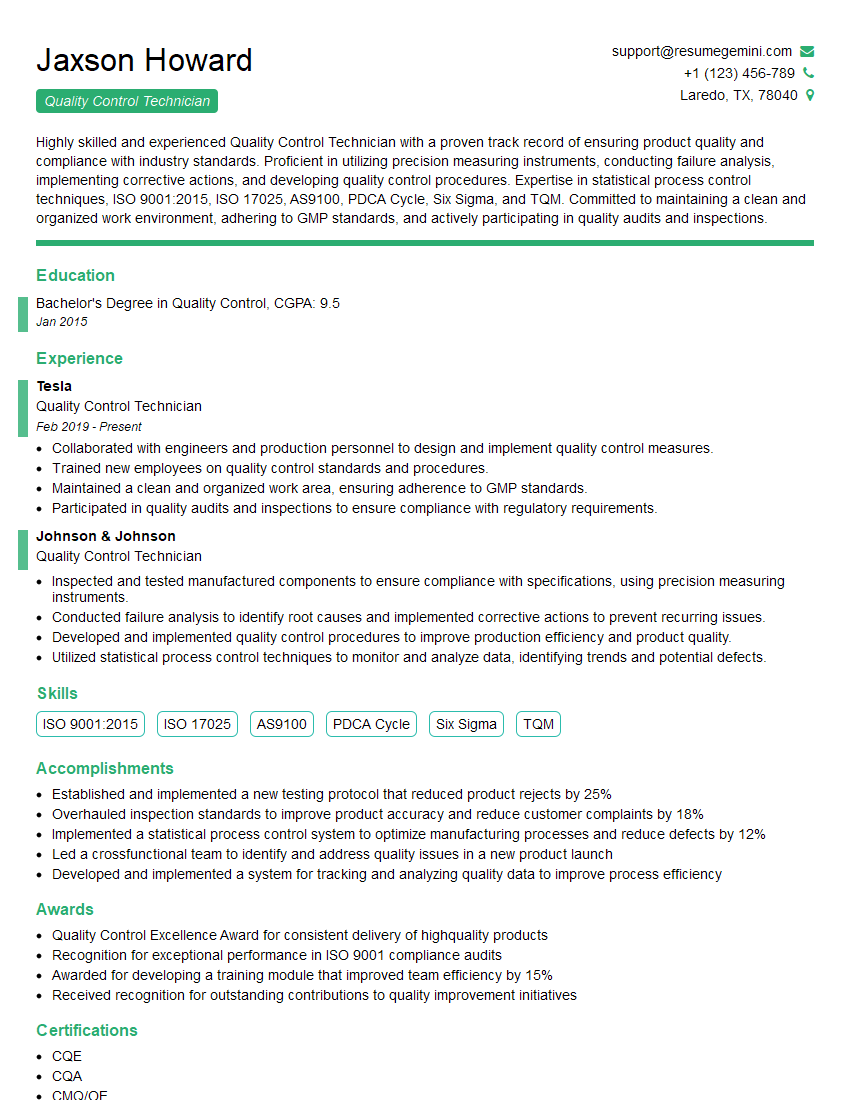
Quality Control Technician Resume Sample

Metrology Technician Resume Sample
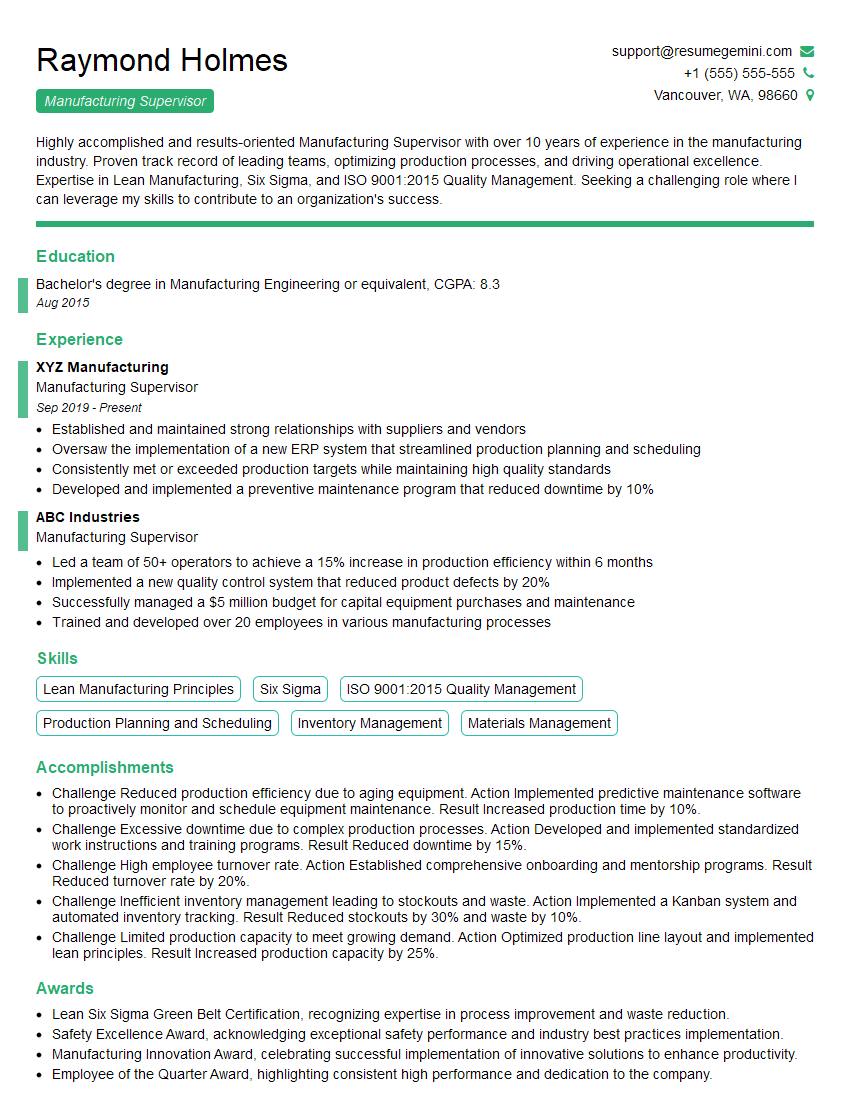
Manufacturing Supervisor Resume Sample

Rivet Tapping Machine Operator Resume Sample

Quality Control Inspector Resume Sample
- Operations Manager
- Production Manager
- Manufacturing Manager
- Quality Control Manager
- Quality Control Supervisor
- Production Supervisor
- Compliance Manager
- Quality Assurance Specialist
- Reliability Engineer
- Process Engineer
- Automation Engineer
- Test Engineer
- Maintenance Technician
- Quality Systems Manager
- Industrial Engineer
- Manufacturing Engineer
- Quality Control Engineer
- Robotics Engineer
- Quality Control Technician
- Metrology Technician
- Manufacturing Supervisor
- Rivet Tapping Machine Operator
- Quality Control Inspector
Explore more articles
Users Rating of Our Blogs
Share Your Experience
We value your feedback! Please rate our content and share your thoughts (optional).
What Readers Say About Our Blog
Very informative content, great job.
good