Preparation is the key to success in any interview. In this post, we’ll explore crucial Fostering and Rescue Operations interview questions and equip you with strategies to craft impactful answers. Whether you’re a beginner or a pro, these tips will elevate your preparation.
Questions Asked in Fostering and Rescue Operations Interview
Q 1. Describe your experience in assessing the needs of foster children/animals.
Assessing the needs of a foster child or animal requires a holistic approach, going beyond immediate observations. It involves gathering information from multiple sources to understand their history, present condition, and future requirements. For children, this includes reviewing case files, speaking with previous caregivers, educators, and medical professionals, and conducting thorough interviews with the child (age-appropriate, of course). Observations focus on their physical health, emotional well-being, developmental stage, and any specific needs such as medical conditions, dietary restrictions, or educational support. With animals, the process involves a veterinary examination, behavioral assessment (observing interactions, response to stimuli), and reviewing their history (if available) to identify any medical, behavioral, or social needs. For example, a child who has experienced trauma might exhibit clinginess or aggression, while a dog might show signs of anxiety through excessive barking or destructive chewing. Understanding these signals allows for targeted intervention and care.
I use a structured assessment form to ensure consistency and thoroughness, adapting it to the specific age and species. Following the assessment, I develop an individualized care plan outlining specific needs and goals.
Q 2. How do you handle challenging behaviors in foster children/animals?
Challenging behaviors are rarely random; they are often expressions of unmet needs or past trauma. My approach focuses on understanding the *why* behind the behavior rather than simply suppressing it. For children, this might involve identifying triggers, providing appropriate coping mechanisms, and offering positive reinforcement for desired behaviors. Positive behavior support strategies, such as reward systems and clear expectations, are incredibly effective. For example, a child exhibiting anger might be taught deep breathing techniques or provided a quiet space to calm down. Similarly, an anxious animal might benefit from a structured routine, desensitization training, and a safe, predictable environment. If behaviors are severe or pose a safety risk, professional intervention from therapists, trainers, or veterinarians might be necessary.
It’s crucial to document all behaviors and interventions meticulously, enabling informed adjustments to the care plan over time. Patience, consistency, and a strong understanding of developmental psychology (for children) and animal behavior are paramount.
Q 3. Explain your approach to creating safe and nurturing environments.
Creating a safe and nurturing environment is foundational to successful fostering. This means providing a physically safe space, free from hazards, and emotionally secure atmosphere. For children, this translates to a well-organized room with age-appropriate toys and activities, clear boundaries and rules, and a consistent daily routine. A feeling of belonging and unconditional love is vital. For animals, a safe space might involve a secure enclosure, access to fresh food and water, comfortable bedding, and opportunities for enrichment (toys, interaction). The environment must be tailored to the specific needs of the individual. A fearful animal, for instance, might need a quieter space, while a playful puppy needs more room to explore.
Safety is paramount, so thorough home checks are crucial. For children, this includes checking for potential hazards and ensuring childproofing measures are in place. For animals, this includes securing escape routes and removing any toxic substances.
Q 4. What are your strategies for building rapport with foster families/adopters?
Building rapport with foster families/adopters relies on open communication, trust, and mutual respect. I start by clearly explaining the child’s or animal’s needs and history, addressing any concerns honestly and openly. Active listening is key – understanding their expectations, capabilities, and anxieties. I offer regular support, providing guidance and resources, and being available to answer questions and address concerns. For families fostering children, this might involve facilitating regular check-ins, offering training on parenting techniques specific to the child’s needs, and connecting them with support groups. For animal adopters, it might include providing post-adoption support, answering questions about behavior or health, and even offering ongoing training sessions.
Regular communication, clear expectations, and celebrating successes together foster a strong, collaborative relationship based on mutual trust and shared goals.
Q 5. How do you manage crisis situations involving foster children/animals?
Crisis situations require immediate, decisive action. My first step is to assess the situation – determine the level of risk, the immediate needs, and the available resources. For children, this might involve contacting emergency services, providing immediate emotional support, and ensuring their safety. For animals, this could involve veterinary attention or safe containment. Following the immediate response, I work to understand the underlying causes of the crisis, address any immediate needs, and develop a plan to prevent future occurrences. For instance, if a child is having a severe emotional breakdown, I would prioritize calming them down and then investigate potential triggers. Similarly, if an animal is exhibiting aggressive behavior, I would focus on immediate safety and then determine potential causes, such as underlying medical issues or inappropriate training.
Having a well-defined crisis plan, a network of support professionals, and clear communication protocols are crucial for effective crisis management.
Q 6. Describe your experience with trauma-informed care.
Trauma-informed care recognizes the profound impact of trauma on individuals, shifting the focus from ‘what’s wrong with you’ to ‘what happened to you’. In fostering, this means understanding that challenging behaviors are often manifestations of past experiences. My approach prioritizes safety, trustworthiness, choice, collaboration, and empowerment. I avoid triggering situations, creating a calm and predictable environment, and allowing the child or animal to dictate the pace of interactions. I emphasize building trust through consistent, reliable care. For children, this might involve using play therapy or art therapy to help them process their trauma. For animals, it might involve gradual desensitization to reduce fear and anxiety.
Trauma-informed care is about creating an environment of healing and recovery, where individuals feel safe, respected, and understood.
Q 7. How do you collaborate with other professionals in a multidisciplinary team?
Collaboration is essential in fostering and rescue operations. I actively participate in multidisciplinary teams, including social workers, therapists, veterinarians, trainers, educators, and case managers. Effective collaboration involves clear communication, shared goals, and respect for each professional’s expertise. I maintain regular contact, sharing relevant information, and actively seeking input from team members. This might involve attending case conferences, participating in treatment planning, and sharing progress updates. For example, working with a child’s therapist helps to tailor the foster care environment to support their therapeutic goals. Working with a veterinarian ensures that the animal’s medical needs are addressed promptly and appropriately.
Open communication, a shared understanding of the individual’s needs, and a commitment to teamwork lead to the best possible outcomes.
Q 8. What is your experience with developing individualized care plans?
Developing individualized care plans is crucial for ensuring the well-being of each foster child or animal. It’s not a ‘one-size-fits-all’ approach; instead, it’s about creating a tailored roadmap to address specific needs and goals.
My approach begins with a thorough assessment. For children, this involves reviewing their history, identifying trauma, assessing their developmental stage, and understanding their educational, emotional, and medical needs. For animals, it includes a veterinary check-up, behavioral assessment, noting any specific medical needs (like allergies or medication requirements), and understanding their personality and social needs.
Next, I collaborate with the foster family or caregiver, setting realistic, measurable goals. For a child, this might include improving school attendance, developing coping mechanisms for trauma, or strengthening their social skills. For an animal, goals could involve overcoming separation anxiety, learning basic obedience, or becoming house-trained. The plan includes strategies to reach these goals, regular check-ins to monitor progress, and mechanisms for adjustments as needed. For example, if a child’s behavior changes, we adjust the plan to address the underlying issue. If an animal isn’t responding well to one training method, we try another. The process is iterative and requires constant adaptation.
Finally, I document everything – the assessment, the goals, the strategies, and the progress – creating a living document to share with the relevant parties and use for ongoing evaluation.
Q 9. How do you maintain accurate records and documentation?
Accurate record-keeping is paramount for accountability, transparency, and effective care. I use a combination of digital and physical methods to ensure comprehensive and easily accessible documentation.
For children, I maintain detailed case files, including assessments, care plans, medical records, school reports, and communication logs with foster families, therapists, and other professionals. I employ secure electronic databases with password protection and regular backups to prevent data loss. Critical information, like medical emergencies, are also documented in a separate, readily accessible file. For animals, I keep similar detailed records – including veterinary records, behavioral notes, vaccination history, adoption applications, and communication logs with potential adopters.
My digital system allows for efficient search and retrieval, easy sharing with authorized personnel, and automated reminders for crucial tasks, such as medical appointments or follow-up assessments. I also maintain a secure paper backup system for vital information. Regular audits ensure the accuracy and completeness of all records.
Q 10. Explain your understanding of relevant legislation and regulations.
A deep understanding of relevant legislation and regulations is crucial in fostering and rescue operations. This ensures ethical and legal compliance, safeguarding the well-being of those in our care. My knowledge covers various aspects, depending on the context (child or animal welfare).
For child welfare, I’m familiar with laws pertaining to child abuse and neglect, foster care licensing, adoption procedures, and child protection services. I understand the rights of children, the responsibilities of foster parents and agencies, and the procedures for reporting abuse or neglect. I also stay updated on any changes in legislation. For animal welfare, I am familiar with relevant animal cruelty laws, licensing requirements for animal shelters and rescues, regulations regarding animal transportation, and laws governing adoption and euthanasia practices. This knowledge extends to local, state, and federal levels, ensuring that every action aligns with the legal framework.
Understanding the legal framework allows me to provide appropriate guidance to foster families and ensure all procedures adhere to best practices and legal requirements. Regular professional development and staying informed about legal updates are integral parts of maintaining this expertise.
Q 11. How do you identify and address potential safety risks?
Identifying and addressing potential safety risks is a proactive and ongoing process. It’s about anticipating problems and creating preventive measures, rather than reacting to crises. My approach is multifaceted and incorporates various strategies.
For children, risk assessment focuses on factors like the child’s history of trauma, behavioral challenges, potential for self-harm or harm to others, and the safety of their home environment. For example, if a child exhibits aggressive behavior, we would implement strategies like anger management training and a supportive environment that minimizes triggers. If there are safety concerns in the foster home, we might involve child protective services or arrange for a safer placement.
For animals, risk assessment involves factors such as breed temperament, behavioral issues (aggression, anxiety), medical conditions, and the suitability of the foster home environment. For instance, a dog with a history of aggression might need specialized training and a home that can provide a safe and controlled environment. If an animal’s health deteriorates rapidly, immediate veterinary attention is sought. Regular home visits and communication with foster families are essential for early detection of potential risks.
This involves careful observation, regular communication, and a willingness to adapt strategies as needed. I use checklists, risk assessment tools, and regular reviews to ensure that all safety measures are in place and effective.
Q 12. Describe your experience with the transition process for foster children/animals.
The transition process is a critical phase that significantly impacts the well-being of foster children and animals. It requires careful planning, sensitive execution, and ongoing support.
For children, a smooth transition involves thorough preparation for both the child and the foster family. This includes open communication, visits to the new home before the actual move, and involving the child in the process as appropriate. We emphasize maintaining consistency in routines and providing emotional support during this period. This includes building trust and rapport with the child prior to the transition and ensuring a gradual introduction into the new home and environment. We also offer extensive training and support to foster families to aid in the successful integration of the child.
For animals, the transition process involves gradual introductions to new environments and family members. We may use familiar items (blankets, toys) to ease the adjustment. We provide detailed instructions to foster families on the animal’s care routine, medical needs, and temperament, emphasizing the importance of patience and understanding. We facilitate gradual acclimatization to the new routine and environment, working closely with the foster family to address any arising challenges.
Regular follow-up visits and communication throughout the transition period are essential to identify and address challenges and ensure a positive experience for both the child/animal and the foster family.
Q 13. How do you handle ethical dilemmas in fostering/rescue operations?
Ethical dilemmas are inevitable in fostering and rescue operations. Handling them requires careful consideration, a strong ethical framework, and a commitment to the well-being of those in our care.
I approach such situations by thoroughly analyzing the situation, consulting with colleagues and supervisors, and prioritizing the best interests of the child or animal. For example, if a foster family is struggling to manage a child’s challenging behavior, we would work collaboratively to develop solutions, possibly involving professional support services. We might need to consider whether the current placement is still suitable, but always putting the child’s needs at the forefront. If an animal’s medical condition requires expensive treatment, we might need to explore fundraising options or prioritize those animals with the greatest need.
My decision-making process relies on ethical guidelines, legal regulations, and professional standards, always aiming for transparency and accountability. I maintain detailed records of the dilemma, the steps taken, and the rationale behind the decisions to ensure ethical practice.
Q 14. What is your experience with providing support and education to foster families/adopters?
Providing support and education is critical for the success of foster families and adopters. It’s not just about placing a child or animal; it’s about building a supportive network that ensures their long-term well-being.
For foster families, I offer training on child development, trauma-informed care, behavior management techniques, and accessing community resources. I also provide ongoing support through regular home visits, counseling, and group workshops. For example, we might conduct workshops on managing challenging behaviors, strategies for communication, or available community services. This includes establishing open communication channels and offering advice and guidance as needed.
For adopters, the focus extends beyond the initial adoption process. We provide ongoing support and education to help them navigate the unique challenges of raising a child/animal with a history of trauma or special needs. We might conduct sessions focusing on creating a supportive environment, understanding the animal’s/child’s history and needs, accessing resources for managing behavioral issues, and building a strong and lasting bond. This holistic approach aims to support the long-term health and well-being of the child/animal, within a nurturing environment.
Q 15. How do you manage conflict between foster families/adopters and the agency?
Managing conflict between foster families/adopters and the agency requires a proactive, empathetic, and solution-oriented approach. It’s crucial to remember that everyone involved – the foster family, the child, and the agency – has valid concerns and perspectives.
My strategy begins with active listening. I create a safe space where all parties feel heard and understood. I encourage open communication, aiming to identify the root cause of the conflict, rather than focusing on surface-level disagreements. For example, a conflict might stem from differing opinions on a child’s disciplinary approach or a perceived lack of agency support.
Next, I facilitate collaborative problem-solving. This involves bringing together all stakeholders to brainstorm solutions. I act as a mediator, guiding the discussion towards mutually agreeable outcomes. Sometimes, this means compromising; other times, it involves clarifying policies or providing additional support. Documentation is key throughout this process, ensuring all agreements and decisions are clearly recorded.
Finally, I follow up to ensure the agreed-upon solutions are implemented and are effective. Regular check-ins with all parties are crucial to monitor progress and address any emerging concerns. In cases where a resolution cannot be reached, I might involve a supervisor or other agency resources to provide additional support and guidance.
Career Expert Tips:
- Ace those interviews! Prepare effectively by reviewing the Top 50 Most Common Interview Questions on ResumeGemini.
- Navigate your job search with confidence! Explore a wide range of Career Tips on ResumeGemini. Learn about common challenges and recommendations to overcome them.
- Craft the perfect resume! Master the Art of Resume Writing with ResumeGemini’s guide. Showcase your unique qualifications and achievements effectively.
- Don’t miss out on holiday savings! Build your dream resume with ResumeGemini’s ATS optimized templates.
Q 16. What are your skills in crisis intervention and de-escalation techniques?
Crisis intervention and de-escalation are critical skills in fostering and rescue operations. My approach focuses on maintaining calm, both in myself and in the individuals involved. I prioritize safety, ensuring the immediate physical and emotional well-being of everyone concerned.
My skills include active listening, empathy, and the ability to remain neutral and objective, even in highly charged situations. For instance, if a foster family is experiencing a significant challenge with a child’s behavior, I might utilize de-escalation techniques such as validating their feelings, offering support, and collaboratively creating a safety plan.
I’m proficient in various de-escalation strategies, including using calming language, reframing negative thoughts, and redirecting disruptive behavior. I also have experience utilizing evidence-based crisis intervention models, such as the Collaborative Problem Solving (CPS) approach. This framework helps to identify the underlying needs and motivations driving challenging behaviors, fostering collaborative solutions rather than punitive measures. I also know when to seek additional support from mental health professionals or law enforcement if needed.
Q 17. Describe your experience with community outreach and resource coordination.
Community outreach and resource coordination are fundamental aspects of my work. I believe in building strong relationships with local organizations, schools, healthcare providers, and other community partners to create a support network for the children and families we serve.
My experience includes developing and maintaining partnerships with various community agencies to access services like mental health counseling, educational support, and medical care. For example, I’ve collaborated with local schools to ensure children in foster care receive appropriate educational support and accommodations. I’ve also worked with community organizations to secure essential resources, such as clothing, food, and transportation.
Resource coordination involves assessing the needs of each family and connecting them with relevant services. This requires effective communication, meticulous record-keeping, and a deep understanding of the available resources in the community. I frequently attend community events and workshops to stay informed about emerging resources and potential partnerships. I utilize a comprehensive database to track resources and ensure their accessibility to those who need them. This ensures children receive holistic support and families feel supported and empowered.
Q 18. How do you assess the suitability of prospective foster families/adopters?
Assessing the suitability of prospective foster families/adopters involves a thorough and multi-faceted process, prioritizing the safety and well-being of the child. This process goes beyond simply checking boxes on a form.
It begins with a comprehensive application, including background checks and reference verification. We delve into the applicants’ motivations, understanding their reasons for wanting to foster or adopt. We conduct in-home visits to assess the family’s living environment, ensuring it’s safe and supportive.
Crucially, we conduct extensive interviews to explore the family’s parenting skills, their understanding of the challenges associated with fostering/adopting, and their ability to manage stress and conflict. We also assess their support systems and their understanding of the child’s needs and the legal framework surrounding foster care. We are very transparent throughout the process, ensuring prospective parents know what’s expected and what resources are available. If any concerns arise during the assessment, we address these directly and transparently, ensuring that the child’s best interest is the top priority. Sometimes, applicants are not suitable, and we provide clear explanations, linking them to alternative support systems where appropriate.
Q 19. What is your experience with case management software/databases?
My experience with case management software and databases is extensive. I’m proficient in using several systems to manage case files, track client information, schedule appointments, and generate reports.
Specifically, I have experience with [Software Name 1] and [Software Name 2]. These platforms allow me to efficiently manage large volumes of data while maintaining the confidentiality and security of sensitive information. I utilize these systems to track progress, monitor outcomes, and ensure compliance with regulatory requirements.
I’m comfortable with data entry, report generation, and using the software’s reporting features to track key performance indicators and identify areas for improvement within the agency. My skill in data management translates to improved efficiency, accurate record-keeping, and informed decision-making.
Q 20. How do you handle difficult conversations with biological parents/owners?
Handling difficult conversations with biological parents/owners requires sensitivity, empathy, and a clear understanding of the legal and ethical implications. These conversations are often emotionally charged, and it’s essential to approach them with professionalism and respect.
I begin by creating a safe and comfortable environment where the parent feels heard and respected, even when disagreements exist. I actively listen to their concerns and validate their feelings, even if I don’t necessarily agree with their perspective. Transparency and honesty are paramount. I clearly explain agency policies and procedures, emphasizing the child’s best interest as the guiding principle.
I utilize a collaborative approach, seeking to find common ground and work towards solutions that are in the best interests of the child. This might involve working with the parent to develop a visitation plan or to access support services. In instances of conflict, I remain calm and professional, maintaining a neutral stance. I carefully document all interactions and ensure the safety and well-being of the child remain paramount throughout the process.
Q 21. How do you ensure the confidentiality and privacy of vulnerable individuals?
Ensuring the confidentiality and privacy of vulnerable individuals is paramount. My commitment to this is unwavering. I adhere strictly to all relevant data protection regulations, such as HIPAA and state-specific regulations.
All case files are stored securely, both electronically and physically, with access limited to authorized personnel only. I utilize secure password protocols and regularly update software to prevent data breaches. When discussing cases, I ensure I am in a private and secure setting to avoid any risk of unauthorized individuals overhearing sensitive information.
I am trained in best practices for data protection and privacy, and I consistently educate myself on updates to relevant regulations. I regularly conduct internal audits to ensure compliance with agency policies and procedures. When working with children and families, I always obtain informed consent before sharing any information and am explicit about how information will be used. Transparency and respect for individuals’ privacy are fundamental to my approach.
Q 22. Explain your experience with behavioral modification techniques.
Behavioral modification in animal rescue is crucial for ensuring adoptability and improving the animal’s quality of life. It’s a process of gradually changing unwanted behaviors through positive reinforcement and addressing underlying anxieties or traumas. My approach is rooted in understanding the ‘why’ behind a behavior, not just the ‘what’.
- Positive Reinforcement: I focus on rewarding desired behaviors with treats, praise, or toys. For example, if a dog is fearful of strangers, I’d gradually introduce them to calm, friendly people, rewarding the dog for calm behavior each time.
- Counter-Conditioning: This involves pairing a fearful stimulus with a positive experience. If a cat is afraid of loud noises, I’d play calming music alongside the noise, slowly decreasing the volume over time, associating the sound with a positive event.
- Desensitization: This gradually exposes the animal to the fear-inducing stimulus at a low intensity, increasing it gradually as the animal shows comfort. For a dog with leash reactivity, we would start with the leash at a distance from other dogs, slowly getting closer as the dog maintains calm.
I’ve successfully rehabilitated numerous dogs with aggression issues, cats with severe anxiety, and even a rescued parrot with feather plucking habits using these techniques. Each case requires a tailored plan, meticulously documented and adjusted based on the animal’s progress.
Q 23. What is your understanding of different types of trauma and their impact?
Understanding trauma in rescued animals is paramount. Trauma can manifest in various ways, profoundly impacting their behavior and well-being.
- Neglect: This leads to fear, insecurity, and difficulty trusting humans. A neglected puppy might be afraid of touch or hesitate to approach food.
- Abuse: Physical or emotional abuse results in aggression, fear, and anxiety. An abused dog might exhibit defensive biting or be highly reactive.
- Abandonment: Separation anxiety and attachment issues are common consequences. A cat abandoned as a kitten might struggle to bond with new owners.
- Witnessing Violence: Animals can be traumatized by witnessing violence against other animals or humans. This can result in behavioral changes mirroring PTSD in humans.
Recognizing these signs allows me to tailor my approach to each animal’s specific needs. This involves creating a safe and predictable environment, providing consistent care, and employing appropriate behavioral modification techniques. A calm and patient approach is crucial; forcing interaction can be detrimental to their recovery.
Q 24. Describe your experience with transportation and logistics in rescue operations.
Efficient transportation and logistics are critical in rescue operations. Time is often of the essence, and delays can have dire consequences. My experience involves coordinating everything from transporting injured wildlife to relocating animals across states.
- Vehicle Management: I’ve managed fleets of vehicles, ensuring they are appropriately equipped with safety features like climate control for animals and emergency supplies.
- Route Planning: Careful route planning is essential to account for traffic, weather conditions, and the animal’s specific needs (e.g., avoiding bumpy roads for a dog with injuries).
- Emergency Protocols: I’ve developed and implemented emergency protocols for unforeseen situations, like vehicle breakdowns or medical emergencies during transport. This involves contacting veterinary professionals or support services as needed.
- Partnering with Transportation Services: Collaborating with reliable transportation services like animal-specific transport companies is crucial for larger-scale rescues or long-distance transfers.
For example, during a hurricane evacuation, I coordinated the transport of over 50 cats and dogs from a flooded shelter to a safe location hundreds of miles away, ensuring all animals arrived safe and sound. Careful planning, backup strategies, and good communication were essential.
Q 25. How do you manage financial resources effectively within a rescue organization?
Financial management in a rescue organization requires meticulous budgeting, careful spending, and proactive fundraising. Transparency and accountability are paramount to maintaining public trust.
- Budgeting: I create detailed annual budgets that allocate funds to different areas, including veterinary care, food, shelter maintenance, and staff salaries. This involves forecasting needs and prioritizing essential expenses.
- Grant Management: Managing grants involves meticulously tracking expenses, submitting reports, and adhering to grant guidelines to ensure compliance and secure future funding.
- Cost Control: Implementing cost-saving measures, such as negotiating with suppliers, using volunteer labor for non-essential tasks, and exploring fundraising options, helps stretch limited resources.
- Financial Reporting: Regular financial reporting to the board and donors helps maintain transparency and demonstrates the responsible use of funds.
For instance, I streamlined our veterinary care costs by establishing relationships with local clinics offering discounted rates, resulting in a 20% reduction in annual veterinary expenses.
Q 26. Explain your experience with fundraising and grant writing.
Successful fundraising and grant writing are essential for ensuring the long-term sustainability of a rescue organization. My experience encompasses various fundraising strategies and grant writing techniques.
- Grant Writing: I’ve successfully secured numerous grants by crafting compelling proposals that clearly articulate the organization’s mission, the project’s objectives, and the expected outcomes. I tailor each proposal to the specific requirements of the funding agency.
- Fundraising Events: Organizing fundraising events, such as adoption days, galas, and online campaigns, helps raise funds from the community.
- Donor Cultivation: Building relationships with individual donors through regular communication and updates helps foster loyalty and encourages ongoing support.
- Online Fundraising: Utilizing online platforms for crowdfunding and donations broadens our reach and increases fundraising efficiency.
For example, I wrote a successful grant proposal that secured $50,000 to upgrade our shelter facilities, improving the living conditions for rescued animals significantly.
Q 27. What is your experience with coordinating volunteer efforts?
Coordinating volunteers is crucial for a successful rescue operation. It requires effective communication, training, and clear task delegation.
- Recruitment & Onboarding: I develop clear volunteer roles and responsibilities, ensuring efficient onboarding and training to ensure tasks are performed correctly and safely.
- Communication: Regular communication, such as weekly meetings or email updates, keeps volunteers informed and motivated. I use various communication channels to suit different preferences.
- Task Assignment: I delegate tasks based on volunteers’ skills and preferences, maximizing their effectiveness and job satisfaction.
- Recognition & Appreciation: Showcasing volunteer contributions and acknowledging their efforts promotes retention and encourages future participation.
For example, during a large-scale animal rescue, I coordinated over 50 volunteers across various roles, from animal care and transport to administrative tasks and fundraising, ensuring a seamless operation.
Q 28. Describe your proficiency in emergency response procedures.
Proficiency in emergency response procedures is critical in animal rescue, involving quick thinking and decisive action in high-pressure situations.
- Disaster Preparedness: I develop and implement emergency preparedness plans, including protocols for natural disasters and other crises, ensuring the safety of both animals and staff. This involves securing emergency supplies, creating evacuation routes, and establishing communication channels.
- First Aid & Medical Care: I’m trained in basic animal first aid and can assess injuries, administer basic treatment, and arrange for veterinary care when needed.
- Incident Response: I’ve developed skills in responding to critical incidents such as animal cruelty cases, quickly assessing the situation, and coordinating appropriate responses with authorities.
- Collaboration: I’ve worked effectively with various organizations (e.g., law enforcement, animal control, veterinary services) in emergency situations, creating a collaborative network for efficient support.
For example, I led the rescue of several injured animals trapped after a wildfire. Rapid assessment, coordinated efforts with emergency services, and efficient animal handling ensured the animals received necessary care as promptly as possible.
Key Topics to Learn for Fostering and Rescue Operations Interview
- Animal Welfare and Behavior: Understanding animal needs, recognizing signs of stress or illness, and applying appropriate handling techniques. Practical application includes describing your experience assessing an animal’s condition and implementing a care plan.
- Fostering Best Practices: Creating a safe and enriching environment for foster animals, managing medical needs, and facilitating socialization and training. This includes demonstrating knowledge of appropriate enrichment activities and record-keeping methods.
- Rescue Operations and Emergency Response: Knowledge of emergency protocols, safe animal handling during rescues, and collaboration with other rescue organizations and veterinary professionals. Practical application: outlining a step-by-step approach to rescuing an animal in distress.
- Matching Animals with Suitable Homes: Understanding the importance of careful assessment and matching to ensure successful adoptions. This includes the ability to identify and address potential behavioral or health concerns that may impact adoption.
- Legal and Ethical Considerations: Familiarity with relevant animal welfare laws, ethical guidelines for rescue and fostering, and strategies for handling challenging situations. This encompasses navigating difficult conversations with potential adopters or dealing with difficult cases.
- Volunteer Management and Teamwork: Effective communication and collaboration within a team environment, including the delegation of tasks and efficient management of resources. Discuss experiences in leading or supporting team efforts in a rescue or fostering context.
- Fundraising and Resource Management: Understanding the financial aspects of running a rescue or fostering program, including budget planning, fundraising strategies, and securing necessary resources. This might involve outlining your experience with grant writing or fundraising initiatives.
Next Steps
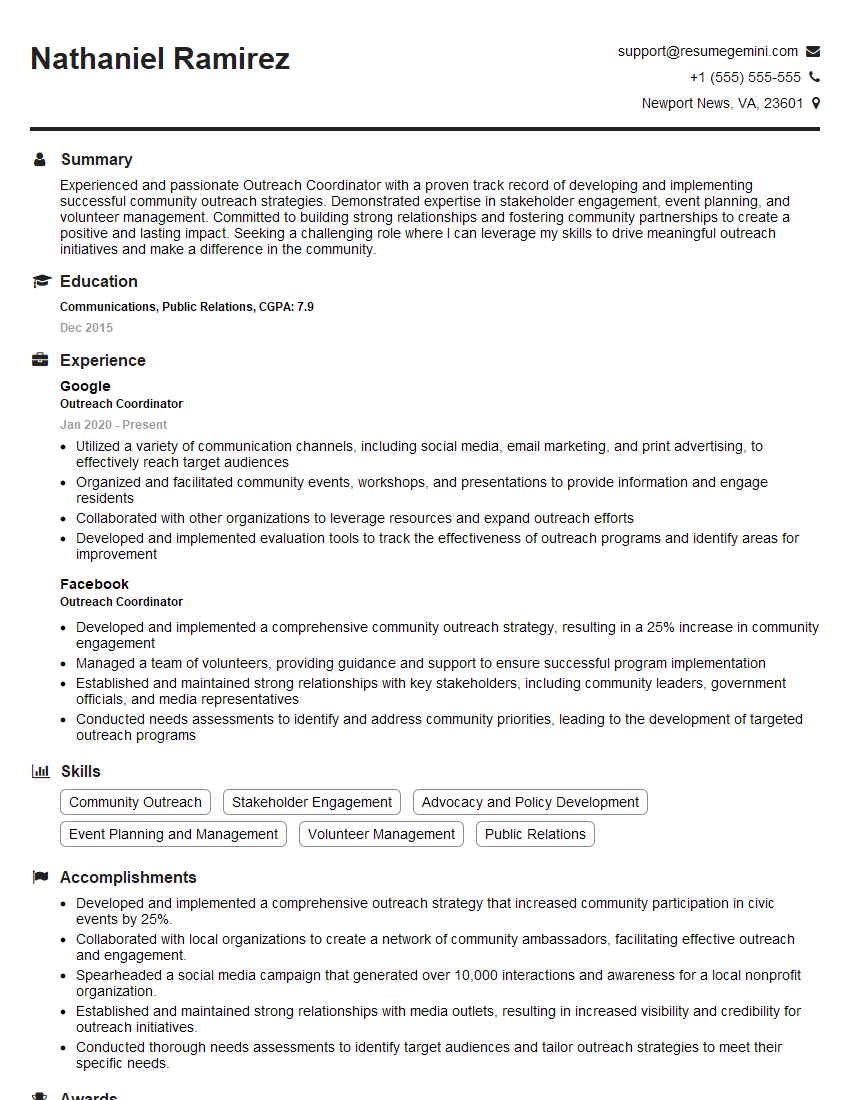
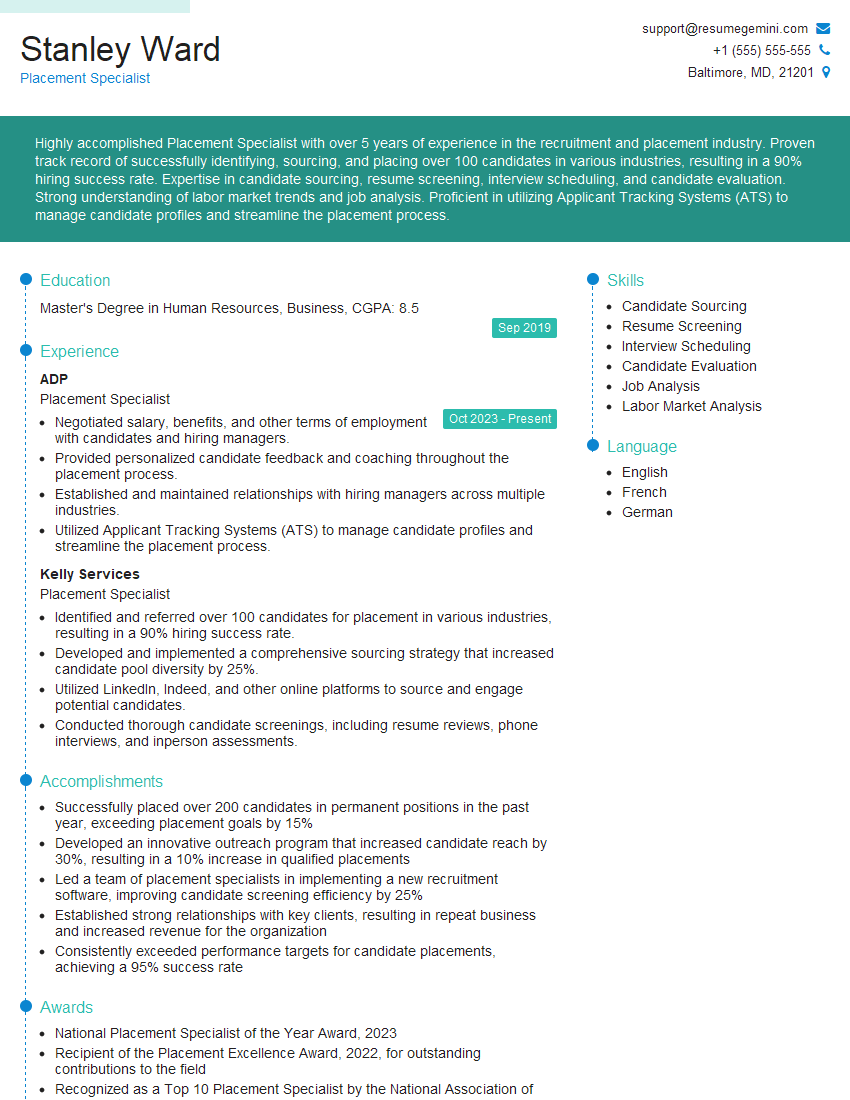
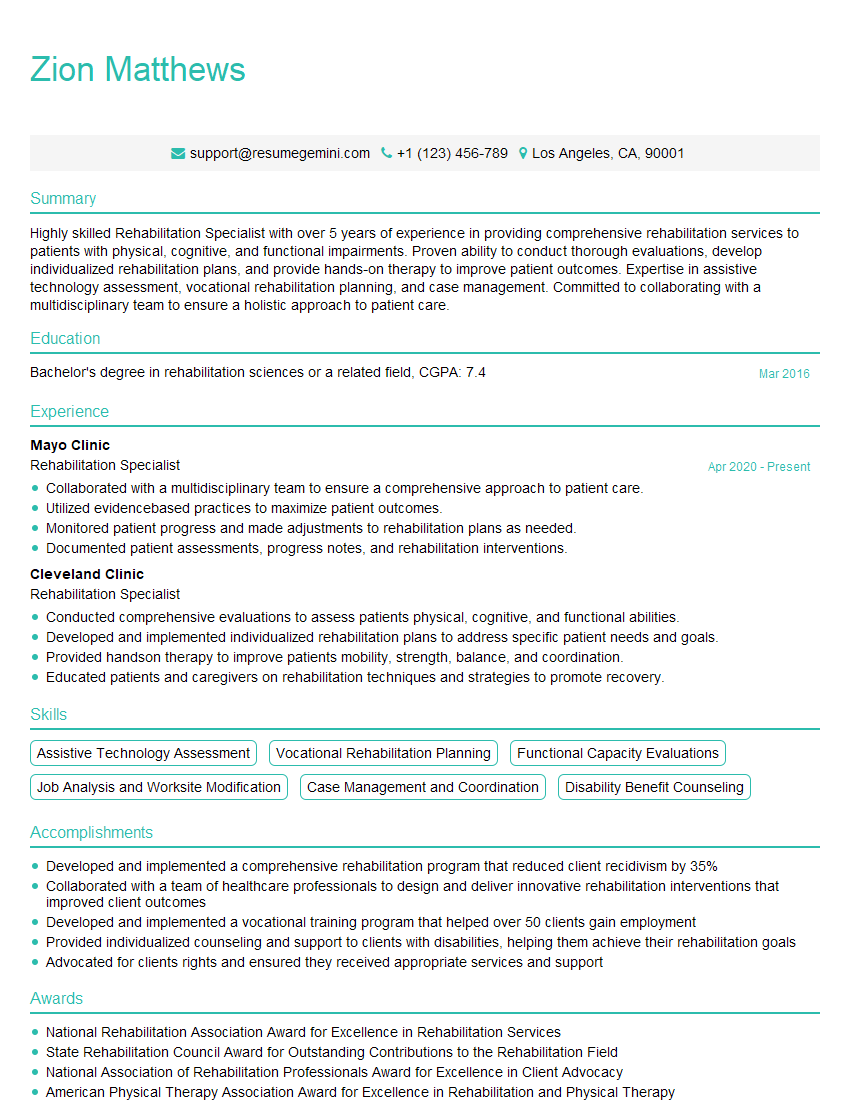
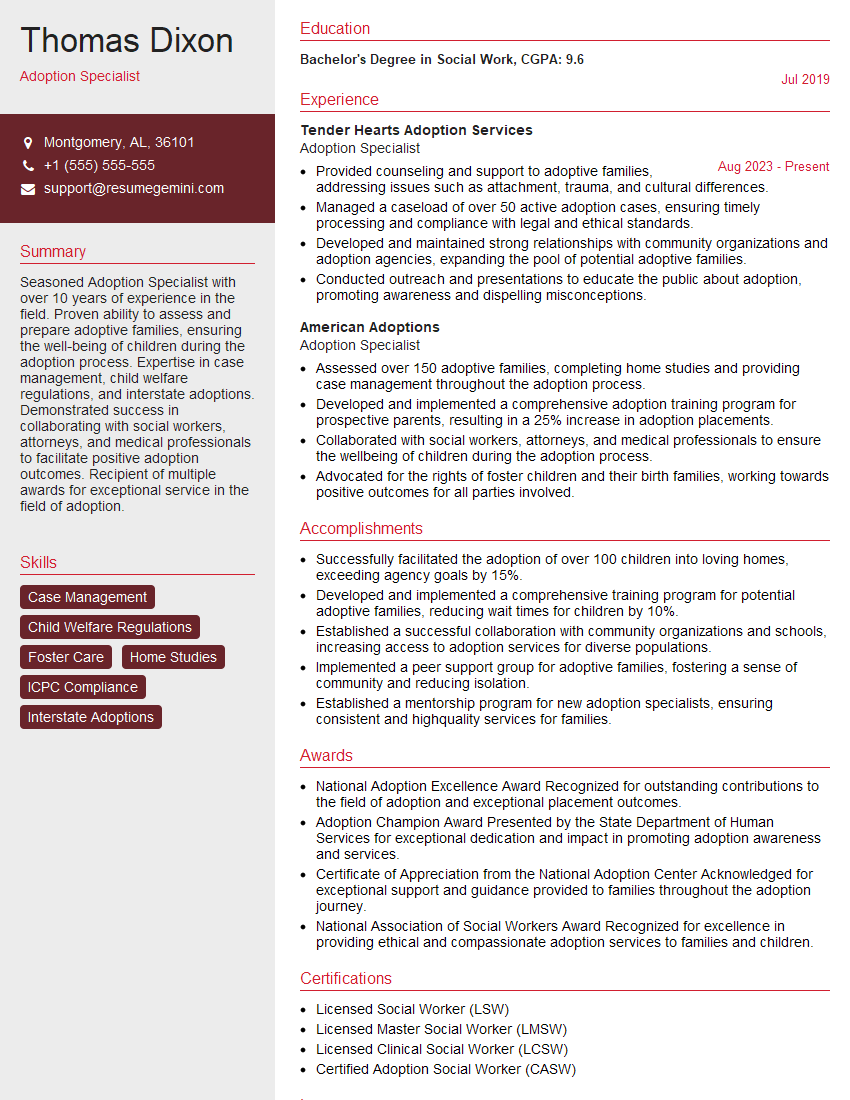
Mastering Fostering and Rescue Operations is crucial for career advancement in this fulfilling field. Demonstrating your expertise through a strong resume is key to unlocking exciting opportunities. Create an ATS-friendly resume to maximize your chances of getting noticed by recruiters. ResumeGemini is a trusted resource to help you build a professional and impactful resume. Examples of resumes tailored to Fostering and Rescue Operations are available to guide you, ensuring your application stands out.

Explore more articles
Users Rating of Our Blogs
Share Your Experience
We value your feedback! Please rate our content and share your thoughts (optional).
What Readers Say About Our Blog
Very informative content, great job.
good