Are you ready to stand out in your next interview? Understanding and preparing for Foundry Technologies interview questions is a game-changer. In this blog, we’ve compiled key questions and expert advice to help you showcase your skills with confidence and precision. Let’s get started on your journey to acing the interview.
Questions Asked in Foundry Technologies Interview
Q 1. Explain the differences between various deposition techniques used in Foundry processes (e.g., CVD, PVD, ALD).
Foundries employ various deposition techniques to create thin films on wafers, each with unique characteristics and applications. Let’s compare Chemical Vapor Deposition (CVD), Physical Vapor Deposition (PVD), and Atomic Layer Deposition (ALD).
- Chemical Vapor Deposition (CVD): This technique involves the chemical reaction of gaseous precursors on a heated substrate to form a solid film. It’s relatively high throughput and cost-effective, making it suitable for large-scale applications. However, CVD can be less precise in terms of film thickness and uniformity compared to other methods. An example is the deposition of silicon dioxide (SiO2) using silane and oxygen.
- Physical Vapor Deposition (PVD): In PVD, material is physically transported from a source (e.g., target) to the substrate. This can be achieved through various methods like sputtering, evaporation, or electron beam evaporation. PVD offers better step coverage than CVD, particularly for high-aspect-ratio features. A common application is the deposition of metal films like aluminum or tungsten in interconnect formation. The process offers good control over film thickness but can be slower than CVD.
- Atomic Layer Deposition (ALD): This technique is characterized by its self-limiting surface reactions, resulting in extremely precise film thickness control at the atomic level. ALD is ideal for depositing conformal films on complex three-dimensional structures, offering excellent step coverage. It’s often used for high-k dielectrics and other gate stack materials in advanced nodes. However, ALD has lower throughput compared to CVD and PVD, making it more expensive for high-volume production.
The choice of deposition technique depends on the specific application, required film properties (thickness, uniformity, step coverage), throughput requirements, and cost constraints. For instance, while ALD is preferred for precise gate dielectric deposition in advanced nodes, CVD is more suitable for large-scale dielectric deposition in less critical layers.
Q 2. Describe the challenges associated with controlling critical dimensions (CD) in advanced nodes.
Controlling critical dimensions (CDs) in advanced nodes presents significant challenges due to the ever-shrinking feature sizes. These challenges include:
- Lithography limitations: As nodes shrink, the wavelength of light used in lithography becomes increasingly significant compared to the feature size, leading to diffraction and resolution issues. Techniques like EUV lithography are employed to mitigate these issues, but they are extremely expensive and complex.
- Etching challenges: Precise etching is crucial to achieve the desired CD. However, etching processes can exhibit variations due to factors like plasma uniformity, mask imperfections, and variations in the etch rate across the wafer. This can result in CD variations (CDU) that affect circuit performance and yield.
- Line edge roughness (LER): LER refers to the roughness of the edges of etched features. As CDs decrease, LER becomes more pronounced and impacts the electrical properties of the devices. Improved process control and advanced materials are essential to minimize LER.
- Process variations: Variations in temperature, pressure, gas flow, and other process parameters can lead to CD variations. Statistical process control (SPC) is vital to minimize these variations and maintain tight CD control.
Advanced metrology techniques, such as scanning electron microscopy (SEM) and critical dimension scanning electron microscopy (CD-SEM), are essential for accurate CD measurement and monitoring. Moreover, process optimization and advanced materials engineering play a critical role in achieving tighter CD control in advanced nodes.
Q 3. How would you troubleshoot a decrease in wafer yield?
Troubleshooting a decrease in wafer yield requires a systematic approach. It’s akin to detective work, where we need to systematically eliminate potential causes.
- Data analysis: The first step is to analyze the available data, including yield data, defect maps, and process parameters. This helps identify potential areas of concern. Looking for trends or correlations is key.
- Defect analysis: Detailed defect analysis using techniques like SEM, optical microscopy, and review of failure analysis reports helps determine the root cause of the yield reduction. This involves classifying defects, determining their location, and identifying potential sources.
- Process parameter review: A thorough review of process parameters, including temperature, pressure, time, gas flows, and power levels, is necessary to identify potential deviations from the optimal process window.
- Material characterization: If the issue is suspected to be material-related, detailed characterization of the materials used in the process is required. This might involve impurity analysis or evaluating material properties.
- Equipment maintenance: Regular equipment maintenance and calibration are essential to prevent equipment-related yield excursions. If the problem points to specific equipment, addressing the root causes of malfunction is crucial.
- Experimental design: Controlled experiments, including Design of Experiments (DOE) methodologies, can help isolate the specific factors contributing to yield loss. This involves varying process parameters systematically and observing their impact on yield.
The approach should be iterative, refining the investigation based on the information gained at each step. In many cases, the root cause isn’t immediately obvious, and collaboration across different teams (process, equipment, metrology) is often necessary.
Q 4. Explain your understanding of process control and statistical process control (SPC) in a foundry environment.
Process control and Statistical Process Control (SPC) are essential for maintaining consistent product quality and high yield in a foundry environment. Think of them as the twin pillars of manufacturing excellence.
- Process Control: This involves actively monitoring and adjusting process parameters to maintain the desired outcome. It focuses on understanding the process and identifying and correcting deviations from the target. This includes implementing feedback loops to adjust parameters based on real-time measurements.
- Statistical Process Control (SPC): SPC employs statistical methods to monitor and control processes. It uses control charts to track key process parameters over time and identify patterns indicating process instability or out-of-control conditions. By analyzing data patterns, we can anticipate and prevent issues before they significantly affect yield. Examples include Shewhart charts and control charts for monitoring mean and standard deviation.
In a foundry, both process control and SPC are intertwined. For example, real-time data from process sensors are used in process control systems to automatically adjust parameters. This data is also collected and analyzed using SPC methods to track long-term process stability and identify potential problems early. The key is preventing minor variations from accumulating and escalating into major problems.
Q 5. What are the key metrics used to evaluate the performance of a foundry process?
Several key metrics evaluate foundry process performance, all contributing to the overall success of a fab.
- Yield: The percentage of successfully manufactured wafers relative to the total number of wafers processed. This is arguably the most crucial metric.
- Defect Density: The number of defects per unit area on a wafer. A lower defect density directly improves yield.
- Critical Dimension Uniformity (CDU): The variation in feature sizes across a wafer. Tight CDU control is vital for device performance.
- Line Edge Roughness (LER): A measure of the roughness of the edges of etched features, affecting device performance and reliability.
- Throughput: The number of wafers processed per unit time, reflecting the efficiency of the fab.
- Cost of Goods Sold (COGS): The total cost of manufacturing per wafer, including materials, labor, and overhead.
- Process Capability (Cp, Cpk): Statistical measures indicating how well a process meets specified requirements. Higher values indicate better process control.
These metrics are not independent. For example, improvements in CDU and defect density often lead to higher yield. Regular monitoring of these metrics allows for proactive adjustments to optimize the process and maintain high-quality manufacturing.
Q 6. Discuss your experience with different types of etching techniques (e.g., wet etching, dry etching).
Etching is a crucial step in semiconductor manufacturing to create patterns on wafers. Wet and dry etching techniques have distinct characteristics.
- Wet Etching: This involves immersing the wafer in a chemical solution that selectively removes material. It’s relatively simple and inexpensive, but it’s isotropic (etches in all directions), limiting its applicability to features with low aspect ratios. It lacks the precision needed for advanced node features.
- Dry Etching: This uses plasma or reactive ion beams to etch the wafer. It offers better control over the etching process, allowing for anisotropic etching (etching predominantly in one direction). This is crucial for creating high-aspect-ratio features. Different dry etching techniques exist, including plasma etching, reactive ion etching (RIE), and deep reactive ion etching (DRIE). Dry etching provides better precision and control compared to wet etching, but it’s more complex and expensive.
The choice between wet and dry etching depends on the application and the desired feature characteristics. While wet etching might be suitable for some less demanding applications, dry etching is essential for creating the complex three-dimensional structures found in modern integrated circuits. In advanced nodes, dry etching techniques are almost exclusively used due to their superior precision and anisotropy.
Q 7. How do you address particulate contamination issues in a cleanroom environment?
Particulate contamination is a major concern in cleanroom environments, as even tiny particles can cause defects and yield loss. Addressing this requires a multi-pronged approach.
- Cleanroom design and maintenance: Cleanrooms are designed with specific air filtration and ventilation systems to minimize particulate contamination. Regular cleaning and maintenance of these systems are critical. This includes HEPA filter replacement and regular cleaning of surfaces.
- Personnel control: Cleanroom personnel must follow strict protocols, including the use of cleanroom garments, gloves, and masks. Training is vital to ensure compliance with these protocols.
- Equipment maintenance: Regular maintenance and cleaning of equipment, including semiconductor processing equipment, minimizes particle generation from the equipment itself.
- Process control: Careful control of process parameters can help minimize particle generation during various processing steps.
- Monitoring and inspection: Regular monitoring of particulate levels using particle counters and other monitoring systems is crucial for identifying potential sources of contamination. Periodic inspection of wafers using metrology tools helps detect particle-related defects.
- Source identification and elimination: If contamination sources are identified, they need to be addressed and eliminated. This might involve replacing faulty equipment, improving cleaning procedures, or modifying process parameters.
A proactive approach, combining preventative measures and rigorous monitoring, is essential for maintaining a cleanroom environment and minimizing particulate contamination. It’s an ongoing effort, not a one-time fix. Regular audits and reviews of cleanroom protocols are critical for maintaining cleanliness standards.
Q 8. Explain your experience with Failure Analysis techniques and methodologies.
Failure analysis in semiconductor manufacturing is a systematic process to identify the root cause of defects or malfunctions in integrated circuits (ICs). It involves a combination of physical analysis techniques, electrical testing, and data analysis to pinpoint the exact location and mechanism of failure. My experience encompasses a wide range of techniques, including:
Optical Microscopy: Used for initial visual inspection to identify obvious defects such as cracks, delaminations, or foreign particles. I’ve used this extensively to quickly triage failing chips and determine the appropriate next steps in the analysis.
Scanning Electron Microscopy (SEM): Provides high-resolution images of the chip’s surface and cross-sections, allowing for detailed examination of structural defects, metallization issues, and contamination. For example, I once used SEM to pinpoint a tiny void in a via that led to an open circuit.
Focused Ion Beam (FIB): Enables precise milling and cross-sectioning of the chip, offering three-dimensional views of the internal structure and facilitating the extraction of samples for further analysis, such as Transmission Electron Microscopy (TEM). This is crucial for analyzing failures deep within the chip stack.
Energy-Dispersive X-ray Spectroscopy (EDS): Identifies the elemental composition of materials within the sample, helping to determine the source of contamination or material defects. I’ve used this to confirm the presence of unwanted impurities in dielectric layers.
Electrical testing: This includes techniques like curve tracing, parametric testing, and fault isolation to assess the electrical performance of the device and isolate the faulty components. This is often the first step in failure analysis.
The methodology I follow typically includes a systematic approach involving initial characterization of the failing device, non-destructive testing, destructive physical analysis, root cause determination, and finally reporting and corrective action recommendations. Each step is carefully documented and reviewed to ensure accuracy and completeness.
Q 9. Describe your understanding of different semiconductor device fabrication processes (e.g., CMOS, BiCMOS).
Semiconductor device fabrication processes involve many steps, creating complex integrated circuits. My understanding encompasses a wide range of processes, including Complementary Metal-Oxide-Semiconductor (CMOS) and Bipolar CMOS (BiCMOS) technologies.
CMOS: This is the dominant technology in modern electronics. It utilizes both p-type and n-type Metal-Oxide-Semiconductor Field-Effect Transistors (MOSFETs) to create logic circuits. I’m familiar with the various steps involved, including wafer cleaning, oxidation, photolithography, ion implantation, etching, metallization, and packaging. Each step must be precisely controlled for optimal device performance.
BiCMOS: This technology combines the advantages of both CMOS and Bipolar Junction Transistors (BJTs). BJTs offer superior high-frequency performance, while CMOS offers lower power consumption. Understanding the intricacies of both CMOS and BJT processing is essential for BiCMOS fabrication, which I’ve worked with in specialized high-speed applications.
Beyond CMOS and BiCMOS, I possess knowledge of other processes like trench isolation, shallow trench isolation (STI), and advanced gate dielectrics (high-k metal gate), all crucial for modern node scaling and performance improvement. For example, understanding the trade-offs between different gate dielectrics is vital for optimizing device performance and leakage current.
Q 10. How do you handle equipment malfunctions and downtime in a high-volume manufacturing setting?
Equipment malfunctions and downtime are significant concerns in high-volume manufacturing, directly impacting production yield and cost. My approach emphasizes proactive maintenance and efficient troubleshooting.
Preventive Maintenance: Implementing a rigorous preventive maintenance schedule helps to minimize unexpected equipment failures. This includes regular inspections, calibration, and part replacements to prevent equipment breakdown.
Real-time Monitoring: Utilizing sophisticated monitoring systems provides real-time data on equipment performance. Anomalies are flagged early, allowing for timely intervention and preventing major issues.
Rapid Troubleshooting: A structured approach to troubleshooting involves identifying the problem, isolating the cause, and implementing the necessary repairs. We use diagnostic tools and maintain detailed documentation to efficiently solve issues. For example, a sudden drop in process yield might indicate a malfunction in the ion implanter, requiring immediate attention and collaboration with equipment engineers.
Spare Parts Management: Maintaining an adequate inventory of spare parts ensures minimal downtime. This reduces the waiting time for repairs and keeps production flowing smoothly.
Root Cause Analysis: After resolving a malfunction, a thorough root cause analysis is performed to prevent similar issues in the future. This might involve process improvements, equipment upgrades, or operator training.
In my experience, a well-trained team, robust maintenance procedures, and advanced monitoring systems are critical for mitigating equipment issues and ensuring smooth, efficient production.
Q 11. What are the key challenges in scaling down semiconductor devices to smaller nodes?
Scaling down semiconductor devices to smaller nodes presents numerous challenges. As transistors shrink, several critical issues arise:
Lithography Limitations: Producing ever-smaller features requires advanced lithography techniques such as EUV. However, these techniques are expensive and complex, presenting significant technological hurdles.
Short Channel Effects: As channel lengths decrease, short channel effects like drain-induced barrier lowering (DIBL) become more pronounced, impacting device performance and reliability.
Leakage Current: Smaller transistors exhibit higher leakage currents, leading to increased power consumption and reduced performance. This requires innovations in materials and device design.
Process Variations: Manufacturing processes become more sensitive to variations as feature sizes shrink, increasing the challenge of maintaining consistent device performance across a wafer.
Interconnect Challenges: Smaller interconnects have higher resistance and capacitance, impacting signal integrity and speed. New materials and design techniques are necessary to overcome these limitations.
Cost and Complexity: Developing and manufacturing advanced nodes is incredibly expensive and requires cutting-edge equipment and expertise. This increases the barriers to entry for semiconductor manufacturers.
Addressing these challenges necessitates continuous innovation in materials science, process engineering, and device design. For instance, the development of high-k metal gate dielectrics helped to mitigate leakage current issues in advanced nodes.
Q 12. Explain your knowledge of different lithographic techniques (e.g., photolithography, EUV lithography).
Lithography is a crucial step in semiconductor manufacturing, defining the patterns on the wafer. I’m proficient with various techniques, including:
Photolithography: This is a widely used technique that involves using ultraviolet (UV) light to expose a photoresist layer patterned by a photomask. It’s relatively mature and cost-effective but faces limitations in resolving smaller features. I have experience working with different photoresists and optimizing exposure parameters to achieve high resolution and process control.
Extreme Ultraviolet (EUV) Lithography: This cutting-edge technology uses extreme ultraviolet light with much shorter wavelengths, enabling the creation of much finer features than traditional photolithography. It is crucial for manufacturing advanced nodes but is significantly more expensive and complex. My knowledge includes understanding EUV source technology, mask fabrication, and resist materials.
Beyond these, I’m familiar with other techniques such as electron beam lithography (EBL) and nanoimprint lithography (NIL), though their application in high-volume manufacturing is currently more limited. Choosing the appropriate lithographic technique depends on the specific requirements of the device and the desired feature size.
Q 13. How do you ensure compliance with safety regulations and environmental standards in a foundry setting?
Ensuring compliance with safety regulations and environmental standards is paramount in a foundry setting. My experience encompasses implementing and maintaining procedures to meet various requirements, including:
Occupational Safety and Health Administration (OSHA) compliance: This includes adhering to regulations related to hazardous materials, personal protective equipment (PPE), and emergency procedures. We conduct regular safety audits and employee training to minimize workplace accidents.
Environmental Protection Agency (EPA) compliance: This involves managing waste disposal, reducing emissions, and monitoring water and air quality to meet environmental standards. We utilize waste treatment systems and implement best practices for reducing our environmental impact.
Chemical management: Foundries use many hazardous chemicals. Proper handling, storage, and disposal of these chemicals are crucial for safety and environmental protection. I’ve managed chemical inventory, ensured proper labeling, and overseen safe disposal practices.
Emergency response planning: Developing and implementing comprehensive emergency response plans for various scenarios, including chemical spills, equipment malfunctions, and natural disasters. Regular drills and training ensure preparedness for such events.
Compliance is achieved through meticulous record-keeping, regular inspections, employee training, and continuous improvement initiatives. Safety and environmental compliance are not merely regulations to meet; they are essential for creating a responsible and sustainable workplace.
Q 14. Explain your understanding of metrology techniques used to measure and characterize semiconductor structures.
Metrology plays a crucial role in characterizing semiconductor structures, ensuring that devices meet specifications. I’m well-versed in various metrology techniques:
Optical Profilometry: Used to measure surface topography and step heights with high accuracy. This helps to assess the quality of various layers and features, such as photoresist thickness or etch depth.
Scanning Electron Microscopy (SEM): In addition to its failure analysis role, SEM is also used for dimensional metrology, measuring critical dimensions (CDs) of features and evaluating line edge roughness.
Transmission Electron Microscopy (TEM): Provides high-resolution imaging of the device’s internal structure, allowing for the measurement of very fine features and the analysis of material composition and defects.
X-ray Diffraction (XRD): Determines the crystal structure and orientation of materials, crucial for assessing the quality of films and layers.
Ellipsometry: Measures the thickness and optical properties of thin films. This is essential for characterizing dielectric layers and other thin-film structures.
Atomic Force Microscopy (AFM): Provides nanoscale surface imaging and allows for the measurement of surface roughness and other fine details. This is extremely useful in characterizing surface morphology and defects.
The choice of metrology technique depends on the feature size, material properties, and the specific information needed. Data from these techniques is essential for process control and optimizing device performance. For example, monitoring CD variation across the wafer using SEM is crucial for ensuring consistent transistor characteristics.
Q 15. Describe your experience with process simulation tools (e.g., SUPREM, TCAD).
My experience with process simulation tools like SUPREM and TCAD is extensive. These tools are crucial for predicting and optimizing semiconductor device performance before fabrication. SUPREM, for instance, is invaluable for simulating dopant diffusion profiles during ion implantation, crucial for controlling transistor characteristics. I’ve used it extensively to model different annealing processes and predict the resulting junction depths and sheet resistances. TCAD, on the other hand, allows for a more comprehensive simulation, encompassing device physics like carrier transport and electrostatics. I’ve utilized TCAD to optimize device layouts, predict current-voltage characteristics, and analyze breakdown voltage. For example, in one project, we used TCAD to optimize the fin height and spacing in a FinFET design to improve performance and reduce leakage current. The results from these simulations guided our experimental designs, significantly reducing the number of costly fabrication runs needed to achieve optimal device performance.
Specifically, I’m proficient in setting up complex simulation scenarios, interpreting the results, and using them to make informed decisions regarding process parameters. My expertise extends to comparing simulation results with experimental data, identifying discrepancies and refining the simulation models accordingly. This iterative process leads to more accurate predictions and improved device designs.
Career Expert Tips:
- Ace those interviews! Prepare effectively by reviewing the Top 50 Most Common Interview Questions on ResumeGemini.
- Navigate your job search with confidence! Explore a wide range of Career Tips on ResumeGemini. Learn about common challenges and recommendations to overcome them.
- Craft the perfect resume! Master the Art of Resume Writing with ResumeGemini’s guide. Showcase your unique qualifications and achievements effectively.
- Don’t miss out on holiday savings! Build your dream resume with ResumeGemini’s ATS optimized templates.
Q 16. Discuss your understanding of defect mechanisms and their impact on yield.
Understanding defect mechanisms is paramount to achieving high yields in semiconductor manufacturing. Defects, broadly categorized as point defects (vacancies, interstitials), line defects (dislocations), and planar defects (stacking faults, grain boundaries), significantly impact device performance and reliability. These defects can arise from various sources throughout the fabrication process, such as wafer imperfections, ion implantation damage, or contamination. For example, point defects introduced during ion implantation can affect the activation of dopant atoms, leading to reduced carrier concentration and ultimately impacting the transistor’s performance.
The impact on yield is directly related to the defect density. High defect densities lead to a greater probability of devices failing to meet specifications, thereby reducing the overall yield. We use various techniques to mitigate these defects, such as optimized process parameters (like annealing temperature and time), improved cleaning procedures, and advanced materials selection. Statistical analysis of defect data helps identify root causes and implement targeted solutions. For example, if we see a correlation between a specific process step and an increase in a certain type of defect, we can investigate that step to identify and eliminate the source of the problem. This often involves intricate data analysis using statistical process control (SPC) techniques.
Q 17. How do you manage and prioritize multiple projects simultaneously in a fast-paced environment?
Managing multiple projects in a fast-paced foundry environment requires a structured approach. I employ a combination of techniques, including prioritization matrices, project management software, and effective communication. I begin by clearly defining the goals and deadlines for each project, then prioritize them based on urgency, impact, and resource availability. Tools like Agile methodologies and Kanban boards help visualize project progress and identify potential bottlenecks. Regular status meetings with team members ensure everyone is aligned and informed about progress and potential issues.
For instance, I might use a MoSCoW method (Must have, Should have, Could have, Won’t have) to prioritize features in a project. This approach helps focus efforts on the critical aspects while acknowledging limitations in time and resources. Furthermore, proactive communication is essential. Keeping stakeholders informed of potential delays or challenges prevents surprises and allows for collaborative problem-solving. Delegation is also a critical skill; I assign tasks based on individual team member strengths and capabilities, fostering efficiency and maximizing overall team performance.
Q 18. Explain your experience with data analysis and statistical modeling in a foundry environment.
Data analysis and statistical modeling are integral to my work. In a foundry environment, we generate massive amounts of data from various sources, including process monitoring systems, metrology equipment, and yield tracking databases. I leverage statistical methods like regression analysis, ANOVA, and design of experiments (DOE) to analyze this data, identify trends, and draw meaningful conclusions. For example, I might use regression analysis to model the relationship between process parameters and device performance characteristics, allowing us to predict the impact of parameter changes on yield and performance.
DOE helps optimize process parameters efficiently by systematically varying several factors simultaneously and evaluating the results. Statistical process control (SPC) charts are used for real-time monitoring of key process parameters, allowing for early detection of anomalies and preventing defects. I’m proficient in using software like JMP and Minitab for statistical analysis and data visualization. My experience also includes using machine learning algorithms for advanced data analysis, such as predicting yield or identifying potential failure modes.
Q 19. How do you ensure the quality and reliability of semiconductor devices?
Ensuring the quality and reliability of semiconductor devices is a multifaceted process, starting from the raw materials and extending through every stage of fabrication and testing. A robust quality management system (QMS), often based on ISO 9001 standards, forms the foundation of this effort. This system incorporates regular audits, rigorous process controls, and comprehensive testing procedures. We employ various methods at each stage of the process to detect and prevent defects, such as in-line metrology and statistical process control.
Furthermore, rigorous testing is essential. Devices undergo various electrical and environmental tests to assess their performance under different operating conditions and stress levels. This includes tests for reliability parameters such as mean time to failure (MTTF) and accelerated life testing to predict long-term performance. Data analysis helps identify failure mechanisms and improve reliability. For example, if we observe a high failure rate under specific stress conditions, we can investigate the root cause and implement design or process changes to enhance reliability. This might involve selecting more robust materials or optimizing the device design to improve its resistance to stress.
Q 20. Describe your experience with implementing process improvements and cost reductions.
Implementing process improvements and cost reductions is a continuous effort in a foundry environment. I have a proven track record of identifying areas for improvement and implementing solutions that deliver significant cost savings while maintaining or improving quality. This often involves a combination of technical expertise and project management skills. I typically start by identifying key cost drivers through detailed analysis of manufacturing data and process flow. For example, we might identify a specific process step that is both time-consuming and costly.
Then, we explore various improvement strategies. This could involve optimizing the process parameters, automating certain tasks, introducing new equipment with higher throughput, or exploring alternative materials. Before implementing any change, a thorough risk assessment is performed to ensure it won’t negatively impact product quality or reliability. Once implemented, the improvements are monitored closely to measure their effectiveness and ensure continued cost savings. A good example is a project where we implemented a new automated inspection system, significantly reducing labor costs and improving defect detection rates. This led to a considerable improvement in yield and a substantial reduction in manufacturing costs.
Q 21. How do you communicate technical information to both technical and non-technical audiences?
Effective communication is critical in a technical field like semiconductor manufacturing. I adapt my communication style to the audience. When communicating with technical colleagues, I use precise terminology and technical details. For non-technical audiences, I focus on conveying the key message clearly and concisely, avoiding jargon and using simple analogies. For example, when explaining complex fabrication processes to executives, I might use visual aids like flowcharts and avoid detailed technical explanations focusing on the overall impact on cost and product quality.
In addition to verbal communication, I effectively use written communication, such as reports, presentations, and email. I focus on creating clear, well-organized documentation that is easy to understand. I also leverage various visual aids like graphs, charts, and diagrams to make data more accessible and engaging. For instance, to present complex simulation data, I might create graphs highlighting key trends and their impact on device performance. This tailored approach ensures that information is effectively delivered to diverse audiences, fostering collaboration and informed decision-making.
Q 22. What are your strategies for continuous learning and professional development in the field of Foundry Technologies?
Continuous learning is paramount in the rapidly evolving field of Foundry Technologies. My strategy involves a multi-pronged approach. Firstly, I actively participate in industry conferences like SEMICON West and IEEE conferences, engaging with experts and learning about the latest advancements in process technologies, equipment, and materials. Secondly, I dedicate time to online courses and webinars offered by platforms like Coursera, edX, and industry-specific training programs from equipment vendors like Applied Materials and Lam Research. These help me stay updated on new software, methodologies, and best practices. Thirdly, I actively seek mentorship from senior engineers and actively participate in internal knowledge-sharing sessions within my team. Finally, I maintain a network of contacts within the semiconductor industry through professional organizations like SEMI, allowing for continuous informal learning and the exchange of industry insights.
For example, recently I completed a course on advanced lithography techniques, which directly improved my efficiency in optimizing photolithographic processes in our fab. This continuous learning keeps me at the forefront of innovation and allows me to contribute effectively to challenging projects.
Q 23. Explain your understanding of different types of semiconductor packaging techniques.
Semiconductor packaging techniques are crucial for integrating chips into functional systems. They can be broadly classified into several categories, each with its advantages and disadvantages.
- Wire bonding: This is a mature and cost-effective technique, where thin gold wires connect the die’s bond pads to the package leads. It’s suitable for simpler packages but can limit performance at higher frequencies.
- Flip-chip packaging: In this method, the die is flipped upside down and directly connected to the substrate using solder bumps. This provides better electrical performance and higher density compared to wire bonding.
- System-in-package (SiP): SiP integrates multiple chips and passive components into a single package, improving functionality and miniaturization. This is ideal for complex systems like smartphones.
- 3D packaging: This advanced technique stacks multiple dies vertically, significantly increasing chip density and performance. Through-silicon vias (TSVs) connect the dies, enabling high-bandwidth communication.
- Advanced Packaging Techniques: This includes techniques like 2.5D and 3D IC packaging, fan-out wafer-level packaging (FOWLP), and embedded die technology, all designed to improve performance, reduce size and cost, and enhance functionality.
The choice of packaging technique depends on factors such as cost, performance requirements, size constraints, and the application of the semiconductor device. For example, high-performance computing chips often utilize 3D packaging for superior performance, while cost-sensitive consumer electronics might use wire bonding.
Q 24. How do you manage conflicts or disagreements within a team environment?
Conflict resolution is an essential skill in a team environment. My approach is based on open communication, active listening, and finding mutually agreeable solutions. I believe in fostering a respectful and collaborative environment where everyone feels comfortable expressing their opinions. If a disagreement arises, I start by actively listening to understand each person’s perspective, ensuring that everyone feels heard and valued. I then work collaboratively to identify the root cause of the conflict, focusing on the issue, not on personalities. Once the problem is clearly defined, we brainstorm potential solutions together, weighing the pros and cons of each option. The goal is to reach a consensus that addresses the needs of all parties involved, ensuring the team remains focused on its objectives.
For instance, in a previous project, two team members had conflicting ideas on the best approach to a complex yield improvement project. Instead of letting the conflict escalate, I facilitated a meeting where both engineers presented their arguments, supporting their statements with data. Following an open discussion, we found a hybrid approach that incorporated the strengths of both methodologies, resulting in a successful project outcome and a strengthened team dynamic.
Q 25. Describe your experience with root cause analysis and corrective actions.
Root cause analysis (RCA) is critical for preventing recurring problems. My approach to RCA typically follows a structured methodology, often using tools like the 5 Whys, fishbone diagrams, and fault tree analysis. I start by thoroughly documenting the problem, collecting all relevant data, and interviewing personnel involved. This helps me understand the symptoms and build a clear picture of the situation. Then, I systematically investigate potential causes, using the chosen methodology to drill down to the root of the problem. The 5 Whys technique, for instance, involves repeatedly asking ‘why’ to progressively uncover the underlying issues. Once the root cause is identified, I develop and implement corrective actions, including preventative measures to prevent recurrence. I also document the entire process, including the root cause, corrective actions, and verification steps, ensuring that lessons learned are shared with the team and used to improve future processes.
For example, during a process development project, we experienced a significant increase in defect density. Through RCA, using a combination of the 5 Whys and fishbone diagrams, we identified the root cause as a faulty component in the etching equipment. This led to the replacement of the component, and a subsequent reduction in defect levels. We then implemented preventative maintenance procedures for the equipment to avoid similar incidents in the future.
Q 26. Explain your understanding of the semiconductor industry supply chain.
The semiconductor industry supply chain is a complex, global network involving numerous players, each with specialized roles. It begins with raw material suppliers providing silicon wafers, chemicals, and gases. These materials are then processed by wafer fabrication facilities (fabs) where chips are manufactured. After fabrication, the chips undergo testing and packaging before being shipped to assembly houses, which incorporate them into modules or finished products. Finally, the products are distributed through distributors and retailers to end-users. Each stage involves intricate logistics, quality control, and coordination. Geopolitical factors, natural disasters, and unexpected surges in demand can significantly disrupt the supply chain. Recent years have highlighted the vulnerabilities of this intricate network, emphasizing the need for resilience and diversification strategies.
Understanding this complexity is crucial for effective problem-solving and decision-making in the industry. For instance, anticipating potential supply chain disruptions, such as a shortage of a specific chemical, can allow for proactive measures like securing alternative suppliers or adjusting production plans to mitigate the impact.
Q 27. Describe a situation where you had to troubleshoot a complex technical problem.
During a critical production run, we experienced unexpected yield degradation in a specific process step. Initial troubleshooting pointed to several potential causes, creating confusion. I systematically approached the problem by first documenting the symptoms and collecting relevant data, such as process parameters, equipment logs, and defect maps. I then applied statistical process control (SPC) techniques to analyze the data and isolate the root cause. I discovered a subtle correlation between a specific equipment parameter and yield fluctuations. Further investigation revealed a minor calibration drift in the equipment. By recalibrating the equipment and implementing tighter process control measures, we were able to restore yield to acceptable levels and prevent further production losses.
This experience highlighted the importance of systematic troubleshooting and the power of data analysis in pinpointing complex problems. It also underscored the significance of thorough documentation and effective communication within the team to successfully resolve critical issues.
Q 28. What are your salary expectations for this role?
My salary expectations for this role are commensurate with my experience, skills, and the responsibilities associated with the position. Considering my expertise in Foundry Technologies, proven track record of success in resolving complex technical issues, and my commitment to continuous professional development, I am seeking a competitive compensation package that reflects my value to the organization. I am open to discussing specific salary ranges based on the details of the offer and benefits package.
Key Topics to Learn for Foundry Technologies Interview
- Foundry Virtual Foundry: Understanding its architecture, capabilities, and how it streamlines the design process. Consider practical applications in different project scenarios.
- Foundry Nuke Compositing: Mastering node-based workflows, key compositing techniques (keying, rotoscoping, tracking), and efficient pipeline management. Explore problem-solving approaches for common compositing challenges.
- Foundry Modo 3D Modeling and Animation: Familiarize yourself with its polygon modeling tools, sculpting capabilities, and animation workflows. Consider practical applications such as character modeling or environment creation.
- Foundry Katana: Grasp its scene graph architecture, look development capabilities, and its role in large-scale visual effects pipelines. Practice building and managing complex scenes.
- Rendering and Lighting Principles within Foundry Software: Understand the interplay between lighting, shading, and rendering within Foundry’s ecosystem. Explore different rendering techniques and their optimization.
- Pipeline and Workflow Optimization: Learn strategies for efficient asset management, rendering optimization, and collaborative workflows within Foundry’s software suite.
- Troubleshooting and Problem-Solving: Develop your ability to diagnose and resolve common issues encountered while using Foundry software. Practice debugging and troubleshooting techniques.
Next Steps
Mastering Foundry Technologies significantly enhances your career prospects in the visual effects, animation, and game development industries. These skills are highly sought after, opening doors to exciting and challenging roles. To maximize your chances of landing your dream job, creating an ATS-friendly resume is crucial. ResumeGemini is a trusted resource that can help you build a professional and impactful resume tailored to attract recruiters. Examples of resumes specifically tailored to Foundry Technologies are available to guide you. Take this opportunity to showcase your skills effectively and confidently approach your interview.
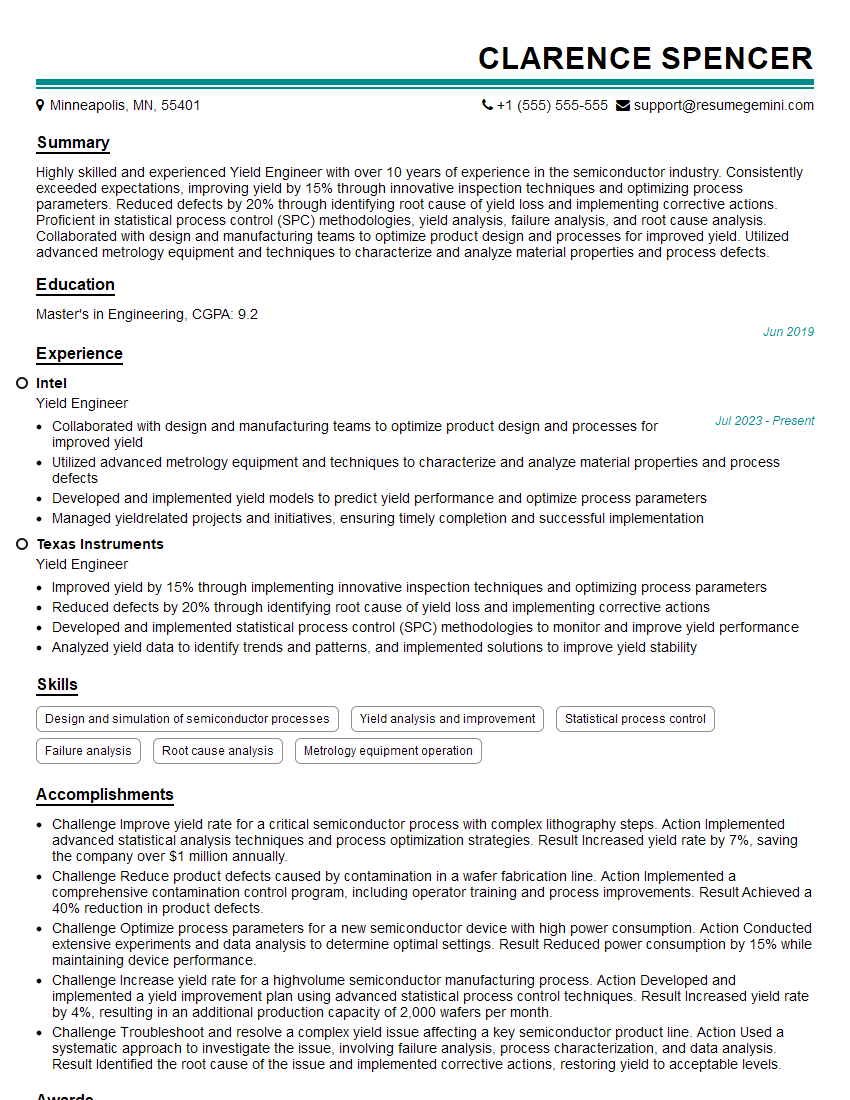
Explore more articles
Users Rating of Our Blogs
Share Your Experience
We value your feedback! Please rate our content and share your thoughts (optional).
What Readers Say About Our Blog
Attention music lovers!
Wow, All the best Sax Summer music !!!
Spotify: https://open.spotify.com/artist/6ShcdIT7rPVVaFEpgZQbUk
Apple Music: https://music.apple.com/fr/artist/jimmy-sax-black/1530501936
YouTube: https://music.youtube.com/browse/VLOLAK5uy_noClmC7abM6YpZsnySxRqt3LoalPf88No
Other Platforms and Free Downloads : https://fanlink.tv/jimmysaxblack
on google : https://www.google.com/search?q=22+AND+22+AND+22
on ChatGPT : https://chat.openai.com?q=who20jlJimmy20Black20Sax20Producer
Get back into the groove with Jimmy sax Black
Best regards,
Jimmy sax Black
www.jimmysaxblack.com
Hi I am a troller at The aquatic interview center and I suddenly went so fast in Roblox and it was gone when I reset.
Hi,
Business owners spend hours every week worrying about their website—or avoiding it because it feels overwhelming.
We’d like to take that off your plate:
$69/month. Everything handled.
Our team will:
Design a custom website—or completely overhaul your current one
Take care of hosting as an option
Handle edits and improvements—up to 60 minutes of work included every month
No setup fees, no annual commitments. Just a site that makes a strong first impression.
Find out if it’s right for you:
https://websolutionsgenius.com/awardwinningwebsites
Hello,
we currently offer a complimentary backlink and URL indexing test for search engine optimization professionals.
You can get complimentary indexing credits to test how link discovery works in practice.
No credit card is required and there is no recurring fee.
You can find details here:
https://wikipedia-backlinks.com/indexing/
Regards
NICE RESPONSE TO Q & A
hi
The aim of this message is regarding an unclaimed deposit of a deceased nationale that bears the same name as you. You are not relate to him as there are millions of people answering the names across around the world. But i will use my position to influence the release of the deposit to you for our mutual benefit.
Respond for full details and how to claim the deposit. This is 100% risk free. Send hello to my email id: lukachachibaialuka@gmail.com
Luka Chachibaialuka
Hey interviewgemini.com, just wanted to follow up on my last email.
We just launched Call the Monster, an parenting app that lets you summon friendly ‘monsters’ kids actually listen to.
We’re also running a giveaway for everyone who downloads the app. Since it’s brand new, there aren’t many users yet, which means you’ve got a much better chance of winning some great prizes.
You can check it out here: https://bit.ly/callamonsterapp
Or follow us on Instagram: https://www.instagram.com/callamonsterapp
Thanks,
Ryan
CEO – Call the Monster App
Hey interviewgemini.com, I saw your website and love your approach.
I just want this to look like spam email, but want to share something important to you. We just launched Call the Monster, a parenting app that lets you summon friendly ‘monsters’ kids actually listen to.
Parents are loving it for calming chaos before bedtime. Thought you might want to try it: https://bit.ly/callamonsterapp or just follow our fun monster lore on Instagram: https://www.instagram.com/callamonsterapp
Thanks,
Ryan
CEO – Call A Monster APP
To the interviewgemini.com Owner.
Dear interviewgemini.com Webmaster!
Hi interviewgemini.com Webmaster!
Dear interviewgemini.com Webmaster!
excellent
Hello,
We found issues with your domain’s email setup that may be sending your messages to spam or blocking them completely. InboxShield Mini shows you how to fix it in minutes — no tech skills required.
Scan your domain now for details: https://inboxshield-mini.com/
— Adam @ InboxShield Mini
support@inboxshield-mini.com
Reply STOP to unsubscribe
Hi, are you owner of interviewgemini.com? What if I told you I could help you find extra time in your schedule, reconnect with leads you didn’t even realize you missed, and bring in more “I want to work with you” conversations, without increasing your ad spend or hiring a full-time employee?
All with a flexible, budget-friendly service that could easily pay for itself. Sounds good?
Would it be nice to jump on a quick 10-minute call so I can show you exactly how we make this work?
Best,
Hapei
Marketing Director
Hey, I know you’re the owner of interviewgemini.com. I’ll be quick.
Fundraising for your business is tough and time-consuming. We make it easier by guaranteeing two private investor meetings each month, for six months. No demos, no pitch events – just direct introductions to active investors matched to your startup.
If youR17;re raising, this could help you build real momentum. Want me to send more info?
Hi, I represent an SEO company that specialises in getting you AI citations and higher rankings on Google. I’d like to offer you a 100% free SEO audit for your website. Would you be interested?
Hi, I represent an SEO company that specialises in getting you AI citations and higher rankings on Google. I’d like to offer you a 100% free SEO audit for your website. Would you be interested?