Preparation is the key to success in any interview. In this post, we’ll explore crucial Freehand Sketching interview questions and equip you with strategies to craft impactful answers. Whether you’re a beginner or a pro, these tips will elevate your preparation.
Questions Asked in Freehand Sketching Interview
Q 1. What are the key differences between sketching and drafting?
Sketching and drafting are distinct processes in design. Sketching is a quick, exploratory method for generating ideas, focusing on capturing the essence of a design with loose lines and minimal detail. It’s fluid and iterative, allowing for rapid experimentation. Drafting, on the other hand, is a precise, detailed representation of a design intended for construction or manufacturing. It uses technical drawing tools and conventions, aiming for accurate dimensions and specifications.
Think of sketching as brainstorming visually – it’s like a first draft of an idea, while drafting is the polished, final version ready for production. A freehand architectural sketch might show the general layout and feel of a building, whereas a drafting would provide exact measurements for construction.
Q 2. Explain your process for creating a freehand sketch from an initial idea.
My process for creating a freehand sketch begins with understanding the core concept. I start with light, loose lines to establish basic shapes and proportions, focusing on the overall composition. Next, I add more detail, refining shapes and adding elements. I constantly evaluate the composition, adjusting lines and values to achieve balance and visual interest. This involves a lot of erasing and redrawing, embracing the iterative nature of sketching. Finally, I might add shading and texture to enhance the visual impact and three-dimensionality.
For example, if I’m sketching a chair, I might begin with a simple box to represent the seat, then add lines for the legs and back, continually refining proportions and curves until I’m satisfied with the representation.
Q 3. How do you utilize perspective and proportion in your freehand sketches?
Perspective and proportion are crucial for creating believable sketches. I use various techniques to achieve this. For perspective, I rely on vanishing points – imaginary points where parallel lines converge on the horizon. This helps create depth and realism. For proportion, I constantly compare elements within the sketch, checking relationships between sizes and shapes. I often use simple measurements, like comparing the height of an object to its width, to ensure accuracy.
For instance, when drawing a building, I might lightly sketch a horizon line and identify vanishing points to guide the placement of the building’s lines, making sure windows and doors are proportionally sized relative to the overall structure.
Q 4. Describe your preferred sketching materials and why.
My preferred sketching materials are a combination of tools catering to different needs. I favor a range of pencils (2H, HB, 2B, 4B) for varying line weights and tones. The 2H provides light, precise lines for initial sketching, while the 4B delivers rich, dark lines for shading. I also use a kneaded eraser for its flexibility in removing graphite without damaging the paper surface, and a fine-liner pen for crisp lines and details. My paper choice depends on the sketch’s purpose; I often prefer a smooth cartridge paper for finer lines and a textured paper for more expressive work.
The reason for this diverse selection is that it allows me to adapt to the changing requirements of each sketch. The flexibility in line weights and eraser control helps achieve a variety of effects and correct errors seamlessly.
Q 5. How do you handle mistakes in a freehand sketch?
Mistakes are an inevitable part of the sketching process, and I embrace them as opportunities for learning. My approach is to not be afraid to erase and redraw. For light mistakes, a kneaded eraser is ideal. For heavier marks, a vinyl eraser can be used, but it’s crucial to be gentle to avoid damaging the paper. Sometimes, rather than erasing completely, I incorporate the mistake into the sketch, perhaps turning an unintended line into a shadow or another design element.
It’s a mindset shift – mistakes are not failures, but opportunities to refine and improve the sketch. I encourage others to adopt this philosophy.
Q 6. How do you translate a 3D object into a 2D freehand sketch?
Translating a 3D object into a 2D sketch involves understanding its form and structure. I begin by observing the object from different angles, noting its key features and proportions. I identify the main shapes and simplify them into basic geometric forms (cubes, cylinders, spheres). Then, I use these simplified forms as a foundation to build the sketch, gradually adding details and refining the shapes. Perspective is crucial here; I determine the viewpoint and use vanishing points to create depth and realism. Finally, shading helps to create the illusion of volume and form.
Imagine sketching a teapot. First, I’d identify the spherical body, the cylindrical spout, and the roughly conical lid. I would then begin sketching these simple shapes, paying close attention to their relative sizes and positions. From there, I would add the handle, and the details such as the spout opening and lid knob, constantly refining the shapes and proportions.
Q 7. What techniques do you use to create shading and texture in your sketches?
Shading and texture add depth and realism to sketches. I use various techniques to achieve this. For shading, I use a variety of pencil grades, applying pressure to control the value. I typically use hatching (parallel lines) and cross-hatching (overlapping lines) to create tone. The closer the lines, the darker the value. For texture, I vary line weight, direction, and spacing to simulate different surfaces – rough, smooth, etc.
For example, to create the texture of rough wood, I might use short, broken lines with varied spacing. Conversely, for smooth metal, I might use long, thin lines and subtle shading to suggest highlights and reflections.
Q 8. How do you use freehand sketching in the early stages of design?
Freehand sketching is my cornerstone in the initial design phases. It’s a rapid, fluid process allowing me to explore multiple design ideas without the constraints of digital tools. Think of it as brainstorming, but visually. I use it to quickly generate concepts, explore different layouts, and test the feasibility of ideas before investing time in more detailed digital modeling.
For instance, if I’m designing a new chair, I’ll start with numerous thumbnail sketches, exploring various shapes, proportions, and structural elements. These sketches are rough, focusing on capturing the essence of the design rather than precise details. I might try different leg styles, seat heights, and back designs in a series of small, quick sketches. This helps me identify promising directions early on, discarding infeasible options quickly.
The key here is speed and iteration. I aim for quantity over quality at this stage. The goal isn’t perfection; it’s exploring possibilities and narrowing down the options.
Q 9. How do you communicate design intent through your sketches?
Communicating design intent through sketches hinges on clarity, visual hierarchy, and strategic use of line weight and shading. I use different line weights to show depth and importance; heavier lines for prominent features, lighter ones for secondary details. Shading helps convey form and volume, giving a three-dimensional feel even to a 2D sketch.
For example, if I’m sketching a sleek, modern lamp, I’ll use clean, sharp lines to illustrate its minimalist aesthetic. I might use light shading to define the curvature of the lampshade and darker shading to indicate the base’s weight. Annotation is crucial. I add notes to explain specific design choices, dimensions, or material considerations. This ensures the sketch is easily understood, even by those unfamiliar with my personal sketching style. I aim for a sketch that tells a story, communicating not just the visual appearance but also the underlying design philosophy.
Q 10. Explain the importance of gesture drawing in freehand sketching.
Gesture drawing is fundamental to freehand sketching. It’s about capturing the essence of movement, form, and energy in a subject – be it a person, object, or even an abstract concept. It prioritizes the overall flow and form before getting into details. Think of it as the skeleton upon which you build the more detailed drawing.
In a design context, gesture sketching helps me quickly establish the overall proportions, balance, and character of a design. For example, when sketching a bicycle, I’d first focus on the flowing lines defining the frame’s curves and the relationship between the handlebars, seat, and wheels. This quick gesture gives me the foundation to build upon, ensuring the final design is well-balanced and aesthetically pleasing. Mastering gesture drawing improves my ability to quickly capture ideas and avoid stiffness in my final sketches.
Q 11. How do you incorporate user feedback into your freehand sketches?
User feedback is invaluable, especially in the sketching stage. I actively seek feedback on my initial sketches to identify potential problems or areas for improvement early on. I often present my sketches to users, either physically or digitally, and ask for their reactions and suggestions. I find that sketching directly on a whiteboard during a user interview is very effective.
For instance, I recently used this technique when designing a new type of kitchen knife. After showing initial sketches, users pointed out that the handle was too small for their hands. This immediate feedback allowed me to refine the handle design in subsequent sketches, preventing more significant issues later in the process. I try to keep the feedback sessions casual and open-ended, encouraging users to freely express their thoughts and ideas.
Q 12. How do you maintain consistency in your sketching style?
Maintaining consistency in my sketching style requires deliberate practice and self-discipline. It’s not about creating identical sketches each time, but about developing a recognizable visual language. This involves consistently using certain techniques: line weight, shading styles, and perspective methods. I regularly practice basic shapes and forms, and analyze the work of other sketch artists to refine my technique.
I keep a sketchbook handy to record my daily practice. This allows me to track my progress, identify areas for improvement, and maintain a personal style. I also find that regular sketching sessions build muscle memory and improves hand-eye coordination, leading to more fluid and consistent lines.
Q 13. What software do you use to enhance your freehand sketches (if any)?
While I believe in the value of traditional freehand sketching, I do use digital tools to enhance my work. I primarily use Adobe Photoshop and Illustrator. Photoshop is great for adding color, texture, and subtle details to scans of my sketches, adding another layer of realism. Illustrator helps with cleaning up lines, creating precise vector graphics based on my sketches, and adding text and annotations for clarity. These tools are used to refine and present my concepts, but never to replace the initial freehand sketching process.
Q 14. Describe your approach to sketching complex mechanical parts.
Sketching complex mechanical parts requires a systematic approach. I start by understanding the functional requirements and then break down the component into simpler, manageable shapes. I use different views—orthographic projections (top, front, side)—to illustrate the part’s overall form and dimensions. Then, I’ll create detailed sketches of individual features, focusing on crucial elements like joints, fasteners, and tolerances.
For instance, sketching a complex gear system, I’d first create simplified sketches of individual gears showing their teeth profile and dimensions. Then, I would sketch the assembly, showing how the gears mesh together and how they interact with other components. Line weight is crucial here; thicker lines for major structural elements, lighter lines for less important details. Clear labeling and annotations are used to eliminate ambiguity. The aim is to create a set of sketches that a machinist or engineer could easily interpret and use to create the part.
Q 15. How do you effectively sketch user interfaces?
Sketching user interfaces (UI) effectively involves more than just drawing; it’s about communicating ideas quickly and clearly. I start by understanding the user flow and key functionality. Then, I focus on the essential elements: the core components and their relationships. I avoid excessive detail in initial sketches, opting for simple shapes and annotations to represent buttons, text fields, menus, and other interactive elements. Think of it like creating a blueprint – you don’t need photorealistic detail, just a clear layout and function. For example, a simple rectangle might represent a button, with a short annotation indicating its action, like “Login.” I usually iterate through several sketches, refining the layout and interactions each time, focusing on usability and visual hierarchy. This iterative process helps explore different solutions and identify potential issues early on.
For example, when designing a mobile app’s login screen, I might start with a simple sketch showing the placement of email/username field, password field, and login button. Subsequent sketches might explore different layouts, perhaps adding a “Forgot Password?” link or incorporating a social login option. Each sketch is a step toward a refined and usable design.
Career Expert Tips:
- Ace those interviews! Prepare effectively by reviewing the Top 50 Most Common Interview Questions on ResumeGemini.
- Navigate your job search with confidence! Explore a wide range of Career Tips on ResumeGemini. Learn about common challenges and recommendations to overcome them.
- Craft the perfect resume! Master the Art of Resume Writing with ResumeGemini’s guide. Showcase your unique qualifications and achievements effectively.
- Don’t miss out on holiday savings! Build your dream resume with ResumeGemini’s ATS optimized templates.
Q 16. What are some common challenges you face during freehand sketching?
Freehand sketching, while powerful, presents challenges. One common hurdle is achieving the right balance between speed and accuracy. Quick sketches are great for brainstorming, but sometimes sacrificing precision can lead to misinterpretations. Another challenge is maintaining consistency in proportions and spacing, especially when sketching complex layouts. My hand might waver, leading to uneven lines or inconsistent sizing. Furthermore, translating abstract ideas into visual form can be tricky. Sometimes, the mental image is clearer than what I can readily put on paper. This is where practice and iterative sketching comes in handy.
Another significant challenge is managing the messiness inherent in freehand sketching. Sometimes, a sketch can become cluttered, making it difficult to discern the core ideas. I combat this by using light strokes initially, allowing me to easily erase and refine details without ruining the underlying structure. I also experiment with different sketching tools to find what feels comfortable and provides the right level of control.
Q 17. How do you develop your freehand sketching skills?
Developing freehand sketching skills is a continuous journey. It’s like learning an instrument; it requires consistent practice and dedication. I regularly engage in sketching exercises, focusing on fundamental techniques such as line weight, perspective, and proportion. I frequently sketch everyday objects, starting with simple forms and gradually increasing complexity. This helps build hand-eye coordination and improve control. Observing the work of other designers, both digital and traditional, provides valuable inspiration and insight into different styles and techniques.
Beyond simple exercises, I actively seek opportunities to sketch in different contexts. For instance, I might sketch user interfaces, architectural layouts, or even just scenes from my daily life. The goal is to create opportunities to apply and refine my skills in realistic situations. I also incorporate feedback into my practice. I might share my sketches with peers and colleagues, seeking constructive criticism on areas for improvement. This iterative feedback process is crucial for ongoing development.
Q 18. How do you use sketching to solve design problems?
Sketching is an invaluable tool for solving design problems. It allows me to quickly explore multiple design iterations without the constraints of digital software. This is especially beneficial in the initial brainstorming phases where generating numerous ideas is key. I use sketches to visualize different approaches, identify potential issues, and communicate concepts effectively to stakeholders. For example, if I’m designing a website, I might use sketches to explore various layouts, navigation systems, and information architectures. The sketches help me quickly test different ideas and refine the overall design based on the feedback or insights.
Sketching can also be used to solve problems related to user experience (UX). By sketching different user flows, I can identify potential pain points or inefficiencies in a system. For example, I might sketch a series of screens to illustrate the process of completing a purchase on an e-commerce website, and quickly identify if the checkout process is too cumbersome or confusing. This iterative sketching process ensures that the final design is both visually appealing and user-friendly.
Q 19. Explain your process for creating a quick, effective thumbnail sketch.
Creating a quick, effective thumbnail sketch involves a focused approach. I start by defining the core purpose and key elements of the design. Then, I use very light, quick strokes to block out the main shapes and composition. Detail is minimal—think silhouettes and basic shapes. The goal isn’t perfection, but to capture the essence of the idea. I focus on composition, balance, and the overall flow. For instance, if sketching a website layout, I might use simple boxes for sections, and arrows to indicate user navigation. Annotations are crucial in thumbnail sketches, providing context and further clarifying the design intent.
Think of it as a visual note. It shouldn’t take more than a few minutes. The key is to rapidly explore different ideas, focusing on the big picture rather than the small details. Once I have a few thumbnail sketches, I can then select the most promising concepts and develop them further in more detailed sketches.
Q 20. How do you incorporate annotations and notes into your sketches?
Annotations and notes are integral to my sketching process. They add context, clarify functionality, and help communicate my design intent to others. I use annotations to label elements, highlight key features, and indicate user actions. For instance, I might write “Login Button” next to a rectangular shape, or “Click here to proceed” near an arrow indicating a user interaction. Notes can be used to explain design decisions, address potential challenges, or record ideas for further development. I typically write concise notes directly onto the sketch using a different colored pen or pencil for better visual distinction.
Effective annotation enhances clarity and reduces the chance of misinterpretation. A well-annotated sketch acts as a visual story, guiding the viewer through the design process and its rationale. It’s a valuable communication tool, not just for personal reference, but also for collaboration with other designers and stakeholders.
Q 21. Describe a time you had to rapidly sketch a complex idea.
During a client meeting, we needed to rapidly conceptualize a new feature for an existing mobile application. The client had a broad vision but lacked a clear visual representation. We had only 15 minutes to present some initial ideas. I quickly sketched several iterations, focusing on the core functionality and user flow. I used simple shapes and clear annotations to depict the key interactions. While the sketches lacked detail, they effectively conveyed the core concept, enabling a productive discussion and a clearer direction for the design team. The key was to prioritize clarity and communication over visual perfection. The client appreciated the speed and efficiency, recognizing the value of the quick sketches in quickly shaping the direction of the project.
This experience highlighted the importance of rapid sketching in high-pressure situations, illustrating its power as a tool for quick concept development and clear communication. The ability to translate abstract ideas into visual form efficiently is a critical skill in design.
Q 22. What sketching techniques are best for different materials (e.g., wood, metal)?
The best sketching techniques for different materials depend on their inherent properties. Think of it like choosing the right tool for the job. For wood, I might use bolder, more expressive lines to capture the grain and texture. Loose, gestural strokes work well to suggest the natural variations found in wood. Pencil on toned paper can be very effective, allowing for highlights and shadows to accentuate the form. For metal, however, I would likely shift to more precise, refined lines to depict the smooth surfaces and reflective qualities. I might use a finer pen or even a technical pen to create detailed cross-sections or mechanical representations showing precise dimensions and angles. Sharp highlights and carefully rendered reflections are key to making the material believable. For example, sketching a wooden chair might involve loose lines for the organic feel of the wood, while sketching a metal lamp would call for clean lines and precise details in the joints and structural elements.
- Wood: Loose lines, tonal shading, emphasis on grain and texture.
- Metal: Precise lines, sharp highlights, rendering of reflections, attention to detail.
Q 23. How do you handle sketching different scales and sizes?
Handling different scales and sizes in sketching is all about maintaining proportion and understanding the limitations of your medium. Imagine you’re creating a blueprint—some parts need to be detailed, others can be simplified. For large-scale sketches, I’ll often start with light, establishing lines to define the overall form and composition. Then, I’ll gradually add details, focusing on key areas. For smaller-scale sketches, I emphasize simplification and prioritization. I select a few key features to highlight and omit unnecessary details. The key is to avoid cluttering the drawing with excessive information. I frequently use a light box to scale up or down existing drawings. When working freehand without this tool, consistent measurement with a ruler, or using proportional dividers, will ensure accuracy across multiple scales.
Q 24. How do you ensure clarity and accuracy in your freehand sketches?
Clarity and accuracy in freehand sketches are achieved through a combination of technique and planning. It’s akin to writing a well-structured essay: you need a clear outline. I start by lightly sketching guidelines and basic shapes to establish proportions and relationships between elements. This preliminary sketch helps avoid significant mistakes later on. Then, I gradually refine the drawing, adding details and refining lines as I go. Erasing is my friend! I don’t hesitate to erase and redraw elements until they are accurate and visually appealing. Using construction lines helps maintain perspective and angles. For example, if drawing a building, I would sketch light vanishing lines to place elements correctly in space. Finally, I pay careful attention to line weight – varying the thickness of lines to create emphasis and depth in the drawing, conveying different information at a glance.
Q 25. What are some examples of your best freehand sketches, and what makes them effective?
One of my most effective sketches was a detailed drawing of a vintage motorcycle. Its effectiveness stems from the careful rendering of curves and the play of light and shadow. I used a combination of pencil and pen to capture the interplay of metallic surfaces and the complexity of the mechanical parts. The sketch succeeded because it managed to convey both the technical detail of the machine and its aesthetic appeal. Another example was a quick sketch of a bustling city street scene. Here, the effectiveness was in the capturing of the overall atmosphere and movement. I used loose lines and varied shading techniques to convey the sense of energy and dynamism. These drawings demonstrate the diversity of freehand sketching and how its effectiveness depends on purpose and style. The key is not photorealism but effective communication.
Q 26. Explain how you adapt your sketching style to different design contexts.
My sketching style adapts significantly based on design context. For architectural design, I focus on clean lines, accurate proportions, and clear perspectives to communicate functional and aesthetic aspects. Details might include shadows to illustrate volume and spatial relationships. For industrial design, I prioritize conveying form and function through precise linework, cross-sections, and annotations. I might use arrows and text to add specifics. In fashion design, my approach becomes more fluid and expressive, emphasizing texture, drape, and silhouette. The style of line will be more gestural and impressionistic. Essentially, the context dictates the emphasis: accuracy in engineering, atmosphere in illustration, and form in fashion. This adaptable approach allows me to effectively communicate design ideas in various settings.
Q 27. How do you manage your time effectively during a sketching exercise?
Time management during a sketching exercise is critical. I use a phased approach. First, I spend a few minutes planning – defining the scope, materials, and desired outcome. Then, I allocate time for the initial sketching, focusing on capturing the basic form and proportions. I work quickly, avoiding excessive detail at this stage. Next, I dedicate time to refinement, adding details and improving accuracy. Finally, I reserve some time for reviewing and making final adjustments. This phased approach, coupled with prioritizing key elements, helps me stay focused and complete the sketch within the allocated time. Practice makes this process intuitive, allowing me to quickly assess the time needed for different sketching challenges.
Q 28. What are some effective ways to improve your freehand sketching speed and accuracy?
Improving freehand sketching speed and accuracy is a journey of practice and conscious effort. Regular practice is fundamental – sketching everyday objects, environments, or even abstract forms helps to develop hand-eye coordination and muscle memory. Focusing on fundamental skills such as perspective, proportions, and shading techniques greatly enhances accuracy. Observational studies, where you carefully study and draw real-world objects, are invaluable for improving accuracy. Additionally, working with different mediums and exploring different sketching styles broadens your skillset and improves adaptability. Analyzing the work of master sketch artists can provide inspiration and reveal valuable techniques. Remember, consistent effort and focused practice are the keys to unlocking both speed and accuracy.
Key Topics to Learn for Freehand Sketching Interview
- Fundamentals of Line Quality and Weight: Understanding how line variation conveys form, depth, and texture. Practical application: Demonstrating control and intentionality in sketching various forms.
- Perspective and Spatial Reasoning: Applying one-point, two-point, and three-point perspective to create believable spaces. Practical application: Sketching architectural elements or environments accurately.
- Form and Volume: Mastering techniques to represent three-dimensional objects on a two-dimensional plane using shading, value, and line weight. Practical application: Sketching furniture, products, or human figures with realistic volume.
- Proportion and Anatomy (if applicable): Understanding accurate proportions in human figures or product design. Practical application: Creating believable and lifelike sketches.
- Material and Texture: Conveying different material qualities (wood, metal, fabric) through sketching techniques. Practical application: Sketching a variety of objects demonstrating diverse textures.
- Composition and Layout: Arranging elements within a sketch for visual impact and clarity. Practical application: Creating compelling and visually engaging sketches.
- Speed and Efficiency: Developing the ability to quickly capture ideas and concepts through sketching. Practical application: Demonstrating rapid ideation and problem-solving through sketches.
- Sketching for different purposes: Understanding how to adapt your sketching style for concept design, ideation, and presentation. Practical application: Demonstrating versatility in your sketching approach.
Next Steps
Mastering freehand sketching is a highly valuable skill, opening doors to exciting opportunities in design, architecture, and many creative fields. A strong portfolio showcasing your skills is crucial, but a well-crafted resume is your first impression. Building an ATS-friendly resume is essential to get your application noticed. To help you create a compelling resume that highlights your freehand sketching abilities, we recommend using ResumeGemini. ResumeGemini provides a user-friendly platform and offers examples of resumes tailored to Freehand Sketching professionals, giving you a head start in your job search.
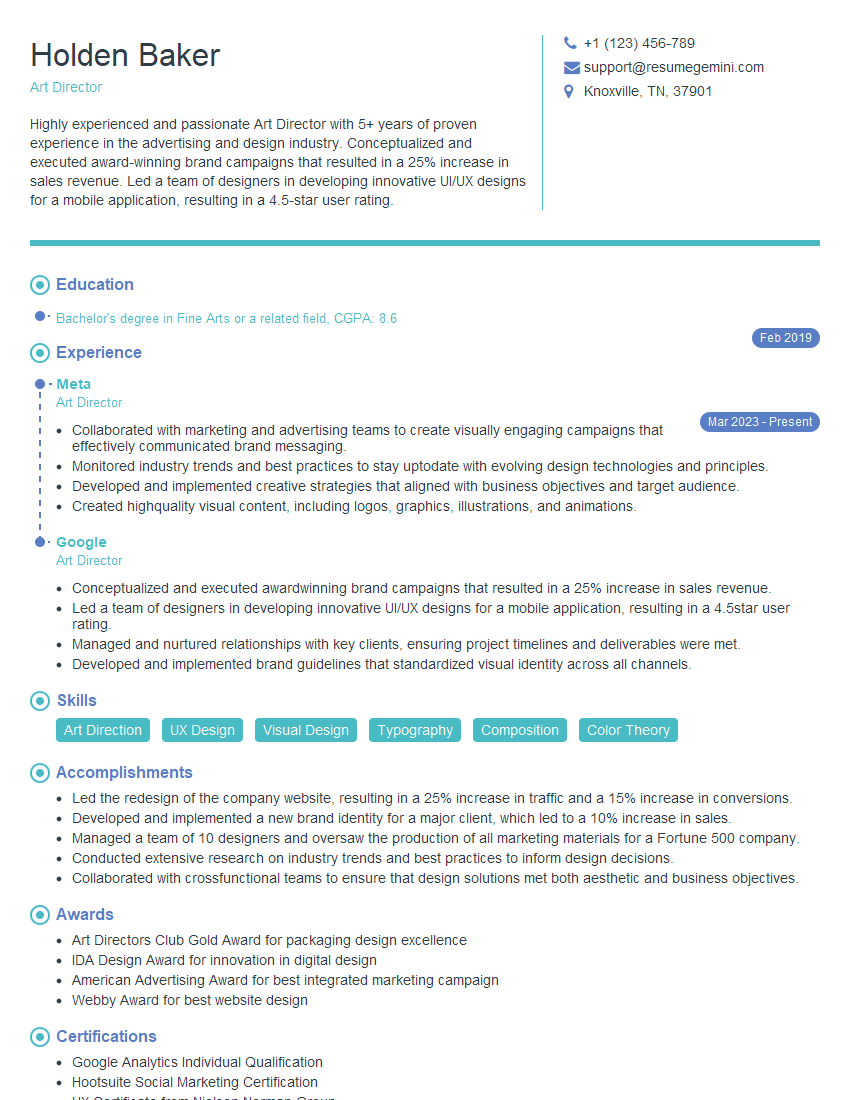
Art Director Resume Sample

Creative Director Resume Sample
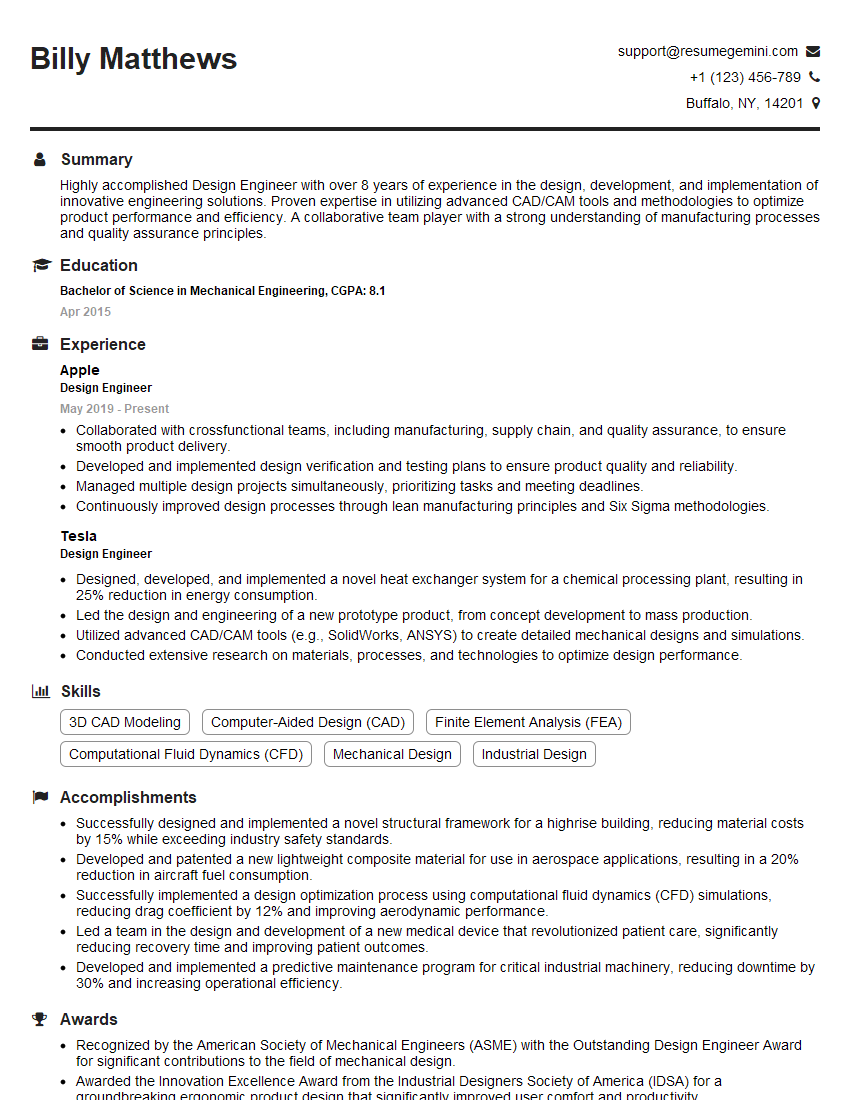
Design Engineer Resume Sample
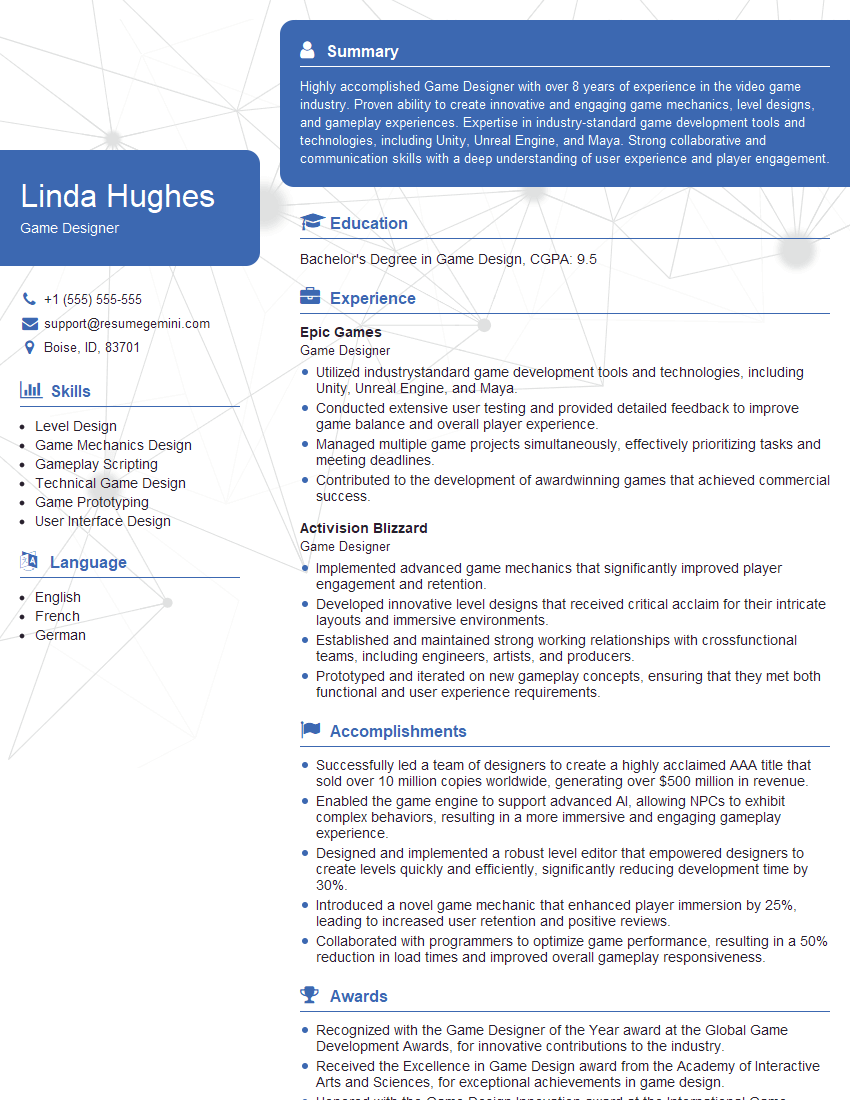
Game Designer Resume Sample
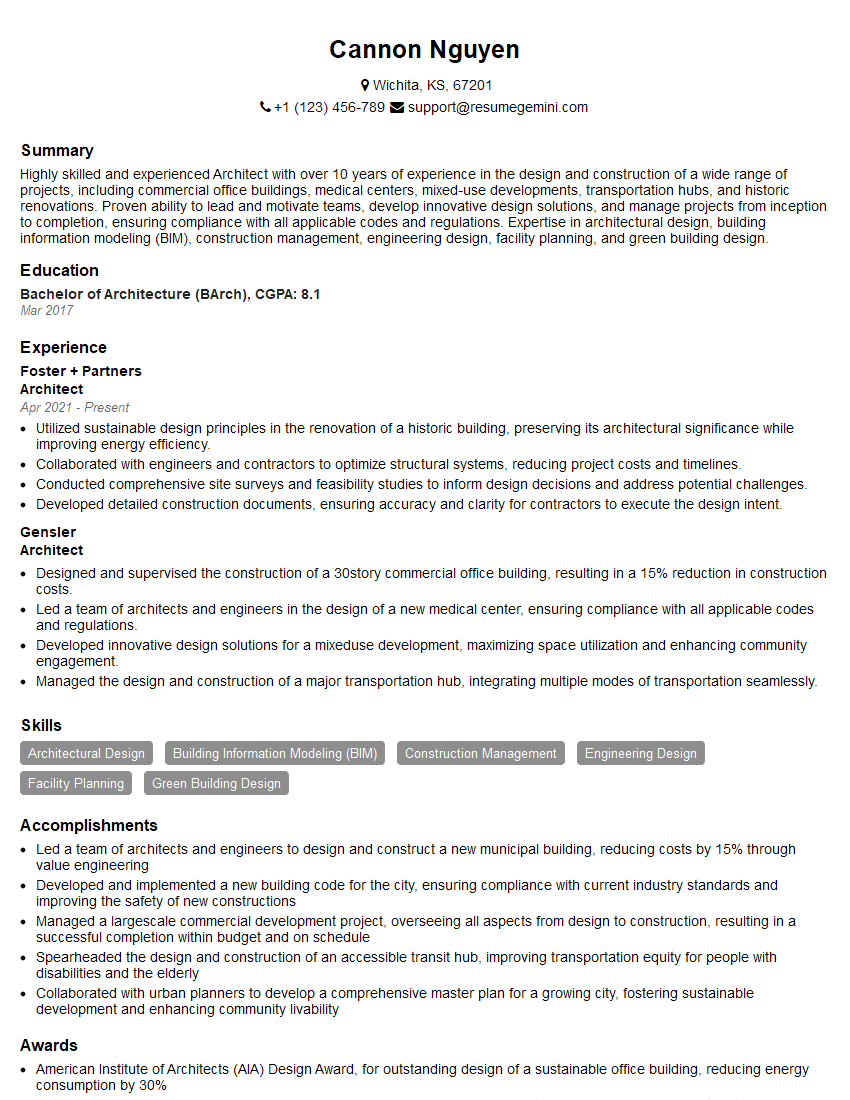
Architect Resume Sample
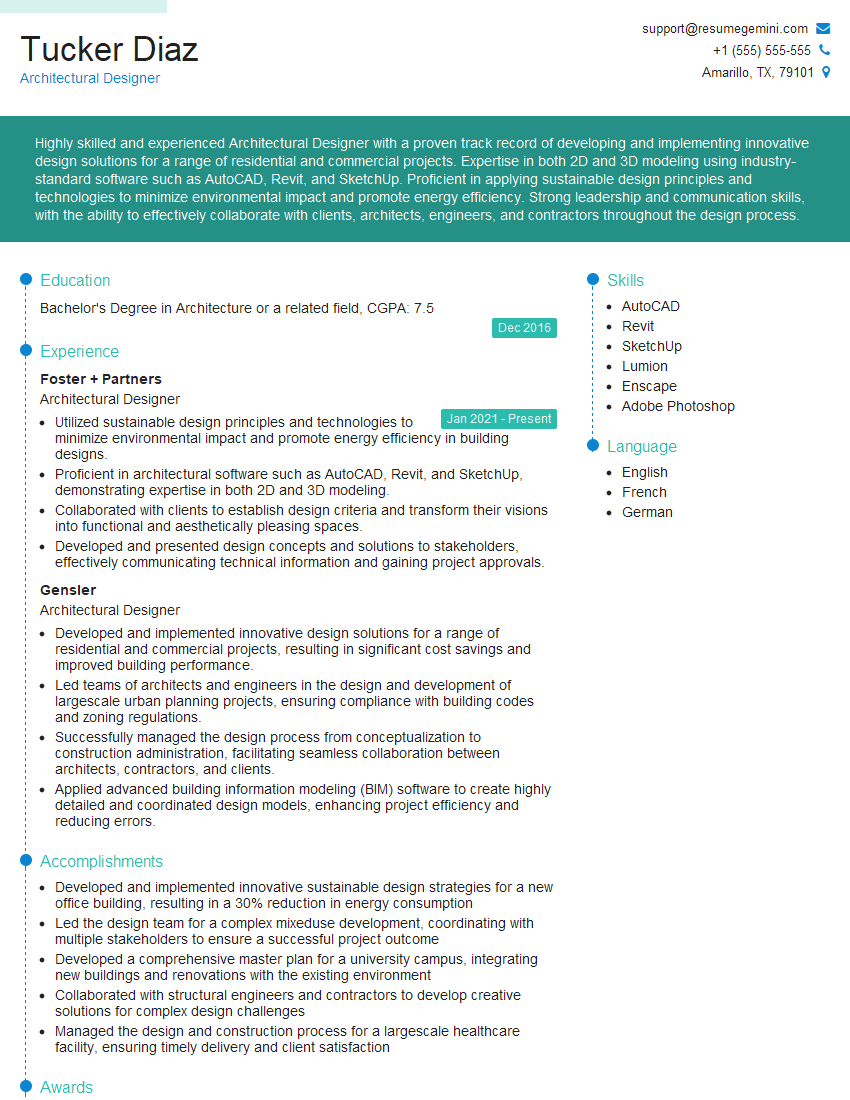
Architectural Designer Resume Sample
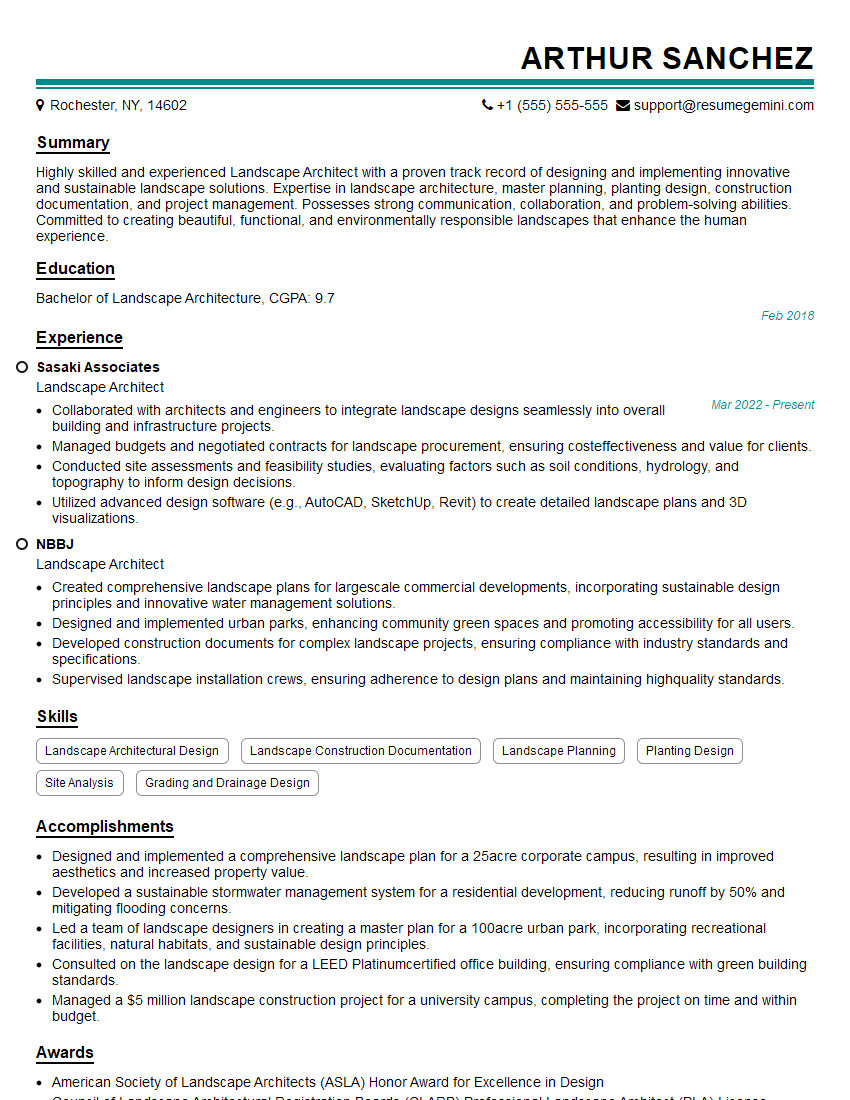
Landscape Architect Resume Sample
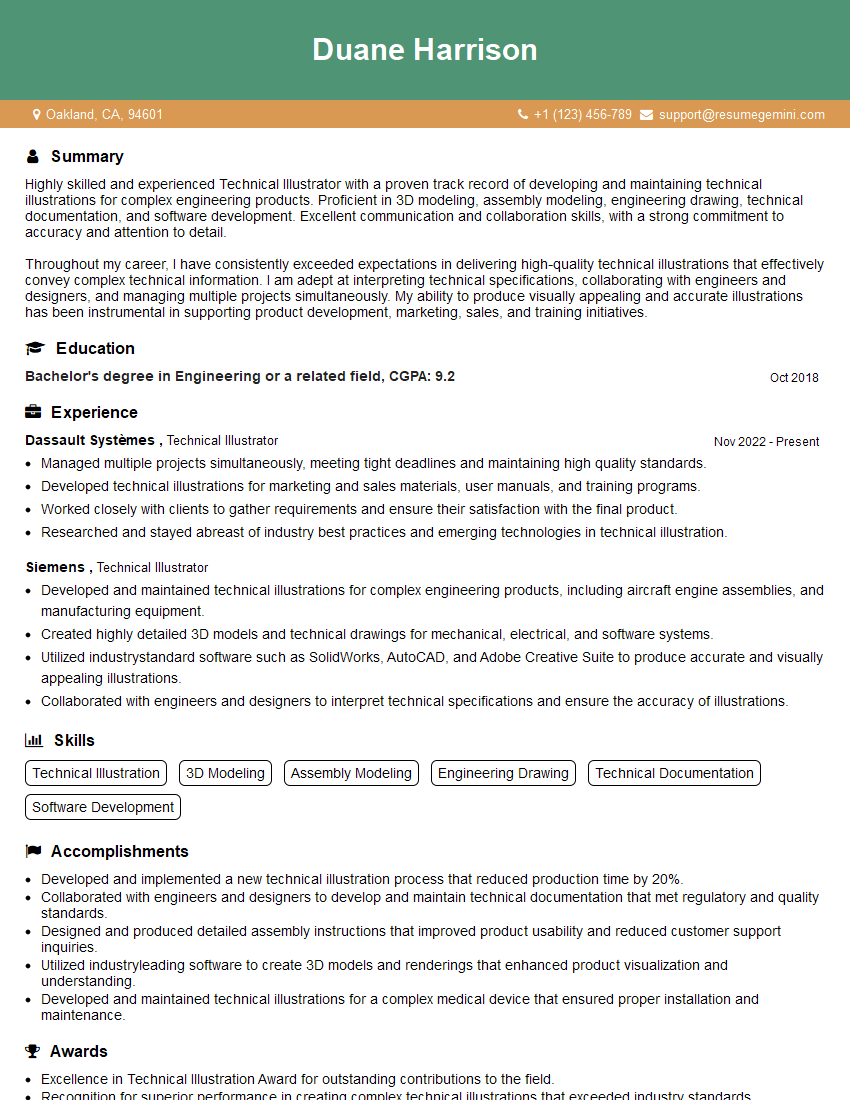
Technical Illustrator Resume Sample
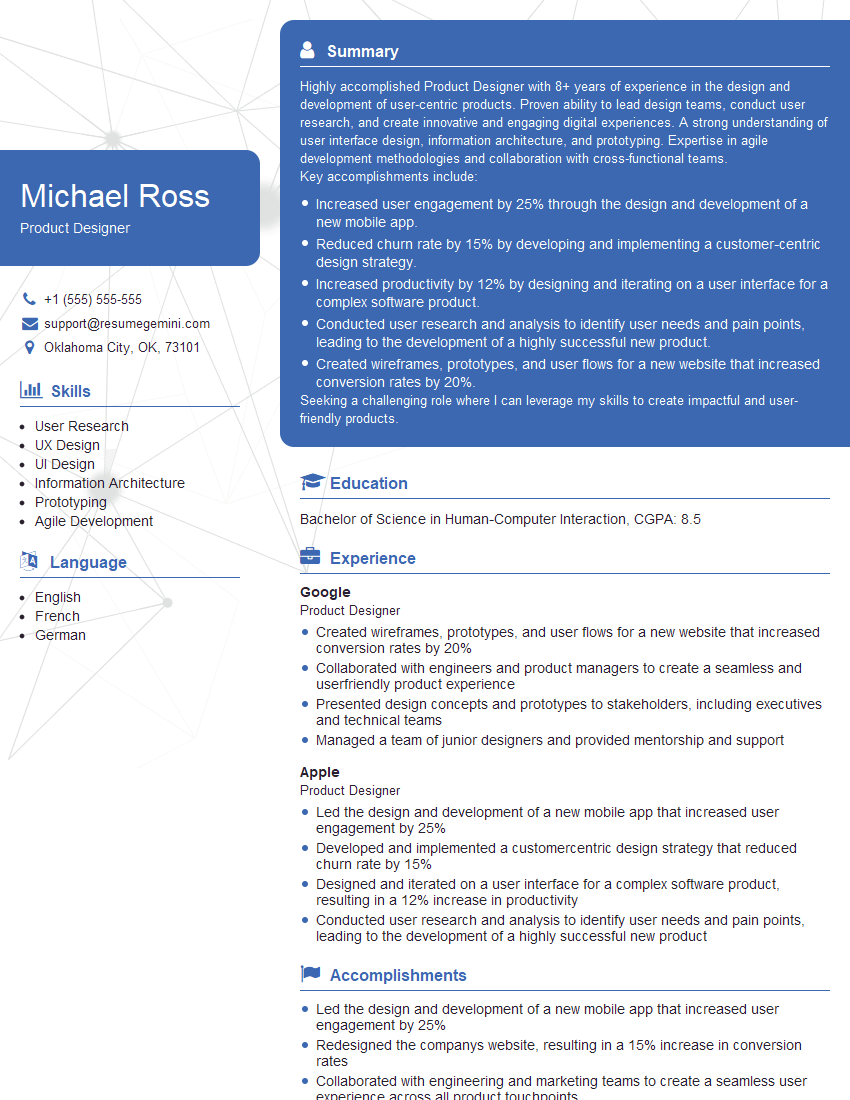
Product Designer Resume Sample
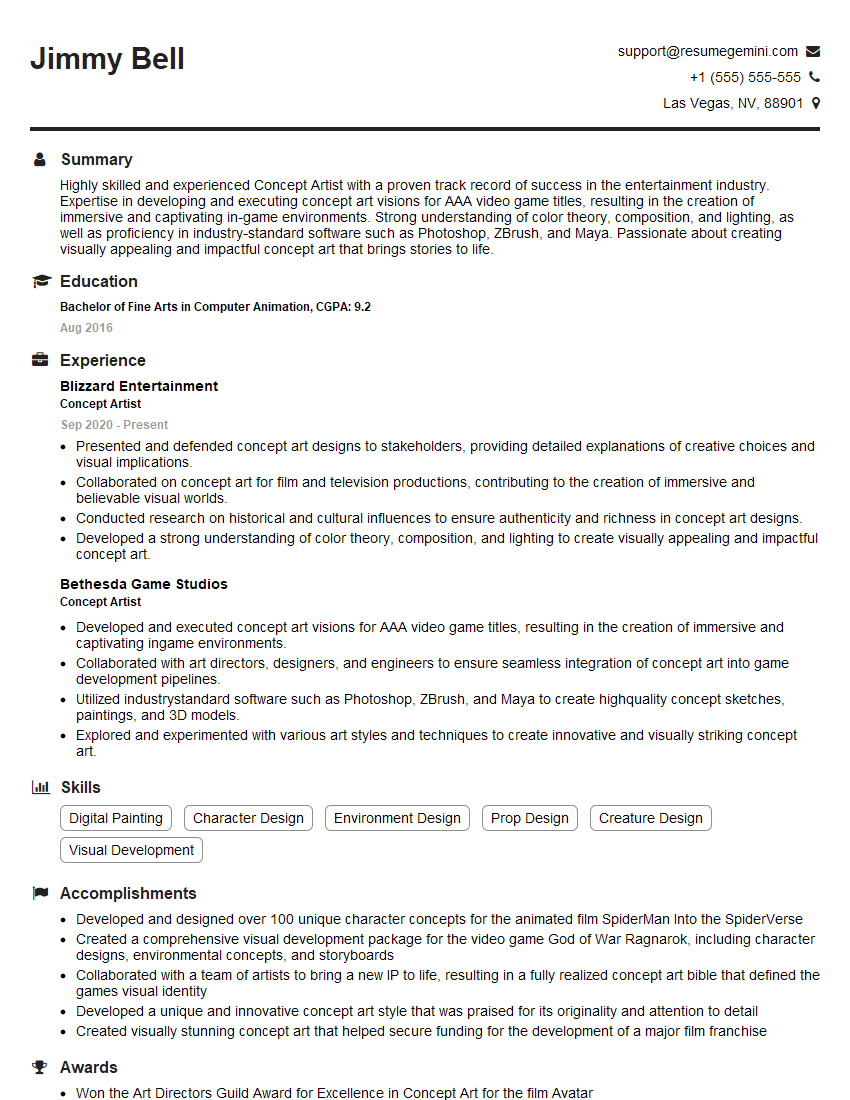
Concept Artist Resume Sample
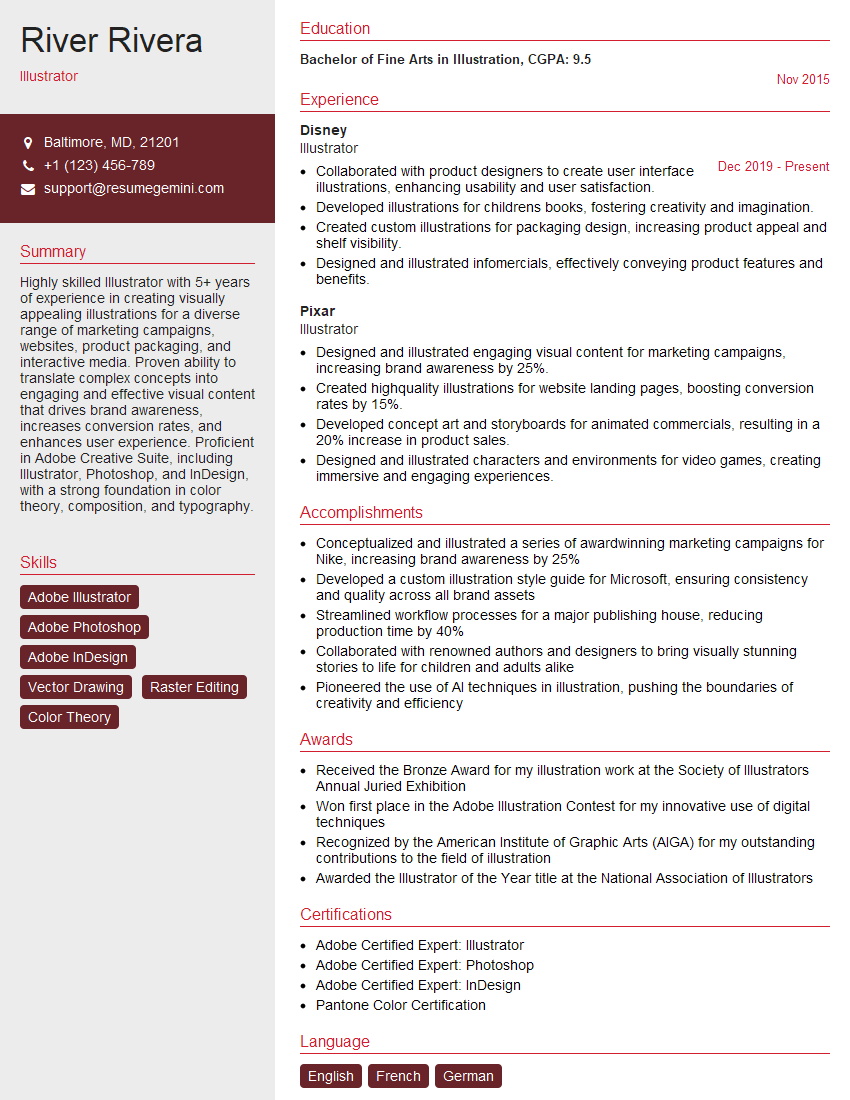
Illustrator Resume Sample
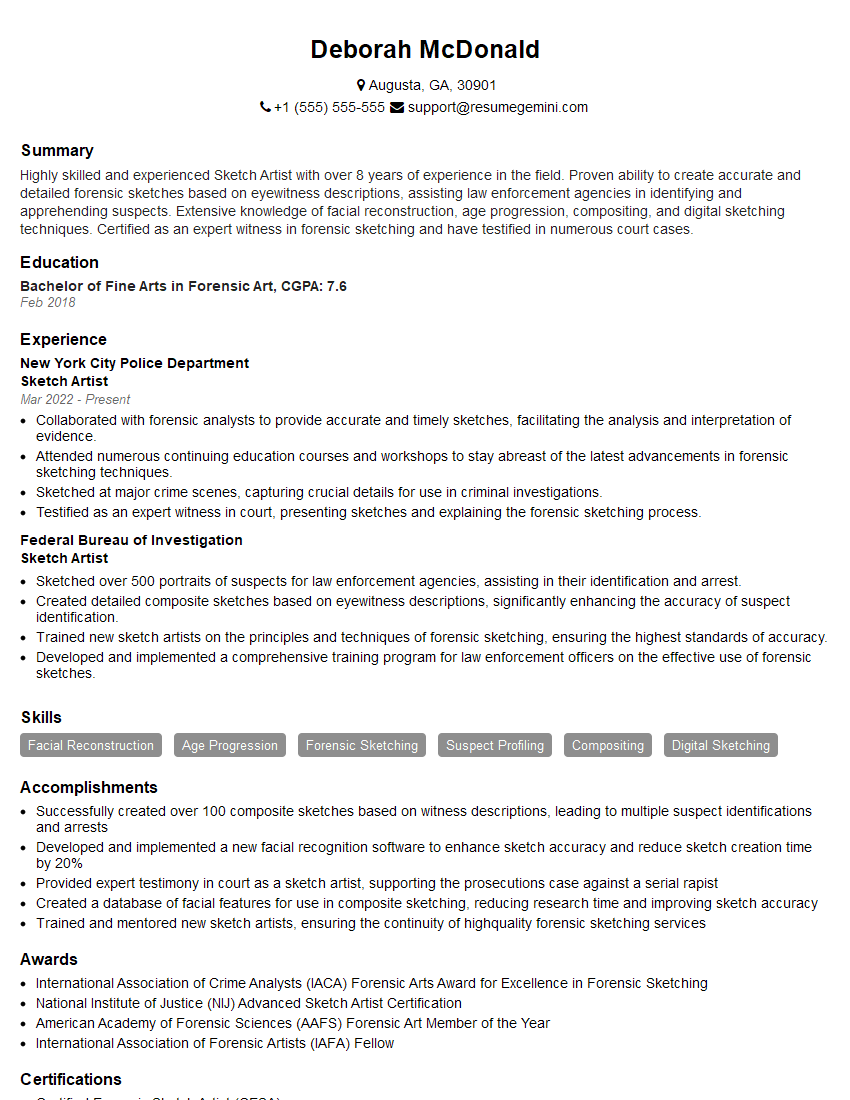
Sketch Artist Resume Sample
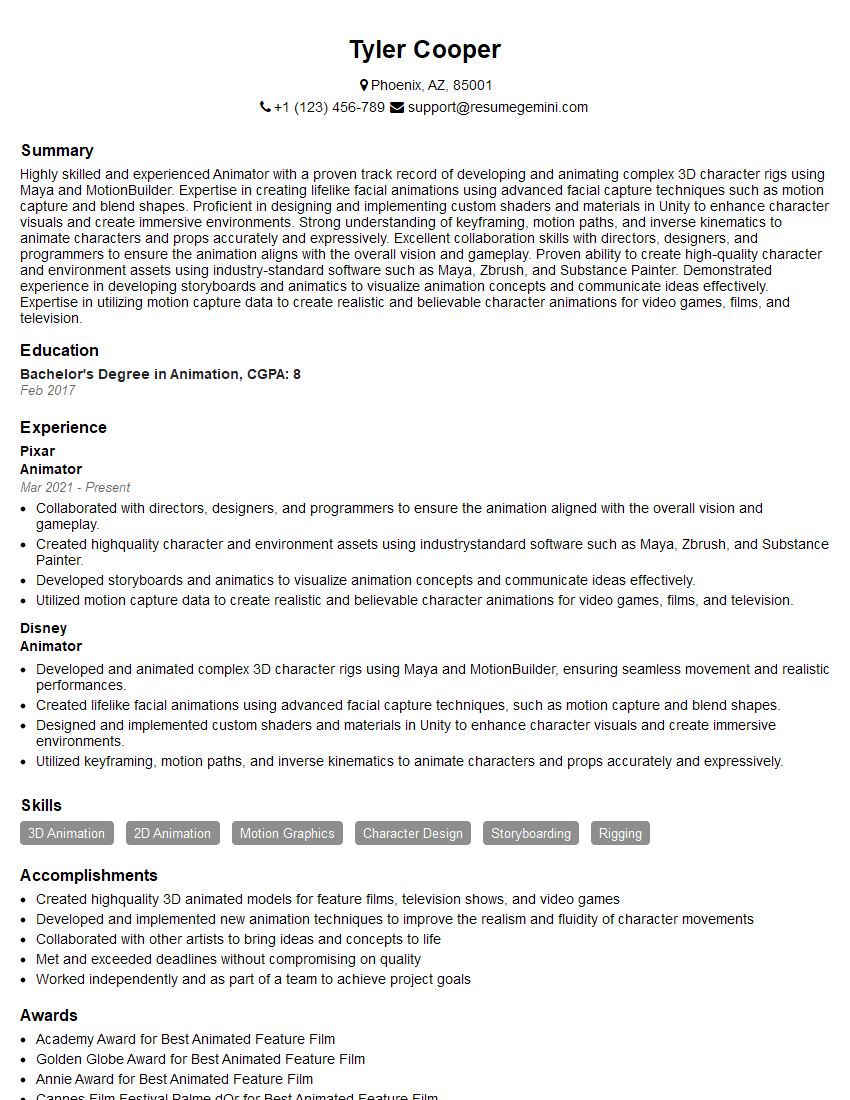
Animator Resume Sample
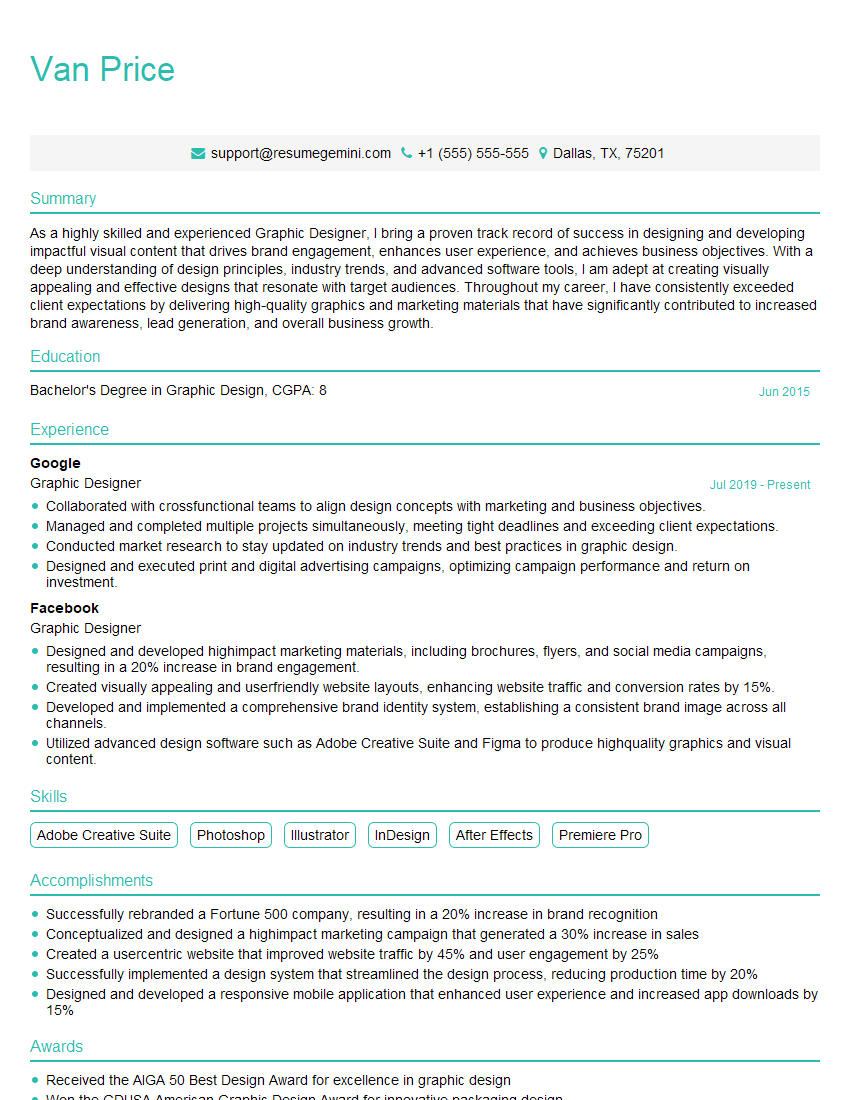
Graphic Designer Resume Sample
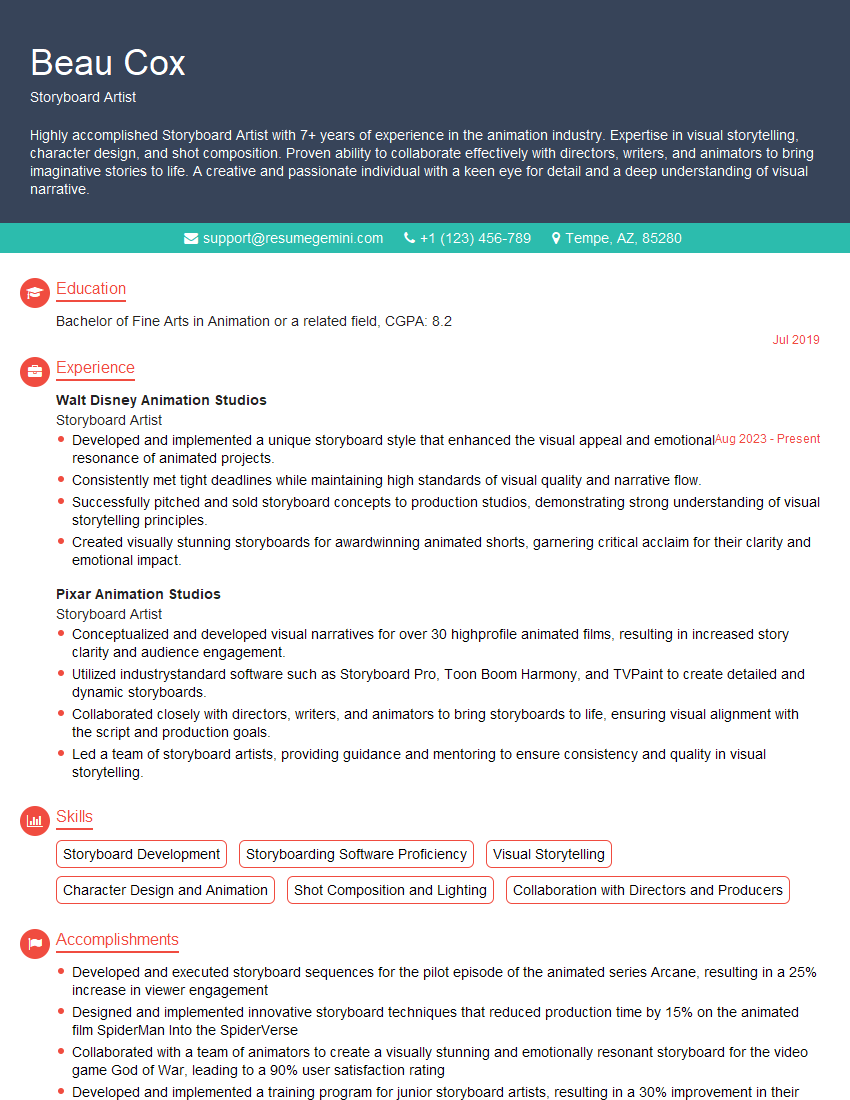
Storyboard Artist Resume Sample
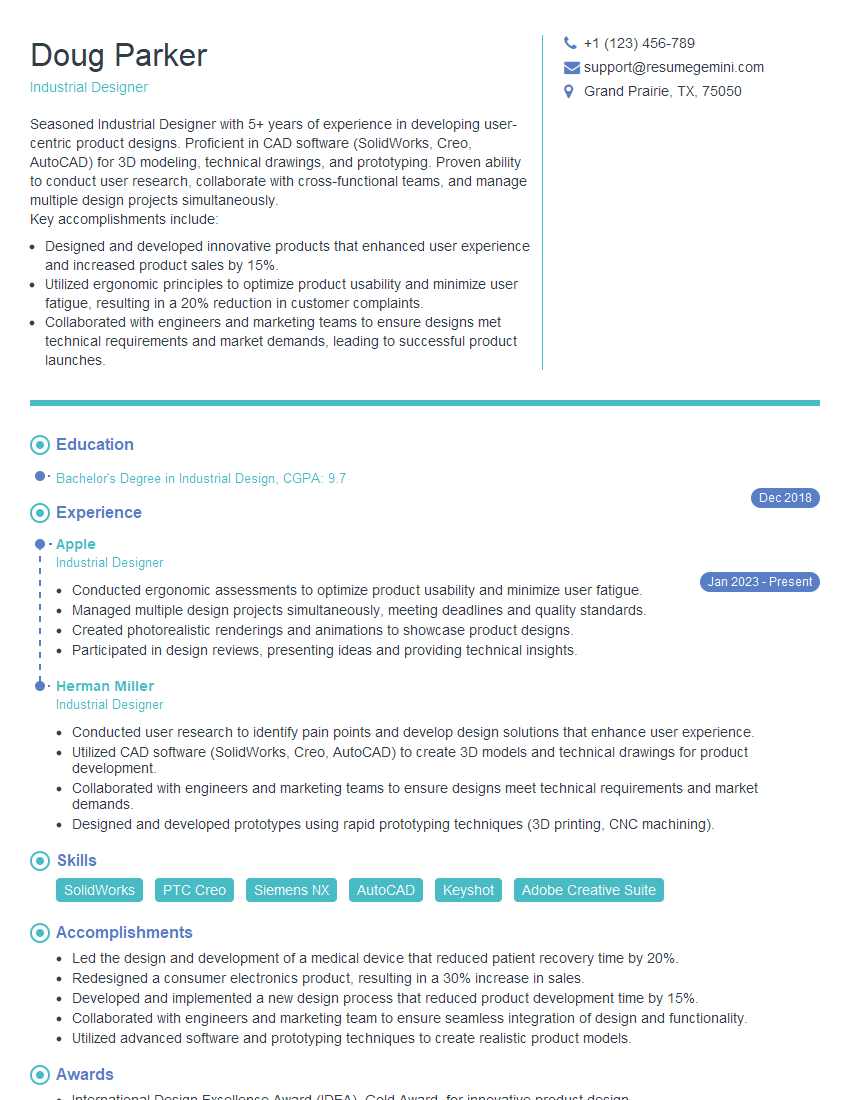
Industrial Designer Resume Sample
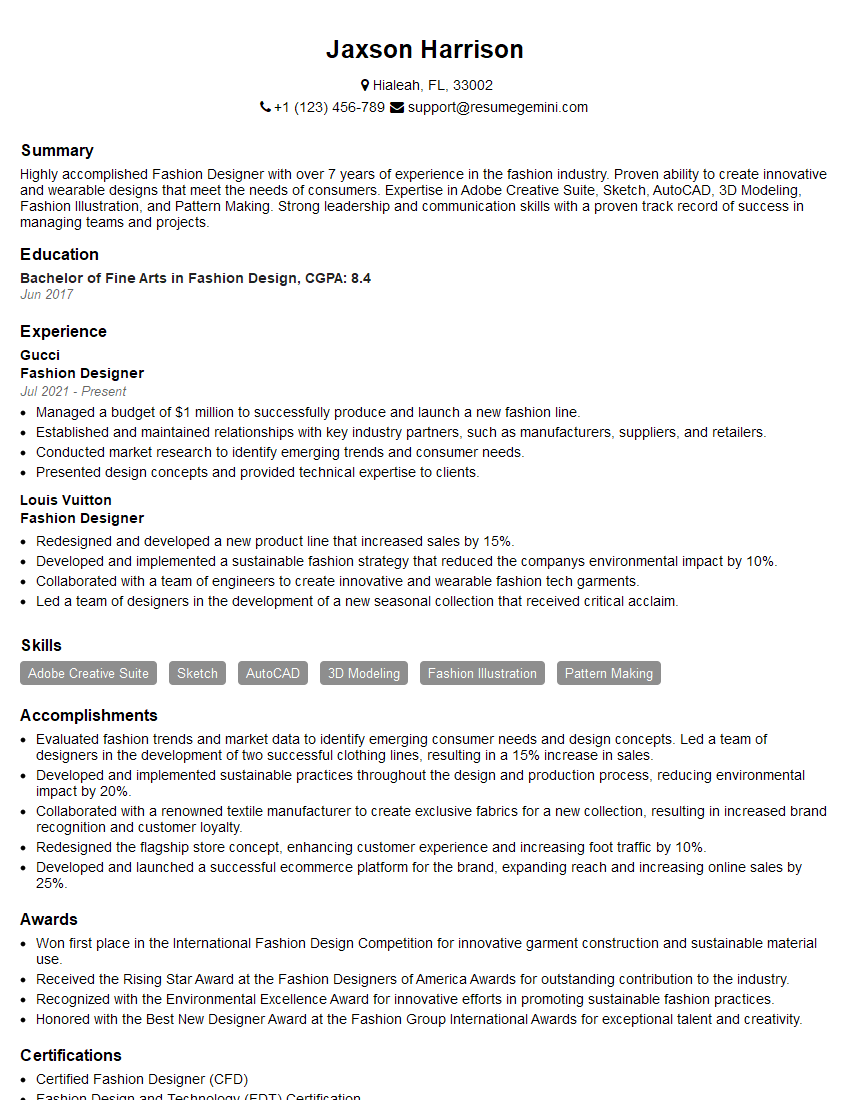
Fashion Designer Resume Sample
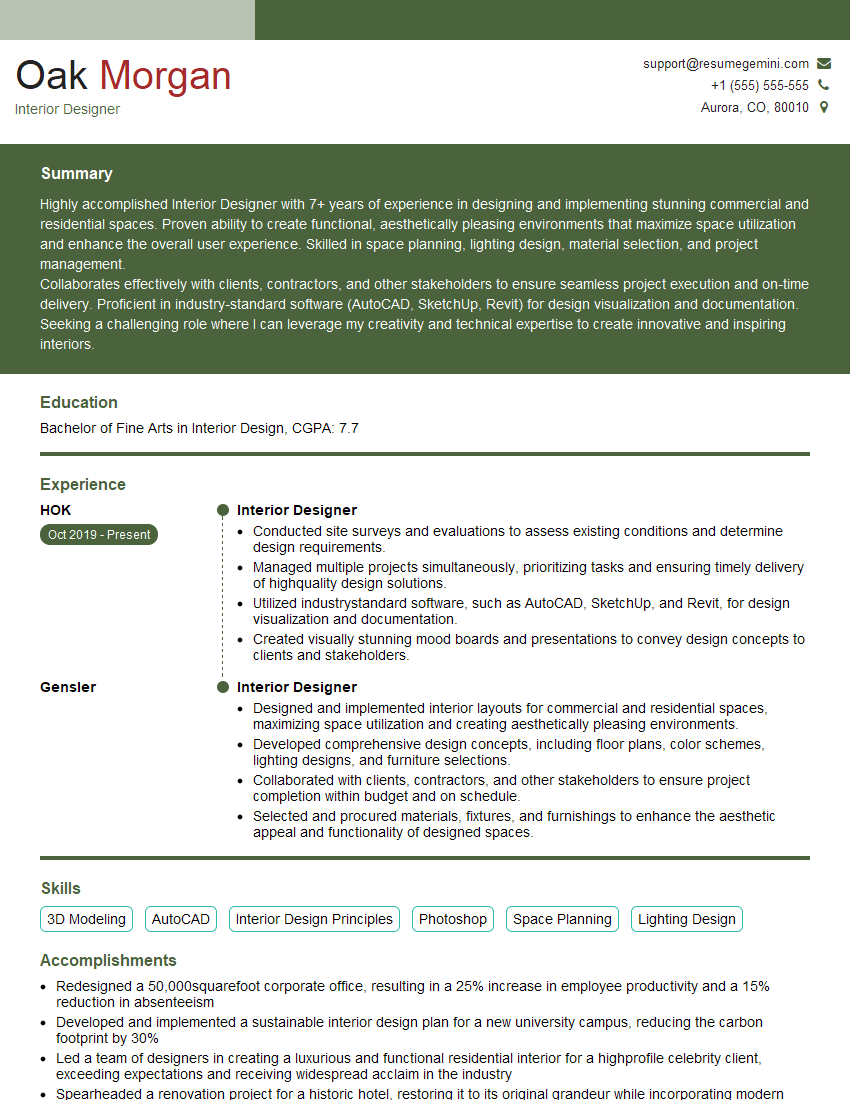
Interior Designer Resume Sample
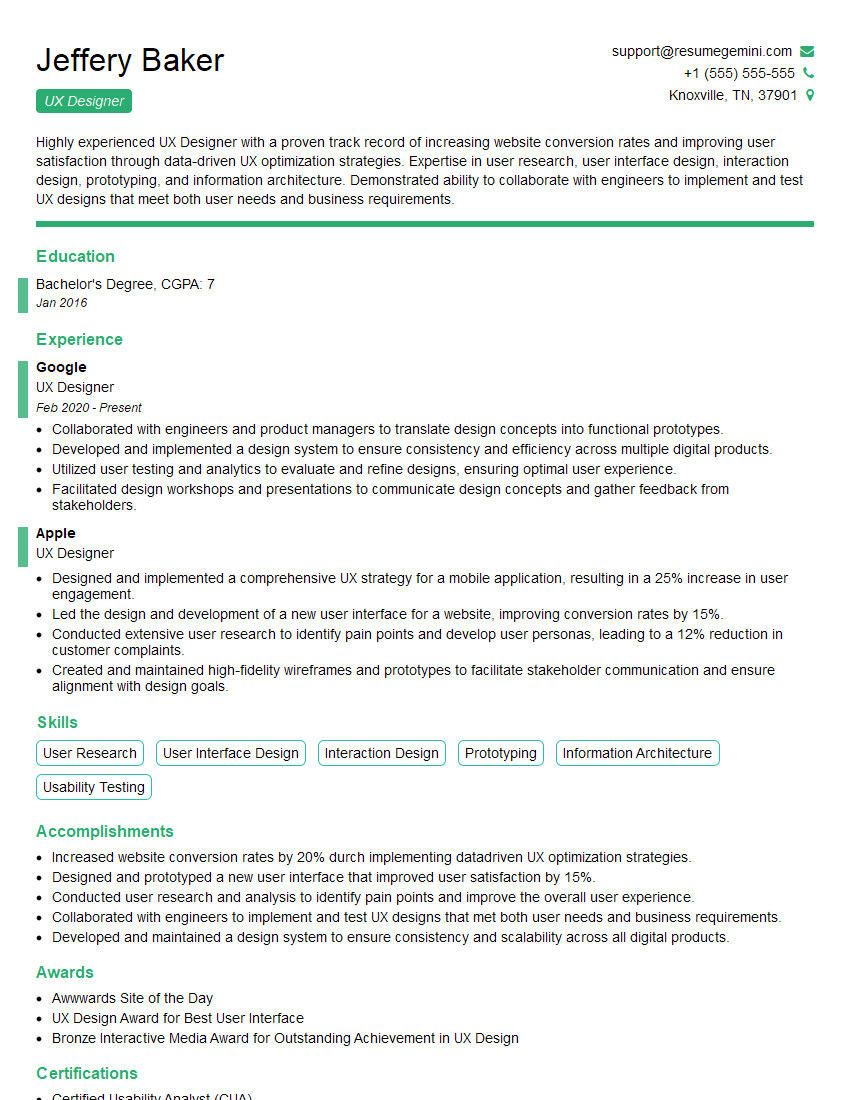
UX Designer Resume Sample
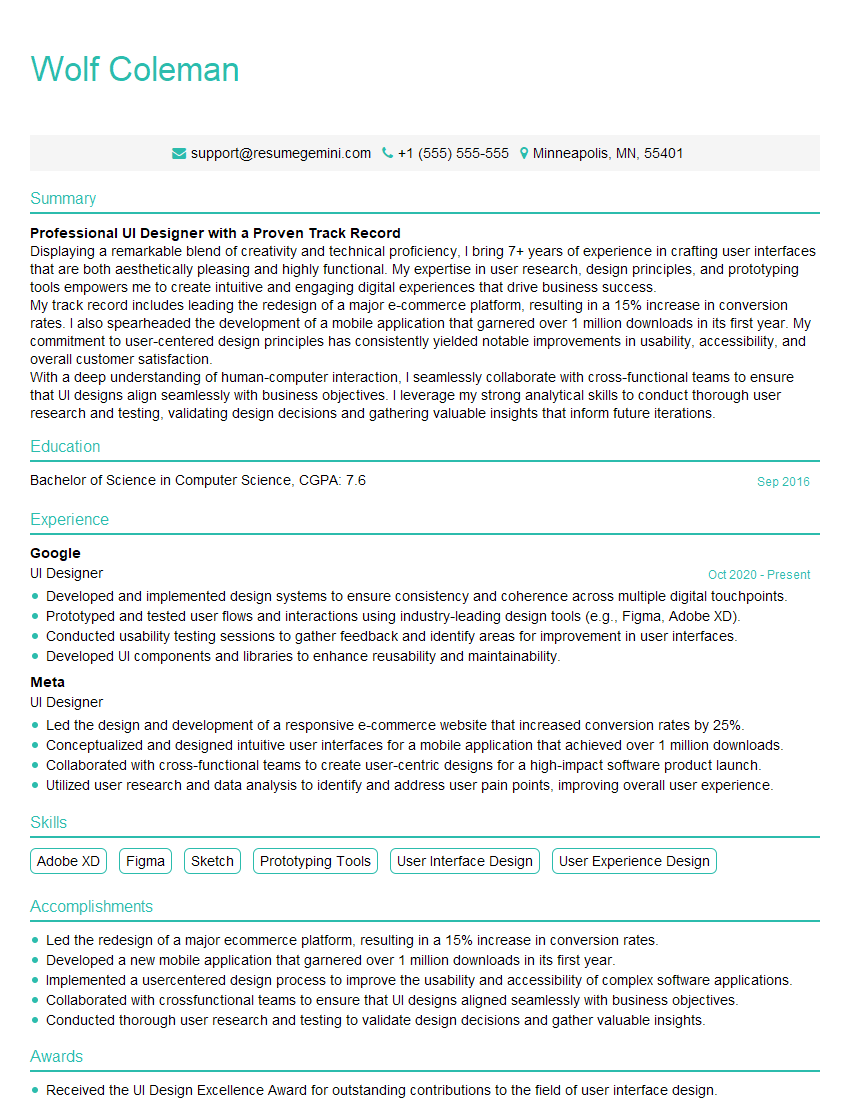
UI Designer Resume Sample
- Art Director
- Creative Director
- Design Engineer
- Game Designer
- Architect
- Architectural Designer
- Landscape Architect
- Technical Illustrator
- Product Designer
- Concept Artist
- Illustrator
- Sketch Artist
- Animator
- Graphic Designer
- Storyboard Artist
- Industrial Designer
- Fashion Designer
- Interior Designer
- UX Designer
- UI Designer
Explore more articles
Users Rating of Our Blogs
Share Your Experience
We value your feedback! Please rate our content and share your thoughts (optional).
What Readers Say About Our Blog
Very informative content, great job.
good