Feeling uncertain about what to expect in your upcoming interview? We’ve got you covered! This blog highlights the most important Fruit Dicing interview questions and provides actionable advice to help you stand out as the ideal candidate. Let’s pave the way for your success.
Questions Asked in Fruit Dicing Interview
Q 1. What are the different methods for dicing fruits?
Fruit dicing methods vary based on the desired size and shape of the pieces and the fruit’s characteristics. The most common methods include manual dicing with knives, using a dicing tool (like a mandoline or vegetable chopper), and employing commercial-grade fruit and vegetable processing equipment.
- Manual Dicing: This is the most common method for smaller-scale operations. It involves using various knives to precisely cut the fruit into the required size and shape. It requires skill and practice to achieve consistent results.
- Dicing Tools: Mandolines are excellent for producing thin, even slices, which can then be diced. Vegetable choppers offer quicker dicing, particularly for larger quantities, but may compromise on the precision of cut compared to manual methods.
- Commercial Equipment: Large-scale food processing often uses automated dicing machines. These machines offer high speed and consistent results but come with a significant upfront investment.
Q 2. How do you ensure consistent dice size?
Consistent dice size is crucial for both aesthetics and even cooking. Several techniques ensure this:
- Sharp Knives: A dull knife crushes the fruit, leading to uneven cuts. Regular sharpening is essential.
- Practice and Technique: Proper knife skills are paramount. Using a rocking motion, instead of simply chopping down, allows for smoother, more uniform cuts.
- Guides and Templates: For extremely precise dicing, using guides like cutting boards with grids or specialized dicing tools aids consistency.
- Pre-preparation: Ensuring the fruit is uniformly sized before dicing (e.g., by initially slicing into uniform thicknesses) greatly improves the final consistency.
For example, when dicing apples for a pie, using a mandoline to initially slice them into even thicknesses, followed by careful knife work, ensures that all apple pieces will cook evenly.
Q 3. What safety precautions do you take while dicing fruit?
Safety is paramount in any food preparation, and fruit dicing is no exception. Key safety measures include:
- Sharp Knives: Ironically, a sharp knife is safer than a dull one. A dull knife requires more force and is more prone to slipping.
- Proper Grip: Maintain a firm, controlled grip on the knife at all times. Use a claw grip for the fruit to protect your fingers.
- Stable Cutting Surface: Use a sturdy cutting board that won’t slip.
- Proper Posture: Stand comfortably and avoid reaching too far.
- Protective Gear: Consider using cut-resistant gloves, especially for high-volume dicing.
- First Aid Readiness: Always have a first aid kit readily accessible.
A personal anecdote: I once had a minor cut while dicing a particularly slippery mango. Since then, I always emphasize using cut-resistant gloves, especially with slippery fruits.
Q 4. What types of knives are best suited for fruit dicing?
The best knives for fruit dicing depend on the fruit and the desired dice size. However, some knives stand out:
- Chef’s Knife: Highly versatile, ideal for most dicing tasks. The rocking motion is well suited for fruit.
- Paring Knife: Excellent for smaller fruits or detailed work.
- Santoku Knife: Similar to a chef’s knife but often with a slightly thinner blade, making it very suitable for delicate fruits.
The key features to look for are a sharp blade, a comfortable handle, and a balanced weight. I personally prefer a high-carbon stainless steel chef’s knife for its sharpness and durability.
Q 5. How do you handle different fruit textures (e.g., soft berries vs. firm apples)?
Different fruit textures require adjusted techniques. Soft berries require gentle handling to avoid crushing, while firm apples can withstand more aggressive dicing.
- Soft Berries: Use a sharp paring knife and a gentle touch. A slicing motion is preferable to chopping.
- Firm Apples: A chef’s knife and more forceful dicing is appropriate.
- Other Fruits: Adjust the technique based on the fruit’s firmness; softer fruits require a gentler approach while firmer fruits can withstand more pressure.
For example, strawberries are best sliced or diced using a very sharp paring knife with delicate, precise movements. In contrast, a firm pineapple is easily diced using a chef’s knife with stronger, more decisive strokes.
Q 6. Describe your experience with various dicing techniques (e.g., brunoise, small dice, large dice).
I have extensive experience with various dicing techniques, including:
- Brunoise: A very fine dice (approximately 1/8 inch cubes). Requires exceptional knife skills and is often used for garnishes.
- Small Dice: (approximately 1/4 inch cubes). Commonly used in salads and as a component in more complex dishes.
- Large Dice: (approximately 1/2 inch cubes or larger). Often used in stews, soups, or as a chunky addition to salads.
My experience includes dicing thousands of pounds of fruit for various applications, from high-end catering events to large-scale food processing. This extensive experience has honed my ability to quickly and precisely dice a wide variety of fruits to any specified size.
Q 7. How do you maintain hygiene and sanitation while dicing fruit?
Maintaining hygiene and sanitation is critical in food preparation. Key steps include:
- Handwashing: Wash hands thoroughly before and after dicing.
- Clean Knives and Cutting Boards: Wash and sanitize knives and cutting boards between different fruits to prevent cross-contamination.
- Food Safety Practices: Follow established food safety guidelines to minimize the risk of bacterial growth.
- Proper Storage: Store diced fruit appropriately to maintain freshness and prevent spoilage.
For instance, when dicing a variety of fruits for a fruit salad, I always wash and sanitize my knives and cutting board between each type of fruit to avoid transferring bacteria or flavors. This is vital for creating a safe and high-quality product.
Q 8. How do you minimize fruit browning during the dicing process?
Minimizing enzymatic browning in diced fruit is crucial for maintaining quality and appealing aesthetics. This browning is caused by the oxidation of phenolic compounds when fruit tissue is exposed to air. We employ several strategies:
- Rapid Processing: The faster we dice and process the fruit, the less time the enzymes have to react with oxygen. Think of it like a race against time! We use high-speed dicing equipment to achieve this.
- Acidulation: Adding an acid, such as lemon juice or citric acid solution, lowers the pH, inhibiting the enzyme activity. We often use a spray system to evenly coat the fruit pieces immediately after dicing. For instance, a 1% citric acid solution works wonders for many fruits.
- Blanching: For some fruits, a brief blanch in boiling water can inactivate enzymes, though this can also affect texture and is not suitable for all fruits. We reserve this technique for fruits particularly susceptible to browning, such as apples or pears, and carefully control the time to minimize impact on quality.
- Vacuum Sealing/Modified Atmosphere Packaging (MAP): Storing diced fruit in vacuum-sealed bags or using MAP, which reduces oxygen and increases carbon dioxide, significantly slows browning. We utilize this method especially for longer storage or transportation.
- Antioxidant Treatment: In some cases, we might apply a natural antioxidant like ascorbic acid (Vitamin C) to the fruit before dicing to further reduce browning. However, this requires careful consideration as it could affect the flavor profile.
Combining these techniques provides optimal browning control. The specific approach depends on the type of fruit, desired shelf life, and processing scale.
Q 9. What is your preferred method for storing diced fruit?
Proper storage of diced fruit is key to preserving its quality and preventing spoilage. Our preferred method involves a combination of factors:
- Refrigeration: We store diced fruit in airtight containers at temperatures below 40°F (4°C). This slows down microbial growth and enzymatic activity.
- Modified Atmosphere Packaging (MAP): For larger quantities or longer storage, MAP is invaluable. It extends shelf life by reducing oxygen and increasing the level of inert gases like nitrogen or carbon dioxide.
- Freezing: For longer-term storage, freezing is often necessary. We utilize quick-freezing techniques, such as cryogenic freezing or individual quick freezing (IQF), to minimize ice crystal formation and maintain quality. We ensure that the fruit is properly prepared – blanched or treated with antioxidants where appropriate before freezing.
- First-In, First-Out (FIFO): We strictly adhere to FIFO inventory management to ensure that older batches are used first, minimizing waste.
The choice of storage method depends on the fruit type, desired shelf-life, and production volume. We carefully monitor temperature and quality throughout storage.
Q 10. How do you handle damaged or spoiled fruit during preparation?
Handling damaged or spoiled fruit is critical for maintaining food safety and quality. Our protocol involves:
- Visual Inspection: A thorough visual inspection is our first step. We remove any fruit showing signs of damage, bruising, mold, or spoilage. Any fruit with defects beyond superficial blemishes is rejected.
- Sorting and Segregation: Damaged fruits are carefully segregated from good fruit to prevent contamination. We have designated areas for disposal, usually following company guidelines for food waste disposal.
- Documentation: We keep detailed records of the rejected fruit, including the quantity and reason for rejection. This assists in quality control and traceability.
- Preventative Measures: Beyond handling, we actively work to prevent fruit damage in the first place. This includes careful handling during transportation and storage, as well as proper fruit selection.
Food safety is paramount. Our strict adherence to these procedures ensures that only high-quality fruit is used in our dicing processes.
Q 11. Explain your experience with different types of dicing equipment.
My experience encompasses various dicing equipment, each with its strengths and weaknesses:
- Manual Dicers: These are suitable for small-scale operations and offer precision but are labor-intensive and slower.
- Rotary Dicers: These high-volume machines offer speed and consistency, producing uniform dice sizes. We’ve used several models, each with varying capacities and features. The choice depends on the volume we need to process.
- Automatic Dicers: These are sophisticated machines that offer high throughput and precision. They are programmable for various dice sizes and are particularly efficient for large-scale operations, minimizing labor costs and maximizing output. They often integrate with other processing equipment for a streamlined workflow. I have extensive experience with different brands and models.
The ideal choice depends on the scale of operation, budget, and desired level of automation.
Q 12. What are the common challenges in fruit dicing, and how do you overcome them?
Fruit dicing presents several challenges:
- Maintaining Uniformity: Achieving consistently sized dices is critical for aesthetics and uniformity in the final product. We address this through careful machine calibration, regular maintenance, and proper fruit selection (consistent size and firmness).
- Minimizing Waste: Fruit trimming and cutting generates waste. We minimize this through efficient machine setup and optimized cutting patterns. We also investigate ways to utilize fruit trimmings in other products (such as juices or jams).
- Preventing Browning: This has already been extensively addressed, but it’s a major challenge, especially with sensitive fruits.
- Maintaining Product Quality: Preventing damage to fruit pieces during processing is vital. We use appropriate processing techniques and machine settings, handle the fruit gently, and maintain proper sanitation standards.
Addressing these challenges requires a combination of advanced equipment, meticulous processes, skilled personnel, and constant monitoring.
Q 13. How do you determine the appropriate dice size for a specific recipe?
Dice size selection depends greatly on the recipe and the desired culinary outcome. A few examples:
- Large Dice (e.g., 1-inch): Often used for salads, fruit salsas, or where a more substantial texture is desired.
- Medium Dice (e.g., ½-inch): Common for fruit cobblers, pies, or dishes where a balance between texture and visual appeal is important.
- Small Dice (e.g., ¼-inch): Suitable for sauces, jams, chutneys, or where a more subtle texture is preferred, or for desserts like fruit compotes.
Recipe requirements often specify the desired dice size; however, adjustments can be made based on the specific characteristics of the fruit and the overall desired outcome. For example, we might use slightly larger dices if a fruit is particularly soft and prone to disintegration.
Q 14. What is your experience with high-volume fruit dicing?
I have extensive experience in high-volume fruit dicing, having worked with facilities processing hundreds of kilograms of fruit per hour. This requires a different approach compared to smaller operations:
- Automated Equipment: High-throughput operations heavily rely on automated dicing machines. These machines are crucial for efficiency and consistency.
- Optimized Workflow: Streamlined workflows are critical to manage the volume. This includes efficient fruit pre-sorting and cleaning, effective machine operation, and optimized packaging procedures.
- Quality Control: Maintaining quality standards during high-volume processing requires rigorous quality control checks at various stages: incoming raw materials, during processing and after packaging.
- Waste Management: Efficient waste management is a significant factor. We utilize systems that minimize waste generation and efficiently handle the unavoidable waste.
High-volume fruit dicing necessitates a systematic and efficient operation, where every stage is meticulously planned and executed.
Q 15. How do you ensure the efficiency and speed of your fruit dicing process?
Efficiency and speed in fruit dicing are paramount. It’s a delicate balance between maximizing output and maintaining quality. We achieve this through a multi-pronged approach:
- Optimized Equipment: We utilize high-quality, industrial-grade dicing machines designed for consistent, rapid cutting. These machines often have adjustable blade settings to control dice size and are built for continuous operation. Regular maintenance, including blade sharpening, is crucial for optimal performance.
- Process Streamlining: The workflow is meticulously planned. This involves efficient fruit pre-processing (washing, peeling, coring, if needed) and optimized placement on the dicing machine’s conveyor belt to minimize downtime. We also employ lean manufacturing principles to eliminate waste and unnecessary steps.
- Skilled Operators: Trained personnel are essential. They understand the machine’s capabilities, can quickly identify and resolve minor issues, and maintain a steady feed rate to keep the machine running at peak efficiency. Regular training keeps them updated on best practices and safety procedures.
- Data-Driven Optimization: We track key performance indicators (KPIs) like dicing speed, waste percentage, and machine uptime. Analyzing this data helps us identify bottlenecks and continuously improve our processes. For example, if we notice a significant increase in waste, we might investigate blade sharpness or the fruit’s consistency.
Career Expert Tips:
- Ace those interviews! Prepare effectively by reviewing the Top 50 Most Common Interview Questions on ResumeGemini.
- Navigate your job search with confidence! Explore a wide range of Career Tips on ResumeGemini. Learn about common challenges and recommendations to overcome them.
- Craft the perfect resume! Master the Art of Resume Writing with ResumeGemini’s guide. Showcase your unique qualifications and achievements effectively.
- Don’t miss out on holiday savings! Build your dream resume with ResumeGemini’s ATS optimized templates.
Q 16. How do you maintain the quality and appearance of diced fruit?
Maintaining the quality and appearance of diced fruit is critical for both aesthetic appeal and preventing enzymatic browning. Our methods include:
- Rapid Processing: Minimizing the time between cutting and packaging significantly reduces enzymatic browning, which causes discoloration. We prioritize speed and efficiency without sacrificing safety.
- Proper Handling: Gentle handling throughout the process prevents bruising and damage. This starts with careful fruit selection and continues through washing, dicing, and packaging.
- Controlled Environment: We maintain a cool, controlled environment to slow down enzymatic reactions and preserve freshness. Temperature control is especially critical for fruits highly susceptible to browning, such as apples and pears.
- Antioxidant Treatments (where appropriate): For some fruits, dipping the cut pieces in an ascorbic acid (Vitamin C) solution can help delay browning. This is a commonly used technique in commercial fruit processing, but it needs to be carefully controlled to avoid impacting the final taste and texture. We select this method only when suitable for the specific fruit and end-product.
- Proper Packaging: Using appropriate packaging materials and sealing techniques helps preserve freshness and prevent oxidation.
Q 17. Describe your experience working under pressure in a fast-paced environment.
I thrive in fast-paced environments. During peak seasons, we often have to process enormous volumes of fruit in a short timeframe. For example, during the summer mango season, we might double our usual output. I’ve handled these pressures by:
- Prioritization: I focus on completing the most critical tasks first, ensuring the most efficient use of resources and time.
- Teamwork: Effective communication and collaboration with my team are crucial. We work together to overcome challenges and maintain a positive work environment even during intense periods.
- Problem-Solving: I’m adept at identifying and resolving issues quickly. A malfunctioning machine during a peak season requires immediate attention, and I’m confident in my ability to address such situations efficiently, often involving quick troubleshooting or calling in maintenance.
- Maintaining Calmness: I focus on staying calm and collected even when things are hectic. This helps me make sound decisions and keeps the team morale high.
Q 18. How do you handle variations in fruit size and shape during dicing?
Fruit size and shape variations are a common challenge in fruit dicing. We address this through:
- Pre-Sorting (if feasible): For some applications, pre-sorting the fruit by size can improve dicing consistency. However, this adds an extra step and may not always be practical or cost-effective.
- Adjustable Dicing Machines: Our machines have adjustable blade settings that allow us to accommodate a range of fruit sizes. We adjust these settings as needed to maintain consistent dice size, despite variations in the input material.
- Manual Trimming (when necessary): In some cases, manual trimming might be necessary for oddly shaped fruits to ensure consistent dicing. This is usually done before the automated process to avoid clogging the machine.
- Tolerances: We set reasonable tolerances for dice size variations to minimize waste and labor costs while maintaining an acceptable level of consistency. This allows some minor variations to be acceptable without affecting the overall product quality.
Q 19. What are your knowledge of different fruit types and their ideal dicing techniques?
My knowledge of different fruit types and their ideal dicing techniques is extensive. I understand that different fruits have different textures, firmness, and susceptibility to browning. For example:
- Soft Fruits (berries, mangoes): These require gentle handling and potentially slower dicing speeds to avoid crushing. We often use specialized dicing blades designed for delicate fruits.
- Firm Fruits (apples, pears): These can handle faster dicing speeds and require less attention to avoid damage. We can also use a wider range of blade settings to achieve different dice sizes.
- Water-rich Fruits (watermelon, cucumber): These need to be processed efficiently to minimize water loss and maintain texture. Faster speeds are generally acceptable.
- Fibrous Fruits (pineapple): Special attention needs to be paid to blade selection and potentially the pre-preparation steps (coring, removal of tough parts). We may need to utilize specialized blades or techniques to manage the fibers effectively.
I also understand the importance of hygiene and food safety procedures for each fruit type to prevent contamination.
Q 20. How do you adapt your dicing techniques to different fruit varieties?
Adapting dicing techniques to different fruit varieties is a core aspect of my work. This involves:
- Blade Selection: Choosing the correct blade type and size is essential. Different blades are suited for different fruit textures and desired dice sizes. We have a wide variety of blades available for different applications.
- Speed Adjustment: The dicing machine’s speed is adjusted based on the fruit’s firmness and susceptibility to damage. Softer fruits require slower speeds.
- Pre-processing Adjustments: Pre-processing techniques, such as peeling, coring, and slicing, may vary depending on the fruit type. This needs to be tailored to optimize the dicing process and minimize waste.
- Post-processing Adjustments: Handling techniques after dicing, such as treatment with an ascorbic acid solution to prevent browning, may also need to be adapted based on the fruit type.
I regularly consult industry best practices and reference materials to ensure that I’m using the most effective and appropriate techniques for each fruit.
Q 21. How would you handle a situation where a dicing machine malfunctions?
A dicing machine malfunction during operation requires a prompt and efficient response. My approach would be:
- Safety First: Immediately shut down the machine and ensure the safety of myself and any nearby personnel. This is the absolute top priority.
- Assessment: Quickly assess the nature of the malfunction. Is it a minor issue like a jammed blade or something more serious requiring professional repair?
- Troubleshooting (if possible): If it’s a minor issue within my capabilities, I’ll attempt to troubleshoot and rectify the problem using established procedures. This could involve clearing a jam, replacing a worn part, or resetting the machine.
- Reporting & Maintenance: If I cannot resolve the issue, I will immediately report it to the maintenance team and follow established protocols for reporting equipment malfunctions. Detailed documentation of the issue, including timestamps and observations, is essential for efficient repairs.
- Contingency Planning: While waiting for repairs, I’ll explore alternative methods for processing the fruit, if feasible. This may involve manually dicing a smaller portion of the fruit or temporarily halting that part of the production line.
Regular preventative maintenance plays a crucial role in minimizing the risk of malfunctions. A well-maintained machine is less prone to unexpected problems.
Q 22. What are your strategies for time management during peak hours of fruit dicing?
Time management during peak fruit dicing hours is crucial for efficiency and meeting deadlines. My strategy involves a combination of pre-planning and on-the-fly adjustments. Before the rush begins, I meticulously review the orders, estimating the dicing time for each fruit type and quantity. This allows me to prioritize tasks effectively. During peak hours, I utilize techniques like assembly-line dicing – prepping multiple fruits simultaneously, using different cutting boards for different fruits to avoid cross-contamination and ensure a smoother workflow. For example, I might have one board for citrus, another for melons and a third for berries. I also employ a ‘mise en place’ approach, ensuring all necessary tools and containers are within easy reach to minimize wasted movement. Finally, I regularly check my progress against the schedule to make necessary adjustments and ensure timely completion.
Q 23. Explain your understanding of yield percentages in fruit dicing.
Yield percentage in fruit dicing refers to the ratio of usable diced fruit to the total weight of the initial fruit. Understanding yield is crucial for accurate costing and portioning. For instance, a pineapple might have a 70% yield after removing the core, peel, and inedible parts. This means that for every 10kg of whole pineapple, you’ll only have roughly 7kg of usable diced fruit. Factors influencing yield include the fruit’s ripeness, variety, and the dicing technique. Overripe fruit often has a lower yield due to increased spoilage. Precise measurements and careful waste management are key to maximizing yield and minimizing losses. Regularly calculating yield percentages helps to refine purchasing decisions, reduce waste, and ensure accurate costing.
Q 24. What is your experience with using different cutting boards and tools for fruit dicing?
My experience encompasses a wide range of cutting boards and tools. I prefer high-density polyethylene (HDPE) cutting boards for their durability, resistance to staining and ease of sanitation. Wooden boards are aesthetically pleasing, but require more intensive cleaning and are prone to harboring bacteria. Regarding tools, I’m proficient with various knives, from paring knives for smaller fruits to larger chef’s knives for melons and pineapples. I also utilize specialized dicing tools like mandolins for uniform slices and vegetable choppers for faster processing of softer fruits. The choice of tool depends on the fruit’s texture, size and desired dice size. For instance, a mandolin is perfect for achieving consistent dice of apples and cucumbers, while a chef’s knife provides better control for irregularly shaped fruits like mangoes.
Q 25. How do you prioritize tasks when dealing with multiple fruit dicing requirements?
Prioritizing tasks when dealing with multiple dicing requirements involves a structured approach. I use a combination of urgency and importance to create a priority list. Orders with imminent deadlines or large quantities take precedence. I might employ a first-in-first-out (FIFO) method for similar tasks. For example, if I have multiple orders for diced apples, I will process the oldest order first. However, if a time-sensitive order for a small quantity of a delicate fruit arrives, that will take priority over larger, less urgent orders. Visual aids like a whiteboard or digital task manager helps me keep track of progress and ensure no task gets overlooked.
Q 26. How do you stay organized and manage your workspace during fruit dicing?
Maintaining an organized workspace is vital for efficiency and food safety. I use a designated area for each stage of the dicing process: a prep area for washing and peeling, a dicing area with organized cutting boards and tools, and a packaging/storage area. I follow a clear workflow to prevent cross-contamination. All tools are placed in their designated spots after use. Waste is disposed of immediately and regularly. Clear labeling of containers prevents mix-ups. Regular cleaning and sanitizing of the workspace prevents bacterial growth. Maintaining this systematic approach ensures smooth workflow and error-free dicing.
Q 27. Describe your process for cleaning and maintaining dicing equipment.
Cleaning and maintaining dicing equipment is critical for hygiene and longevity. After each use, I thoroughly wash all cutting boards, knives, and other tools with hot, soapy water. I then sanitize them using a food-grade sanitizer following manufacturer instructions, ensuring adequate contact time. Knives are stored safely and separately to prevent damage or injury. Cutting boards are inspected for damage and regularly replaced when necessary. Regular sharpening of knives maintains their efficiency and reduces the risk of accidents. Maintaining equipment properly not only improves its lifespan but also guarantees food safety.
Q 28. How do you ensure compliance with food safety regulations during fruit dicing?
Food safety is paramount in fruit dicing. I strictly adhere to all relevant health and safety regulations, including proper handwashing, using separate cutting boards for raw and cooked items, maintaining cold chain temperatures, and using food-grade sanitizers. I always wear appropriate personal protective equipment (PPE), such as gloves and hairnets, to prevent cross-contamination. I regularly monitor temperatures of refrigerated fruit and follow guidelines for handling potentially hazardous fruits. Regular training and awareness of food safety procedures ensure continuous compliance with all regulations. Thorough documentation of cleaning, temperature checks and staff training can be instrumental in ensuring food safety standards are met.
Key Topics to Learn for Fruit Dicing Interview
- Knife Skills and Techniques: Mastering various dicing techniques (brunoise, julienne, dice), understanding blade angles and hand positions for efficiency and safety.
- Fruit Selection and Preparation: Identifying ripe and suitable fruits, proper washing and cleaning methods, removing blemishes and unwanted parts.
- Uniformity and Consistency: Achieving consistent size and shape in diced fruits, understanding the importance of precision for presentation and culinary applications.
- Yield and Waste Reduction: Minimizing fruit waste through efficient dicing techniques and proper storage practices. Understanding yield percentages for different fruits.
- Safety and Hygiene: Following proper hygiene protocols, using appropriate safety equipment (cutting gloves, safety knives), and understanding food safety regulations.
- Equipment Knowledge: Familiarity with different dicing tools (knives, mandolines, dicers), understanding their functionalities and limitations.
- Speed and Efficiency: Developing speed and efficiency in dicing while maintaining quality and consistency. Understanding time management in a fast-paced environment.
- Troubleshooting Common Issues: Identifying and resolving issues such as uneven dicing, bruised fruits, and maintaining sharpness of blades.
Next Steps
Mastering fruit dicing is a valuable skill that opens doors to diverse culinary careers, from high-end restaurants to food processing facilities. A strong foundation in these techniques demonstrates precision, efficiency, and attention to detail – qualities highly valued by employers. To significantly increase your job prospects, it’s crucial to create a resume that gets noticed by Applicant Tracking Systems (ATS). ResumeGemini is a trusted resource that can help you build a professional, ATS-friendly resume that highlights your skills and experience effectively. Examples of resumes tailored specifically to Fruit Dicing roles are available to help you get started.
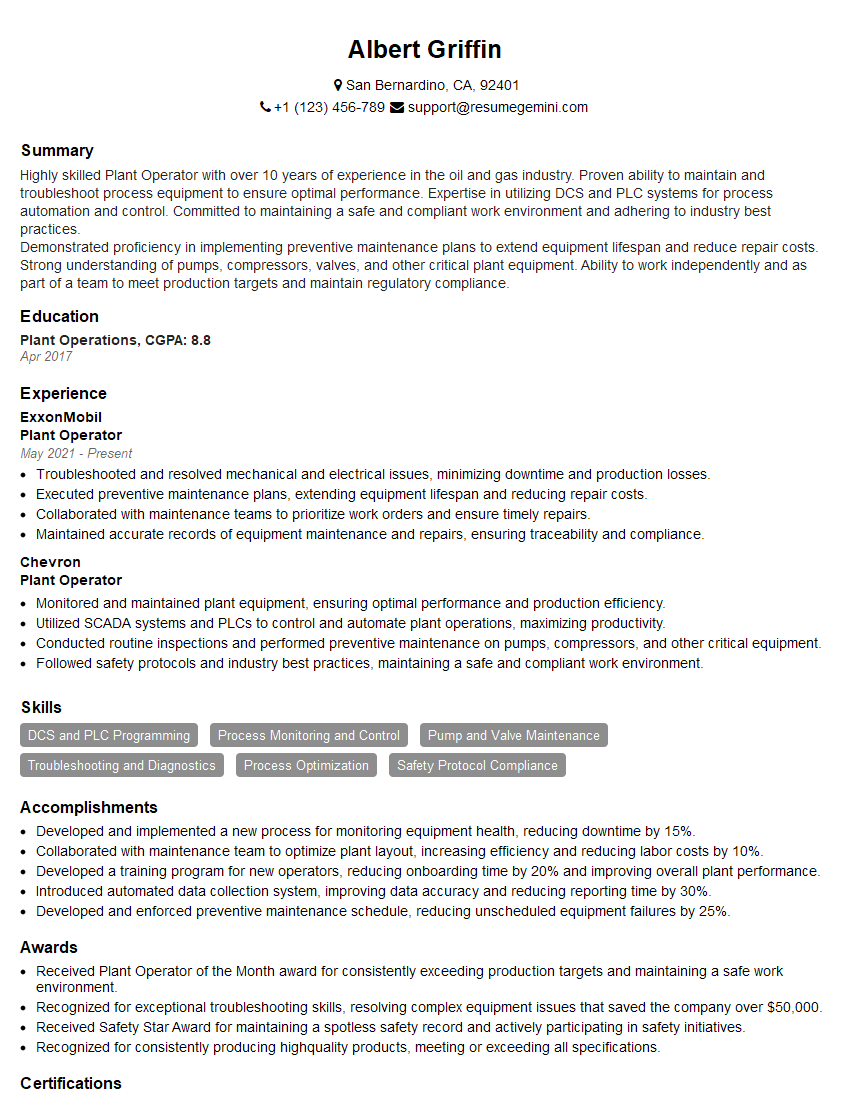
Plant Operator Resume Sample
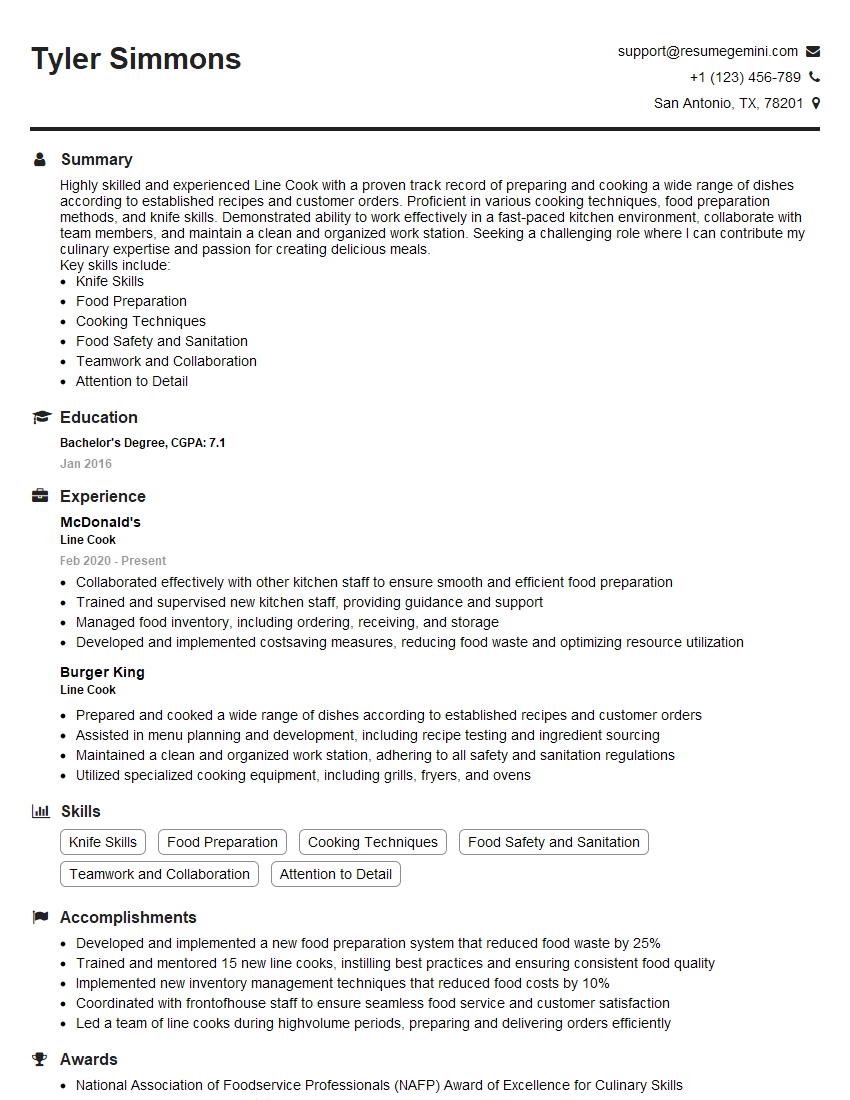
Line Cook Resume Sample
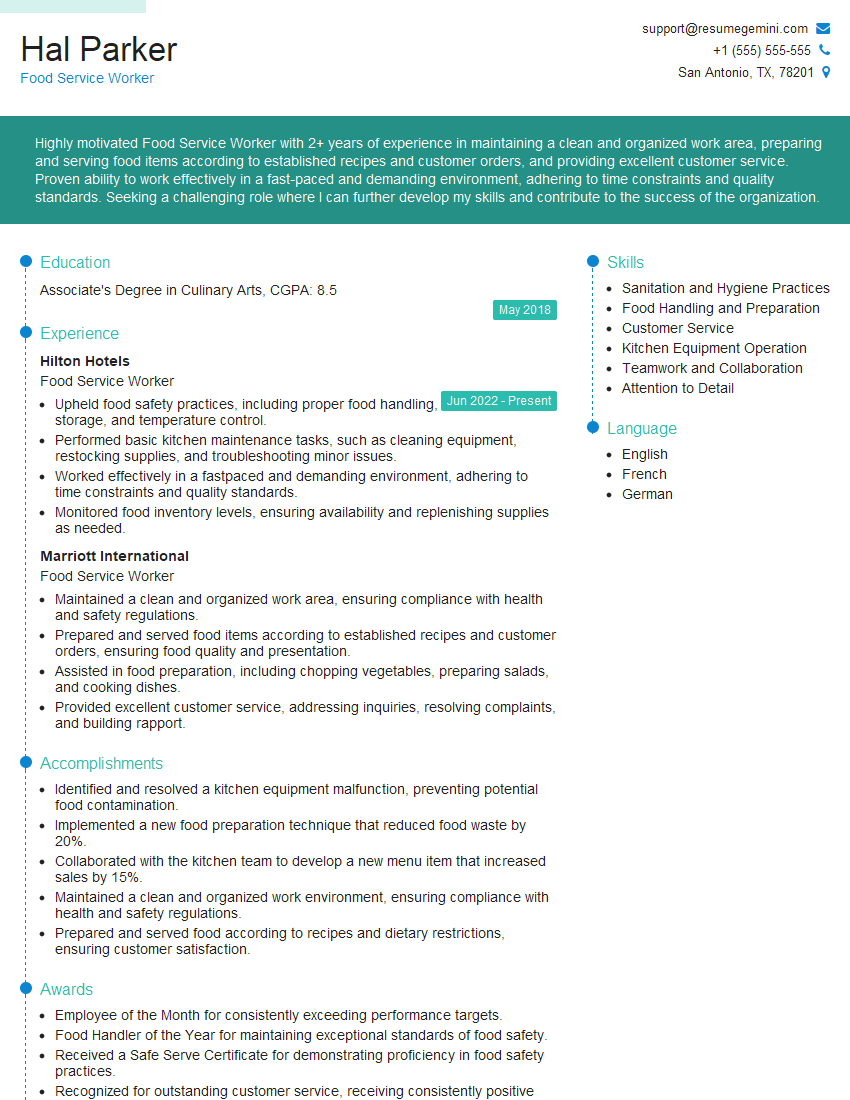
Food Service Worker Resume Sample
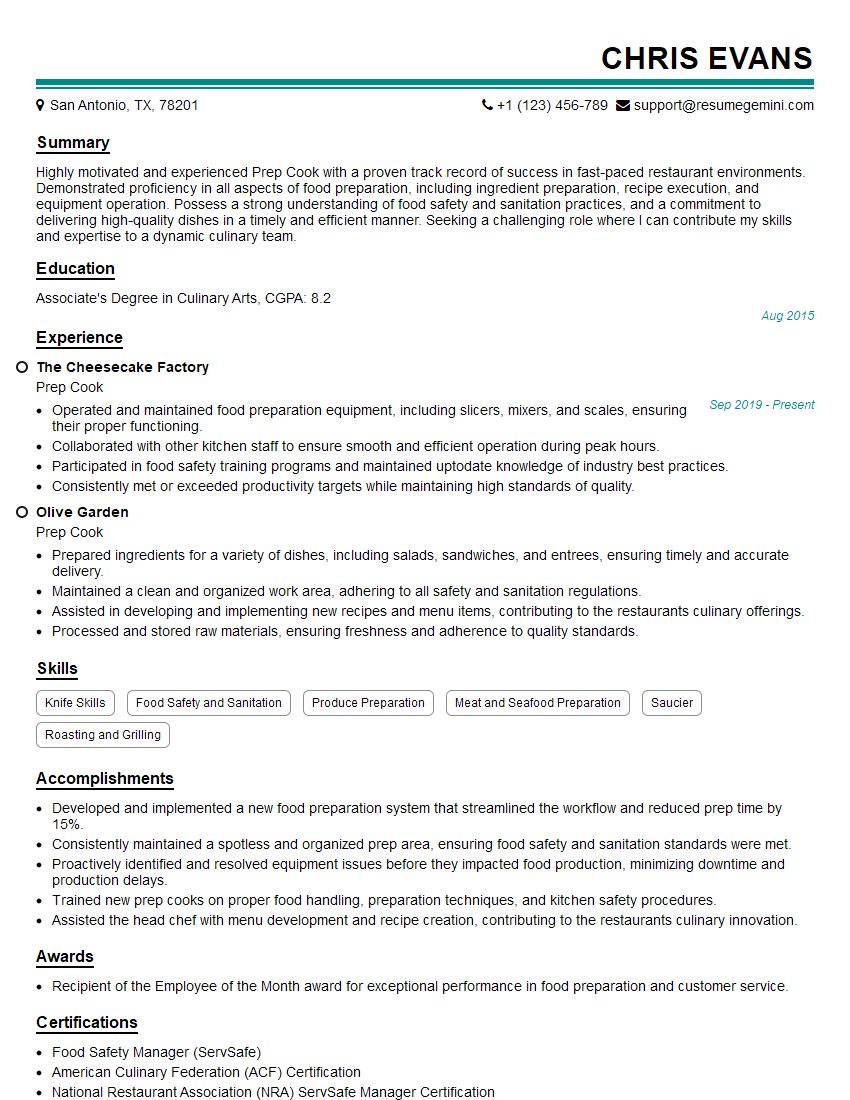
Prep Cook Resume Sample
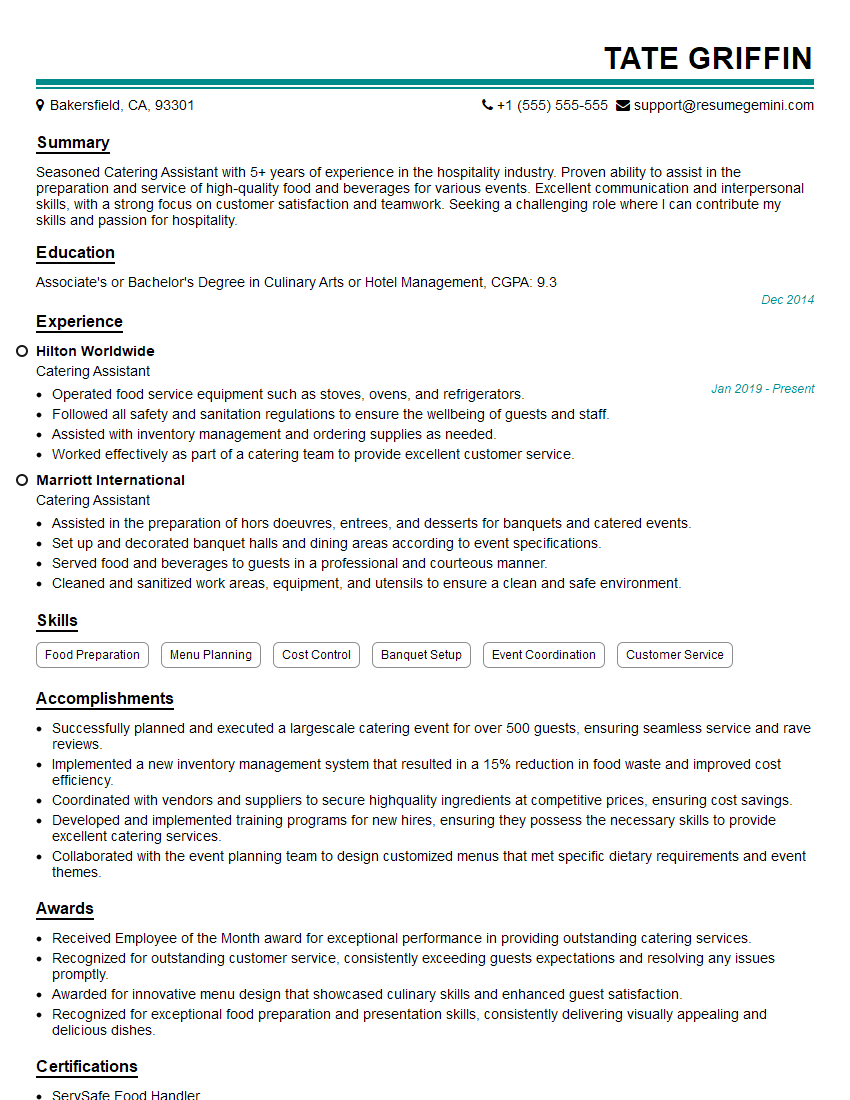
Catering Assistant Resume Sample

Kitchen Assistant Resume Sample
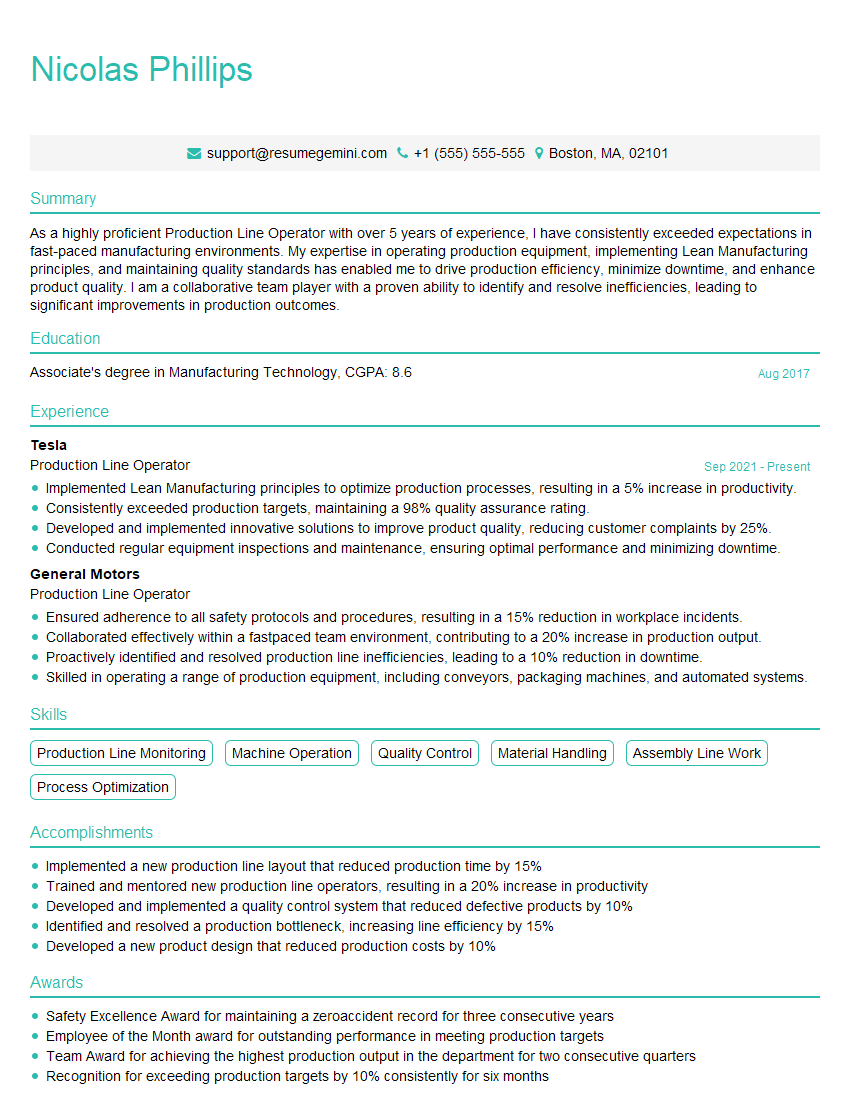
Production Line Operator Resume Sample
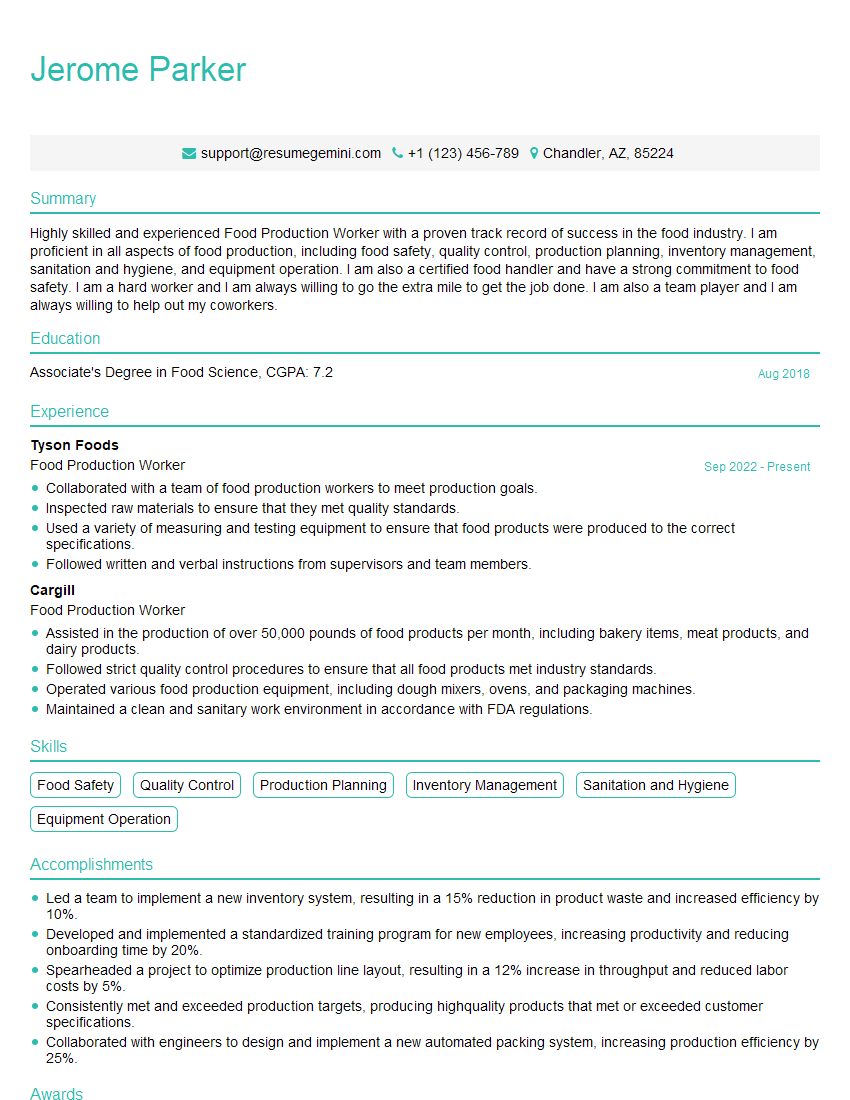
Food Production Worker Resume Sample
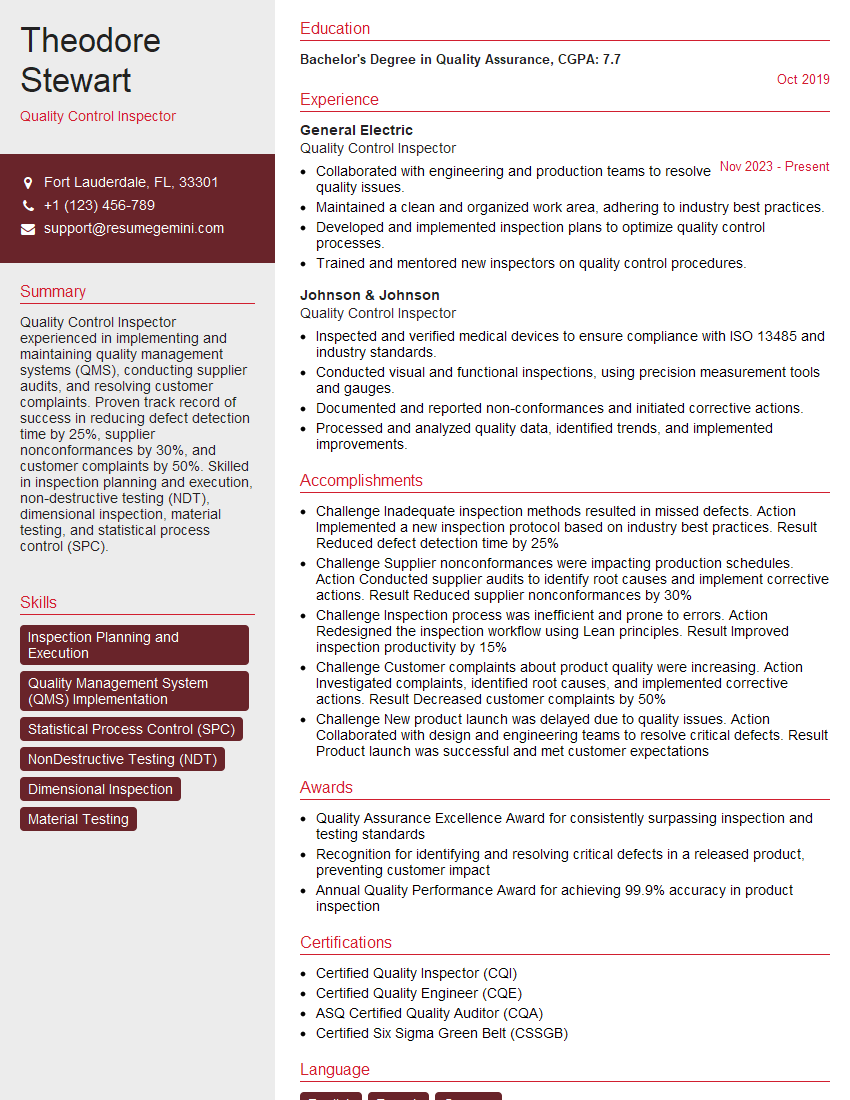
Quality Control Inspector Resume Sample
Explore more articles
Users Rating of Our Blogs
Share Your Experience
We value your feedback! Please rate our content and share your thoughts (optional).
What Readers Say About Our Blog
Very informative content, great job.
good