Are you ready to stand out in your next interview? Understanding and preparing for Fruit Pest and Disease Management interview questions is a game-changer. In this blog, we’ve compiled key questions and expert advice to help you showcase your skills with confidence and precision. Let’s get started on your journey to acing the interview.
Questions Asked in Fruit Pest and Disease Management Interview
Q 1. Describe the life cycle of a common fruit pest in your region.
Let’s take the codling moth (Cydia pomonella) as a common example in many apple-growing regions. Its life cycle is a classic example of a complete metamorphosis, meaning it goes through four distinct stages.
- Egg: Tiny, pearly white eggs are laid individually on fruit, leaves, or twigs. Think of them as minuscule, almost invisible specks.
- Larva (Caterpillar): This is the destructive stage. The larva, a small, pinkish-white caterpillar, bores into the fruit to feed, creating tunnels and causing significant damage. You might find tiny holes in the apples, a clear sign of infestation.
- Pupa: After several weeks of feeding, the larva leaves the fruit to pupate. It forms a protective silken cocoon, usually in the soil or under bark. This is like the insect’s version of a sleeping bag, where it undergoes transformation.
- Adult Moth: The adult moth emerges from the pupa. It’s a small, greyish-brown moth with a wingspan of about 15-20 mm. The female moth lays eggs, starting the cycle anew. Think of it as the insect version of an adult butterfly.
Understanding this cycle is crucial for effective pest management. We can target specific stages with appropriate interventions, for instance, using pheromone traps to capture adult moths or applying insecticides when larvae are most vulnerable.
Q 2. Explain the principles of Integrated Pest Management (IPM).
Integrated Pest Management (IPM) is a holistic approach to pest control that emphasizes minimizing pesticide use while maximizing effectiveness and environmental sustainability. Instead of relying solely on chemical controls, IPM integrates various strategies.
- Monitoring and Scouting: Regularly checking crops for pest and disease presence and severity, much like a doctor takes your vital signs before prescribing medication.
- Cultural Controls: Using agricultural practices to prevent or reduce pest problems. This includes things like crop rotation, proper sanitation, and choosing pest-resistant varieties.
- Biological Controls: Utilizing natural enemies, such as predatory insects or beneficial nematodes, to control pests. Think of them as the crop’s natural immune system.
- Mechanical Controls: Physical methods like trapping, handpicking pests, or using barriers to prevent pest access. This is the equivalent of physically removing weeds from a garden.
- Chemical Controls: Using pesticides only as a last resort, and then choosing the least harmful option and applying it judiciously. Think of this as using medication only when absolutely necessary.
IPM is not a ‘one-size-fits-all’ solution; its implementation is tailored to the specific crop, pest, and environmental context. It requires careful observation, planning, and a good understanding of the pest’s biology and the ecosystem.
Q 3. What are the key differences between preventative and curative pest control strategies?
Preventative and curative pest control strategies differ fundamentally in their timing and approach.
- Preventative Pest Control: This focuses on stopping pests before they become a problem. Think of it as preventative healthcare—avoiding the problem before it starts. Examples include planting disease-resistant varieties, using crop rotation, maintaining good orchard sanitation, and implementing cultural practices that make the environment less hospitable to pests.
- Curative Pest Control: This involves addressing pest infestations after they’ve already occurred. This is like treating a disease after you’ve already gotten sick. Examples include applying insecticides or fungicides to control an existing outbreak. While effective in controlling immediate damage, it’s often less effective and more costly than preventative measures. It can also disrupt beneficial organisms and contribute to the development of pesticide resistance.
Ideally, a balanced approach incorporating both strategies—with a strong emphasis on prevention—is the most effective and sustainable method of pest management. Prevention is always better than cure, both in healthcare and pest management.
Q 4. How do you diagnose a plant disease in the field?
Diagnosing plant diseases in the field requires a systematic approach, akin to a detective solving a case.
- Observe the Symptoms: Carefully examine the plant, noting the affected parts (leaves, stems, fruits, roots), and the nature of the damage (spots, wilting, discoloration, deformities). Take detailed notes and photographs. Consider things like the overall health of the plant, the pattern of disease spread (isolated plants, clusters), and whether symptoms are consistent or varied.
- Consider Environmental Factors: Assess the prevailing weather conditions (temperature, rainfall, humidity) and soil type. These factors heavily influence disease development. A recent period of heavy rainfall and high humidity might suggest a fungal infection, for example.
- Collect Samples: Gather representative samples of diseased plant tissue, following proper collection and preservation methods (e.g., storing in airtight bags to prevent fungal growth). A proper sample is essential for accurate diagnosis.
- Laboratory Diagnosis (if needed): Send samples to a plant diagnostic laboratory for confirmation. Advanced techniques can be used to identify the specific pathogen and recommend appropriate management strategies.
- Review Historical Data: Consult records or local resources to see if similar diseases have been observed in your area. This helps you build a picture and understand possible factors.
Accurate diagnosis is crucial for determining the appropriate management strategy. Misdiagnosis can lead to ineffective and potentially harmful treatments.
Q 5. What are some common fungal diseases affecting [specific fruit, e.g., apples] and how are they managed?
Apples are susceptible to various fungal diseases. Two common examples are Apple scab and Fire blight.
- Apple Scab (Venturia inaequalis): This fungal disease causes dark, scabby lesions on leaves, fruit, and twigs. It reduces fruit quality and can lead to premature fruit drop. Management involves using resistant cultivars, removing infected plant debris, and applying fungicides at appropriate times, typically before infection periods (following rainfall).
- Fire Blight (Erwinia amylovora): This bacterial disease (although often mistaken for a fungal one) causes a rapid decline in plant parts, characterized by blackened, blighted branches and fruit. It’s highly contagious. Management involves pruning infected branches well below the affected area and, in some cases, using appropriate antibiotics and copper-based sprays. Preventing the spread is critical, meaning removing diseased parts promptly and properly.
Effective management requires early detection, regular monitoring, and a combination of cultural, biological, and chemical control measures, emphasizing integrated strategies.
Q 6. Discuss the role of beneficial insects in pest control.
Beneficial insects play a vital role in natural pest control, acting as a biological control agent. They are like the crop’s built-in security system. They can reduce pest populations significantly, decreasing the need for chemical interventions.
- Predators: These insects actively hunt and kill pest insects. Ladybugs, lacewings, and praying mantises are examples. They can significantly decrease aphid populations, protecting plants from damage.
- Parasitoids: These insects lay their eggs in or on pest insects. The parasitoid larvae then develop, consuming the host and eventually killing it. Trichogramma wasps, which parasitize eggs of many moth species, are widely used in biological control.
- Pollinators: Bees, butterflies, and other pollinators are crucial for fruit production. Maintaining a healthy pollinator population is essential for ensuring a good harvest.
Encouraging beneficial insects involves creating habitats that support them. This can involve planting diverse flowering plants that provide nectar and pollen, reducing pesticide use, and providing shelter such as leaf litter or brush piles. Maintaining a healthy ecosystem within your orchard or farm is key.
Q 7. Explain various methods of pest monitoring and scouting.
Pest monitoring and scouting are critical components of IPM. They’re like early warning systems for your crops.
- Visual Inspection: Regular walking through the orchard, visually inspecting plants for signs of pests and diseases. Look for damage symptoms and check for insects themselves.
- Trapping: Using pheromone traps to lure and capture adult insects, providing information on pest population levels and timing of emergence. This method allows you to predict population booms before they cause widespread damage.
- Sampling Techniques: Employing specific sampling methods to estimate pest populations accurately. This might involve shaking branches to count insects that fall onto a sheet or taking soil samples to assess populations in the soil.
- Sweep Netting: Using a sweep net to sample insects from foliage. This is a useful technique for quantifying populations of certain flying or crawling insects.
- Monitoring Tools: Using sticky traps, which are effective for catching winged pests like aphids, whiteflies, and thrips. Degree-day models can also be used to predict the timing of pest emergence based on temperature data.
Effective monitoring should be regular, systematic, and tailored to the specific pests and diseases relevant to the region and crop. The data collected informs management decisions, helping to decide whether intervention is necessary and, if so, what type of intervention is most appropriate.
Q 8. What are the environmental impacts of pesticide use, and how can they be mitigated?
Pesticide use, while effective in controlling pests, carries significant environmental consequences. The most impactful are:
- Non-target organism harm: Pesticides can kill beneficial insects like bees, pollinators, and natural predators, disrupting ecosystem balance. For example, broad-spectrum insecticides can decimate ladybug populations that naturally control aphids.
- Water contamination: Runoff from pesticide application can contaminate surface and groundwater, impacting aquatic life and potentially entering the human food chain. This is particularly concerning in areas with permeable soils or near water bodies.
- Soil degradation: Some pesticides can harm soil microorganisms crucial for nutrient cycling and soil health. This can lead to reduced soil fertility and increased erosion.
- Air pollution: Pesticide volatilization can contribute to air pollution, affecting human health and the environment.
Mitigation strategies include:
- Integrated Pest Management (IPM): This approach prioritizes preventative measures, monitoring pest populations, and using pesticides only when absolutely necessary and at the lowest effective dose. IPM incorporates biological control, cultural practices, and resistant varieties.
- Targeted pesticide application: Using precise application methods like drip irrigation or targeted spraying reduces pesticide drift and overall environmental exposure.
- Buffer zones: Establishing buffer strips of vegetation around sensitive areas like waterways can help prevent pesticide runoff.
- Sustainable pesticide selection: Choosing pesticides with low toxicity to non-target organisms and rapid degradation rates.
- Proper disposal: Following guidelines for pesticide container disposal and handling to prevent contamination.
Q 9. How do you choose the appropriate pesticide for a specific pest problem?
Choosing the right pesticide involves a multi-step process:
- Accurate pest identification: Knowing the specific pest is crucial. Incorrect identification can lead to ineffective treatment and potential environmental damage. Microscopic analysis may be necessary for certain pests.
- Assessment of the pest population: Determine the severity of the infestation. Is it a minor problem requiring minimal intervention, or a serious outbreak demanding stronger action?
- Consider the crop and its stage of growth: Some pesticides are more appropriate for certain crops or growth stages. Factors like pre-harvest intervals (PHI) are critical to ensure food safety.
- Review pesticide labels carefully: The label provides crucial information on application rates, safety precautions, target pests, and potential environmental impacts. Pay attention to the active ingredient and its mode of action.
- Evaluate efficacy and safety: Consider the pesticide’s effectiveness against the target pest, and its safety to non-target organisms, the environment, and humans. Look for options with lower toxicity.
- Economic analysis: Balance the cost of pesticide application with the potential yield loss from untreated pests. The economic threshold (discussed later) guides this decision.
For example, if I find an outbreak of codling moths in an apple orchard, I would first confirm their identity, assess the population density, and then select a pesticide specifically effective against codling moths, considering its safety and pre-harvest interval to ensure the apples can be harvested safely.
Q 10. Describe your experience with pesticide application equipment and safety procedures.
My experience encompasses a wide range of pesticide application equipment, including:
- Handheld sprayers: Ideal for small-scale applications and precise targeting.
- Airblast sprayers: Efficient for covering large areas like orchards.
- Boom sprayers: Used for field crops, providing uniform coverage.
- Drip irrigation systems: Suitable for targeted applications, reducing pesticide drift.
Safety procedures are paramount. They include:
- Personal Protective Equipment (PPE): Always wear appropriate PPE, including gloves, goggles, respirators, and protective clothing, depending on the pesticide.
- Calibration of equipment: Accurate calibration ensures proper application rates, minimizing waste and environmental impact.
- Weather conditions: Avoid applying pesticides during windy conditions or when rain is anticipated, preventing drift and runoff.
- Proper disposal: Dispose of empty containers and leftover pesticide according to regulations to avoid environmental contamination.
- Emergency response plan: Being prepared for accidental exposure with the necessary resources and knowledge is essential.
- Label adherence: Following all instructions and warnings provided on the pesticide label.
Throughout my career, I’ve emphasized safe handling practices, regularly training colleagues on equipment usage, PPE protocols, and emergency response.
Q 11. Explain the concept of resistance management in pest control.
Resistance management is crucial because pests can develop resistance to pesticides over time, rendering them ineffective. This happens when a small proportion of the pest population survives pesticide application due to genetic variation. These survivors reproduce, passing on their resistance genes to future generations.
Strategies for resistance management include:
- Pesticide rotation: Using pesticides from different chemical classes prevents the selection for resistance to a specific group.
- Integrated Pest Management (IPM): Combining pesticide use with other methods such as biological control, cultural practices, and resistant varieties reduces the reliance on any single method, slowing the development of resistance.
- Refugia: Maintaining untreated areas (refugia) within a field allows susceptible pests to survive and breed with resistant pests, delaying the spread of resistance genes.
- Monitoring resistance: Regularly monitoring pest populations for signs of resistance development. This requires bioassays and genetic analysis.
- High-dose/short duration application: Applying a high dose of pesticide for a short period aims to eliminate as many pests as possible before resistance can evolve.
Ignoring resistance management can lead to the failure of pesticide control strategies and the emergence of super-pests that are incredibly difficult to manage, often necessitating stronger and more environmentally harmful solutions.
Q 12. How do you assess the economic threshold for pest control?
The economic threshold (ET) in pest control is the pest population density at which control measures become economically justifiable. It’s the point where the cost of control is less than the potential loss in yield or quality due to pest damage.
Assessing the ET involves:
- Estimating the yield loss at different pest densities: This requires understanding the relationship between pest density and yield. Data might come from field trials or previous experience.
- Determining the cost of control measures: This includes the cost of pesticides, labor, equipment, and any other associated costs.
- Calculating the value of the crop: This is the market price multiplied by the projected yield.
- Comparing the costs and benefits: If the potential yield loss exceeds the cost of control, then the ET has been reached and control measures are economically justified.
For example, if the cost of treating a pest is $100 per hectare, and a pest infestation at a certain density is estimated to cause a $200 per hectare loss in yield, then the ET has been exceeded, and treatment is economically beneficial. Regular monitoring is key, and many times, an action threshold, a higher population density where treatment is guaranteed, is used for practicality and convenience.
Q 13. What are some cultural practices that can reduce pest and disease pressure?
Cultural practices can significantly reduce pest and disease pressure. These practices manipulate the environment to make it less favorable for pests and diseases to thrive:
- Crop rotation: Alternating crops disrupts pest life cycles and reduces the buildup of pests and diseases specific to one crop. For example, rotating between legumes and cereals can suppress some soilborne diseases.
- Sanitation: Removing infected plant debris, weeds, and fallen fruit eliminates overwintering sites for pests and diseases, reducing inoculum levels. This is highly important in preventing fungal infections.
- Resistant varieties: Using crop varieties that are inherently resistant to specific pests and diseases minimizes the need for chemical control.
- Proper fertilization and irrigation: Providing the right nutrients and water promotes strong plant growth, increasing their resilience to pests and diseases. Balanced nutrition avoids stress factors increasing susceptibility.
- Tillage practices: Appropriate tillage can affect weed pressure and soil-borne pests. For instance, minimal tillage can reduce the spread of some soilborne diseases compared to intensive tillage.
- Pruning and thinning: Pruning improves air circulation and sunlight penetration, reducing the humidity and creating a less favorable environment for diseases. Thinning reduces competition for resources and makes the remaining fruits healthier and less susceptible.
Cultural practices are often the cornerstone of IPM, providing a less environmentally impactful and economically sustainable approach to pest and disease management compared to sole reliance on chemical control.
Q 14. Discuss the importance of sanitation in preventing fruit diseases.
Sanitation is absolutely crucial in preventing fruit diseases. Many fungal and bacterial diseases overwinter on infected plant debris, fallen fruit, or weeds. Removing these sources of inoculum significantly reduces the risk of infection in the following season.
Sanitation practices include:
- Removing infected plant material: Collect and destroy infected fruits, leaves, branches, and other plant debris immediately. Don’t compost diseased material unless it can be properly composted at high temperatures to kill the pathogens.
- Cleaning equipment: Thoroughly clean and disinfect pruning shears, harvesting equipment, and any other tools that may have come into contact with infected plants to prevent disease spread.
- Weed control: Weeds can harbor diseases and pests. Regular weed management helps to reduce inoculum levels and competition for resources.
- Orchard floor management: Maintaining a clean orchard floor by removing fallen fruit and leaves is essential in many fruit production systems.
- Proper disposal: Dispose of removed diseased material responsibly, either by burning (if allowed), burying, or sending it to a licensed waste disposal facility.
By diligently implementing sanitation practices, we drastically reduce the initial inoculum load, leading to less disease development and minimizing the need for chemical interventions later in the growing season. It’s a fundamental component of disease prevention and a cost-effective approach to management.
Q 15. Describe your experience with post-harvest disease management.
Post-harvest disease management focuses on preventing and controlling diseases that affect fruits after they’ve been harvested. This is crucial because even the most perfectly grown fruit can be ruined quickly by spoilage organisms. Effective management relies on a multi-pronged approach encompassing proper harvesting techniques, sanitation, and storage conditions.
Harvesting: Careful handling minimizes bruising and wounds, which are entry points for pathogens. Using clean tools and avoiding overripe fruit are critical.
Sanitation: Cleaning and disinfecting equipment, containers, and storage facilities eliminates or reduces the initial inoculum (the source of the disease). Common disinfectants include chlorine solutions.
Storage: Maintaining optimal temperature and humidity is essential. Low temperatures slow down the growth of many fungi and bacteria. Controlled-atmosphere storage (CAS), which modifies the gas composition around the fruit, can further suppress disease development.
Pre- and Post-harvest treatments: Some fruits benefit from applying fungicides or other treatments either before harvest (to prevent infection) or after (to control existing infections).
For example, in managing citrus post-harvest diseases like green mold, we’d prioritize rapid cooling after harvest and maintain temperatures close to 0°C to slow the growth of Penicillium digitatum. Proper sanitation of packing houses is also essential to prevent the spread of the disease.
Career Expert Tips:
- Ace those interviews! Prepare effectively by reviewing the Top 50 Most Common Interview Questions on ResumeGemini.
- Navigate your job search with confidence! Explore a wide range of Career Tips on ResumeGemini. Learn about common challenges and recommendations to overcome them.
- Craft the perfect resume! Master the Art of Resume Writing with ResumeGemini’s guide. Showcase your unique qualifications and achievements effectively.
- Don’t miss out on holiday savings! Build your dream resume with ResumeGemini’s ATS optimized templates.
Q 16. What are some common viral and bacterial diseases affecting fruit crops?
Several viral and bacterial diseases significantly impact fruit crops. Their identification often requires laboratory techniques, but certain symptoms can give clues. Here are some examples:
Viral Diseases: Viruses are typically spread by insects (vectors) or through infected plant material. Examples include:
- Citrus tristeza virus (CTV): Causes decline and dieback in citrus trees.
- Apple mosaic virus: Leads to mottled leaves and reduced fruit size in apples.
- Plum pox virus (Sharka): Causes ringspots and deformations on stone fruit.
Bacterial Diseases: Bacteria often enter through wounds or natural openings. Examples include:
- Fire blight (Erwinia amylovora): A devastating disease affecting pome fruits (apples, pears), causing blossom blight and twig dieback.
- Citrus canker (Xanthomonas citri subsp. citri): Causes lesions on leaves, fruits, and twigs of citrus.
- Bacterial spot (Xanthomonas campestris pv. vesicatoria): Affects tomatoes and peppers, creating spots on leaves and fruit.
Management generally involves preventative measures such as using certified disease-free planting material, controlling insect vectors, and employing sanitation practices. In some cases, antibiotics or bactericides can be used, but their effectiveness is limited and overuse contributes to antibiotic resistance.
Q 17. How do you identify and manage nematodes in fruit orchards?
Nematodes are microscopic roundworms that live in soil and can severely damage fruit trees by feeding on roots. Identifying them requires soil sampling and microscopic examination.
Identification: Soil samples are collected from different locations within the orchard and sent to a diagnostic laboratory for nematode identification and quantification. Different species have specific impacts on the roots, and knowing the type of nematode is critical for effective management.
Management: Several strategies are used:
- Soil fumigation: This involves using chemicals to kill nematodes in the soil, but it’s costly, can harm beneficial soil organisms, and raises environmental concerns.
- Biological control: Introducing beneficial nematodes or other organisms that prey on the plant-parasitic nematodes.
- Resistant rootstocks: Planting fruit trees on rootstocks that are resistant or tolerant to certain nematode species.
- Crop rotation: Planting non-host crops for a period to reduce the nematode population.
- Solarization: Covering the soil with clear plastic during hot weather to raise the soil temperature and kill nematodes.
For instance, if a severe infestation of root-knot nematodes is identified, a combination of resistant rootstock and biological control, perhaps alongside a nematicide as a last resort, might be implemented.
Q 18. Explain the use of biological control agents in IPM programs.
Biological control agents (BCAs) are organisms that are used to suppress pest populations. They are an integral component of Integrated Pest Management (IPM) programs, which aim for sustainable pest control using a combination of methods.
Examples: BCAs can include:
- Predatory insects: Ladybugs feeding on aphids, or lacewings consuming scales.
- Parasitic wasps: Attacking insect pests at their larval or pupal stages.
- Nematodes: Preying on other nematodes or insects.
- Bacteria: Such as Bacillus thuringiensis (Bt), which is toxic to specific insect groups.
- Fungi: Certain fungi are pathogenic to insects or plant pathogens.
IPM application: BCAs are usually introduced as part of a broader IPM strategy. They’re most effective when other factors are favorable, such as a healthy orchard and a suitable habitat for the BCAs. They are not always a quick fix for a severe pest outbreak; patience and understanding of the agent’s life cycle are vital.
Considerations: Careful consideration should be given to the agent’s specificity to avoid harming non-target organisms. Environmental conditions, such as temperature and humidity, affect the effectiveness of BCAs.
An example is using Trichoderma fungi to control soilborne diseases in an orchard, reducing the reliance on chemical fungicides.
Q 19. Discuss the use of pheromone traps for monitoring pest populations.
Pheromone traps utilize synthetic pheromones (sex attractants) to lure male insects to traps, allowing monitoring of pest populations. This is a crucial component of proactive pest management.
Mechanism: Traps contain a lure mimicking the female’s pheromone. Males are attracted, enter the trap, and are captured, providing an estimate of the pest population in the area.
Applications: Pheromone traps provide early warning systems for pest outbreaks. This allows for timely intervention, often reducing the need for widespread pesticide applications. They are particularly valuable for monitoring populations of moths, beetles, and other insects with well-defined pheromone trails.
Data Interpretation: The number of insects caught in a trap over time indicates the pest population trend. A sudden increase suggests a potential outbreak, prompting preventive measures.
Limitations: Pheromone traps don’t control pest populations directly, but rather provide information about their density. Their effectiveness varies depending on factors such as weather conditions, lure quality, and the spatial distribution of pests.
For example, monitoring codling moth populations using pheromone traps in an apple orchard helps determine the timing and extent of insecticide application, minimizing environmental impact and pesticide resistance.
Q 20. How do you interpret pest scouting data to make management decisions?
Pest scouting involves regularly inspecting orchards to assess pest populations and their impact. Analyzing this data is critical for effective management decisions.
Data Collection: Scouting involves systematically examining trees for signs of pest damage, including visual inspection of leaves, fruits, and branches. Traps, such as pheromone traps or sticky traps, are also used to monitor pest populations. Accurate record-keeping is crucial. The type and amount of damage is noted, along with the location in the orchard.
Data Analysis: The data is analyzed to determine the severity of pest infestations and the areas affected. Economic thresholds, which represent the pest population level that justifies management intervention, are used to guide decisions. These thresholds account for crop value, management costs, and potential yield losses.
Decision Making: If pest populations exceed the economic threshold, management actions, such as applying pesticides, biological control, or cultural practices, are implemented. If populations are below the threshold, monitoring continues.
Imagine scouting an apple orchard and finding a moderate infestation of codling moth larvae. By comparing this to the economic threshold for codling moth in apples, a decision is made whether to implement pest control measures immediately or continue monitoring to see if the population increases.
Q 21. What are your strategies for dealing with unexpected pest outbreaks?
Unexpected pest outbreaks require a swift and strategic response. The key is rapid assessment and flexible decision-making.
Rapid Assessment: Immediately increase the frequency of pest scouting to accurately define the extent of the outbreak, identify the pest species involved, and understand the potential impact.
Management Actions: The response will vary depending on the pest and the severity of the outbreak. Options include:
- Targeted pesticide application: Only if other methods are insufficient and using the least toxic option.
- Biological control augmentation: Introducing additional BCAs to help control the outbreak.
- Cultural control measures: Adjusting practices like irrigation or pruning to mitigate pest damage.
- Removal of infested material: Pruning out infested branches or removing severely affected plants.
Communication: It is critical to share information with other growers and regulatory agencies to prevent the outbreak from spreading.
Post-outbreak Analysis: Once the outbreak is under control, a thorough analysis is needed to understand what contributed to it and to improve future prevention strategies.
Imagine a sudden outbreak of an invasive insect. The immediate response would involve targeted pesticide application (if necessary, always choosing the least toxic option), combined with intensive monitoring and potentially introducing suitable natural enemies, alongside strategies for preventing a recurrence.
Q 22. Describe your experience working with regulatory agencies regarding pesticide use.
My experience working with regulatory agencies regarding pesticide use is extensive. I’ve collaborated extensively with the Environmental Protection Agency (EPA) and state-level agricultural departments on several occasions. This involves navigating the complex landscape of pesticide registration, ensuring compliance with label instructions, and participating in the development of integrated pest management (IPM) strategies. For example, I worked with the EPA to obtain necessary permits for the use of a specific biopesticide in a large-scale apple orchard, demonstrating the need to justify the application based on thorough pest scouting and risk assessment. This often involves submitting detailed records of pesticide applications, including dates, products used, application rates, and target pests, all to demonstrate responsible and legal pesticide use.
Another key aspect of my work with regulatory agencies involves staying abreast of evolving regulations and best practices. This includes attending workshops, participating in webinars, and actively following changes to pesticide laws. It is crucial to ensure that our pest management strategies consistently adhere to current legal requirements and safeguard both human health and the environment.
Q 23. Explain the importance of record-keeping in pest and disease management.
Record-keeping in pest and disease management is paramount for several reasons. It provides a detailed history of pest and disease occurrences, treatment applications, and their effectiveness. Think of it as a medical chart for the orchard. This data is invaluable for making informed decisions about future pest management strategies. For example, tracking the occurrence of apple scab over several seasons can reveal patterns related to weather conditions or specific orchard practices. This information allows for proactive measures, such as adjusting spraying schedules or adopting disease-resistant cultivars.
Furthermore, meticulous record-keeping is essential for demonstrating compliance with regulations. As mentioned, regulatory agencies often require comprehensive records of pesticide use, including application rates, dates, and weather conditions. This ensures transparency and accountability within the industry. A well-maintained record-keeping system also facilitates traceability, allowing for rapid identification of the cause of an outbreak or an unexpected crop yield loss. Finally, it provides crucial data for research and development, helping to inform the development of new pest management techniques and strategies.
Q 24. How do climate change and weather patterns impact fruit pest and disease management?
Climate change and fluctuating weather patterns significantly impact fruit pest and disease management. Rising temperatures can accelerate the life cycles of many pests, leading to increased generations per year and potentially greater damage. For instance, the codling moth, a major pest in apple orchards, can have an extended breeding season in warmer years, requiring more frequent monitoring and intervention. Similarly, changes in rainfall patterns can favor the spread of certain fungal diseases.
Extreme weather events, such as prolonged droughts or heavy rainfall, can weaken fruit trees, increasing their susceptibility to pests and diseases. Conversely, milder winters can lead to increased overwintering survival rates for certain pests. Predicting and adapting to these climate-related changes necessitates a shift towards more dynamic and flexible pest management approaches. This includes incorporating climate forecasts into management decisions, adopting resistant cultivars better suited to changing conditions, and exploring novel pest management techniques.
Q 25. Discuss your experience with data analysis and reporting in a fruit production setting.
My experience with data analysis and reporting in fruit production involves leveraging data collected through various means, including pest scouting, yield monitoring, and weather data. I use statistical software to analyze this data, identifying trends and correlations between pest pressure, environmental factors, and yield outcomes. For instance, I’ve used regression analysis to model the relationship between rainfall and the incidence of powdery mildew in grapes, allowing for more precise predictions and preventative measures.
The results of this analysis are then incorporated into detailed reports, which inform management decisions and provide insights into the overall health and productivity of the orchard. These reports often include visualizations such as graphs and charts, making complex data easily understandable for stakeholders. This has enabled me to improve the efficiency of our pest management programs and significantly reduce economic losses due to pest and disease damage. Furthermore, the data collected and analyzed serves as valuable input for research and development, contributing to the ongoing improvement of sustainable fruit production practices.
Q 26. Describe your experience with different types of pesticide application methods (e.g., aerial, ground).
I have extensive experience with various pesticide application methods, both aerial and ground-based. Aerial application, using techniques such as airplanes or drones, is particularly effective for large-scale operations, especially in areas with challenging terrain. However, it requires careful consideration of wind speed and drift potential to ensure accurate application and minimize environmental impact. Precise calibration of the equipment and adherence to strict safety protocols are crucial.
Ground-based application methods, such as tractor-mounted sprayers or backpack sprayers, are suitable for smaller orchards or areas with precise application needs. This approach offers better control over spray coverage and reduces the risk of drift compared to aerial methods. However, it is more labor-intensive and less efficient for very large-scale operations. My experience includes working with various types of spray equipment, optimizing spray parameters to maximize effectiveness and minimize waste, and understanding the different nozzle types and their suitability for various crops and pest management goals.
Q 27. How do you ensure the safety of workers and the environment when applying pesticides?
Ensuring the safety of workers and the environment when applying pesticides is a top priority. This starts with thorough training for all personnel involved in pesticide handling and application. Training includes proper donning and doffing of personal protective equipment (PPE), understanding label instructions, and safe handling procedures. We utilize comprehensive safety protocols which include pre-application site assessments to identify potential hazards.
Before any pesticide application, we meticulously follow label instructions, ensuring the correct dosage and application method are used. We also employ buffer zones around sensitive areas, such as water bodies and residential areas, to minimize drift and potential environmental contamination. Regular equipment maintenance and calibration are essential to optimize spray efficiency and minimize pesticide waste. Post-application clean-up procedures are rigorously followed to ensure proper disposal of any excess pesticide or contaminated materials. Following these measures, we consistently maintain a commitment to safe and environmentally responsible pest management practices.
Q 28. What are your skills in using GPS and GIS technology for precision agriculture applications in pest management?
My skills in using GPS and GIS technology for precision agriculture applications in pest management are well-developed. I’m proficient in using GPS-enabled devices for precise mapping of orchard areas and identifying specific locations of pest infestations. This data, when integrated into a GIS system, allows for creating detailed maps showing pest distribution patterns, which is crucial for targeted pesticide applications.
For example, I’ve used GIS software to create variable rate application maps for specific pesticides, optimizing spray rates based on the intensity of pest infestations in different parts of the orchard. This approach reduces overall pesticide use while maintaining effective pest control. Furthermore, the use of GIS technology facilitates the integration of various datasets, such as weather data, soil type, and yield information, to further refine our pest management strategies. The integration of technology has allowed for significant improvements in efficiency, cost-effectiveness, and environmental stewardship in pest management operations.
Key Topics to Learn for Fruit Pest and Disease Management Interview
- Integrated Pest Management (IPM): Understand the principles of IPM, including monitoring, prevention, and control strategies. Be prepared to discuss its economic and environmental benefits.
- Common Fruit Pests: Familiarize yourself with major insect pests (e.g., codling moths, aphids, mites) and their life cycles, damage patterns, and effective control methods. Consider practical applications like identifying pest damage in the field.
- Fruit Diseases: Develop a strong understanding of prevalent fungal, bacterial, and viral diseases affecting fruit crops (e.g., fire blight, powdery mildew, leaf spot). Be ready to discuss diagnostic techniques and treatment options.
- Disease Resistance and Breeding: Explore the role of resistant cultivars and breeding programs in managing diseases. Discuss the pros and cons of different approaches.
- Pesticide Application Techniques: Learn about safe and effective pesticide application methods, including calibration, timing, and environmental considerations. Be prepared to discuss relevant safety regulations.
- Crop Scouting and Monitoring: Understand the importance of regular field monitoring to detect pests and diseases early. Discuss various scouting techniques and data recording methods.
- Economic Thresholds: Know how to determine economic thresholds for pest and disease management decisions, balancing control costs against potential crop losses.
- Post-Harvest Disease Management: Understand the challenges of managing diseases during storage and transportation of fruit.
- Sustainable Pest and Disease Management Strategies: Be prepared to discuss environmentally friendly approaches like biological control and cultural practices.
- Problem-Solving in the Field: Practice diagnosing pest and disease problems based on symptoms, environmental factors, and crop history. Be ready to describe your approach to troubleshooting.
Next Steps
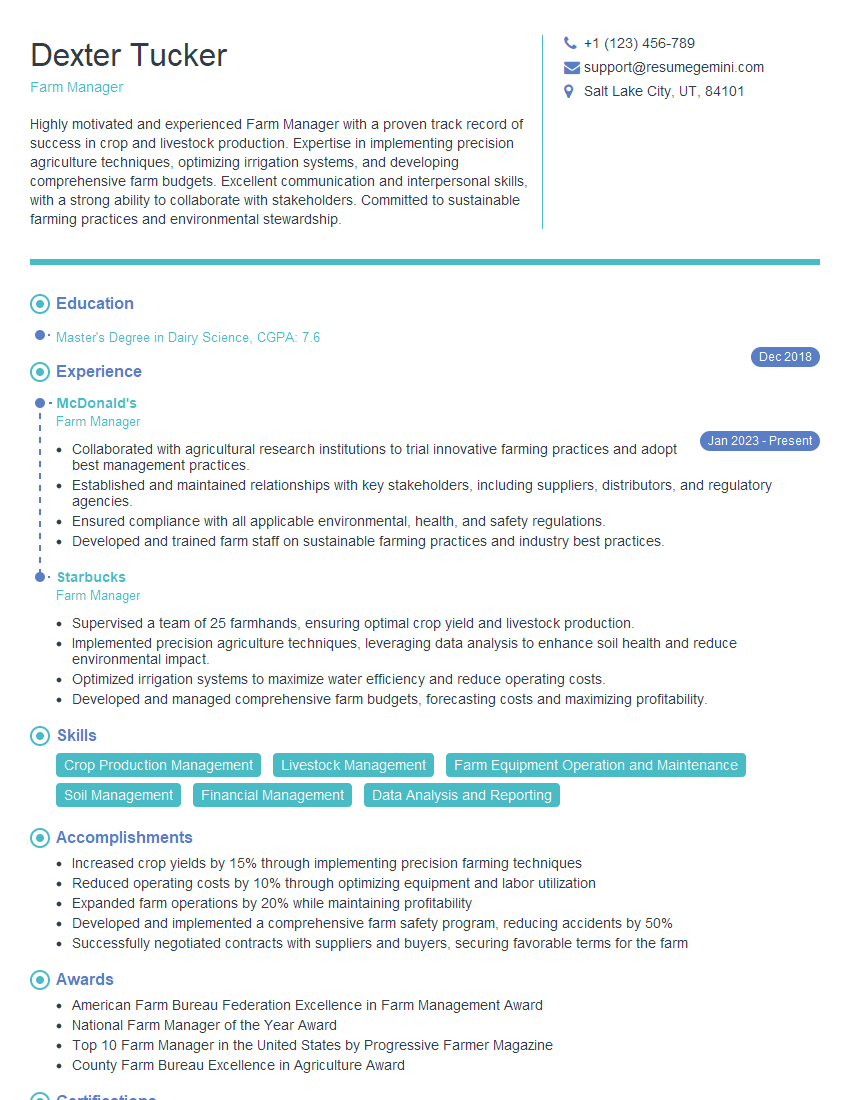
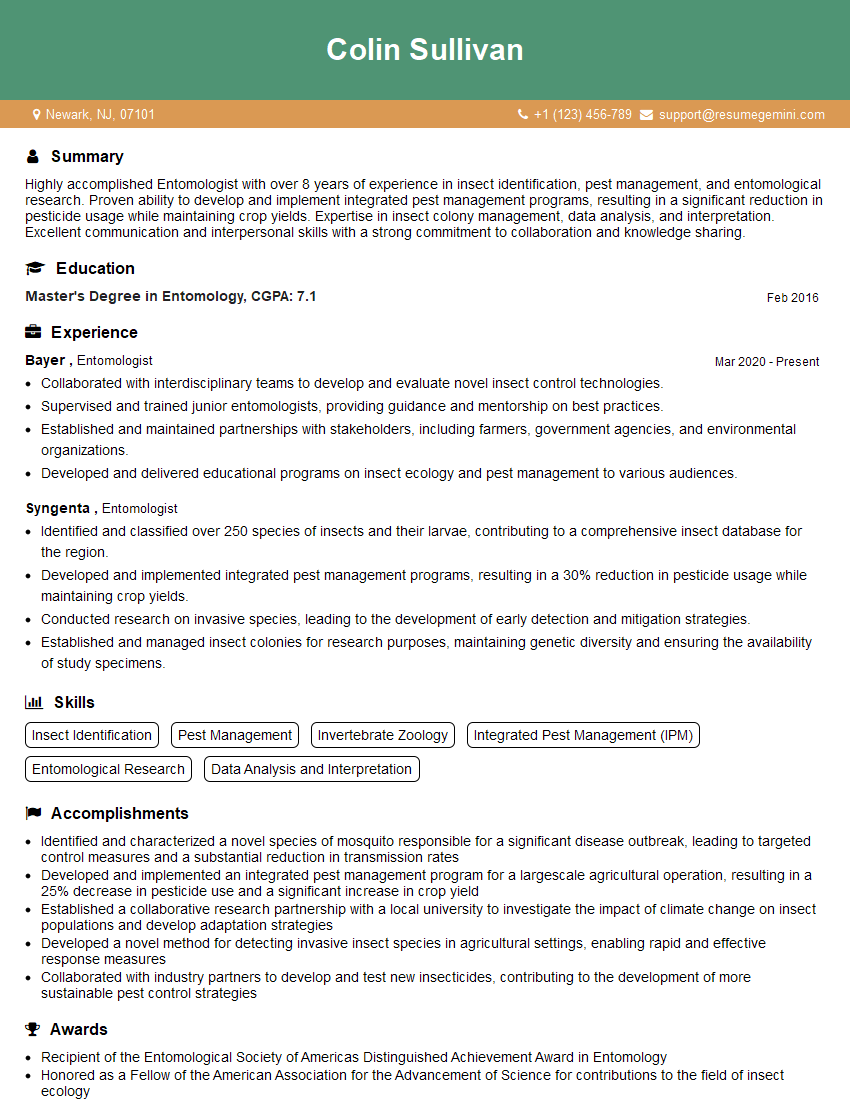
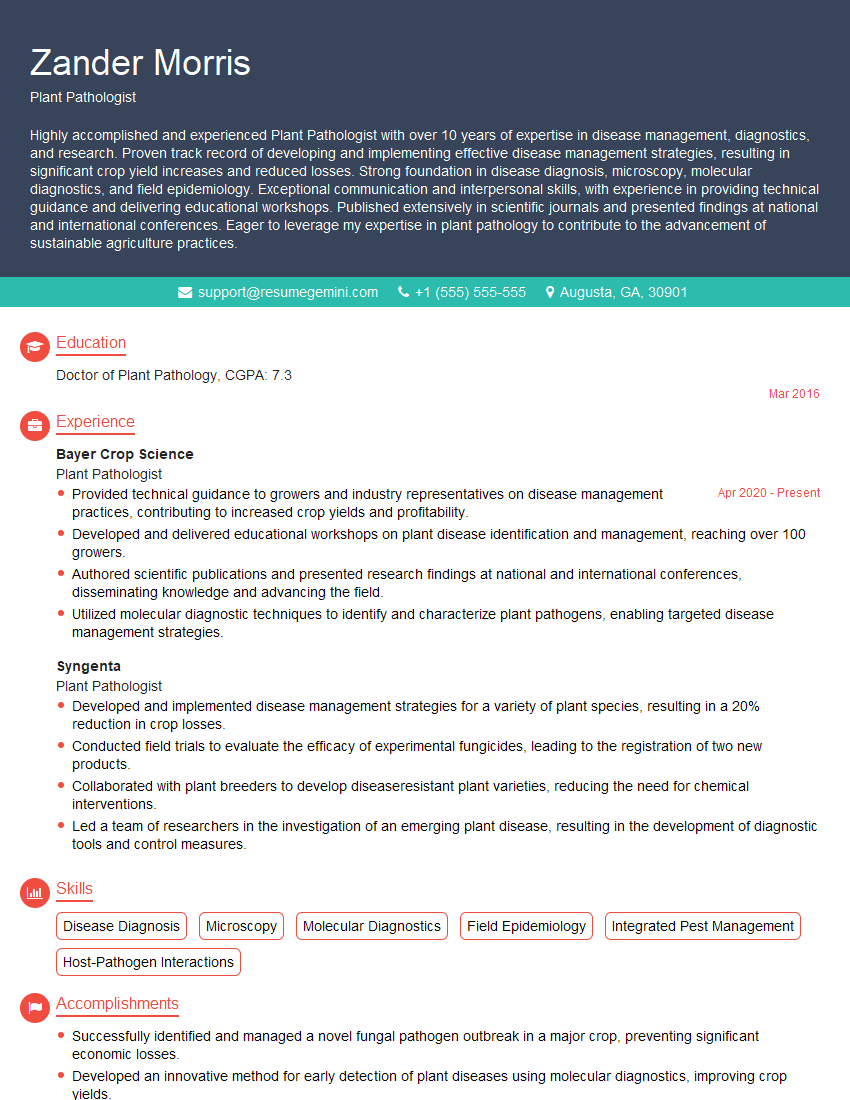
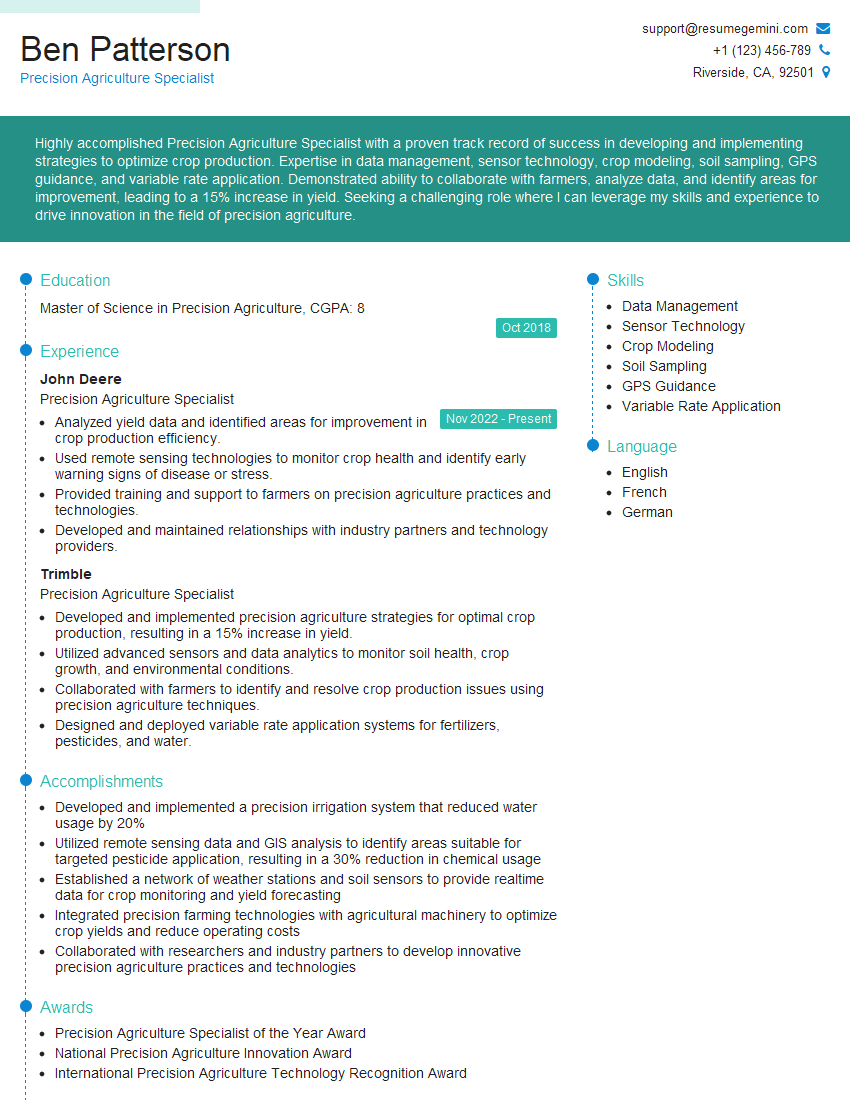
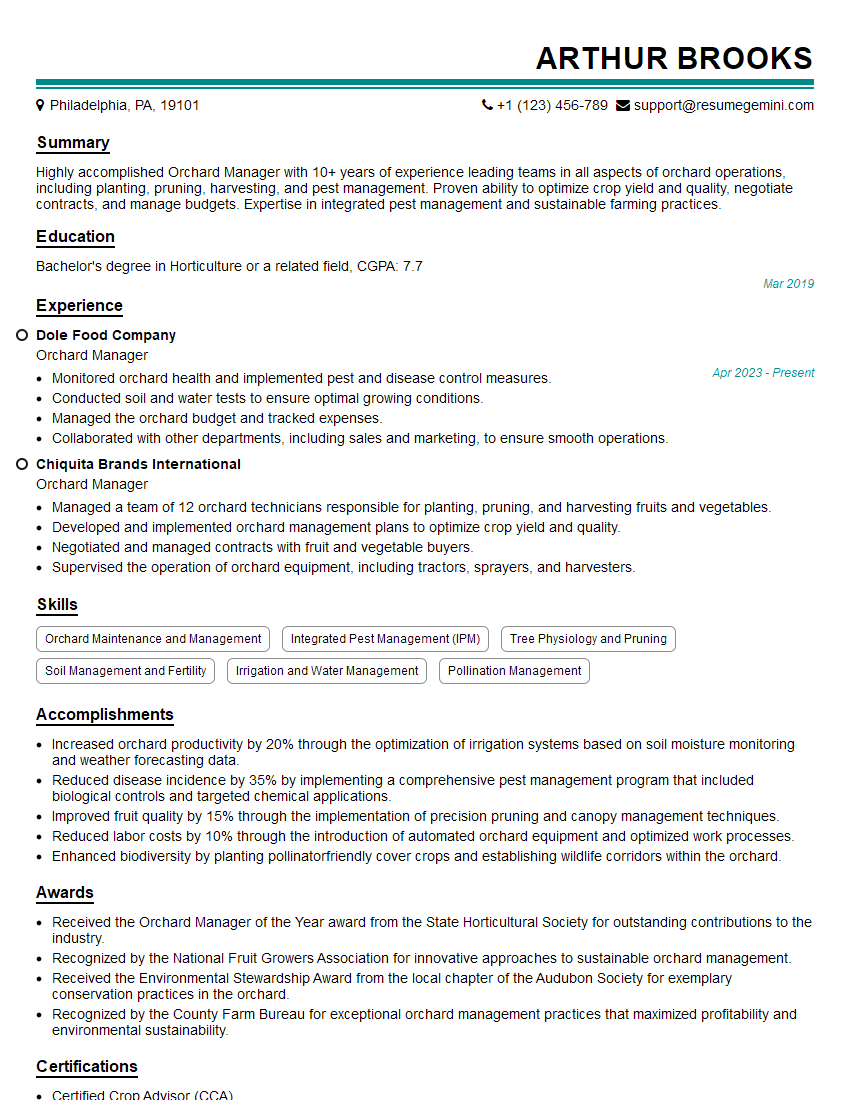
Mastering Fruit Pest and Disease Management is crucial for a successful and rewarding career in agriculture. A strong understanding of these principles will significantly enhance your job prospects and allow you to contribute effectively to sustainable fruit production. To maximize your chances, crafting a compelling and ATS-friendly resume is essential. ResumeGemini can help you create a professional resume that highlights your skills and experience effectively. They offer examples of resumes tailored specifically to Fruit Pest and Disease Management, ensuring your application stands out from the competition. Invest in your future; invest in a well-crafted resume.
Explore more articles
Users Rating of Our Blogs
Share Your Experience
We value your feedback! Please rate our content and share your thoughts (optional).
What Readers Say About Our Blog
Very informative content, great job.
good