Feeling uncertain about what to expect in your upcoming interview? We’ve got you covered! This blog highlights the most important Galvanic Corrosion interview questions and provides actionable advice to help you stand out as the ideal candidate. Let’s pave the way for your success.
Questions Asked in Galvanic Corrosion Interview
Q 1. Explain the principle of Galvanic corrosion.
Galvanic corrosion, also known as dissimilar metal corrosion, occurs when two different metals are in electrical contact in the presence of an electrolyte (like seawater or even slightly damp soil). The more active metal (the one higher on the galvanic series) acts as the anode and corrodes, while the less active metal (lower on the galvanic series) acts as the cathode and is protected. Think of it like a battery – the difference in electrical potential between the metals drives the corrosion process.
Essentially, the electrons flow from the more active metal (anode) to the less active metal (cathode) through the electrolyte, causing the anode to dissolve. This creates an electrochemical cell where the anode is oxidized and the cathode is reduced.
For example, if you connect a zinc nail (anode) and a copper wire (cathode) in saltwater, the zinc will corrode while the copper remains relatively unaffected. The saltwater provides the conductive path (electrolyte) for the electron flow.
Q 2. What is the Galvanic series and how is it used in corrosion prediction?
The galvanic series is a list of metals and alloys ranked in order of their tendency to corrode (oxidize) when coupled with another metal in a specific electrolyte. Metals higher on the series are more anodic (more likely to corrode), while those lower are more cathodic (less likely to corrode). It’s crucial for predicting corrosion because the greater the difference in potential between two metals on the series, the more severe the galvanic corrosion will be.
Corrosion prediction involves identifying the metals in contact, determining their relative positions on the galvanic series for the specific electrolyte involved, and estimating the potential difference between them. A larger potential difference indicates a higher likelihood and faster rate of galvanic corrosion.
For instance, if you’re designing a marine structure, consulting the galvanic series for seawater helps you choose compatible materials to minimize corrosion. Combining highly anodic zinc with a highly cathodic stainless steel would lead to significant zinc corrosion, while combining two similar metals, say 304 and 316 stainless steel, would lead to minimal galvanic corrosion.
Q 3. Describe the factors influencing the rate of Galvanic corrosion.
Several factors influence the rate of galvanic corrosion:
- Potential Difference: The larger the difference in potential between the two metals (as seen on the galvanic series), the faster the corrosion rate.
- Electrolyte Conductivity: A highly conductive electrolyte facilitates faster electron flow, increasing the corrosion rate. Think of saltwater versus distilled water – saltwater accelerates corrosion significantly.
- Surface Area Ratio: The ratio of the anodic to cathodic surface area is critical. A small anode coupled with a large cathode will corrode much faster because the corrosion current is concentrated on a small area. Imagine a small zinc bolt fastened to a large steel plate – the zinc will corrode rapidly.
- Temperature: Higher temperatures generally increase the rate of electrochemical reactions, speeding up galvanic corrosion.
- Oxygen Concentration: Oxygen acts as a cathodic depolarizer, accelerating the cathodic reaction and, consequently, the overall corrosion rate. Areas with high oxygen access will have accelerated corrosion.
- Presence of Inhibitors: Certain chemicals can slow down the corrosion rate by interfering with the electrochemical reactions.
Q 4. How does the environment affect Galvanic corrosion rates?
The environment plays a pivotal role in galvanic corrosion rates. Key environmental factors include:
- Electrolyte Type and Concentration: Seawater is a highly corrosive electrolyte, while distilled water is far less corrosive. The concentration of dissolved ions in the electrolyte also significantly affects the rate.
- Temperature: Higher temperatures generally accelerate corrosion rates.
- pH: The acidity or alkalinity of the environment can influence the corrosion process. Highly acidic environments often accelerate corrosion.
- Oxygen Availability: High oxygen concentrations typically increase corrosion rates.
- Presence of Pollutants: Pollutants in the environment can act as corrosive agents or inhibitors, impacting the overall corrosion rate.
For example, a buried pipeline in acidic soil will corrode faster than a similar pipeline in alkaline soil. Similarly, a steel structure exposed to seawater will corrode much faster than one exposed to freshwater.
Q 5. Explain the concept of anodic and cathodic reactions in Galvanic corrosion.
In galvanic corrosion, the process involves two simultaneous half-cell reactions: anodic and cathodic.
Anodic Reaction (Oxidation): At the anode (the more active metal), the metal atoms lose electrons and go into solution as ions. This is an oxidation reaction. For example, the oxidation of zinc is:
Zn → Zn2+ + 2e-Cathodic Reaction (Reduction): At the cathode (the less active metal), electrons from the anode are consumed in a reduction reaction. This could involve several reactions, most commonly the reduction of oxygen:
O2 + 2H2O + 4e- → 4OH-The electrons flowing from the anode to the cathode through the external circuit (the metallic connection) complete the electrochemical cell, and the overall process is the dissolution of the anode material (corrosion). The rate of these reactions dictates the overall rate of galvanic corrosion.
Q 6. What are the common methods for preventing Galvanic corrosion?
Preventing galvanic corrosion involves several strategies:
- Material Selection: Choose metals that are close together on the galvanic series to minimize potential difference. Alternatively, choose materials inherently resistant to corrosion.
- Insulation: Physically separating the dissimilar metals prevents electron flow and corrosion. Using non-conductive coatings or barriers can effectively achieve this.
- Cathodic Protection: Using a sacrificial anode or impressed current cathodic protection system to protect the structure. This will be discussed in more detail in the next question.
- Design Modifications: Ensure adequate drainage and avoid crevices where electrolytes can accumulate and initiate localized corrosion.
- Coatings: Applying protective coatings such as paints, polymers, or metal coatings to isolate the metals from the environment.
Q 7. Describe the use of sacrificial anodes in corrosion protection.
Sacrificial anodes are a common method of cathodic protection. A more active metal (like zinc or magnesium) is connected to the structure to be protected (the cathode). The sacrificial anode corrodes preferentially, supplying electrons to the cathode and preventing the corrosion of the main structure. It’s like a “get-out-of-jail-free” card for the protected metal; it gets the electrons the cathode is hungry for from the anode instead.
Think of it like a bodyguard: the sacrificial anode takes the hit for the more valuable structure. They are regularly inspected and replaced as they corrode away, ensuring continued protection. This method is widely used to protect pipelines, ships’ hulls, and other submerged or buried structures.
For example, zinc anodes are commonly attached to steel pipelines buried underground or submerged in seawater. The zinc anode corrodes instead of the steel pipeline, protecting the pipeline’s integrity.
Q 8. Explain how coatings protect against Galvanic corrosion.
Coatings act as a barrier, preventing dissimilar metals from coming into direct contact with each other and the electrolyte, thus inhibiting the flow of electrons that drives galvanic corrosion. Think of it like this: if you prevent two people from arguing (the metals), there’s no fight (corrosion). The coating isolates the metals, preventing the electrochemical reaction from occurring. Effective coatings must be sufficiently durable and resistant to damage, such as scratches or cracking, to maintain their protective properties.
For example, a zinc coating (galvanizing) on steel acts as a sacrificial anode. If a small scratch exposes the steel, the zinc corrodes preferentially, protecting the steel underneath. Other coatings, like paint or polymers, provide a physical barrier that isolates the metals from the environment completely, preventing corrosion even if the coating is slightly damaged.
Q 9. How does the size of the anode and cathode affect Galvanic corrosion?
The size of the anode and cathode significantly influences the rate of galvanic corrosion. A smaller anode coupled with a larger cathode will result in accelerated corrosion of the anode. This is because the corrosion rate is largely dictated by the current density at the anode surface. With a small anode, the same current is concentrated over a smaller area, leading to a much higher corrosion rate. Imagine trying to drain a bathtub (the current) with a tiny drain (the anode) versus a large one (a large anode). The tiny drain will take much longer and possibly overflow. Conversely, a larger anode connected to a smaller cathode will result in slower corrosion, as the current is spread over a larger surface area.
For example, a small steel bolt (anode) in contact with a large aluminum plate (cathode) in seawater will corrode quickly. However, a large steel plate (anode) connected to a small aluminum component (cathode) will experience much slower corrosion, even though the overall amount of corrosion is the same.
Q 10. What is the role of electrolytes in Galvanic corrosion?
Electrolytes are essential for galvanic corrosion to occur. They are electrically conductive solutions or materials that allow the flow of ions between the anode and the cathode, completing the electrical circuit. Without an electrolyte, there is no pathway for the ions to move, and the electrochemical reaction cannot proceed. Think of it as the ‘bridge’ between the two metals, allowing the exchange of electrons and ions.
Common electrolytes include seawater, soil moisture, acidic solutions, and even atmospheric moisture. The conductivity of the electrolyte significantly impacts the severity of galvanic corrosion; higher conductivity leads to faster corrosion rates. For example, a steel bolt and copper pipe buried in damp soil will experience significantly faster corrosion than the same pair sitting in a dry environment.
Q 11. Describe different types of coatings used to prevent Galvanic corrosion.
Various coatings are employed to mitigate galvanic corrosion. The choice depends on the specific application and the properties required. Some common types include:
- Metallic Coatings: These include galvanizing (zinc), tin plating, cadmium plating, and nickel plating. They offer both barrier protection and cathodic protection (in the case of sacrificial anodes like zinc).
- Organic Coatings: Paints, varnishes, and polymers provide a physical barrier to isolate the metals from the environment. Their effectiveness depends on the quality of the coating and its ability to withstand damage.
- Conversion Coatings: These coatings are formed by chemical reaction on the metal surface, creating a thin layer of protective compound. Examples include phosphate coatings and chromate coatings.
- Ceramic Coatings: These offer excellent protection in high-temperature or corrosive environments.
The selection process usually considers factors like cost, durability, environmental impact, and the specific corrosive environment.
Q 12. How do you select appropriate materials to minimize Galvanic corrosion in a given application?
Selecting materials to minimize galvanic corrosion involves understanding the galvanic series, which ranks metals based on their relative nobility (resistance to corrosion). The further apart two metals are on the series, the greater the potential for galvanic corrosion. The ideal strategy is to choose materials that are close together on the series or to use a sacrificial anode.
The process involves:
- Identify the environment: Determine the electrolyte (e.g., seawater, soil, atmosphere) and its conductivity.
- Consult the galvanic series: Select materials that are close together on the series or that are known to be compatible in the specific environment.
- Consider other factors: Assess mechanical properties, cost, availability, and other relevant material requirements.
- Employ protective measures: Use coatings, insulators, or sacrificial anodes to further minimize corrosion risk.
For instance, in a marine environment, using stainless steel and copper alloys together might be preferable to steel and copper, as the stainless steel’s lower reactivity will reduce the galvanic effect.
Q 13. Explain the concept of polarization in Galvanic corrosion.
Polarization refers to the shift in the electrode potential of a metal from its equilibrium value when a current is flowing. In galvanic corrosion, polarization reduces the rate of corrosion by decreasing the driving force for the electrochemical reaction. It’s essentially a self-limiting mechanism.
There are two primary types of polarization:
- Activation Polarization: This occurs due to the slow kinetics of the electrochemical reactions at the electrode surfaces. It acts as a resistance to the flow of electrons, slowing down the overall reaction rate.
- Concentration Polarization: This is caused by depletion of reactants or accumulation of products near the electrode surface. For instance, if oxygen is needed for the cathodic reaction, and its supply becomes limited, the corrosion rate slows down.
Understanding polarization is crucial for predicting and controlling galvanic corrosion rates, as it can significantly affect the effectiveness of corrosion mitigation strategies.
Q 14. What is the difference between uniform and localized Galvanic corrosion?
Galvanic corrosion can manifest in two primary forms: uniform and localized.
- Uniform Galvanic Corrosion: This involves relatively even corrosion over a large area of the anode. The corrosion rate is fairly constant across the affected surface. Imagine a sheet of metal gradually thinning uniformly due to exposure to a corrosive environment.
- Localized Galvanic Corrosion: This is more aggressive, involving concentrated corrosion in specific areas of the anode, often leading to pitting or crevice corrosion. These localized areas experience much higher corrosion rates than the surrounding metal. This can lead to premature failure even if the overall amount of material loss is relatively small. Think of a small hole forming quickly in a metal sheet, rather than the whole sheet thinning gradually.
Localized corrosion is generally more damaging than uniform corrosion due to its unpredictable nature and potential for structural failure.
Q 15. Describe how to measure and monitor Galvanic corrosion.
Measuring and monitoring galvanic corrosion involves a multi-pronged approach combining visual inspection with electrochemical techniques. Visual inspection, while simple, can reveal obvious signs of corrosion like pitting, discoloration, or material loss. However, it’s often insufficient to fully assess the extent of the damage. Electrochemical methods provide a more quantitative measure.
Electrochemical Methods:
- Potential measurements: Using a reference electrode (e.g., saturated calomel electrode or silver/silver chloride electrode) and a voltmeter, we can measure the potential difference between the different metals in the galvanic couple. A larger potential difference indicates a higher driving force for corrosion. This is often done using a potentiostat.
- Linear Polarization Resistance (LPR): This technique applies a small potential perturbation around the corrosion potential and measures the resulting current. The slope of the polarization curve is inversely proportional to the corrosion rate.
- Electrochemical Impedance Spectroscopy (EIS): EIS provides detailed information about the corrosion process by applying a small AC signal and analyzing the resulting impedance response. It can help identify the different stages of corrosion and the contribution of various factors.
- Weight Loss Measurements: A simple but effective method, especially for relatively uniform corrosion. Samples are weighed before and after exposure to the corrosive environment, and the difference indicates the mass loss due to corrosion. This method requires careful sample preparation and control of environmental conditions.
Monitoring: Continuous monitoring can be achieved using probes embedded in structures or regular electrochemical measurements at designated locations. Data logging systems allow for long-term tracking of corrosion rates and potential changes, enabling predictive maintenance and timely intervention.
Example: Imagine monitoring a pipeline submerged in seawater. Regular LPR measurements at different points along the pipeline can help identify areas experiencing accelerated corrosion, allowing for targeted repairs before catastrophic failure.
Career Expert Tips:
- Ace those interviews! Prepare effectively by reviewing the Top 50 Most Common Interview Questions on ResumeGemini.
- Navigate your job search with confidence! Explore a wide range of Career Tips on ResumeGemini. Learn about common challenges and recommendations to overcome them.
- Craft the perfect resume! Master the Art of Resume Writing with ResumeGemini’s guide. Showcase your unique qualifications and achievements effectively.
- Don’t miss out on holiday savings! Build your dream resume with ResumeGemini’s ATS optimized templates.
Q 16. What are some common indicators of Galvanic corrosion?
Identifying galvanic corrosion requires a keen eye for subtle changes and a thorough understanding of the system’s materials. Common indicators include:
- Pitting: Localized corrosion forming small holes or cavities. This is a characteristic feature of galvanic corrosion because the anodic reaction is concentrated in small areas.
- Discoloration: Changes in the metal’s surface color, often due to the formation of corrosion products or changes in surface oxidation state.
- Material Loss: Visible reduction in the dimensions of the metal component, especially at the anode.
- Cracking: Stress corrosion cracking can occur due to the combined effect of tensile stress and corrosive environment. This is often seen in welds or areas with stress concentrations.
- Hydrogen Embrittlement: In certain cases, hydrogen produced during the anodic reaction can diffuse into the metal, causing it to become brittle and prone to fracture. This is common with high-strength steels.
- Increased Electrical Conductivity: In some situations, a galvanic couple can produce electrolytes that increase the conductivity of the surrounding medium leading to further corrosion.
Example: A steel bolt fastened to a copper plate in a marine environment might show pitting on the steel (anode) and remain relatively unaffected on the copper (cathode). The discoloration around the steel bolt would also indicate ongoing corrosion.
Q 17. How can you identify the anode and cathode in a Galvanic couple?
Identifying the anode and cathode in a galvanic couple is crucial for understanding and mitigating galvanic corrosion. The key is to understand the relative nobility of the metals involved. The anode is the more active metal that undergoes oxidation (loses electrons), corroding in the process. The cathode is the less active metal which acts as a site for reduction (gains electrons), preventing itself from corrosion.
Several methods help to identify the anode and cathode:
- Galvanic Series: This table lists metals in order of their relative nobility in a specific environment. Metals higher on the series are more anodic and more prone to corrosion when coupled with metals lower on the series.
- Electrochemical Measurements: By measuring the potential difference between two metals in a specific electrolyte using a reference electrode, we can determine which one is anodic and cathodic. The more negative potential corresponds to the anode.
- Visual Inspection: Observing signs of corrosion, such as pitting or material loss, can provide clues. The component showing corrosion is likely the anode.
Example: In a zinc-copper couple exposed to seawater, zinc (higher on the galvanic series) acts as the anode, corroding preferentially, while copper acts as the cathode, remaining largely unaffected. The zinc will show signs of pitting and discoloration.
Q 18. Explain the concept of corrosion potential.
Corrosion potential, also known as the open-circuit potential (OCP), is the potential of a metal electrode in an electrolyte when no external current is applied. It’s a measure of the metal’s tendency to corrode in that specific environment. A more negative corrosion potential indicates a greater tendency for the metal to corrode. Conversely, a more positive potential indicates a less active state and better corrosion resistance.
The corrosion potential provides valuable insight into the electrochemical behavior of metals, and it’s an important parameter in predicting corrosion rates and selecting appropriate materials. The corrosion potential is measured using a reference electrode and a voltmeter and is specific to a given metal/electrolyte combination. It is highly influenced by environmental factors such as pH, temperature, oxygen concentration and the presence of aggressive ions.
Example: Steel exposed to aerated seawater will have a more negative corrosion potential than stainless steel in the same environment, indicating that steel is more prone to corrosion than stainless steel under these conditions.
Q 19. What are the limitations of using the Galvanic series?
The galvanic series is a valuable tool for predicting the relative corrosion behavior of different metals, but it has some limitations:
- Environment Dependence: The galvanic series is highly dependent on the specific electrolyte. The relative position of metals can change significantly with changes in pH, temperature, or the presence of specific ions. A metal that is anodic in one environment might be cathodic in another.
- Oversimplification: It provides a general guideline but doesn’t account for factors such as surface condition, alloy composition, or the presence of corrosion inhibitors, which can significantly affect the corrosion rate.
- Lack of Quantitative Information: The galvanic series doesn’t provide quantitative information on corrosion rates. It only indicates the relative tendency of metals to corrode. Actual corrosion rates depend on many factors, including the surface area of the anode and cathode, the conductivity of the electrolyte, and the polarization characteristics of the metals.
- Limited Applicability to Complex Systems: The galvanic series is most effective for predicting corrosion in simple galvanic couples. Its applicability becomes limited when considering complex systems with multiple metals, alloys, and different electrolytes.
Example: While the galvanic series suggests that zinc is always more anodic than copper, the presence of certain inhibitors can reduce the corrosion rate of zinc significantly, altering the relative behavior of the couple.
Q 20. Describe the electrochemical principles behind Galvanic corrosion.
Galvanic corrosion is an electrochemical process involving the transfer of electrons between two dissimilar metals in an electrolyte. It follows the basic principles of electrochemistry:
- Oxidation (at the anode): The more active metal (anode) undergoes oxidation, losing electrons and forming metal ions. This process is represented by the following half-cell reaction (for example, for zinc):
Zn → Zn2+ + 2e- - Reduction (at the cathode): The less active metal (cathode) undergoes reduction, gaining electrons. The reduction reaction depends on the environment. In an oxygenated environment, a common reduction reaction is the reduction of oxygen:
O2 + 4H+ + 4e- → 2H2O - Electron Flow: Electrons flow from the anode (where oxidation occurs) to the cathode (where reduction occurs) through the metallic path, creating an electrical current.
- Ionic Current: Ions move through the electrolyte to maintain electrical neutrality. Cations (positive ions) move toward the cathode, and anions (negative ions) move toward the anode.
The overall reaction is the sum of the oxidation and reduction half-cell reactions. The difference in the electrochemical potentials of the two metals determines the driving force for the corrosion process. The larger the difference, the faster the rate of corrosion.
Q 21. Explain the role of oxygen in Galvanic corrosion.
Oxygen plays a crucial role in galvanic corrosion, primarily by acting as a depolarizer at the cathode. Depolarization is the process that removes the products of the cathodic reaction, allowing the reduction reaction to continue. Without depolarization, the build-up of reduction products would impede the cathodic reaction, slowing down or stopping the overall corrosion process.
In the presence of oxygen, the reduction reaction at the cathode typically involves the reduction of oxygen to hydroxide ions (in aqueous solutions):
O2 + 2H2O + 4e- → 4OH-
This reaction consumes electrons, maintaining the electron flow from the anode and sustaining the oxidation (corrosion) of the anodic metal. The higher the oxygen concentration, the faster the cathodic reaction, and therefore the faster the rate of galvanic corrosion. This is why galvanic corrosion is often accelerated in oxygenated environments like seawater or moist air.
In the absence of oxygen, the cathodic reaction may involve the reduction of hydrogen ions (H+), but this reaction is slower and less efficient than oxygen reduction, resulting in a slower corrosion rate. The reduction of hydrogen ions can also lead to hydrogen embrittlement in susceptible metals.
Q 22. How does temperature affect Galvanic corrosion rates?
Temperature significantly influences galvanic corrosion rates. Generally, an increase in temperature accelerates the electrochemical reactions driving corrosion. This is because higher temperatures increase the kinetic energy of the reacting species, leading to more frequent and energetic collisions. Think of it like this: imagine a crowded dance floor. At higher temperatures (more energetic dancers), more collisions and interactions happen, increasing the overall rate of ‘corrosion’ (in this analogy, the rate of people bumping into each other).
The relationship isn’t always linear, however. The specific effect depends on several factors, including the activation energies of the anodic and cathodic reactions, the conductivity of the electrolyte, and the presence of any temperature-sensitive inhibitors. For example, some corrosion inhibitors might lose their effectiveness at higher temperatures, leading to a sharper increase in corrosion rate than expected.
In practical terms, this means that equipment operating in high-temperature environments, such as heat exchangers or pipelines carrying hot fluids, is at a greater risk of galvanic corrosion. Careful material selection and corrosion protection strategies are crucial in these scenarios.
Q 23. Describe some non-destructive testing methods used to detect Galvanic corrosion.
Several non-destructive testing (NDT) methods are effective in detecting galvanic corrosion. These methods help us assess the extent of corrosion without damaging the structure. Key techniques include:
- Visual Inspection: The simplest method, involving careful observation for signs of corrosion like pitting, discoloration, and deposits. It’s often the first step and can identify areas requiring further investigation.
- Ultrasonic Testing (UT): UT uses high-frequency sound waves to detect changes in material thickness. This allows for the identification of corrosion pitting and the measurement of its depth. It’s particularly useful for detecting subsurface corrosion.
- Electromagnetic Testing (ET): ET methods, such as eddy current testing, measure changes in electromagnetic fields caused by corrosion. These techniques are particularly sensitive to surface imperfections and can detect thin corrosion layers.
- Radiographic Testing (RT): RT, using X-rays or gamma rays, allows for visualization of internal corrosion within the material. This method is excellent for detecting corrosion in complex structures or inaccessible areas. However, it requires specialized equipment and expertise.
The choice of NDT method depends on factors like the material type, access to the component, and the level of detail needed. Often, a combination of methods provides the most comprehensive assessment.
Q 24. Explain the importance of proper grounding and bonding in preventing Galvanic corrosion.
Proper grounding and bonding are essential for preventing galvanic corrosion by minimizing potential differences between dissimilar metals. Grounding connects metallic structures to earth, establishing a common electrical potential. Bonding connects metallic components within a system to each other, ensuring that they are electrically at the same potential.
Imagine a building’s electrical system: grounding prevents dangerous voltage buildup, and bonding ensures that all metal components are at the same potential, preventing electrical shocks. Similarly, in a galvanic corrosion context, without proper grounding and bonding, different metals in contact can develop significant potential differences, causing one metal to act as an anode and corrode preferentially.
For example, in marine environments, ship hulls are grounded to minimize potential differences between different sections of the hull and other metallic components, such as propeller shafts and underwater fittings. Without this, galvanic corrosion could severely compromise the structural integrity of the vessel.
In summary, grounding and bonding equalize electrical potentials, eliminating the driving force for galvanic corrosion.
Q 25. What are the economic consequences of Galvanic corrosion?
The economic consequences of galvanic corrosion can be substantial, leading to significant costs across various industries. These costs can be broadly categorized as:
- Repair and Replacement Costs: Corrosion damage necessitates repairs or replacement of corroded components, incurring direct costs for materials, labor, and downtime.
- Maintenance Costs: Regular inspection, cleaning, and protective coating applications are needed to mitigate corrosion, adding to the overall expenditure.
- Production Losses: Corrosion can lead to equipment failure and production disruptions, resulting in lost revenue and potential penalties for missed deadlines.
- Safety Hazards: Severe corrosion can compromise structural integrity, leading to safety hazards and potential lawsuits.
- Environmental Costs: Corrosion can release harmful substances into the environment, requiring remediation efforts and incurring associated expenses.
The cumulative effect of these costs can be substantial, especially in critical infrastructure projects or industries with high-value assets. Effective corrosion management programs are crucial for minimizing these economic burdens.
Q 26. Describe a time you had to solve a problem related to Galvanic corrosion.
During a project involving the construction of a desalination plant, we encountered significant galvanic corrosion issues in the seawater intake piping system. The system utilized different metals – primarily stainless steel and copper alloys – which were in direct contact with seawater, acting as the electrolyte. We observed accelerated corrosion of the stainless steel components, threatening the integrity of the system.
To resolve this, we first conducted a thorough assessment using various NDT methods, including visual inspection and electrochemical measurements, to pinpoint the affected areas and quantify the corrosion rate. Our solution involved a multi-pronged approach:
- Material Substitution: We replaced the stainless steel components in the most critical areas with corrosion-resistant alloys compatible with the copper alloys.
- Improved Insulation: We implemented effective insulation between the dissimilar metals using non-conductive materials where complete substitution wasn’t feasible.
- Cathodic Protection: We installed a sacrificial anode system to protect the stainless steel components, ensuring the stainless steel acts as the cathode and prevents corrosion.
These measures effectively mitigated the galvanic corrosion, ensuring the long-term reliability and operational efficiency of the desalination plant.
Q 27. How do you stay up-to-date with the latest advancements in corrosion prevention?
Staying current with advancements in corrosion prevention is crucial. I employ several strategies to maintain my knowledge base:
- Professional Organizations: Active membership in organizations like NACE International (now AMPP) provides access to conferences, publications, and networking opportunities with leading experts.
- Peer-Reviewed Journals: I regularly read peer-reviewed journals focusing on corrosion science and engineering, staying abreast of the latest research findings and methodologies.
- Industry Conferences and Workshops: Attending conferences and workshops allows me to learn about new technologies and best practices directly from industry professionals.
- Online Resources and Databases: Utilizing online databases and resources, such as those provided by universities and research institutions, provides access to a wealth of information and research papers.
- Continuing Education Courses: I actively participate in continuing education courses and training programs to enhance my expertise and stay updated on new developments and techniques in corrosion prevention.
This multi-faceted approach ensures I am well-equipped to address complex corrosion challenges and adopt the most effective prevention strategies.
Q 28. What are your strengths and weaknesses related to corrosion engineering?
My strengths lie in my strong analytical skills, coupled with a practical, hands-on approach to problem-solving. I possess a deep understanding of electrochemical principles and their application to real-world corrosion scenarios. My experience in diverse industries has provided me with a broad range of exposure to different materials and environments.
However, I acknowledge that keeping up with the constantly evolving landscape of new materials and advanced corrosion mitigation techniques is a continuous challenge. I actively work to address this weakness through the continuing education and professional development strategies mentioned earlier.
Key Topics to Learn for Galvanic Corrosion Interview
- Fundamentals of Electrochemistry: Understanding electrochemical principles like oxidation, reduction, half-cell potentials, and the Nernst equation is crucial. This forms the bedrock of understanding galvanic corrosion.
- The Galvanic Series: Mastering the galvanic series and its application in predicting the likelihood of galvanic corrosion between different metals is essential. Be prepared to explain how it works and its limitations.
- Factors Affecting Galvanic Corrosion Rate: Explore the influence of factors such as surface area ratio, electrolyte conductivity, temperature, and the presence of inhibitors on the rate of corrosion. Understanding these factors is key to mitigation strategies.
- Practical Applications and Case Studies: Review examples of galvanic corrosion in real-world scenarios, such as pipelines, marine structures, and electronic components. Being able to discuss specific examples demonstrates practical knowledge.
- Corrosion Prevention and Mitigation Techniques: Familiarize yourself with various methods used to prevent or mitigate galvanic corrosion, including material selection, coatings, cathodic protection, and design modifications. Understanding these strategies is crucial for practical application.
- Analyzing Corrosion Data: Be prepared to interpret electrochemical data, understand polarization curves, and potentially discuss techniques used to measure corrosion rates (e.g., weight loss, electrochemical impedance spectroscopy).
- Troubleshooting and Problem Solving: Practice diagnosing and proposing solutions to hypothetical galvanic corrosion problems. This demonstrates your ability to apply your knowledge in practical situations.
Next Steps
Mastering Galvanic Corrosion demonstrates a strong foundation in materials science and engineering, significantly enhancing your career prospects in various industries. A well-crafted resume is key to showcasing this expertise. An ATS-friendly resume, optimized for applicant tracking systems, significantly increases your chances of getting your application noticed. ResumeGemini is a trusted resource that can help you create a professional and impactful resume tailored to your skills and experience. Examples of resumes tailored to Galvanic Corrosion expertise are available through ResumeGemini, helping you present yourself effectively to potential employers.

Project Engineer Resume Sample

Reliability Engineer Resume Sample
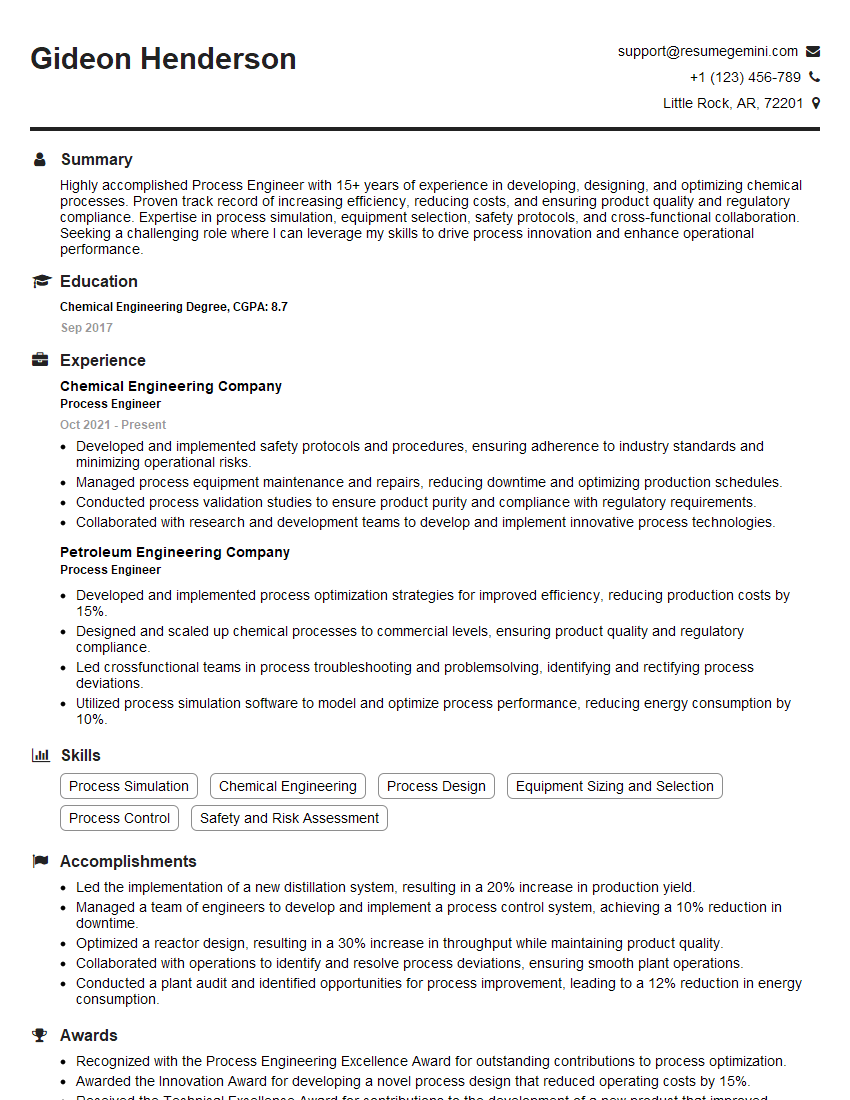
Process Engineer Resume Sample

Aerospace Engineer Resume Sample
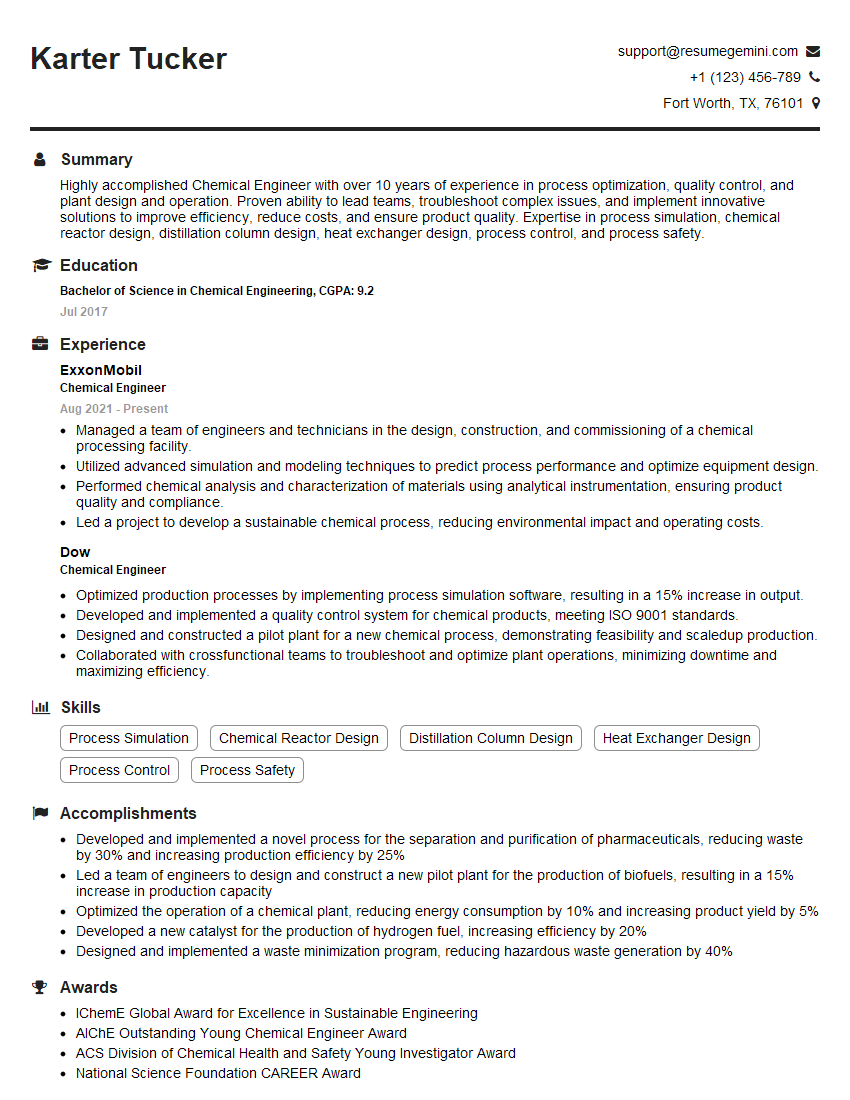
Chemical Engineer Resume Sample

Maintenance Engineer Resume Sample
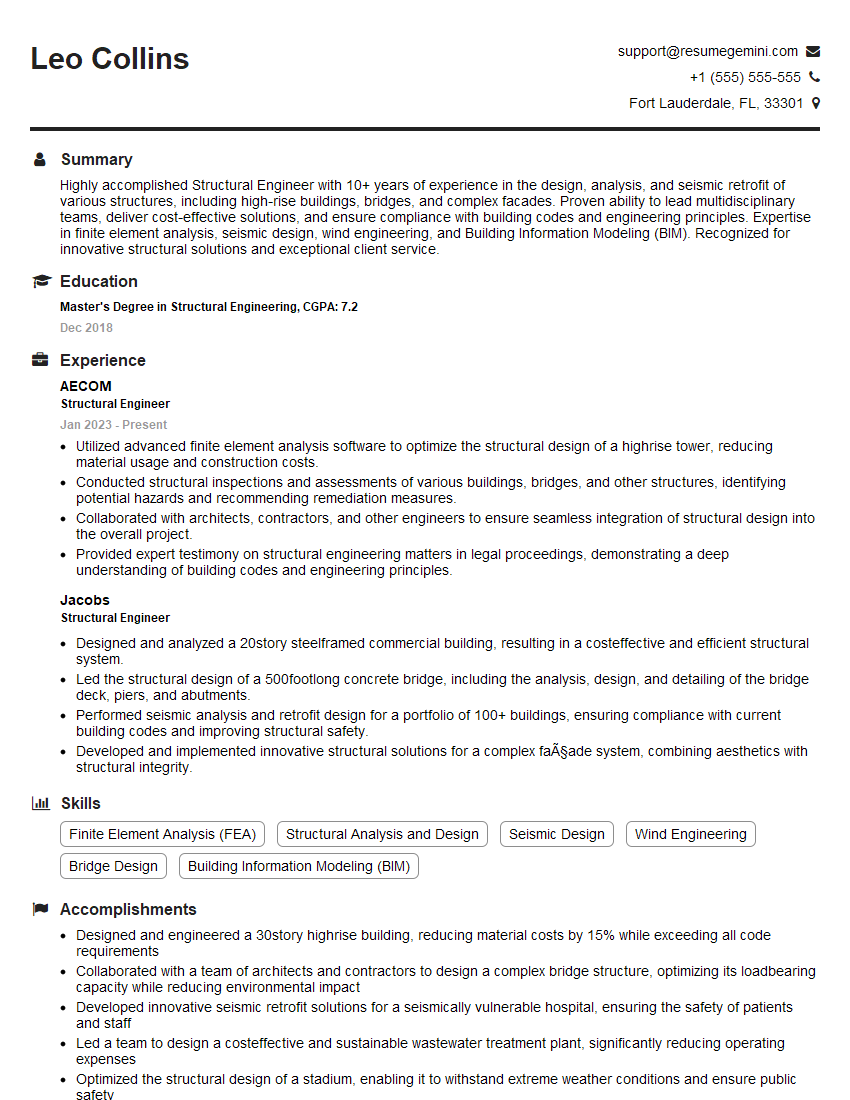
Structural Engineer Resume Sample
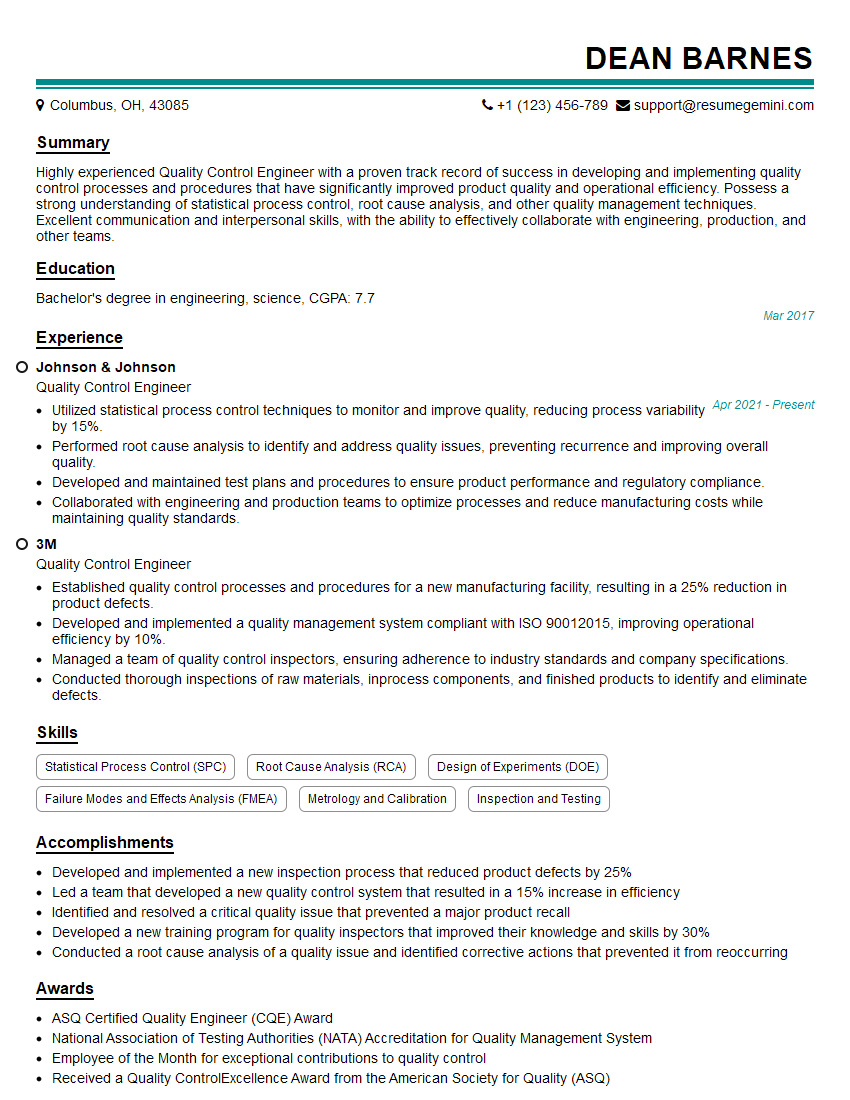
Quality Control Engineer Resume Sample
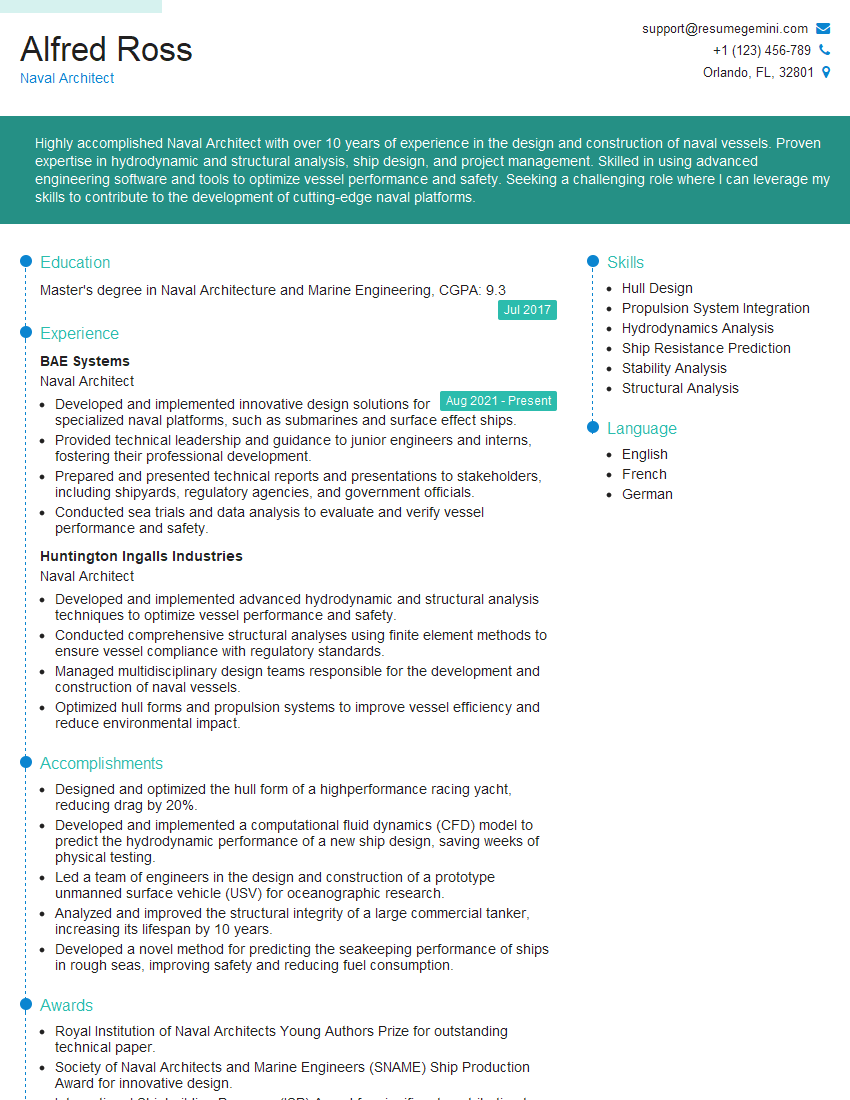
Naval Architect Resume Sample
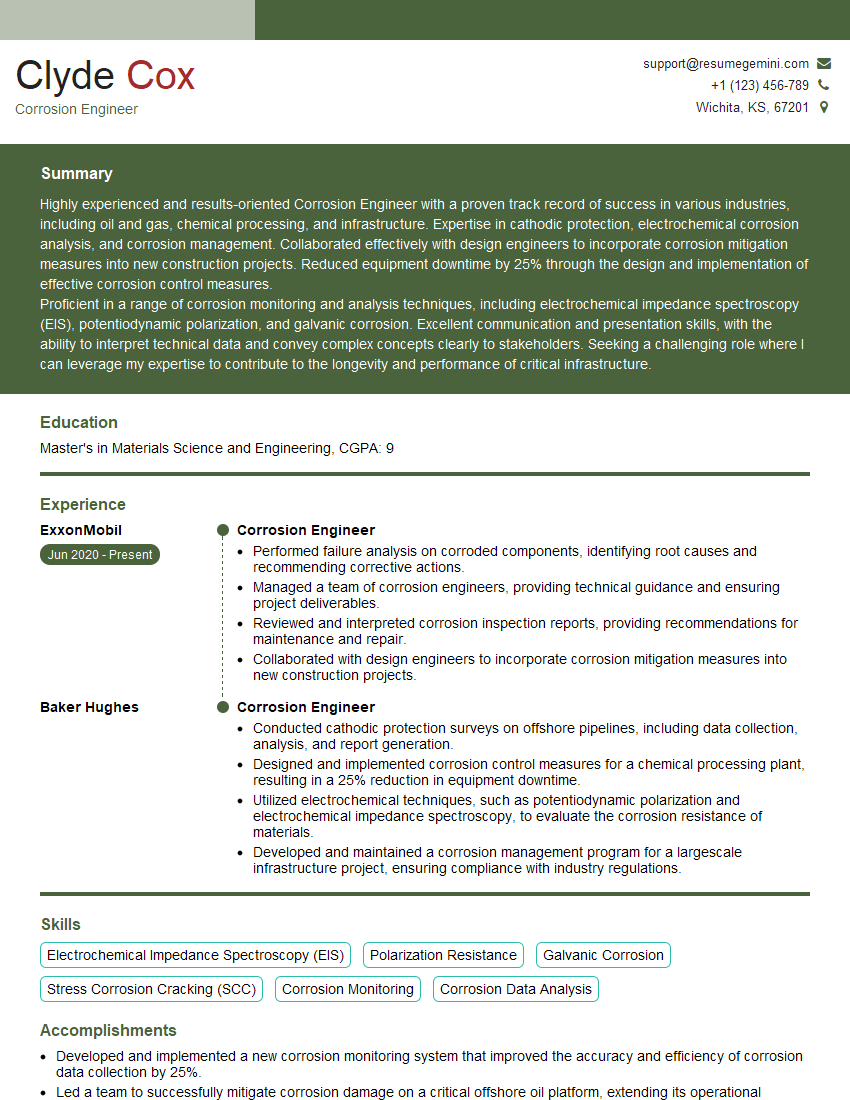
Corrosion Engineer Resume Sample

Materials Engineer Resume Sample
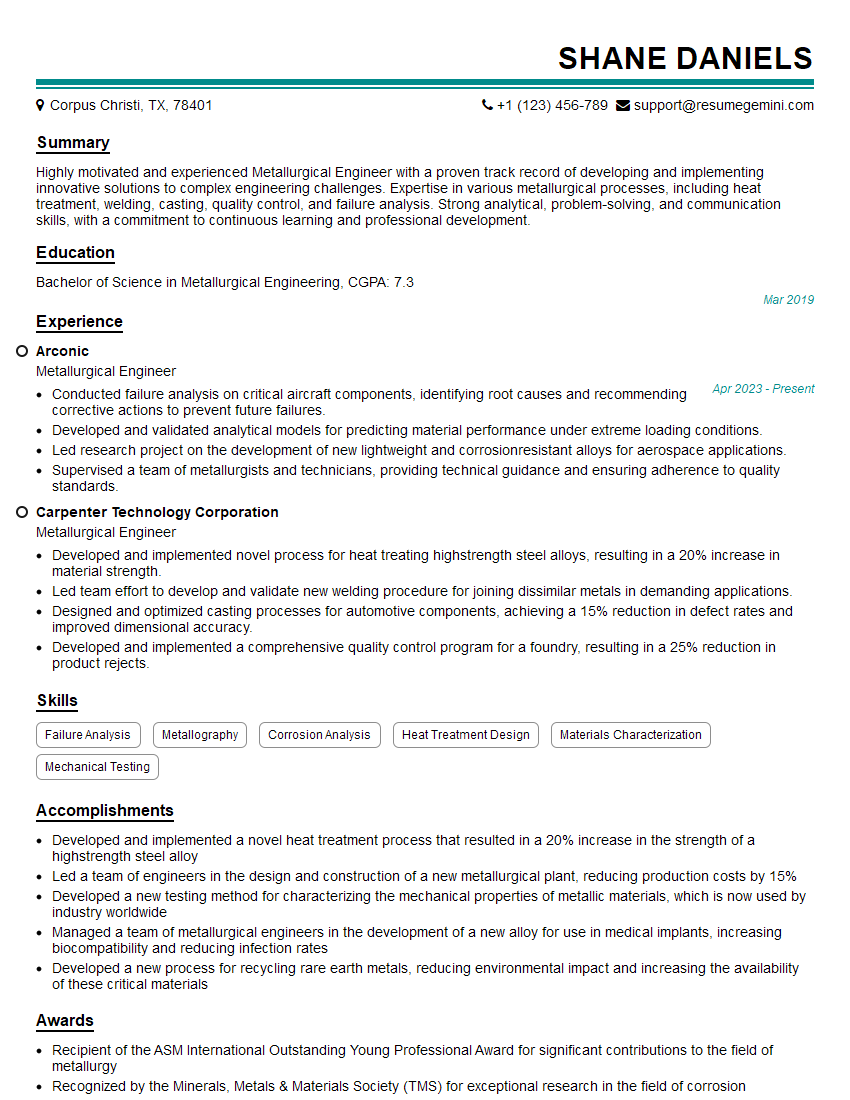
Metallurgical Engineer Resume Sample

Welding Engineer Resume Sample
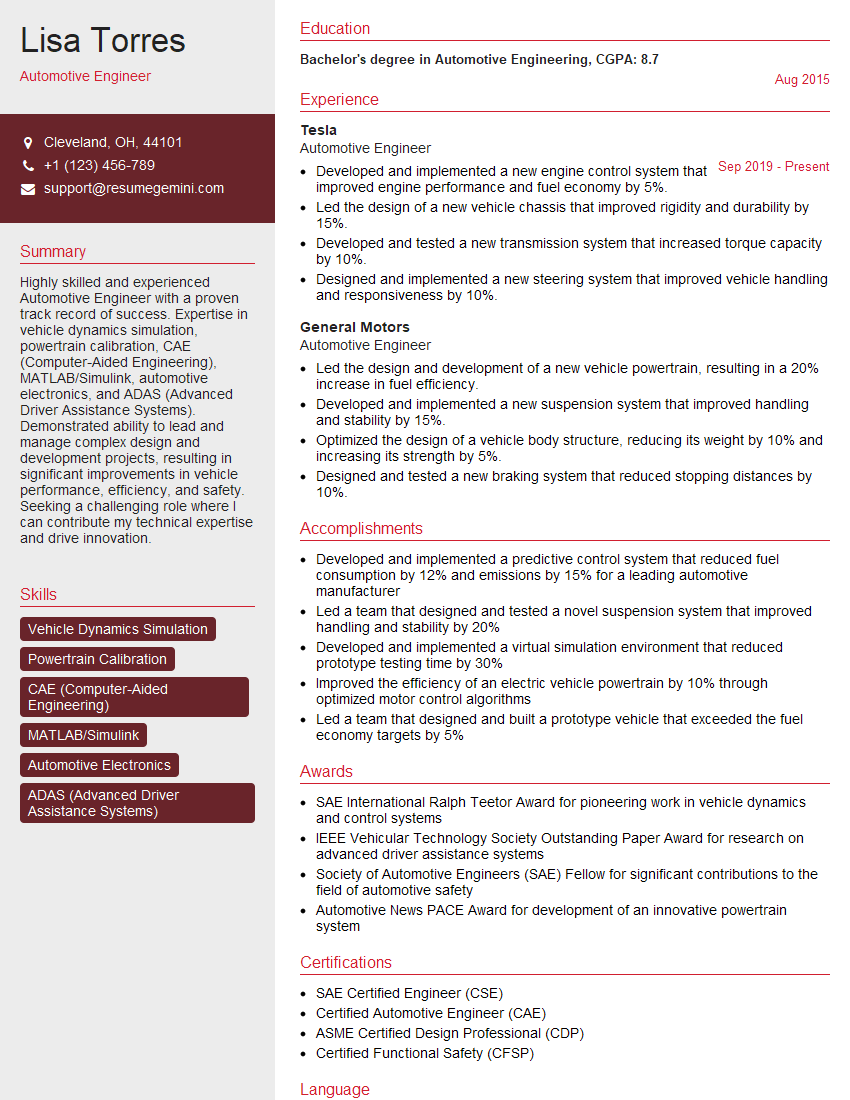
Automotive Engineer Resume Sample
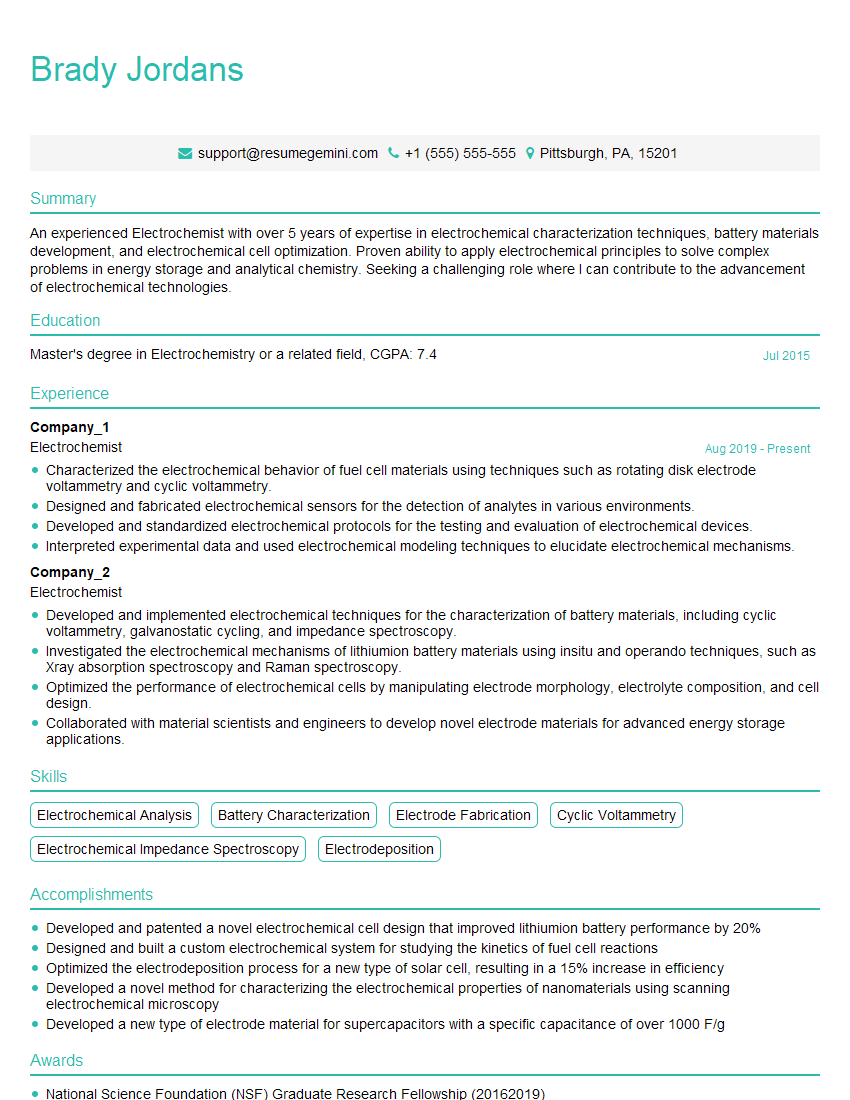
Electrochemist Resume Sample
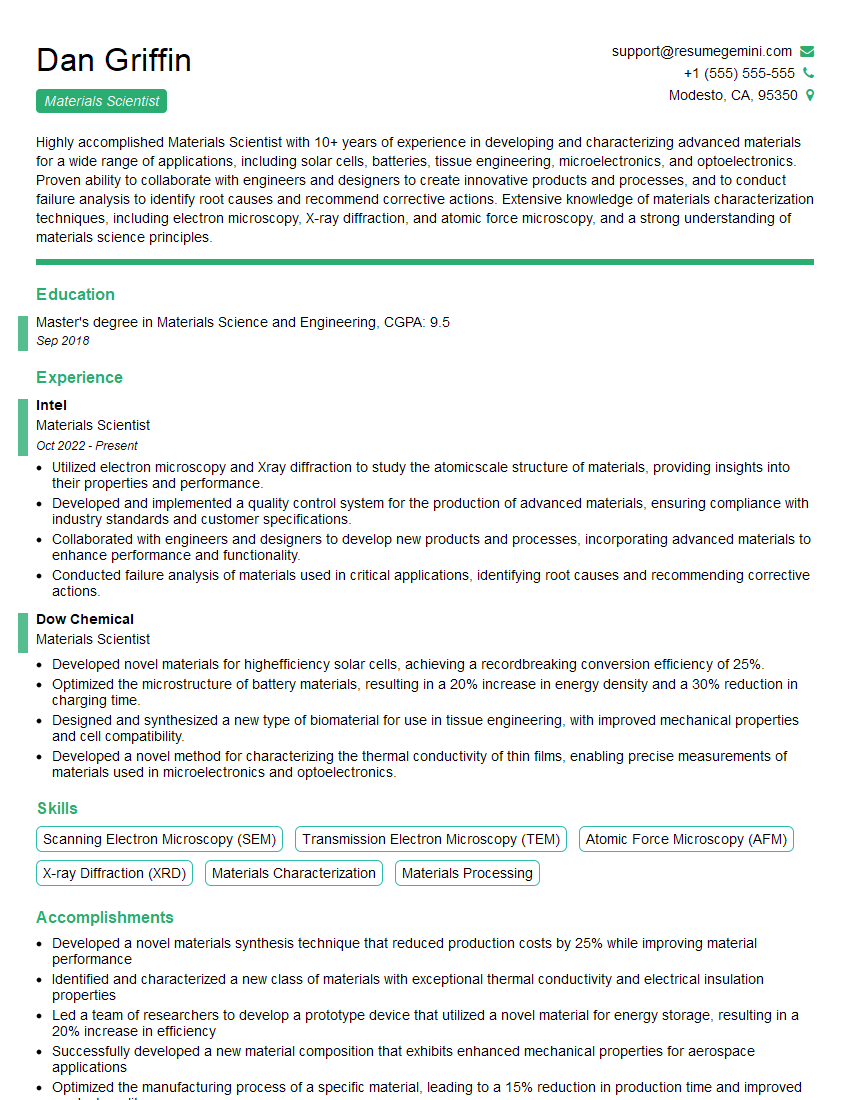
Materials Scientist Resume Sample
- Project Engineer
- Reliability Engineer
- Process Engineer
- Aerospace Engineer
- Chemical Engineer
- Maintenance Engineer
- Structural Engineer
- Quality Control Engineer
- Naval Architect
- Corrosion Engineer
- Materials Engineer
- Metallurgical Engineer
- Welding Engineer
- Automotive Engineer
- Electrochemist
- Materials Scientist
Explore more articles
Users Rating of Our Blogs
Share Your Experience
We value your feedback! Please rate our content and share your thoughts (optional).
What Readers Say About Our Blog
Very informative content, great job.
good