Every successful interview starts with knowing what to expect. In this blog, we’ll take you through the top Ranching interview questions, breaking them down with expert tips to help you deliver impactful answers. Step into your next interview fully prepared and ready to succeed.
Questions Asked in Ranching Interview
Q 1. Describe your experience in pasture management and rotational grazing.
Pasture management and rotational grazing are crucial for maximizing forage production and improving livestock health. My experience encompasses developing and implementing grazing plans that optimize pasture utilization. This involves dividing pastures into smaller paddocks, allowing livestock to graze one paddock intensively for a set period before moving to the next. This system prevents overgrazing, allowing plants to recover and promoting biodiversity.
For example, on a 100-acre ranch, I might divide it into five 20-acre paddocks. Cattle would graze one paddock for about a week, then move to the next, giving each paddock a four-week rest period to regrow. This cycle is repeated throughout the grazing season. I use electric fencing for easy paddock division and management. Monitoring plant health and soil conditions, along with adjusting grazing periods according to weather and forage growth, are also essential components.
The benefits are significant: improved pasture health and resilience, increased carrying capacity (more animals per acre), reduced weed pressure, and enhanced animal health due to cleaner pastures.
Q 2. Explain your knowledge of different livestock breeds and their suitability for various environments.
Choosing the right livestock breed is critical for ranch success. It’s all about matching the breed’s characteristics to the specific environmental conditions and management goals. For instance, in arid regions, breeds like Dorpers (sheep) or Brahman (cattle) are ideal due to their heat tolerance and ability to thrive on sparse vegetation. Their hardy nature reduces health problems and lowers the need for supplemental feed.
In contrast, regions with harsh winters might benefit from breeds like Angus (cattle) or Suffolk (sheep) that possess cold hardiness and good winter survival rates. Angus cattle are known for their marbling and efficiency of gain, while Suffolks are renowned for fast growth and prolific lambing. Another example would be using breeds like Katahdins which require minimal sheering and are resistant to parasites.
Understanding a breed’s adaptability, disease resistance, growth rate, and meat quality is paramount. Careful breed selection ensures higher productivity and reduces management challenges, ultimately boosting the ranch’s profitability and sustainability.
Q 3. How do you handle livestock health issues and disease prevention?
Proactive livestock health management is essential. My approach is centered around prevention rather than reaction. This begins with regular health checks, including vaccinations, parasite control, and monitoring for any signs of illness. I maintain meticulous records of each animal’s health history, vaccination schedule, and any treatments administered. This allows me to track disease trends and identify potential outbreaks early.
A robust biosecurity plan is vital to prevent the introduction and spread of diseases. This includes restricting access to the ranch, implementing strict hygiene protocols (disinfecting equipment and vehicles), and isolating sick animals. I work closely with a veterinarian to develop an appropriate health plan specific to my herd and region. They help me decide on the right vaccines, dewormers and other preventative measures.
For example, regular hoof trimming prevents lameness in cattle, and a good vaccination schedule significantly reduces the risk of diseases like Brucellosis. Early detection through regular monitoring allows for swift and effective treatment, preventing wider outbreaks and minimizing economic losses.
Q 4. What are your strategies for controlling weeds and pests in pastureland?
Weed and pest control in pastureland requires a multifaceted approach that prioritizes sustainable practices. My strategies combine integrated pest management (IPM) techniques with good grazing management. Rotational grazing itself helps to control weeds by allowing plants to recover and compete more effectively. Overgrazing often weakens plants and creates ideal conditions for weeds to thrive.
For specific weed problems, I might use targeted herbicides, always ensuring they’re applied responsibly and according to label instructions. I favor biological control methods like introducing beneficial insects or using herbicides that target specific weeds, minimizing environmental impact.
Regular monitoring of pasture health and early identification of pest infestations are crucial. This allows for timely intervention, preventing problems from escalating. For example, if I notice a significant increase in a particular weed, I might adjust my grazing strategy or employ a targeted herbicide. Maintaining healthy pasture through proper grazing and fertilization helps create a more competitive environment and reduces weed establishment.
Q 5. Describe your experience with hay production, from planting to baling.
Hay production is a vital aspect of providing winter feed for livestock. My process starts with selecting the right seed variety for my climate and soil conditions. Alfalfa, clover, and grasses are common choices, each with its own strengths and weaknesses. Soil testing helps determine nutrient needs, and I amend the soil accordingly before planting.
Proper timing of planting and fertilization is essential for optimal yield. Throughout the growing season, I monitor plant health, applying appropriate fertilizers and pesticides as needed. Harvesting happens when the plants are at their peak nutritional value, usually as the plants begin to flower. We use a hay mower to cut the grass followed by a tedder to fluff the cut grass for faster drying. A rake gathers the dry grass into windrows and then a baler compresses the hay into bales for storage.
Proper curing and storage are critical to prevent spoilage and maintain hay quality. I use a combination of weather monitoring and bale-handling techniques to ensure the hay remains dry and free of mold. This ensures high-quality feed for my livestock throughout the winter months.
Q 6. How do you manage water resources efficiently on a ranch?
Efficient water management is crucial for any ranch, especially in drier climates. My approach incorporates several strategies to conserve and utilize water effectively. This begins with a thorough assessment of water sources and their availability. This might involve utilizing rainwater harvesting techniques such as ponds or tanks to supplement existing supplies.
I utilize water troughs strategically located throughout the pastures to minimize the distance livestock need to travel. Implementing leak detection and repair systems for pipes and troughs helps prevent unnecessary water loss. Using a rotational grazing system can also improve water usage efficiency as animals are consistently moved to available water sources, thus limiting overgrazing around water points.
Regular maintenance of water infrastructure and exploring water-saving technologies, like drip irrigation for supplemental pasture watering, help to minimize waste and maximize water use efficiency. Incorporating drought-resistant plants in pasture mixes is also a good strategy.
Q 7. Explain your experience with livestock handling and restraint techniques.
Safe and efficient livestock handling is paramount for both animal welfare and worker safety. My experience involves employing low-stress handling techniques that minimize stress and fear in the animals. This includes using calm, quiet movements, avoiding sudden noises or actions, and providing adequate space and access to water.
I utilize well-designed handling facilities, such as properly functioning squeeze chutes and headgates, for routine tasks like vaccinations, health checks, and branding. These facilities allow for safe and efficient handling of individual animals. Training and practice are essential for handlers to develop the necessary skills for safe and humane animal restraint.
For example, understanding animal behavior and body language is key to anticipating potential problems and preventing dangerous situations. By maintaining a calm demeanor and utilizing appropriate techniques, stress is reduced, improving overall herd health and productivity.
Q 8. What is your experience with using farm equipment (tractors, balers, etc.)?
Operating farm equipment is fundamental to efficient ranching. My experience encompasses a wide range of machinery, including tractors of varying horsepower (from 50hp for smaller tasks to 200hp for heavy plowing), round and square balers for hay production, and various implements like disc harrows, cultivators, and seed drills. I’m proficient in preventative maintenance, troubleshooting minor mechanical issues, and adhering to all safety protocols. For example, I’ve used a John Deere 8345R tractor extensively for plowing and discing large fields, ensuring optimal seedbed preparation. Regular maintenance, including oil changes and filter replacements, is crucial to prevent costly breakdowns. I also understand the importance of proper baling techniques to maximize hay quality and minimize waste.
Q 9. How do you maintain ranch infrastructure (fences, barns, corrals)?
Maintaining ranch infrastructure is an ongoing process requiring consistent attention to detail. Fences, a crucial aspect of livestock management, require regular inspections for breaks, sagging wires, and gate functionality. I routinely patrol fence lines, repairing damage promptly using techniques like post-driving, wire tightening, and replacing damaged sections. Similarly, barns and corrals need regular upkeep. This includes cleaning, repairing roof leaks, and addressing structural issues before they become major problems. For example, I’ve successfully addressed a significant leak in our main barn by replacing damaged roof sheeting. Preventive maintenance is key—applying protective coatings to prevent rot and using appropriate materials for repairs ensures longevity and cost savings in the long run.
Q 10. Describe your experience with budgeting and financial management in a ranching context.
Budgeting and financial management are crucial for ranch sustainability. I utilize spreadsheets and accounting software to track all income and expenses, including feed costs, veterinary bills, labor costs, equipment maintenance, and property taxes. I develop annual budgets, projecting income from livestock sales and factoring in potential expenses like drought mitigation strategies. For example, we projected a potential shortfall during a period of severe drought and implemented a cost-cutting plan involving strategic feed supplementation and reduced herd size. Careful analysis of financial data allows me to identify areas for improvement, optimize resource allocation, and secure necessary financing when needed. Understanding cost-benefit analyses and market trends is key to making sound financial decisions.
Q 11. What are your methods for tracking and managing livestock inventory?
Precise livestock inventory tracking is essential for effective management. I employ a combination of methods: individual animal identification using ear tags and electronic identification (EID) tags, coupled with comprehensive record-keeping software. This system allows us to track birth dates, weights, vaccinations, health records, and breeding information for each animal. We conduct regular visual checks and weigh-ins to validate the inventory records. This data is essential for optimizing breeding strategies, making informed culling decisions, and calculating production metrics. Regular inventory counts also help prevent losses and identify potential health issues early.
Q 12. How do you ensure the safety and well-being of your livestock?
Ensuring the safety and well-being of our livestock is paramount. This includes providing access to clean water, high-quality feed, and appropriate shelter from the elements. We implement a comprehensive health management program which includes regular parasite control, vaccinations, and prompt veterinary attention when needed. Safe handling practices are strictly adhered to, using low-stress techniques to minimize stress and injuries during procedures like vaccinations or branding. Maintaining healthy pastures and rotating grazing areas is crucial for preventing overgrazing and promoting healthy animal growth. Regular monitoring of animals’ behavior and physical condition allows us to quickly identify and address any potential health problems.
Q 13. What is your experience with breeding and artificial insemination in livestock?
I have extensive experience with both natural and artificial insemination (AI) techniques in livestock breeding. Natural breeding is still used for certain herds, but AI offers greater control over genetic selection, allowing us to introduce desirable traits into our herds. I am skilled in performing AI procedures, following strict protocols for handling semen, timing inseminations, and maintaining accurate records. I have successfully used AI to improve the genetic quality of our cattle, leading to increased productivity and profitability. Understanding reproductive physiology, heat detection, and proper AI techniques is crucial for success.
Q 14. Describe your experience with marketing and selling livestock products.
Marketing and selling livestock products requires a multi-faceted approach. We utilize both direct sales to local buyers and participation in livestock auctions. Understanding market trends and prices is crucial for optimizing the timing of sales. We also maintain relationships with buyers, providing them with consistent quality and timely delivery. For example, we’ve built strong relationships with local butchers and restaurants, ensuring a reliable market for our livestock. We sometimes use online marketplaces to reach a wider audience. Effective marketing involves promoting the quality of our products and building trust with our customers.
Q 15. Explain your understanding of sustainable ranching practices.
Sustainable ranching is about balancing economic profitability with environmental responsibility and social equity. It’s not just about raising livestock; it’s about managing the entire ranch ecosystem for long-term health and productivity. This means integrating practices that protect soil, water, and biodiversity while ensuring the economic viability of the operation.
- Rotational Grazing: Instead of allowing livestock to graze freely, we divide pastures into smaller paddocks and rotate the animals through them, allowing each area time to recover. This prevents overgrazing and promotes plant diversity. For example, we might rotate our herd every 3-4 weeks, depending on pasture conditions and herd size.
- Integrated Pest Management (IPM): We prioritize natural methods to control pests and weeds, reducing reliance on harmful chemicals. This might involve using cover crops, biological control agents, or carefully timed grazing to suppress unwanted plants.
- Water Management: Efficient water use is crucial. We implement strategies like installing water troughs in strategic locations, using pipelines to reduce water loss, and employing techniques to improve water quality.
- Soil Health: Maintaining healthy soil is paramount. We use practices such as no-till farming, cover cropping, and composting to enhance soil structure, fertility, and water retention.
- Carbon Sequestration: Ranching practices, when done sustainably, can actually help sequester carbon in the soil. Healthy grasslands act as a carbon sink, mitigating climate change. We achieve this through responsible grazing management and promoting healthy plant growth.
Sustainable ranching isn’t a one-size-fits-all approach. It requires careful planning, ongoing monitoring, and adaptation to the specific conditions of the ranch and surrounding environment. It’s an iterative process of learning and improvement.
Career Expert Tips:
- Ace those interviews! Prepare effectively by reviewing the Top 50 Most Common Interview Questions on ResumeGemini.
- Navigate your job search with confidence! Explore a wide range of Career Tips on ResumeGemini. Learn about common challenges and recommendations to overcome them.
- Craft the perfect resume! Master the Art of Resume Writing with ResumeGemini’s guide. Showcase your unique qualifications and achievements effectively.
- Don’t miss out on holiday savings! Build your dream resume with ResumeGemini’s ATS optimized templates.
Q 16. How do you handle challenging weather conditions that affect livestock?
Challenging weather conditions are a constant reality in ranching. Our approach involves a combination of proactive measures and reactive responses tailored to the specific threat.
- Heat Stress: During heat waves, we provide ample shade, increase access to water, and adjust grazing schedules to avoid the hottest parts of the day. We might also use fans or sprinklers in extreme cases. Monitoring animal behavior for signs of heat stress (panting, lethargy) is vital.
- Cold Stress: In winter, we provide adequate shelter from wind and precipitation. This might involve barns, windbreaks, or simply ensuring access to sheltered areas. We also monitor body condition and adjust feeding to meet the increased energy demands of cold weather. Supplemental feeding with high-energy feeds is common.
- Drought: Drought management is a crucial aspect of ranching. We monitor rainfall and pasture conditions closely. We might implement strategies like supplemental feeding, reducing herd size if necessary, and adjusting grazing to conserve forage. Water sources are also carefully monitored and maintained.
- Severe Weather: For extreme events like blizzards or floods, we have emergency plans in place. This involves securing livestock in safe locations, providing supplemental feed and water, and checking on animals frequently.
Effective weather management requires close observation, good record-keeping (tracking rainfall, temperatures, etc.), and a flexible approach. We adapt our strategies based on the specific challenges each season presents.
Q 17. What are your strategies for preventing and managing livestock injuries?
Preventing and managing livestock injuries is paramount for animal welfare and economic viability. Our approach combines proactive measures to reduce risks and reactive strategies for effective treatment.
- Proper Fencing: Well-maintained fences are crucial to prevent injuries from escaping or getting entangled. We regularly inspect and repair fences, ensuring they are strong and free of hazards.
- Safe Handling Techniques: We train our staff in proper livestock handling techniques, emphasizing calm and careful movements to minimize stress and prevent injuries. Using appropriate equipment, like proper chutes and restraints, is essential.
- Predator Control: Protecting livestock from predators is vital. This involves using a combination of techniques like guard dogs, fencing, and appropriate deterrents. We work closely with wildlife agencies to ensure our practices are responsible and effective.
- Regular Health Checks: Regular health checks, including hoof trimming and vaccinations, help identify and address potential problems before they escalate into injuries. Early detection is key.
- Emergency Response Plan: We have a clear emergency response plan in place to handle injuries. This involves having access to veterinary care, appropriate equipment for first aid, and clear communication protocols.
By combining proactive prevention and prompt reaction, we strive to minimize livestock injuries and ensure the well-being of our animals. We also maintain detailed records of injuries, helping us identify patterns and improve our preventive measures over time.
Q 18. How do you monitor and assess the nutritional needs of your livestock?
Monitoring and assessing nutritional needs is vital for maintaining healthy and productive livestock. This involves a multi-faceted approach.
- Visual Assessment: Regular observation of animals is crucial. We look for signs of malnutrition (thinness, poor coat condition) or overfeeding (obesity). Body condition scoring provides a standardized way to assess this.
- Forage Testing: We regularly test our pasture and hay to determine their nutritional content. This helps us understand if the forage meets the animals’ needs, or if supplemental feeding is required.
- Supplemental Feeding: Based on forage testing and animal assessment, we provide supplemental feeds to meet any nutritional gaps. This might involve minerals, protein supplements, or energy-dense feeds. The type and amount of supplements depend on the animal’s needs and the stage of production (e.g., gestation, lactation).
- Blood Testing (if needed): In some cases, blood tests may be necessary to identify specific nutritional deficiencies. This is particularly helpful for diagnosing more subtle problems.
- Record Keeping: We meticulously track feeding schedules, forage analyses, and animal health data. This allows us to identify trends, adjust feeding strategies, and ensure optimal nutrition.
Proper nutrition management significantly impacts animal health, reproductive performance, and overall productivity. It’s an ongoing process of monitoring, assessment, and adaptation.
Q 19. Describe your experience with land conservation and environmental stewardship.
Land conservation and environmental stewardship are integral to our ranching operation. We are committed to responsible land management practices that protect the environment for future generations.
- Riparian Area Protection: We actively protect and restore riparian areas (areas along waterways). These are critical for water quality and biodiversity. This involves fencing off these areas to prevent overgrazing and erosion.
- Habitat Management: We manage our land to provide habitat for wildlife. This includes leaving areas undisturbed, planting native vegetation, and managing grazing to promote biodiversity.
- Erosion Control: We implement practices to prevent soil erosion, such as contour grazing, terracing, and planting cover crops. Healthy soil is essential for both productivity and environmental health.
- Water Quality Monitoring: We regularly monitor the quality of our water sources to ensure they remain clean and healthy. This involves testing for pollutants and taking measures to address any problems.
- Collaboration with Conservation Organizations: We actively collaborate with local and national conservation organizations to participate in conservation programs and share best practices. This allows us to access expertise and resources to enhance our environmental stewardship.
We believe that sustainable ranching is not just about producing livestock; it’s about being good stewards of the land and leaving it better than we found it. This commitment extends to our employees and the wider community.
Q 20. How do you manage employee relations and team dynamics on a ranch?
Managing employee relations and team dynamics on a ranch requires building a strong, collaborative, and respectful work environment. It’s about fostering a culture of mutual respect and shared goals.
- Clear Communication: Open and consistent communication is key. We hold regular meetings to discuss ranch operations, address concerns, and provide updates. We encourage open dialogue and feedback from all employees.
- Fair Compensation and Benefits: We provide competitive wages and benefits to attract and retain skilled employees. Fair compensation shows respect and investment in our team.
- Training and Development: We provide ongoing training and development opportunities for our employees to improve their skills and advance their careers. Investing in our team’s skills benefits everyone.
- Team Building Activities: We encourage team building activities to foster camaraderie and improve communication. This helps create a positive and supportive work environment.
- Conflict Resolution: We have clear procedures for addressing conflicts and disagreements. Fair and timely conflict resolution is essential to maintain a healthy work environment.
Building a strong team is essential for a successful ranch. By investing in our employees, fostering open communication, and creating a supportive work environment, we achieve greater productivity and job satisfaction.
Q 21. What are your methods for record-keeping and data analysis in ranch management?
Effective record-keeping and data analysis are crucial for making informed decisions and ensuring the long-term success of a ranch. We utilize a combination of methods:
- Financial Records: We maintain detailed financial records, including income and expenses, to track profitability and manage cash flow. This includes tracking costs of feed, labor, veterinary care, etc.
- Livestock Records: We keep meticulous records of livestock, including birth dates, weights, vaccinations, breeding records, and any health issues. This data helps us manage herd health and productivity.
- Pasture and Forage Records: We track pasture conditions, forage yields, and grazing schedules. This data is essential for managing pasture health and livestock nutrition.
- Weather Data: We record weather data, including rainfall, temperature, and other relevant metrics. This helps us understand the impact of weather on livestock and pasture conditions.
- Data Analysis Software: We use software to analyze our data and identify trends. This might involve spreadsheets, dedicated ranch management software, or even more advanced analytics tools.
Data-driven decision-making allows us to optimize ranch operations, improve efficiency, and make informed choices about everything from feeding strategies to herd management. We continually refine our record-keeping systems to improve accuracy and usefulness.
Q 22. How do you comply with regulations and permits related to ranching operations?
Compliance with ranching regulations is paramount. It’s not just about avoiding penalties; it’s about responsible land management and ensuring the well-being of our livestock. This involves understanding and adhering to federal, state, and local laws concerning grazing permits, water rights, environmental protection (like the Clean Water Act and Endangered Species Act), and animal welfare.
- Grazing Permits: We meticulously track our herd size and grazing rotations to stay within the allotted grazing capacity on our permitted land. Overgrazing can lead to soil erosion and habitat degradation, so careful planning is key.
- Water Rights: We diligently monitor our water usage, ensuring we’re not exceeding our allocated water rights and implementing water-saving practices. This is especially crucial in arid and semi-arid regions.
- Environmental Regulations: We regularly assess our operations for potential environmental impacts, such as pesticide runoff or habitat disruption, and implement measures to mitigate them. This often involves working with environmental consultants and adhering to best management practices.
- Animal Welfare: Compliance includes maintaining accurate records of livestock health, handling practices, and transportation, adhering to strict standards set by the Animal and Plant Health Inspection Service (APHIS).
Regular audits and proactive communication with regulatory agencies are crucial to maintain compliance. We treat these regulations not as burdens, but as guidelines to ensure the long-term sustainability of our ranch and the health of our animals.
Q 23. Explain your experience with using technology to improve ranch efficiency.
Technology has revolutionized ranching, boosting efficiency and sustainability. We utilize several technologies to improve our operations. For instance, GPS tracking collars on our livestock allow us to monitor their location, movement patterns, and health status in real-time. This helps in efficient herd management, preventing straying, and enabling quick responses to emergencies.
- Precision Livestock Farming (PLF): We use sensors and data loggers to monitor various parameters like feed intake, milk production (for dairy operations), and animal activity. This data allows us to tailor our management practices to individual animals and optimize resource allocation.
- Remote Sensing and Drones: Drones equipped with high-resolution cameras provide aerial views of our pastures, allowing us to assess vegetation health, identify areas needing attention (like overgrazing or water stress), and plan grazing rotations effectively. This also helps in early detection of fence damage or potential hazards.
- Software for Herd Management: We utilize software to manage herd records, including animal health, breeding cycles, and vaccination schedules. This improves accuracy and ensures efficient record-keeping.
By integrating these technologies, we can make informed decisions, optimize resource use, improve animal welfare, and ultimately increase profitability. It’s like having a sophisticated, always-on assistant managing the ranch, helping us make data-driven decisions.
Q 24. How do you address challenges related to predator control?
Predator control is a complex and sensitive issue. Our approach prioritizes non-lethal methods whenever possible, while recognizing the need for responsible management to protect our livestock. This involves a multi-pronged strategy.
- Livestock Guard Animals: We use livestock guardian dogs, specifically trained breeds like Great Pyrenees, to deter predators. These dogs live with the herd and provide a natural deterrent, reducing the need for lethal control measures.
- Habitat Modification: We implement measures to make our pastures less attractive to predators. This includes removing brush piles and other potential hiding places, and maintaining fences in good condition.
- Range Management: Proper grazing management can help reduce the abundance of prey animals, making the area less appealing to predators.
- Lethal Control (as a last resort): In cases of persistent and severe predation threats, we may employ lethal control methods, but only in accordance with all applicable regulations and with the guidance of wildlife professionals. This is always a last resort, and we focus on minimizing the impact on the broader ecosystem.
Collaboration with wildlife agencies and neighboring ranchers is vital in managing predator populations effectively and responsibly.
Q 25. Describe your problem-solving approach to unexpected issues on the ranch.
Unexpected issues are part and parcel of ranching. My approach involves a systematic problem-solving process that emphasizes quick action, careful assessment, and long-term solutions.
- Immediate Response: First, address immediate threats to livestock safety or property. This may involve quickly repairing broken fences, attending to injured animals, or dealing with immediate weather-related emergencies.
- Assessment: Once the immediate issue is addressed, take time to fully assess the situation. What caused the problem? What are the potential consequences? Who else is affected?
- Solution Development: Develop potential solutions, weighing the costs, benefits, and potential risks of each. This often involves consulting experts, reviewing historical data, and seeking input from experienced colleagues.
- Implementation: Implement the chosen solution. This may involve making physical changes (repairs, new infrastructure), modifying operational procedures, or seeking outside help.
- Evaluation: After implementing the solution, take time to evaluate its effectiveness. Did it resolve the problem? Were there any unintended consequences? What could be improved for the future?
This iterative process ensures a proactive and adaptable approach to unexpected events, preventing similar issues in the future and improving overall ranch resilience.
Q 26. What are your strategies for mitigating risks associated with ranching operations?
Mitigating risk in ranching is crucial for long-term success and sustainability. We utilize a layered approach involving several strategies.
- Financial Risk Management: This includes diversifying income streams (e.g., livestock sales, agritourism, value-added products), securing appropriate insurance coverage (liability, property, livestock), and maintaining sound financial records.
- Weather Risk Management: Implementing drought-resistant grazing strategies, securing access to supplemental water sources, and having contingency plans for extreme weather events are vital. This could include crop insurance and alternative feeding options.
- Market Risk Management: Understanding market trends, employing forward contracting or hedging strategies to secure prices, and diversifying livestock breeds or products can help reduce market fluctuations’ impact.
- Health Risk Management: Implementing robust biosecurity protocols to prevent disease outbreaks, having a proactive animal health management plan, and maintaining good relationships with veterinarians are crucial for minimizing losses.
Regular risk assessments and contingency planning, combined with strong relationships with lenders, insurers, and industry professionals, provide a strong foundation for navigating potential challenges.
Q 27. How do you ensure the quality and safety of livestock products?
Ensuring the quality and safety of livestock products is paramount. It involves adhering to strict standards throughout the production process, from farm to table.
- Animal Health and Welfare: Maintaining a healthy herd through vaccination, parasite control, and proper nutrition is fundamental. Stress-free handling practices also contribute to superior product quality.
- Processing and Handling: Following strict sanitary guidelines during processing and transportation is critical to minimize contamination and maintain product freshness. This often involves working with USDA-inspected facilities.
- Traceability: Implementing robust traceability systems allows us to track the origin and history of our products, ensuring transparency and accountability throughout the supply chain. This builds consumer confidence.
- Food Safety Regulations: We meticulously comply with all relevant food safety regulations, such as those set by the FDA and USDA, to ensure our products meet the highest standards of safety and quality.
Regular audits, employee training, and a commitment to best practices are vital in consistently providing high-quality, safe products to consumers.
Q 28. Explain your understanding of various livestock marketing channels.
Understanding various livestock marketing channels is essential for maximizing profitability. We explore a variety of options to optimize our returns.
- Direct Marketing: Selling directly to consumers through farmers’ markets, community-supported agriculture (CSA) programs, or farm stores provides higher margins and strengthens consumer relationships. This allows for building brand loyalty and premium pricing.
- Wholesale Markets: Selling to wholesalers or distributors expands reach but typically results in lower profit margins per unit. This strategy works well for high-volume producers.
- Auction Markets: Auction sales offer a competitive marketplace but involve uncertainties in pricing. This method requires a deep understanding of market dynamics and timing.
- Contract Marketing: Entering into contracts with buyers for future deliveries can secure prices and reduce market risk, but it requires commitment and planning.
- Value-Added Products: Processing livestock into value-added products (e.g., cured meats, processed cheeses, etc.) can increase profitability by capturing more of the value chain.
The optimal marketing strategy depends on factors such as herd size, product type, target market, and risk tolerance. A well-diversified approach, combining several channels, can often be the most effective.
Key Topics to Learn for a Ranching Interview
- Livestock Management: Understanding different breeds, breeding strategies, health management (disease prevention, vaccination, parasite control), and nutrition requirements for optimal growth and productivity.
- Pasture and Range Management: Practical application includes grazing rotations, soil health management, weed control, and the sustainable use of land resources for efficient livestock production. Consider the impact of drought and other environmental challenges.
- Financial Management in Ranching: Budgeting, cost analysis (feed, labor, veterinary care), understanding market trends, pricing strategies, and risk management techniques. Explore different financing options and their implications.
- Equipment and Technology: Familiarity with common ranching equipment (fencing, tractors, etc.), and the use of technology in livestock monitoring, data analysis, and precision agriculture. Discuss potential applications of emerging technologies.
- Land Stewardship and Environmental Concerns: Understanding sustainable ranching practices, water management, conservation efforts, and compliance with environmental regulations. Discuss the importance of biodiversity and responsible land use.
- Personnel Management: If applicable to the role, demonstrate understanding of hiring, training, supervision, and team management within a ranching operation. Consider different motivational strategies and safety protocols.
- Marketing and Sales of Livestock Products: Understanding different sales channels, marketing strategies, and the importance of quality control in maximizing profitability. Explore direct-to-consumer options and cooperative marketing.
Next Steps
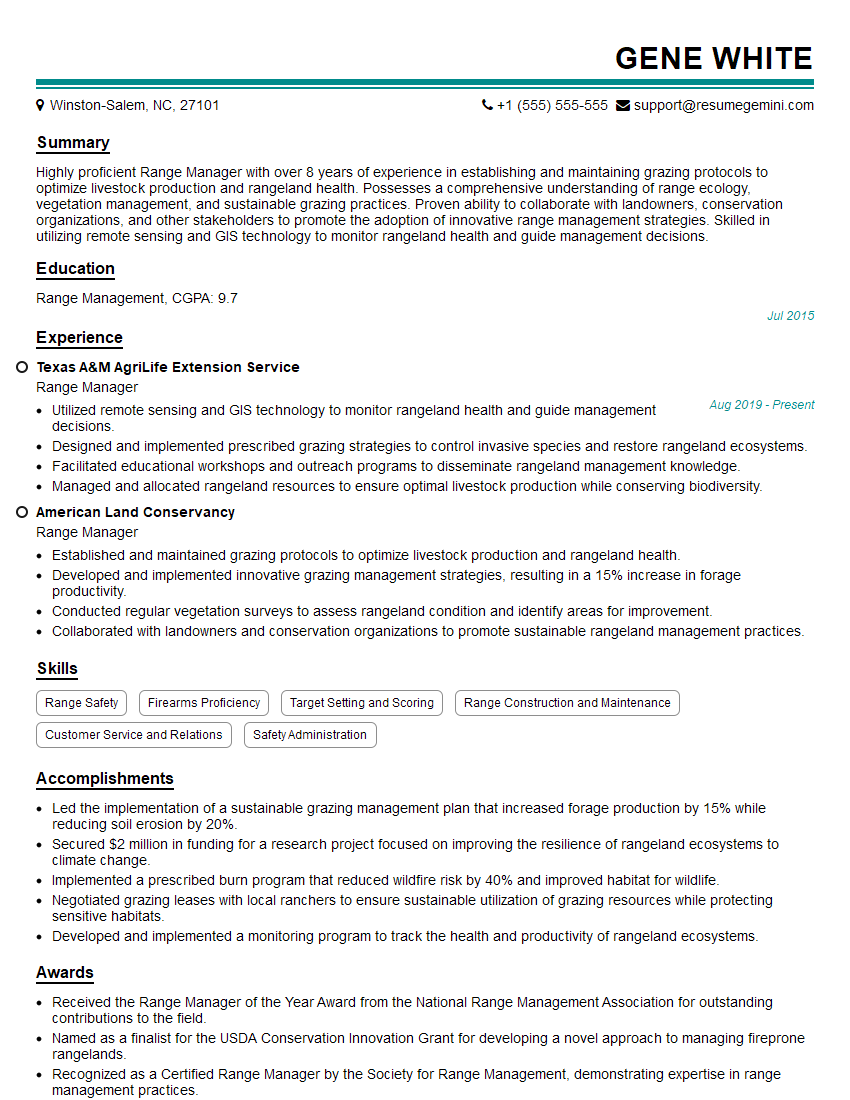
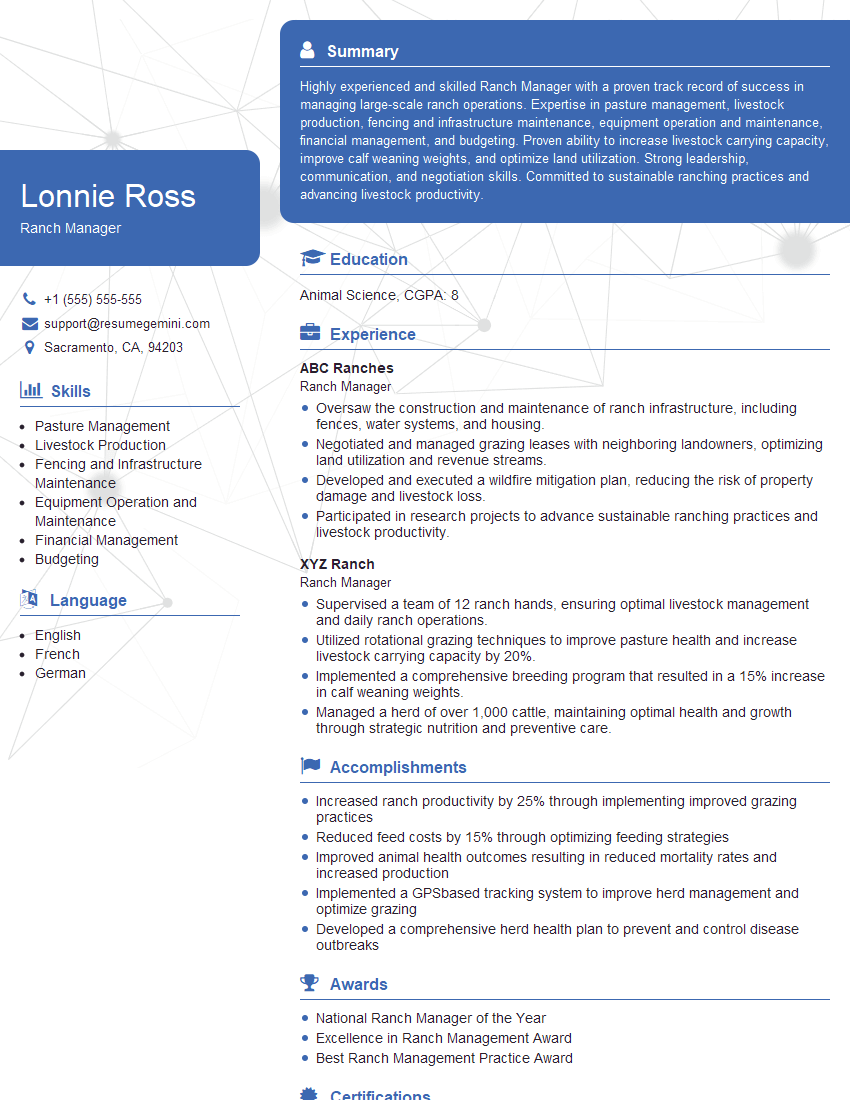
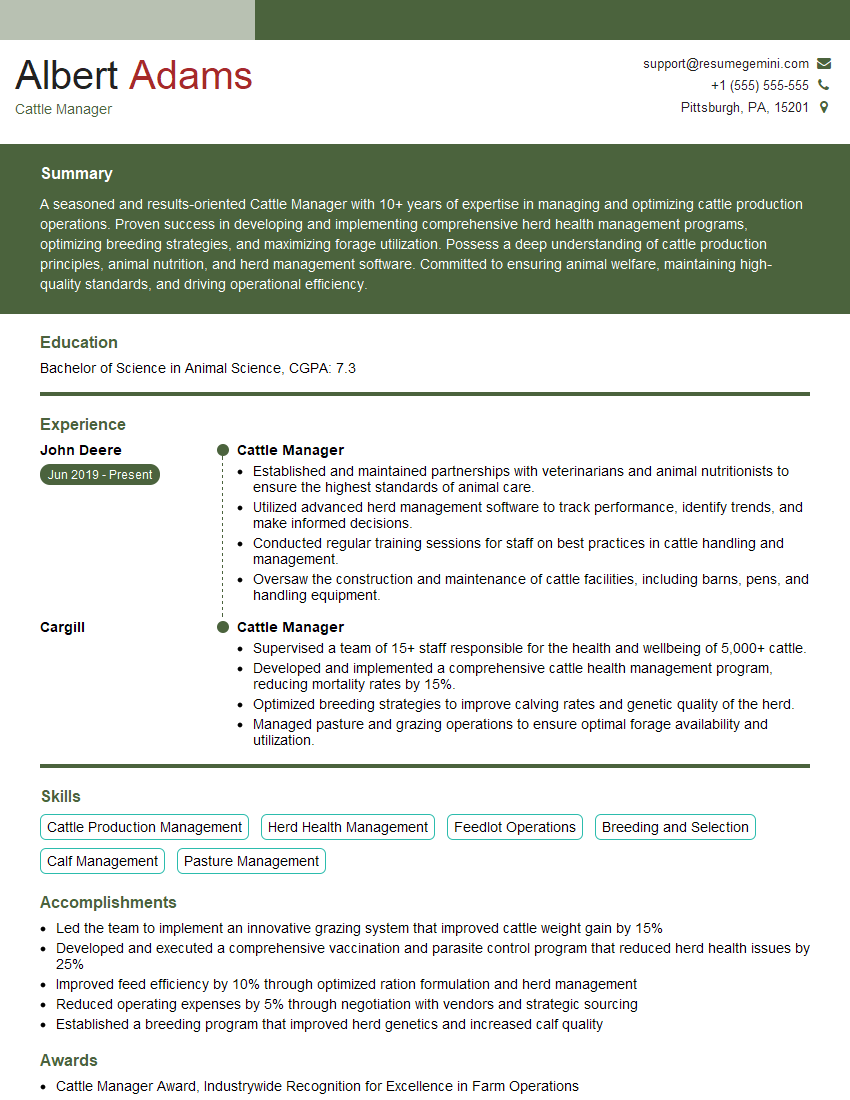
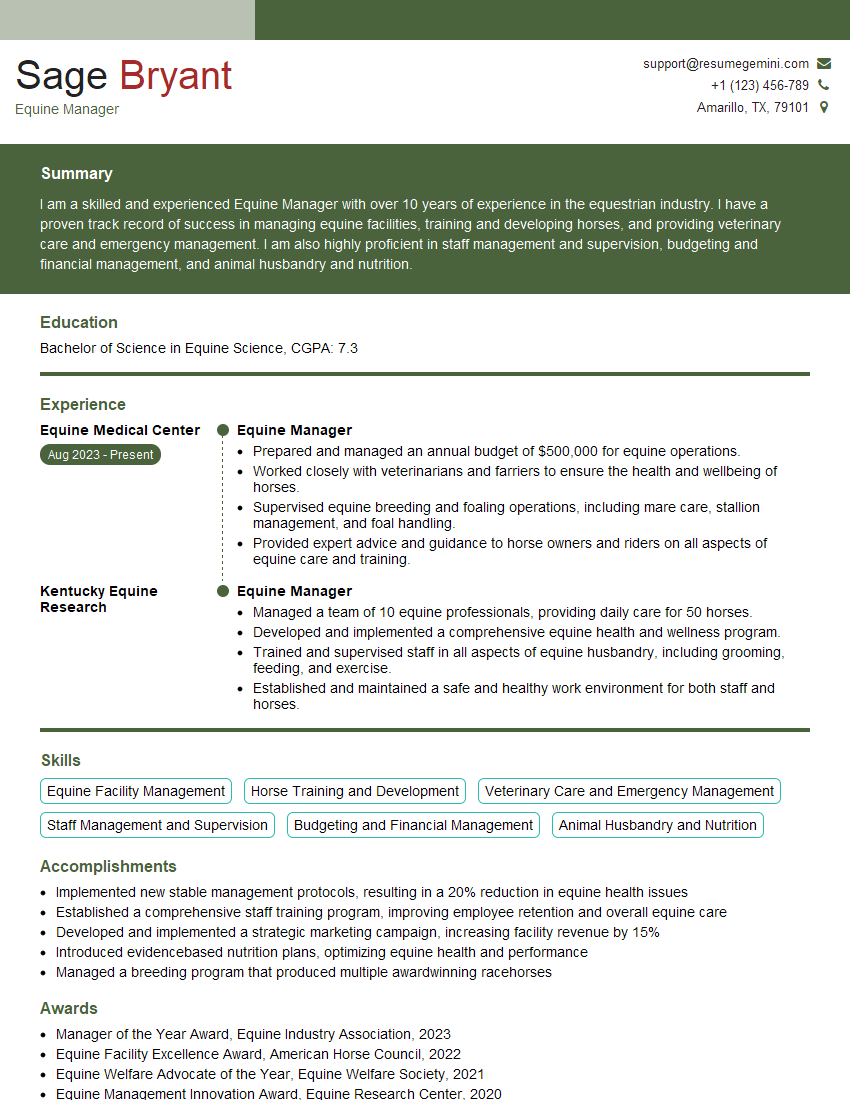
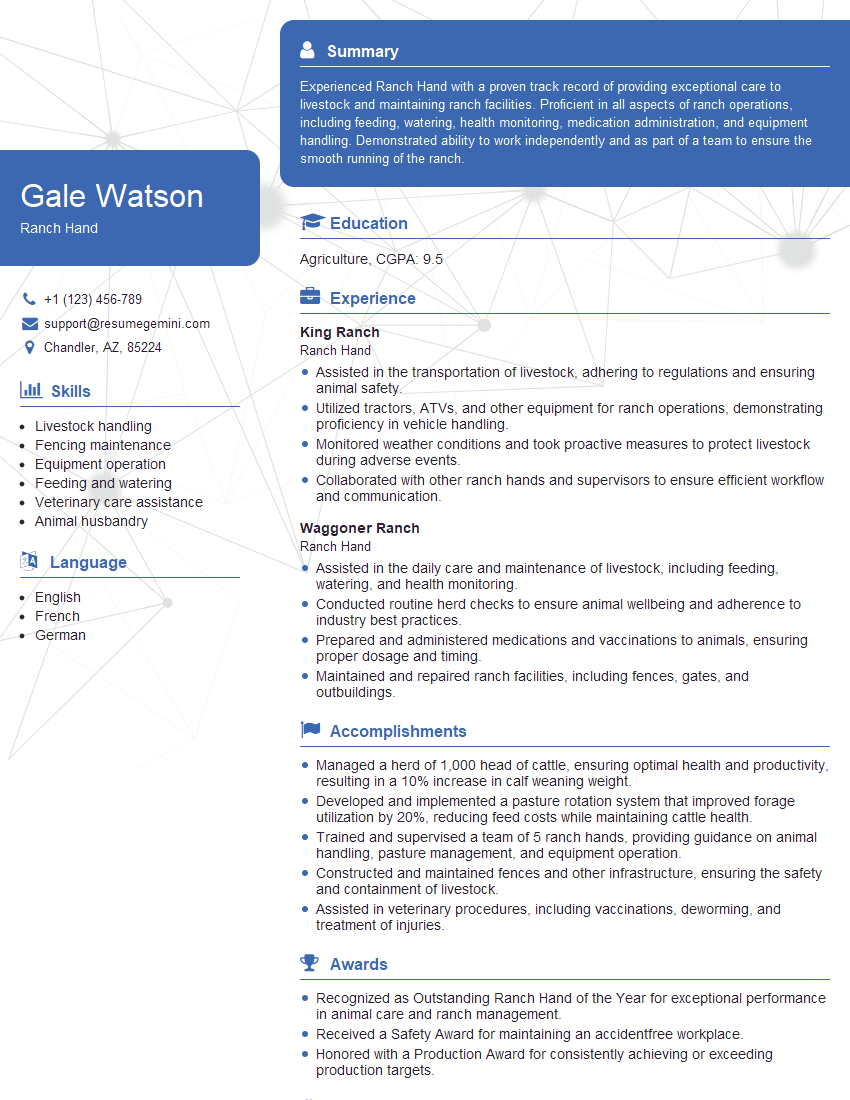
Mastering the principles of ranching opens doors to a rewarding and fulfilling career, offering opportunities for growth and leadership within a dynamic industry. A strong resume is crucial for showcasing your skills and experience to potential employers. Creating an ATS-friendly resume significantly increases your chances of getting noticed by recruiters. To enhance your resume-building experience and maximize your job prospects, we recommend utilizing ResumeGemini, a trusted resource for creating professional resumes. Examples of resumes tailored specifically to the ranching industry are available to guide you.

Explore more articles
Users Rating of Our Blogs
Share Your Experience
We value your feedback! Please rate our content and share your thoughts (optional).
What Readers Say About Our Blog
Very informative content, great job.
good