Interviews are more than just a Q&A session—they’re a chance to prove your worth. This blog dives into essential Garden Maintenance interview questions and expert tips to help you align your answers with what hiring managers are looking for. Start preparing to shine!
Questions Asked in Garden Maintenance Interview
Q 1. Describe your experience with different lawn mowing techniques.
Lawn mowing techniques vary depending on the lawn’s type, size, and desired look. I’m proficient in several methods, ensuring optimal health and appearance.
- Rotary Mowers: Best for smaller to medium-sized lawns with varied terrain. They offer a good balance of cost and effectiveness. I always ensure the blades are sharp to prevent tearing, which can stress the grass.
- Reel Mowers: Ideal for smaller, even lawns requiring a precise, manicured finish. They provide a clean cut without the noise and emissions of rotary mowers. Regular sharpening is crucial for optimal performance.
- Riding Mowers: Efficient for larger lawns. Different types exist (zero-turn, garden tractors) suited to varying needs and terrains. Regular maintenance, including blade sharpening and oil changes, is vital.
- Robotic Mowers: For those seeking convenience, robotic mowers offer a fully automated solution. Programming and regular monitoring are essential for optimal coverage and battery life.
My approach prioritizes the health of the lawn. For example, I avoid mowing too short, leaving enough leaf blade to encourage healthy growth. I also vary mowing patterns to prevent soil compaction.
Q 2. How do you identify and treat common lawn diseases?
Identifying and treating lawn diseases requires careful observation and timely action. I begin by visually inspecting the lawn for common signs like discoloration, wilting, or unusual patches.
- Fungal Diseases: Common culprits include dollar spot (small, straw-colored patches), brown patch (irregular brown patches), and rust (orange-brown pustules on leaves). Treatment typically involves fungicides, ensuring proper application rates and timing, and improving air circulation by thinning dense grass.
- Bacterial Diseases: Bacterial blight can cause leaf spotting and wilting. Maintaining good lawn health, ensuring proper drainage, and avoiding overhead watering reduces the risk. In some cases, bactericides might be necessary.
- Viral Diseases: These are less common and harder to treat. Often, improving lawn health and removing infected areas are the best approach.
Before applying any treatment, I identify the specific disease to ensure effective control and avoid unnecessary chemical use. I always follow product instructions carefully and prioritize environmentally friendly solutions whenever possible.
Q 3. Explain your knowledge of various fertilization methods for different plant types.
Fertilization is crucial for healthy plant growth, but the method and type of fertilizer depend heavily on the plant type and its specific needs. I tailor my approach to each situation.
- Granular Fertilizers: Easy to apply, they’re suitable for larger areas like lawns and flower beds. They provide a slow-release of nutrients, minimizing the risk of burning plants. I always ensure the correct application rate is used.
- Liquid Fertilizers: Faster acting than granular fertilizers, they’re ideal for potted plants or plants showing signs of nutrient deficiency. Careful application is important to avoid burning the plant.
- Organic Fertilizers: Compost, manure, and other organic materials provide a sustained release of nutrients while improving soil structure and health. They are gentler on the environment and ideal for ecological gardening.
- Slow-Release Fertilizers: Ideal for many plants as they provide a consistent release of nutrients, ensuring a steady supply.
For instance, acid-loving plants like azaleas and rhododendrons require fertilizers specifically formulated for their pH needs. Conversely, vegetables have unique nutrient demands during various growth stages. I ensure the right balance of nitrogen, phosphorus, and potassium for optimal growth.
Q 4. What are the best practices for pruning shrubs and trees?
Proper pruning is essential for plant health, shape, and flowering. It’s a delicate balance between removing dead or damaged wood and maintaining the plant’s natural form.
- Shrubs: I typically prune shrubs during their dormant season (late winter or early spring), removing dead, diseased, or crossing branches. Shaping is done by selectively removing branches to maintain the desired size and shape. Over-pruning should be avoided, as it can damage the plant.
- Trees: Tree pruning is more complex and often requires specialized knowledge. I focus on removing dead, diseased, or damaged branches, as well as branches that are interfering with power lines or structures. Large cuts require proper techniques to prevent disease entry and promote healing. I consult with arborists for large or intricate tree pruning.
Using sharp, clean pruning tools is crucial to prevent disease transmission. For example, I always sanitize my tools between plants to avoid spreading any infections. Accurate pruning promotes healthy growth, prevents structural problems and improves aesthetic appeal.
Q 5. How do you handle weed control in a sustainable manner?
Sustainable weed control focuses on preventing weed growth in the first place, rather than relying solely on herbicides. I use a combination of methods:
- Mulching: Applying a layer of mulch (wood chips, straw, etc.) helps suppress weed growth by blocking sunlight and retaining moisture.
- Hand Weeding: Regular hand weeding removes weeds before they go to seed, preventing further spread. This is crucial for sensitive areas.
- Targeted Herbicides: In cases where hand weeding isn’t sufficient, I use targeted herbicides that only affect specific weeds and minimize impact on beneficial plants.
- Crop Rotation: This technique can help reduce weed populations over time, as different plants have different weed preferences.
For example, in a vegetable garden, I encourage companion planting, using plants that naturally suppress weed growth. I carefully consider the impact of any intervention on the overall ecosystem and avoid harming beneficial insects or other organisms. My goal is to maintain a healthy garden using the least invasive methods.
Q 6. Describe your experience with irrigation systems – installation, maintenance, and troubleshooting.
Irrigation systems are crucial for efficient and effective watering. My experience encompasses all aspects, from installation to troubleshooting.
- Installation: I can design and install various systems, including drip irrigation (for precise watering), sprinkler systems (for larger areas), and soaker hoses (for row crops and shrubs). Proper planning, including evaluating water pressure and soil type, is essential for successful installation.
- Maintenance: Regular maintenance includes cleaning sprinkler heads, checking for leaks, and ensuring proper water pressure. Winterization of systems is also important to prevent damage from freezing temperatures. I typically provide annual inspections and maintenance checks.
- Troubleshooting: I can diagnose and fix common problems such as clogged sprinkler heads, low water pressure, and leaks. My troubleshooting process is systematic, starting with a visual inspection and progressing to more in-depth checks.
For example, I recently repaired a faulty valve in a sprinkler system which was causing inconsistent watering. I identified the problem by systematically checking each component of the system. Proper maintenance ensures optimal water use and prevents costly repairs down the line.
Q 7. How do you plan and execute a garden maintenance schedule?
A well-structured garden maintenance schedule is essential for a healthy and thriving garden. I develop customized schedules based on the client’s needs and the specific plants in their garden.
My approach involves:
- Assessing the garden: I initially assess the size, plant types, soil conditions, and climate to determine the appropriate maintenance needs.
- Developing a schedule: This typically includes a calendar of tasks, outlining activities like mowing, weeding, watering, fertilization, and pruning, with their respective timing and frequency.
- Prioritizing tasks: Some tasks are more critical than others. For instance, addressing diseases or pests is usually a priority.
- Monitoring and adjusting: The schedule is not static. I regularly monitor the garden’s health and adjust the schedule accordingly, based on weather conditions, plant growth, and pest or disease presence.
For instance, during periods of drought, more frequent watering might be necessary. Similarly, a sudden pest infestation may require an immediate response and a readjustment of the scheduled tasks. My schedule ensures optimal plant health and minimizes time and resource waste.
Q 8. What are your preferred methods for pest and disease control?
My approach to pest and disease control prioritizes integrated pest management (IPM), a sustainable strategy that minimizes chemical use. This involves a multi-pronged approach:
Regular Inspection: I meticulously inspect plants for signs of pests or diseases, catching problems early before they spread. Think of it like a doctor’s checkup – early detection is key.
Cultural Controls: These are the first line of defense. This includes proper planting spacing to improve air circulation and prevent fungal growth, selecting disease-resistant varieties, and ensuring adequate watering and fertilization to promote strong plant health. For example, planting tomatoes with good spacing prevents fungal diseases like blight.
Biological Controls: I introduce beneficial insects like ladybugs or lacewings to control pests naturally. These are like the garden’s own police force, tackling pests organically.
Mechanical Controls: Hand-picking pests, using sticky traps, or physically removing diseased leaves are effective methods. It’s like doing a targeted cleanup of unwanted guests.
Chemical Controls (Last Resort): Only when other methods fail, I use organic pesticides or least-toxic chemical solutions, always following label instructions carefully and prioritizing safety. This is my ‘heavy artillery’ and only deployed strategically.
This holistic approach ensures a healthy garden while minimizing environmental impact.
Q 9. How do you manage a team of gardeners (if applicable)?
Managing a team involves clear communication, delegation, and fostering a collaborative environment. I believe in empowering my team members.
Clear Roles and Responsibilities: Each team member has specific tasks and responsibilities clearly defined. This avoids confusion and overlaps.
Regular Team Meetings: We have regular meetings to discuss progress, address challenges, and share best practices. Think of it as a team huddle – keeping everyone on the same page.
Skill Development: I provide training and mentorship opportunities to help team members develop their skills and advance their careers. This fosters loyalty and expertise within the team.
Open Communication: I encourage open and honest communication, ensuring everyone feels comfortable sharing ideas and concerns. Creating a comfortable workspace helps productivity.
Positive Feedback and Recognition: Recognizing good work and providing constructive feedback boosts morale and motivation.
By fostering a positive and supportive environment, I can ensure that the team works efficiently and effectively to achieve our shared goals.
Q 10. Explain your knowledge of different soil types and their impact on plant growth.
Soil is the foundation of a thriving garden. Different soil types significantly impact plant growth. Understanding soil texture (sand, silt, clay) and its organic matter content is crucial.
Sandy Soil: Well-drained but tends to be nutrient-poor and dry out quickly. Plants need more frequent watering.
Clay Soil: Retains water and nutrients well but can become compacted and poorly drained, leading to root rot. Improving drainage with organic matter is essential.
Silty Soil: A good balance, retaining moisture and nutrients moderately well. It’s generally a good all-around soil type.
Organic Matter: Regardless of soil type, adding compost or other organic matter improves soil structure, drainage, aeration, and nutrient content. It’s like giving your soil a vitamin boost.
Soil pH also plays a vital role. Different plants thrive within specific pH ranges. A soil test can determine pH and guide amendment choices (e.g., lime to raise pH, sulfur to lower it).
Q 11. How do you select appropriate plants for specific climates and soil conditions?
Plant selection is crucial for a successful garden. I consider climate and soil conditions carefully.
Climate: Hardiness zones indicate which plants can survive local winters. I select plants suited to the amount of sunlight, rainfall, and temperature extremes.
Soil: I choose plants that tolerate the existing soil type’s drainage and pH. For instance, drought-tolerant plants for sandy soil and moisture-loving plants for clay soil.
Specific Needs: I consider individual plant requirements for sunlight, water, and space. Researching each plant’s needs before planting is essential.
Using local nurseries as a resource is invaluable. They offer plants well-suited to the local environment and can provide expert advice.
Q 12. Describe your experience with planting and transplanting various plants.
I have extensive experience planting and transplanting a wide variety of plants, from delicate seedlings to established shrubs and trees. The process differs depending on the plant’s size and type.
Seedlings: Gentle handling is crucial. I ensure proper spacing and depth, providing adequate moisture.
Transplanting: I minimize root disturbance, digging a wide hole, and ensuring the plant is at the same depth as before. Watering after transplanting is essential to reduce transplant shock.
Larger Plants: Moving larger plants requires careful planning and sometimes specialized equipment to avoid damage. I often use a digging bar and a hand truck to move them carefully and avoid root damage.
My success rate in planting and transplanting is high due to careful attention to detail and adapting techniques based on the specific plant.
Q 13. How do you ensure the safety of yourself and others while performing garden maintenance tasks?
Safety is paramount in garden maintenance. I follow several key precautions:
Personal Protective Equipment (PPE): I always use appropriate PPE, including gloves, eye protection, and sturdy footwear to protect against cuts, stings, and chemical exposure.
Tool Safety: I regularly inspect tools for damage and ensure they’re properly maintained and stored. Sharp tools are crucial to avoid accidents but require care in handling.
Chemical Handling: When using chemicals, I carefully read and follow label instructions, wearing appropriate PPE and avoiding contact with skin or eyes.
Lifting Techniques: I use proper lifting techniques to avoid back injuries when moving heavy materials or plants. The correct technique involves lifting with my legs and keeping my back straight.
Awareness of Surroundings: I’m always aware of my surroundings, avoiding hazards like power lines or sharp objects. A safe work environment is always the first priority.
Regular safety training and adherence to best practices are essential to maintaining a safe work environment.
Q 14. What is your experience with using various gardening tools and equipment?
My experience with gardening tools and equipment is extensive. I am proficient in using a wide range of hand tools (e.g., shovels, spades, trowels, hand rakes, pruning shears, loppers) and power tools (e.g., hedge trimmers, lawnmowers, chainsaws). I also have experience using specialized equipment such as tillers, cultivators, and aerators.
Beyond basic proficiency, I understand the proper maintenance and safety procedures associated with each tool. Regular sharpening, cleaning, and proper storage are vital for extending the life of my tools and ensuring safe operation.
I always choose the right tool for the job, understanding the limitations and potential hazards associated with each. This knowledge allows me to work efficiently and safely.
Q 15. How do you handle challenging weather conditions during garden maintenance?
Handling challenging weather during garden maintenance requires a flexible and proactive approach. Think of it like adapting a recipe to the ingredients you have – you might need to adjust your plan based on the conditions.
Extreme Heat: Avoid working during the hottest part of the day. Water deeply but less frequently to encourage deeper root growth. Provide shade for delicate plants using shade cloth or strategically moving containers.
Heavy Rain: Postpone tasks like mowing and pruning until the ground is dry enough to avoid compaction and damage. Check for drainage issues and ensure plants aren’t waterlogged. Use tarps to protect sensitive plants or newly planted areas.
Strong Winds: Secure any loose objects that could be blown away and damage plants or property. Stake tall plants or use plant supports to prevent wind damage. Consider postponing delicate work like transplanting.
Frost or Freeze: Protect vulnerable plants by covering them with frost cloth or moving them indoors. Water thoroughly before the frost to help insulate the soil.
Regular monitoring of weather forecasts is crucial. Being prepared and adaptable ensures the health of the garden and the safety of the gardener.
Career Expert Tips:
- Ace those interviews! Prepare effectively by reviewing the Top 50 Most Common Interview Questions on ResumeGemini.
- Navigate your job search with confidence! Explore a wide range of Career Tips on ResumeGemini. Learn about common challenges and recommendations to overcome them.
- Craft the perfect resume! Master the Art of Resume Writing with ResumeGemini’s guide. Showcase your unique qualifications and achievements effectively.
- Don’t miss out on holiday savings! Build your dream resume with ResumeGemini’s ATS optimized templates.
Q 16. Describe your experience with hardscaping maintenance (e.g., patios, walkways)?
My hardscaping maintenance experience encompasses a wide range of tasks, from basic cleaning to more complex repairs. Imagine it like caring for a well-loved piece of furniture – regular attention prevents significant issues.
Patios and Walkways: I regularly sweep and clean to remove debris. I address weed growth promptly using appropriate herbicides or manual removal. I inspect for cracks, settling, or damage and recommend repairs as needed, sometimes involving sealing or replacing sections.
Retaining Walls: I check for stability, ensuring proper drainage to prevent erosion. I repair cracks and loose stones and reinforce sections as needed. Regular inspection prevents more significant structural problems.
Driveways: Similar to patios, I address weed growth, clean debris and monitor for cracks or damage that may require repair or sealing.
I’m proficient in identifying material types and understanding their specific maintenance needs. For example, understanding the porosity of paving stones allows me to choose the correct cleaning and sealing products to protect the material’s integrity.
Q 17. How familiar are you with different types of mulches and their benefits?
Mulch is like a protective blanket for your garden, offering numerous benefits depending on the type used. Think of it like choosing the right clothing for different weather conditions.
Organic Mulches (e.g., wood chips, shredded bark, straw): These decompose over time, enriching the soil with nutrients. They help retain moisture, suppress weeds, and regulate soil temperature. Wood chip mulch, for example, is excellent for larger areas, while straw is suitable for vegetable gardens, providing excellent weed suppression.
Inorganic Mulches (e.g., gravel, plastic, landscape fabric): These don’t decompose, offering long-term weed suppression and drainage control. However, they don’t improve soil fertility. Gravel is durable and aesthetically pleasing but can become hot in direct sunlight. Landscape fabric suppresses weeds but can prevent water penetration if not installed properly.
The choice of mulch depends on the specific needs of the garden and the aesthetic preferences of the client. For example, a formal garden might benefit from clean gravel, while a more natural setting might use wood chips.
Q 18. How do you deal with difficult clients or unexpected problems on the job?
Dealing with difficult clients or unexpected problems requires clear communication, problem-solving skills, and a professional demeanor. It’s about being a good listener and finding solutions collaboratively.
Difficult Clients: I actively listen to their concerns, ask clarifying questions, and offer solutions. I focus on understanding their expectations and working towards a mutually agreeable outcome. Documenting all conversations and agreements helps prevent misunderstandings.
Unexpected Problems: I assess the situation calmly, identify the root cause, and develop a plan to address it. If it’s beyond my expertise, I don’t hesitate to consult with other professionals or seek expert advice. Transparent communication with the client throughout the process is key.
For example, if a client is unhappy with the progress of a project, I’ll review the timeline, discuss potential delays, and adjust the plan if necessary. I might offer a partial refund or additional services to compensate for any inconvenience.
Q 19. Describe your experience with organic gardening techniques.
My experience with organic gardening techniques is extensive. It’s all about working with nature, rather than against it, to create a healthy and sustainable garden. Think of it as fostering a thriving ecosystem.
Composting: I create nutrient-rich compost from yard waste and kitchen scraps, reducing waste and providing a natural fertilizer.
Crop Rotation: I plan planting schedules to improve soil health and reduce pest and disease pressure.
Beneficial Insects: I encourage the presence of beneficial insects through the use of companion planting and avoid the use of harmful pesticides.
Cover Cropping: I use cover crops to improve soil structure, suppress weeds, and add organic matter.
Organic gardening leads to healthier plants, richer soil, and a more environmentally friendly approach to garden maintenance. For example, using compost tea as a fertilizer improves soil structure and provides plants with essential nutrients while eliminating the need for synthetic fertilizers.
Q 20. What safety precautions do you take when using pesticides or herbicides?
Safety is paramount when using pesticides and herbicides. Think of it like handling hazardous materials in a lab – strict protocols must be followed.
Personal Protective Equipment (PPE): I always wear appropriate PPE, including gloves, eye protection, and a respirator, as indicated on the product label.
Label Instructions: I carefully read and follow all label instructions, including application rates, safety precautions, and storage guidelines.
Proper Disposal: I dispose of empty containers and unused pesticides and herbicides according to local regulations.
Environmental Awareness: I apply pesticides and herbicides responsibly, minimizing drift and runoff to protect the environment and avoid harming beneficial insects or pollinators.
I would never mix chemicals without thorough knowledge and I always store them securely, away from children and pets. Regular training and updates on safe handling practices are also crucial.
Q 21. How do you maintain proper documentation of your work?
Maintaining proper documentation is essential for accountability and efficient record-keeping. Imagine it as a detailed journal of your garden’s progress and care.
Client Files: I maintain detailed client files that include contracts, work orders, invoices, and communication records.
Site Maps & Plant Records: For each site, I often create a map indicating the location of plants, hardscape features, and irrigation systems. I also keep records of plant types, planting dates, and maintenance activities.
Photographs: Before-and-after photos showcase the work completed and are valuable for both the client and my records.
Digital Tools: I utilize digital tools, such as project management software or mobile apps, to track tasks, schedule appointments, and generate invoices.
This detailed record-keeping ensures smooth operations, helps resolve disputes, and provides valuable insights for future projects. This organized system helps ensure everything runs efficiently and client expectations are met.
Q 22. Explain your understanding of plant propagation techniques.
Plant propagation is the process of creating new plants from existing plant material. It’s a fundamental skill in garden maintenance, allowing for expansion, replacement, and preservation of desirable plant varieties. There are several key techniques:
- Seed propagation: This involves collecting seeds from mature plants and sowing them under appropriate conditions. The success rate can vary greatly depending on the species and the care taken. For example, starting tomatoes from seed requires careful attention to temperature and moisture levels.
- Cuttings: This method uses stem, leaf, or root cuttings from the parent plant. These cuttings are then placed in a suitable medium (like water or soil) to develop roots. Herbaceous plants like lavender often propagate easily from stem cuttings.
- Layering: In this technique, a stem is bent to the ground and buried, encouraging root development before being severed from the parent plant. This is a reliable method for plants that don’t root easily from cuttings, like some roses.
- Division: This involves separating a mature plant into smaller, independent plants. This is common with clump-forming perennials like hostas, where you can carefully divide the root ball to create new plants.
- Grafting and Budding: These advanced techniques involve joining parts of different plants to create a new plant with the desirable characteristics of both. This is often used in fruit tree cultivation to combine disease resistance with superior fruit production.
Understanding these techniques allows for efficient plant multiplication and the maintenance of a thriving garden.
Q 23. How do you assess the health of plants and identify potential problems?
Assessing plant health involves a multi-sensory approach. I begin by visually inspecting the plant, looking for signs of disease, pest infestation, or nutrient deficiencies. This includes checking leaves for discoloration, spots, wilting, or unusual growth patterns.
I then check the soil moisture, making sure it’s not waterlogged or excessively dry. I also feel the soil to assess its texture and look for signs of compaction or poor drainage. I might even gently dig around the root system to inspect the roots directly for rot or damage. The overall structure and growth habit of the plant is also a key indicator; is it growing vigorously as expected or is it stunted?
Furthermore, I take note of the surrounding environment. Are there any nearby plants showing similar symptoms? This could point to a shared environmental problem or a disease outbreak. I may also consider environmental factors like sunlight exposure, wind, and temperature. Finally, if I’m still unsure, I might consult plant health resources or take samples to a laboratory for testing.
For example, yellowing leaves could indicate a nutrient deficiency (like iron), while brown spots could signify fungal disease. Wilting could indicate underwatering, root rot, or pest damage. A systematic approach allows for accurate diagnosis and effective treatment.
Q 24. What is your experience with winterizing gardens?
Winterizing gardens is crucial for protecting plants from harsh weather conditions and ensuring their survival until spring. My experience includes a wide range of techniques:
- Protecting tender plants: This might involve bringing potted plants indoors, covering delicate shrubs with burlap or frost cloth, or mulching around the base of plants to insulate their roots. This prevents damage from freezing temperatures.
- Pruning and cleaning: Removing dead or diseased plant material reduces disease risk and improves air circulation, minimizing fungal issues during winter’s damp conditions. Proper pruning also helps plants withstand the weight of snow and ice.
- Watering: While reduced watering is generally necessary during winter, deep watering before the first hard freeze helps plants survive. This provides adequate hydration for the plants to withstand winter stresses.
- Mulching: Applying a layer of mulch (such as wood chips, straw, or shredded leaves) around the base of plants provides insulation and moisture retention, protecting roots from extreme temperatures and frost.
- Protecting structures: This involves clearing debris from gutters and downspouts to prevent damage from ice build-up. Also protecting wooden structures with weatherproof sealant prevents decay over the winter months.
Each winterization plan depends on the specific plants in a given garden and the local climate. For example, a garden in a harsh northern climate will require more extensive winterization than one in a milder, coastal area.
Q 25. Describe your experience with garden design principles (related to maintenance)
My experience with garden design principles focuses on creating aesthetically pleasing and easily maintainable spaces. This involves understanding plant selection, spatial arrangement, and long-term care implications. For example:
- Plant selection: Choosing plants appropriate for the site’s conditions (sun exposure, soil type, drainage) is crucial for long-term health and minimal intervention. Selecting low-maintenance varieties further reduces maintenance needs.
- Spatial arrangement: Grouping plants with similar water and sunlight requirements simplifies watering schedules and minimizes competition for resources. Creating accessible pathways allows for easy access to all areas of the garden for pruning, weeding, and general maintenance.
- Structural elements: The placement and design of structures like pathways, patios, and walls influence the efficiency of maintenance. Well-designed pathways provide easy access to all areas, while retaining walls can minimize soil erosion and reduce the effort involved in maintaining level beds.
- Sustainable practices: Integrating water-efficient irrigation systems and selecting drought-tolerant plants reduces long-term water needs. Utilizing natural pest control methods also significantly reduces the amount of chemicals needed for pest management.
By considering these design elements during the initial planning phase, I can create a garden that requires minimal maintenance while remaining beautiful and productive.
Q 26. How do you manage waste and recycling during garden maintenance?
Managing waste and recycling is a crucial aspect of environmentally responsible garden maintenance. My approach involves several key strategies:
- Composting: I collect organic waste such as grass clippings, leaves, and vegetable scraps to create compost. This nutrient-rich material enriches the soil, reducing the need for chemical fertilizers and minimizing waste sent to landfills.
- Recycling: I recycle materials whenever possible. This includes plastic containers, glass bottles, and metal cans, minimizing reliance on single-use materials and waste generation.
- Proper disposal: I dispose of non-organic waste such as weeds with seeds, and diseased plant material properly, to avoid spreading diseases or invasive species. I would follow local guidelines for hazardous waste disposal.
- Water conservation: I utilize water-efficient irrigation techniques like drip irrigation to reduce water waste. This minimizes water usage and contributes to environmental sustainability.
- Choosing sustainable products: I prioritize the use of eco-friendly products such as organic fertilizers and pest controls to minimize the environmental impact of garden maintenance.
By adopting these practices, I strive to minimize the environmental footprint of my work and promote sustainable gardening practices.
Q 27. What are your strengths and weaknesses in garden maintenance?
My strengths include a deep understanding of plant biology, a meticulous approach to problem-solving, and excellent communication skills. I am proficient in a wide range of gardening techniques and am adept at adapting to different gardening styles and client needs. I am also highly organized and capable of managing multiple projects simultaneously. I’m also passionate about creating sustainable and beautiful gardens.
A potential weakness could be my perfectionism, which may sometimes lead to spending extra time ensuring every detail is perfect. I am working on improving time management to balance the pursuit of excellence with efficient workflow.
Q 28. What are your salary expectations?
My salary expectations are commensurate with my experience and expertise in garden maintenance. I am open to discussing a competitive salary range based on the specific requirements and responsibilities of the position. I would welcome the opportunity to discuss this further.
Key Topics to Learn for Garden Maintenance Interview
- Plant Health & Disease: Understanding common plant diseases, pest infestations, and preventative measures. Practical application: Describing your experience identifying and treating plant problems.
- Soil Management: Knowledge of soil types, nutrient requirements, and soil testing techniques. Practical application: Explaining how you amend soil to improve plant growth.
- Pruning & Trimming: Different pruning techniques for various plants, including trees, shrubs, and hedges. Practical application: Demonstrating understanding of appropriate pruning times and methods for different plant types.
- Weed Control: Effective and environmentally responsible weed management strategies, including both chemical and non-chemical approaches. Practical application: Describing your experience with different weed control techniques and their effectiveness.
- Lawn Care: Mowing techniques, fertilization, aeration, and overseeding. Practical application: Explaining your approach to maintaining a healthy and vibrant lawn.
- Irrigation Systems: Understanding different irrigation methods, installation, maintenance, and troubleshooting. Practical application: Describing your experience with installing or maintaining irrigation systems.
- Safety Procedures: Proper use of equipment, handling of chemicals, and workplace safety regulations. Practical application: Demonstrating your understanding and adherence to safety protocols.
- Tools & Equipment: Familiarity with various gardening tools and equipment, including their proper use and maintenance. Practical application: Describing your experience maintaining and repairing tools.
- Landscape Design Basics: Fundamental principles of landscape design, including plant selection and placement. Practical application: Explaining how you would incorporate client preferences into a garden design.
Next Steps
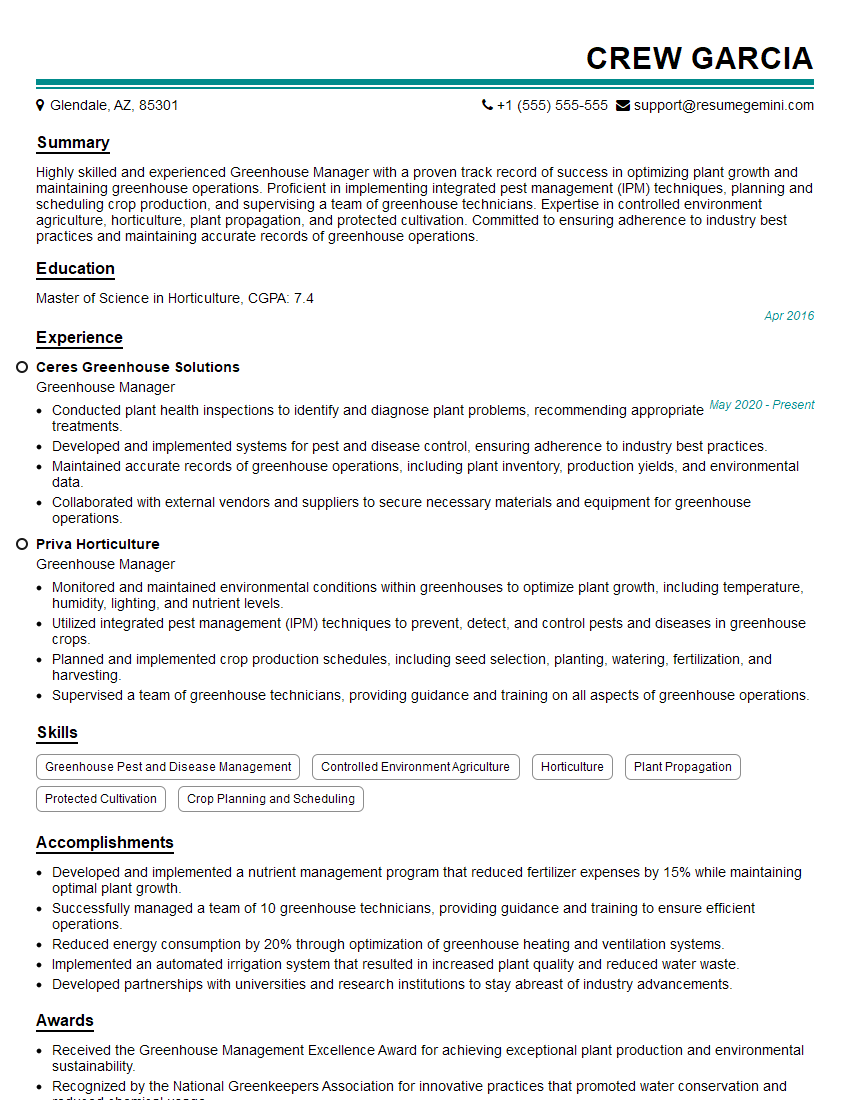
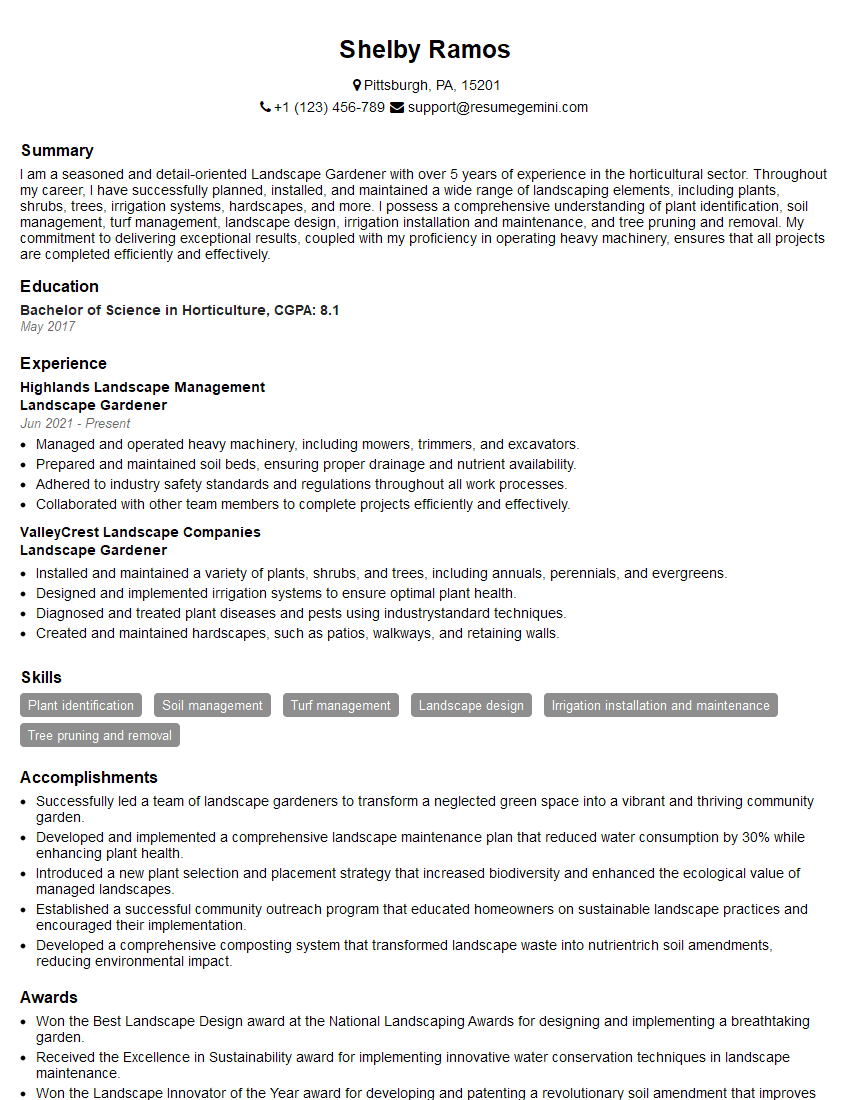
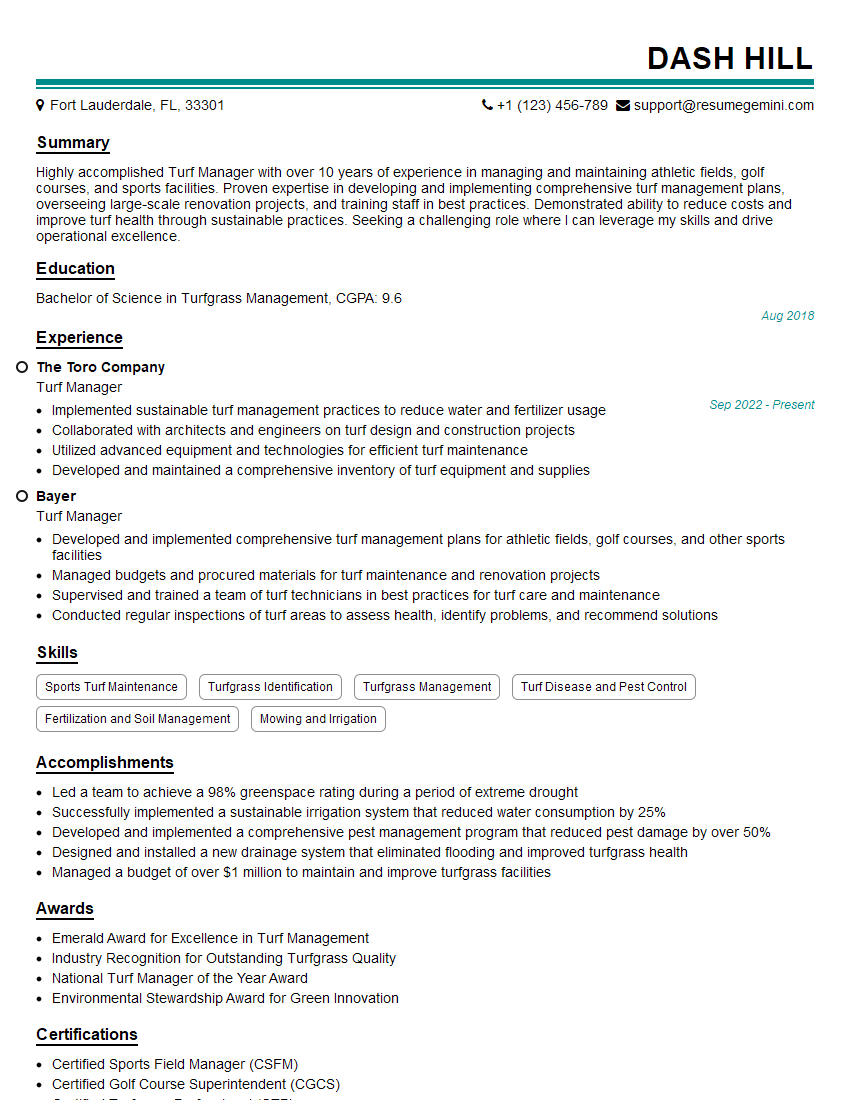
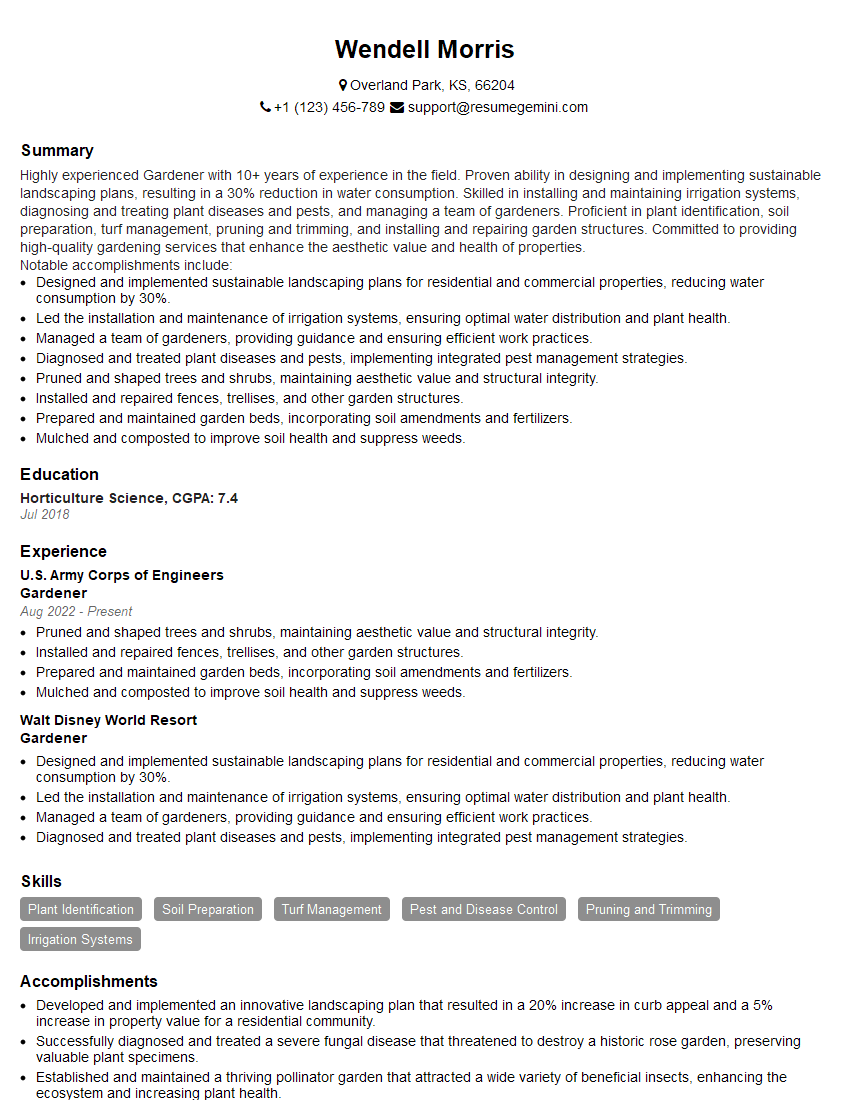
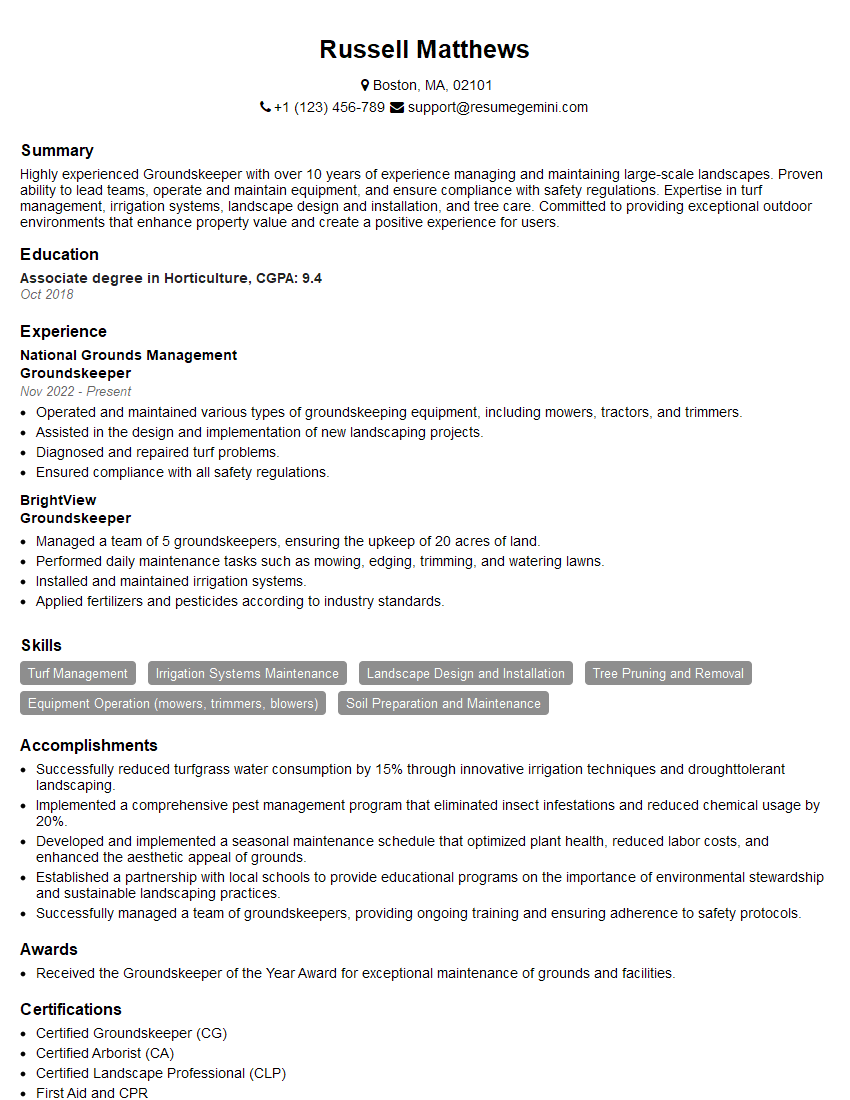
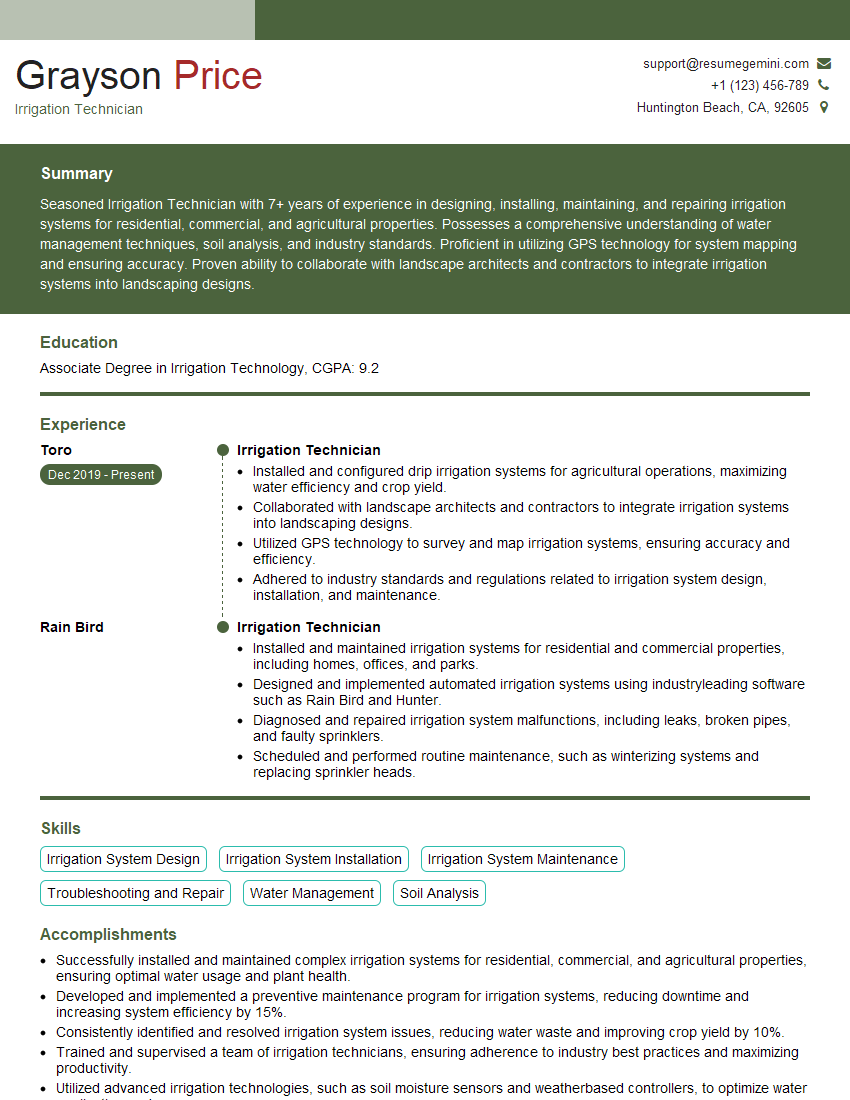
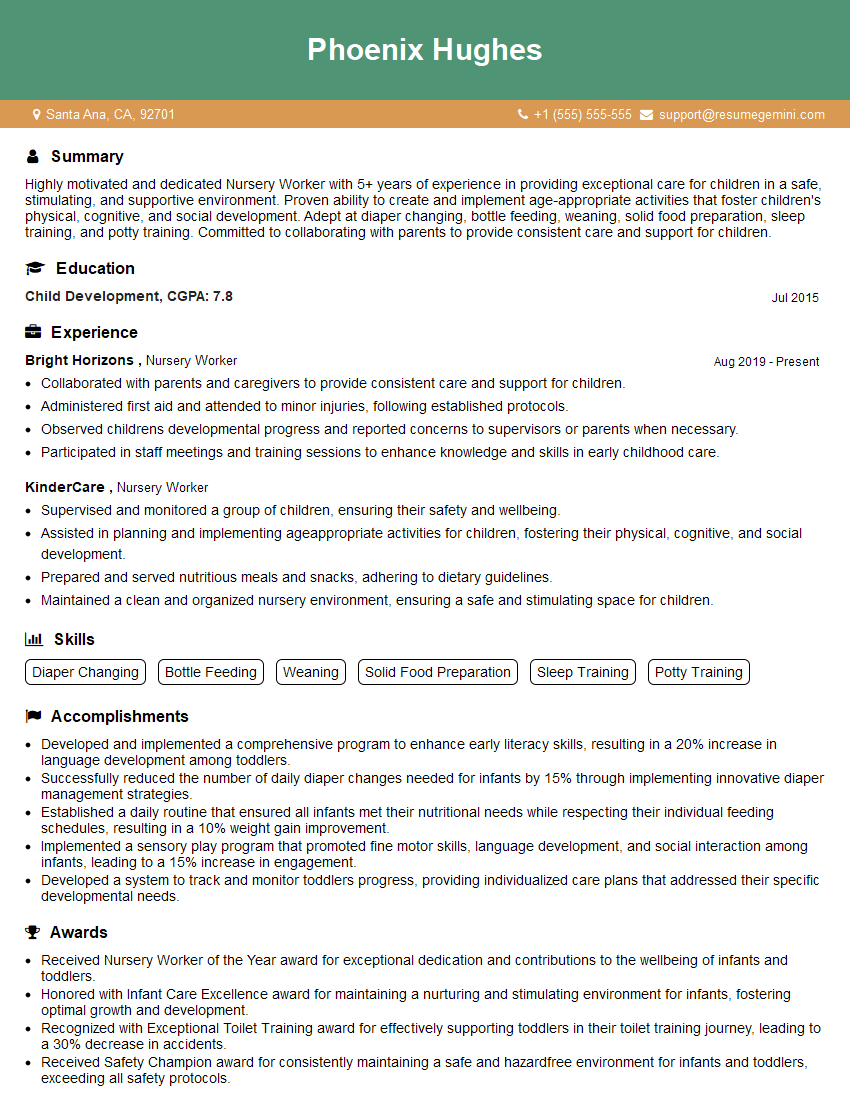
Mastering Garden Maintenance opens doors to exciting career opportunities with increasing responsibility and earning potential. A well-crafted resume is crucial for showcasing your skills and experience to potential employers. To maximize your job prospects, create an ATS-friendly resume that highlights your accomplishments and keywords relevant to the industry. ResumeGemini is a trusted resource that can help you build a professional and impactful resume. Examples of resumes tailored to Garden Maintenance are available to guide you.

Explore more articles
Users Rating of Our Blogs
Share Your Experience
We value your feedback! Please rate our content and share your thoughts (optional).
What Readers Say About Our Blog
Very informative content, great job.
good