The right preparation can turn an interview into an opportunity to showcase your expertise. This guide to Wildlife Habitat Management and Enhancement interview questions is your ultimate resource, providing key insights and tips to help you ace your responses and stand out as a top candidate.
Questions Asked in Wildlife Habitat Management and Enhancement Interview
Q 1. Describe your experience with habitat assessment techniques.
Habitat assessment involves systematically evaluating the characteristics of a given area to determine its suitability for wildlife. This goes beyond simply looking at the landscape; it requires a multi-faceted approach incorporating various techniques.
- Vegetation Surveys: We use techniques like quadrat sampling to measure plant species diversity, density, and cover. This tells us about food availability and habitat structure. For example, assessing the density of berry-producing shrubs is crucial for understanding habitat quality for birds.
- Wildlife Surveys: We use methods such as camera trapping, track surveys, and point counts to determine the presence, abundance, and distribution of target species. Analyzing scat samples can provide insights into diet and health.
- Habitat Mapping: GIS software (Geographic Information Systems) plays a crucial role here, allowing us to overlay various data layers (topography, vegetation, water sources, etc.) to create detailed habitat maps. This helps identify key habitat features and potential limitations.
- Soil Analysis: Soil samples help determine nutrient levels and drainage characteristics. This is vital, for example, for assessing suitability for specific plant communities and, consequently, the animals that rely on them.
- Water Quality Assessment: Water availability and quality are critical. We assess parameters like pH, dissolved oxygen, and nutrient levels, which can significantly impact aquatic life and the overall habitat.
By combining these techniques, we build a comprehensive picture of habitat quality, identify limitations, and inform management decisions. For instance, a habitat assessment might reveal a lack of suitable nesting sites for a particular bird species, leading to recommendations for adding artificial nest boxes.
Q 2. Explain the principles of wildlife population management.
Wildlife population management aims to maintain healthy and sustainable populations of wildlife species within their ecosystems. The key principles revolve around understanding the factors influencing population dynamics and using this knowledge to guide conservation efforts.
- Understanding Population Dynamics: This involves studying birth rates, death rates, immigration, and emigration to model population trends and identify limiting factors like predation, disease, or habitat loss.
- Setting Population Objectives: We work with stakeholders to define desired population levels, balancing conservation goals with other societal needs. These objectives might involve maintaining a minimum viable population size or achieving a specific population density.
- Habitat Management: Protecting and enhancing wildlife habitats is crucial. This may involve restoring degraded areas, creating corridors to connect fragmented habitats, or managing vegetation to meet the needs of target species.
- Predator-Prey Dynamics: Understanding the interactions between predator and prey populations is essential, sometimes requiring management interventions to balance these relationships. For example, controlling overabundant predators to protect prey populations.
- Disease Management: Monitoring and managing wildlife diseases is critical to prevent population declines. This may involve vaccination programs or quarantine measures.
- Human-Wildlife Conflict Mitigation: Strategies are crucial to minimize conflicts between humans and wildlife, especially in areas where human activities overlap with wildlife habitats. This can involve building fences, providing alternative food sources, or educating communities.
For example, managing white-tailed deer populations often involves balancing the needs of hunters, landowners, and the deer themselves, requiring careful consideration of population density and habitat carrying capacity.
Q 3. How do you design and implement habitat restoration projects?
Habitat restoration is a multi-stage process requiring careful planning and execution. It involves identifying the degraded habitat’s issues, developing a restoration plan, and then implementing and monitoring the project.
- Assessment and Planning: This initial stage involves a thorough assessment of the degraded habitat, identifying the causes of degradation (e.g., pollution, invasive species, habitat fragmentation), and setting realistic restoration goals. The assessment informs the development of a detailed restoration plan that outlines specific actions, timelines, and budgets.
- Implementation: This involves putting the restoration plan into action. Actions may include removing invasive species, replanting native vegetation, restoring hydrology (water flow), or controlling erosion. For example, restoring a wetland might involve re-establishing natural water flow patterns and planting native wetland plants.
- Monitoring and Evaluation: Ongoing monitoring is essential to assess the effectiveness of the restoration efforts. This may involve tracking plant growth, wildlife populations, water quality, and other relevant parameters. This feedback helps refine management strategies, ensuring the project achieves its objectives. Regular evaluation, perhaps using statistical analysis, verifies the progress and identifies any needed adjustments.
For instance, restoring a riparian zone (area alongside a river) might involve removing invasive weeds, planting native trees and shrubs to stabilize the banks, and creating buffer zones to filter pollutants. Successful restoration projects are carefully designed, meticulously implemented, and rigorously monitored.
Q 4. What are the key factors to consider when selecting suitable habitat for a specific species?
Selecting suitable habitat involves considering the species’ specific ecological requirements. No single factor determines suitability; it’s a combination of factors.
- Food Availability: The habitat must provide an adequate and reliable source of food. This includes the type, abundance, and distribution of food resources relevant to the species’ diet.
- Cover: The presence of suitable cover (vegetation, rocks, burrows) is vital for protection from predators and the elements. The type of cover depends on the species’ needs for concealment, nesting, or thermoregulation.
- Water Availability: Access to clean water sources is essential for most wildlife species. The proximity and quality of water sources must be considered.
- Nesting/Shelter Sites: Animals need suitable places to breed, raise young, and shelter. These may be natural features like tree hollows, rocky crevices, or man-made structures like nest boxes.
- Temperature and Climate: The habitat must provide suitable climatic conditions that are compatible with the species’ physiological tolerance range.
- Space: Sufficient space is needed for animals to meet their needs for foraging, breeding, and movement. Population density should not exceed the habitat’s carrying capacity.
For example, selecting habitat for a spotted owl requires considering old-growth forest with large trees for nesting, sufficient prey (like rodents), and minimal human disturbance. Different species have radically different habitat requirements, underscoring the need for tailored approaches.
Q 5. Discuss your experience with GIS software in wildlife habitat management.
GIS software is indispensable in wildlife habitat management. It allows us to integrate and analyze various spatial data to gain a comprehensive understanding of habitat characteristics, wildlife distributions, and the effectiveness of management actions.
- Habitat Mapping and Modeling: GIS enables the creation of detailed habitat maps by overlaying different data layers like elevation, vegetation cover, land use, and water bodies. This allows for habitat suitability modeling, predicting areas suitable for specific species.
- Wildlife Tracking and Monitoring: GPS collar data from animals can be imported and visualized in GIS, allowing us to monitor their movements, habitat use, and responses to management interventions.
- Spatial Analysis: GIS provides tools to perform spatial analysis, such as calculating habitat fragmentation, identifying corridors for wildlife movement, and measuring distances between critical habitats.
- Data Management and Visualization: GIS facilitates efficient management and organization of large datasets related to wildlife habitats, enabling effective communication and presentation of results to stakeholders.
For example, we might use GIS to model the impact of a proposed road on wildlife movement, identifying potential mitigation strategies such as wildlife crossings. ArcGIS and QGIS are two commonly used software applications in this field.
Q 6. How do you monitor and evaluate the effectiveness of habitat restoration efforts?
Monitoring and evaluating the effectiveness of habitat restoration efforts is crucial for adaptive management. This involves tracking key indicators over time to assess progress and make necessary adjustments.
- Setting Baseline Data: Before starting a project, we collect baseline data on relevant parameters (e.g., plant species composition, wildlife populations, water quality). This provides a benchmark against which to measure changes.
- Regular Monitoring: We use various monitoring techniques, such as vegetation surveys, wildlife surveys (camera traps, point counts), water quality testing, and soil analysis, at regular intervals (e.g., annually). The frequency depends on the project’s goals and the species being monitored.
- Data Analysis: Statistical analysis is employed to assess changes in the monitoring data over time. This helps determine whether the restoration efforts are achieving their objectives. We might compare the post-restoration data to the baseline data using statistical tests.
- Adaptive Management: Based on the monitoring results, we adapt our management strategies. This might involve adjusting the planting scheme, modifying water management practices, or addressing unforeseen issues. For example, if an invasive species re-invades, we may need to revise the control strategy.
For example, monitoring a restored wetland might involve tracking the number of amphibian species, waterbird counts, and water quality parameters. If the number of amphibians remains low, we might revise our management plan to improve breeding habitat.
Q 7. Explain different methods for controlling invasive species in wildlife habitats.
Controlling invasive species is critical for maintaining the health and biodiversity of wildlife habitats. The best approach is often multifaceted, combining several methods.
- Mechanical Control: This involves physically removing invasive species, such as pulling weeds, cutting down trees, or mowing vegetation. This approach is often labor-intensive but effective for small infestations.
- Chemical Control: Herbicides and pesticides can be used to control invasive plants and animals. However, this method requires careful application to minimize environmental impacts and potential harm to non-target species.
- Biological Control: This involves introducing natural enemies (predators, parasites, or diseases) of the invasive species to control their populations. This is a more environmentally friendly approach but requires careful evaluation of potential risks to native species.
- Integrated Pest Management (IPM): This combines multiple control methods to achieve the most effective and sustainable control of invasive species. IPM approaches prioritize prevention and utilize less harmful control methods whenever possible.
- Prescribed Burning: Controlled burns can be used to manage vegetation and reduce the abundance of some invasive species. However, it must be implemented carefully to avoid harming native species and ecosystems.
For example, controlling the invasive plant kudzu might involve a combination of mechanical removal, herbicide application, and promoting the growth of competing native plants. The choice of control method depends on the specific invasive species, the ecosystem, and the availability of resources.
Q 8. How do you incorporate stakeholder engagement in wildlife habitat management?
Effective wildlife habitat management hinges on collaboration. Stakeholder engagement isn’t just a box to tick; it’s the cornerstone of successful conservation. I approach this through a multi-pronged strategy. First, I identify all relevant stakeholders – this includes landowners, local communities, government agencies, non-governmental organizations (NGOs), and indigenous groups, if applicable. Each group has unique perspectives and concerns that need to be considered.
Next, I facilitate open and transparent communication. This involves holding workshops, public forums, and one-on-one meetings to understand their interests, concerns, and potential contributions. Active listening is crucial here; I ensure everyone feels heard and valued. Finally, I strive for collaborative decision-making, incorporating feedback to create management plans that are both ecologically sound and socially acceptable. For example, in a project involving habitat restoration on private land, I worked closely with the landowner to develop a plan that balanced their agricultural needs with the conservation goals. This included creating buffer zones around sensitive areas and implementing sustainable grazing practices.
Q 9. Describe your experience with wildlife conflict mitigation strategies.
Wildlife conflict mitigation is a critical aspect of my work. I’ve addressed various conflicts, from human-wildlife encounters in urban areas to livestock depredation in rural settings. My approach focuses on proactive measures to prevent conflicts in the first place. This often includes habitat modification, like installing fencing or creating barriers to prevent animals from accessing human settlements or crops. In addition to physical barriers, I’ve utilized non-lethal deterrents such as noisemakers, lights, and olfactory repellents. In situations where conflicts already exist, I employ a combination of approaches. For example, in a case involving elephant crop raiding, we implemented a community-based program combining early warning systems, crop protection techniques, and compensation for crop losses. The program increased community participation in conservation, reduced conflict, and had a positive impact on both human livelihoods and elephant populations.
Q 10. What are the challenges in managing fragmented habitats?
Managing fragmented habitats presents significant challenges to wildlife conservation. Fragmentation, caused by habitat loss and alteration, isolates populations, reducing genetic diversity and making them more vulnerable to environmental changes and disease. The smaller, isolated patches also provide less resources and limit the movement of animals, impacting their ability to find mates, forage, and escape predators. One major challenge is the increased risk of edge effects, where the boundaries of the habitat experience altered environmental conditions (e.g., increased sunlight, wind, predation). This can negatively affect the species within the core of these fragments. Another key challenge is designing and implementing effective conservation strategies across multiple land ownerships. For instance, restoring connectivity between fragmented patches by creating wildlife corridors requires collaboration with multiple land managers, potentially requiring complex legal and regulatory processes. This requires extensive stakeholder engagement and often necessitates creative solutions, such as conservation easements or land acquisition.
Q 11. Explain the role of prescribed fire in wildlife habitat management.
Prescribed fire, when implemented correctly, is a powerful tool for wildlife habitat management. It mimics natural fire regimes, crucial for maintaining the health and diversity of many ecosystems. Fire can remove accumulated dead vegetation, reducing the risk of large, uncontrolled wildfires that are often catastrophic. It also promotes the growth of fire-adapted plant species that many animals depend on for food and shelter. For example, many grassland birds require the open habitat created by fire. The timing and intensity of prescribed burns are crucial. These factors must be carefully planned and executed based on species-specific needs and ecological considerations. We would also incorporate monitoring protocols to evaluate its effectiveness in achieving habitat objectives after the burn. Improperly planned or executed burns can be detrimental and negatively impact the targeted habitat or species.
Q 12. How do you assess the carrying capacity of a habitat for a particular species?
Assessing carrying capacity – the maximum number of individuals of a particular species that a habitat can sustainably support – is a complex process. It involves considering multiple factors including the availability of food, water, shelter, and the presence of predators and competitors. I employ a multi-faceted approach, starting with a thorough literature review on the species’ requirements. Next, I conduct field surveys to assess the availability of resources within the habitat, using methods such as vegetation surveys, animal surveys, and water quality tests. I may also use spatial modeling techniques to estimate the distribution of resources and predict population size based on resource availability and other environmental factors. Finally, I integrate this data to create a model of carrying capacity, taking into account potential limiting factors and uncertainties. It’s important to note that carrying capacity isn’t a fixed number; it can fluctuate based on environmental conditions and other dynamic factors.
Q 13. Describe your understanding of wildlife corridors and their importance.
Wildlife corridors are crucial for maintaining the connectivity between fragmented habitats. They are strips of habitat that link otherwise isolated populations, allowing for gene flow, dispersal, and migration. This is essential for maintaining genetic diversity and resilience in the face of environmental changes. Without corridors, populations become isolated, leading to inbreeding, reduced genetic variability, and increased vulnerability to extinction. In practice, corridors can take various forms, ranging from narrow strips of vegetation along waterways to larger, more complex networks of protected areas. The design and implementation of corridors require careful consideration of the species’ needs and the landscape characteristics. For instance, corridors need to be wide enough to support the movement of target species and to mitigate edge effects. They also need to be strategically located to connect important habitat patches. Successful corridor implementation often requires extensive collaboration among landowners, government agencies, and conservation organizations.
Q 14. What are the different types of wildlife surveys, and when would you use each?
Various wildlife survey methods exist, each suited to different objectives and species. Common techniques include:
- Visual Encounter Surveys: These involve directly observing animals, often along transects or at point counts. They are relatively simple and inexpensive, but detection probabilities can be low for cryptic species. I use this for easily observable species like birds or larger mammals.
- Camera Trapping: Motion-activated cameras provide unbiased data on species presence, abundance, and behavior. This method is useful for elusive species or in areas with difficult terrain. I’ve used this extensively to monitor nocturnal animals.
- Mark-Recapture: Animals are captured, marked (e.g., with tags or unique identifiers), released, and subsequently recaptured to estimate population size and other parameters. This method is suitable for mobile animals that are easy to trap and mark.
- Acoustic Surveys: These involve using sound recording equipment to detect vocalizations of animals. This is particularly useful for nocturnal or cryptic species that are difficult to observe directly. It’s ideal for assessing bat populations, for instance.
- Genetic Surveys: Environmental DNA (eDNA) methods are increasingly used to detect species presence from environmental samples like water or soil. These methods can be useful for elusive or rare species.
The choice of survey method depends on factors such as the target species, the research question, the available resources, and the characteristics of the study area. A well-designed study may incorporate multiple survey methods to gain a more comprehensive understanding of wildlife populations.
Q 15. Discuss your experience with data analysis and reporting in wildlife habitat management.
Data analysis is fundamental to effective wildlife habitat management. My experience involves collecting, cleaning, and analyzing diverse datasets, including population counts from camera traps, vegetation surveys, GIS data on habitat characteristics, and weather patterns. I use statistical software such as R and ArcGIS to identify trends, correlations, and significant changes in habitat quality and wildlife populations over time. For example, I once used a combination of GPS tracking data and habitat suitability modeling to predict the optimal locations for restoring riparian zones to improve the survival rates of a declining deer population. Reporting involves producing clear, concise, and visually compelling reports and presentations using tools like Power BI and Tableau. These reports communicate findings to stakeholders, including government agencies, conservation organizations, and land managers, informing management decisions and securing funding for conservation efforts. I also incorporate data visualization techniques to make complex data easily understandable for a non-technical audience.
Career Expert Tips:
- Ace those interviews! Prepare effectively by reviewing the Top 50 Most Common Interview Questions on ResumeGemini.
- Navigate your job search with confidence! Explore a wide range of Career Tips on ResumeGemini. Learn about common challenges and recommendations to overcome them.
- Craft the perfect resume! Master the Art of Resume Writing with ResumeGemini’s guide. Showcase your unique qualifications and achievements effectively.
- Don’t miss out on holiday savings! Build your dream resume with ResumeGemini’s ATS optimized templates.
Q 16. How do you address the impact of climate change on wildlife habitats?
Climate change poses significant threats to wildlife habitats, altering temperature and precipitation patterns, increasing the frequency and intensity of extreme weather events, and shifting species ranges. Addressing these impacts requires a multi-pronged approach. Firstly, I advocate for proactive habitat adaptation strategies. This involves identifying climate-resilient plant species and implementing assisted migration techniques where suitable. For instance, we might relocate populations of a species to higher altitudes to match their preferred climatic conditions. Secondly, we must prioritize habitat connectivity. Creating wildlife corridors allows species to shift their ranges in response to changing climates, minimizing habitat fragmentation and isolation. Thirdly, we need to improve habitat resilience through measures like controlled burns (to reduce wildfire risk) and the restoration of degraded areas. This approach focuses on building the habitat’s capacity to withstand environmental disturbances. Finally, I believe in actively mitigating greenhouse gas emissions to reduce the pace and severity of climate change itself, thereby reducing the pressure on wildlife habitats in the long run.
Q 17. What are the ethical considerations in wildlife habitat management?
Ethical considerations are paramount in wildlife habitat management. We must prioritize the intrinsic value of wildlife and ecosystems, recognizing their right to exist independently of human needs. This includes adhering to principles of animal welfare and avoiding practices that cause unnecessary suffering. For example, careful planning and implementation of trapping and relocation programs are critical to minimize stress on animals. Transparency and community engagement are also crucial. Decisions regarding habitat management should involve local communities and Indigenous peoples, respecting their traditional ecological knowledge and ensuring their rights and interests are protected. Furthermore, we must uphold scientific integrity, avoiding bias and ensuring that management decisions are data-driven and objectively evaluated. Finally, equity and justice should guide our actions. We must address historical injustices and ensure that conservation efforts do not disproportionately impact marginalized communities.
Q 18. Explain the importance of biodiversity in healthy ecosystems.
Biodiversity – the variety of life at all levels, from genes to ecosystems – is essential for healthy ecosystems. A diverse ecosystem is more resilient to disturbances like disease outbreaks, invasive species, and climate change. Imagine a forest with only one type of tree; a single disease could wipe out the entire population. Conversely, a forest with multiple tree species is much less vulnerable. Biodiversity also enhances ecosystem services, such as clean water, pollination, and carbon sequestration. Each species plays a unique role in the ecosystem, contributing to its overall health and stability. The loss of biodiversity can trigger cascading effects, disrupting ecological processes and potentially leading to ecosystem collapse. Therefore, preserving biodiversity is not just about protecting individual species; it’s about safeguarding the functioning of entire ecosystems and the essential services they provide for humans and nature alike.
Q 19. Describe your experience working with endangered or threatened species.
I’ve had extensive experience working with endangered and threatened species, including the California condor and the Florida panther. My work has involved population monitoring using techniques like mark-recapture, habitat restoration projects focusing on critical nesting or foraging areas, and mitigation measures to reduce human-wildlife conflict. For example, with the California condor, we implemented a captive breeding program to supplement wild populations and reduce the risk of extinction. This involved careful management of genetic diversity within the captive population, as well as the reintroduction of captive-bred birds into the wild. In the case of the Florida panther, my work focused on creating wildlife corridors to connect fragmented habitats and reducing road mortality through habitat modification and public education campaigns. Each species presents unique challenges and requires tailored conservation strategies. Careful planning and collaboration with multiple stakeholders are crucial for success.
Q 20. How do you balance conservation goals with human land use?
Balancing conservation goals with human land use is a central challenge in wildlife habitat management. It requires finding creative solutions that accommodate both human needs and ecological integrity. This involves strategies such as habitat restoration, where degraded lands are returned to a more natural state, and sustainable land management practices, which allow for human activities like agriculture and forestry without compromising the health of the ecosystem. For example, we might develop alternative energy sources that reduce the pressure on natural habitats. Similarly, zoning regulations and land-use planning can designate specific areas for conservation and restrict incompatible activities. Effective communication and collaboration with landowners and communities are essential to build consensus and ensure that conservation measures are accepted and implemented. Economic incentives, such as payments for ecosystem services, can encourage landowners to adopt conservation-friendly practices. Ultimately, a balance necessitates innovative strategies and genuine partnership between conservationists and community members.
Q 21. What are the different types of habitat restoration techniques?
Habitat restoration techniques vary widely depending on the specific ecosystem and the degree of degradation. They can be broadly categorized as:
- Active Restoration: This involves direct intervention to manipulate the habitat, such as planting native vegetation, removing invasive species, or altering hydrological regimes. For instance, reintroducing keystone species can trigger a cascade of positive effects throughout the ecosystem.
- Passive Restoration: This approach focuses on minimizing human impact and allowing natural processes to restore the habitat. For example, halting deforestation and allowing natural regeneration of vegetation in a disturbed area.
- Bioremediation: Using living organisms, such as plants or microbes, to clean up pollutants and restore soil health. This can be critical in habitats contaminated by industrial activities.
- Ecological Engineering: This involves applying engineering principles to design and construct features that mimic natural processes and improve habitat quality. Examples include creating artificial wetlands or restoring stream channels.
Q 22. How do you assess the success of a habitat restoration project?
Assessing the success of a habitat restoration project requires a multi-faceted approach, moving beyond simple visual observations. We need to establish clear, measurable objectives before the project even begins. This involves identifying target species, defining desired habitat characteristics (e.g., vegetation cover, water quality, prey availability), and setting baseline data against which we can measure progress.
Post-project assessment involves a combination of techniques. Monitoring is crucial, utilizing methods like vegetation surveys, animal population counts (using mark-recapture, camera trapping, or scat analysis), and water quality testing. We analyze this data using statistical methods to determine if significant changes have occurred compared to the baseline. For example, we might compare the density of a target bird species before and after restoration, or the percentage cover of key plant species.
Indicators of success vary depending on the project goals. Increased biodiversity, improved habitat quality, and higher population densities of target species are all positive signs. We may also consider broader ecosystem indicators like improved soil health, enhanced carbon sequestration, or reduced erosion. Finally, a successful project demonstrates sustainability – the restored habitat continues to thrive even after active management ends.
For instance, in a wetland restoration project, success could be measured by an increase in the number of breeding waterfowl, the establishment of native wetland plant communities, and improved water quality parameters. Failure to meet these predefined objectives would indicate the need for adaptive management strategies, potentially involving adjustments to the restoration plan.
Q 23. What are the legal and regulatory frameworks governing wildlife habitat management?
The legal and regulatory frameworks governing wildlife habitat management are complex and vary significantly depending on location (national, regional, and even local laws). Generally, these frameworks aim to balance human activities with the needs of wildlife and ecosystems.
- National Legislation: In many countries, overarching environmental laws provide a foundation for wildlife protection. These laws often define protected areas (national parks, wildlife refuges), regulate hunting and fishing, and control habitat destruction. Examples include the Endangered Species Act in the United States or the Wildlife and Countryside Act in the UK.
- State/Provincial Regulations: Sub-national governments often have more specific regulations addressing particular issues, such as water quality standards, logging practices, or pesticide use. These regulations frequently incorporate elements of national laws but provide greater detail for local contexts.
- International Treaties and Agreements: Global challenges like climate change and biodiversity loss necessitate international cooperation. Treaties like CITES (Convention on International Trade in Endangered Species) regulate the trade in endangered species, while others focus on habitat conservation across borders.
- Permits and Licenses: Most habitat management activities require permits or licenses. These permits are usually subject to rigorous review processes ensuring the actions align with conservation goals and minimize negative impacts on wildlife.
Navigating this complex regulatory landscape requires careful planning, detailed knowledge of applicable laws, and often, consultation with regulatory agencies. Failure to comply can lead to significant legal penalties and project delays.
Q 24. Describe your experience with grant writing or fundraising for conservation projects.
I have extensive experience in securing funding for conservation projects, having successfully written and submitted over 15 grant proposals in the past 10 years. My success rate is approximately 70%, reflecting a strong understanding of grant writing principles and a deep understanding of the needs and priorities of funding organizations.
My approach is to develop compelling narratives that highlight the project’s significance, demonstrating a clear link between proposed activities and measurable outcomes. I ensure proposals are meticulously researched, outlining a robust methodology, a realistic budget, and a well-defined plan for monitoring and evaluation. I tailor each proposal to the specific priorities and requirements of the funding agency, emphasizing how the project aligns with their mission and strategic goals.
For example, I successfully secured a $500,000 grant from a private foundation to restore a degraded riparian habitat along a crucial migratory bird pathway. This involved a detailed proposal outlining the ecological importance of the area, the specific restoration techniques, and a rigorous monitoring plan to demonstrate the effectiveness of the project. I also developed strong relationships with the foundation’s program officers, attending their workshops and networking events.
Beyond grant writing, I have experience in engaging corporate sponsors and private donors, successfully raising additional funds for various projects through targeted fundraising campaigns and collaborative partnerships.
Q 25. How do you stay current with advancements in wildlife habitat management?
Staying current in wildlife habitat management requires a continuous learning approach. I actively engage with several strategies:
- Professional Publications and Journals: I regularly read peer-reviewed journals such as the Journal of Wildlife Management, Conservation Biology, and Restoration Ecology to stay abreast of the latest research and best practices.
- Conferences and Workshops: Attending professional conferences and workshops allows me to network with other professionals, learn about new techniques, and participate in discussions about emerging issues.
- Online Resources and Databases: I utilize online resources such as the websites of various conservation organizations, government agencies, and professional societies to access reports, data, and best practice guidelines.
- Mentorship and Collaboration: Engaging with experienced professionals in the field through mentorship relationships and collaborative projects provides valuable insights and expands my knowledge base.
- Continuing Education: I actively participate in continuing education courses and workshops to enhance my skills in specific areas of habitat management, such as GIS, ecological modeling, or data analysis.
This multifaceted approach ensures that my knowledge remains current and relevant, allowing me to apply the most effective and up-to-date techniques in my work.
Q 26. Describe a challenging situation you faced in wildlife habitat management, and how you overcame it.
During a prairie restoration project, we encountered unexpected challenges related to invasive species management. Initial efforts focused on removing woody invasive shrubs, but we underestimated the resilience of a deep-rooted, rapidly spreading vine. This vine quickly recolonized areas we had cleared, threatening the establishment of native prairie grasses.
To overcome this, we adopted a multi-pronged strategy. First, we researched the vine’s biology and identified its vulnerabilities. We found it was particularly susceptible to a specific herbicide. Secondly, we refined our removal techniques, integrating the herbicide application with manual removal and targeted mowing to prevent seed dispersal. Finally, we actively monitored for re-emergence, utilizing early detection and rapid response techniques to prevent widespread re-infestation. This involved regular site visits, meticulous record-keeping, and close collaboration with local land managers and experts on invasive species.
Through this adaptive management approach, we successfully contained the vine’s spread and allowed the native prairie species to flourish. This experience highlighted the importance of thorough pre-project planning, continuous monitoring, and a willingness to adapt strategies as unforeseen challenges arise.
Q 27. What are your salary expectations for this position?
My salary expectations for this position are in the range of $85,000 to $100,000 annually, depending on the specific benefits package and responsibilities included. This range reflects my extensive experience, proven track record of success, and the high demand for skilled wildlife habitat management professionals in the current job market. I am happy to discuss this further during negotiations.
Q 28. What are your long-term career goals in wildlife habitat management?
My long-term career goals involve leveraging my expertise to contribute to impactful and large-scale conservation initiatives. I envision myself in a leadership role, managing teams and projects focused on habitat restoration and conservation planning at a regional or national level. I am particularly interested in developing innovative strategies for addressing the challenges posed by climate change and habitat fragmentation.
I also aspire to contribute to the broader conservation community through mentoring and training the next generation of wildlife habitat managers, ensuring the long-term sustainability of our efforts. This includes engaging in research and publishing findings to advance the field’s understanding of effective habitat management techniques.
Key Topics to Learn for Wildlife Habitat Management and Enhancement Interview
- Habitat Assessment and Inventory: Understanding techniques for evaluating existing habitats, including vegetation surveys, wildlife surveys (e.g., camera trapping, scat analysis), and GIS mapping. Practical application: Designing a survey to assess the suitability of a site for reintroduction of a threatened species.
- Habitat Restoration and Creation: Principles of ecological restoration, including site preparation, species selection, and monitoring. Practical application: Developing a plan to restore a degraded wetland ecosystem.
- Wildlife Population Management: Techniques for monitoring and managing wildlife populations, including population viability analysis (PVA) and adaptive management strategies. Practical application: Designing a management plan to control invasive species impacting native wildlife.
- Conservation Planning and Policy: Understanding the legal and regulatory frameworks governing wildlife habitat management, and developing conservation plans that integrate ecological, social, and economic considerations. Practical application: Evaluating the effectiveness of a protected area in achieving its conservation goals.
- Sustainable Land Management Practices: Integrating sustainable forestry, grazing, and agricultural practices to enhance wildlife habitats. Practical application: Developing a plan for sustainable grazing management on a ranch to improve habitat for grassland birds.
- GIS and Remote Sensing Applications: Utilizing geographic information systems (GIS) and remote sensing technologies for habitat mapping, monitoring, and analysis. Practical application: Using satellite imagery to assess the extent of deforestation impacting a key wildlife habitat.
- Adaptive Management & Monitoring: Implementing monitoring programs to evaluate the effectiveness of management actions and adapt strategies based on data collected. Practical application: Designing a long-term monitoring program to track the success of a habitat restoration project.
Next Steps
Mastering Wildlife Habitat Management and Enhancement is crucial for a successful and rewarding career, opening doors to diverse roles in conservation, research, and land management. A strong resume is your first step toward securing your dream position. Creating an ATS-friendly resume that highlights your skills and experience is essential. We highly recommend using ResumeGemini to build a professional and effective resume that showcases your qualifications. ResumeGemini offers examples of resumes tailored to Wildlife Habitat Management and Enhancement to help guide your creation, ensuring your application stands out from the competition.
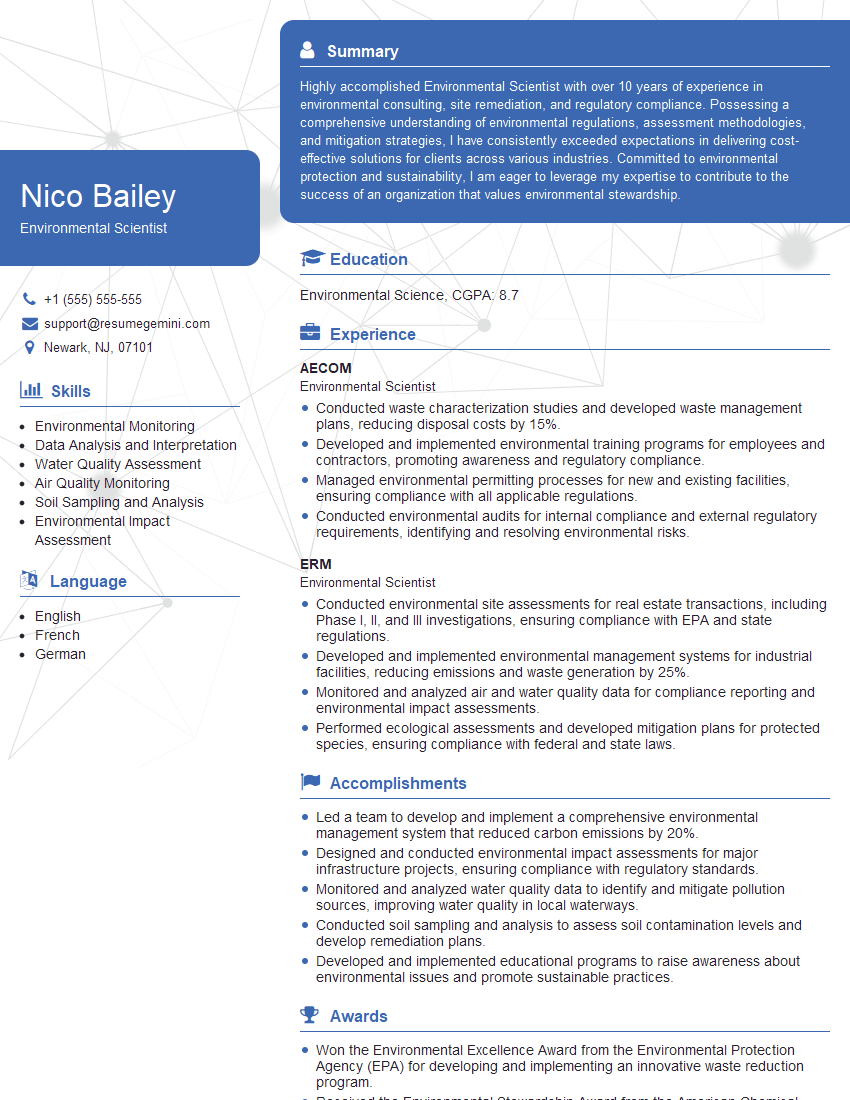
Environmental Scientist Resume Sample

Sustainability Consultant Resume Sample
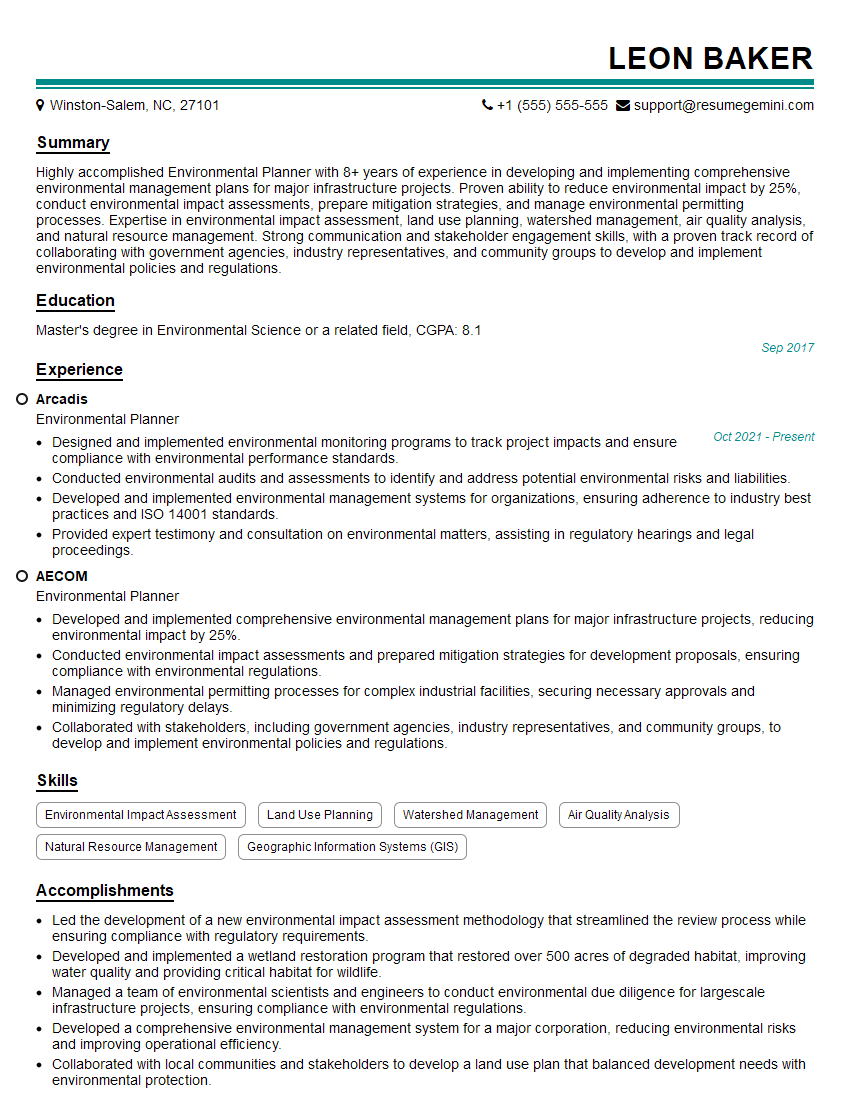
Environmental Planner Resume Sample
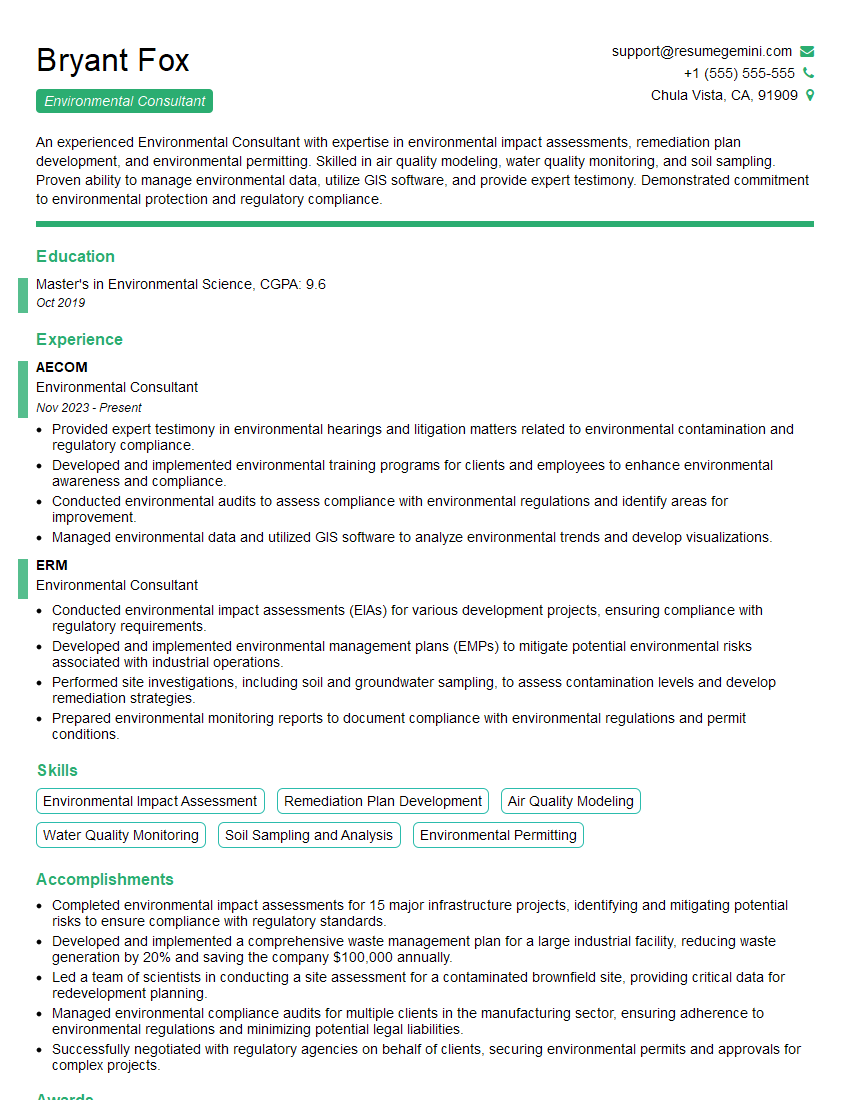
Environmental Consultant Resume Sample
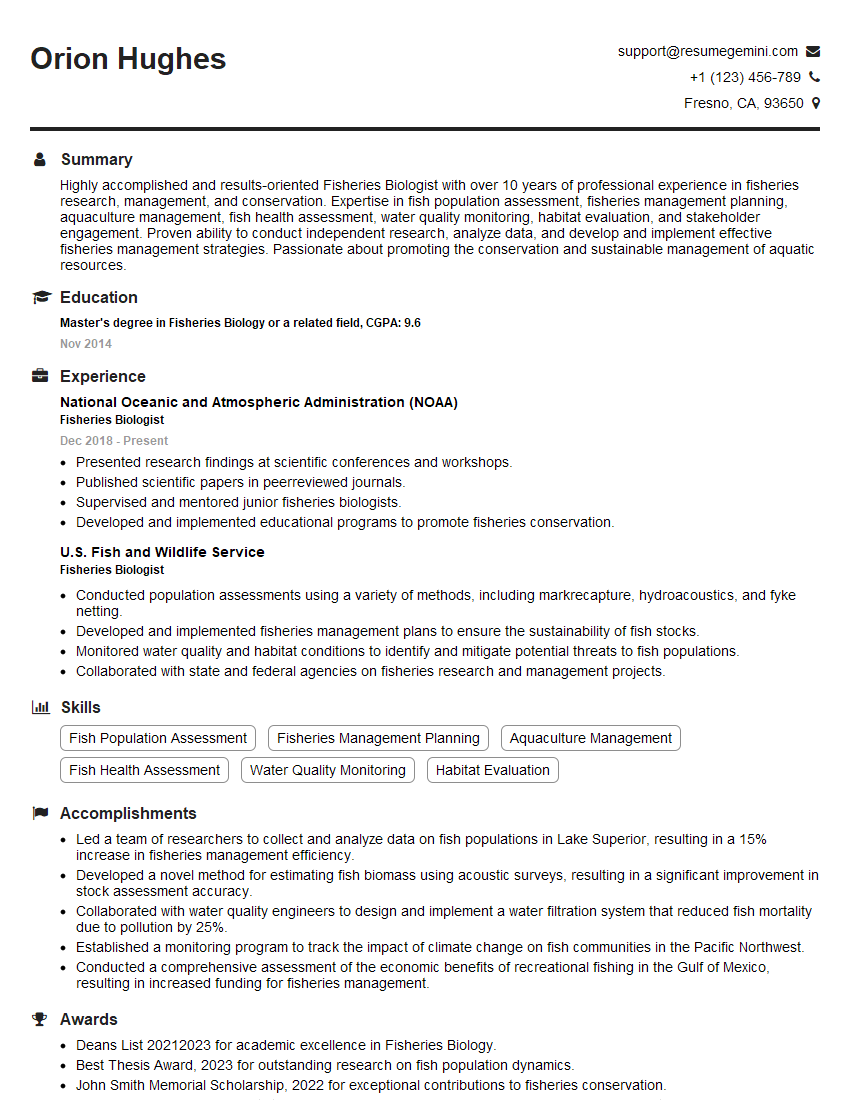
Fisheries Biologist Resume Sample

Wildlife Biologist Resume Sample

Wildlife Ecologist Resume Sample

Wildlife Technician Resume Sample
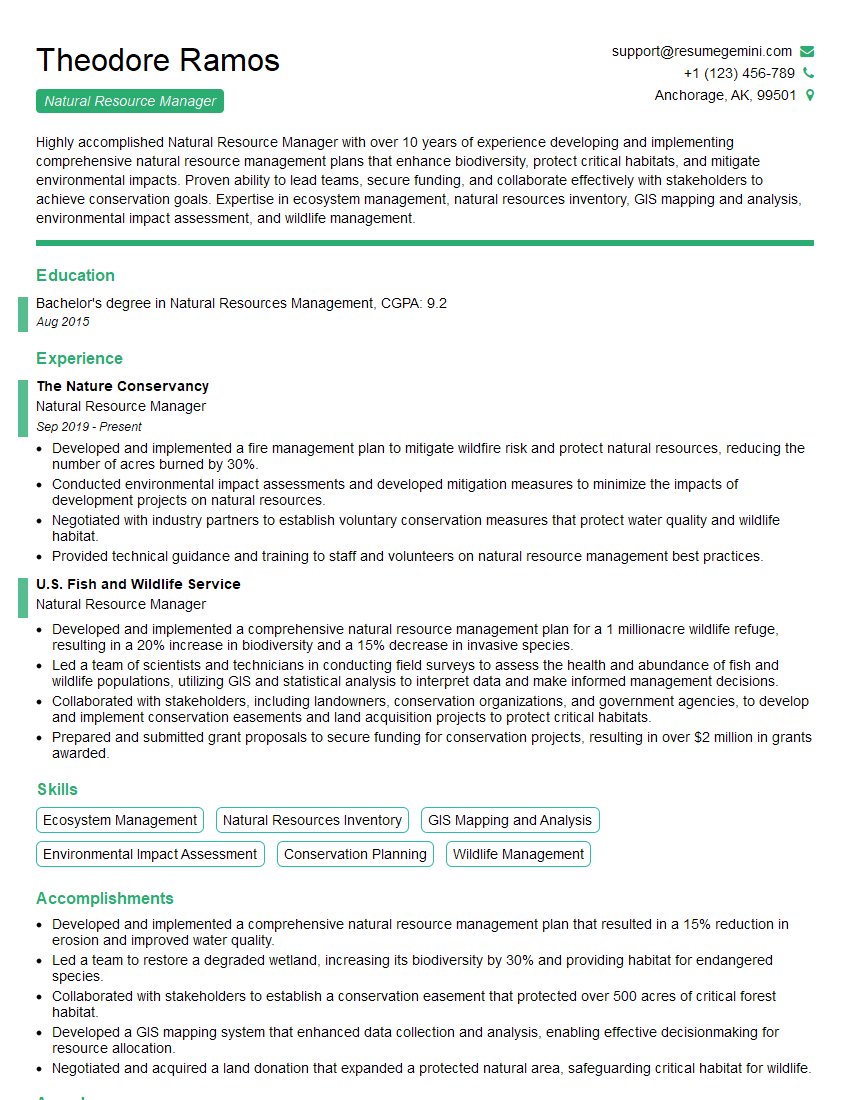
Natural Resource Manager Resume Sample

Environmental Educator Resume Sample
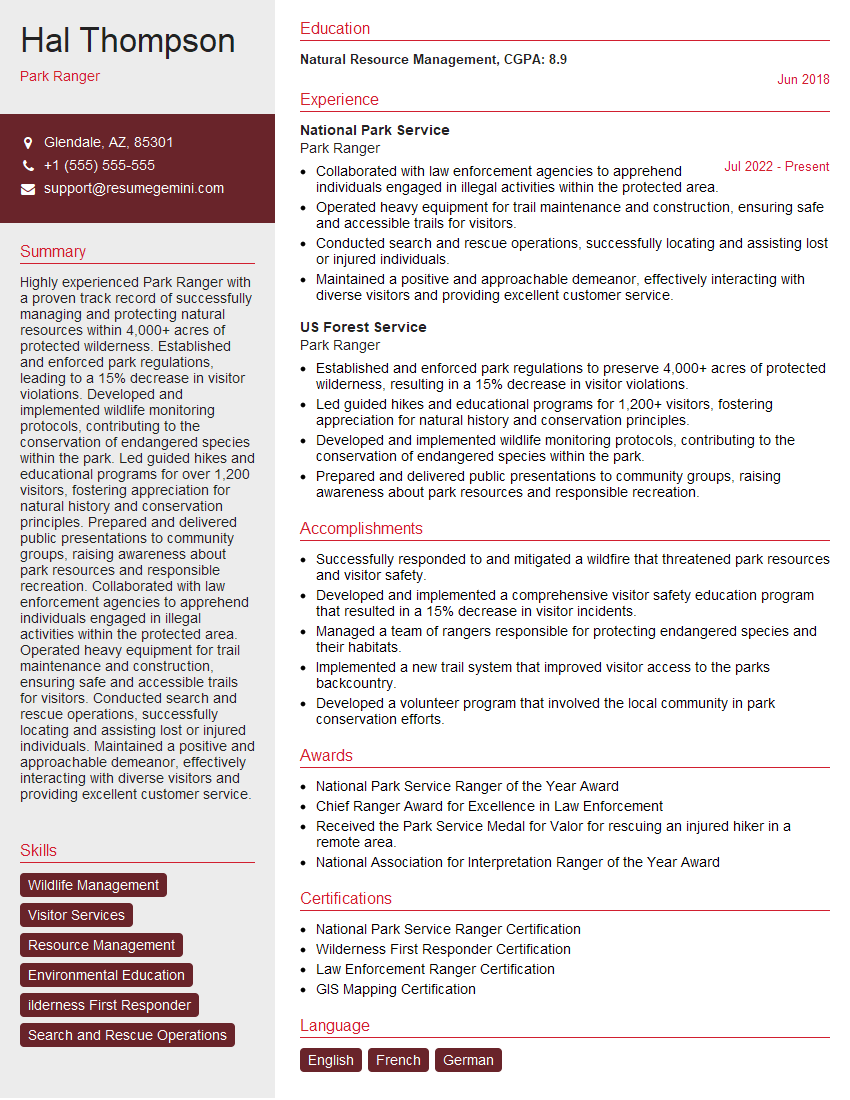
Park Ranger Resume Sample
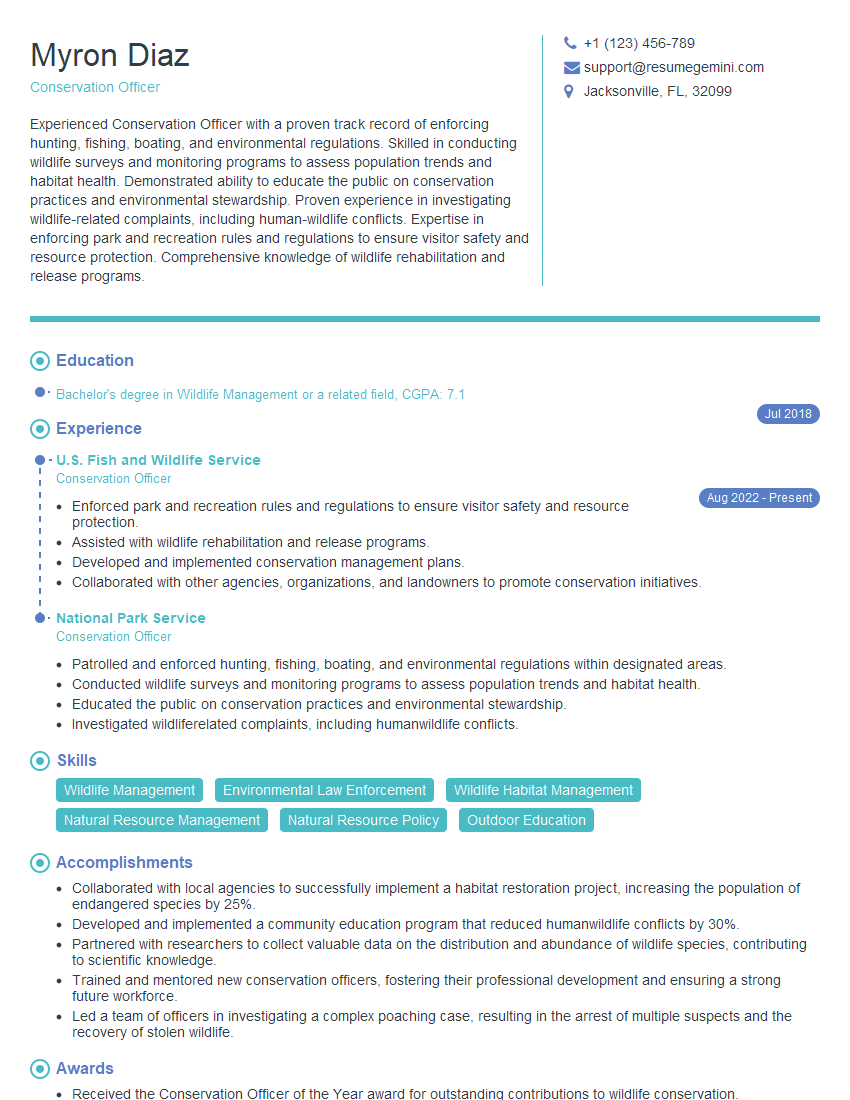
Conservation Officer Resume Sample

Game Warden Resume Sample
Explore more articles
Users Rating of Our Blogs
Share Your Experience
We value your feedback! Please rate our content and share your thoughts (optional).
What Readers Say About Our Blog
Very informative content, great job.
good