Preparation is the key to success in any interview. In this post, we’ll explore crucial Garment Production Process Knowledge interview questions and equip you with strategies to craft impactful answers. Whether you’re a beginner or a pro, these tips will elevate your preparation.
Questions Asked in Garment Production Process Knowledge Interview
Q 1. Explain the different stages of garment production.
Garment production is a multi-stage process, transforming raw materials into finished clothing. Think of it like a delicious recipe – each step is crucial for the final outcome. The stages typically include:
- Design & Development: This initial phase involves creating sketches, technical drawings, and selecting fabrics. It’s where the garment’s style and functionality are defined. For example, I worked on a project where we designed a new line of sustainable athleisure wear, meticulously selecting fabrics with recycled materials and creating patterns that provided both comfort and support.
- Pattern Making & Grading: Creating the initial pattern pieces (the template for cutting fabric) is essential. Grading involves adjusting the pattern sizes for different body measurements. Imagine baking a cake – the pattern is like the mold, ensuring consistent shapes across all sizes.
- Fabric Sourcing & Cutting: Selecting appropriate fabrics based on design, budget, and desired properties is key. Then, the fabric is cut according to the graded patterns, often using computer-controlled cutting machines for efficiency and accuracy. I’ve had experience sourcing both conventional and organic cotton, each requiring different considerations regarding quality and sustainability.
- Sewing & Assembly: This is where the garment takes shape. Individual pieces are sewn together following specific stitching techniques and sequences. This is the most labor-intensive phase and requires skilled operators. For example, I’ve managed teams working on intricate embroidery details or complex construction methods like welt pockets.
- Finishing & Pressing: This phase includes adding embellishments (buttons, zippers), hemming, and pressing the garment to ensure a professional finish. Think of this as the final flourish on a cake, improving presentation and overall quality.
- Quality Control (QC): Throughout the entire process, rigorous inspections occur to identify and correct any defects. QC checks range from fabric flaws to stitching inconsistencies. We follow strict AQL (Acceptable Quality Limit) standards. I have personally trained QC teams in using standardized checklists and reporting procedures.
- Packaging & Distribution: Once approved, the garments are packaged and prepared for shipping to retailers or consumers. Effective logistics is critical here to ensure timely delivery.
Q 2. Describe your experience with different sewing techniques.
My sewing expertise spans various techniques, reflecting years of practical experience and continuous learning. I’m proficient in:
- Basic Stitches: Straight stitch, zigzag stitch, overlock stitch – these are fundamental and form the basis of almost all garment construction.
- Specialty Stitches: Blind stitch (for hems), topstitching (for decorative or structural purposes), and saddle stitch (for leatherwork). I’ve successfully implemented saddle stitching in a recent project involving leather jackets, achieving a premium aesthetic.
- Machine Operation: I’m experienced with various sewing machines, from single-needle to multi-needle machines, including coverstitch and serger machines. I can troubleshoot machine malfunctions efficiently, minimizing production downtime.
- Hand Sewing Techniques: While most production is machine-based, hand sewing is still crucial for details like buttonholes or delicate repairs. I have trained workers to master hand sewing techniques for exceptional quality in our handmade accessories line.
I adapt my techniques to the specific fabric and design requirements, ensuring both quality and efficiency.
Q 3. How do you manage production timelines and deadlines?
Managing production timelines involves a proactive approach combining detailed planning and efficient execution. I utilize several strategies:
- Critical Path Method (CPM): This scheduling technique identifies the longest sequence of tasks, ensuring that critical deadlines are met. By focusing on these tasks, bottlenecks are minimized.
- Gantt Charts: These visual tools allow for clear visualization of tasks, their durations, and dependencies. This allows for easy tracking of progress and identification of potential delays.
- Regular Progress Meetings: Consistent communication with all teams (design, production, quality control) is essential to monitor progress, address issues, and adjust plans as needed. This also fosters collaboration and accountability.
- Contingency Planning: Unforeseen circumstances (machine breakdowns, material delays) are inevitable. Having backup plans and strategies helps mitigate disruptions and minimize the impact on deadlines.
For instance, in a recent project with a tight deadline, we used a hybrid approach of CPM and daily stand-up meetings. This allowed us to identify and immediately address a raw material shortage, keeping the project on track.
Q 4. What quality control measures do you implement?
Quality control is integrated throughout the entire garment production process, not just at the end. My approach involves:
- Incoming Material Inspection: Checking the quality of raw materials (fabrics, trims) upon arrival to identify any defects before they enter the production line. This prevents costly rework later on.
- In-Process Inspection: Regular checks during the sewing process ensure that stitching quality, seam allowance, and other critical aspects meet standards. We utilize AQL sampling procedures to minimize inspection time without compromising quality.
- Final Inspection: A comprehensive check of the finished garment ensures that all aspects are perfect before packaging and shipping. This final quality check incorporates visual, dimensional, and functional assessments.
- Defect Tracking & Analysis: Identifying recurring defects helps pinpoint problems in the process and implement corrective actions. This is essential for continuous improvement. I’ve personally developed and implemented a robust defect tracking system, providing valuable insights into process improvements.
I believe that a strong emphasis on QC translates directly to customer satisfaction and brand reputation.
Q 5. How do you handle production bottlenecks?
Production bottlenecks are challenges that impede the smooth flow of work. My approach to resolving these involves a systematic analysis and action plan:
- Identify the Bottleneck: The first step is to pinpoint the exact source of the delay. Is it due to machine downtime, material shortages, skill gaps, or inefficient processes?
- Analyze the Root Cause: Once identified, investigate the underlying reasons for the bottleneck. Is it a recurring problem? Can the issue be resolved quickly or does it require a more long-term solution?
- Develop Solutions: Based on the root cause analysis, develop effective solutions. This might involve adjusting work schedules, retraining workers, investing in new equipment, or streamlining processes. For example, we once faced a bottleneck due to inadequate worker training on a new machine. We implemented intensive training, which resolved the issue within a week.
- Implement & Monitor: After implementing the solution, monitor its effectiveness and make adjustments if necessary. Continuous monitoring ensures that the bottleneck doesn’t resurface.
A proactive approach, involving regular monitoring and communication, is crucial to preventing and addressing bottlenecks quickly and efficiently.
Q 6. Explain your experience with pattern making and grading.
Pattern making and grading are fundamental skills in garment production. My experience includes:
- Pattern Drafting: Creating patterns from scratch based on design specifications. This requires a strong understanding of garment construction and draping techniques. I’ve created numerous patterns for various styles and sizes, showcasing my expertise in both traditional and CAD-based methods.
- Pattern Grading: Adjusting patterns to accommodate different sizes while maintaining the original design integrity. Accurate grading is essential for consistent sizing and a good fit. I’ve used both manual and automated grading systems to optimize efficiency and accuracy.
- Pattern Alteration: Modifying existing patterns to incorporate design changes or fit adjustments. This requires a deep understanding of pattern construction and how changes affect the final garment. I’ve successfully altered patterns to accommodate specific customer requests or address fit issues in existing styles.
- Using CAD Software: I’m proficient in using CAD (Computer-Aided Design) software for pattern making and grading, significantly increasing efficiency and accuracy. CAD software allows for quick adjustments and facilitates collaboration among designers and pattern makers.
My expertise allows me to create and adapt patterns efficiently, ensuring consistent sizing and fit across all styles and sizes.
Q 7. Describe your experience with different fabric types and their properties.
My experience encompasses a wide range of fabric types and their properties, understanding that fabric choice significantly impacts garment performance and aesthetics. I’m familiar with:
- Natural Fibers: Cotton (various weights and finishes), linen, silk, wool – each with unique characteristics regarding drape, breathability, and durability. For instance, I’ve worked extensively with organic cotton, focusing on its sustainable aspects and specific handling requirements.
- Synthetic Fibers: Polyester, nylon, rayon – these offer different properties like water resistance, stretch, and wrinkle resistance. I have experience working with performance fabrics like nylon for sportswear, incorporating features like moisture-wicking and quick-drying properties.
- Blends: Understanding the properties of fiber blends is crucial. For example, a cotton-polyester blend balances comfort and durability. I’ve used blended fabrics extensively, tailoring the blend composition to achieve specific properties for the target garment.
- Fabric Finishes: Understanding different finishes (e.g., water-repellent, wrinkle-resistant, flame-retardant) and their impact on fabric properties is critical. This knowledge ensures that fabrics are selected appropriately for the intended use and performance requirements.
My knowledge of fabrics extends to sourcing, testing, and evaluating their suitability for a given design. This ensures consistent quality and optimal performance of the final garments.
Q 8. How do you ensure efficient use of resources in garment production?
Efficient resource utilization in garment production hinges on meticulous planning and execution. It’s about optimizing the use of fabric, labor, machinery, and energy to minimize waste and maximize output. This involves several key strategies:
Precise Cutting and Pattern Making: Minimizing fabric waste through efficient nesting techniques and accurate pattern grading is crucial. Computer-aided design (CAD) systems play a vital role here, enabling precise pattern creation and minimizing material loss. For example, by carefully arranging patterns on fabric rolls, we can reduce waste by up to 15% compared to manual methods.
Lean Manufacturing Principles: Implementing lean manufacturing principles, such as eliminating waste (muda) in all its forms (overproduction, waiting, transportation, over-processing, inventory, motion, defects), streamlines the process, reduces downtime, and improves overall efficiency. This might involve implementing a kanban system to manage workflow and just-in-time inventory.
Optimized Production Scheduling: Effective scheduling ensures that machines and labor are utilized optimally. Sophisticated software can forecast demand, allocate resources, and monitor production in real-time, helping us to avoid bottlenecks and delays.
Employee Training and Skill Development: Investing in training and development ensures that employees are proficient in their tasks, reducing errors, improving quality, and boosting overall productivity. A well-trained workforce minimizes waste and maximizes output.
Energy-Efficient Equipment: Utilizing energy-efficient sewing machines, lighting, and other equipment can significantly reduce operational costs and the environmental impact.
Q 9. What are your methods for managing production costs?
Managing production costs requires a multi-pronged approach, focusing on cost reduction across the entire supply chain. My strategies include:
Negotiating favorable prices with suppliers: Building strong relationships with fabric and trims suppliers allows for better negotiation and potentially lower costs. This requires careful market analysis and exploring multiple sourcing options.
Minimizing material waste: As discussed earlier, efficient cutting and pattern making significantly reduce fabric waste, translating directly into lower material costs.
Optimizing labor costs: Efficient scheduling, streamlined processes, and employee training improve productivity, reducing labor costs per unit. Proper workforce planning and potentially using flexible staffing solutions also helps control these costs.
Investing in efficient machinery: High-speed, automated machinery may have a high upfront cost, but they ultimately reduce labor costs and increase productivity, leading to lower costs per garment in the long run. Regular machine maintenance is crucial here to maximize their lifespan and minimize downtime.
Continuous improvement initiatives: Regularly reviewing processes to identify areas for improvement and implementing lean manufacturing principles helps to identify and eliminate wasteful expenditures.
Q 10. How do you handle communication with different departments involved in garment production?
Effective communication across different departments (design, pattern making, cutting, sewing, quality control, and shipping) is paramount. I use a combination of methods:
Regular meetings: Holding regular cross-departmental meetings ensures everyone is informed of progress, challenges, and upcoming deadlines. These meetings also serve as a forum for problem-solving and collaborative decision-making.
Project management software: Utilizing project management software allows for centralized tracking of tasks, deadlines, and progress updates. This ensures transparency and facilitates timely communication.
Clear communication protocols: Establishing clear communication protocols, including designated channels for different types of information, minimizes confusion and ensures efficient information flow.
Open-door policy: Fostering an open and collaborative environment encourages open communication and quick resolution of issues.
Documentation: Maintaining thorough documentation of all processes and decisions ensures continuity and minimizes miscommunication.
For example, I’ve implemented a daily stand-up meeting where each department leader briefly updates the team on their progress, highlighting any roadblocks requiring immediate attention.
Q 11. What is your experience with different types of sewing machines?
My experience encompasses a wide range of sewing machines, from basic single-needle machines to advanced computerized multi-needle machines. This includes:
Single-needle machines: Proficient in operating various types of single-needle machines used for various stitches and fabric types.
Overlock machines (sergers): Experienced in using overlock machines for clean finishing and seam construction.
Coverstitch machines: Skilled in using coverstitch machines for professional-looking hems and decorative stitching.
Computerized sewing machines: Familiar with programmable computerized machines capable of intricate designs and high-speed production.
Specialty machines: Experience with button-attaching machines, buttonhole machines, and other specialized sewing equipment.
Understanding the capabilities and limitations of different machines is crucial for efficient production and quality control. For instance, choosing the right machine for a particular fabric type (like delicate silk versus heavy denim) is critical for achieving the desired stitch quality and preventing machine damage.
Q 12. How do you ensure consistent quality throughout the production process?
Ensuring consistent quality throughout the production process involves a multi-layered approach:
Quality control at each stage: Implementing rigorous quality checks at every stage of production, from fabric inspection to final garment inspection. This involves visual inspection, dimensional checks, and sometimes specialized testing for fabric strength and colorfastness.
Standardized operating procedures: Developing and implementing clear, standardized operating procedures for each step of the process. This ensures consistency in execution and minimizes variations.
Regular machine maintenance: Regular maintenance of sewing machines and other equipment is crucial for maintaining stitch quality and preventing defects. Regular calibration of machines is equally vital.
Employee training: Well-trained employees are less likely to produce defects. Regular refresher training and ongoing skill development are important.
Statistical process control (SPC): Using SPC techniques to monitor production data and identify trends that may indicate quality issues. This allows for proactive intervention and prevents widespread defects.
Quality audits: Conducting regular internal and external quality audits to identify areas for improvement and ensure adherence to quality standards.
For example, a specific fabric might require a particular stitch length and tension setting on the sewing machine; our SOP clearly specifies these settings to prevent inconsistencies.
Q 13. Describe your experience with lean manufacturing principles in garment production.
Lean manufacturing principles have significantly improved efficiency and reduced waste in our garment production. We’ve implemented several key elements:
5S methodology: Implementing 5S (Sort, Set in Order, Shine, Standardize, Sustain) to organize the workspace, improve workflow, and reduce wasted time searching for materials or tools.
Value stream mapping: Using value stream mapping to identify and eliminate non-value-added activities in the production process. This helped us optimize our layout and workflow, significantly reducing lead times.
Kaizen (continuous improvement): Fostering a culture of continuous improvement where employees are empowered to suggest and implement improvements to processes. This has led to numerous small but significant improvements over time.
Just-in-time (JIT) inventory: Implementing JIT inventory management to reduce inventory holding costs and minimize waste from obsolete or damaged materials.
Kanban system: Using a Kanban system to manage workflow and ensure smooth material flow between different production stages.
For example, value stream mapping revealed a significant bottleneck in our cutting department, leading us to invest in a more efficient cutting machine and reorganize the workflow. This reduced production time by 15%.
Q 14. How do you manage inventory effectively in a garment production setting?
Effective inventory management in garment production is crucial for minimizing costs and ensuring timely production. My approach involves:
Demand forecasting: Accurate forecasting of demand enables us to procure the right amount of materials and avoid overstocking or shortages.
Just-in-time (JIT) inventory: As mentioned earlier, implementing a JIT system minimizes the amount of raw materials held in stock, reducing storage costs and minimizing waste.
Inventory tracking system: Utilizing an inventory tracking system to maintain accurate records of all materials, work-in-progress, and finished goods. This allows for real-time monitoring of stock levels and identification of potential issues.
Regular inventory audits: Conducting regular physical inventory audits to verify stock levels and identify any discrepancies.
First-in, first-out (FIFO) system: Employing a FIFO system to ensure that older materials are used first, preventing obsolescence and spoilage.
ABC analysis: Categorizing inventory items based on their value and consumption rate to prioritize management efforts on high-value items.
For instance, we use barcode scanning to track materials throughout the production process, enabling real-time updates to our inventory system and providing accurate data for forecasting and planning.
Q 15. What are your strategies for improving productivity in garment production?
Improving productivity in garment production requires a multi-pronged approach focusing on efficiency, technology, and workforce empowerment. It’s like orchestrating a symphony – each section needs to play in harmony for a successful performance.
Process Optimization: Analyzing the production flow to identify bottlenecks. This might involve streamlining sewing processes, optimizing cutting layouts to minimize fabric waste, or improving material handling. For example, implementing a lean manufacturing system can significantly reduce wasted time and resources.
Technology Integration: Investing in advanced machinery like automated cutting systems or computer-aided design (CAD) software can drastically increase efficiency. Imagine the difference between hand-cutting fabric and using a laser cutter – precision and speed are dramatically improved. Similarly, utilizing ERP (Enterprise Resource Planning) systems for better inventory management and production scheduling is crucial.
Employee Training and Development: Skilled workers are the backbone of any garment factory. Investing in training programs that focus on improving sewing techniques, quality control, and the use of new technologies directly translates to increased output and quality. Think of it as upgrading your musical instruments – better tools lead to better performance.
Improved Communication and Collaboration: Ensuring clear communication between different departments (design, production, quality control) is vital. Any delays or miscommunications ripple through the entire process. This can be achieved through effective project management tools and regular team meetings.
Career Expert Tips:
- Ace those interviews! Prepare effectively by reviewing the Top 50 Most Common Interview Questions on ResumeGemini.
- Navigate your job search with confidence! Explore a wide range of Career Tips on ResumeGemini. Learn about common challenges and recommendations to overcome them.
- Craft the perfect resume! Master the Art of Resume Writing with ResumeGemini’s guide. Showcase your unique qualifications and achievements effectively.
- Don’t miss out on holiday savings! Build your dream resume with ResumeGemini’s ATS optimized templates.
Q 16. How familiar are you with different costing methods in garment manufacturing?
I’m proficient in various costing methods used in garment manufacturing, each with its own strengths and weaknesses. Understanding these methods is vital for accurate pricing and profitability.
Direct Costing: This method focuses only on direct costs – raw materials, direct labor, and direct expenses associated with production. It’s simple but can be limited as it ignores overhead costs.
Absorption Costing: This method includes both direct and indirect costs (like factory overhead, administration, and marketing). It provides a more comprehensive picture of the total cost per garment but can be more complex to calculate.
Activity-Based Costing (ABC): This is a more sophisticated method that assigns costs based on specific activities involved in production. It’s particularly useful for understanding the true cost of different product lines or processes. For example, it can pinpoint which steps in production are consuming the most resources.
Standard Costing: This method involves establishing predetermined costs for each garment based on historical data and expected efficiency levels. It’s excellent for budgeting and performance tracking but requires careful planning and frequent updates.
Choosing the right method depends on the scale and complexity of the operation and the level of detail required for decision-making.
Q 17. Describe your experience with capacity planning in garment production.
Capacity planning in garment production involves strategically determining the optimal production capacity to meet market demand while efficiently utilizing resources. It’s akin to sizing a concert venue – you need enough space for your audience but not so much that you waste resources.
My experience includes:
Demand Forecasting: Analyzing historical sales data, market trends, and seasonal variations to predict future demand. Accurate forecasting is the foundation of effective capacity planning.
Capacity Assessment: Evaluating the current production capacity – including machinery, labor, and space – to determine whether it aligns with projected demand. This involves analyzing machine utilization rates, labor productivity, and production lead times.
Capacity Optimization: Identifying and implementing strategies to enhance capacity to meet projected demand. This might involve investing in additional machinery, optimizing production processes, implementing overtime schedules, or outsourcing production.
Contingency Planning: Developing strategies to manage unexpected fluctuations in demand. This could include having a buffer capacity or flexible production plans to accommodate changes.
Q 18. How do you address quality issues that arise during the production process?
Addressing quality issues is paramount in garment production; it directly impacts brand reputation and customer satisfaction. My approach is proactive and systematic.
Root Cause Analysis: When a quality issue arises, I conduct a thorough investigation to pinpoint the underlying cause, whether it’s faulty materials, improper stitching, or inadequate training. Tools like fishbone diagrams (Ishikawa diagrams) can be extremely helpful in this process.
Corrective Actions: Once the root cause is identified, I implement corrective actions to prevent recurrence. This might involve replacing faulty materials, revising production procedures, or providing additional training to the workers.
Preventive Measures: Implementing preventive measures is key to minimizing future quality problems. This includes thorough quality checks at each stage of production, regular machine maintenance, and continuous improvement initiatives.
Quality Control Systems: Implementing robust quality control systems using techniques like Six Sigma or Lean Manufacturing can help maintain consistent high quality. These systems typically involve regularly monitoring key performance indicators (KPIs) to track and manage quality effectively.
For example, if consistently loose seams are found, I would examine the sewing machines, the thread being used, and the training of the seamstresses to correct the problem.
Q 19. Explain your experience with different types of garment constructions.
I have extensive experience with diverse garment constructions, ranging from basic to highly complex styles. Understanding the different techniques is crucial for efficient production and achieving the desired aesthetic.
Basic Constructions: This includes simple t-shirts, trousers, and skirts using flat-felled seams, overlocked seams, and basic closures. This is the foundation upon which more intricate designs are built.
Advanced Constructions: This encompasses more complex techniques like tailored jackets, structured shirts, and intricate dresses which involve darts, princess seams, set-in sleeves, and various types of collars and cuffs. Each component requires specific expertise and attention to detail.
Specialized Constructions: My experience extends to specialized constructions like knits, woven fabrics, leather garments, and outerwear requiring specialized equipment and techniques. Understanding the properties of each fabric is vital for choosing the correct construction method.
I am adept at selecting the most efficient construction method for each garment style, considering factors such as the fabric type, design details, and production capabilities.
Q 20. How familiar are you with PLM (Product Lifecycle Management) software?
I am very familiar with PLM (Product Lifecycle Management) software and its application in the garment industry. PLM software is like a central nervous system for a garment company, providing a single source of truth for all product-related information.
My experience encompasses:
Design and Development: Utilizing PLM for managing design files, specifications, and technical packages. This streamlines the design process and ensures consistency across the supply chain.
Sourcing and Procurement: Using PLM to manage relationships with suppliers and track material sourcing. It helps ensure that materials meet the required quality and are delivered on time.
Production Planning and Execution: Leveraging PLM for production scheduling, tracking work orders, and monitoring production progress. This allows for real-time tracking of production and identification of potential bottlenecks.
Quality Control: Using PLM to manage quality control procedures, track defects, and conduct root cause analysis. This helps to maintain high quality standards throughout the production process.
My experience includes working with various PLM platforms and integrating them with other business systems for comprehensive data management.
Q 21. Describe your experience with sourcing and procurement of raw materials.
Sourcing and procurement of raw materials are critical aspects of garment production, directly impacting cost, quality, and delivery. My experience involves a strategic approach to ensure a smooth and efficient process.
Supplier Selection: Identifying and vetting potential suppliers based on factors such as quality, price, capacity, and ethical practices. This involves conducting thorough due diligence, including site visits and sample evaluations.
Negotiation and Contracting: Negotiating favorable terms with suppliers, including pricing, payment schedules, and delivery timelines. This requires strong negotiation skills and a thorough understanding of market dynamics.
Quality Control: Implementing strict quality control measures at all stages of the supply chain, from raw material inspection to finished goods inspection. This helps to prevent defects and ensure consistent quality.
Inventory Management: Efficiently managing raw material inventory to minimize storage costs and prevent stockouts. This requires accurate forecasting and robust inventory management systems.
Risk Management: Identifying and mitigating potential risks associated with sourcing, such as supply chain disruptions, political instability, and price fluctuations. Diversifying suppliers and having contingency plans in place are crucial for effective risk management.
For instance, to mitigate the risk of fabric shortages, I might source from multiple suppliers in different regions.
Q 22. How do you manage and motivate a production team?
Managing and motivating a production team requires a multifaceted approach focusing on clear communication, fair treatment, and fostering a positive work environment. It’s not just about pushing for higher output; it’s about empowering individuals to reach their full potential.
- Clear Communication: Regular team meetings, individual check-ins, and transparent updates on production goals and progress are crucial. This ensures everyone is on the same page and understands their role in achieving the overall objective. For example, I use daily stand-up meetings to quickly address immediate concerns and keep everyone informed.
- Fair Treatment and Recognition: Implementing fair compensation structures, providing opportunities for skill development, and recognizing individual and team achievements are essential for boosting morale and motivation. A simple ‘job well done’ can go a long way. I actively participate in performance reviews and implement a system of merit-based incentives.
- Positive Work Environment: Creating a collaborative, respectful, and supportive environment is paramount. This includes promoting teamwork, celebrating successes, and addressing conflicts constructively. For instance, I encourage team-building activities outside of work to strengthen relationships.
- Empowerment and Ownership: Instead of micromanaging, I empower team members to take ownership of their tasks and suggest improvements. This fosters a sense of responsibility and pride in their work. I encourage them to participate in problem-solving and decision-making processes.
Ultimately, motivating a team is about understanding individual needs and creating a workplace where everyone feels valued and respected, leading to increased productivity and job satisfaction.
Q 23. What are your strategies for dealing with supplier issues?
Dealing with supplier issues requires a proactive and systematic approach. It’s about establishing strong relationships, setting clear expectations, and having contingency plans in place.
- Strong Supplier Relationships: Regular communication and transparent collaboration are key. This involves open dialogue about challenges, performance expectations, and potential risks. I prioritize building relationships based on trust and mutual respect, visiting suppliers regularly, and maintaining open communication channels.
- Clear Contracts and Specifications: Detailed contracts with clearly defined quality standards, delivery timelines, and payment terms are crucial for minimizing misunderstandings and disputes. I always ensure that contracts are thoroughly reviewed and any potential risks are clearly outlined.
- Performance Monitoring: Regularly tracking supplier performance against agreed-upon metrics is important. This allows for early identification of potential issues and proactive interventions. I use a system of key performance indicators (KPIs) to monitor supplier compliance and performance.
- Contingency Planning: Having backup suppliers is vital for mitigating disruptions. This requires identifying and vetting alternative suppliers in advance to ensure business continuity. We maintain a list of pre-qualified suppliers that can fill the gap if needed.
- Issue Resolution: When issues arise, a calm and professional approach is necessary. It’s about working collaboratively with the supplier to identify the root cause and develop a solution. I emphasize a collaborative approach, focusing on problem-solving rather than blame.
Successfully managing supplier relationships is about building trust, setting clear expectations, and having effective strategies for addressing inevitable challenges.
Q 24. How do you ensure compliance with ethical and environmental standards in garment production?
Ensuring ethical and environmental compliance in garment production is not just a moral imperative but also a business necessity. It impacts brand reputation, consumer trust, and operational efficiency.
- Ethical Sourcing: This means using suppliers who adhere to fair labor practices, including fair wages, safe working conditions, and no child labor. I conduct regular audits of our suppliers to ensure compliance with ethical standards, using third-party certification where possible.
- Environmental Sustainability: This involves minimizing our environmental impact throughout the production process. Examples include reducing water and energy consumption, using eco-friendly materials, and implementing waste reduction strategies. We are constantly evaluating our processes to identify opportunities for reducing our environmental footprint. For example, we’ve implemented a water recycling program in our factory.
- Compliance with Regulations: Staying up-to-date on all relevant regulations, both national and international, is crucial. This ensures compliance with all legal requirements related to labor, environmental protection, and product safety. I engage with legal experts to ensure we are always compliant with evolving legislation.
- Transparency and Traceability: Having a transparent and traceable supply chain is essential for demonstrating our commitment to ethical and environmental standards. This involves providing clear information about our suppliers and production processes to stakeholders. We’ve implemented a system for tracking materials from origin to finished product, allowing us to monitor the entire supply chain.
- Continuous Improvement: Ethical and environmental compliance is an ongoing journey, not a destination. We continually seek ways to improve our performance in these areas, engaging in continuous improvement initiatives.
Ultimately, building a sustainable and ethical supply chain requires a long-term commitment, collaboration across the value chain, and a willingness to adapt to evolving standards.
Q 25. What are your problem-solving skills related to production challenges?
My problem-solving approach to production challenges involves a structured, data-driven methodology. It’s about identifying the root cause, developing effective solutions, and implementing them efficiently.
- Identify the Problem: The first step is to clearly define the problem, gathering all relevant data and information. This may involve analyzing production reports, interviewing team members, and inspecting the production process. I often use root-cause analysis techniques such as the 5 Whys.
- Analyze the Root Cause: Once the problem is defined, the next step is to determine the underlying cause. This might involve analyzing production data, identifying bottlenecks, or examining quality control processes. I utilize data analytics tools and collaborate with team members to uncover the root cause.
- Develop Solutions: Based on the root cause analysis, several potential solutions are developed and evaluated. This involves considering the cost, feasibility, and potential impact of each solution. We brainstorm solutions as a team, drawing on the expertise of all involved.
- Implement and Monitor: The chosen solution is implemented, and its effectiveness is closely monitored. This may involve making adjustments or implementing additional steps as needed. We track key metrics to measure the impact of the solution.
- Continuous Improvement: Even after a solution is implemented, the process is continuously reviewed to identify areas for further improvement. This ensures that lessons learned are incorporated into future processes. Post-implementation reviews are crucial for ensuring the long-term success of our solutions.
My experience has shown that a systematic and data-driven approach to problem-solving leads to more efficient and effective outcomes in garment production.
Q 26. How do you prioritize tasks effectively in a fast-paced production environment?
Prioritizing tasks in a fast-paced production environment requires a clear understanding of deadlines, resource availability, and production dependencies. It’s about focusing on what truly matters and ensuring that the most critical tasks are completed first.
- Prioritization Matrix: I use a prioritization matrix, such as the Eisenhower Matrix (urgent/important), to categorize tasks based on urgency and importance. This helps to focus on high-impact, high-urgency tasks first, while delegating or scheduling less critical tasks.
- Production Schedule: A well-defined production schedule is essential for coordinating tasks and ensuring that resources are allocated efficiently. This schedule considers lead times, order deadlines, and available capacity.
- Kanban System: A Kanban system can be very effective for visualizing workflow, limiting work in progress, and managing bottlenecks. This allows for real-time tracking of progress and helps to identify potential delays early on.
- Regular Review: Regularly reviewing the task list and adjusting priorities based on new information is crucial. This might involve re-evaluating priorities based on unexpected delays or changes in customer demands.
- Team Collaboration: Effective communication and collaboration with the team are key to prioritizing tasks and ensuring that everyone understands the priorities and deadlines.
By combining these methods, I can effectively manage competing priorities, ensure that critical tasks are addressed promptly, and maximize overall productivity in a fast-paced environment. Flexibility is key to adapting to the dynamic nature of garment production.
Q 27. Describe your experience with implementing new technologies in garment production.
Implementing new technologies in garment production can significantly improve efficiency, quality, and sustainability. My experience encompasses several key areas.
- Computer-Aided Design (CAD): Implementing CAD systems has streamlined pattern making and design processes, reducing lead times and improving accuracy. We’ve seen significant improvements in design efficiency since switching to CAD.
- Computer-Aided Manufacturing (CAM): CAM systems have automated cutting and other production processes, leading to increased speed and precision. This reduces material waste and improves overall quality.
- 3D Printing: We’ve explored using 3D printing for prototyping and creating custom-fit garments, accelerating the design and production cycles. This has allowed us to quickly test new designs and customize products for individual customers.
- Automated Cutting Systems: Investing in automated cutting systems has significantly reduced labor costs and improved cutting accuracy. This also minimized material waste.
- Smart Factory Technologies: Exploring the implementation of technologies such as IoT sensors and data analytics to monitor production processes in real time and identify potential problems early on.
The successful implementation of new technologies requires careful planning, training, and ongoing support. It’s not just about purchasing the technology; it’s about integrating it into existing workflows and ensuring that the team is adequately trained to use it effectively. A phased rollout and thorough evaluation of the return on investment are crucial steps in the adoption process.
Q 28. Explain your knowledge of different production planning methods.
My knowledge of production planning methods encompasses various approaches, each with its strengths and weaknesses depending on the specific needs of the garment production environment.
- Material Requirements Planning (MRP): MRP is a crucial tool for managing inventory and ensuring that sufficient materials are available to meet production demands. It integrates information on production schedules, bill of materials, and inventory levels to determine material requirements.
- Manufacturing Resource Planning (MRP II): MRP II expands upon MRP by integrating capacity planning, scheduling, and financial management. This provides a more comprehensive overview of the entire production process.
- Enterprise Resource Planning (ERP): ERP systems provide a holistic view of the entire business, integrating various functions such as production planning, inventory management, finance, and human resources. They offer a centralized system for managing all aspects of the business.
- Just-in-Time (JIT) Inventory: JIT aims to minimize inventory levels by only ordering materials as needed. This reduces storage costs and minimizes waste, but requires a high degree of coordination and accurate forecasting.
- Lean Manufacturing: Lean manufacturing focuses on eliminating waste and improving efficiency throughout the entire production process. This involves identifying and eliminating non-value-added activities and streamlining workflows.
The choice of production planning method depends on factors such as the size and complexity of the production process, the level of automation, and the overall business strategy. I have experience applying these methods in various contexts and adapting them based on specific production requirements. Selecting the most suitable approach is often a matter of considering the trade-offs involved and tailoring the system to the specific needs of the business.
Key Topics to Learn for Garment Production Process Knowledge Interview
- Fabric Selection and Pre-treatment: Understand the properties of various fabrics (cotton, silk, synthetics) and their suitability for different garments. Know about pre-treatment processes like bleaching, dyeing, and finishing.
- Pattern Making and Grading: Discuss the process of creating patterns from designs, including the use of CAD software. Explain the concept of grading patterns for different sizes.
- Cutting and Sewing Techniques: Detail different cutting methods (manual, automated) and sewing techniques relevant to various garment types. Be prepared to discuss efficiency and quality control in these processes.
- Production Planning and Scheduling: Understand how to plan and schedule garment production, considering factors like lead times, capacity, and resource allocation. Discuss techniques for optimizing production flow.
- Quality Control and Assurance: Explain different quality control methods implemented at various stages of production. Discuss defect detection, analysis, and corrective actions.
- Costing and Budgeting: Explain the process of calculating garment production costs, including materials, labor, and overhead. Discuss methods for managing production budgets effectively.
- Supply Chain Management: Discuss the sourcing of materials, managing supplier relationships, and ensuring timely delivery of materials and components.
- Technology and Automation in Garment Production: Discuss the role of technology, such as CAD/CAM systems, automated cutting machines, and sewing robots, in improving efficiency and quality.
- Sustainability and Ethical Practices in Garment Production: Demonstrate awareness of sustainable and ethical manufacturing practices, including minimizing waste, reducing environmental impact, and fair labor standards.
- Problem-Solving and Troubleshooting: Be prepared to discuss your approach to identifying and resolving production problems, such as delays, quality issues, or equipment malfunctions.
Next Steps
Mastering Garment Production Process Knowledge is crucial for career advancement in the apparel industry, opening doors to leadership roles and higher earning potential. An ATS-friendly resume is essential for getting your application noticed by recruiters. To build a compelling resume that showcases your expertise, we strongly recommend using ResumeGemini. ResumeGemini provides a user-friendly platform and offers examples of resumes tailored to Garment Production Process Knowledge, helping you present your skills and experience effectively. This will significantly enhance your job prospects.
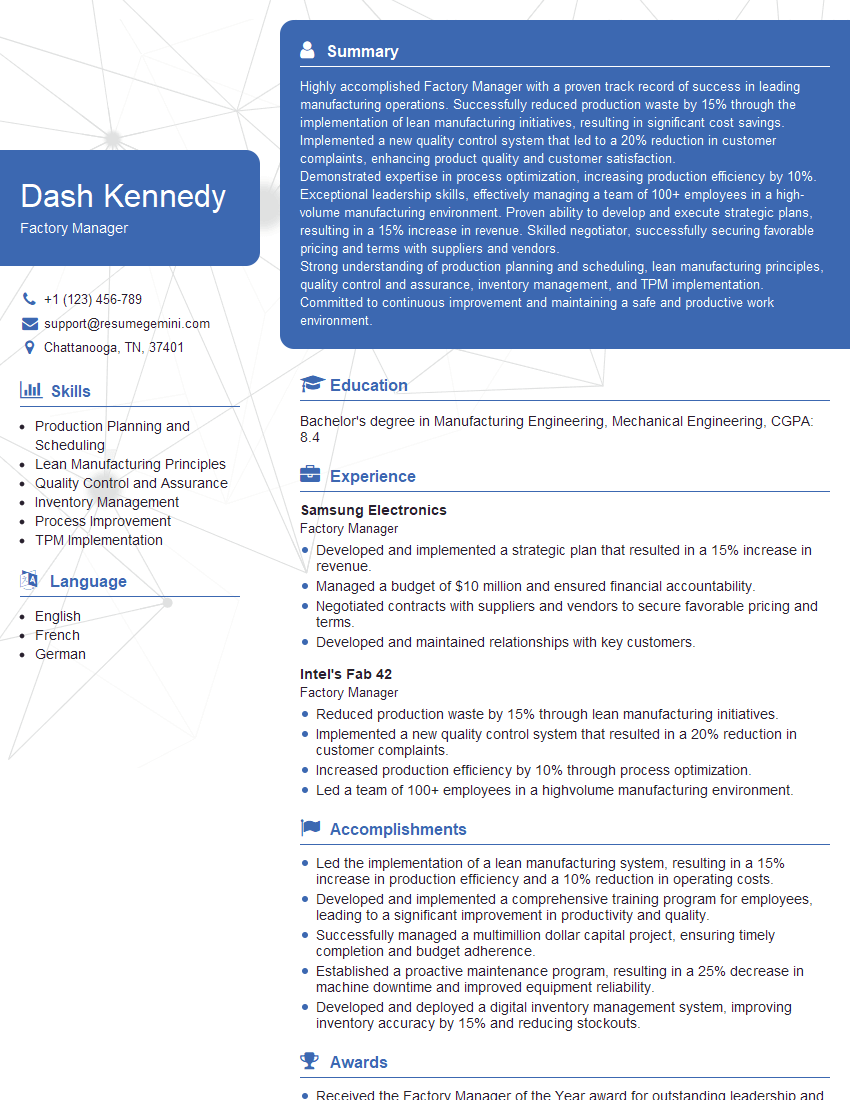
Factory Manager Resume Sample
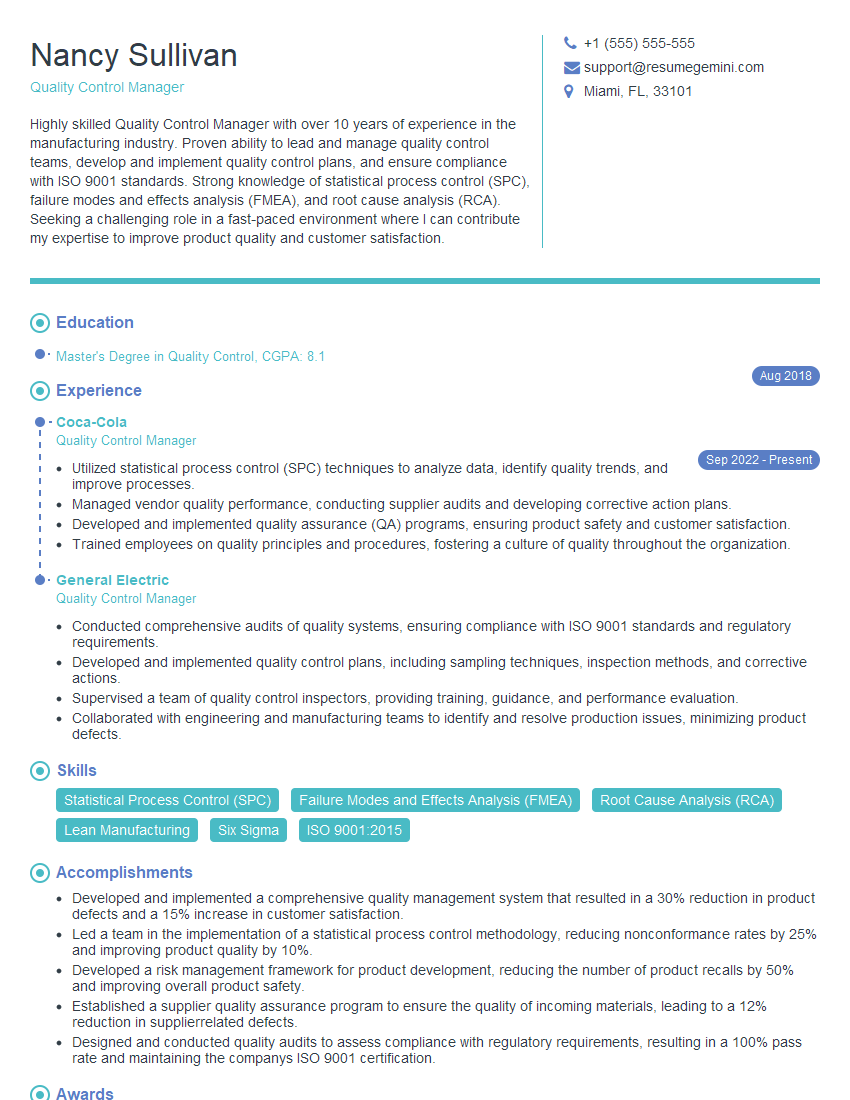
Quality Control Manager Resume Sample

Production Coordinator Resume Sample
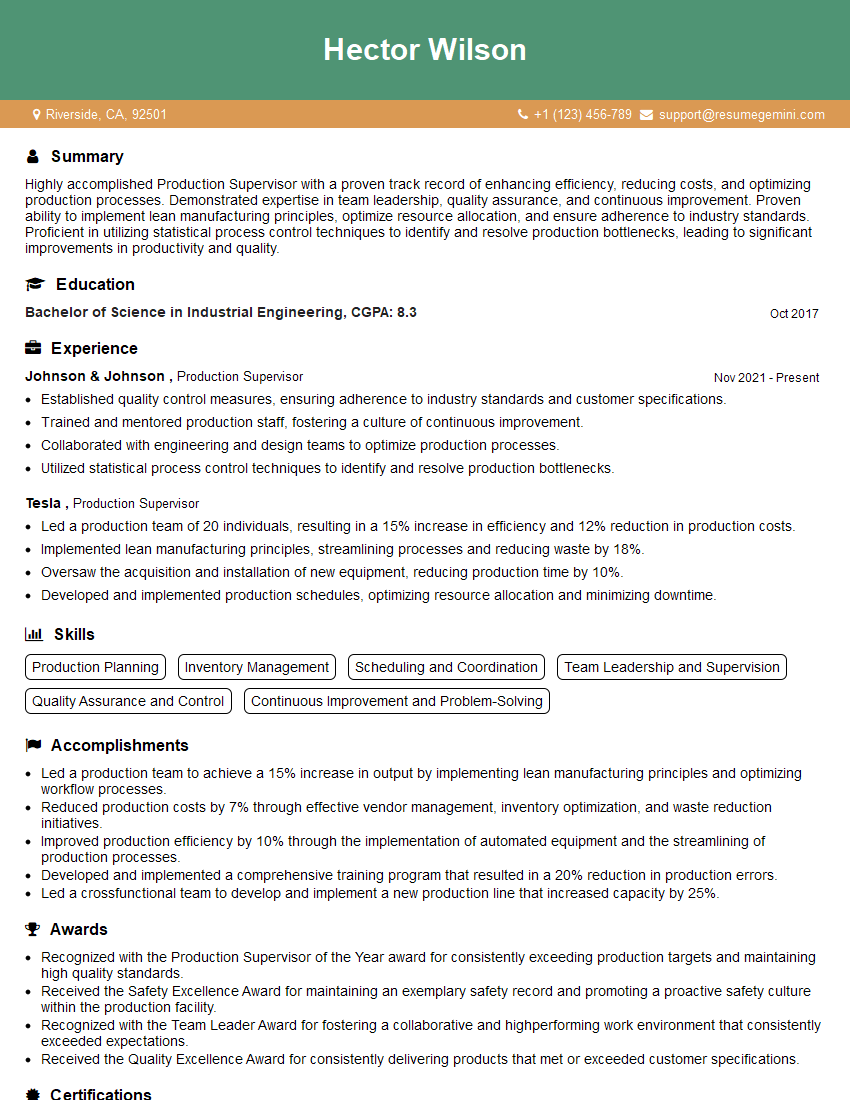
Production Supervisor Resume Sample

Procurement Manager Resume Sample
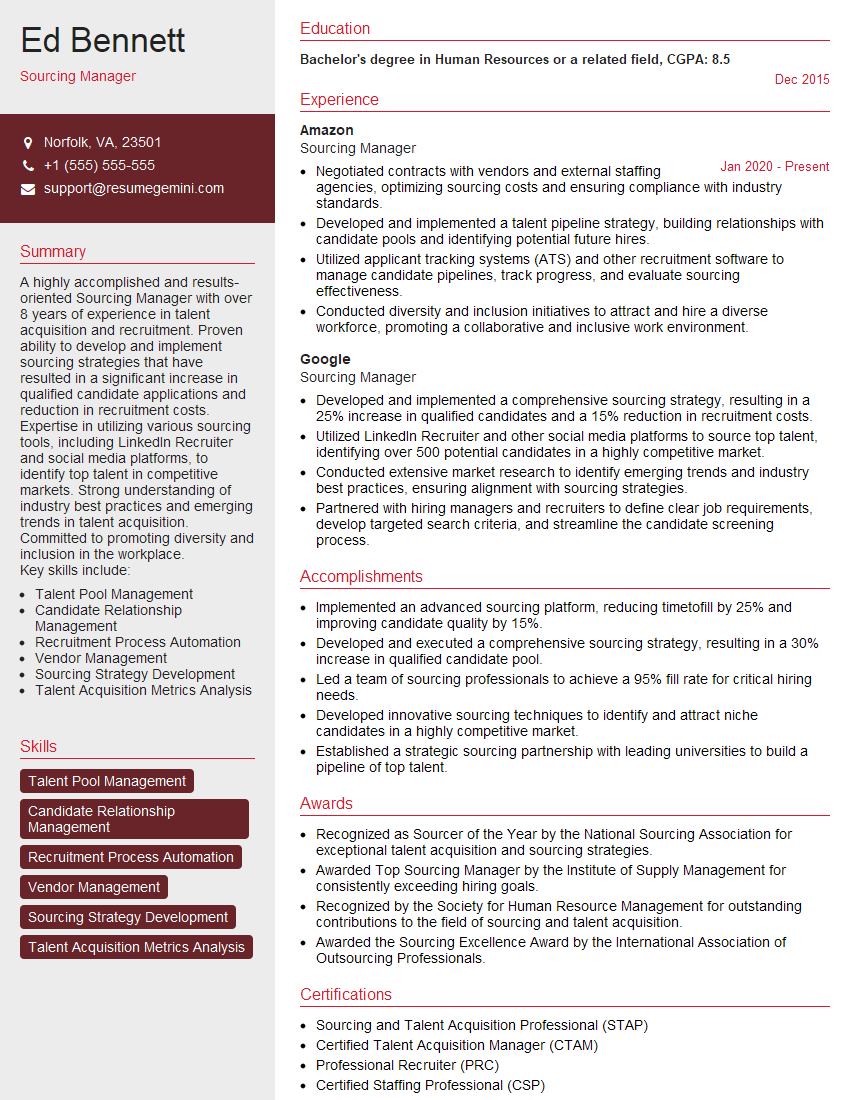
Sourcing Manager Resume Sample
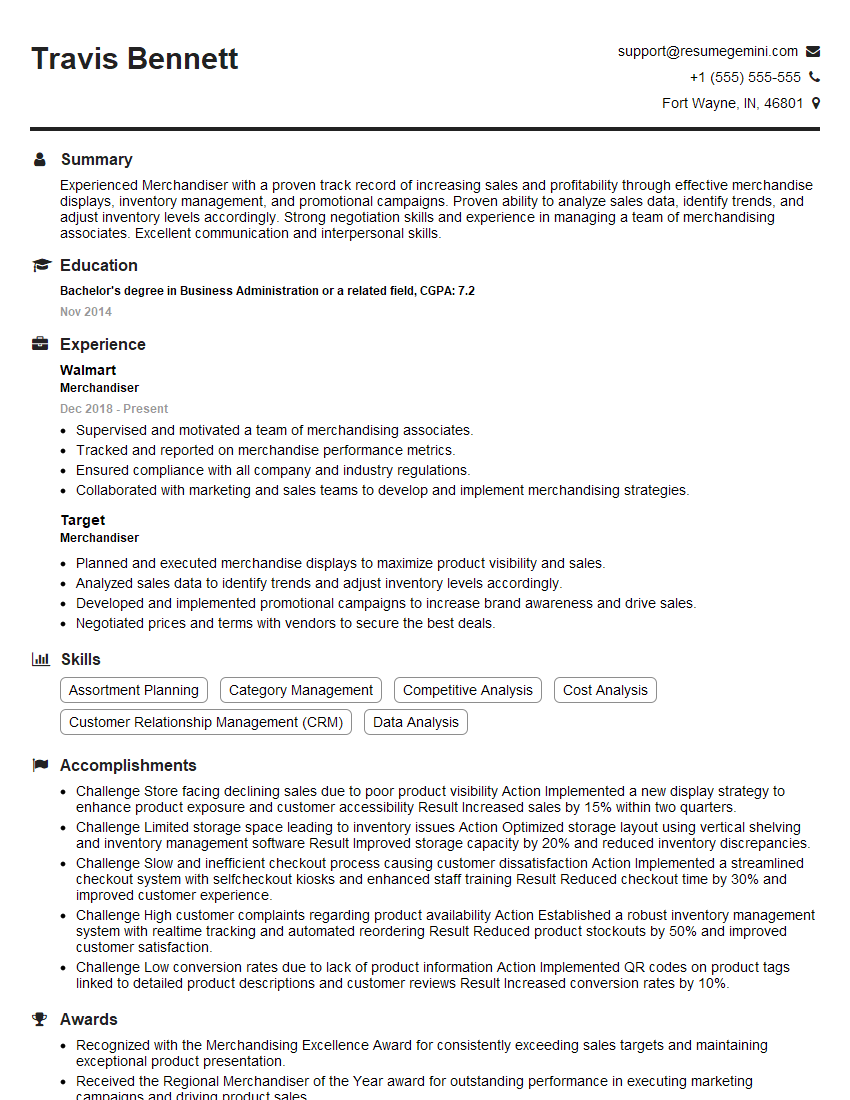
Merchandiser Resume Sample
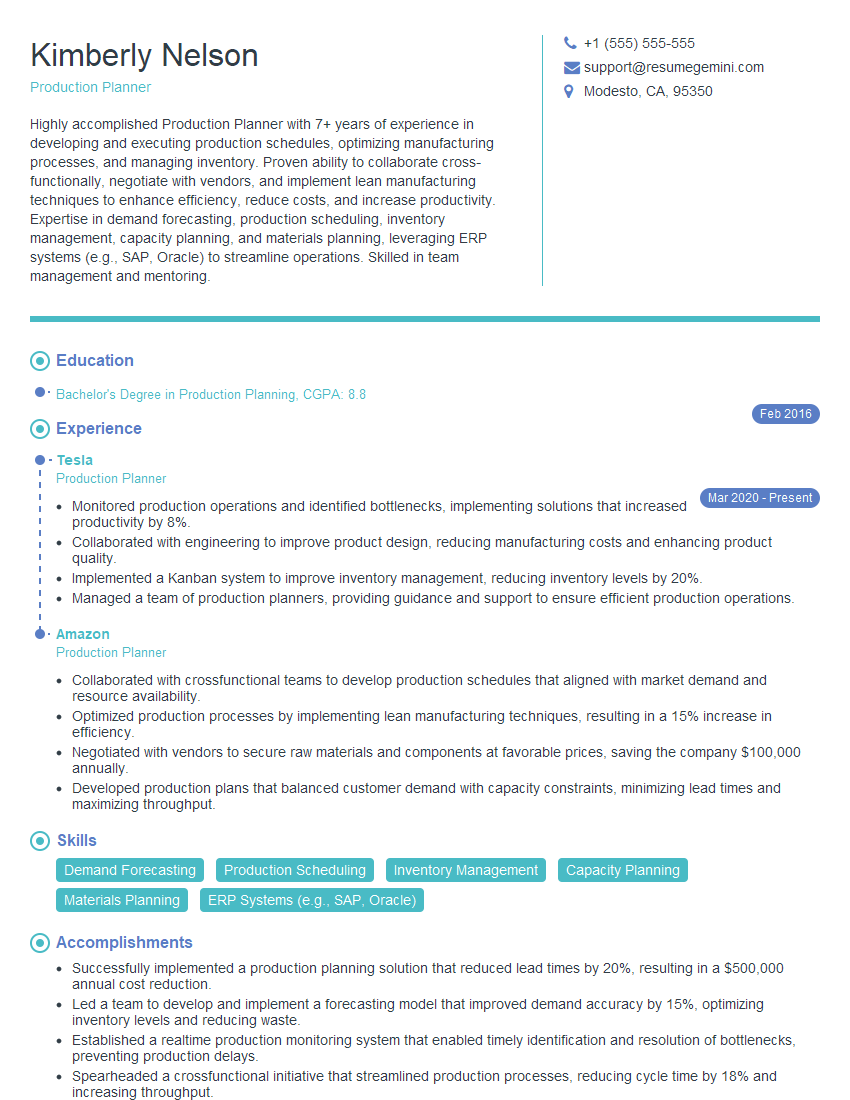
Production Planner Resume Sample

Technologist Resume Sample
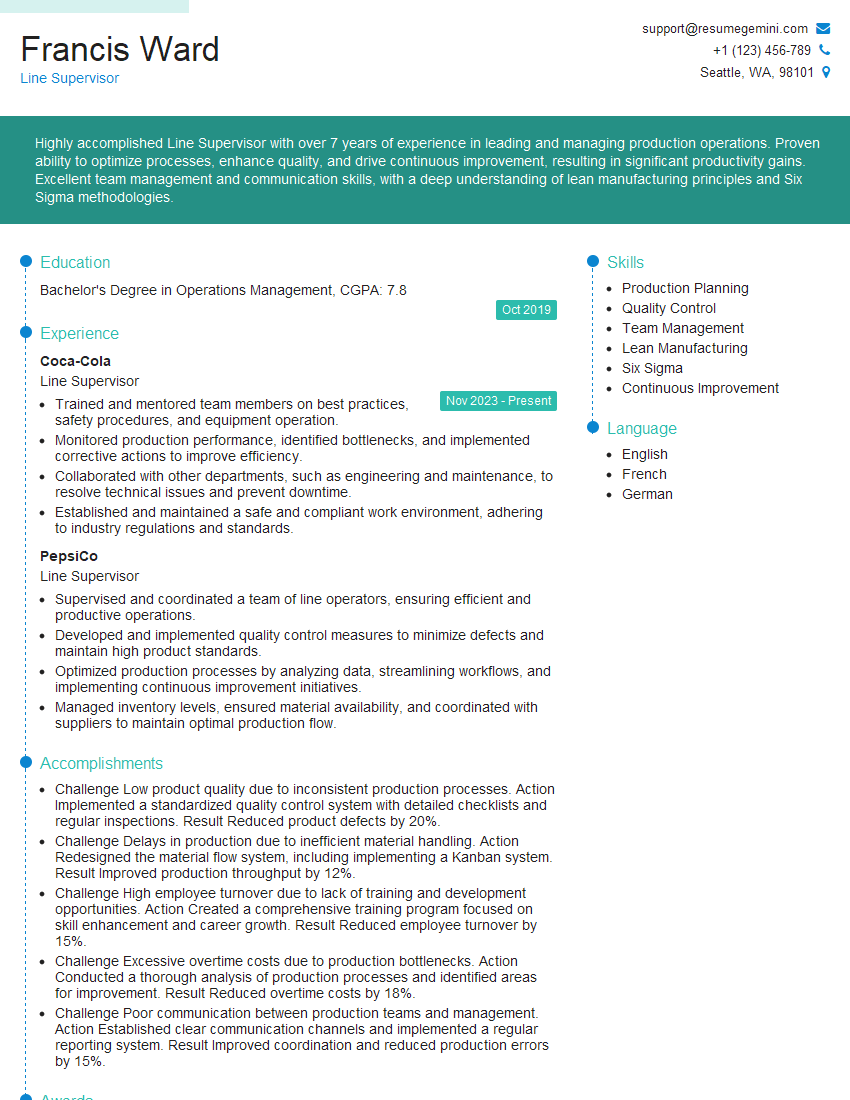
Line Supervisor Resume Sample
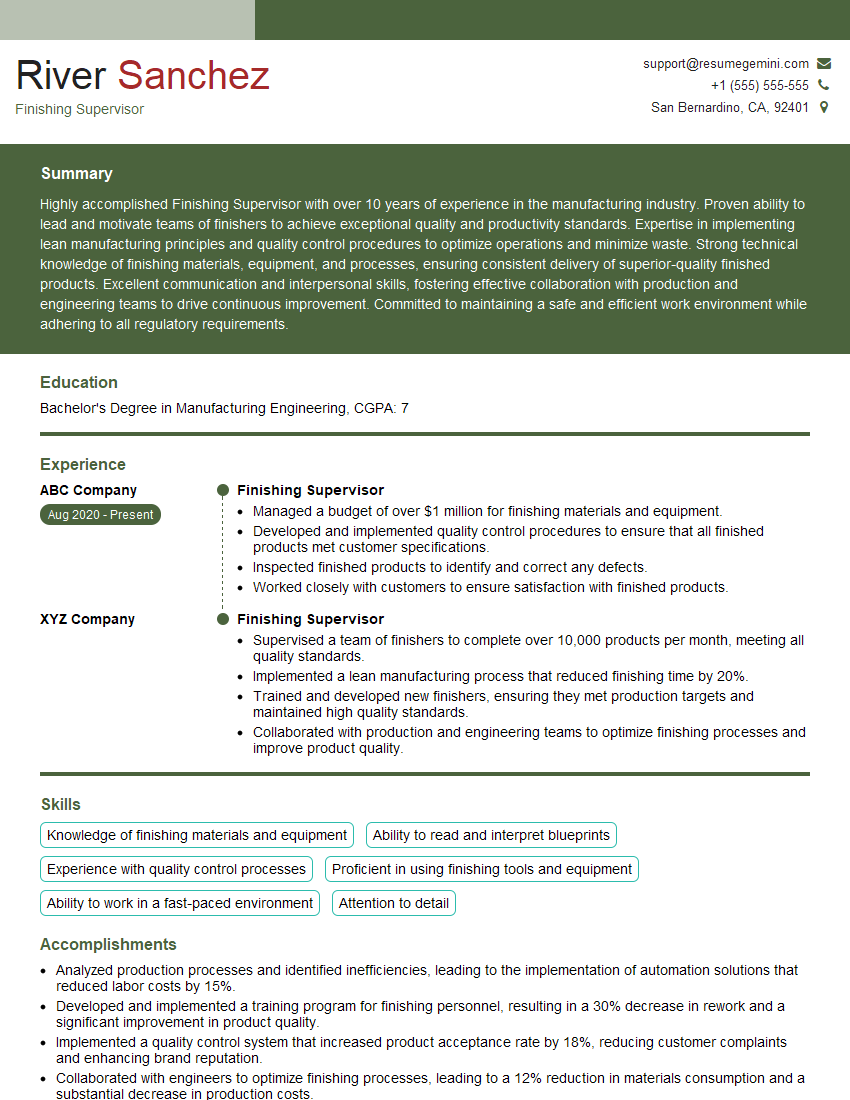
Finishing Supervisor Resume Sample
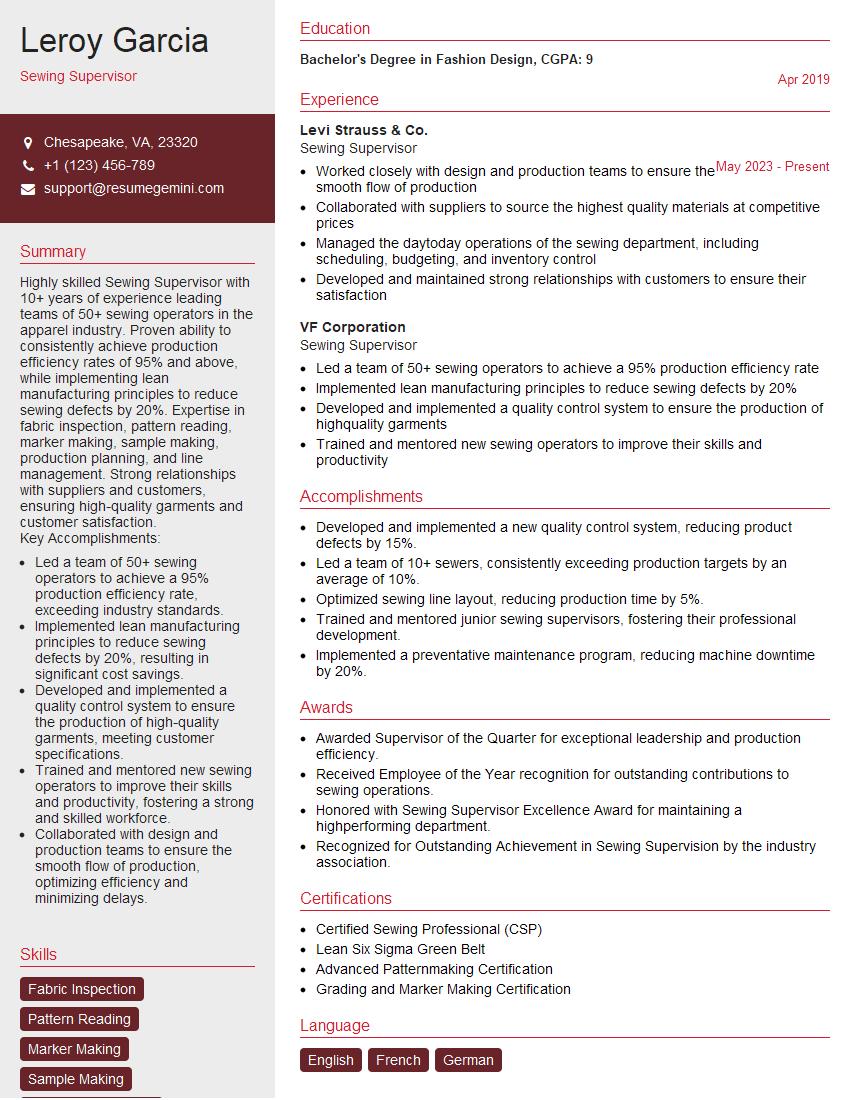
Sewing Supervisor Resume Sample
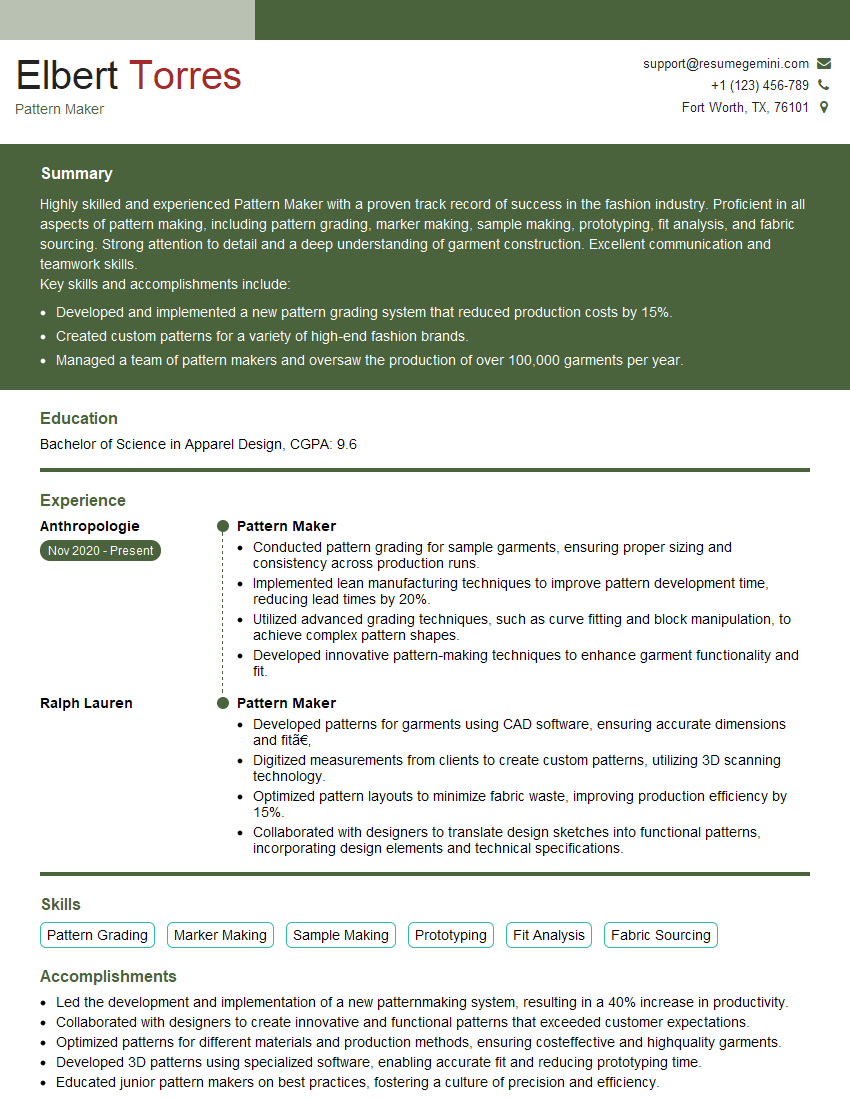
Pattern Maker Resume Sample
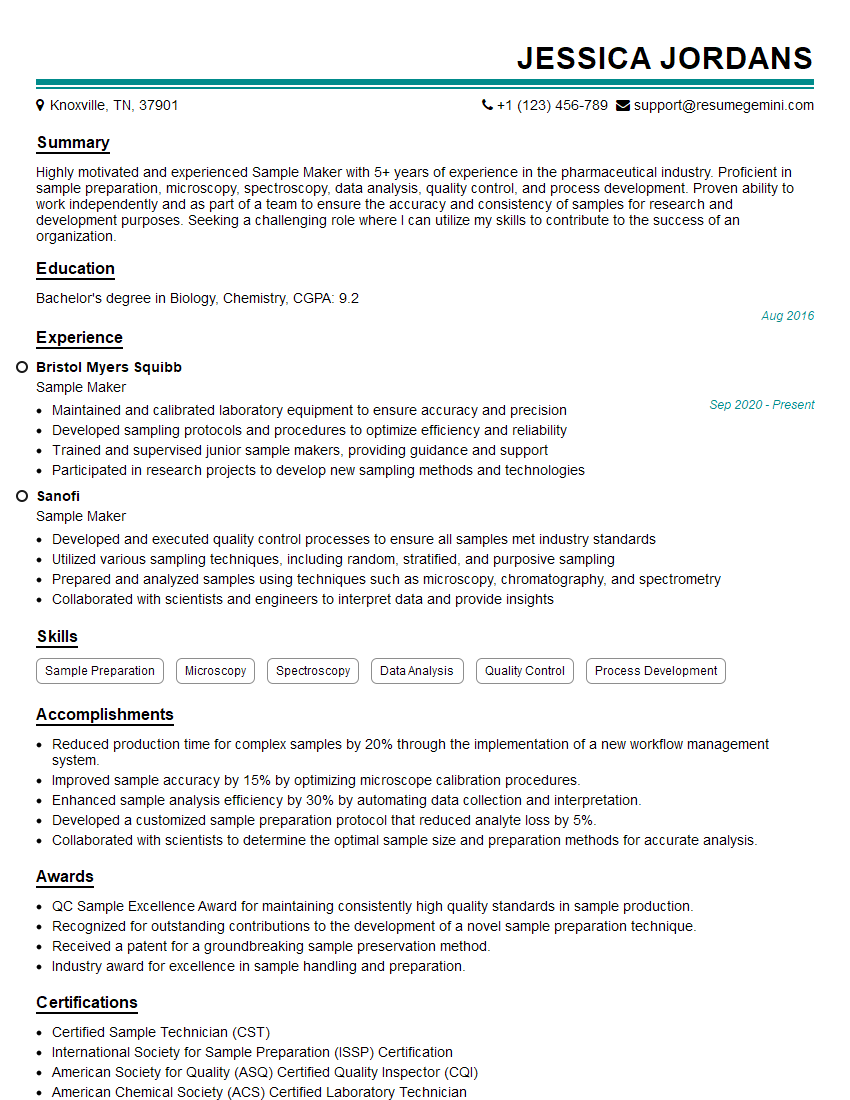
Sample Maker Resume Sample

Fabric Inspector Resume Sample
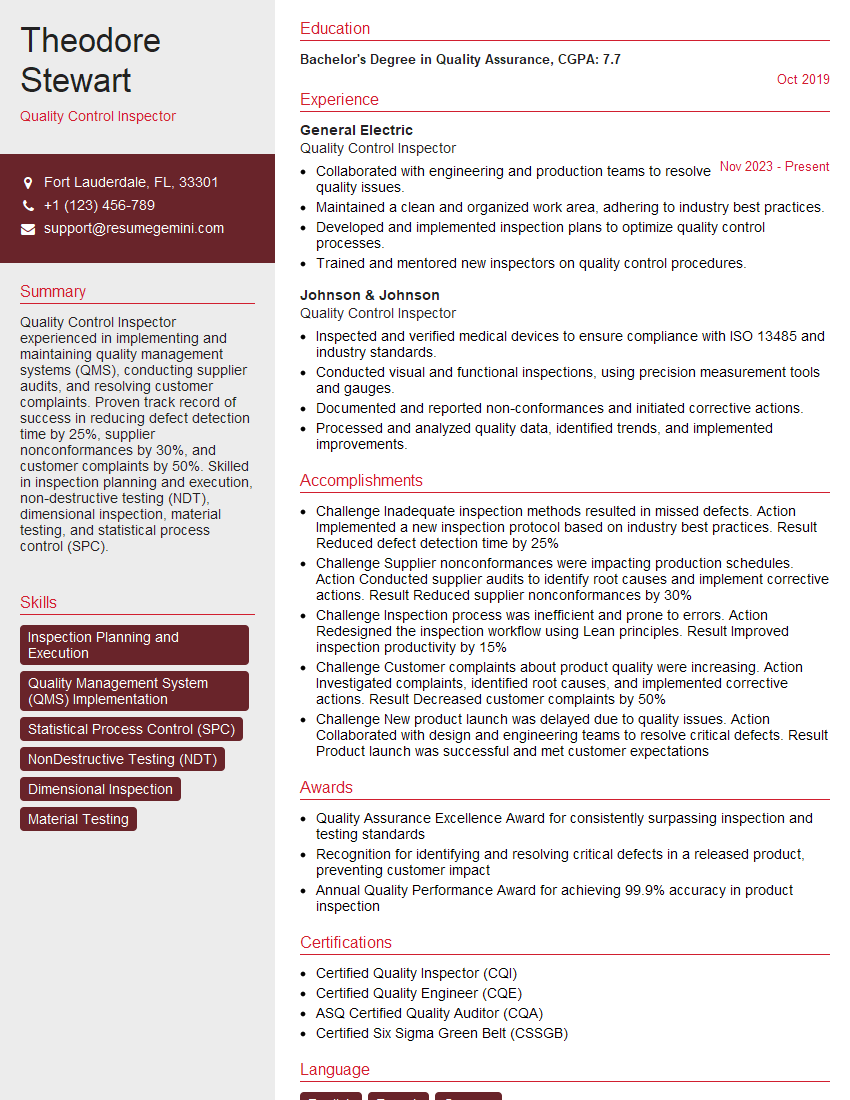
Quality Control Inspector Resume Sample
Explore more articles
Users Rating of Our Blogs
Share Your Experience
We value your feedback! Please rate our content and share your thoughts (optional).
What Readers Say About Our Blog
Very informative content, great job.
good