The thought of an interview can be nerve-wracking, but the right preparation can make all the difference. Explore this comprehensive guide to Gathering interview questions and gain the confidence you need to showcase your abilities and secure the role.
Questions Asked in Gathering Interview
Q 1. Explain your experience with various data gathering methods.
My experience spans a wide range of data gathering methods, tailored to the specific project needs. I’m proficient in both primary and secondary data collection. Primary methods include:
- Surveys: From designing questionnaires (using tools like Qualtrics or SurveyMonkey) to deploying them via online platforms, email, or even in-person, and analyzing the results. For example, I recently conducted a large-scale customer satisfaction survey using Qualtrics, incorporating branching logic to personalize the experience and improve response rates.
- Interviews: I’m skilled in conducting structured, semi-structured, and unstructured interviews, transcribing the recordings, and analyzing the qualitative data using thematic analysis. A recent project involved interviewing key stakeholders to understand their perspectives on a new product launch.
- Focus groups: I’ve facilitated numerous focus groups, moderating discussions, ensuring participant engagement, and recording and analyzing the rich qualitative insights gained. This is especially useful for understanding group dynamics and shared opinions.
- Observations: I’ve conducted both participant and non-participant observations, meticulously documenting behaviors and interactions in various settings. For example, I observed customer behavior in a retail store to identify pain points in the shopping experience.
Secondary data collection involves utilizing existing data sources like:
- Publicly available datasets: I frequently leverage datasets from government agencies, academic institutions, and research organizations.
- Industry reports and publications: I regularly consult market research reports, white papers, and journal articles to inform my understanding of the relevant landscape.
- Web scraping: I utilize tools and techniques to extract relevant data from websites, complying with all terms of service and ethical considerations.
The choice of method depends on the research question, budget, timeline, and accessibility of the target population.
Q 2. Describe your process for verifying the accuracy of gathered information.
Verifying data accuracy is paramount. My process involves a multi-layered approach:
- Source Triangulation: I corroborate information from multiple independent sources. If a key finding appears only in one source, I treat it with caution and seek further validation.
- Data Validation Techniques: Depending on the data type, I employ specific validation methods. For quantitative data, this might involve checking for outliers, inconsistencies, or missing values. For qualitative data, I might employ member checking (returning findings to participants for feedback) or inter-rater reliability checks (if multiple analysts are involved).
- Data Cleaning and Preprocessing: This crucial step involves identifying and handling errors, inconsistencies, and missing values in the dataset. This might involve techniques like imputation (filling in missing values) or outlier removal.
- Statistical Analysis: When appropriate, I utilize statistical methods to assess the reliability and validity of the findings. This might include calculating confidence intervals, performing hypothesis tests, or conducting regression analyses.
For example, during a market research project, I identified inconsistencies in reported sales figures from different sources. By cross-referencing with financial statements and independent industry reports, I was able to pinpoint and correct the discrepancies, ensuring the accuracy of my final analysis.
Q 3. How do you handle incomplete or conflicting data sets?
Incomplete or conflicting datasets are common challenges in data gathering. My approach involves:
- Identifying the Root Cause: First, I investigate why the data is incomplete or conflicting. Is it due to data entry errors, missing responses in surveys, or inherent limitations in the data source?
- Data Imputation (for missing data): Depending on the context and nature of the missing data, I might employ various imputation techniques. Simple methods include replacing missing values with the mean or median. More sophisticated methods involve using machine learning algorithms to predict missing values.
- Conflict Resolution: For conflicting data, I prioritize high-quality sources and examine the methodologies employed by different sources to determine the most reliable information. In some cases, I might need to gather additional data to resolve the conflict.
- Sensitivity Analysis: I often conduct sensitivity analysis to assess the impact of incomplete or conflicting data on the final results. This helps to understand the uncertainty associated with the conclusions drawn from the data.
For instance, in a project involving customer reviews, I encountered a significant number of missing ratings. After analyzing the reasons for missing data, I used a regression model to predict missing ratings based on other available information, minimizing the impact of missing data on the overall analysis.
Q 4. What tools and technologies are you proficient in for data gathering?
My proficiency in data gathering tools and technologies encompasses a wide range:
- Survey Platforms: Qualtrics, SurveyMonkey, Typeform
- Data Analysis Software: R, Python (with libraries like pandas, numpy, and scipy), SPSS, Stata
- Data Visualization Tools: Tableau, Power BI, Python’s Matplotlib and Seaborn
- Web Scraping Tools: Beautiful Soup, Scrapy (Python)
- Data Management Tools: SQL, databases (e.g., MySQL, PostgreSQL)
- Collaboration Platforms: Google Workspace, Microsoft Office 365
I’m comfortable working with various data formats including CSV, JSON, XML, and relational databases. I adapt my tool selection to the specific requirements of each project.
Q 5. Explain your experience with qualitative and quantitative data gathering.
I’m experienced in gathering both qualitative and quantitative data, recognizing that both are crucial for a comprehensive understanding.
Quantitative data, expressed numerically, provides insights into the ‘what’ and ‘how many’. Examples include survey results, sales figures, website traffic data. I use statistical methods to analyze quantitative data, identifying trends and patterns.
Qualitative data, descriptive and rich in context, helps understand the ‘why’ behind the numbers. Examples include interview transcripts, observation notes, and open-ended survey responses. I analyze qualitative data using techniques like thematic analysis, grounded theory, or content analysis to identify recurring themes, patterns, and meanings.
Often, I use a mixed-methods approach, combining both types of data for a more holistic and nuanced understanding. For instance, I might conduct quantitative surveys to identify trends in customer satisfaction, and then follow up with qualitative interviews to explore the reasons behind those trends in greater depth. This mixed-methods approach provides a robust and insightful understanding.
Q 6. How do you prioritize data sources when facing limited time or resources?
When facing limited time or resources, prioritizing data sources is essential. My strategy is to:
- Align with Research Objectives: I meticulously review the research questions and objectives to identify the most critical data needed to answer them. This allows me to focus resources on the most impactful sources.
- Cost-Benefit Analysis: I evaluate the potential value of each data source against its cost (in terms of time, money, and effort). Sources offering the highest potential return on investment are prioritized.
- Data Availability and Accessibility: I consider the ease of access to each data source. Publicly available datasets or readily accessible internal data are favored over sources requiring significant effort to acquire.
- Data Quality and Reliability: I prefer sources known for their high data quality and reliability, even if they require slightly more effort to access.
For example, if I’m researching customer preferences for a new product, I might prioritize a smaller, targeted survey with high response rates over a larger, less targeted survey with a lower response rate, as the smaller survey’s insights would be more reliable and relevant.
Q 7. Describe a time you had to adapt your data gathering strategy.
During a project assessing the effectiveness of a new marketing campaign, I initially planned to rely solely on website analytics. However, after a week, the data revealed only limited insights due to a technical glitch affecting the website’s tracking system. I quickly adapted by incorporating data from other sources:
- Social Media Monitoring: I tracked brand mentions and engagement on social media platforms, providing insights into campaign reach and sentiment.
- Sales Data: I integrated sales data to directly measure the campaign’s impact on revenue.
- Customer Surveys: I implemented a short customer survey to gather direct feedback on campaign effectiveness.
By swiftly adjusting my data gathering strategy, I successfully compensated for the initial setback, delivering a comprehensive report within the project deadline. This experience reinforced the importance of having flexible plans and alternative data sources when working with real-world data.
Q 8. How do you ensure the ethical implications of your data gathering methods are addressed?
Ethical considerations are paramount in data gathering. Before any project begins, we conduct a thorough ethical review, considering potential biases, privacy implications, and the potential for harm. This involves defining clear data usage policies, obtaining informed consent (where necessary), and ensuring anonymity or pseudonymization to protect participant identities. For example, in a study involving medical records, we’d rigorously anonymize data, removing any personally identifiable information (PII) like names, addresses, and medical record numbers before analysis. We also adhere to relevant regulations like HIPAA (in the US) or GDPR (in Europe) to guarantee compliance.
We employ several strategies to mitigate bias. This includes using diverse sampling methods to ensure representation from various demographic groups and carefully designing questionnaires to avoid leading questions. Regular ethical oversight committees review our practices and provide guidance throughout the project lifecycle.
Q 9. How do you organize and manage large volumes of gathered data?
Managing large datasets requires a robust strategy. We rely heavily on database management systems (DBMS) like PostgreSQL or MySQL, choosing the system based on the data volume and structure. Data is often organized into relational databases, with tables structured to reflect the relationships between different data points. For instance, in a customer relationship management (CRM) system, we might have separate tables for customers, orders, and products, with relationships defined between them.
We employ data warehousing techniques to consolidate data from multiple sources into a central repository, which enables efficient querying and analysis. Cloud-based solutions such as AWS S3 or Google Cloud Storage provide scalable storage for extremely large datasets. We utilize metadata management tools to track data origins, transformations, and quality, maintaining a complete audit trail. Data versioning is crucial to ensure we can revert to previous states if necessary.
Q 10. What are the key challenges you’ve faced during data gathering projects?
One major challenge is data accessibility. Gaining permission to access certain datasets can be incredibly time-consuming, especially when dealing with sensitive information or proprietary data. For example, obtaining access to a company’s sales data for research often involves navigating complex legal and administrative hurdles.
Another significant challenge is data inconsistency. Different sources may use varying formats, leading to difficulties in integration and analysis. I’ve encountered situations where the same variable is recorded using different units or naming conventions across different datasets. This requires significant cleaning and standardization efforts. Finally, managing incomplete or missing data is a recurring problem that necessitates careful imputation or exclusion strategies to ensure data quality.
Q 11. How do you maintain data integrity throughout the gathering process?
Maintaining data integrity is crucial. We employ a multi-layered approach, starting with data validation at the point of collection. This includes using input validation techniques (like data type checks and range checks) to ensure that the data collected conforms to predefined specifications. For example, if a field requires an integer, we’d reject non-numeric inputs.
Data is regularly checked for consistency and accuracy through automated checks and manual reviews. We implement checksums and hashing algorithms to detect accidental or malicious alterations during data transfer and storage. A detailed audit trail tracks all changes and modifications to the data, allowing us to trace errors or inconsistencies back to their source. Data provenance (tracking the origin and history of data) is also meticulously documented.
Q 12. Describe your experience with data cleaning and preprocessing techniques.
Data cleaning and preprocessing are essential steps. My experience includes handling missing values using imputation techniques like mean/median imputation or more sophisticated methods like k-nearest neighbors. I’m proficient in handling outliers, using techniques like winsorization or trimming. I also regularly perform data transformation, such as scaling (standardization or normalization) and encoding categorical variables using one-hot encoding or label encoding.
For example, when dealing with missing income data in a survey, I might impute missing values based on the average income of individuals with similar characteristics. If outliers skew the analysis, I might use winsorization to cap extreme values at a certain percentile. I use tools like Python’s pandas and scikit-learn libraries extensively for these tasks.
Q 13. Explain your understanding of data bias and how it impacts data gathering.
Data bias refers to systematic errors in data that lead to inaccurate or misleading conclusions. This can arise from various sources, including sampling bias (non-representative samples), measurement bias (flawed measurement tools), and reporting bias (selective reporting of data). Bias significantly impacts data gathering by distorting the true picture of the phenomenon being studied.
For example, if a survey on job satisfaction only samples employees from one department, the results may not be representative of the entire company. This sampling bias can lead to incorrect inferences about overall job satisfaction. Recognizing and mitigating these biases is critical to ensuring reliable data and avoiding erroneous conclusions. Techniques like stratified sampling or weighting can help to correct for sampling bias.
Q 14. How do you ensure data security and confidentiality during the gathering process?
Data security and confidentiality are crucial. We implement robust security measures throughout the data lifecycle, starting with secure data collection methods. This includes using encrypted channels for data transmission and secure storage solutions such as encrypted databases or cloud storage with encryption at rest and in transit. Access control mechanisms limit data access to authorized personnel only, based on the principle of least privilege.
Regular security audits and penetration testing identify potential vulnerabilities, ensuring our systems are resilient against attacks. We follow best practices for data anonymization and pseudonymization to protect individual privacy. In the event of a data breach, we have protocols in place to promptly address the situation, including notification of affected individuals and regulatory authorities as required.
Q 15. What are your preferred methods for data visualization and presentation?
My preferred methods for data visualization and presentation depend heavily on the audience and the nature of the data. For internal audiences, I favor interactive dashboards using tools like Tableau or Power BI. These allow for exploration and deeper dives into the data. For external presentations or reports, I often opt for clean and concise static visuals such as charts (bar, line, pie, scatter plots) and well-designed tables, often created in tools like Excel or dedicated presentation software like PowerPoint or Google Slides. The key is to choose the method that best communicates the insights clearly and effectively. For example, a complex dataset might be best presented with an interactive dashboard allowing the audience to filter and explore different aspects. In contrast, a simple comparison of two key metrics is best communicated with a clear bar chart in a presentation.
I always prioritize clarity and avoid chartjunk – unnecessary elements that distract from the message. I also focus on telling a story with the data, highlighting key trends and actionable insights rather than just presenting raw numbers.
Career Expert Tips:
- Ace those interviews! Prepare effectively by reviewing the Top 50 Most Common Interview Questions on ResumeGemini.
- Navigate your job search with confidence! Explore a wide range of Career Tips on ResumeGemini. Learn about common challenges and recommendations to overcome them.
- Craft the perfect resume! Master the Art of Resume Writing with ResumeGemini’s guide. Showcase your unique qualifications and achievements effectively.
- Don’t miss out on holiday savings! Build your dream resume with ResumeGemini’s ATS optimized templates.
Q 16. Explain your experience with specific data gathering tools (e.g., surveys, interviews, databases).
My experience with data gathering tools is extensive. I’ve used surveys extensively, employing platforms like SurveyMonkey and Qualtrics to collect quantitative and qualitative data from large and diverse populations. For more in-depth information, I’ve conducted numerous semi-structured and unstructured interviews, often recording and transcribing them for detailed analysis. I meticulously document the interview process to ensure accuracy and maintain a record of the conversation. In addition to these methods, I have extensive experience working with relational databases (like MySQL, PostgreSQL, and SQL Server) and NoSQL databases (like MongoDB and Cassandra) to extract and analyze structured data. This includes writing SQL queries to retrieve specific data points and using database management tools to clean and prepare the data for analysis. For example, I recently used SQL to extract customer demographics from a sales database to identify key customer segments for a targeted marketing campaign.
Q 17. How do you identify and assess the credibility of different information sources?
Assessing the credibility of information sources is crucial. I employ a multi-faceted approach. First, I evaluate the source’s authority: Is it a recognized expert, a reputable institution, or a known biased entity? Second, I look at the evidence presented: Is it supported by data, citations, or verifiable facts? Third, I consider the objectivity of the source: Is it presenting a balanced perspective or pushing a specific agenda? Finally, I cross-reference information from multiple sources to identify patterns and inconsistencies. A single source, no matter how authoritative, is rarely sufficient. Think of it like building a case in court – you need multiple lines of evidence to build a strong argument. For instance, if researching the impact of climate change, I would consult peer-reviewed scientific journals, reports from reputable organizations like the IPCC, and government data, comparing findings for consistency and corroboration.
Q 18. Describe your approach to systematic data collection and analysis.
My approach to systematic data collection and analysis is structured. I begin by defining clear research questions or objectives. This focuses the entire process and ensures all data collection efforts contribute to a well-defined goal. Next, I design a robust data collection plan, specifying the methods (e.g., surveys, interviews, database queries), the sample size, and the timeline. I then meticulously collect the data, ensuring its accuracy and completeness. This often involves quality control checks at each step. The next step is data cleaning and preprocessing – handling missing values, identifying and correcting errors, and transforming data into a suitable format for analysis. Finally, I perform the analysis using appropriate statistical methods or qualitative coding techniques, depending on the data type and research objectives. For example, if analyzing survey data, I would use descriptive statistics to summarize the data and inferential statistics to test hypotheses. I always document the entire process, including decisions made at each step, to ensure transparency and reproducibility.
Q 19. How do you handle sensitive or confidential information during data gathering?
Handling sensitive or confidential information requires strict adherence to ethical guidelines and legal regulations. This involves obtaining informed consent from participants, ensuring data anonymity and confidentiality through techniques like de-identification and data encryption. I also store data securely, using password-protected systems and access controls to limit access to authorized personnel only. Depending on the type of data, I might need to comply with specific regulations like HIPAA (for health information) or GDPR (for European Union data). Data security is a paramount concern; any breach can have serious consequences. For example, when working with medical data, I would utilize HIPAA-compliant platforms and anonymize patient identifiers before conducting any analysis.
Q 20. What metrics do you use to measure the success of your data gathering efforts?
Measuring the success of data gathering efforts goes beyond simply collecting a large amount of data. I use several metrics depending on the project goals. These might include:
- Response rate: For surveys, this indicates the reach and engagement of the target audience.
- Data completeness: The percentage of complete responses or data points collected, reflecting the quality of the gathered data.
- Data accuracy: Assessed through validation checks and consistency analysis. This ensures the data accurately reflects the real-world phenomenon.
- Timeliness: Completing data collection within the defined timeframe.
- Actionable insights: The number of valuable insights derived from the data and used to inform decision-making. This is often the most crucial metric.
Ultimately, the success of data gathering is judged by its impact on the problem it was designed to solve. Did the data lead to informed decisions, better strategies, or a deeper understanding of the topic?
Q 21. How do you collaborate with other team members during data gathering projects?
Collaboration is crucial in data gathering projects. I actively participate in team discussions to define project scope and objectives, sharing my expertise on data collection methodologies and best practices. I contribute to the design of data collection instruments (like surveys or interview protocols), ensuring they are aligned with the project goals and are easy to administer. I actively communicate the progress of data collection to the team and transparently share challenges encountered. During data analysis, I ensure that the analysis methods are well documented and easily understood by others on the team. I use collaboration tools like shared documents and project management software to ensure everyone is on the same page and to facilitate efficient communication. I also encourage a collaborative environment where everyone feels comfortable contributing ideas and providing feedback.
Q 22. Describe your experience with data mining techniques.
Data mining techniques are crucial for extracting meaningful insights from large datasets. My experience encompasses a wide range of methods, including:
- Association Rule Mining: Identifying relationships between variables, like discovering which products are frequently purchased together in a supermarket. For example, using the Apriori algorithm to uncover strong associations between items in a transactional dataset.
- Classification: Building models to predict categorical outcomes. I’ve used techniques like decision trees, support vector machines (SVMs), and logistic regression to classify customer churn or identify fraudulent transactions. For instance, training a logistic regression model to predict whether a customer will renew their subscription based on usage patterns.
- Clustering: Grouping similar data points together. K-means clustering is a common method I utilize to segment customers based on their demographics or purchasing behavior. This might involve grouping customers into distinct segments based on age, income, and buying habits.
- Regression: Predicting continuous outcomes. I have extensive experience with linear and polynomial regression for forecasting sales, predicting stock prices, or modeling the relationship between variables.
I’m proficient in using tools like R and Python with libraries such as scikit-learn and Pandas to implement these techniques effectively. My experience always includes careful consideration of data preprocessing, feature engineering, and model evaluation to ensure accurate and reliable results.
Q 23. How do you effectively communicate your findings from gathered data?
Effective communication of data findings is paramount. My approach involves tailoring the communication to the audience and using a combination of methods:
- Visualizations: Charts, graphs, and dashboards are essential for conveying complex information concisely. I use tools like Tableau and Power BI to create compelling visuals that highlight key trends and patterns. For example, a bar chart clearly showing sales performance across different regions.
- Storytelling: I frame my findings within a narrative, highlighting the context, key insights, and implications of the data. This makes the information more engaging and easier to understand for non-technical audiences.
- Concise Summaries: I prepare concise written reports summarizing the key findings, methodology, and limitations. These reports provide a detailed record of the analysis and its results.
- Interactive Presentations: For stakeholders, I often give interactive presentations, allowing for questions and discussions. This fosters a collaborative environment and ensures everyone understands the findings.
Clear and concise language is crucial, avoiding jargon where possible and ensuring the message is easily understood by everyone.
Q 24. Explain your understanding of different sampling techniques.
Sampling techniques are crucial when dealing with large datasets. The choice of technique depends on the research question and the characteristics of the population. Here are some common methods:
- Simple Random Sampling: Every member of the population has an equal chance of being selected. Think of drawing names out of a hat.
- Stratified Sampling: The population is divided into subgroups (strata), and samples are randomly selected from each stratum. This ensures representation from all subgroups, useful when you have subgroups of interest.
- Cluster Sampling: The population is divided into clusters, and a random sample of clusters is selected. All members within the selected clusters are included in the sample. This is efficient when geographical proximity is a factor.
- Systematic Sampling: Members are selected at regular intervals from a list. For instance, every 10th person on a customer list.
- Convenience Sampling: Selecting readily available individuals. This is the least robust method and prone to bias.
Understanding the biases associated with each method is crucial for interpreting results accurately. The choice of sampling method significantly impacts the generalizability of findings.
Q 25. How do you stay up-to-date with advancements in data gathering methodologies?
Staying current in data gathering methodologies requires a multi-faceted approach:
- Professional Development: I regularly attend conferences, workshops, and webinars focused on data science and analytics. This keeps me abreast of the latest advancements.
- Online Courses and Resources: Platforms like Coursera, edX, and DataCamp offer valuable courses on new data gathering techniques and tools.
- Publications and Journals: I subscribe to relevant journals and read publications that showcase cutting-edge research in the field.
- Networking: Connecting with other data professionals through online communities and industry events provides exposure to new ideas and best practices.
- Experimentation: I actively try out new tools and techniques in my projects to gain hands-on experience.
Continuous learning is essential in this rapidly evolving field, and I dedicate time to it regularly.
Q 26. Describe a time when you had to troubleshoot a problem during data gathering.
During a project involving gathering customer feedback on a new product, we encountered a significant problem: low response rates to our online survey. Initially, we hypothesized that the survey was too long or complex. After analyzing the data we found that a significant portion of the links sent to participants were broken due to a technical error in our email system.
To troubleshoot, we first verified our hypothesis by analyzing the technical logs of our email provider. This confirmed our broken link suspicion. We then implemented the following steps:
- Identified the root cause: We found a bug in the email automation software that was causing incorrect links to be generated.
- Fixed the bug: Our IT team quickly fixed the software bug.
- Resent the surveys: We resent the surveys with corrected links to the affected participants, ensuring proper delivery.
- Monitored response rates: We monitored response rates closely to verify the effectiveness of the fix.
- Implemented quality checks: We implemented more robust quality checks for future surveys to prevent similar issues.
This experience highlighted the importance of thorough testing and robust quality assurance measures in all stages of data gathering.
Q 27. What are your strategies for managing time effectively during a complex data gathering project?
Managing time effectively on complex data gathering projects requires a structured approach:
- Detailed Project Plan: I create a detailed project plan with clear timelines, milestones, and assigned responsibilities. This helps to stay organized and on track.
- Prioritization: I prioritize tasks based on their importance and urgency using methods like the Eisenhower Matrix (urgent/important). This ensures focus on critical activities.
- Time Blocking: I allocate specific time blocks for different tasks to maintain focus and avoid multitasking. This significantly improves efficiency.
- Regular Check-ins: I schedule regular check-ins with the team to monitor progress, identify potential roadblocks, and make adjustments as needed. This allows for early problem detection and proactive solutions.
- Utilizing Tools: Project management tools like Asana or Trello help organize tasks, track progress, and facilitate collaboration.
Consistent monitoring and adaptation are key to successful time management, enabling on-time and within-budget project completion.
Q 28. How do you determine the appropriate sample size for a research study?
Determining the appropriate sample size is crucial for ensuring the accuracy and reliability of research findings. Several factors influence the decision:
- Confidence Level: The desired level of certainty that the sample accurately represents the population (e.g., 95%).
- Margin of Error: The acceptable amount of error in the estimate (e.g., +/- 5%).
- Population Size: The total number of individuals in the population being studied.
- Population Variability: How much variation exists within the population. Greater variability requires a larger sample size.
Sample size calculators and statistical software (like G*Power) can help determine the appropriate sample size based on these factors. There are also formulas that can be used to calculate the sample size, such as the formula for estimating sample size for a population mean, depending on your needs.
It’s important to note that a larger sample size generally leads to more precise estimates, but also increases the cost and time required for data collection. A balance between precision and practicality is essential.
Key Topics to Learn for Gathering Interview
- Data Structures in Gathering: Understanding how data is organized and manipulated within the Gathering framework is crucial. This includes familiarity with relevant data structures and their efficient use.
- Gathering’s API and Integrations: Explore how Gathering interacts with other systems and tools. Practical experience with API calls and data exchange is highly valuable.
- Problem Solving with Gathering: Focus on developing your ability to approach and solve real-world problems using Gathering’s capabilities. Practice breaking down complex tasks into manageable steps.
- Gathering’s Workflow and Processes: Familiarize yourself with the typical workflow and best practices associated with using Gathering. Understanding efficient processes will demonstrate your preparedness.
- Security and Best Practices in Gathering: Learn about security considerations and best practices for using Gathering responsibly and effectively. This shows attention to detail and a commitment to secure development.
- Performance Optimization in Gathering: Explore techniques for optimizing the performance of applications built using Gathering. This demonstrates a deeper understanding of the framework and its limitations.
- Troubleshooting and Debugging in Gathering: Develop your ability to identify and resolve issues that arise when working with Gathering. This is a crucial skill for any developer.
Next Steps
Mastering Gathering opens doors to exciting opportunities in a rapidly growing field. To maximize your chances of landing your dream job, crafting a strong, ATS-friendly resume is paramount. ResumeGemini is a trusted resource that can help you build a professional and impactful resume tailored to showcase your Gathering skills. Examples of resumes specifically designed for Gathering roles are available to help guide you. Take the next step in your career journey by investing in a polished and effective resume – it’s your first impression!
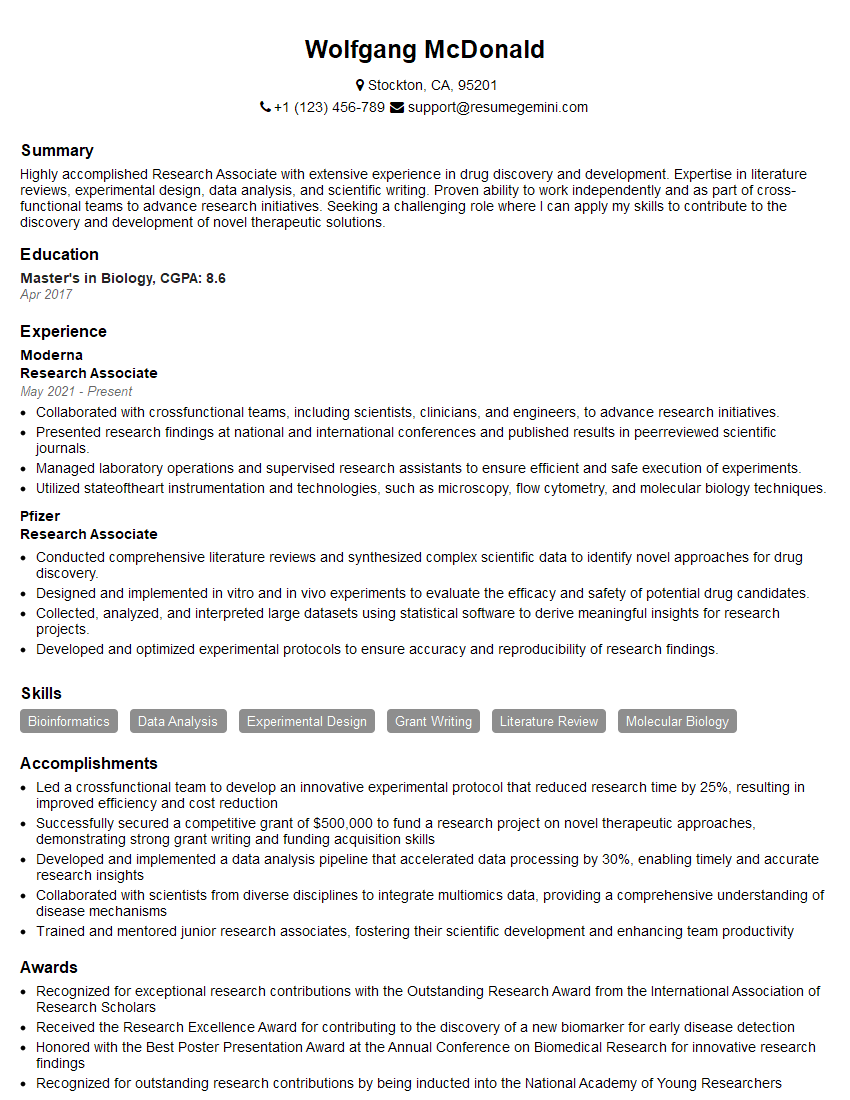
Research Associate Resume Sample

Compliance Officer Resume Sample
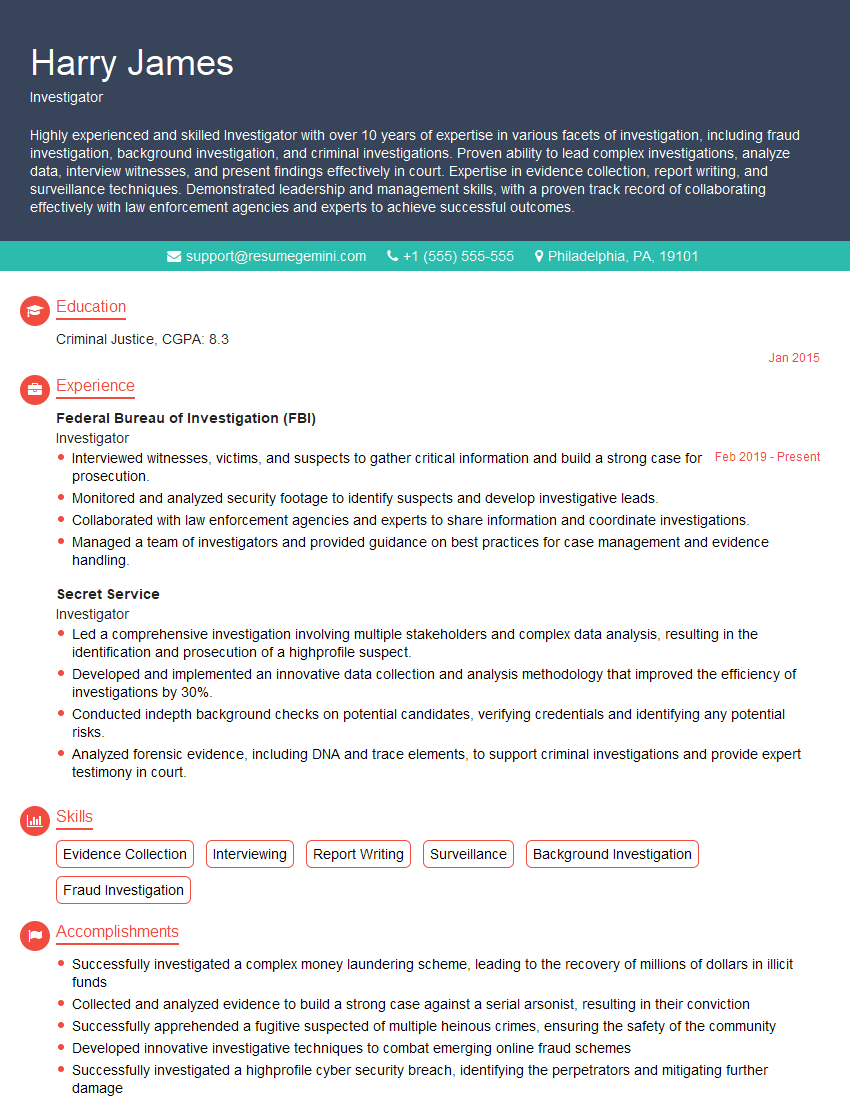
Investigator Resume Sample
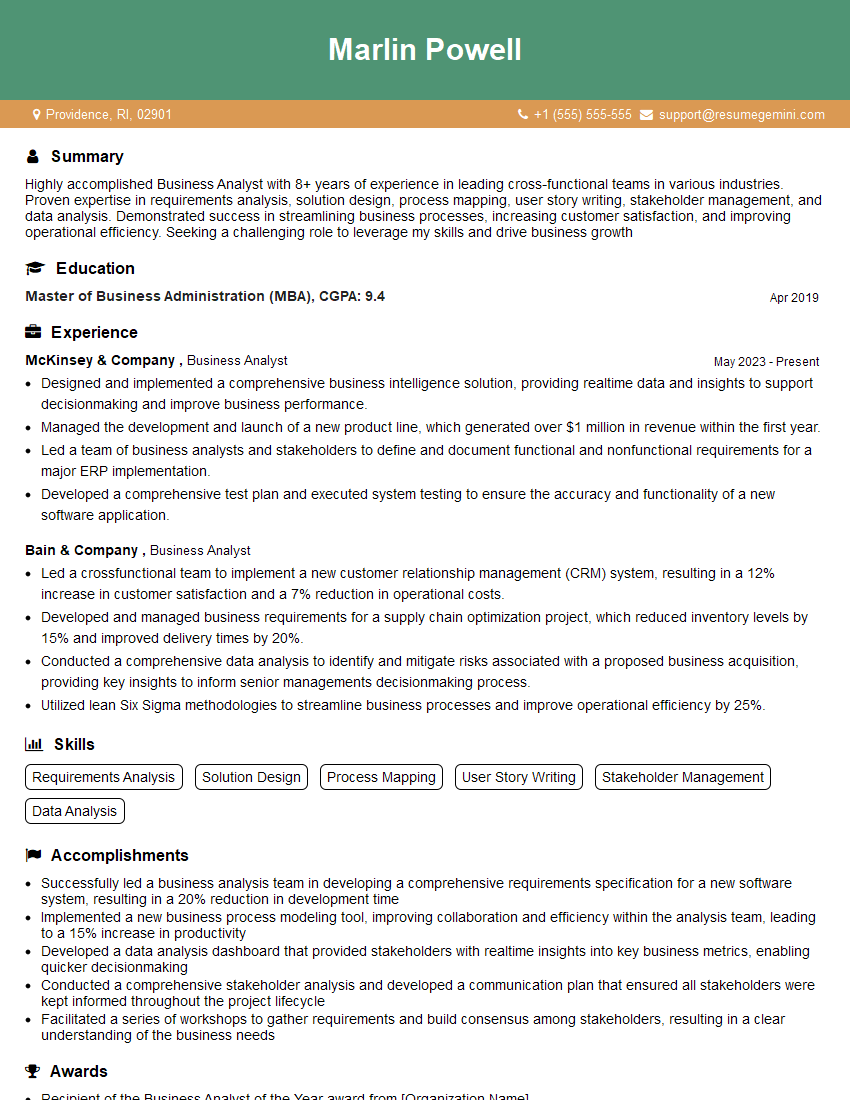
Business Analyst Resume Sample
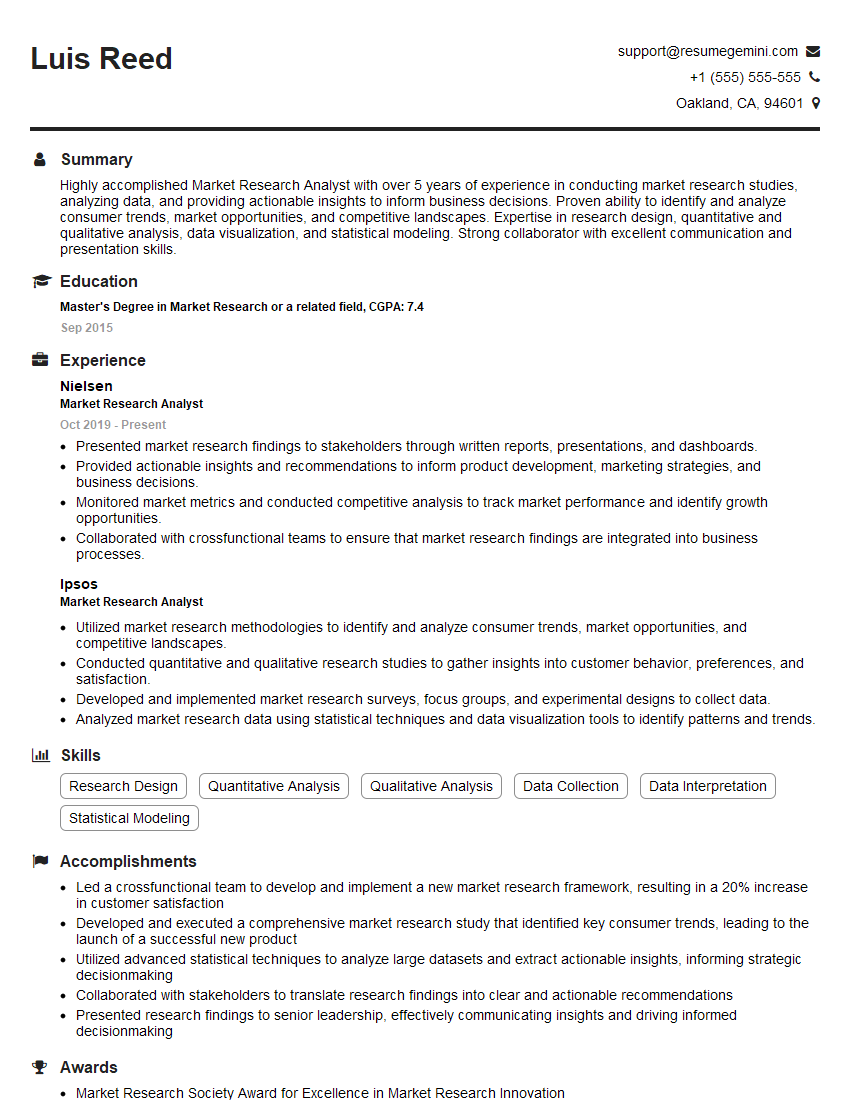
Market Research Analyst Resume Sample
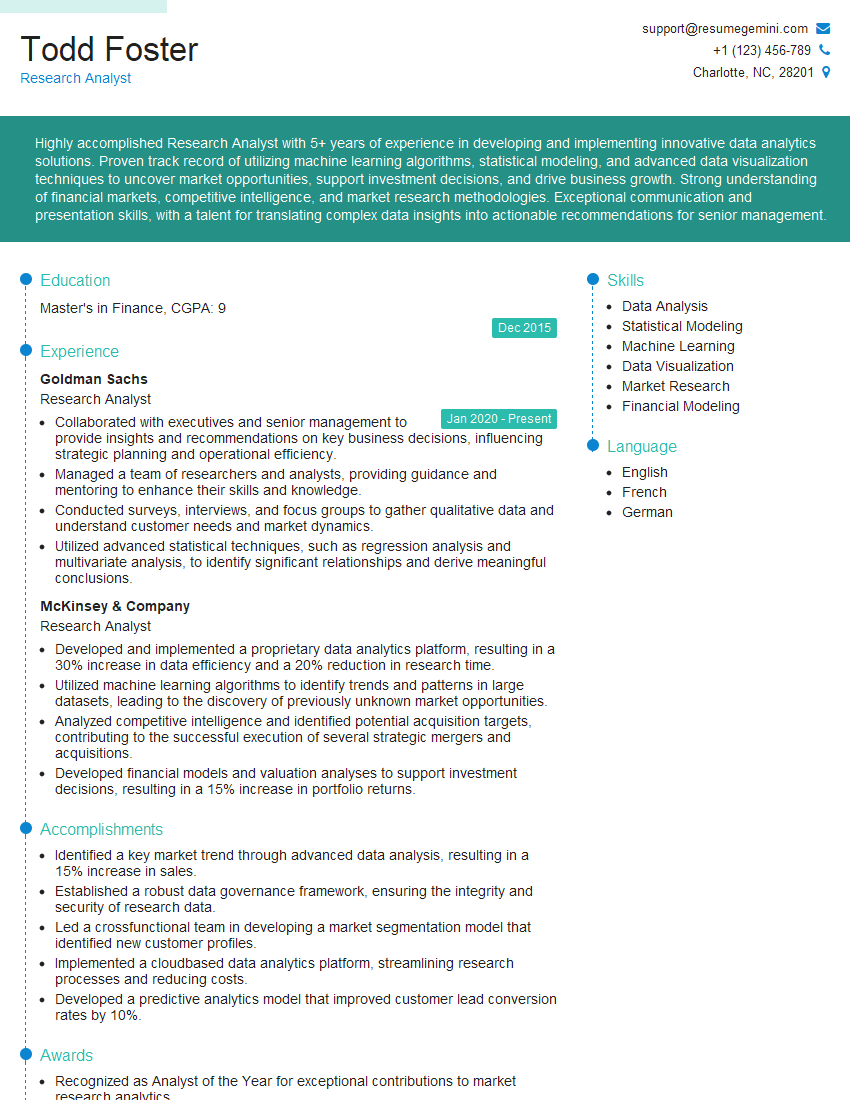
Research Analyst Resume Sample
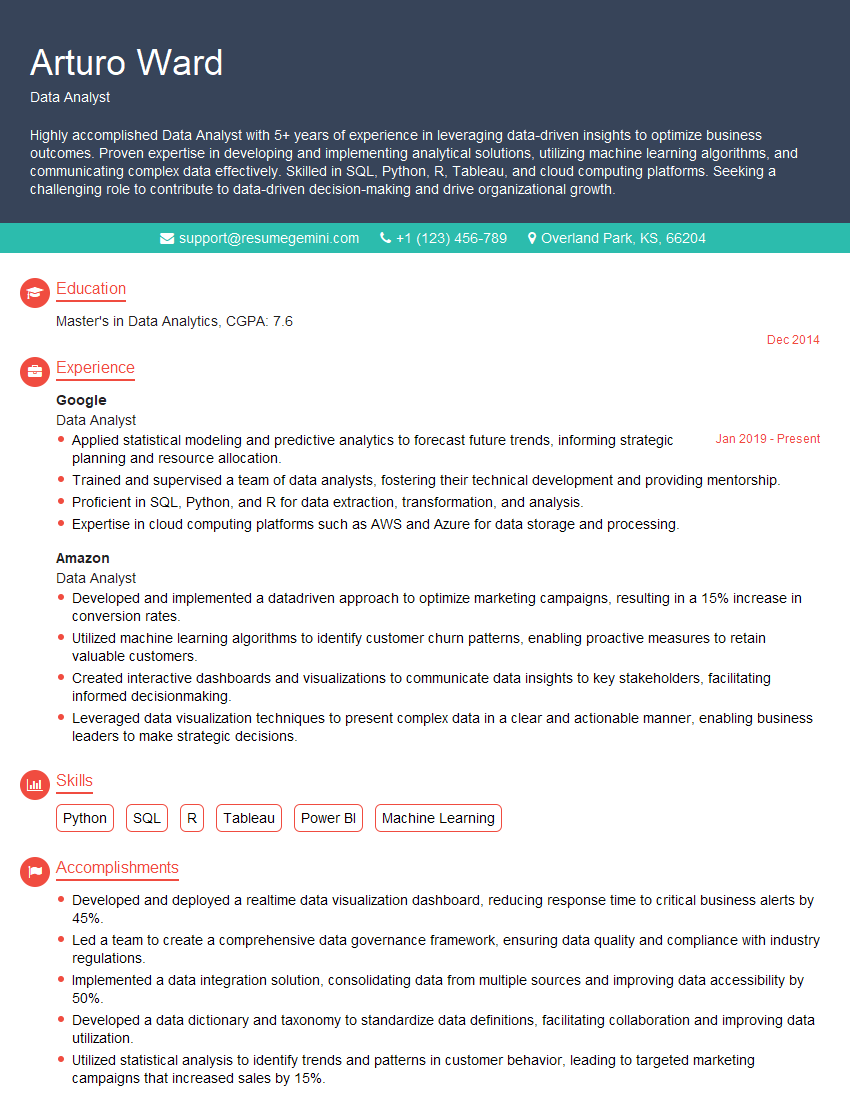
Data Analyst Resume Sample
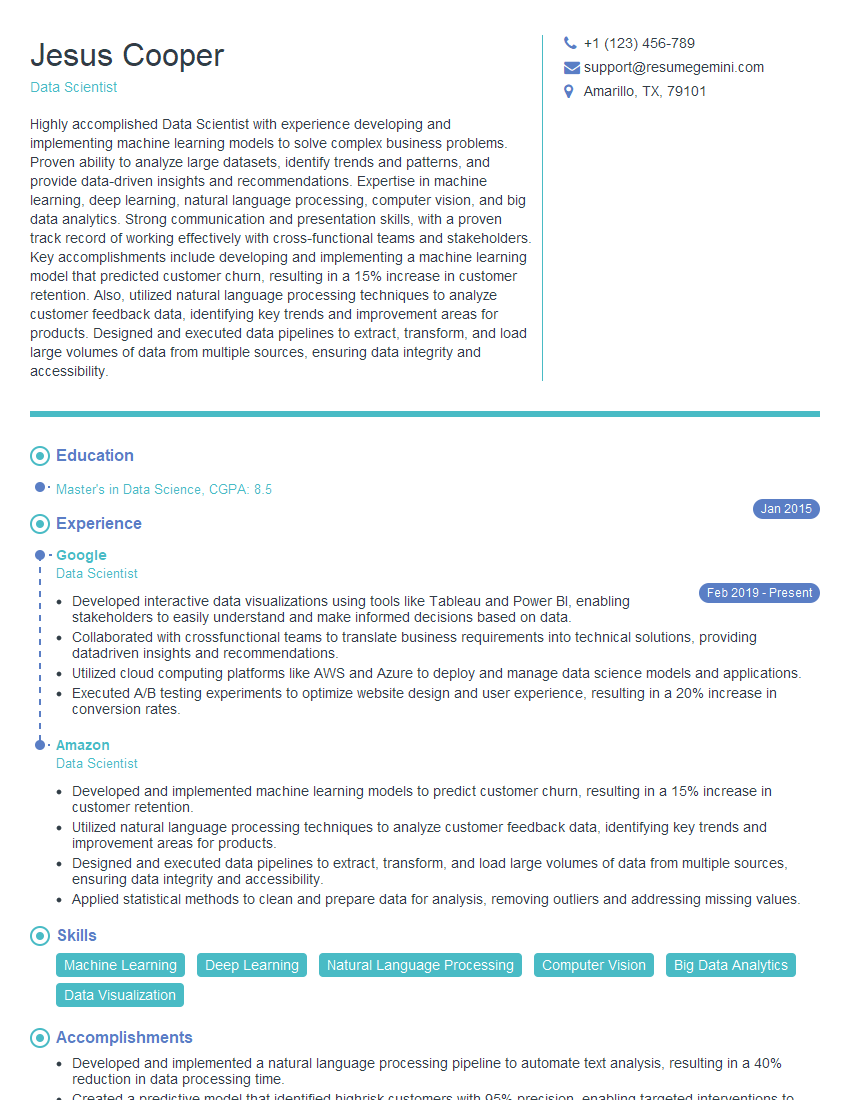
Data Scientist Resume Sample
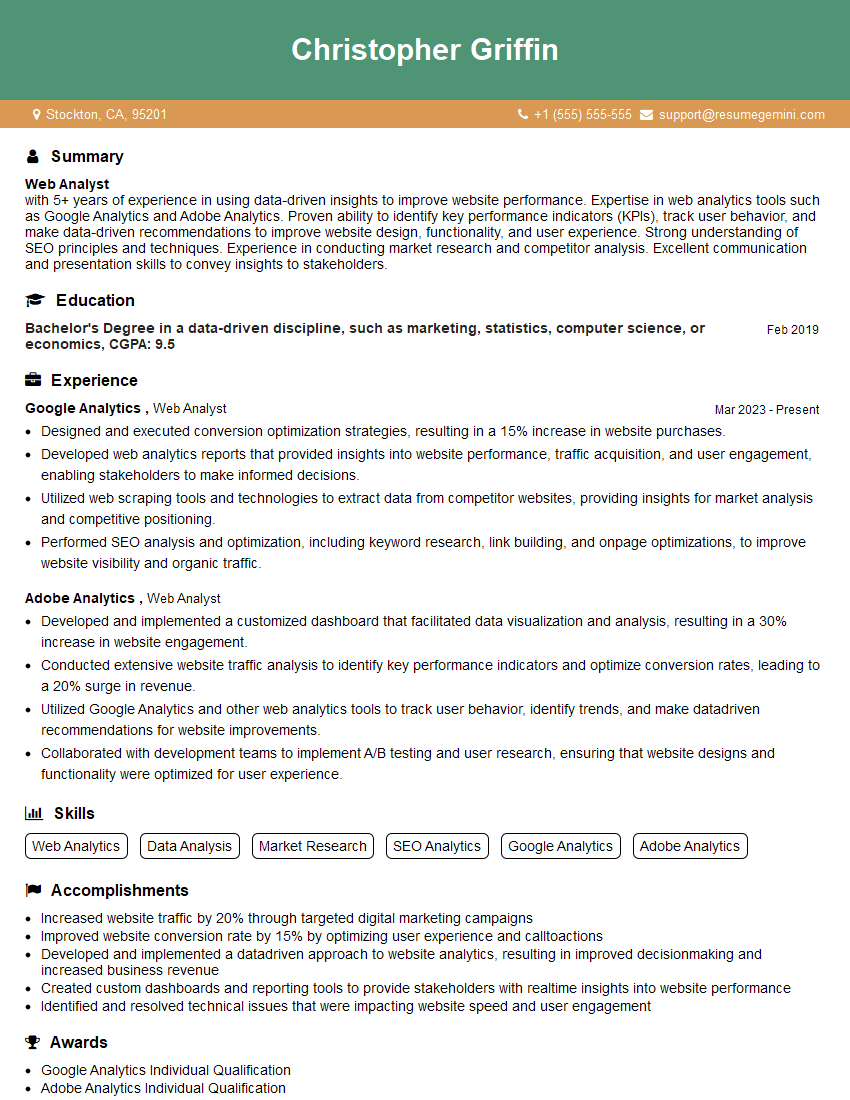
Web Analyst Resume Sample
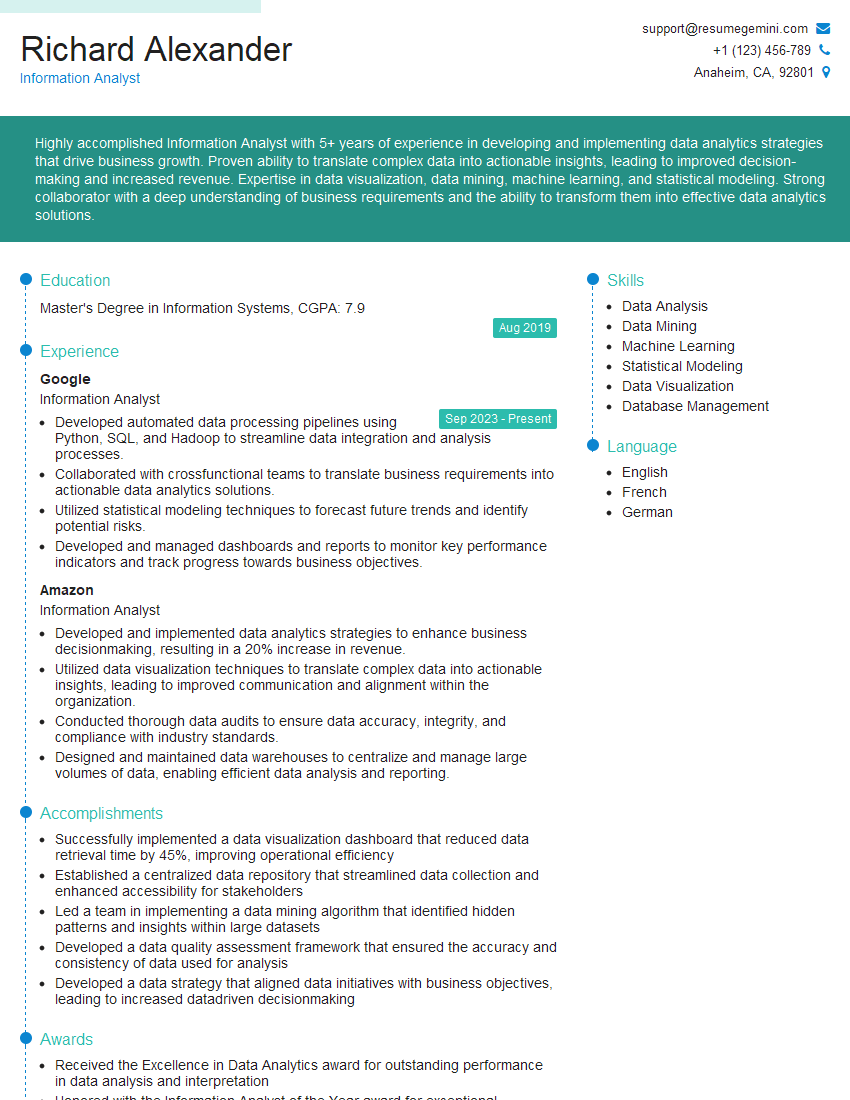
Information Analyst Resume Sample
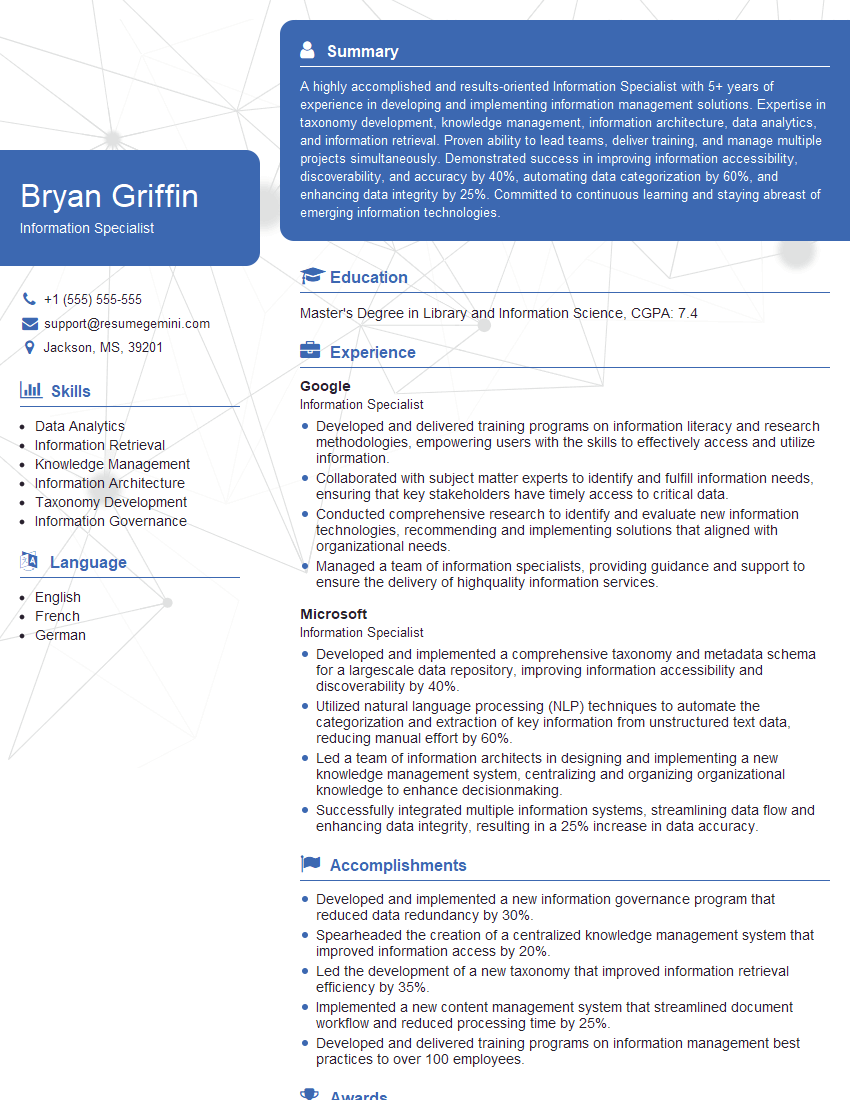
Information Specialist Resume Sample
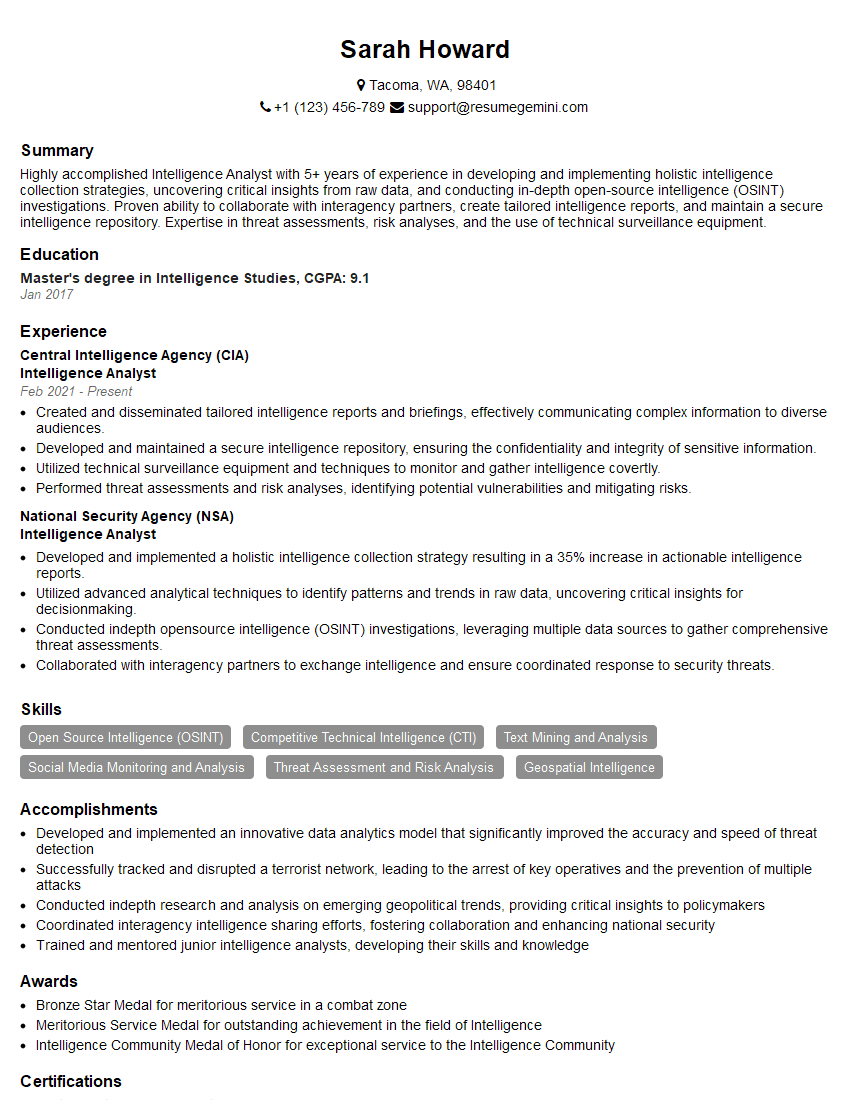
Intelligence Analyst Resume Sample
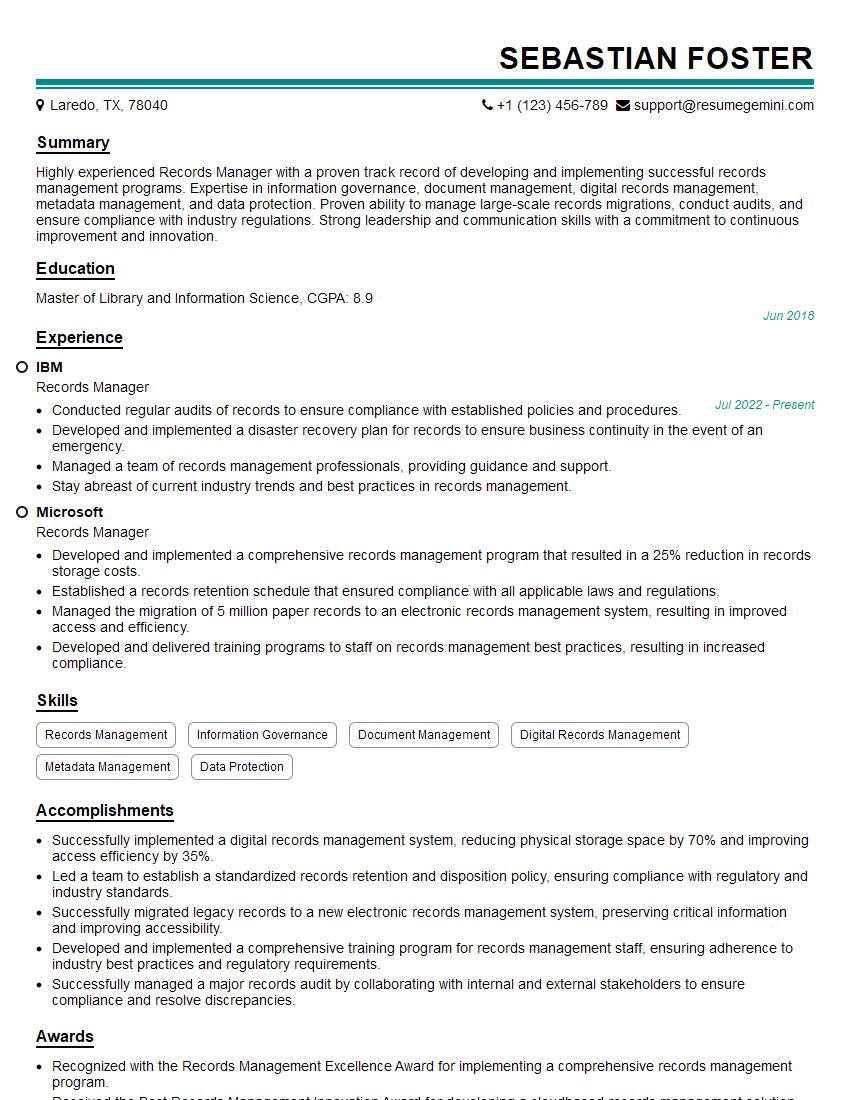
Records Manager Resume Sample
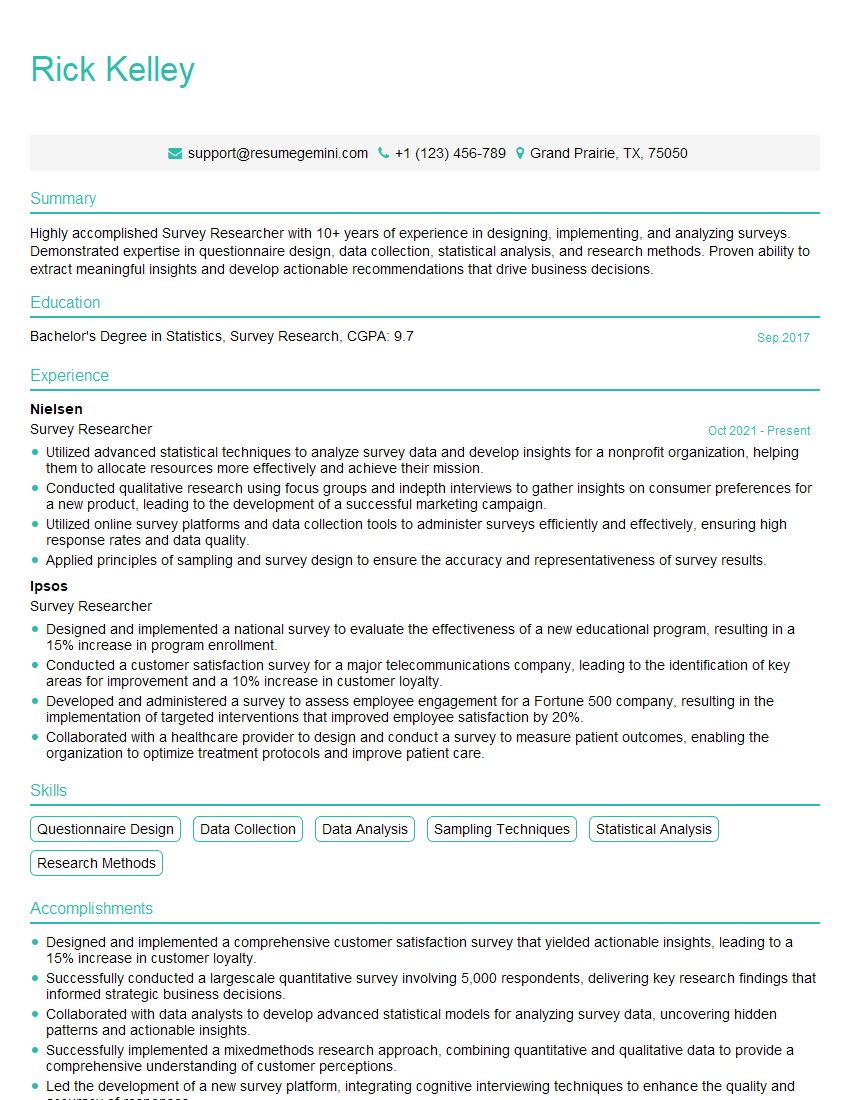
Survey Researcher Resume Sample
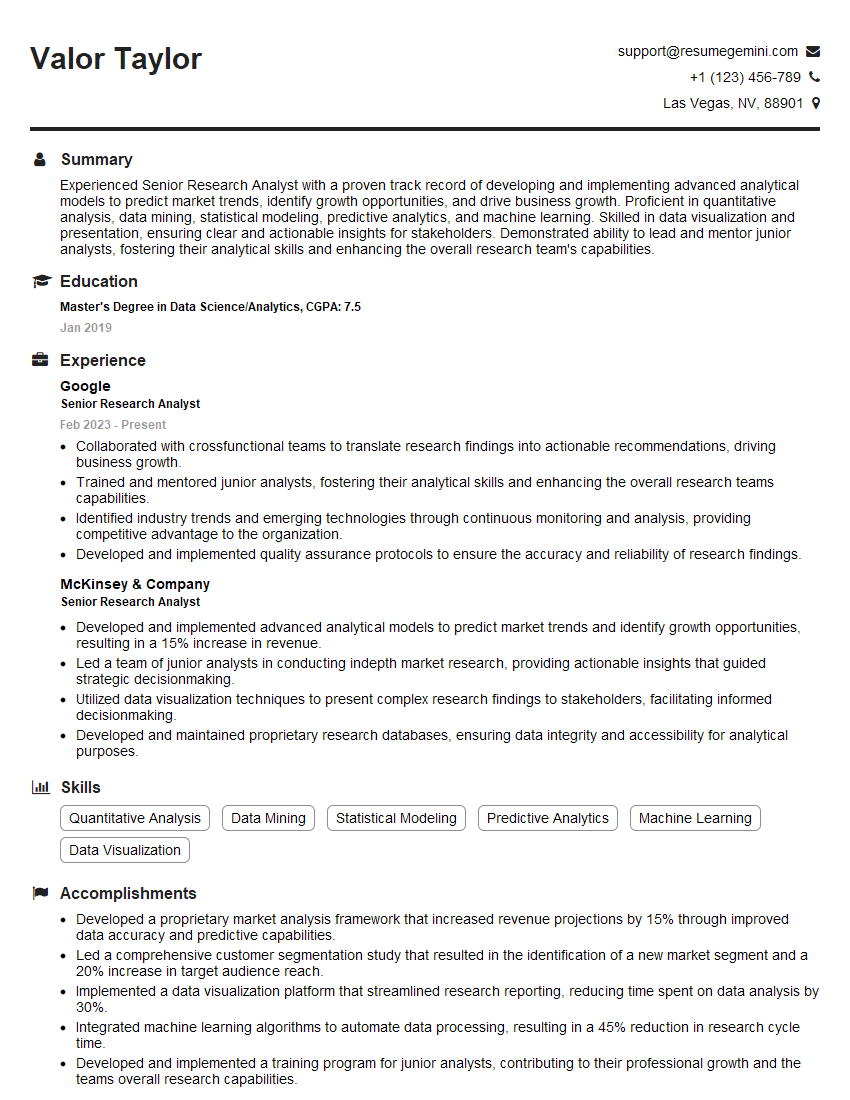
Senior Research Analyst Resume Sample
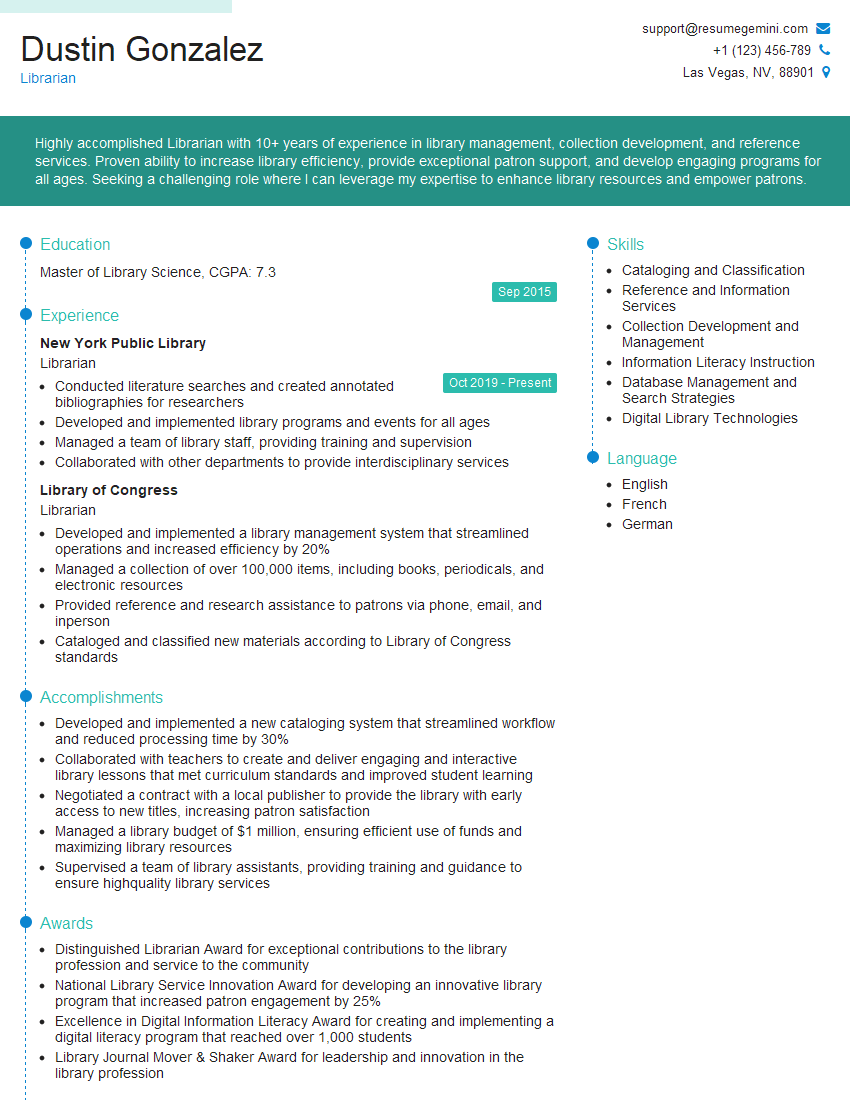
Librarian Resume Sample
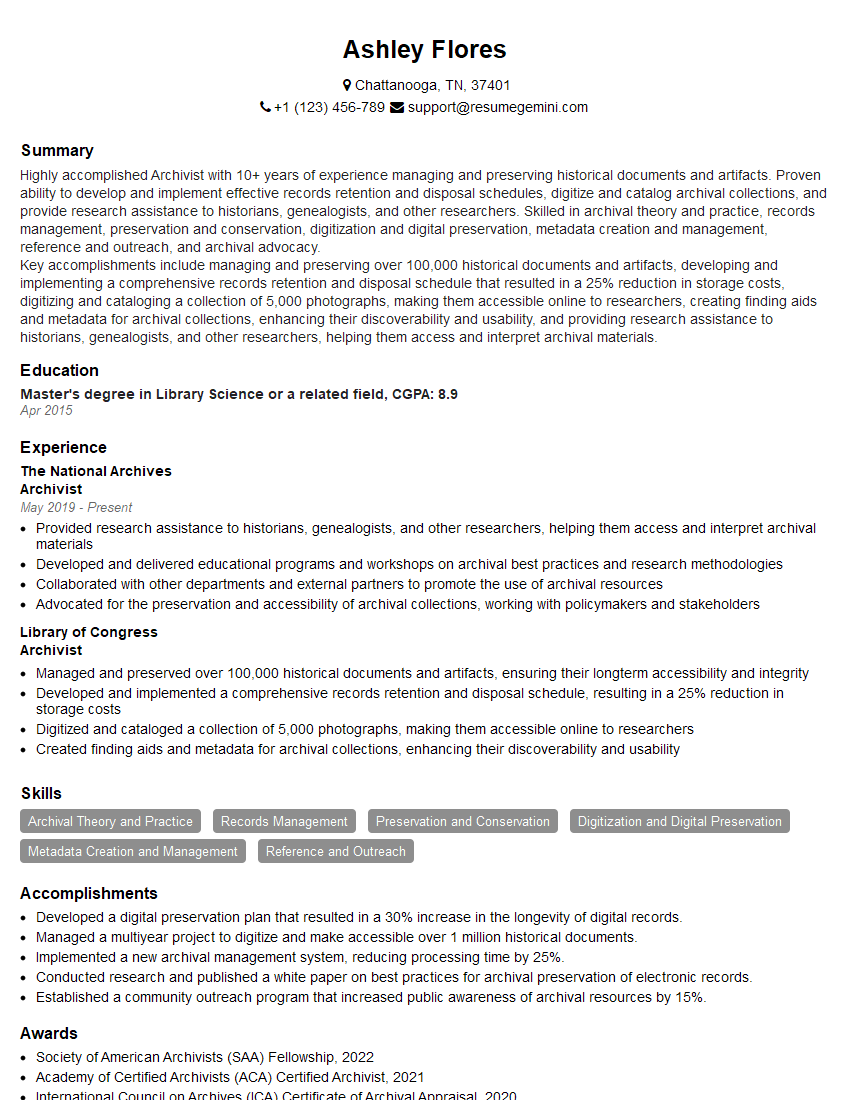
Archivist Resume Sample
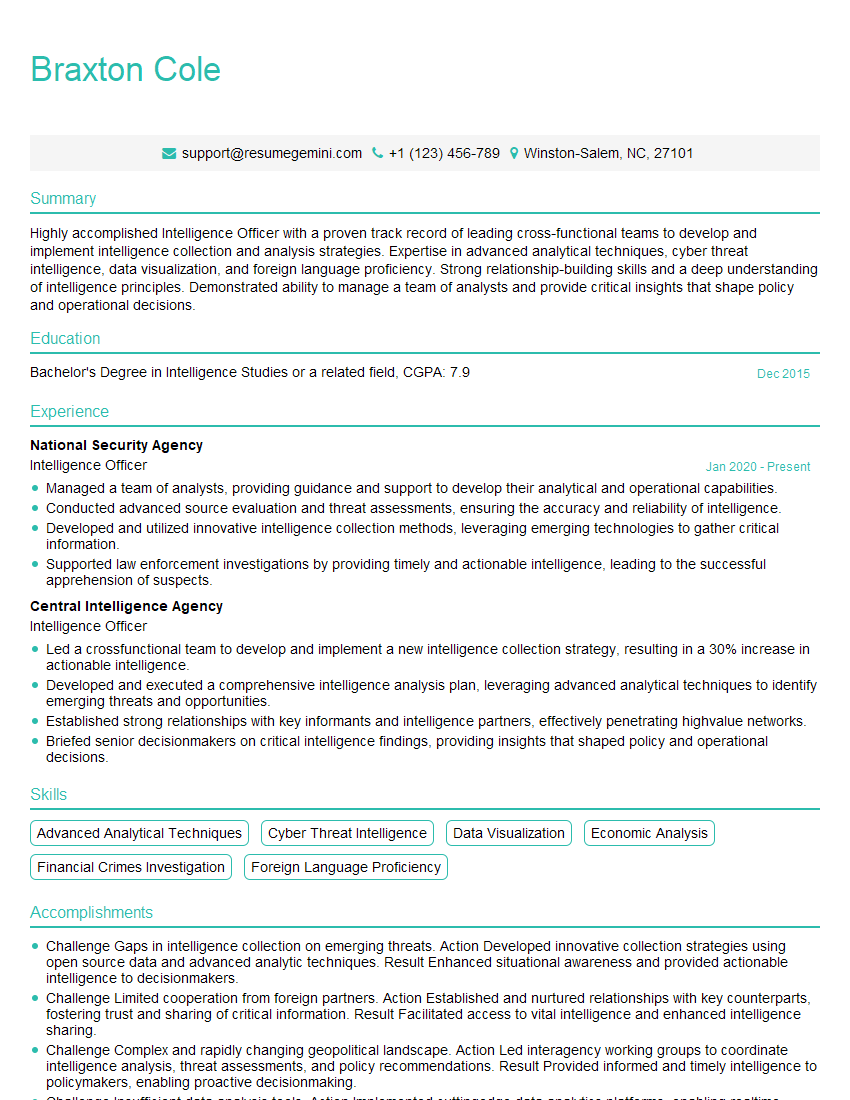
Intelligence Officer Resume Sample
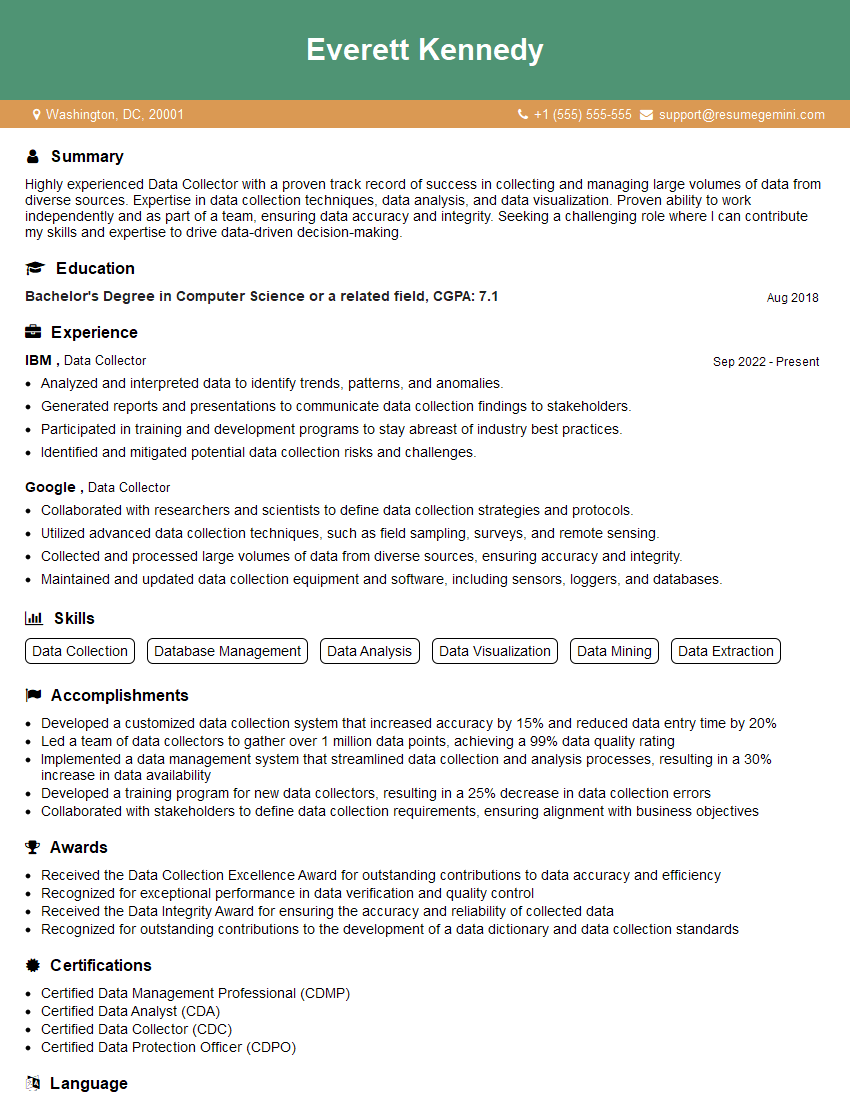
Data Collector Resume Sample
- Research Associate
- Compliance Officer
- Investigator
- Business Analyst
- Market Research Analyst
- Research Analyst
- Data Analyst
- Data Scientist
- Web Analyst
- Information Analyst
- Information Specialist
- Intelligence Analyst
- Records Manager
- Survey Researcher
- Senior Research Analyst
- Librarian
- Archivist
- Intelligence Officer
- Data Collector
Explore more articles
Users Rating of Our Blogs
Share Your Experience
We value your feedback! Please rate our content and share your thoughts (optional).
What Readers Say About Our Blog
Very informative content, great job.
good