Preparation is the key to success in any interview. In this post, we’ll explore crucial Gating System Design and Analysis interview questions and equip you with strategies to craft impactful answers. Whether you’re a beginner or a pro, these tips will elevate your preparation.
Questions Asked in Gating System Design and Analysis Interview
Q 1. Explain the fundamental principles of gating system design.
Gating system design is the art and science of directing molten metal from the pouring basin into the mold cavity to fill it completely and uniformly, while minimizing defects like turbulence, gas porosity, and shrinkage. The fundamental principles revolve around controlling the flow rate, pressure, and velocity of the molten metal to achieve a sound casting. This involves careful selection of the runner, sprue, and ingate sizes and locations, ensuring proper metal flow and avoiding premature solidification.
Imagine it like a carefully designed irrigation system for a field – each channel needs to be appropriately sized to deliver the right amount of water (molten metal) to all parts of the field (casting) simultaneously. A poorly designed system leads to some areas being flooded while others remain dry; similarly, a bad gating system results in incomplete filling or defects.
Q 2. What are the key considerations for designing a gating system for a given casting?
Designing a gating system requires meticulous consideration of several factors. These include:
- Casting geometry and size: Complex shapes demand more intricate gating systems. Larger castings require higher flow rates and larger channels.
- Metal properties: Viscosity, fluidity, and melting point of the metal significantly influence the design parameters. Highly viscous metals require larger channels to ensure smooth flow.
- Mold material and design: The type of mold (sand, metal, etc.) and its permeability affect the metal flow and cooling rate. Sand molds, for example, tend to be more permeable than metal molds, influencing gating system design.
- Pouring temperature: Higher temperatures generally result in improved fluidity, allowing for smaller channels. However, excessively high temperatures may cause mold damage.
- Desired casting quality: Minimizing turbulence and gas entrapment is crucial for obtaining high-quality castings. This influences the design of the ingates and runners.
- Production rate: High-volume production requires efficient gating systems that can handle a large number of castings without compromising quality.
Ignoring these factors can result in defects such as cold shuts, misruns, and gas porosity, rendering the castings unusable.
Q 3. Describe different types of gating systems and their applications.
Several gating system types exist, each suited to different casting situations:
- Simple gating system: Consists of a sprue, runner, and ingate. Suitable for simple castings with minimal complexity.
- Direct gating system: The molten metal flows directly from the sprue into the casting cavity. Simple but prone to turbulence and defects.
- Indirect gating system: Employs a runner system to distribute the metal evenly across multiple ingates. Reduces turbulence and improves filling.
- Bottom gating system: Molten metal enters the mold from the bottom, promoting better filling and reducing turbulence. Effective for castings with complex geometries or intricate details.
- Top gating system: Molten metal is poured from the top. Simplest but can introduce more turbulence and gas porosity.
- Pressure gating system: Uses controlled pressure to enhance metal flow and improve filling. Particularly suitable for large and complex castings.
The choice of the gating system depends heavily on the casting design, metal properties, and desired quality standards.
Q 4. How do you determine the appropriate runner and sprue dimensions?
Determining runner and sprue dimensions is crucial for proper metal flow and filling. This involves considering the metal flow rate, velocity, and pressure drop. Several empirical formulas and software simulations are used for accurate calculations. The process often involves:
- Calculating the required flow rate: Based on the casting volume and pouring time.
- Estimating the metal velocity: To avoid excessive turbulence and erosion of the gating system. The velocity should be kept within a certain range to ensure proper filling without excessive turbulence.
- Determining the cross-sectional area: Using the flow rate and velocity, the required cross-sectional area of the runner and sprue can be calculated. This involves considering the pressure drop along the flow path.
- Checking for pressure drop: Ensuring that the pressure drop across the gating system does not impede proper filling.
Example: A = Q/V where A is the cross-sectional area, Q is the flow rate, and V is the velocity.
Software simulations provide advanced capabilities to optimize the design and refine dimensions based on specific casting geometries and material properties. Experienced engineers rely on a combination of empirical formulas and simulation software to achieve optimal gating system design.
Q 5. Explain the concept of choke area and its significance in gating system design.
The choke area is the smallest cross-sectional area in the entire gating system. It acts as a control valve, regulating the flow rate of molten metal into the mold cavity. Its significance lies in its ability to control the pouring time, prevent turbulence, and maintain consistent filling. A properly designed choke area ensures that the metal fills the mold cavity smoothly and completely, minimizing defects.
Think of it as the neck of a bottle – controlling the flow rate of liquid. Too small, and the flow will be too slow. Too large, and the flow will be too fast, leading to turbulence and defects.
The choke area is typically located at the ingate or runner, depending on the gating system design. Determining the optimal choke area is critical for achieving a sound casting.
Q 6. How do you calculate the velocity of molten metal in a gating system?
Calculating the velocity of molten metal in a gating system is essential for preventing defects and ensuring proper filling. This calculation often involves applying the principle of continuity and Bernoulli’s equation, accounting for frictional losses and pressure drops.
Simplified methods utilize the flow rate (Q) and the cross-sectional area (A) at a specific point in the gating system. Velocity (V) can be calculated as:
V = Q / A
However, more sophisticated approaches incorporate pressure losses due to friction and changes in elevation. These calculations often involve empirical factors or require computational fluid dynamics (CFD) simulations to accurately predict the velocity profile across the entire gating system. The velocity should remain within a range that prevents excessive turbulence without compromising the filling process. Too high a velocity can lead to erosion and defects; too low a velocity can result in incomplete filling or premature solidification.
Q 7. What are the different types of risers and their functions?
Risers are reservoirs of molten metal connected to the casting, serving as a source of liquid metal to compensate for shrinkage during solidification. Different types of risers cater to various casting requirements:
- Top risers: Located on top of the casting, simple to design and implement but can be less efficient in certain cases.
- Bottom risers: Placed at the bottom of the casting, offering better feeding efficiency for complex shapes.
- Exothermic risers: Employ exothermic materials to slow down the cooling rate of the riser and maintain a longer liquid metal supply to the casting.
- Insulated risers: Utilize insulating materials to control the cooling rate and improve the feeding efficiency.
- Blind risers: Located within the mold cavity and completely surrounded by mold material. These prevent contamination of the casting but require careful placement and size determination.
The choice of riser type depends on factors such as casting complexity, metal properties, and desired quality. Proper riser design ensures complete filling and minimizes shrinkage-related defects, resulting in a sound and dimensionally accurate casting. Incorrect riser design leads to shrinkage porosity and other defects.
Q 8. How do you determine the appropriate size and location of risers?
Determining the appropriate size and location of risers is crucial for successful casting. Risers are reservoirs of molten metal that feed the casting as it solidifies, compensating for shrinkage. Incorrect sizing or placement leads to shrinkage porosity or incomplete filling. We determine riser size using several methods, often combining them for accuracy.
The modulus method: This method uses the modulus of the casting and riser, a ratio of surface area to volume. A larger modulus indicates faster cooling. The riser should have a lower modulus than the casting to solidify later and feed the casting. The formula involves calculating the modulus (M) for both casting (Mc) and riser (Mr) and ensuring Mr < Mc.
The Caine’s method: This empirical method uses charts or formulas based on casting dimensions and material properties to determine the riser volume. It considers factors like the casting’s shape and cooling rate.
Software simulation: Casting simulation software offers the most accurate predictions by modeling heat transfer and fluid flow. This allows for optimization of riser size and location, minimizing material waste and ensuring defect-free castings.
Riser placement is equally important. Ideally, it should be located at the highest and thickest section of the casting, where solidification occurs last. Multiple risers might be necessary for complex castings. Consider the flow path – the riser should be strategically positioned for effective feeding.
For example, in a large, complex engine block casting, multiple risers of varying sizes might be employed, strategically placed to ensure complete feeding throughout the solidification process. Software simulations would be essential for optimizing the number, size, and location of these risers.
Q 9. Explain the importance of venting in a gating system.
Venting is critical in a gating system to prevent defects caused by trapped air or gases. Molten metal, as it flows into the mold, can trap air, leading to porosity, blowholes, or even casting failure. Proper venting ensures the smooth and complete filling of the mold cavity by allowing the escape of these gases. Without adequate venting, pressure buildup can result in misruns (incomplete filling) or surface defects. Think of it like releasing air from a water bottle before pouring – if you don’t, the water might sputter and not fill completely.
Q 10. Describe different methods for venting a casting mold.
Several methods exist for venting a casting mold, each with its advantages and limitations:
Vent holes: Small holes drilled into the mold cavity or core, strategically placed to allow air escape. These are commonly used and relatively straightforward. The size and location are crucial and depend on casting complexity and material. Too small, and pressure builds; too large, and molten metal might escape.
Permeable molds: Using mold materials with inherent porosity allows air to escape throughout the mold filling process. This method is suitable for some materials and casting processes but might not offer the level of control afforded by discrete vents.
Venting channels: These are larger channels integrated into the mold design. They are more effective for large and complex castings but require more careful planning and can sometimes increase the risk of metal splashing.
Vacuum venting: Applying vacuum to the mold during pouring helps extract air and gases. This is particularly useful for complex shapes or materials that generate significant gas evolution.
The best method depends on several factors, including the casting geometry, metal type, mold material, and production scale. Often, a combination of these methods is employed for optimal venting.
Q 11. What are the common defects associated with poor gating system design?
Poor gating system design leads to various casting defects:
Misruns: Incomplete filling of the mold cavity due to insufficient metal flow or air entrapment.
Cold shuts: Formation of a discontinuity within the casting due to two streams of molten metal not properly fusing together.
Shrinkage porosity: Void formation due to insufficient feeding of molten metal during solidification.
Gas porosity: Presence of gas bubbles within the casting due to inadequate venting.
Surface defects: Rough surfaces, scabs, or inclusions resulting from turbulent flow or inadequate mold filling.
Shot sleeves: Metal solidified prematurely in the gating system, often near the sprue base.
These defects not only compromise the casting’s structural integrity and quality but also lead to increased production costs due to rework, scrap, and delays.
Q 12. How can you prevent air entrapment in a casting?
Preventing air entrapment requires careful design and execution of the gating system and molding process. Key strategies include:
Proper venting: As discussed earlier, designing an effective venting strategy is paramount. This ensures that air can escape readily as the molten metal flows into the mold.
Optimized gating design: The design should promote smooth and controlled flow of the molten metal, minimizing turbulence which tends to trap air. This often involves using runners and gates of appropriate sizes and shapes.
Controlled pouring rate: Pouring the molten metal too quickly can trap air. A slower, controlled pouring rate allows for gradual filling and better air escape.
Mold design optimization: Ensuring the mold cavity has a proper shape and orientation can also minimize air entrapment.
Degassing the molten metal: Before pouring, treating the molten metal to reduce its dissolved gas content significantly reduces the potential for gas porosity in the final casting.
A combination of these approaches is often employed to achieve optimum results. For instance, in investment casting where complex geometries are typical, vacuum venting might be combined with optimized gating and degassing to minimize air entrapment.
Q 13. What is the role of simulation software in gating system design?
Casting simulation software plays a vital role in modern gating system design, offering significant advantages over traditional trial-and-error methods. It allows engineers to:
Predict metal flow: Software simulates the flow of molten metal through the gating system, identifying potential problems like air entrapment, turbulence, or incomplete filling.
Optimize gating parameters: Simulations can be used to optimize gate and runner sizes, locations, and velocities, resulting in improved casting quality and reduced material waste.
Analyze solidification patterns: The software models heat transfer and solidification, allowing engineers to predict shrinkage patterns, hot spots, and the risk of defects like shrinkage porosity.
Reduce prototyping costs: By simulating different design options virtually, the need for numerous physical prototypes is minimized, saving time and resources.
Improve casting yield: By predicting and preventing defects, casting simulations significantly improve the yield and overall quality of the final product.
Essentially, simulation software allows for a more efficient and effective gating system design process leading to better casting quality and reduced production costs. It’s analogous to having a virtual test environment before producing actual castings.
Q 14. Name some commonly used casting simulation software.
Several popular casting simulation software packages are available, each with its own strengths and capabilities. Some commonly used ones include:
Magmasoft: Known for its comprehensive features and accuracy.
AutoCAST: A widely used software with a user-friendly interface.
Flow-3D Cast: Offers advanced capabilities for simulating complex flow phenomena.
ANSYS Cast: A powerful software integrated within the broader ANSYS simulation suite.
The choice of software often depends on factors such as the complexity of the casting, specific needs, and budget. Many companies use multiple software packages for different applications.
Q 15. Explain the process of validating a gating system design.
Validating a gating system design is crucial for ensuring a defect-free casting. It involves a multi-step process combining theoretical calculations and practical simulations. The goal is to verify that the design will fill the mold completely, without turbulence, aspiration, or premature solidification, leading to a sound casting with the desired properties.
- Computational Fluid Dynamics (CFD) Simulation: This is a key validation tool. CFD software simulates the molten metal flow within the gating system and mold cavity, visualizing flow patterns, velocities, pressure drops, and potential issues like air entrapment or turbulence. This allows for iterative adjustments before physical prototyping.
- Rule of Thumb Checks: Before resorting to CFD, basic calculations help to determine things like runner and riser dimensions. Checking these against well-established empirical rules acts as a first-pass quality check.
- Casting Trials: After simulation, small-scale casting trials are often conducted to verify the theoretical predictions. These trials provide real-world data on filling time, surface finish, and defect occurrence. Analyzing these castings helps fine-tune the design.
- Review and Iteration: The validation process is iterative. The results from simulations and castings are reviewed, and the design is refined based on the findings. This ensures continuous improvement and optimization.
For example, a CFD simulation might reveal a dead spot in the mold, indicating insufficient metal flow to a particular area. This would lead to modifications in the gating system design, such as adding a sprue extension or adjusting the runner diameter.
Career Expert Tips:
- Ace those interviews! Prepare effectively by reviewing the Top 50 Most Common Interview Questions on ResumeGemini.
- Navigate your job search with confidence! Explore a wide range of Career Tips on ResumeGemini. Learn about common challenges and recommendations to overcome them.
- Craft the perfect resume! Master the Art of Resume Writing with ResumeGemini’s guide. Showcase your unique qualifications and achievements effectively.
- Don’t miss out on holiday savings! Build your dream resume with ResumeGemini’s ATS optimized templates.
Q 16. How do you account for metal shrinkage during gating system design?
Metal shrinkage is a critical factor in gating system design, as it influences the final dimensions and integrity of the casting. The molten metal contracts as it cools and solidifies, leading to dimensional changes. This shrinkage is accounted for in several ways:
- Riser Design: Risers are crucial for compensating for shrinkage. They act as reservoirs of molten metal, feeding the casting as it shrinks during solidification. Careful calculation of riser size and location is essential to prevent shrinkage porosity or cavities.
- Shrinkage Allowance: The casting design itself incorporates shrinkage allowance. This means the mold cavity is designed slightly larger than the final desired dimensions of the casting, accounting for the expected shrinkage of the specific metal alloy.
- Material Properties: The magnitude of shrinkage depends on the specific material being cast. Different alloys have different coefficients of thermal expansion, impacting the shrinkage rate. These properties must be accurately known and incorporated into the calculations.
- Solidification Simulation: Advanced simulations, such as those using finite element analysis (FEA), allow for accurate prediction of shrinkage and its effect on the casting’s stress and strain distribution. This enables a more refined gating and riser design to mitigate potential defects.
Imagine casting a complex engine block. Without adequate riser design and shrinkage allowances, the final casting would be deficient, potentially leading to cracks or dimensional inaccuracies which compromise its functionality.
Q 17. What are the considerations for designing a gating system for high-pressure die casting?
Designing a gating system for high-pressure die casting (HPDC) presents unique challenges due to the extremely high injection pressures and velocities involved. Key considerations include:
- High Velocity Flow: The high velocity of the molten metal necessitates a gating system that minimizes turbulence and erosion. This often involves streamlined channels with smooth transitions to prevent metal impingement and casting defects. Sharp corners and abrupt changes in cross-section should be avoided.
- Pressure Drop Management: Maintaining sufficient pressure throughout the casting process is crucial. Excessive pressure drops can lead to incomplete filling or turbulent flow. The gating system should be carefully designed to manage pressure effectively.
- Shot Sleeve Design: The shot sleeve plays a vital role in HPDC, directing the high-velocity metal stream into the mold cavity. Precise design of the shot sleeve’s shape and position is critical for controlled filling.
- Gate Location and Size: The location and size of the gates must be carefully optimized to ensure complete mold filling and minimize turbulence. The gate velocity needs to be controlled to prevent material splashing and surface defects.
- Material Properties: Material rheology (the flow behaviour of the melt) significantly impacts design. The viscosity and fluidity of the material directly influences the pressure required for optimal filling and the size of the runners and gates.
For instance, a poorly designed gating system in HPDC might result in cold shuts (incomplete filling), air entrapment, or surface porosity.
Q 18. What are the differences in gating system design for sand casting, investment casting, and die casting?
Gating system design varies significantly depending on the casting process due to differences in the mold material, metal flow rate and pressure, and overall process requirements:
- Sand Casting: Sand casting uses simple, gravity-fed gating systems. The design focuses on ensuring uniform filling, minimizing turbulence, and preventing gas entrapment. Simple sprues, runners, and ingates are commonly used. Risers are crucial for feeding the casting during solidification.
- Investment Casting (Lost-Wax Casting): Investment casting employs more complex gating systems, often with multiple gates to ensure complete mold filling of intricate geometries. The gates are typically smaller and more precisely controlled compared to sand casting due to the higher precision of the mold.
- Die Casting: Die casting utilizes high-pressure injection, requiring robust gating systems designed to withstand high pressures and velocities. Streamlined channels and controlled flow are crucial to prevent turbulence and erosion. The gating system often incorporates features like shot sleeves and ejection systems.
The differences stem from the contrasting mold characteristics and the method of filling. Sand molds are simple and permeable; investment casting molds are precise but fragile, and die casting molds are highly robust and capable of withstanding high pressures.
Q 19. How do you handle complex geometries in gating system design?
Handling complex geometries in gating system design requires a multifaceted approach. The complexity stems from the challenge of ensuring uniform filling of all sections of the mold cavity while avoiding defects.
- Multiple Gating Points: Complex castings often require multiple gating points to ensure complete filling of all areas. This allows for simultaneous filling from various directions.
- Computer-Aided Design (CAD) Software: CAD software is instrumental in designing intricate gating systems. It enables precise modeling of the mold cavity and gating network, allowing for detailed analysis of flow patterns and potential issues.
- Simulation Techniques: CFD simulations are critical for evaluating the metal flow through complex geometries. They allow for optimization of gate placement and size to ensure uniform filling.
- Rule of Thumb Adjustment: While CAD and simulation are critical for complex designs, experience and established empirical rules regarding gating ratios and velocities help in a more intuitive design. Often times, the design is created based on intuition and experience with a simpler geometry and then refined with CAE tools.
Consider a turbine blade, its complex internal channels and thin sections would necessitate multiple, carefully designed gates to ensure proper filling without defects. CFD simulation would be essential for validating this complex gating system.
Q 20. Explain the concept of fluidity and its influence on gating system design.
Fluidity refers to the ability of molten metal to flow easily. It is a critical factor influencing gating system design because it directly affects the ability of the molten metal to fill the mold completely and without defects. Higher fluidity allows for easier filling of complex shapes but can also lead to increased turbulence. Lower fluidity requires larger channels and possibly higher pressure to ensure complete filling.
- Influence on Gate Size: Fluidity directly impacts the required size of the gates and runners. Lower fluidity metals necessitate larger channels to overcome the increased resistance to flow.
- Turbulence Control: Highly fluid metals are more prone to turbulence, which can lead to defects such as air entrapment or surface roughness. The gating system needs to be designed to minimize turbulence in such cases.
- Filling Time: Fluidity affects the filling time. Higher fluidity metals fill the mold more quickly, potentially reducing the risk of premature solidification.
- Temperature Dependence: Fluidity is strongly dependent on temperature. Higher temperatures generally lead to higher fluidity, but this should be balanced against the risk of increased oxidation or degradation.
For example, a highly fluid aluminum alloy might require a smaller gate size compared to a less fluid cast iron. The gating system design must account for this difference in material properties.
Q 21. Describe different techniques for optimizing a gating system.
Optimizing a gating system aims to create a design that ensures complete mold filling, minimizes defects, and maximizes efficiency. Several techniques are employed:
- Computational Fluid Dynamics (CFD) Analysis: CFD is a powerful tool for optimizing gating systems. It allows engineers to simulate metal flow, identify potential problems, and refine the design accordingly.
- Design of Experiments (DOE): DOE is a statistical method for efficiently exploring the design space and identifying the optimal parameters for the gating system. It helps to minimize the number of simulations or experiments required.
- Expert Systems and Artificial Intelligence (AI): These advanced techniques can leverage large datasets of past casting experiences to automatically optimize gating system designs based on specified criteria.
- Iterative Refinement: The optimization process is iterative. The initial design is analyzed, refined based on the analysis results, and then re-analyzed until an optimal design is achieved. This could involve adjusting the runner size, gate location, or riser design based on simulation results.
- Rule of Thumb Refinement: Established empirical rules and best practices provide a starting point for the design. Iterative refinements using CAE help to tune the design based on these rules, adjusting according to the specific metal and casting geometry.
For instance, using CFD might reveal that increasing the runner diameter improves metal flow in a specific region, reducing the risk of cold shuts. This insight guides the design optimization process.
Q 22. How do you ensure proper filling of the mold cavity?
Proper mold cavity filling is paramount in die casting to ensure a complete, defect-free part. It hinges on achieving a balance between sufficient flow rate to fill the cavity rapidly and controlled flow to prevent turbulence and air entrapment. This is accomplished through careful gating system design.
- Runner and sprue design: The runner system, which channels molten metal from the pouring basin to the gates, needs to be sized appropriately to maintain a consistent flow rate. Too small, and the metal will freeze prematurely; too large, and turbulence will result.
- Gate location and size: Gate placement is critical. Multiple gates might be necessary for complex shapes to ensure simultaneous filling and reduce the risk of cold shuts (where the metal solidifies before the mold is completely filled). Gate size impacts flow rate – smaller gates result in higher velocities, while larger gates offer slower, smoother filling.
- Casting design considerations: The design of the casting itself influences filling. Thin sections fill faster than thick sections, leading to potential issues if not addressed in the gating system. We use simulations to optimize flow, ensuring that thicker parts fill before the thinner ones solidify.
- Vent design: Vents in the mold allow trapped air to escape, preventing porosity. Improper venting can lead to defects, so venting must be planned carefully.
For example, in a complex automotive part, I might utilize multiple gates of varying sizes, strategically positioned to manage flow in thicker and thinner sections, coupled with carefully placed vents to ensure complete and defect-free filling.
Q 23. What are the safety considerations related to gating system design?
Safety is paramount in gating system design. High-temperature molten metal presents significant hazards. Design choices directly impact worker safety.
- Hot metal splash: Poorly designed sprues and runners can lead to molten metal splashing, causing serious burns. Properly designed, tapered sprue wells and effective overflows minimize this risk.
- Pressure buildup: Excessive pressure within the mold can cause explosions or leaks. Safety valves and pressure relief mechanisms are crucial in mitigating this. We use calculations to determine the maximum pressure during filling and design the system to handle it safely.
- Ergonomics: The gating system itself needs to be easily accessible for maintenance and cleaning. This often involves designing for easy removal and replacement of components, reducing the risk of burns during these tasks.
- Material selection: The materials used in the gating system should be resistant to the high temperatures and pressures involved, reducing the chance of failure and associated hazards. We prioritize high-strength materials capable of enduring the thermal and mechanical stress.
One instance where safety was critical involved designing a system with automated shutoff mechanisms triggered by pressure sensors. This prevented catastrophic failures and reduced the risk to personnel.
Q 24. What are the environmental considerations in gating system design?
Environmental considerations are increasingly important. Gating system design impacts waste generation and energy consumption.
- Metal utilization: A well-designed gating system minimizes the amount of scrap metal generated during casting. This reduces the environmental impact associated with raw material extraction and processing. Optimizing runner and sprue dimensions helps reduce the volume of unusable material.
- Waste handling: Designing for easier separation and recycling of sprue and runner material simplifies waste management processes and promotes sustainability.
- Energy efficiency: Optimized gating systems lead to reduced cycle times due to improved filling efficiency. This translates directly to lower energy consumption during the casting process.
- Emissions: The choice of materials and the efficiency of the system can affect the emissions during the casting process. We select materials that minimize the release of harmful substances.
For example, in recent projects we focused on designing gating systems that facilitate easier separation of the runner system for easier recycling, minimizing waste and the need for landfilling.
Q 25. Explain the importance of material selection in gating system design.
Material selection is crucial for gating system longevity and performance. The choice of material depends on the casting alloy, process parameters, and cost considerations.
- Thermal properties: The material must withstand the high temperatures of the molten metal without melting or degrading. This often involves using high-melting-point alloys or ceramics.
- Mechanical properties: The material must have sufficient strength to resist the pressure exerted by the molten metal and withstand the thermal stresses during the cooling phase.
- Corrosion resistance: The chosen material should resist corrosion from the molten metal and any chemicals used in the casting process.
- Cost-effectiveness: Balancing performance requirements with cost is essential. Expensive, high-performance materials are not always necessary. Often, a judicious selection of a suitable material can provide the necessary properties at a reasonable cost.
We often compare several materials using a weighted scoring system that incorporates the cost and performance parameters. This systematic approach ensures optimal material selection for each project.
Q 26. How do you assess the cost-effectiveness of a gating system design?
Cost-effectiveness in gating system design requires a holistic approach, balancing initial investment with operational costs and material waste.
- Initial cost: This includes the cost of materials, manufacturing, and tooling. Simple designs generally have lower initial costs.
- Manufacturing cost: This involves the cost of labor and equipment during the casting process. Efficient gating systems can reduce production time and thus, reduce labor costs.
- Material waste: The amount of scrap metal generated directly impacts the overall cost. Optimized gating systems minimize waste, leading to cost savings.
- Maintenance cost: A well-designed and robust gating system will require less frequent maintenance, leading to lower long-term costs.
We use detailed cost models that consider all these factors to assess the long-term cost-effectiveness of different design options. This helps clients choose the most economically viable solution that meets their quality and production requirements.
Q 27. Describe your experience with using FEA or CFD for gating system analysis.
I have extensive experience using both Finite Element Analysis (FEA) and Computational Fluid Dynamics (CFD) for gating system analysis. These tools are essential for optimizing design and predicting performance.
- FEA: FEA helps analyze the stress and strain distribution within the gating system components, ensuring they can withstand the pressure and thermal stresses during casting. It helps predict potential points of failure.
- CFD: CFD simulates the flow of molten metal through the gating system, providing insights into flow velocity, pressure distribution, and potential for turbulence and air entrapment. This is invaluable for optimizing gate placement and sizing.
In a recent project involving a complex aluminum die casting, we used CFD to identify areas of turbulent flow. By adjusting gate locations and sizes based on the CFD simulation, we significantly reduced the occurrence of porosity defects. Simultaneously, we used FEA to ensure the runner system could handle the predicted pressures without failure. This integrated approach resulted in a robust and efficient gating system.
Q 28. How would you troubleshoot a problem with a poorly designed gating system?
Troubleshooting a poorly designed gating system often requires a systematic approach that combines observation, analysis, and simulation.
- Visual inspection: Examine the castings for defects like cold shuts, porosity, or misruns to pinpoint problematic areas.
- Data analysis: Review process parameters such as metal temperature, injection pressure, and filling time to identify potential issues.
- Simulation and modeling: Utilize FEA and CFD to simulate the flow and stress conditions within the gating system, identifying potential areas for improvement.
- Material analysis: Analyze the materials used in the gating system for defects or degradation.
For example, if castings consistently exhibit cold shuts, I would first visually inspect the parts to identify the location of the defects. Then, I would use CFD to simulate the filling process, potentially revealing areas of slow flow or insufficient metal supply to those regions. This information guides adjustments to gate location, size, or the addition of more gates, which are then verified through further simulations before implementation.
Key Topics to Learn for Gating System Design and Analysis Interview
- Fundamental Gating Concepts: Understanding different gating types (AND, OR, XOR, etc.), their truth tables, and applications in various systems.
- Timing Analysis: Mastering setup and hold time analysis, clock skew effects, and techniques to mitigate timing violations in gate-level designs.
- Logic Synthesis and Optimization: Familiarity with techniques to minimize gate count, reduce power consumption, and improve performance using tools like Synopsys Design Compiler.
- Static Timing Analysis (STA): Proficiency in using STA tools to verify timing constraints and identify potential timing issues in the design.
- Power Analysis: Understanding different power consumption metrics (dynamic, leakage), and techniques for power optimization in gating systems.
- Design for Testability (DFT): Implementing scan chains, boundary scan, and other DFT techniques to ensure testability and fault coverage.
- Practical Applications: Discuss real-world examples of gating systems in different domains, such as digital signal processing, microprocessors, and memory controllers.
- Problem-Solving Approaches: Demonstrate your ability to systematically approach and solve design challenges related to gating, timing, and power optimization.
- Advanced Topics (Optional): Explore areas like low-power design techniques, asynchronous design, and formal verification for a competitive edge.
Next Steps
Mastering Gating System Design and Analysis opens doors to exciting career opportunities in various fields of electronics and computer engineering. A strong understanding of these concepts is crucial for securing your dream role. To maximize your chances, crafting a compelling and ATS-friendly resume is essential. This will highlight your skills and experience effectively, ensuring your application gets noticed. We strongly recommend using ResumeGemini to build a professional and impactful resume. ResumeGemini offers a user-friendly platform and provides examples of resumes tailored to Gating System Design and Analysis to help you showcase your expertise effectively.
Chief Engineer Resume Sample
Engineering Manager Resume Sample

Project Engineer Resume Sample

Research and Development Engineer Resume Sample
Manufacturing Engineer Resume Sample
Production Engineer Resume Sample
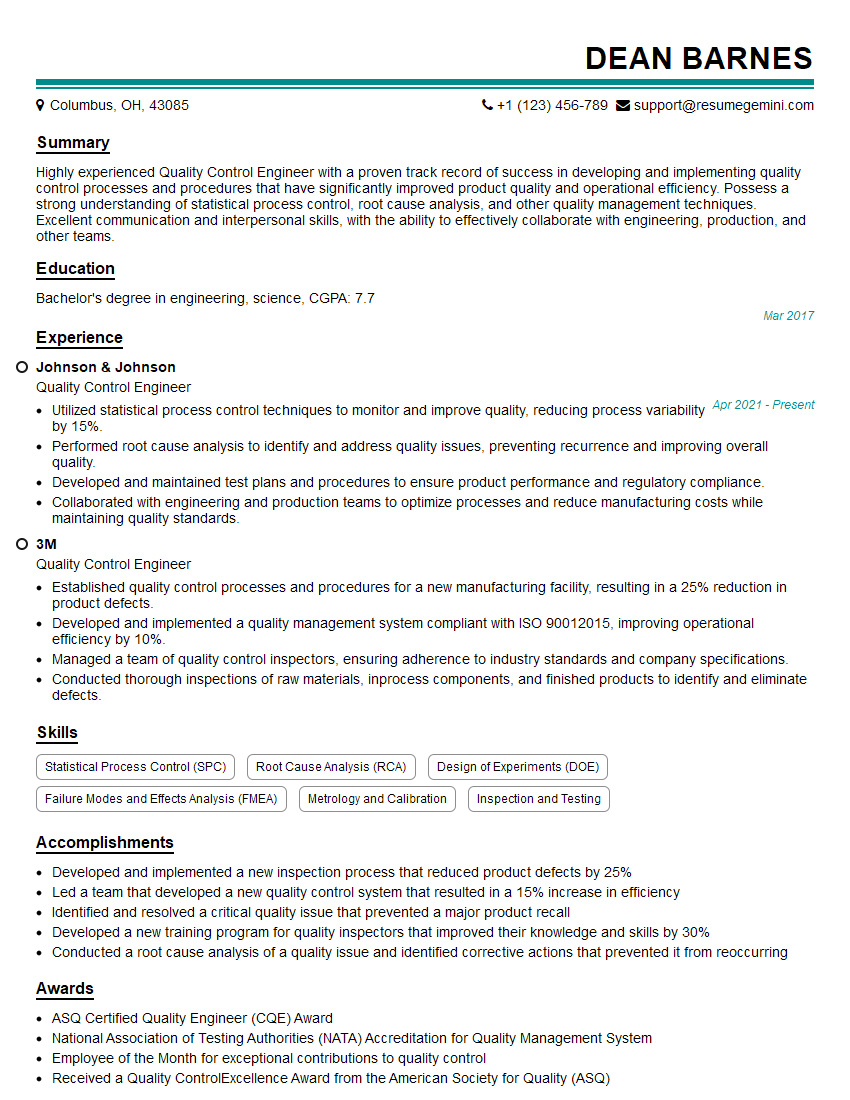
Quality Control Engineer Resume Sample
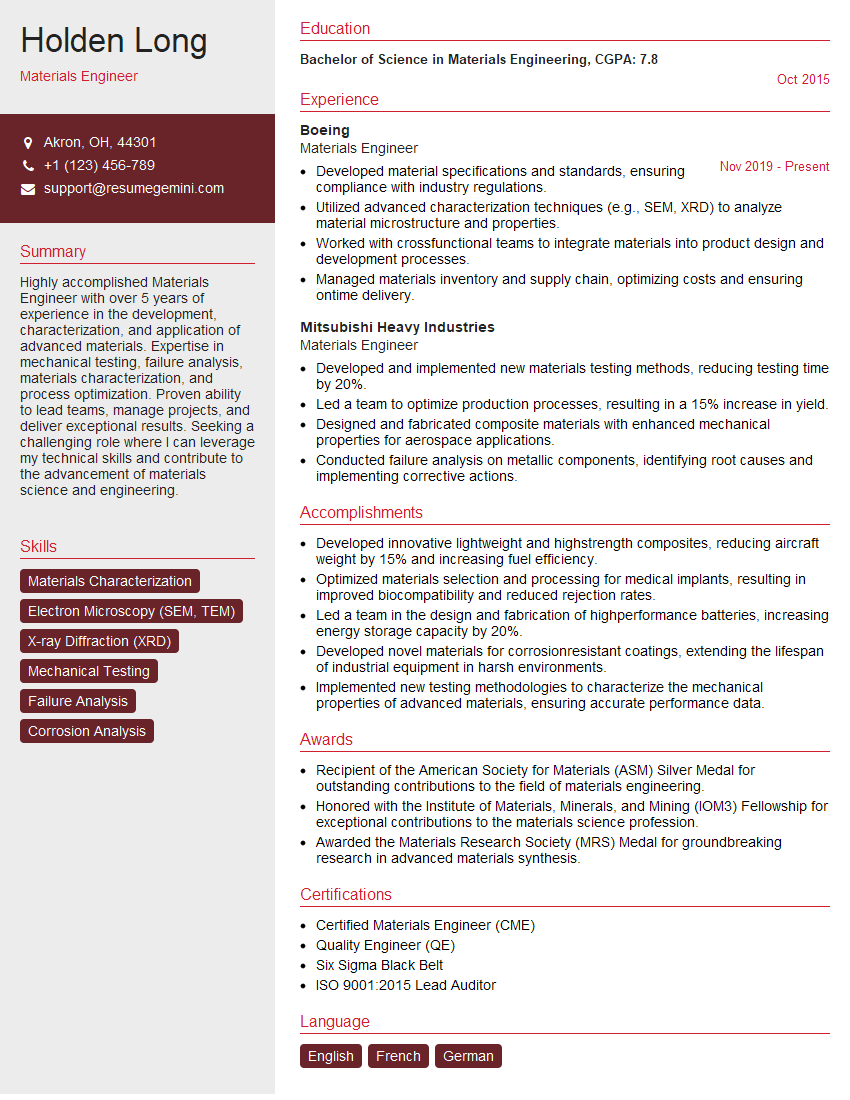
Materials Engineer Resume Sample
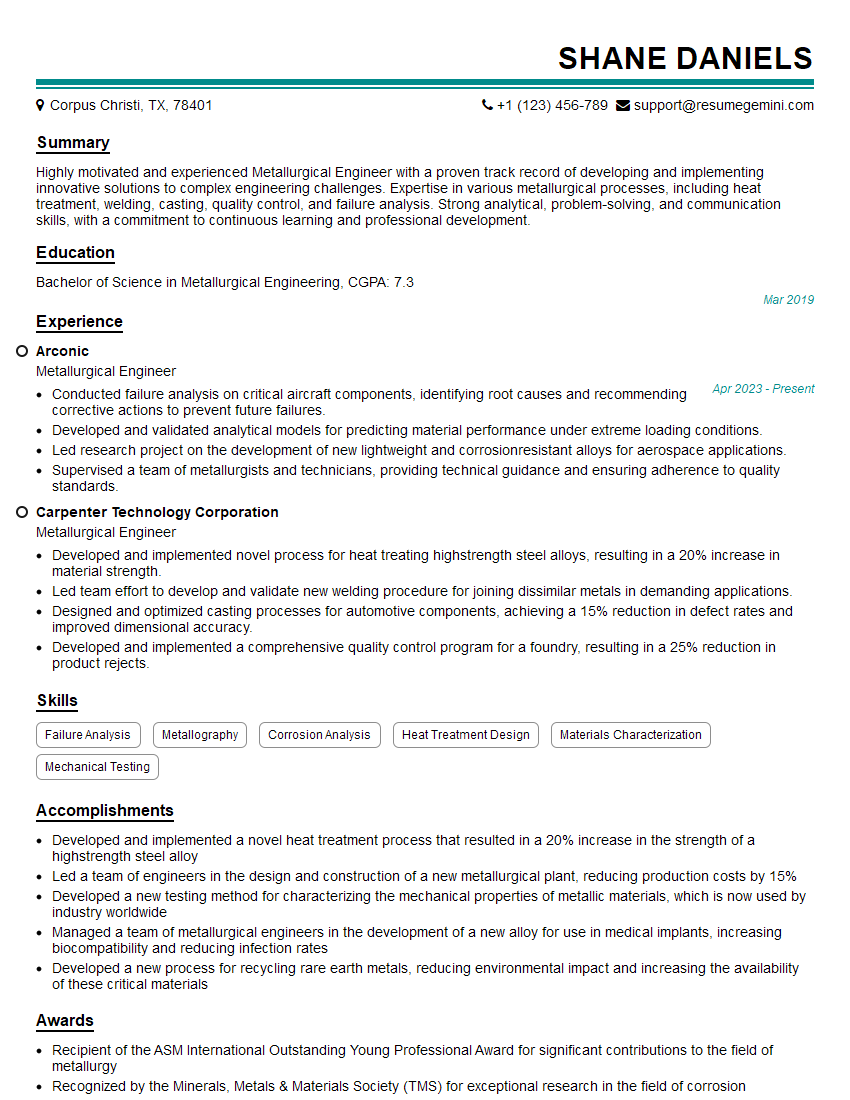
Metallurgical Engineer Resume Sample
Explore more articles
Users Rating of Our Blogs
Share Your Experience
We value your feedback! Please rate our content and share your thoughts (optional).
What Readers Say About Our Blog
Very informative content, great job.
good