Preparation is the key to success in any interview. In this post, we’ll explore crucial Genetics and Pedigree Analysis interview questions and equip you with strategies to craft impactful answers. Whether you’re a beginner or a pro, these tips will elevate your preparation.
Questions Asked in Genetics and Pedigree Analysis Interview
Q 1. Explain the principles of Mendelian inheritance.
Mendelian inheritance, the foundation of genetics, describes how traits are passed from parents to offspring. It’s based on Gregor Mendel’s experiments with pea plants, revealing fundamental principles. These principles are:
- Law of Segregation: Each parent contributes one allele (variant form of a gene) for each trait to their offspring. These alleles separate during gamete (sperm and egg) formation, so each gamete carries only one allele for each gene. Imagine a deck of cards – each card represents an allele, and you only get one card from each pair when creating a new hand (gamete).
- Law of Independent Assortment: Alleles for different traits segregate independently of each other during gamete formation. This means the inheritance of one trait doesn’t affect the inheritance of another. Think of it like shuffling two separate decks of cards – the outcome of one shuffle doesn’t influence the other.
- Dominance: Some alleles are dominant, meaning they mask the expression of recessive alleles. If an individual inherits one dominant and one recessive allele, the dominant trait will be expressed. Only when an individual inherits two recessive alleles will the recessive trait be visible. For example, if ‘B’ represents brown eyes (dominant) and ‘b’ represents blue eyes (recessive), ‘Bb’ will have brown eyes, while ‘bb’ will have blue eyes.
Understanding Mendelian inheritance is crucial for predicting the probability of offspring inheriting specific traits and forms the basis for many genetic analyses.
Q 2. Describe different modes of inheritance (autosomal dominant, recessive, X-linked).
Different modes of inheritance describe how traits are passed down through families. They differ based on the location of the gene (autosomal or X-linked) and the dominance of the allele (dominant or recessive).
- Autosomal Dominant: The trait is expressed when an individual inherits at least one copy of the dominant allele. Affected individuals usually have at least one affected parent. Examples include Achondroplasia (a form of dwarfism) and Huntington’s disease.
- Autosomal Recessive: The trait is only expressed when an individual inherits two copies of the recessive allele (one from each parent). Affected individuals often have unaffected parents who are carriers (carrying one copy of the recessive allele). Examples include cystic fibrosis and sickle cell anemia.
- X-linked Recessive: The trait is carried on the X chromosome. Males are more frequently affected because they only have one X chromosome. Females need two copies of the recessive allele to be affected. Examples include hemophilia and red-green color blindness. Because males only have one X chromosome, they inherit only one allele for X-linked traits from their mother. This means they cannot be carriers for X-linked recessive traits in the same way females can.
Q 3. Interpret a simple pedigree chart showing an autosomal recessive trait.
Let’s consider a pedigree showing an autosomal recessive trait, such as cystic fibrosis. In an autosomal recessive pedigree:
- Affected individuals (squares or circles filled in) are homozygous recessive (e.g.,
aa). - Unaffected individuals (open squares or circles) can be either homozygous dominant (
AA) or heterozygous carriers (Aa). - Parents of affected individuals are often carriers (heterozygous).
- The trait typically skips generations.
Imagine a pedigree where two unaffected parents have an affected child. This strongly suggests the trait is recessive, as both parents must be carriers to pass on the recessive allele to their offspring. Analyzing the patterns of affected and unaffected individuals across generations helps determine the mode of inheritance.
Q 4. Interpret a pedigree chart showing an X-linked recessive trait.
In a pedigree showing an X-linked recessive trait, like hemophilia:
- Males are more frequently affected than females.
- Affected males inherit the recessive allele from their carrier mothers.
- Affected females have an affected father and a carrier or affected mother.
- The trait is not usually passed from father to son (as fathers pass their Y chromosome to their sons).
Observe a pedigree with mostly affected males and carrier females. This pattern is highly indicative of an X-linked recessive trait. The lack of male-to-male transmission is a key characteristic to identify X-linked recessive inheritance.
Q 5. How do you identify potential genetic mutations from a pedigree?
Pedigrees provide valuable clues for identifying potential genetic mutations. By analyzing the inheritance pattern of a trait, we can infer the mode of inheritance and the likely location of the responsible gene. Unusual inheritance patterns, such as high frequency of affected individuals or unexpected combinations of affected and unaffected individuals in a family, suggest the possibility of a novel or complex genetic mutation.
For example, a trait showing a high rate of spontaneous mutations might appear in unrelated families without a clear inheritance pattern, whereas a trait showing incomplete penetrance may skip generations but reappear intermittently.
Combining pedigree analysis with molecular genetic techniques, such as gene sequencing, allows for the identification of the specific mutation responsible for the observed phenotype.
Q 6. What is the difference between genotype and phenotype?
Genotype and phenotype are two fundamental concepts in genetics.
- Genotype refers to the genetic makeup of an organism, the specific combination of alleles an individual possesses for a particular gene (e.g.,
AA,Aa,aa). It’s the underlying code that determines the characteristics. - Phenotype refers to the observable characteristics of an organism, which is the result of the interaction between genotype and environmental factors (e.g., eye color, height, disease). It’s the visible expression of the genotype.
For instance, an individual might have the genotype Bb (heterozygous for brown eyes), but their phenotype is brown eyes, as brown (B) is dominant over blue (b). However, environmental factors like nutrition or exposure to toxins can also influence phenotype, so the phenotype isn’t always a direct reflection of the genotype alone.
Q 7. Explain the concept of genetic linkage and its implications in pedigree analysis.
Genetic linkage refers to the tendency of genes located close together on the same chromosome to be inherited together. Genes that are far apart are more likely to undergo recombination (shuffling of genetic material) during meiosis (cell division that produces gametes), while genes close together are less likely. This proximity affects their inheritance patterns.
In pedigree analysis, linked genes complicate the interpretation of inheritance patterns as they don’t always follow Mendelian ratios. The observation of certain combinations of traits occurring more frequently than expected in offspring suggests linkage. This information helps map gene locations on chromosomes and understand the complex interaction of multiple genes in determining traits.
For example, if two genes are closely linked on a chromosome, an offspring is more likely to inherit both alleles together from a parent. This deviation from independent assortment is key in mapping genes on chromosomes using linkage analysis.
Q 8. Discuss the role of genetic recombination in altering inheritance patterns.
Genetic recombination, primarily occurring during meiosis (the formation of egg and sperm cells), shuffles the genetic deck, altering inheritance patterns significantly. Imagine a deck of cards representing your genes – one from your mom and one from your dad. Without recombination, you’d only inherit whole suits of cards (entire chromosomes) intact. However, recombination acts like a card shuffler, exchanging segments of your maternal and paternal chromosomes. This creates new combinations of genes on each chromosome, leading to genetic diversity within families. This means siblings, even identical twins, can have slightly different genetic makeups, influencing their traits.
For example, consider a gene for eye color (let’s say blue eyes are recessive and brown eyes dominant). If a parent carries one blue and one brown eye gene, without recombination, their child would inherit either the brown or the blue set. Recombination allows for the creation of new gene combinations on the chromosome, potentially leading to unexpected eye color phenotypes in offspring, even if parents have simpler genotypes.
This process is crucial for evolution. The variation introduced by recombination increases the population’s adaptability, allowing beneficial gene combinations to arise and spread through natural selection.
Q 9. How can environmental factors influence the expression of a gene?
Environmental factors play a powerful role in gene expression, often acting as switches that can turn genes ‘on’ or ‘off’ or even modify their activity. This is known as epigenetics. Think of a gene as a lightbulb and the environment as the light switch. The gene itself (the bulb) may be perfectly functional, but whether it shines (is expressed) depends on the environmental conditions (switch).
For instance, consider the gene for height. While genetics contributes significantly to a person’s potential height, nutrition during childhood is a critical environmental factor. Adequate nutrition allows the height genes to express their full potential, leading to taller individuals. Conversely, malnutrition can suppress the expression of these genes, resulting in shorter stature, despite having the genes for potential taller height. Similarly, exposure to certain toxins, stress levels, and even social interactions can influence gene expression.
Understanding the interplay between genes and environment is essential in various fields, including medicine (understanding disease susceptibility), agriculture (improving crop yields), and even social sciences (exploring the impact of social factors on individual health and development).
Q 10. What are the limitations of pedigree analysis?
Pedigree analysis, while a valuable tool, has limitations. It relies on family history data, which might be incomplete, inaccurate, or ambiguous.
- Incomplete or Missing Data: Accurate information may not always be available, especially regarding past generations, or specific phenotypic traits might not be recorded consistently.
- Misidentification of Paternity or Maternity: Uncertainties in parentage can drastically skew the analysis and interpretation of inheritance patterns.
- Limited Sample Size: Small family sizes or limited number of affected individuals within a family can make it difficult to discern inheritance patterns definitively.
- Influence of Environmental Factors: Pedigrees primarily focus on genetic inheritance, and it’s challenging to account fully for the influence of environmental factors on phenotypic expression. The environment might mimic the effects of specific genes.
- Penetrance and Expressivity: Some genes don’t always manifest phenotypically, even if present (reduced penetrance), or they can manifest differently in various individuals (variable expressivity). This makes interpreting pedigrees complex.
Despite these limitations, pedigree analysis remains a fundamental tool, particularly in identifying and predicting the inheritance of rare genetic diseases. Carefully collected and interpreted data can enhance our understanding of these conditions, aiding genetic counseling and family planning.
Q 11. Describe different types of chromosomal abnormalities.
Chromosomal abnormalities arise from errors in chromosome structure or number. These errors can significantly impact an individual’s development and health.
- Numerical Abnormalities: These involve changes in the total number of chromosomes. Examples include:
- Aneuploidy: An abnormal number of chromosomes, such as trisomy (e.g., Trisomy 21, Down syndrome) where there are three copies of a chromosome instead of two, or monosomy (e.g., Turner syndrome) where there is only one copy of a chromosome.
- Polyploidy: Having more than two complete sets of chromosomes, which is usually lethal in humans.
- Structural Abnormalities: These involve changes in chromosome structure, including:
- Deletions: Loss of a chromosomal segment.
- Duplications: Presence of an extra chromosomal segment.
- Inversions: A segment of chromosome is reversed.
- Translocations: A segment of one chromosome is transferred to another non-homologous chromosome.
Each type of chromosomal abnormality can lead to a wide spectrum of clinical manifestations, depending on the size and location of the affected chromosomal region.
Q 12. Explain the significance of karyotyping in genetic diagnosis.
Karyotyping is a cytogenetic technique that allows us to visualize and analyze an individual’s complete set of chromosomes. It’s like taking a high-resolution picture of an individual’s chromosomes, arranged in pairs based on their size and banding pattern.
Its significance in genetic diagnosis is paramount. By visualizing the chromosomes, we can detect:
- Numerical abnormalities: Extra or missing chromosomes (e.g., trisomy 21, Turner syndrome).
- Structural abnormalities: Deletions, duplications, inversions, or translocations.
Karyotyping is often used in prenatal diagnosis to identify chromosomal abnormalities in a fetus, allowing for early intervention and genetic counseling. It also plays a vital role in diagnosing various genetic disorders, infertility issues, and cancers, providing essential information for personalized treatment and management.
Q 13. What is the difference between a deletion and a duplication mutation?
Both deletions and duplications are types of structural chromosomal mutations, but they differ in their impact.
- Deletion: A deletion involves the loss of a segment of a chromosome. Imagine cutting out a piece from a chromosome. This leads to a loss of genetic information in the affected region, often resulting in phenotypic effects, which can range from mild to severe, depending on the size and location of the deleted segment.
- Duplication: A duplication involves an extra copy of a chromosomal segment. This results in an excess of genetic information. The effect of a duplication can also vary widely based on the size and location of the duplicated region. It can result in altered gene expression and possibly phenotypic changes. In some cases, it might be benign, while in others, it could lead to developmental disorders.
For instance, Cri-du-chat syndrome is caused by a deletion on chromosome 5, while Charcot-Marie-Tooth disease can result from a duplication.
Q 14. What is a point mutation? Describe different types.
A point mutation is a small-scale genetic alteration involving a single nucleotide base change in a DNA sequence. Think of it as a single typo in a very long sentence (the DNA sequence).
Different types of point mutations include:
- Missense Mutation: A single nucleotide change results in a codon that codes for a different amino acid. This can alter the protein’s structure and function. Think of it as replacing one word in a sentence with a similar but slightly different word, which could slightly change the overall meaning.
- Nonsense Mutation: A single nucleotide change creates a premature stop codon, truncating the protein. This often leads to a non-functional protein. It’s like adding a period in the middle of a sentence, abruptly ending it.
- Silent Mutation: A single nucleotide change does not alter the amino acid sequence because the new codon still codes for the same amino acid. The change is at the DNA level but not at the protein level. It’s like replacing a word with a synonym—the sentence’s meaning remains intact.
- Frameshift Mutation: Insertion or deletion of a nucleotide (or a number not divisible by 3) causes a shift in the reading frame of the DNA sequence. This alters the amino acid sequence downstream from the mutation site drastically, often leading to a non-functional protein. This is like shifting the letters in a sentence so that the words become nonsensical.
Point mutations can have diverse effects, ranging from no noticeable impact (silent mutations) to severe disease (missense or nonsense mutations leading to non-functional proteins).
Q 15. Explain the concept of genetic heterogeneity.
Genetic heterogeneity refers to the phenomenon where mutations in different genes can cause the same, or very similar, clinical phenotypes. Imagine a car; it can fail to start due to a dead battery, a faulty alternator, or a problem with the starter motor – all different underlying causes leading to the same outcome. Similarly, a single disease, like deafness, can be caused by mutations in numerous genes, each affecting a different component of the hearing pathway. This presents challenges in diagnosis and treatment, as the specific genetic cause needs to be identified to potentially tailor therapy. For instance, some forms of retinitis pigmentosa, a blinding disease, are caused by mutations in rhodopsin, while others are caused by mutations in different genes involved in phototransduction. Understanding genetic heterogeneity is crucial for accurate diagnosis and the development of targeted therapies.
Career Expert Tips:
- Ace those interviews! Prepare effectively by reviewing the Top 50 Most Common Interview Questions on ResumeGemini.
- Navigate your job search with confidence! Explore a wide range of Career Tips on ResumeGemini. Learn about common challenges and recommendations to overcome them.
- Craft the perfect resume! Master the Art of Resume Writing with ResumeGemini’s guide. Showcase your unique qualifications and achievements effectively.
- Don’t miss out on holiday savings! Build your dream resume with ResumeGemini’s ATS optimized templates.
Q 16. What is the Hardy-Weinberg principle and its applications?
The Hardy-Weinberg principle is a fundamental concept in population genetics stating that allele and genotype frequencies in a population will remain constant from generation to generation in the absence of other evolutionary influences. Think of it as a baseline equilibrium state. These influences include mutation, gene flow (migration), genetic drift (random changes in allele frequencies), non-random mating (like assortative mating where similar individuals mate more often), and natural selection. The principle is expressed mathematically using two equations: p + q = 1 (where ‘p’ represents the frequency of one allele and ‘q’ represents the frequency of the other allele in a diploid organism) and p² + 2pq + q² = 1 (where p² represents the homozygous genotype frequency for the ‘p’ allele, q² for the ‘q’ allele, and 2pq for the heterozygous genotype frequency). Applications of the Hardy-Weinberg principle include estimating allele frequencies in populations, assessing the extent of deviations from equilibrium (which can indicate evolutionary processes at play), and understanding the frequency of recessive genetic disorders in a population.
Q 17. Describe different methods used for genetic testing.
Genetic testing employs various methods to analyze an individual’s DNA, RNA, chromosomes, or proteins to detect genetic variations. These methods can be broadly categorized:
- Cytogenetic testing: This involves examining chromosomes under a microscope to identify large-scale abnormalities like deletions, duplications, or translocations. Karyotyping is a common example.
- Biochemical testing: This focuses on detecting abnormal levels of proteins or metabolites indicative of a specific genetic condition. For example, phenylketonuria (PKU) can be diagnosed by measuring phenylalanine levels in blood.
- Molecular testing: This comprises various techniques to analyze specific DNA or RNA sequences. Examples include:
- Polymerase chain reaction (PCR): Amplifies specific DNA sequences to detect mutations or variations.
- DNA sequencing: Determines the precise order of nucleotides in a DNA sequence, identifying specific mutations.
- Microarray analysis: Simultaneously analyzes thousands of genetic variations across the genome, useful for identifying copy number variations or gene expression patterns.
The choice of method depends on the suspected genetic condition and the clinical question being addressed.
Q 18. What are some ethical considerations in genetic counseling?
Ethical considerations in genetic counseling are paramount because genetic information is highly personal and can have profound implications for individuals and their families. Key ethical issues include:
- Informed consent: Ensuring clients fully understand the implications of testing, including the potential benefits, risks, and limitations, before providing consent is crucial.
- Confidentiality: Maintaining the strict confidentiality of genetic information is essential, except in specific circumstances where disclosure is legally required (e.g., reporting of certain genetic conditions).
- Non-directiveness: Counselors should avoid influencing clients’ decisions, instead providing them with accurate information to enable autonomous decision-making.
- Incidental findings: Genetic testing might uncover unexpected genetic variants unrelated to the reason for testing. Managing the disclosure of such findings requires careful consideration of their clinical significance and the client’s preferences.
- Genetic discrimination: Protecting individuals from discrimination based on their genetic information is critical, as it can affect their access to insurance or employment.
- Reproductive decision-making: Providing support and information for individuals considering reproductive options based on their genetic risk is essential but requires navigating complex emotional and ethical issues.
Q 19. How do you calculate the risk of recurrence of a genetic disorder?
Calculating the recurrence risk of a genetic disorder depends on the mode of inheritance (autosomal dominant, autosomal recessive, X-linked, etc.) and the family history. For example:
- Autosomal dominant: If one parent is affected with a fully penetrant autosomal dominant disorder and the other is unaffected, there’s a 50% chance of each child inheriting the affected allele and developing the disorder.
- Autosomal recessive: If both parents are carriers of an autosomal recessive disorder, there is a 25% chance of each child inheriting two affected alleles and exhibiting the disorder, a 50% chance of being a carrier, and a 25% chance of not inheriting the affected allele.
- X-linked recessive: The risk calculation is dependent on whether the mother is a carrier, or the father is affected. Punnett squares are invaluable tools for visualizing these probabilities.
Complex scenarios involving incomplete penetrance, variable expressivity, or multiple genes contributing to the disorder require more sophisticated methods, often utilizing Bayesian analysis or computer modeling to accurately assess recurrence risks.
Q 20. Explain the concept of penetrance and expressivity.
Penetrance and expressivity describe the ways in which a genotype manifests as a phenotype. Penetrance refers to the proportion of individuals with a particular genotype who actually exhibit the corresponding phenotype. For example, a gene might have 80% penetrance if only 80% of individuals with the gene mutation show the associated phenotype. The remaining 20% carry the mutation but don’t display the trait. Expressivity describes the extent to which a genotype is expressed phenotypically in individuals who exhibit the trait. Some individuals may show mild symptoms, while others experience severe symptoms, despite having the same genotype. Neurofibromatosis type 1, for instance, exhibits variable expressivity; some individuals have only a few café-au-lait spots, while others experience numerous tumors and severe deformities.
Q 21. Discuss the role of genetic markers in disease diagnosis.
Genetic markers are DNA sequences with known locations on chromosomes that are used as landmarks for identifying genes or other DNA sequences. They play a vital role in disease diagnosis by:
- Linkage analysis: Markers closely linked to a disease gene are inherited together more frequently, allowing researchers to map disease genes even without knowing their function.
- Disease prediction: Markers associated with increased risk of a disease can be used to assess an individual’s risk and guide preventative measures or early intervention.
- Diagnosis and prognosis: Markers directly involved in disease pathogenesis can be used for precise diagnosis and to predict disease progression.
- Pharmacogenomics: Markers can identify individuals who are likely to respond well or poorly to specific drugs, leading to personalized medicine.
Examples include single nucleotide polymorphisms (SNPs), microsatellites, and copy number variations (CNVs). The identification and use of genetic markers have revolutionized disease diagnosis and management, enabling earlier detection, more accurate prognosis, and tailored therapies.
Q 22. Describe different types of gene interactions.
Gene interactions describe how multiple genes influence a single trait or phenotype. It’s not simply a case of one gene, one trait. Instead, genes can work together in various ways, leading to complex inheritance patterns. We can categorize these interactions in several ways:
- Epistasis: One gene masks the effect of another gene. Think of it like a painter covering another color. For instance, in Labrador retrievers, one gene determines pigment (black or brown), and another determines if pigment is deposited (leading to yellow or pigmented coats). If the latter gene prevents pigment deposition, the color determined by the first gene is irrelevant.
- Pleiotropy: A single gene affects multiple, seemingly unrelated traits. A classic example is phenylketonuria (PKU), where one gene mutation affects metabolic pathways, resulting in intellectual disability, light skin, and musty body odor.
- Polygenic Inheritance: Multiple genes contribute to a single trait, often resulting in continuous variation. Height, skin color, and susceptibility to complex diseases like diabetes are examples. The phenotype is a combined effect of the individual contributions of multiple genes, each with a small effect.
- Complementation: Two parents with different recessive mutations affecting the same trait can produce offspring with a normal phenotype. This is because each parent contributes a functional copy of a different part of the gene, rescuing the function.
Understanding gene interactions is crucial for accurately predicting phenotypes and understanding the genetic basis of complex diseases.
Q 23. How do you differentiate between autosomal dominant and autosomal recessive disorders based on pedigree analysis?
Pedigree analysis is a powerful tool to differentiate between autosomal dominant and autosomal recessive inheritance patterns. Here’s how:
- Autosomal Dominant:
- Affected individuals are present in every generation (vertical transmission).
- Affected individuals typically have at least one affected parent.
- Males and females are equally affected.
- Unaffected individuals do not transmit the trait.
- Approximately 50% of offspring of an affected heterozygous parent are affected.
- Autosomal Recessive:
- Affected individuals often appear in a single generation (horizontal transmission), skipping generations.
- Affected individuals typically have unaffected parents who are heterozygous carriers.
- Males and females are equally affected.
- Consanguinity (marriage between relatives) increases the risk of affected offspring.
- Approximately 25% of offspring of two heterozygous parents are affected.
By observing these patterns in a pedigree, we can deduce the mode of inheritance. However, exceptions such as incomplete penetrance and variable expressivity can complicate analysis.
Q 24. What are the challenges in analyzing complex traits with multiple genes involved?
Analyzing complex traits influenced by multiple genes (polygenic and multifactorial traits) poses several significant challenges:
- Gene-Gene Interactions (Epistasis): The effects of one gene may depend on the alleles present at other genes, making it difficult to isolate the contribution of individual genes.
- Gene-Environment Interactions: Environmental factors (diet, lifestyle, exposure to toxins) can significantly modify the expression of genes influencing the trait, making it hard to separate genetic from environmental contributions.
- Statistical Complexity: Analyzing multiple genes and their interactions requires sophisticated statistical methods to identify significant associations and disentangle the effects of numerous factors.
- Data Collection and Analysis: Gathering sufficient phenotypic data and genotyping a large number of individuals are often expensive and time-consuming.
- Heterogeneity: Different genes or combinations of genes might lead to the same phenotypic outcome in different individuals. This genetic heterogeneity makes it challenging to define distinct genetic subtypes.
These challenges often require combining genetic and epidemiological approaches, sophisticated statistical analysis, and advanced bioinformatics tools for a more comprehensive understanding.
Q 25. Explain the role of epigenetics in disease development.
Epigenetics refers to heritable changes in gene expression that do not involve alterations to the underlying DNA sequence. These changes can be crucial in disease development. Several epigenetic mechanisms play a role:
- DNA Methylation: The addition of a methyl group (CH3) to DNA, often at cytosine bases, can silence gene expression. Aberrant methylation patterns have been linked to cancer and other diseases.
- Histone Modification: Histones, proteins around which DNA is wrapped, can undergo various modifications (acetylation, methylation, phosphorylation) affecting chromatin structure and gene accessibility. Changes in histone modifications are implicated in various developmental disorders and cancers.
- Non-coding RNAs (ncRNAs): Various ncRNAs, such as microRNAs (miRNAs), can regulate gene expression post-transcriptionally by binding to mRNA and inhibiting translation or promoting degradation. Dysregulation of ncRNAs is linked to many diseases.
Environmental factors can induce epigenetic changes. For instance, nutritional deficiencies during early development can alter gene expression patterns that persist into adulthood, influencing disease susceptibility. Understanding epigenetic mechanisms is vital for developing targeted therapies and preventative strategies.
Q 26. How can you use bioinformatics tools for pedigree analysis?
Bioinformatics tools are indispensable for modern pedigree analysis, particularly for large and complex pedigrees. These tools automate and enhance several aspects:
- Pedigree Visualization: Software like Pedigree Viewer and Cyrillic can create and visualize complex pedigrees, allowing for easy identification of inheritance patterns and potential mutations.
- Linkage Analysis: Programs like Merlin and SimWalk2 can perform linkage analysis, using marker genotypes to locate disease-causing genes by identifying regions of the genome that co-segregate with the phenotype within families.
- Genome-Wide Association Studies (GWAS): Bioinformatics tools are crucial for analyzing GWAS data to identify single nucleotide polymorphisms (SNPs) associated with disease susceptibility.
- Haplotype Analysis: Tools can reconstruct haplotypes (combinations of alleles inherited together) to infer inheritance patterns and identify regions of interest.
- Data Management and Analysis: Bioinformatics tools manage, store, and analyze large genetic datasets associated with pedigrees, often integrating data from various sources (genomic data, clinical records, family history).
These tools significantly improve the accuracy, efficiency, and scope of pedigree-based genetic studies.
Q 27. Describe your experience with interpreting complex pedigrees with multiple affected individuals and incomplete penetrance.
I have extensive experience interpreting complex pedigrees exhibiting both multiple affected individuals and incomplete penetrance. Incomplete penetrance means that individuals carrying the disease-causing genotype may not express the phenotype. This makes identification of the mode of inheritance challenging. My approach involves:
- Careful Examination of the Pedigree: Identifying patterns of inheritance, paying attention to the distribution of affected individuals across generations, gender ratios, and instances of incomplete penetrance.
- Considering Different Inheritance Models: Exploring various possibilities including autosomal dominant with reduced penetrance, autosomal recessive, X-linked, and more complex multifactorial models.
- Statistical Analysis: Utilizing statistical methods to assess the likelihood of different inheritance models and to estimate penetrance values. This can involve likelihood ratio tests or Bayesian approaches.
- Identifying Potential Modifier Genes: In cases of incomplete penetrance, exploring the possible influence of modifier genes that influence the expressivity of the disease gene.
- Utilizing Bioinformatics Tools: Employing linkage analysis or association studies to identify regions of the genome associated with the trait and potential candidate genes.
An example was a pedigree showing a rare neurological disorder with multiple affected individuals in several generations but exhibiting incomplete penetrance. Using a combination of statistical modeling and linkage analysis, we were able to pinpoint the disease-causing gene and estimate the penetrance of the mutation. This approach greatly improved our understanding of the disorder’s genetic basis and helped in genetic counseling.
Q 28. What are the current advancements and future trends in genetics and genomics?
Genetics and genomics are undergoing rapid advancements with exciting future trends:
- Next-Generation Sequencing (NGS): NGS technologies are revolutionizing our ability to sequence entire genomes quickly and affordably, leading to improved diagnostics, personalized medicine, and population-scale genetic studies.
- CRISPR-Cas9 Gene Editing: This precise gene editing technology holds enormous potential for treating genetic disorders by correcting disease-causing mutations directly in affected cells or tissues.
- Single-Cell Genomics: Analyzing the genome of individual cells is uncovering cellular heterogeneity and providing insights into development, disease progression, and cancer evolution.
- Artificial Intelligence (AI) and Machine Learning (ML): AI and ML are being integrated into genomic data analysis to improve the identification of disease-associated genes, predict disease risk, and develop more accurate diagnostic tools.
- Genomic Medicine: The integration of genomic information into clinical practice is transforming healthcare, enabling personalized diagnostics, therapeutics, and preventive strategies.
- Precision Oncology: Genomic profiling of tumors is guiding cancer treatment decisions by identifying mutations that can be targeted by specific therapies.
These advancements promise significant progress in understanding the genetic basis of diseases and developing effective treatments and preventive measures. However, ethical implications of these technologies also need careful consideration.
Key Topics to Learn for Genetics and Pedigree Analysis Interview
- Mendelian Genetics: Understand basic inheritance patterns (dominant, recessive, co-dominance, incomplete dominance), Punnett squares, and probability calculations in predicting offspring genotypes and phenotypes.
- Pedigree Analysis Techniques: Master interpreting and constructing pedigrees, identifying inheritance patterns from family history data, and predicting the likelihood of inheriting genetic traits.
- Non-Mendelian Inheritance: Familiarize yourself with concepts like sex-linked inheritance, mitochondrial inheritance, and epigenetic modifications influencing gene expression.
- Genetic Disorders and Disease: Study common genetic disorders and their inheritance patterns (e.g., cystic fibrosis, Huntington’s disease, hemophilia). Understand the underlying genetic mechanisms and clinical manifestations.
- Chromosome Structure and Function: Review chromosome organization, karyotyping, chromosomal abnormalities (e.g., aneuploidy, translocations), and their implications for genetic disorders.
- Genetic Testing and Counseling: Understand different types of genetic tests, their applications, limitations, and the ethical considerations surrounding genetic information and counseling.
- Population Genetics: Explore concepts like Hardy-Weinberg equilibrium, allele frequencies, and how these principles apply to understanding the distribution of genetic traits within populations.
- Problem-Solving Strategies: Practice solving complex genetics problems involving multiple genes, incomplete penetrance, and variable expressivity. Develop a systematic approach to analyzing pedigree data and predicting outcomes.
- Modern Techniques: Gain a foundational understanding of advanced techniques used in genetic analysis such as PCR, DNA sequencing, and gene editing technologies and their applications in diagnosis and treatment.
Next Steps
Mastering Genetics and Pedigree Analysis is crucial for a successful career in many fields, including genetic counseling, research, and clinical diagnostics. A strong foundation in these areas significantly enhances your ability to analyze complex data, interpret results, and contribute meaningfully to advancements in the field. To maximize your job prospects, it’s essential to present your skills effectively. Creating an ATS-friendly resume is key to ensuring your application gets noticed. ResumeGemini is a trusted resource that can help you build a compelling and effective resume tailored to the specific demands of the Genetics and Pedigree Analysis field. Examples of resumes tailored to this area are available to guide you through the process.
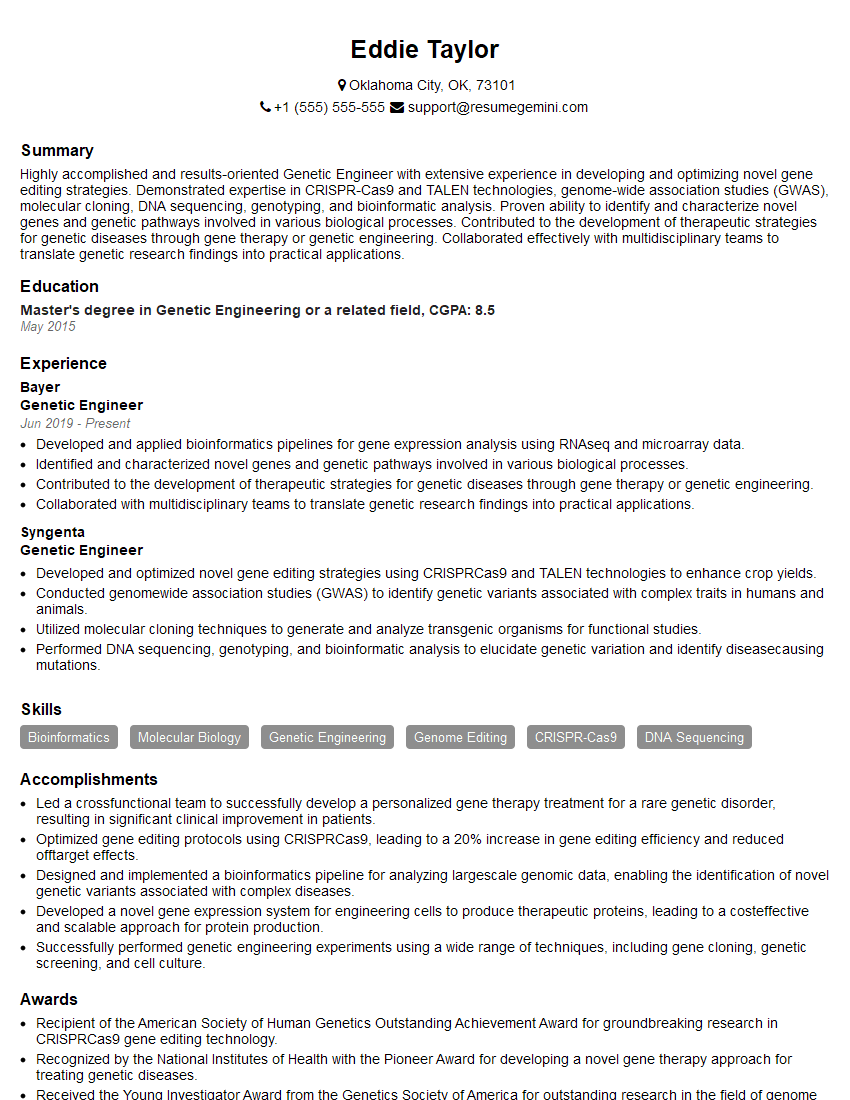
Genetic Engineer Resume Sample
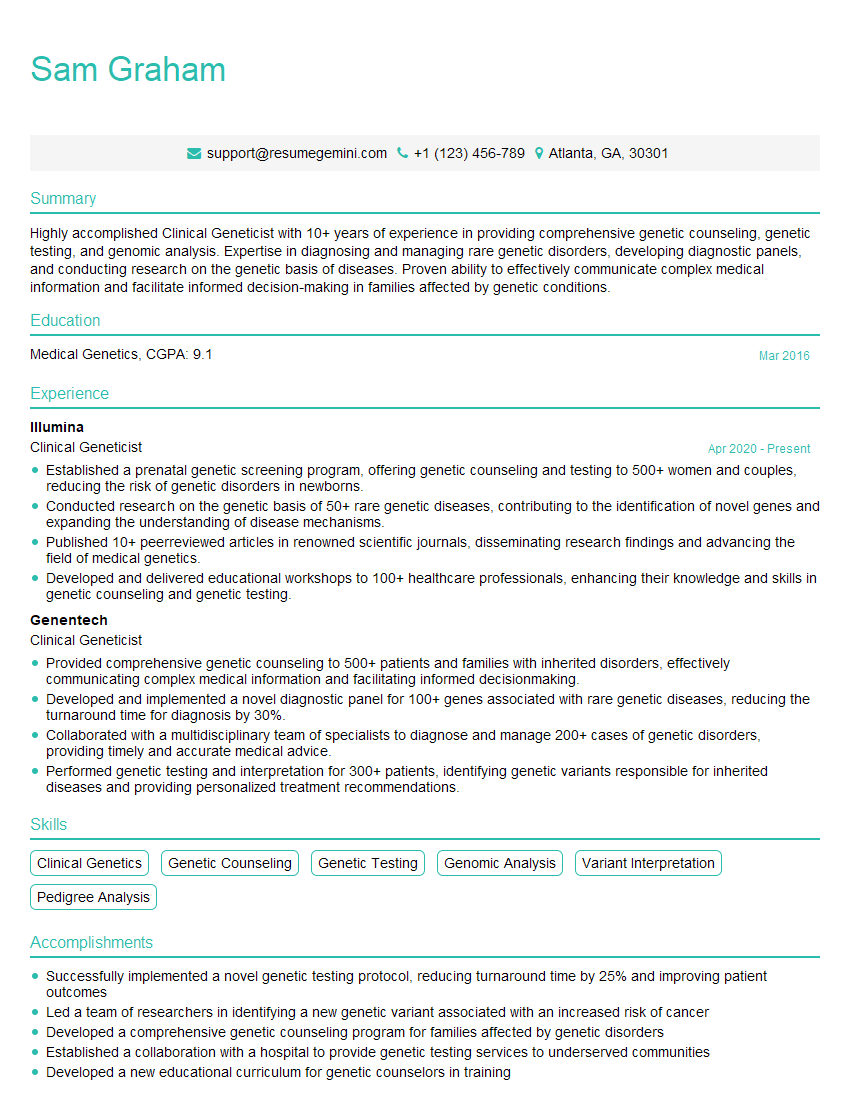
Clinical Geneticist Resume Sample
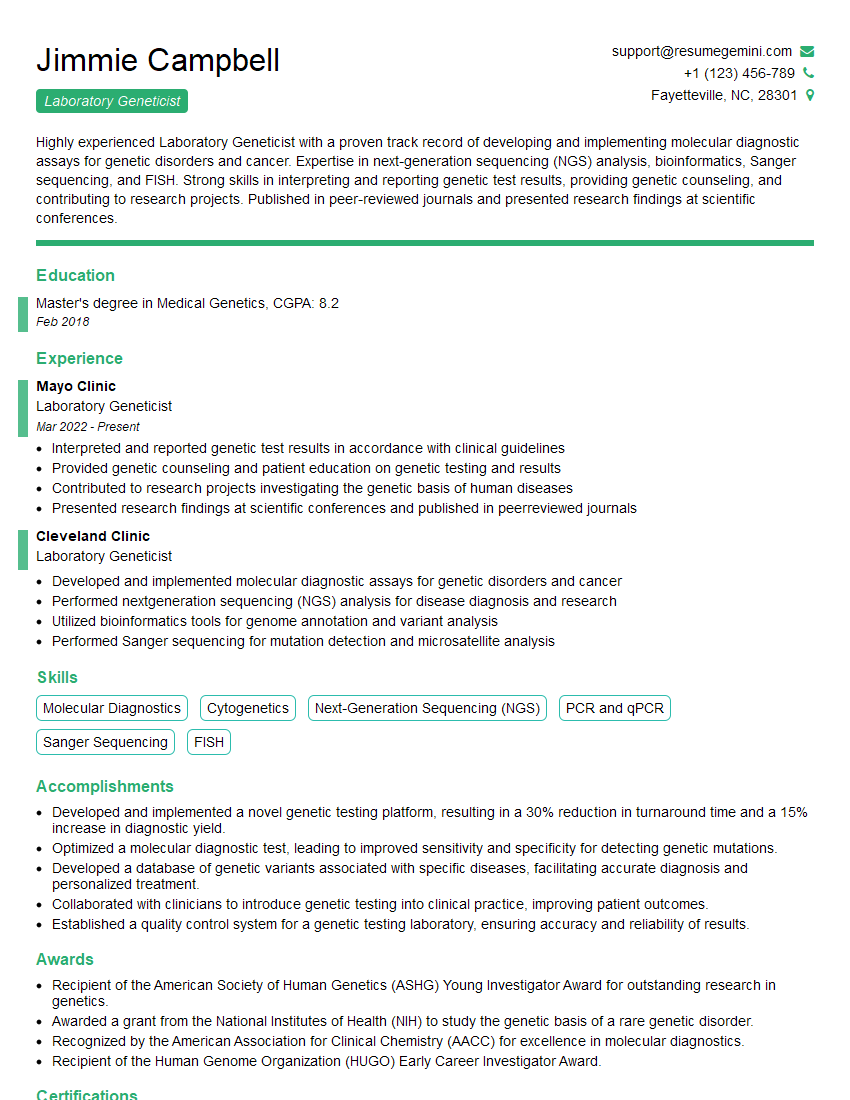
Laboratory Geneticist Resume Sample
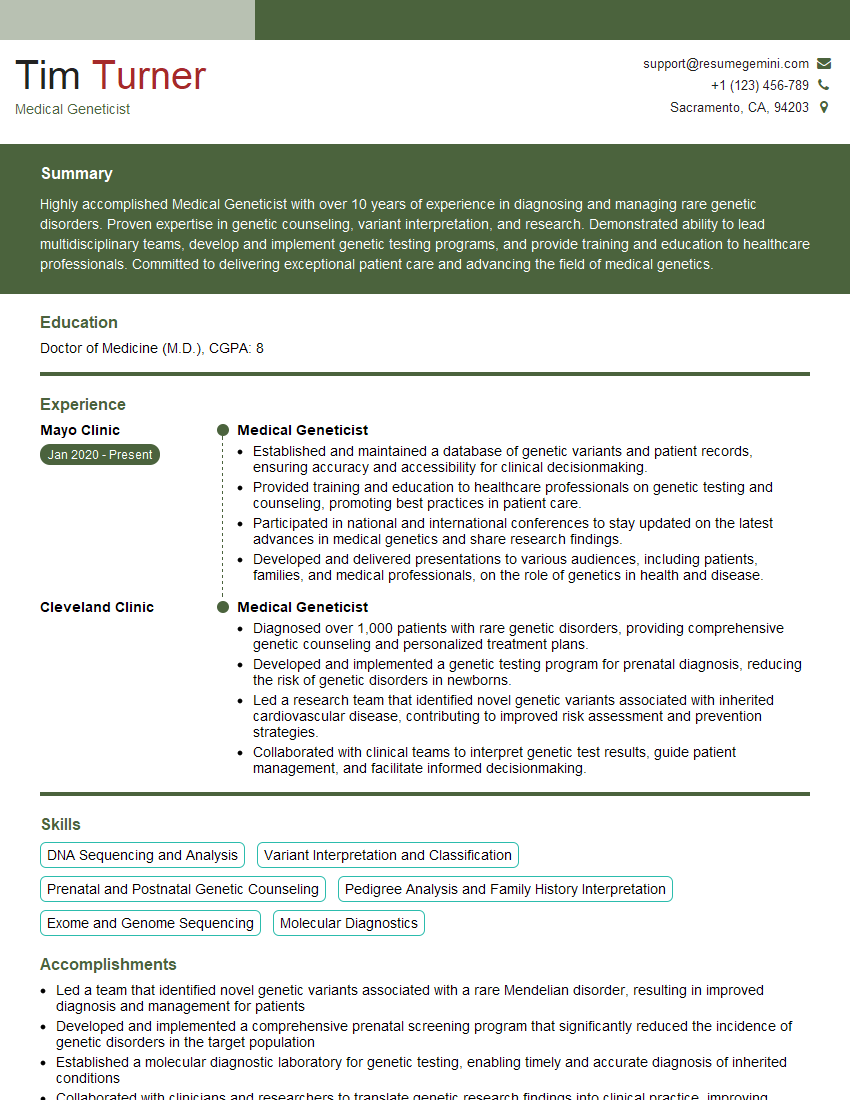
Medical Geneticist Resume Sample
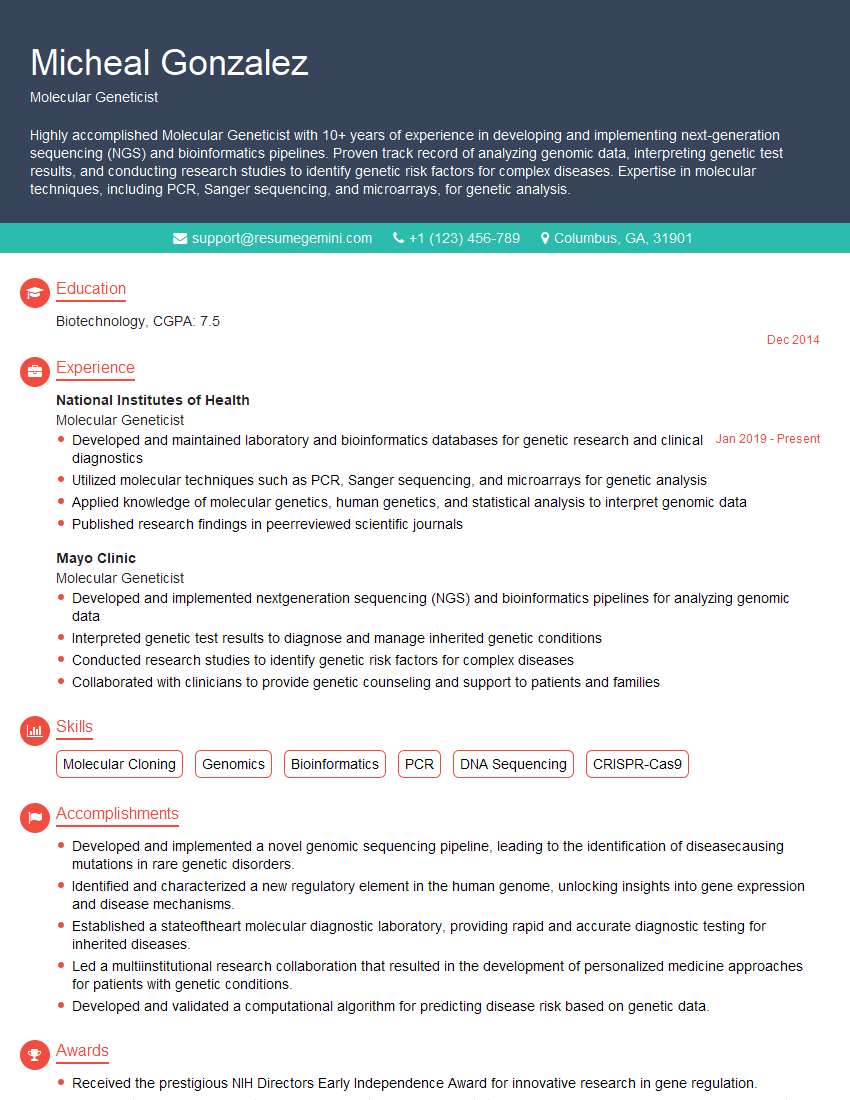
Molecular Geneticist Resume Sample
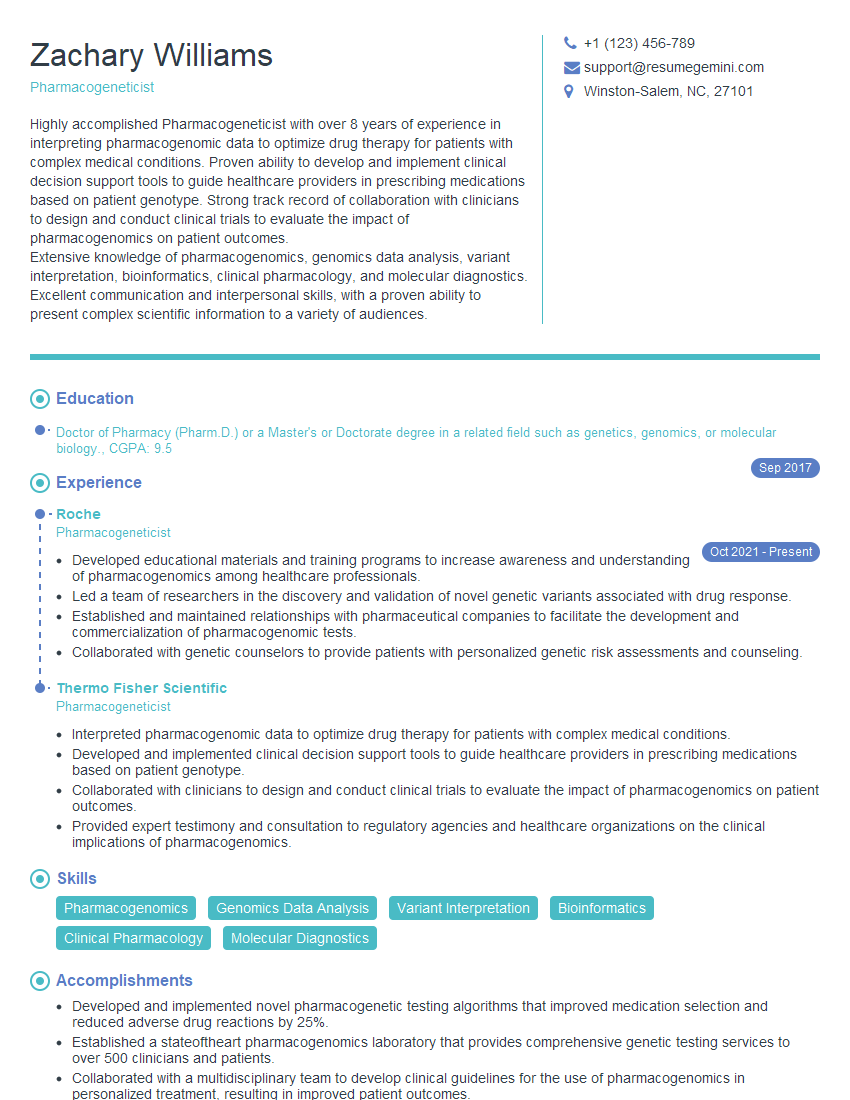
Pharmacogeneticist Resume Sample
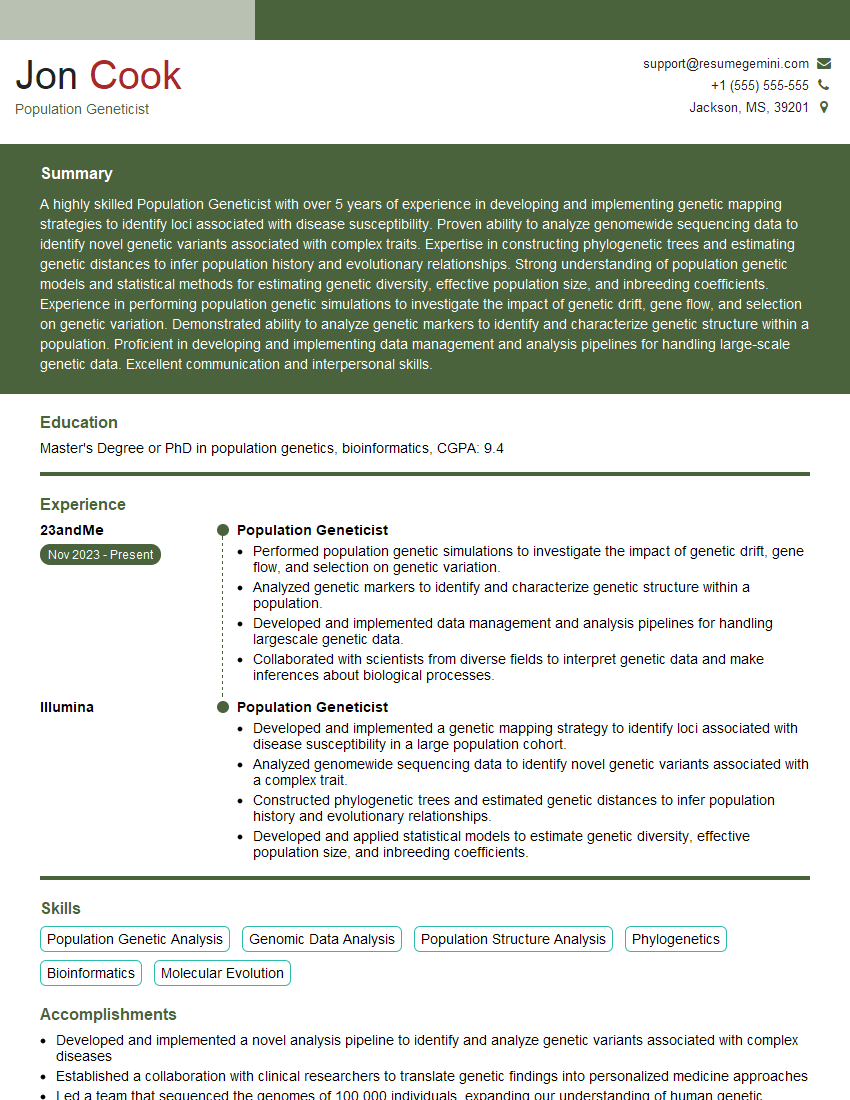
Population Geneticist Resume Sample
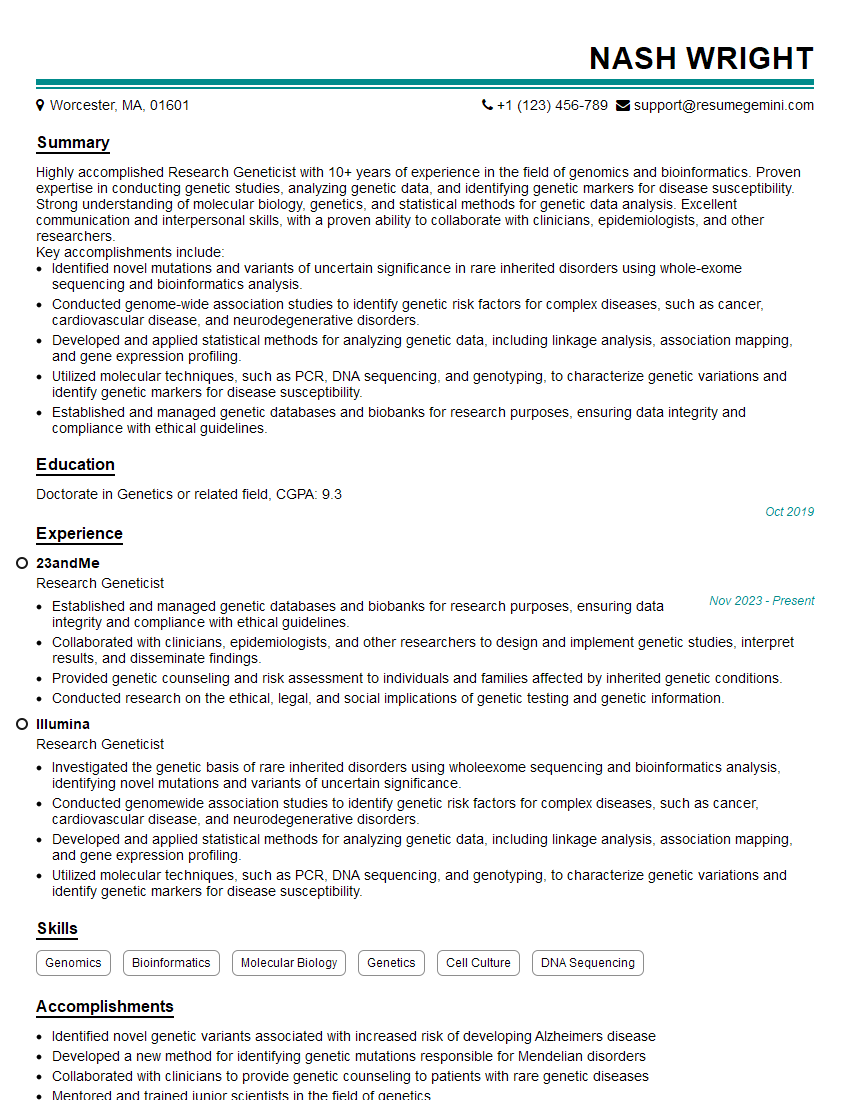
Research Geneticist Resume Sample
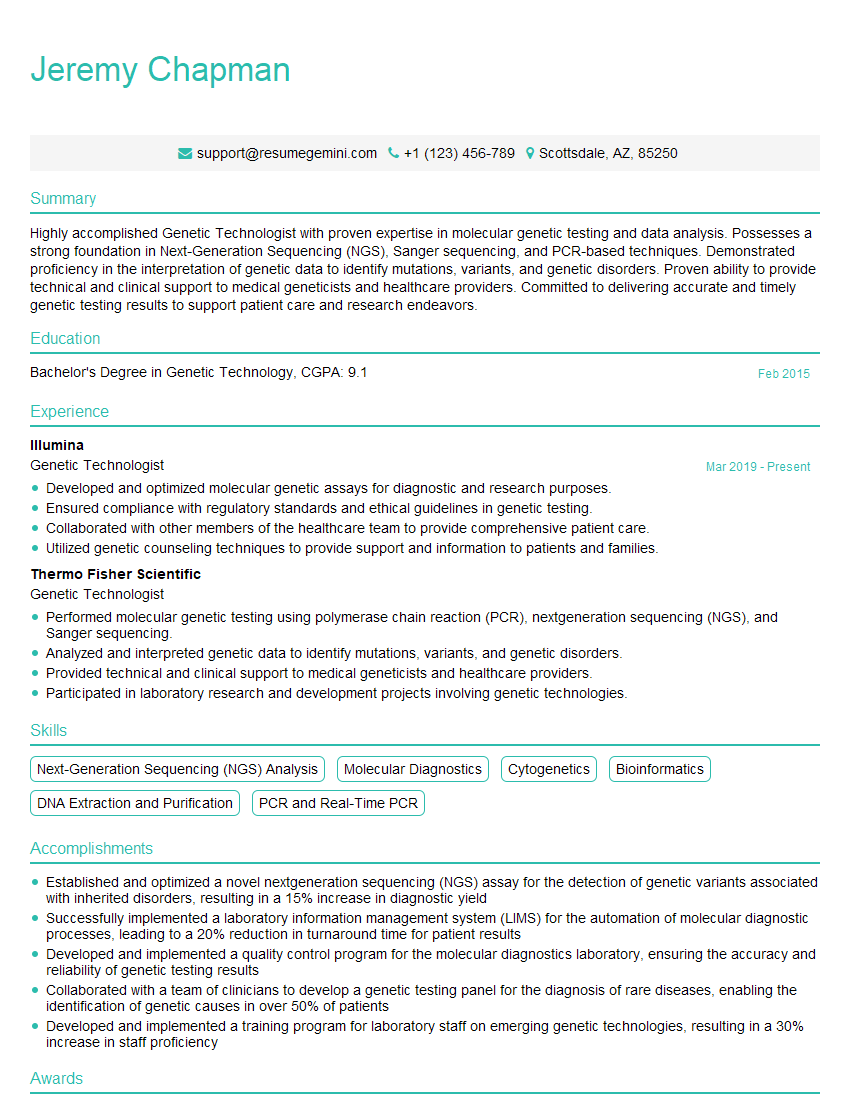
Genetic Technologist Resume Sample
Explore more articles
Users Rating of Our Blogs
Share Your Experience
We value your feedback! Please rate our content and share your thoughts (optional).
What Readers Say About Our Blog
Very informative content, great job.
good