Are you ready to stand out in your next interview? Understanding and preparing for Glass Glazing interview questions is a game-changer. In this blog, we’ve compiled key questions and expert advice to help you showcase your skills with confidence and precision. Let’s get started on your journey to acing the interview.
Questions Asked in Glass Glazing Interview
Q 1. What types of glass are commonly used in glazing?
The type of glass used in glazing depends heavily on the application and desired properties. We commonly see several types:
- Float Glass: This is the most common and basic type, used for its clarity and affordability. It’s what you typically see in standard windows.
- Annealed Glass: Similar to float glass but undergoes a slower cooling process, making it slightly stronger and less prone to thermal shock.
- Tempered (Toughened) Glass: This is significantly stronger than annealed glass because it’s heat-treated. When it breaks, it shatters into small, relatively harmless pieces, making it a safer choice for applications where impact resistance is crucial, like shower doors or car windows.
- Laminated Glass: Consists of two or more layers of glass bonded together with a layer of interlayer, typically polyvinyl butyral (PVB). This makes it highly impact-resistant and even helps hold the glass together if broken, preventing sharp shards from falling through. It’s commonly used in security applications and windshields.
- Insulating Glass Units (IGUs) or Double/Triple Glazing: These are composed of two or more panes of glass separated by a spacer filled with an inert gas like argon or krypton. The gas layer significantly improves the window’s insulation properties, reducing heat transfer and noise.
- Low-E Glass: This glass has a special coating that reflects infrared radiation, reducing heat transfer and improving energy efficiency. It’s frequently used in IGUs to maximize energy savings.
Choosing the right type of glass is a crucial part of the design process, taking into account factors like cost, safety requirements, energy efficiency targets, and aesthetic preferences.
Q 2. Explain the process of installing a double-glazed window.
Installing a double-glazed window is a precise process. Here’s a breakdown:
- Preparation: Carefully measure the window opening to ensure the new unit fits accurately. Remove the old window frame and clean the opening thoroughly.
- Framing (if necessary): Depending on the type of installation, you might need to install a new frame to accommodate the double-glazed unit. This often involves securing a frame with screws and sealant.
- Installing the IGU: Carefully position the double-glazed unit within the frame, ensuring it sits level and square. Take extra care to avoid scratching the glass.
- Securing the Unit: Secure the unit using appropriate fasteners and sealant. This step is vital for water tightness and stability.
- Finishing: Apply sealant around the perimeter of the window frame to create a weatherproof seal. Install any necessary trim or finishing pieces.
Using the correct tools and techniques throughout is essential. A poorly installed window can lead to drafts, water leaks, and ultimately, damage to the structure.
Q 3. Describe different methods for sealing glass units.
Sealing glass units is crucial to ensure their long-term performance and prevent issues like condensation and air leakage. Common sealing methods include:
- Butyl Sealant: A primary sealant that creates a strong, airtight bond between the glass and the spacer frame. It provides a long-lasting, flexible seal.
- Polyisobutylene (PIB) Sealant: Often used as a secondary sealant, providing another layer of protection and further improving the unit’s air tightness. It works well with butyl sealant to achieve maximum sealing efficacy.
- Structural Sealant: Used in some IGUs for enhanced structural integrity and durability. This type of sealant is typically found in high-performance glazing systems where long-term durability is paramount.
The specific choice of sealant depends on the type of glass unit and the environmental conditions it will be exposed to. Proper application technique is critical to avoid seal failure.
Q 4. How do you measure and cut glass accurately?
Accurate glass measurement and cutting are vital to avoid costly mistakes. Here’s the process:
- Precise Measurement: Use a high-quality measuring tape and double-check your measurements multiple times. Account for any necessary tolerances.
- Marking: Clearly mark the cut lines on the glass using a suitable marker, ensuring accuracy and visibility.
- Cutting: Employ a glass cutter with a sharp wheel. Score the glass firmly and evenly along the marked line with one continuous stroke. Apply consistent pressure to avoid chipping.
- Snapping: Support the glass firmly on a suitable surface and carefully snap the glass along the scored line by applying pressure using pliers or a special glass-breaking tool.
- Finishing: Use glass grinding tools and sanding paper to smooth out any rough edges, preventing injuries. This finishing step is crucial for safety and aesthetics.
Practice makes perfect. Using the right tools, taking your time, and double-checking each step leads to efficient and safe cutting.
Q 5. What safety precautions are crucial when working with glass?
Safety is paramount when working with glass. Always prioritize these precautions:
- Personal Protective Equipment (PPE): Always wear safety glasses, gloves, and sturdy footwear. Consider using a face shield, especially when breaking or grinding glass.
- Proper Handling: Use suction cups or other appropriate lifting devices to handle large or heavy glass sheets to avoid injury. Never lift heavy glass alone.
- Sharp Edges: Be extremely cautious of sharp edges and broken pieces. Always handle glass carefully and dispose of broken glass safely.
- Cutting Tools: Use sharp cutting tools to make clean cuts and prevent accidental breakage. Never rush the cutting process.
- Work Area: Maintain a clean and organized work area to minimize the risk of tripping or accidental cuts. Clear the area of any obstructions.
- Disposal: Properly dispose of broken glass in sturdy containers marked accordingly, following local regulations. Never place broken glass in regular waste bins.
Remember: safety is not just a suggestion; it’s an absolute necessity in this profession.
Q 6. What are the common problems encountered during glass installation?
Common problems encountered during glass installation include:
- Incorrect Measurements: Leading to poor fits and gaps.
- Improper Sealing: Resulting in drafts, water leakage, and condensation.
- Damage during Installation: Chipped or broken glass due to mishandling.
- Incorrect Frame Installation: Causing instability and potential future problems.
- Use of Incorrect Materials: Leading to seal failures or other long-term issues.
- Failure to Account for Expansion and Contraction: This can stress the glass and cause cracking over time, especially with large installations.
Careful planning, precise execution, and the use of quality materials are key to avoid these issues.
Q 7. How do you handle damaged or broken glass during a job?
Handling damaged or broken glass requires careful attention to safety and proper disposal. Here’s the procedure:
- Safety First: Clear the immediate area and ensure everyone is safe. Don’t attempt to clean up broken glass while others are nearby.
- Protective Gear: Put on appropriate PPE: heavy-duty gloves, safety glasses, and sturdy footwear.
- Careful Removal: Use a broom and dustpan to sweep up larger pieces of glass, carefully placing them in a sturdy container.
- Small Fragments: Use a damp cloth or a vacuum cleaner with a brush attachment to remove smaller fragments. Take extra care not to cut yourself.
- Disposal: Dispose of the broken glass according to local regulations, typically in puncture-resistant containers.
Thorough cleanup and safe disposal are essential to prevent injuries and maintain a safe work environment. Never leave broken glass unattended.
Q 8. Explain the importance of proper sealant selection in glazing.
Proper sealant selection in glazing is paramount for ensuring the long-term performance and durability of the installation. The sealant acts as the crucial barrier against water ingress, air leakage, and structural movement. Choosing the wrong sealant can lead to costly repairs, including water damage, energy loss, and even structural failure.
The ideal sealant depends on several factors, including the type of glass, frame material, environmental conditions (temperature fluctuations, UV exposure, etc.), and the specific application. For instance, a silicone sealant might be suitable for general glazing, while a polyurethane sealant might be preferred for its high movement capability in applications with significant expansion and contraction. We always carefully consider the manufacturer’s recommendations and relevant building codes to ensure we select the most appropriate sealant for each project. Failure to do so can lead to premature sealant failure, compromising the integrity of the glazing system.
- Durability: The sealant must withstand the expected environmental conditions without cracking, shrinking, or degrading.
- Adhesion: Strong adhesion to both glass and frame is critical for a lasting seal.
- Flexibility: The sealant must accommodate movement between the glass and frame due to temperature changes.
- UV Resistance: Exterior sealants need to resist UV degradation to maintain their integrity.
Q 9. Describe your experience with different types of glazing systems (e.g., curtain walls).
My experience encompasses a wide range of glazing systems, including curtain walls, window walls, storefront systems, and skylights. I’ve worked extensively with various types of curtain wall systems, from stick-built systems which offer greater design flexibility, to unitised systems, pre-fabricated off-site for faster installation. I’ve also worked on projects involving both thermally broken and non-thermally broken framing systems, appreciating the impact each has on energy efficiency and thermal performance.
For example, I recently oversaw the installation of a large unitised curtain wall system on a high-rise building. This project required careful coordination with the structural engineers to ensure proper anchoring and load transfer. With stick-built systems, the meticulous on-site assembly, ensuring precise alignment of mullions and glazing units, is crucial. Understanding the intricacies of each system, its components, and potential challenges is key to successful project delivery.
I’m also familiar with various glazing materials, including laminated glass, insulated glass units (IGUs), and tempered glass, and how their properties affect the overall design and structural considerations for the glazing system. My experience includes working with both single and double-glazed systems, catering to different levels of thermal performance.
Q 10. How do you ensure the structural integrity of a glazed installation?
Ensuring the structural integrity of a glazed installation is achieved through a multi-faceted approach, starting with design and continuing through to final inspection. This includes:
- Proper Design and Engineering: The glazing system must be designed to withstand the anticipated loads (wind, snow, seismic). This involves detailed calculations and consideration of factors like glass type, frame strength, and connection details.
- Accurate Site Surveys and Measurements: Precise measurements are vital for ensuring the proper fit and function of the glazing system. Inaccurate measurements can compromise the structural integrity.
- Correct Installation Practices: Following manufacturers’ instructions meticulously is key. This includes proper anchoring, sealant application, and glazing installation techniques.
- Regular Inspections and Maintenance: Periodic checks for damage, sealant degradation, or loose fixings are essential to prevent problems from escalating.
- Material Quality Control: Using high-quality materials from reputable suppliers is fundamental. This minimizes the risk of material failure.
For instance, when working with large glass panels, we use appropriate lifting equipment and techniques to prevent damage and ensure correct positioning within the frame. The use of structural silicone sealants, correctly applied, is pivotal in transferring stresses from the glass to the frame and building structure.
Q 11. What are the different types of glass frames and their applications?
Glass frames come in a variety of materials and designs, each suitable for different applications. The choice of frame material impacts the aesthetics, structural performance, and thermal properties of the glazing system.
- Aluminium Frames: Commonly used for curtain walls, shopfronts, and windows due to their strength, durability, and relatively low cost. They can be anodised or powder-coated for various finishes. Thermal break technology minimizes heat transfer through the frame, improving energy efficiency.
- Steel Frames: Offer high strength but can be more prone to corrosion. They are often used in historic buildings or where high load-bearing capacity is required. Thermal breaks can mitigate heat transfer issues.
- Timber Frames: Provide an aesthetically pleasing, traditional look and excellent insulation properties. However, they require more maintenance to prevent rot and insect damage. They are commonly used in residential settings and bespoke projects.
- uPVC (Unplasticized Polyvinyl Chloride) Frames: Popular for windows and doors in residential and commercial applications. They offer good insulation, low maintenance, and are relatively cost-effective.
The choice of frame material is determined based on factors such as budget, aesthetic requirements, structural demands, and thermal performance goals.
Q 12. Describe your experience with various glass handling equipment.
My experience with glass handling equipment is extensive and includes the safe and efficient operation of various types of equipment. This includes:
- Vacuum Lifters: Essential for handling large glass panels safely and precisely. Different sizes of vacuum lifters are selected to suit different panel sizes and weights.
- Glass Suction Cups: Smaller and more manoeuvrable than full vacuum lifters, these are used for handling smaller glass panes.
- Forklifts and Cranes: For transporting and positioning large glass units on site.
- Glass Cutting Tools and Equipment: This ranges from hand tools for smaller cuts to automated cutting machines for large volumes of glass.
- Safety Equipment: Essential safety equipment such as harnesses, gloves, and safety glasses are always used.
Competence in operating and maintaining this equipment is critical for ensuring safe and efficient glass handling procedures. I have undergone rigorous training in the safe operation and maintenance of all the equipment mentioned, adhering strictly to safety regulations. For example, before each lift, a thorough inspection of the vacuum lifter’s integrity is carried out to avoid accidents.
Q 13. How do you troubleshoot common glazing issues on-site?
Troubleshooting glazing issues on-site often involves a systematic approach to identify the root cause. Common issues include:
- Water Leakage: Inspecting the sealant joints for gaps, cracks, or degradation is the first step. The source of the water leak could be faulty sealant, damaged glass, or inadequate drainage. Often, a simple resealing is sufficient, but sometimes it requires more extensive repairs including glass replacement.
- Air Leaks: Similarly, air leaks are investigated by checking sealant joints, assessing the condition of the glazing system, and looking for any gaps or cracks. Air pressure testing may be necessary to identify the exact location of the leak. Air leaks can be addressed by resealing or replacement.
- Structural Issues: This could involve cracks in the glass or frame. Identifying the cause of the structural failure is crucial. This may require an assessment by a structural engineer.
- Condensation: Condensation between glass panes of an IGU indicates a potential seal failure. This requires replacement of the IGU unit.
I approach each situation methodically, using my experience to diagnose the problem quickly and effectively. My approach includes using testing equipment where necessary and adhering to building codes and safety standards throughout the process.
Q 14. Explain the process of installing a shopfront.
Installing a shopfront is a multi-stage process demanding precision and expertise. Here’s a typical workflow:
- Site Survey and Planning: Accurate measurements are critical. We check for any obstructions, and finalize the design based on the site conditions and client requirements.
- Frame Fabrication and Preparation (if necessary): If the shopfront is stick built, the frames are prepared off-site, ensuring precision cuts and proper assembly. Unitised systems arrive pre-fabricated.
- Foundation Preparation: Ensuring a stable and level foundation is vital for the structural integrity of the shopfront. This might include installing anchor points for secure fixing.
- Frame Installation: The frames are carefully installed, using appropriate lifting equipment and fixing methods. Precise alignment is key, and level checks are carried out throughout the installation process.
- Glazing Installation: Glass panels are carefully inserted into the frames, using suction cups or vacuum lifters to prevent damage. We ensure the glass is properly secured and aligned.
- Sealant Application: High-quality sealant is applied to all joints, ensuring a watertight and airtight seal. The sealant is applied to ensure proper adhesion and prevents water ingress.
- Finishing and Cleaning: Final checks are performed to ensure the shopfront is structurally sound, watertight, and meets the client’s specifications. The site is then cleaned up, leaving a professional finish.
Throughout the process, health and safety are paramount. We follow strict safety procedures and use appropriate personal protective equipment (PPE). Each step must be executed to a high level of precision to ensure the longevity and durability of the installation.
Q 15. What are the building codes and regulations related to glass glazing?
Building codes and regulations for glass glazing vary significantly depending on location (national, regional, and even local jurisdictions), the type of building, and the specific glazing application. They primarily focus on safety and energy efficiency.
Common regulations address:
- Safety Glazing Requirements: These dictate the type of glass needed in specific locations (e.g., tempered glass for doors and sidelights, laminated glass for areas with potential impact). The regulations often specify minimum impact resistance standards to prevent injuries from shattering.
- Energy Codes: These address the thermal performance of glazing, usually expressed as U-values (heat transfer coefficient) and solar heat gain coefficient (SHGC). Codes often mandate minimum performance levels to reduce energy consumption for heating and cooling.
- Wind Load Resistance: Regulations stipulate the glazing system’s ability to withstand wind pressure, particularly important in high-rise buildings or areas prone to strong winds. This involves proper anchoring and frame design.
- Acoustic Performance: In noise-sensitive areas, codes may specify minimum sound insulation requirements, achieved through the use of specific glass types or laminated systems with interlayers.
- Fire Resistance: Fire-rated glazing systems are frequently required in exit routes and fire-separated areas. These systems need to maintain integrity for a specified duration under fire conditions.
For instance, a project in a high-wind area might require thicker glass and specialized framing to meet wind load standards. Similarly, a project near a busy road would likely need to incorporate acoustic glazing to meet noise level regulations. It’s crucial to consult local building codes and work with a qualified engineer to ensure compliance.
Career Expert Tips:
- Ace those interviews! Prepare effectively by reviewing the Top 50 Most Common Interview Questions on ResumeGemini.
- Navigate your job search with confidence! Explore a wide range of Career Tips on ResumeGemini. Learn about common challenges and recommendations to overcome them.
- Craft the perfect resume! Master the Art of Resume Writing with ResumeGemini’s guide. Showcase your unique qualifications and achievements effectively.
- Don’t miss out on holiday savings! Build your dream resume with ResumeGemini’s ATS optimized templates.
Q 16. How do you manage a glazing project’s timeline and budget?
Managing a glazing project’s timeline and budget requires a meticulous approach. I employ a phased strategy, starting with a detailed breakdown of tasks and resource allocation.
Timeline Management:
- Detailed Scheduling: I use project management software to create a Gantt chart detailing each task (e.g., site surveys, glass ordering, fabrication, installation, inspections) with deadlines. This allows for clear visualization of the project’s progression and identification of potential delays.
- Contingency Planning: Unforeseen events (weather delays, material shortages) are accounted for through built-in buffer time within the schedule.
- Regular Monitoring: Progress is tracked closely, and any deviations from the schedule are promptly addressed. Regular meetings with the team and clients help maintain transparency and ensure everyone is on track.
Budget Management:
- Comprehensive Cost Estimation: This involves detailed cost breakdowns for materials (glass type, quantity, hardware), labor, equipment rental, transportation, permits, and contingency funds.
- Value Engineering: This involves exploring alternative materials or methods to achieve cost savings without compromising quality or safety. For example, choosing a slightly less expensive glass type with comparable performance.
- Change Management: Any changes to the original scope of work are carefully evaluated, and their impact on both the timeline and budget are thoroughly assessed and approved by all parties before proceeding.
- Financial Tracking: Regular monitoring of expenses against the budget is crucial. Any discrepancies are investigated and corrective actions taken.
For example, on a recent high-rise project, we used a cloud-based project management system to monitor progress in real-time. This allowed us to proactively address a delay in glass delivery by adjusting the installation schedule and communicating effectively with the client, preventing cost overruns.
Q 17. Describe your experience with different types of glass coatings.
My experience encompasses a wide range of glass coatings, each designed to enhance specific properties. These coatings are applied during the glass manufacturing process.
- Low-E Coatings (Low-Emissivity): These coatings reflect infrared radiation, reducing heat transfer through the glass. This improves energy efficiency, minimizing heating and cooling costs. Different types of Low-E coatings offer varying levels of performance and visible light transmission.
- Solar Control Coatings: These coatings selectively reflect solar radiation, reducing glare and heat gain while maintaining good visible light transmission. They are frequently used in areas with high solar intensity to improve comfort and reduce cooling loads.
- Self-Cleaning Coatings: These coatings make the glass easier to clean by breaking down dirt and making it easier to wash away with rain. They can reduce maintenance costs over time.
- Anti-Reflective Coatings: These coatings minimize reflections, enhancing the clarity and visibility through the glass. This is valuable in applications such as museums, where light reflection can negatively impact the viewing experience.
- Decorative Coatings: These coatings provide aesthetic enhancement, such as adding color or patterns to the glass. They can improve the building’s overall appearance.
For instance, I specified Low-E coatings for a recent office building project to improve energy efficiency and reduce the building’s carbon footprint. In another project, a solar control coating was used in a high-traffic area with a large number of windows to reduce glare and improve occupant comfort. The choice of coating depends entirely on the project’s requirements and the desired performance characteristics.
Q 18. How do you calculate the amount of glass needed for a project?
Calculating the amount of glass needed involves careful measurement and accounting for waste. The process typically involves these steps:
- Detailed Drawings: Accurate architectural drawings, including window and door schedules, are essential. These drawings indicate the dimensions and quantities of each glass component.
- Measurements: On-site measurements are often necessary to verify the drawings’ accuracy, particularly in older buildings or when renovations are involved.
- Waste Factor: A waste factor (usually 5-15%, depending on the complexity of the project and the glass size) is added to account for cutting losses and potential breakage. More complex cuts and smaller glass pieces increase the waste factor.
- Glass Size Standardization: The size of glass sheets from manufacturers is typically standardized. Calculations need to take into account the need to minimize waste by using the most efficient cutting patterns.
- Quantities Calculation: The area of each glass element is calculated, then multiplied by the number of identical elements needed. The waste factor is added to determine the total amount of glass required.
For example, if a project requires 10 windows, each measuring 1 meter by 1.5 meters, the total glass area is 15 square meters. Adding a 10% waste factor brings the total required glass to 16.5 square meters.
Q 19. What is your experience with working at heights?
I have extensive experience working at heights, having completed numerous projects involving high-rise buildings and complex glazing installations. Safety is paramount in this type of work.
My experience includes:
- Certified Training: I hold all necessary certifications and training in working at heights, including fall protection systems and harness usage.
- Safe Work Practices: I’m fully conversant with all relevant safety regulations and implement strict safety procedures on every project. This includes regular safety checks of equipment and thorough risk assessments before any work commences.
- Equipment Proficiency: I am proficient in the use of various height access equipment, including scaffolding, boom lifts, and suspended platforms. I always select the most appropriate and safest equipment for the task at hand.
- Team Management: I ensure all team members receive proper training and supervision when working at heights, reinforcing the importance of adhering to safety protocols.
For example, on a recent project involving the installation of curtain wall glazing on a skyscraper, we employed a comprehensive safety plan that included regular safety briefings, detailed risk assessments, and the use of advanced fall arrest systems. Every team member was fully equipped with the appropriate safety gear, and work progress was carefully monitored to prevent accidents. Safety is always my top priority.
Q 20. What are your experience with different types of glass cutting tools?
My experience encompasses a range of glass cutting tools, each suited for different applications and glass types:
- Hand-Held Glass Cutters: These are used for smaller, simpler cuts. Different types of cutters exist, including oil-fed and scoring cutters. Accuracy depends heavily on the skill of the operator.
- Automated Glass Cutters: These are employed for precise, high-volume cutting operations, offering greater speed and accuracy compared to manual methods. They are often computer-controlled for complex cuts.
- Waterjet Cutters: These use high-pressure water jets to cut glass, providing highly accurate cuts in complex shapes and allowing for cutting various glass thicknesses.
- Laser Cutters: These are utilized for very precise and intricate cuts, ideal for decorative glass and specialized applications. They offer clean cuts with minimal chipping.
The choice of tool depends greatly on the project’s requirements, including the complexity of the cuts, the volume of glass to be cut, and the desired level of accuracy. For example, hand-held cutters might be suitable for a small-scale residential project, while automated or waterjet cutters would be preferred for large-scale commercial projects involving intricate designs.
Q 21. How do you ensure the proper maintenance of glazing equipment?
Proper maintenance of glazing equipment is critical for safety, efficiency, and longevity. My approach involves a multi-pronged strategy:
- Regular Inspections: All equipment is regularly inspected for damage, wear, and tear. This includes visual inspections and operational checks. Any issues are addressed immediately. A schedule for routine checks is followed diligently.
- Preventative Maintenance: This includes regular lubrication, cleaning, and adjustments as per manufacturer recommendations. This prevents equipment failures and extends its lifespan.
- Calibration: Precision equipment, such as automated glass cutters, requires regular calibration to ensure accuracy. This is done according to the manufacturer’s specifications using certified standards.
- Operator Training: Operators are properly trained in the safe and efficient use of all equipment, including maintenance procedures. This helps to prevent accidental damage and promotes safe operation.
- Repair and Replacement: Damaged or worn-out equipment components are promptly repaired or replaced to prevent accidents and ensure continued efficiency. Records of all maintenance and repair activities are maintained for traceability.
For example, on our automated glass cutting machines, we conduct a monthly inspection and calibration to ensure the blades are sharp, the system’s sensors are working correctly, and the cutting parameters are accurate. This preventative approach reduces downtime and enhances the quality of the cut glass.
Q 22. How do you communicate effectively with clients and contractors?
Effective communication is crucial in glazing. With clients, I prioritize active listening to understand their needs and vision, translating technical details into layman’s terms. I use visual aids like sketches and 3D models to clarify designs and material choices. Regular updates, both written and verbal, keep them informed of progress. With contractors, clear and concise instructions are essential. Detailed specifications, including material requirements and installation procedures, minimize misunderstandings and ensure the project’s success. I use project management software to track progress, manage schedules and facilitate communication with all stakeholders.
For example, when working with a homeowner on a conservatory project, I would start by discussing their lifestyle and preferences, then present different glass options showcasing their properties (e.g., energy efficiency, noise reduction, self-cleaning). With the contractor, I’d provide detailed drawings and a schedule highlighting critical path activities and potential delays.
Q 23. How do you address client concerns or complaints?
Addressing client concerns promptly and professionally is paramount. I begin by actively listening to their complaint, showing empathy and understanding. Then, I thoroughly investigate the issue, gathering evidence and assessing the situation objectively. Depending on the nature of the complaint, I propose solutions, focusing on either remediation (repair or replacement) or mitigation (preventing recurrence). Transparent communication throughout the process keeps the client informed and fosters trust. If the solution requires additional resources or time, I manage expectations proactively.
For instance, if a client finds a minor crack in their newly installed window, I would first apologize, acknowledge their concern, and arrange for a technician to assess the damage. Depending on the cause (e.g., manufacturing defect, accidental damage), I would either replace the window or repair it, keeping the client updated every step of the way.
Q 24. Describe a challenging glazing project you’ve worked on and how you overcame the challenges.
One challenging project involved glazing a curved facade on a high-rise building. The complexity arose from the bespoke nature of the curved glass panels, requiring precise measurements and custom fabrication. Weather conditions presented additional obstacles, delaying delivery and installation. To overcome these challenges, I collaborated closely with the fabricator, using 3D modeling software to ensure precise panel dimensions and fit. We implemented a phased installation strategy, prioritizing sections less susceptible to weather delays. Regular site visits allowed for proactive problem-solving and adjustments to the schedule as needed. Successful completion of this project hinged on meticulous planning, effective communication, and adaptability.
Using CAD software and close collaboration with structural engineers, we were able to not only ensure the aesthetic design but the structural integrity of the curved glass installation, ensuring it could withstand high winds and potential impacts.
Q 25. What are your knowledge of different types of adhesives and sealants used in glazing?
My knowledge of adhesives and sealants is extensive. We use various types depending on the application and glass type. For structural glazing, structural silicone sealants are crucial, providing both adhesion and weather resistance. These sealants must meet specific performance standards, often tested to withstand extreme temperatures and wind loads. For insulating glass units (IGUs), butyl sealant forms the primary seal, while a polyisobutylene (PIB) sealant acts as a secondary barrier against moisture. In other applications, we might use polyurethane foams for insulation and acrylic sealants for less demanding applications. Each sealant has specific properties affecting its application, curing time, and long-term durability. I always ensure the correct sealant is specified and applied according to manufacturer instructions.
Q 26. What are the safety procedures and regulations for working with different glass types?
Safety is paramount in glass glazing. Working with different glass types requires adherence to specific safety procedures. For instance, handling tempered glass necessitates protective gloves and eyewear due to the risk of sharp fragments upon breakage. Laminated glass, though safer than tempered glass, still requires caution to avoid cuts from potential debris. When working at heights, fall protection equipment is mandatory. All work must adhere to relevant health and safety regulations, including those related to the use of personal protective equipment (PPE), risk assessments and safe working practices. Regular training and competency checks for all personnel ensure adherence to these crucial safety guidelines. We also prioritize safe handling and storage of all glazing materials.
Q 27. What is your familiarity with CAD software for glazing projects?
I am proficient in several CAD software packages, including AutoCAD and Revit. These tools are invaluable for creating detailed drawings, generating accurate measurements, and visualizing the final product. Using CAD, I can design intricate glazing systems, ensuring precise fit and compatibility with other building components. The ability to create 3D models allows clients to visualize the project before construction, aiding in decision-making and minimizing potential changes during the process. Moreover, CAD drawings serve as essential documentation for the construction phase, guiding the installation team and minimizing errors.
Q 28. How do you stay updated on the latest advancements in glass glazing technology?
Staying updated on advancements in glass glazing technology is an ongoing process. I regularly attend industry conferences and workshops, participate in continuing professional development programs, and subscribe to relevant trade publications. Networking with colleagues and experts allows me to learn about new materials, techniques, and best practices. Keeping abreast of technological developments ensures that I can offer clients the most innovative and efficient solutions. Furthermore, staying informed about updated regulations and standards guarantees that our work always meets the highest safety and quality benchmarks. This includes being aware of developments in sustainable glazing materials and energy-efficient technologies.
Key Topics to Learn for Your Glass Glazing Interview
- Types of Glass: Understand the properties and applications of annealed, tempered, laminated, insulated glass units (IGUs), and other specialized glasses. Consider their strengths, weaknesses, and appropriate uses in different building projects.
- Glazing Systems: Familiarize yourself with various window and door framing systems, including aluminum, vinyl, wood, and composite materials. Understand the installation methods and potential challenges associated with each.
- Installation Techniques: Learn about proper sealing, weatherproofing, and the use of various sealants and adhesives in glazing installations. Understand the importance of adhering to safety regulations and best practices.
- Energy Efficiency & Thermal Performance: Grasp the concepts of U-values, solar heat gain coefficient (SHGC), and their impact on building energy performance. Be prepared to discuss how different glazing options can contribute to energy savings.
- Glazing Calculations & Specifications: Understand how to interpret architectural drawings and specifications related to glazing. Be familiar with relevant building codes and regulations.
- Troubleshooting & Problem Solving: Practice identifying and addressing common glazing issues, such as leaks, condensation, and broken seals. Be ready to discuss your approach to diagnosing and resolving problems.
- Health & Safety: Demonstrate knowledge of relevant safety procedures and regulations related to working at heights, handling glass, and using power tools.
- Industry Trends & Innovations: Stay updated on the latest advancements in glass technology, such as smart glass, self-cleaning glass, and energy-efficient coatings.
Next Steps
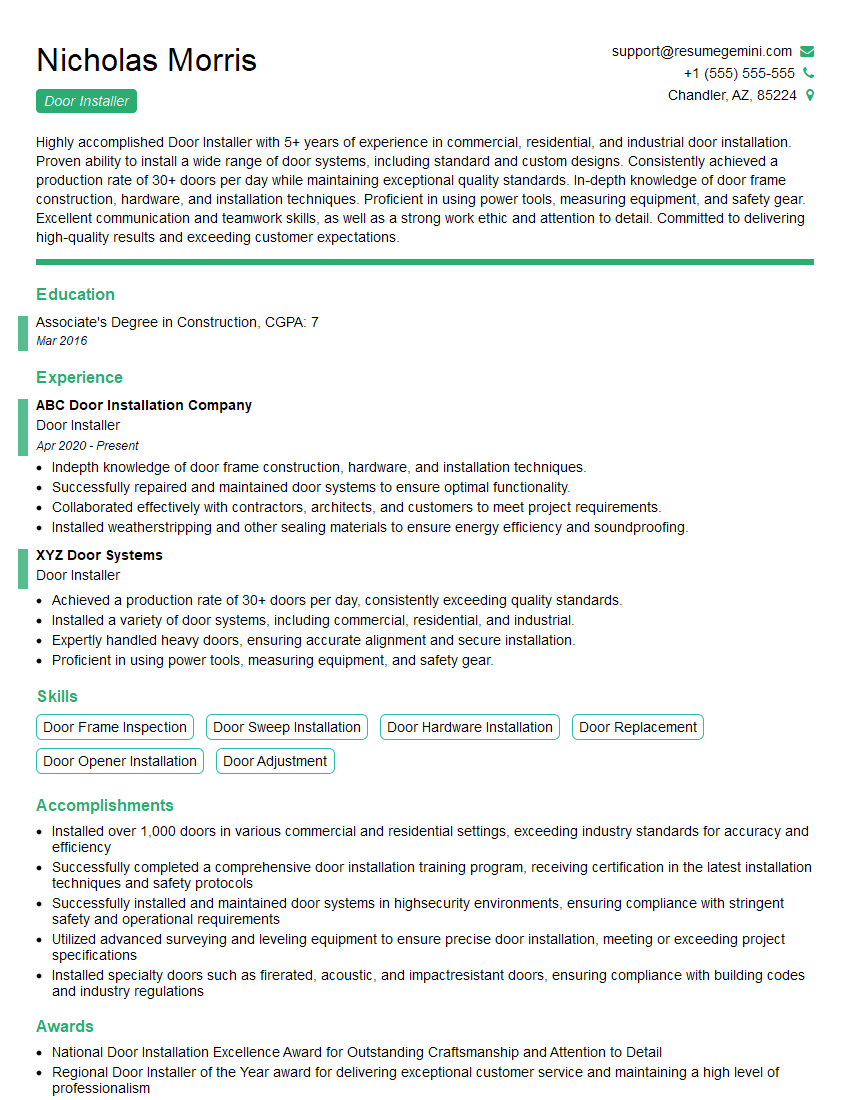
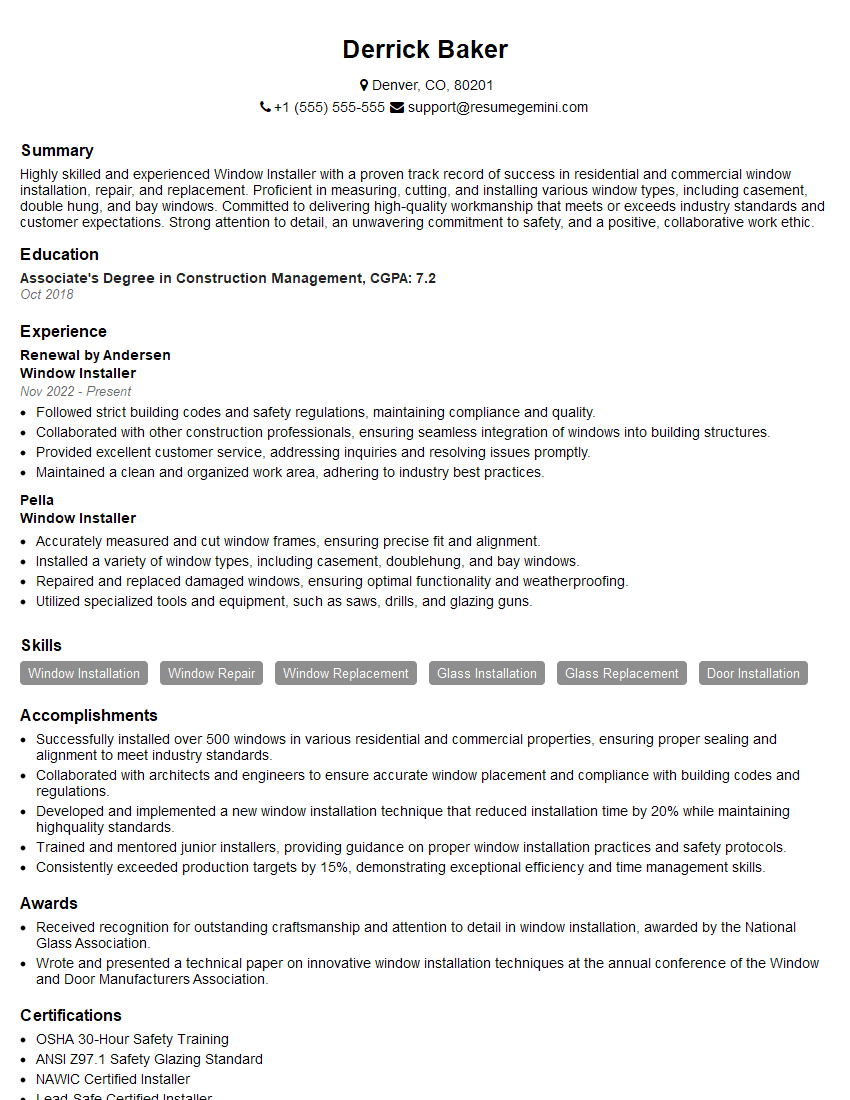
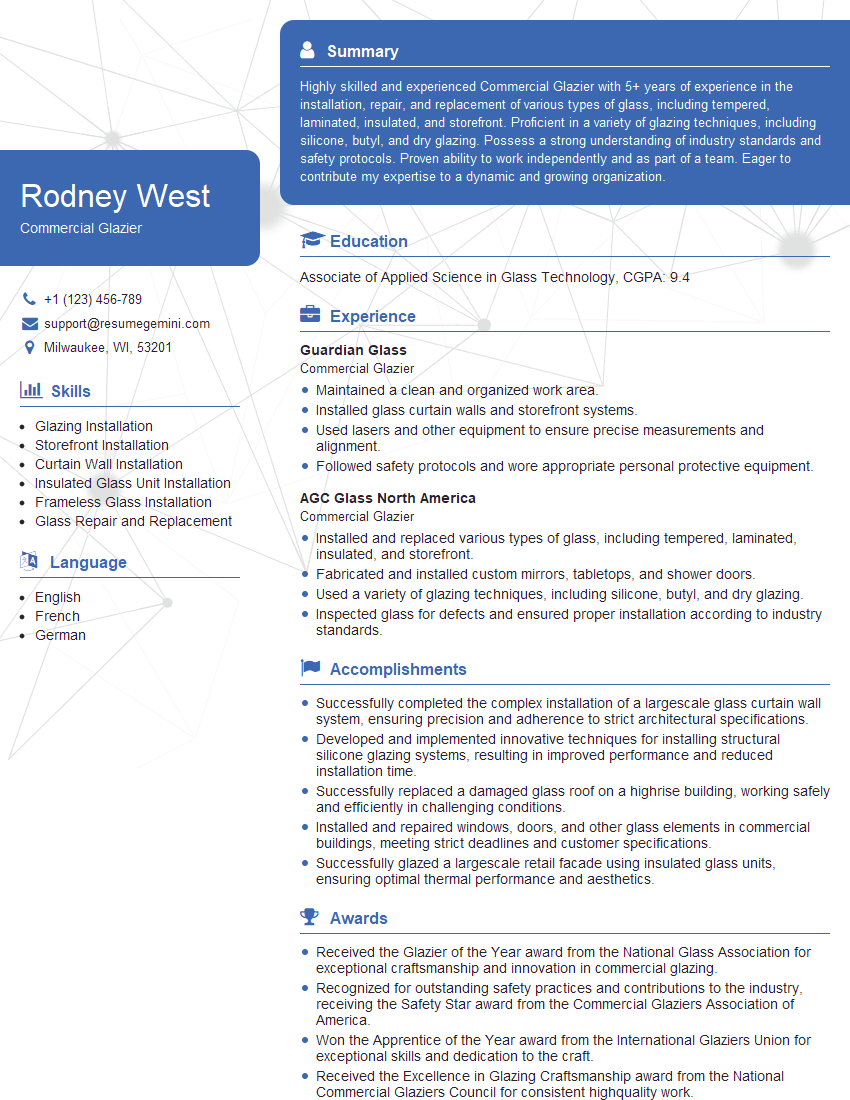
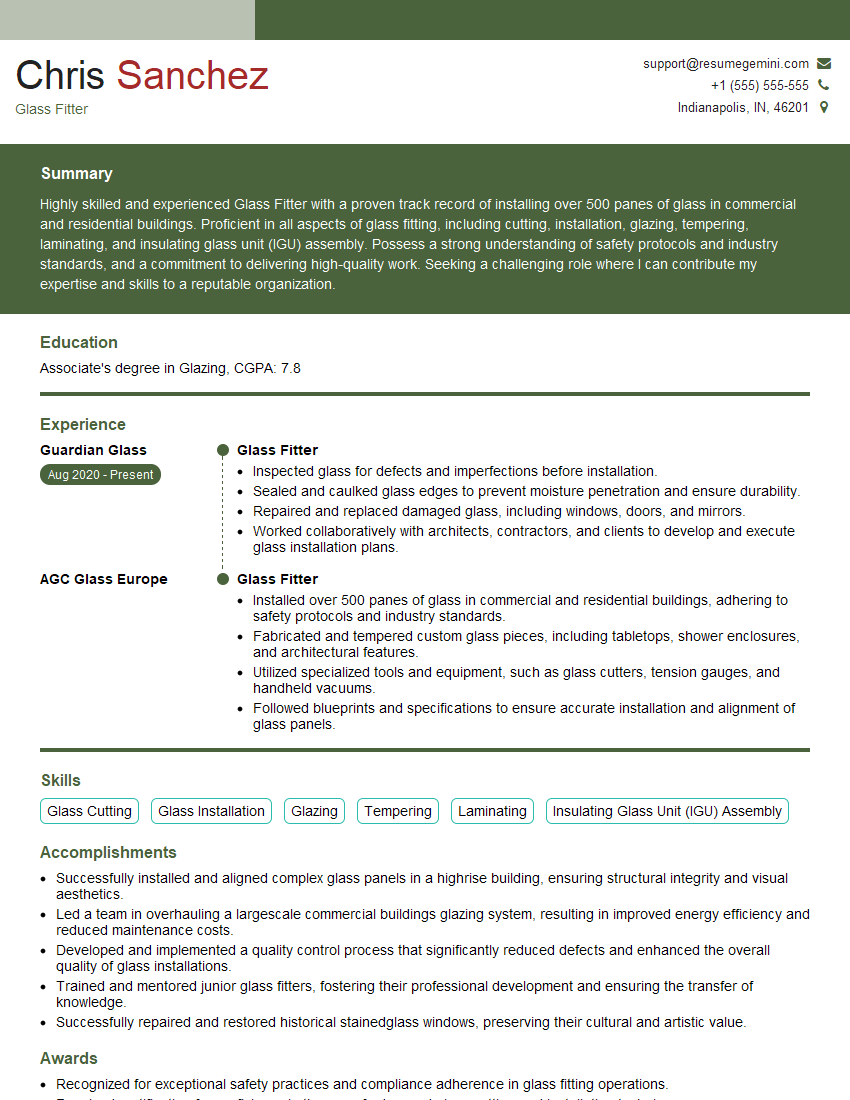
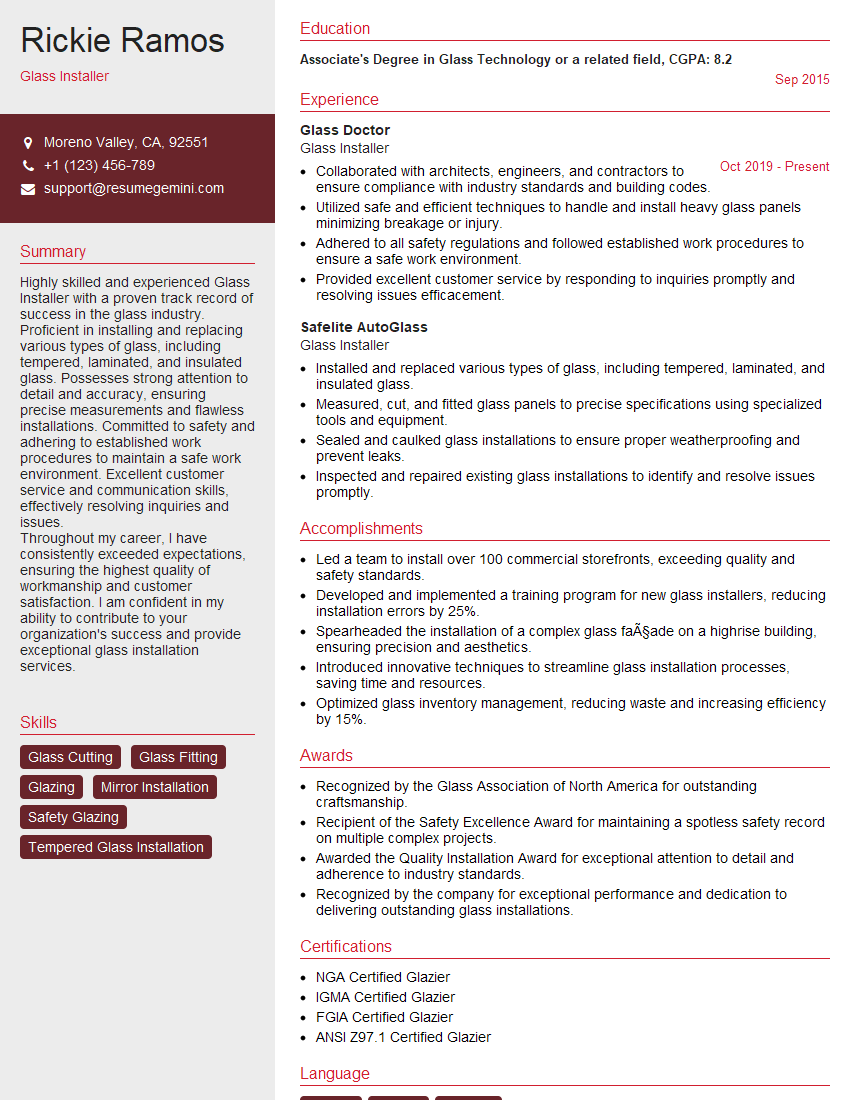
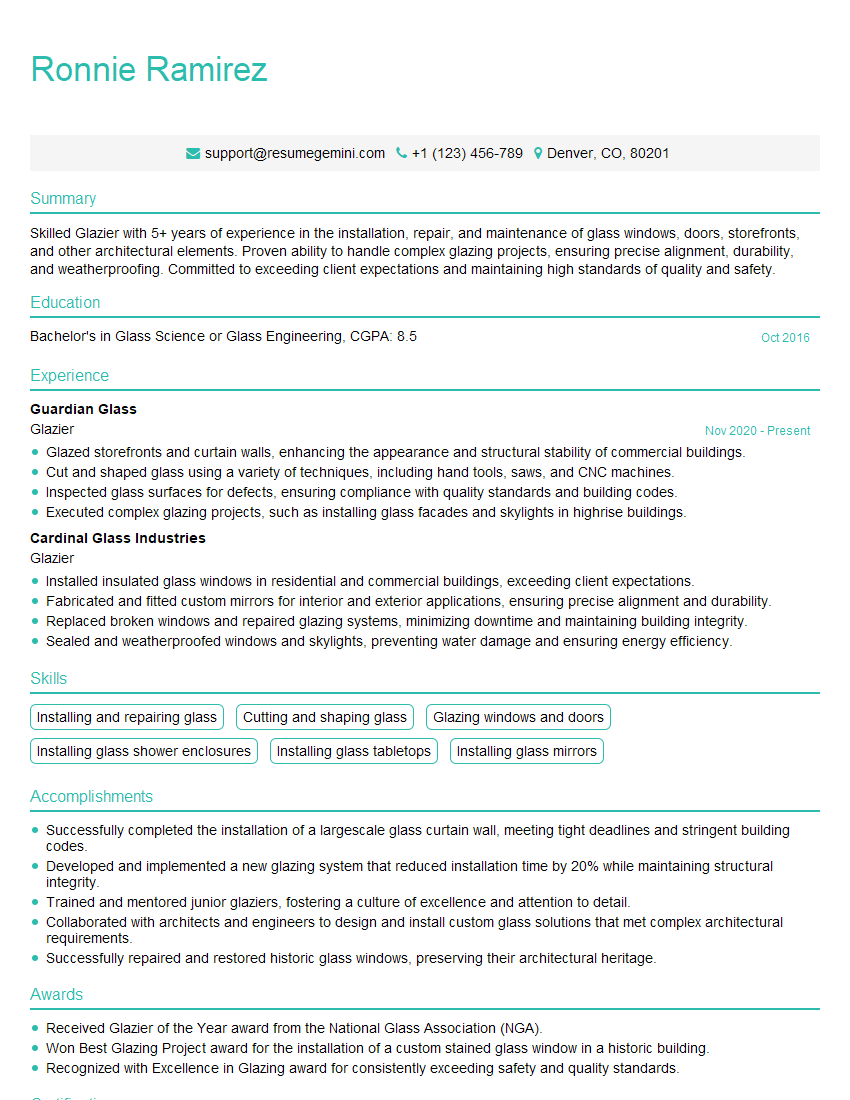
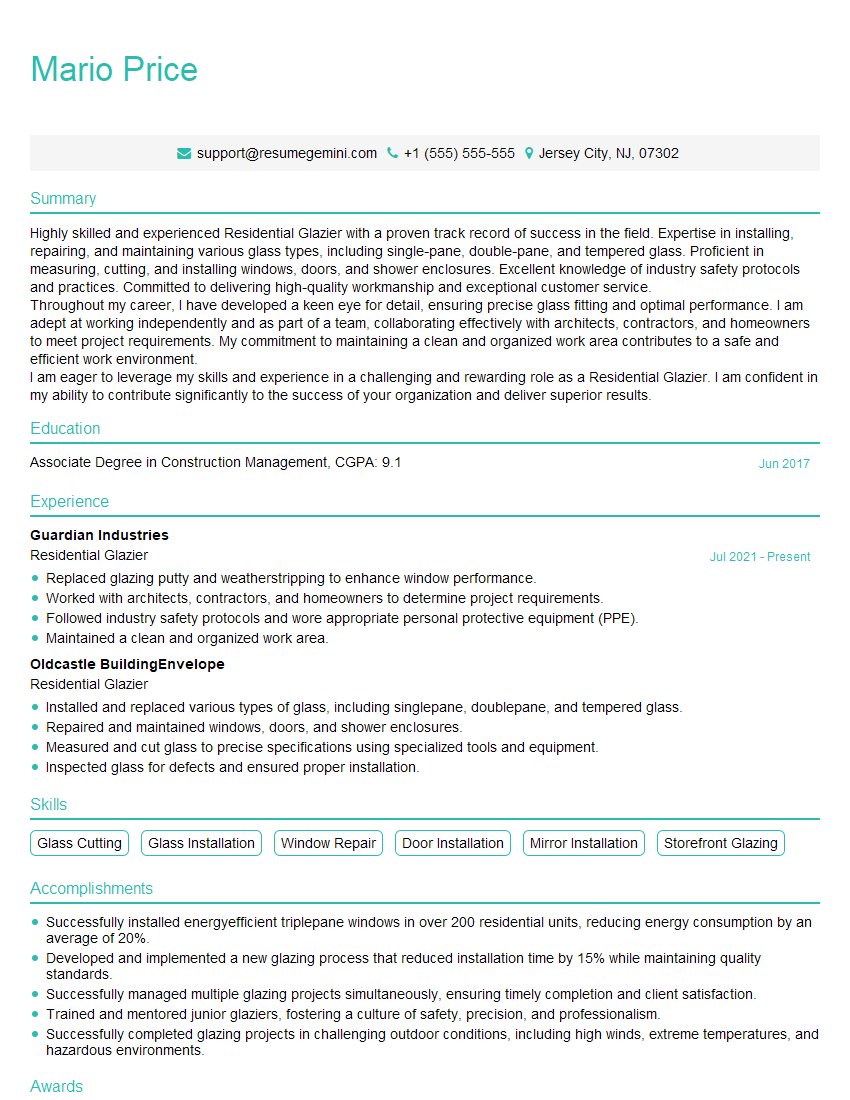
Mastering the intricacies of glass glazing opens doors to exciting career opportunities and positions you for advancement within the construction and building industry. Your expertise in this area is highly valuable! To maximize your job prospects, creating an ATS-friendly resume is crucial. This ensures your qualifications are effectively highlighted to potential employers. We strongly recommend leveraging ResumeGemini to build a professional and impactful resume. ResumeGemini provides a user-friendly platform and offers examples of resumes tailored to the Glass Glazing industry to help you present your skills and experience in the best possible light.
Explore more articles
Users Rating of Our Blogs
Share Your Experience
We value your feedback! Please rate our content and share your thoughts (optional).
What Readers Say About Our Blog
Very informative content, great job.
good