Every successful interview starts with knowing what to expect. In this blog, we’ll take you through the top Glove Six Sigma interview questions, breaking them down with expert tips to help you deliver impactful answers. Step into your next interview fully prepared and ready to succeed.
Questions Asked in Glove Six Sigma Interview
Q 1. Explain the DMAIC methodology in the context of Glove Six Sigma.
DMAIC, which stands for Define, Measure, Analyze, Improve, and Control, is a structured problem-solving methodology used in Six Sigma projects. In the context of glove manufacturing, it provides a framework for systematically reducing defects and improving the overall quality of gloves produced.
- Define: Clearly define the problem, such as excessive glove defects or inconsistencies in material strength. This phase involves setting project goals, defining the scope, and identifying key stakeholders. For example, we might define the problem as a high rate of pinhole defects in nitrile gloves, leading to customer complaints and returns.
- Measure: Collect data on the current process performance to quantify the problem. This often involves analyzing defect rates, cycle times, and other relevant metrics. For example, we might measure the current pinhole defect rate, the number of gloves produced per hour, and the amount of material wasted.
- Analyze: Identify the root causes of the problem using statistical tools such as Pareto charts, fishbone diagrams, and process capability analysis. For example, we might discover that variations in the dipping process or inconsistencies in the raw materials are the main culprits.
- Improve: Develop and implement solutions to address the root causes identified in the analysis phase. This might involve process adjustments, changes in raw materials, or improvements in employee training. For example, we might implement a new automated dipping system or change to a more consistent supplier for nitrile material.
- Control: Establish procedures to monitor the improved process and ensure that the gains achieved are sustained over time. This often involves the implementation of control charts and regular process monitoring. For instance, we might establish a control chart for pinhole defects, monitoring it daily to ensure the improved process remains stable.
Q 2. Describe your experience with Design of Experiments (DOE) in a Glove Six Sigma project.
In a recent Glove Six Sigma project focused on reducing imperfections on surgical gloves, we employed a Design of Experiments (DOE) approach. Specifically, we used a fractional factorial design to investigate the impact of three key factors on the rate of surface imperfections: dipping temperature, latex concentration, and drying time. Each factor was tested at two levels (high and low). The DOE allowed us to efficiently identify the most significant factors influencing imperfections and their optimal settings without having to test every possible combination. The analysis revealed that dipping temperature was the most significant factor. By optimizing this parameter, we achieved a 30% reduction in surface imperfections.
Example data analysis might involve using ANOVA (Analysis of Variance) to determine the statistical significance of each factor and their interactions.Q 3. How would you identify and prioritize critical process parameters (CPPs) in a glove manufacturing process?
Identifying and prioritizing Critical Process Parameters (CPPs) in glove manufacturing requires a systematic approach. We would begin by creating a process map, visually representing the entire manufacturing process from raw material to finished product. This allows us to identify all potential variables that may impact the final product quality.
Next, we’d employ Failure Mode and Effects Analysis (FMEA) to evaluate the potential impact of each variable on glove quality. This involves assigning severity, occurrence, and detection ratings to each potential failure mode. The Risk Priority Number (RPN), calculated as the product of these three ratings, helps us prioritize the CPPs—those with the highest RPNs warrant the most attention.
For example, in latex glove production, the CPPs might include latex formulation, dipping temperature, drying time, and the curing process. By prioritizing these CPPs based on their RPN, we can focus our improvement efforts on the areas with the most significant impact on defects and variability.
Q 4. What statistical tools are most useful in analyzing glove defect rates?
Analyzing glove defect rates often involves several statistical tools. Control charts (like p-charts for proportion of defects or u-charts for defects per unit) are crucial for monitoring defect rates over time and detecting shifts in the process. Pareto charts help identify the ‘vital few’ defects that contribute to the majority of problems. Histograms and box plots provide a visual representation of the defect rate distribution and help identify outliers. Capability analysis (Cpk) determines if the process is capable of meeting customer requirements. Finally, statistical process control (SPC) techniques help monitor the stability of the process and identify potential sources of variation.
Q 5. Explain how you would use control charts to monitor glove production processes.
Control charts are essential for monitoring glove production processes. The type of chart depends on the specific defect type being monitored. For example:
- p-chart: Used to monitor the proportion of defective gloves in a sample. This is useful when we’re looking at the overall defect rate across various production runs.
- u-chart: Used to monitor the number of defects per unit (e.g., number of pinholes per glove). This is useful when the sample size varies.
- c-chart: Used to monitor the number of defects per unit of production (e.g., number of defects per batch).
By plotting the defect rate over time, these charts help us identify trends, shifts, and points outside the control limits. Points outside the control limits signal potential problems requiring investigation, which allows for prompt corrective actions to prevent further defects. Regular monitoring of these charts is vital for maintaining consistent glove quality.
Q 6. How do you handle outliers in your Six Sigma data analysis?
Outliers in Six Sigma data analysis should never be ignored. They indicate potential problems within the process. Before removing them, I thoroughly investigate the cause. Is there a measurement error? Was there a special cause variation? Did a machine malfunction occur? I explore the data thoroughly and consider the context. If a justifiable cause is found (e.g., a known equipment failure during that specific data point), the outlier might be excluded from the analysis, but documented carefully. If there’s no obvious cause, I’ll analyze the outlier more deeply. Sometimes, outliers can uncover important insights that would have been missed otherwise. Robust statistical methods that are less sensitive to outliers, like median instead of mean, can also be useful. The goal is to understand why the outlier occurred, not just to remove it.
Q 7. Describe your experience with Gage R&R studies in a glove manufacturing setting.
Gage R&R (Gauge Repeatability and Reproducibility) studies are critical in glove manufacturing to assess the measurement system’s accuracy and precision. In a recent project involving the inspection of glove thickness, we conducted a Gage R&R study using multiple inspectors measuring the same set of gloves multiple times. We used ANOVA to analyze the data, separating the variation due to the gauge (repeatability), the inspectors (reproducibility), and the parts themselves (part-to-part variation). The results showed that a significant portion of the total variation was attributed to the inspector variability, suggesting the need for improved inspector training and calibration of measurement instruments. A low Gage R&R ratio indicates a reliable measurement system, while a high ratio signals the need for improvement in the measurement process to ensure data accuracy in subsequent analyses.
Q 8. What are some common sources of variation in glove production?
Variation in glove production stems from numerous sources, broadly categorized as common cause and special cause variations. Common cause variations are inherent to the process and are expected, while special cause variations are unexpected and often point to specific problems.
- Material Variations: Differences in the raw materials like latex, nitrile, or vinyl can significantly impact the final product’s thickness, strength, and texture. For example, variations in latex concentration can lead to inconsistencies in glove durability.
- Machine Settings: Inconsistent machine settings for dipping, curing, or powdering can introduce variations in glove dimensions, thickness, and surface finish. A slightly off-kilter dipping machine, for instance, can create gloves with varying lengths.
- Environmental Factors: Temperature and humidity fluctuations within the production facility can affect the curing process and lead to inconsistencies in glove properties. High humidity might result in slower drying times and potential defects.
- Operator Skill and Consistency: Human error is a significant source of variation. Differences in operator skill and adherence to standard operating procedures (SOPs) can lead to inconsistencies in the glove manufacturing process. For example, inconsistent inspection practices can lead to defective gloves slipping through quality control.
- Maintenance and Calibration: Regular maintenance and calibration of equipment are crucial. Neglecting this can introduce variations and ultimately defects. A poorly maintained dipping machine, for example, might produce gloves with inconsistent coating thickness.
Q 9. How would you measure and improve the cycle time of a glove manufacturing process?
Improving cycle time in glove manufacturing involves a systematic approach, often utilizing Lean principles in conjunction with Six Sigma methodologies. We can employ techniques like Value Stream Mapping (VSM) to visually identify bottlenecks and non-value-added activities. Measuring cycle time usually involves tracking the time taken from the start of the process (e.g., latex mixing) until the final product is packaged and ready for shipment.
Measurement: We’d use time studies to accurately record the time spent at each stage of the process. This involves observing multiple cycles and collecting data on processing times, downtime, and transportation time. Stopwatches, time-lapse cameras, and specialized software can be used for data collection.
Improvement: Once bottlenecks are identified, various improvement strategies can be implemented such as:
- Process Optimization: Analyzing each step for efficiency improvements. This might involve optimizing machine settings, reducing setup times, and streamlining material handling.
- Automation: Implementing automated systems for repetitive tasks can significantly reduce cycle time and human error.
- Kaizen Events: Engaging production personnel in focused problem-solving sessions to brainstorm and implement rapid improvements.
- 5S Methodology: Implementing 5S (Sort, Set in Order, Shine, Standardize, Sustain) to create a more efficient and organized workspace.
Continuous monitoring and adjustment of the process are key to maintaining the improved cycle time. Control charts can be used to track the cycle time over time and detect any deviations from the target.
Q 10. Explain your understanding of capability analysis (Cp, Cpk) and its application to glove production.
Capability analysis, using Cp and Cpk, assesses the ability of a process to consistently meet specifications. Cp measures the inherent capability of a process relative to its tolerances, while Cpk considers both capability and centering, indicating how well the process mean aligns with the target specification.
Cp (Process Capability Index): Cp = (USL – LSL) / 6σ, where USL is the upper specification limit, LSL is the lower specification limit, and σ is the process standard deviation. A Cp of 1 indicates that the process variation is equal to the tolerance spread divided by 6.
Cpk (Process Capability Index): Cpk is the minimum of (USL – μ) / 3σ and (μ – LSL) / 3σ, where μ is the process mean. Cpk considers both the process variation and its centering. A Cpk of 1 suggests the process is capable of meeting specifications 99.73% of the time (within ±3 standard deviations of the mean).
Application to Glove Production: In glove production, Cp and Cpk can be used to assess the capability of processes like glove thickness, length, or tensile strength. For example, we might measure the thickness of 100 gloves and calculate the mean and standard deviation. If the specifications require a thickness between 0.08mm and 0.12mm, then Cp and Cpk can determine whether the manufacturing process consistently produces gloves within these limits.
Low Cp and Cpk values indicate a need for process improvement. Potential solutions could include adjusting machine settings, improving raw material quality, enhancing operator training, and implementing better process controls.
Q 11. How would you present Six Sigma findings to a non-technical audience?
Presenting Six Sigma findings to a non-technical audience requires translating complex statistical data into easily understood concepts and visuals. Avoid technical jargon and focus on the key business impacts.
- Use Visual Aids: Charts and graphs are far more effective than tables of numbers. Simple bar charts, pie charts, or even infographics can effectively communicate key performance indicators (KPIs).
- Focus on the Story: Frame the presentation as a narrative, outlining the problem, the solution, and the positive outcomes. Use real-world examples and anecdotes to illustrate the points.
- Quantify the Benefits: Translate improvements into concrete financial or operational gains. For example, instead of saying “we improved the defect rate,” say “we reduced defects by 15%, saving the company $100,000 annually.”
- Use Analogies: Relate technical concepts to everyday situations. For example, explain process variation using the analogy of shooting arrows at a target. A tightly grouped cluster indicates a capable process.
- Keep it Concise: Respect the audience’s time and avoid overwhelming them with too much detail. Focus on the key findings and recommendations.
For instance, instead of saying “we implemented a DMAIC project and improved our Cpk from 0.8 to 1.2,” you could say “We significantly improved the quality of our gloves by reducing defects and improving consistency, saving the company money and boosting customer satisfaction.”
Q 12. Describe a situation where you had to overcome resistance to change during a Six Sigma project.
During a Six Sigma project aimed at reducing defects in the glove-packing process, I encountered resistance from the packing team. They felt the proposed changes to their workflow (implementing a new visual inspection system) were unnecessary and would slow down their work. Some felt the current system was ‘good enough’ and were uncomfortable adopting new methods.
To overcome this resistance, I adopted a multi-pronged approach:
- Active Listening and Empathy: I took the time to understand their concerns and acknowledge their expertise. I listened to their suggestions and incorporated feasible ones into the plan.
- Data-Driven Communication: I presented data showing the current defect rate and the potential cost savings from reducing defects. I also shared data from pilot tests that showed the new system was actually faster once mastered.
- Training and Support: I organized thorough training sessions for the team on the new inspection system. I also provided ongoing support and mentorship to ensure they felt confident using it.
- Involve the Team: I actively involved the team in the implementation and improvement process. Their input was valuable in fine-tuning the new system and making it work for them.
- Celebrate Successes: I actively recognized and celebrated the team’s successes in adopting the new system and achieving the project goals. This fostered a sense of ownership and accomplishment.
By addressing their concerns, providing support, and involving them in the process, I successfully overcame resistance and achieved significant improvements in the glove-packing process.
Q 13. Explain your experience with FMEA (Failure Mode and Effects Analysis) in glove manufacturing.
FMEA (Failure Mode and Effects Analysis) is a proactive risk assessment tool used to identify potential failures in a process and assess their severity, occurrence, and detectability. This helps prioritize actions to mitigate risks and prevent failures before they occur.
In glove manufacturing, FMEA is extensively used in various stages:
- Raw Material Handling: Assessing risks associated with improper storage, handling, or contamination of latex, nitrile, or other raw materials.
- Manufacturing Process: Identifying potential failures in the dipping, curing, powdering, or inspection processes. For example, a failure in the curing oven could lead to inconsistent glove strength.
- Packaging and Distribution: Identifying risks related to damage, contamination, or improper labeling during packing and shipment.
The FMEA process typically involves:
- Identifying Potential Failure Modes: Listing all possible ways the process could fail.
- Assessing Severity: Rating the severity of each failure mode on a scale (e.g., 1-10).
- Assessing Occurrence: Rating the likelihood of each failure mode occurring (e.g., 1-10).
- Assessing Detectability: Rating the likelihood of detecting the failure mode before it reaches the customer (e.g., 1-10).
- Calculating Risk Priority Number (RPN): Multiplying the severity, occurrence, and detectability ratings to obtain an RPN. Higher RPN values indicate higher-risk failure modes.
- Developing Control Plans: Implementing corrective actions to mitigate the risks associated with high-RPN failure modes.
By systematically identifying and mitigating potential failure modes, FMEA helps improve product quality, reduce defects, and enhance customer satisfaction.
Q 14. How would you select the appropriate Six Sigma methodology (DMAIC, DMADV) for a given project?
The choice between DMAIC (Define, Measure, Analyze, Improve, Control) and DMADV (Define, Measure, Analyze, Design, Verify) depends on the project’s objective. DMAIC is used for improving an existing process, while DMADV is used for designing a new process or product.
- DMAIC: Use DMAIC when you want to improve an existing glove manufacturing process, such as reducing defects, improving cycle time, or increasing yield. For example, if the defect rate in the glove inspection process is too high, DMAIC would be the appropriate methodology to analyze the root causes and implement improvements.
- DMADV: Use DMADV when designing a new glove manufacturing process or a new type of glove. For example, if the company wants to develop a new type of glove with improved grip or durability, DMADV would guide the design and development process, ensuring the new glove meets requirements before launch.
In selecting the methodology, consider the following factors:
- Project Goal: Is the goal to improve an existing process or create a new one?
- Process Maturity: Is the process already established and operating, or is it a completely new process?
- Available Resources: Do you have the resources and expertise to support a design-focused project (DMADV) or an improvement-focused project (DMAIC)?
Clearly defining the project goal and understanding the current state of the process are crucial steps in selecting the appropriate Six Sigma methodology.
Q 15. What is your experience with root cause analysis techniques, such as 5 Whys or Fishbone diagrams?
Root cause analysis is crucial in Six Sigma for identifying the fundamental reasons behind defects or inefficiencies. I’m proficient in several techniques, including the 5 Whys and Fishbone diagrams. The 5 Whys is an iterative questioning process where you repeatedly ask ‘why’ to drill down to the root cause. For example, if a customer returns a product because it’s broken (the effect), we’d ask ‘Why is it broken?’ (Perhaps due to a faulty component). Then, ‘Why was the faulty component used?’ (Maybe due to a supplier issue). We continue this until we reach the root cause, such as inadequate supplier quality control. Fishbone diagrams, also known as Ishikawa diagrams, provide a visual representation of potential causes categorized by factors like materials, methods, manpower, machinery, environment, and measurement. I use both techniques iteratively, often starting with the 5 Whys to identify initial potential causes, which are then organized and further explored within a Fishbone diagram to ensure a comprehensive root cause identification.
Career Expert Tips:
- Ace those interviews! Prepare effectively by reviewing the Top 50 Most Common Interview Questions on ResumeGemini.
- Navigate your job search with confidence! Explore a wide range of Career Tips on ResumeGemini. Learn about common challenges and recommendations to overcome them.
- Craft the perfect resume! Master the Art of Resume Writing with ResumeGemini’s guide. Showcase your unique qualifications and achievements effectively.
- Don’t miss out on holiday savings! Build your dream resume with ResumeGemini’s ATS optimized templates.
Q 16. Describe your experience with process mapping and value stream mapping.
Process mapping and value stream mapping are indispensable tools for visualizing and improving workflows. Process mapping provides a detailed, step-by-step illustration of a process, including inputs, outputs, and decision points. I’ve utilized this extensively to identify bottlenecks and areas for improvement in manufacturing and service processes. For instance, in a recent project involving order fulfillment, process mapping revealed a significant delay in the shipping stage due to an inefficient labeling system. Value stream mapping takes this a step further by analyzing the entire flow of materials and information, identifying non-value-added steps that waste time, resources, or money. In the same order fulfillment example, value stream mapping helped pinpoint unnecessary steps in the inventory management process that contributed to the overall lead time. I’m adept at using both methods collaboratively; process mapping helps to define the process in detail, while value stream mapping provides the broader context for optimization.
Q 17. How would you measure the effectiveness of a Six Sigma project?
Measuring the effectiveness of a Six Sigma project requires a multifaceted approach. Key performance indicators (KPIs) must be established before the project starts and should align with the project’s goals. These KPIs can include defect reduction rates, process cycle time reductions, cost savings, customer satisfaction scores, and improved yields. We typically establish a baseline measurement before project initiation. Post-project, we compare the ‘after’ results to the baseline to quantify the improvement. Beyond quantitative data, qualitative feedback from stakeholders, including employees and customers, is crucial to understand the overall impact and gain insights for future improvement. Statistical analysis, such as hypothesis testing, is used to ensure that observed improvements are statistically significant and not just random fluctuations.
Q 18. What metrics would you use to track the success of a Glove Six Sigma initiative?
Tracking the success of a Glove Six Sigma initiative demands specific metrics tailored to the glove manufacturing process. This would include:
- Defect rate per 1,000 gloves produced (reducing defects is a core Six Sigma aim).
- Yield improvement (measuring the percentage of usable gloves produced).
- Cycle time reduction (optimizing time taken from raw material to finished product).
- Material cost reduction per glove (reducing waste and optimizing material usage).
- Customer complaints related to glove quality (measuring customer satisfaction and product defects).
- Employee safety incidents related to the glove production process (ensuring a safe working environment).
Q 19. Explain your experience with software tools used in Six Sigma (e.g., Minitab, JMP).
My Six Sigma projects have leveraged several software tools. Minitab is a crucial tool for statistical analysis, allowing me to perform hypothesis testing, regression analysis, capability analysis, and design of experiments (DOE). For example, I used Minitab to analyze data from a glove manufacturing process, identifying the specific factors influencing defect rates and developing a statistically sound solution to reduce them. JMP, another powerful statistical software package, is frequently used for visualizing data and conducting complex analyses, helping with creating interactive dashboards for monitoring project progress and communicating results effectively to stakeholders. I am also proficient in using spreadsheet software like Excel for data management, creating charts, and performing basic statistical analysis.
Q 20. How do you ensure data integrity and accuracy in your Six Sigma projects?
Data integrity and accuracy are paramount in Six Sigma. I employ several strategies to ensure this:
- Data validation: Implementing checks and balances at every stage of data collection, including data entry and cleaning. This might involve double-checking data entries or using automated tools for error detection.
- Data source verification: Ensuring the reliability and credibility of the data sources. This could include reviewing the data collection methods and verifying the accuracy of the measuring instruments used.
- Documentation: Meticulously documenting the data collection process, including any potential biases or limitations. This provides a clear audit trail for data analysis and validation.
- Statistical process control (SPC): Utilizing control charts to monitor process stability and identify any anomalies or out-of-control points that might indicate data issues.
Q 21. Describe a time you had to deal with conflicting priorities in a Six Sigma project.
In a recent project aimed at reducing glove production cycle time, I faced competing priorities. The manufacturing team prioritized meeting immediate production demands, while the Six Sigma team focused on long-term process improvement. This created tension since implementing some of our improvements (like a new production line layout) required temporary production halts. I addressed this by first demonstrating the long-term benefits of the changes through data analysis and simulations. Secondly, I worked collaboratively with the manufacturing team, proposing a phased implementation plan that minimized production disruptions while achieving incremental improvements. This involved prioritizing quick wins, followed by more significant changes after demonstrating success with the initial phases. Open communication and collaborative problem-solving were crucial in navigating these conflicting priorities, achieving both short-term production goals and long-term process optimization.
Q 22. How do you manage stakeholders’ expectations during a Six Sigma project?
Managing stakeholder expectations is crucial for Six Sigma project success. It involves proactive communication, clear goal setting, and consistent updates. I start by identifying all key stakeholders – from executive sponsors to front-line employees – and understanding their individual interests and concerns. This often involves one-on-one meetings to gauge their expectations and establish a shared understanding of the project’s objectives and potential impact.
Next, I create a comprehensive communication plan, outlining how and when stakeholders will receive updates. This might involve regular progress reports, presentations, or even informal check-ins. It’s vital to be transparent about challenges and setbacks, explaining how they’re being addressed. Regular feedback mechanisms, such as surveys or focus groups, ensure that stakeholder needs and expectations remain aligned with project progress. Finally, I ensure that expectations are realistic and achievable, avoiding over-promising and under-delivering. For example, in a project aiming to reduce defects in a manufacturing process, I would clearly communicate realistic defect reduction targets, timelines, and the potential impact on production efficiency.
By actively managing stakeholder expectations throughout the project lifecycle, you foster buy-in, support, and ultimately, higher chances of project success.
Q 23. What are the key differences between DMAIC and DMADV?
DMAIC and DMADV are both Six Sigma methodologies, but they serve different purposes. DMAIC (Define, Measure, Analyze, Improve, Control) is used for improving existing processes, while DMADV (Define, Measure, Analyze, Design, Verify) is used for designing new processes or products.
- DMAIC focuses on identifying and eliminating defects within a current process. Think of it as refining an existing recipe to make it better. The improvement is incremental, focusing on optimization.
- DMADV, on the other hand, is about creating something completely new from the ground up. This is like creating an entirely new recipe instead of modifying an existing one. It’s more focused on innovation and design.
Here’s a table summarizing the key differences:
| Feature | DMAIC | DMADV |
|---|---|---|
| Objective | Improve existing process | Design new process/product |
| Starting Point | Existing process | No existing process |
| Focus | Defect reduction, efficiency gains | Innovation, design optimization |
| Output | Optimized process | New process/product |
For example, a DMAIC project might aim to reduce the number of errors in an order fulfillment process, while a DMADV project might involve designing a new, more efficient customer relationship management system.
Q 24. What are some common challenges encountered during Six Sigma projects, and how do you overcome them?
Six Sigma projects often encounter challenges. One common hurdle is resistance to change. People may be comfortable with the status quo, even if it’s inefficient. To overcome this, I involve stakeholders early on, emphasizing the benefits of the changes and addressing their concerns directly. Open communication and collaboration are key here.
Another challenge is data availability and quality. Accurate data is the backbone of Six Sigma. If data is incomplete, inconsistent, or unreliable, it compromises the entire project. I tackle this by collaborating with IT and other relevant departments to ensure data quality. This might involve cleaning existing data, implementing new data collection methods, or developing a more robust data management system.
Resource constraints, such as limited time, budget, or personnel, are also frequent obstacles. This requires careful planning, prioritization, and effective resource allocation. I use project management techniques like critical path analysis to identify critical tasks and ensure that resources are focused on the most important activities. Sometimes, I might need to adjust the project scope to ensure feasibility within the constraints.
Finally, lack of management support can severely impact a project. Without buy-in from leadership, it’s difficult to secure necessary resources or overcome internal resistance. To address this, I make sure to clearly communicate the project’s potential benefits to management, demonstrating its alignment with overall business goals.
Q 25. How do you balance speed and quality in a Six Sigma project?
Balancing speed and quality in Six Sigma requires a strategic approach. While speed is important for delivering results quickly, compromising quality is unacceptable. The key is to optimize the process for both speed and quality, not to sacrifice one for the other.
This can be achieved through techniques like process mapping and value stream mapping to identify and eliminate waste (Lean principles), thereby improving efficiency. Using tools like Design of Experiments (DOE) allows for rapid experimentation and optimization of process parameters without extensive testing. Prioritization of critical-to-quality (CTQ) characteristics helps to focus efforts on the most important aspects of quality, enabling faster progress without sacrificing standards.
For instance, in a manufacturing environment, instead of testing every single product, statistical sampling methods can be used to assess quality while significantly reducing testing time. Furthermore, using automation where possible can dramatically speed up processes while maintaining quality. Ultimately, successful balancing is about a well-defined scope, efficient planning, and commitment to continuous improvement.
Q 26. Describe your understanding of Lean principles and their integration with Six Sigma.
Lean principles and Six Sigma are highly complementary. Lean focuses on eliminating waste and maximizing value, while Six Sigma aims for defect reduction and process improvement. Integrating both creates a powerful synergy.
Lean principles, such as 5S (Sort, Set in Order, Shine, Standardize, Sustain), Value Stream Mapping, and Kaizen, help identify and eliminate waste within Six Sigma projects. This reduces cycle times, improves efficiency, and simplifies processes, making them easier to control and improve upon. Six Sigma’s data-driven approach provides the quantitative evidence to support Lean improvements, confirming the effectiveness of implemented changes.
For example, by applying 5S to a workplace before starting a Six Sigma project, you create a more organized and efficient environment, making data collection and process improvement easier. Similarly, value stream mapping helps to identify non-value-added steps, providing targets for elimination within the Six Sigma improvement process.
Q 27. Explain how you would apply the concept of ‘Kaizen’ within a Glove Six Sigma project.
Kaizen, meaning ‘continuous improvement’ in Japanese, is a cornerstone of Lean and integrates seamlessly into Glove Six Sigma projects. It emphasizes small, incremental changes over time, rather than large-scale overhauls. In a Glove Six Sigma project (assuming ‘Glove’ refers to a specific industry or company context, for example, glove manufacturing), this might involve:
- Regular process observations: Team members regularly observe the glove manufacturing process, identifying minor inefficiencies or areas for improvement.
- Idea generation and implementation: Employees are encouraged to suggest small changes that can improve speed, quality, or safety. These are then implemented and evaluated. For example, a slight adjustment to the assembly line layout could reduce movement and improve efficiency.
- Data tracking: The impact of each Kaizen event is tracked using data to demonstrate its effectiveness and build a culture of continuous improvement. Small gains from multiple Kaizen events can add up to significant overall improvements.
- Standardization: Successful Kaizen improvements are standardized to prevent backsliding and ensure consistency across the process.
Applying Kaizen fosters a culture of continuous improvement, leading to ongoing enhancements to quality, efficiency, and employee engagement within the glove manufacturing process.
Key Topics to Learn for a Glove Six Sigma Interview
- DMAIC Methodology: Understand the Define, Measure, Analyze, Improve, and Control phases thoroughly. Be prepared to discuss practical applications of each phase in a manufacturing or service context.
- Statistical Process Control (SPC): Familiarize yourself with control charts (e.g., X-bar and R charts, p-charts, c-charts), their interpretation, and how they’re used to monitor process stability and identify variations.
- Measurement Systems Analysis (MSA): Understand the importance of accurate and reliable data. Be ready to discuss different MSA techniques and how to assess the capability of a measurement system.
- Root Cause Analysis (RCA): Master various RCA tools like 5 Whys, Fishbone diagrams (Ishikawa diagrams), and fault tree analysis. Practice applying these techniques to solve real-world problems.
- Process Capability Analysis: Learn to interpret Cp, Cpk, and Pp, PpK indices and understand their significance in determining process performance and its ability to meet specifications.
- Design of Experiments (DOE): Gain a foundational understanding of DOE principles and how it’s used to optimize processes and identify key factors affecting performance. Focus on the practical application rather than complex statistical theory.
- Glove Six Sigma specific applications: Research how the methodology is specifically applied within the context of glove manufacturing, including quality control, defect reduction, and process improvement within the unique constraints of the industry.
Next Steps
Mastering Glove Six Sigma demonstrates a commitment to continuous improvement and problem-solving, highly valued skills that can significantly boost your career prospects. To enhance your job search, creating a strong, ATS-friendly resume is crucial. ResumeGemini is a trusted resource that can help you build a professional and impactful resume tailored to highlight your Glove Six Sigma expertise. Examples of resumes specifically crafted for Glove Six Sigma roles are available to guide you. Invest time in crafting a compelling resume – it’s your first impression on potential employers.

Operations Manager Resume Sample
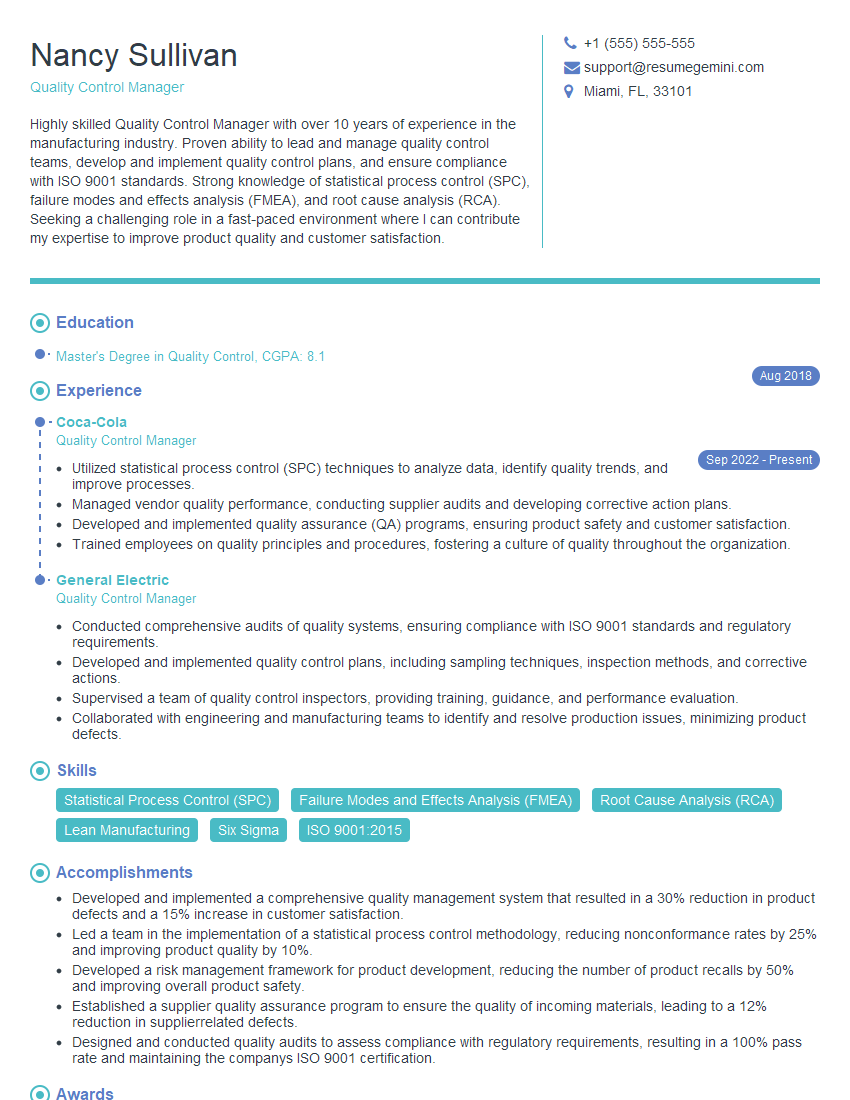
Quality Control Manager Resume Sample
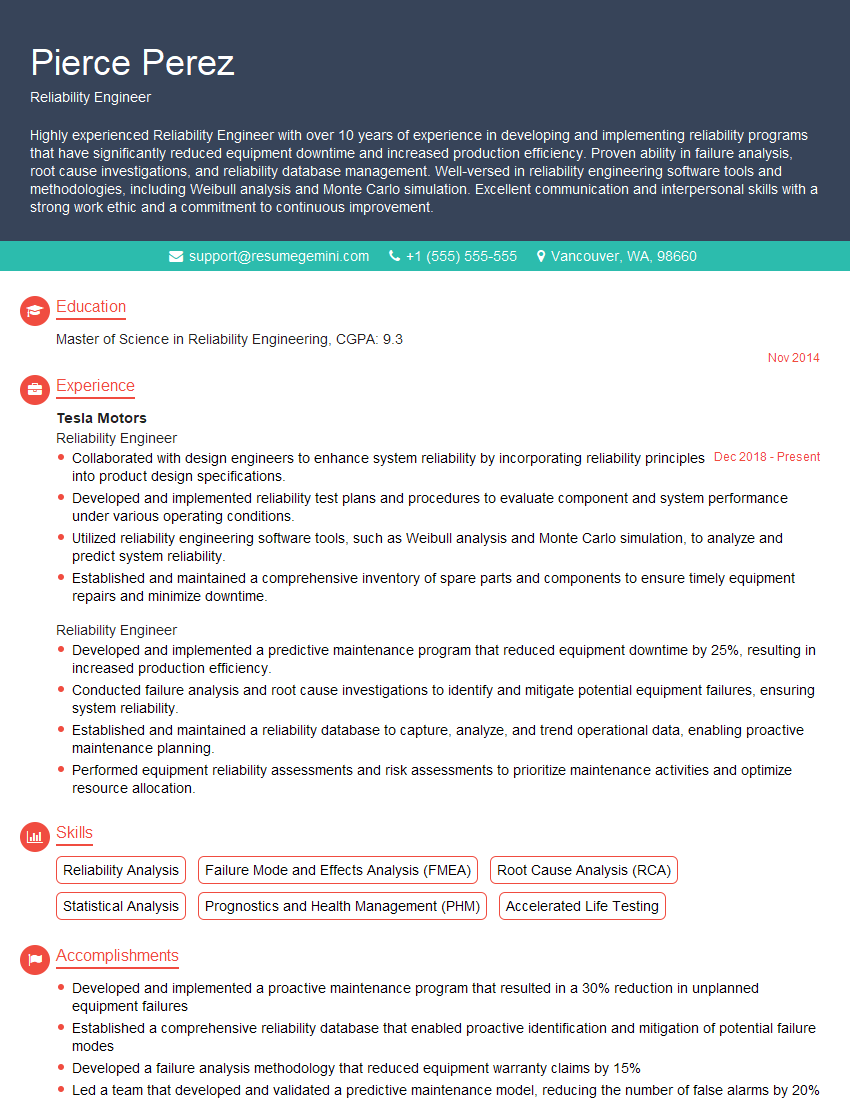
Reliability Engineer Resume Sample
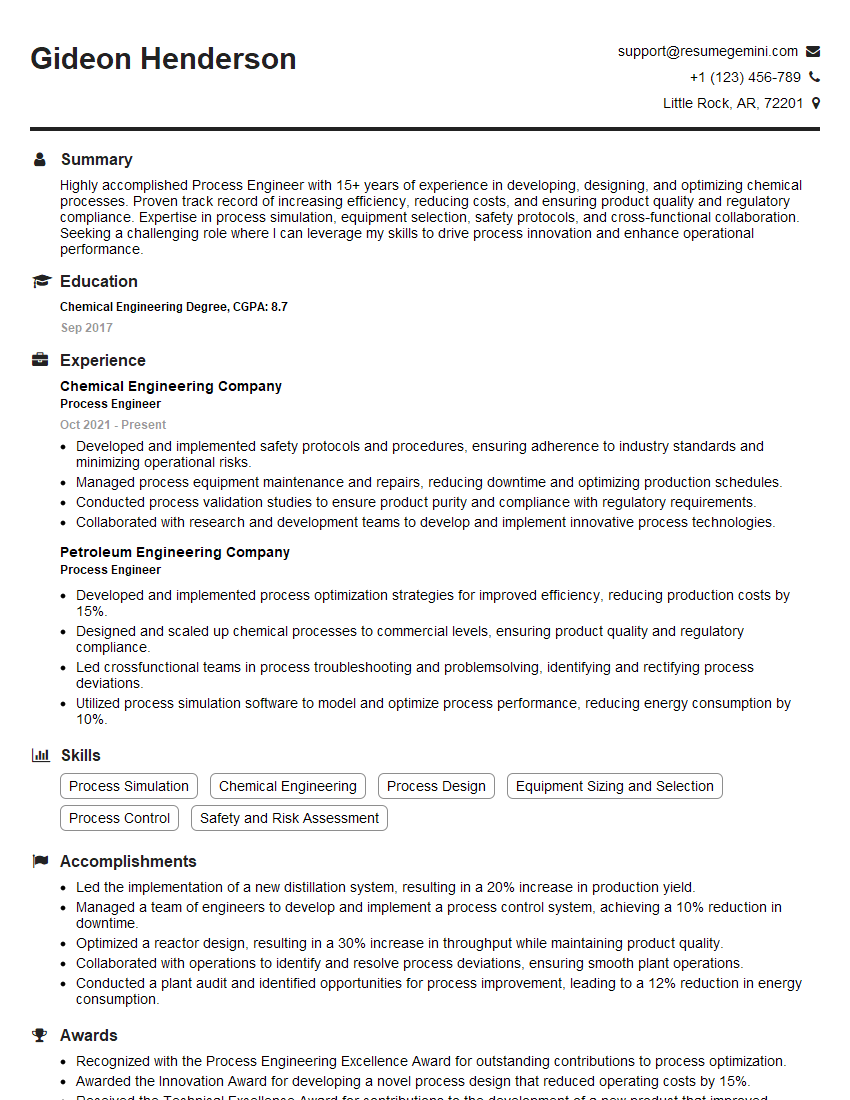
Process Engineer Resume Sample
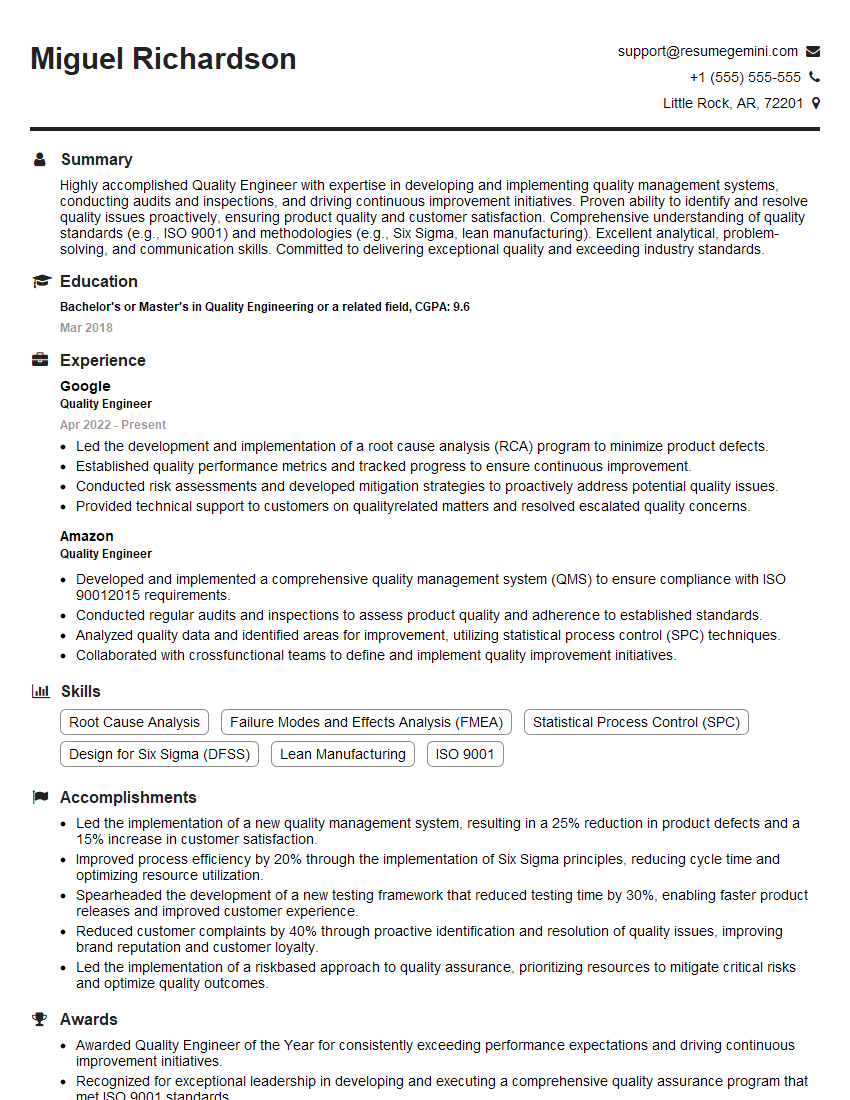
Quality Engineer Resume Sample
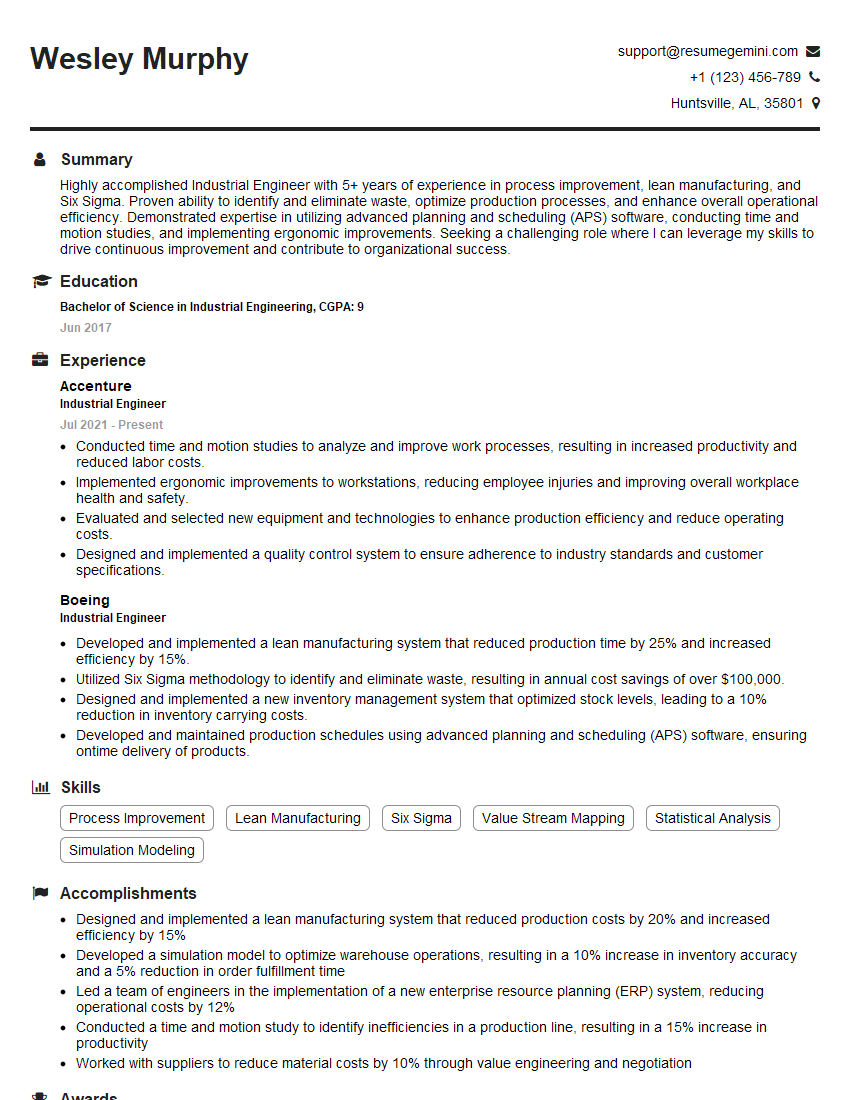
Industrial Engineer Resume Sample
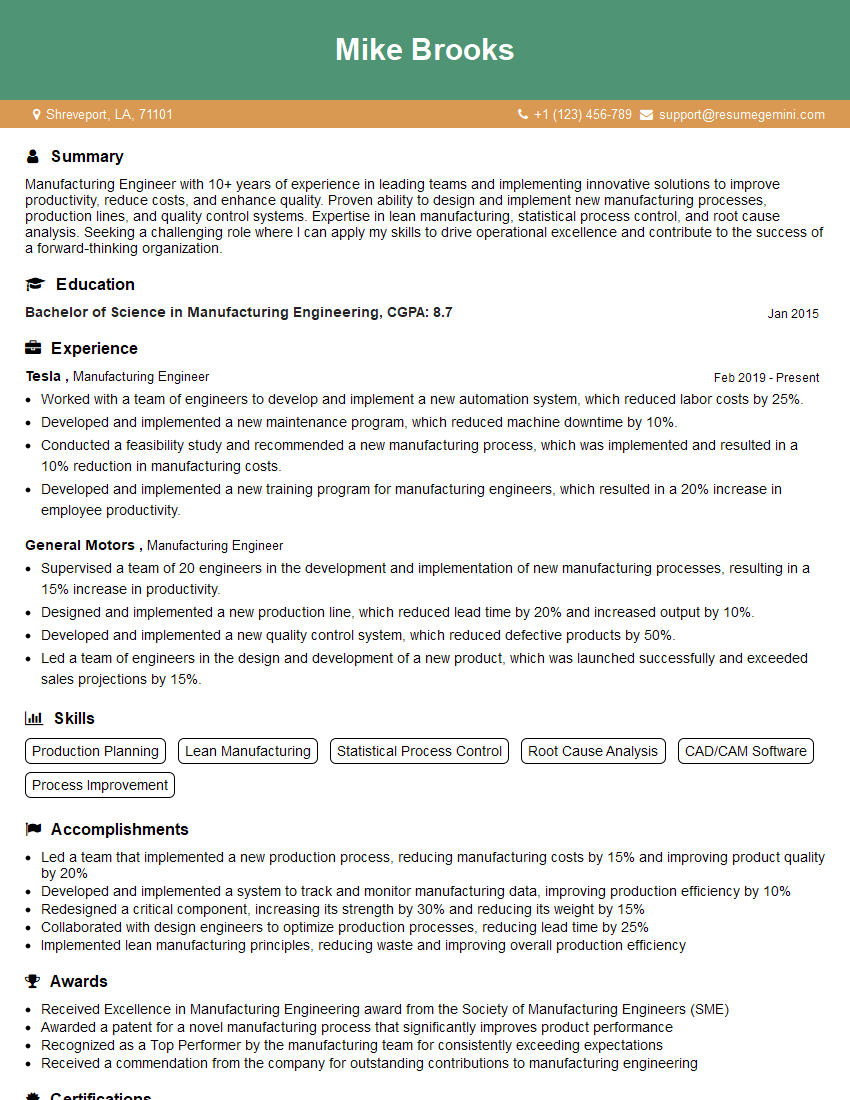
Manufacturing Engineer Resume Sample
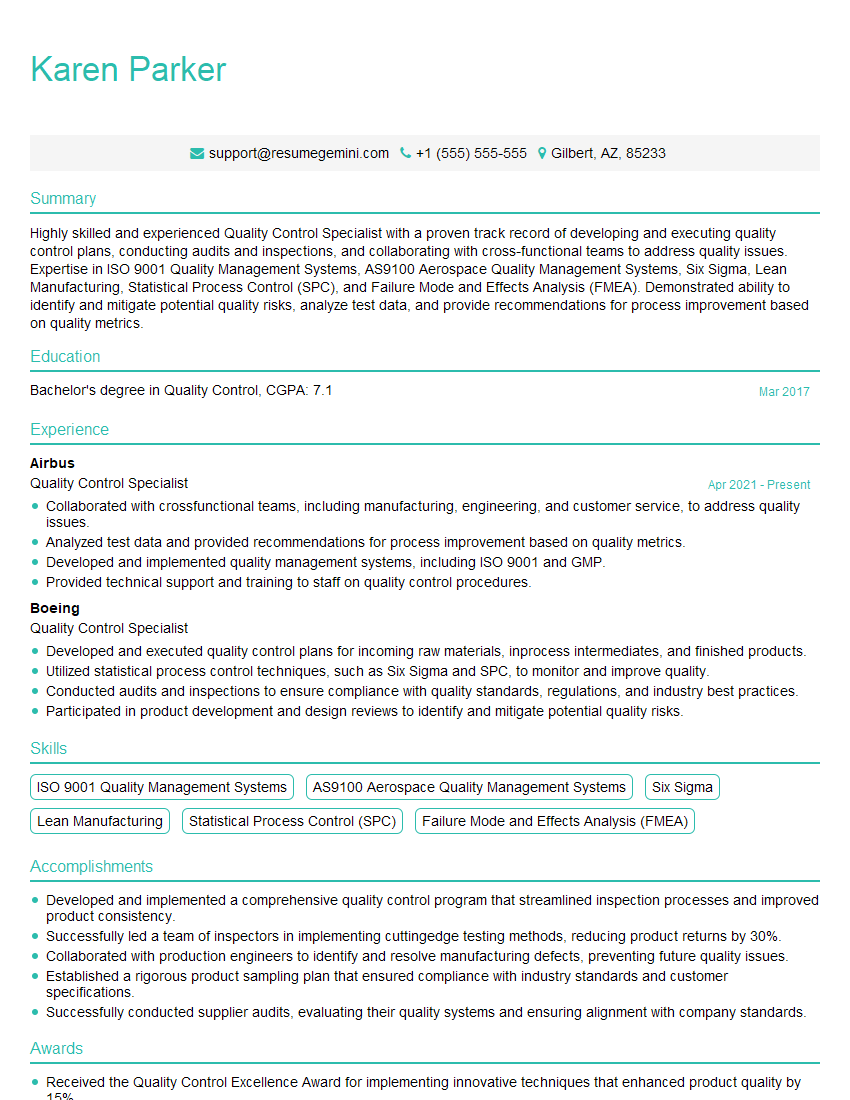
Quality Control Specialist Resume Sample
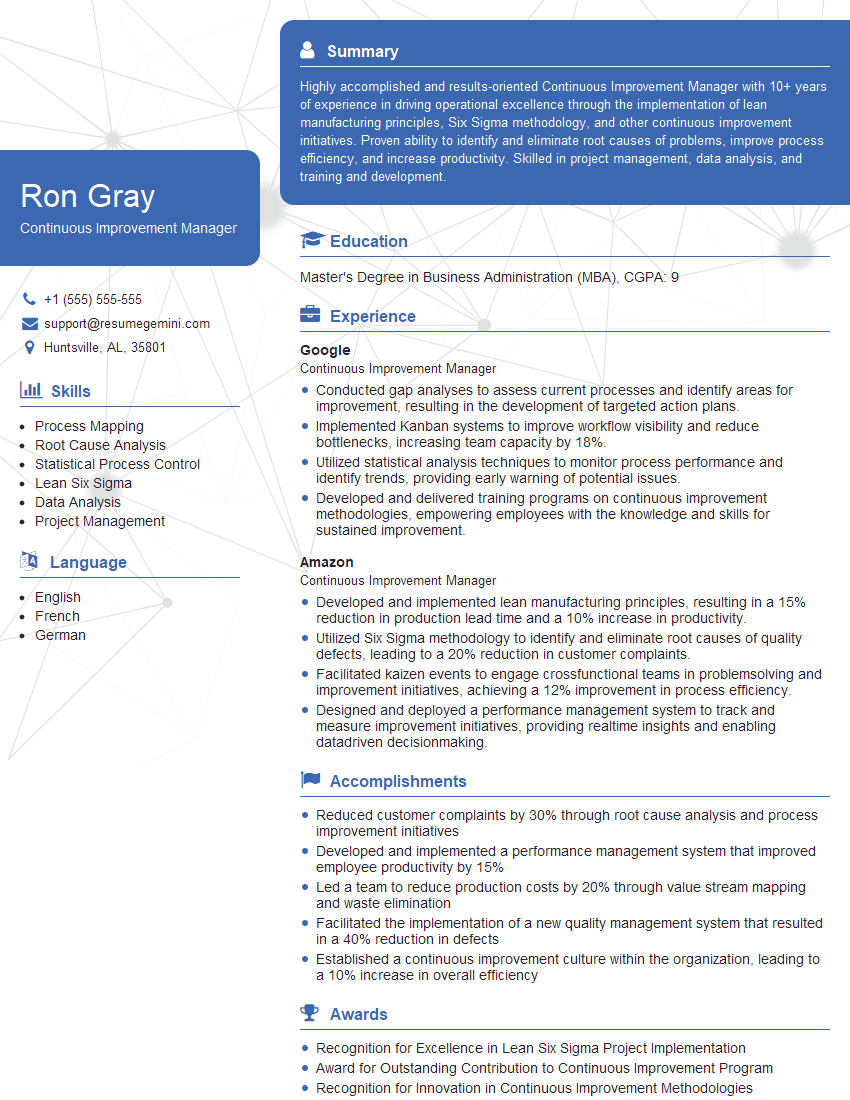
Continuous Improvement Manager Resume Sample
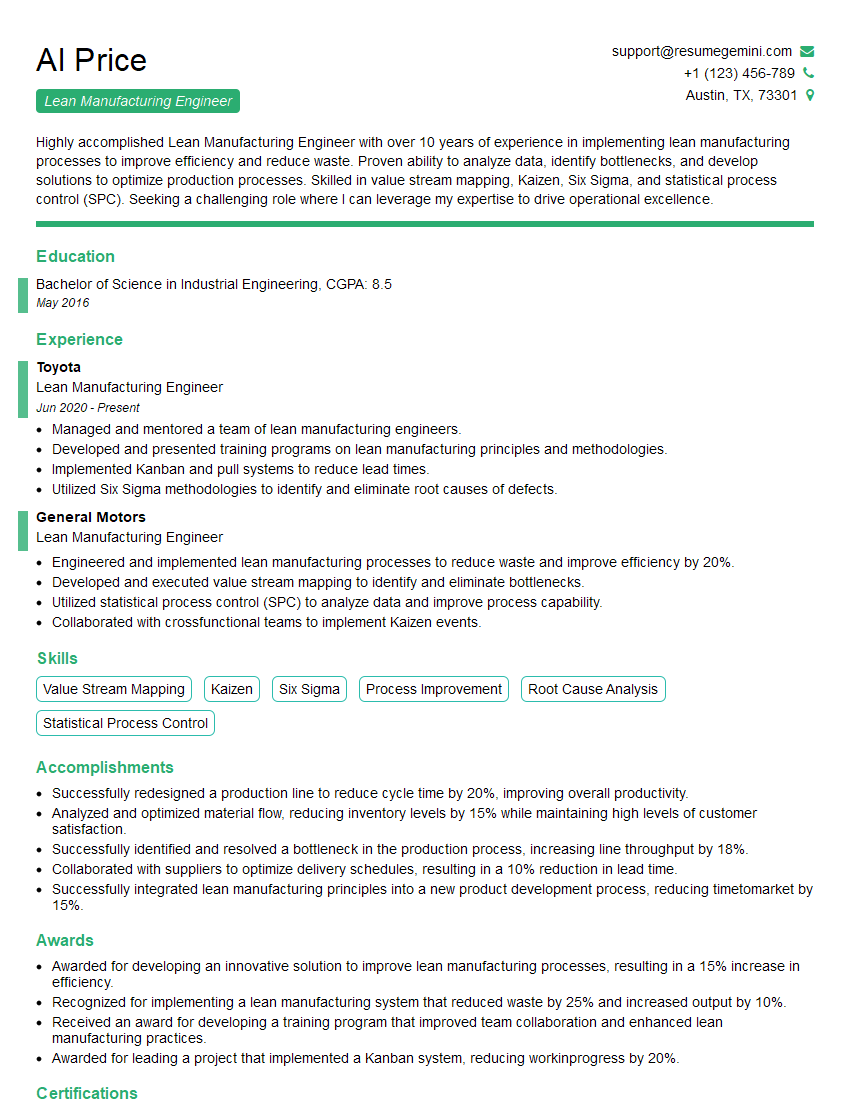
Lean Manufacturing Engineer Resume Sample
Explore more articles
Users Rating of Our Blogs
Share Your Experience
We value your feedback! Please rate our content and share your thoughts (optional).
What Readers Say About Our Blog
Very informative content, great job.
good