Are you ready to stand out in your next interview? Understanding and preparing for Stress Tolerance and Pressure Management interview questions is a game-changer. In this blog, we’ve compiled key questions and expert advice to help you showcase your skills with confidence and precision. Let’s get started on your journey to acing the interview.
Questions Asked in Stress Tolerance and Pressure Management Interview
Q 1. Describe a situation where you had to manage multiple competing priorities under pressure.
Managing competing priorities under pressure is a critical skill, especially in fast-paced environments. It requires a blend of organizational prowess, strategic thinking, and effective time management. I recall a project where I was leading a team developing a new stress management app, simultaneously managing client communications, internal team meetings, and the looming deadline for the app’s launch. Each of these tasks demanded significant attention and had tight deadlines.
To navigate this, I utilized a prioritization matrix, categorizing tasks based on urgency and importance. I delegated less critical but time-consuming tasks, focusing my energy on the most impactful activities directly related to the app’s launch. This involved clear communication with the team, regular progress checks, and proactive problem-solving to anticipate and mitigate potential roadblocks. The result was a successful app launch on time, demonstrating my ability to manage multiple demands effectively under pressure.
Q 2. How do you prioritize tasks when facing time constraints and competing deadlines?
Prioritizing tasks under time constraints involves a structured approach. I often employ the Eisenhower Matrix (Urgent/Important), categorizing tasks into four quadrants: Do, Decide, Delegate, and Delete. Urgent and Important tasks (crises, deadlines) get immediate attention. Important but not urgent tasks (planning, relationship building) are scheduled proactively. Urgent but not important tasks (interruptions, some meetings) are delegated or minimized. Tasks that are neither urgent nor important are deleted.
For example, if facing competing deadlines for a report and a presentation, I’d first assess which has a more immediate and critical impact. Let’s say the report is due sooner and carries higher consequences if missed, I would prioritize that. I might then break down the presentation tasks into smaller, more manageable chunks, scheduling them around the report’s completion.
Q 3. What strategies do you employ to manage stress and maintain productivity during high-pressure situations?
Maintaining productivity and managing stress during high-pressure situations requires a multi-pronged strategy. My approach involves a combination of proactive and reactive techniques.
- Proactive Techniques: These aim to prevent stress buildup. This includes prioritizing sleep, maintaining a healthy diet, regular exercise, and mindfulness practices like meditation or deep breathing exercises. Time-blocking and setting realistic goals prevent feeling overwhelmed.
- Reactive Techniques: These help manage stress when it arises. This includes taking short breaks throughout the day, engaging in activities that promote relaxation (listening to music, spending time in nature), practicing time management techniques, and utilizing stress-reduction apps or resources.
For instance, if I anticipate a particularly stressful week, I schedule extra time for relaxation activities and ensure I get sufficient sleep. During stressful moments, I might take a 5-minute walk to clear my head before returning to the task at hand. This combination of proactive and reactive strategies has proven effective in maintaining both productivity and well-being.
Q 4. Describe a time you experienced burnout. How did you recover?
Burnout is a serious issue that stems from prolonged or excessive stress. I experienced it once while juggling a demanding research project, teaching responsibilities, and personal commitments. Symptoms included exhaustion, cynicism, reduced professional efficacy, and overall emotional depletion.
My recovery involved a multi-faceted approach: I prioritized rest and self-care. This included taking a break from work (vacation time), engaging in activities I enjoyed (spending time with loved ones, pursuing hobbies), and seeking professional support from a therapist. I also reevaluated my workload, learning to set boundaries and delegate tasks more effectively. Finally, I implemented a more sustainable work-life balance strategy, ensuring that I had adequate time for rest and relaxation.
Q 5. What techniques do you use to stay calm and focused during stressful periods?
Staying calm and focused during stressful periods relies heavily on mindfulness and self-regulation techniques. Deep breathing exercises are invaluable – inhaling deeply and exhaling slowly helps calm the nervous system. Mindfulness meditation, even for short periods, helps center my thoughts and reduce anxiety. I also find it helpful to engage in physical activities like yoga or a brisk walk to release tension.
Another strategy is to consciously redirect my thoughts away from negative or stressful stimuli. This can involve focusing on a specific task, visualizing a calming scene, or listening to calming music. These techniques help regulate emotions, improve concentration, and maintain composure during challenging times.
Q 6. Explain your approach to problem-solving under pressure.
My approach to problem-solving under pressure is systematic and structured. I avoid impulsive decisions and instead follow a methodical process:
- Define the problem clearly: Understand the core issue and its scope.
- Gather information: Collect relevant data and perspectives.
- Brainstorm solutions: Generate multiple possible solutions, even unconventional ones.
- Evaluate options: Assess the pros and cons of each solution, considering feasibility, risks, and benefits.
- Select and implement: Choose the most effective solution and take action.
- Monitor and adjust: Track progress, make necessary adjustments, and learn from the outcome.
This approach helps me stay calm and focused, even under time pressure. The key is breaking down complex problems into smaller, manageable steps.
Q 7. How do you delegate tasks effectively when workload is high?
Effective delegation is crucial when workloads are high. It’s not just about assigning tasks; it’s about empowering team members. I ensure that delegated tasks align with individuals’ skills and responsibilities. Before delegating, I provide clear instructions, set deadlines, and establish clear communication channels for updates and support. Regular check-ins and feedback loops are vital to monitor progress and offer guidance.
For instance, if facing a heavy workload on a project, I’ll assess each team member’s strengths and expertise. I might delegate data analysis to someone proficient in statistics, while assigning the writing portion to a strong writer. This ensures efficiency and leverages the team’s collective skills, while allowing me to focus on higher-level tasks.
Q 8. How do you handle conflict effectively during periods of high stress?
Conflict resolution under stress requires a calm and structured approach. Instead of reacting emotionally, I prioritize active listening to understand all perspectives. I focus on identifying the root cause of the conflict, not just the symptoms. Then, I facilitate collaborative problem-solving, aiming for mutually agreeable solutions. This involves clearly articulating my own needs and expectations while respecting the perspectives of others. For example, during a project deadline crunch, when team members disagreed on the optimal approach, I facilitated a meeting where each member explained their reasoning, leading to a hybrid solution that leveraged the strengths of each approach and ultimately met the deadline successfully. I view conflict as an opportunity for growth and improvement within the team, focusing on positive outcomes.
Q 9. How do you maintain a positive attitude in challenging work environments?
Maintaining a positive attitude in challenging environments relies on several strategies. First, I focus on what I *can* control, rather than dwelling on aspects outside my influence. This involves setting realistic expectations and prioritizing tasks effectively. Second, I practice gratitude, acknowledging both small wins and the support of my colleagues. Third, I actively seek out opportunities for learning and development, even during stressful times, as this fosters a sense of agency and accomplishment. For instance, during a particularly intense period of downsizing at a previous company, I focused on mentoring junior team members, which not only boosted morale within the team but also provided me with a sense of purpose amidst the uncertainty. Finally, I actively engage in self-care practices to ensure my physical and mental wellbeing.
Q 10. Describe your experience with time management techniques in a high-pressure setting.
In high-pressure settings, effective time management is paramount. I utilize a combination of techniques, including the Pomodoro Technique (focused work sessions punctuated by short breaks), prioritization matrices (like Eisenhower Matrix, focusing on Urgent/Important tasks), and time-blocking (allocating specific time slots for particular activities). I also rely heavily on project management tools to track progress, deadlines, and dependencies. For example, during a product launch, I used a Kanban board to visualize our workflow, enabling us to identify and address bottlenecks promptly. Regular review of my schedule and adjusting priorities as needed ensures I remain productive and avoid feeling overwhelmed.
Q 11. How do you recognize signs of stress in yourself and others?
Recognizing stress in myself and others involves observing both physical and behavioral indicators. In myself, I look for signs like sleep disturbances, irritability, decreased concentration, headaches, and changes in appetite. In others, I might observe similar physical symptoms, coupled with behavioral changes such as increased absenteeism, decreased productivity, withdrawn behavior, or heightened irritability. I also listen attentively to what people are saying, paying close attention to verbal cues like frequent complaints or expressions of overwhelm. Knowing these signs enables proactive interventions and support.
Q 12. What coping mechanisms do you utilize to reduce stress?
My coping mechanisms encompass a holistic approach. Physical activities like exercise and yoga are crucial for stress reduction, as they release endorphins and promote relaxation. Mindfulness practices, such as meditation and deep breathing exercises, help center me and reduce anxiety. I also prioritize sufficient sleep, maintain a healthy diet, and spend time in nature. Social connections are vital; I make sure to connect with supportive friends and family. Finally, engaging in hobbies and activities that bring me joy provides a welcome respite from work pressures.
Q 13. How do you balance work and personal life to prevent burnout?
Preventing burnout requires establishing clear boundaries between work and personal life. I set realistic work hours and actively disconnect after work, avoiding checking emails or engaging in work-related tasks outside of designated work time. I schedule regular time for personal pursuits, including hobbies, social activities, and time with loved ones. This structured approach prevents work from encroaching on my personal life. Furthermore, I regularly assess my workload and prioritize tasks effectively, ensuring that I don’t overcommit. Taking regular breaks, even short ones, helps to prevent burnout by allowing for mental and physical rest.
Q 14. Describe a time you had to make a difficult decision under pressure.
In a previous role, I had to decide whether to pursue a risky, innovative solution or stick to a more traditional, albeit slower, approach to a critical project. The pressure was immense as the deadline was tight and the potential impact significant. To make this decision, I systematically gathered and analyzed data, weighed the potential risks and rewards of each approach, consulted with key stakeholders, and considered the potential consequences of both options. Ultimately, I opted for the innovative solution, explaining my rationale clearly to the team. While it was a risk, it proved successful, leading to a significant improvement in project efficiency and outcomes. This experience taught me the importance of informed decision-making under pressure and the value of clear communication.
Q 15. How do you communicate effectively during stressful situations?
Effective communication during stressful situations hinges on clarity, empathy, and active listening. It’s about conveying your message concisely and ensuring the other person understands, even when emotions are running high.
- Clarity: I prioritize using simple, direct language, avoiding jargon or ambiguity. For example, instead of saying ‘The project is experiencing some challenges,’ I might say, ‘We’re behind schedule on the X component due to Y.’
- Empathy: I acknowledge the other person’s feelings and perspective. A phrase like, ‘I understand this is frustrating,’ can go a long way in diffusing tension.
- Active Listening: I focus intently on what the other person is saying, asking clarifying questions, and summarizing to ensure mutual understanding. I avoid interrupting or formulating my response while they’re speaking.
In a professional setting, this might involve calmly explaining a complex problem to a client during a crisis, or mediating a disagreement between team members under pressure. The goal is to de-escalate the situation and find collaborative solutions.
Career Expert Tips:
- Ace those interviews! Prepare effectively by reviewing the Top 50 Most Common Interview Questions on ResumeGemini.
- Navigate your job search with confidence! Explore a wide range of Career Tips on ResumeGemini. Learn about common challenges and recommendations to overcome them.
- Craft the perfect resume! Master the Art of Resume Writing with ResumeGemini’s guide. Showcase your unique qualifications and achievements effectively.
- Don’t miss out on holiday savings! Build your dream resume with ResumeGemini’s ATS optimized templates.
Q 16. How do you handle criticism or setbacks without becoming overwhelmed?
Handling criticism and setbacks requires a shift in perspective from seeing them as personal attacks to viewing them as opportunities for growth and learning.
- Self-Reflection: I take time to process the criticism objectively. Is it valid? Are there areas I can improve? I separate constructive criticism from personal attacks.
- Seeking Clarification: If the feedback is unclear, I ask clarifying questions. Understanding the source of the criticism helps to address it effectively.
- Actionable Steps: I focus on translating criticism into actionable steps. Instead of dwelling on the negativity, I create a plan to address the concerns raised. For example, if feedback highlights a lack of attention to detail, I’ll implement a stricter quality control checklist.
- Self-Compassion: I acknowledge that setbacks happen to everyone. It’s important to treat myself with kindness and avoid self-blame. I learn from my mistakes and move forward.
For instance, if a project fails, I analyze what went wrong, document the lessons learned, and incorporate those lessons into future projects. This prevents repeating past mistakes and builds resilience.
Q 17. How do you build resilience to withstand prolonged periods of stress?
Building resilience to prolonged stress involves proactive strategies aimed at bolstering both mental and physical well-being. It’s not about avoiding stress entirely, but about developing coping mechanisms to manage it effectively.
- Healthy Lifestyle: Regular exercise, balanced nutrition, and sufficient sleep are fundamental. Physical health significantly impacts mental resilience.
- Stress Management Techniques: Practicing mindfulness, meditation, or deep breathing exercises helps regulate the body’s stress response.
- Strong Social Support: Maintaining healthy relationships provides emotional buffering during stressful periods. Leaning on supportive friends, family, or colleagues can make a significant difference.
- Setting Boundaries: Learning to say ‘no’ to excessive commitments helps prevent burnout. Prioritizing tasks and delegating where possible is essential.
- Mindset Shift: Reframing challenges as opportunities for growth fosters a more resilient outlook. Focusing on what you *can* control, rather than what you can’t, reduces feelings of helplessness.
Resilience is built over time; it’s a continuous process of learning and adaptation. Consistent application of these strategies enhances one’s ability to withstand pressure.
Q 18. What is your preferred method for managing stress-related symptoms?
My preferred method for managing stress-related symptoms is a multi-faceted approach combining mindfulness practices with physical activity and social connection.
- Mindfulness Meditation: Daily meditation helps me cultivate present moment awareness, reducing rumination on past events or anxieties about the future. Even 10-15 minutes can make a difference.
- Physical Exercise: Regular exercise, like running or yoga, is crucial for releasing endorphins and reducing stress hormones.
- Social Connection: Spending quality time with loved ones or engaging in social activities provides emotional support and a sense of belonging, counteracting feelings of isolation often associated with stress.
- Journaling: Writing down my thoughts and feelings helps to process emotions and gain clarity.
If symptoms persist or become overwhelming, I seek professional help from a therapist or counselor.
Q 19. How do you use stress as a motivator instead of a barrier?
Stress, while unpleasant, can be a powerful motivator when channeled effectively. The key is to transform the negative energy of stress into focused action.
- Identify the Source: Pinpointing the root cause of the stress is the first step. Understanding *why* you’re feeling stressed allows you to address the situation directly.
- Break Down Tasks: Large, overwhelming tasks can exacerbate stress. Breaking them down into smaller, manageable steps makes them less daunting and more achievable.
- Time Management: Effective time management techniques, such as prioritizing tasks and setting realistic deadlines, reduces feelings of being overwhelmed.
- Positive Self-Talk: Replacing negative thoughts with positive affirmations (‘I can do this,’ ‘I’m capable’) boosts confidence and resilience.
- Celebrate Successes: Acknowledging and celebrating milestones, no matter how small, reinforces positive feelings and maintains momentum.
For example, facing a tight deadline can fuel productivity and creativity when managed effectively. The pressure can push you to work efficiently and strategically, ultimately leading to successful completion of the project.
Q 20. Describe your experience with mindfulness or meditation techniques.
I’ve been practicing mindfulness meditation for several years, incorporating it into my daily routine. I find it invaluable for managing stress and improving focus.
- Types of Meditation: I’ve experimented with various techniques, including guided meditations, body scans, and mindful breathing exercises.
- Benefits: Meditation has significantly improved my ability to manage stressful situations by enhancing self-awareness and emotional regulation. It helps me stay grounded and present, even during challenging times.
- Consistency: Consistency is key. Even short, regular sessions are more beneficial than infrequent, longer ones. I aim for at least 15-20 minutes daily, but even 5 minutes can be effective.
Mindfulness isn’t just about meditation; it’s about cultivating a mindful approach to daily life, paying attention to the present moment without judgment.
Q 21. How do you proactively identify potential stressors in your work?
Proactive identification of potential stressors in my work involves a combination of self-awareness, planning, and communication.
- Self-Reflection: I regularly assess my workload and identify tasks or projects that might be particularly demanding or time-consuming.
- Realistic Planning: I develop realistic project plans, setting achievable deadlines and allocating sufficient resources. This minimizes the risk of unexpected delays and associated stress.
- Communication: I maintain open communication with my colleagues and supervisors, proactively discussing potential challenges and seeking support when needed. This prevents problems from escalating.
- Risk Assessment: For significant projects, I conduct a risk assessment to anticipate potential obstacles and develop contingency plans.
By anticipating potential stressors and implementing preventative measures, I significantly reduce the likelihood of encountering overwhelming situations. This proactive approach allows for smoother workflow and better stress management.
Q 22. What strategies do you use to build strong relationships with colleagues under pressure?
Building strong relationships under pressure relies on proactive communication and empathy. It’s about understanding that everyone is dealing with stress, and fostering a collaborative rather than competitive environment.
- Open Communication: I prioritize clear, concise communication, ensuring everyone is informed and understands expectations. This minimizes misunderstandings and reduces anxiety caused by uncertainty. For example, during a tight deadline, I’ll hold short, focused team meetings to share updates and address concerns openly.
- Active Listening: I make a conscious effort to actively listen to my colleagues’ concerns and perspectives. This demonstrates respect and builds trust, essential for navigating difficult situations together. This might involve taking notes during a brainstorming session to ensure everyone feels heard.
- Mutual Support: I foster a culture of mutual support by offering assistance where I can and being receptive to help from others. This creates a sense of shared responsibility and reduces individual burdens, particularly during high-pressure periods. For example, if a colleague is struggling with a specific task, I’ll offer to pair program or provide guidance based on my experience.
- Empathy and Understanding: Recognizing that colleagues may be experiencing stress differently than myself allows for more patience and understanding. I try to avoid making assumptions and actively seek to understand their perspectives before jumping to conclusions.
Q 23. Explain your experience with using technology to manage stress and workload.
Technology plays a crucial role in managing my stress and workload. I leverage various tools to enhance productivity, organization, and mental well-being.
- Project Management Software (e.g., Asana, Trello): These tools help me visualize tasks, prioritize effectively, and track progress. This reduces mental clutter and allows me to focus on specific priorities, minimizing feelings of being overwhelmed.
- Calendar and Scheduling Apps (e.g., Google Calendar): I meticulously schedule my day, including dedicated breaks and time for focused work. This helps maintain a sense of control and prevents feeling constantly rushed.
- Communication Platforms (e.g., Slack, Microsoft Teams): Efficient communication tools minimize the time spent on emails and ensure timely responses, improving overall workflow and reducing potential stress from communication delays.
- Mindfulness and Meditation Apps (e.g., Headspace, Calm): These apps provide guided meditation exercises and mindfulness techniques that help me manage stress and improve focus, which are valuable during busy periods. Incorporating even a few minutes of mindfulness daily can significantly enhance my resilience.
Q 24. How do you manage your emotional responses during stressful situations?
Managing emotional responses during stressful situations is a crucial skill. My approach involves a combination of techniques aimed at self-awareness and regulation.
- Self-Awareness: I start by acknowledging my emotional state. Recognizing the physical and emotional signs of stress (e.g., increased heart rate, tension, irritability) allows me to proactively address them. This is like noticing a warning light on your car dashboard – it’s a signal to take action.
- Deep Breathing and Mindfulness: I utilize deep breathing exercises and mindfulness techniques to calm my nervous system and center myself. Taking slow, deep breaths helps regulate my heart rate and reduce feelings of anxiety. Even a few minutes can make a significant difference.
- Cognitive Reframing: I challenge negative thoughts and replace them with more realistic and positive ones. Instead of thinking ‘I can’t handle this,’ I might reframe it as ‘This is challenging, but I can break it down into manageable steps’.
- Seeking Support: I don’t hesitate to seek support from trusted colleagues, mentors, or friends when needed. Talking about my feelings and concerns helps me gain perspective and reduces the feeling of isolation.
Q 25. Describe a time you successfully navigated a complex problem under intense pressure.
During a critical project launch, we encountered a major software bug just hours before the deadline. The pressure was immense, as the launch impacted many clients. Instead of panicking, I employed a structured approach.
- Problem Definition: I first clearly defined the problem – pinpointing the specific bug and its potential impact.
- Team Collaboration: I immediately convened a team meeting, assigning clear roles and responsibilities. We divided the task of debugging into smaller, manageable pieces.
- Strategic Problem-Solving: We prioritized the most critical aspects of the bug and worked through them systematically. This involved tracing the code, testing solutions, and collaborating to ensure each fix was implemented correctly.
- Communication: I kept stakeholders informed of our progress, managing expectations and addressing their concerns. This transparency reduced overall anxiety.
- Solution Implementation: After hours of focused effort, we successfully identified and resolved the bug. We launched the project with minimal disruption and prevented significant reputational damage.
This experience highlighted the importance of structured problem-solving, effective team communication, and maintaining a calm demeanor under pressure.
Q 26. How do you ensure your work remains accurate and efficient under duress?
Maintaining accuracy and efficiency under duress requires careful planning and execution. My strategy focuses on breaking down tasks, prioritizing, and utilizing quality control measures.
- Prioritization: I use a prioritization matrix to focus on the most critical tasks, ensuring that essential work receives proper attention, even under time constraints. This minimizes the risk of errors due to rushing.
- Task Breakdown: I break down large, complex tasks into smaller, more manageable steps. This makes the overall project less daunting and increases the likelihood of completing it accurately.
- Double-Checking and Review: I build in time for reviewing and double-checking my work, catching errors early and minimizing rework. This is particularly important under pressure, as mistakes can have significant consequences.
- Automation where possible: Automating repetitive tasks reduces the chance of human error and frees up time and mental resources for more complex tasks.
Q 27. What are your strategies for seeking support when facing significant work-related stress?
Seeking support is not a sign of weakness but a vital strategy for managing work-related stress. I utilize several methods depending on the nature and severity of the stress.
- Mentorship and Supervision: I actively seek guidance from my supervisor or mentors, sharing challenges and exploring potential solutions. Their experience and insights can be invaluable in navigating complex situations.
- Peer Support: I leverage the support of colleagues I trust. Openly sharing my struggles and brainstorming solutions together can reduce feelings of isolation and provide alternative perspectives.
- Employee Assistance Programs (EAPs): I utilize the resources provided by EAPs, including counseling and stress management workshops. These programs offer confidential support and valuable tools for coping with work-related stress.
- Professional Help: In cases of significant or prolonged stress, I don’t hesitate to seek professional help from a therapist or counselor. This allows for a deeper exploration of coping mechanisms and tailored strategies for managing stress.
Q 28. How do you adapt your approach to stress management depending on the situation?
My approach to stress management is adaptable and context-dependent. The strategy I employ depends on the type of stressor, its intensity, and the available resources.
- Time-Sensitive Stress (e.g., tight deadline): In high-pressure, time-sensitive situations, I prioritize focused work, utilize time management tools, and seek quick wins to build momentum and confidence.
- Relationship-Based Stress (e.g., conflict with a colleague): For relationship-based stress, I focus on open communication, empathy, and finding mutually agreeable solutions. Mediation or conflict resolution techniques may be employed.
- Long-Term Stress (e.g., heavy workload): With long-term stress, I implement sustainable strategies like incorporating regular breaks, exercise, mindful practices, and ensuring sufficient sleep. It’s about building resilience over time.
- Unexpected Stress (e.g., crisis): In unexpected situations, I prioritize quick assessment, decisive action, and seeking support to address immediate concerns. The focus is on damage control and stabilization.
Adaptability is key. It’s about understanding the specific nature of the stress and employing the most effective strategies for that situation.
Key Topics to Learn for Stress Tolerance and Pressure Management Interview
- Understanding Stressors: Identifying different types of stressors (workload, deadlines, interpersonal conflicts) and their impact on performance.
- Coping Mechanisms: Exploring effective coping strategies like time management, prioritization, mindfulness, and seeking support.
- Emotional Regulation: Developing techniques to manage emotions under pressure, including self-awareness, emotional intelligence, and stress reduction practices.
- Resilience Building: Cultivating resilience through positive self-talk, learning from setbacks, and maintaining a healthy work-life balance.
- Problem-Solving Under Pressure: Practicing structured problem-solving approaches to maintain clarity and efficiency in demanding situations. This includes techniques like root cause analysis and decision-making frameworks.
- Communication & Teamwork: Highlighting the importance of clear, assertive communication and effective collaboration to navigate stressful team environments.
- Self-Care Strategies: Emphasizing the role of physical and mental well-being in managing stress, including exercise, sleep, and healthy eating habits.
Next Steps
Mastering stress tolerance and pressure management is crucial for career advancement. It demonstrates essential workplace skills and allows you to thrive in demanding roles. To significantly boost your job prospects, creating a strong, ATS-friendly resume is paramount. This ensures your application gets noticed by recruiters and hiring managers. ResumeGemini can help you build a professional, impactful resume tailored to highlight your skills in stress tolerance and pressure management. We offer examples of resumes specifically designed for this area, providing you with a powerful template to showcase your capabilities effectively.
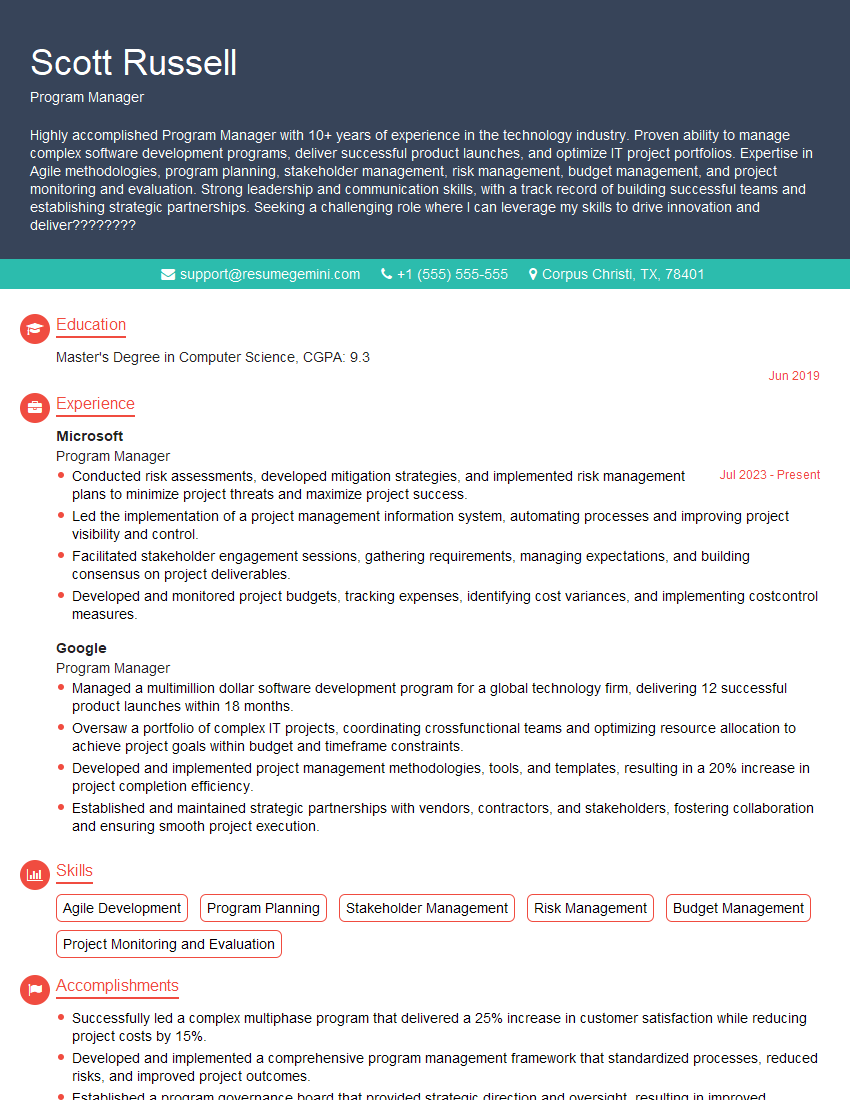
Program Manager Resume Sample

Operations Manager Resume Sample
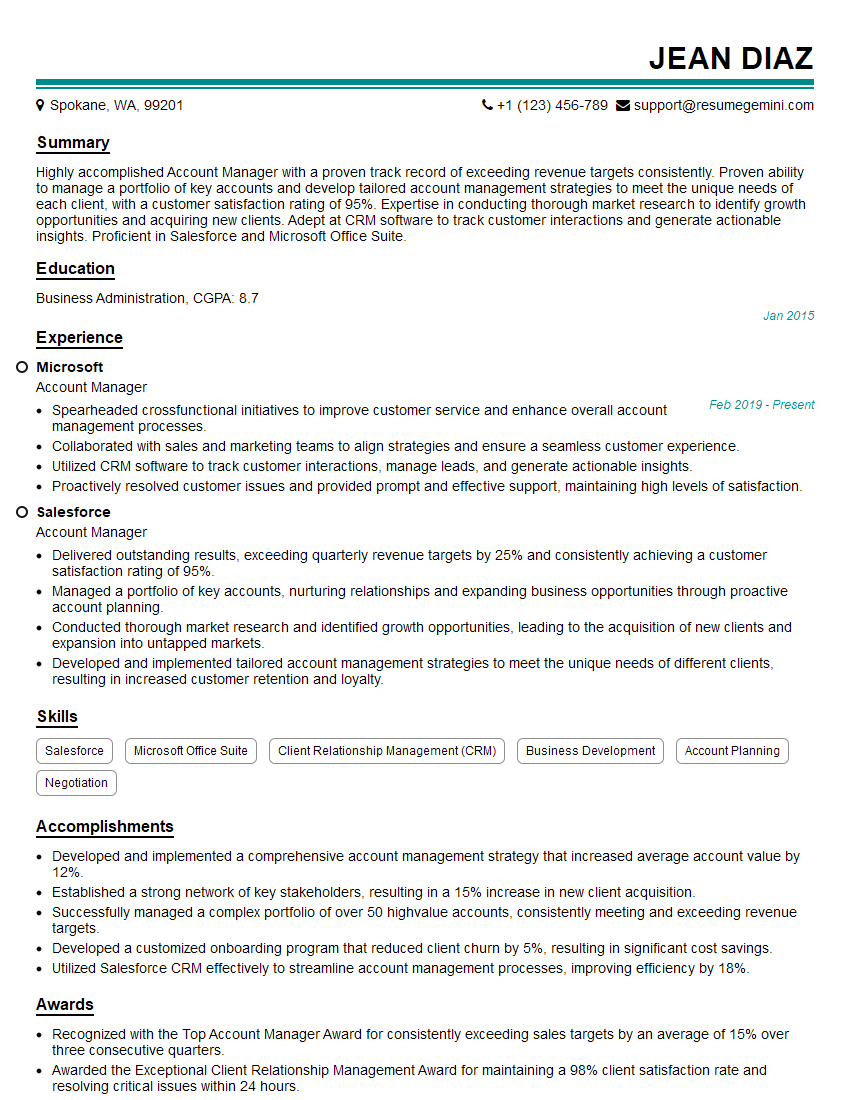
Account Manager Resume Sample
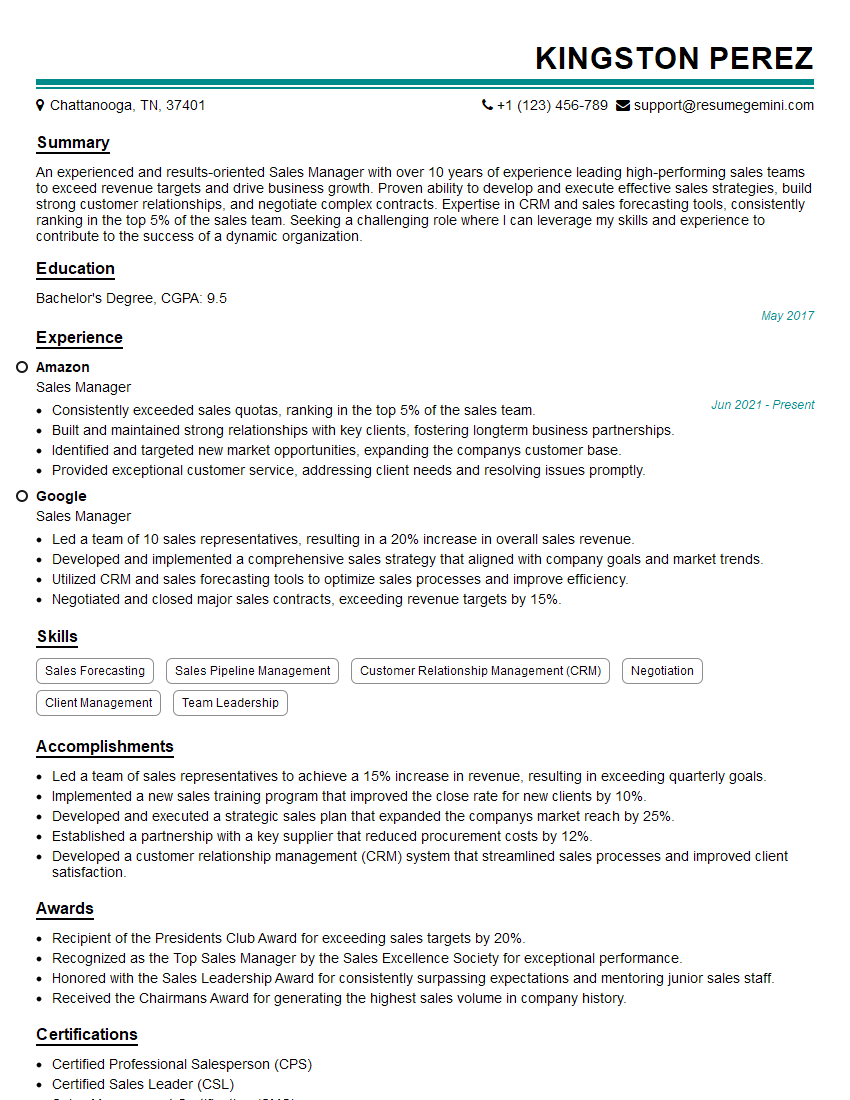
Sales Manager Resume Sample
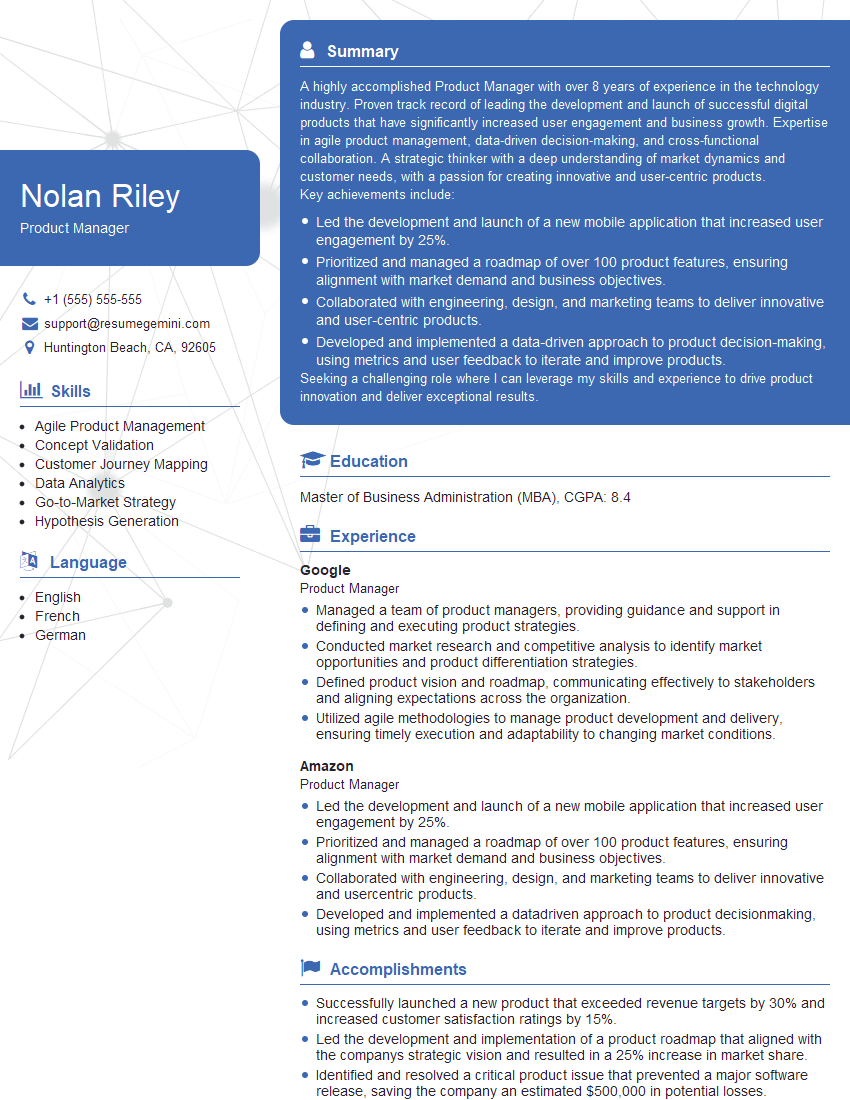
Product Manager Resume Sample
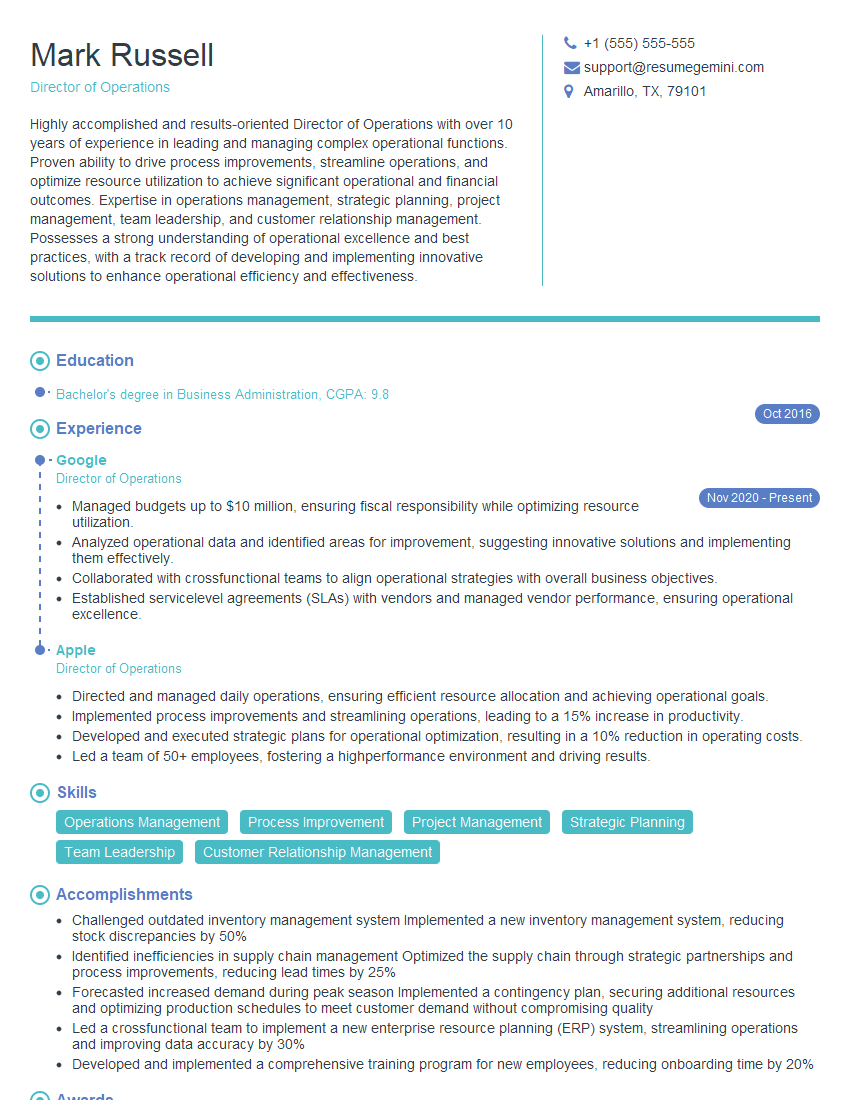
Director of Operations Resume Sample
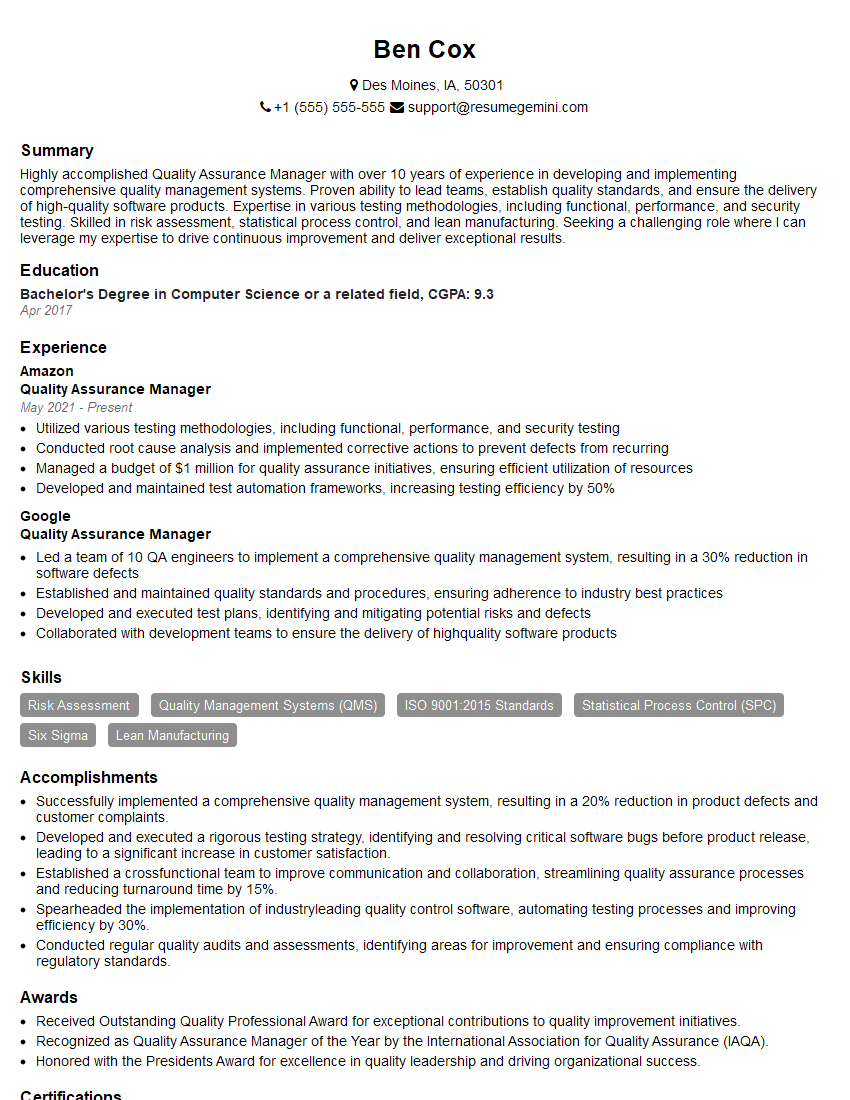
Quality Assurance Manager Resume Sample
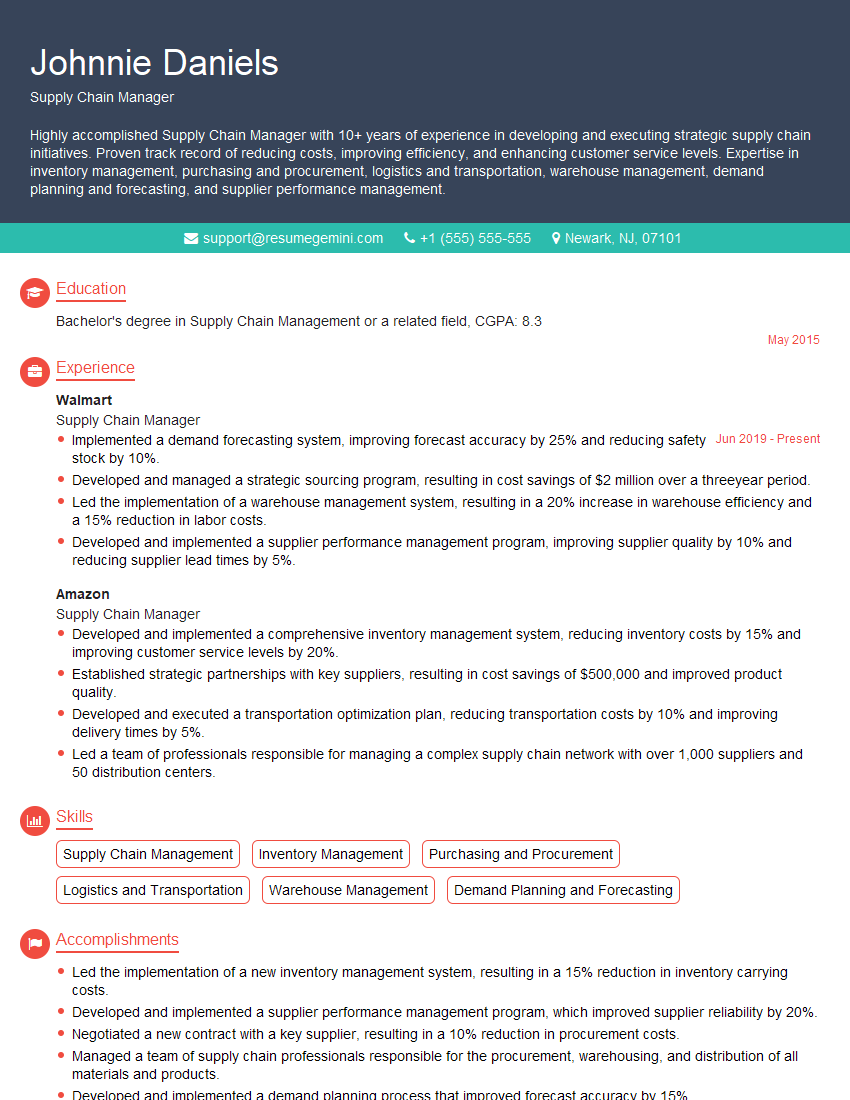
Supply Chain Manager Resume Sample
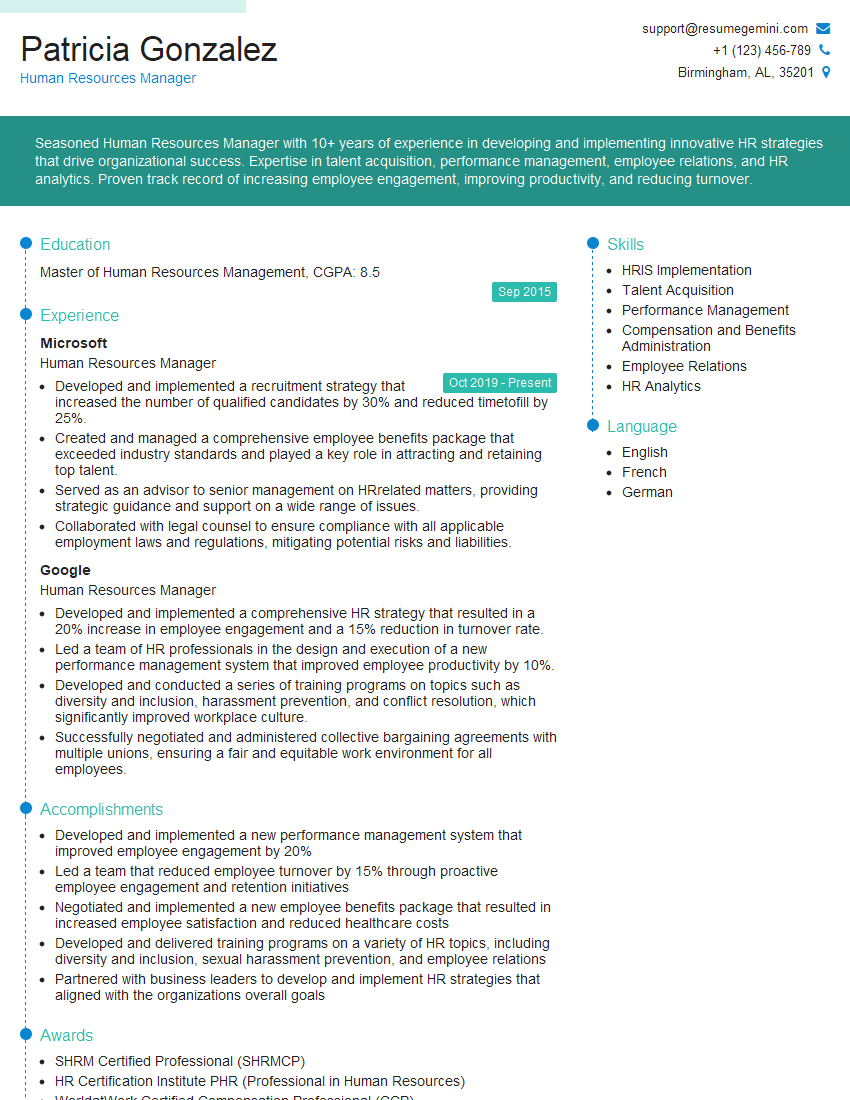
Human Resources Manager Resume Sample

Project Manager Resume Sample
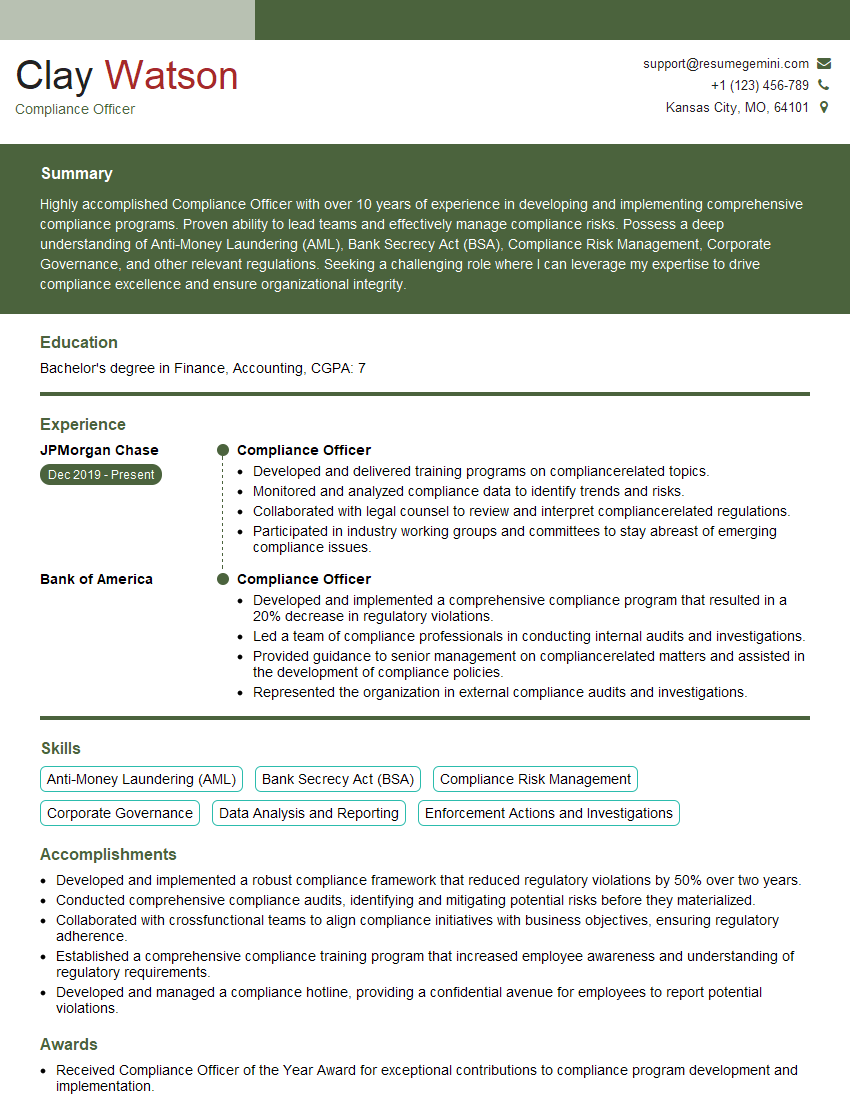
Compliance Officer Resume Sample
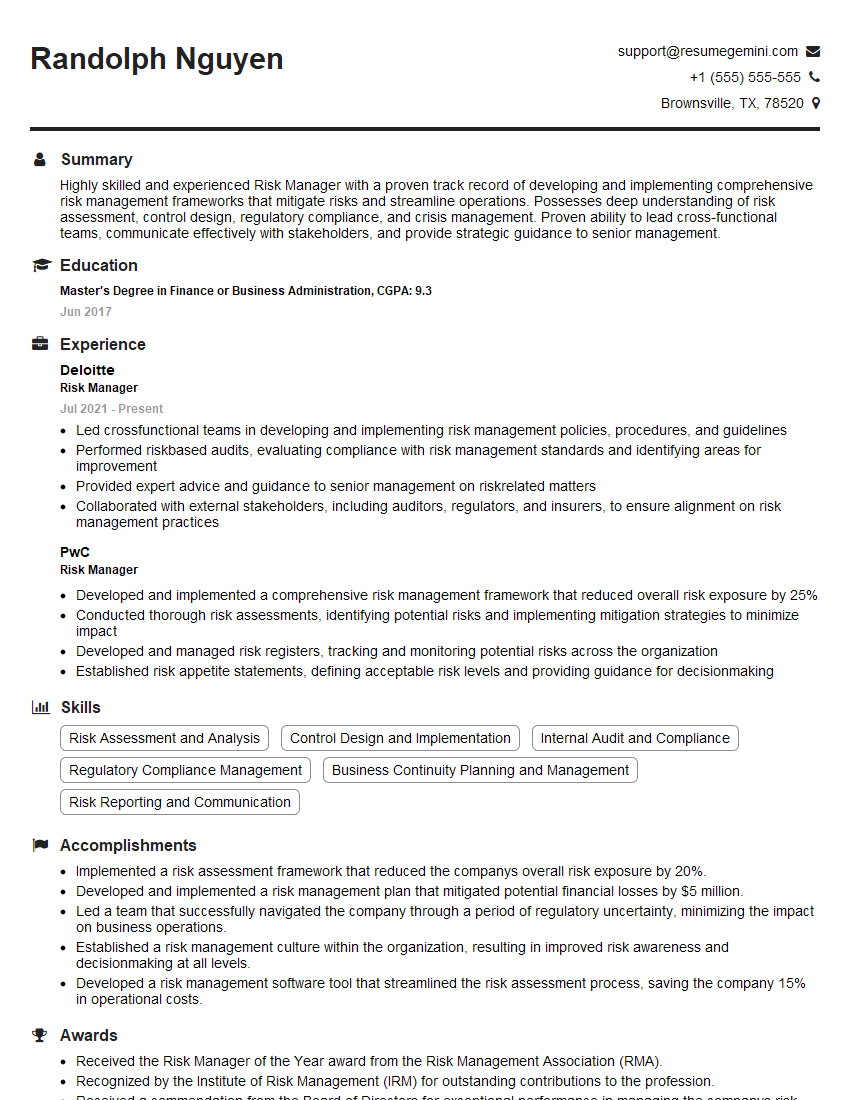
Risk Manager Resume Sample
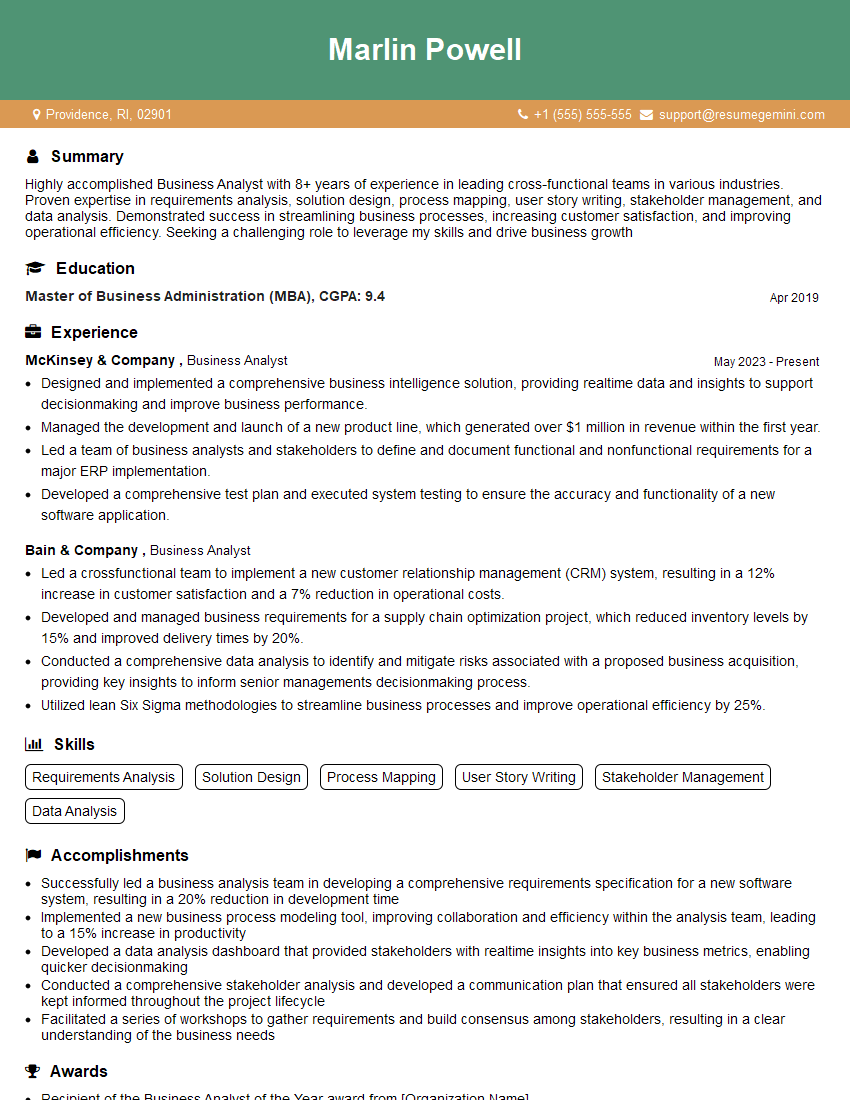
Business Analyst Resume Sample
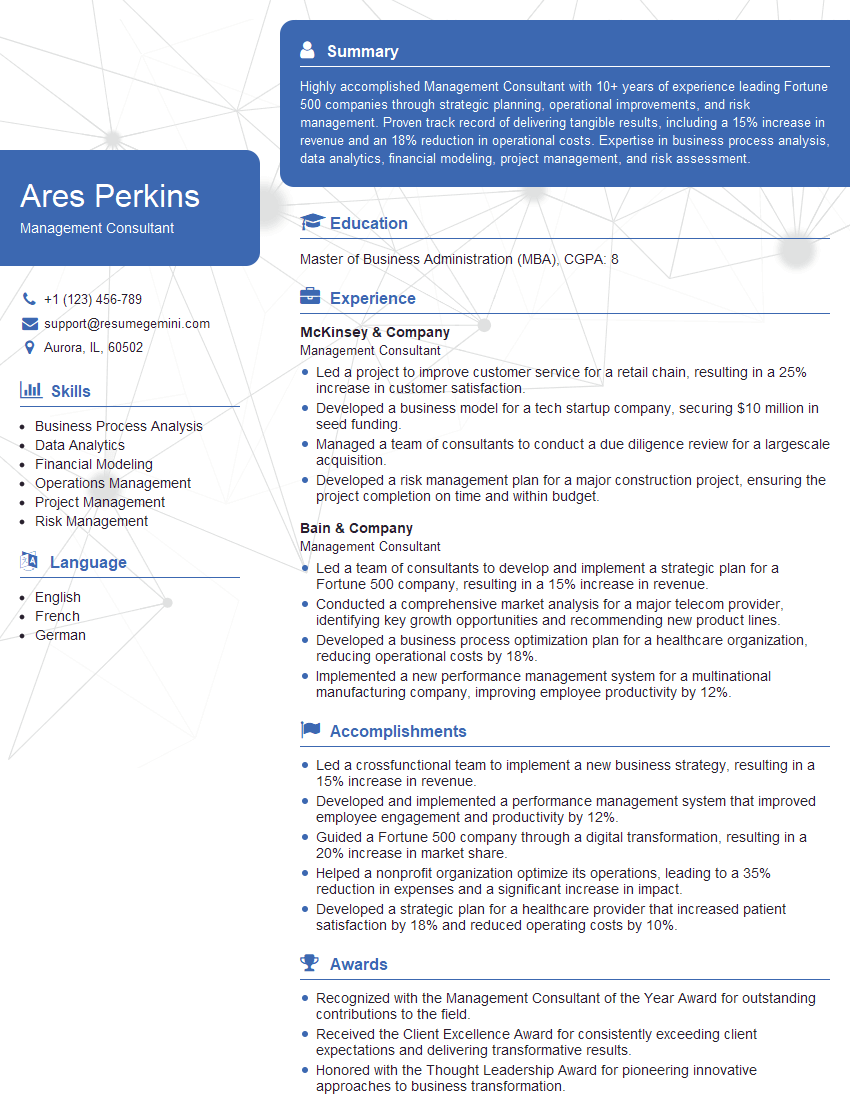
Management Consultant Resume Sample
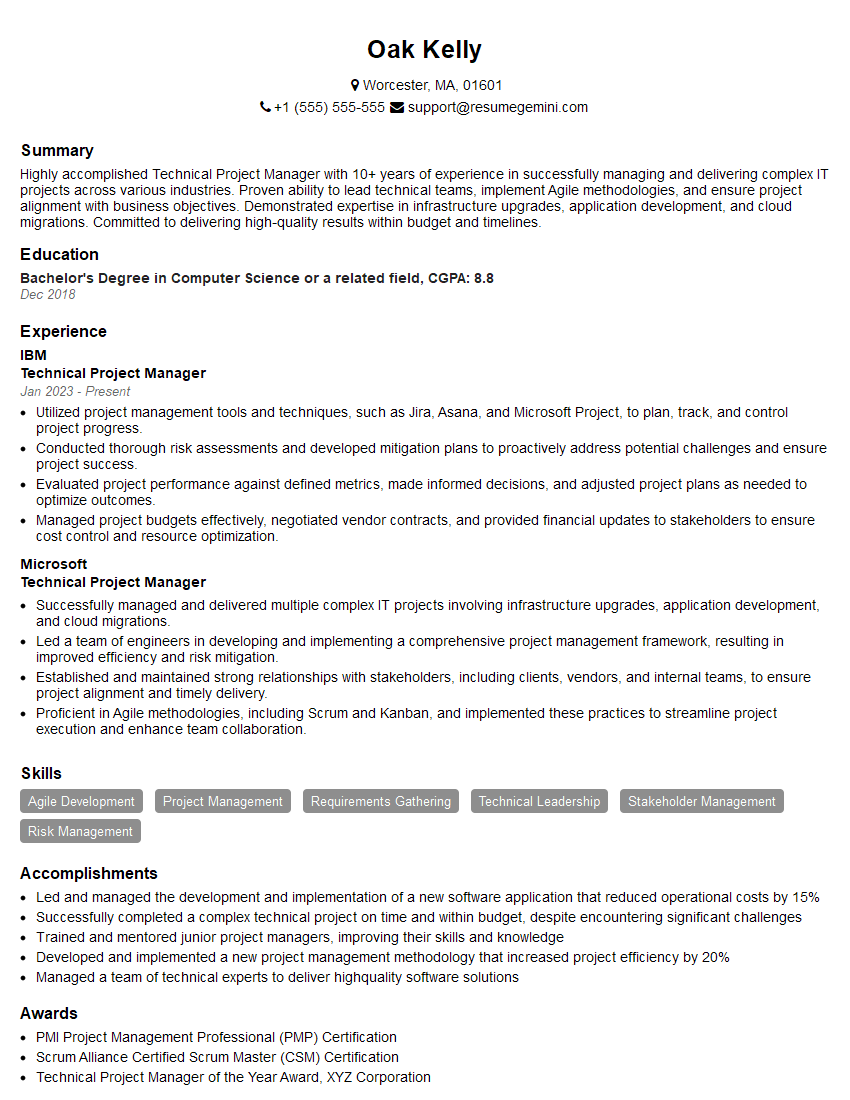
Technical Project Manager Resume Sample
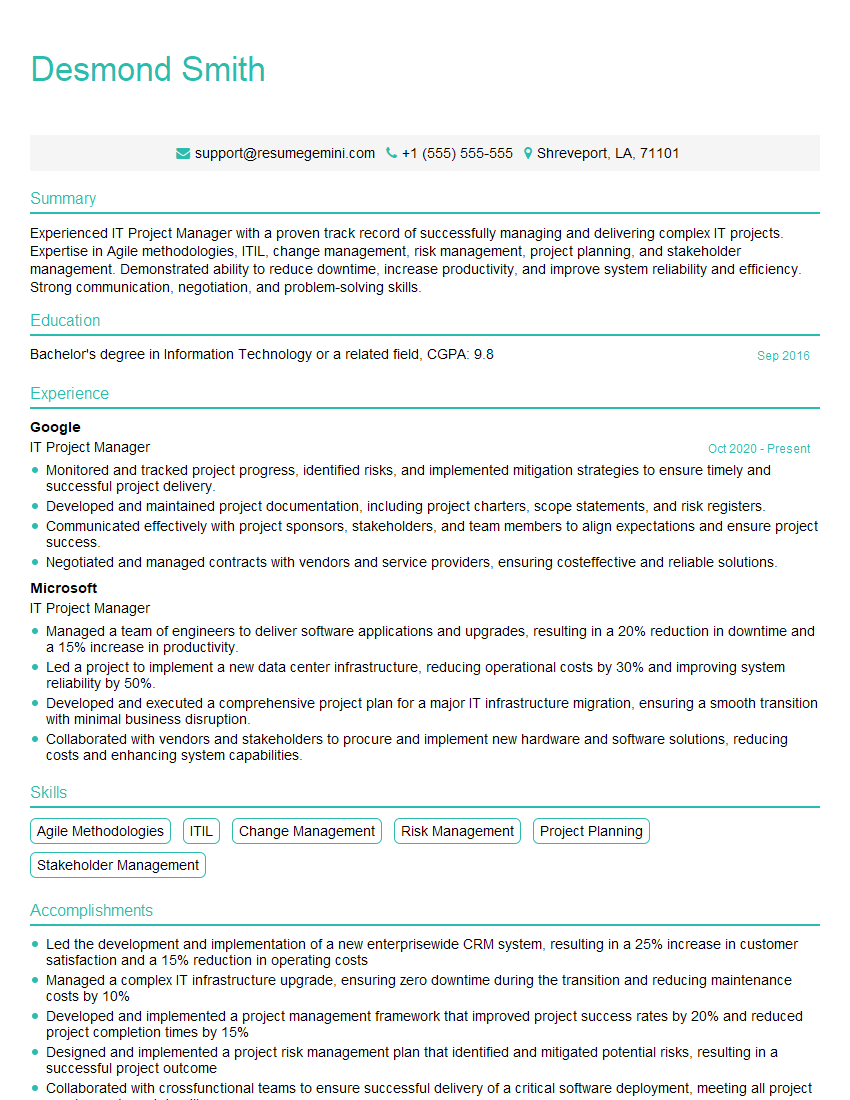
IT Project Manager Resume Sample
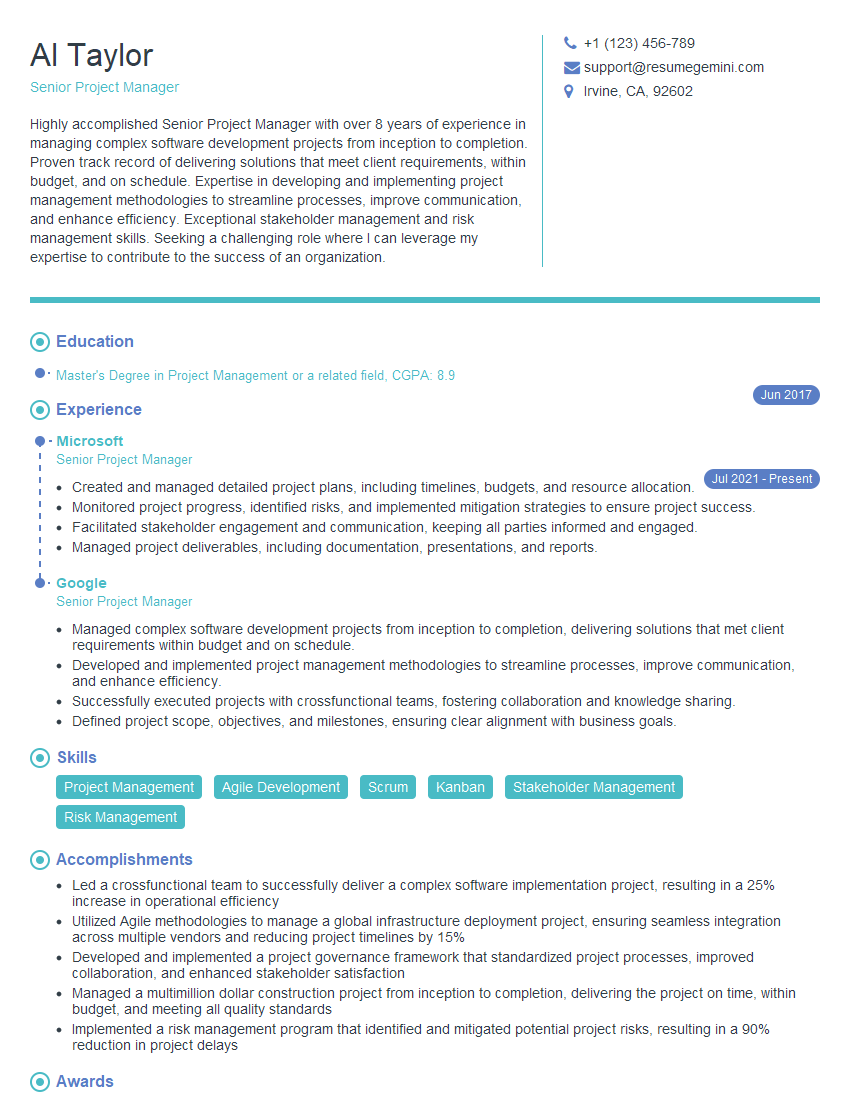
Senior Project Manager Resume Sample
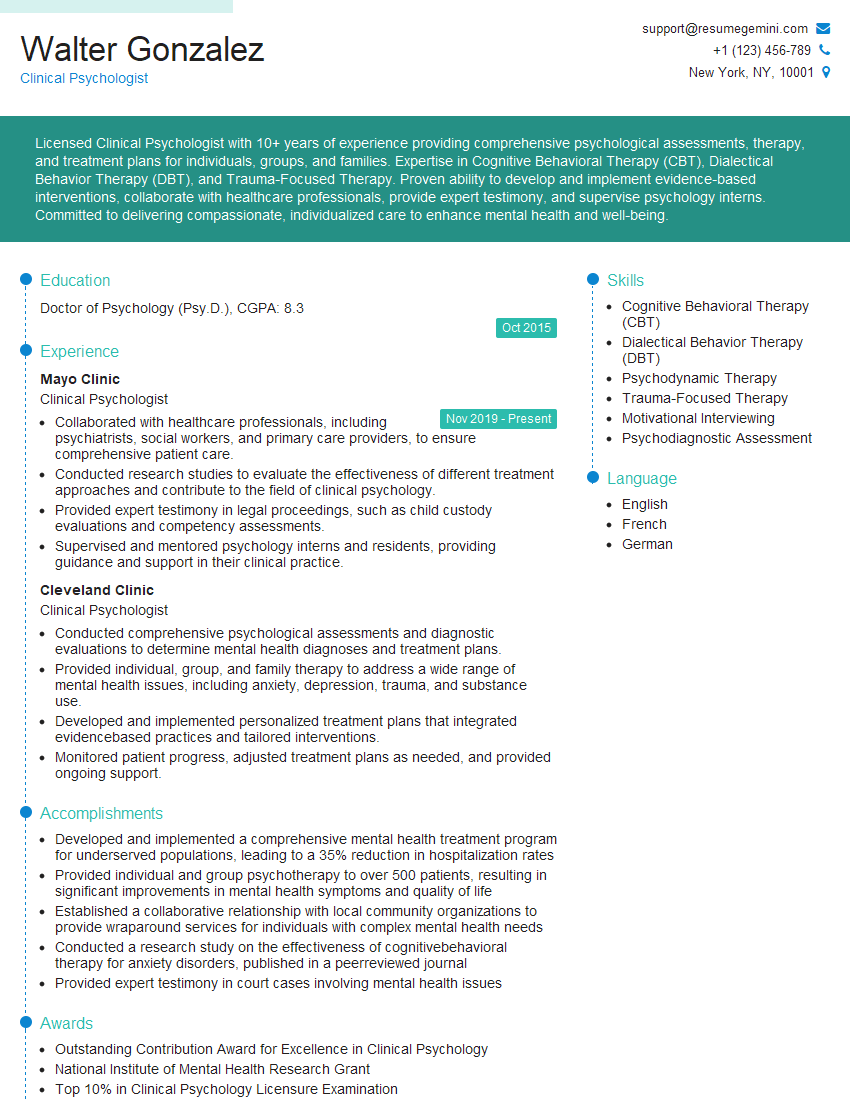
Clinical Psychologist Resume Sample
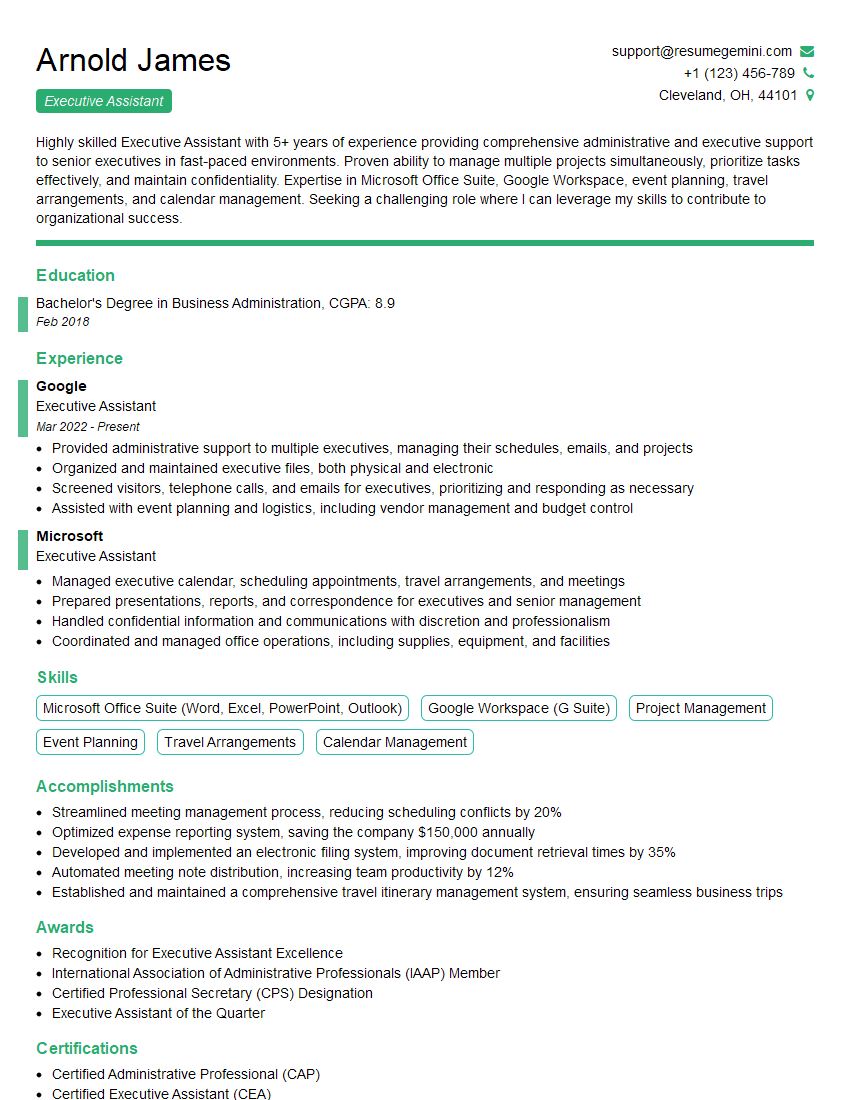
Executive Assistant Resume Sample
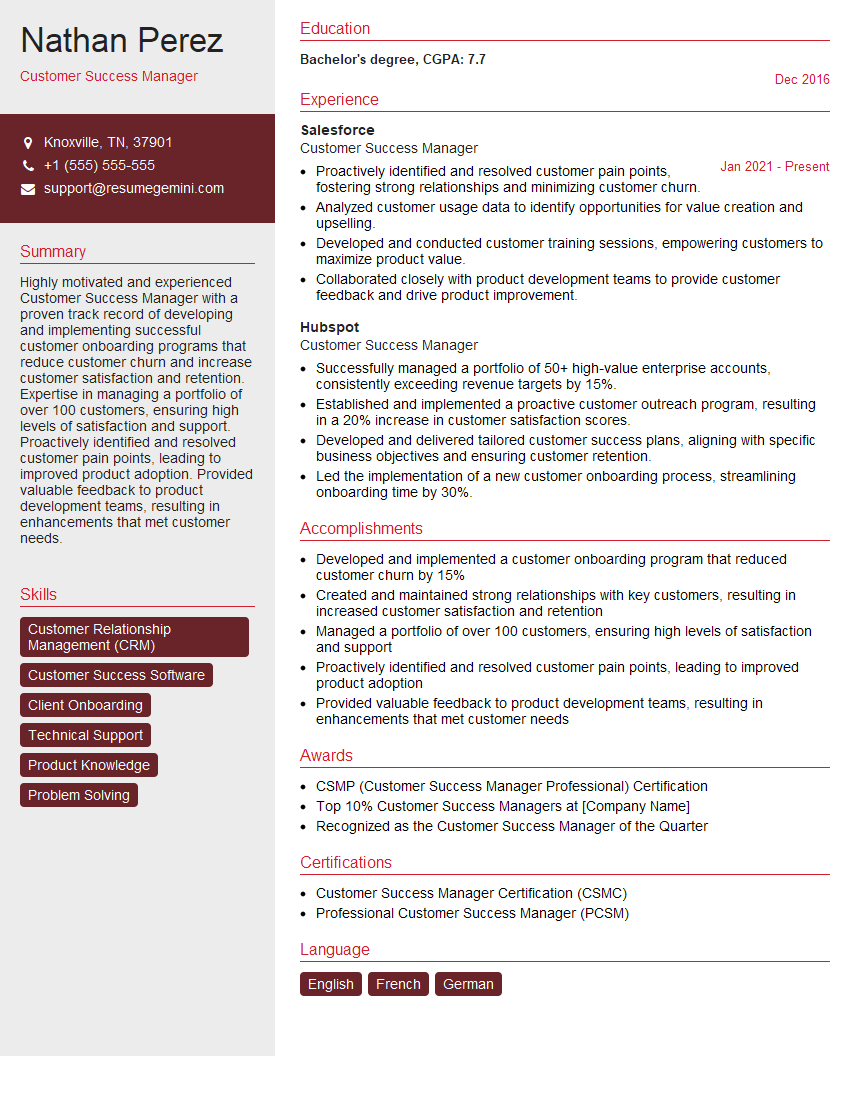
Customer Success Manager Resume Sample
- Program Manager
- Operations Manager
- Account Manager
- Sales Manager
- Product Manager
- Director of Operations
- Quality Assurance Manager
- Supply Chain Manager
- Human Resources Manager
- Project Manager
- Compliance Officer
- Risk Manager
- Business Analyst
- Management Consultant
- Technical Project Manager
- IT Project Manager
- Senior Project Manager
- Clinical Psychologist
- Executive Assistant
- Customer Success Manager
Explore more articles
Users Rating of Our Blogs
Share Your Experience
We value your feedback! Please rate our content and share your thoughts (optional).
What Readers Say About Our Blog
Very informative content, great job.
good