Are you ready to stand out in your next interview? Understanding and preparing for Grading and Evaluating Students interview questions is a game-changer. In this blog, we’ve compiled key questions and expert advice to help you showcase your skills with confidence and precision. Let’s get started on your journey to acing the interview.
Questions Asked in Grading and Evaluating Students Interview
Q 1. Explain your preferred method for grading student assignments.
My preferred grading method is a holistic rubric-based approach, combining quantitative and qualitative assessments. I believe a purely numerical grade can be misleading, failing to capture the nuances of student learning. Instead, I use rubrics that outline specific criteria for each assignment, clearly defining expectations for each level of performance. This allows for more transparent and fair grading. For example, an essay assignment might have criteria such as clarity of thesis, supporting evidence, organization, and grammar, each with specific performance levels (e.g., Excellent, Good, Fair, Poor) and corresponding points. This allows for more detailed feedback beyond a simple number.
For quantitative aspects, I may use point-based systems within the rubric criteria, making it easy to total scores for a final grade. But the focus remains on the descriptive feedback linked to each criterion. This helps students understand their strengths and areas for improvement, promoting meaningful learning.
Q 2. How do you ensure fairness and consistency in your grading practices?
Fairness and consistency are paramount in my grading. I achieve this through several key strategies. First, I use detailed, pre-defined rubrics for each assignment, ensuring that all students are assessed against the same standards. This eliminates subjective bias as much as possible. Second, I grade anonymously whenever feasible, removing any unconscious bias based on student names or prior performance. Third, I engage in regular self-reflection and peer review of my grading to identify and correct any inconsistencies in my application of the rubric. For instance, I might ask a colleague to review a sample of my graded assignments to ensure consistency in my scoring. Regular calibration sessions with colleagues help to ensure that standards are maintained across different instructors.
Q 3. Describe your experience with different assessment methods (e.g., essays, exams, projects).
I have extensive experience with a variety of assessment methods. Essays allow me to evaluate students’ critical thinking, writing skills, and ability to synthesize information. Exams test their knowledge retention and understanding of key concepts. Projects, on the other hand, assess their problem-solving skills, creativity, and ability to work collaboratively (when applicable). I tailor my assessment methods to the specific learning objectives of the course and the nature of the content. For instance, a history course might rely more heavily on essays and research projects, while a mathematics course might focus more on exams and problem sets.
Each method has its strengths and weaknesses. Essays can be time-consuming to grade but offer rich insights into student thinking. Exams provide a snapshot of knowledge but may not capture the depth of understanding. Projects can be engaging but require careful management and clear guidelines to ensure fairness. A blended approach, utilizing multiple assessment types, often provides the most comprehensive evaluation of student learning.
Q 4. How do you provide constructive feedback to students on their work?
Constructive feedback is crucial for student learning. I provide feedback that is specific, actionable, and focused on improvement. Instead of simply stating what is wrong, I explain why it’s wrong and how it can be improved. For example, instead of saying “Your essay is poorly organized,” I might say, “Your essay’s argument would be strengthened by reorganizing the paragraphs to follow a chronological order, starting with the historical context and then moving to the modern implications.” I always focus on specific examples from the student’s work, providing concrete suggestions for revision.
I also use a variety of methods to deliver feedback, including written comments on assignments, verbal feedback during office hours, and recorded audio/video comments if appropriate. The goal is to make the feedback easily accessible and understandable to each student.
Q 5. How do you handle grading disputes or challenges from students?
Grading disputes are handled with professionalism and transparency. I encourage students to discuss their concerns with me, providing them with a safe and respectful environment to voice their opinions. I review the assignment and rubric criteria together with the student, clarifying any misunderstandings or points of contention. If the student’s concerns are valid, I am willing to re-evaluate the assignment. I maintain detailed records of all grading decisions and communications, which can be useful in resolving any persistent disagreements.
If we cannot resolve the issue ourselves, I follow the established procedures of the institution, potentially involving department chairs or other relevant personnel for mediation. The process focuses on ensuring fairness and academic integrity.
Q 6. What strategies do you use to identify and address potential biases in your grading?
Identifying and addressing bias in grading is an ongoing process requiring continuous self-reflection and awareness. I actively seek to mitigate potential biases by using clear, objective rubrics, grading anonymously whenever possible, and regularly reviewing my grading practices for consistency. For example, I am mindful of potential biases related to writing style, cultural background, or even handwriting legibility. I strive to evaluate the content and understanding demonstrated by the student, regardless of these factors.
Peer review of grading and professional development workshops focused on fair and equitable assessment practices are also invaluable tools for detecting and mitigating bias. Regular self-reflection prompts help me to be more conscious of my own potential biases.
Q 7. How do you balance providing challenging assessments with ensuring student success?
Balancing challenging assessments with student success involves a thoughtful approach to curriculum design and assessment creation. It’s not about making assignments easier but about making them appropriately challenging and providing students with the necessary support and scaffolding to succeed. I ensure that assessments are aligned with the learning objectives of the course and that students are given ample opportunity to prepare. This might involve providing practice assignments, study guides, and other resources to help them master the material.
Furthermore, I offer opportunities for regular feedback and revision, allowing students to improve their work and demonstrate their learning throughout the course. I also differentiate instruction and assessment as needed, accommodating various learning styles and needs. Providing clear expectations and frequent communication helps students understand the expectations and how to reach them. Ultimately, the goal is to encourage students to stretch their abilities while still feeling supported and successful.
Q 8. Describe your experience with different grading rubrics and scales.
Throughout my career, I’ve worked extensively with various grading rubrics and scales, adapting my approach based on the course objectives and student learning outcomes. I’m proficient in using both holistic and analytic rubrics. Holistic rubrics provide a single overall score based on a general impression of the work, like a general quality assessment of an essay. In contrast, analytic rubrics break down the assessment criteria into specific components, allowing for more detailed feedback. For example, when grading an essay, an analytic rubric might assign separate scores for argumentation, evidence, organization, and style. I’ve used numerical scales (0-100), letter grades (A-F), and even competency-based scales (e.g., novice, apprentice, proficient, expert) depending on the context. My experience also encompasses developing customized rubrics tailored to specific assignments, ensuring that students understand the expectations clearly.
For instance, in a science class, a rubric for a lab report might include criteria for data collection accuracy, proper methodology, analysis clarity, and conclusion quality, each with specific descriptions for different levels of achievement. This allows for transparent and fair assessment, ensuring students receive specific feedback on their strengths and areas for improvement.
Q 9. How do you incorporate formative assessment into your teaching?
Formative assessment is crucial for effective teaching, as it provides continuous feedback to both the student and the instructor. I incorporate formative assessment through various strategies, including:
- Regular quizzes and short assignments: These gauge student understanding of concepts immediately after instruction, enabling timely intervention if learning gaps are identified.
- In-class activities and discussions: Interactive activities allow me to observe student engagement and comprehension in real-time, providing opportunities for immediate clarification.
- Peer and self-assessment: Students learn from each other and reflect on their own work through structured peer review and self-evaluation exercises.
- Exit tickets: Brief, end-of-class assignments summarizing key learnings help identify misconceptions or areas needing further explanation.
- Online platforms: Many learning management systems offer tools for quick formative assessments, like polls and short answer questions, with instant feedback to students.
For example, after explaining a complex physics problem, I would use an exit ticket where students outline the steps for solving similar problems. This immediately reveals where I need to re-explain certain steps.
Q 10. How do you adapt your grading approach for students with diverse learning needs?
Adapting my grading approach for students with diverse learning needs is a priority. I ensure accessibility and fairness by:
- Collaborating with special education staff: This involves understanding the specific needs and accommodations required for each student, including extended time, alternative formats, or assistive technologies.
- Modifying assignments: I adjust the complexity, length, or format of assignments to suit individual needs, ensuring the assessment measures understanding and not just ability to complete a specific task. For example, I might allow a student with a writing disability to complete an oral presentation in lieu of a written essay.
- Using multiple assessment methods: Offering various ways to demonstrate understanding, such as projects, presentations, or portfolios, allows students to showcase their strengths.
- Providing clear and detailed instructions: Ensuring instructions are easily understood reduces confusion and frustration, particularly for students with learning differences.
- Offering flexible deadlines: Allowing extra time for assignments, when appropriate and justifiable, can greatly benefit students with specific needs.
I believe in focusing on measuring the student’s grasp of the material, not just their ability to adhere to a specific format. Every student’s contribution should be assessed fairly and respectfully considering their circumstances.
Q 11. How do you maintain the confidentiality of student grades?
Maintaining student grade confidentiality is paramount. I adhere to strict policies and procedures to protect sensitive information. This includes:
- Secure storage of grades: Grades are stored in password-protected electronic systems and locked physical files.
- Limited access to grade information: Only authorized personnel, including myself and designated administrative staff, have access to student grades.
- Confidential communication: I discuss student grades only with the student and their parents/guardians, only when permitted and with prior consent. I never share grades in public spaces or with unauthorized individuals.
- Compliance with FERPA regulations (or equivalent): I’m thoroughly familiar with all relevant regulations governing student privacy and ensure all my practices comply.
I emphasize to students the importance of respecting the confidentiality of their peers’ grades as well.
Q 12. What are your strategies for managing a large workload of student assignments?
Managing a large workload of student assignments effectively requires a systematic and organized approach. My strategies include:
- Developing a consistent grading schedule: Allocating specific times for grading each week helps avoid last-minute rushes and ensures a steady flow of feedback to students.
- Prioritizing assignments: Focusing on high-stakes assignments first ensures the most important assessments receive adequate attention.
- Utilizing technology: Gradebook software and automated feedback tools streamline the process significantly.
- Batch grading: Grading similar assignments together improves efficiency and consistency.
- Providing concise, targeted feedback: Focusing on key areas for improvement instead of lengthy comments helps manage time without sacrificing the quality of feedback.
- Utilizing peer assessment effectively: When appropriate, including peer assessment reduces the overall grading burden.
For instance, I use a spreadsheet to track assignment deadlines, allocate grading time, and keep records of grades.
Q 13. How do you balance grading with other teaching responsibilities?
Balancing grading with other teaching responsibilities requires careful time management and prioritization. My approach involves:
- Integrating grading into lesson planning: Building time for grading into the weekly schedule ensures it’s treated as a key component of teaching, not an afterthought.
- Utilizing preparation time effectively: Allocating some lesson prep time to quick grading tasks like reviewing quizzes or short assignments increases efficiency.
- Delegating tasks: Where possible, tasks like data entry or basic feedback can be delegated to teaching assistants or other support staff.
- Setting realistic expectations: Recognizing that perfect grading isn’t always achievable helps manage stress and prevents burnout.
- Utilizing technology for efficiency: Using online platforms, auto-grading tools, and automated feedback can significantly reduce grading time.
I view grading as an integral part of the teaching cycle, offering valuable insights for both teaching improvements and student learning.
Q 14. Describe your experience using technology for grading and feedback.
Technology plays a crucial role in enhancing my grading and feedback processes. I regularly use:
- Learning Management Systems (LMS): Platforms like Canvas or Blackboard allow for easy assignment submission, automated grading of objective questions, and streamlined gradebook management.
- Automated feedback tools: Software like Grammarly or similar tools can help identify grammatical errors and stylistic issues, freeing up time for providing higher-level feedback on content and analysis.
- Digital annotation tools: I utilize annotation features within PDF readers or LMS platforms to provide direct feedback on student work, highlighting areas of strength and weakness.
- Rubric-based grading software: Many LMS platforms offer rubric integration, providing standardized feedback that ensures consistency across students.
- Audio or video feedback: Recording short audio or video comments can provide personalized and more engaging feedback for students.
For instance, using the annotation tools, I can directly point out stylistic issues in a student’s essay, making the feedback more focused and action-oriented.
Q 15. How do you ensure the validity and reliability of your assessments?
Ensuring validity and reliability in assessment is crucial for fair and accurate evaluation. Validity refers to whether the assessment measures what it intends to measure, while reliability refers to the consistency of the assessment. I achieve this through several strategies:
Using well-defined learning objectives: My assessments are directly aligned with clearly stated learning objectives, ensuring that I’m testing the specific knowledge and skills I’ve taught. For example, if the objective is ‘students will be able to solve quadratic equations,’ my assessment will directly test this ability, not unrelated concepts.
Employing diverse assessment methods: Relying on a single assessment type can be misleading. I use a variety of methods, including multiple-choice questions, essays, projects, presentations, and practical exercises to get a holistic view of student understanding. This reduces bias and provides a more comprehensive picture.
Implementing rigorous item analysis: After each assessment, I analyze the results to identify poorly performing or ambiguous questions. This helps refine assessments for future use and enhances reliability. For example, if a question has a very low success rate even amongst high-achieving students, it might be poorly worded or too difficult.
Ensuring clear instructions and rubrics: Clear instructions and detailed rubrics leave no room for ambiguity and ensure consistent grading. Rubrics explicitly outline the criteria for evaluating student work, making the assessment process transparent and fair for everyone. This reduces potential subjective bias in grading.
Seeking peer review: Occasionally, I ask colleagues to review my assessments to provide feedback on validity and clarity. A fresh perspective can help identify potential weaknesses or biases I may have overlooked.
Career Expert Tips:
- Ace those interviews! Prepare effectively by reviewing the Top 50 Most Common Interview Questions on ResumeGemini.
- Navigate your job search with confidence! Explore a wide range of Career Tips on ResumeGemini. Learn about common challenges and recommendations to overcome them.
- Craft the perfect resume! Master the Art of Resume Writing with ResumeGemini’s guide. Showcase your unique qualifications and achievements effectively.
- Don’t miss out on holiday savings! Build your dream resume with ResumeGemini’s ATS optimized templates.
Q 16. Explain the importance of aligning assessment with learning objectives.
Aligning assessment with learning objectives is fundamental to effective teaching and learning. It ensures that students are assessed on what they are actually expected to learn, making the assessment process meaningful and fair. Think of it like this: if you’re aiming for a target (learning objectives), you wouldn’t shoot at a different target (assessment that doesn’t align).
Improved Focus: Alignment ensures that teaching and learning efforts are focused on the intended outcomes. It prevents wasted time on irrelevant topics.
Increased Motivation: When students understand the connection between what they’re learning and how they’ll be assessed, they’re more motivated to engage in the learning process. They know exactly what’s expected of them.
Enhanced Feedback: Assessments aligned with learning objectives provide more targeted and useful feedback. This feedback helps students understand their strengths and weaknesses more effectively, and allows for better learning adjustments.
Data-Driven Instruction: The data collected from aligned assessments provides a clear picture of student understanding, enabling teachers to adapt their instruction to meet students’ specific needs.
For instance, if a learning objective is ‘Students will be able to write a well-structured essay,’ the assessment should require students to write an essay, not simply answer multiple-choice questions on essay writing principles.
Q 17. How do you track and analyze student performance data?
Tracking and analyzing student performance data is a critical aspect of my role. I use a variety of methods to monitor progress and identify areas for improvement:
Learning Management Systems (LMS): I leverage LMS platforms like Canvas or Moodle to track grades, assignments, and student participation. These systems provide automated data aggregation and reporting features.
Spreadsheets and Databases: For more in-depth analysis, I often use spreadsheets or databases to organize and analyze data. This allows me to identify trends, patterns, and areas where students are struggling.
Data Visualization: I use charts and graphs to visualize student performance data, making it easier to identify trends and patterns. This might include bar graphs showing class averages on different assessments or scatter plots showing the correlation between different assignment scores.
Formative Assessment Data: I incorporate formative assessments, such as quizzes and in-class activities, throughout the course. This allows for ongoing monitoring of student understanding and timely interventions.
For example, if I notice a consistent drop in scores on a particular topic across multiple assessments, I know I need to re-teach that concept or provide additional support to struggling students.
Q 18. How do you use assessment data to improve your teaching?
Assessment data is not just for grading; it’s a powerful tool for improving teaching. I use it in several ways:
Identifying areas for instructional improvement: Consistent low scores on specific questions or topics indicate areas where my instruction may need refinement or additional explanation. I might revise my lesson plans, incorporate different teaching strategies, or provide additional resources.
Adjusting pacing and content: Data can help me determine if I’m teaching too quickly or too slowly. If students are consistently struggling with a particular concept, I might slow down the pace or break the material into smaller, more manageable chunks.
Differentiating instruction: By analyzing individual student performance, I can identify students who need additional support or enrichment. This allows me to tailor my instruction to meet the diverse needs of my students.
Refining assessment instruments: Analysis of assessment data allows me to identify poorly performing questions or unclear instructions. This feedback enables me to revise assessments for improved clarity and reliability in future iterations.
For example, if I see that many students are struggling with a particular type of problem, I might incorporate more practice problems of that type into future lessons or provide additional tutoring support.
Q 19. How do you communicate grading policies and procedures to students?
Clear communication of grading policies and procedures is essential for student success and fairness. I ensure this through various means:
Syllabus Clarity: My syllabus clearly outlines grading policies, weighting of assignments, late submission penalties, and academic integrity expectations. This is the primary document outlining all assessment related information.
Detailed Rubrics: Providing rubrics for all major assignments ensures students understand the expectations for each assessment. Rubrics make the grading process transparent and allow students to self-assess their work.
Regular Communication: I regularly communicate with students about their progress, providing constructive feedback on their work and addressing any questions or concerns they might have. This includes announcements, email, and in-class discussions.
Office Hours and Availability: I make myself readily available during office hours or by appointment for students to discuss grading concerns or seek clarification.
Example Assignments: Providing examples of well-done assignments (with permission from previous students of course!) can help students understand expectations.
Q 20. How do you handle late submissions or academic dishonesty?
Handling late submissions and academic dishonesty requires a fair and consistent approach. My approach involves:
Clear Late Submission Policy: My syllabus clearly states the penalties for late submissions. This policy is consistently enforced to ensure fairness to all students.
Documentation and Communication: Any instances of late submission or suspected academic dishonesty are documented and communicated to the student. The student has the chance to explain their situation.
Institutional Policies: I adhere strictly to the institution’s policies regarding academic integrity and late submissions. This ensures consistency and fairness across the institution.
Consequences: Depending on the severity and nature of the infraction, consequences can range from a reduced grade to a failing grade, or referral to the appropriate authorities. This is always done in alignment with institutional guidelines and in a fair and consistent manner.
Prevention through education: I emphasize the importance of academic honesty throughout the course. We discuss plagiarism, proper citation techniques, and the consequences of academic dishonesty in detail, aiming for proactive prevention.
Q 21. What are your strategies for promoting student self-assessment?
Promoting student self-assessment is crucial for fostering metacognitive skills and improving learning outcomes. My strategies include:
Self-Reflection Prompts: I incorporate self-reflection prompts into assignments. This encourages students to consider their strengths and weaknesses, and to evaluate the quality of their work. Questions might include, ‘What did you do well on this assignment?’ and ‘What could you have improved?’
Peer Review Activities: Peer review activities allow students to evaluate each other’s work, providing them with valuable feedback and helping them develop critical evaluation skills.
Rubrics and Checklists: Providing students with rubrics and checklists allows them to self-assess their work against specific criteria. This promotes greater understanding of expectations and allows for more effective improvement.
Self-Assessment Questionnaires: I regularly utilize self-assessment questionnaires to gauge student understanding of concepts and identify areas where they might need additional support.
Feedback and Discussion: I regularly discuss student self-assessments with them, offering guidance and support. This iterative feedback process helps students refine their self-assessment skills.
Q 22. How do you ensure that your assessments are accessible to all students?
Ensuring assessment accessibility is crucial for equitable evaluation. It means designing assessments that cater to the diverse learning styles and needs of all students, including those with disabilities. This involves a multifaceted approach.
- Multiple Formats: Offering assessments in various formats—written, oral, visual, or multimedia—allows students to demonstrate their understanding in ways that best suit their abilities. For example, a student with a writing disability might be allowed to give an oral presentation instead of writing an essay.
- Clear Instructions: Instructions should be unambiguous and easy to understand, avoiding jargon and complex sentence structures. Using visual aids or providing examples can significantly improve comprehension.
- Time Considerations: Students with learning differences might require extended time to complete assessments. Providing reasonable accommodations, like extra time or shorter assessment sessions, is critical.
- Assistive Technology: Facilitating the use of assistive technology, such as text-to-speech software or screen readers, ensures that students with visual or auditory impairments can access the assessment materials.
- Universal Design for Learning (UDL) Principles: Applying UDL principles in assessment design ensures that the materials are flexible and adaptable to individual needs. This includes providing multiple means of representation, action and expression, and engagement.
For instance, in my previous role, we implemented a policy allowing students to choose between a written exam and a project-based assessment, significantly improving participation and achievement among students with diverse learning styles.
Q 23. Describe your experience with standardized testing and grading.
My experience with standardized testing and grading encompasses both administering and analyzing these assessments. I understand the importance of standardized tests in providing a common benchmark for student achievement and identifying areas needing improvement. However, I also recognize their limitations.
I have extensive experience in scoring standardized tests, adhering strictly to rubrics and scoring guides to ensure objectivity and fairness. This includes using statistical methods to analyze test results and identify trends in student performance. I’ve also participated in professional development focused on best practices in standardized testing, including the ethical considerations surrounding test design and administration.
Beyond the technical aspects, I believe in using standardized test data in conjunction with other forms of assessment, such as classroom assignments and projects, to gain a holistic understanding of student learning. Over-reliance on standardized tests alone can be detrimental, potentially neglecting the diverse talents and learning styles of individual students.
Q 24. How do you maintain professional boundaries while interacting with students?
Maintaining professional boundaries with students is paramount. It’s about creating a supportive yet appropriate teacher-student relationship. I adhere to strict ethical guidelines established by my institution.
- Appropriate Communication: I keep communication professional and focused on academic matters. I avoid casual or overly personal conversations outside of the classroom. All interactions are respectful and sensitive.
- Physical Space: I maintain appropriate physical distance and avoid any actions that could be interpreted as inappropriate. For example, I would never engage in physical contact beyond a brief handshake.
- Social Media: I understand the potential risks associated with social media interaction with students. I avoid friending or following students on social media platforms.
- Confidentiality: I strictly adhere to confidentiality guidelines regarding student information, grades, and personal details.
- Reporting: I would immediately report any instances of potential boundary violation or inappropriate behavior to the relevant authorities.
Imagine a scenario where a student shares a personal issue during class. While empathy is vital, I would guide the conversation back to academic topics while gently suggesting appropriate resources for support. This allows me to offer support without overstepping professional boundaries.
Q 25. How do you stay current with best practices in assessment and grading?
Staying current with best practices in assessment and grading is an ongoing process. I actively participate in professional development opportunities and engage with the latest research and literature.
- Professional Organizations: I am a member of relevant professional organizations, such as the [insert relevant professional organization], which provide access to conferences, workshops, and publications on current trends in assessment and evaluation.
- Journals and Publications: I regularly read educational journals and publications to stay informed about innovative assessment strategies and research findings.
- Online Resources: I leverage online resources and webinars offered by universities and educational institutions to enhance my knowledge and skills.
- Collaboration: I actively collaborate with colleagues and other educators to share best practices and learn from their experiences.
- Reflection: I regularly reflect on my own assessment practices, identifying areas for improvement and adapting my strategies based on student feedback and performance data.
For instance, recently I attended a workshop on incorporating technology into assessment, learning about innovative tools for providing feedback and tracking student progress. This has directly influenced my approach to grading and feedback delivery.
Q 26. How do you use technology to enhance student feedback?
Technology plays a significant role in enhancing student feedback. It allows for more efficient, personalized, and timely feedback.
- Learning Management Systems (LMS): I use LMS platforms like Canvas or Blackboard to provide feedback directly on submitted assignments. This allows students to access feedback quickly and easily, often with features to allow for threaded discussion on specific comments.
- Automated Feedback Tools: While not a replacement for personalized feedback, tools like Grammarly can provide immediate feedback on grammar and writing style. This frees me to focus on higher-level aspects of the assignment.
- Audio/Video Feedback: For certain assignments, providing audio or video feedback can be highly effective in communicating detailed feedback and clarifying specific points. The personal touch helps build stronger student-teacher relationships.
- Rubrics and Checklists: Digital rubrics and checklists allow for efficient and consistent feedback, ensuring that all criteria are addressed fairly. They provide transparency to students on the evaluation process.
For example, I use screen recording software to provide video feedback on student presentations, allowing me to highlight both strengths and areas needing improvement while simultaneously modeling effective communication techniques.
Q 27. Describe a time you had to adjust your grading approach due to unexpected circumstances.
During a particularly challenging semester, a sudden and unexpected illness swept through the class, impacting several students’ ability to complete assignments on time. Initially, I stuck to my established grading policy, which did not account for such unforeseen circumstances.
However, upon reviewing the situation and considering the significant disruption, I decided to adjust my approach. Instead of rigidly adhering to deadlines, I offered extensions and alternative assessment opportunities to affected students. This involved clear communication with the students, outlining the adjusted deadlines and assessment options, and ensuring fairness to all students involved.
This experience highlighted the importance of flexibility and empathy in grading. It reinforced the understanding that while consistency is crucial, it must be balanced with the ability to adapt to extraordinary situations to ensure a fair and equitable evaluation for all students. The resulting student feedback was overwhelmingly positive, demonstrating the benefits of adapting the grading approach.
Q 28. How do you prioritize different aspects of student work when grading (e.g., content, style, organization)?
Prioritizing different aspects of student work during grading requires a nuanced approach that depends on the assignment’s learning objectives and the context of the course. It’s not a one-size-fits-all solution.
Typically, I employ a weighted grading system to reflect the relative importance of content, style, and organization. For example, in a research paper, content might carry the highest weight (e.g., 60%), followed by organization (25%), and then style (15%). This weighting is clearly communicated to students upfront. The specific weights adjust depending on the course and assignment goals.
I use rubrics to guide my grading process, clearly outlining the criteria and standards for each aspect of the assignment. This promotes transparency and consistency in evaluation. For instance, the content rubric might assess argumentation, evidence, and analysis; the organization rubric might cover the logical flow, structure, and use of headings; and the style rubric might examine grammar, mechanics, and clarity.
It’s essential to offer constructive feedback that focuses on both strengths and areas for improvement in each category. This approach fosters a growth mindset and empowers students to enhance their skills.
Key Topics to Learn for Grading and Evaluating Students Interview
- Fairness and Equity in Assessment: Understanding and applying principles of fairness and equity across diverse student populations. This includes considering cultural backgrounds, learning styles, and disabilities when designing and implementing assessments.
- Developing Valid and Reliable Assessments: Designing assessments that accurately measure student learning and are consistent in their results. This involves selecting appropriate assessment methods (e.g., tests, projects, presentations) and ensuring clear rubrics are used.
- Effective Feedback Strategies: Providing constructive and actionable feedback that helps students understand their strengths and weaknesses, and improve their learning. This includes considering the timing, delivery method, and specificity of feedback.
- Data-Driven Decision Making: Using assessment data to inform instructional practices and improve student outcomes. This involves analyzing assessment results to identify areas where students are struggling and adapting teaching strategies accordingly.
- Grading Practices and Standards: Understanding different grading systems (e.g., standards-based, percentage-based) and establishing clear and consistent grading criteria. This also includes managing grade disputes and maintaining transparent grading practices.
- Legal and Ethical Considerations: Understanding the legal and ethical implications of assessment, including issues of confidentiality, student privacy (FERPA), and academic integrity.
- Technology in Assessment: Utilizing technology effectively to enhance the assessment process, such as using online grading platforms or digital assessment tools. Consider the accessibility and equity implications of using technology.
- Collaboration and Communication: Working effectively with colleagues, parents/guardians, and administrators regarding student assessment and progress.
Next Steps
Mastering the art of grading and evaluating students is crucial for career advancement in education. It demonstrates your commitment to student success and your ability to make data-driven decisions that improve learning outcomes. To significantly increase your job prospects, invest time in crafting an ATS-friendly resume that highlights your relevant skills and experience. ResumeGemini is a trusted resource that can help you build a professional and impactful resume. Examples of resumes tailored to Grading and Evaluating Students are available, providing you with valuable templates and guidance for your own resume creation.
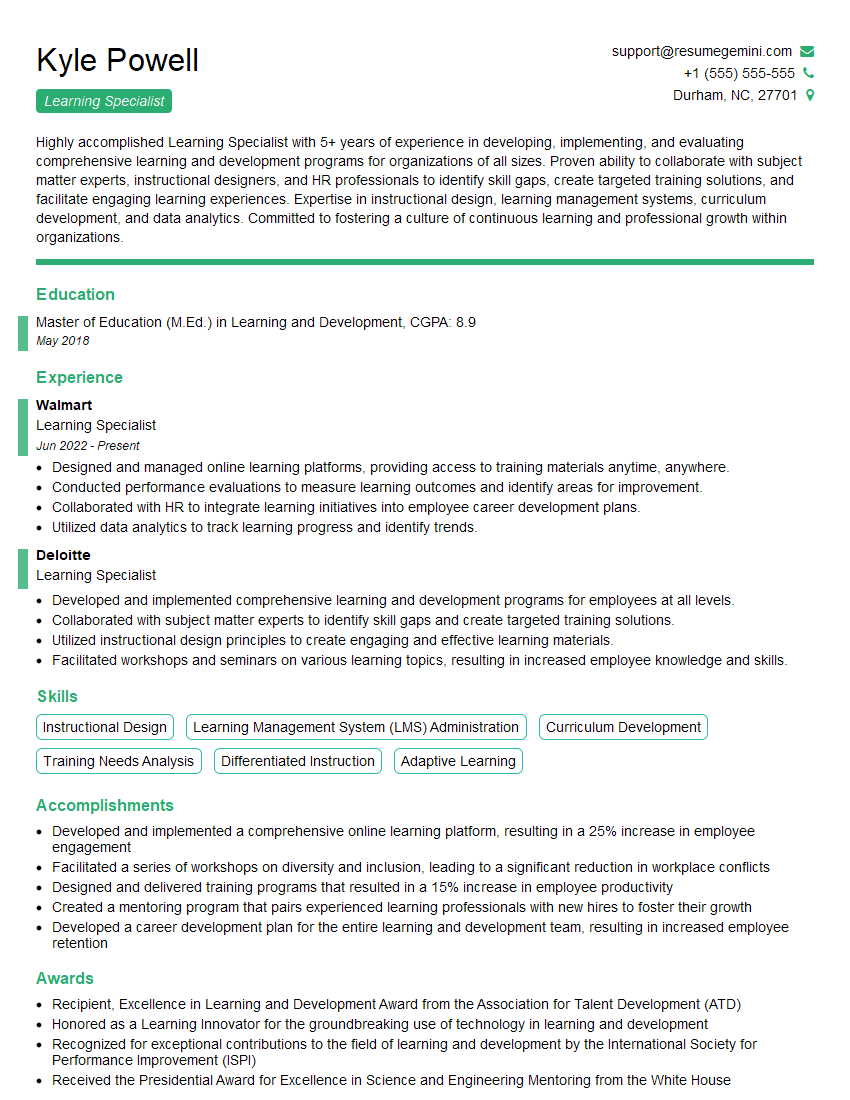
Learning Specialist Resume Sample
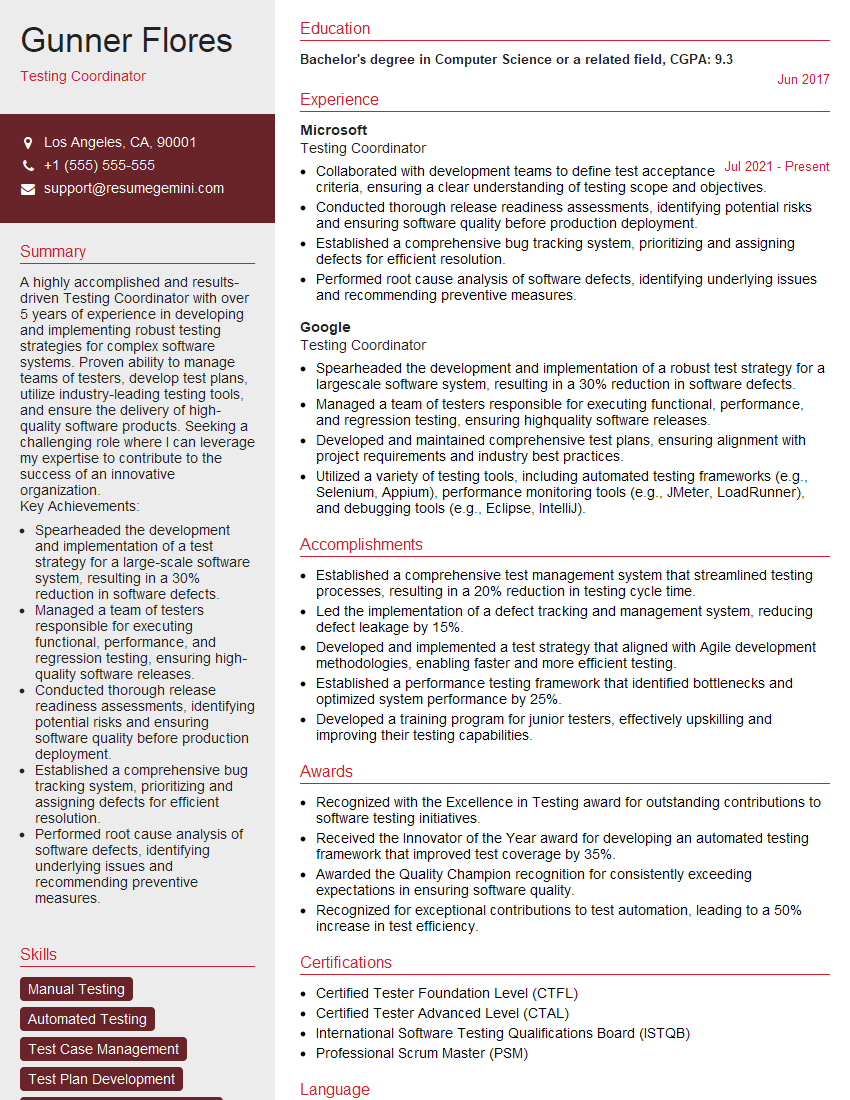
Testing Coordinator Resume Sample

Dean Resume Sample
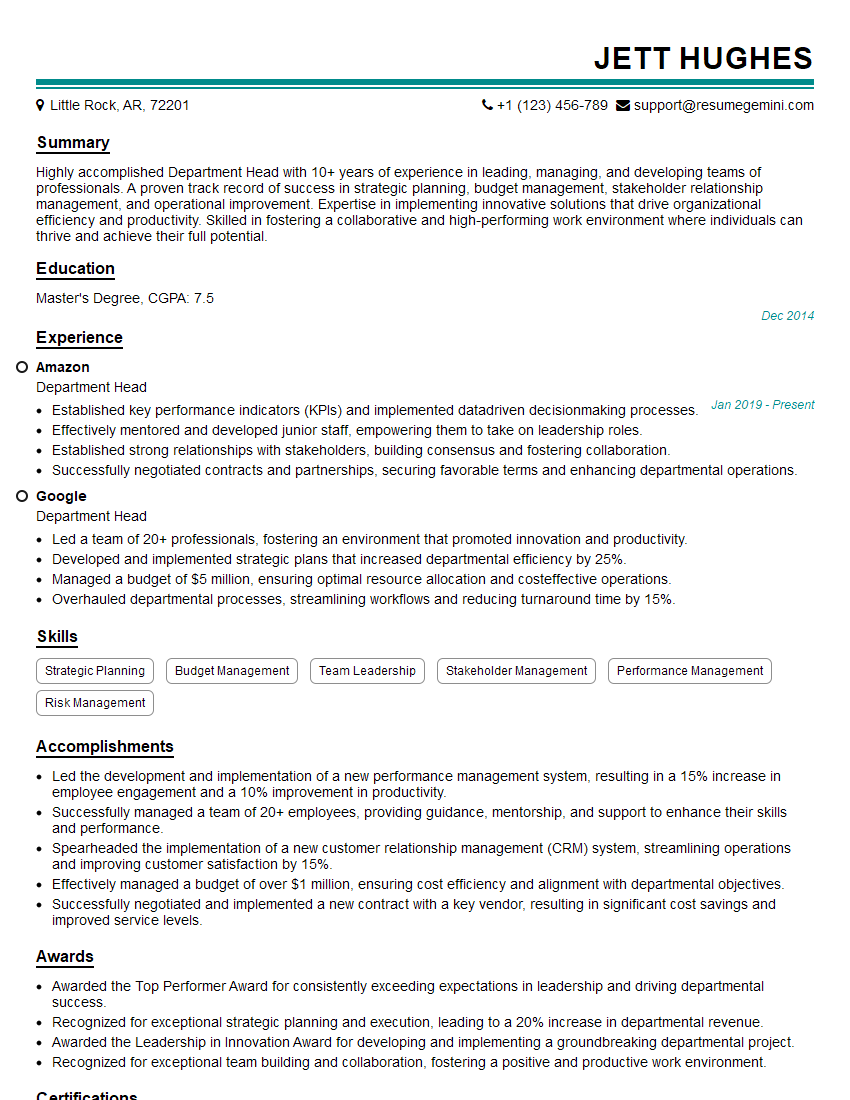
Department Head Resume Sample

Instructor Resume Sample

Professor Resume Sample
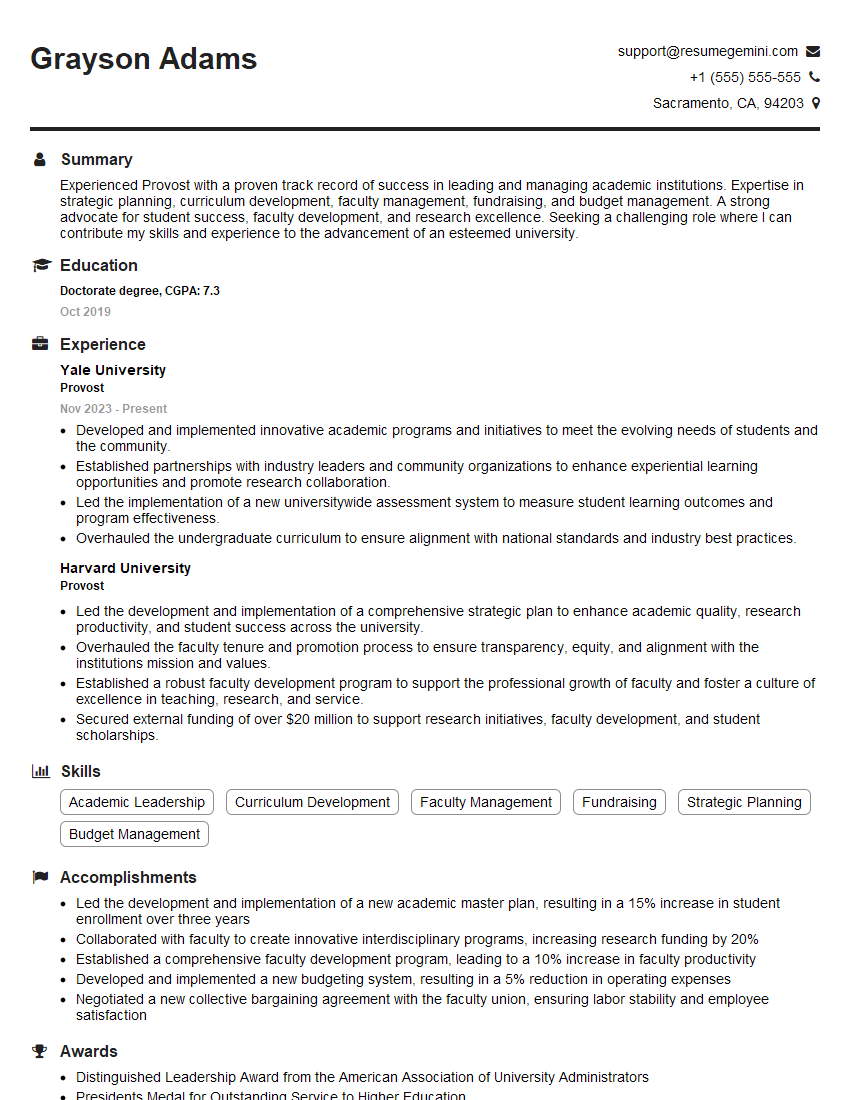
Provost Resume Sample
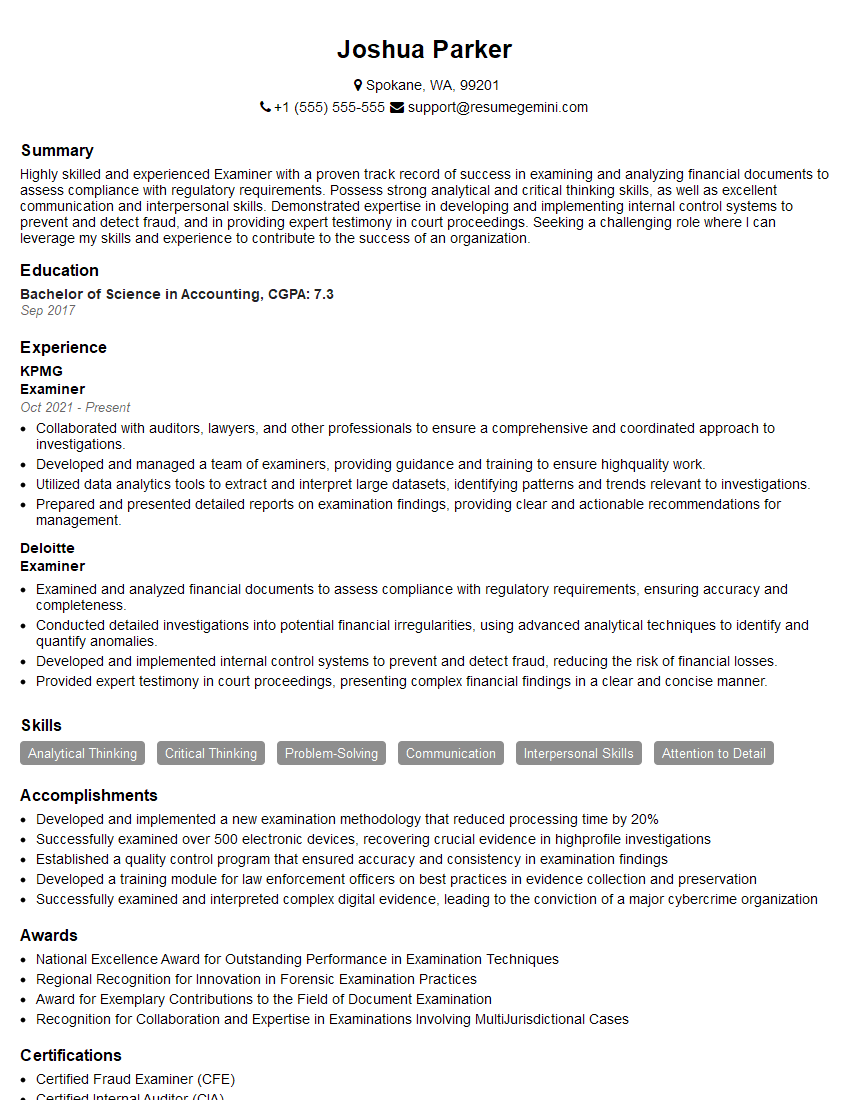
Examiner Resume Sample
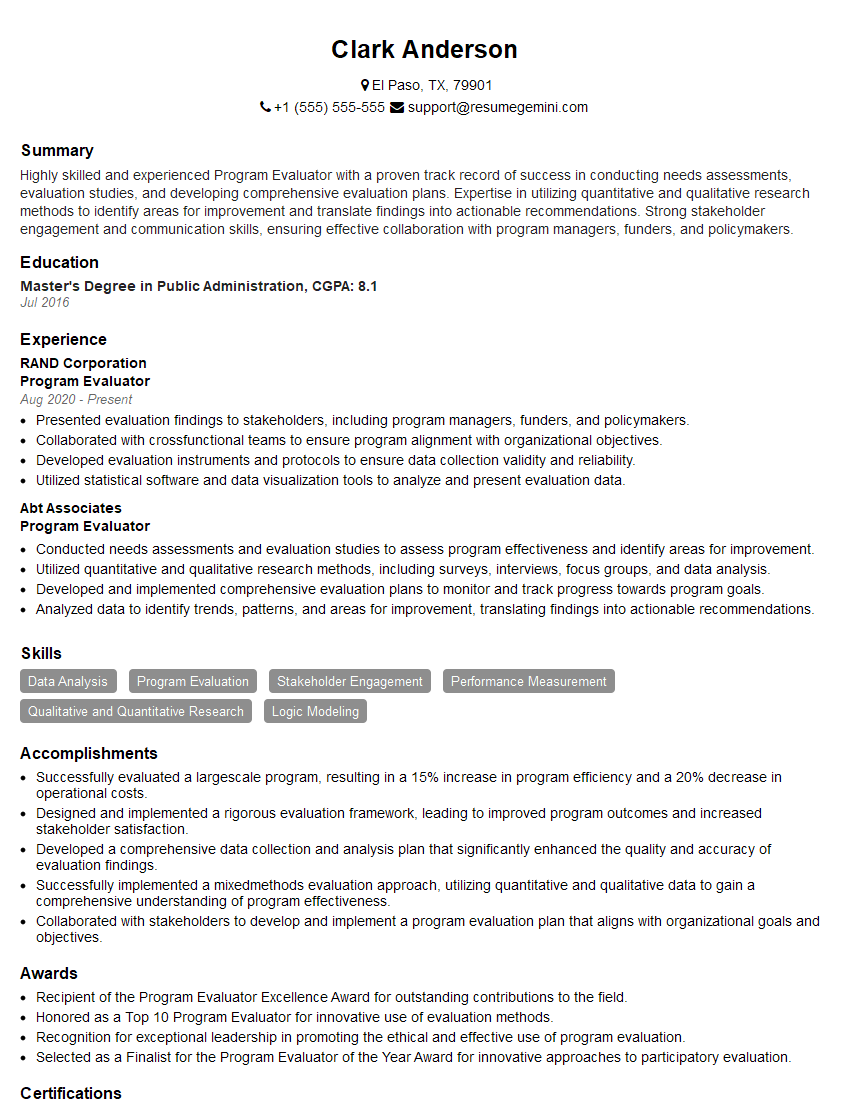
Program Evaluator Resume Sample

Curriculum Developer Resume Sample
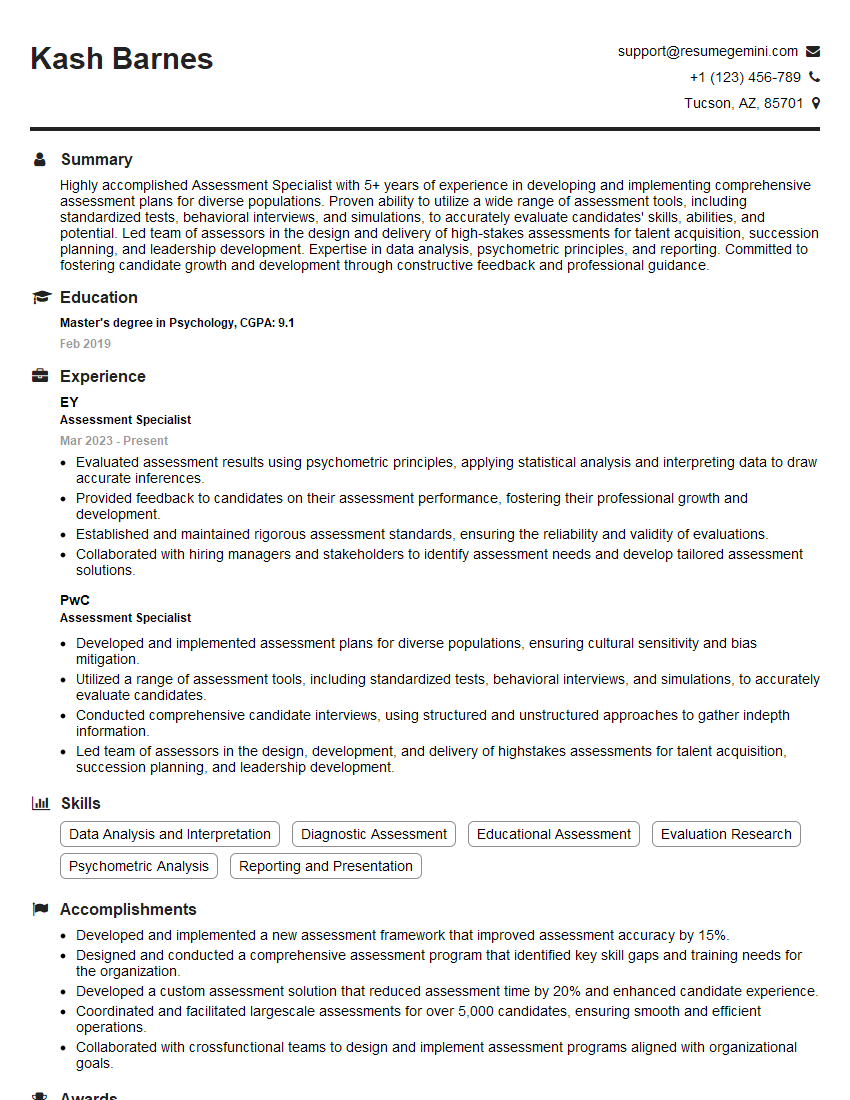
Assessment Specialist Resume Sample
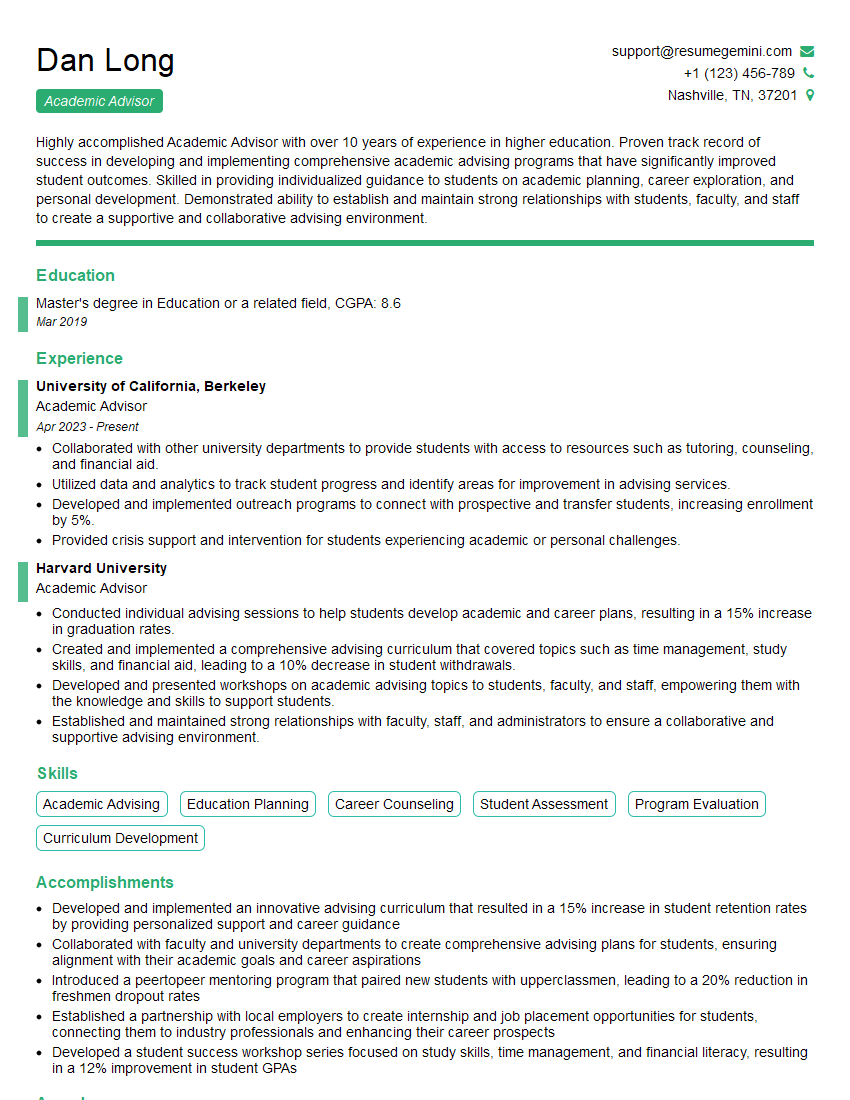
Academic Advisor Resume Sample

Lecturer Resume Sample

Adjunct Professor Resume Sample

Graduate Teaching Assistant Resume Sample

Tutor Resume Sample
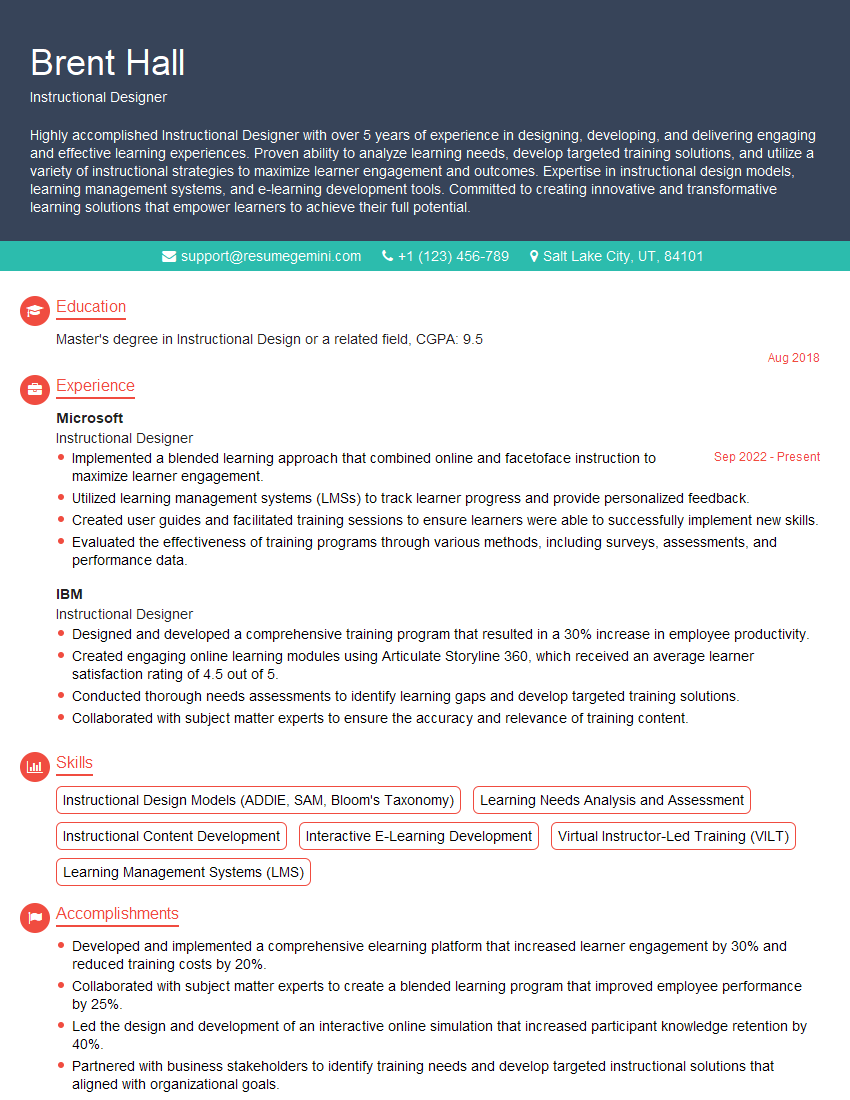
Instructional Designer Resume Sample

Teaching Assistant Resume Sample
Explore more articles
Users Rating of Our Blogs
Share Your Experience
We value your feedback! Please rate our content and share your thoughts (optional).
What Readers Say About Our Blog
Very informative content, great job.
good