Are you ready to stand out in your next interview? Understanding and preparing for Grain Business Management interview questions is a game-changer. In this blog, we’ve compiled key questions and expert advice to help you showcase your skills with confidence and precision. Let’s get started on your journey to acing the interview.
Questions Asked in Grain Business Management Interview
Q 1. Explain the difference between hedging and speculation in grain trading.
Hedging and speculation in grain trading are two distinct strategies with opposite goals. Hedging is a risk management technique used to minimize potential losses from price fluctuations. Imagine a farmer who has grown a large crop of corn. They can hedge by selling futures contracts for corn at the current market price, locking in a guaranteed price for their harvest. This protects them from a potential price drop before harvest. Speculation, on the other hand, is about taking on risk in hopes of making a profit from price movements. A speculator might buy futures contracts anticipating a price increase and sell them later at a higher price, profiting from the difference. The key difference lies in the intent: hedging aims to reduce risk, while speculation seeks to capitalize on it.
For example, a flour mill might hedge against rising wheat prices by buying wheat futures contracts, guaranteeing a certain price for their future wheat purchases. Conversely, a trader might speculate on soybean prices, buying contracts when they believe prices are low and selling when they anticipate higher prices.
Q 2. Describe the factors influencing grain prices.
Grain prices are influenced by a complex interplay of factors. Supply and demand are fundamental: a large harvest leads to lower prices, while a poor harvest or increased demand pushes prices higher. Weather conditions play a crucial role, with droughts or excessive rainfall significantly impacting crop yields and thus prices. Global economic conditions, such as currency exchange rates and overall economic growth, affect both demand and the cost of production. Government policies, including trade tariffs, subsidies, and biofuel mandates, can significantly influence prices. Finally, market speculation and the activities of large institutional investors can create volatility and drive short-term price swings. For instance, a severe drought in a major wheat-producing region could dramatically increase global wheat prices. Conversely, a strong US dollar could make US grain exports more expensive, impacting global prices.
Q 3. How do you assess the quality of grain?
Assessing grain quality involves a multifaceted approach. We begin with visual inspection, looking for signs of damage, discoloration, or foreign materials. Moisture content is crucial, as excessive moisture can lead to spoilage and reduce storage life. We use specialized instruments to accurately measure this. Test weight measures the weight of a specific volume of grain and indicates its density and overall quality. Protein content is vital, particularly for wheat and soybeans, as it directly impacts the quality of the end product. We use laboratory methods such as the Kjeldahl method to determine this. Finally, presence of impurities like weeds, insects, or disease is checked, which can affect the grade and value of the grain. For example, high moisture content in corn can lead to mold growth and mycotoxin contamination, drastically reducing its quality and making it unfit for human or animal consumption. Each grain type has specific quality parameters that must be met to ensure marketability.
Q 4. What are the key risks involved in grain storage?
Grain storage presents several key risks. Insect infestation is a major concern, as insects can damage grain, reduce its quality, and create health hazards. Mold and mycotoxin growth are serious risks, especially in conditions with high moisture or temperature. Mycotoxins can be toxic to humans and animals. Spoilage and deterioration from improper storage can lead to significant losses. Fire hazards, due to grain’s combustible nature, are also a risk. Finally, temperature and humidity fluctuations can affect the quality of stored grain. Implementing proper ventilation, temperature control, and pest management strategies are crucial for minimizing these risks. For example, regular inspections and the use of insecticides or fumigants are essential to prevent insect infestations, while proper aeration helps to maintain low moisture levels and prevent mold growth.
Q 5. Explain your understanding of futures contracts and options in the grain market.
Futures contracts are standardized agreements to buy or sell a specific quantity of grain at a future date at a predetermined price. They provide price certainty for both buyers and sellers. Options give the buyer the right, but not the obligation, to buy (call option) or sell (put option) a specific quantity of grain at a predetermined price on or before a specific date. Options offer flexibility, allowing buyers to protect themselves from price increases while maintaining the potential for profit if prices move favorably. For example, a farmer might use futures contracts to lock in a price for their corn harvest, mitigating the risk of price declines. A grain processor might use call options on wheat to secure future supplies at a price they find acceptable while remaining open to lower prices if the market moves in their favor. Understanding these instruments is critical for effective risk management and strategic trading in the grain market.
Q 6. How do you manage logistics for grain transportation and delivery?
Efficient grain logistics involve careful planning and coordination. This starts with selecting appropriate transportation modes: rail, trucks, or barges, depending on distance, volume, and cost-effectiveness. We utilize GPS tracking and real-time monitoring of shipments to ensure timely delivery. Effective warehousing is crucial, requiring proper storage facilities with adequate capacity and environmental controls. We maintain strong relationships with reliable carriers and warehouse operators to ensure smooth operations. Documentation and record-keeping are essential for tracking shipments, managing inventory, and complying with regulations. For instance, careful planning ensures we have trucks and rail cars available at harvest time to move grain from the field to storage facilities promptly. Accurate tracking allows us to monitor shipment status and make necessary adjustments to meet delivery deadlines.
Q 7. Describe your experience with grain quality control and testing methods.
My experience in grain quality control encompasses all aspects from field inspection to final delivery. I’ve been involved in using various testing methods such as near-infrared spectroscopy (NIRS) for rapid analysis of moisture, protein, and oil content. I am proficient in using standard laboratory methods for assessing factors like test weight, foreign material content, and kernel damage. I’ve implemented and monitored quality control programs ensuring consistent grain quality throughout the supply chain. Maintaining accurate records and generating reports are part of my daily routine. For instance, during a recent harvest, we identified a potential problem with high moisture content in a specific batch of wheat using NIRS. Immediate action was taken to adjust drying procedures, preventing potential losses due to mold growth. This highlights the critical role of proactive quality control in maximizing efficiency and maintaining product integrity.
Q 8. What are the common challenges faced in grain procurement?
Grain procurement presents numerous challenges, all impacting profitability and operational efficiency. One major hurdle is price volatility. Futures markets fluctuate based on weather patterns, global supply and demand, and geopolitical events, making it crucial to manage risk effectively through hedging strategies.
Another challenge is quality control. Ensuring the grain meets specified standards for moisture content, impurities, and other quality parameters requires rigorous testing and careful selection of suppliers. A single batch of substandard grain can significantly impact the entire production process.
Logistics and transportation also pose considerable difficulties. Efficiently transporting grain from the farm to storage facilities or processing plants requires careful planning and coordination, taking into account factors such as seasonal weather conditions, road accessibility, and availability of transportation resources. Delays can lead to increased storage costs and potential quality degradation. Finally, supplier relationships are key. Building strong, reliable relationships with farmers is crucial to securing consistent grain supplies at competitive prices.
For example, during a particularly wet harvest season, I had to adjust my procurement strategy to prioritize quick harvesting and drying to minimize spoilage and quality loss. This involved negotiating with farmers for priority access to their harvest and securing extra drying capacity.
Q 9. How do you handle inventory management in a grain business?
Effective inventory management in a grain business is critical to minimizing losses and maximizing profits. It involves a multi-faceted approach, combining meticulous record-keeping with advanced forecasting techniques. We use a combination of First-In, First-Out (FIFO) and Just-In-Time (JIT) inventory management strategies, depending on the specific grain type and market demand. FIFO ensures that older grains are sold first, minimizing the risk of spoilage, while JIT minimizes storage costs by procuring only what is immediately needed for processing or sales.
Regular stock audits are essential to ensure inventory accuracy and identify any discrepancies. These audits often incorporate modern technology, such as RFID tracking systems, to provide real-time updates on grain location and quantities. We also leverage sophisticated software applications that integrate with our procurement and sales systems to provide accurate forecasts, optimize storage space utilization and streamline the ordering process.
For instance, during a period of high market demand for a specific grain variety, our inventory management system flagged potential stockouts, prompting us to adjust our procurement strategy and secure additional supplies before facing potential shortages.
Q 10. What is your experience with different grain drying techniques?
My experience encompasses a range of grain drying techniques, each with its own strengths and limitations. Low-temperature, low- airflow drying is excellent for preserving grain quality but requires extended drying times, suitable for large storage facilities. High-temperature, high-airflow drying is faster but carries a higher risk of quality degradation if not properly managed. This is usually employed when there’s a need for quick drying to prevent spoilage.
I’ve also worked extensively with in-bin drying systems, which involve drying the grain directly within the storage bins using a network of fans and heaters. This method is highly efficient in terms of space utilization but necessitates careful monitoring to prevent uneven drying and potential hot spots. Furthermore, I’m familiar with hybrid systems which combine different methods for optimal results, depending on the grain type, initial moisture content, and available resources.
For example, during a particularly wet harvest season, we employed a combination of high-temperature, high-airflow drying for immediate reduction of moisture content followed by low-temperature drying to preserve the grain’s quality and milling characteristics.
Q 11. Describe your experience with grain storage facility management.
Managing grain storage facilities demands meticulous attention to detail and adherence to strict quality control protocols. This involves ensuring that facilities are properly designed, constructed, and maintained to minimize risks of grain spoilage and pest infestation. Regular inspections are crucial to detect and address any structural damage or leaks. The facilities must be adequately ventilated to control moisture levels and prevent the build-up of heat. Moreover, effective pest control measures should be implemented, encompassing sanitation, fumigations and the strategic use of grain protectants.
Implementing an inventory management system designed for efficient stock rotation is key. This helps avoid quality degradation and losses caused by prolonged storage. Furthermore, ensuring adequate insurance coverage for the facilities and their contents is critical to mitigating financial risks associated with fire, structural damage, or other unforeseen events. Finally, maintaining comprehensive records of all grain movement, including receipts, storage locations, and quality parameters, is critical for accurate inventory management and traceability.
One instance saw us implementing a new aeration system in an older facility to improve airflow and humidity control, reducing spoilage risk and extending the usable lifespan of the building.
Q 12. How do you manage grain pest control and prevention?
Grain pest control is paramount in maintaining grain quality and preventing significant financial losses. A multi-pronged approach is essential, combining preventative measures with proactive control strategies. Preventative measures focus on maintaining a clean and well-ventilated storage environment, employing proper sanitation practices, and inspecting incoming grains for signs of infestation. This could involve using screens, traps, and monitoring tools.
Proactive control involves the use of approved insecticides, fumigants, and other pest control agents. The choice of control method depends on the type of pest, the level of infestation, and the regulatory requirements. The implementation of these strategies must always adhere to stringent safety protocols and environmental regulations. Regular monitoring and inspections are crucial to detect early signs of infestation and take prompt corrective action. This may involve regular visual checks, the use of detection tools, and employing trained personnel to identify and manage infestations effectively.
In one situation, a timely detection of a weevil infestation in a specific grain silo allowed for targeted fumigation, preventing widespread contamination and saving a substantial portion of the stored grain.
Q 13. Explain your understanding of international grain trade regulations.
International grain trade is governed by a complex web of regulations, varying significantly by country. Understanding these regulations is crucial for successful export and import operations. Key aspects include phytosanitary regulations, which aim to prevent the spread of plant pests and diseases across borders. This often involves obtaining phytosanitary certificates and complying with specific treatment requirements for exported grains. Food safety regulations are equally crucial, with different countries having varying standards for food quality and safety. Compliance is essential to ensure that exported grain meets the importing country’s requirements.
Customs regulations dictate the procedures for importing and exporting goods, including documentation, declaration, and payment of duties. Trade agreements and tariffs play a significant role in determining the cost and feasibility of international grain trade. Understanding these agreements and potential tariffs is critical for pricing strategies. Finally, labeling requirements vary across countries, impacting packaging and branding decisions for exported grain products. Non-compliance can lead to delays, rejection of shipments, and significant financial losses. Staying abreast of these ever-evolving regulations requires continuous monitoring and professional advice.
For example, a recent shipment to the EU required specific documentation and treatment to comply with their strict phytosanitary standards, something we anticipated and planned for to ensure a smooth transaction.
Q 14. How do you analyze market trends and forecast future prices?
Analyzing market trends and forecasting future grain prices is a complex process relying on a combination of quantitative and qualitative factors. Quantitative analysis utilizes statistical methods and econometric models to analyze historical price data, production figures, and consumption patterns. We use time series analysis, regression models, and other statistical tools to identify trends and forecast future prices. This involves considering factors such as weather patterns, global supply and demand dynamics, and economic indicators.
Qualitative analysis involves considering non-quantifiable factors that influence grain prices, such as political instability, government policies, and changes in consumer preferences. This includes monitoring news and information from multiple sources, analyzing market reports, and consulting with industry experts. Combining these quantitative and qualitative analyses, a comprehensive understanding of current and future market conditions can be developed. The forecast should consider various scenarios, accounting for uncertainties and potential risks.
For example, by analyzing weather patterns early in the growing season and incorporating that information into our forecasting model, we were able to anticipate a potential shortfall in a particular grain, allowing for proactive procurement and hedging strategies, mitigating potential losses.
Q 15. How do you build and maintain relationships with grain producers?
Building and maintaining strong relationships with grain producers is the cornerstone of a successful grain business. It’s about more than just a transaction; it’s about fostering trust and mutual benefit. I approach this by focusing on several key areas:
- Consistent Communication: Regular, transparent communication is key. This includes keeping producers informed about market conditions, pricing strategies, and any relevant updates affecting their crops. I utilize various methods, such as phone calls, emails, and even on-farm visits, to maintain personalized contact.
- Fair and Competitive Pricing: Offering fair and competitive prices is obviously crucial. This requires a deep understanding of market dynamics and a willingness to negotiate in good faith. I also emphasize transparency in the pricing process, explaining the factors that influence the final offer.
- Providing Value-Added Services: Beyond just buying grain, I aim to provide producers with additional value. This might include agronomic advice, access to financing options, or assistance with logistics and transportation. By adding value, I solidify the relationship and create a more lasting partnership.
- Building Personal Connections: Ultimately, building strong relationships is about personal connection. I actively participate in agricultural events, attend farm meetings, and make an effort to get to know the producers on a personal level. This helps to build trust and rapport beyond purely business dealings.
For example, during a particularly challenging drought, I worked closely with a group of farmers, offering flexible payment terms and assisting them in securing government assistance programs. This fostered strong loyalty and cemented those relationships for years to come.
Career Expert Tips:
- Ace those interviews! Prepare effectively by reviewing the Top 50 Most Common Interview Questions on ResumeGemini.
- Navigate your job search with confidence! Explore a wide range of Career Tips on ResumeGemini. Learn about common challenges and recommendations to overcome them.
- Craft the perfect resume! Master the Art of Resume Writing with ResumeGemini’s guide. Showcase your unique qualifications and achievements effectively.
- Don’t miss out on holiday savings! Build your dream resume with ResumeGemini’s ATS optimized templates.
Q 16. Describe your experience with negotiating grain contracts.
Negotiating grain contracts requires a blend of market knowledge, analytical skills, and strong negotiation tactics. My approach involves:
- Thorough Market Research: Before any negotiation, I thoroughly research current market prices, futures contracts, and supply and demand dynamics. Tools like Bloomberg and agricultural market reports are crucial for this.
- Understanding Producer Needs: I strive to understand the producer’s needs and priorities. This might include their need for price certainty, flexible delivery schedules, or specific contract terms. Active listening is essential here.
- Strategic Negotiation: I utilize various negotiation techniques, such as principled negotiation and collaborative bargaining, to reach mutually beneficial agreements. I aim for win-win outcomes, building a foundation for long-term relationships.
- Contractual Clarity: The contract must be clear, concise, and unambiguous, specifying all terms and conditions, including quality standards, delivery schedules, payment terms, and dispute resolution mechanisms. Any ambiguities are addressed upfront to prevent future issues.
In one instance, I negotiated a complex contract involving a large volume of corn with a delivery spread over several months. By carefully analyzing the market outlook and understanding the producer’s risk aversion, I structured a contract with price floors and ceilings, ensuring both parties were protected from significant price fluctuations.
Q 17. How do you mitigate risks associated with weather events on grain production?
Mitigating weather-related risks is crucial in the grain business. Strategies include:
- Diversification: Encouraging producers to diversify their crops reduces the impact of a single event. Growing different crops with varying weather tolerances spreads the risk.
- Crop Insurance: Promoting and assisting producers in obtaining appropriate crop insurance is a critical step. This transfers some of the weather risk to the insurance provider.
- Weather Derivatives: Utilizing weather derivatives, such as rainfall options or temperature futures, can help hedge against extreme weather conditions. This is a more sophisticated approach requiring market expertise.
- Data-Driven Decision Making: Employing advanced weather forecasting and data analytics to anticipate potential problems and adjust strategies accordingly is crucial. This can involve utilizing satellite imagery and soil moisture data.
- Storage Capacity: Having sufficient storage capacity allows for flexibility in selling grain at optimal times, minimizing losses due to spoilage or price drops caused by sudden harvest surpluses.
For example, during a period of significant drought, I worked with producers to secure crop insurance and adjust harvest schedules to minimize yield losses. The data analysis showed that certain areas were more severely affected; this allowed for prioritizing purchases from less-damaged fields.
Q 18. What is your experience with grain transportation modes (rail, truck, barge)?
Experience with grain transportation is vital for efficient and cost-effective grain handling. My experience encompasses all three modes:
- Rail: Rail is cost-effective for large-volume, long-distance transport. I have experience negotiating rail contracts, optimizing loading and unloading schedules, and managing railcar availability. Understanding rail infrastructure limitations and potential delays is crucial.
- Truck: Trucks offer flexibility for shorter distances and smaller shipments. I have expertise in managing trucking contracts, optimizing routes, and ensuring timely deliveries. Factors like driver availability and fuel costs need constant attention.
- Barge: Barge transport is cost-effective for moving grain along navigable waterways. My experience includes understanding barge capacity, scheduling barges, and navigating waterway restrictions. Water levels and seasonal limitations are key considerations.
In one instance, I successfully managed a complex logistical operation involving the transportation of a large quantity of soybeans using a combination of rail and barge transport. By carefully coordinating the different modes, I ensured timely delivery and minimized transportation costs.
Q 19. How do you use data analytics to improve decision-making in grain trading?
Data analytics is transforming grain trading, enabling more informed and profitable decisions. My approach involves:
- Market Data Analysis: I leverage market data, including historical prices, futures contracts, weather forecasts, and supply and demand information, to identify trends and predict future price movements. Tools like statistical modeling and machine learning are essential.
- Supply Chain Optimization: Data analysis helps optimize the supply chain, improving efficiency and reducing costs. This might involve analyzing transportation routes, storage capacity, and inventory levels to identify bottlenecks and areas for improvement.
- Risk Management: Data analytics enables better risk assessment and mitigation. By analyzing historical data and market trends, I can identify and quantify risks associated with price volatility, weather events, and other unforeseen circumstances.
- Precision Agriculture Data: Integrating data from precision agriculture technologies, such as yield monitors and remote sensing, allows for a deeper understanding of crop yields and quality. This leads to more accurate forecasting and pricing strategies.
For example, by analyzing historical weather patterns and crop yields, I successfully predicted a potential shortage of wheat, allowing for proactive purchasing that resulted in significant profits.
Q 20. What are the key performance indicators (KPIs) you track in grain business management?
Key Performance Indicators (KPIs) are crucial for monitoring the performance of a grain business. I track several critical metrics:
- Gross Margin: This measures the profitability of each grain transaction, considering purchase price, selling price, and handling costs.
- Inventory Turnover: This indicates how efficiently grain is bought, stored, and sold. A high turnover rate generally reflects efficient inventory management.
- Storage Costs: Tracking storage costs per unit of grain helps to optimize storage capacity and minimize expenses.
- Transportation Costs: Monitoring transportation costs per unit ensures efficient logistics and identifies opportunities for cost reduction.
- Customer Satisfaction: Tracking customer satisfaction helps to maintain strong relationships with both producers and buyers.
- Operational Efficiency: Metrics such as handling time, loading and unloading efficiency, and processing speed reflect the effectiveness of operations.
Regular monitoring of these KPIs, combined with comparative analysis against industry benchmarks, enables data-driven decision-making and continuous improvement.
Q 21. Describe a time you had to solve a complex problem involving grain quality issues.
I once faced a complex problem involving a shipment of corn with unexpectedly high levels of mycotoxins (a fungal toxin). The mycotoxin levels exceeded acceptable limits for human consumption, significantly impacting the market value of the grain.
My step-by-step approach to solving this problem involved:
- Immediate Investigation: I initiated a thorough investigation to determine the source of the contamination, examining storage conditions, transportation methods, and the field where the corn originated.
- Laboratory Testing: I conducted comprehensive laboratory tests to confirm the level and type of mycotoxin contamination.
- Market Analysis: I researched the market for contaminated grain, exploring potential buyers who might accept the grain at a discounted price for specific uses (e.g., animal feed).
- Negotiation with Buyers: I negotiated with several buyers, transparently disclosing the contamination levels and seeking a fair price that reflected the reduced value of the grain.
- Risk Mitigation Strategies: I implemented measures to prevent similar contamination incidents in the future, reviewing storage practices and strengthening quality control procedures throughout the supply chain.
Through this structured approach, I successfully mitigated the financial losses associated with the contaminated grain, and learned valuable lessons about enhancing grain quality control and risk management practices.
Q 22. How do you handle disputes or disagreements with grain suppliers or buyers?
Disputes with suppliers or buyers are unfortunately common in the grain business. My approach emphasizes proactive communication and a fair, transparent process. I always begin by carefully reviewing the contract, identifying the specific point of contention. Then, I initiate direct dialogue with the other party. I aim to understand their perspective and find common ground. I believe in active listening and collaborative problem-solving. If direct communication doesn’t resolve the issue, I’m prepared to escalate it. This might involve mediation by a neutral third party or, as a last resort, arbitration or legal action. For example, if a supplier delivers grain with moisture content exceeding the agreed-upon level, I’d first review the delivery receipt and quality test results. Then I’d contact the supplier, explaining the discrepancy and the financial implications. We’d work together to find a solution, perhaps adjusting the price or negotiating a future delivery adjustment. Documentation at every stage is crucial.
Q 23. What are your strategies for managing grain inventory during periods of high demand?
Managing grain inventory during high demand requires a multifaceted strategy focusing on forecasting, storage capacity, and risk management. Accurate forecasting, based on market trends and historical data, is paramount. This allows us to anticipate demand and procure sufficient grain ahead of time. We must optimize our storage facilities. This could involve utilizing every available bin, renting additional storage space if needed, and prioritizing the storage of high-demand grains. Furthermore, we need to consider hedging strategies to mitigate price volatility. This might include using futures contracts to lock in prices and reduce the risk of losses if prices fall. For example, during a period of unexpectedly high demand for corn, I’d analyze market data to anticipate future needs and possibly enter into forward contracts to secure sufficient supplies. I’d then evaluate whether our existing silos are adequate; if not, I’d explore temporary leasing options or even consider constructing new storage facilities for long-term planning.
Q 24. How familiar are you with different types of grain storage facilities (silos, bins, warehouses)?
I’m very familiar with different grain storage facilities. Each type offers unique advantages and disadvantages. Silos are tall cylindrical structures, ideal for large-scale storage and efficient grain handling. However, they require significant initial investment. Bins are smaller, typically found on farms, offering flexibility and localized storage. Their capacity is limited, and they require careful management to prevent spoilage. Warehouses provide climate-controlled storage, protecting grain from temperature fluctuations and pests. They are suitable for longer-term storage but are generally more expensive to operate. The choice of facility depends on factors like grain type, volume, budget, and storage duration. For instance, a large-scale grain exporter would likely utilize a network of silos, while a smaller farmer might rely solely on on-farm bins. Proper ventilation and pest control are vital regardless of the facility type.
Q 25. Explain your understanding of the different grades and standards for various grains.
Grain grading and standards are critical to ensuring quality and fair trading. Different grains—wheat, corn, soybeans, etc.—have their own specific grading systems, based on factors like moisture content, protein level, test weight, and foreign material. These standards, often set by government agencies or industry organizations, define quality classes, impacting price. For example, wheat is graded according to its protein content and quality, influencing its suitability for different milling purposes. Higher protein wheat commands a premium. Similarly, soybean grades are influenced by factors like damage, foreign material, and splits. Understanding these grades is essential for negotiating fair prices, meeting buyer specifications, and avoiding disputes. I regularly consult the official grading standards set by the relevant authorities to ensure compliance and accuracy in my transactions.
Q 26. How do you ensure compliance with food safety regulations in grain handling and storage?
Food safety is paramount in the grain industry. Compliance with regulations like the Food Safety Modernization Act (FSMA) and other relevant international standards is crucial. My approach involves a multi-layered system focusing on prevention and monitoring. This begins with rigorous quality control at the point of origin, including inspection of incoming grain for contaminants and adherence to safe handling practices. We implement strict pest control measures to prevent infestation during storage. Regular monitoring of temperature and humidity levels ensures that grains maintain optimal quality. We also maintain detailed records of all grain movements, treatments, and tests. We conduct regular employee training on food safety protocols, emphasizing hygiene and safe handling practices. Finally, we conduct periodic audits to ensure our procedures meet all standards and remain updated with the latest regulations.
Q 27. Describe your experience with using grain trading software and platforms.
I have extensive experience with grain trading software and platforms. I’m proficient in using various systems for market analysis, order management, risk management, and supply chain tracking. These platforms allow for real-time monitoring of market prices, efficient order execution, and improved communication with buyers and sellers. I’m familiar with systems such as AgriTrak, GrainBridge, and other proprietary platforms. These tools help automate many processes, reducing the risk of errors and enhancing operational efficiency. For example, I use these systems to analyze market trends, identify potential trading opportunities, and manage my risk exposure effectively. They also enable me to track grain movements across the entire supply chain, from origin to destination, ensuring efficient delivery and reducing potential bottlenecks.
Q 28. What is your approach to continuous improvement in grain business management?
Continuous improvement is essential in this dynamic industry. My approach is grounded in data analysis, benchmarking, and adopting industry best practices. We regularly analyze our operational data to identify areas for improvement. For instance, we might review our storage efficiency, transportation costs, or loss rates. Benchmarking against industry leaders helps us identify areas where we can improve our performance. We also participate in industry conferences and training programs to keep abreast of the latest technologies and innovations. Investing in employee training is another key aspect. Finally, we actively seek feedback from our suppliers and buyers to understand their needs and continuously refine our processes. For example, by analyzing past losses due to spoilage, we might invest in a better ventilation system or implement enhanced pest control measures. A cycle of analysis, improvement, and feedback ensures we stay competitive and efficient.
Key Topics to Learn for Grain Business Management Interview
- Market Analysis & Forecasting: Understanding market trends, supply and demand dynamics, and utilizing forecasting models to predict future prices and market conditions. Practical application includes analyzing historical data to inform trading decisions and hedging strategies.
- Grain Handling & Storage: Knowledge of grain handling techniques, storage facilities, quality control measures, and risk management strategies related to storage (e.g., spoilage, infestation). Practical application involves optimizing storage capacity and minimizing losses.
- Supply Chain Management: Understanding the entire grain supply chain from farm to consumer, including logistics, transportation, and distribution. Practical application includes optimizing logistics to reduce costs and ensure timely delivery.
- Risk Management & Hedging: Developing and implementing strategies to mitigate risks associated with price volatility, weather events, and market fluctuations. Practical application includes using futures contracts and options to hedge against price risks.
- Finance & Accounting in Grain Business: Understanding financial statements, budgeting, cost analysis, and profitability calculations specific to the grain industry. Practical application includes developing accurate financial projections and managing the financial health of a grain business.
- Regulations & Compliance: Familiarity with relevant regulations and compliance requirements related to grain handling, trading, and transportation. Practical application includes ensuring adherence to industry standards and avoiding legal issues.
- Sales & Marketing: Developing effective sales and marketing strategies to reach target customers and build strong relationships. Practical application includes understanding different customer segments and tailoring strategies accordingly.
- Contract Negotiation & Management: Skill in negotiating favorable contracts with buyers, sellers, and logistics providers. Practical application involves understanding contract terms and conditions to protect the interests of the business.
Next Steps
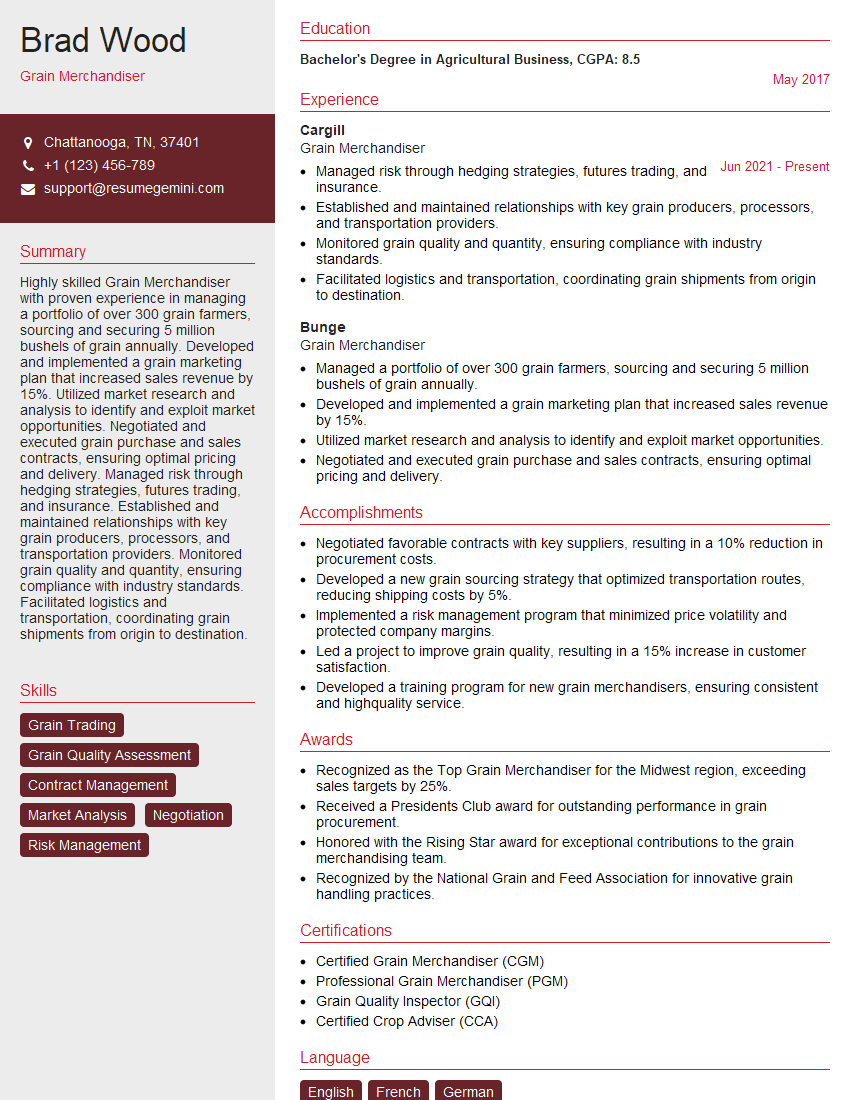
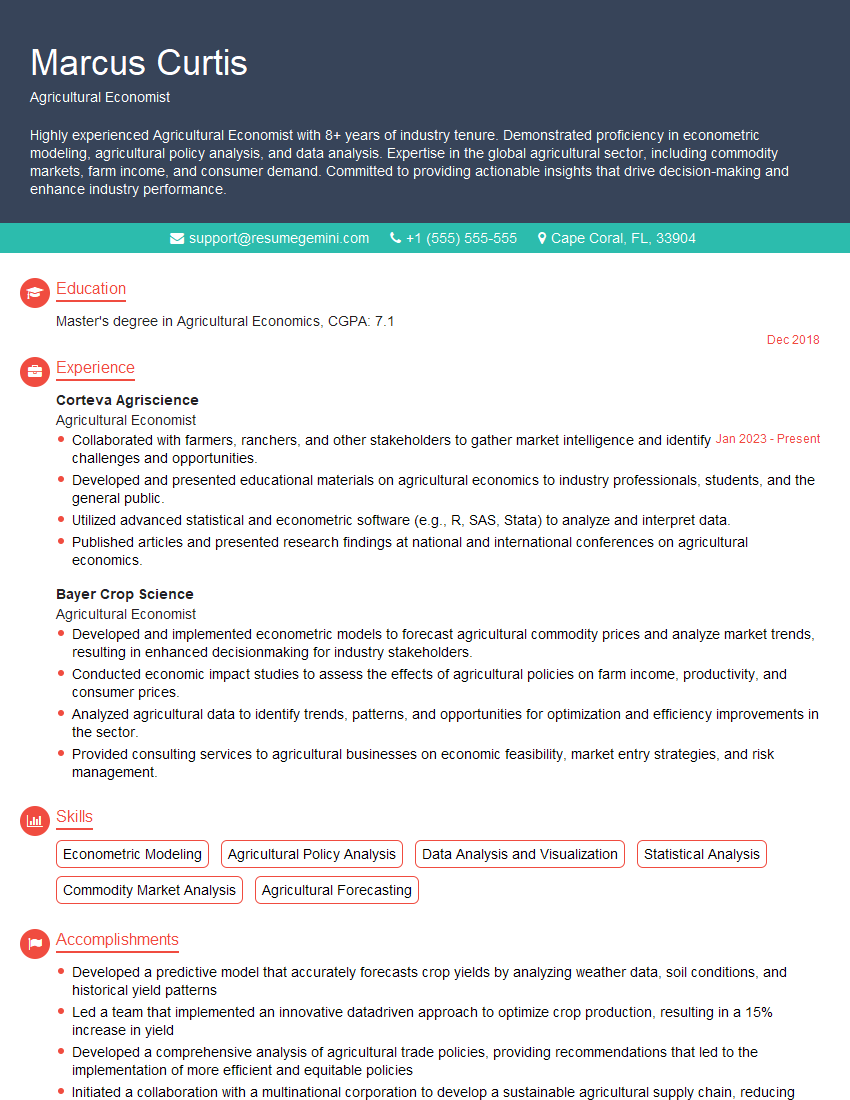
Mastering Grain Business Management is crucial for career advancement, opening doors to leadership roles and significantly increasing earning potential. A well-crafted, ATS-friendly resume is your key to unlocking these opportunities. To maximize your impact and stand out from other candidates, we highly recommend using ResumeGemini to build a professional and compelling resume. ResumeGemini provides tools and resources to create a resume that showcases your skills and experience effectively. Examples of resumes tailored to Grain Business Management are available to guide you through the process. Invest in your future – craft a resume that reflects your expertise and secures your next role.
Explore more articles
Users Rating of Our Blogs
Share Your Experience
We value your feedback! Please rate our content and share your thoughts (optional).
What Readers Say About Our Blog
Very informative content, great job.
good