Interviews are more than just a Q&A session—they’re a chance to prove your worth. This blog dives into essential Greeting Patients interview questions and expert tips to help you align your answers with what hiring managers are looking for. Start preparing to shine!
Questions Asked in Greeting Patients Interview
Q 1. Describe your experience handling a high volume of patient inquiries.
Handling a high volume of patient inquiries requires a structured approach that combines efficiency with personalized care. In my previous role at [Previous Company Name], I regularly managed upwards of 50 patient calls and inquiries per day. This involved answering phones, responding to emails, and addressing in-person requests. My strategy focused on:
- Prioritization: Triaging calls based on urgency (e.g., emergencies first, then appointments, then general inquiries).
- Efficient Communication: Using clear and concise language to provide prompt answers while ensuring complete understanding.
- Multitasking: Handling multiple calls or inquiries simultaneously while maintaining the quality of service. This involved using features like call hold and call-back options effectively.
- Technological Proficiency: Utilizing our EHR system and practice management software efficiently to quickly access patient information and schedule appointments.
For example, during a particularly busy flu season, I successfully managed a surge in patient calls by implementing a brief automated message explaining wait times and offering a call-back option, which allowed me to process more calls and alleviate anxiety.
Q 2. How do you prioritize tasks when multiple patients need assistance simultaneously?
Prioritizing tasks when multiple patients need help simultaneously is crucial for patient satisfaction and efficient workflow. I utilize a system based on urgency and impact. Think of it like a triage system in a hospital – the most critical cases get addressed first. This involves:
- Urgency Assessment: Quickly assessing each request’s urgency, identifying those needing immediate attention (e.g., severe pain, bleeding).
- Impact Analysis: Considering the potential consequences of delays for each patient. A missed appointment for a critical test has a higher impact than a simple prescription refill request.
- Time Management: Utilizing time management techniques to allocate time effectively. This could involve short, focused bursts of activity followed by brief breaks to avoid burnout.
- Communication: Keeping patients informed about wait times and progress. Transparency builds trust and reduces anxiety.
For instance, if I receive a call from a patient experiencing severe chest pain while another patient is requesting an appointment, I’d prioritize the chest pain call immediately and direct the appointment request to another available staff member or schedule a call back.
Q 3. What strategies do you use to maintain a calm and professional demeanor under pressure?
Maintaining a calm and professional demeanor under pressure is vital in healthcare. It requires a combination of proactive strategies and mindful practices. My approach includes:
- Deep Breathing Techniques: Taking slow, deep breaths to regulate my heart rate and reduce stress. Even a few seconds of deep breathing can make a significant difference.
- Positive Self-Talk: Encouraging myself to stay focused and reminding myself of my capabilities. Saying “I can handle this” can shift my perspective.
- Organized Workspace: Maintaining a clean and organized workspace helps me to stay calm and focused, reducing the sense of being overwhelmed.
- Prioritization and Delegation: As mentioned before, effective prioritization and delegation, where appropriate, significantly reduce stress levels.
For example, during a particularly hectic day, I might take a quick break to stretch or do some mindfulness exercises to prevent burnout and maintain a positive attitude throughout the day.
Q 4. Explain your approach to handling frustrated or upset patients.
Handling frustrated or upset patients requires empathy, active listening, and a solution-oriented approach. I follow these steps:
- Active Listening: Let the patient fully express their concerns without interruption (unless the situation is unsafe). Show empathy and acknowledge their feelings.
- Validation: Validate their emotions, even if you don’t agree with their perspective. Phrases like, “I understand your frustration,” can go a long way.
- Problem Solving: Work collaboratively to find a solution. Clearly explain the situation and explore alternative options.
- Follow Up: Follow up with the patient to ensure their concerns are resolved. This shows that you care and are committed to their well-being.
For instance, if a patient is upset about a long wait time, I’d apologize, explain the reason for the delay (if possible), and offer solutions such as rescheduling or providing updates. A sincere apology and a genuine effort to resolve the issue are often enough to de-escalate a tense situation.
Q 5. How familiar are you with electronic health record (EHR) systems?
I am highly proficient in using electronic health record (EHR) systems. My experience includes working with [Specific EHR system name, e.g., Epic, Cerner]. I am comfortable navigating the system to access patient charts, schedule appointments, update medical information, and manage communications. I understand the importance of accurate data entry and maintaining the integrity of patient records. I am familiar with features such as:
- Patient registration and demographics updates
- Appointment scheduling and management
- Charting and documentation
- Medication management and reconciliation
- Communication tools (secure messaging, etc.)
I can quickly and efficiently use these features to streamline workflows and improve patient care.
Q 6. Describe your experience with patient scheduling and appointment management.
My experience with patient scheduling and appointment management is extensive. I’ve managed appointment scheduling for various appointment types – routine checkups, specialist referrals, urgent care, and procedures. My approach incorporates the following:
- Effective Scheduling Techniques: Optimizing appointment slots to maximize efficiency while accommodating patient needs and provider availability.
- Confirmation and Reminders: Implementing systems to send appointment confirmations and reminders (phone, email, text) to reduce no-shows.
- Rescheduling: Handling rescheduling requests efficiently and proactively finding alternative appointment times.
- Coordination with Providers: Collaborating with providers to ensure their schedules are accurately reflected and any scheduling conflicts are resolved.
For example, I implemented a text message reminder system, which significantly reduced our no-show rate. I also developed a system for tracking patient preferences regarding appointment times and communication methods, enhancing patient satisfaction.
Q 7. How do you ensure patient confidentiality and HIPAA compliance?
Ensuring patient confidentiality and HIPAA compliance is paramount. My commitment to patient privacy is unwavering and I consistently adhere to HIPAA guidelines, which involves:
- Strict adherence to HIPAA regulations: I am well-versed in HIPAA regulations concerning patient data protection and confidentiality.
- Secure Data Handling Practices: Utilizing secure systems and protocols for accessing, storing, and transmitting Protected Health Information (PHI).
- Limited Access Control: I only access patient information when necessary for my role and responsibilities.
- Privacy Training and Updates: Regularly attending HIPAA compliance training and remaining updated on changes to the regulations.
- Reporting Breaches: I know the protocol for reporting any potential breaches of patient information immediately.
For instance, I never leave patient charts unattended, always log out of the EHR system when finished, and only discuss patient information with authorized personnel. I would never use my personal phone or email to communicate PHI.
Q 8. What is your experience with processing payments and insurance claims?
My experience with processing payments and insurance claims is extensive. I’m proficient in using various billing software systems, including [mention specific systems e.g., Athenahealth, Epic], to accurately enter patient demographic and insurance information. I understand the nuances of different insurance plans and can effectively verify eligibility and benefits. I can also process various payment methods, from credit cards and debit cards to personal checks and cash, ensuring accurate recording and reconciliation. I’m adept at managing patient accounts, including identifying and resolving billing discrepancies, following up on outstanding balances, and generating statements. For example, I once resolved a complex claim denial by meticulously reviewing the claim details and contacting the insurance provider directly, ultimately resulting in successful reimbursement. I am also familiar with medical coding and understand the importance of accurate claim submission to prevent delays or denials.
Q 9. How do you handle a patient who arrives without an appointment?
Handling walk-in patients without appointments requires a calm and efficient approach. My first step is to assess the urgency of the situation. If it’s an emergency, I immediately alert the medical staff. For non-emergencies, I politely explain that we operate on an appointment-based system. I then offer options: If possible, I’ll try to squeeze them into the day’s schedule, or I’ll schedule them for the earliest available appointment. I make sure to obtain their contact information and essential details to expedite the process. Transparency and clear communication are key; the patient should feel heard and understood, even if I can’t immediately offer a solution. For example, I once had a walk-in patient experiencing severe allergy symptoms. I immediately notified the doctor and ensured she received prompt attention, diffusing the situation effectively.
Q 10. Describe your experience using a patient management system.
I possess extensive experience utilizing various patient management systems, including [mention specific systems e.g., NextGen, Kareo]. I am proficient in scheduling appointments, managing patient records, updating medical histories, tracking referrals, and generating reports. I understand the importance of maintaining accurate and up-to-date information within the system. My skills extend to using the system to efficiently manage patient flow, ensuring a smooth and organized experience. For instance, I effectively utilize the system’s reporting features to track key metrics, such as appointment wait times and patient no-shows, helping to improve the overall efficiency of the practice. This allows for informed decision-making and potential workflow improvements.
Q 11. How would you respond to a patient’s complaint about wait times?
Responding to a patient’s complaint about wait times requires empathy and professionalism. I would first acknowledge their frustration and apologize for the inconvenience. I would then explain, in a clear and concise manner, the reason for the delay, without making excuses. This could be due to an emergency, a previous appointment running over, or an unexpected high volume of patients. I would offer solutions, such as offering them the option to reschedule or providing them with an estimated wait time. The goal is to show the patient that their concerns are valued and that we are striving to improve the overall patient experience. For example, I once explained to a frustrated patient that an unexpected emergency had caused delays, offering them a complimentary beverage while they waited and making sure to check on them regularly. This simple act of kindness significantly improved the patient’s experience.
Q 12. How do you maintain a clean and organized reception area?
Maintaining a clean and organized reception area is crucial for creating a positive first impression. My approach involves a combination of proactive and reactive strategies. Proactively, I ensure the area is tidy at the start of each day, including straightening magazines, wiping down surfaces, and restocking supplies. Reactively, I immediately address any spills or messes as they occur. I regularly empty trash cans and keep the area well-lit and comfortable. I also ensure patient information is handled confidentially and securely. This systematic approach not only enhances the aesthetic appeal of the waiting area but also creates a more welcoming and comfortable environment for patients. It’s all about ensuring that the waiting area reflects the professionalism of the practice.
Q 13. How do you handle patient inquiries about medical procedures or diagnoses?
When handling patient inquiries about medical procedures or diagnoses, my approach is to remain professional, courteous, and within the scope of my abilities. I avoid giving medical advice. Instead, I politely direct the patient to the appropriate healthcare professional, such as their physician or nurse. If the patient needs to schedule a follow-up appointment, I assist them in doing so. I am trained to handle such requests with discretion and ensure the patient’s privacy is maintained at all times. For example, if a patient asks about the results of a test, I would carefully explain that their physician is the best person to discuss the results with and then help them schedule a time to discuss this with the doctor.
Q 14. How do you effectively communicate with patients with language barriers?
Effective communication with patients with language barriers is crucial. My approach involves utilizing available resources, such as translation services (phone or in-person interpreters), bilingual staff, or translation apps. I ensure clear and concise communication, avoiding medical jargon as much as possible. Nonverbal communication, such as using gestures and facial expressions, is also helpful, although I would always prioritize clear verbal communication through appropriate translation services whenever possible. Creating a welcoming and patient environment is also crucial in such situations. For example, I once used a translation app to communicate with a patient who spoke only Spanish, ensuring that they understood their appointment details and completed the necessary paperwork accurately.
Q 15. How do you handle patient requests for information outside your scope of knowledge?
When a patient asks about something outside my area of expertise, my priority is to ensure they receive accurate information while maintaining professional boundaries. I begin by acknowledging their question and letting them know I appreciate their inquiry. Then, I explain that I don’t have the specific knowledge to answer, but I’ll direct them to the appropriate person or resource. This might involve connecting them with a specific physician, nurse, or department, or providing them with relevant educational materials from reputable sources. For example, if a patient asks about a complex medical procedure, I would connect them with their doctor or refer them to the hospital’s website where they can find detailed information. This approach ensures patient satisfaction while upholding the standards of care and avoiding providing potentially inaccurate information.
Career Expert Tips:
- Ace those interviews! Prepare effectively by reviewing the Top 50 Most Common Interview Questions on ResumeGemini.
- Navigate your job search with confidence! Explore a wide range of Career Tips on ResumeGemini. Learn about common challenges and recommendations to overcome them.
- Craft the perfect resume! Master the Art of Resume Writing with ResumeGemini’s guide. Showcase your unique qualifications and achievements effectively.
- Don’t miss out on holiday savings! Build your dream resume with ResumeGemini’s ATS optimized templates.
Q 16. Describe your experience with managing incoming phone calls and directing them appropriately.
Managing incoming phone calls is a critical aspect of my role. I answer the phone professionally and promptly, identifying myself and the department. I use active listening skills to understand the caller’s needs, and then efficiently direct them to the correct person or department. This involves understanding our internal directory and knowing which staff member is best suited to handle each type of inquiry. For instance, appointment scheduling requests go directly to the scheduling department, billing inquiries are routed to the billing office, and urgent medical concerns are immediately escalated to a nurse or physician. Using a combination of efficient routing and clear communication ensures patients receive timely and appropriate care, and allows me to manage a high volume of calls effectively. I track call times to identify trends, potential bottlenecks, and areas for process improvement.
Q 17. How do you handle patient emergencies or urgent requests?
Handling patient emergencies or urgent requests requires a calm, decisive approach. My immediate priority is to assess the situation and determine the severity of the emergency. This involves using clear and concise questioning to quickly understand the patient’s symptoms or needs. Then, I immediately alert the appropriate medical personnel, such as a nurse or doctor. I stay on the line with the patient, providing reassurance and offering whatever support I can until the medical team arrives or takes over. Maintaining a clear head, staying calm, and ensuring accurate and timely communication are crucial during such situations. For example, if a patient reports chest pain, I would immediately notify the emergency response team and relay the patient’s vital information. Regular training on emergency procedures and crisis management ensures I am prepared to respond effectively and efficiently in high-pressure situations.
Q 18. What are your strengths in dealing with diverse patient populations?
My strength lies in my ability to connect with diverse patient populations. I understand that each individual comes with unique backgrounds, cultural nuances, and communication styles. I approach each interaction with empathy and respect, tailoring my communication to meet their individual needs. This includes being mindful of language barriers, cultural sensitivities, and potential disabilities. For example, I utilize translation services when needed, speak clearly and slowly, and pay attention to nonverbal cues to ensure effective communication. I actively try to create a comfortable and welcoming atmosphere for everyone, regardless of their background, ensuring each person feels heard, valued, and respected. This commitment to inclusive communication is integral to providing excellent patient care.
Q 19. How do you stay organized and manage multiple tasks efficiently?
Staying organized and managing multiple tasks efficiently is essential in this role. I use a combination of techniques to prioritize tasks and maintain a structured workflow. I utilize digital tools such as scheduling software and task management applications to track appointments, prioritize tasks, and allocate time effectively. I also maintain a clear desk and organized filing system for both physical and digital documents. I prioritize tasks based on urgency and importance, using methods like the Eisenhower Matrix (urgent/important) to focus on what truly needs immediate attention. Taking short breaks to avoid burnout and periodically reviewing my schedule ensures I’m on top of my responsibilities and capable of effectively handling multiple patient interactions concurrently without feeling overwhelmed.
Q 20. How do you ensure accurate patient information is entered into the system?
Accuracy in data entry is paramount. I meticulously verify all patient information, double-checking details such as names, dates of birth, addresses, and insurance information against identification documents before entering them into the system. I use the provided templates and guidelines to ensure that all data is entered consistently and according to the required format. I also understand the importance of data privacy and adhere strictly to HIPAA regulations, ensuring all information is handled confidentially and securely. Regular training sessions on the electronic health record (EHR) system and data entry protocols help me stay current with best practices and minimize errors. A final review before submitting the data ensures complete and accurate information is maintained in the system.
Q 21. Describe a time you resolved a conflict between patients or staff members.
I once encountered a situation where two patients had a misunderstanding regarding appointment scheduling. One patient felt their appointment was unfairly delayed, while the other felt their priority was justified. I addressed the situation by actively listening to both patients, acknowledging their concerns, and empathizing with their frustrations. I then calmly explained the scheduling process, clarifying the reasons behind the scheduling decisions. By presenting the facts objectively and highlighting the hospital’s commitment to fairness, I helped both patients understand the situation. I offered a solution by rescheduling one patient to minimize inconvenience, ensuring both felt heard and fairly treated. The resolution involved clear communication, empathy, and a commitment to finding a mutually acceptable solution, ultimately preserving a positive patient experience and maintaining harmony within the waiting area.
Q 22. What strategies do you use to ensure patient satisfaction?
Patient satisfaction is paramount. My strategies center around creating a welcoming and efficient experience from the moment a patient arrives. This involves a warm greeting, prompt attention to their needs, and clear communication throughout their visit.
- Proactive Communication: I anticipate potential needs and proactively address them. For example, if a patient appears anxious, I offer reassurance and explain the next steps in their visit.
- Personalized Attention: I remember patient names and preferences whenever possible. This simple act makes them feel valued and demonstrates genuine care.
- Efficient Check-in/Check-out: Streamlining administrative tasks ensures patients spend minimal time waiting, reducing frustration.
- Active Listening: I focus on listening attentively to patients’ concerns, showing empathy and understanding.
- Positive Attitude: Maintaining a positive and helpful demeanor sets a welcoming tone and significantly contributes to overall satisfaction.
For example, one time a patient was visibly stressed about a complex procedure. By calmly explaining the process step-by-step and answering their questions thoroughly, I was able to significantly ease their anxiety, leading to a much more positive experience.
Q 23. How do you adapt your communication style to different patient personalities?
Adapting my communication style is crucial. I recognize that patients have diverse communication preferences and personalities. I strive to be flexible and empathetic, tailoring my approach to each individual.
- Observational Skills: I carefully observe a patient’s body language, tone of voice, and overall demeanor to gauge their personality and communication style.
- Direct vs. Indirect Communication: Some patients prefer direct and concise information, while others prefer a more detailed and empathetic approach. I adjust accordingly.
- Formal vs. Informal Language: I adjust my language to match the patient’s comfort level.
- Active Listening & Clarification: I ask clarifying questions to ensure understanding and to demonstrate that I’m truly listening to their concerns.
For instance, a patient who appears reserved might benefit from a more quiet and respectful approach, while a more outgoing patient might appreciate a more conversational and friendly interaction.
Q 24. How do you use technology to improve patient experience?
Technology plays a significant role in enhancing patient experience. We utilize several technologies to improve efficiency and create a more seamless interaction.
- Online Scheduling: Patients can schedule appointments conveniently online, reducing phone calls and wait times.
- Patient Portals: Secure portals allow patients to access their medical records, test results, and communicate with their providers electronically, empowering them to manage their health.
- Kiosks: Self-check-in kiosks streamline the registration process, minimizing wait times at the reception desk.
- Electronic Health Records (EHRs): EHRs provide quick access to patient information, allowing for more efficient and informed care.
For example, our patient portal allows patients to easily refill prescriptions, reducing the need for phone calls or office visits.
Q 25. What are your expectations of a supportive work environment?
A supportive work environment is essential for optimal patient care. My expectations include:
- Teamwork and Collaboration: A collaborative environment fosters open communication and mutual support among team members.
- Clear Communication: Effective communication channels ensure clear directives and feedback, minimizing confusion and errors.
- Access to Resources and Training: Ongoing training and access to updated resources are vital to maintain professional competency and improve patient care.
- Recognition and Appreciation: Acknowledging the contributions of individuals fosters morale and dedication.
- Professional Development Opportunities: Access to opportunities for advancement and skill enhancement helps to motivate and retain skilled staff.
A positive and supportive team dynamic significantly impacts patient care, as it directly translates into a more efficient, compassionate, and effective service.
Q 26. How do you prioritize patient privacy when using technology?
Patient privacy is my top priority when using technology. I strictly adhere to HIPAA regulations and all relevant privacy policies.
- HIPAA Compliance: I am thoroughly trained on HIPAA regulations and understand the importance of safeguarding patient data.
- Password Protection: I use strong passwords and follow secure log-in procedures for all electronic systems.
- Data Encryption: I understand the importance of data encryption to protect sensitive information.
- Limited Access: I only access patient information that is necessary for my role and responsibilities.
- Reporting Violations: I report any suspected privacy breaches immediately to the appropriate authorities.
For instance, I never leave patient files or computer screens unattended, and I always log out of any system when finished working.
Q 27. Describe your approach to professional development in patient services.
Professional development is a continuous process for me. I actively seek opportunities to enhance my skills and knowledge in patient services.
- Continuing Education Courses: I regularly participate in continuing education courses, workshops, and seminars focused on patient communication, healthcare regulations, and customer service.
- Professional Organizations: I am a member of relevant professional organizations to stay updated on industry best practices and network with other professionals.
- Mentorship: I actively seek mentorship opportunities to learn from experienced professionals and gain valuable insights.
- Self-Reflection: I regularly reflect on my interactions with patients to identify areas for improvement and refine my techniques.
I believe ongoing professional development is vital to providing the best possible care to our patients and adapting to the ever-evolving healthcare landscape.
Q 28. How do you handle situations where you need to escalate a patient issue?
Escalating a patient issue requires a calm, methodical approach. My first step is to actively listen to the patient’s concerns and attempt to resolve the issue at my level.
- Active Listening: I carefully listen to the patient’s complaint and try to understand their perspective.
- Empathy and Validation: I acknowledge the patient’s feelings and validate their concerns.
- Problem-Solving: I attempt to solve the problem using available resources and protocols.
- Appropriate Escalation: If the issue cannot be resolved at my level, I calmly explain the situation to my supervisor and follow the established escalation protocol.
- Documentation: I meticulously document the entire interaction, including the patient’s concerns, the steps taken to resolve the issue, and the outcome.
For example, if a patient is experiencing an unexpected delay, I will first apologize for the inconvenience and explain the reason for the delay. If the delay is excessive or the patient remains unsatisfied, I will escalate the issue to my supervisor so they can assist in finding a resolution.
Key Topics to Learn for Greeting Patients Interview
- First Impressions and Professionalism: Understanding the importance of a positive and welcoming initial interaction, including appropriate verbal and non-verbal communication techniques.
- Effective Communication Skills: Practicing clear and concise communication, active listening, and adapting your approach to diverse patient populations (e.g., considering age, language barriers, emotional states).
- Patient Privacy and Confidentiality (HIPAA): Demonstrating a thorough understanding of patient privacy regulations and best practices for protecting sensitive information.
- Handling Difficult Situations: Developing strategies for managing challenging interactions, such as angry or upset patients, and escalating concerns appropriately to supervisors.
- Scheduling and Appointment Management: Understanding the practical aspects of scheduling appointments, managing patient flow, and utilizing appointment scheduling software effectively.
- Technological Proficiency: Demonstrating familiarity with relevant technologies used in the healthcare setting (e.g., electronic health records, appointment systems).
- Teamwork and Collaboration: Highlighting your ability to work effectively as part of a healthcare team and contribute to a positive patient experience.
- Problem-Solving and Critical Thinking: Showing your ability to identify and resolve problems independently and to think critically in unexpected situations.
Next Steps
Mastering the art of greeting patients is crucial for building rapport, ensuring a positive patient experience, and ultimately, advancing your career in healthcare. A strong foundation in these skills will set you apart from other candidates. To enhance your job prospects, create an ATS-friendly resume that highlights these crucial skills. ResumeGemini is a trusted resource that can help you build a professional and effective resume. We provide examples of resumes tailored to Greeting Patients to help you get started.

Scheduling Coordinator Resume Sample
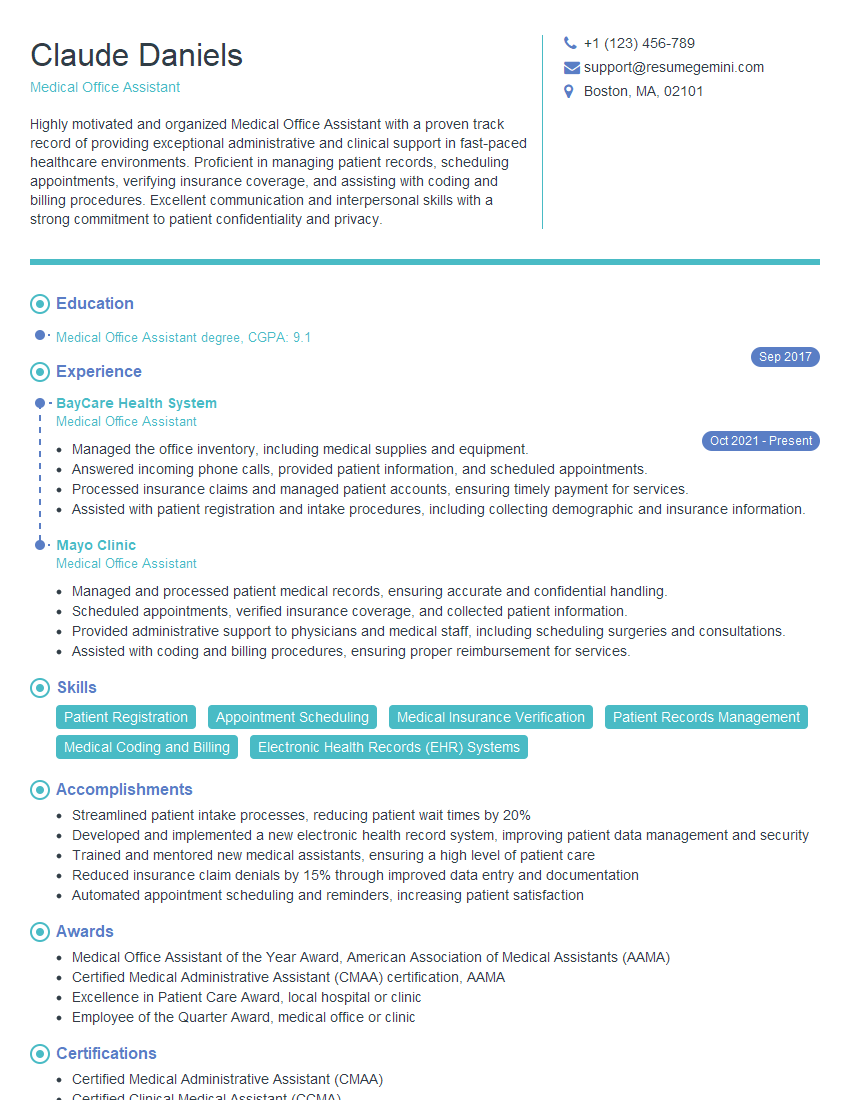
Medical Office Assistant Resume Sample

Patient Advocate Resume Sample
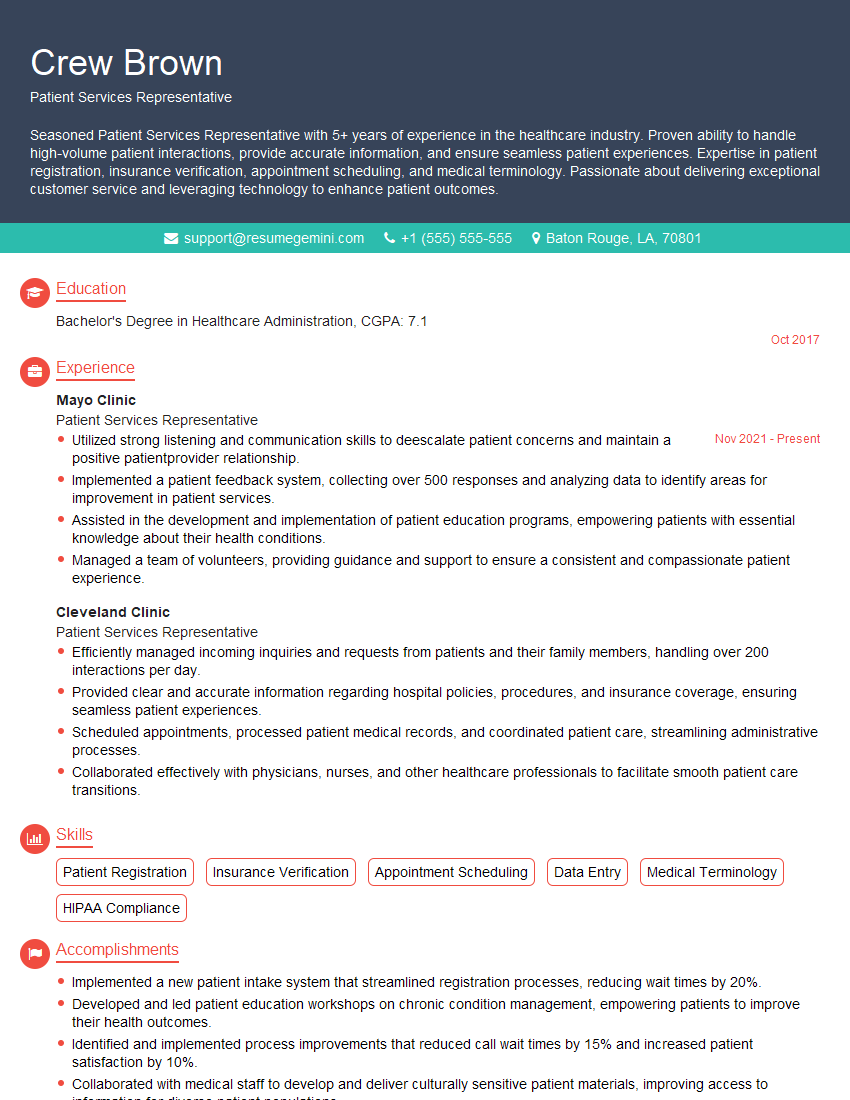
Patient Services Representative Resume Sample

Front Desk Coordinator Resume Sample
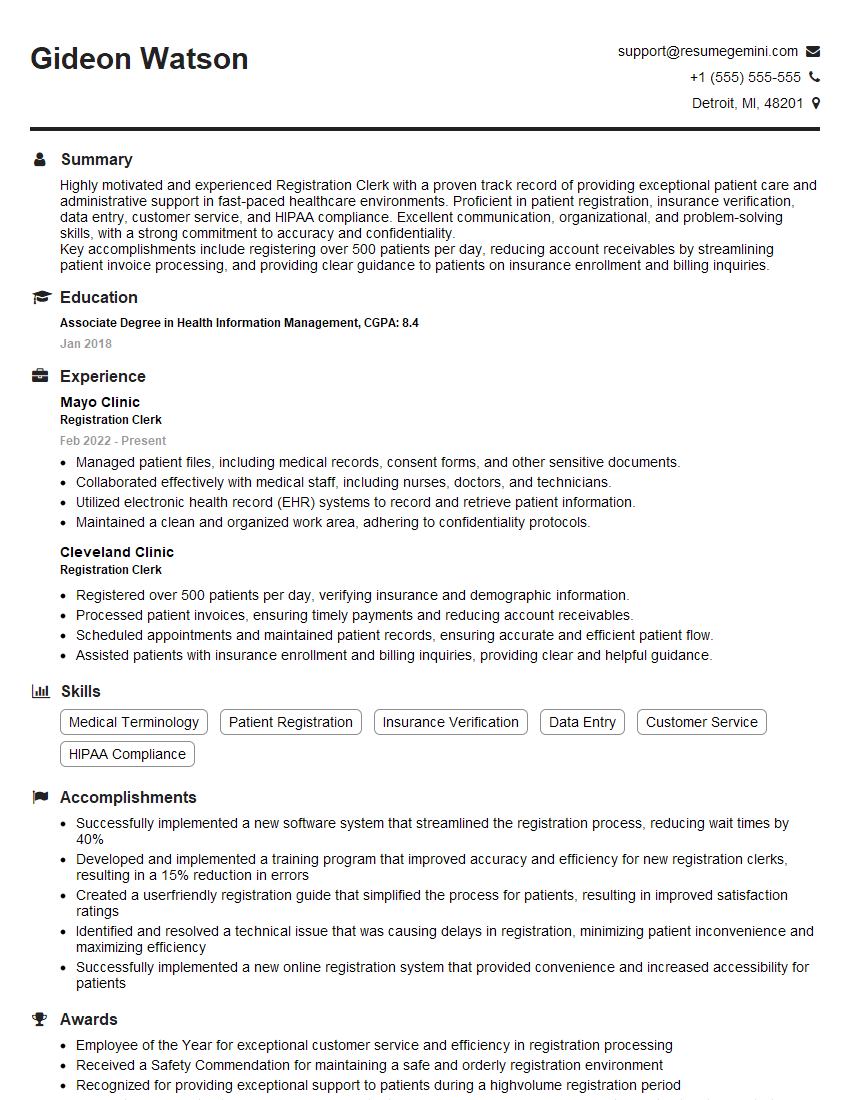
Registration Clerk Resume Sample
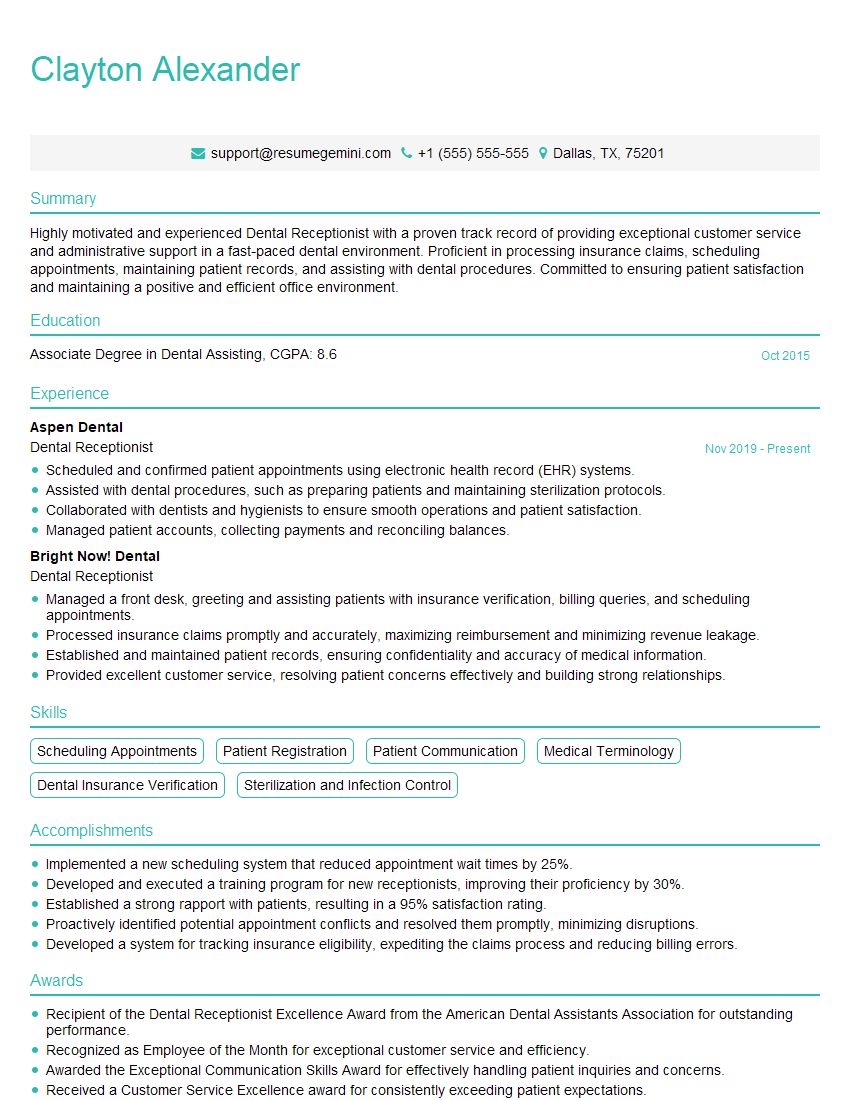
Dental Receptionist Resume Sample
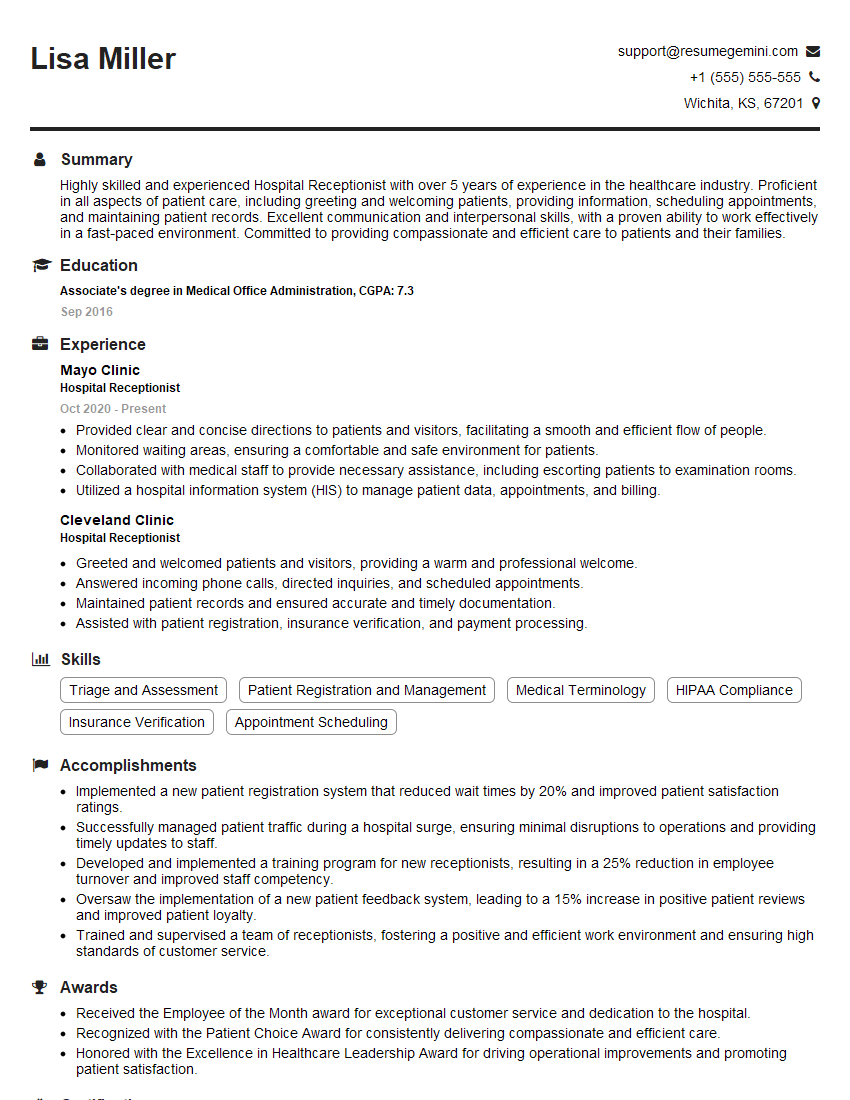
Hospital Receptionist Resume Sample
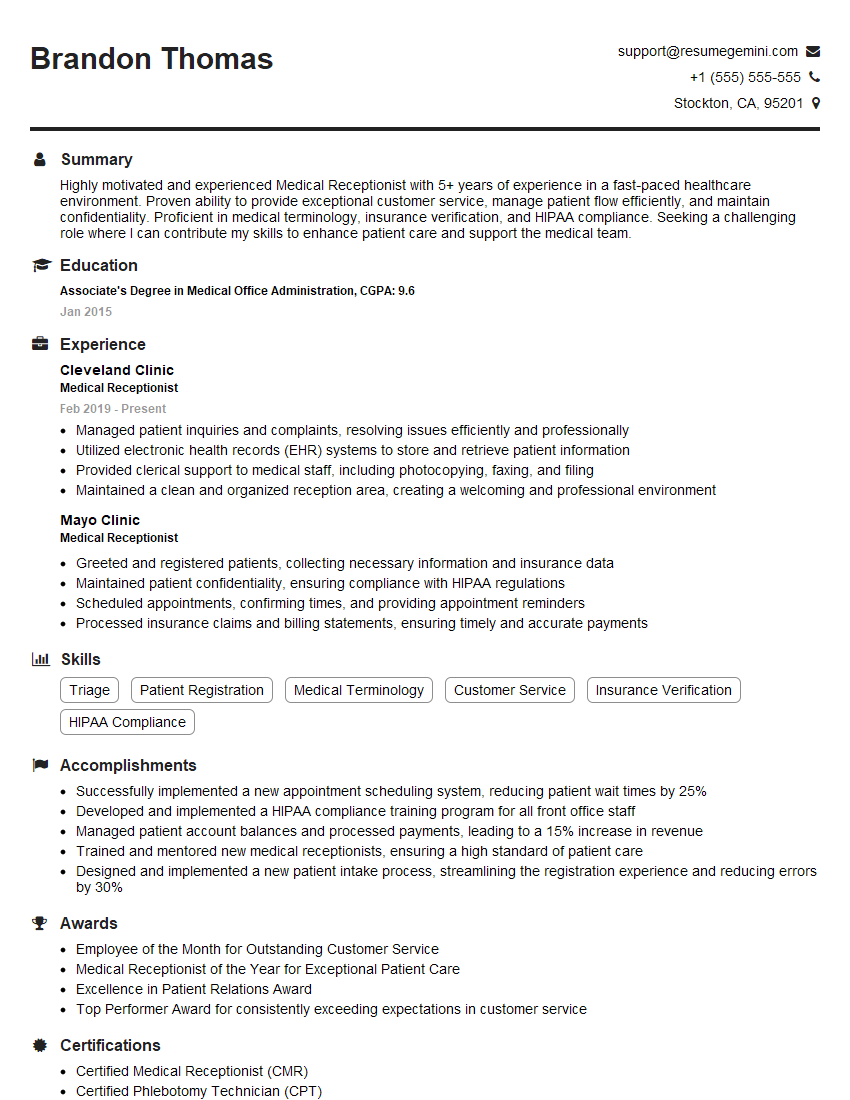
Medical Receptionist Resume Sample
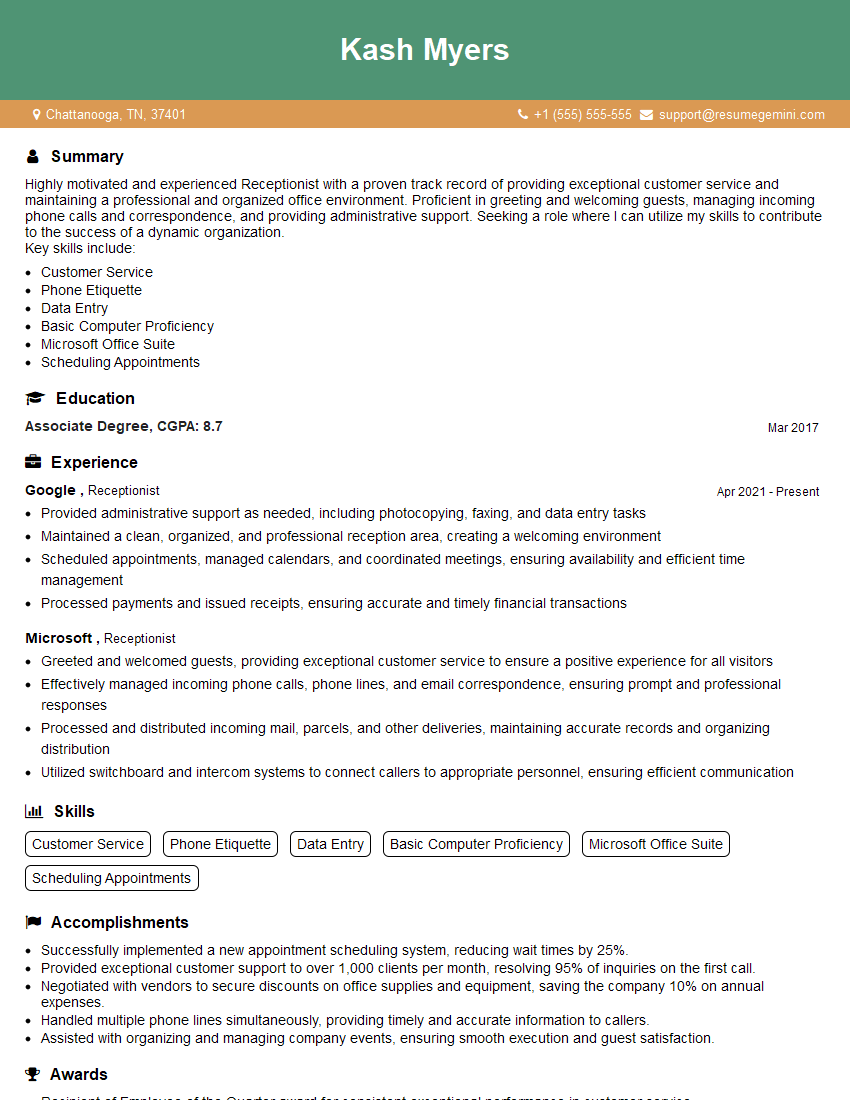
Receptionist Resume Sample
Explore more articles
Users Rating of Our Blogs
Share Your Experience
We value your feedback! Please rate our content and share your thoughts (optional).
What Readers Say About Our Blog
Very informative content, great job.
good