Interviews are more than just a Q&A session—they’re a chance to prove your worth. This blog dives into essential Grooming and Basic Healthcare interview questions and expert tips to help you align your answers with what hiring managers are looking for. Start preparing to shine!
Questions Asked in Grooming and Basic Healthcare Interview
Q 1. Describe your experience with assisting clients with personal hygiene.
Assisting clients with personal hygiene involves a multifaceted approach prioritizing respect, dignity, and safety. My experience encompasses a wide range of tasks, from helping clients with bathing and showering to oral hygiene and toileting. I always begin by assessing the individual’s needs and capabilities, tailoring my assistance to their specific limitations. For example, a client with limited mobility might require more extensive assistance than someone with only minor dexterity issues. I ensure that all procedures are performed with sensitivity and respect for their privacy. A crucial part of my approach involves clear communication and collaboration with the client, ensuring they feel comfortable and empowered throughout the process. This includes explaining each step clearly and obtaining their consent before proceeding.
In one instance, I assisted a client recovering from a stroke who experienced significant weakness on one side of their body. By utilizing adaptive equipment such as a shower chair and long-handled sponge, I was able to help them maintain their independence while ensuring thorough hygiene. Careful monitoring for signs of fatigue and adjusting the pace as needed is critical in such scenarios. Proper documentation of all assistance provided is also vital for continuity of care.
Q 2. Explain your knowledge of different skin types and appropriate care.
Understanding different skin types and their specific needs is fundamental to providing appropriate care. Skin types are broadly categorized as normal, oily, dry, combination, and sensitive. Normal skin exhibits a good balance of oil and moisture, while oily skin tends to produce excess sebum, leading to shine and potential breakouts. Dry skin lacks sufficient oil and moisture, appearing flaky and prone to irritation. Combination skin displays characteristics of both oily and dry areas, usually with an oily T-zone (forehead, nose, and chin) and dry cheeks. Sensitive skin is easily irritated by various products and environmental factors.
Appropriate care involves using products tailored to each skin type. Oily skin benefits from gentle cleansers and oil-free moisturizers, while dry skin needs hydrating cleansers and rich moisturizers. Sensitive skin requires hypoallergenic, fragrance-free products. Regular exfoliation (depending on skin type) helps remove dead skin cells, preventing clogged pores and improving product absorption. Sun protection is crucial for all skin types, using a broad-spectrum sunscreen with an SPF of 30 or higher. Observing for any signs of irritation, dryness, or inflammation is essential, adjusting the skincare regimen as needed.
Q 3. How would you handle a client with dementia needing assistance with grooming?
Assisting clients with dementia during grooming requires a highly individualized, patient, and compassionate approach. The key is to build trust and create a calming, predictable routine. Simple, clear instructions and gentle physical guidance are often more effective than complex verbal explanations. Breaking down tasks into smaller, manageable steps minimizes anxiety and increases the client’s sense of control. For example, rather than saying ‘Let’s brush your teeth,’ I might say ‘Let’s pick up the toothbrush.’ followed by ‘Now let’s put some toothpaste on,’ and so on.
Distraction techniques, such as playing familiar music or engaging in light conversation about pleasant memories, can be highly beneficial. Maintaining eye contact and using a calm, reassuring tone of voice helps to build rapport and reduce agitation. If the client resists, I would pause, reassess the situation, and try a different approach. Safety is paramount; ensuring a secure environment to prevent falls or injuries is critical. Regular assessment of the client’s physical and cognitive status is essential to adjust the level of assistance accordingly. Collaboration with family members or caregivers provides valuable insights into the client’s preferences and routines, further enhancing the care provided.
Q 4. What are the signs of skin infections or infestations, and what actions would you take?
Recognizing signs of skin infections or infestations is crucial for timely intervention and preventing complications. Skin infections can manifest as redness, swelling, warmth, pain, pus, or lesions. Common bacterial infections include impetigo (honey-colored crusts) and cellulitis (diffuse redness and swelling). Fungal infections, like ringworm, may present as circular, scaly patches. Viral infections, such as herpes simplex, can cause blisters and sores. Infestations, such as scabies (intense itching and burrows in the skin) or lice (small insects and their eggs on the hair and scalp), require specific treatment.
My actions upon observing any of these signs would involve immediate reporting to the supervising nurse or healthcare provider. In the meantime, meticulous hand hygiene is practiced to prevent further spread. Depending on the nature and severity of the condition, appropriate measures such as isolation precautions or contacting the client’s physician are implemented. I would also document all observations and actions taken, ensuring accurate record-keeping for continuity of care. Strict adherence to infection control protocols is essential in preventing further spread and managing the condition effectively.
Q 5. Describe your experience with assisting clients with dressing and undressing.
Assisting clients with dressing and undressing requires sensitivity, patience, and respect for their dignity. My approach always starts with assessing the client’s physical capabilities and limitations. I carefully consider their preferences, involving them in the process as much as possible. For instance, I always ask them which clothes they’d like to wear. Adaptive clothing or assistive devices, such as button hooks or long-handled shoe horns, are used when necessary to facilitate independence. With clients having limited mobility or cognitive impairment, a step-by-step approach is used, guiding them gently without rushing.
For example, if assisting a client with arthritis, I would break down the process of putting on a shirt into smaller steps, offering support and guidance as needed. This includes helping them to sit comfortably, placing their arms in the sleeves one at a time, and fastening buttons or zippers. Maintaining a conversation to distract and encourage them throughout this process is extremely helpful. Proper body mechanics are essential to avoid strain on myself and to ensure the client’s safety. Observing for any signs of discomfort or pain is also crucial, allowing adjustments to the process to ensure client comfort. The goal is always to encourage maximum independence while ensuring their safety and dignity.
Q 6. How would you ensure client dignity and privacy during personal care?
Ensuring client dignity and privacy during personal care is paramount. This starts with establishing a trusting relationship built on respect and open communication. I always knock before entering a client’s room, introduce myself, and clearly explain the purpose of my visit. I always seek their consent before beginning any procedure. During care, I maintain appropriate professional boundaries while providing necessary assistance in a way that minimizes exposure. Using privacy screens or closing curtains offers additional protection.
I always ensure the client feels comfortable and in control throughout the process by encouraging their participation whenever possible and respecting their choices. For example, allowing them to choose their own clothing or allowing them to perform tasks they are capable of, fosters autonomy and dignity. Respecting their personal space and avoiding unnecessary touching or exposure is also extremely important. Any sensitive information observed or discussed during care is kept confidential and shared only with authorized personnel. In short, ensuring dignity and privacy involves proactively creating a supportive and respectful environment that acknowledges and upholds the client’s intrinsic worth and autonomy.
Q 7. What are your strategies for communicating with clients with impaired communication?
Communicating with clients with impaired communication requires patience, creativity, and a willingness to adapt. My strategies involve using various communication methods to understand their needs and effectively convey information. Nonverbal cues like facial expressions, body language, and gestures are carefully observed. I utilize visual aids such as pictures, symbols, or written words to enhance understanding. Simple, concise sentences and avoiding jargon are essential. Repeating instructions and providing multiple opportunities for responses allows for better comprehension.
I always listen attentively, allowing ample time for them to respond, and use various forms of augmentative and alternative communication (AAC) devices, if available, such as communication boards or picture exchange systems (PECS). I actively involve family members or caregivers in the communication process whenever possible as they can provide crucial insights into the client’s preferred methods and communication styles. The key is to establish rapport, be patient, and create a supportive environment that fosters clear, effective communication despite the communication barriers. Ultimately, ensuring understanding is paramount, and I will use whatever combination of methods is required to achieve this.
Q 8. How do you maintain a clean and sanitary work environment?
Maintaining a clean and sanitary work environment is paramount in grooming and basic healthcare. It’s not just about aesthetics; it’s about preventing the spread of infection and ensuring client safety. My approach is multifaceted and includes:
Regular Cleaning and Disinfection: I meticulously clean and disinfect all surfaces, equipment (e.g., clippers, scissors, combs), and tools after each client using EPA-registered disinfectants. This includes high-touch areas like doorknobs and light switches.
Waste Management: Proper disposal of soiled materials like bandages, tissues, and disposable razors in designated containers is crucial to prevent contamination and maintain hygiene. I strictly adhere to all relevant biohazard protocols.
Laundry Procedures: Soiled linens are immediately placed in designated laundry bags and processed according to facility guidelines, usually involving high-temperature washing and drying to kill any potential pathogens.
Air Quality: Ensuring adequate ventilation helps to reduce airborne contaminants. I’d also make sure the area is free of clutter to facilitate easy cleaning and prevent the buildup of dust and dirt.
Personal Hygiene: I maintain meticulous personal hygiene, including handwashing with soap and water before and after each client interaction, and wearing appropriate personal protective equipment (PPE) such as gloves when necessary.
For example, after a hair-cutting session, I’d thoroughly disinfect the clippers and combs using a hospital-grade disinfectant spray and then wipe them down with a clean cloth before storing them. This systematic approach minimizes the risk of cross-contamination and creates a safe and healthy environment for all.
Q 9. Explain your understanding of infection control protocols.
Infection control protocols are the cornerstone of safe healthcare practices. My understanding encompasses several key elements:
Hand Hygiene: This is the single most important infection control measure. I rigorously practice handwashing with soap and water or using an alcohol-based hand rub before and after each client interaction, and any time my hands are potentially contaminated.
Personal Protective Equipment (PPE): I know when and how to use PPE, including gloves, gowns, masks, and eye protection, depending on the procedure and potential exposure risk. For example, I always wear gloves when performing wound care.
Sterilization and Disinfection: I understand the difference between sterilization (complete elimination of microorganisms) and disinfection (reduction of microorganisms to a safe level). I ensure proper sterilization of instruments that penetrate the skin (e.g., needles) and disinfection of non-sterile equipment.
Environmental Cleaning: Maintaining a clean work environment, as previously discussed, is crucial to prevent the spread of infection. This includes regular cleaning and disinfection of surfaces, equipment, and the surrounding area.
Waste Disposal: Safe and proper disposal of medical waste, including sharps and contaminated materials, is vital. I always adhere to the facility’s designated procedures.
Standard Precautions: I follow standard precautions, treating all clients as potentially infectious and taking appropriate measures to prevent transmission of pathogens.
These protocols are not just procedures; they are habits ingrained in my practice to safeguard both clients and myself from infection.
Q 10. Describe your experience with assisting clients with medication reminders.
Assisting clients with medication reminders involves a blend of respect for their autonomy and ensuring their safety. I would never administer medication, but I can provide support in several ways:
Setting Reminders: I can help clients set reminders on their phones, use pill organizers, or create visual schedules to help them remember their medication.
Observing Medication Compliance: I can subtly observe if clients are taking their medication as prescribed and report any concerns to the appropriate healthcare professional. I wouldn’t pry, but I would gently check in.
Documentation: I’d carefully document any observations about medication adherence and report significant concerns to the client’s doctor or nurse.
Communication: I’d maintain open communication with the client, their family, and healthcare providers to ensure medication is managed effectively.
For example, I helped a client organize their daily medication into a pill organizer, making it easier for them to manage their regimen. It’s about empowering clients to manage their health effectively.
Q 11. How would you handle a client who refuses personal care?
Respect for client autonomy is crucial. If a client refuses personal care, I would:
Understand the Reason: I’d respectfully inquire about the reason for their refusal, listening empathetically and without judgment. Sometimes, there might be a physical limitation, discomfort, or privacy concern I haven’t considered.
Offer Alternatives: I would offer alternatives that might address their concerns. For example, if they feel uncomfortable with a particular procedure, I could suggest a different method or schedule. If it’s a matter of dignity or modesty, I would adjust the approach to maximize their comfort.
Respect Their Decision: Ultimately, if the client persists in their refusal after exploring options, I would respect their decision and document it, noting the reasons provided and any actions taken. I would then inform the supervising nurse or appropriate healthcare professional to explore options for additional support or intervention.
Safety Considerations: While respecting their decision, I would ensure their safety. If refusing hygiene puts the client at risk (e.g., severely compromised skin integrity), I would document the situation and escalate the concern to the appropriate supervisor.
For instance, a client might refuse a shower due to fear of falling. In that case, I’d suggest a bed bath instead, focusing on safety and client comfort.
Q 12. What are the common signs of dehydration, and how would you report them?
Dehydration is a serious condition, especially in elderly individuals. Common signs include:
Decreased Urine Output: Infrequent urination or very dark, concentrated urine.
Dry Mouth and Thirst: A persistent feeling of dryness in the mouth and intense thirst.
Dry Skin and Mucous Membranes: Skin that feels dry and cracked, and dry mucous membranes (inside the mouth and nose).
Fatigue and Dizziness: Feeling unusually tired and lightheaded or dizzy.
Low Blood Pressure: This would be measured by a healthcare professional.
Sunken Eyes: Eyes that appear sunken into their sockets.
If I observe any of these signs, I would:
Immediately report my observations: I would promptly report my findings to the supervising nurse or healthcare provider, providing detailed information on the client’s symptoms and the time of observation.
Encourage Fluid Intake: Unless contraindicated by medical orders, I would encourage the client to drink fluids, if they are able.
Prompt reporting is essential to prevent dehydration from becoming a more serious health problem.
Q 13. How would you assist a client with mobility issues with their hygiene?
Assisting clients with mobility issues requires careful planning and adaptation. I would:
Assess the Client’s Needs: I would first assess the client’s specific mobility limitations and any other relevant medical conditions to tailor the assistance to their individual needs.
Ensure Safety: I would utilize assistive devices such as transfer belts, shower chairs, or other mobility aids as needed, and make sure the environment is safe and free of obstacles.
Promote Independence: I would encourage the client to participate as much as possible, maintaining their dignity and independence within their physical limitations. For example, I’d help them wash their hair, but they could wash their body.
Proper Body Mechanics: I would employ proper body mechanics to avoid injury to both myself and the client, using appropriate techniques to assist with transferring and positioning.
Maintain Privacy: I’d ensure their privacy and dignity throughout the process.
For example, I’d use a transfer belt to safely help a client with weak legs from their bed to a shower chair. The focus is always on safety, respect, and maximizing the client’s involvement in their own care.
Q 14. What is your experience with wound care and dressing changes?
While I’m not a medical professional qualified to perform advanced wound care, my experience includes assisting with basic wound care under the direct supervision of a licensed nurse or physician. My responsibilities typically involve:
Wound Observation: I can observe and document the appearance of a wound, including size, depth, color, drainage, and any signs of infection.
Assisting with Dressing Changes: I can assist a nurse in performing dressing changes, gathering supplies, positioning the client, and providing support during the process. I would never independently change a dressing without appropriate supervision.
Maintaining a Sterile Environment: I understand the importance of maintaining a sterile environment during wound care and would follow all necessary precautions.
Documentation: I would accurately document all observations and procedures related to wound care, including the type of dressing used and the wound’s appearance.
For instance, I’ve assisted nurses in changing dressings on pressure ulcers, meticulously following their instructions and maintaining a clean and safe environment. This collaborative approach ensures client safety and effective wound management.
Q 15. Describe your knowledge of different types of assistive devices for personal care.
Assistive devices significantly enhance personal care, particularly for individuals with limited mobility or dexterity. These devices range from simple aids to sophisticated technology.
- Basic Aids: Long-handled sponges, reachers, dressing sticks, and sock aids assist with bathing, dressing, and reaching objects. Think of a reacher as an extension of your arm, enabling you to grab items without bending or straining.
- Adaptive Equipment: Elevated toilet seats, shower chairs, and grab bars improve bathroom safety and accessibility. These prevent falls and make hygiene tasks more manageable.
- Specialized Tools: Electric toothbrushes, button hooks, and zipper pulls simplify tasks for individuals with arthritis or other conditions affecting fine motor skills. For example, a button hook makes buttoning shirts much easier.
- Mobility Aids: Walkers, canes, and wheelchairs provide mobility support, allowing individuals to access bathroom facilities and maintain independence in personal care.
Selecting the right assistive device depends on the individual’s specific needs and limitations. A thorough assessment is crucial to determine the most appropriate and effective devices.
Career Expert Tips:
- Ace those interviews! Prepare effectively by reviewing the Top 50 Most Common Interview Questions on ResumeGemini.
- Navigate your job search with confidence! Explore a wide range of Career Tips on ResumeGemini. Learn about common challenges and recommendations to overcome them.
- Craft the perfect resume! Master the Art of Resume Writing with ResumeGemini’s guide. Showcase your unique qualifications and achievements effectively.
- Don’t miss out on holiday savings! Build your dream resume with ResumeGemini’s ATS optimized templates.
Q 16. How would you respond to an emergency situation while providing care?
Responding to an emergency during care requires quick thinking and decisive action. My approach prioritizes the safety and well-being of the client.
- Assess the Situation: Immediately determine the nature of the emergency (e.g., fall, choking, allergic reaction).
- Ensure Safety: Protect the client from further harm. If a fall has occurred, ensure the client is stable and not further injured.
- Call for Help: Contact emergency medical services (911 or local equivalent) or the appropriate supervisor/team members immediately. Clearly articulate the situation, location, and client’s condition.
- Provide First Aid: Administer appropriate first aid if trained and if it doesn’t interfere with immediate emergency response. This could include CPR if I’m certified.
- Document the Incident: Thoroughly document the event, including the time, nature of the emergency, actions taken, and outcome. This is crucial for accountability and future prevention.
For example, if a client experiences a sudden fall, I would first ensure their safety, then call for help, and while waiting for assistance, I would comfort them and check for injuries.
Q 17. Describe your experience with documenting client care.
Accurate and timely documentation is paramount in client care. My experience includes using electronic health records (EHRs) and paper-based charting systems.
I meticulously document all aspects of client care, including:
- Grooming and Hygiene: Details on assistance provided, client’s response, and any observations (e.g., skin condition, presence of sores).
- Medication Administration: Times, dosages, route of administration, and client’s response.
- Vital Signs: Recorded regularly, noting any abnormalities.
- Client Interactions: Observations of client’s mood, appetite, and any significant changes in behavior or condition.
- Incident Reports: Detailed accounts of any accidents, falls, or other unusual occurrences.
My documentation is clear, concise, objective, and adheres to all relevant privacy and confidentiality regulations. I ensure that my notes are legible and readily understandable by other healthcare professionals.
Q 18. How would you adapt your approach to meet the individual needs of different clients?
Adaptability is key to providing effective and personalized care. I assess each client’s unique needs, preferences, and abilities before developing an individualized care plan.
This includes:
- Physical Abilities: Assessing mobility, dexterity, and any physical limitations to tailor assistance accordingly.
- Cognitive Abilities: Adjusting communication and instructions based on the client’s cognitive abilities and understanding.
- Cultural and Religious Beliefs: Respecting cultural practices and beliefs related to personal care and hygiene.
- Personal Preferences: Incorporating client preferences regarding products, routines, and levels of assistance.
For instance, a client with visual impairments might require verbal guidance during grooming, while a client with limited mobility needs assistance with reaching and maneuvering. Open communication and careful observation allow me to adapt my approach to best meet each individual’s needs.
Q 19. Explain your understanding of client confidentiality.
Client confidentiality is of utmost importance. I strictly adhere to HIPAA regulations and other relevant privacy laws.
This means:
- Protecting Client Information: Never discussing client information with unauthorized individuals. This includes family members unless the client has explicitly given consent.
- Secure Storage of Records: Ensuring all client records, both electronic and paper-based, are securely stored and accessed only by authorized personnel.
- Confidentiality in Communication: Using discretion when discussing client information, even in professional settings.
- Reporting Violations: Reporting any breaches of confidentiality immediately to the appropriate authorities.
Maintaining client confidentiality is not merely a policy; it’s a fundamental ethical obligation that builds trust and fosters a positive therapeutic relationship.
Q 20. How do you stay up-to-date on best practices in grooming and basic healthcare?
Staying current with best practices is crucial in this rapidly evolving field. I utilize several strategies to maintain my professional knowledge:
- Continuing Education: Regularly participating in workshops, seminars, and online courses to update my skills and knowledge on grooming and basic healthcare techniques, assistive devices, and safety procedures.
- Professional Organizations: Active membership in relevant professional organizations provides access to industry publications, research, and networking opportunities.
- Peer Collaboration: Regularly discussing best practices and challenging cases with colleagues, fostering a collaborative learning environment.
- Journal Articles and Research: Staying abreast of new research and publications in relevant journals to integrate evidence-based practices into my work.
- Online Resources: Utilizing reputable online resources and databases to access the latest guidelines and updates.
Continuous learning ensures I provide the highest quality of care informed by the latest evidence and advancements in the field.
Q 21. Describe your experience with working as part of a healthcare team.
Effective teamwork is essential in healthcare. My experience includes collaborating with a variety of healthcare professionals, including nurses, physicians, physical therapists, and occupational therapists.
I value:
- Clear Communication: Openly communicating client information and observations to relevant team members. This could include reporting any changes in a client’s condition.
- Collaborative Care Planning: Actively participating in care planning meetings, contributing my expertise and perspectives.
- Respectful Interactions: Maintaining respectful and professional relationships with all team members, valuing their contributions.
- Shared Goals: Working collaboratively towards shared goals of improving client well-being and achieving the best possible outcomes.
For instance, I’d coordinate with a physical therapist to ensure that any mobility issues identified during personal care are addressed, and I’d communicate relevant information to the nursing staff regarding a client’s overall condition.
Q 22. How do you handle stressful situations while providing care?
Maintaining composure under pressure is crucial in caregiving. My approach involves a three-pronged strategy: deep breathing exercises to calm my nervous system, prioritizing tasks based on urgency and impact, and utilizing effective communication to address concerns with clients and colleagues. For instance, if a client becomes agitated, I’d first step back to create space and calmly reassure them. Simultaneously, I would assess the situation to determine the underlying cause and adjust my approach accordingly. If necessary, I’d seek assistance from a supervisor or colleague.
Q 23. What are your strengths and weaknesses in providing personal care?
My strengths lie in my patience, empathy, and meticulous attention to detail. I excel at building rapport with clients, making them feel comfortable and safe during personal care procedures. I am highly organized and proficient in maintaining hygiene standards. However, I recognize that multitasking can sometimes be challenging, especially during busy periods. To improve this, I actively use scheduling tools and prioritize tasks to manage my workload effectively. I also regularly seek feedback from colleagues and supervisors to pinpoint areas needing improvement.
Q 24. Explain your understanding of HIPAA regulations.
HIPAA, the Health Insurance Portability and Accountability Act, is a federal law designed to protect the privacy and security of patient health information. It mandates that all healthcare professionals maintain confidentiality and safeguard Protected Health Information (PHI). This includes written, electronic, and oral information about a client’s health status, medical history, and treatment. Violation of HIPAA can result in severe penalties. In practice, this means I always obtain client consent before sharing any information, ensure that all electronic records are password-protected and accessed only by authorized personnel, and maintain a professional demeanor to prevent accidental disclosure of PHI during conversations.
Q 25. What is your experience with vital signs monitoring (temperature, pulse, respiration, blood pressure)?
I have extensive experience monitoring vital signs. I am proficient in using various instruments, including thermometers (oral, axillary, tympanic), pulse oximeters, and sphygmomanometers. I understand the normal ranges for temperature, pulse, respiration, and blood pressure, and I know how to accurately document these measurements. For instance, if I detect an abnormal reading like an elevated heart rate, I would immediately report it to the appropriate healthcare professional and document the finding, along with any relevant observations, in the client’s chart. I would also reassess the vital signs after a short period to track any changes.
Q 26. How would you identify and respond to signs of abuse or neglect?
Identifying and responding to signs of abuse or neglect requires vigilance and awareness. I would look for physical indicators like unexplained bruises, burns, or injuries, as well as behavioral signs such as withdrawal, anxiety, or changes in demeanor. Neglect can manifest as poor hygiene, malnutrition, or unattended medical needs. If I suspect abuse or neglect, I would immediately document my observations in detail, without making assumptions or accusations, and report my concerns to my supervisor or the appropriate authorities. Confidentiality is important, but protecting the client’s safety is paramount.
Q 27. Describe your experience with using electronic health records (EHRs).
I am experienced with various EHR systems, including [mention specific EHR systems if applicable, e.g., Epic, Cerner]. I am comfortable with tasks such as data entry, charting, medication reconciliation, and accessing client information securely. I understand the importance of accurate and timely documentation to ensure continuity of care. For example, I am accustomed to using EHRs to document client progress, medication administration, vital signs, and any significant events related to their care. This helps to maintain a comprehensive and up-to-date record of the client’s health status.
Q 28. How do you prioritize tasks when providing care to multiple clients?
Prioritizing tasks when caring for multiple clients involves using a structured approach. I typically utilize a combination of urgency and importance to determine the order of tasks. Tasks that are both urgent and important (e.g., administering medication) take precedence over less urgent tasks. I use tools such as daily planners or scheduling apps to manage my time effectively. For example, I might organize my morning routine to ensure that all clients needing medication receive it before tackling other tasks like hygiene assistance. Regular communication with colleagues helps to ensure coordinated care and efficient use of resources.
Key Topics to Learn for Your Grooming and Basic Healthcare Interview
- Hygiene Practices: Understanding and explaining proper handwashing techniques, infection control measures, and the importance of personal hygiene in a professional setting. Consider the practical application in various healthcare environments.
- Basic First Aid: Knowledge of common injuries and illnesses, appropriate first aid responses (e.g., wound care, CPR basics), and limitations of first aid interventions. Practice explaining your approach to a scenario involving a minor injury.
- Client Interaction and Communication: Developing effective communication skills to build rapport with clients, address concerns sensitively, and provide clear instructions. Think about how you would handle a challenging client interaction.
- Safety and Sanitation: Demonstrating knowledge of sterilization techniques, proper disposal of waste, and maintaining a safe and clean work environment. Consider the implications of neglecting safety protocols.
- Product Knowledge: Familiarity with common grooming products (e.g., shampoos, lotions, etc.) and their appropriate application. Be prepared to discuss the benefits and potential drawbacks of various products.
- Professional Appearance and Conduct: Understanding the importance of maintaining a professional image, including appropriate attire, hygiene, and demeanor. Reflect on how your appearance contributes to a positive client experience.
- Legal and Ethical Considerations: Awareness of relevant health and safety regulations, client confidentiality, and professional boundaries. Consider hypothetical situations involving ethical dilemmas.
Next Steps
Mastering Grooming and Basic Healthcare is crucial for career advancement in this growing field. It demonstrates your commitment to client well-being and your professional competence. To maximize your job prospects, crafting an ATS-friendly resume is essential. This ensures your application gets noticed by recruiters and hiring managers. We highly recommend using ResumeGemini to create a professional and effective resume that highlights your skills and experience. ResumeGemini offers examples of resumes tailored to the Grooming and Basic Healthcare industry, helping you showcase your qualifications effectively. Take the next step toward your dream career today!

Wellness Coach Resume Sample
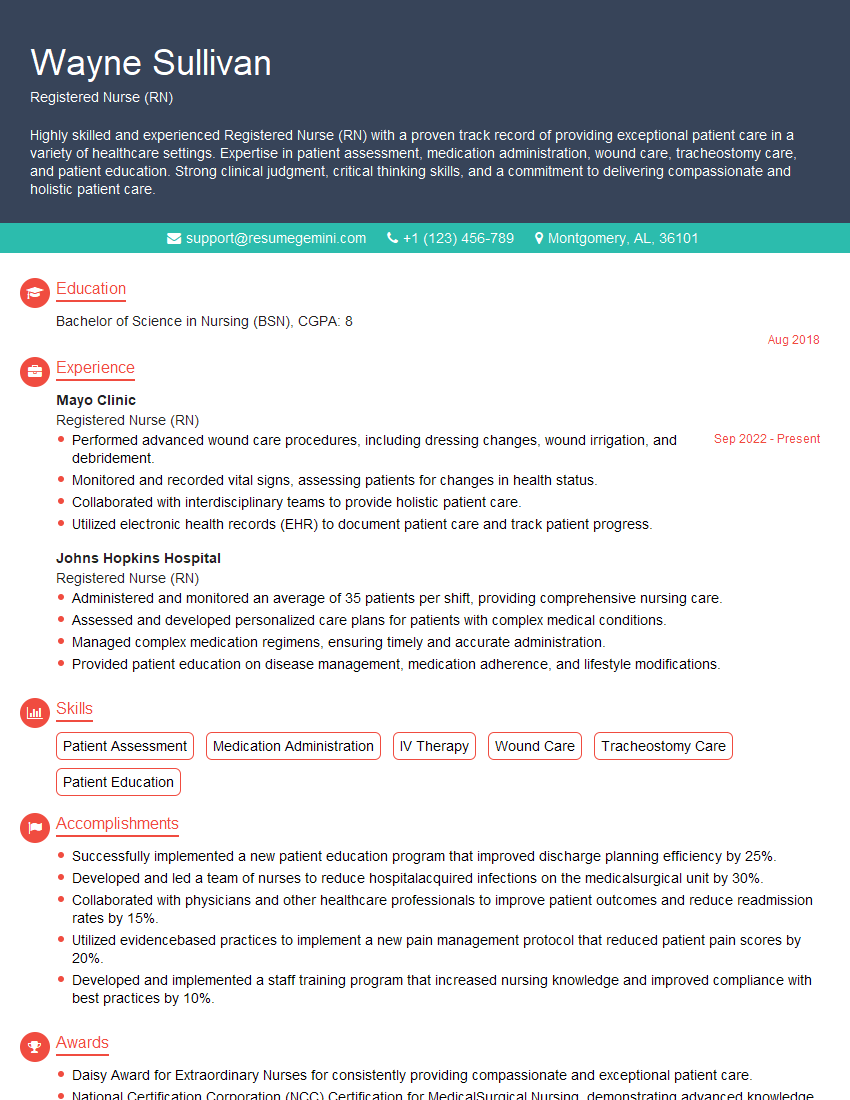
Registered Nurse (RN) Resume Sample
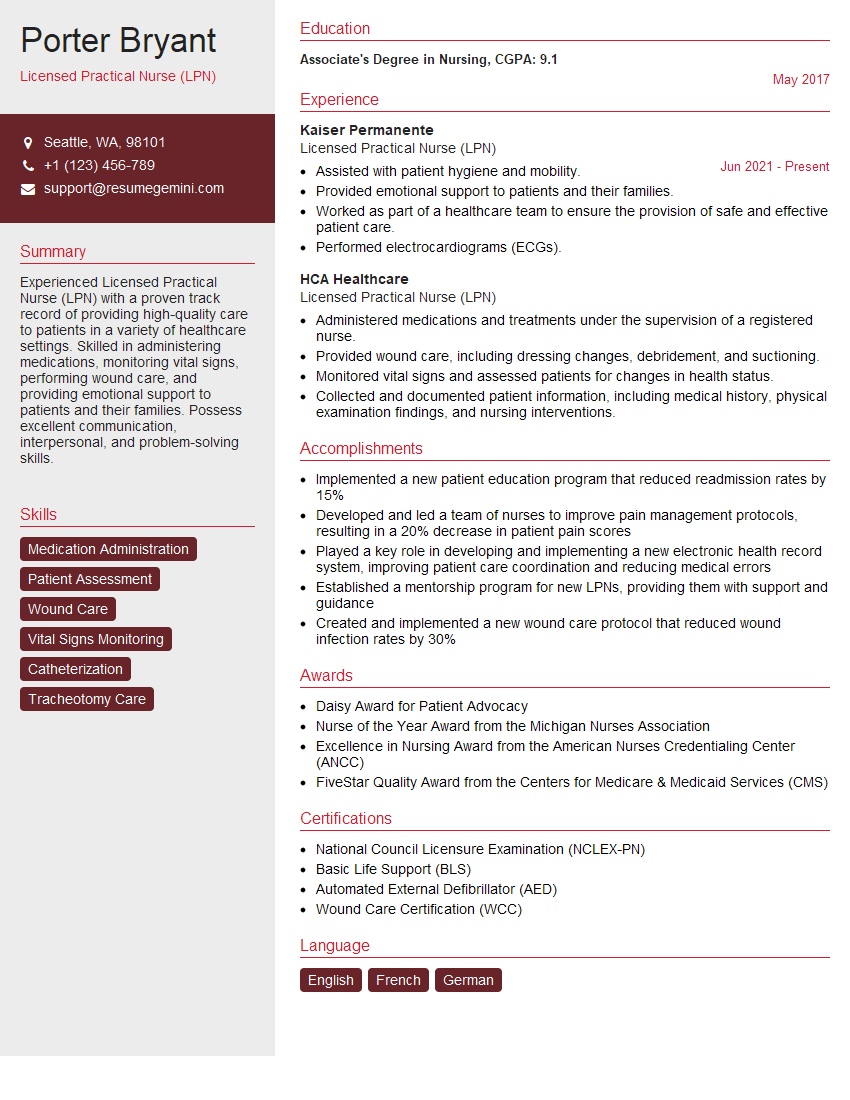
Licensed Practical Nurse (LPN) Resume Sample
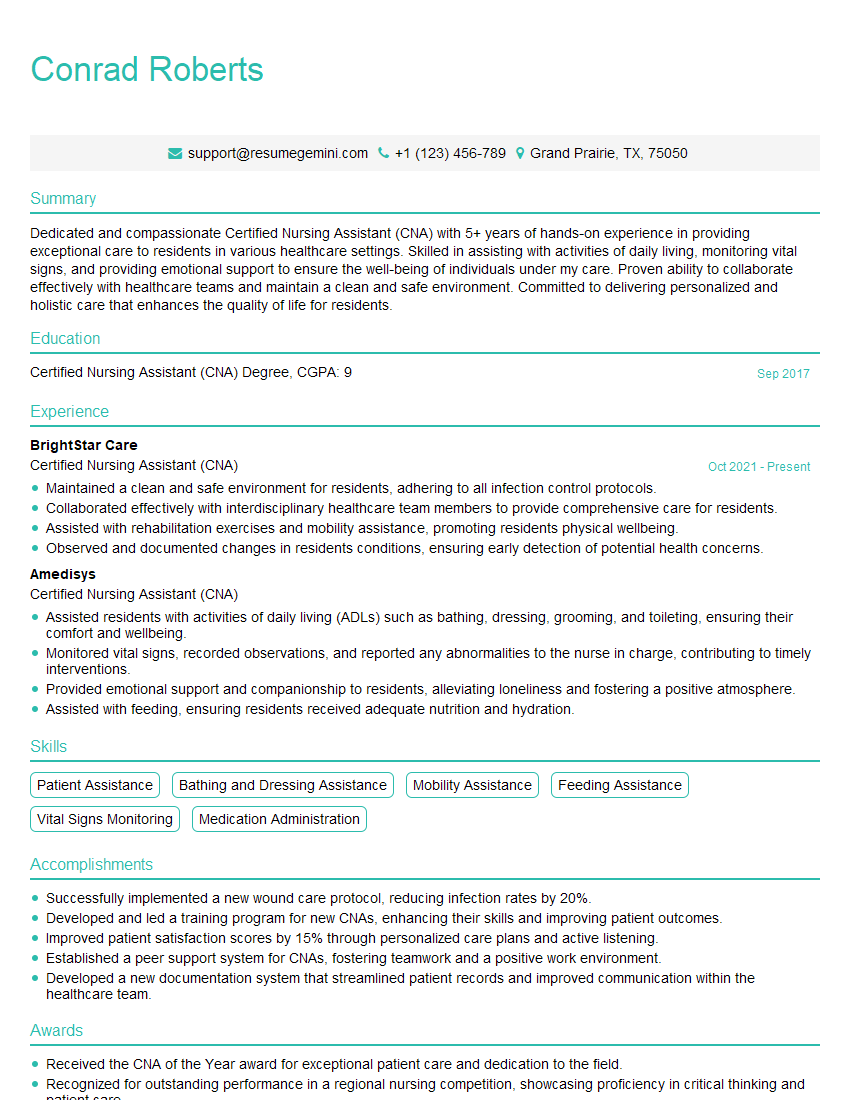
Certified Nursing Assistant (CNA) Resume Sample
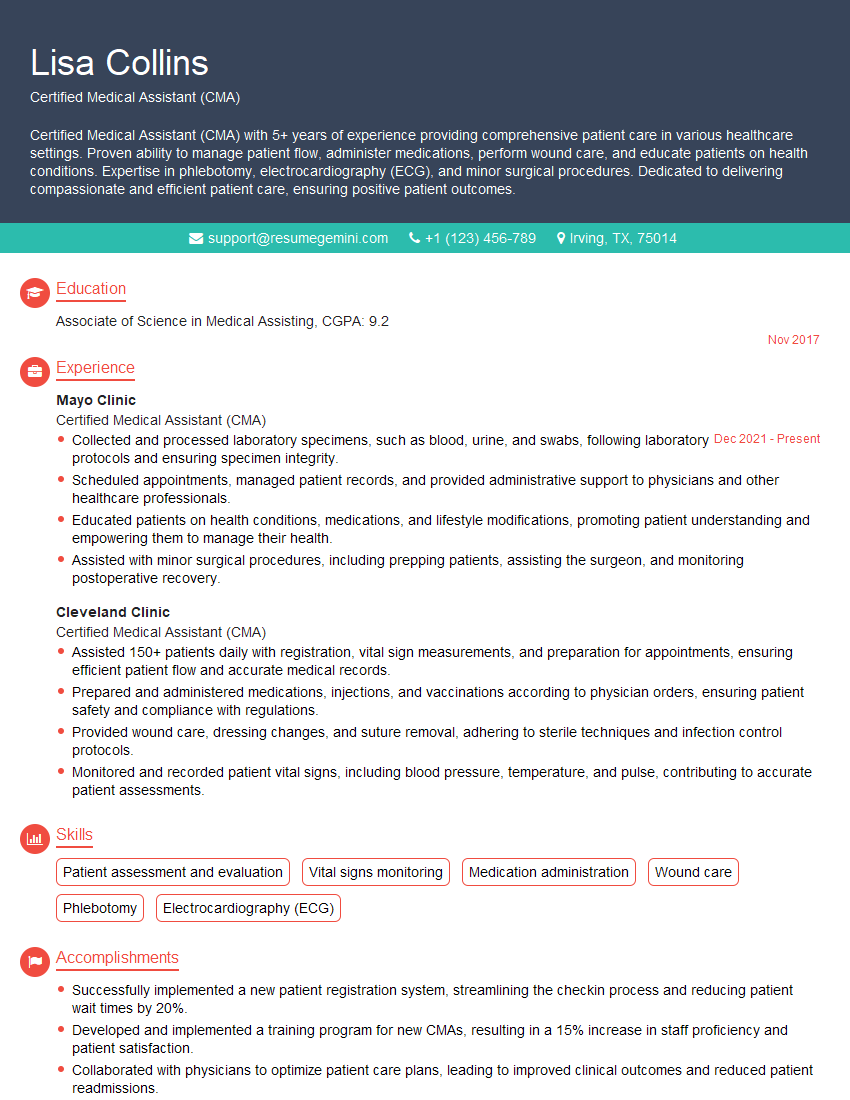
Certified Medical Assistant (CMA) Resume Sample
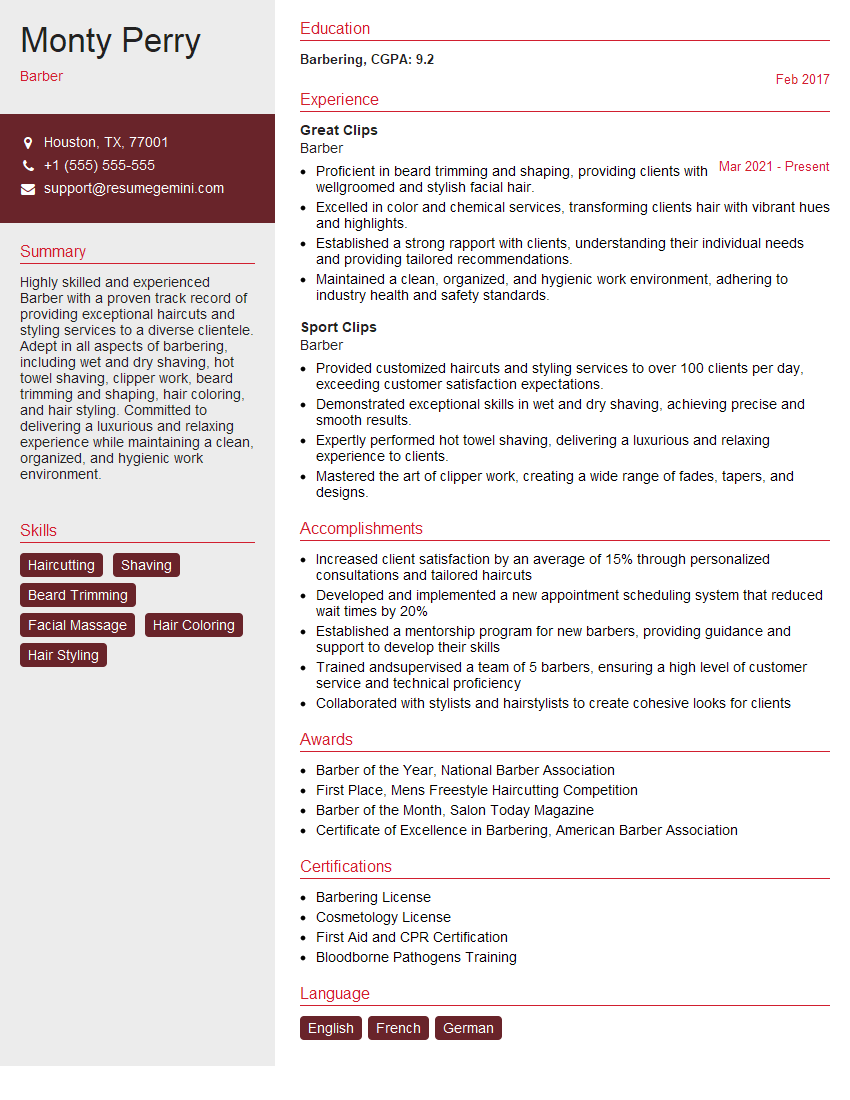
Barber Resume Sample
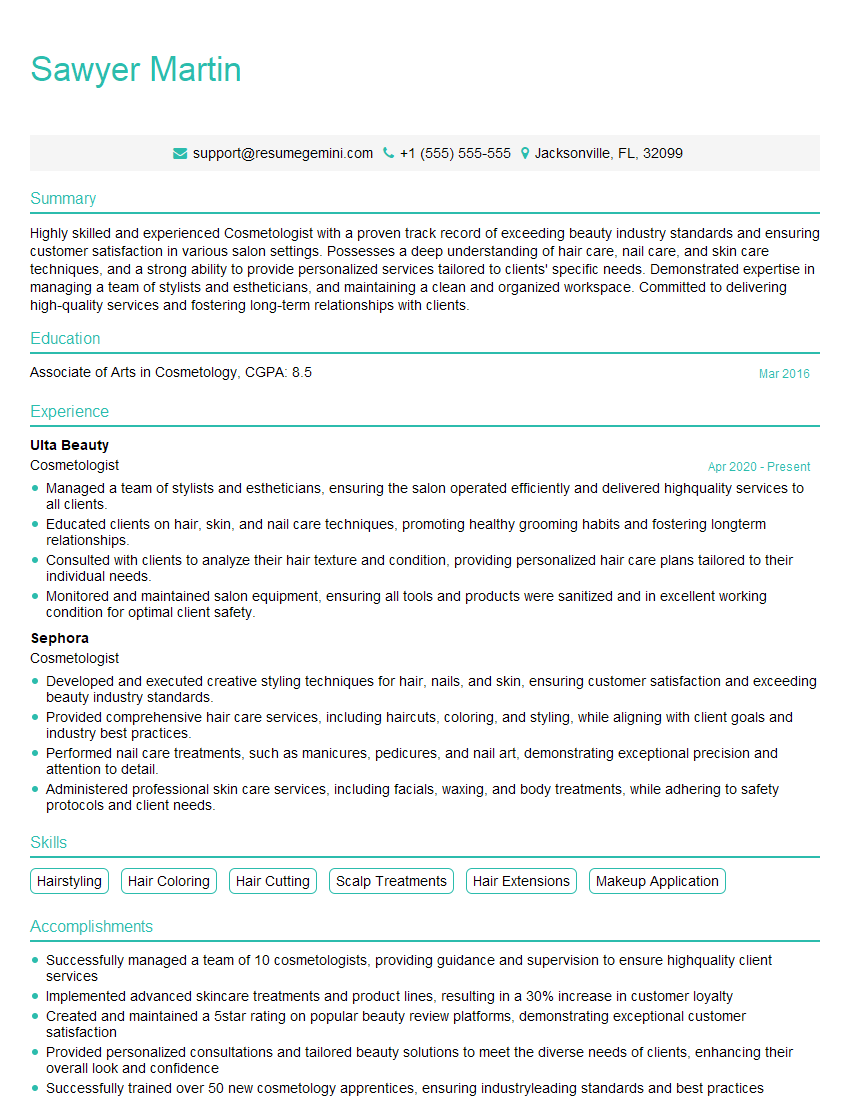
Cosmetologist Resume Sample
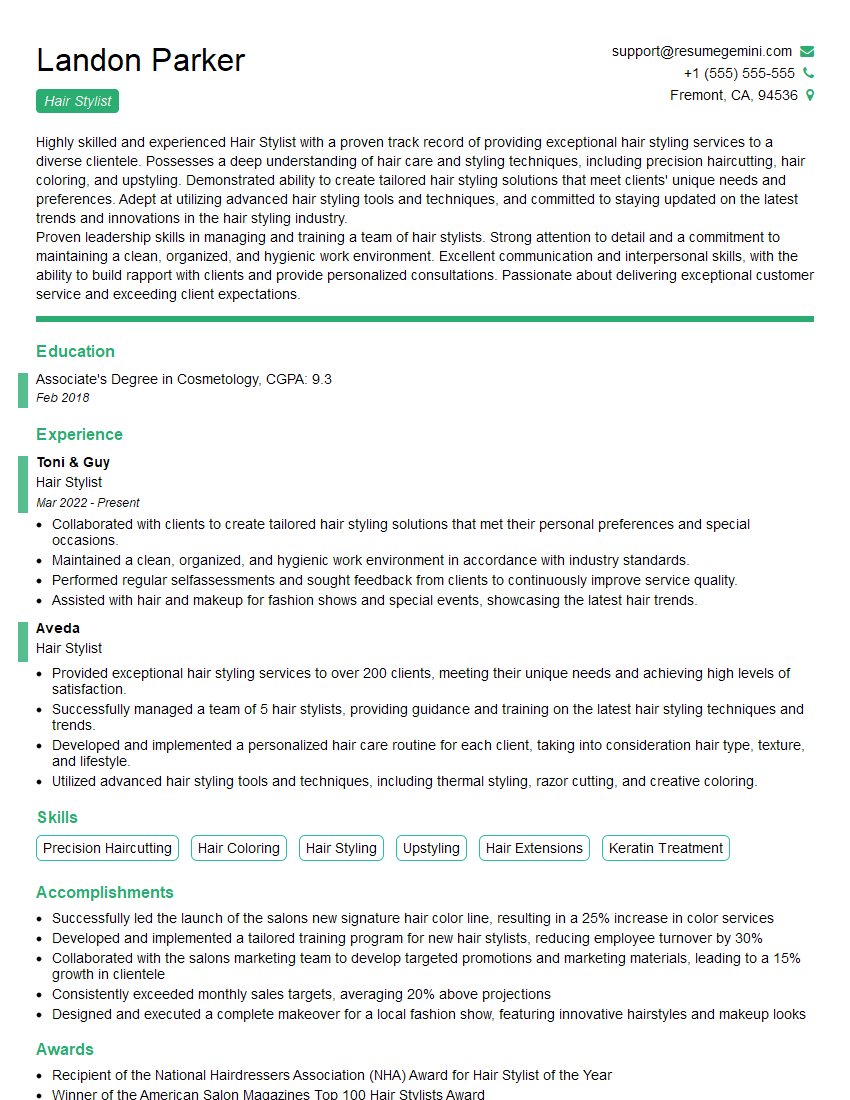
Hair Stylist Resume Sample
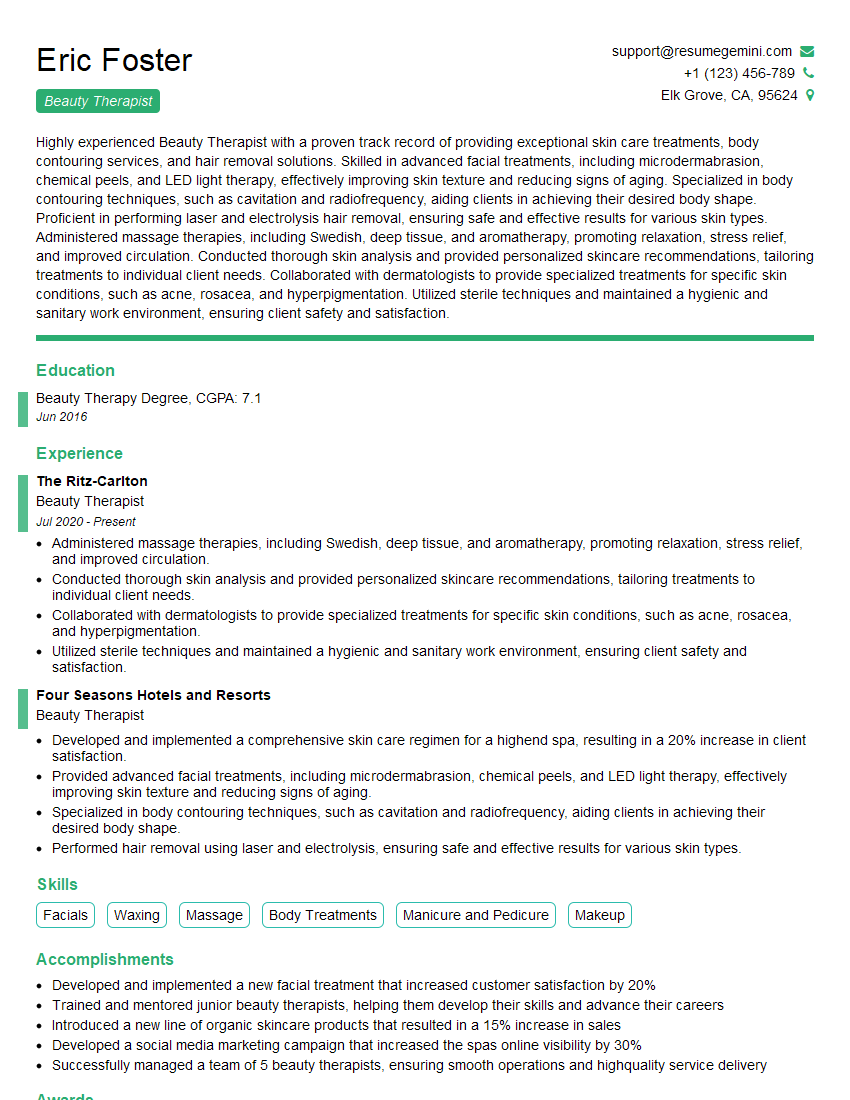
Beauty Therapist Resume Sample
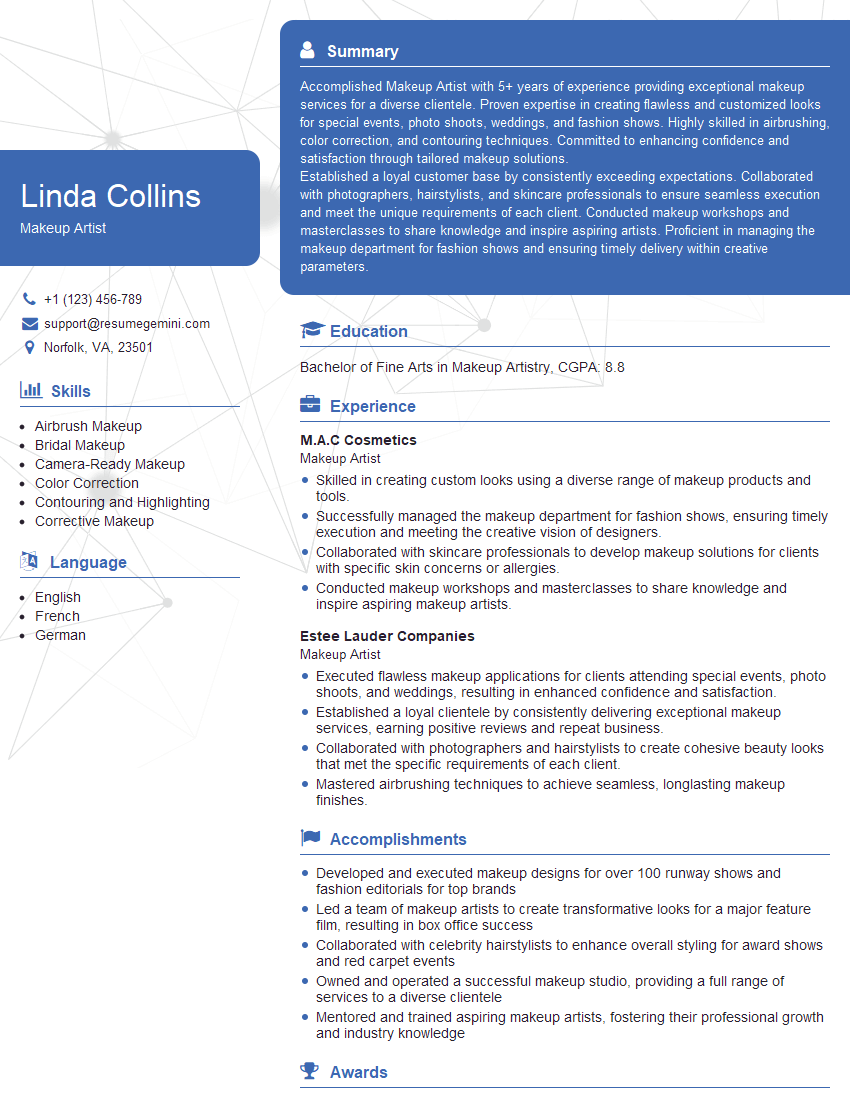
Makeup Artist Resume Sample
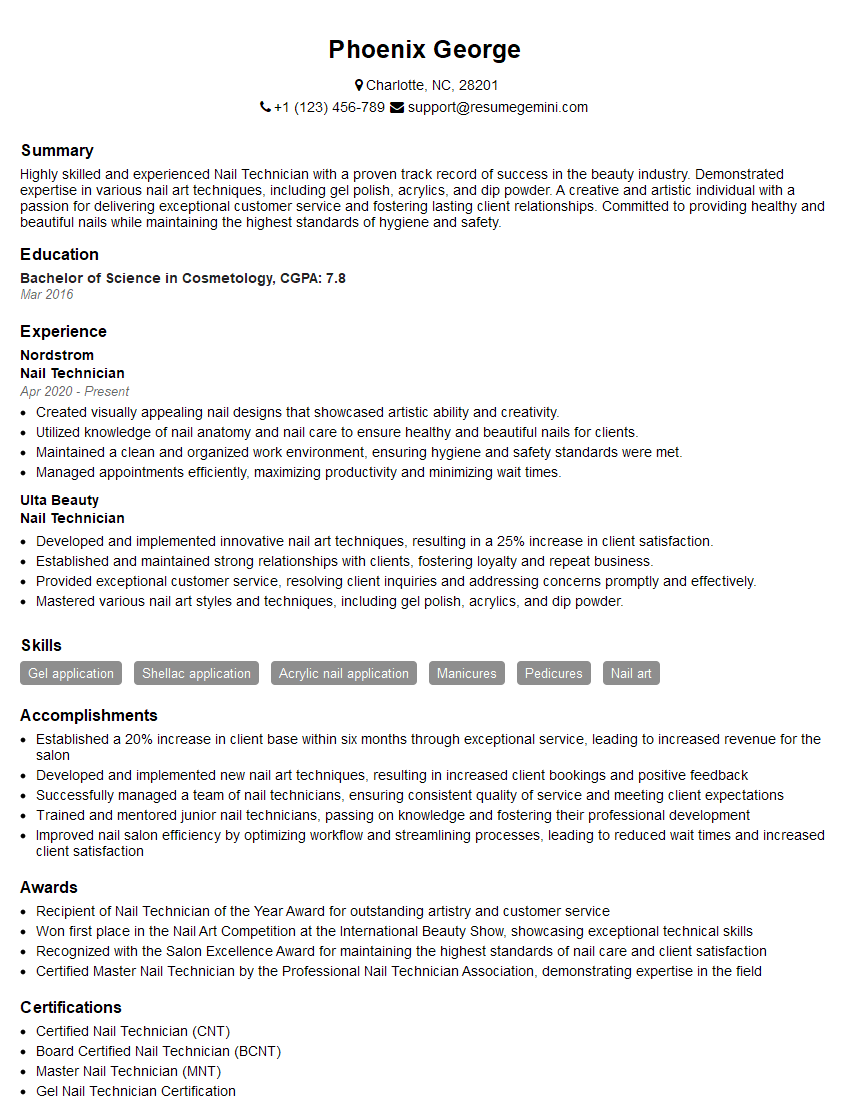
Nail Technician Resume Sample
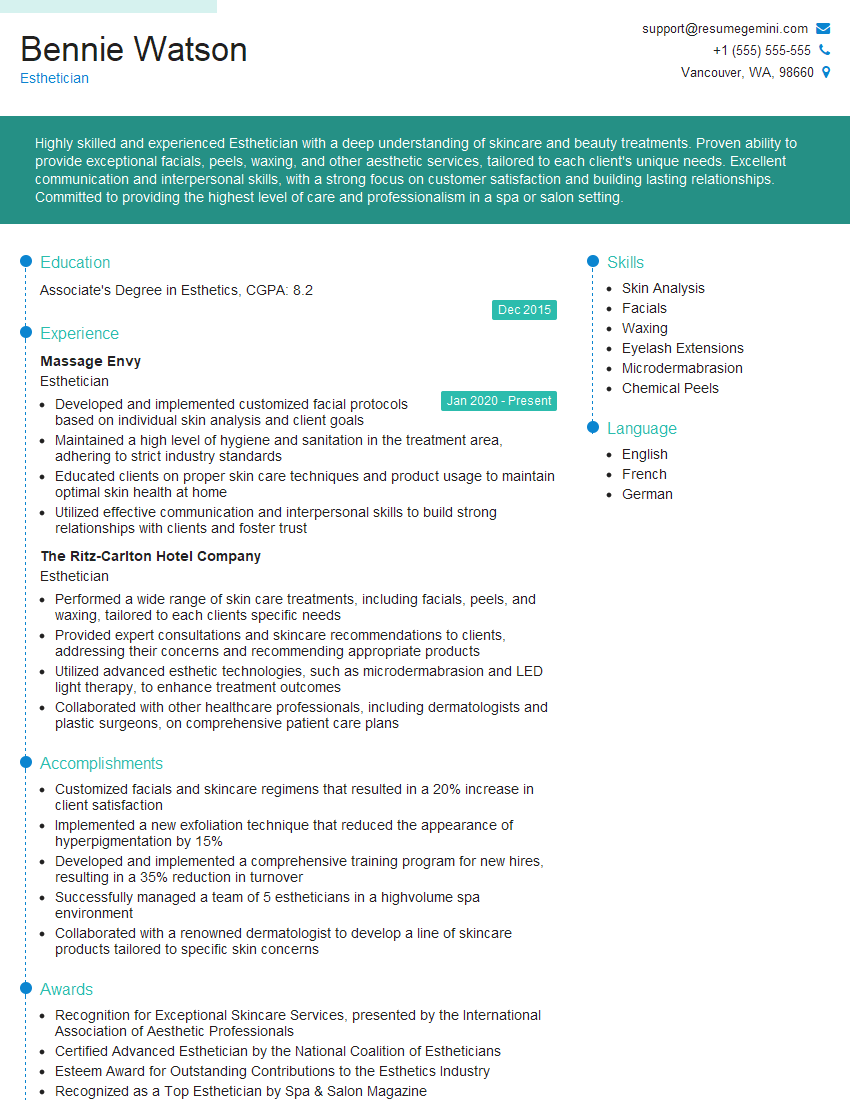
Esthetician Resume Sample
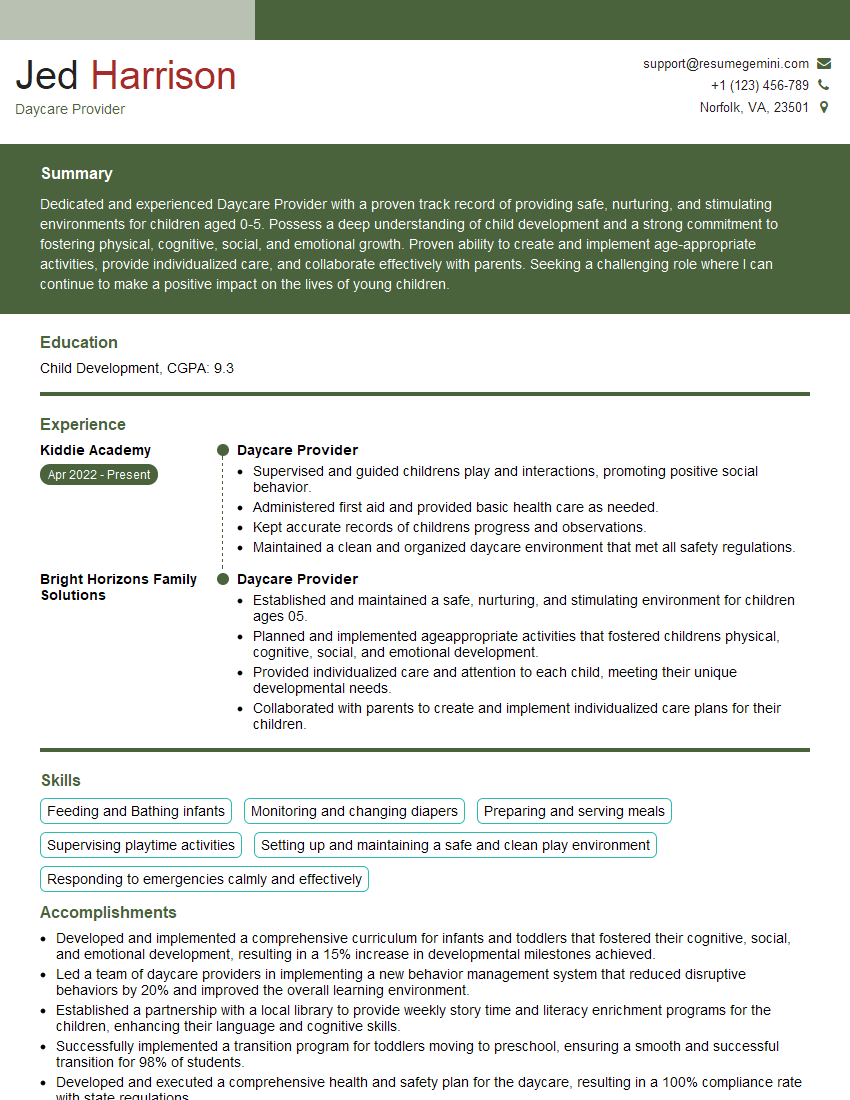
Daycare Provider Resume Sample
Explore more articles
Users Rating of Our Blogs
Share Your Experience
We value your feedback! Please rate our content and share your thoughts (optional).
What Readers Say About Our Blog
Very informative content, great job.
good