Interviews are more than just a Q&A session—they’re a chance to prove your worth. This blog dives into essential Quantitative and Qualitative Value Analysis interview questions and expert tips to help you align your answers with what hiring managers are looking for. Start preparing to shine!
Questions Asked in Quantitative and Qualitative Value Analysis Interview
Q 1. Explain the difference between quantitative and qualitative value analysis.
Quantitative and qualitative value analysis are two distinct but complementary approaches to evaluating the worth of something, whether it’s a product, service, project, or decision. Quantitative value analysis focuses on measurable, numerical data to assess value. Think hard numbers: costs, revenues, market share, production rates. It relies on statistical methods and mathematical models to determine value. Qualitative value analysis, on the other hand, delves into non-numerical aspects, such as customer satisfaction, brand reputation, employee morale, and environmental impact. It uses methods like surveys, interviews, and focus groups to gather subjective data and assess its impact on overall value. Imagine comparing two cars – a quantitative approach would focus on fuel efficiency (mpg), price, and horsepower, while a qualitative approach would consider things like comfort, styling, and brand prestige. Both perspectives are crucial for a complete picture.
Q 2. Describe a situation where you used quantitative methods to assess value.
During a recent project involving the optimization of a manufacturing process, we used quantitative methods to assess the value of implementing a new automation system. We collected data on current production costs, defect rates, and labor hours. We then created a model projecting these metrics under the new system, factoring in the cost of the automation itself. Using statistical analysis like ANOVA (Analysis of Variance) and regression analysis, we compared the projected savings in labor costs and reduced defect rates to the initial investment. This analysis clearly demonstrated the financial value and return on investment (ROI) of the automation, providing concrete evidence to support its implementation. The results were presented graphically to highlight the improvements.
Q 3. How do you handle conflicting results from quantitative and qualitative analyses?
Conflicting results between quantitative and qualitative analyses are not uncommon. They often highlight the complexities of value itself. Instead of dismissing one approach in favor of the other, the key is to understand the root of the conflict. This often involves a deeper dive into the data and the assumptions underlying each analysis. For instance, quantitative data might show a high ROI for a new product, but qualitative feedback from focus groups might reveal significant customer concerns about its usability. In this scenario, the conflict indicates that while the product might be profitable, its success is jeopardized by poor user experience. Resolution involves carefully weighing the trade-offs, potentially modifying the product to address usability concerns, or re-evaluating the target market. A robust value analysis considers both perspectives and explores potential compromises.
Q 4. What are the limitations of using only quantitative data in value analysis?
Relying solely on quantitative data in value analysis presents several limitations. Firstly, it ignores intangible factors which can significantly affect overall value. Customer perception, brand loyalty, and environmental impact are all difficult to quantify but greatly influence the long-term success of a product or service. Secondly, quantitative data can be misleading if not interpreted carefully. A high ROI, for example, might be driven by short-term gains that mask unsustainable practices or overlook long-term risks. Thirdly, focusing only on numbers can lead to overlooking crucial qualitative issues that may ultimately undermine success. For example, a new software solution might show strong ROI based on reduced labor costs, but ignoring user frustration and resistance could result in low adoption rates and ultimately negate the initial cost savings.
Q 5. Describe a time you identified a qualitative factor impacting value that was not initially apparent.
During a value analysis of a new software feature, our initial quantitative analysis showed modest improvements in user engagement. However, qualitative feedback from user interviews revealed a surprising insight: while the feature itself wasn’t overwhelmingly popular, users appreciated the underlying philosophy and the company’s commitment to user-centric design. This revealed a previously unanticipated qualitative factor impacting value – increased trust and brand loyalty. This led us to recognize that focusing solely on the feature’s direct engagement metrics was insufficient. The improved brand perception, though difficult to quantify directly, proved a significant contributor to the overall value proposition, reinforcing the importance of integrating qualitative data in any thorough assessment.
Q 6. How do you prioritize different value drivers when conducting a comprehensive analysis?
Prioritizing value drivers requires a structured approach. We often use a weighted scoring system, combining quantitative and qualitative inputs. First, we identify all relevant value drivers – both tangible (e.g., cost savings, increased revenue) and intangible (e.g., improved brand reputation, enhanced customer satisfaction). Next, we assign weights to each driver reflecting its relative importance, based on both data analysis and stakeholder input. Finally, we score each driver based on its performance and multiply the score by its weight to arrive at a weighted score. Drivers with higher weighted scores are prioritized. This allows for a balanced assessment considering both the strength of a driver’s impact and its overall significance to the organization’s objectives. This methodology ensures that all vital factors, both quantitative and qualitative, are considered during the prioritization process.
Q 7. What statistical methods are most relevant to quantitative value analysis?
Several statistical methods are essential in quantitative value analysis. Regression analysis helps establish relationships between variables, allowing us to predict the impact of changes. ANOVA (Analysis of Variance) compares the means of different groups to determine if significant differences exist. Cost-benefit analysis is fundamental for evaluating project viability by comparing the costs of an initiative against the anticipated benefits. Time series analysis helps identify trends and patterns in data over time, which is crucial for forecasting future performance. Furthermore, techniques like Monte Carlo simulations can be employed to account for uncertainty and assess the range of potential outcomes.
Q 8. How do you ensure the reliability and validity of your qualitative data?
Ensuring the reliability and validity of qualitative data is crucial for drawing meaningful conclusions in value analysis. We achieve this through a rigorous process that emphasizes triangulation and robust data collection methods.
- Triangulation: This involves using multiple data sources (e.g., interviews, observations, documents) to corroborate findings. If several sources point to the same conclusion, our confidence in the results increases significantly. For example, if customer interviews, feedback forms, and sales data all indicate a dissatisfaction with a particular product feature, this strengthens the qualitative finding.
- Clearly Defined Methodology: We begin with a detailed research design specifying the sampling strategy, data collection methods, and analysis techniques. This ensures transparency and allows for replication of the study. For example, we might use purposive sampling to select participants who represent diverse perspectives on the issue.
- Member Checking: This involves sharing our interpretations of the data with participants to verify their accuracy. This iterative process helps us refine our understanding and minimize researcher bias. We might present key themes identified from interviews back to interviewees to confirm our interpretation.
- Audit Trail: We maintain a thorough audit trail documenting all aspects of the data collection and analysis process. This ensures transparency and allows for scrutiny of the findings. This includes detailed records of interviews, coding schemes, and analytical memos.
By employing these strategies, we build strong evidence for the reliability and validity of our qualitative data, providing stakeholders with confidence in the analysis.
Q 9. Explain your approach to presenting value analysis findings to stakeholders with diverse backgrounds.
Presenting value analysis findings to diverse stakeholders requires tailoring the communication approach to match their backgrounds and interests. I avoid technical jargon and focus on clear, concise language that everyone can understand.
- Visual Aids: Charts, graphs, and infographics are crucial for conveying complex data in a digestible format. For instance, a simple bar chart comparing the cost-benefit ratio of different options is much more effective than a detailed table of numbers.
- Storytelling: Framing the findings as a compelling narrative makes the information more relatable and memorable. For example, instead of simply stating cost savings, I might describe the positive impact those savings will have on the organization or its customers.
- Interactive Sessions: Engaging stakeholders in interactive workshops or Q&A sessions allows for clarification and addresses concerns directly. This fosters a collaborative environment and demonstrates transparency.
- Targeted Messaging: Different stakeholders may have different priorities (e.g., financial, operational, strategic). The presentation should highlight the aspects most relevant to each group. For instance, I would emphasize ROI for finance stakeholders and efficiency improvements for operations stakeholders.
By using a multi-faceted approach, I ensure that all stakeholders, regardless of their background, can understand and appreciate the value analysis findings.
Q 10. How do you incorporate stakeholder input into a value analysis project?
Stakeholder input is essential for a successful value analysis project. We actively solicit their involvement throughout the process.
- Stakeholder Mapping: We begin by identifying all key stakeholders and assessing their interests and influence. This helps us determine the most appropriate methods for engaging each group.
- Surveys and Interviews: We use surveys to gather quantitative data on stakeholder preferences and interviews to gain a deeper understanding of their perspectives and concerns.
- Workshops and Focus Groups: These collaborative sessions provide a platform for stakeholders to share their ideas and participate in the decision-making process. For instance, a workshop could involve brainstorming sessions to explore alternative solutions.
- Feedback Mechanisms: We establish clear channels for ongoing feedback, ensuring stakeholders feel heard and their input is valued. This might involve regular updates and opportunities for review and revision of the analysis.
By consistently engaging with stakeholders, we ensure that the value analysis project addresses their needs and concerns, leading to more effective and sustainable solutions.
Q 11. What are the key metrics you typically use to measure value in your field?
The key metrics used to measure value in value analysis vary depending on the context, but some common ones include:
- Return on Investment (ROI): This classic metric measures the profitability of an investment by comparing the net profit to the cost of the investment.
- Cost-Benefit Analysis (CBA): This method compares the total costs of a project or decision to its total benefits, expressed in monetary terms.
- Net Present Value (NPV): NPV calculates the present value of future cash flows, considering the time value of money. It helps determine whether an investment is worthwhile.
- Internal Rate of Return (IRR): IRR is the discount rate that makes the NPV of a project equal to zero. It represents the profitability of the investment.
- Customer Satisfaction (CSAT): While not purely quantitative, CSAT scores can provide valuable insights into the value delivered to customers.
- Efficiency Ratios: These metrics, like throughput, cycle time, or defect rate, measure how efficiently resources are used.
In addition to these, we also consider qualitative factors like risk reduction, improved safety, enhanced sustainability, and increased employee morale when assessing overall value.
Q 12. Describe a situation where you had to defend your value analysis conclusions.
In a recent project analyzing the value of implementing a new software system, my conclusions were initially challenged by the IT department. They argued that the implementation costs were underestimated and the projected efficiency gains were overstated.
To defend my conclusions, I presented a detailed breakdown of the cost analysis, including a sensitivity analysis to show the impact of potential cost overruns. I also provided evidence from pilot programs showing the actual efficiency gains achieved. Furthermore, I presented data from similar implementations in other organizations to demonstrate the feasibility of our projections.
Crucially, I engaged in open dialogue, acknowledging their concerns and demonstrating the robustness of our methodology. Through this collaborative approach, we reached a mutual understanding, and the IT department ultimately accepted the findings.
Q 13. How do you handle uncertainty and risk when conducting value analysis?
Uncertainty and risk are inherent in value analysis. We address them through a combination of techniques:
- Risk Assessment: We identify potential risks and uncertainties early in the project, using tools like SWOT analysis or risk registers.
- Sensitivity Analysis: This technique assesses the impact of variations in key input variables on the overall value proposition. For example, we might analyze how changes in material costs or market demand affect the ROI of a project.
- Scenario Planning: We develop multiple scenarios (best-case, worst-case, most likely) to explore different potential outcomes and their implications. This allows us to develop contingency plans and make informed decisions even in the face of uncertainty.
- Monte Carlo Simulation: For more complex projects, we might employ Monte Carlo simulation, a statistical technique that uses random sampling to model the probability of different outcomes.
- Decision Trees: Decision trees provide a visual representation of possible decisions and their outcomes, helping us evaluate different options and their associated risks.
By proactively addressing uncertainty and risk, we provide stakeholders with a more complete and realistic picture of the value proposition.
Q 14. What software or tools are you familiar with using for quantitative value analysis?
For quantitative value analysis, I am proficient in using several software tools:
- Microsoft Excel: Excel is a versatile tool for data analysis, particularly for simpler value analysis projects. I use it for data manipulation, creating charts and graphs, and performing basic statistical analysis.
- SPSS (Statistical Package for the Social Sciences): SPSS is a powerful statistical software package used for more complex analyses, including regression analysis, ANOVA, and other multivariate techniques.
- R: R is a free and open-source programming language widely used for statistical computing and graphics. It provides a wide range of statistical and data visualization capabilities, allowing for highly customized analyses.
- Python with libraries like Pandas and NumPy: Python, along with these libraries, offers similar capabilities to R for data manipulation, analysis, and visualization. Its versatility extends beyond statistics, making it useful for broader data science tasks.
- Specialized Value Analysis Software: There are also specialized software packages designed specifically for value analysis, offering features tailored to this field. These often include tools for cost modeling, benefit estimation, and sensitivity analysis.
The choice of software depends on the complexity of the project and the specific analytical needs. My expertise spans across these tools, allowing me to select the most appropriate one for each situation.
Q 15. How do you ensure the ethical implications of a value analysis study are addressed?
Ethical considerations are paramount in value analysis. We must ensure fairness, transparency, and avoid biased conclusions. This begins with clearly defining the scope of the analysis and identifying all stakeholders involved. For instance, in a study analyzing the value of a new medical device, we’d need to consider the perspectives of patients, doctors, hospital administrators, and the company producing the device, all potentially having conflicting interests. We address potential biases by employing diverse data collection methods, including interviews, surveys, and observational studies, to gather a wide range of perspectives. The data analysis should be rigorous and objective, with clear documentation of the methodology. We also prioritize data privacy and confidentiality, adhering to all relevant regulations and ethical guidelines. Transparency in reporting is vital; we clearly articulate our methodology, limitations, and findings to avoid misinterpretations.
Career Expert Tips:
- Ace those interviews! Prepare effectively by reviewing the Top 50 Most Common Interview Questions on ResumeGemini.
- Navigate your job search with confidence! Explore a wide range of Career Tips on ResumeGemini. Learn about common challenges and recommendations to overcome them.
- Craft the perfect resume! Master the Art of Resume Writing with ResumeGemini’s guide. Showcase your unique qualifications and achievements effectively.
- Don’t miss out on holiday savings! Build your dream resume with ResumeGemini’s ATS optimized templates.
Q 16. What are some common pitfalls to avoid when conducting value analysis?
Common pitfalls in value analysis include:
- Ignoring qualitative factors: Focusing solely on quantifiable data can lead to an incomplete picture of value. For example, analyzing the cost of a product without considering its ease of use or aesthetic appeal can be misleading.
- Using inappropriate methodologies: Applying methods unsuitable to the specific context or data type can lead to inaccurate results. For example, using a simple cost-benefit analysis for a complex project with significant intangible benefits may not be appropriate.
- Insufficient stakeholder involvement: Failing to adequately consult and involve key stakeholders can result in a study that doesn’t accurately reflect their needs and preferences. This can lead to resistance to implementing the recommendations.
- Ignoring uncertainty and risk: Not adequately addressing uncertainties and potential risks associated with different options can lead to flawed decisions. Sensitivity analysis is crucial here.
- Poorly defined objectives: If the goals of the value analysis aren’t clearly articulated upfront, it’s easy to stray off course and lose focus.
Q 17. Explain the concept of Net Present Value (NPV) and its role in value analysis.
Net Present Value (NPV) is a core financial concept used in value analysis to assess the profitability of investments or projects over time. It calculates the difference between the present value of cash inflows and the present value of cash outflows over a specific period. A positive NPV indicates that the project is expected to generate more value than it costs, while a negative NPV suggests the opposite. The formula is:
NPV = Σ [Ct / (1 + r)^t] - C0Where:
- Ct = Net cash inflow during the period t
- r = Discount rate (reflecting the opportunity cost of capital)
- t = Number of time periods
- C0 = Initial investment
In value analysis, NPV helps compare different options by considering the time value of money. For example, comparing two projects with different initial investment costs and varying cash flows over several years requires NPV to ensure an accurate financial comparison. A project with a higher NPV is generally preferred, all else being equal.
Q 18. Describe different techniques for weighting qualitative factors in a value analysis.
Weighting qualitative factors involves assigning numerical values representing their relative importance. Several techniques exist:
- Paired Comparison: Stakeholders compare pairs of factors and choose which is more important. This results in a ranking.
- Rating Scales: Stakeholders rate factors on a scale (e.g., 1-5) reflecting their importance.
- Point Allocation: A predetermined number of points are assigned, and stakeholders allocate these points across factors based on their perceived importance.
- Analytic Hierarchy Process (AHP): A more complex method that uses pairwise comparisons to build a hierarchy of factors and determines their relative weights.
The chosen method depends on the context, stakeholder expertise, and complexity of the qualitative factors. Regardless of the chosen method, transparency and consistency are crucial. The weighting scheme should be documented and justified.
Q 19. How do you determine the appropriate sample size for qualitative data collection?
Determining the appropriate sample size for qualitative data collection differs from quantitative methods. It’s less about statistical power and more about achieving data saturation. Data saturation is the point where new data does not provide new insights or perspectives. Instead of a fixed sample size, we use iterative sampling. We begin with a small number of participants, analyze the data, and then decide whether to continue data collection based on whether saturation has been reached. Factors influencing sample size include the complexity of the research question, the diversity of perspectives needed, and the availability of participants. While there’s no magic number, often a sample size ranging from 6-12 participants can provide rich, insightful data, especially if the qualitative data is well-analyzed and interpreted.
Q 20. How do you interpret and report correlation coefficients in the context of value analysis?
Correlation coefficients (e.g., Pearson’s r) measure the linear association between two variables. In value analysis, they can show the relationship between different factors impacting overall value. For example, we might find a positive correlation between product quality and customer satisfaction. A correlation coefficient of +1 indicates a perfect positive correlation, -1 a perfect negative correlation, and 0 indicates no linear relationship. The strength of the correlation is usually interpreted as follows:
- 0.0-0.2: Very weak
- 0.2-0.4: Weak
- 0.4-0.6: Moderate
- 0.6-0.8: Strong
- 0.8-1.0: Very strong
It’s crucial to remember that correlation doesn’t imply causation. A strong correlation doesn’t necessarily mean that one variable causes the change in the other; a third, unmeasured variable might be influencing both. We should interpret correlations cautiously and use other evidence to support causal claims.
Q 21. Describe your experience using regression analysis in value analysis.
Regression analysis is a powerful statistical tool used extensively in value analysis. It helps model the relationship between a dependent variable (e.g., overall value) and one or more independent variables (e.g., cost, quality, features). For example, we can use multiple linear regression to predict the overall value of a product based on its cost, performance, and aesthetic appeal. This model allows us to quantify the relative contribution of each factor to the overall value and determine which factors have the greatest impact. In a recent project evaluating the value of different software solutions for a client, we used multiple linear regression to model the relationship between software features, implementation costs, and user satisfaction. The regression analysis provided insights into the optimal combination of features and cost to maximize user satisfaction and overall value.
Q 22. How do you address missing data in your value analysis projects?
Missing data is a common challenge in value analysis. My approach involves a multi-step process that begins with understanding the nature and extent of the missing data. Is it missing completely at random (MCAR), missing at random (MAR), or missing not at random (MNAR)? This distinction greatly influences the chosen imputation method.
For MCAR data, simple methods like mean/median imputation might suffice, especially if the missing percentage is low. However, this can distort the variance, so I’d always validate the results carefully.
For MAR and MNAR data, more sophisticated techniques are necessary. Multiple imputation, which generates several plausible datasets based on existing data patterns, is often preferable. This helps quantify uncertainty introduced by the missing data. Alternatively, I might use maximum likelihood estimation (MLE) or Expectation-Maximization (EM) algorithms, especially for complex relationships.
If the missing data is non-ignorable (MNAR) and understanding the reason for missingness is crucial, I’d explore methods like pattern mixture models, allowing for separate models for different missing data patterns.
Qualitative data missingness is often handled differently. I might use qualitative comparative analysis (QCA) or fuzzy-set QCA to account for incomplete cases. Triangulation—using multiple data sources to confirm findings—is also crucial.
Ultimately, the choice of method depends on the specific context and data characteristics. The key is transparency; I always document the imputation methods used and assess their impact on the overall value analysis conclusions.
Q 23. Explain the concept of sensitivity analysis in value assessment.
Sensitivity analysis is crucial in value assessment because it explores the robustness of our conclusions to changes in the input assumptions. Imagine you’re valuing a new product – your calculations might depend on factors like projected sales, production costs, and market interest rates. These are often estimates, not certainties. Sensitivity analysis helps us understand how much the overall value changes if these estimates vary.
For instance, I might perform a one-at-a-time analysis, changing a single input parameter (e.g., sales) by a certain percentage while keeping others constant, observing the impact on the final value. Alternatively, I could use a Monte Carlo simulation, assigning probability distributions to uncertain input variables and generating thousands of possible scenarios. The results provide a range of possible values, along with probabilities, revealing the most influential factors.
This isn’t just about numbers; it informs decision-making. If the value is highly sensitive to a particular input (e.g., market interest rates), it highlights the need for more precise estimation or risk mitigation strategies.
Q 24. How would you use value analysis to support a strategic decision?
Value analysis is instrumental in supporting strategic decisions by providing a structured framework for evaluating different options. Let’s say a company is considering investing in a new technology. I’d conduct a value analysis to:
Identify and quantify the potential benefits: Increased efficiency, market share expansion, reduced costs, etc. This might involve both quantitative data (e.g., financial projections) and qualitative factors (e.g., improved brand image).
Estimate the costs: Initial investment, ongoing maintenance, training, etc. Again, both tangible and intangible costs need consideration.
Assess the risks and uncertainties: This could include technological risks, market risks, regulatory changes, etc. I’d use sensitivity analysis here to understand how potential variations in these factors affect the overall value.
Compare different alternatives: Perhaps the company can achieve similar benefits by adopting a different technology or improving existing processes. Value analysis allows for a structured comparison based on a common metric – value.
Finally, I’d present the findings clearly, summarizing the value proposition of each alternative and recommending the optimal course of action based on the value assessment. This helps management make data-driven, informed decisions instead of relying solely on intuition.
Q 25. Describe your experience with different types of data visualization techniques relevant to value analysis.
Data visualization is essential for communicating findings effectively in value analysis. I’m proficient in various techniques, tailoring my approach to the data and audience:
For quantitative data, I frequently use bar charts, line graphs, scatter plots, and histograms to illustrate trends, correlations, and distributions. For example, a bar chart could compare the costs and benefits of different investment options. Scatter plots could show the correlation between marketing expenditure and sales revenue.
For multi-dimensional data, I might leverage heatmaps, treemaps, or parallel coordinate plots to effectively communicate complex relationships. Heatmaps are particularly useful when showing the impact of multiple factors on a single outcome.
For qualitative data, I use techniques like word clouds, network diagrams, and concept maps. For example, a word cloud can summarize key themes from customer feedback.
Interactive dashboards are becoming increasingly important, especially for presenting dynamic data and allowing users to explore different aspects of the analysis. Tools like Tableau or Power BI are invaluable in this regard.
My focus is always on creating clear, concise visuals that support the narrative and conclusions of the value analysis.
Q 26. How do you communicate complex quantitative data to a non-technical audience?
Communicating complex quantitative data to a non-technical audience requires careful planning and a focus on storytelling. I avoid jargon and technical terms whenever possible. Instead, I translate numbers into meaningful narratives using:
Analogies and metaphors: For instance, comparing the impact of an investment to a familiar concept like compound interest.
Visual aids: Charts, graphs, and other visuals are far more effective than tables of numbers.
Clear and concise language: Focusing on the key takeaways and presenting information in a logical order.
Focusing on the ‘so what?’: Explaining the implications of the data and how it affects the audience’s decisions or actions. I don’t just present the results; I translate them into practical implications.
I also incorporate interactive elements where appropriate, and I’m always ready to answer questions in a way that’s easy to understand.
Q 27. How do you balance the time constraints and resource limitations in a value analysis project?
Balancing time constraints and resource limitations is a constant challenge in value analysis. My approach is to prioritize and streamline the process:
Clearly define the scope: Focus on the most critical aspects of the analysis and avoid unnecessary details. This requires careful planning and stakeholder engagement at the outset.
Leverage efficient methods: Employ appropriate statistical techniques and data visualization tools to maximize efficiency.
Utilize available resources effectively: This might involve delegating tasks, using existing data sources whenever possible, and accessing relevant software and tools.
Prioritize data quality over quantity: It’s better to have high-quality data from a limited sample than low-quality data from a large sample.
Iterative approach: Conducting the analysis in phases, allowing for adjustments based on initial findings.
Open communication with stakeholders throughout the process is key to managing expectations and adjusting the scope as needed.
Q 28. Describe a time you had to adapt your value analysis methodology to a specific situation.
In a recent project assessing the value of implementing a new customer relationship management (CRM) system, we initially planned to use a traditional cost-benefit analysis. However, the qualitative aspects—improved customer satisfaction, enhanced employee morale, and better data-driven decision-making—were proving difficult to quantify using standard methods.
Therefore, I adapted the methodology by incorporating qualitative data collection methods, including surveys and interviews with employees and customers. We then used a mixed-methods approach, combining quantitative data (cost and time savings) with qualitative insights to build a more comprehensive value assessment. We created a weighted scoring system to incorporate the qualitative factors, assigning weights based on stakeholder input. This allowed us to deliver a more holistic and persuasive value proposition, ultimately leading to the project’s approval.
Key Topics to Learn for Quantitative and Qualitative Value Analysis Interview
- Quantitative Value Analysis: Core Metrics & Calculations: Understanding key performance indicators (KPIs) relevant to value analysis, mastering cost-benefit analysis techniques, and proficiency in statistical methods for data interpretation and decision-making.
- Quantitative Value Analysis: Practical Application: Applying quantitative methods to real-world scenarios, such as evaluating investment opportunities, optimizing resource allocation, and assessing the ROI of different strategies. Consider examples from your past experiences where you used data to make impactful decisions.
- Qualitative Value Analysis: Identifying Intangible Factors: Exploring methods for identifying and assessing qualitative factors influencing value, such as brand reputation, customer satisfaction, and employee morale. Prepare examples demonstrating your ability to translate qualitative insights into actionable strategies.
- Qualitative Value Analysis: Stakeholder Engagement & Communication: Mastering techniques for effective communication and collaboration with stakeholders, considering different perspectives and priorities when assessing value. Practice articulating complex ideas clearly and concisely.
- Integrating Quantitative & Qualitative Approaches: Understanding the synergy between quantitative and qualitative methods, and how to combine them for a holistic view of value. Prepare examples of situations where you successfully integrated both approaches to solve a problem.
- Value Analysis Frameworks & Methodologies: Familiarize yourself with different value analysis frameworks and methodologies, such as the Value Engineering (VE) process, and be ready to discuss their strengths and limitations in different contexts.
- Case Studies & Problem Solving: Prepare to discuss case studies demonstrating your ability to apply quantitative and qualitative value analysis techniques to solve real-world problems. Focus on your analytical skills and problem-solving approach.
Next Steps
Mastering Quantitative and Qualitative Value Analysis is crucial for career advancement in many fields. Proficiency in this area demonstrates strong analytical, problem-solving, and decision-making skills – highly sought-after qualities in today’s competitive job market. To maximize your job prospects, it’s essential to present your skills effectively. Creating an ATS-friendly resume is key to getting your application noticed by recruiters. We highly recommend leveraging ResumeGemini to build a powerful and impactful resume tailored to your unique skills and experience. ResumeGemini offers valuable resources and examples of resumes specifically designed for candidates in Quantitative and Qualitative Value Analysis. This will significantly improve your chances of landing your dream role. Take the next step toward a successful career today!
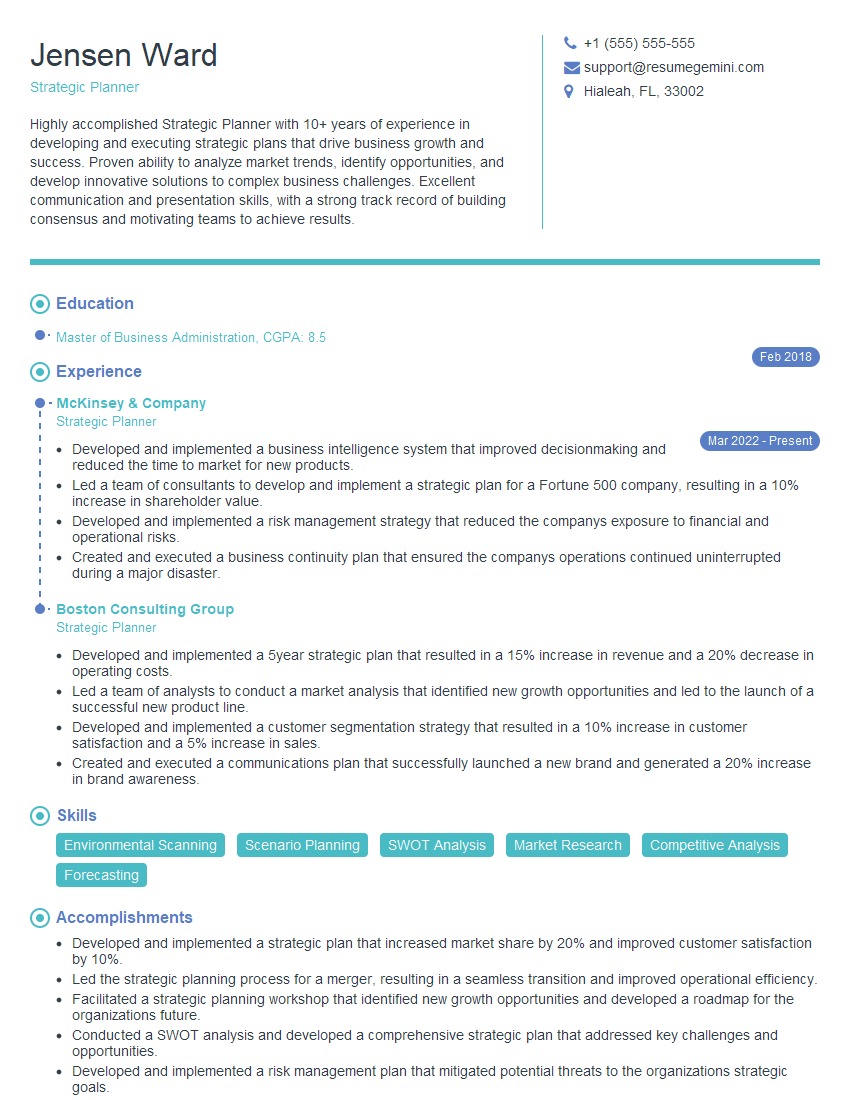
Strategic Planner Resume Sample
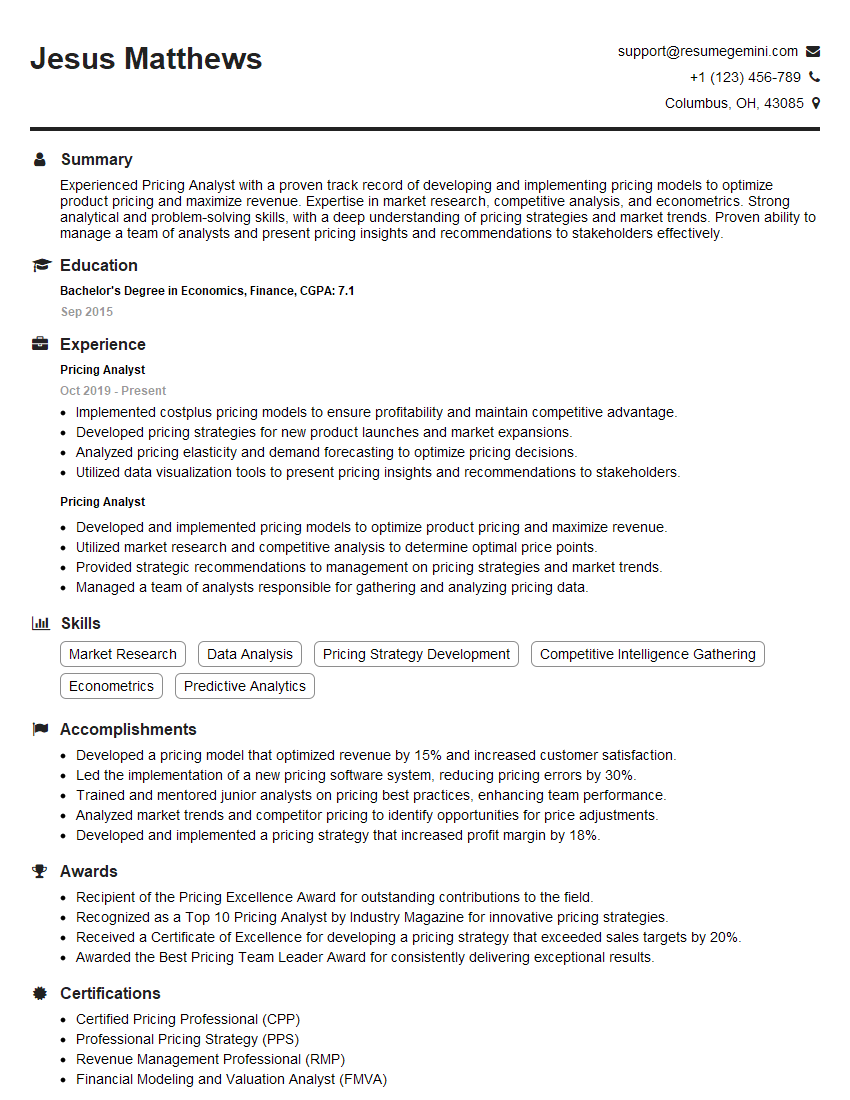
Pricing Analyst Resume Sample
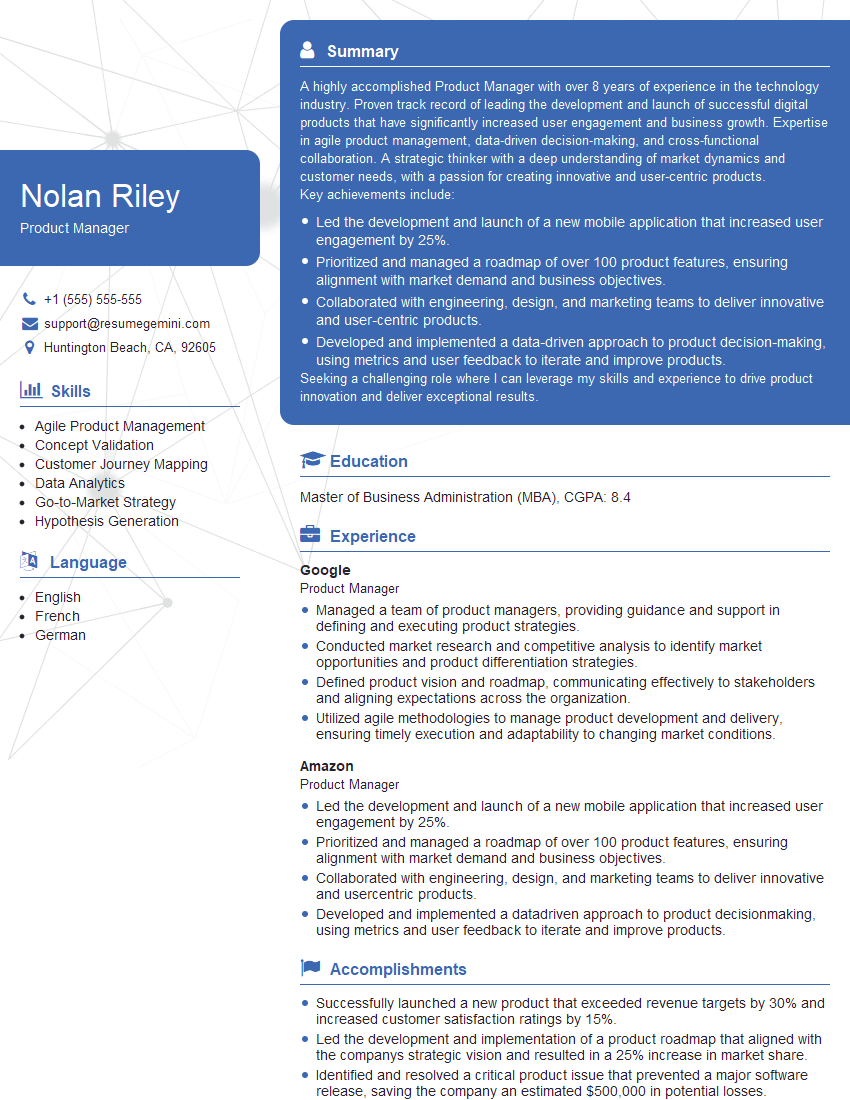
Product Manager Resume Sample

Project Manager Resume Sample
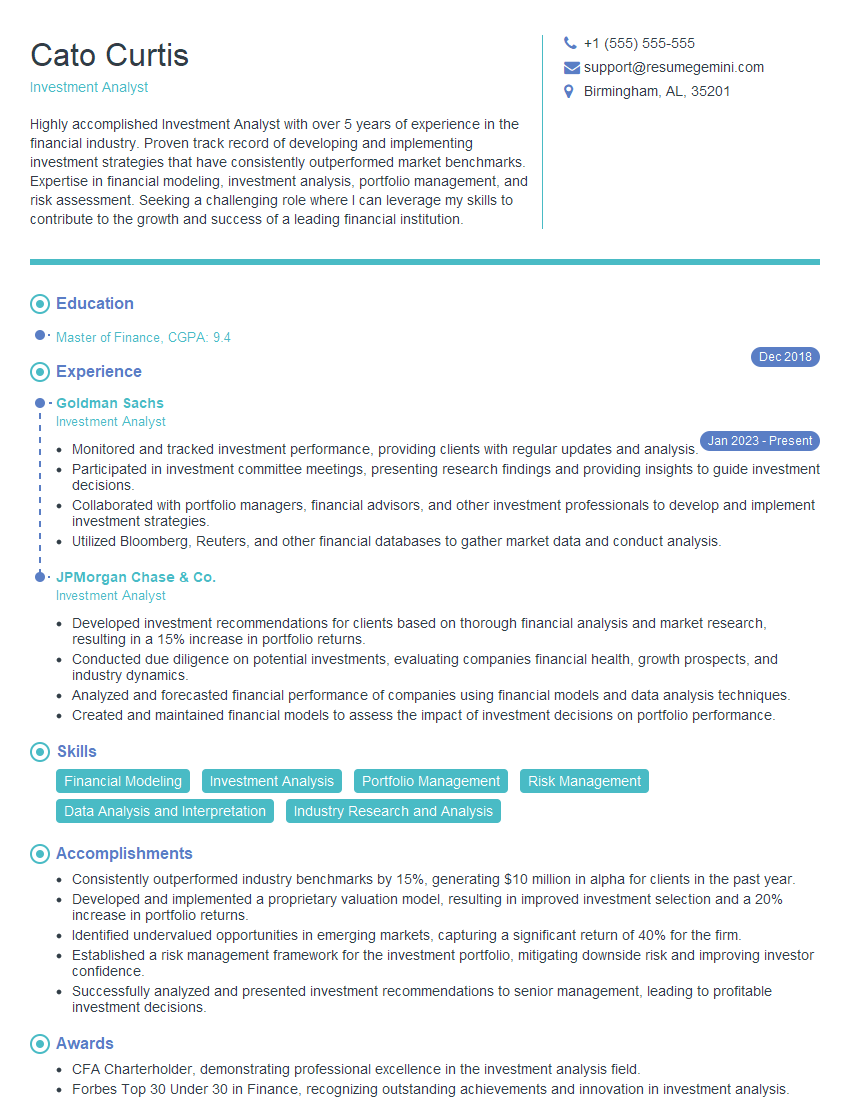
Investment Analyst Resume Sample
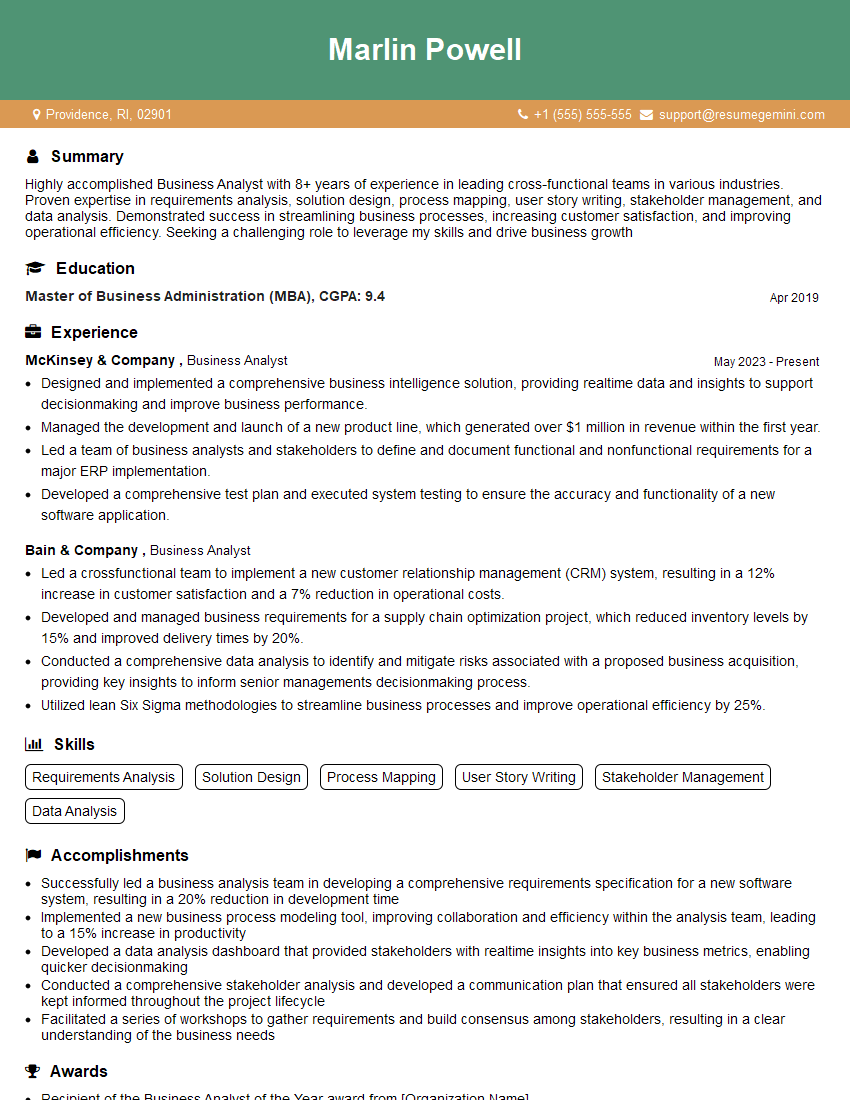
Business Analyst Resume Sample
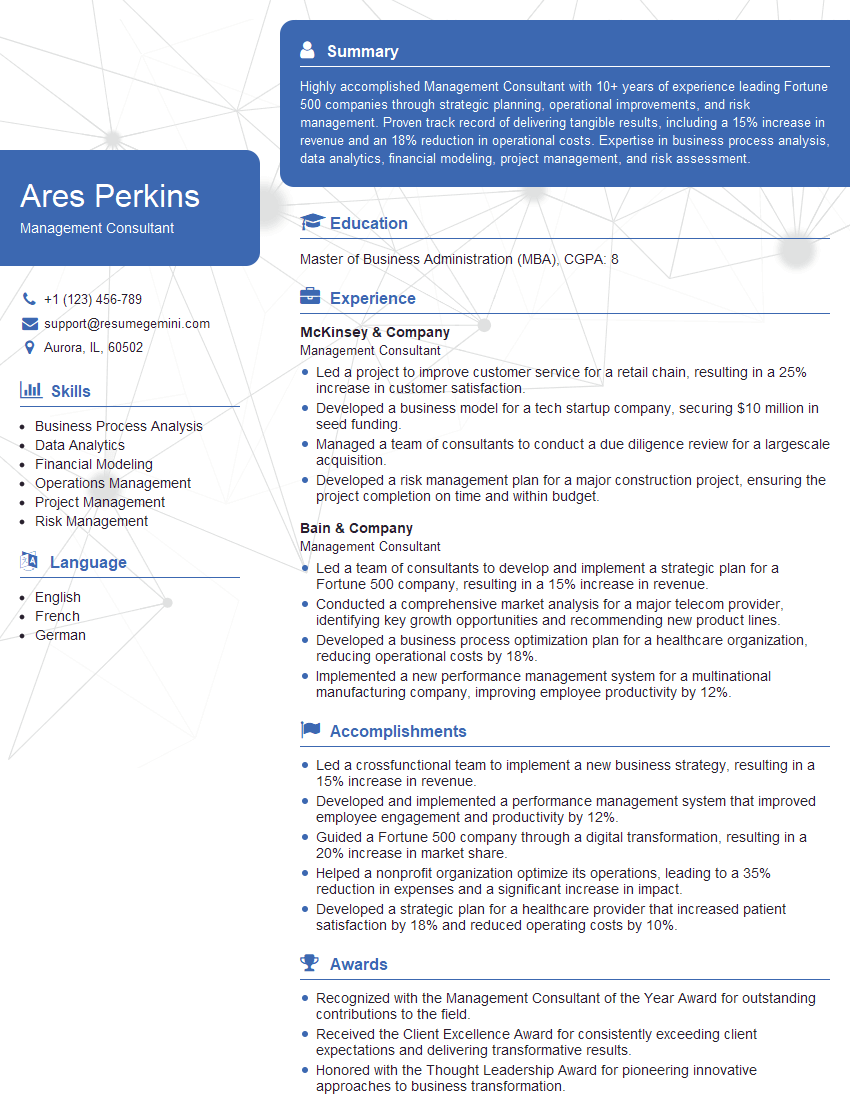
Management Consultant Resume Sample
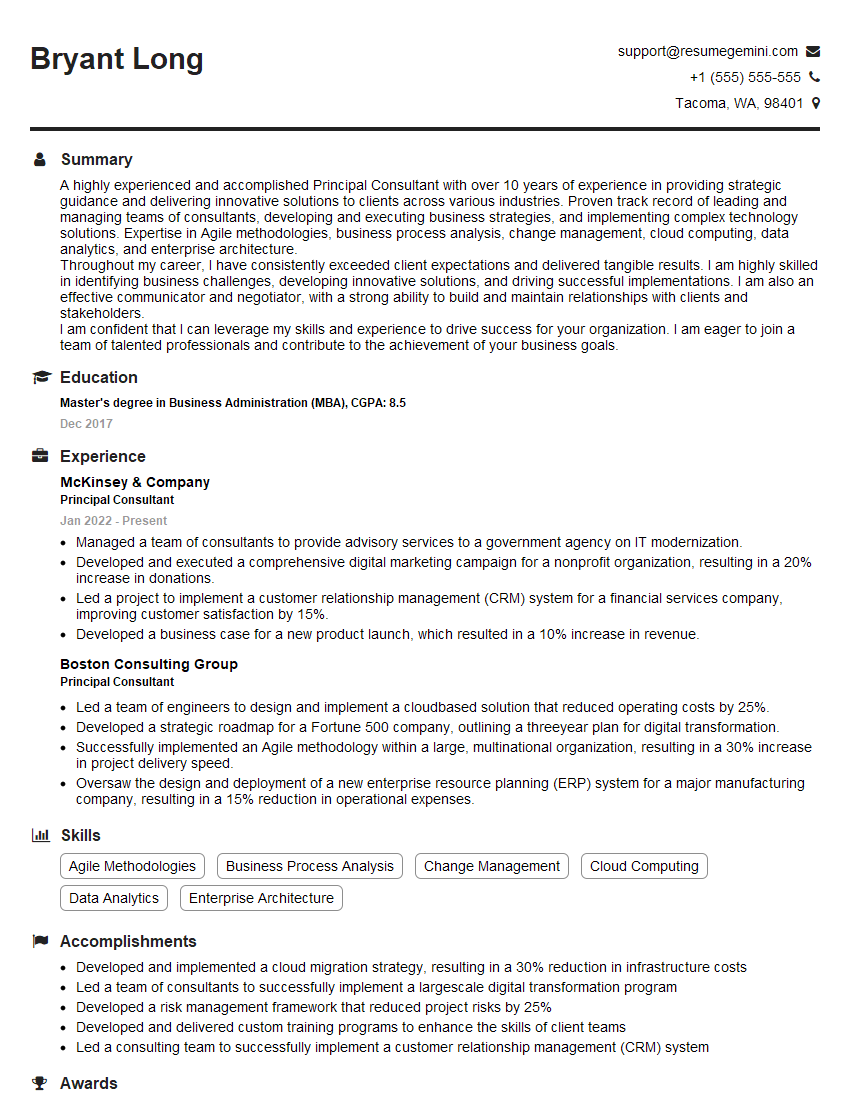
Principal Consultant Resume Sample
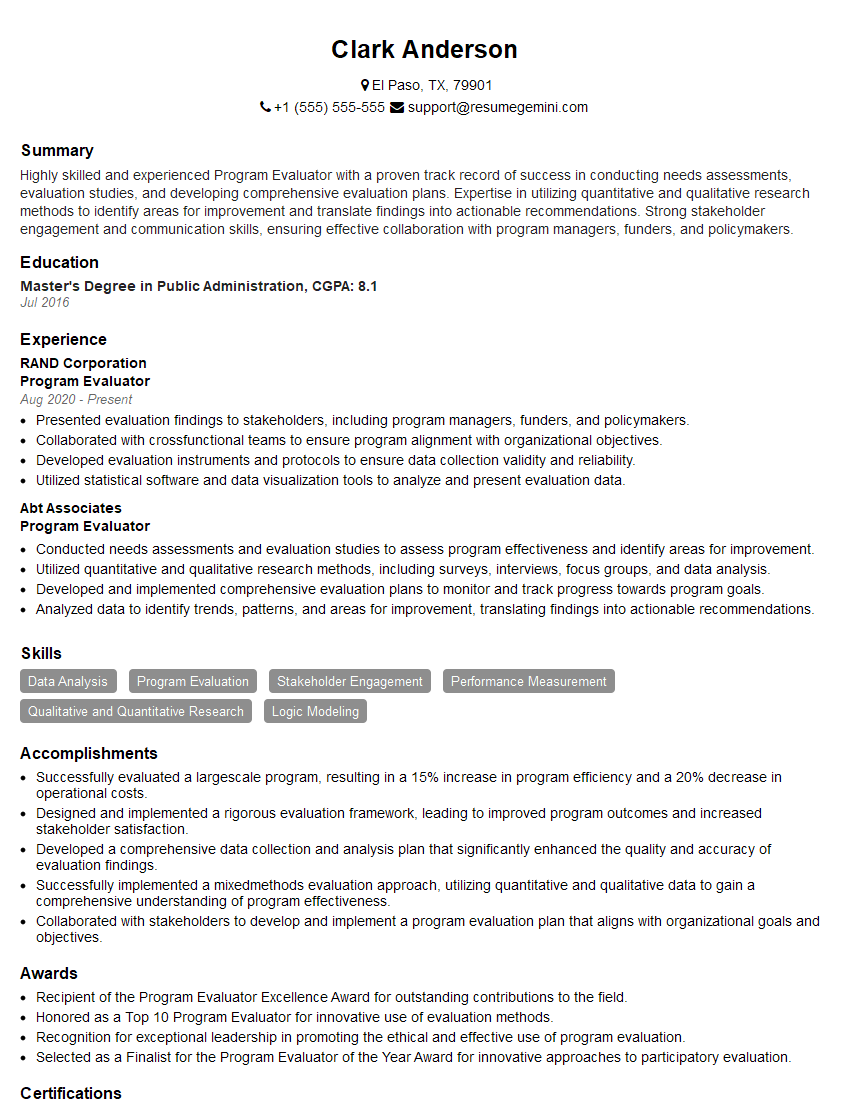
Program Evaluator Resume Sample
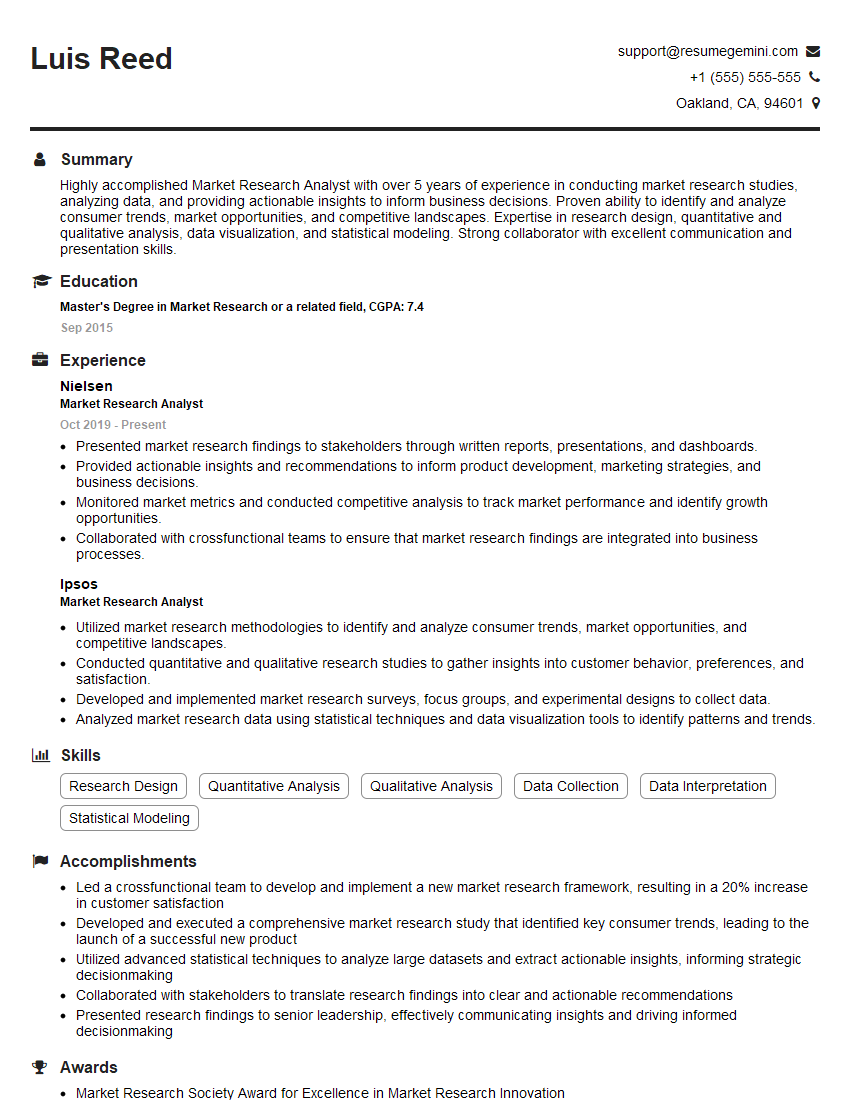
Market Research Analyst Resume Sample
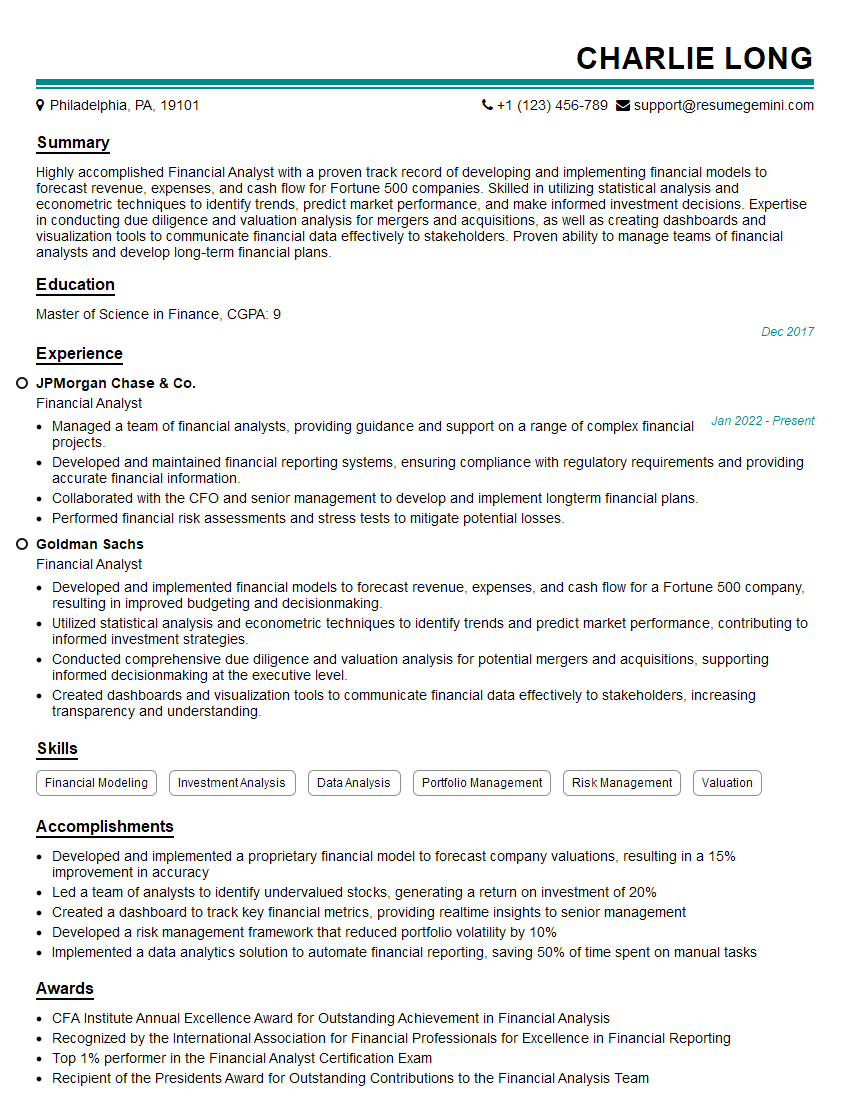
Financial Analyst Resume Sample
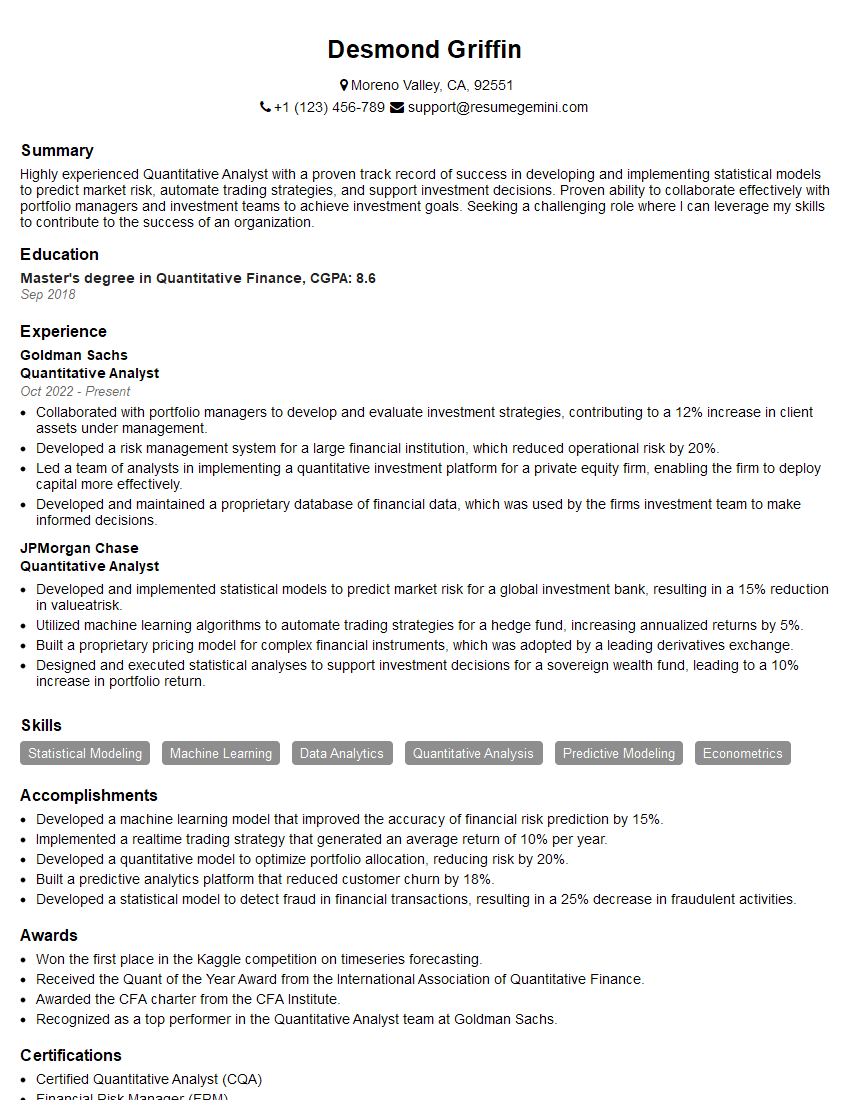
Quantitative Analyst Resume Sample
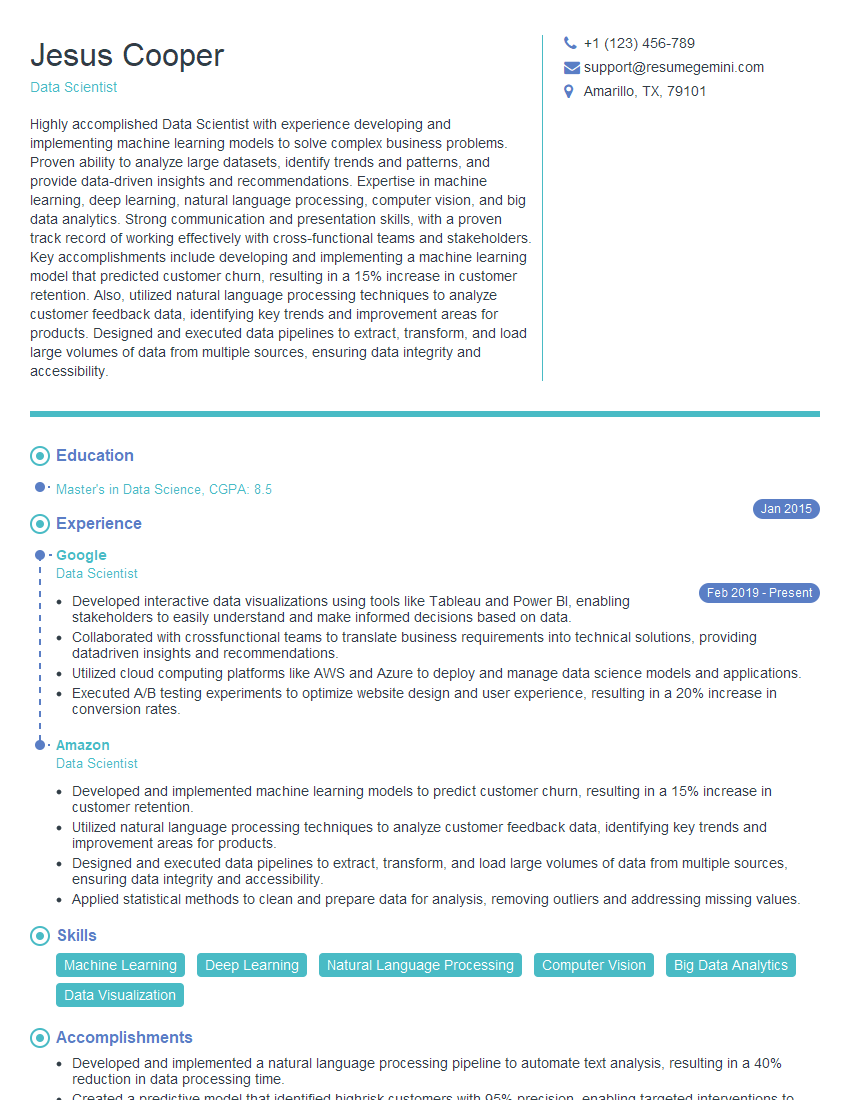
Data Scientist Resume Sample
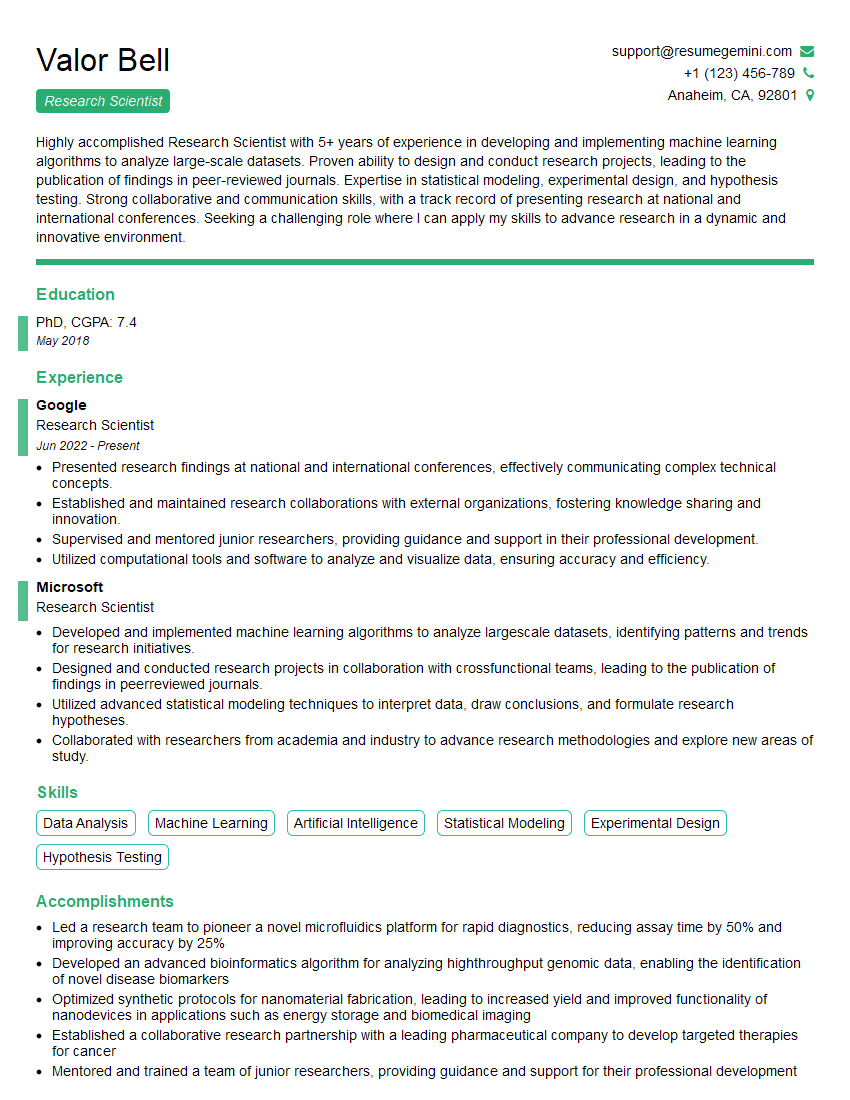
Research Scientist Resume Sample
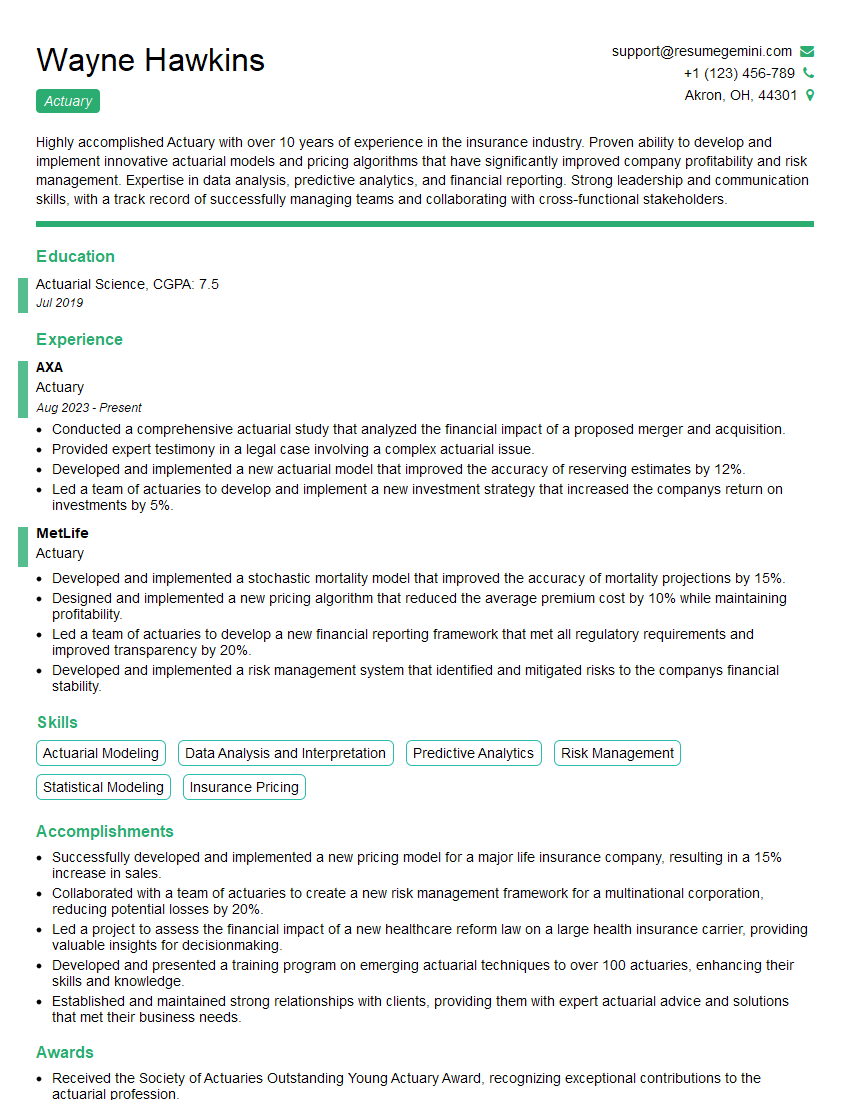
Actuary Resume Sample

Operations Research Analyst Resume Sample
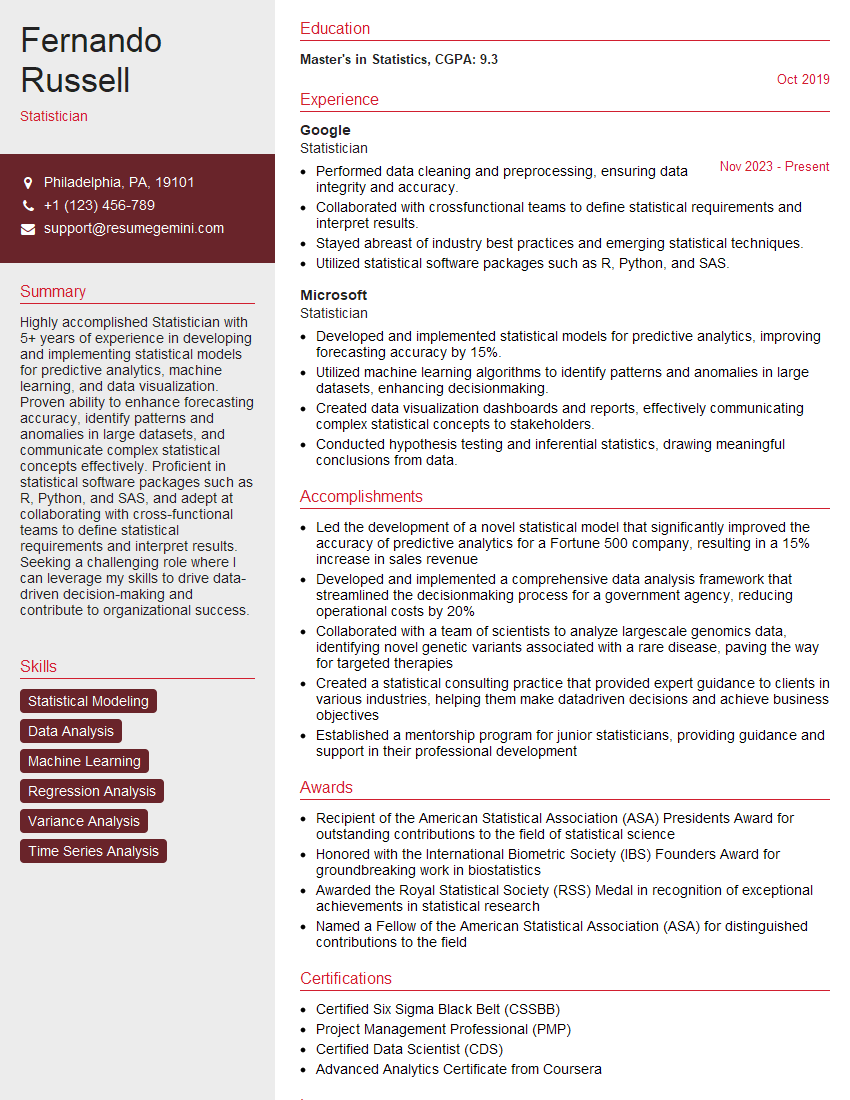
Statistician Resume Sample
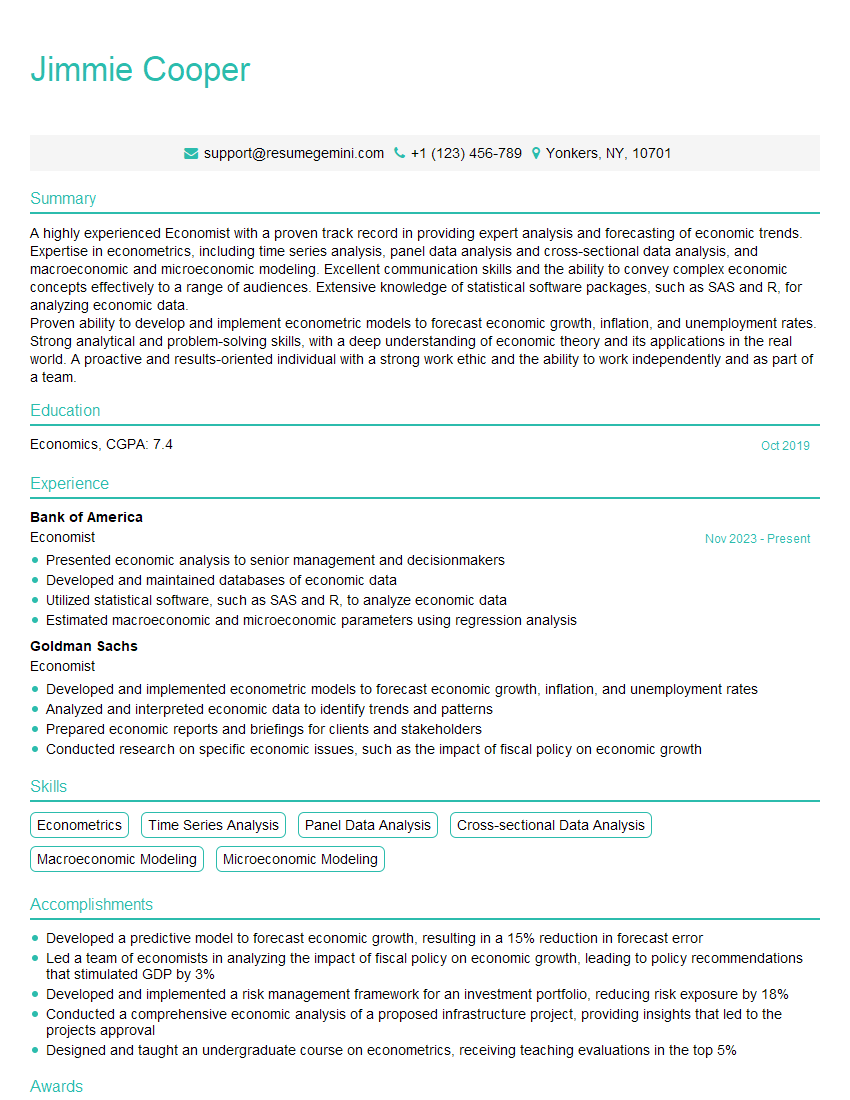
Economist Resume Sample
- Strategic Planner
- Pricing Analyst
- Product Manager
- Project Manager
- Investment Analyst
- Business Analyst
- Management Consultant
- Principal Consultant
- Program Evaluator
- Market Research Analyst
- Financial Analyst
- Quantitative Analyst
- Data Scientist
- Research Scientist
- Actuary
- Operations Research Analyst
- Statistician
- Economist
Explore more articles
Users Rating of Our Blogs
Share Your Experience
We value your feedback! Please rate our content and share your thoughts (optional).
What Readers Say About Our Blog
Very informative content, great job.
good