The right preparation can turn an interview into an opportunity to showcase your expertise. This guide to Groundwater and Surface Water Management interview questions is your ultimate resource, providing key insights and tips to help you ace your responses and stand out as a top candidate.
Questions Asked in Groundwater and Surface Water Management Interview
Q 1. Explain the difference between confined and unconfined aquifers.
The key difference between confined and unconfined aquifers lies in the presence of a confining layer. An unconfined aquifer, also known as a water table aquifer, is an aquifer whose upper boundary is the water table—the surface where the water pressure is equal to atmospheric pressure. Think of it like a sponge sitting on the ground; the water level in the sponge rises and falls with the amount of water present. Water can freely infiltrate and recharge this aquifer from the surface.
In contrast, a confined aquifer is bounded above and below by impermeable layers, such as clay or bedrock. These confining layers prevent direct infiltration from the surface. Imagine the sponge now wrapped in plastic; water can only enter through specific points and the water level is under pressure. Because of this pressure, the water in a confined aquifer can rise above the top of the aquifer when a well is drilled – this is known as an artesian well. The pressure head in a confined aquifer can be significantly higher than in an unconfined aquifer.
Understanding this difference is crucial for managing groundwater resources. For example, pumping from an unconfined aquifer can directly lower the water table, while pumping from a confined aquifer can cause a cone of depression that extends beyond the immediate well area, potentially impacting other wells.
Q 2. Describe the Darcy’s Law and its applications in groundwater flow.
Darcy’s Law is an empirical relationship that describes the flow of groundwater through a porous medium. It states that the flow rate (Q) is proportional to the hydraulic gradient (i) and the hydraulic conductivity (K) of the aquifer material, and inversely proportional to the cross-sectional area (A) of flow:
Q = -K A i
Where:
- Q = discharge rate (volume/time)
- K = hydraulic conductivity (length/time)
- A = cross-sectional area of flow (length2)
- i = hydraulic gradient (dimensionless, change in head over distance)
The negative sign indicates that flow occurs in the direction of decreasing hydraulic head (water pressure). Hydraulic head is simply the height of the water column above a reference point. A steeper gradient results in faster flow.
Applications of Darcy’s Law include:
- Estimating groundwater flow rates in aquifers for well design and water resource management.
- Predicting the movement of contaminants in groundwater, crucial for remediation efforts.
- Modeling groundwater flow in aquifers using numerical models (like MODFLOW).
- Designing groundwater monitoring networks to track changes in water levels and flow patterns.
For example, Darcy’s Law is used to determine the sustainable yield of an aquifer—the amount of water that can be withdrawn without causing undesirable depletion.
Q 3. How do you determine the hydraulic conductivity of an aquifer?
Determining the hydraulic conductivity (K) of an aquifer is crucial for understanding groundwater flow. Several methods exist, each with its own strengths and limitations:
- Pumping tests: These involve pumping water from a well and measuring the drawdown (decline in water level) in the well and in nearby observation wells. Analyzing the drawdown data using analytical or numerical methods allows estimation of K.
- Slug tests: A simpler method where a known volume of water is rapidly added or removed from a well, and the resulting water level changes are monitored. The rate of recovery or decline is used to estimate K.
- Laboratory methods: Soil samples are collected and tested in a lab using permeameters that measure the flow rate of water through a soil column under controlled conditions. This provides a direct measurement of K, but may not represent the in-situ conditions accurately.
- Tracer tests: Involve injecting a tracer (e.g., dye or salt) into the groundwater and monitoring its movement over time. The rate of tracer movement provides information about K and groundwater velocity.
The choice of method depends on factors like the availability of wells, the scale of the investigation, and the budget. Often, a combination of methods is used to improve the accuracy and reliability of the K estimate. It is important to note that K is a site-specific property and can vary significantly depending on the geological formations and soil properties.
Q 4. What are the common methods used for groundwater remediation?
Groundwater remediation techniques aim to remove or neutralize contaminants from aquifers. Common methods include:
- Pump and treat: This involves pumping contaminated groundwater to the surface, treating it (e.g., using activated carbon filtration, air stripping, or biological treatment), and then either re-injecting the treated water or disposing of it properly. This is a widely used method, but it can be slow and expensive, and may not be effective for all types of contaminants.
- Bioremediation: This uses microorganisms to break down or transform contaminants into less harmful substances. It’s a cost-effective and environmentally friendly approach but requires specific conditions (e.g., presence of oxygen or nutrients) for the microorganisms to thrive.
- In-situ chemical oxidation (ISCO): This involves injecting oxidizing agents (e.g., hydrogen peroxide or permanganate) into the contaminated groundwater to chemically break down contaminants. This is suitable for treating a range of organic contaminants but can be expensive and requires careful control to avoid unintended consequences.
- Permeable reactive barriers (PRBs): These are underground structures filled with reactive materials (e.g., zero-valent iron) that filter contaminated groundwater as it flows through. They are effective for removing specific contaminants, but their effectiveness depends on the design and the groundwater flow patterns.
- Soil vapor extraction (SVE): This method is used for volatile contaminants in the unsaturated zone (above the water table). It involves extracting the soil vapor containing contaminants using vacuum pumps.
The choice of remediation method depends on several factors, including the type and extent of contamination, the hydrogeological characteristics of the site, and the regulatory requirements.
Q 5. Explain the concept of groundwater recharge and its importance.
Groundwater recharge is the process by which water enters an aquifer. It’s essentially the replenishment of groundwater resources. This can occur through various pathways, including:
- Infiltration of precipitation: Rainfall and snowmelt seep into the ground, percolating through the soil and recharging the aquifer. This is the primary source of recharge in many areas.
- Leakage from surface water bodies: Water from rivers, lakes, and reservoirs can seep into the underlying aquifers.
- Irrigation: Water applied for irrigation can also percolate down and recharge aquifers.
Importance of Groundwater Recharge:
- Sustaining groundwater supplies: Recharge is crucial for maintaining sustainable groundwater levels and ensuring long-term availability of this vital resource. Over-extraction of groundwater without sufficient recharge leads to depletion and potential water shortages.
- Maintaining aquifer health: Recharge helps to flush out contaminants and maintain the quality of groundwater. Sufficient recharge can dilute pollutants and prevent their build-up.
- Supporting ecosystems: Groundwater recharge is vital for maintaining baseflow in rivers and streams, providing water for aquatic ecosystems, and sustaining riparian vegetation.
Understanding and managing groundwater recharge is critical for sustainable water resource management. Practices like rainwater harvesting and artificial recharge can help augment natural recharge processes.
Q 6. What are the main factors affecting surface water quality?
Surface water quality is influenced by a complex interplay of factors. The main ones are:
- Natural factors: These include the geology of the watershed (the area that drains into the surface water body), the climate, and the presence of natural pollutants such as minerals and organic matter. For instance, areas with high levels of naturally occurring salts in the soil will have higher salinity in surface waters.
- Land use and land cover: How the land is used significantly impacts water quality. Urban areas contribute pollutants like heavy metals and oil, while agricultural activities can introduce fertilizers, pesticides, and animal waste.
- Atmospheric deposition: Pollutants from the atmosphere, such as acid rain and dust, can settle into surface water bodies.
- Point source pollution: This refers to pollutants discharged from identifiable sources, such as industrial wastewater pipes or sewage treatment plants. These are usually easier to regulate and control.
- Non-point source pollution: This is more diffuse, arising from multiple sources like agricultural runoff, urban stormwater, and atmospheric deposition. It’s typically more challenging to control.
- Biological processes: The presence and activity of aquatic organisms also affect surface water quality. For example, algal blooms can deplete oxygen levels in the water.
Understanding these factors is essential for developing effective strategies for protecting and improving surface water quality.
Q 7. Describe different types of surface water pollution and their sources.
Surface water pollution takes many forms:
- Nutrient pollution (eutrophication): Excess nutrients, particularly nitrogen and phosphorus from fertilizers and wastewater, stimulate excessive growth of algae. This depletes oxygen in the water, harming aquatic life (a process called eutrophication). This is a common problem in lakes and coastal areas.
- Organic pollution: This is caused by the presence of organic matter, such as sewage, animal waste, or decaying plants. This increases the biological oxygen demand (BOD), consuming dissolved oxygen and harming aquatic life.
- Chemical pollution: This includes a wide range of pollutants, such as heavy metals (lead, mercury, etc.), pesticides, herbicides, and industrial chemicals. These can be toxic to aquatic organisms and can accumulate in the food chain.
- Pathogenic pollution: This is contamination with disease-causing microorganisms, mainly from sewage and animal waste. It poses a direct threat to human health.
- Sediment pollution: Excessive sediment from erosion of soil can cloud the water, reducing light penetration, harming aquatic plants, and filling up reservoirs.
- Thermal pollution: Discharge of heated water from power plants or industrial processes can increase water temperature, affecting aquatic life and reducing dissolved oxygen.
The sources of these pollutants vary greatly, as mentioned earlier, ranging from industrial discharges and sewage treatment plants to agricultural runoff, stormwater, and atmospheric deposition. Effective surface water management requires identifying these sources and implementing appropriate pollution control measures.
Q 8. Explain the concept of a watershed and its hydrological processes.
A watershed, also known as a drainage basin or catchment area, is the land area where all water drains to a common outlet, such as a river, lake, or ocean. Imagine it like a giant funnel, collecting all rainfall, snowmelt, and groundwater that eventually flows downhill to a single point. Hydrological processes within a watershed encompass the continuous movement of water through various stages:
- Precipitation: Rainfall, snow, hail, etc., which is the primary source of water input.
- Interception: Water intercepted by vegetation before reaching the ground.
- Infiltration: Water seeping into the soil.
- Surface Runoff: Water flowing over the land surface, contributing to streams and rivers.
- Evaporation: Water transforming into vapor from land and water surfaces.
- Transpiration: Water loss from plants through their leaves.
- Evapotranspiration: The combined effect of evaporation and transpiration.
- Groundwater Flow: Water moving underground through aquifers.
- Streamflow: The movement of water in streams and rivers.
Understanding these processes is crucial for effective watershed management, such as flood control, water supply management, and pollution control. For example, deforestation in a watershed can drastically increase surface runoff, leading to increased flood risk downstream. Conversely, implementing sustainable land management practices can improve infiltration and reduce runoff.
Q 9. How do you model groundwater flow using numerical methods?
Numerical methods are essential for simulating complex groundwater flow patterns. The most common approach is using finite-difference or finite-element methods to solve the governing equation, which describes the flow of water in a porous medium. This equation considers factors like hydraulic conductivity (how easily water moves through the aquifer), hydraulic gradients (the slope of the water table), and storage coefficient (how much water the aquifer can store).
The process involves discretizing the aquifer into a grid (finite-difference) or a mesh (finite-element). Each cell or element represents a portion of the aquifer with its own hydraulic properties. The numerical method solves the governing equation for each cell, iteratively adjusting water levels until equilibrium is reached. This provides a spatial representation of groundwater flow. Software packages like MODFLOW are widely used for this purpose.
For example, a simulation could predict the impact of pumping a well on the water table over time, allowing for sustainable management practices.
Example (Conceptual): Δh/Δt = T(Δ²h/Δx²) (simplified form of the groundwater flow equation) where: Δh/Δt = change in head over time, T = transmissivity (a measure of the aquifer's ability to transmit water), Δ²h/Δx² = second derivative of the hydraulic head with respect to distance.Q 10. What are the different types of water wells and their applications?
Water wells are structures used to extract groundwater. Different types cater to various needs:
- Dug wells: Simple, hand-dug wells, typically shallow and low-yielding, best for small-scale domestic use.
- Driven wells: Constructed by driving a pipe into the ground, suitable for shallow aquifers.
- Bored wells: Drilled using augers, offering more depth and yield compared to dug or driven wells.
- Drilled wells: Constructed using drilling rigs, suitable for deep aquifers, high-yield, and often used for municipal water supplies. Sub-types include cable-tool drilling and rotary drilling.
- Artesian wells: Tap into confined aquifers under pressure; water rises naturally to the surface or to a certain level within the well (artesian pressure).
The choice of well type depends on factors such as aquifer depth, groundwater yield, cost, and the intended use. For instance, a large city might rely on multiple deep drilled wells, whereas a rural household might opt for a simpler dug well.
Q 11. Describe the principles of sustainable groundwater management.
Sustainable groundwater management aims to balance water use with the capacity of aquifers to recharge naturally. Key principles include:
- Understanding aquifer characteristics: Thorough hydrogeological investigation is vital to understand the aquifer’s storage capacity, recharge rates, and vulnerability to contamination.
- Balancing extraction and recharge: Groundwater withdrawals should not exceed natural replenishment rates to prevent overexploitation and depletion.
- Artificial recharge techniques: Employing methods to increase groundwater recharge, such as spreading surface water over recharge areas or constructing injection wells.
- Water conservation: Implementing measures to reduce water demand across various sectors (agriculture, industry, domestic).
- Protection from contamination: Implementing strict regulations to prevent the entry of pollutants (chemicals, waste) into aquifers.
- Monitoring and regulation: Continuously monitoring groundwater levels, quality, and withdrawals to maintain sustainable use patterns.
- Community involvement: Engaging local communities in water management decisions.
For example, implementing water-efficient irrigation techniques in agriculture can significantly reduce groundwater extraction.
Q 12. Explain the importance of water balance calculations in water resources management.
Water balance calculations are fundamental to water resources management. They involve quantifying all inflows and outflows of water within a specific area (watershed, aquifer, reservoir) over a given period. This helps determine the net change in water storage.
A basic water balance equation is:
P + I = E + R + ΔSwhere:
P= PrecipitationI= Inflow (e.g., surface water inflow, groundwater inflow)E= EvapotranspirationR= RunoffΔS= Change in storage (increase or decrease in water levels)
Accurate water balance calculations are crucial for:
- Irrigation scheduling: Determining appropriate irrigation amounts based on evapotranspiration rates and soil moisture levels.
- Reservoir management: Predicting water availability for hydropower generation, navigation, or water supply.
- Flood forecasting: Estimating runoff volumes and potential flood risks.
- Groundwater management: Assessing sustainable extraction levels based on recharge rates and storage changes.
By understanding the water balance, managers can make informed decisions about water allocation and sustainable resource use.
Q 13. What are the different types of surface water monitoring techniques?
Surface water monitoring employs various techniques to assess water quality and quantity:
- Flow measurement: Using methods like weirs, flumes, or acoustic Doppler current profilers (ADCPs) to measure streamflow.
- Water level monitoring: Employing gauges (manual or automated) to measure water levels in rivers, lakes, or reservoirs.
- Water quality sampling: Collecting water samples at various locations and times to analyze parameters like temperature, pH, dissolved oxygen, nutrients, and pollutants.
- Remote sensing: Using satellite imagery or aerial photography to monitor water extent, surface temperature, and vegetation cover.
- In situ sensors: Deploying sensors in rivers or lakes to continuously monitor parameters such as water quality, flow, and temperature.
The choice of techniques depends on the specific objectives, budget, and accessibility of the site. For example, a large river system might require a combination of flow measurements, water quality sampling, and remote sensing for comprehensive monitoring.
Q 14. How do you assess the impact of climate change on water resources?
Climate change significantly impacts water resources, primarily through altered precipitation patterns, increased evaporation, and changes in snowmelt. Assessing this impact requires integrating climate projections with hydrological models.
Here’s a step-by-step approach:
- Obtain climate projections: Use downscaled climate model outputs (e.g., from CMIP6) to obtain projections of temperature, precipitation, and other relevant climate variables at a spatial resolution suitable for hydrological modeling.
- Develop or select a hydrological model: Choose a suitable hydrological model (e.g., a rainfall-runoff model or a groundwater flow model) that can simulate the impact of climate change on water resources. Calibration and validation of the model using historical data is crucial.
- Run model simulations under different climate scenarios: Simulate the hydrological system under various climate change scenarios (e.g., RCPs or SSPs) to project future water availability, runoff, and groundwater levels.
- Analyze model outputs: Analyze the model outputs to assess the changes in water availability, water quality, and the risk of droughts and floods under various climate change scenarios.
- Uncertainty analysis: Account for uncertainties in climate projections and hydrological model parameters to quantify the range of potential impacts.
For instance, a study might project a decrease in streamflow in a certain region due to increased evaporation and altered rainfall patterns, highlighting the need for adaptive water management strategies.
Q 15. Describe the role of GIS in groundwater and surface water management.
Geographic Information Systems (GIS) are indispensable tools in both groundwater and surface water management. They provide a framework to visualize, analyze, and model spatial data related to water resources. Imagine trying to manage a vast aquifer system or a complex river basin without a map – it would be nearly impossible! GIS allows us to overlay various datasets, such as topography, soil type, well locations (for groundwater), rainfall patterns, stream networks, and land use, to get a holistic picture.
For groundwater, GIS helps in identifying recharge zones, delineating aquifers, analyzing groundwater flow patterns using numerical models, and predicting the impact of pumping on water levels. For surface water, GIS is crucial for watershed delineation, flood risk assessment, managing dam safety, and monitoring water quality. We can use GIS to create interactive maps showing water levels, contamination levels, or areas prone to drought, making data easily accessible and understandable for decision-makers.
For example, a GIS could be used to model the impact of a new development on a nearby aquifer by showing projected changes in groundwater levels based on estimated water usage. In surface water management, GIS can help identify optimal locations for new reservoirs by analyzing terrain and proximity to population centers.
Career Expert Tips:
- Ace those interviews! Prepare effectively by reviewing the Top 50 Most Common Interview Questions on ResumeGemini.
- Navigate your job search with confidence! Explore a wide range of Career Tips on ResumeGemini. Learn about common challenges and recommendations to overcome them.
- Craft the perfect resume! Master the Art of Resume Writing with ResumeGemini’s guide. Showcase your unique qualifications and achievements effectively.
- Don’t miss out on holiday savings! Build your dream resume with ResumeGemini’s ATS optimized templates.
Q 16. Explain the concept of water rights and their allocation.
Water rights define the legal entitlement to use a specific quantity of water from a particular source. These rights can be allocated in various ways, depending on the legal and cultural context. Common approaches include:
- Prior Appropriation: The first person to put water to beneficial use has the highest priority. This is common in the western United States.
- Riparian Rights: Water rights are granted to landowners along a water body, proportional to their river frontage. This system is common in the eastern United States.
- Permitting Systems: Governments issue permits that specify the allowable water withdrawal amounts and uses. This is often used to manage scarce resources.
The allocation of water rights involves balancing competing demands from various users, including agriculture, industry, municipalities, and ecosystems. Efficient allocation requires careful consideration of water availability, environmental flow needs, and economic factors. Often, this involves complex negotiations and legal processes to ensure fairness and sustainability.
For example, a farmer may have a water right that allows them to withdraw a specific amount of water for irrigation. However, during a severe drought, the government might temporarily restrict water usage to protect the environment or allocate scarce water based on priority. The process often involves conflict resolution mechanisms and water management plans to facilitate agreement.
Q 17. What are the key challenges in managing transboundary water resources?
Managing transboundary water resources, shared by two or more countries, presents unique challenges due to the involvement of multiple jurisdictions and differing priorities. Key challenges include:
- Political and Legal Differences: Disputes can arise due to differing interpretations of international water law, varying water management practices, and conflicting national interests.
- Data Scarcity and Asymmetry: Lack of shared data on water quantity and quality can hinder collaborative management. One country might have better data than another, leading to imbalances in decision-making.
- Economic Disparities: Countries with different economic capacities might have differing priorities and abilities to invest in infrastructure for water management.
- Environmental Concerns: Upstream activities in one country can significantly impact downstream users. For instance, dam construction or pollution can affect water quality and availability for downstream nations.
- Lack of Trust and Cooperation: Building trust and establishing effective communication channels among countries is essential but often difficult to achieve.
Addressing these challenges requires diplomatic efforts, international agreements, joint data collection and analysis, and capacity building initiatives. Collaborative water management strategies, such as joint river basin management committees, can help foster cooperation and equitable sharing of water resources.
Q 18. How do you evaluate the effectiveness of water management strategies?
Evaluating the effectiveness of water management strategies requires a multi-faceted approach that considers both quantitative and qualitative indicators. Key aspects to assess include:
- Water Availability and Quality: Monitor changes in groundwater levels, surface water flows, and water quality parameters (e.g., nutrient levels, pollutants).
- Economic Impacts: Assess changes in agricultural productivity, industrial water costs, and household water bills.
- Environmental Impacts: Evaluate the impact on aquatic ecosystems, biodiversity, and wetland areas.
- Social Equity: Assess the impact on different social groups, ensuring equitable access to water resources.
- Sustainability: Consider long-term impacts, ensuring the water management strategy is sustainable for future generations.
Methods for evaluation include monitoring programs, hydrological modeling, economic analysis, and stakeholder consultations. Indicators need to be measurable, verifiable, achievable, relevant, and time-bound (SMART). Regular review and adaptation of water management strategies are crucial for continuous improvement and to respond to changing conditions.
For example, the effectiveness of a drought management plan can be evaluated by assessing the reduction in water consumption, impacts on agricultural yields, and ecological changes during the drought period. Comparing pre- and post-plan data provides valuable insights.
Q 19. Describe different methods for water treatment and purification.
Water treatment and purification methods vary depending on the source water quality and desired level of treatment. Methods range from simple filtration to complex multi-stage processes. Some key methods include:
- Screening and Filtration: Removing large debris and suspended solids using screens, sand filters, and membrane filters.
- Sedimentation: Allowing suspended solids to settle out of the water under gravity.
- Coagulation and Flocculation: Using chemicals to clump together small particles for easier removal.
- Disinfection: Killing harmful bacteria and viruses using chlorine, ultraviolet (UV) light, or ozone.
- Reverse Osmosis: Using pressure to force water through a semi-permeable membrane, removing dissolved salts and other impurities.
- Activated Carbon Adsorption: Removing dissolved organic compounds and other pollutants by adsorption onto activated carbon.
The choice of treatment methods depends on the specific contaminants present in the water and the desired water quality standards. For example, drinking water treatment typically involves a combination of multiple methods to ensure it meets strict safety standards. Industrial wastewater treatment may require more specialized processes depending on the type of industry.
Q 20. Explain the concept of water footprint and its significance.
A water footprint represents the total volume of freshwater used to produce the goods and services consumed by a person or a community. It encompasses:
- Blue Water Footprint: The volume of surface and groundwater directly consumed or evaporated.
- Green Water Footprint: The volume of rainwater used to support plant growth.
- Grey Water Footprint: The volume of freshwater required to assimilate pollutants.
Understanding water footprints is crucial for promoting water sustainability and making informed decisions about water consumption. A large water footprint indicates a high demand on water resources. By analyzing water footprints of different products and activities, we can identify areas where water efficiency improvements are most needed. For example, the water footprint of beef production is significantly higher than that of plant-based foods, reflecting the amount of water used to raise livestock and irrigate feed crops. This awareness can lead to choices that reduce overall water consumption.
Assessing and managing water footprints can involve detailed life cycle assessments to account for all stages of production and consumption, from raw material extraction to waste disposal. The goal is to find ways to reduce our environmental impact and promote more efficient use of this precious resource.
Q 21. How do you design and implement a stormwater management plan?
Designing and implementing a stormwater management plan involves a systematic process to control and manage stormwater runoff. This is vital for protecting water quality, mitigating flood risks, and replenishing groundwater. The steps generally include:
- Assessment: Characterizing the watershed area, identifying existing drainage patterns, and analyzing stormwater runoff volumes and quality.
- Goal Setting: Defining the objectives of the stormwater management plan, such as reducing pollutant loads, minimizing flooding, and improving water quality.
- Best Management Practices (BMPs) Selection: Identifying appropriate BMPs to achieve the defined goals. BMPs can include green infrastructure (e.g., rain gardens, bioswales), grey infrastructure (e.g., detention ponds, pipes), and regulatory measures.
- Design and Engineering: Developing detailed design plans for the selected BMPs, ensuring they are properly sized and integrated into the existing landscape.
- Implementation and Construction: Constructing the BMPs according to the design specifications.
- Monitoring and Maintenance: Regularly monitoring the effectiveness of the implemented BMPs, conducting maintenance activities as needed, and adapting the plan as conditions change.
An example would be designing a rain garden in a residential area to capture and filter stormwater runoff before it reaches a nearby stream. The rain garden would use native plants to filter pollutants and reduce the volume of runoff entering the stream, improving water quality and reducing the risk of flooding downstream. A larger-scale plan might involve a combination of green and grey infrastructure, and regulatory controls to manage stormwater runoff for an entire municipality.
Q 22. What are the environmental regulations related to water quality?
Environmental regulations related to water quality are multifaceted and vary significantly depending on geographical location and governing bodies. Generally, these regulations aim to protect both human health and the environment by setting limits on the concentration of various pollutants in water sources. These regulations often cover:
- Drinking water standards: These define acceptable levels of contaminants in public drinking water supplies, ensuring water safety for human consumption. Examples include limits on heavy metals (like lead and arsenic), bacteria (like E. coli), and disinfection byproducts.
- Discharge permits: Industries and municipalities that discharge wastewater into surface waters or inject wastewater into groundwater must obtain permits specifying allowable pollutant limits. These permits often incorporate Best Management Practices (BMPs) to minimize environmental impact.
- Water quality standards for surface waters: These set limits on pollutants in rivers, lakes, and oceans, often categorized by designated uses (e.g., drinking water, recreation, aquatic life support). These standards dictate water quality criteria based on the intended use.
- Groundwater protection regulations: These focus on preserving groundwater quality, often through measures such as controlling the application of fertilizers and pesticides, managing hazardous waste disposal, and regulating groundwater withdrawals.
Enforcement of these regulations typically involves regular water quality monitoring, compliance inspections, and penalties for violations. For example, a factory exceeding its discharge permit limits could face fines and be required to implement remediation measures.
Q 23. Describe your experience with water resources modeling software (e.g., MODFLOW, HEC-HMS).
I have extensive experience using various water resources modeling software packages, including MODFLOW and HEC-HMS. My work with MODFLOW, a groundwater modeling software, has involved creating numerical models to simulate groundwater flow and solute transport in diverse hydrogeological settings. This includes model calibration using observed water level data and parameter estimation techniques. For example, I developed a MODFLOW model for a coastal aquifer system to assess the impact of saltwater intrusion due to excessive groundwater pumping. The model helped predict future saltwater intrusion and inform sustainable groundwater management strategies.
Similarly, my experience with HEC-HMS, a hydrologic modeling software, encompasses rainfall-runoff modeling for surface water systems. I’ve used it to simulate flood events, design stormwater management systems, and assess the impact of land-use changes on streamflow. A recent project involved using HEC-HMS to model the impact of a proposed dam on downstream flow regimes and flood risk. This involved defining sub-basins, selecting appropriate rainfall-runoff methods, and calibrating the model against historical streamflow data.
My expertise extends beyond simply running these models; I’m proficient in model development, data pre-processing, model calibration and validation, and post-processing of results for insightful analysis and reporting.
Q 24. How do you interpret hydrographs and water level data?
Hydrographs are graphs that show the change in water level or discharge over time at a specific location. Interpreting them involves understanding the underlying hydrological processes. For instance, a sharp peak in a streamflow hydrograph indicates a rapid increase in discharge, possibly due to a significant rainfall event. The recession limb (the falling part of the hydrograph) reflects the gradual depletion of water from the watershed. Analyzing the shape and characteristics of the hydrograph (peak flow, time to peak, recession curve) provides valuable insights into the watershed’s response to rainfall and its hydrological characteristics. Water level data, often obtained from wells or monitoring stations, are analyzed in similar fashion, revealing patterns in groundwater recharge, depletion, and seasonal variations.
For example, a steadily declining water level in a well over a period of time might indicate over-extraction of groundwater, while a cyclical pattern could reflect seasonal variations in recharge and discharge. I use various techniques, including statistical analysis and trend analysis, to identify patterns and anomalies in these data, ultimately drawing conclusions about the health and sustainability of water resources.
Q 25. What is your experience with data analysis techniques for water resources data?
My data analysis techniques for water resources data encompass a wide range of statistical and geospatial methods. I routinely use:
- Descriptive statistics: Calculating means, standard deviations, and percentiles to summarize data and identify outliers.
- Regression analysis: Modeling relationships between variables, such as rainfall and runoff, or groundwater levels and pumping rates.
- Time series analysis: Identifying trends, seasonality, and autocorrelations in time-dependent data, like streamflow or water levels.
- Geostatistical techniques: such as kriging, to spatially interpolate water quality data or groundwater levels.
- Multivariate statistical methods: such as principal component analysis (PCA) and cluster analysis, to reduce dimensionality and identify patterns in large datasets.
Software packages such as R, Python (with libraries like Pandas, SciPy, and Statsmodels), and ArcGIS are essential tools in my data analysis workflow. For example, I recently used time series analysis in R to identify long-term trends in streamflow data, indicating a potential decrease in water availability due to climate change. The results of this analysis informed water resource management strategies.
Q 26. Explain the concept of evapotranspiration and its impact on water resources.
Evapotranspiration (ET) is the combined process of evaporation from the land surface and transpiration from plants. It’s a crucial component of the hydrological cycle, representing the return of water from the land surface to the atmosphere. Evaporation refers to the transformation of liquid water into water vapor from soil, water bodies, and even vegetation. Transpiration is the process by which plants release water vapor through their stomata (tiny pores on their leaves). Both processes are driven by energy from the sun and influenced by factors such as temperature, humidity, wind speed, and solar radiation.
Evapotranspiration significantly impacts water resources because it represents a substantial loss of water from the system. In arid and semi-arid regions, ET can be the dominant component of the water balance, exceeding precipitation in some cases. This can lead to water scarcity and impact agricultural productivity. Accurate estimation of ET is essential for effective water resource management, irrigation scheduling, and drought prediction. Various methods, ranging from simple empirical equations to complex physically-based models, are used to estimate ET, considering the unique characteristics of each region and vegetation cover.
Q 27. Describe the principles of aquifer testing and analysis.
Aquifer testing is a crucial technique for determining the hydrogeological properties of aquifers, such as transmissivity (the ability of the aquifer to transmit water), storativity (the volume of water released from storage per unit decline in hydraulic head), and hydraulic conductivity (the ability of the aquifer material to transmit water). These properties are essential for understanding groundwater flow, managing groundwater resources, and predicting the impact of groundwater pumping.
Common aquifer tests include:
- Pumping tests: Involve pumping water from a well at a constant rate and monitoring the water level decline in the pumping well and nearby observation wells. Analyzing the drawdown data allows for the determination of aquifer parameters.
- Slug tests: A simpler and faster method where a volume of water is rapidly introduced or removed from a well, and the water level recovery is monitored. This method is particularly useful for characterizing relatively thin aquifers.
- Recovery tests: Conducted after a pumping test, where the pumping is stopped, and the water level recovery is monitored. Analysis of this recovery data provides additional information about aquifer properties.
The analysis of data from these tests typically involves using specialized software and analytical or numerical models to fit the observed data and estimate aquifer parameters. The interpretation of results requires a good understanding of hydrogeology and the limitations of the different test methods.
Q 28. How do you address conflicts between different water users?
Addressing conflicts between different water users requires a multifaceted approach that combines technical expertise, stakeholder engagement, and legal frameworks. The process typically involves:
- Identifying the conflict: Clearly defining the nature of the conflict, the parties involved, and the water resources at stake.
- Data collection and analysis: Gathering data on water availability, water use patterns, and the impacts of water use on different stakeholders.
- Stakeholder engagement: Facilitating communication and collaboration among different water users, understanding their needs and concerns.
- Developing alternative solutions: Exploring a range of solutions that address the needs of all stakeholders, such as water allocation schemes, water conservation measures, and conflict resolution mechanisms.
- Negotiation and mediation: Assisting parties in reaching a mutually agreeable solution, potentially using mediation techniques to facilitate negotiation.
- Implementation and monitoring: Putting the chosen solution into practice and monitoring its effectiveness to ensure long-term sustainability.
It’s crucial to ensure that all stakeholders have a voice in the process and that the chosen solution is fair, equitable, and sustainable. This often requires integrating legal frameworks, such as water rights or allocation permits, and considering environmental regulations to ensure the protection of water resources.
Key Topics to Learn for Groundwater and Surface Water Management Interview
- Hydrogeology Fundamentals: Aquifer properties (porosity, permeability, transmissivity), Darcy’s Law, groundwater flow modeling, well hydraulics.
- Surface Water Hydrology: Hydrological cycle, streamflow analysis, rainfall-runoff modeling, watershed management techniques.
- Water Quality Assessment and Management: Contaminant transport modeling, water quality parameters, remediation strategies for groundwater and surface water pollution.
- Water Resource Management: Water budgeting, sustainable water use practices, water allocation strategies, integrated water resource management (IWRM).
- Water Rights and Regulations: Understanding relevant legal frameworks and permitting processes for water use and management.
- Practical Applications: Case studies of successful groundwater and surface water management projects, focusing on problem-solving approaches and lessons learned.
- Data Analysis and Interpretation: Proficiency in analyzing hydrological data, interpreting maps and charts, and drawing conclusions from different datasets.
- Modeling and Simulation: Understanding the application and limitations of various hydrological and hydrogeological models (e.g., MODFLOW, HEC-HMS).
- Environmental Impact Assessment: Assessing the environmental impacts of water resource projects and developing mitigation strategies.
Next Steps
Mastering Groundwater and Surface Water Management opens doors to rewarding careers in environmental consulting, government agencies, and research institutions. A strong understanding of these concepts is crucial for success in this competitive field. To maximize your job prospects, create a compelling and ATS-friendly resume that highlights your skills and experience effectively. ResumeGemini is a trusted resource that can help you build a professional resume that stands out. We provide examples of resumes tailored to Groundwater and Surface Water Management to guide you in crafting your own impactful application materials. Take the next step towards your dream career – build your best resume with ResumeGemini.
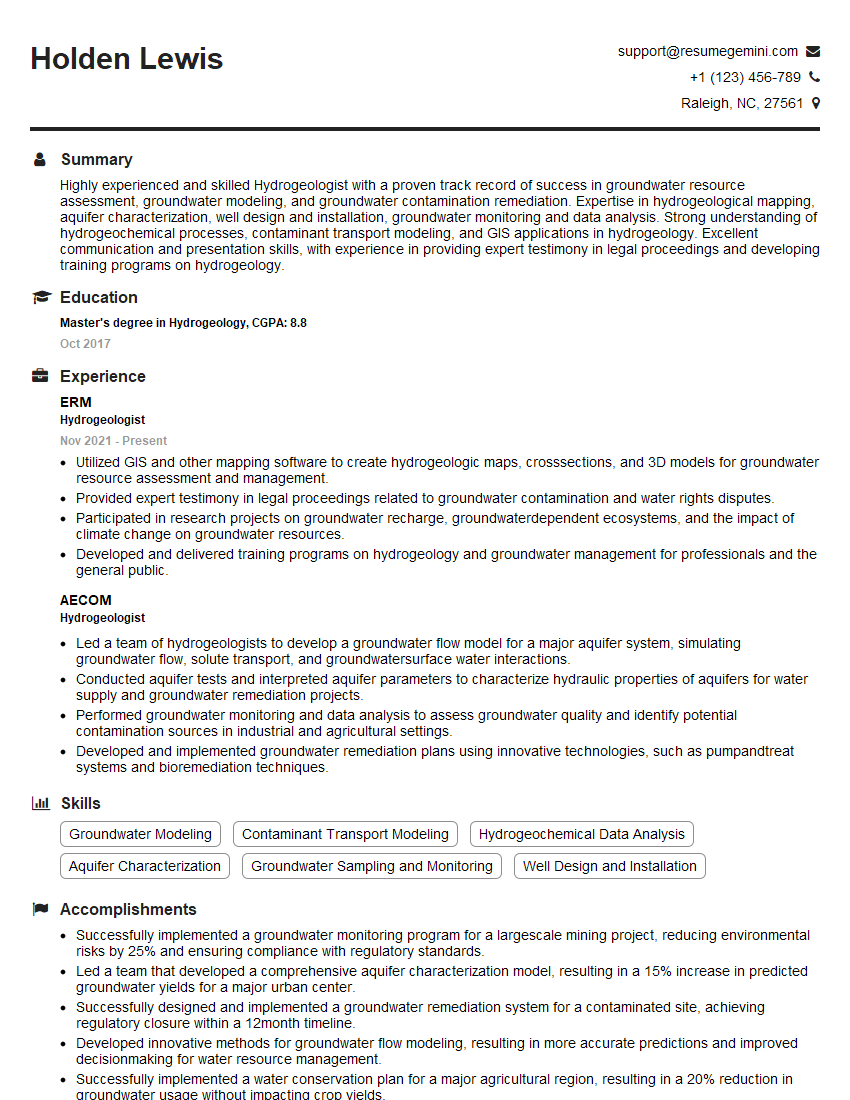
Hydrogeologist Resume Sample
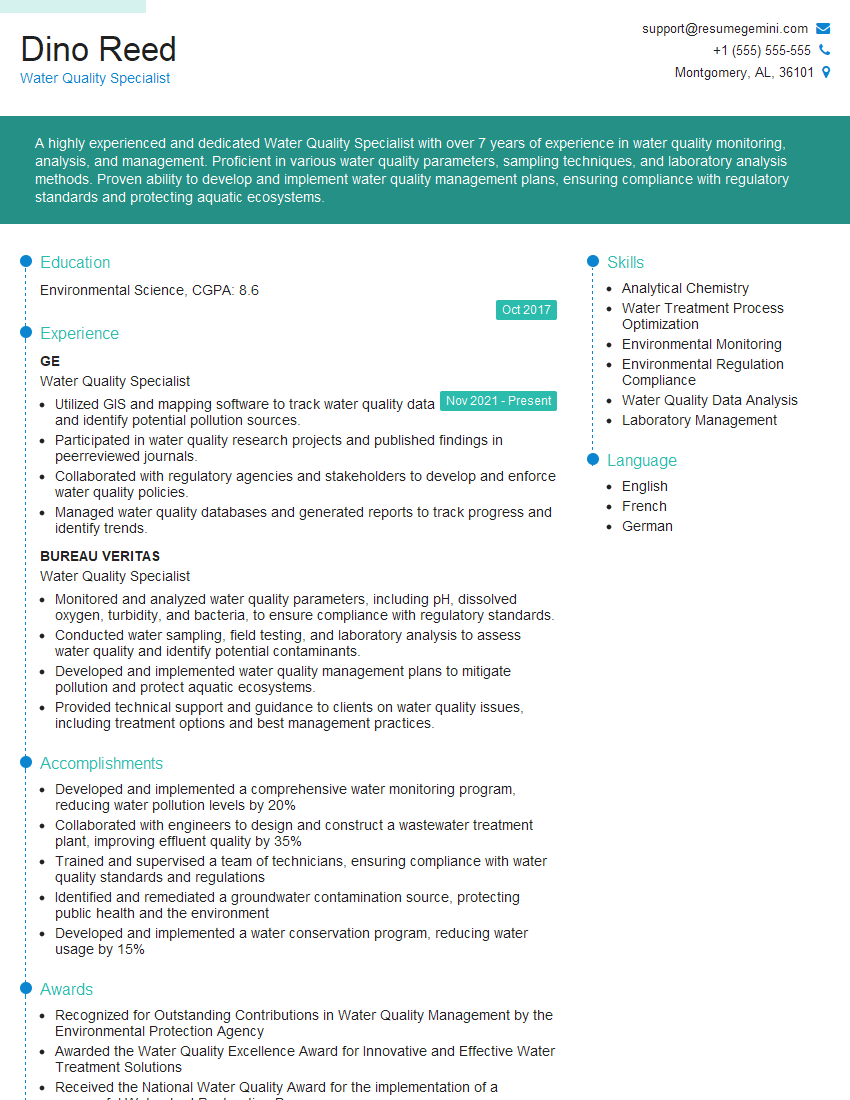
Water Quality Specialist Resume Sample
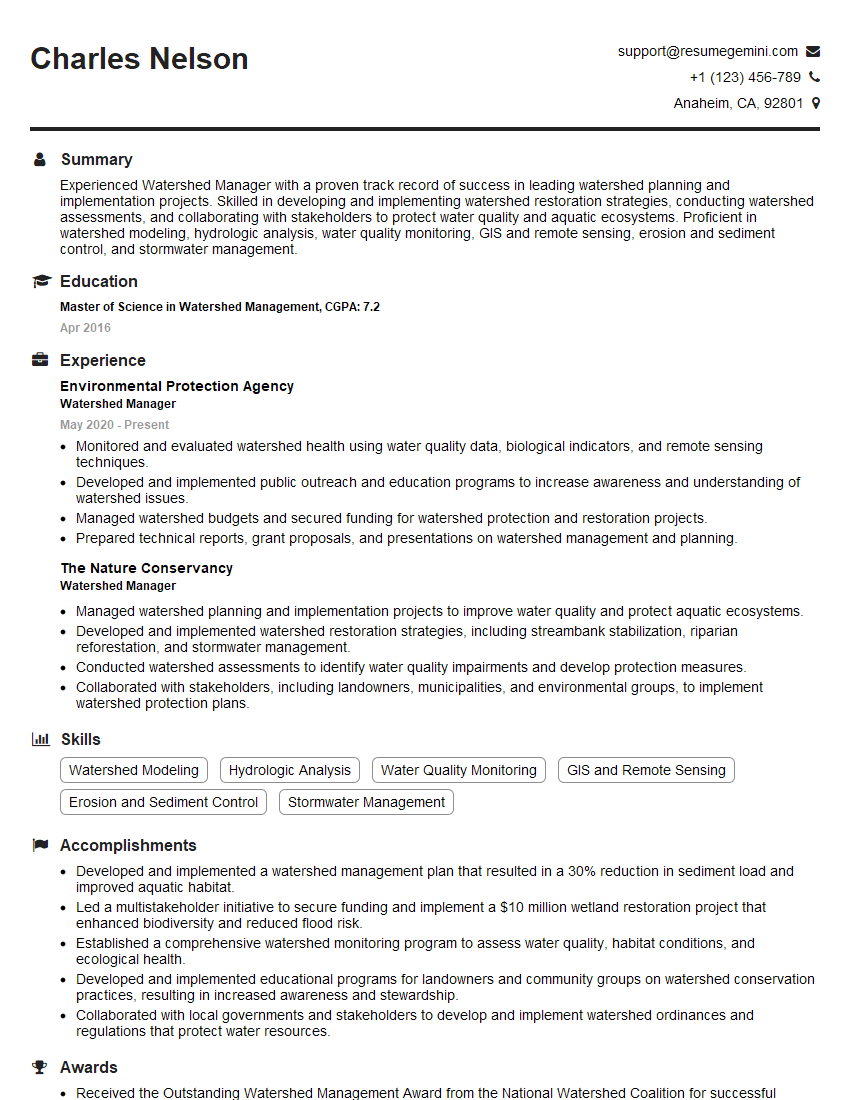
Watershed Manager Resume Sample
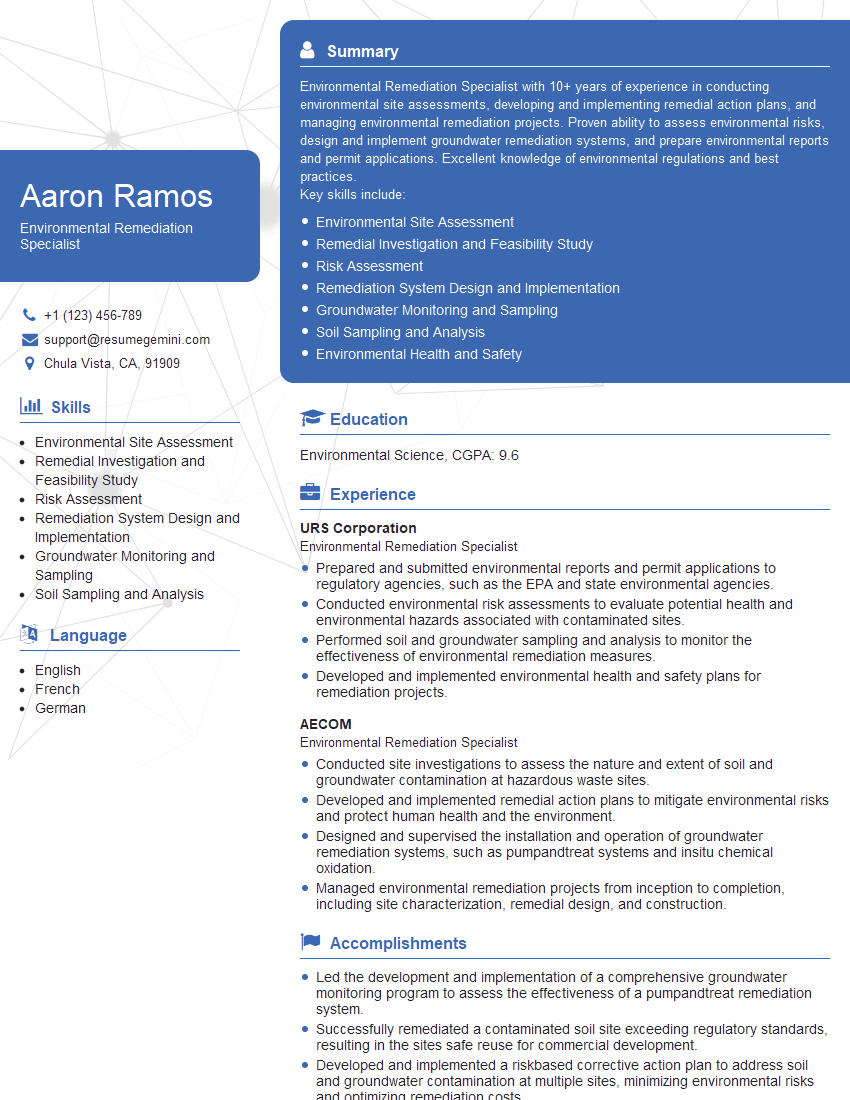
Environmental Remediation Specialist Resume Sample
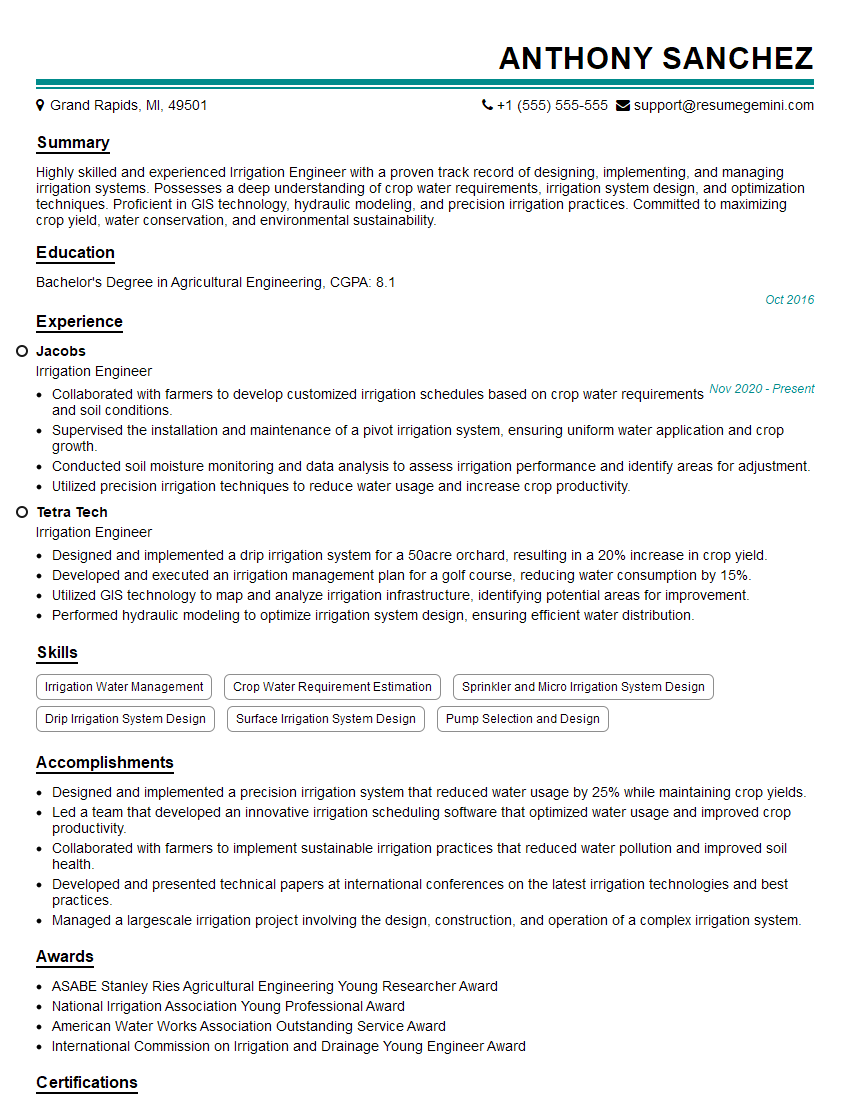
Irrigation Engineer Resume Sample
Reservoir Engineer Resume Sample
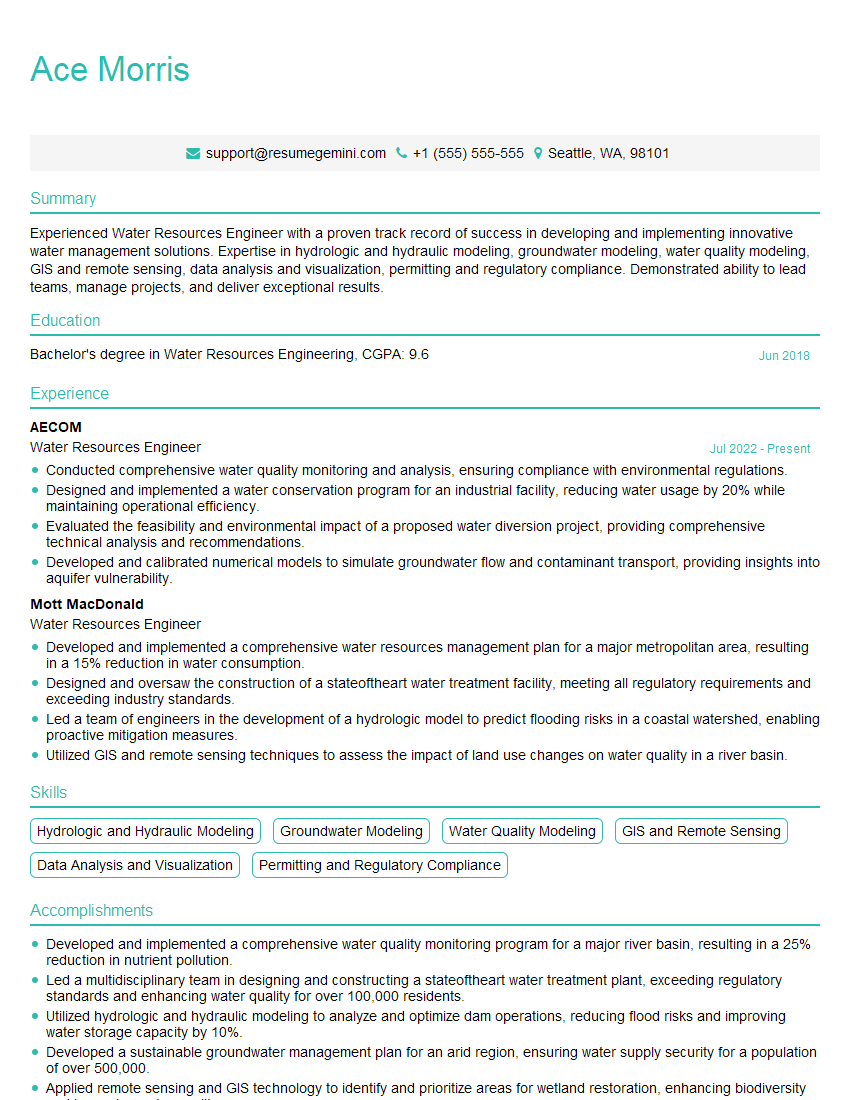
Water Resources Engineer Resume Sample
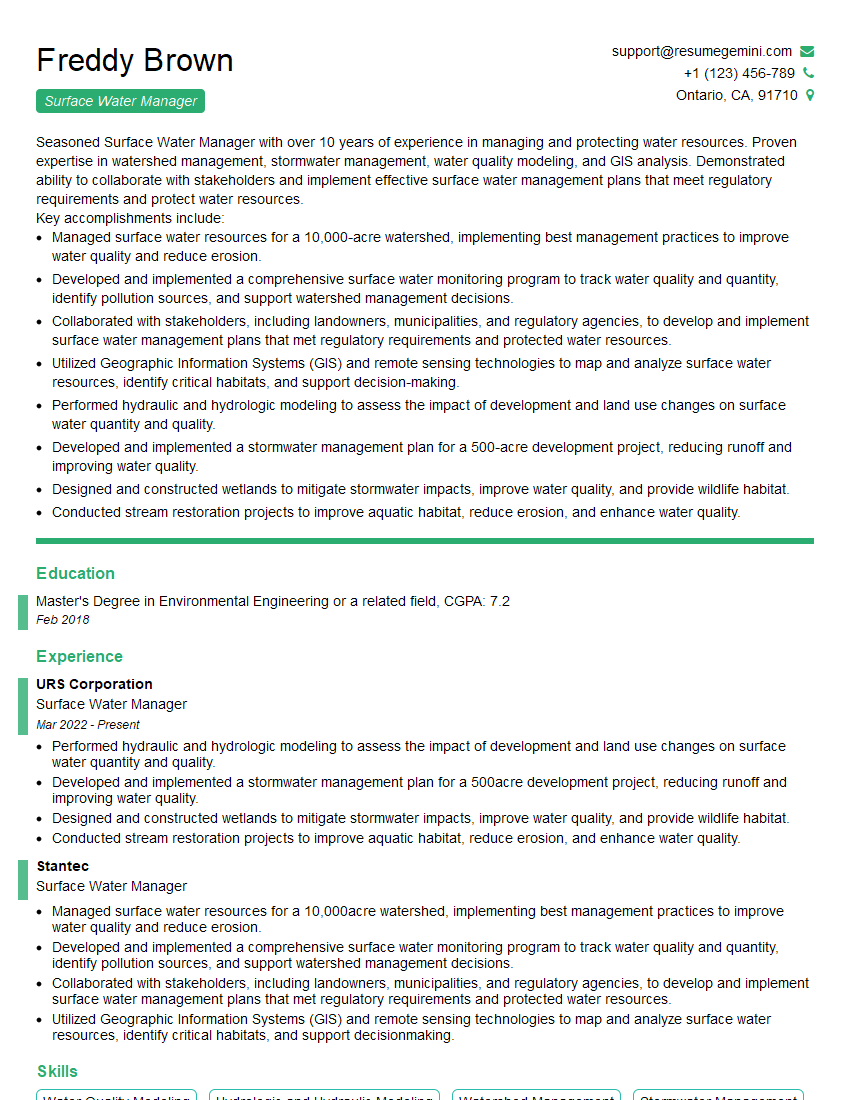
Surface Water Manager Resume Sample
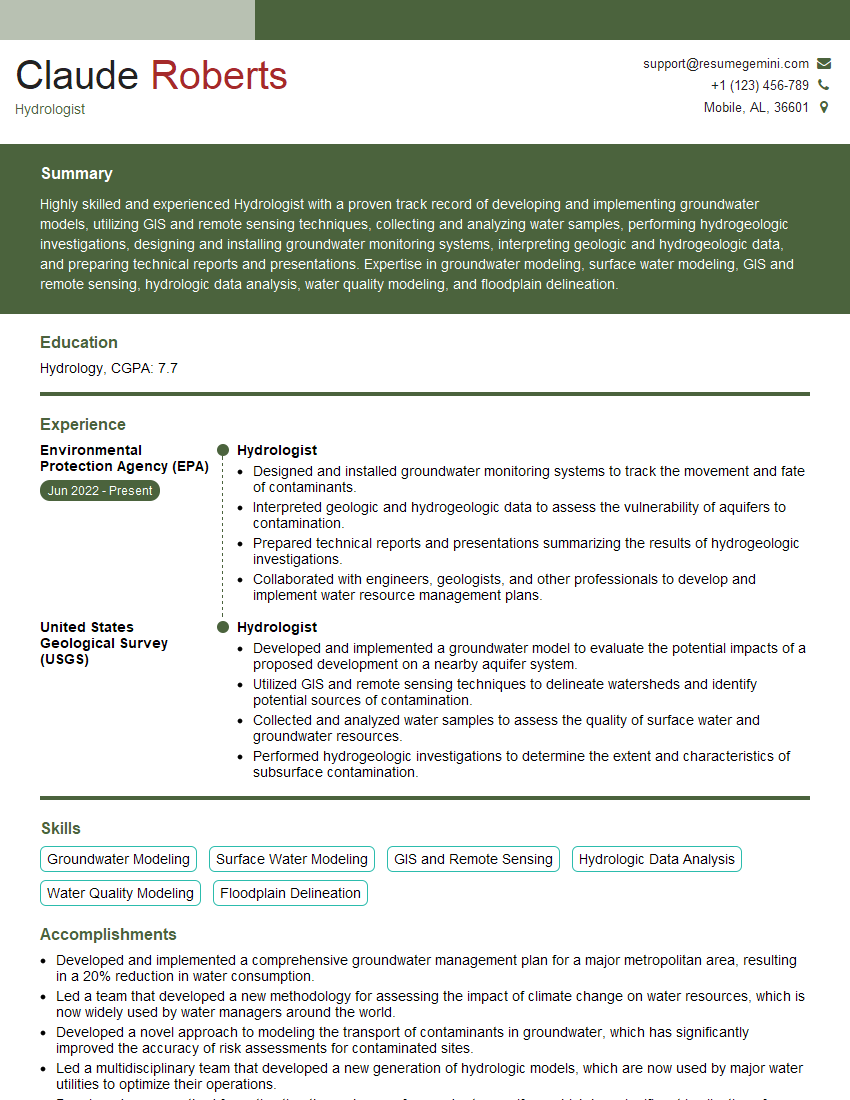
Hydrologist Resume Sample
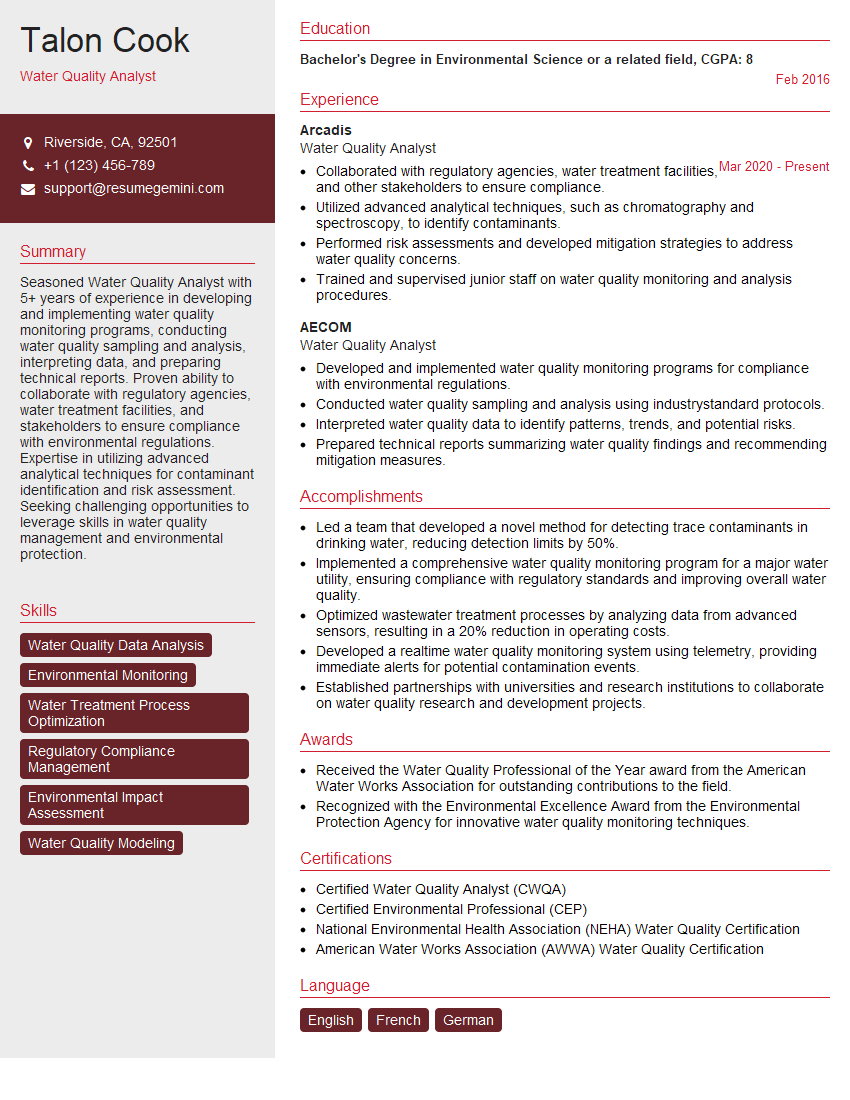
Water Quality Analyst Resume Sample
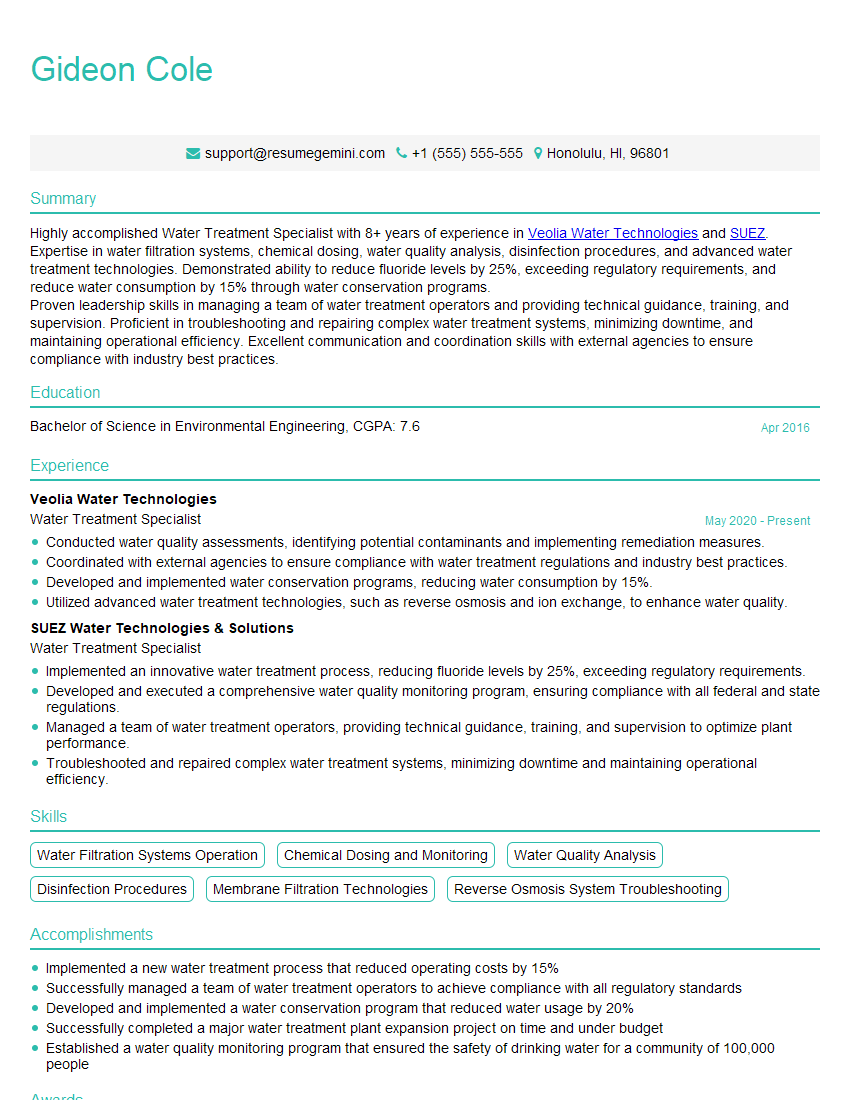
Water Treatment Specialist Resume Sample
Explore more articles
Users Rating of Our Blogs
Share Your Experience
We value your feedback! Please rate our content and share your thoughts (optional).
What Readers Say About Our Blog
Very informative content, great job.
good