Every successful interview starts with knowing what to expect. In this blog, we’ll take you through the top Hand and Eye Coordination interview questions, breaking them down with expert tips to help you deliver impactful answers. Step into your next interview fully prepared and ready to succeed.
Questions Asked in Hand and Eye Coordination Interview
Q 1. Describe your experience with tasks requiring high levels of precision and hand-eye coordination.
Throughout my career, I’ve consistently worked in environments demanding exceptional hand-eye coordination and precision. For instance, during my time as a neurosurgeon, performing intricate microsurgical procedures required an incredibly high level of dexterity and precision. The tasks involved manipulating tiny instruments under magnification to repair delicate neural structures – a demanding task that necessitates precise, coordinated movements. Similarly, in my earlier work as a robotics engineer, programming and calibrating robotic arms for highly sensitive tasks like micro-assembly demanded meticulous hand-eye coordination to ensure accuracy within microscopic tolerances.
Another example was working with intricate clock mechanisms during my hobby of watchmaking. Assembling and repairing these mechanisms requires an extremely steady hand and the ability to control small movements with high accuracy. Even a slight misalignment can render the entire mechanism dysfunctional. These experiences have honed my abilities to a level where I can reliably perform tasks requiring the utmost precision under pressure.
Q 2. How do you assess and improve your own hand-eye coordination?
Assessing and improving hand-eye coordination is an ongoing process. I utilize a multifaceted approach. Self-assessment involves regularly performing tasks that challenge my coordination, such as those mentioned previously. I pay close attention to tremor, accuracy, speed, and the overall smoothness of movement. I use objective metrics where possible, like measuring the time taken to complete a task or the accuracy of placement in a specific task.
For improvement, I incorporate regular practice sessions focused on activities that target specific areas needing enhancement. This includes practicing fine motor skills exercises, such as using tools that require dexterity (like sculpting or drawing), playing precision-based video games, and practicing mindfulness techniques to improve focus. Regular physical exercise also contributes significantly to hand-eye coordination by improving overall motor control, hand strength, and reaction time. I actively monitor my progress and adjust my training regimen accordingly, always aiming for continuous improvement.
Q 3. Explain a time you had to adapt your hand-eye coordination to a new task or tool.
During my work with minimally invasive surgical robots, I had to quickly adapt my hand-eye coordination to a new surgical tool with significantly different feedback mechanisms. The traditional laparoscopic tools provided direct tactile feedback, allowing for fine adjustments based on touch. The new robotic system relied on visual feedback primarily through a high-definition monitor and a complex interface. The initial challenge was translating my established surgical movements into the robot’s controls. It required significant retraining of my brain-hand connection, focusing on visual cues and mastering the new control dynamics of the robotic arms. I systematically practiced on simulated models, starting with simple tasks and progressively increasing the complexity. Through deliberate practice and focusing on translating my visual input to precise robotic movements, I quickly adapted and was able to perform complex surgeries using the new tool effectively.
Q 4. What strategies do you use to maintain focus and accuracy during prolonged tasks requiring hand-eye coordination?
Maintaining focus and accuracy during prolonged tasks is crucial. I employ several strategies. Firstly, I prioritize regular short breaks to avoid fatigue. These breaks involve simple stretches, walking around, or just closing my eyes to rest. Secondly, I ensure a comfortable and ergonomically sound workspace to minimize physical strain. Proper lighting and a comfortable posture are essential.
Thirdly, I utilize mindfulness techniques to stay mentally engaged. This involves focusing on the task at hand, minimizing distractions, and consciously monitoring my movements. Finally, I break down complex tasks into smaller, manageable steps, ensuring I can assess my progress regularly and adjust my approach if needed. Consistent monitoring of my performance also helps identify potential errors early on, enabling prompt correction and preventing compounding errors.
Q 5. How do you handle situations where your hand-eye coordination is challenged by fatigue or stress?
Fatigue and stress significantly impact hand-eye coordination. When I feel fatigued, I prioritize rest and avoid high-precision tasks. I take more frequent breaks, ensure adequate hydration and nutrition, and try to manage stress through relaxation techniques such as deep breathing exercises or meditation. If stress is affecting my performance, I step back from the task, try to identify the source of stress, and work on addressing it. This may involve breaking down the task further, seeking assistance from colleagues, or simply taking a break to clear my mind. Recognizing my limitations and adjusting my approach based on my current physical and mental state is vital to avoid errors and maintain accuracy.
Q 6. Describe a time you made a mistake due to poor hand-eye coordination. What did you learn?
During a particularly demanding microsurgical procedure, I inadvertently caused minor damage to a crucial blood vessel due to a slight tremor in my hand, caused by fatigue. This resulted in a minor complication that prolonged the procedure. The mistake highlighted the importance of consistently monitoring my physical and mental state during demanding procedures. I learned the value of taking proactive measures to avoid fatigue, such as implementing more frequent breaks and adhering to a strict schedule to prevent overwork. I also reviewed my surgical technique, focusing on identifying any points of weakness or inefficiency that could be addressed through further training or refinement. This experience reinforced the critical need for self-awareness, proactive fatigue management, and continuous skill enhancement in maintaining high levels of precision.
Q 7. What methods do you use to measure and track your hand-eye coordination performance?
Measuring and tracking hand-eye coordination performance involves a combination of subjective and objective methods. Subjectively, I assess my accuracy, speed, and overall smoothness of movement during various tasks. I keep a journal documenting my observations and any patterns of errors that emerge. Objectively, I use performance metrics whenever possible. For example, in surgical procedures, metrics include the amount of time taken to complete a specific task, the number of errors made, and the success rate of achieving the desired outcome. In robotics, I employ error analysis tools that measure deviation from the programmed path. These methods provide quantitative data that tracks progress and identifies areas for improvement.
Q 8. How do you compensate for any limitations in your hand-eye coordination?
Hand-eye coordination, the ability to integrate visual input with precise motor control, isn’t a fixed skill. Everyone has strengths and weaknesses. If I encounter limitations, my approach is multifaceted. Firstly, I assess the specific limitation. Is it speed, precision, or a combination? For instance, if precision is lacking in a fine motor task, I might employ assistive tools like magnifying glasses or specialized grips. If speed is the issue, I’ll focus on deliberate practice to build muscle memory and improve reaction time. Secondly, I break down complex tasks into smaller, manageable steps. This allows me to focus on mastering each individual component before integrating them. Finally, I regularly evaluate my progress, adjusting techniques and strategies as needed. This iterative approach helps me adapt to any challenges and continually improve my performance.
Q 9. What are some common challenges in maintaining accurate hand-eye coordination, and how do you overcome them?
Maintaining accurate hand-eye coordination faces several common hurdles. Fatigue is a major one; prolonged tasks lead to reduced precision and increased error rates. This is countered by regular breaks, proper posture, and ergonomic setups. Distractions – both visual and auditory – significantly impact coordination. Creating a focused work environment is crucial. Another challenge is a lack of proper lighting and visual acuity issues, which can be mitigated by ensuring sufficient and appropriate lighting and addressing any vision impairments with professional help. Finally, inconsistent practice and improper techniques can hinder progress. Structured practice, consistent repetition, and focusing on proper form are key to overcoming this. For example, when facing fatigue during a long assembly task, I’ll take short, regular breaks to rest my eyes and hands, ensuring I maintain proper posture to prevent strain.
Q 10. Describe your experience with different types of hand tools and their impact on hand-eye coordination.
My experience spans a variety of hand tools, each impacting hand-eye coordination differently. For example, using a scalpel requires exceptional fine motor skills and precision, demanding a high level of hand-eye coordination. The delicate nature of the tool requires utmost focus and control. In contrast, using a hammer involves broader movements and less fine motor control, demanding a different type of coordination, focused on power and accuracy of impact. Working with smaller tools like tweezers necessitates a level of dexterity and precision exceeding that required for larger tools. The impact on hand-eye coordination is directly related to the tool’s size, weight, and required level of precision. Each tool necessitates a different level of training and adaptation, requiring a mindful approach to ensure efficient and safe usage.
Q 11. How do you approach complex tasks that require both fine motor skills and precise hand-eye coordination?
Complex tasks needing both fine motor skills and precise hand-eye coordination require a structured approach. First, I thoroughly understand the task, breaking it into sequential steps. I visualize the process before starting, mentally rehearsing the sequence of actions. This pre-planning phase is essential. Next, I start with the most crucial, detail-oriented parts, ensuring accuracy at these points before moving to less critical steps. This minimizes errors and rework. I employ regular self-assessment and correction throughout the process, ensuring I’m staying on track. For example, in assembling a miniature model, I’d start by attaching the most fragile components, ensuring they are perfectly aligned and securely fixed before progressing to the larger parts. This meticulous, step-by-step approach increases the likelihood of successful completion and minimizes the need for corrections later.
Q 12. Explain the relationship between visual perception and hand-eye coordination.
Visual perception is fundamentally intertwined with hand-eye coordination. It’s the foundation upon which accurate movement is built. Our eyes provide the brain with visual information about the target, its position, size, and orientation. The brain then processes this information and instructs the muscles to perform the necessary movements. Accuracy and speed of hand movements are directly dependent on the quality and speed of visual processing. For example, catching a ball relies heavily on visual perception to track its trajectory, predict its landing point, and time the hand movement for successful capture. Impairments in visual perception, such as depth perception issues, directly affect the accuracy and reliability of hand-eye coordination.
Q 13. How does practice and training affect the development of hand-eye coordination?
Practice and training are paramount in developing hand-eye coordination. Consistent, deliberate practice strengthens neural pathways connecting the visual and motor systems. It’s not just about repetition; it’s about focused, goal-oriented practice. Feedback is crucial; understanding where errors occur helps improve technique. Training should be progressive, starting with simpler tasks and gradually increasing the complexity and speed. For example, a surgeon’s superior hand-eye coordination is not innate but a result of years of training and countless hours of practice, combined with immediate feedback during procedures. The more structured and targeted the training, the more significant the improvement in hand-eye coordination.
Q 14. What are some techniques for improving hand-eye coordination outside of work?
Improving hand-eye coordination outside of work can be enjoyable and beneficial. Activities like playing video games (requiring precise aiming and reaction time), juggling (improving hand-eye coordination and dexterity), playing musical instruments (especially those requiring precise finger movements), and engaging in sports like racquetball or tennis, all contribute to enhanced coordination. Even simple tasks like knitting or drawing help. The key is to choose activities you enjoy, as consistent engagement is crucial. Regular participation in these activities provides continuous stimulation to the neural pathways involved, leading to gradual yet significant improvements over time. The more diverse the activities, the more comprehensive the improvement in overall hand-eye coordination.
Q 15. How does your experience with technology impact your hand-eye coordination skills?
My experience with technology has significantly enhanced my hand-eye coordination. From a young age, I’ve been immersed in various digital environments, starting with video games that demanded precise movements and quick reactions. This early exposure trained my brain to process visual information rapidly and translate it into coordinated physical actions. Later, working with CAD software, graphic design tools, and even programming interfaces honed my ability to perform fine motor tasks with precision and speed. For example, precise mouse movements required in photo editing directly translate into improved dexterity and accuracy in real-world tasks. The constant feedback loops inherent in these technologies – seeing immediate results of my actions – further reinforces the connection between what I see and how I respond.
Career Expert Tips:
- Ace those interviews! Prepare effectively by reviewing the Top 50 Most Common Interview Questions on ResumeGemini.
- Navigate your job search with confidence! Explore a wide range of Career Tips on ResumeGemini. Learn about common challenges and recommendations to overcome them.
- Craft the perfect resume! Master the Art of Resume Writing with ResumeGemini’s guide. Showcase your unique qualifications and achievements effectively.
- Don’t miss out on holiday savings! Build your dream resume with ResumeGemini’s ATS optimized templates.
Q 16. Have you ever used any tools or technologies to assess or enhance hand-eye coordination?
Yes, I’ve utilized several tools and technologies to both assess and enhance hand-eye coordination. For assessment, I’ve employed standardized tests like the Purdue Pegboard Test, which measures fine motor dexterity and speed. This provides a quantifiable measure of hand-eye coordination capabilities. For enhancement, I’ve utilized various training programs, including virtual reality (VR) games designed to improve hand-eye coordination. VR environments provide immersive experiences that challenge reaction time and precision in a safe and engaging way. Additionally, I’ve incorporated practices like playing musical instruments, which demands a high level of coordination between visual cues (sheet music) and physical dexterity. The feedback loop of playing music, where immediate results are both visible and audible, effectively trains hand-eye coordination.
Q 17. Explain the importance of proper posture and ergonomics in maintaining effective hand-eye coordination.
Proper posture and ergonomics are absolutely critical for maintaining effective hand-eye coordination. Poor posture can lead to muscle strain, fatigue, and reduced range of motion, all of which negatively impact precision and speed. Think of it like this: if your foundation (posture) is shaky, the entire structure (hand-eye coordination) will suffer. Maintaining a neutral spine, proper keyboard and mouse placement, and regular breaks to stretch and move are essential. For instance, hunching over a computer screen for extended periods leads to neck and shoulder strain, which can affect the stability of your hand movements and visual focus. Ergonomic setups ensure that your body is aligned correctly, minimizing unnecessary strain and maximizing efficiency. This also helps prevent repetitive strain injuries, a common occupational hazard for individuals whose work relies heavily on hand-eye coordination.
Q 18. Describe your experience with working under pressure while maintaining accuracy in tasks requiring hand-eye coordination.
I’ve often worked under pressure in situations requiring high levels of hand-eye coordination. During my time as a surgical assistant, for example, I needed to maintain extreme precision and speed while assisting the surgeon. Any lapse in coordination could have serious consequences. The key is to develop a calm and focused mindset. Deep breathing exercises and mindfulness techniques help in managing stress and anxiety. Practicing under pressure, through simulation exercises or high-stakes training scenarios, is also crucial. By anticipating potential challenges and practicing efficient workflows, you can maintain accuracy even when time is of the essence. It is also imperative to utilize effective time management techniques to minimize pressure on deadlines.
Q 19. How do you maintain consistent hand-eye coordination over extended periods of time?
Maintaining consistent hand-eye coordination over extended periods requires a multifaceted approach. Regular breaks are essential to prevent fatigue. The 20-20-20 rule (every 20 minutes, look at something 20 feet away for 20 seconds) is helpful for reducing eye strain. Hydration and proper nutrition also play a significant role. Dehydration and lack of essential nutrients can affect cognitive function and motor skills. Furthermore, incorporating regular exercises that target hand and eye muscles can significantly improve endurance and precision. This could include simple activities like hand stretches, focusing exercises, and even playing precision-based games. It’s also vital to vary tasks to avoid repetitive strain and maintain engagement.
Q 20. Explain how you would approach a situation where the tools or equipment were not optimally suited for your hand-eye coordination needs.
If the tools or equipment weren’t optimally suited for my needs, my approach would involve a combination of adaptation and problem-solving. First, I’d assess the specific limitations. Is it a matter of size, weight, ergonomics, or something else? Then, I’d explore potential adaptations. This could involve using assistive devices, adjusting the workspace, or modifying the tools themselves if feasible. For example, if the tool is too heavy, I’d consider a lighter alternative. If it’s poorly designed ergonomically, I’d find a way to reposition it to enhance comfort and control. If adjustments aren’t possible, I would communicate the issues and seek better-suited tools or equipment to optimize performance and prevent injury.
Q 21. What are the key differences between fine motor skills and gross motor skills in the context of hand-eye coordination?
In the context of hand-eye coordination, fine motor skills involve precise, delicate movements using smaller muscle groups. Examples include writing, sewing, or performing surgery. These tasks demand high levels of dexterity and control. Gross motor skills, on the other hand, involve larger muscle groups and less precise movements, such as throwing a ball, swimming, or walking. Both are crucial for effective hand-eye coordination, though the balance depends on the task. A surgeon requires highly developed fine motor skills, while a basketball player needs excellent gross motor skills to coordinate hand and eye movements. In many activities, a successful outcome hinges on a seamless integration of both fine and gross motor control, working in tandem to achieve the desired outcome.
Q 22. Describe a time you had to adapt your technique to improve hand-eye coordination in a specific situation.
Adapting technique to improve hand-eye coordination often involves identifying bottlenecks and refining the process. For instance, during my time as a microsurgeon, I initially struggled with the precision required for delicate vascular anastomosis (connecting blood vessels). My initial technique was too tense, leading to tremors and inaccurate suturing.
To overcome this, I consciously implemented several changes. First, I focused on relaxing my grip, practicing controlled movements instead of forceful ones. I visualized the procedure beforehand, mentally rehearsing each step. Second, I incorporated regular breaks to avoid fatigue, a significant factor impacting hand-eye coordination. Finally, I used a surgical microscope with enhanced magnification and lighting to improve visual clarity, directly impacting my ability to accurately guide the needle and thread. This multifaceted approach significantly improved my precision and efficiency.
Q 23. How do you troubleshoot issues with hand-eye coordination when performing a task?
Troubleshooting hand-eye coordination issues involves a systematic approach. It starts with identifying the specific problem. Is it accuracy, speed, or consistency that’s lacking? For example, if a surgeon is struggling with consistent suture placement, the issue might stem from inadequate visualization (poor lighting, incorrect magnification), fatigue, or an incorrect surgical grip.
Next, I systematically break down the task into smaller, more manageable components. Analyzing each step allows for pinpointing the exact stage where the coordination breaks down. Visual feedback mechanisms are crucial; using tools like video recording of the procedure allows for objective evaluation of performance and helps to highlight areas for improvement. Finally, I incorporate targeted practice, focusing on the identified weakness. This might involve simple exercises to improve dexterity and coordination, followed by practicing the specific task until the issue is resolved.
Q 24. What are some common indicators of poor hand-eye coordination and how can they be addressed?
Indicators of poor hand-eye coordination vary, ranging from subtle to obvious. Common signs include frequent misjudgments of distance, difficulty catching objects, clumsiness, frequent spills, and inconsistent performance in tasks requiring precision. For instance, difficulty threading a needle, consistently missing targets in games like darts, or experiencing frequent errors in typing can be indicative of deficits.
Addressing these issues requires tailored solutions. For instance, if the problem is related to visual processing, strategies like improving lighting conditions and optimizing visual clarity can help. If it’s motor control, practicing activities like juggling, playing musical instruments, or using hand-eye coordination training tools can enhance dexterity. Furthermore, regular exercise, which improves overall physical coordination, combined with targeted practice of the specific skill often yields significant improvements.
Q 25. How do you ensure accuracy and consistency when performing repetitive tasks requiring hand-eye coordination?
Maintaining accuracy and consistency in repetitive tasks hinges on several factors. Firstly, proper posture and ergonomics are crucial to minimize fatigue and ensure optimal movement. Secondly, maintaining a consistent rhythm and pace helps avoid rushing or errors. Thirdly, regular breaks are vital to prevent fatigue, a primary cause of error in repetitive tasks. Finally, self-monitoring and feedback mechanisms are essential to identify and correct deviations from optimal performance.
For example, when assembling microelectronics, I use a standardized workflow, adhering to strict protocols. I use a magnifier to ensure accuracy and take regular breaks to avoid fatigue. Quality control checks at each stage allow for immediate correction of any inconsistencies, maintaining high accuracy and consistency throughout the process.
Q 26. Describe your understanding of the role of visual feedback in hand-eye coordination.
Visual feedback plays a pivotal role in hand-eye coordination. It’s the continuous flow of information from our eyes to the brain, guiding our motor actions. Our eyes constantly monitor the position of our hands and the target object, feeding that information to the brain, which then adjusts our movements accordingly. This feedback loop is crucial for correcting errors and refining actions. Without adequate visual feedback, the precision and accuracy of our movements would be severely impaired.
Think of throwing a ball – you continuously adjust your throw based on the ball’s trajectory and position relative to the target. This constant adjustment is driven by visual feedback.
Q 27. How do you use visual cues to guide your movements in tasks requiring precision?
Visual cues are the foundation of precise movements. I use them strategically by focusing on specific points of reference. For instance, in microsurgery, I use the visual cues provided by the surgical microscope’s magnification to accurately position the surgical instruments. The alignment of sutures, the flow of blood, and the tissue’s integrity are all observed and used to guide my hand movements.
Imagine a painter carefully applying brush strokes. They continuously assess the positioning of their brush relative to the canvas and the intended design, using visual cues to guide their every movement and ensure accuracy. Similar principles apply to tasks ranging from surgery to assembling intricate mechanisms.
Q 28. What are some safety considerations related to maintaining effective hand-eye coordination?
Safety considerations related to hand-eye coordination are critical, particularly in high-risk environments. Fatigue is a primary concern; prolonged periods of intense focus can lead to errors and injuries. Therefore, regular breaks and proper posture are essential. Maintaining a safe workspace, free from obstructions and hazards, is also crucial. Proper lighting and clear visual aids are important for optimizing visual feedback and minimizing errors.
In environments involving sharp objects or hazardous materials, specialized safety equipment like protective eyewear and gloves is essential. Furthermore, regular training and proficiency checks are important to maintain a high level of skill and minimize the risk of accidents. In short, a proactive approach focusing on ergonomics, fatigue management, and appropriate safety measures is essential for minimizing the risk of injury.
Key Topics to Learn for Hand and Eye Coordination Interview
- Visual Perception: Understanding how your eyes process visual information and its impact on motor skills. This includes depth perception, peripheral vision, and visual acuity.
- Motor Control: Exploring the neural pathways and muscle coordination involved in precise movements. Consider the role of fine motor skills and gross motor skills in various tasks.
- Reaction Time and Accuracy: Analyzing the speed and precision of your responses to visual stimuli. Think about factors influencing reaction time and strategies for improvement.
- Psychomotor Skills: Understanding the complex interplay between mental processes and physical actions. Examine the role of cognitive function in hand-eye coordination tasks.
- Practical Applications: Consider diverse examples where hand-eye coordination is crucial, such as surgery, sports, manufacturing, and even video gaming. Prepare to discuss your experience in relevant contexts.
- Problem-Solving & Adaptability: Discuss how you approach challenges requiring precise movements and adjustments. Highlight your ability to learn from mistakes and refine your techniques.
- Assessment and Measurement: Familiarize yourself with common methods used to assess hand-eye coordination, and be ready to discuss your strengths and areas for improvement.
Next Steps
Mastering hand-eye coordination opens doors to a wide array of exciting career opportunities requiring precision and dexterity. To maximize your job prospects, focus on creating a compelling and ATS-friendly resume that highlights your skills and experience effectively. ResumeGemini is a trusted resource to help you build a professional resume that showcases your abilities in the best possible light. We provide examples of resumes tailored to Hand and Eye Coordination roles to guide you in crafting a standout application. Take the next step towards your dream career today!
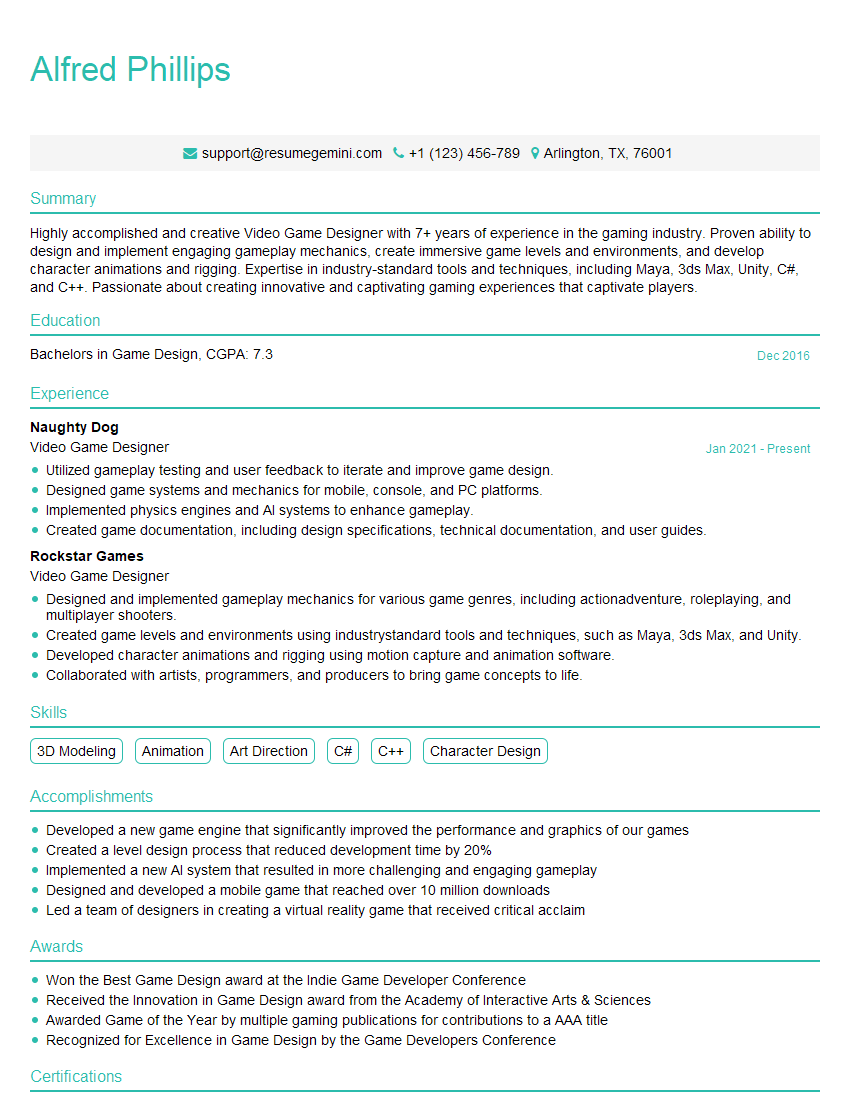
Video Game Designer Resume Sample
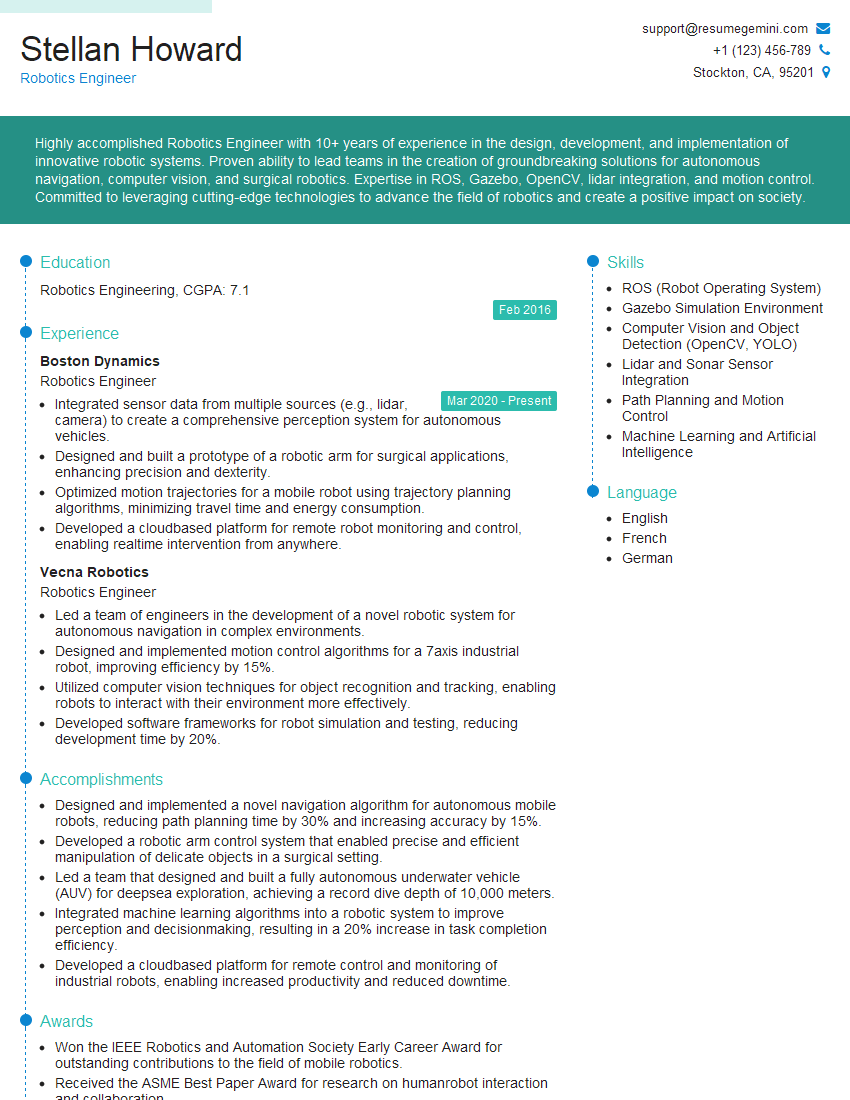
Robotics Engineer Resume Sample
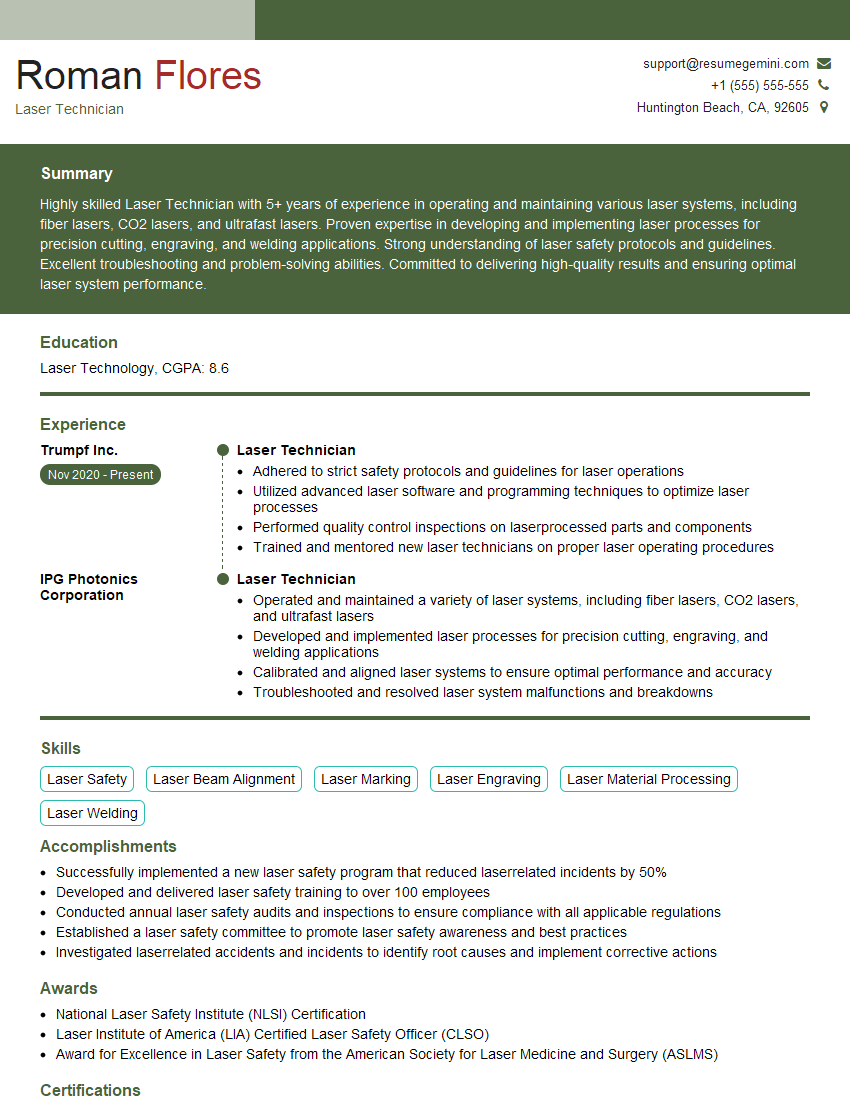
Laser Technician Resume Sample
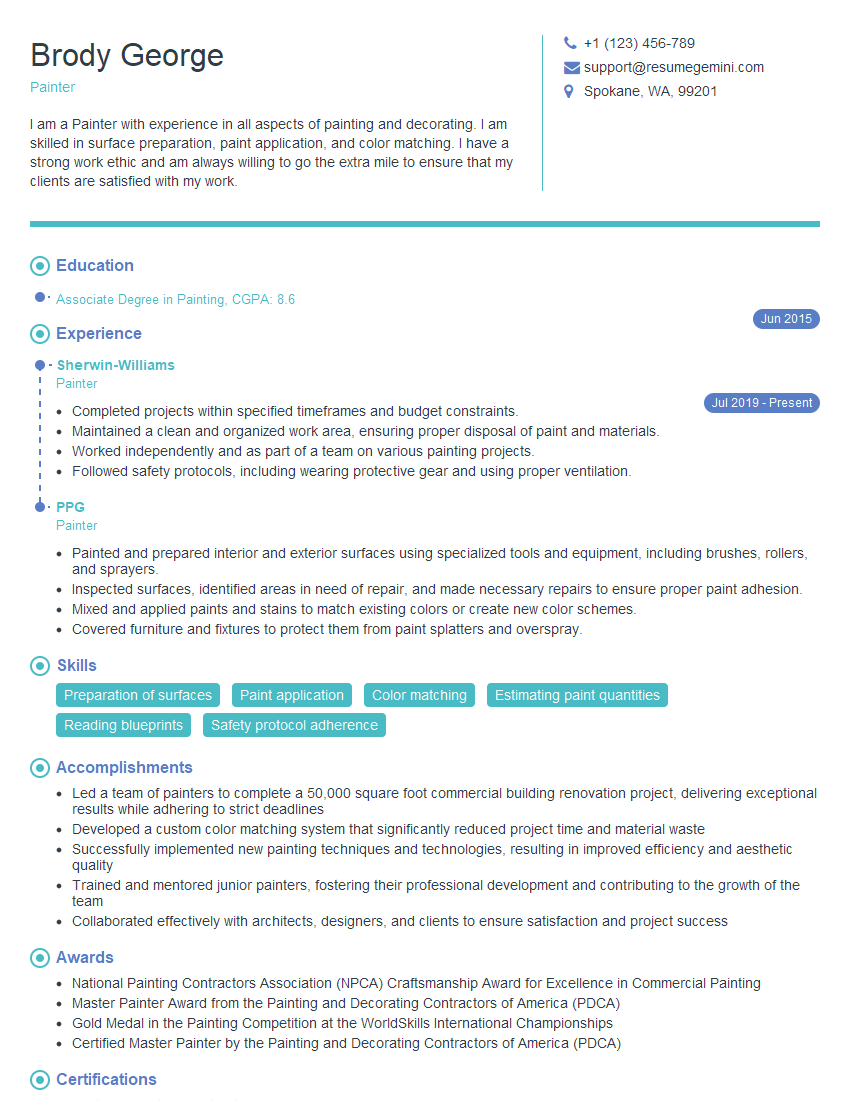
Painter Resume Sample
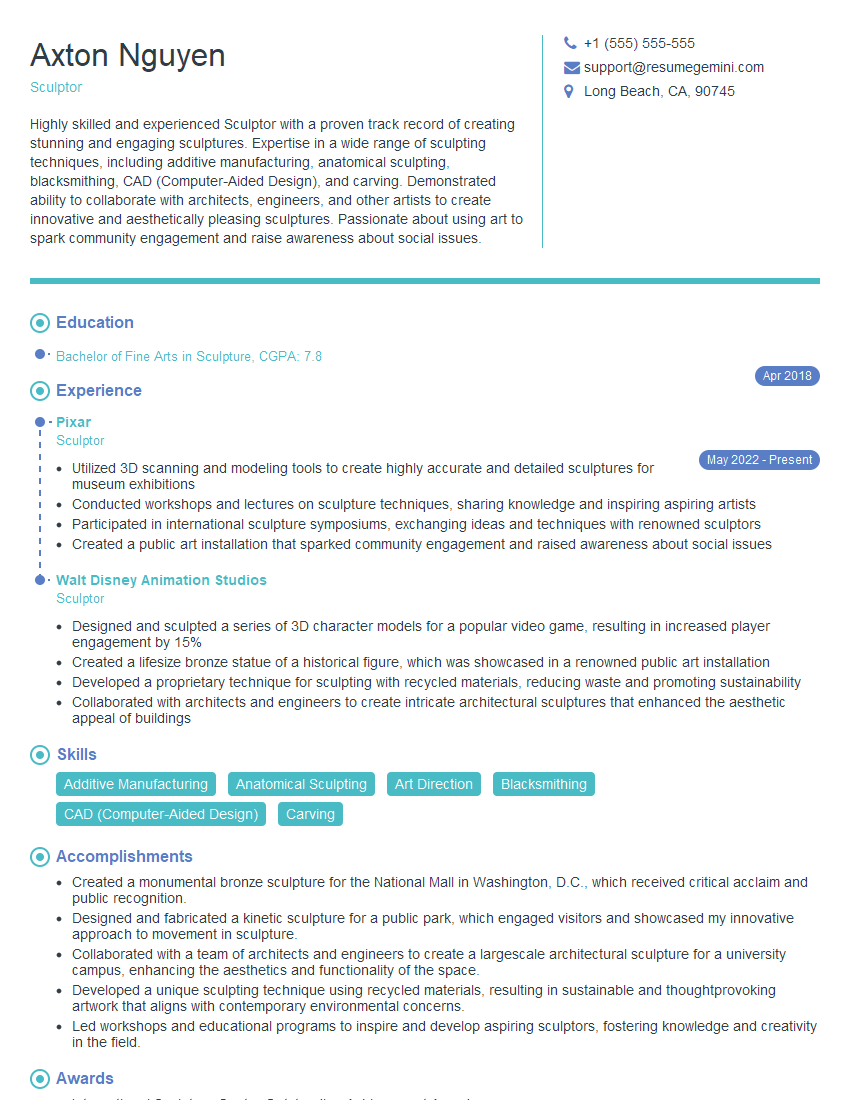
Sculptor Resume Sample
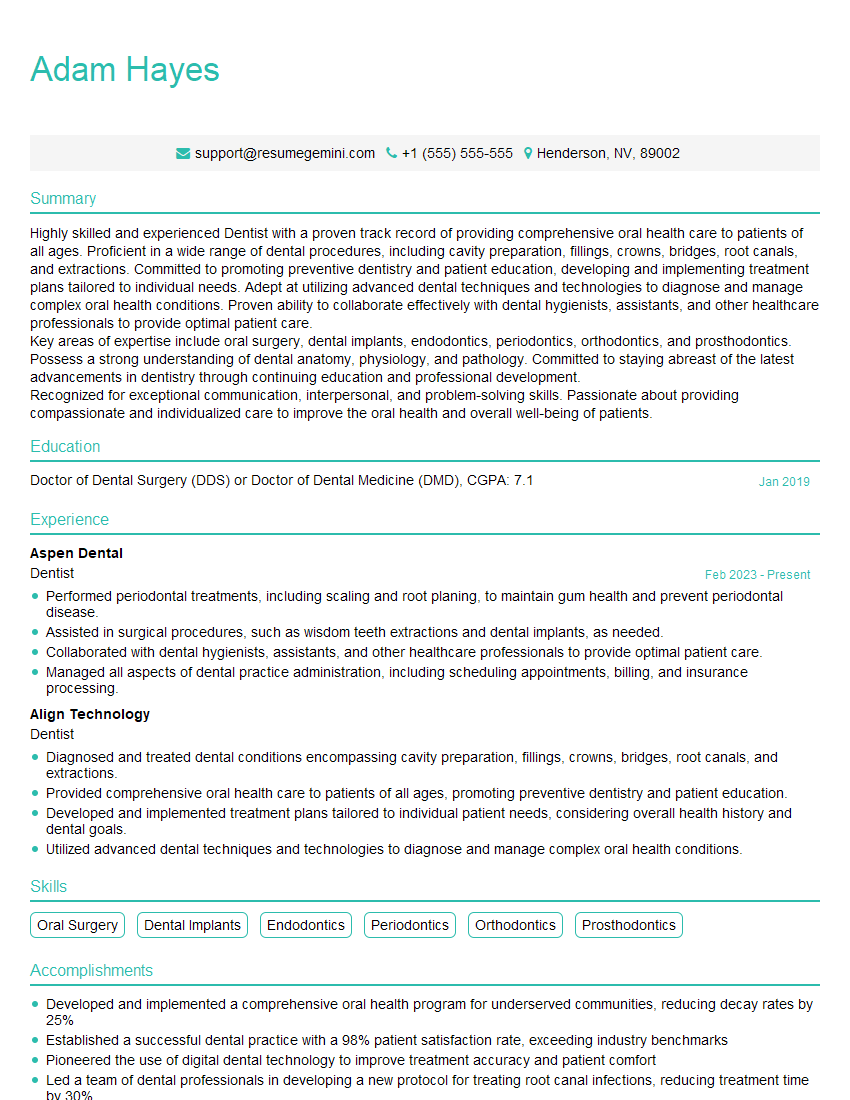
Dentist Resume Sample
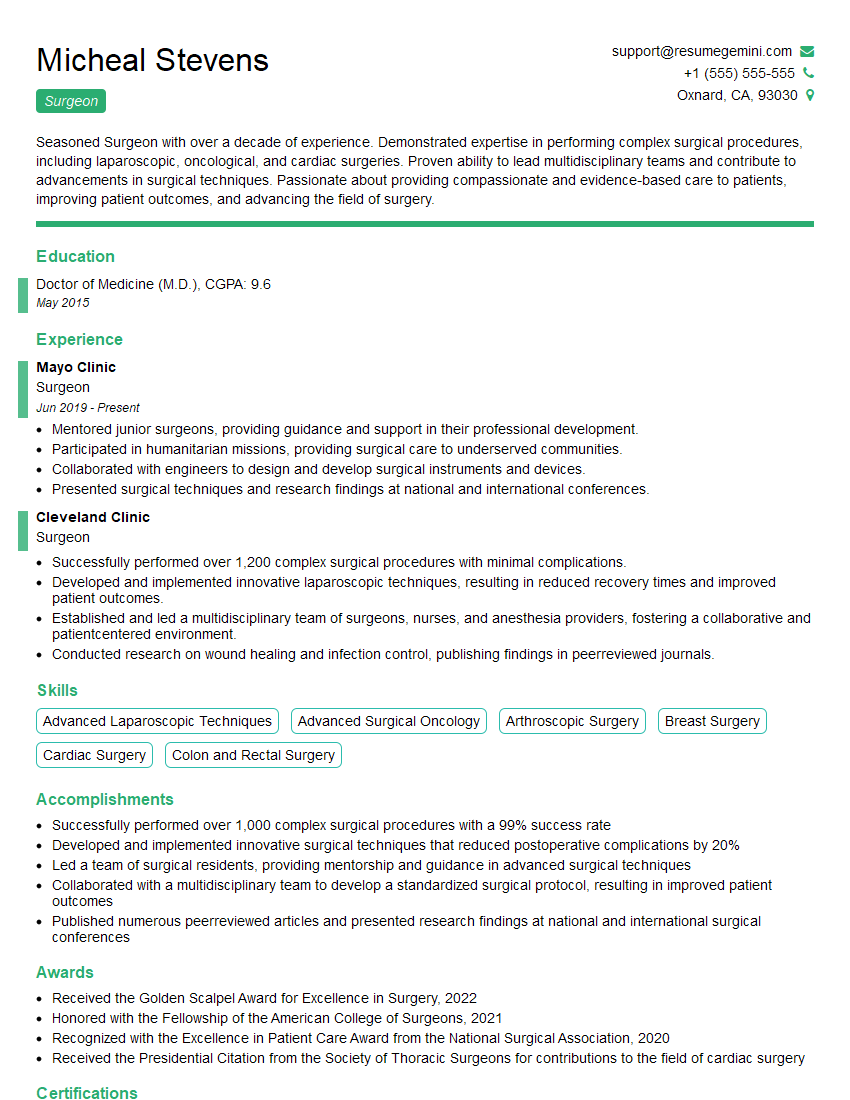
Surgeon Resume Sample
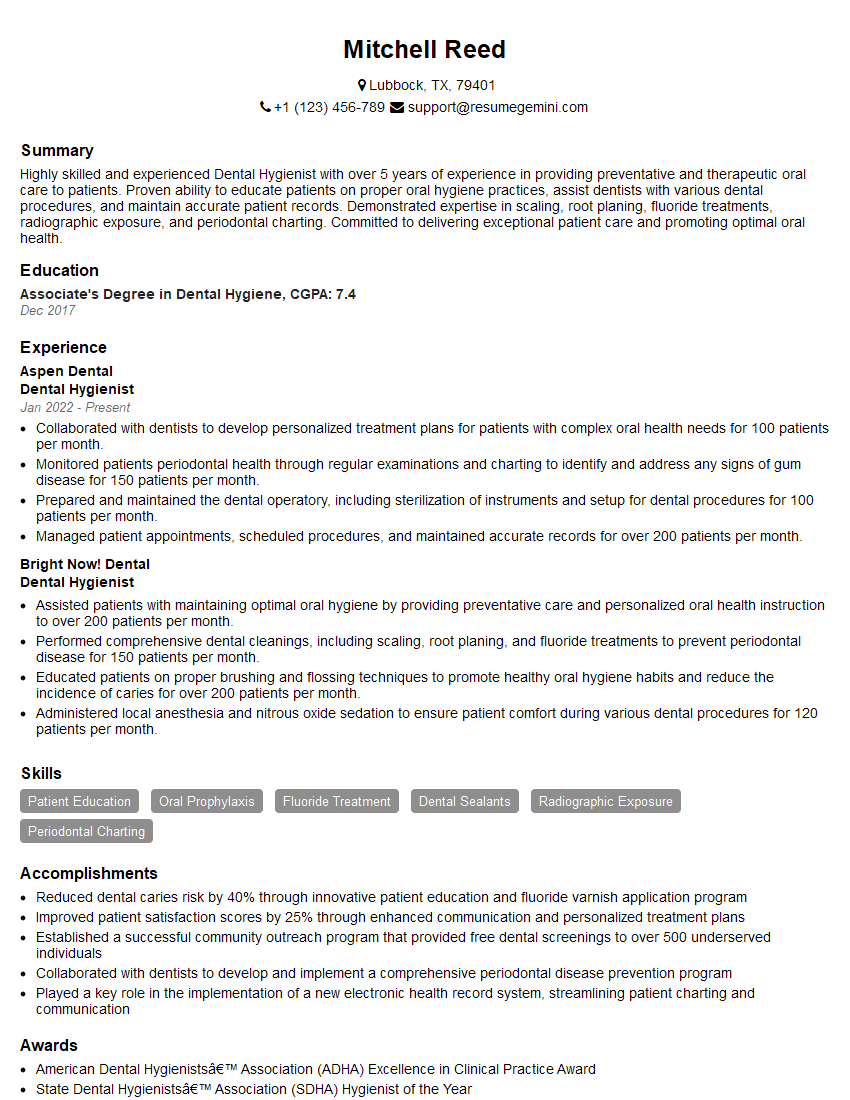
Dental Hygienist Resume Sample
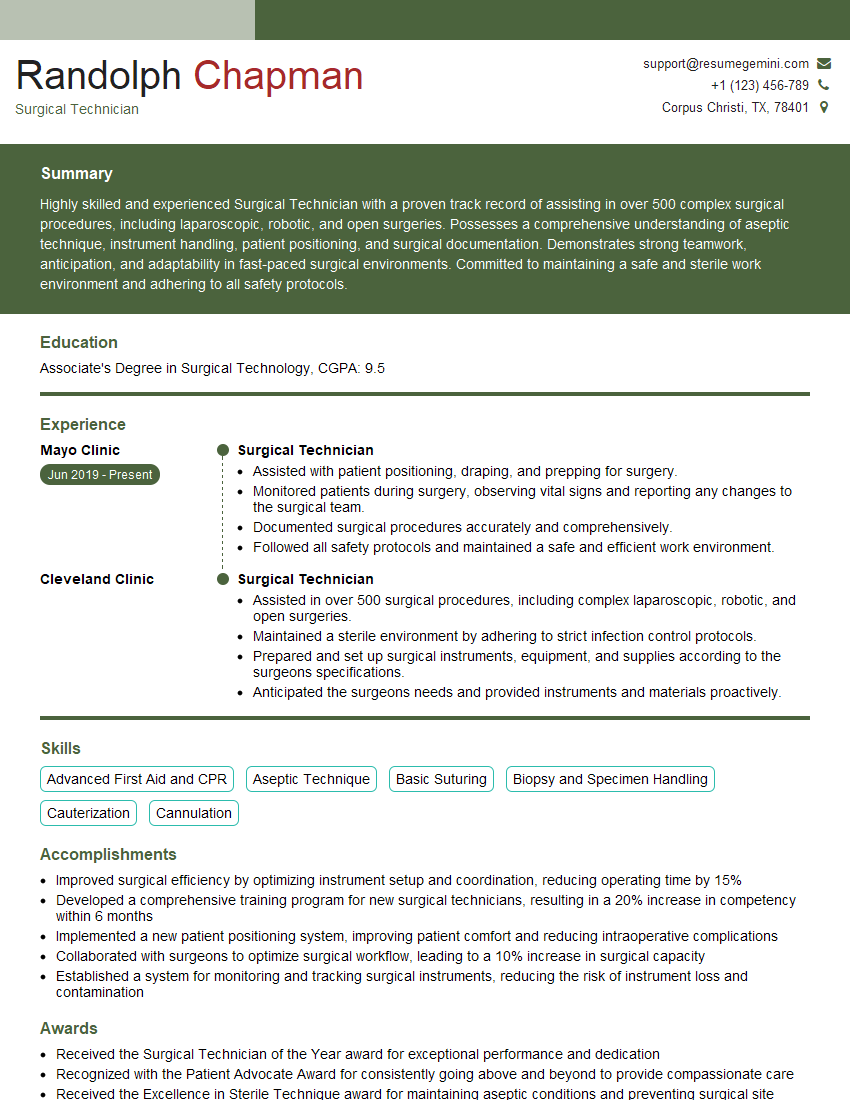
Surgical Technician Resume Sample
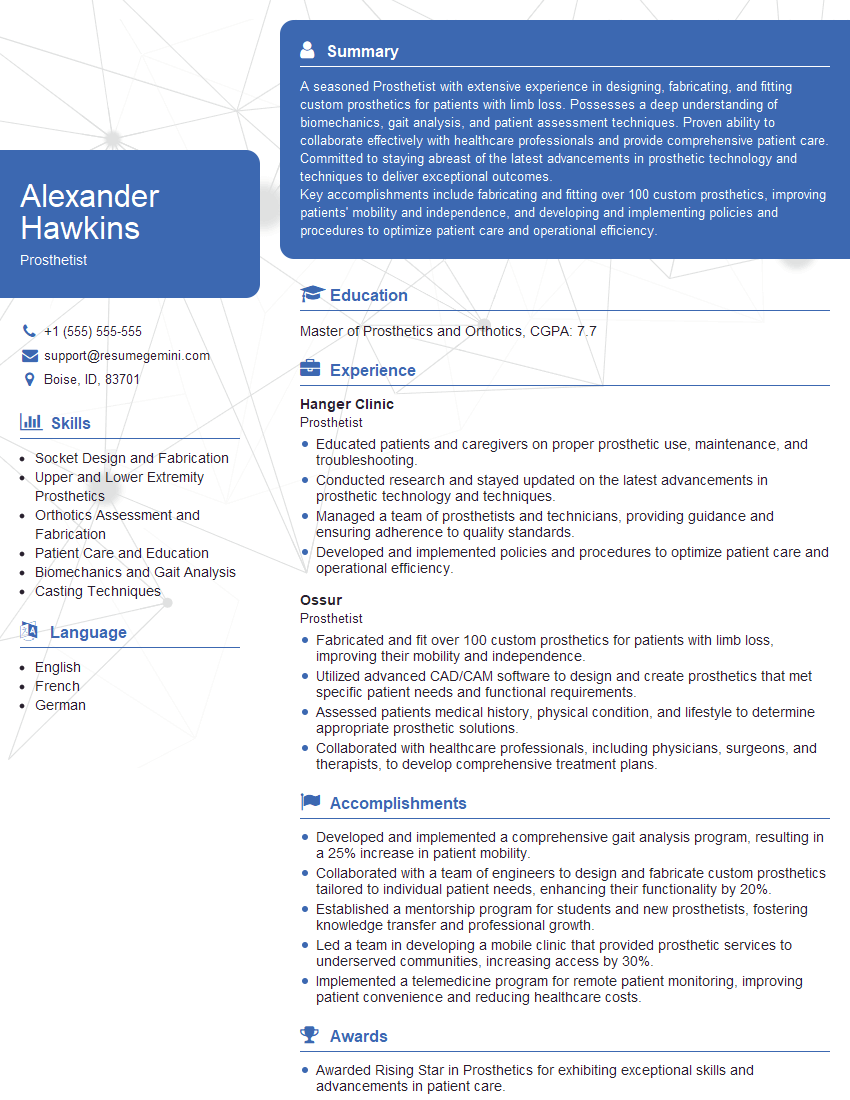
Prosthetist Resume Sample
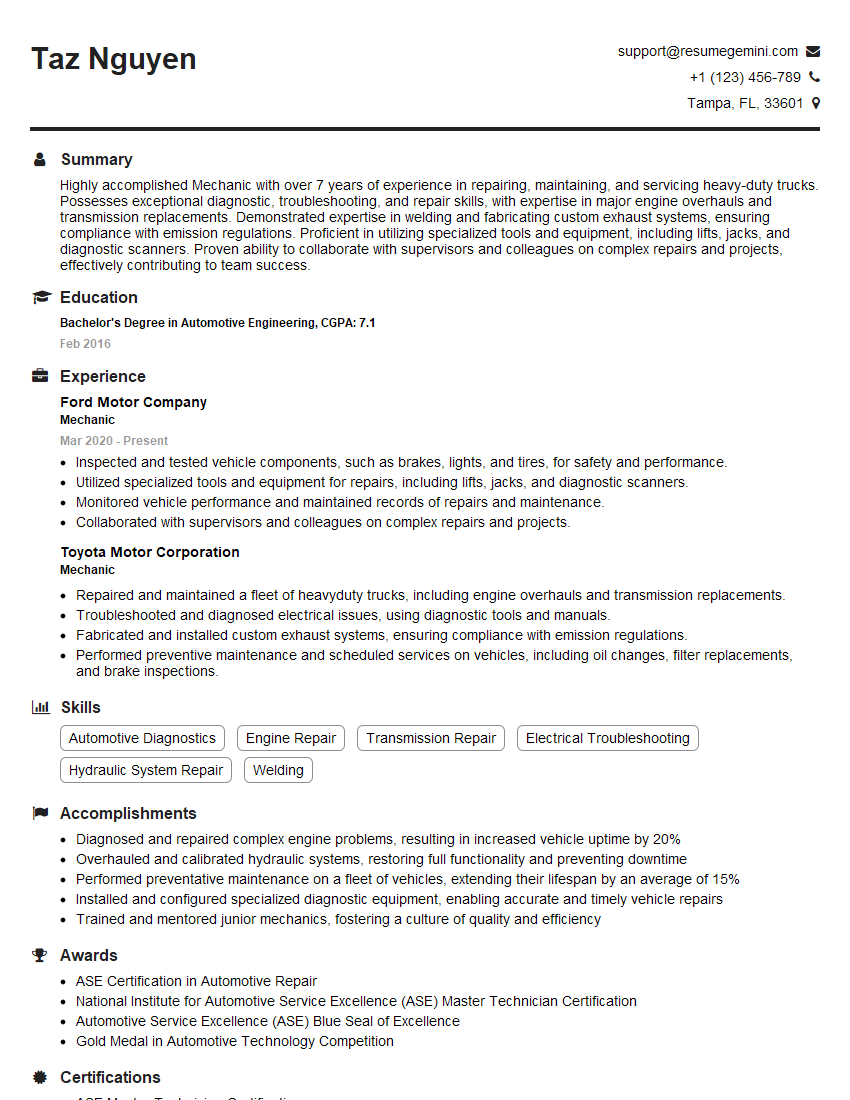
Mechanic Resume Sample
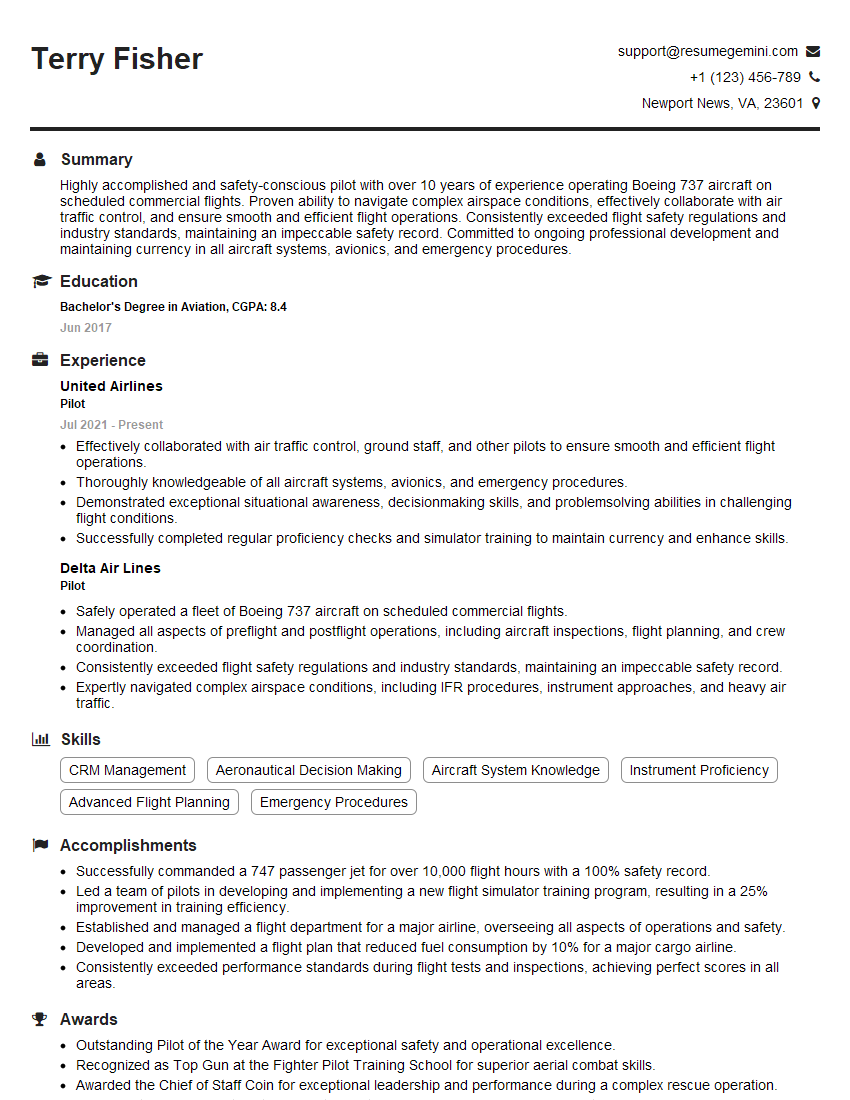
Pilot Resume Sample
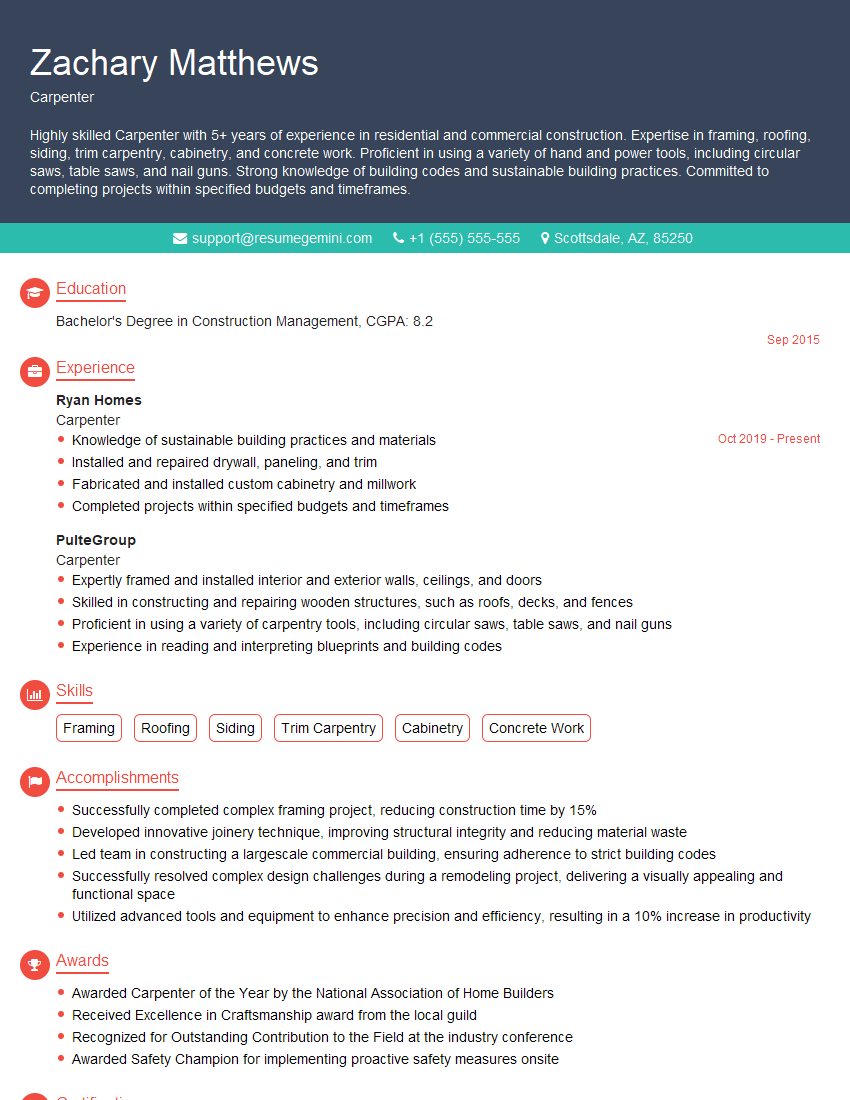
Carpenter Resume Sample
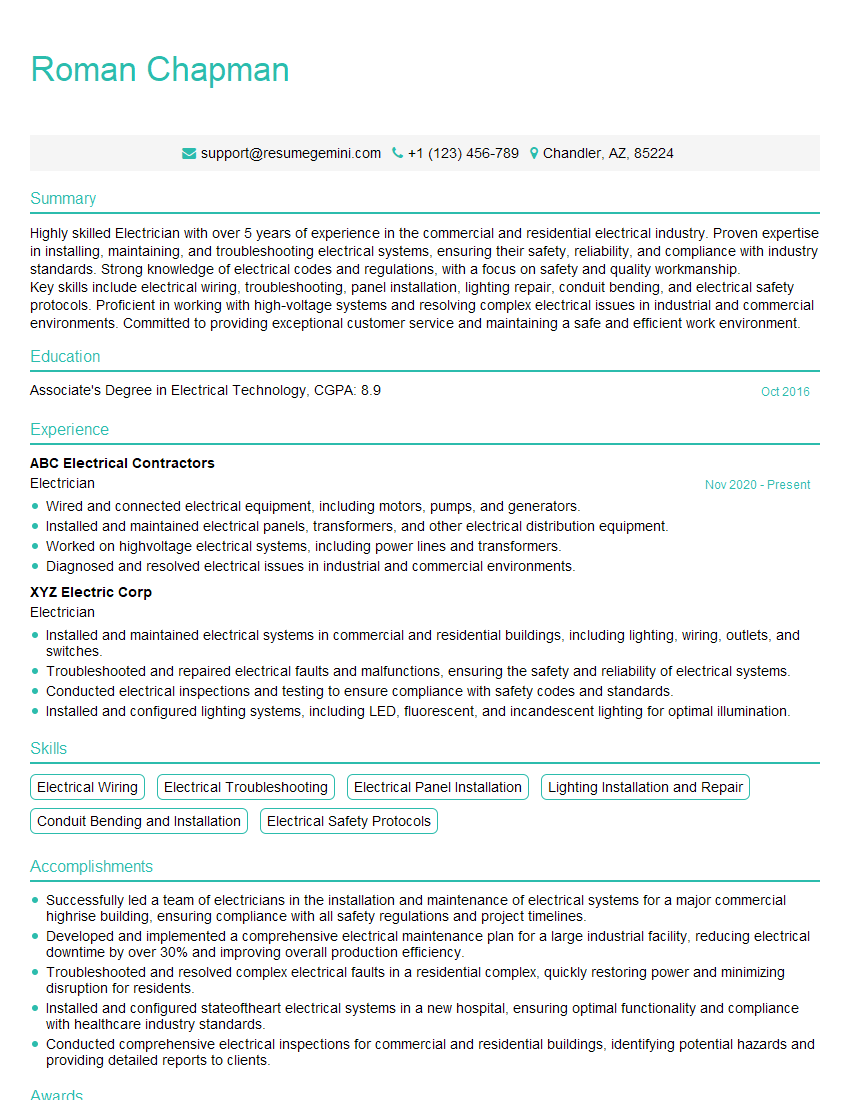
Electrician Resume Sample
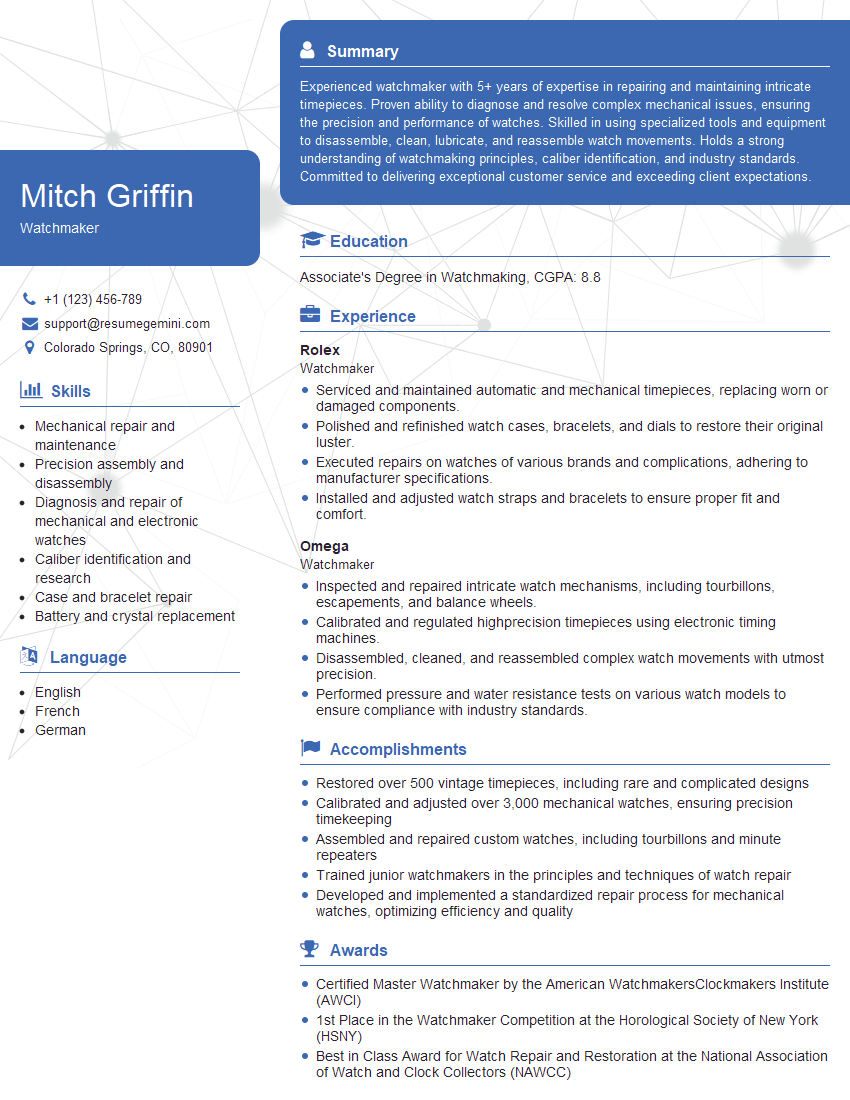
Watchmaker Resume Sample
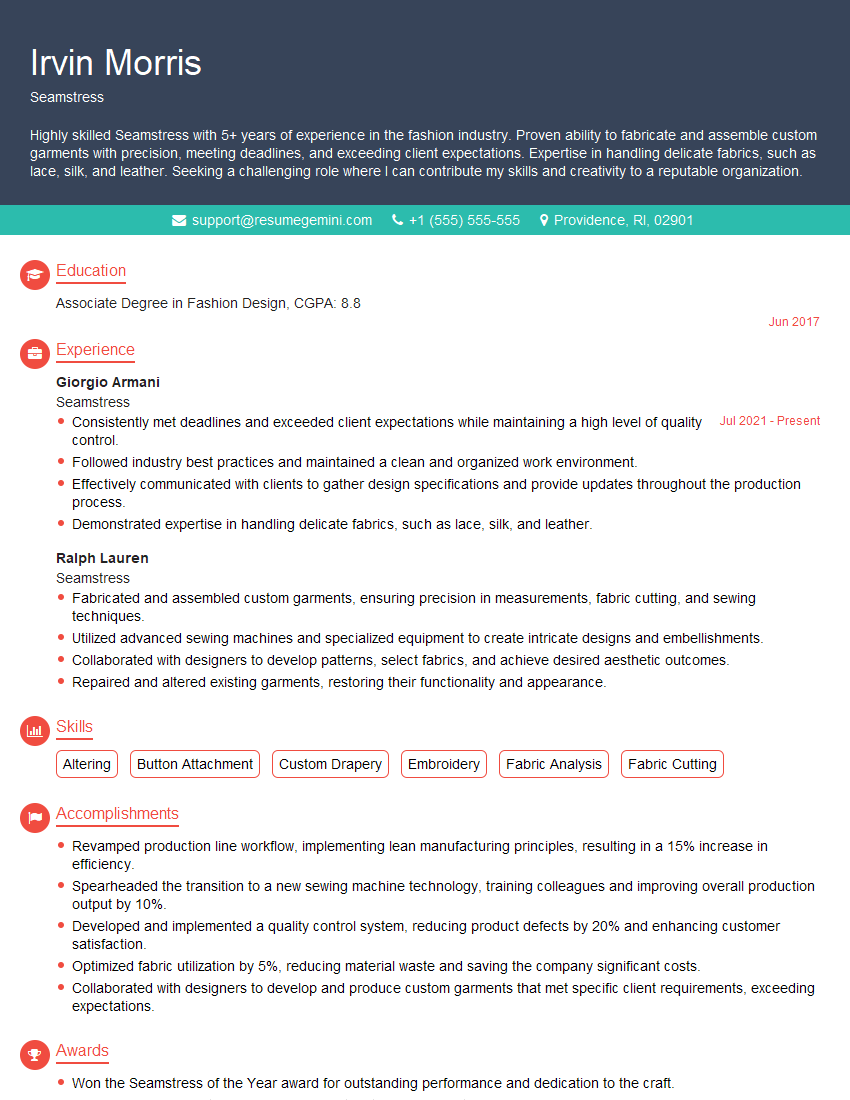
Seamstress Resume Sample
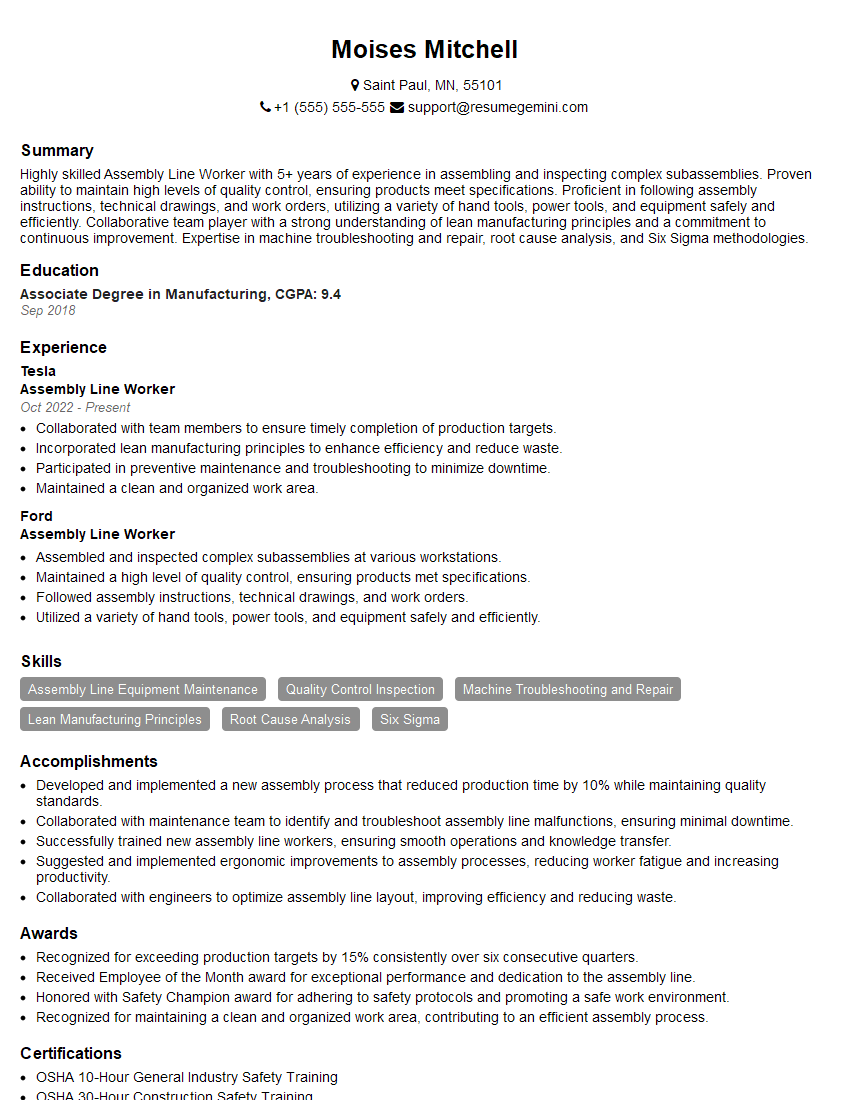
Assembly Line Worker Resume Sample
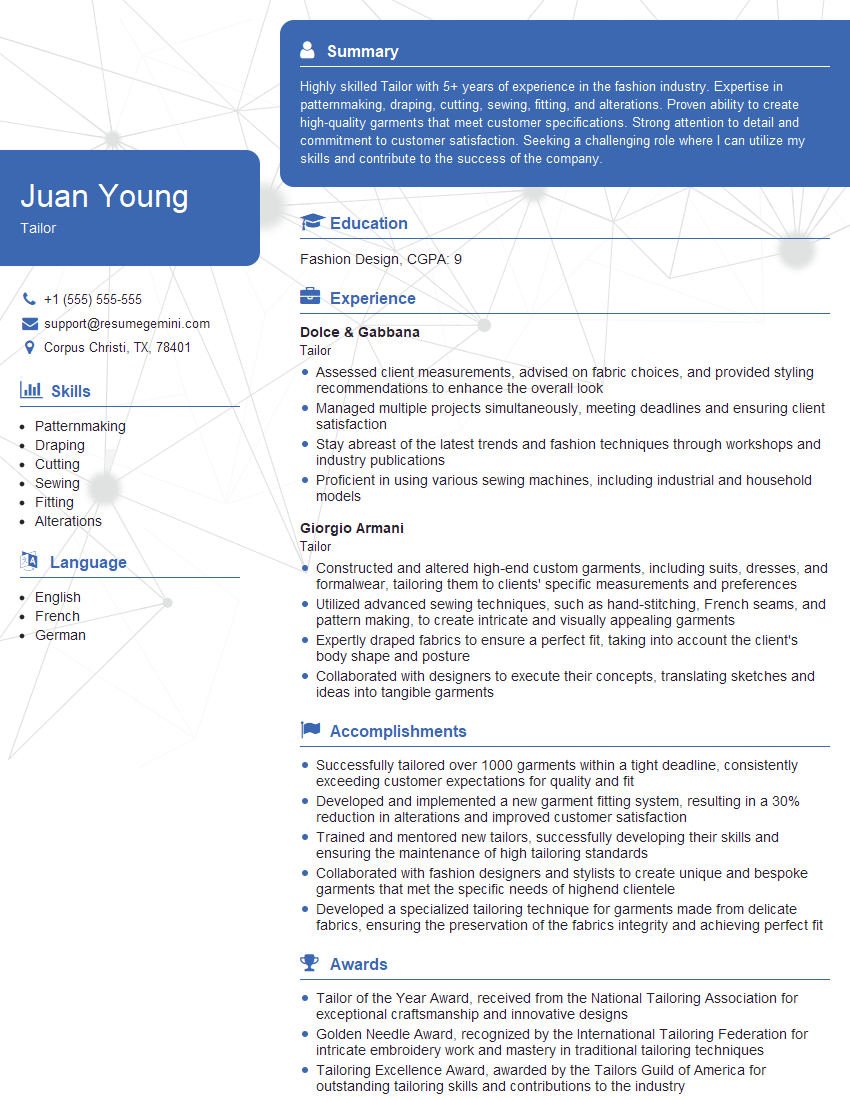
Tailor Resume Sample
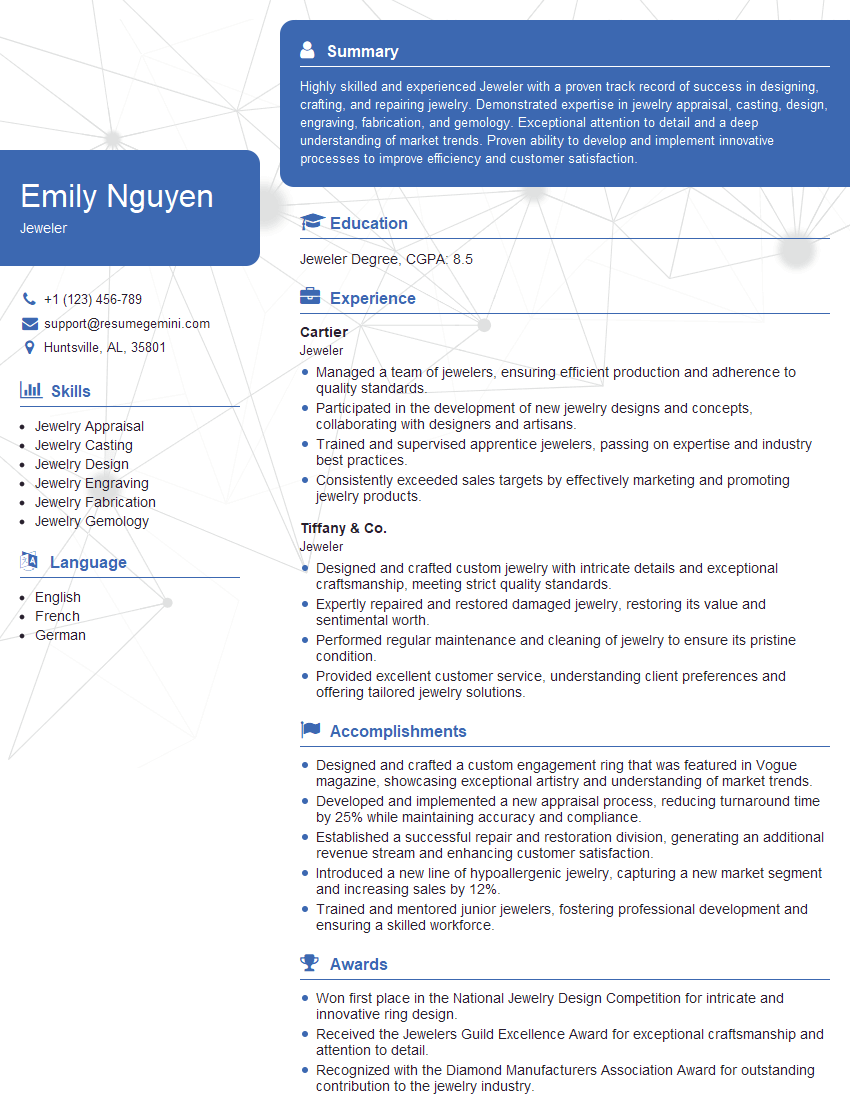
Jeweler Resume Sample
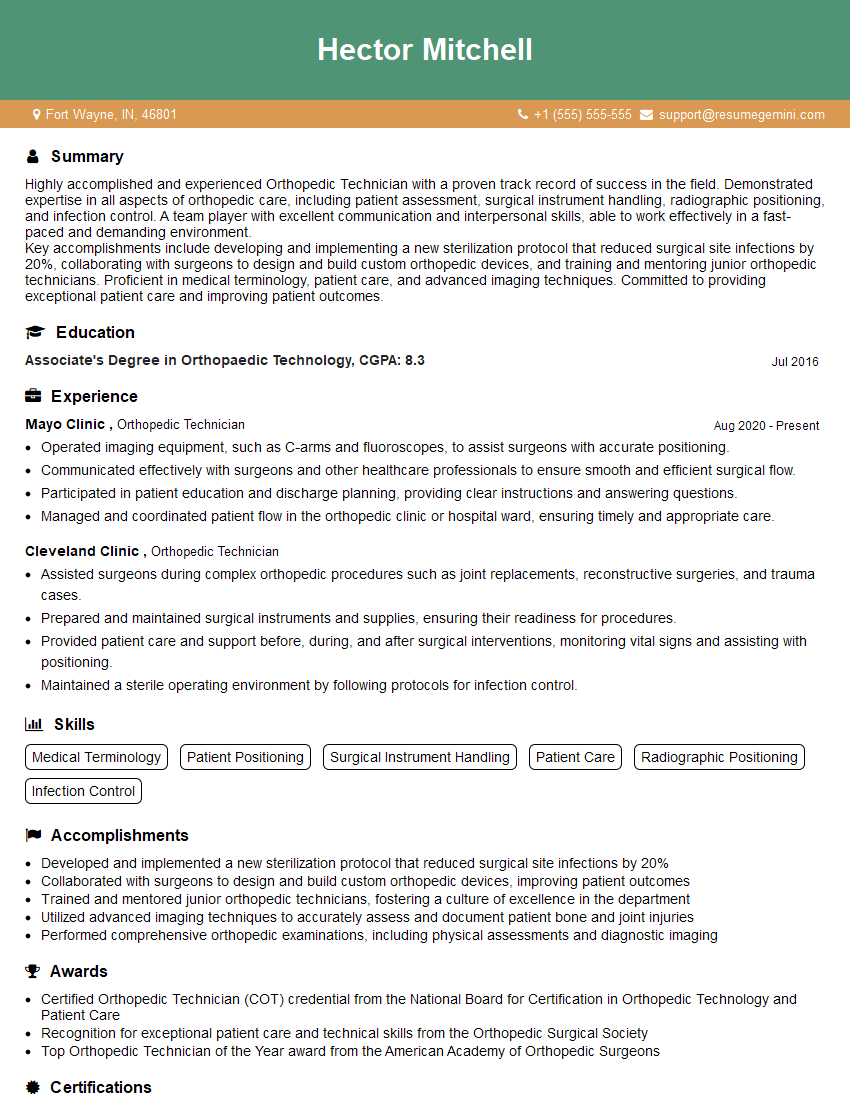
Orthopedic Technician Resume Sample
Explore more articles
Users Rating of Our Blogs
Share Your Experience
We value your feedback! Please rate our content and share your thoughts (optional).
What Readers Say About Our Blog
Very informative content, great job.
good