Preparation is the key to success in any interview. In this post, we’ll explore crucial Hand Eye Coordination interview questions and equip you with strategies to craft impactful answers. Whether you’re a beginner or a pro, these tips will elevate your preparation.
Questions Asked in Hand Eye Coordination Interview
Q 1. Describe a situation where your hand-eye coordination was crucial to success.
Hand-eye coordination was paramount during my time as a microsurgeon. Performing a delicate procedure requiring submillimeter precision, like anastomosing (reconnecting) small blood vessels, demands flawless coordination. A single slip could have devastating consequences. Successfully completing the procedure hinged on my ability to seamlessly translate the visual information from the microscope to the precise movements of my surgical instruments. The success of the operation, and the patient’s well-being, directly depended on my refined hand-eye coordination.
Q 2. Explain the factors that contribute to effective hand-eye coordination.
Effective hand-eye coordination is a complex interplay of several factors. It’s not just about dexterity; it involves a sophisticated integration of visual perception, motor control, and cognitive processes.
- Visual Acuity: Clear and precise vision is fundamental. The ability to accurately perceive depth, distance, and spatial relationships directly impacts the accuracy of hand movements.
- Visual Processing Speed: How quickly your brain processes visual information affects reaction time and the smoothness of movements. Faster processing allows for more responsive actions.
- Motor Control: Fine motor skills, involving the precision of small muscle movements in the hands and fingers, are crucial. This also includes hand steadiness and muscle strength.
- Proprioception: This is your body’s awareness of its position and movement in space. Understanding where your hand is in relation to the target is essential for accurate actions.
- Cognitive Processing: Your brain’s ability to plan, execute, and adjust movements is crucial. It involves anticipation, error correction, and adaptability.
Think of it like playing a video game: you need to see the target (visual input), decide how to act (cognitive processing), and execute the action with precision (motor control).
Q 3. How do you assess and improve your own hand-eye coordination?
I regularly assess my hand-eye coordination through various tasks, focusing on both gross and fine motor skills. I use standardized tests like the Purdue Pegboard Test and informal assessments such as assembling intricate models or practicing precise activities like calligraphy.
Improvement involves consistent practice and targeted training. I engage in activities like:
- Eye-hand coordination exercises: These include catching balls, juggling, playing musical instruments.
- Fine motor skill exercises: Activities like knitting, drawing, or playing video games that involve precise movements.
- Computer-based training: Several software programs and apps provide interactive exercises to improve reaction time and hand-eye coordination.
Regular assessment helps me track my progress and identify areas needing improvement, guiding my practice regimen.
Q 4. What strategies do you employ to maintain precision in tasks requiring fine motor skills?
Maintaining precision with fine motor skills demands a multi-pronged approach:
- Ergonomics: Maintaining a comfortable and supportive posture is essential to prevent fatigue and ensure accurate movements. Proper workstation setup is crucial.
- Controlled Movements: Avoid jerky or rushed movements. Smooth, deliberate actions lead to greater accuracy.
- Regular Breaks: Fatigue significantly impairs hand-eye coordination. Regular short breaks prevent this deterioration and improve performance.
- Mental Focus: Concentration is paramount. Minimizing distractions and focusing intently on the task enhances precision.
- Practice and Repetition: Consistent practice reinforces neural pathways, leading to improved accuracy and speed.
Think of a watchmaker – their precision is not innate; it is a result of diligent practice and attention to detail.
Q 5. Describe a time you had to adapt your hand-eye coordination to a new tool or technology.
When robotic surgery technology was introduced, I had to adapt my hand-eye coordination skills significantly. Instead of directly manipulating instruments, I was controlling robotic arms via a console. The movements were translated in a non-intuitive way, requiring a period of intense training to master the new system. The delay in feedback and the altered visual perspective required recalibration of my motor commands. I used simulator training and progressively challenging practice tasks to adapt, eventually achieving a level of skill comparable to traditional surgery.
Q 6. How do you handle situations where your hand-eye coordination is challenged by fatigue or stress?
Fatigue and stress significantly impact hand-eye coordination, reducing precision and increasing error rates. When challenged, I prioritize:
- Rest and Recovery: Prioritizing sleep and taking regular breaks is crucial. Fatigue severely hinders performance.
- Stress Management Techniques: Techniques like deep breathing exercises, mindfulness, or short meditation sessions can help reduce stress levels.
- Task Adjustment: If possible, adjusting task complexity or breaking down tasks into smaller, more manageable parts can lessen the demand on hand-eye coordination.
- Self-Awareness: Recognizing the signs of fatigue or stress allows for proactive interventions before performance significantly deteriorates.
Understanding my own limitations and taking preventative measures is key to avoiding errors and maintaining safety.
Q 7. Explain the relationship between visual perception and hand-eye coordination.
Visual perception is the cornerstone of hand-eye coordination. It’s the foundational input that guides our motor actions. Without accurate visual information, precise movements are impossible. The process involves several steps:
- Visual Input: Your eyes receive visual information about the target and its surroundings.
- Visual Processing: Your brain processes this information, interpreting depth, distance, shape, and size.
- Motor Planning: Based on the processed information, your brain plans the necessary movements to interact with the target.
- Motor Execution: Your muscles execute these movements, guided by the visual information and motor plan.
- Feedback Loop: Continuous visual feedback allows for adjustments and refinements in movement, ensuring accurate interactions.
Think of it as a continuous feedback loop: your vision guides your actions, and your actions are adjusted based on your visual experience. This constant interaction is what allows us to perform tasks requiring hand-eye coordination effectively.
Q 8. How do you prioritize accuracy versus speed in tasks demanding hand-eye coordination?
The balance between accuracy and speed in hand-eye coordination tasks is a crucial aspect of performance. It’s not a simple either/or situation; rather, it’s a dynamic interplay that depends heavily on the specific task. Think of a surgeon performing delicate microsurgery versus a basketball player making a fast break shot. Both require exceptional hand-eye coordination, but the priorities are vastly different.
In tasks prioritizing accuracy, like assembling microelectronics or performing intricate surgical procedures, speed is secondary to precision. Even small errors can have significant consequences. Therefore, a slower, more deliberate approach, focusing on controlled movements and precise placement, is necessary. I would prioritize methodical execution over rapid completion, meticulously checking each step for accuracy.
Conversely, in tasks demanding speed, such as playing a fast-paced video game or catching a fly ball, speed is paramount. While accuracy is still important, the margin for error is often larger, and the emphasis shifts to rapid reaction time and efficient movement. In these scenarios, I’d focus on developing quick reflexes and efficient movement patterns, while still maintaining acceptable accuracy.
Ultimately, the optimal balance between accuracy and speed depends on the specific demands of the task and is often refined through practice and experience. I adapt my approach based on a thorough understanding of the task’s requirements and the potential consequences of errors.
Q 9. Describe a situation where you had to overcome a challenge related to hand-eye coordination.
During my time working in a robotics lab, we were tasked with programming a robot arm to perform a complex assembly task involving small, intricate parts. The initial programming was far from perfect; the robot arm lacked the necessary precision to consistently place the parts correctly. The challenge stemmed from the need to calibrate the robot’s vision system and fine-tune its motor control to achieve the required level of hand-eye coordination. The robot ‘eyes’ needed to see accurately, and its ‘hands’ needed to respond precisely.
To overcome this, I systematically refined the robot’s vision algorithms to improve object recognition and positioning accuracy. I also implemented a feedback loop that allowed the robot to adjust its movements based on real-time visual feedback from its camera. This involved extensive debugging, testing, and iterative adjustments. It wasn’t just a matter of writing code; it was understanding the nuances of how the robot’s visual input was translated into physical actions. We finally achieved a high level of accuracy and precision, demonstrating the importance of understanding the system as a whole – from visual perception to motor execution – in achieving successful hand-eye coordination.
Q 10. What techniques do you use to enhance your focus and concentration during tasks requiring precise hand movements?
Maintaining focus and concentration during tasks requiring precise hand movements is critical. My techniques are multifaceted and include:
- Minimizing distractions: I create a calm and quiet workspace free from interruptions. This could involve using noise-canceling headphones or simply asking others to respect my concentration time.
- Mindfulness and breathing exercises: Before starting a demanding task, I often take a few minutes for deep breathing exercises to center myself and reduce anxiety. This helps clear my mind and improve my focus.
- Regular breaks: Extended periods of intense focus can lead to fatigue and decreased accuracy. I incorporate short, regular breaks to rest my eyes and mind and prevent burnout. The Pomodoro Technique (25 minutes work, 5 minutes break) is particularly useful.
- Positive self-talk: Maintaining a positive attitude and focusing on my strengths is vital, especially when tackling challenging tasks. Replacing negative thoughts with positive affirmations can significantly improve performance and confidence.
These techniques work in synergy to establish an environment conducive to focused, precise work.
Q 11. How do you compensate for limitations in your hand-eye coordination, if any?
While I believe I possess strong hand-eye coordination, like anyone, I have limitations. One way I compensate is by utilizing assistive tools or technologies whenever appropriate. For example, using magnification tools when working with extremely small objects enhances visual clarity and improves accuracy. Similarly, using specialized jigs or fixtures can guide my movements and ensure precision, particularly in repetitive tasks.
Another strategy is to break down complex tasks into smaller, simpler steps. This approach reduces the cognitive load and allows me to focus on each individual component, reducing the potential for errors. This modular approach helps manage any inherent limitations more effectively.
Finally, continuous practice and training are essential. Regular practice helps refine my skills and compensates for any inherent limitations through muscle memory and improved coordination.
Q 12. What are the key differences between gross motor and fine motor skills in relation to hand-eye coordination?
Gross motor skills involve large muscle movements that control larger body parts like arms and legs. Think of throwing a ball or walking. In hand-eye coordination, gross motor skills relate to the broader movements of the arm and body that position the hand for the task. Accuracy requirements are generally less stringent than with fine motor skills.
Fine motor skills involve small muscle movements that control smaller body parts like fingers and hands. These are crucial for intricate tasks like writing, sewing, or playing a musical instrument. In hand-eye coordination, fine motor skills refer to the precise movements of the fingers and hand in executing the task. High levels of accuracy are essential.
The interplay between gross and fine motor skills is crucial for effective hand-eye coordination. For instance, playing the piano requires large arm movements (gross motor) to position the hands over the correct keys, while the individual finger movements (fine motor) are needed to strike the keys accurately and play the notes precisely. Both are inextricably linked.
Q 13. How do you measure the effectiveness of your hand-eye coordination?
Measuring hand-eye coordination effectiveness involves both qualitative and quantitative assessments. Quantitative methods include:
- Timed tasks: Measuring the time taken to complete a task involving precise hand movements provides a quantitative measure of speed and accuracy. For example, assembling a puzzle within a specific time limit.
- Error rate: Counting the number of errors made during a task is a direct measure of accuracy. This might involve counting the number of misplaced parts in an assembly task.
- Target accuracy: Measuring the precision of aiming movements towards a specific target is another useful metric. Think of darts or archery.
Qualitative assessment involves observation and subjective judgment of aspects such as smoothness of movement, fluidity of actions, and overall efficiency. For example, a skilled surgeon demonstrates superior hand-eye coordination through smooth, deliberate movements and minimal errors. Regular self-assessment and feedback, often combined with objective metrics, provide a comprehensive understanding of hand-eye coordination proficiency.
Q 14. Describe a method for improving hand-eye coordination in a specific professional context.
Let’s consider improving hand-eye coordination for a surgeon. A method would involve using surgical simulators. These sophisticated tools replicate the conditions of a real surgical operation, allowing surgeons to practice complex procedures in a risk-free environment. This method offers several advantages:
- Repetitive practice: Simulators allow surgeons to practice repeatedly, improving both speed and precision of hand movements.
- Realistic feedback: Simulators provide immediate feedback on performance, highlighting areas for improvement and reinforcing correct techniques.
- Controlled environment: The simulated environment allows for practice with various levels of complexity and difficulty, gradually increasing the challenge as skills improve.
- Risk-free learning: Practicing on a simulator eliminates any risk of harm to patients while developing crucial surgical skills.
The structured practice provided by surgical simulators combines the iterative feedback of quantitative measures with the visual feedback necessary for improved accuracy and proficiency. This ultimately translates to improved patient outcomes in the real operating room.
Q 15. How would you train someone with limited hand-eye coordination to improve their skills?
Improving hand-eye coordination involves a structured approach focusing on progressively challenging activities. We begin with basic exercises that build foundational skills, gradually increasing complexity. Think of it like learning to play the piano – you start with simple scales before tackling complex concertos.
Training Program Example:
- Phase 1: Basic Exercises: Simple ball-tossing against a wall, catching a beanbag, tracing shapes, using chopsticks.
- Phase 2: Intermediate Exercises: Juggling (starting with two objects), playing catch with increasing distance and speed, using hand-held video games requiring precise movements.
- Phase 3: Advanced Exercises: Rapid-fire target practice (e.g., darts, archery), more complex video games that require quick reflexes and precise aiming, sports involving hand-eye coordination (e.g., tennis, basketball).
Key Principles:
- Consistency: Regular practice is crucial. Short, frequent sessions are more effective than infrequent, long ones.
- Progression: Gradually increase difficulty to avoid frustration and maintain motivation.
- Positive Reinforcement: Focus on improvement, not perfection. Celebrate small successes.
- Feedback: Provide clear and immediate feedback on performance. This helps the individual understand what they’re doing well and where they need to improve.
Individualized programs are essential, as the optimal training plan will vary depending on the individual’s current skill level, specific limitations, and learning style.
Career Expert Tips:
- Ace those interviews! Prepare effectively by reviewing the Top 50 Most Common Interview Questions on ResumeGemini.
- Navigate your job search with confidence! Explore a wide range of Career Tips on ResumeGemini. Learn about common challenges and recommendations to overcome them.
- Craft the perfect resume! Master the Art of Resume Writing with ResumeGemini’s guide. Showcase your unique qualifications and achievements effectively.
- Don’t miss out on holiday savings! Build your dream resume with ResumeGemini’s ATS optimized templates.
Q 16. What are the common causes of poor hand-eye coordination?
Poor hand-eye coordination can stem from various sources, ranging from neurological conditions to simple lack of practice. It’s not always a singular cause, but often a combination of factors.
- Neurological Conditions: Cerebral palsy, stroke, traumatic brain injury, and other neurological disorders can significantly impact hand-eye coordination.
- Developmental Delays: Some children may experience developmental delays affecting their motor skills and hand-eye coordination. Early intervention is key.
- Visual Impairments: Problems with vision, such as blurry vision, strabismus (crossed eyes), or amblyopia (lazy eye) can directly hinder the ability to accurately coordinate hand movements with visual input.
- Lack of Practice: Insufficient engagement in activities that require hand-eye coordination can lead to poor skill development.
- Physical Limitations: Injuries, arthritis, or other physical conditions affecting hand or arm mobility can negatively impact coordination.
- Medication Side Effects: Certain medications can have side effects that affect motor skills and coordination.
A thorough assessment is necessary to pinpoint the underlying cause, enabling targeted intervention strategies.
Q 17. What role does reaction time play in hand-eye coordination?
Reaction time, the time elapsed between stimulus presentation and response initiation, is intrinsically linked to hand-eye coordination. Faster reaction times allow for quicker and more accurate responses to visual cues, leading to improved coordination. Imagine trying to catch a fastball – a quicker reaction time is vital to successfully catching the ball.
The Relationship:
- Speed of Processing: A faster reaction time enables the brain to process visual information more rapidly and initiate appropriate motor commands more quickly.
- Accuracy of Movement: Quick reaction time, combined with precise motor control, translates to greater accuracy in tasks requiring hand-eye coordination.
- Anticipation: With practice, individuals can anticipate the trajectory of moving objects, further reducing reaction time and enhancing coordination.
Improving reaction time through exercises like visual tracking drills and reaction time games can significantly improve hand-eye coordination.
Q 18. How does experience impact hand-eye coordination?
Experience plays a pivotal role in refining hand-eye coordination. The more an individual engages in activities requiring coordination, the more efficient their neural pathways become, resulting in improved performance. This is due to neuroplasticity – the brain’s ability to reorganize itself by forming new neural connections throughout life.
Impact of Experience:
- Skill Acquisition: Repeated practice strengthens the connections between the visual and motor areas of the brain, leading to smoother, more accurate movements.
- Automaticity: With sufficient experience, coordinated actions become automatic, requiring less conscious effort.
- Adaptation: Experienced individuals can adapt more quickly to changes in task demands or environmental conditions.
Consider a professional surgeon’s exceptional hand-eye coordination – this precision is a direct result of years of dedicated practice and experience.
Q 19. How does aging affect hand-eye coordination and what measures can mitigate the decline?
Aging naturally affects hand-eye coordination due to several factors, including decreased visual acuity, slower reaction times, and reduced dexterity. However, the decline is not inevitable and can be mitigated through various strategies.
Impact of Aging:
- Reduced Visual Acuity: Age-related vision changes make it harder to perceive the spatial relationships between objects and hands.
- Slower Reaction Times: Processing speed diminishes with age, leading to slower responses to visual stimuli.
- Decreased Dexterity: Reduced joint flexibility and muscle strength affect the precision and speed of hand movements.
Mitigation Strategies:
- Regular Exercise: Maintaining physical fitness improves hand dexterity, reaction time, and overall motor control.
- Vision Care: Addressing vision problems with appropriate corrective lenses or other treatments helps improve visual input.
- Cognitive Stimulation: Engaging in activities that challenge cognitive function, like puzzles or brain training games, can help maintain processing speed.
- Adaptive Strategies: Using assistive devices, when needed, can compensate for physical limitations.
- Targeted Exercises: Specific exercises designed to improve hand-eye coordination, even in older adults, can help maintain function.
Q 20. Describe the role of proprioception (body awareness) in hand-eye coordination.
Proprioception, or the sense of body position and movement, plays a crucial role in hand-eye coordination. It provides the brain with continuous feedback about the position and orientation of the limbs in space, enabling accurate and precise movements.
The Role of Proprioception:
- Spatial Awareness: Proprioceptive input is essential for understanding the spatial relationship between the hand and the target object.
- Movement Control: It allows the brain to adjust hand movements in real-time based on feedback from muscles, tendons, and joints.
- Smooth Execution: Accurate proprioception leads to smoother and more coordinated movements, reducing errors and improving accuracy.
Imagine trying to thread a needle – proprioception allows you to accurately guide the needle without constantly looking at your hand. Without it, the task would be significantly more difficult.
Q 21. What are the potential consequences of poor hand-eye coordination in your profession?
Poor hand-eye coordination can have significant consequences in many professions, especially those involving fine motor skills and precision. In my field, for example, it could manifest in several ways:
- Surgical Errors: Surgeons require exceptional hand-eye coordination for precise incisions, suturing, and manipulation of delicate tissues. Poor coordination could lead to increased risks of complications and potentially life-threatening errors.
- Manufacturing Defects: In manufacturing, assembly line workers rely on hand-eye coordination to assemble components accurately and efficiently. Poor coordination can lead to defects, slower production, and increased waste.
- Reduced Efficiency: In any field requiring manual dexterity, poor hand-eye coordination translates to reduced speed and efficiency, impacting productivity.
- Increased Injury Risk: Poor coordination can lead to increased risk of accidents, especially when operating machinery or working with tools.
Therefore, in professional settings, assessment and training related to hand-eye coordination are crucial for ensuring both safety and effective performance.
Q 22. What types of tools or technologies can enhance hand-eye coordination?
Enhancing hand-eye coordination involves utilizing tools and technologies that improve visual feedback, precision, and practice. This can range from simple aids to sophisticated training systems.
Visual Aids: Magnifying glasses, specialized lighting, and high-resolution monitors can enhance visual acuity, crucial for tasks requiring fine motor skills.
Haptic Feedback Devices: These devices provide tactile feedback, allowing users to ‘feel’ their actions and adjust accordingly. Think of the subtle vibrations in a gaming controller indicating an impact or the resistance in a surgical robot.
Simulators and Virtual Reality (VR): Simulators provide a safe and controlled environment to practice complex tasks, like surgery or piloting, repeatedly. VR offers immersive experiences allowing for realistic training scenarios with immediate visual feedback on performance.
Motion Tracking Systems: These systems track hand and body movements, providing data that can be analyzed to identify areas for improvement. This data-driven approach is common in sports training and rehabilitation.
Robotics and Assistive Technology: In certain cases, robotic arms or exoskeletons can assist individuals with impaired hand-eye coordination, allowing them to perform tasks they might otherwise find impossible.
Q 23. How do you ensure consistency and accuracy in repetitive tasks demanding hand-eye coordination?
Consistency and accuracy in repetitive tasks demand a structured approach. It’s about minimizing variability in both the task execution and the environmental conditions.
Standardized Procedures: Develop clear, step-by-step instructions, ensuring all team members follow the same method. This reduces human error and improves uniformity.
Ergonomic Workstations: Proper posture, comfortable seating, and optimized workspace layout are crucial. A poorly designed workstation can lead to fatigue and inaccuracies.
Regular Breaks: Fatigue significantly impacts hand-eye coordination. Incorporating short, regular breaks throughout the workday can help maintain performance and prevent errors.
Quality Control Checks: Implementing regular quality checks at various stages of the task allows for early detection of inconsistencies. This can be through self-checks, peer reviews, or automated systems.
Training and Practice: Consistent and targeted practice is paramount. Repetitive practice, incorporating feedback mechanisms, helps automate movements and improve accuracy over time. Think of a surgeon honing their skills through countless simulations.
Q 24. Describe your approach to troubleshooting problems arising from poor hand-eye coordination.
Troubleshooting poor hand-eye coordination involves a systematic approach focusing on identifying the root cause. It’s not just about the immediate problem, but the underlying factors contributing to it.
Assessment: First, carefully observe the individual’s performance, noting specific areas of difficulty. Is it precision, speed, or consistency? This helps pinpoint the problem.
Identify Potential Causes: Consider factors like fatigue, stress, inadequate lighting, uncomfortable workstation, underlying medical conditions (e.g., vision problems), or lack of proper training.
Targeted Intervention: Based on the identified causes, implement appropriate solutions. This might involve improving lighting, adjusting the workstation, providing additional training, recommending a medical check-up, or introducing assistive technology.
Monitor Progress: Regularly assess the effectiveness of the implemented solutions. Are the improvements sustained? If not, further investigation and adjustments are necessary. This iterative process is key.
Q 25. How do you adapt your techniques when working in different environments that may affect your hand-eye coordination?
Adapting techniques across different environments involves recognizing how environmental factors affect hand-eye coordination and adjusting accordingly.
Lighting: Adjusting to varying light conditions, from bright sunlight to dim indoor lighting, requires changes in visual focus and potentially the use of additional lighting.
Temperature and Humidity: Extreme temperatures and humidity can impact dexterity and fatigue levels, requiring breaks and adjustments to work schedules.
Noise Levels: High noise levels can be distracting, impacting concentration and precision. Using hearing protection or finding quieter work areas may be necessary.
Workspace Design: Different workspaces have unique layouts and tool arrangements. Adapting to these variations requires flexibility and careful planning to ensure efficient and safe work practices.
Technology Integration: Incorporating technology like head-mounted displays or augmented reality systems may be necessary in some environments to assist in visual guidance and task performance.
Q 26. What are some common misconceptions about hand-eye coordination?
Several misconceptions surround hand-eye coordination. Understanding these helps in providing accurate guidance and training.
Hand-eye coordination is innate: While genetics play a role, hand-eye coordination is significantly improved through training and practice. It’s not a fixed trait.
It’s solely about speed: Accuracy and consistency are equally, if not more, important than speed. Prioritizing speed over accuracy can lead to errors and inefficiency.
It only applies to specific tasks: Hand-eye coordination is applicable to a wide range of tasks across various professions, from surgery to sports and manufacturing. It’s a fundamental skill.
Improvement is impossible after a certain age: While age-related decline can occur, significant improvements are possible at any age with targeted training and consistent effort.
Q 27. How do you stay up-to-date on best practices for maintaining and improving hand-eye coordination?
Staying current on best practices requires continuous learning and engagement with the field.
Professional Journals and Publications: Regularly reviewing peer-reviewed articles and journals in relevant fields (neuroscience, ergonomics, sports science, etc.) keeps one abreast of the latest research and advancements.
Conferences and Workshops: Attending conferences and workshops allows for networking with experts and learning about new techniques and technologies.
Online Resources and Courses: Numerous online resources, courses, and webinars provide updates on hand-eye coordination training methods and best practices.
Mentorship and Collaboration: Collaborating with experienced professionals and seeking mentorship offers valuable insights and practical guidance.
Q 28. Explain how you would assess the hand-eye coordination skills of a potential team member.
Assessing a potential team member’s hand-eye coordination involves a multi-faceted approach that goes beyond simple tests.
Targeted Skill Assessments: I would design tasks relevant to the job requirements. This could involve tasks requiring precision, speed, and consistency. For example, a dexterity test, assembling small parts, or a virtual reality simulation.
Observation of Existing Skills: Observing the candidate’s performance in tasks requiring hand-eye coordination (if applicable) in their past work or daily activities provides valuable insight.
Interview Questions: Asking targeted questions about their experiences with tasks demanding hand-eye coordination and how they approached challenges helps gauge their problem-solving abilities and self-awareness.
Review of Previous Performance: Accessing previous performance reviews, where applicable, can provide objective data on their hand-eye coordination skills in similar contexts.
Medical History (if relevant): Depending on the job, inquiring about any medical conditions that might impact hand-eye coordination is important, always respecting privacy and confidentiality.
Key Topics to Learn for Hand Eye Coordination Interview
- Visual Perception: Understanding how your eyes process visual information and translate it into motor commands. Consider the role of depth perception, visual acuity, and peripheral vision.
- Motor Control: Analyzing the neurological and biomechanical aspects of precise movement. Explore concepts like reaction time, movement accuracy, and muscle coordination.
- Sensorimotor Integration: Examining the complex interplay between visual input and motor output. Discuss how the brain integrates these signals to produce coordinated actions.
- Practical Applications: Explore diverse fields where hand-eye coordination is crucial, such as surgery, manufacturing, sports, and video gaming. Be prepared to discuss specific examples and how your skills apply.
- Testing and Measurement: Familiarize yourself with common methods used to assess hand-eye coordination, including reaction time tests, aiming tasks, and dexterity assessments. Understand the limitations and strengths of different assessment techniques.
- Improving Hand-Eye Coordination: Discuss training techniques and strategies for enhancing hand-eye coordination, including practice exercises, biofeedback, and adaptive technologies.
- Troubleshooting and Problem-Solving: Be prepared to discuss how you would approach situations where hand-eye coordination is impaired or needs improvement. Consider factors such as fatigue, stress, and environmental conditions.
Next Steps
Mastering hand-eye coordination opens doors to exciting and rewarding career opportunities across various industries. A strong foundation in this skill is highly valued by employers seeking precision, efficiency, and dexterity. To significantly boost your job prospects, crafting an ATS-friendly resume is crucial. ResumeGemini can help you build a professional and impactful resume that highlights your unique skills and experience. We provide examples of resumes tailored to showcase expertise in hand-eye coordination, ensuring your application stands out from the competition. Invest in your future and build a resume that reflects your capabilities.
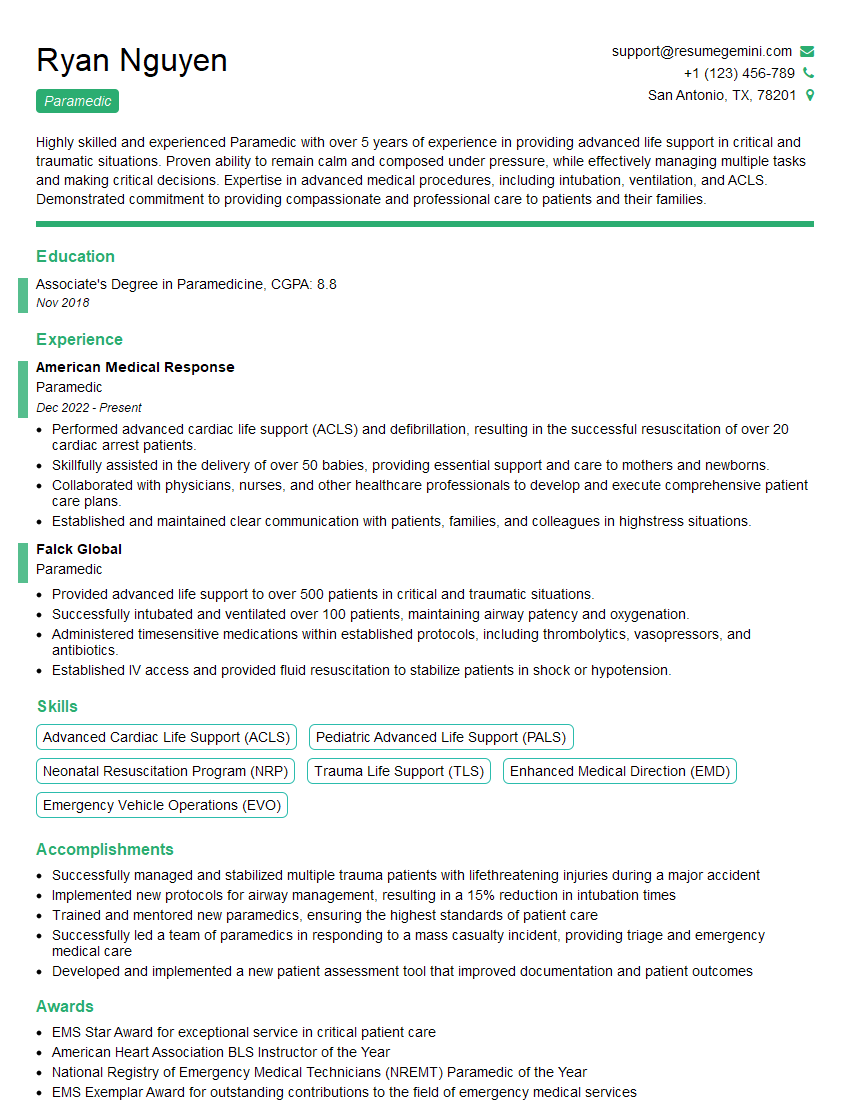
Paramedic Resume Sample
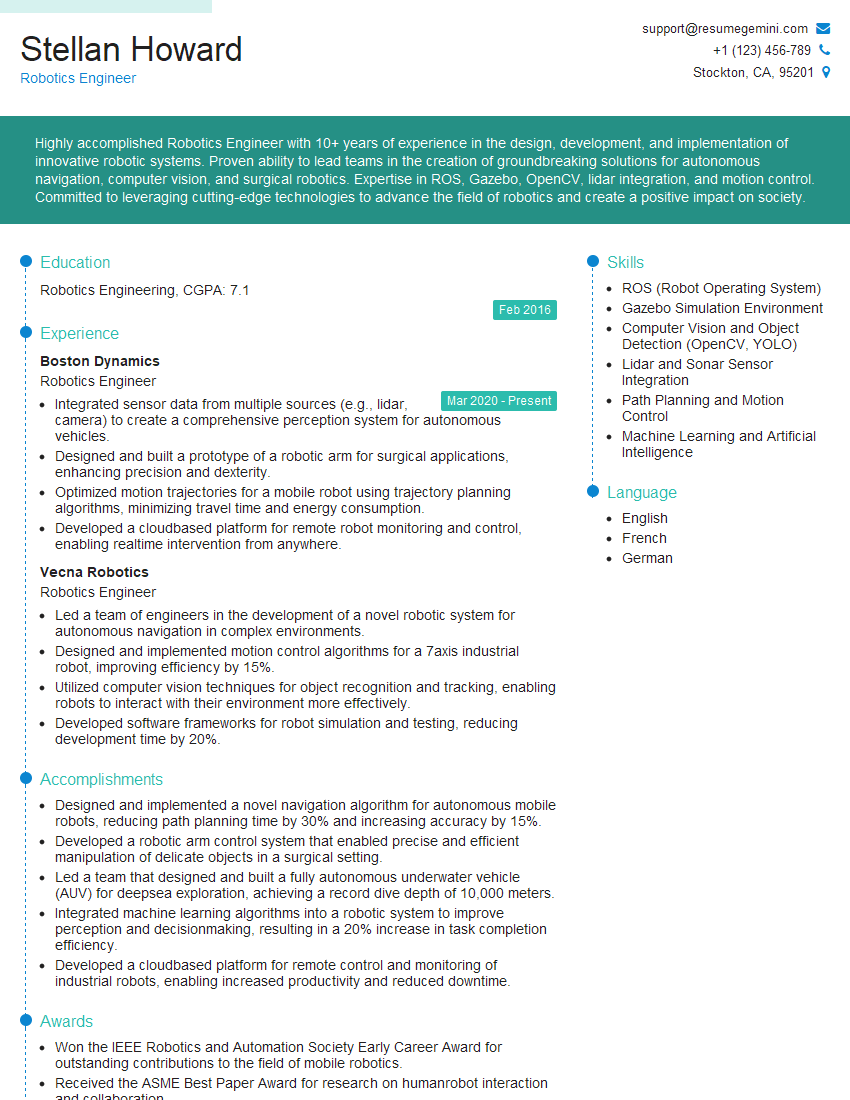
Robotics Engineer Resume Sample
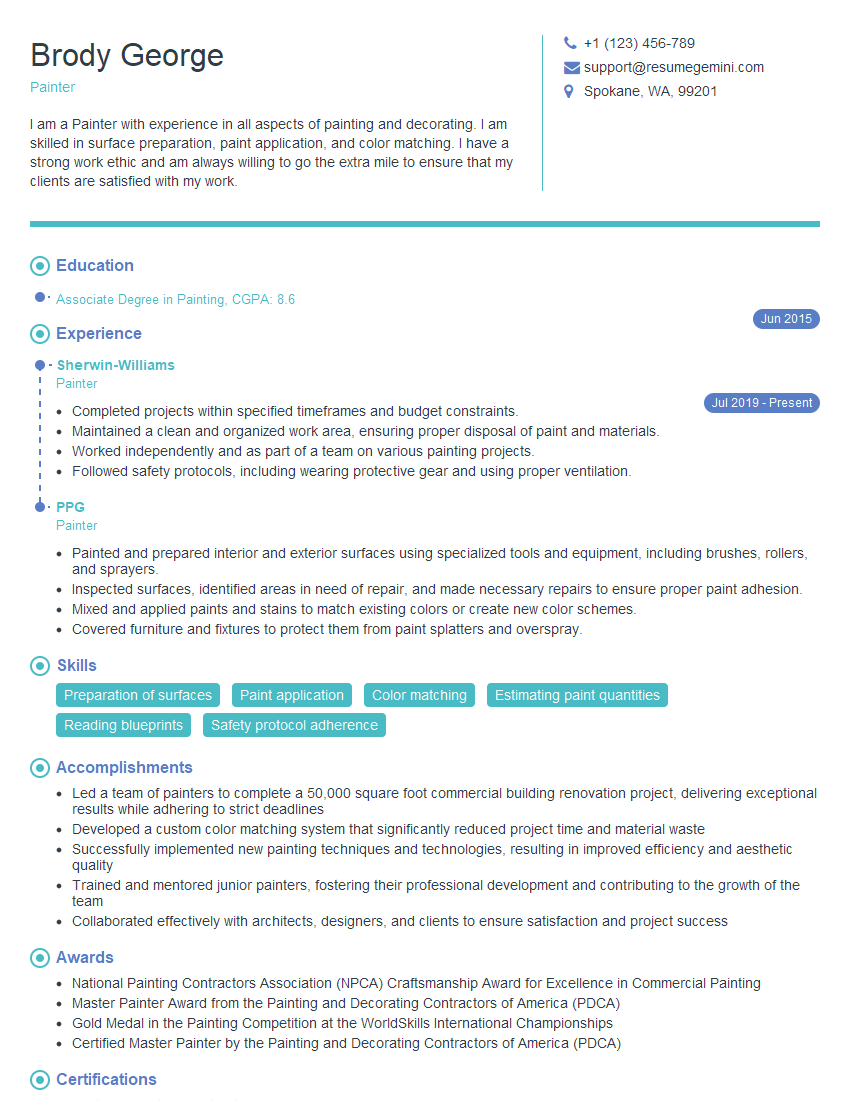
Painter Resume Sample
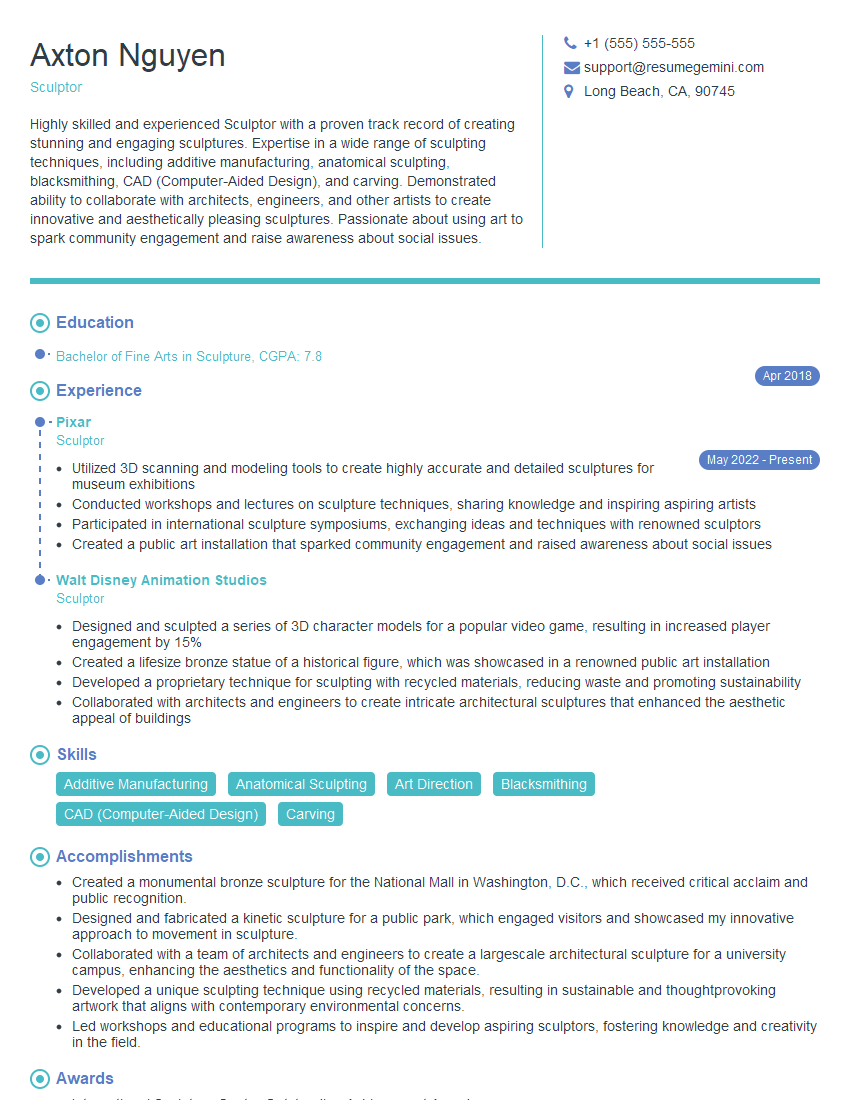
Sculptor Resume Sample
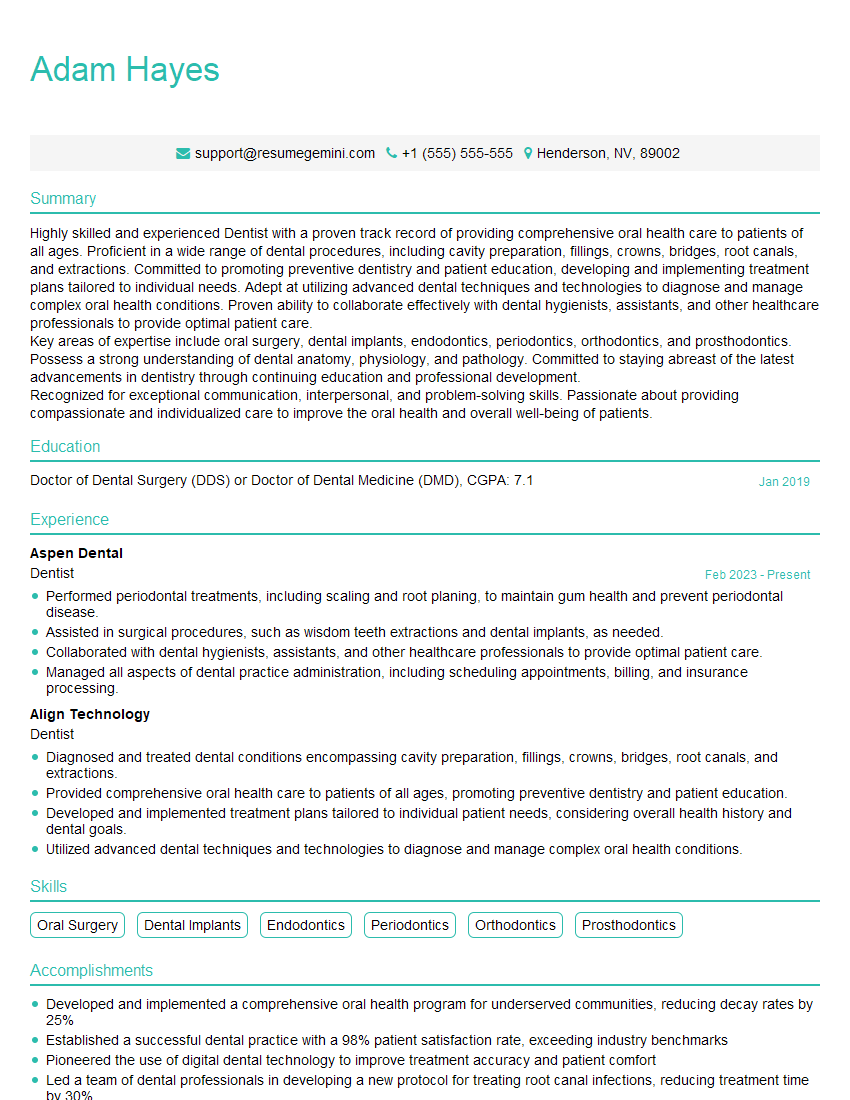
Dentist Resume Sample
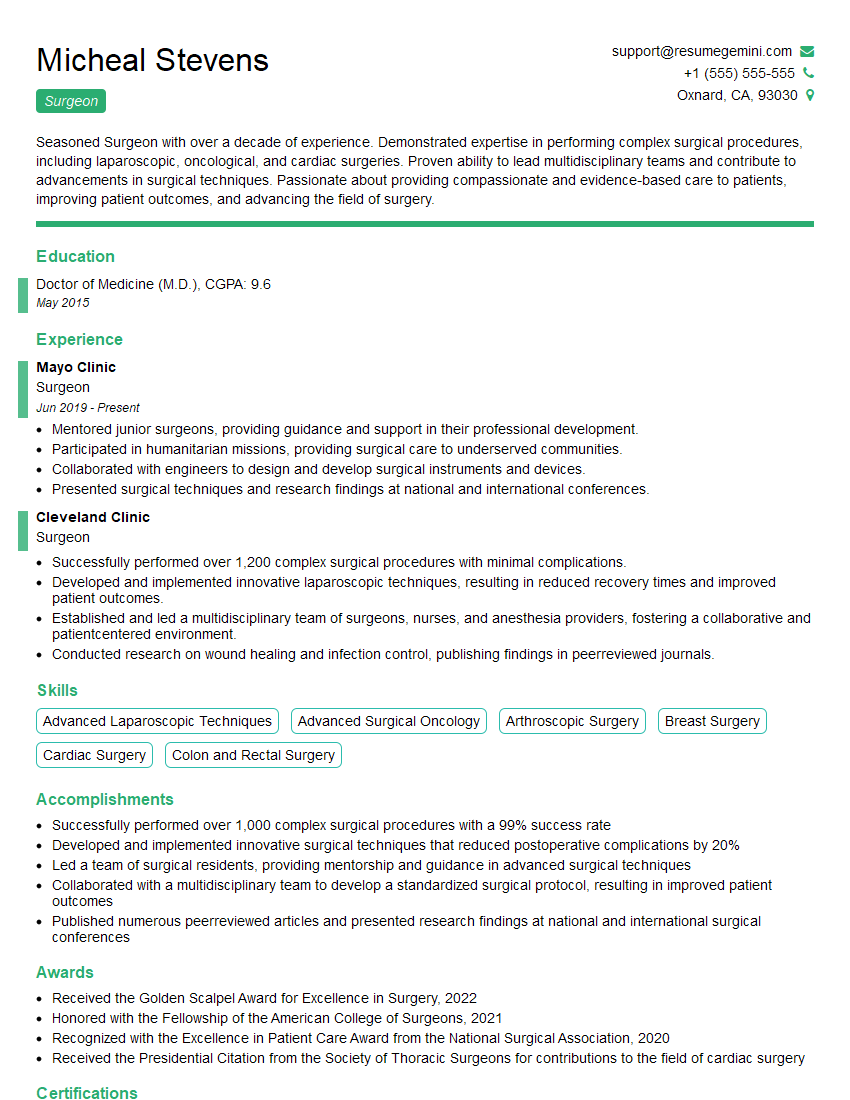
Surgeon Resume Sample
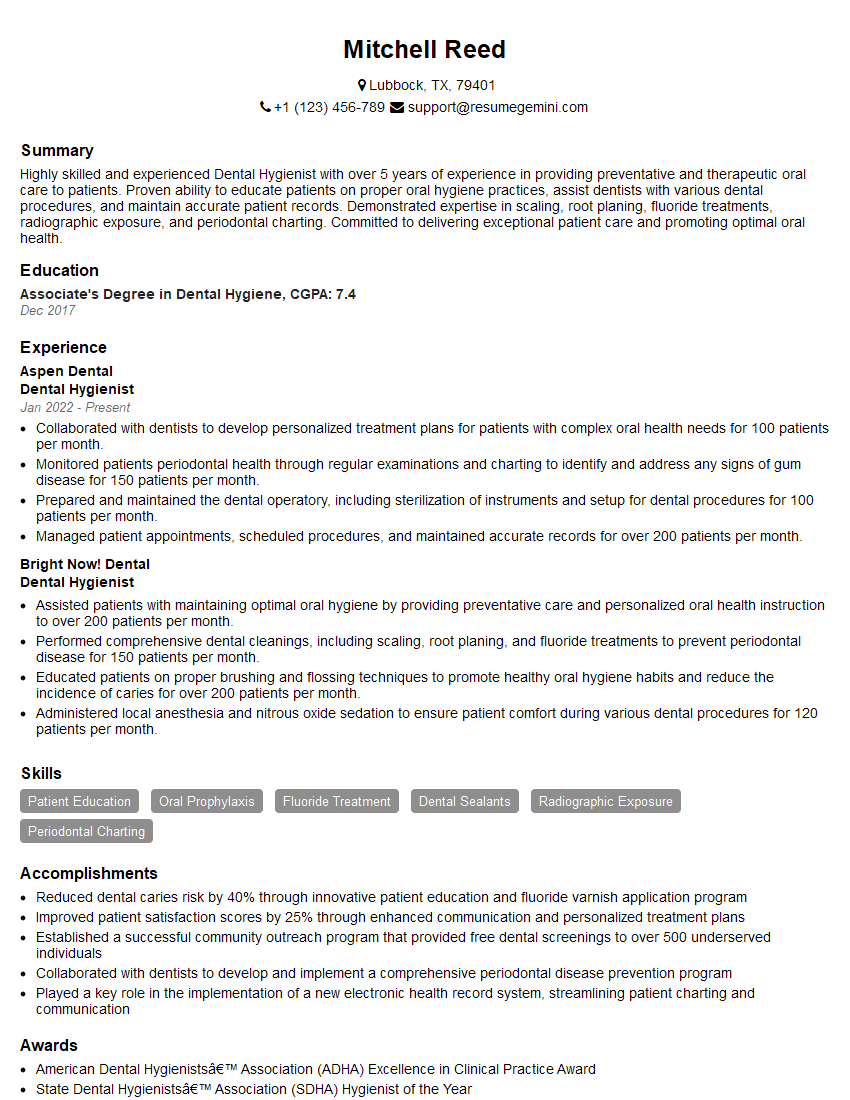
Dental Hygienist Resume Sample
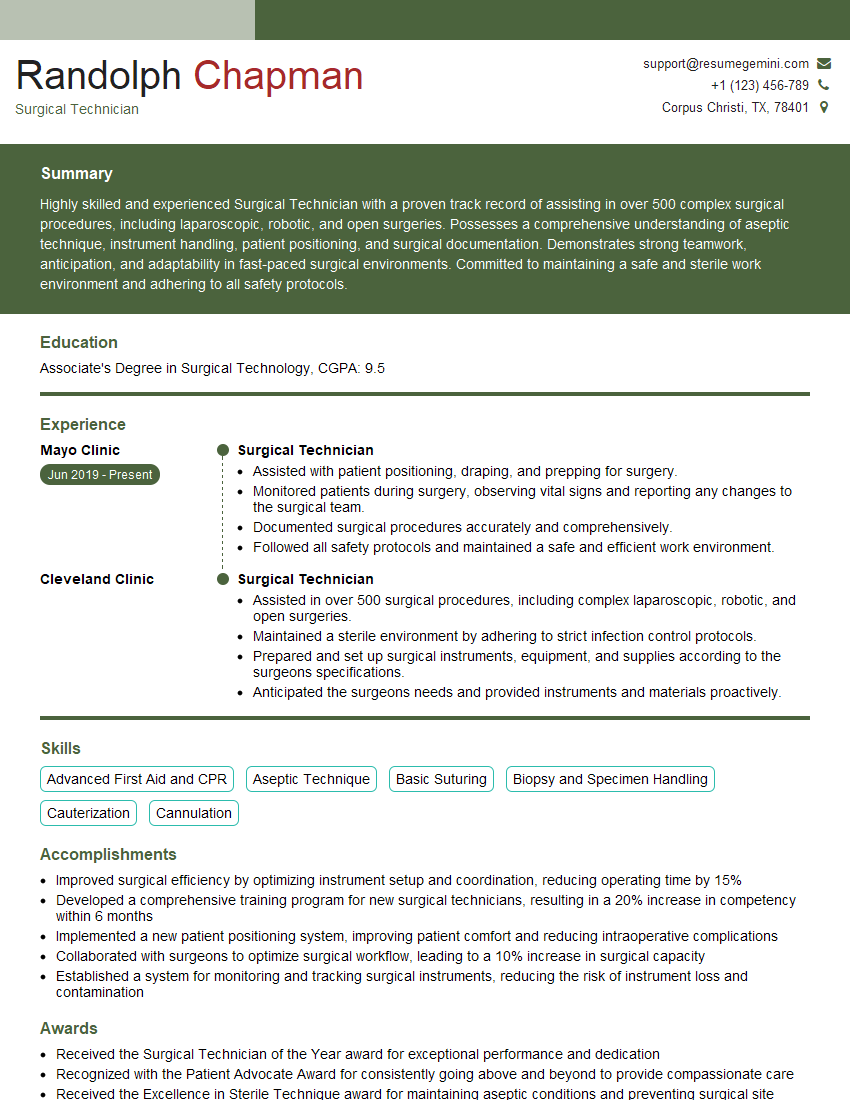
Surgical Technician Resume Sample
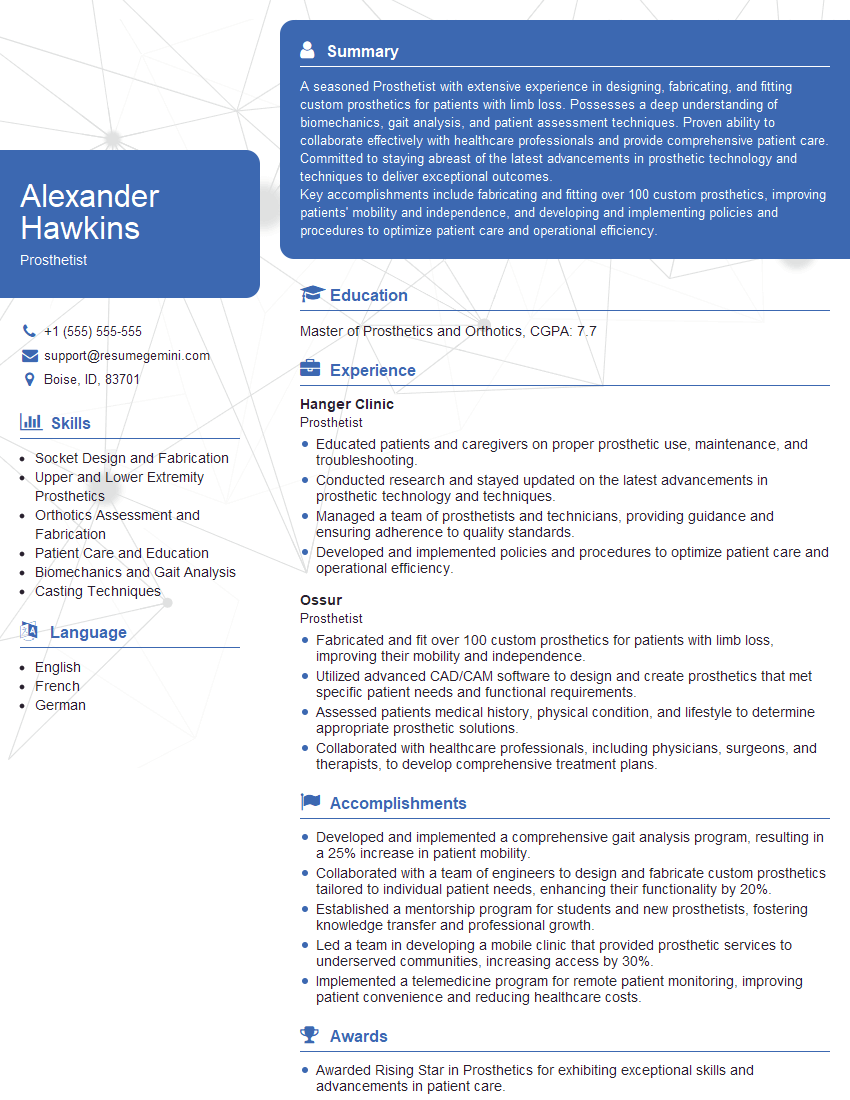
Prosthetist Resume Sample
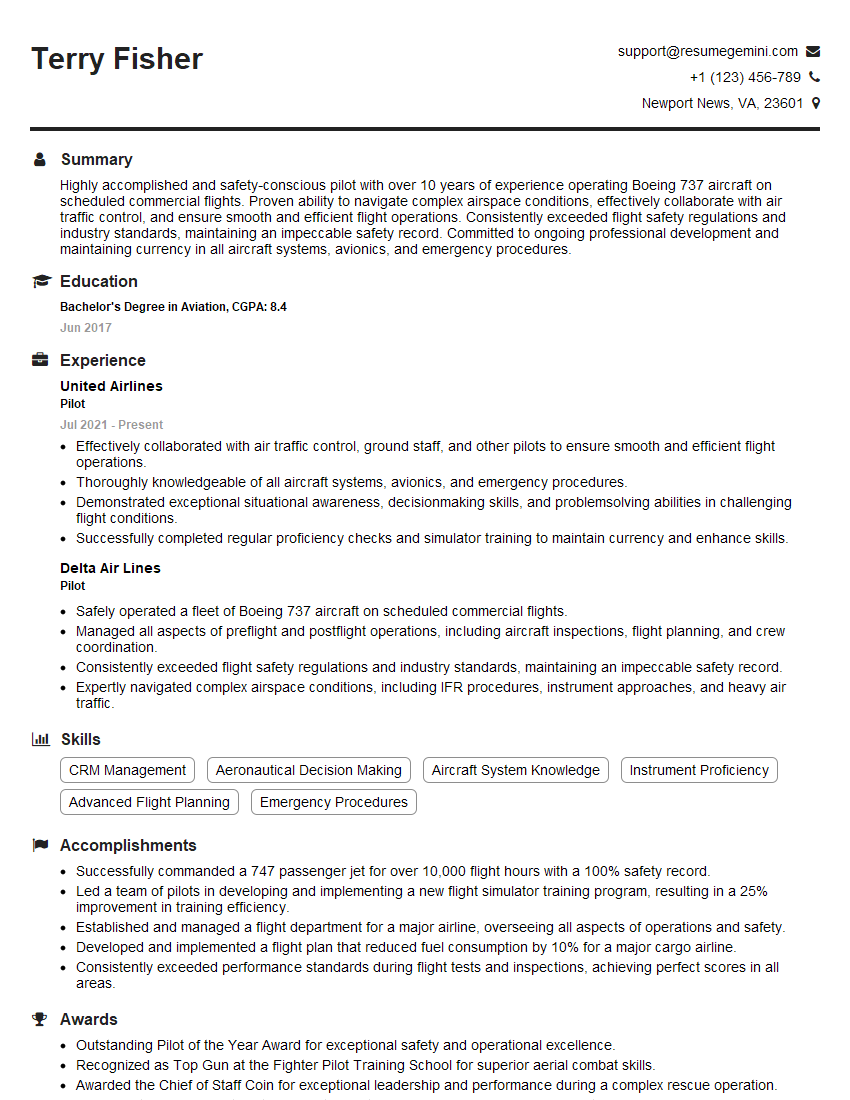
Pilot Resume Sample
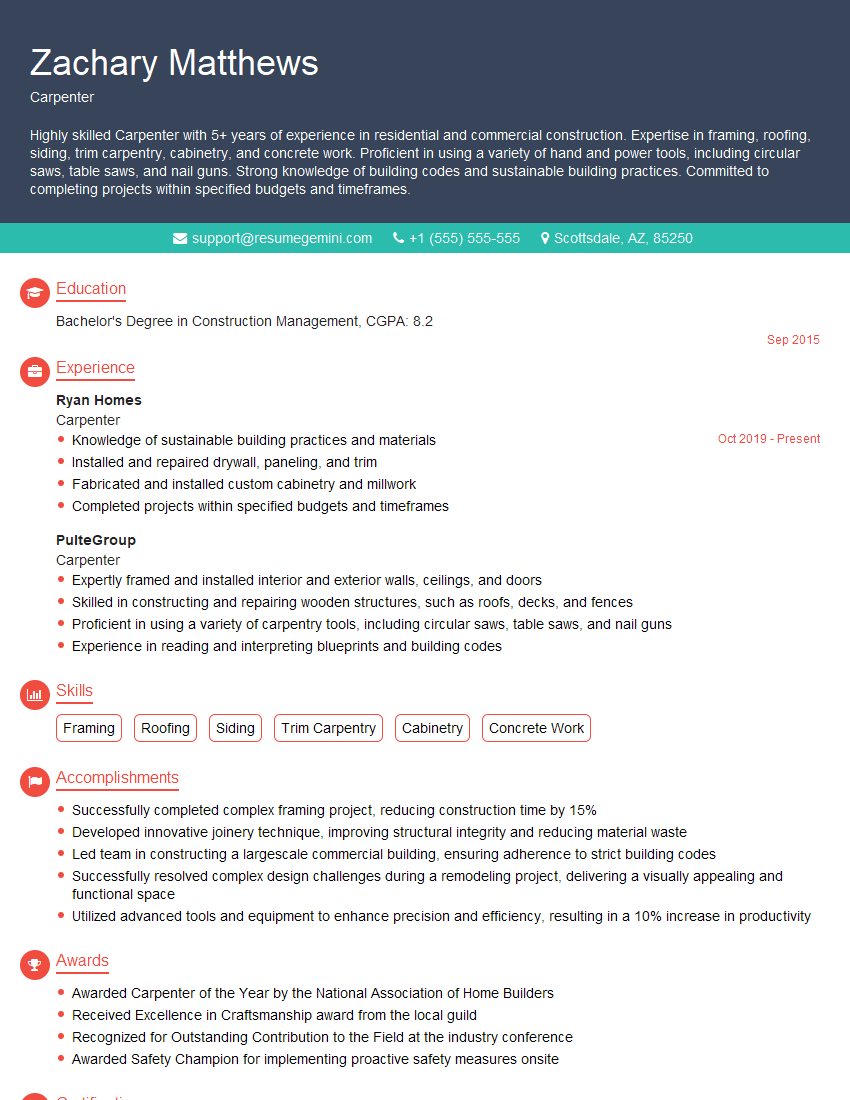
Carpenter Resume Sample
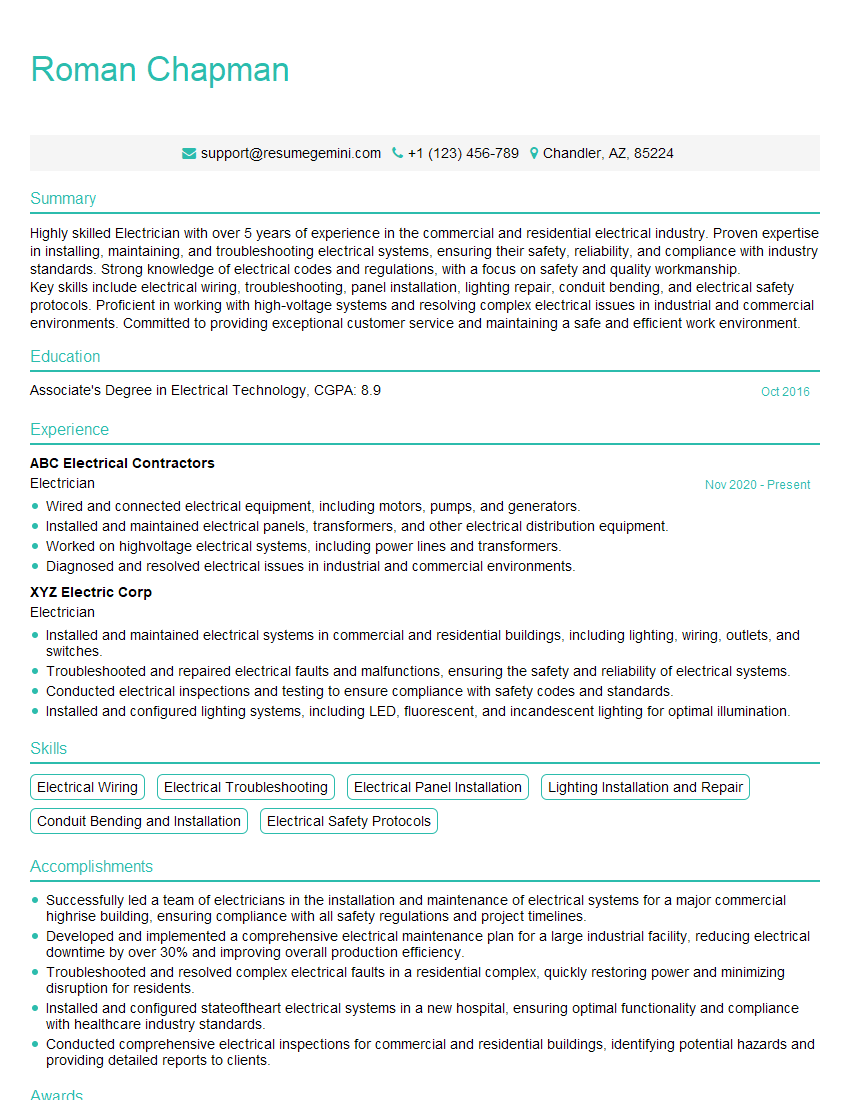
Electrician Resume Sample
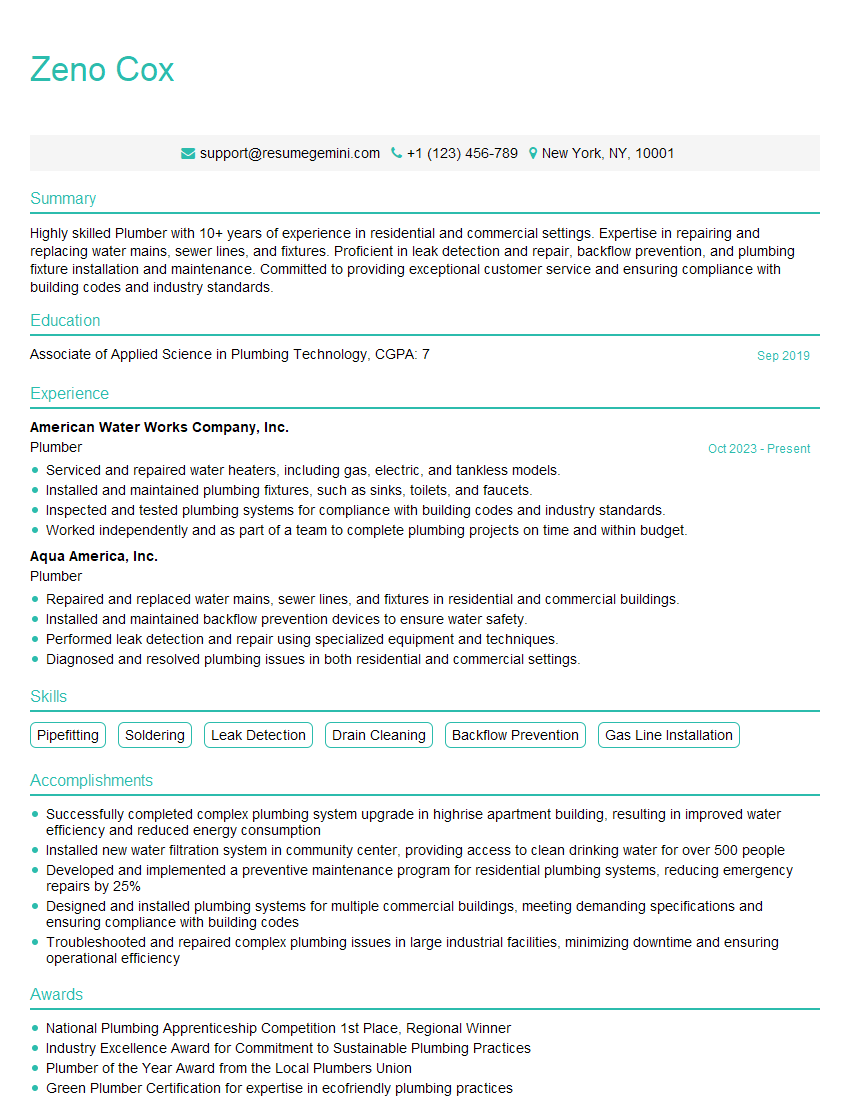
Plumber Resume Sample
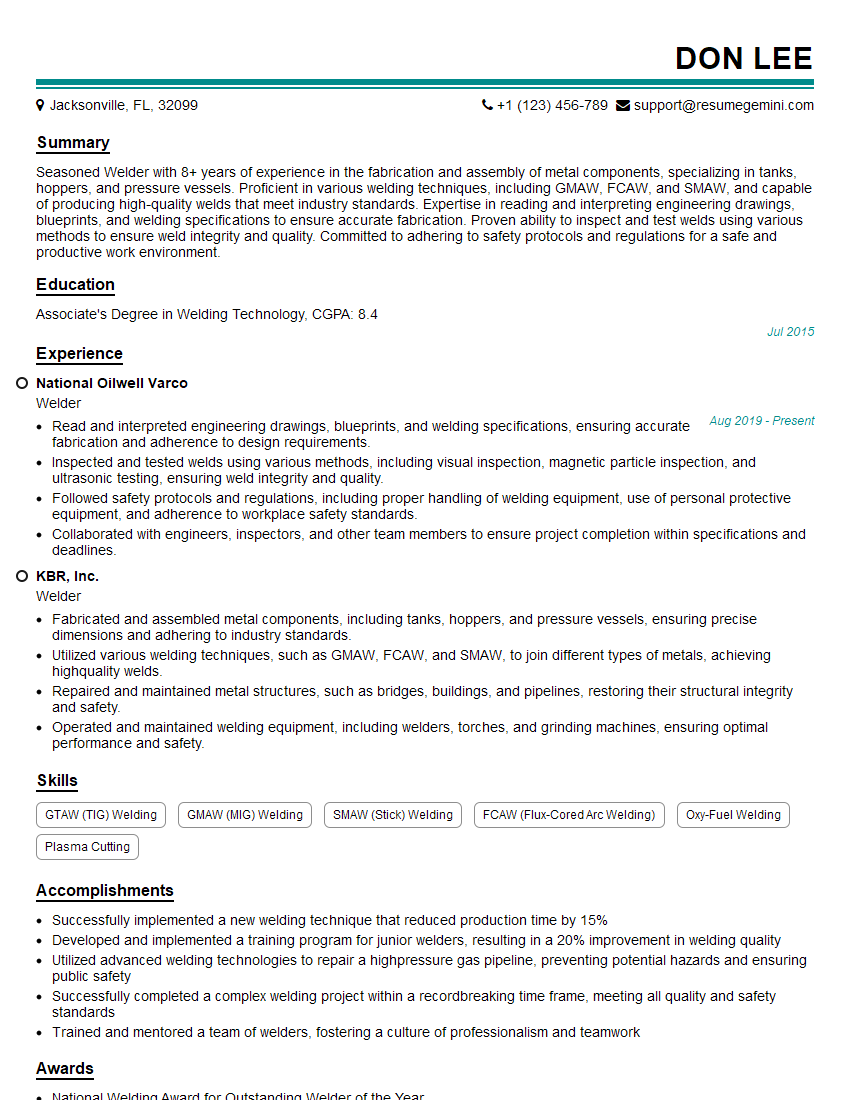
Welder Resume Sample
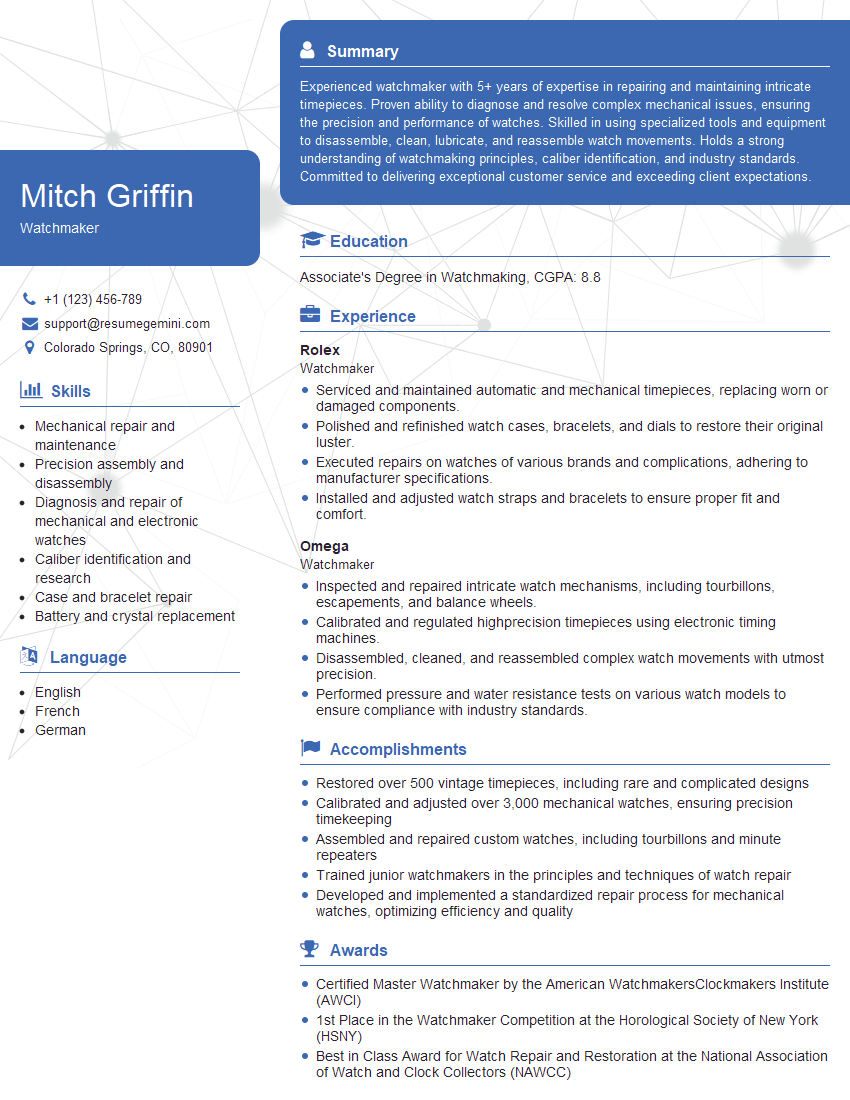
Watchmaker Resume Sample
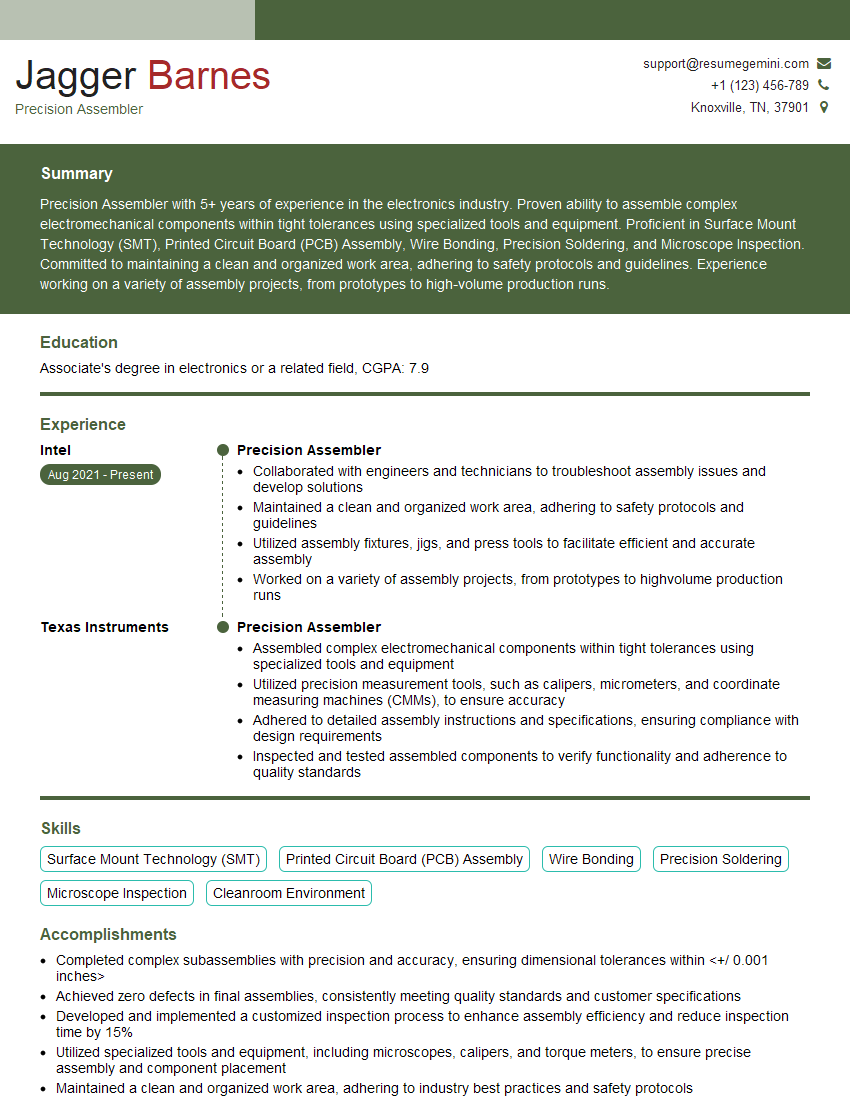
Precision Assembler Resume Sample
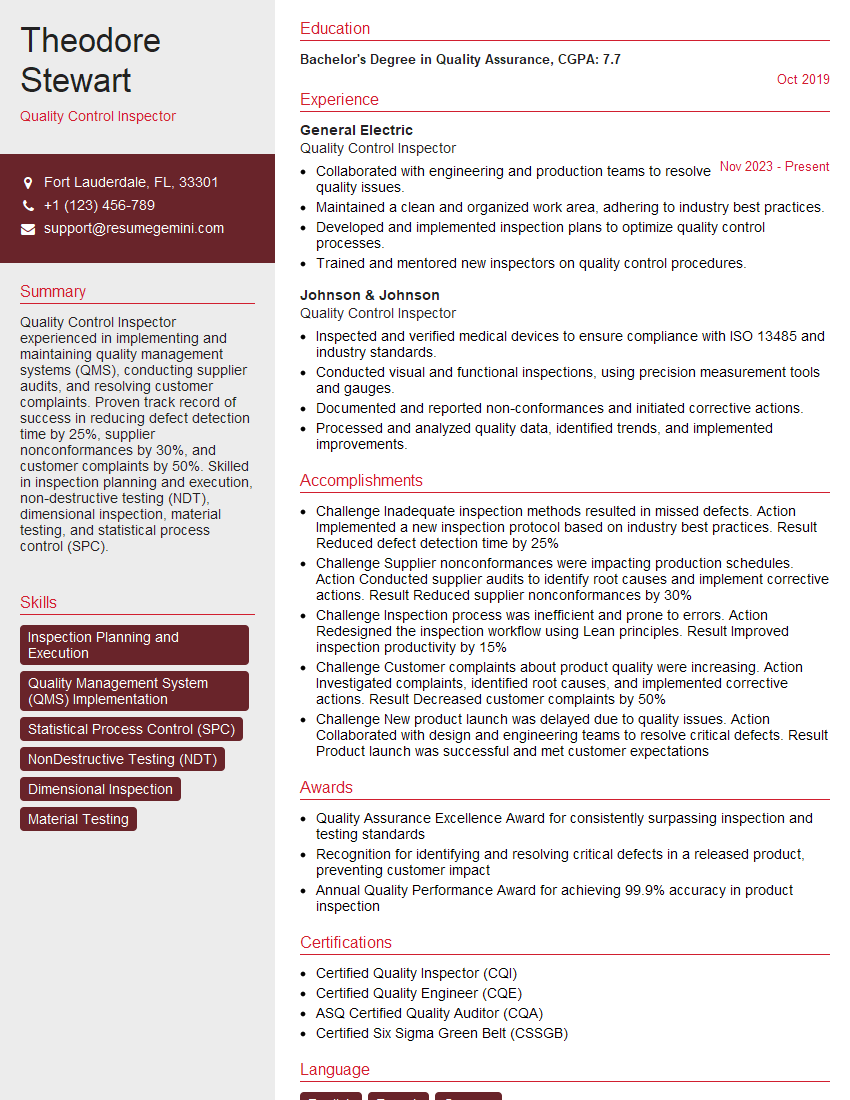
Quality Control Inspector Resume Sample
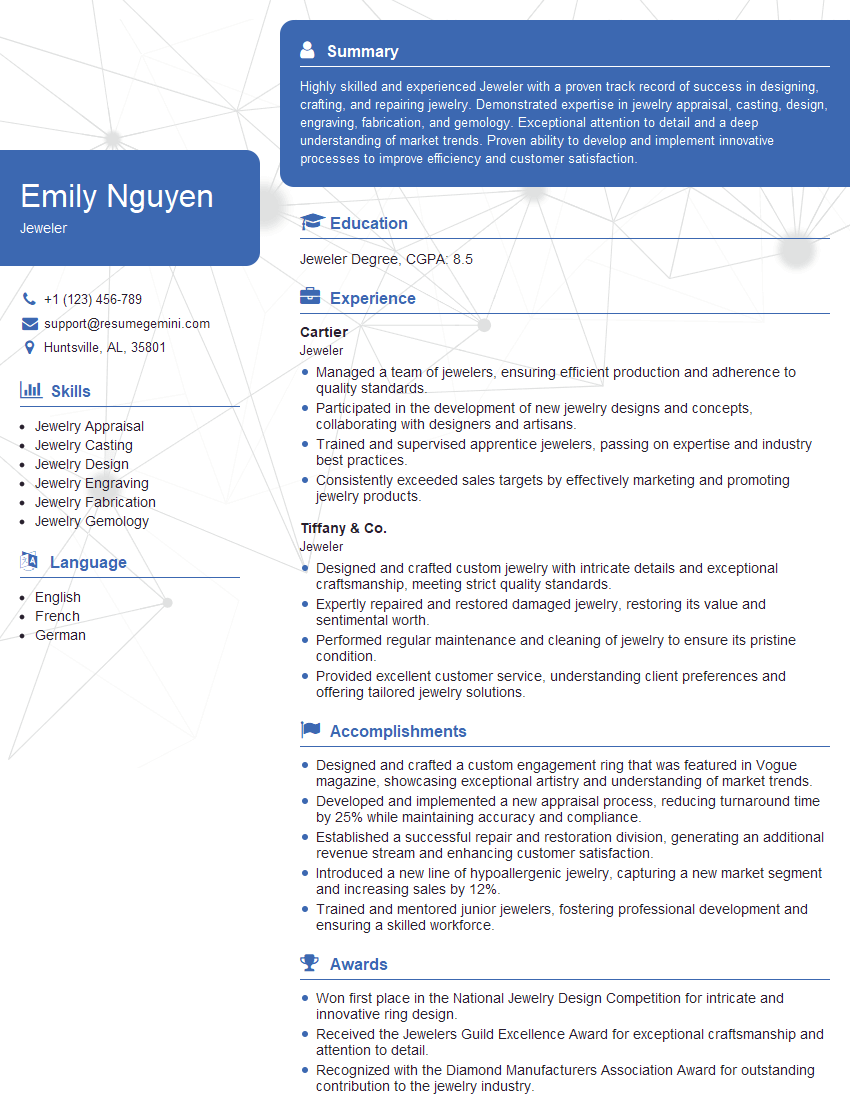
Jeweler Resume Sample
Explore more articles
Users Rating of Our Blogs
Share Your Experience
We value your feedback! Please rate our content and share your thoughts (optional).
What Readers Say About Our Blog
Very informative content, great job.
good